


 购物车
购物车 个人中心
个人中心
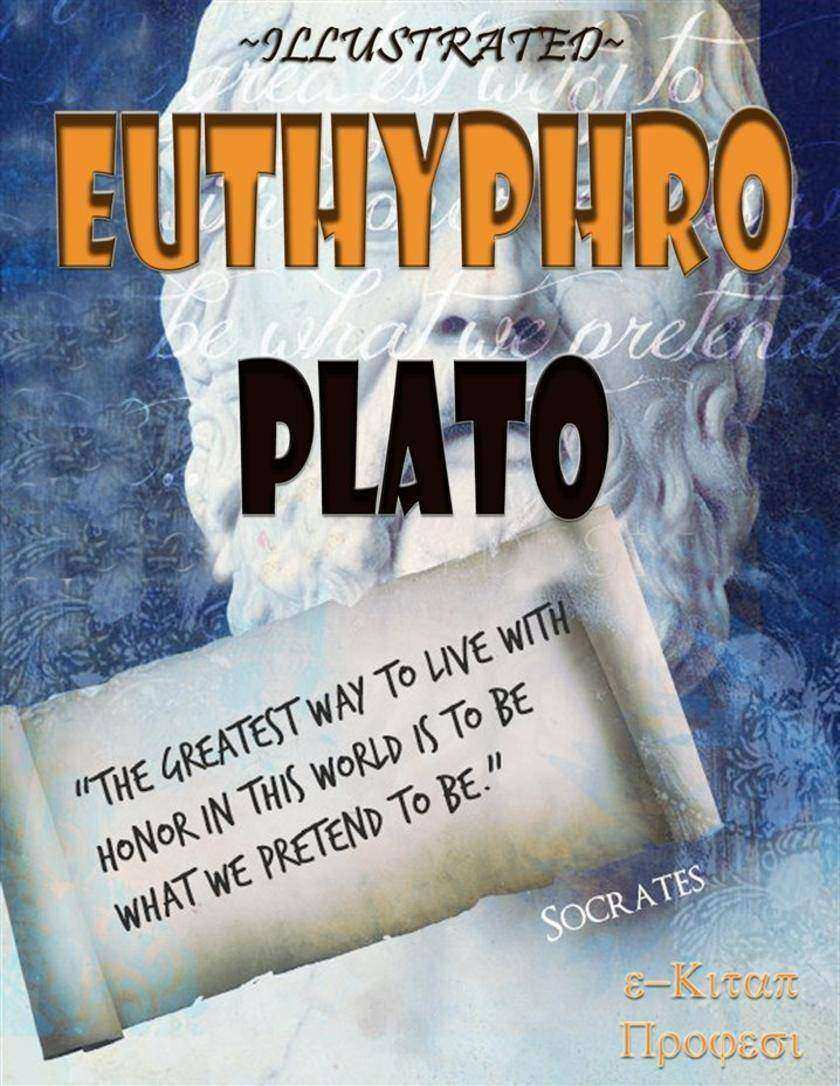
Euthyphro
¥9.24
On the Origin of Species, published on 24 November 1859, is a work of scientific literature by Charles Darwin which is considered to be the foundation of evolutionary biology. Its full title was On the Origin of Species by Means of Natural Selection, or the Preservation of Favoured Races in the Struggle for Life. For the sixth edition of 1872, the short title was changed to The Origin of Species. Darwin's book introduced the scientific theory that populations evolve over the course of generations through a process of natural selection. It presented a body of evidence that the diversity of life arose by common descent through a branching pattern of evolution. Darwin included evidence that he had gathered on the Beagle expedition in the 1830s and his subsequent findings from research, correspondence, and experimentation. Various evolutionary ideas had already been proposed to explain new findings in biology. There was growing support for such ideas among dissident anatomists and the general public, but during the first half of the 19th century the English scientific establishment was closely tied to the Church of England, while science was part of natural theology. Ideas about the transmutation of species were controversial as they conflicted with the beliefs that species were unchanging parts of a designed hierarchy and that humans were unique, unrelated to other animals. The political and theological implications were intensely debated, but transmutation was not accepted by the scientific mainstream. The book was written for non-specialist readers and attracted widespread interest upon its publication. As Darwin was an eminent scientist, his findings were taken seriously and the evidence he presented generated scientific, philosophical, and religious discussion. The debate over the book contributed to the campaign by T. H. Huxley and his fellow members of the X Club to secularise science by promoting scientific naturalism. Within two decades there was widespread scientific agreement that evolution, with a branching pattern of common descent, had occurred, but scientists were slow to give natural selection the significance that Darwin thought appropriate. During the "eclipse of Darwinism" from the 1880s to the 1930s, various other mechanisms of evolution were given more credit. With the development of the modern evolutionary synthesis in the 1930s and 1940s, Darwin's concept of evolutionary adaptation through natural selection became central to modern evolutionary theory, and it has now become the unifying concept of the life sciences. Summary of Darwin's theory: Darwin's theory of evolution is based on key facts and the inferences drawn from them, which biologist Ernst Mayr summarised as follows: ? Every species is fertile enough that if all offspring survived to reproduce the population would grow (fact).? Despite periodic fluctuations, populations remain roughly the same size (fact).? Resources such as food are limited and are relatively stable over time (fact).? A struggle for survival ensues (inference).? Individuals in a population vary significantly from one another (fact).? Much of this variation is inheritable (fact).? Individuals less suited to the environment are less likely to survive and less likely to reproduce; individuals more suited to the environment are more likely to survive and more likely to reproduce and leave their inheritable traits to future generations, which produces the process of natural selection (inference).? This slowly effected process results in populations changing to adapt to their environments, and ultimately, these variations accumulate over time to form new species (inference).
Falling in Love
¥18.74
Art, with its finite means, cannot hope to record the infinite variety and com-plexity of Nature, and so contents itself with a partial statement, addressing this to the imagination for the full and perfect meaning. This inadequation, and the artificial ad-justments which it involves, are tolerated by right of what is known as artistic convention; and as each art has its own particular limitations, so each has its own particular conventions. Sculpture reproduces the forms of Nature, but discards the color without any shock to our ideas of verity; Painting gives us the color, but not the third dimension, and we are satisfied; and Architecture ispurely conventional, since it does not even aim at the imitation of natural form. The Conventions of Line Drawing,Of the kindred arts which group themselves under the head of Painting, none is based on such broad conventions as that with which we are immediately concerned—the art of Pen Drawing. In this medium, Nature's variety of color, when not positively ignored, is suggested by means of sharp black lines, of varying thickness, placed more or less closely together upon white paper; while natural form depends primarily for its representation upon arbitrary boundary lines. There is, of course, no authority in Na-ture for a positive outline: we see objects only by the difference in color of the other objects behind and around them. The technical capacity of the pen and ink medium, however, does not provide a value corresponding to every natural one, so that a broad interpretation has to be adopted which eliminates the less positive values; and, that form may not likewise be sacrificed, the outline becomes necessary, that light objects may stand relieved against light. This outline is the most characteristic, as it is the most indispensable, of the conventions of line drawing. To seek to abolish it only involves a resort to expedients no less artificial, and the results of all such attempts, dependent as they necessarily are upon elaboration of color, and a general indirectness of method, lack some of the best characteristics of pen drawing. More frequently, however, an elaborate color-scheme is merely a straining at the technical limitations of the pen in an effort to render the greatest possible number of values. It may be worth while to inquire whether excellence in pen drawing consists in thus dispensing with its recognized conventions, or in otherwise taxing the technical re-sources of the instrument. This involves the question of Style,—of what characteristic pen methods are,—a question which we will briefly consider...

Csillagpuszta
¥22.97
A kosaras srácok t?rténete folytatódik! Valaki felgyújtja Sédar klubját. Nyolcszornyolc, az edz? kizártnak tartja, hogy a Sharks csapatának k?ze legyen a dologhoz. A gyanúsítottak k?re azonban egyre b?vül, el?veszik a játékosokat is: Tunyát, aki mindig kül?nck?dik, Levet, aki visszahúzódó és félénk, Grimaszt, aki a legkisebb provokációból is balhét csinál. ?s ha mindez nem volna elég, Stifti, aki a szép szál Sédar iránti féltékenységét soha sem titkolta, ezúttal Szilviával is ?sszekap. Ráadásul Porto Vecchio hárompontosakat szóró királyn?je is eltitkol valamit. A Sharksnak a nagy izgalmak k?zepette is meg kell ?riznie higgadtságát, hogy legy?zhessék a Templomosokat.
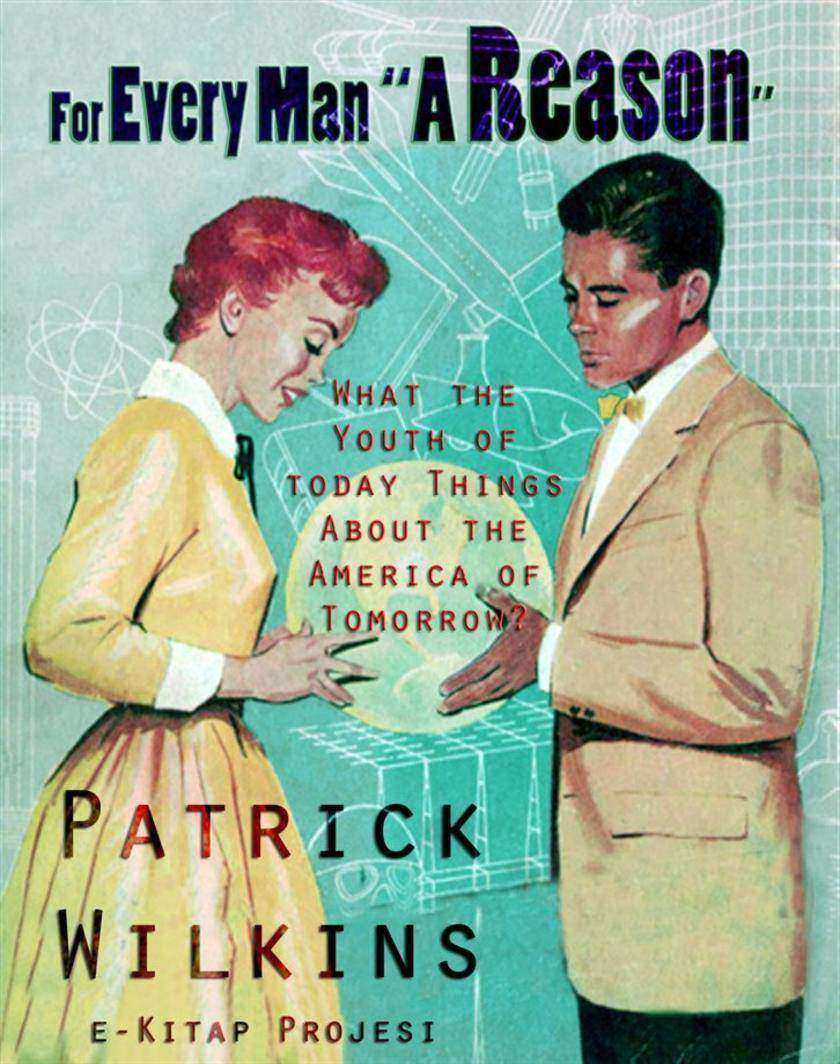
For Every Man A Reason
¥4.58
He stood watching while George Atkinson spun around, dark eyes flashing, hair tousled. There was a two days' growth of beard darkening Atkinson's face. "Why, George," Loveral said, swiftly examining the litter of metal and wood which was spread over a table behind Atkinson. There was a home-made hammer in Atkinson's hand. "What have we here, George?""Something for you," Atkinson said, tightening his fingers about the handle of the hammer.Loveral grinned his famous Loveral grin. "That's fine. What could it be?" "None of your damned business.""George," Loveral said, his smile still white but his eyes narrow and quick.The woman was behind them. Her voice screeched. "George, I told you. Why didn't you listen, George? You should have listened to me. You—" Loveral held up a hand, still watching Atkinson. "Now tell me, George, what is it you're making for me?"Atkinson raised the hammer slightly.Loveral stood very still. "That's a nice hammer, George."Atkinson's eyes were black beneath his thick brows."You made that, didn't you?" Loveral asked."Yes, I made that," Atkinson said. "I made that and I made something else. Another minute and I'll have that finished, too." "George," said Loveral, stepping quietly forward, "I don't like to say this, of course. You've been one of our very best members. But nobody works here, George. We can't allow that. You know the rules." "I know the rules, all right.""Well, then," Loveral said, extending his hand toward the hammer, "we'll just destroy this and whatever else you might have been making. We'll just forget it ever happened. We'll get along real fine that way, George. We'll just be such good friends.""We'll just go to hell," said Atkinson, snatching his hammer away. Loveral's smile disappeared. "I'll tell you, George. I have to mean business with this. You know the reasons. If we allow anybody to work here, then there's going to be trouble. That isn't our plan. We're here to grow within ourselves and expand culturally. Not to commercialize a beautiful world like Dream Planet."

Csak semmi háború!
¥19.87
Csak semmi háború!

Er?ltetett menet
¥22.73
Er?ltetett menet

Romana 483. (?trendezem az életed)
¥18.74
Romana 483. (?trendezem az életed)

A b?v?s sziget
¥28.53
A b?v?s sziget

Bianca 248. (Szóbeszéd)
¥18.74
Bianca 248. (Szóbeszéd)

A varázsló elt?ri pálcáját
¥28.53
A varázsló elt?ri pálcáját

Szívhang kül?nszám 32. k?tet
¥37.36
Szívhang kül?nszám 32. k?tet

Júlia 492. (Szerelemr?l szó sem volt)
¥18.74
Júlia 492. (Szerelemr?l szó sem volt)

A kozákok
¥28.53
A kozákok
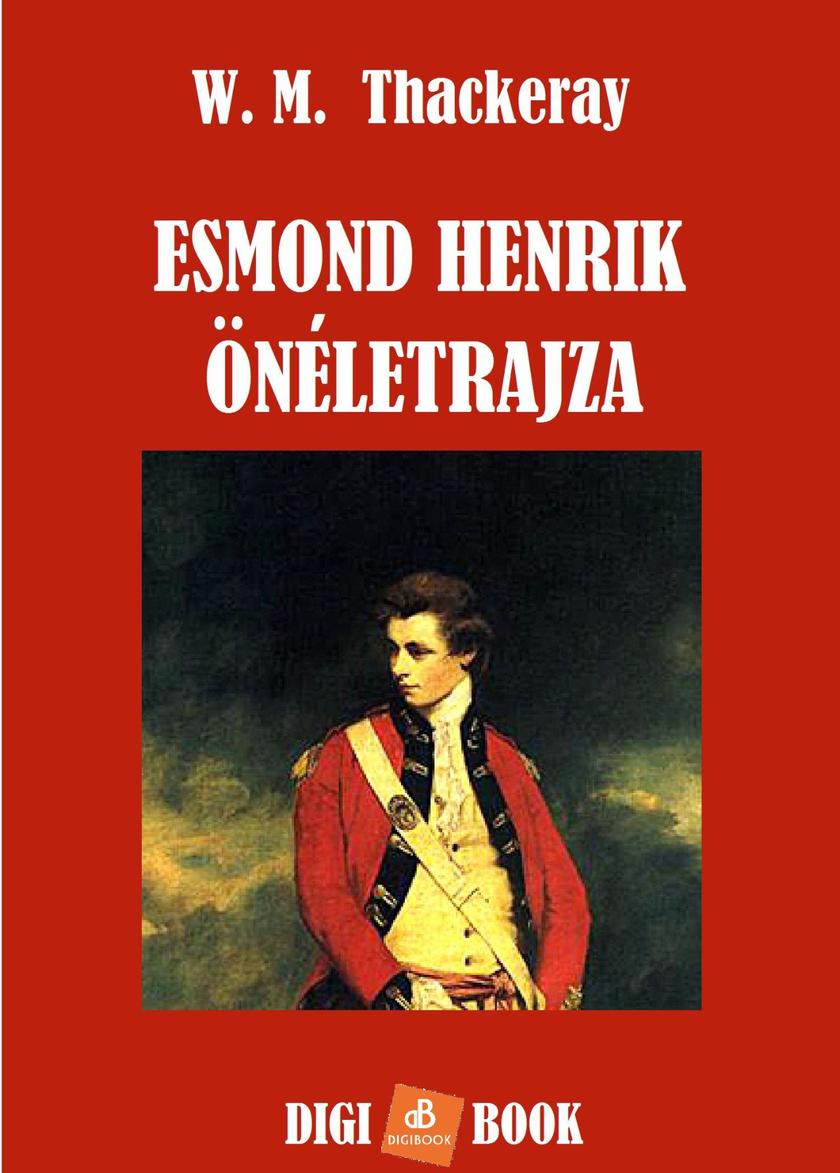
Esmond Henrik ?néletrajza
¥25.67
Esmond Henrik ?néletrajza

Romana 480. (Gy?r? k?lcs?nbe)
¥18.74
Romana 480. (Gy?r? k?lcs?nbe)

Hajnali cigaretta
¥25.67
Hajnali cigaretta

A tisztesség nevében
¥22.73
A tisztesség nevében
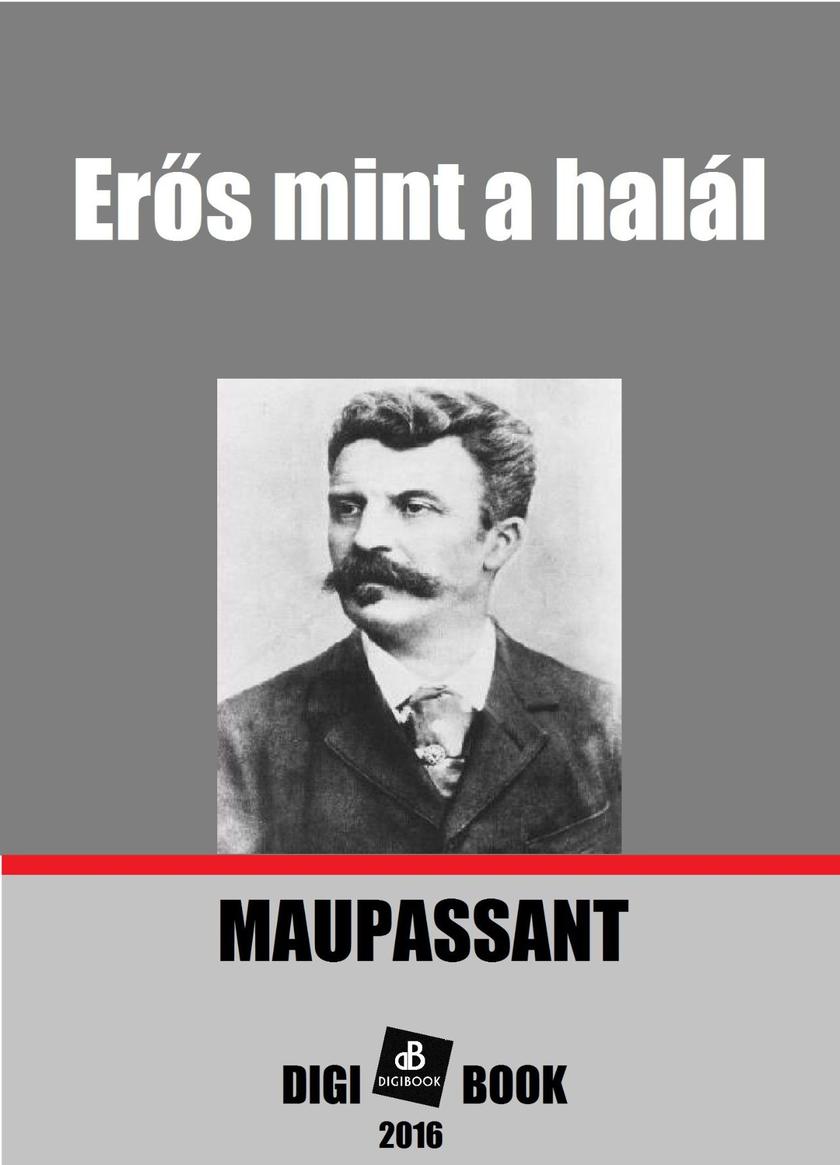
Er?s mint a halál
¥28.53
Er?s mint a halál

Romana 477. (Szerelmes a szakácsn?)
¥18.74
Romana 477. (Szerelmes a szakácsn?)

A távolság relatív
¥53.63
A távolság relatív
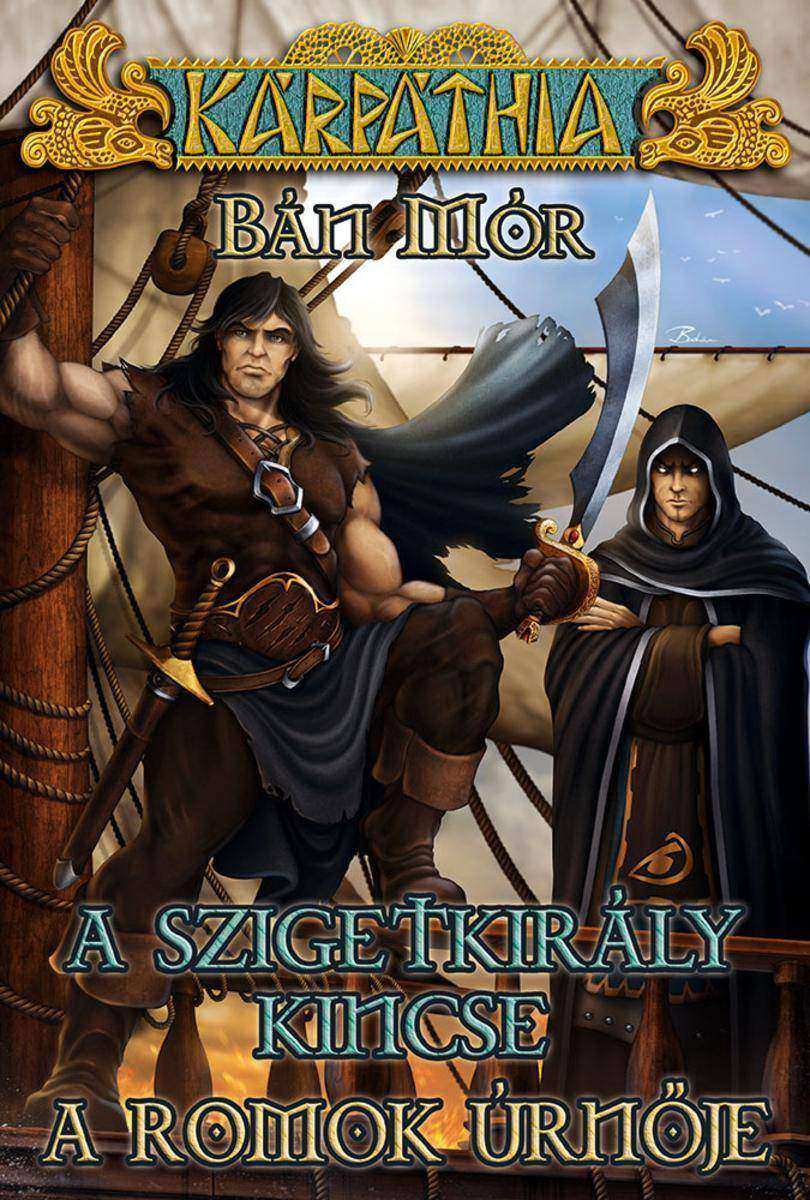
A szigetkirály kincse
¥51.58
A szigetkirály kincse


