


 购物车
购物车 个人中心
个人中心
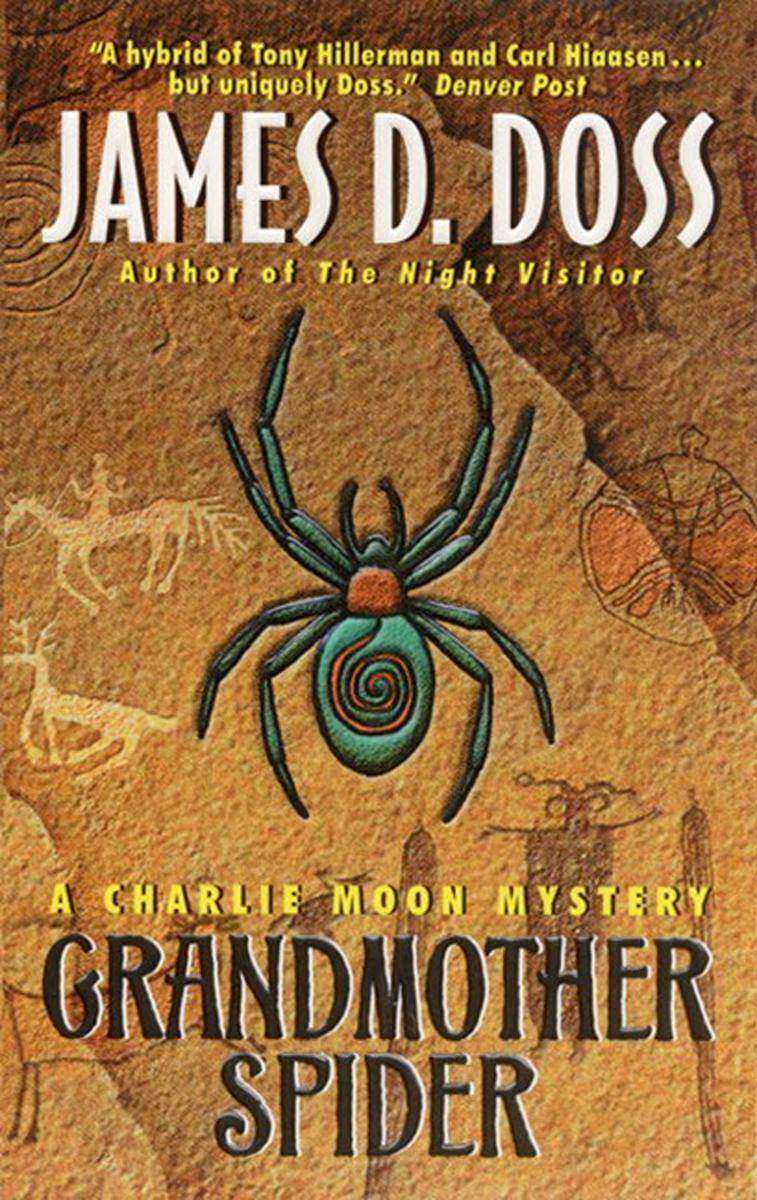
Grandmother Spider
¥55.91
A lawman with a hardy appetite for life and an unshakable faith in the explicable, Southern Ute Acting Chief of Police Charlie Moon is not prepared to accept a purely supernatural explanation for the recent strange events of April 1. Nevertheless, something carried off Tommy Tonompicket and his unlikely drinking companion, research scientist William Pizinski, in the black chill of the Colorado night. And something ripped the head off a man outside a lonely cabin in the mountains...and left two large, fanglike punctures in his chest. And though Charlie's eccentric old aunt, the shaman Daisy Perika, claims the gargantuan avenging arachnid Grandmother Spider has risen up from the depths of Navajo Lake, the hulking, good-natured tribal policeman feels in his gut that this is murder, pure if not simple, and most probably by human hands.

In The Garden Of The North American Martyrs
¥77.26
Among the characters you'll find in this collection of twelve stories by Tobias Wolff are a teenage boy who tells morbid lies about his home life, a timid professor who, in the first genuine outburst of her life, pours out her opinions in spite of a protesting audience, a prudish loner who gives an obnoxious hitchhiker a ride, and an elderly couple on a golden anniversary cruise who endure the offensive conviviality of the ship's social director.Fondly yet sharply drawn, Wolff's characters stumble over each other in their baffled yet resolute search for the "right path."
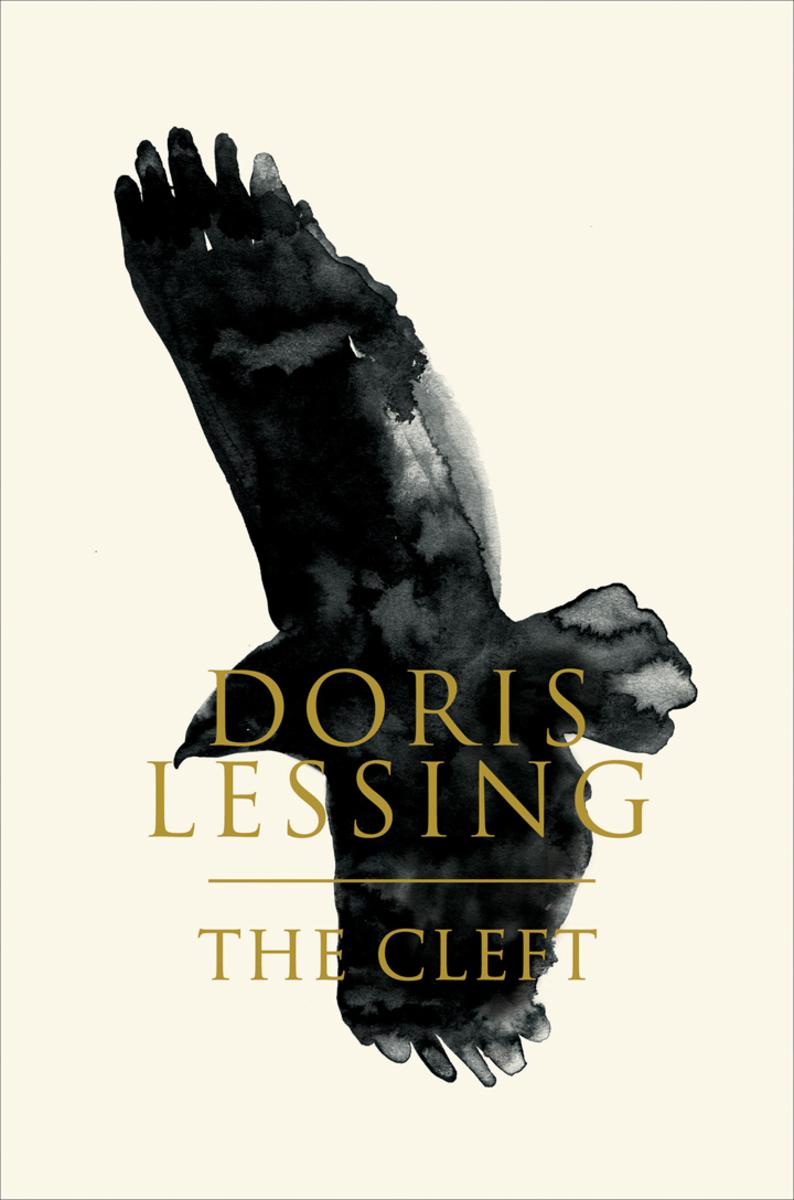
The Cleft
¥83.03
From Doris Lessing, "one of the most important writers of the past hundred years" (Times of London), comes a brilliant, darkly provocative alternative history of humankind’s beginnings.In the last years of his life, a Roman senator embarks on one final epic endeavor, a retelling of the history of human creation. The story he relates is the little-known saga of the Clefts, an ancient community of women with no knowledge of nor need for men. Childbirth was controlled through the cycles of the moon, and only female offspring were born—until the unanticipated event that jeopardized the harmony of their close-knit society: the strange, unheralded birth of a boy.

The Family Fortune
¥84.16
Jane Fortune's fortunes have taken a downturn. Thanks to the profligate habits of her father and older sister, the family's money has evaporated and Jane has to move out of the only home she's ever known: a stately brick town house on Boston's prestigious Beacon Hill. Thirty-eight and terminally single, Jane has never pursued idle pleasures like her sibling and father. Instead, she has devoted her time to running the Fortune Family Foundation, a revered philanthropic institution that has helped spark the careers of many a budding writer, including Max Wellman, Jane's first—and only—love. Now Jane has lost her luster. Max, meanwhile, has become a bestselling novelist and a renowned literary lothario. But change is afoot. And in the process of saving her family and reigniting the flames of true love, Jane might just find herself becoming the woman she was always meant to be.
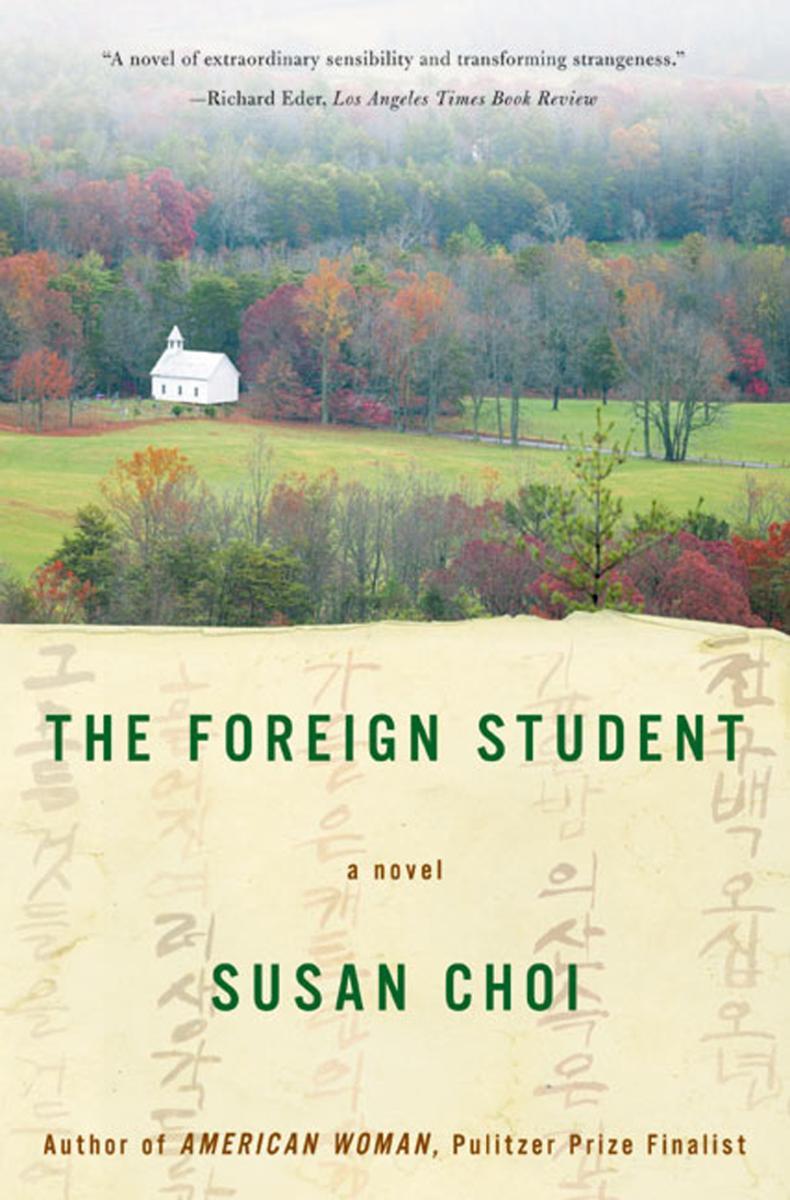
The Foreign Student
¥83.03
Highly acclaimed by critics, The Foreign Student is the story of a young Korean man, scarred by war, and the deeply troubled daughter of a wealthy Southern American family. In 1955, a new student arrives at a small college in the Tennessee mountains. Chuck is shy, speaks English haltingly, and on the subject of his earlier life in Korea he will not speak at all. Then he meets Katherine, a beautiful and solitary young woman who, like Chuck, is haunted by some dark episode in her past. Without quite knowing why, these two outsiders are drawn together, each sensing in the other the possibility of salvation. Moving between the American South and South Korea, between an adolescent girl's sexual awakening and a young man's nightmarish memories of war, The Foreign Student is a powerful and emotionally gripping work of fiction.

My Soul to Take
¥84.16
Long-buried secrets go hand in hand with modern-day murder in this second thriller featuring attorney Thóra Gudmundsdóttir from Iceland's queen of crime fictionWhen the body of a young woman—badly beaten and with pins inserted into her feet—is found at a New Age health resort in a renovated farmhouse, lawyer and single mother of two Thóra Gudmundsdóttir is called upon to represent the chief suspect, the resort's owner. But upon her arrival she encounters more than a fresh corpse—local legend has it that the resort, located in the mystical region of Sn?fellsnes on Iceland's west coast, is haunted. At first Thóra dismisses the claims as nothing more than myth and superstition, but even she can't explain the bizarre occurrences she witnesses in her search for answers. As Thóra digs deeper into the farm's past, she discovers long-buried information on the property's disturbing history, and her once-solid view of reality begins to waver. Are the hauntings real, or just a case of folklore gone wildAnd, more important, does the farm's eerie past have something to do with the murderWhen another body is discovered—looking very much like the first—Thóra is forced to put aside her doubts and confront the horrors of the present before a twisted killer strikes again.With its confident plotting, chilling atmosphere, and smart, compelling heroine, My Soul to Take confirms Yrsa Sigurdardóttir as a new maven of mysteries.

Emeril's Kicked-Up Sandwiches
¥140.29
More than 100 simple, flavorful recipe s for the world's best sandwiches and the bread s and condiments that make them shine!From classic favorites to unique culinary creations, Emeril's Kicked-Up Sandwiches serves up recipes for every skill level and palate. Whether it's a savory breakfast wrap, an easy on-the-go lunch, or a satisfying supper, here are delicious possibilities catering to any meal: All Wrapped Up—Chopped Salad Wrap with Pan-Roasted Chicken, Roquefort, and Bacon; Falafel with Cucumber, Onion, and Tomato SaladBreakfast and Brunch—Emeril's Smoked Salmon Bagel with Mascarpone Spread; Breakfast Burrito with Chorizo, Black Beans, and Avocado CremaKicked-Up Classics—The Reuben; Fried Soft-Shelled Crab Sandwiches with a Lemon Caper Mayo; Emeril's Monte CristoLunchbox: Sandwiches That Travel!—Egg Salad Supreme; Roast Beef Sandwich with French Onion Dip and Crispy Shallots; Curried Chicken Salad on Pumpernickel Pressed and Grilled—Grilled Peanut Butter, Banana, and Honey; The Cuban; Spicy Eggplant with Mozzarella and BasilSweet Sandwiches—Ginger Ice Cream Sandwiches with Ginger Molasses Cookies; Red Velvet Whoopee PiesEmeril's Kicked-Up Sandwiches goes beyond generic tuna salad and turkey on whole wheat, introducing a range of international flavors, as well as combinations of hearty breads and versatile, flavorful condiments for any occasion—and even leaves room for dessert. With recipes that save time without sacrificing flavor, Emeril's latest cookbook is sure to delight sandwich lovers everywhere.

Heat Rises
¥20.92
Snowbound in a cabin . . . able to live out all her fantasies . . .Laura Barber has dreamt of doing unspeakably delicious things with Ethan Gould for years. Now, stuck in a mountain cabin, she just might get her shot. Ethan offers her the chance to live out each and every one of those desires. They may be rivals in the business world, but in the bedroom they're a perfect match. Knowing they have only a few days, Laura shakes off all her inhibitions. Every secret need, every lust-filled thought . . . it's all fair game.

The cLEAN Momma Workout
¥95.39
Lose weight, get fit, and stay healthy while you clean your house!With an endless to-do list getting in the way of her workout time, busy mom Carolyn Barnes decided to take matters into her own hands. She created the ultimate multitasking program: The cLEAN Momma Workout. Soon she was losing weight fast and her home was cleaner than ever.Barnes's Taskercise program will allow you to get fit, lose weight, and have fun—all while making your home sparkling clean. You'll get both your home and your body in shape, no matter where your household chores take you. Just a few of the Taskercises you'll learn are:In the kitchen:The Rag Drag Cupboard Calf RaiseIn the living room:The Vacuum Lunge Pillow Plump and PumpWhile doing laundry :Detergent Bottle Dumbbells The Laundry Leg LiftWith Taskercise, you can stay active anywhere: in the car, at the playground, in the supermarket, on an airplane, at the pool, and at the gas station. In addition, dozens of healthy, kid-friendly recipes make cLEAN eating possible for the whole family. Get more out of life with The cLEAN Momma Workout, and discover how easy it is to look and feel great while taking care of everything on a modern family's to-do list.
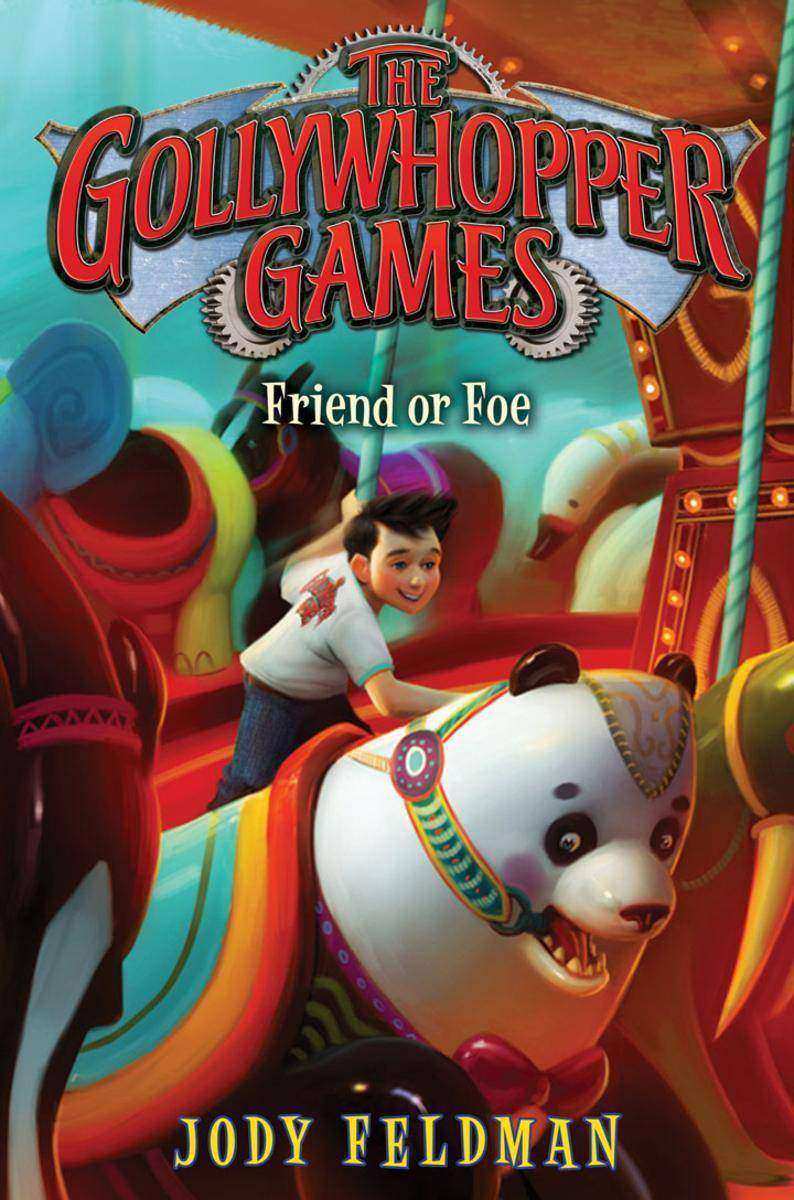
The Gollywhopper Games: Friend or Foe
¥39.24
Chock-full of puzzles, riddles, and challenges for the reader to solve along with the main characters, this companion to the first two Gollywhopper Games books offers readers plenty of action and fun. The perfect choice for fans of Escape from Mr. Lemoncello's Library, Charlie and the Chocolate Factory, and Chasing Vermeer.Zane is not that interested in the Gollywhopper Games. He'd rather play football and is sure that he's headed straight for the NFL. But when he gets his second concussion, his parents tell him, "No football for a year." Instead, to his surprise, he gets a chance to compete in the Gollywhopper Games. Zane's sense of strategy, his physical strength, and his competitive edge are all assets, and so is his ability to motivate his teammates and get them to work together. Zane becomes particularly close to Elijah, a young and scrawny genius who is friendly, awkward, and funny—Zane's polar opposite. These two unlikely friends end up head-to-head in the final challenge, where Elijah's quick thinking and Zane's physical strength make it a tough fight. This is a fun and fast-paced and interactive read for fans of The Mysterious Benedict Society.
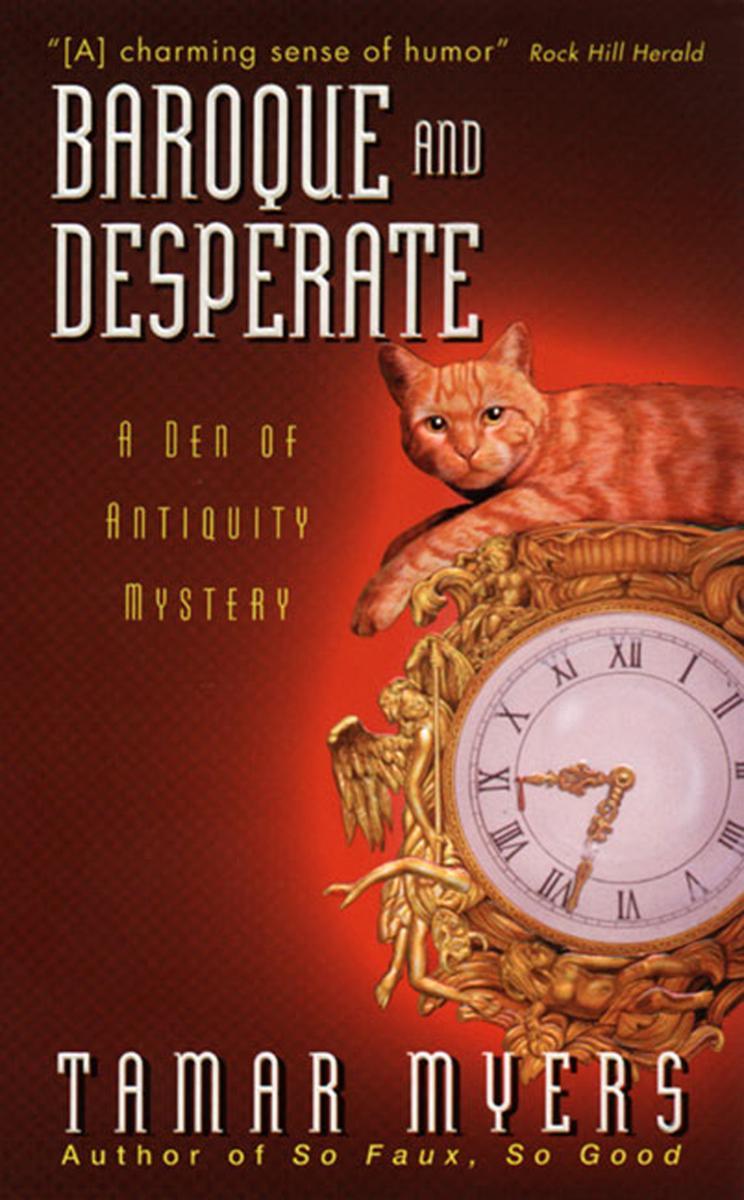
Baroque and Desperate
¥49.05
In a Treasure-Laden MansionUnflappable and resourceful, Abigail Timberlake, antique dealer and owner of Charlotte, North Carolina's Den of Antiquity, relies on her knowledge and savvy to authenitcate the facts from the fakes when it comes to either curios or people. Her expertise makes Abby invaluable to exceptionally handsome Tradd Maxwell Burton, wealthy scion of the renowned Latham family. He needs her to determine the most priceless item in the Latham mansion and then split the proceeds of it with her. A treasure hunt in an antique-filled manorAll Abby can say is "let the games begin."It's Tough to Keep HelpAccompanied by her best girlfriend, C.J., Abby arrives at the estate and is met with cool reserve, if no downright rudeness, from the members of the Latham clan. Trying to carry out Tradd's request, Abby finds that she could cut the household tension with a knife. But someone has beaten her to it by stabbing a maid to death with an ancient kris. Suddenly all eyes are on C.J., whose fingerprints happen to be all over the murder weapon. it's up to Abby to use her knack for detecting forgeries to expose the fake alibi of the genuine killer.

Beautiful World
¥43.55
Amelia Warner will stop at nothing to get what she wants: everything. Seventeen-year-old Amelia Warner is always on the outside. Moving from boarding school to boarding school with her brother and their father, the untenured professor, doesn't help. Amelia lives inches from the sons and daughters of the elite, forever looking in on the beautiful people. A natural-born charmer who doesn't lie so much as rework the truth to her advantage, Amelia is well-versed in the art of faking a high-society identity to get limited access to the luxe life, but she's never figured out how to truly belong. Then she meets Courtney Moore, the Upper East Side heiress who needs a friend as badly as Amelia wants to be that friend, and suddenly a world of opportunity opens up for her. Parties, shopping, her own wing in the Moore mansion—it's all hers for the taking, as long as she can keep her real life a secret, especially from the new acquaintance who's been asking way too many questions. Can Amelia stay one step ahead of the doubters to secure her place in the beautiful world?

Dangerous Angels
¥55.33
The Weetzie Bat series, by acclaimed author Francesca Lia Block, was listed among NPR's 100 Best-Ever Teen Novels. This collection brings together the five luminous novels of the series: Weetzie Bat, Witch Baby, Cherokee Bat and the Goat Guys, Missing Angel Juan, and Baby Be-Bop. Spinning a saga of interwoven lives and beating hearts, these postmodern fairy tales take us to a Los Angeles brimming with magical realism: a place where life is a mystery, pain can lead to poetry, strangers become intertwined souls, and everyone is searching for the most beautiful and dangerous angel of all: love.The Weetzie Bat books broke new ground with their stylized, lyrical prose and unflinching look at the inner life of teens. The New York Times declared Dangerous Angels was "transcendent." And the Village Voice proclaimed "Ms. Block writes for the young adult in all of us."
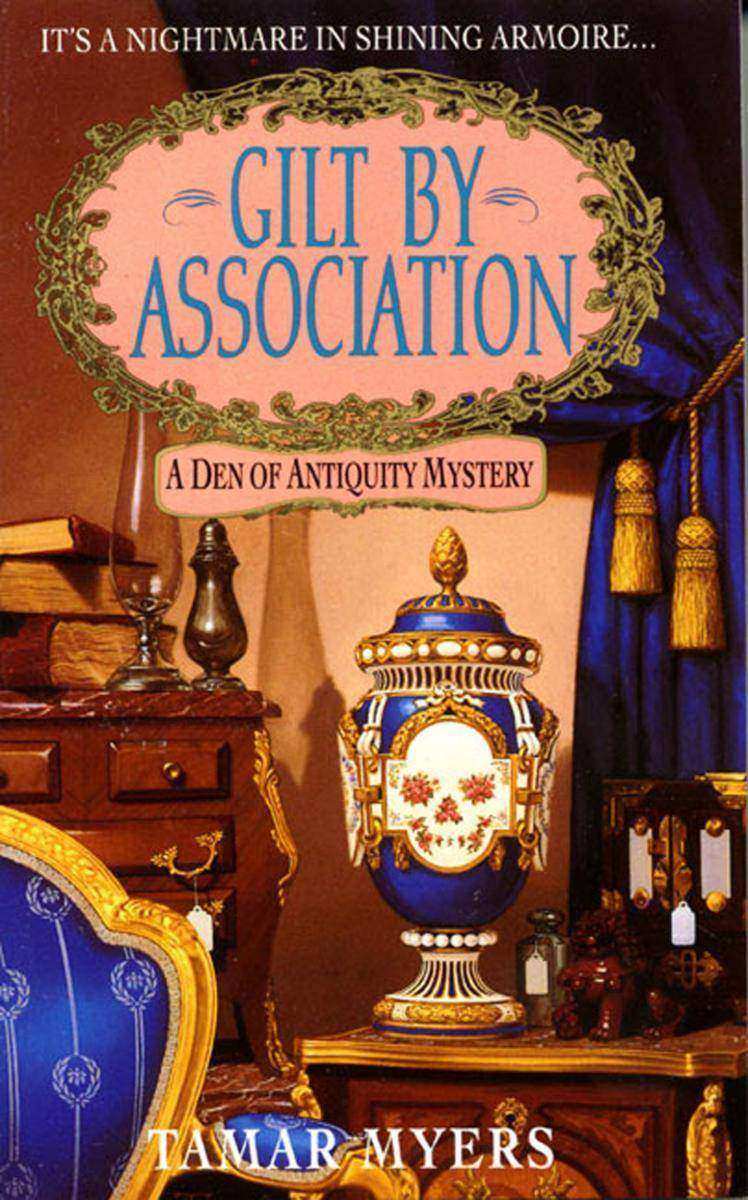
Gilt By Association
¥56.07
Petite, indomitable North Carolinian Abigail Timberlake rose gloriously up from the ashes of divorce--parlaying her savvy about exquisite old things into a thriving antiques enterprise: the Den of Antiquity. Now she's a force to be reckoned with in Charlotte's close-knit world of mavens, eccentrics and cuttthroat dealers. But a superb, gilt-edged 18th-century French armoire she purchased for a song at estate auction has just arrived along with something she didn't pay for: a dead body.Suddenly her shop is a crime scene--and closed to the public during the busiest shopping season of the year--so Abigail is determined to speed the lumbering police investigation along. But amateur sleuthing is leading the feisty antiques expert into a murderous mess of dysfunctional family secrets. And the next cadaver found stuffed into fine old furniture could wind up being Abigail's own.
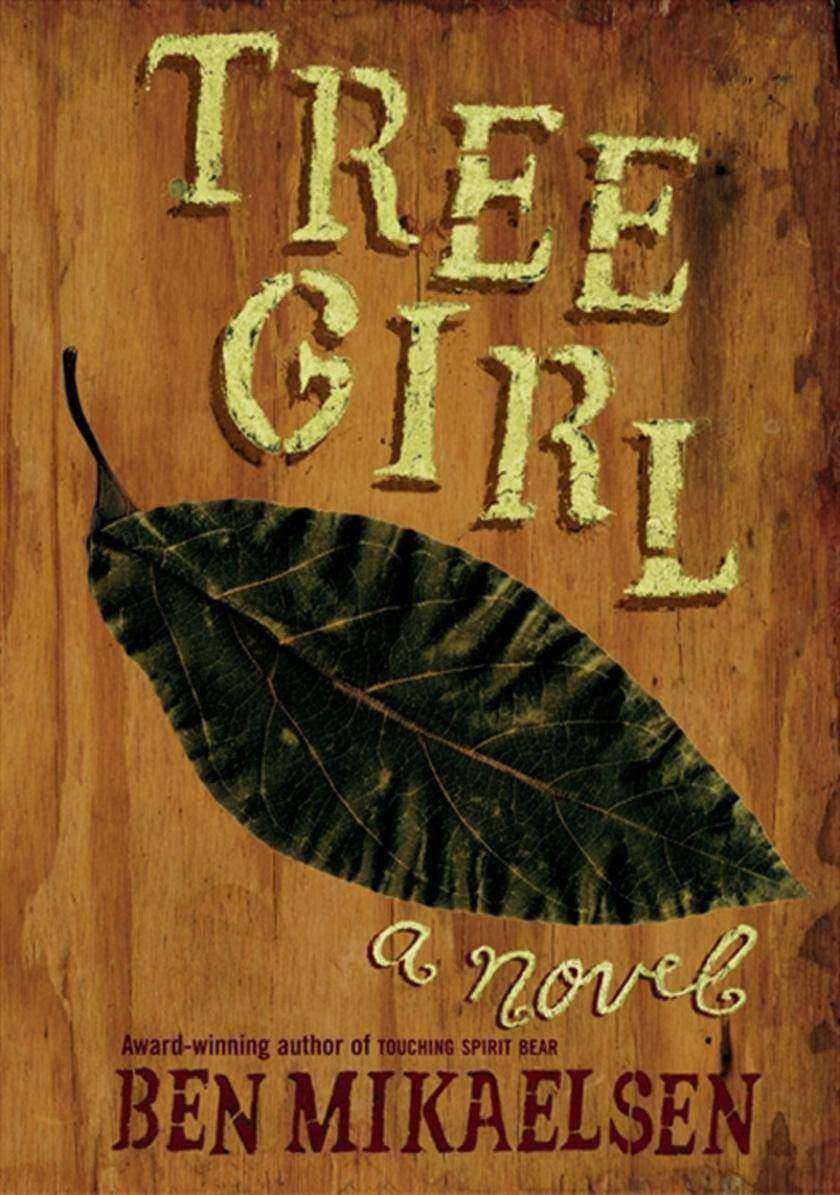
Tree Girl
¥55.33
They call Gabriela Tree Girl. Gabi climbs trees to be within reach of the eagles and watch the sun rise into an empty sky. She is at home among the outstretched branches of the Guatemalan forests. Then one day from the safety of a tree, Gabi witnesses the sights and sounds of an unspeakable massacre. She vows to be Tree Girl no more and joins the hordes of refugees struggling to reach the Mexican border. She has lost her whole family; her entire village has been wiped out. Yet she clings to the hope that she will be reunited with her youngest sister, Alicia. Over dangerous miles and months of hunger and thirst, Gabriela's search for Alicia and for a safe haven becomes a search for self. Having turned her back on her own identity, can she hope to claim a new lifeAges 12+

Baby Be-Bop
¥54.46
Dirk MacDonald, a sixteen-year-old boy living in Los Angeles, comes to terms with being gay after he receives surreal storytelling visitations from his dead father and great-grandmother.

HarperCollins
¥108.99
Man of SpeedPart athlete, part rock star, Apolo Anton Ohno has won fans across the globe with his charisma, his movie-idol looks, and his edge-of-the-seat victories at the 2002 Winter Olympics.Going for the Gold: Apolo Anton Ohno tells the story of this skating hero, start to finish.Here's what you'll find out about America's newestidol:What made Apolo fall in love with speed skatingWhy his troublemaking almost ended his Olympic dreamsHow Apolo turned his career aroundWhat Apolo has planned for the future

Jim Thorpe
¥21.73
A biography of the American Indian known as one of the best all-round athletes in history for his accomplishments as an Olympic medal winner and as an outstanding professional football and baseball player.

HarperCollins
¥108.99
Michael Jordan was a late bloomer.Cut from the Varsity basketball team in high school when he first tried out, Michael nonetheless became the best basketball player that ever lived—Rare Air Jordan.The true story of how Michael Jordan achieved this amazing level of success as a basketball player—and as the high king of commercial endorsements—underscores one of the new roles of athletes in our society today.Here's a fascinating look at both the evolution of basketball and Michael Jordan's stunning climb to the peak of his sport, and his season in minor league baseball.
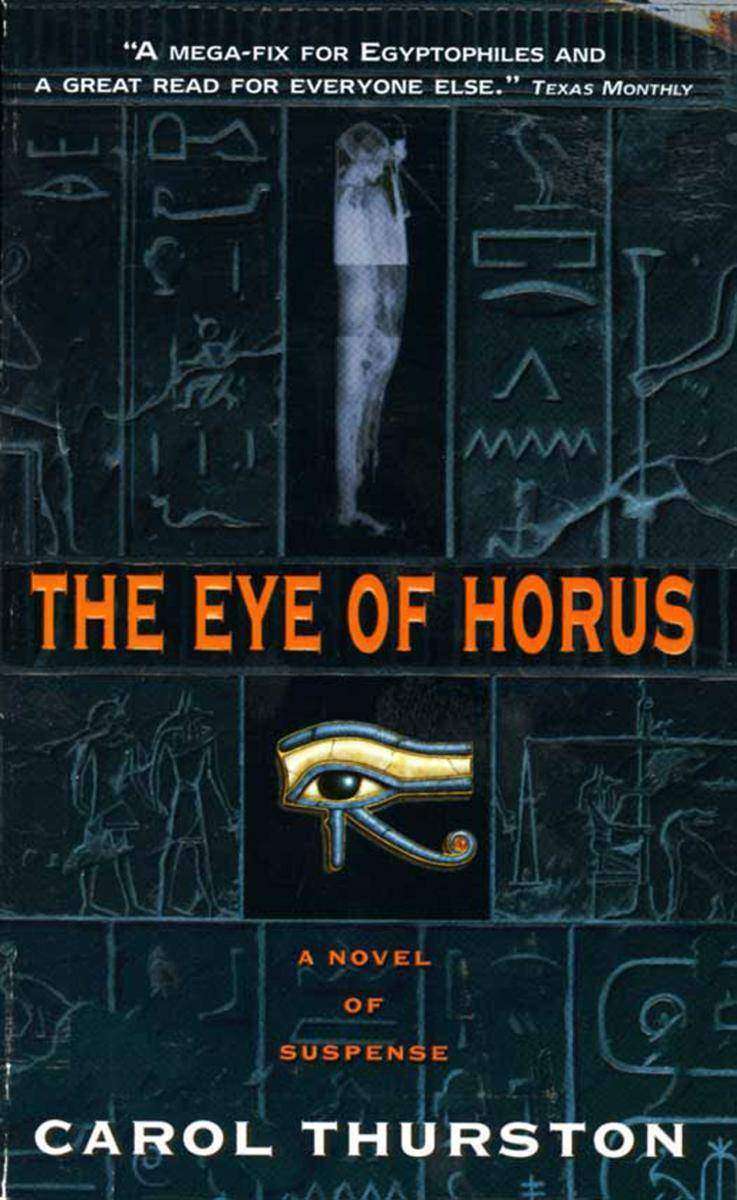
The Eye Of Horus
¥48.39
Hired by the Egyptology department of a Denver museum to create displays for an exhibit, medical illustrator Kate McKinnon encounters an intriguing enigma: the mummy of a young woman who lived thirty-three centuries ago, her ribs broken, one hand shattered, and a man's skull between her legs.With the aid of radiologist Max Cavanaugh, employing the latest forensic and medical imaging techniques, Kate starts to unravel the millennia-old puzzle. And as the mummy's remarkable secrets come to light, a parallel story begins to unfold of a young girl born into a nest of vipers in an age when godlike pharaohs reigned in unimaginable splendor. Suddenly Kate finds herself on a twisting path leading her deeper into the shadows of anciet Kemet...and ever closer to the shocking revelations of a crime so staggering its horrific power remains undimished by the relentless passage of time.
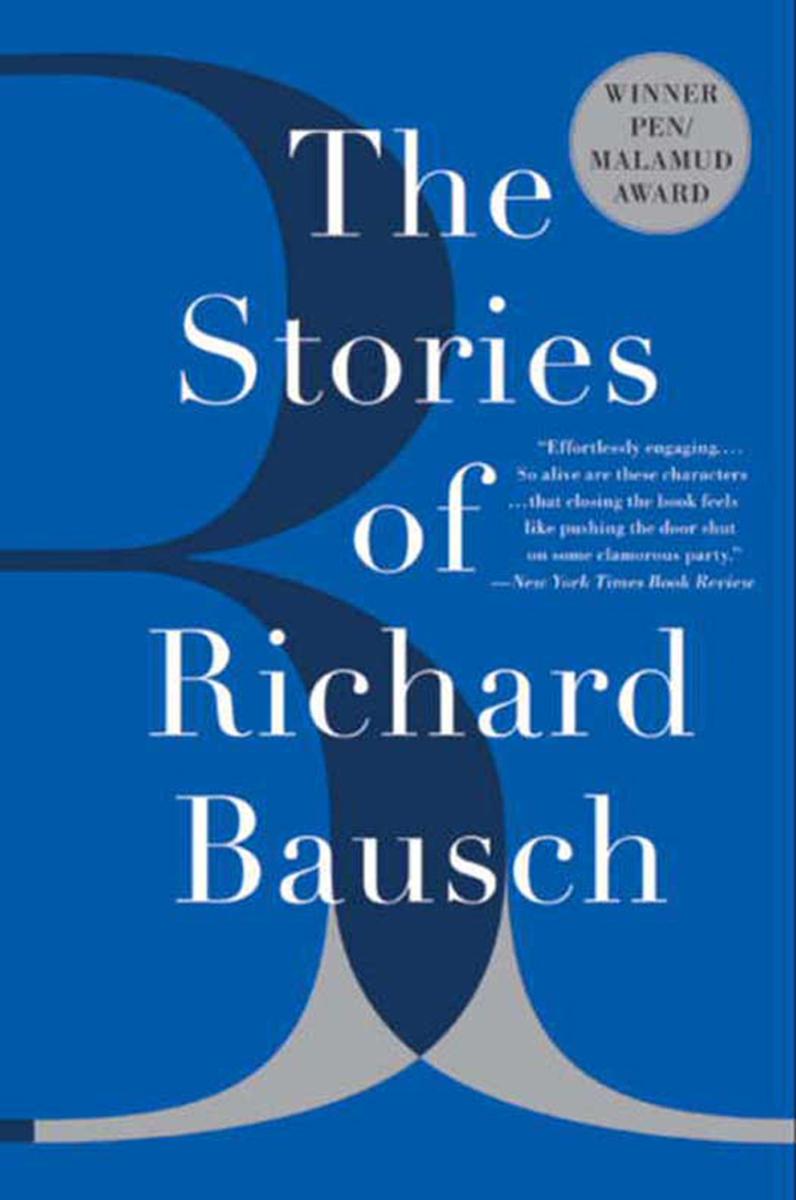
The Stories of Richard Bausch
¥94.10
A 2004 PEN/Malamud Award winner, this collection celebrates the work of American artist Richard Bausch -- a writer the New York Times calls "a master of the short story." By turns tender, raw, heartbreaking, and riotously funny, the many voices of this definitive forty-two-story collection (seven of which appear here for the first time) defy expectation, attest to Bausch's remarkable range and versatility, and affirm his place alongside such acclaimed story writers as John Cheever, Flannery O'Connor, Raymond Carver, and Grace Paley.


