


 购物车
购物车 个人中心
个人中心
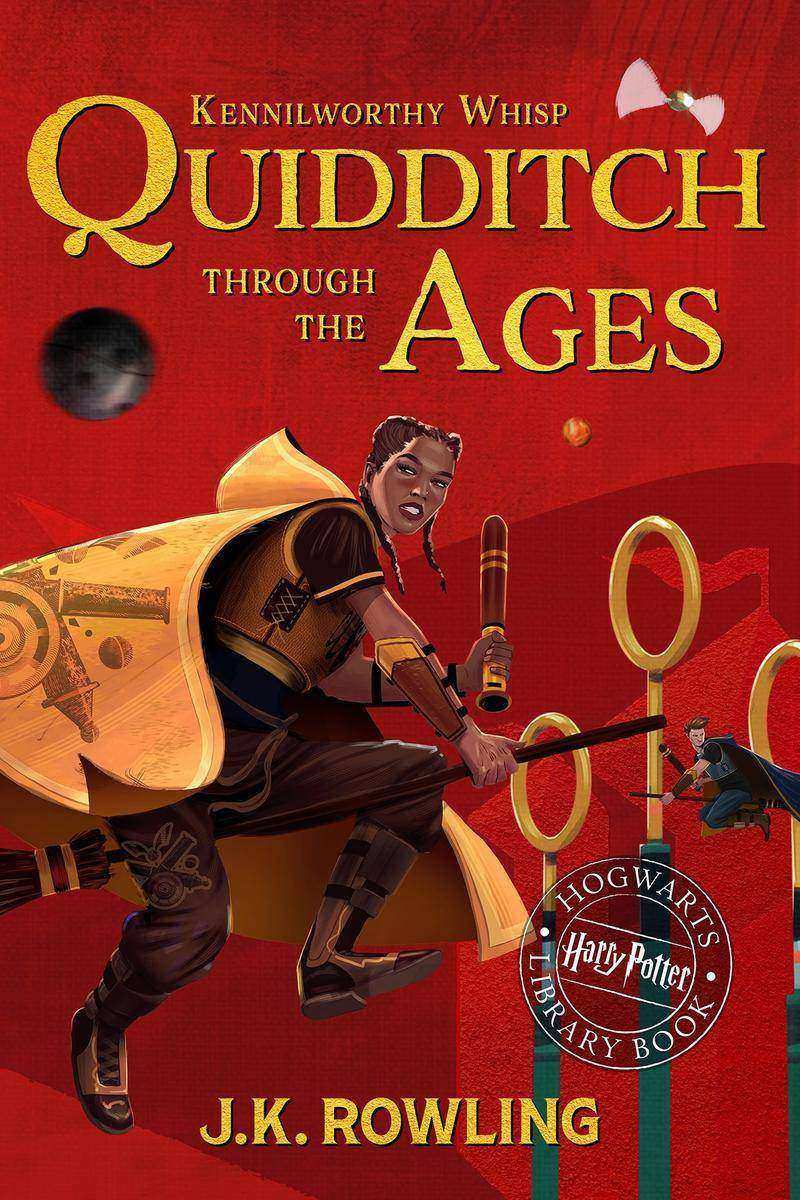
Quidditch Through the Ages
¥20.00
A perennial bestseller in the wizarding world and one of the most popular books in the Hogwarts School library, Quidditch Through the Ages contains all you will ever need to know about the history, the rules - and the breaking of the rules - of the noble sport of Quidditch. Packed with fascinating facts, this definitive guide by the esteemed Quidditch writer Kennilworthy Whisp charts the game's history from its early origins in the medieval mists on Queerditch Marsh, through to the modern-day sport loved by so many wizard and Muggle families around the world. With comprehensive coverage of famous Quidditch teams, the commonest fouls, the development of racing brooms, and much more, this is a must-have sporting bible for all Harry Potter fans, Quidditch lovers and players, whether the weekend amateur or the seasoned Chudley Cannons season-ticket holder.At least 15% of the net retail price* of this eBook will be available to Comic Relief and Lumos Foundation for their work with children and young people to help them have a better life. 20% of these monies will be used by Comic Relief and 80% will be used by Lumos Foundation.Comic Relief is a registered charity in the UK with charity nos. 326568 (England/Wales) and SC039730 (Scotland). Lumos Foundation is a registered charity in the UK with no. 1112575.* The net retail price means the price paid by the consumer less applicable sales taxes
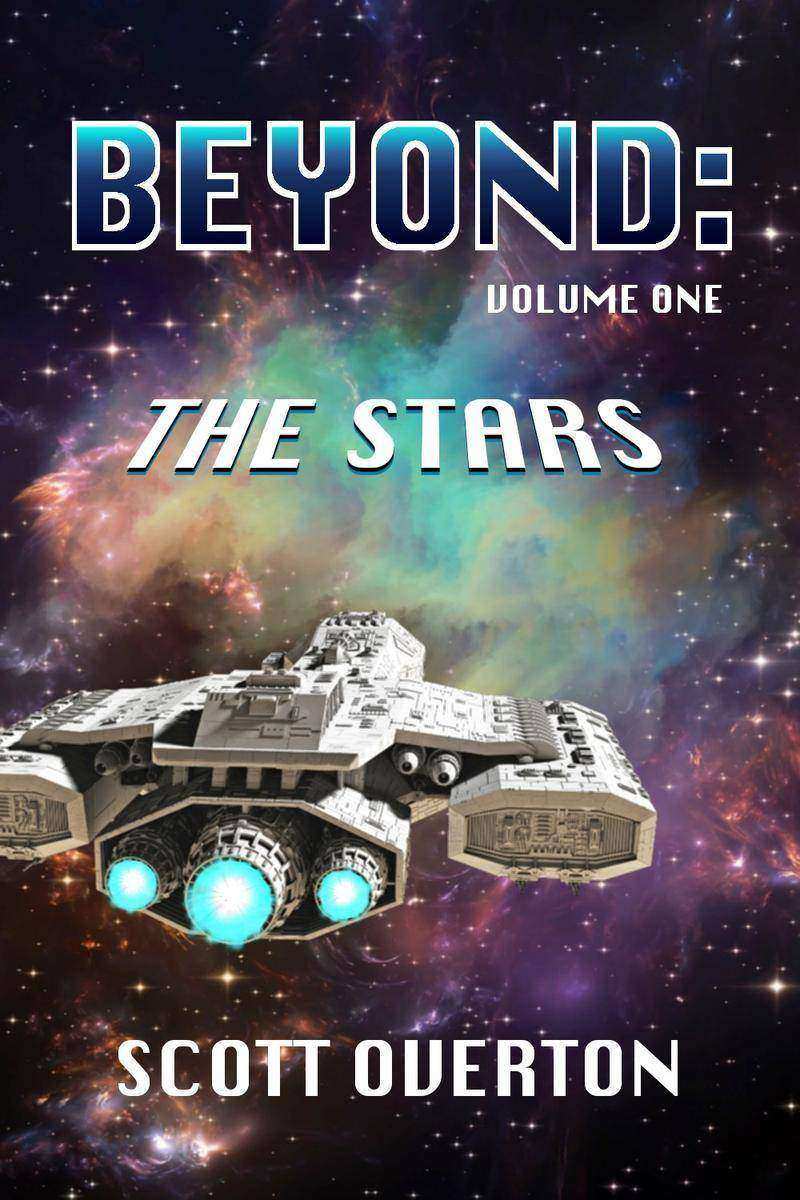
Beyond: The Stars
¥26.07
Three thrilling short stories of adventure among the stars: Node Of Thought A spaceship pilot on a solo mission between the stars begins to see visions of other people. Are they trace thoughts from others who’ve passed that way? It’s not just an academic question when the ship’s computer starts to obey commands that aren’t his. ? Marathon of the Devil In a death-defying marathon on a desert planet, Eli Marone has managed to get lost. It’s now a race for survival, especially when the barren world might not be so lifeless after all. ? The Rift Twenty-seven years after a reckless experiment created a vast rift across the galaxy, a survey ship’s crew encounters a being with strange abilities and an even stranger disability. What they learn will test every belief they’ve ever had. Praise for Scott Overton: “A storyteller of boundless skill…a writer to watch.” “A gifted wordsmith.”
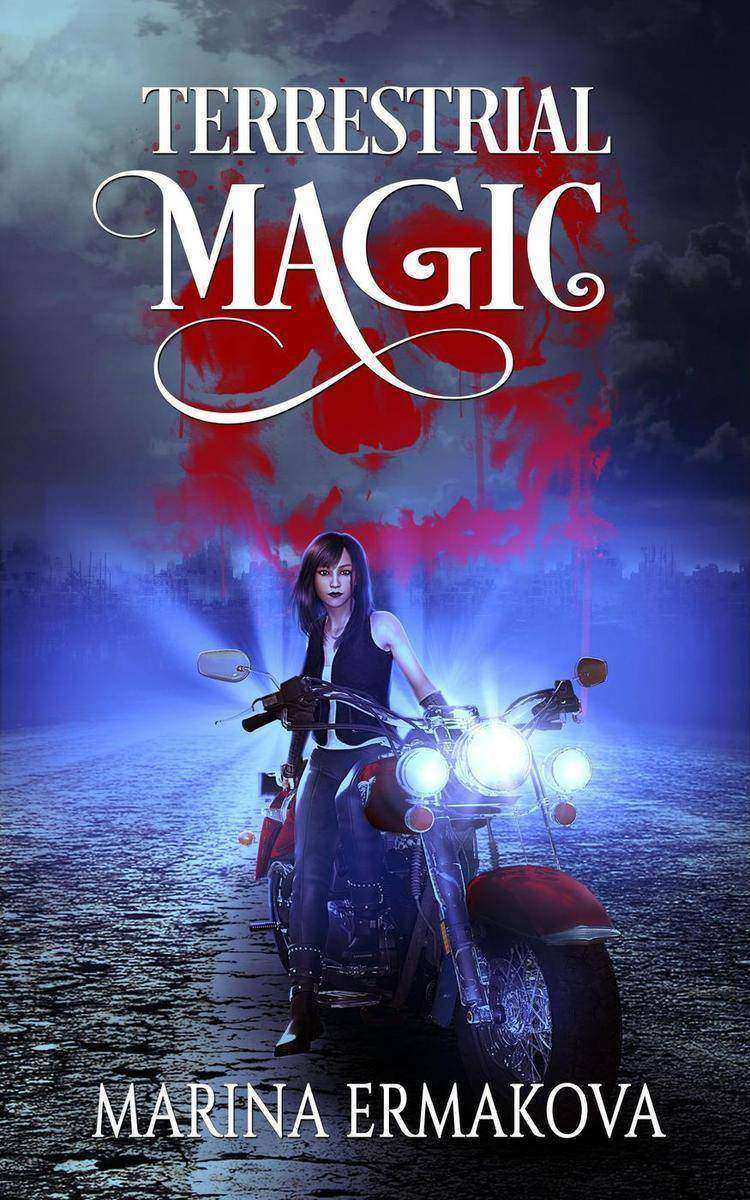
Terrestrial Magic
¥34.79
Most sensible people avoid fire-breathing carnivores that prey on humans. But Jordan has built a career out of studying such legendary animals, creatures thought mythological until their reemergence in the world three decades ago. She and researchers like her believe that knowledge is the key to reclaiming the land they'd lost back then, when humanity retreated into designated safety zones.? But when the humans moved out, the legends moved in. They were the descendants of mythical heroes, inheriting the powers of their ancestors, and they weren't afraid of the monsters. Jordan never expected to run into a legend, but when a field expedition turns into a trap for her team, she realizes that one deliberately tried to kill her. It's a diplomatic nightmare the Roman authorities might happily sweep under the rug. But if Jordan doesn't figure out who attacked her and why, they could try again. Yet even if she does solve the mystery, what could one stubborn scientist possibly do to stop a powerful legend? Almost 7,000 words of bonus content included. Embark on this urban fantasy/post-apocalyptic adventure today!

Autism Questions Parents Ask: Autism Help Series - Book One
¥52.23
Your child has an autism diagnosis. Now what??First, do no harm. Well, that’s a no-brainer, right??When your child receives an autism diagnosis, the research begins. You want to learn all that you can and find the best ways to help him or her.You will receive advice from specialists that makes sense to you - that fits with your life philosophy and with what you know of your child. You will receive advice that does not sit so well with you, the needs of your family and what you believe are the needs of your child.?Trust your instincts. You know your child the best and no one has his well-being at heart as much as you.Whether or not you feel prepared right now, you as the parent will be your child's primary therapist. You spend the most time with him and have the biggest impact on his life.?This book is for you. It's written by a parent who is also a special ed teacher, counselor, school psychologist, district consultant and autism consultant. The language won't require that you sit with a dictionary in your other hand but when you do find something that makes you want to research further, links and provided to help you with your search.Helping your autistic child be the best he can be is doable. It's within your reach and this is the book to guide you.
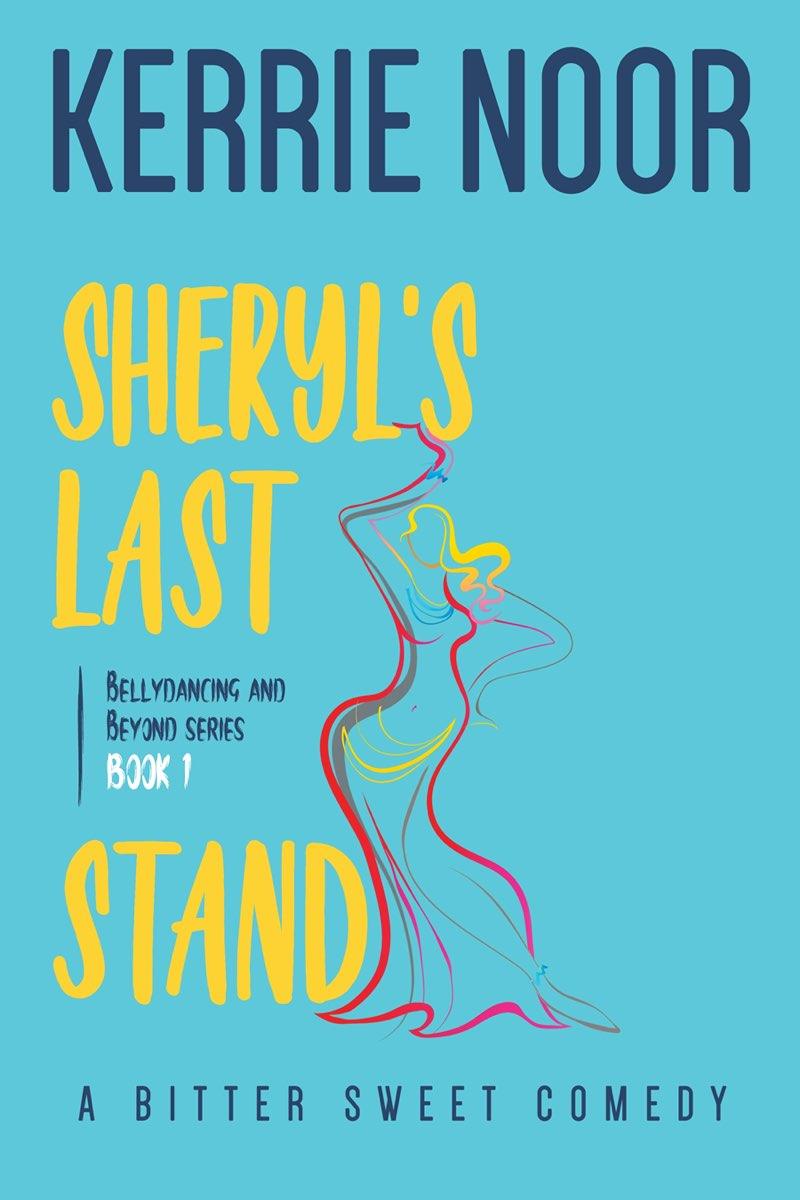
Sheryl's Last Stand: Bitter Sweet Comedy
¥26.07
Thirty Shades of Red Sheryl has lost her mojo Sheryl has seen better days, and now, on the wrong side of thirty-five she has lost it all and must start again. Not alone; but under the watchful eye of her mother. A woman with as much sensitivity as a comedian at a hen do.? Where does she start? With a newly discovered passion for belly dancing, Sheryl sets out to chase her fantasies. But, with a teacher like Nefertiti, and mother like Beatrice chasing your fantasies is easier said than done… Sheryl’s Last Stand is a Bridget Jones type comedy with a heroine we can all relate to and a great read if you’re having one of those "stick your head in the sand-I don’t want to get out of bed" days. Sheryl makes you laugh, cry but most of all not give up. She is the first in the Belly Dancing and Beyond series- laugh out loud stories about a group of women who have at one time or another danced with the great Nefertiti.? Each book is a stand-alone tale jam packed with familiar characters you will grow to love, maybe hate but will definitely want to read about again.? ?
Secrets in the Land
¥34.79
Mark Hersch’s life changed for the better when he met Beth Azen. Except for those long drives from Richmond to Hartstown, Virginia, to see her. Mark jumps at a surprise trip for a routine investigation of a polluted stream, never expecting anything out of the ordinary. But a bizarre secret from before the town’s founding awaits. Can Mark, Beth, and their shared magic solve the deadly mystery before all of Hartstown runs out of time? An excerpt from Secrets in the Land: Sometimes, you need to leave the bad things in the past. Art smiled, but it didn’t get anywhere within a mile of his eyes. “I have to ask if this is something you’re willing to take on, Mark. I’m not fibbing or lying or anything else when I say I’d understand if you’re not. Whatever’s up there half scared the life out of me. You ever feel that way about a place?” This time Mark did shiver, and he didn’t try to hide it. Maybe it was time he admitted at least a bit of what he and Beth (and Clina) had actually gotten into back in December. “Just one time. When we were taking your lost miner’s bones out of that old house pit. I was sure then and I’m more sure now that he dropped the rock that hit Beth on purpose. Thing is, I know in my bones that the rock was really aimed at me.”
Fighting the Storm
¥43.51
The Storm Breaks Alex Collins and Etan Griffith thought love, hard work, and magic protected them from the end of the world. Until heartbreak struck much closer to home. Picking up the pieces brings new friends and new challenges. Threats unseen and unexpected. Will the power of family bring them all through, together? An excerpt from Fighting the Storm: Etan didn’t have to look at Alex to know he was biting his tongue, dying to say something. He could feel how tense Alex’s leg was against his own, could just about hear?his agitation. “What are you wanting to say, Alex?” “I don’t want to be an asshole, but if we have to set you up as a prophet, that’s what we need to do. I hated what happened in Maple Ridge and everywhere else. But we can’t have gone through so much hell to get here and let everything fall apart again. If people will follow the Great Prophet Etan and that lets us survive, then that’s who you need to be.” Etan did groan then, closing his eyes for a second. Not only because this was what he’d been afraid of. Because the words and the ideas sounded true. They felt?true, no matter how much he might dislike them. “I don’t know if I can agree to that, not right now. I have no idea how to do any?of this, much less create a new religion. I’m scared to death of making a hard situation worse.”
Body Of Opinion and other stories
¥19.88
Looking for a walk on the dark side? These three suspenseful tales of the future might be best read with all of the lights on. No Walls A man discovers that he has the ability to pass through walls, but finds it’s more of a curse than a gift, only useful for petty crime. Then a secret intelligence organization gets its hooks into him, and his troubles have only begun. (First published in “Neo-opsis” Issue #18, 2009.) ? Lockdown In a future society, criminals on parole don’t even dare to think about committing a crime or their bodies could go into complete lockdown. So how does a guy get revenge on those who’ve wronged him? ? Body Of Opinion For a dying man, a replacement body is a godsend. Unless the body turns out to be a used model with some serious glitches. Can the new “tenant” discover what killed its first owner before it fails completely? Praise for Scott Overton: “A storyteller of boundless skill…a writer to watch.” “A gifted wordsmith.”
Asset Class Mastery: Maximize Profits From Forex, Futures, and Cryptos
¥34.79
This unique book is an intensive combination of three asset classes, forex, futures, and cryptocurrencies. You begin in the world of currencies, travel to commodities and ending?in cryptocurrencies.?As with all of Wayne's books, the emphasis is on practical applications with a personal touch.?The results from past students and readers confirms their effectiveness. The book includes the following and much more! - Step-by-step guide to understanding from beginner forex into?advanced technical analysis indicators - Strategic trading tactics - Using crops and energy sector seasonality to your advantage - Beginner to advanced commodities trading strategies - Bitcoin and Cryptocurrency Trading Tactics - Trader psychology (bonus chapter) - Using multiple time frames -Selecting the correct trading partner This is a combination of?Wayne's books: Tested Forex Strategies, Futures Trading Strategies, and The Guide To Mastering Bitcoin & Cryptocurrencies.

Grey Squirrels London
¥17.35
Born under mysterious circumstances, Grey, Pocket, Roots, Dew, Nuts, and Titch are not your ordinary squirrels. Using a tourist map and led by the charismatic Grey, the teenage squirrels embark on a breathtakingly hilarious adventure as they make their way from London’s Greenwich Park to Hyde Park to meet the Wise Owl.But the squirrels are not alone. As time ticks and darkness beckons, they are being stalked by the dangerous Rat King and his vicious sewer army.What is the secret of their origins? What did the Wise Owl tell them? And, most importantly, will they make it back to Greenwich Park in time to save their families?
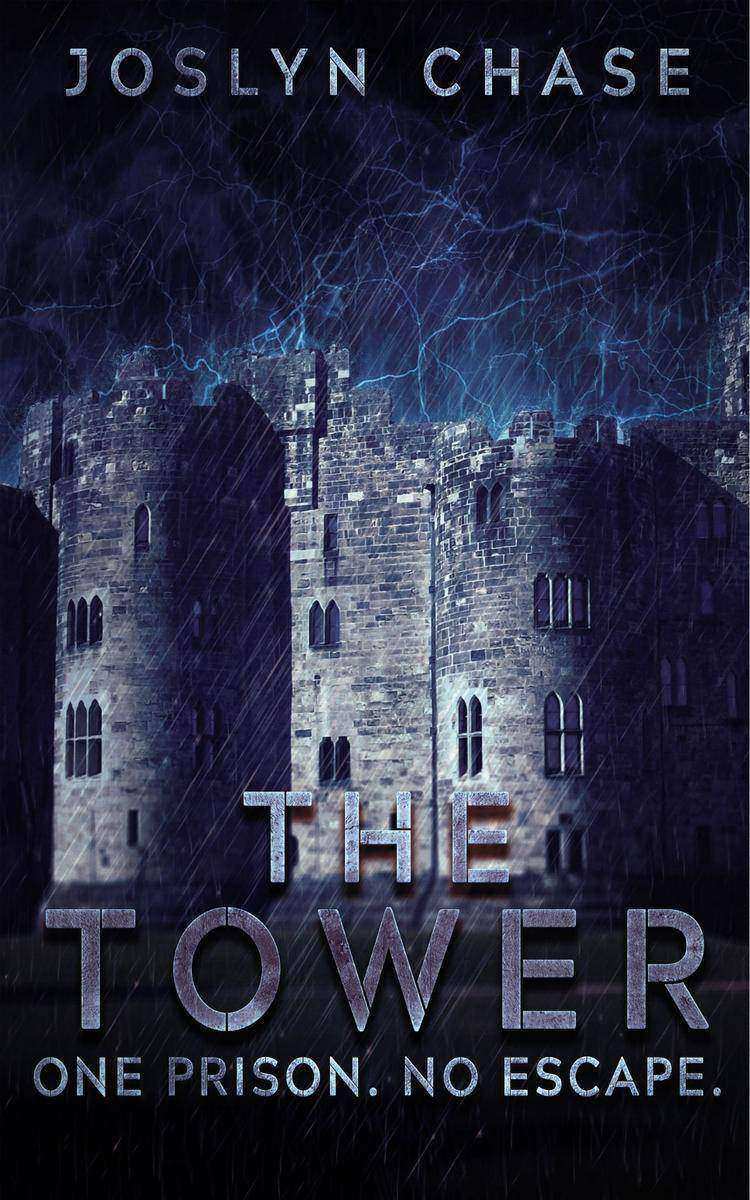
The Tower: One prison. No escape.
¥26.07
In the uneasy aftermath of WWII in Bavaria, Laura Schreiner must choose whether to help her father nurse an American GI back to health.The decision she makes changes the course of her life, drawing her into a web of evil spun by a man who learned from the masters.In the face of his cruel obsession, can she free herself from the entanglement of the tower and embrace a life of love and freedom? If you love suspense steeped in romance, you’ll revel in The Tower. Get your copy today!"Superb with beautiful imagery, and so much tension it hurt to swallow." ~ MC Dalton, author of Epona and Iron Heart"In the movie Field of Dreams, there is a now famous line, “If you build it, they will come."?Apply this sentiment to Joslyn Chase--if she writes it, we will come and read it.? A marvelous journey." ~ William DeProspo, author of Unlikely Outcome"The flow of her writing is a delight to me, elegant and soothing, woven like fine linen." ~ Margherita Crystal Lotus, author of The Color Game

MR. ROBOT: Red Wheelbarrow - (eps1.91_redwheelbarr0w.txt)
¥211.41
The only tie-in book for USA's award-winning series MR. ROBOT, Elliot's journalRed Wheelbarrowis written by show creator Sam Esmail and show writer Courtney Looney. Before and during the events of season two, Elliot recorded his most private thoughts in this journaland now you can hold this piece of the series in your hands. Experience Elliot's battles to gain control of his life and his struggles to survive increasingly dangerous circumstances, in a brand-new story rendered in his own words. The notebook also holds seven removable artifactsa ripped-out page, a newspaper clipping, a mysterious envelope, and morealong with sketches throughout the book. You'll discover the story behind MR. ROBOT season two and hints of what is to come. This book is the ultimate journey into the world of the showand a key to hacking the mind of its main character. MR. ROBOT is a psychological thriller that follows Elliot (Rami Malek, The Pacific), a young programmer, who works as a cyber-security engineer by day and as a vigilante hacker by night. Elliot finds himself at a crossroads when the mysterious leader (Christian Slater, Adderall Diaries) of an underground hacker group recruits him to destroy the firm he is paid to protect.Praise for MR. ROBOT: ';Relentless, sensational, and unabashedly suspenseful' TheNew York Times ';. . . most narratively and visually daring drama series on television . . .' Entertainment Weekly ';Terrific' The New Yorker ';Sam Esmail is one of the most innovative creators to make his mark on television in a long time.' Rolling Stone ';A modern classic' Forbes ';MR. ROBOT has the potential to be one of the defining shows of our age.' TIME ';Brilliant' The Huffington Post Golden Globe Awards for Best Television Series, Drama, and Best Performance by an Actor in a Supporting Role in a Series, Mini-Series or Motion Picture Made for Television (Christian Slater) Critics' Choice(R) Awards for Best Drama Series, Best Actor in a Drama Series (Rami Malek), and Best Supporting Actor in a Drama Series (Christian Slater) Emmy Award(R) for Outstanding Lead Actor in a Drama Series (Rami Malek) Five Emmy(R) nominations, including for Outstanding Drama Series
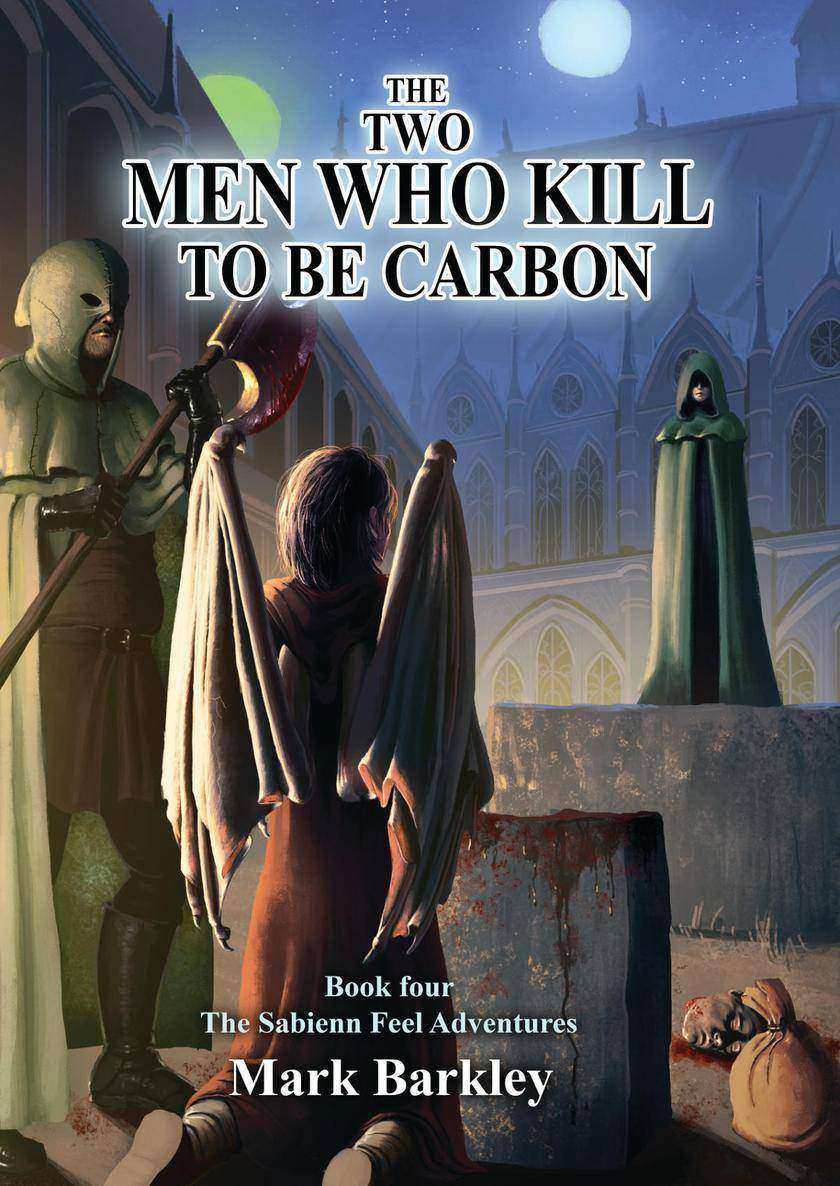
The Two Men Who Kill To Be Carbon: Book Four: The Sabienn Feel Adventures
¥26.07
In his quest to seek the occult stone, which is also sought by his Father to push the planet into war, Sabienn Feel and his brothers venture to the disputed territories of Rotnadge-Minora in Deerland. In order to find the next clue in this journey, Sabienn needs to seek a coffee mug with the words “The World’s Greatest Dad”. This mug is a solid lead for him as a reader. But big men with influence have other plans. A powerful and mysterious General follows Sabienn’s travel throughout the land under his military control. And his Father, the Grand Inquisitor Profound Murrlock Hyde requires that Sabienn and his brothers must die on the fateful ground of Mount Farewell. Their deaths are to be at the hands of two men who now call themselves the Hot Cold Coal and the Diamond; the two men who kill to be carbon. One man used to be one of Sabienn’s best friends. The other man killed the woman Sabienn loved. Or did he? The Two Men Who Kill To Be Carbon is the fourth of twelve books in the Sabienn Feel Adventures. Interview with the Author Q - What inspired you to write The Sabienn Feel Adventures? A – I’ve always loved the idea of the epic journey. I’m acquainted with the book Journey to the West but was more familiar with the TV series in the 80’s based on the book called Monkey. The idea of four souls travelling across a wide expanse of geography to complete a quest appealed to me. So I planned a series of twelve books to go from one place in the south of this space colony that they live on twice removed from Earth, to end up in the north, meeting danger at every turn. Q – Why does your main character Sabienn Feel grow wings? A - Good question. I wanted something very drastic to occur to these people physically. Something that would be difficult to hide and offer an immediate prejudice. The idea of growing wings constantly came up for me. There’s a Pearl Jam song I found inspiring that says, “And sometimes is seen a strange spot in the sky. A human being that was given to fly”. And in my mind’s eye, I could see this figure. Almost like the Led Zeppelin Icarus logo but with bat wings. But they couldn’t fly otherwise they’d hit the sky and the journey would be over in no time. I made them only able to swim because being submerged in water has elements of dealing with the subconscious. To me it satisfies all elements of those prophecy, fantasy, epic adventure type of stories that involve friendship and brotherhood. Q - So, why should readers give these books a try? A – Well I would say they were humour-filled, page-turning, epic, fantasy adventure novels which involve a quest. But then that’s what you would expect me to say. Why not try and read one of the books and let me know what you think? Some of the books are free so you’ve got nothing to lose.
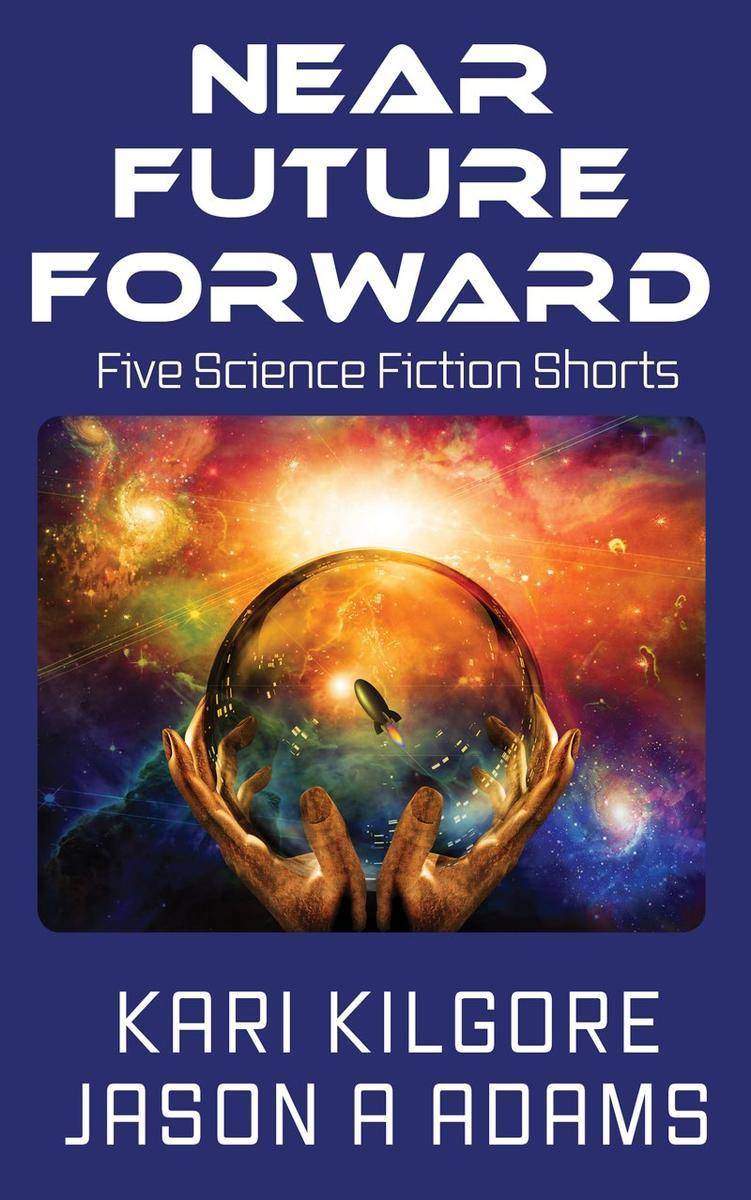
Near Future Forward: Five Science Fiction Shorts
¥34.79
Science fiction comes in many flavors. Technological advances not too far-fetched or far off. For better or worse. Humanity’s next great leap, from Earth to the solar system and beyond. And of course, what sorts of creatures and cultures await us among the stars. Jason A. Adams and Kari Kilgore explore these areas and more, each with their own unique voice and twists of imagination. Come along for the adventure, near and far, tomorrow and into the future! Includes The Sound of Murder, GS-304, Renovations, The Garbage Belt, and Sunlit Dispositions. The Sound of Murder Self-improvement can be deadly. Insurance agency programmer Dana Sanderson only wants peace and quiet at work. A desire her micromanaging boss somehow never respects. Then the investigation of a rash of suspicious natural death claims lands on Dana’s laptop. Failure means huge payouts for the company. Success means a huge bonus for her. Find out if Dana’s risks outweigh her rewards in this clever digital mystery. GS-304 Mighty explorers of the galaxy Portarr and Flandarr inspect a non-descript watery planet in G-Sector. What they discover changes their lives. GS-304, the specimen that refuses to be a subject. Join the intrepid adventurers as they discover a strange beast that conquers their hearts. Renovations Bob Henderson despises the modern world. Talking elevators. Automated cars. Smart phones that track every move, mood, and thought. The day his office building grows security cameras in the halls, Bob realizes the modern world might despise him right back. What happens when the network decides to search for itself? The Garbage Belt Looking for humans? Just look for the garbage. From bones to plastic to dead electronics, people rarely manage to clean up after themselves. Humanity takes a long time to learn how to manage limited resources, too. The rare and precious get lost with the useless and plentiful. Meet Gayle Simmons, pilot of the Treasure Hunt. Rare and precious, in her sights. Sunlit Dispositions Sometimes, only Alex will do. A space station just exploded, and the Sunlit Spirit Empire calls in Alex, Free Troubleshooter extraordinaire. No last name needed. Alex wades into the strange world of Sunlit Spirit intrigue, gamma blaster in hand. Join Alex as he learns the deceptions behind the Truth.
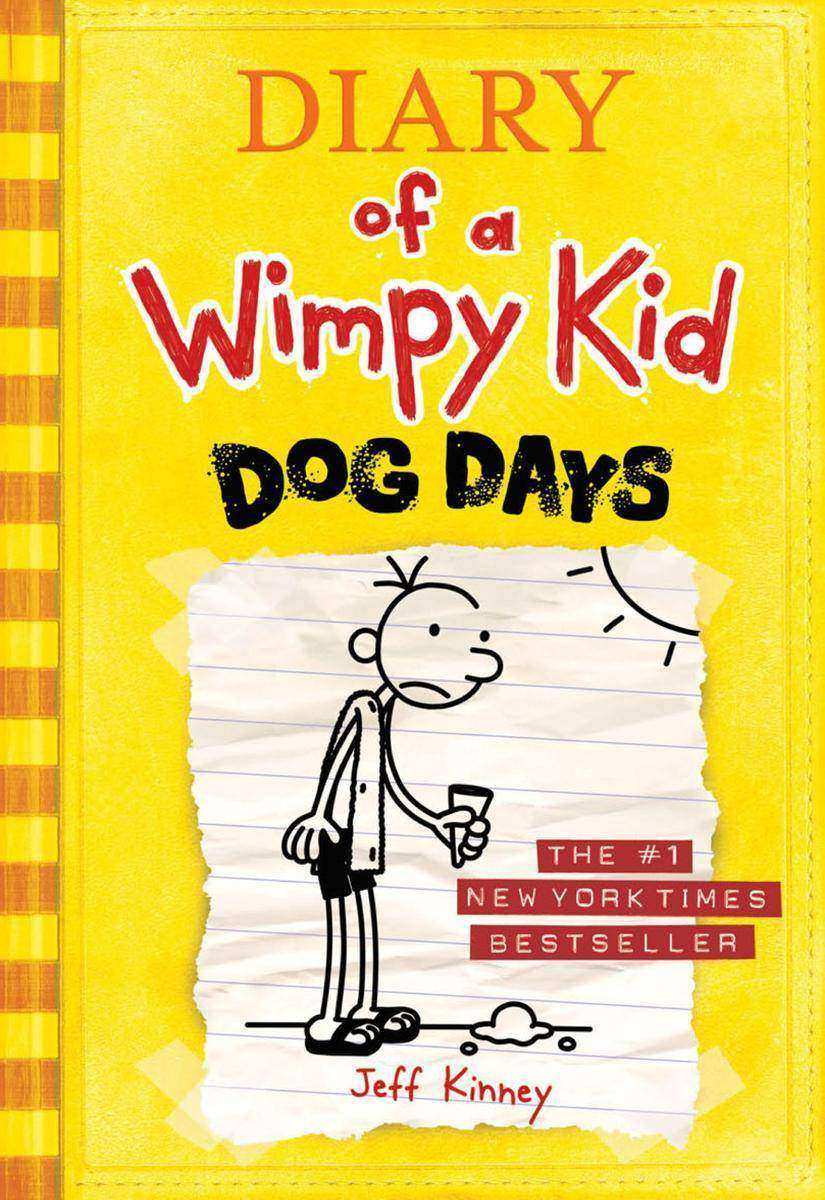
Dog Days (Diary of a Wimpy Kid #4)
¥158.82
It’s summer vacation, the weather’s great, and all the kids are having fun outside. So where’s Greg Heffley? Inside his house, playing video games with the shades drawn. Greg, a self-confessed “indoor person,” is living out his ultimate summer fantasy: no responsibilities and no rules. But Greg’s mom has a different vision for an ideal summer . . . one packed with outdoor activities and “family togetherness.” Whose vision will win out? Or will a new addition to the Heffley family change everything? F&P level: T
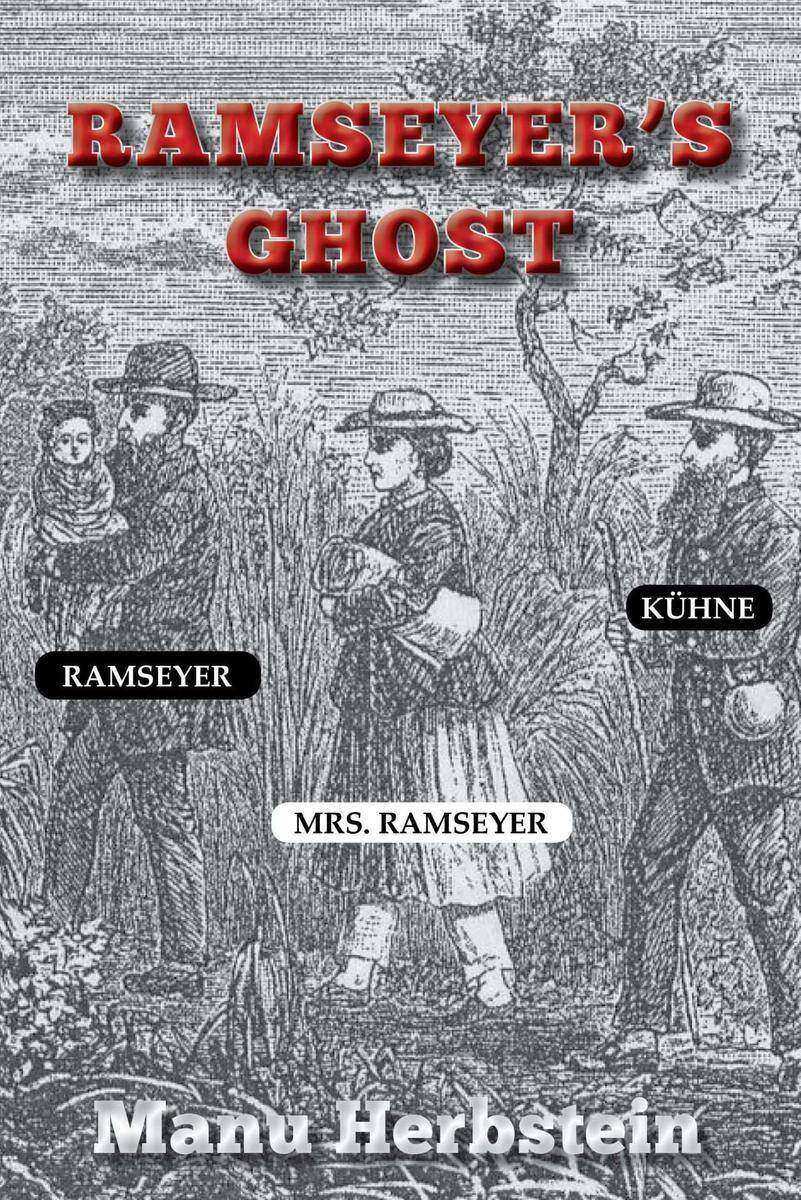
Ramseyer's Ghost
¥8.63
2050. The global village has disintegrated. The Third World War, ending in a stalemate, has left the planet split between two hostile powers, each with a captive sphere of influence. The Atlantic Ocean has become an American sea. West Africa is a desert of failed states and anarchy, dotted with mines and oil rigs, stockaded and armed by U. S. corporations. From their island outpost of St. Thomas, the Americans dispatch expeditions of geologists and mining engineers into the dangerous interior of the Dark Continent to search for untapped mineral resources. One such expedition has gone missing. Ekem “Crash” Ferguson, born in the U.S. in 2008 of African parents and abandoned to the care of foster parents, is a Captain in the Marine Corps. His career blocked and his marriage failing, he accepts an offer to proceed to Ghana on a one-man mission to find the missing experts. Unknown to his handlers, he has another mission. His arrival in Africa is inauspicious: in a shack amongst the coconut palms he comes across two human skeletons. This is only the first incident in what turns out to be a journey of discovery and self-discovery. “Magnificently crafted political fiction.” Andre Vltchek, author of Aurora and Exposing the Lies of the Empire.
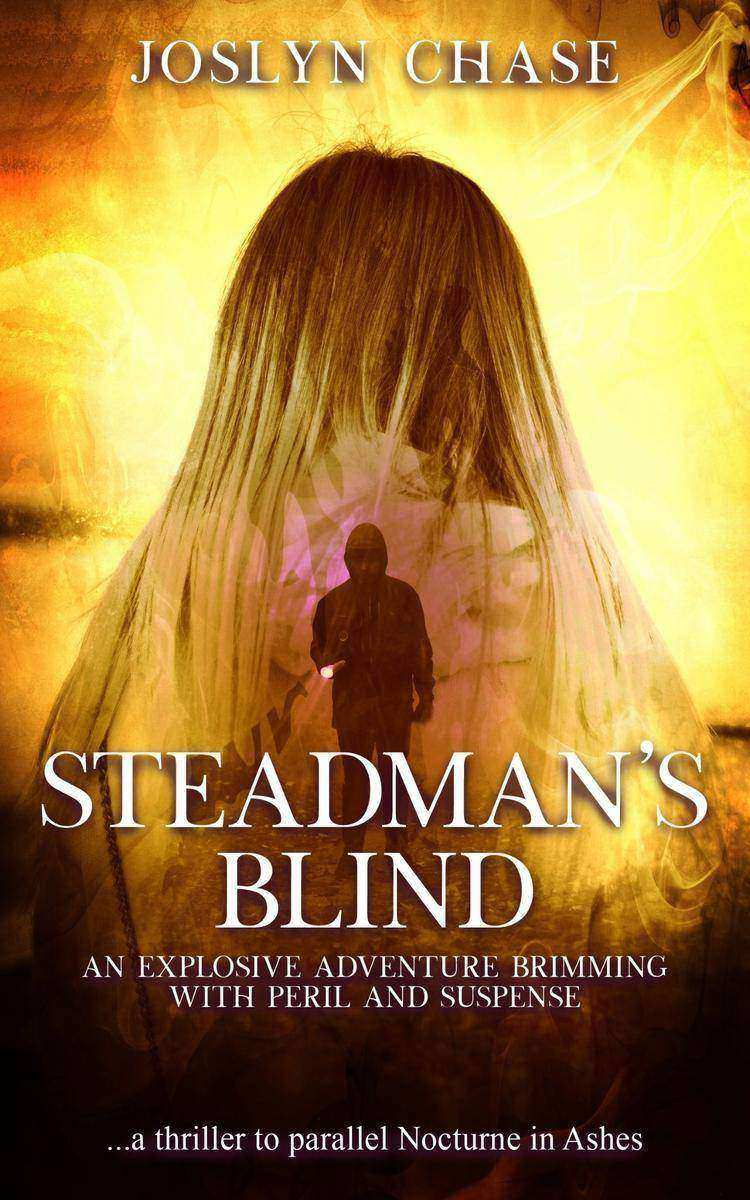
Steadman's Blind: An explosive adventure brimming with peril and suspense
¥43.51
Called to a crime scene, caught in a pursuit that will change his life forever. Or end it. Chief Deputy Randall Steadman knows how to read people, making him tough to face in the interrogation room. He learns the hard way those tactics don't apply at the poker table. Watching the last of his money disappear in a pile of plastic chips, Steadman thinks it can’t get worse. Then new disaster strikes, spinning him off on a quest to catch a killer and protect an innocent girl, aided only by his new and untried partner, Detective Cory Frost. Extortion, a deadly volcano, and a triple homicide mark the beginning of a long and winding road for Steadman and Frost. If you like books by C.J. Box, Thomas Perry, and Jeffery Deaver, you’ve just found a new favorite in Steadman’s Blind!
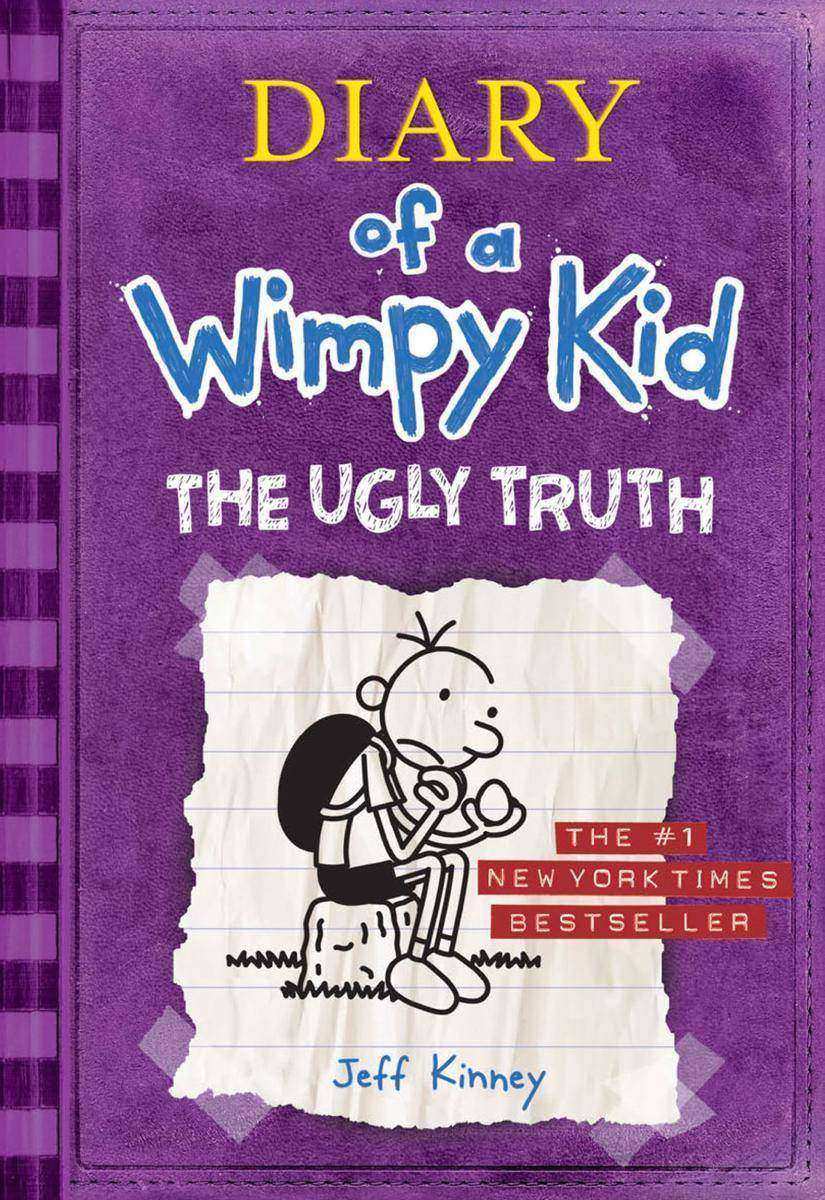
Ugly Truth (Diary of a Wimpy Kid #5)
¥158.82
Greg Heffley has always been in a hurry to grow up. But is getting older really all it’s cracked up to be? Greg suddenly finds himself dealing with the pressures of boy-girl parties, increased responsibilities, and even the awkward changes that come with getting older—all without his best friend, Rowley, at his side. Can Greg make it through on his own? Or will he have to face the “ugly truth”?
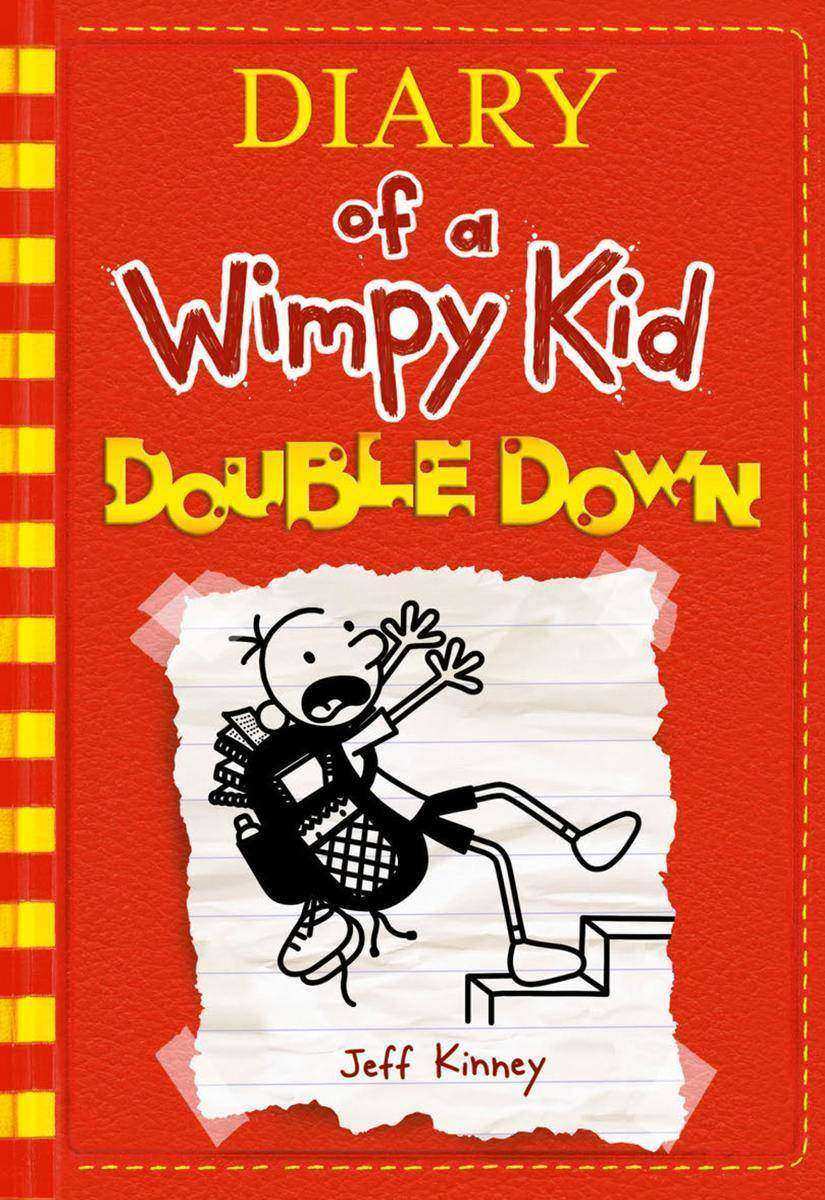
Double Down (Diary of a Wimpy Kid #11)
¥158.82
The pressure’s really piling up on Greg Heffley. His mom thinks video games are turning his brain to mush, so she wants her son to put down the controller and explore his “creative side.” As if that’s not scary enough, Halloween’s just around the corner and the frights are coming at Greg from every angle. When Greg discovers a bag of gummy worms, it sparks an idea. Can he get his mom off his back by making a movie . . . and will he become rich and famous in the process? Or will doubling down on this plan just double Greg’s troubles?

The Clever Teens' Guide to The Russian Revolution
¥45.34
The Clever Teens' Guide to The Russian RevolutionThe communist system unleashed by the Russian Revolution of 1917 was the greatest political experiment ever conducted. The revolution promised freedom from the shackles of imperialism, corruption and exploitation but until its collapse in 1991, the peoples of the vast Soviet empire endured 70 years of misguided socialism and totalitarianism.The Clever Teens’ Guide to the Russian Revolution covers all the major facts and events giving you a clear and straightforward overview: from the circumstances behind the rise of Lenin and the Bolsheviks, to the consequences of their struggle for a new socialist utopia.Ideal for your “clever teenager”.
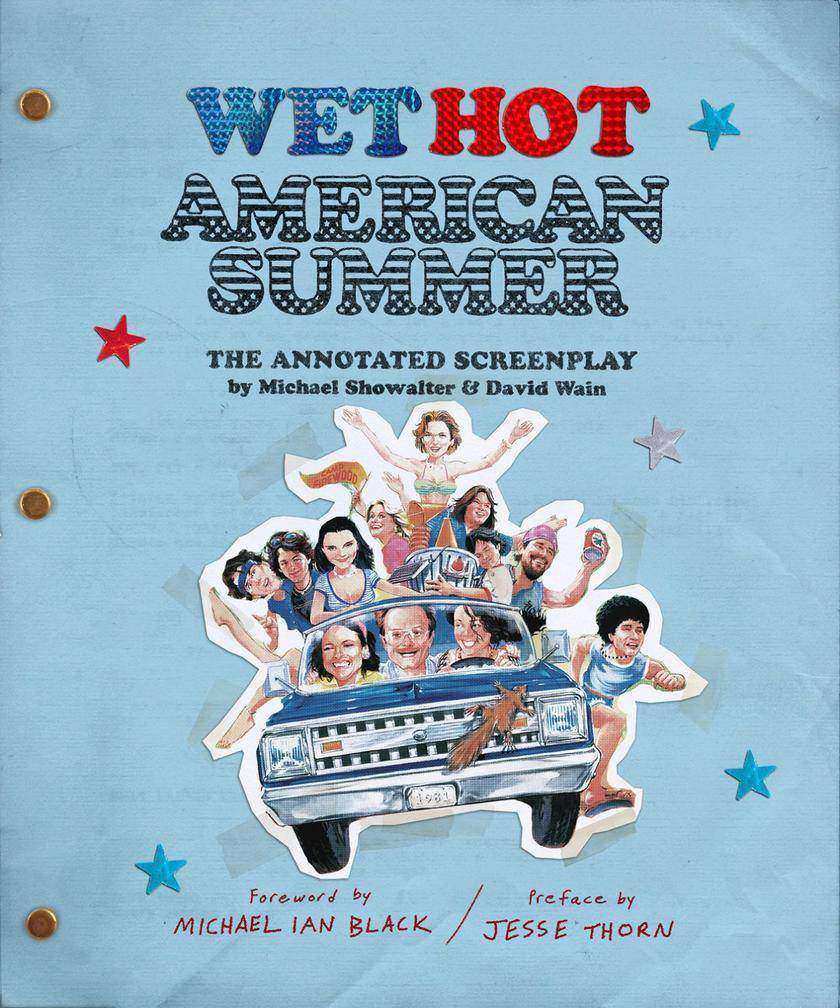
Wet Hot American Summer - The Annotated Screenplay
¥169.03
At long last, this is the definitive Wet Hot American Summer book fans have been clamoring for! Screenwriters David Wain and Michael Showalter take pen to page and create a hilarious, behind-the-scenes annotated version of the original screenplay that launched a thousand Halloween costumes. They provide commentary on and insight into how and why they made the artistic decisions they did while writing and filming the movie that went on to become a true cult classic, as well as an ongoing Netflix series. The book will also feature reproduced ephemera from filming-photos, original (and scathing) reviews, AIM chat conversations, marked up script pages, and so much more. Written and curated by Wain and Showalter, this will be the must-have guide to all things Wet Hot.


