


 购物车
购物车 个人中心
个人中心

Agitations
¥261.83
Not Without Honor threads together the stories of three American POWs-Carano; his buddy Bill Blackmon, who was also at Stalag 17 b; and John C. Bitzer, who survived the brutal "e;Death March"e; from northern Germany to liberation in April 1945. At times the journal reads like a thriller as he records air battles and escape attempts. Yet in their most gripping accounts, these POWs ruminate on psychological survival. The sense of community they formed was instrumental to their endurance. This compelling book allows the reader to journey with these young men as they bore firsthand witness to the best and worst of human nature.
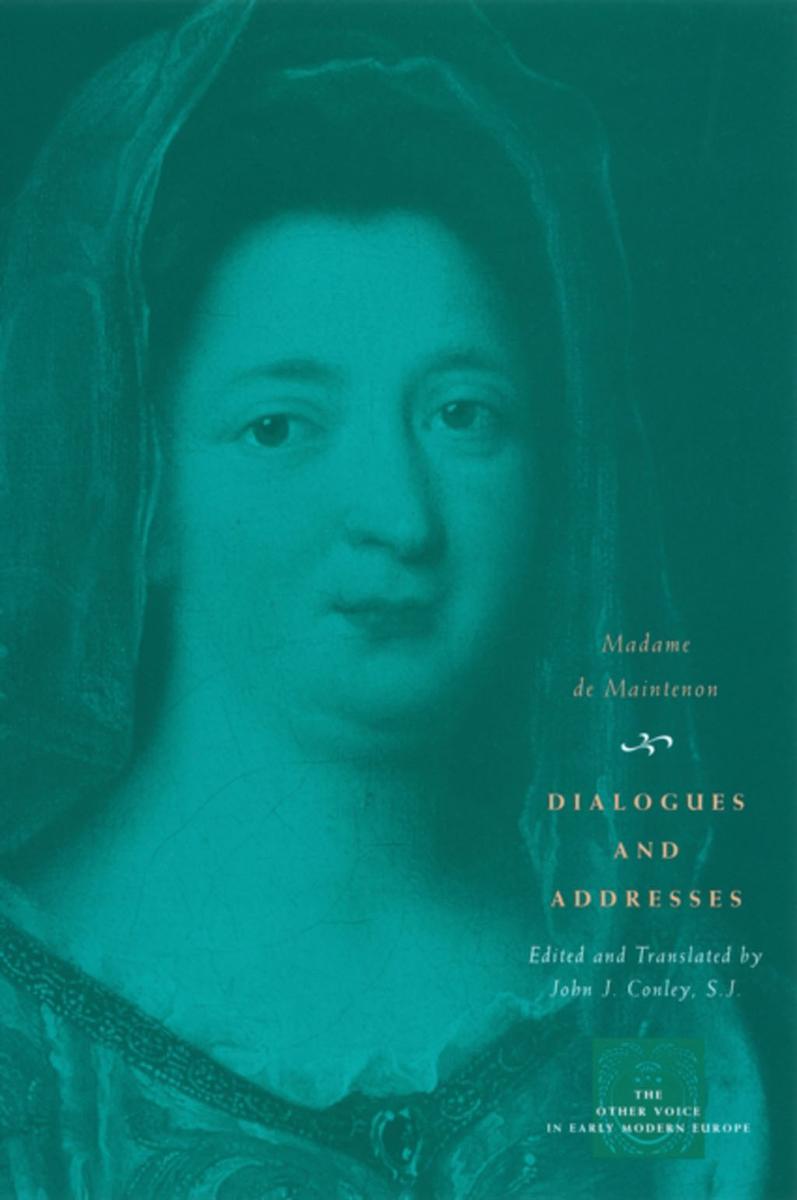
Dialogues and Addresses
¥265.87
Born Francoise d'Aubigne, a criminal's daughter reduced to street begging as a child, Madame de Maintenon (1653-1719) made an improbable rise from impoverished beginnings to the summit of power as the second, secret wife of Louis XIV. An educational reformer, Maintenon founded and directed the celebrated academy for aristocratic women at Saint-Cyr. This volume presents the dialogues and addresses in which Maintenon explains her controversial philosophy of education for women.Denounced by her contemporaries as a political schemer and religious fanatic, Maintenon has long been criticized as an opponent of gender equality. The writings in this volume faithfully reflect Maintenon's respect for social hierarchy and her stoic call for women to accept the duties of their state in life. But the writings also echo Maintenon's more feminist concerns: the need to redefine the virtues in the light of women's experience, the importance of naming the constraints on women's freedom, and the urgent need to remedy the scandalous neglect of the education of women.In her writings as well as in her own model school at Saint-Cyr, Maintenon embodies the demand for educational reform as the key to the empowerment of women at the dawn of modernity.
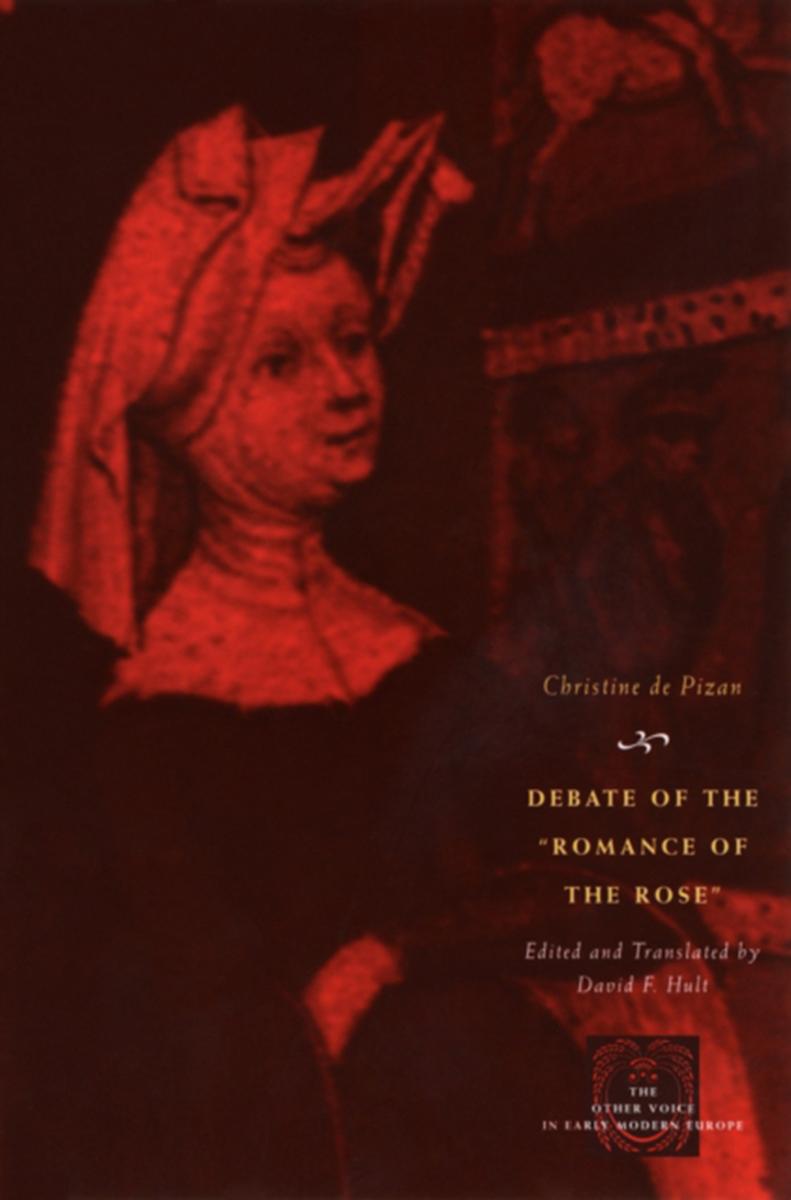
Debate of the Romance of the Rose
¥353.16
In 1401, Christine de Pizan (1365-1430?), one of the most renowned and prolific woman writers of the Middle Ages, wrote a letter to the provost of Lille criticizing the highly popular and widely read Romance of the Rose for its blatant and unwarranted misogynistic depictions of women. The debate that ensued, over not only the merits of the treatise but also of the place of women in society, started Europe on the long path to gender parity. Pizan's criticism sparked a continent-wide discussion of issues that is still alive today in disputes about art and morality, especially the civic responsibility of a writer or artist for the works he or she produces.In Debate of the "e;Romance of the Rose,"e; David Hult collects, along with the debate documents themselves, letters, sermons, and excerpts from other works of Pizan, including one from City of Ladies-her major defense of women and their rights-that give context to this debate.?Here, Pizan's supporters and detractors are heard alongside her own formidable, protofeminist voice.The resulting volume affords a rare look at the way people read and thought about literature in the period immediately preceding the era of print.
Reasons of Conscience
¥288.41
The implicit questions that inevitably underlie German bioethics are the same ones that have pervaded all of German public life for decades: How could the Holocaust have happenedAnd how can Germans make sure that it will never happen againIn Reasons of Conscience, Stefan Sperling considers the bioethical debates surrounding embryonic stem cell research in Germany at the turn of the twenty-first century, highlighting how the country's ongoing struggle to come to terms with its past informs the decisions it makes today.?Sperling brings the reader unmatched access to the offices of the German parliament to convey the role that morality and ethics play in contemporary Germany. He describes the separate and interactive workings of the two bodies assigned to shape German bioethics-the parliamentary Enquiry Commission on Law and Ethics in Modern Medicine and the executive branch's National Ethics Council-tracing each institution's genesis, projected image, and operations, and revealing that the content of bioethics cannot be separated from the workings of these institutions. Sperling then focuses his discussion around three core categories-transparency, conscience, and Germany itself-arguing that without fully considering these, we fail to understand German bioethics. He concludes with an assessment of German legislators and regulators' attempts to incorporate criteria of ethical research into the German Stem Cell Law.

Modernity Bluff
¥265.87
In Cte d'Ivoire, appearing modern is so important for success that many young men deplete their already meager resources to project an illusion of wealth in a fantastic display of Western imitation, spending far more than they can afford on brand name clothing, accessories, technology, and a robust nightlife. Such imitation, however, is not primarily meant to deceive-rather, as Sasha Newell argues in?The Modernity Bluff, it is an explicit performance so valued in Cte d'Ivoire it has become a matter of national pride.Called bluffeurs, these young urban men operate in a system of cultural economy where reputation is essential for financial success. That reputation is measured by familiarity with and access to the fashionable and expensive, which leads to a paradoxical state of affairs in which the wasting of wealth is essential to its accumulation. Using the consumption of Western goods to express their cultural mastery over Western taste, Newell argues, bluffeurs engage a global hierarchy that is profoundly modern, one that values performance over authenticityhighlighting the counterfeit nature of modernity itself.
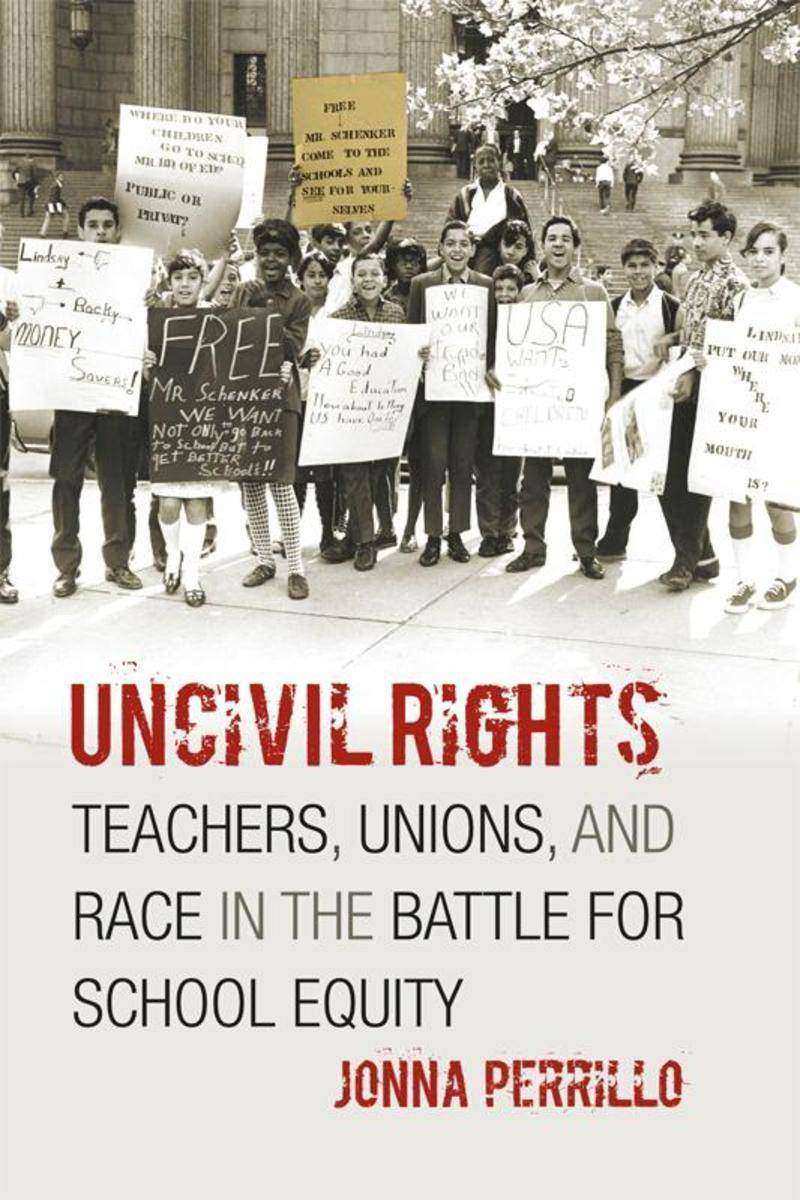
Uncivil Rights
¥265.87
Almost fifty years after?Brown v. Board of Education, a wealth of research shows that minority students continue to receive an unequal education. At the heart of this inequality is a complex and often conflicted relationship between teachers and civil rights activists, examined fully for the first time in Jonna Perrillo's?Uncivil Rights, which traces the tensions between the two groups in New York City from the Great Depression to the present.While movements for teachers' rights and civil rights were not always in conflict, Perrillo uncovers the ways?they have become so, brought about both by teachers who have come to see civil rights efforts as detracting from or competing with their own goals and by civil rights activists whose aims have de-professionalized the role of the educator. Focusing in particular on unionized teachers, Perrillo finds a new vantage point from which to examine the relationship between school and community, showing how in this struggle, educators, activists, and especially our students have lost out.?
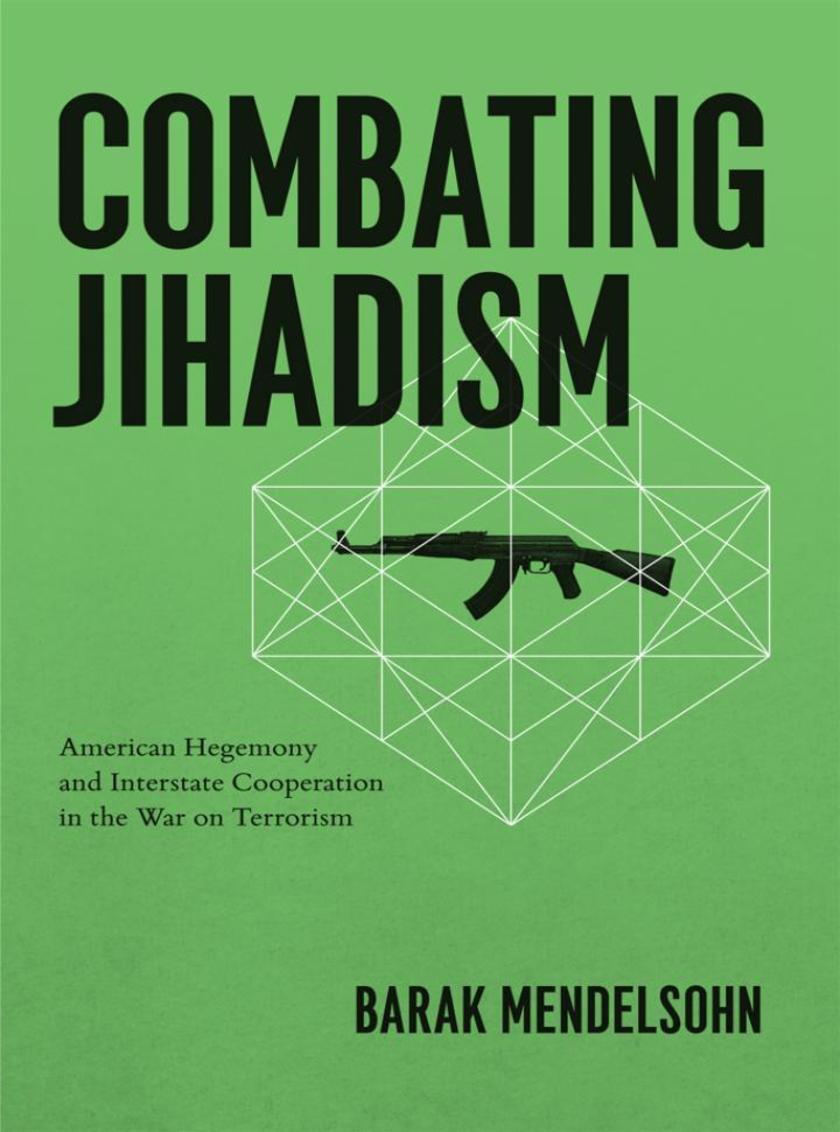
Combating Jihadism
¥247.21
Although terrorism is an age-old phenomenon, jihadi ideology is distinctive in its ambition to abandon the principle of state sovereignty, overthrow the modern state system, and replace it with an extremely radical interpretation of an Islamic world order. These characteristics reflect a radical break from traditional objectives promoted by terrorist groups. In Combating Jihadism Barak Mendelsohn argues that the distinctiveness of the al-Qaeda threat led the international community to change its approach to counterterrorism. Contrary to common yet erroneous conceptions, the United States, in its role as a hegemon, was critical for the formulation of a multilateral response.While most analyses of hegemony have focused on power, Mendelsohn firmly grounds the phenomenon in a web of shared norms and rules relating to the hegemon's freedom of action. Consequently, he explains why US leadership in counterterrorism efforts was in some spheres successful, when in others it failed or did not even seek to establish multilateral collaborative frameworks. Tracing the ways in which international cooperation has stopped terrorist efforts, Combating Jihadism provides a nuanced, innovative, and timely reinterpretation of the war on terrorism and the role of the United States in leading the fight against al-Qaeda and its affiliates.
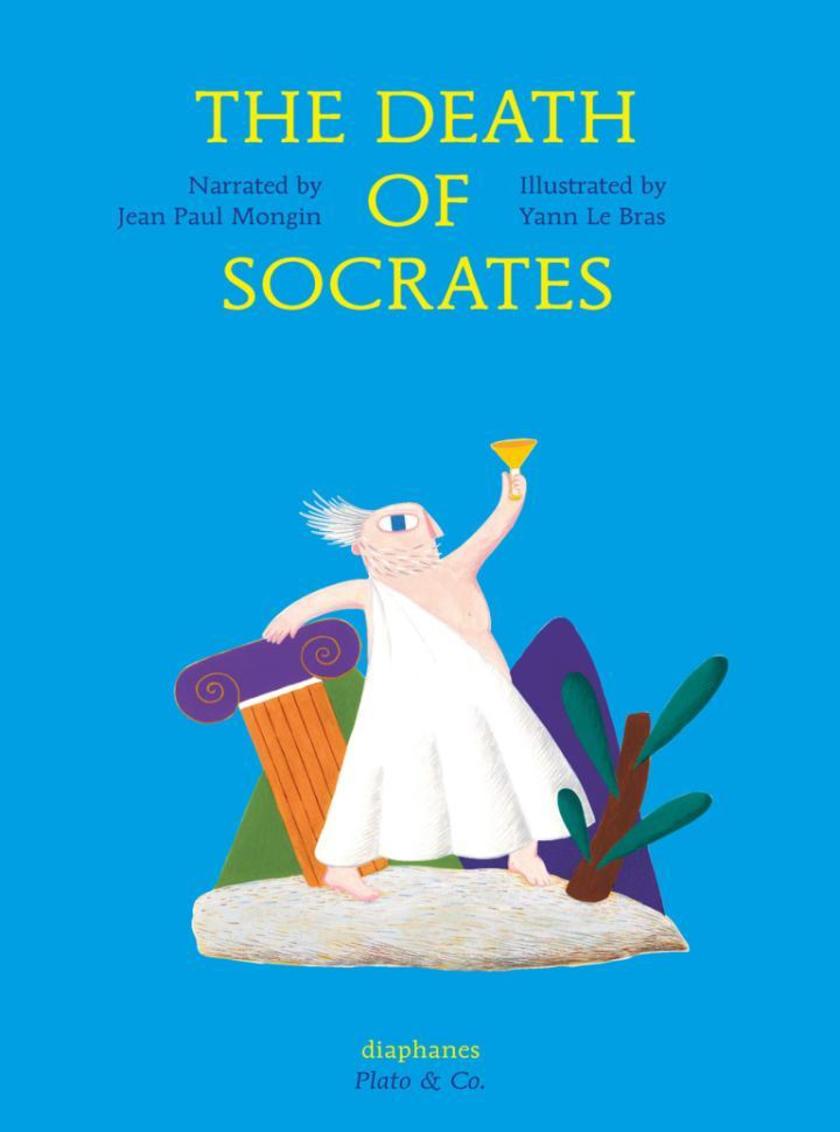
Death of Socrates
¥123.61
At its most basic, philosophy is about learning how to think about the world around us. It should come as no surprise, then, that children make excellent philosophers! Naturally inquisitive, pint-size scholars need little prompting before being willing to consider life's "e;big questions,"e; however strange or impractical. Plato & Co. introduces children-and curious grown-ups-to the lives and work of famous philosophers, from Descartes to Socrates, Einstein, Marx, and Wittgenstein. Each book in the series features an engaging-and often funny-story that presents basic tenets of philosophical thought alongside vibrant color illustrations."e;Tell us, Delphic Oracle, who is the wisest man in all of Greece?"e; So begins The Death of Socrates. No mortal man is wiser than Socrates, who, on his daily walks through Athens, talks to all the people he meets. When the person he talks to takes himself to be very wise, Socrates asks so many questions that the person ends up admitting he knows nothing. When he runs into people who know little, Socrates sets them on the way to wisdom. But not everyone shares Socrates's love for the truth. When the people of Athens become angry with him for his ceaseless questioning, how will he find the courage to continue to speak the truth Plato & Co.'s clear approach and charming illustrations make this series the perfect addition to any little library.

Bloodtaking and Peacemaking
¥241.33
Dubbed by the New York Times as "e;one of the most sought-after legal academics in the county,"e; William Ian Miller presents the arcane worlds of the Old Norse studies in a way sure to attract the interest of a wide range of readers. Bloodtaking and Peacemaking delves beneath the chaos and brutality of the Norse world to discover a complex interplay of ordering and disordering impulses. Miller's unique and engaging readings of ancient Iceland's sagas and extensive legal code reconstruct and illuminate the society that produced them.People in the saga world negotiated a maze of violent possibility, with strategies that frequently put life and limb in the balance. But there was a paradox in striking the balance-one could not get even without going one better. Miller shows how blood vengeance, law, and peacemaking were inextricably bound together in the feuding process.This book offers fascinating insights into the politics of a stateless society, its methods of social control, and the role that a uniquely sophisticated and self-conscious law played in the construction of Icelandic society."e;Illuminating."e;-Rory McTurk, Times Literary Supplement"e;An impressive achievement in ethnohistory; it is an amalgam of historical research with legal and anthropological interpretation. What is more, and rarer, is that it is a pleasure to read due to the inclusion of narrative case material from the sagas themselves."e;-Dan Bauer, Journal of Interdisciplinary History

On Creaturely Life
¥241.33
In his Duino Elegies, Rainer Maria Rilke suggests that animals enjoy direct access to a realm of being-the open-concealed from humans by the workings of consciousness and self-consciousness. In his own reading of Rilke, Martin Heidegger reclaims the open as the proper domain of human existence but suggests that human life remains haunted by vestiges of an animal-like relation to its surroundings. Walter Benjamin, in turn, was to show that such vestiges-what Eric Santner calls the creaturely-have a biopolitical aspect: they are linked to the processes that inscribe life in the realm of power and authority.?Santner traces this theme of creaturely life from its poetic and philosophical beginnings in the first half of the twentieth century to the writings of the enigmatic German novelist W. G. Sebald. Sebald's entire oeuvre, Santner argues, can be seen as an archive of creaturely life. For Sebald, the work on such an archive was inseparable from his understanding of what it means to engage ethically with another person's history and pain, an engagement that transforms us from indifferent individuals into neighbors.?An indispensable book for students of Sebald, On Creaturely Life is also a significant contribution to critical theory.
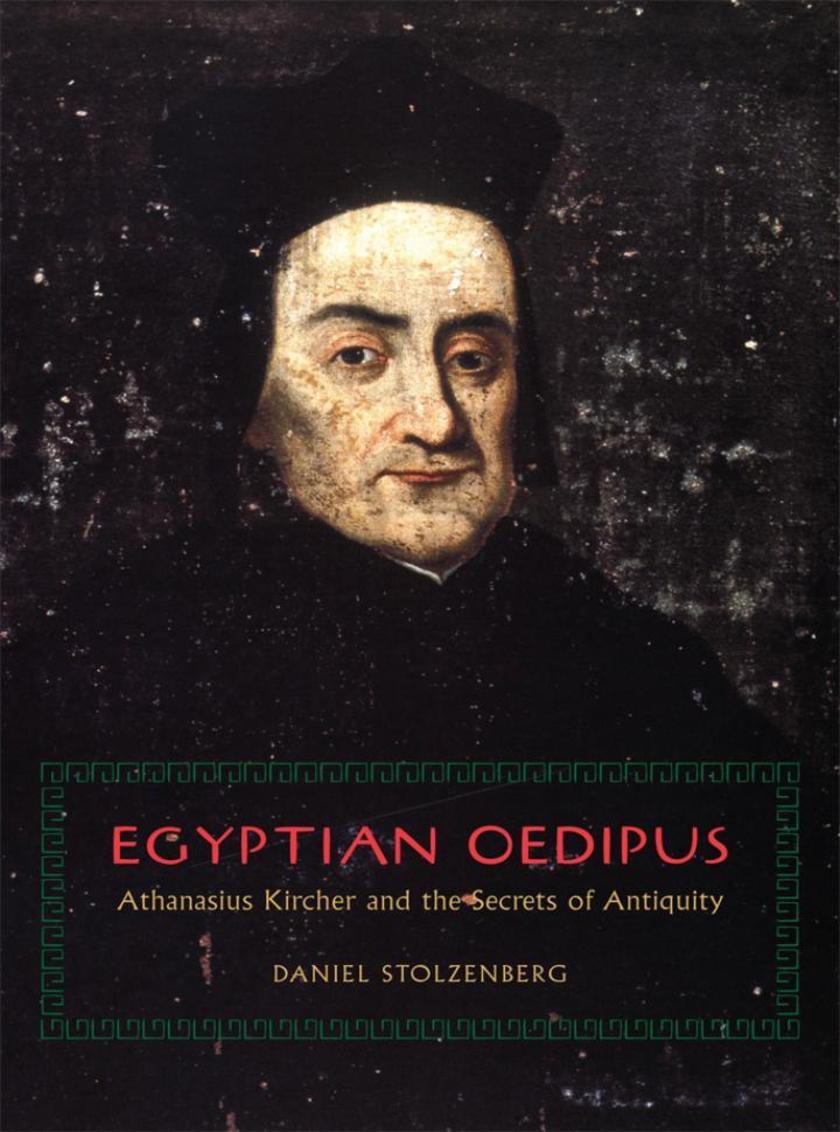
Egyptian Oedipus
¥247.21
A contemporary of Descartes and Newton, Athanasius Kircher, S. J. (1601/2-80), was one of Europe's most inventive and versatile scholars in the baroque era. He published more than thirty works in fields as diverse as astronomy, magnetism, cryptology, numerology, geology, and music. But Kircher is most famous-or infamous-for his quixotic attempt to decipher the Egyptian hieroglyphs and reconstruct the ancient traditions they encoded. In 1655, after more than two decades of toil, Kircher published his solution to the hieroglyphs, Oedipus Aegyptiacus, a work that has been called "e;one of the most learned monstrosities of all times."e; Here Daniel Stolzenberg presents a new interpretation of Kircher's hieroglyphic studies, placing them in the context of seventeenth-century scholarship on paganism and Oriental languages.?Situating Kircher in the social world of baroque Rome, with its scholars, artists, patrons, and censors, Stolzenberg shows how Kircher's study of ancient paganism depended on the circulation of texts, artifacts, and people between Christian and Islamic civilizations. Along with other participants in the rise of Oriental studies, Kircher aimed to revolutionize the study of the past by mastering Near Eastern languages and recovering ancient manu*s hidden away in the legendary libraries of Cairo and Damascus. The spectacular flaws of his scholarship have fostered an image of Kircher as an eccentric anachronism, a throwback to the Renaissance hermetic tradition. Stolzenberg argues against this view, showing how Kircher embodied essential tensions of a pivotal phase in European intellectual history, when pre-Enlightenment scholars pioneered modern empirical methods of studying the past while still working within traditional frameworks, such as biblical history and beliefs about magic and esoteric wisdom.
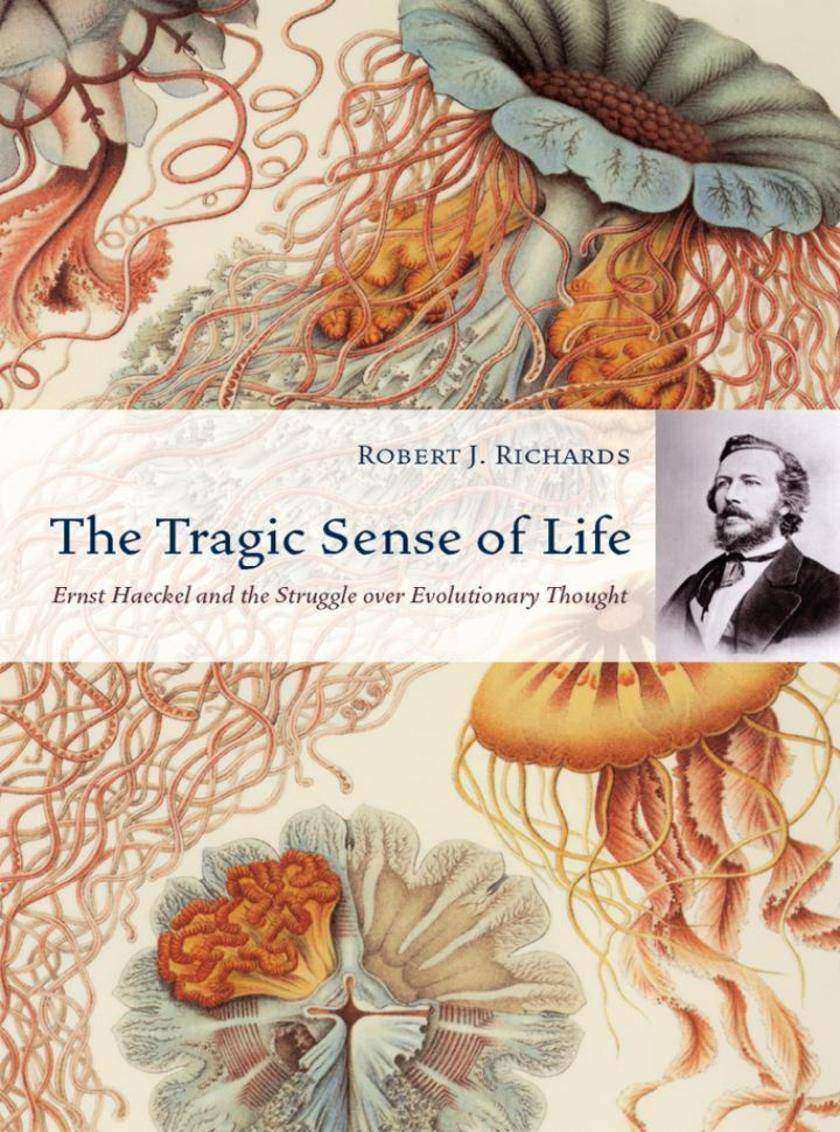
Tragic Sense of Life
¥253.10
Prior to the First World War, more people learned of evolutionary theory from the voluminous writings of Charles Darwin's foremost champion in Germany, Ernst Haeckel (1834-1919), than from any other source, including the writings of Darwin himself. But, with detractors ranging from paleontologist Stephen Jay Gould to modern-day creationists and advocates of intelligent design, Haeckel is better known as a divisive figure than as a pioneering biologist. Robert J. Richards's intellectual biography rehabilitates Haeckel, providing the most accurate measure of his science and art yet written, as well as a moving account of Haeckel's eventful life.
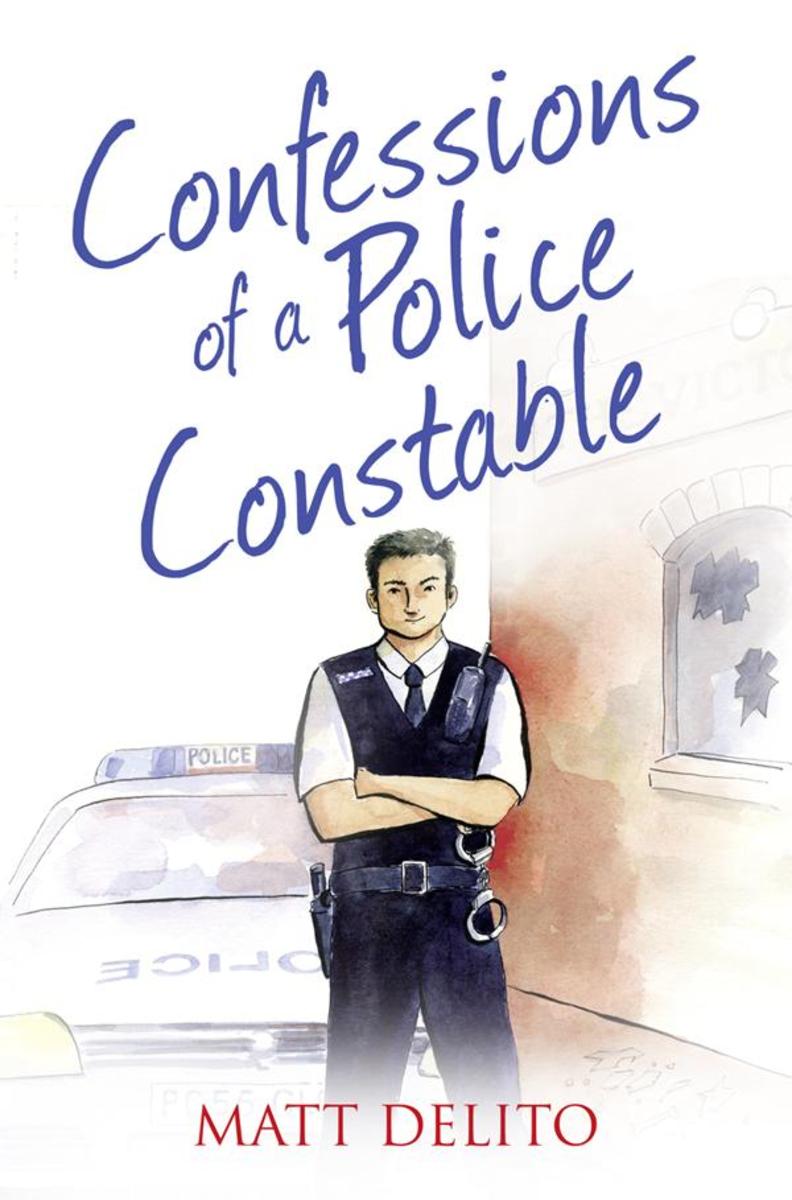
Confessions of a Police Constable (The Confessions Series)
¥61.51
Thieving ninjas, racist fast-food patrons, road traffic accidents, mischievous shoplifters, sudden deaths, car chases, and domestic violence – it’s all in a day’s work for London-based PC Matt Delito. Working at the front-line on the streets of London can be thrilling, frightening, rewarding, infuriating, and sometimes plain hilarious. In this eye-opening account of on-the-beat policing, Delito narrates some of his most interesting cases – from working undercover in a city club to being ambushed in the London riots – as well as taking us through the gadgets, procedures, and lingo that go with life at the other end of a 999 call. From the team that brought you the bestselling CONFESSIONS OF A GP and CONFESSIONS OF A MALE NURSE comes CONFESSIONS OF A POLICE CONSTABLE: a book that will shine a light on the gripping, touching and shocking realities of life as a city police constable. What did you do at work today?
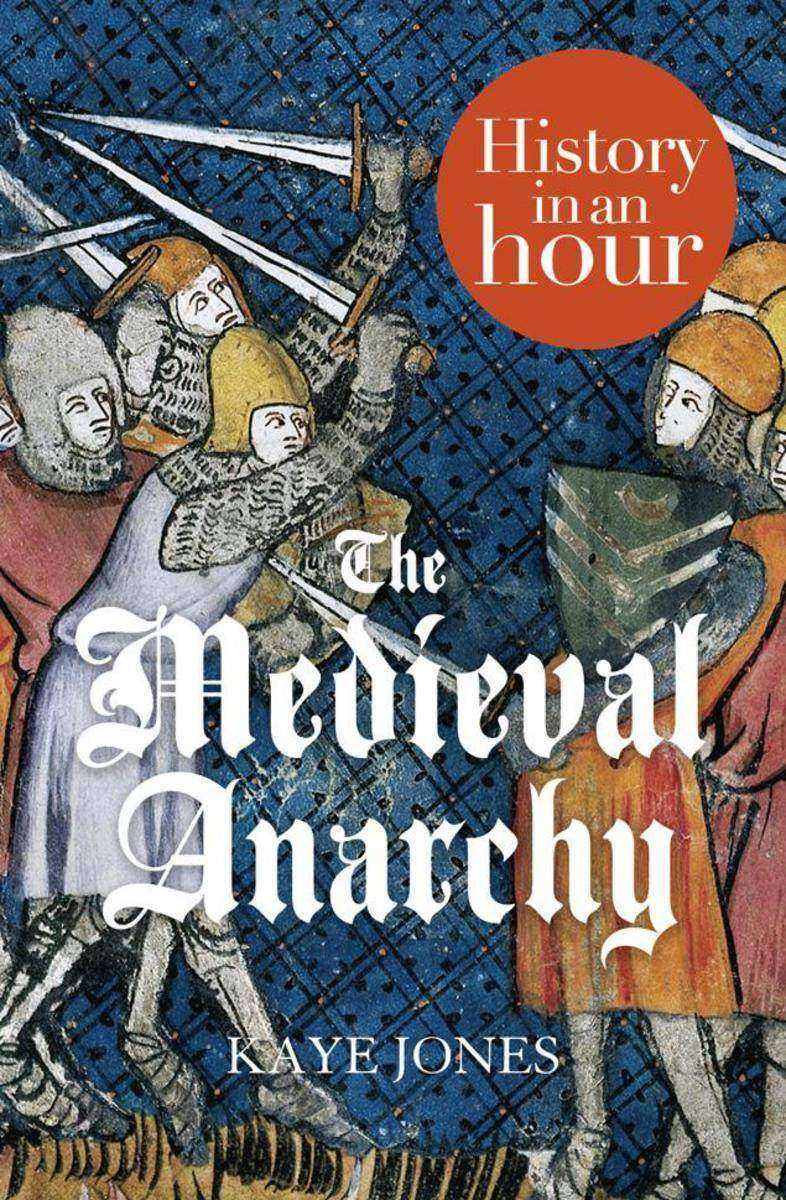
The Medieval Anarchy:History in an Hour
¥18.05
Love history? Know your stuff with History in an Hour. Nicknamed ‘The Anarchy' for its unprecedented levels of chaos and disorder, the succession crisis that followed the death of King Henry I in 1135 resulted in England's first civil war. ‘The Medieval Anarchy: History in an Hour’ neatly covers all the major facts and events giving you a clear and straightforward overview of the plots and violence that ensued during the the nineteen-year conflict. ‘The Medieval Anarchy: History in an Hour’ is engagingly written and accessible for all history lovers. This, in an hour, is the story of ‘The Medieval Anarchy’ through the personalities, context, events and aftermath of England's first, and often forgotten, civil war. Love your history? Find out about the world with History in an Hour…
Last Words
¥81.03
‘Where are the snows of yesteryear. And the speedballs I useta know? Well, I guess it’s time for my Ovaltine and a long good night.’ In 1996 William Burroughs began writing a final journal. He died the following summer after a life of notoriety: godfather of the Beat writers, author of thirteen controversial novels, druggy, dangerous and bleak. Spanning the realms of personal memoir, cultural criticism and fiction, Burroughs’ diaries include anecdotes and memories, entries on his beloved cats and the joys of housekeeping, and musings on drug-taking, humanity and government cover-ups. ‘Last Words’ contains some of the most brutally personal prose in the William Burroughs canon, and the deaths of his friends, Allen Ginsberg and Timothy Leary, provide a window onto his own preparations for death – a quest for absolution marked by a profound sense of guilt and loss.
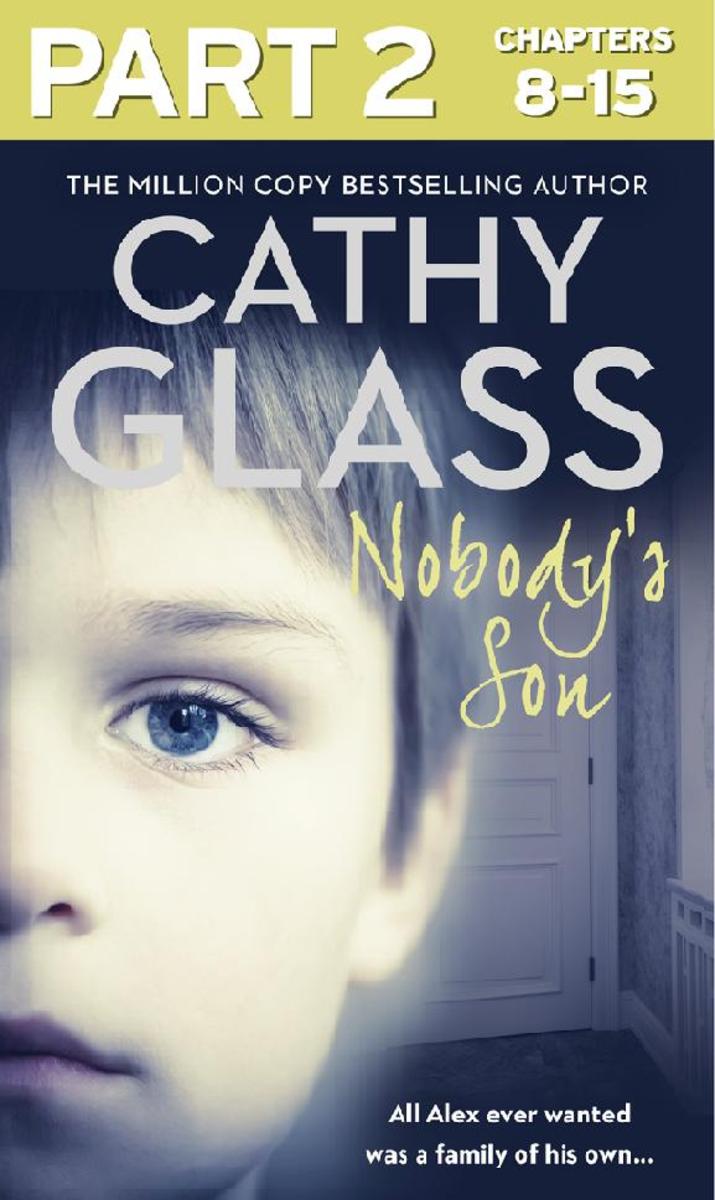
Nobody’s Son: Part 2 of 3: All Alex ever wanted was a family of his own
¥20.60
Born in a prison and removed from his drug-dependent mother, rejection is all that 7-year-old Alex knows. When Cathy is asked to foster little Alex, aged 7, her immediate reaction is: Why can’t he stay with his present carers for the last month? He’s already had many moves since coming into care as a toddler and he’ll only be with her a short while before he goes to live with his permanent adoptive family. But the present carers are expecting a baby and the foster mother isn’t coping, so Alex goes to live with Cathy. He settles easily and is very much looking forward to having a forever family of his own. The introductions and move to his adoptive family go well. But Alex is only with them for a week when problems begin. What happens next is both shocking and upsetting, and calls into question the whole adoption process.
Taken: Part 1 of 3
¥24.33
Experienced foster carer, Rosie Lewis, takes on the heart-breaking case of Megan, a baby born with a drug addiction and a cleft palate. Addicted to drugs from birth because of her mother’s substance abuse during pregnancy, new-born Megan is taken into Rosie’s loving care. Rosie is supposed to help Megan find her new permanent home, but it turns out that Megan has already found her ‘forever mummy’ in Rosie. Rosie grows incredibly attached to Megan and applies to adopt her, but the system refuses her in favour of a young couple and Rosie is devastated. Against all her instincts, Rosie does her job and prepares Megan for her new ‘forever family’, but everything about Megan leaving feels wrong. When Rosie learns a few months later that Megan’s adoption has broken down, she is saddened but also filled with hope – will this little girl be allowed to return to her true ‘forever home’?
Taken: Part 3 of 3
¥24.33
Experienced foster carer, Rosie Lewis, takes on the heart-breaking case of Megan, a baby born with a drug addiction and a cleft palate. Addicted to drugs from birth because of her mother’s substance abuse during pregnancy, new-born Megan is taken into Rosie’s loving care. Rosie is supposed to help Megan find her new permanent home, but it turns out that Megan has already found her ‘forever mummy’ in Rosie. Rosie grows incredibly attached to Megan and applies to adopt her, but the system refuses her in favour of a young couple and Rosie is devastated. Against all her instincts, Rosie does her job and prepares Megan for her new ‘forever family’, but everything about Megan leaving feels wrong. When Rosie learns a few months later that Megan’s adoption has broken down, she is saddened but also filled with hope – will this little girl be allowed to return to her true ‘forever home’?
Part 1 of 3: The true story of a lonely little girl abused by those she trusted
¥25.60
The moving true story of a little girl with Asperger syndrome, controlled and abused by the one person she called her friend. Taylor had always struggled to make friends – she felt ‘different’. Taylor never knew her father and her mother wasn’t around much. She just didn’t understand people, and was alone and scared much of the time. That was until, aged just 11, an older married man called Tom befriended her. She loved having someone who would talk to her, listen to her, a protector. But when he moved away a few months later she was easy prey to the gang of drug dealers and petty criminals who groomed and abused her, using her as a form of currency to appease their debtors and amuse their friends. Increasingly isolated and desperate, it began to look as though the pattern of Taylor's life had been set – until she started to fight back, determined to build a safe future for herself, however long it took.
Part 2 of 3: The true story of a lonely little girl abused by those she trusted
¥25.60
The moving true story of a little girl with Asperger syndrome, controlled and abused by the one person she called her friend. Taylor had always struggled to make friends – she felt ‘different’. Taylor never knew her father and her mother wasn’t around much. She just didn’t understand people, and was alone and scared much of the time. That was until, aged just 11, an older married man called Tom befriended her. She loved having someone who would talk to her, listen to her, a protector. But when he moved away a few months later she was easy prey to the gang of drug dealers and petty criminals who groomed and abused her, using her as a form of currency to appease their debtors and amuse their friends. Increasingly isolated and desperate, it began to look as though the pattern of Taylor's life had been set – until she started to fight back, determined to build a safe future for herself, however long it took.
Then Again: Travels in search of my younger self
¥68.57
For fans of Lorna Sage and Paula Fox, a unique memoir from Irma Kurtz, the acclaimed author of 'The Great American Bus Ride' and internationally renowned agony aunt. "A girl of indisputable gifts, she should of course use them someday to make a beautiful home and raise a family in elegant surroundings!" School psychologist's report on Irma Kurtz, 1950. In 1954 eighteen-year-old Irma Kurtz left New Jersey to travel across Europe, intent on transforming herself and changing the world. She looked to the Old World for an alternative destiny to that mapped out by the traditional expectations at home. On her post-war Grand Tour she found what she believed in: Art and Culture and Beauty and Love, and some horror as a Jewish girl encountering the seat of much of her family's destruction. Years later, sifting through a cardboard box filled with memories at her mother's house, she rediscovered the journal of her first journey, the one that marked the beginning of a life of writing and living abroad. Gripped by intense recollections of sailing across the Atlantic, and intrigued by the exuberant remarks of her adventurous younger self, she decided to leave her London home and retrace her footsteps, this time with herself as a guide. Testing her theory that older women are invisible, Kurtz's journey is peppered with acute observations of human behaviour, not to mention some sharp advice for her ghostly travel companion, a teenager who thinks she knows it all, yet is blind to what lies ahead of her. Part-memoir, part-travelogue, this unique book contrasts the experience of two very different travellers, offering an insight into what has endured, and what has been lost, in the life of one woman and the altered environment of Europe at the dawn of a new millennium. Beautifully written, moving and funny, Then Again is time-travel at its best, revealing the pains and pleasures of growing older and wiser.


