


 购物车
购物车 个人中心
个人中心
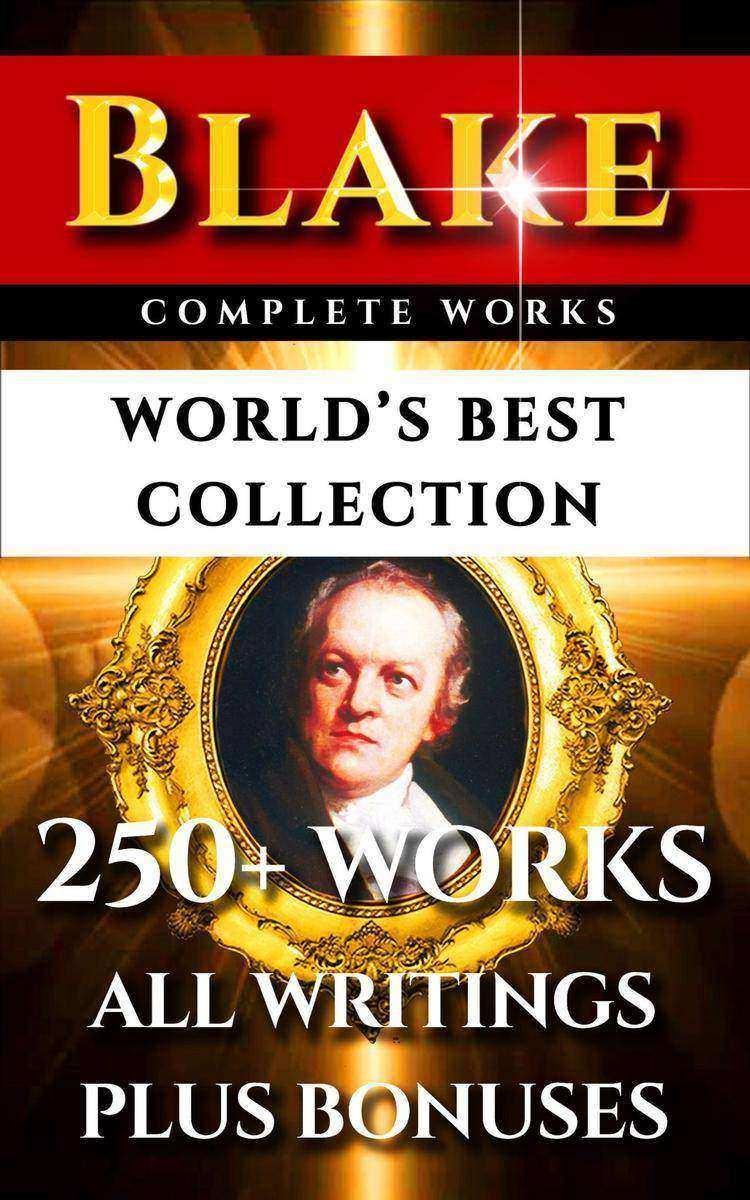
William Blake Complete Works – World’s Best Collection: 250+ Works
¥8.09
William Blake Complete Works World's Best Collection This is the world’s best William Blake collection, including the most complete set of Blake’s works available plus many free bonus materials. William Blake William Blake was an English poet and painter. Although unrecognized during his lifetime, Blake is now considered a seminal figure in the history of the poetry of the Romantic Age, and in 2002, Blake was placed at number 38 in the Bbc’s poll of the 100 Greatest Britons. During his lifetime, Blake was largely considered mad by contemporaries for his idiosyncratic views, but he is held in high regard by later critics for his expressiveness and creativity, and for the philosophical and mystical undercurrents within his work. The 19th-century scholar William Rossetti characterized him as a "glorious luminary” The ‘Must-Have’ Complete Collection In this irresistible collection you get a full set of Blake’s pieces, with more than 250 works - All his poems, All poetry, All his prose and the full length definitive biography. Plus Free Bonus material. There are countless must reads, ranging from the well-known pieces to fantastic and startling new works to discover. Including Among Many Others: Poetical Sketches Songs Of Innocence Tiriel All Religions Are One The Marriage Of Heaven And Hell The Gates Of Paradise America: A Prophecy Europe: A Prophecy Songs Of Experience The Book Of Ahania The Song Of Los Vala, Or The Four Zoas A Vision Of The Last Judgment. The Ghost Of Abel The Rossetti Manuscript The Pickering Manuscript Auguries of Innocence The Laocoon Satiric Verses And Epigrams Full Collection Of Blake’s Letters Your Free Special Bonuses Historical Context and Literary Context Notes?- Detailed explanations of the Regency Era and Romanticism, written specially for this collection. Annotations?- a collection of notes taken from hand written texts Blake made in the margins of his own favourite books. William Blake, A Critical Essay?- a intriguing essay from the famous literature scholar Algernon Charles Swinburne Life Of William Blake Pictor Ignotus?- Used in colleges worldwide,known as the definitive biography of Blake, from Alexander Gilchrist, a fascinating account of Blake’s colourful life, including chapters, amongst others, about his work, his changing views on the world and his trial for sedition. Get This Collection Right Now This is the best William Blake collection you can get, so get it now and start enjoying and being inspired by the words inside like never before!

Dela: Gorski vijenac, Lu?a Mikrokozma, Slobodijada...
¥37.20
Dvestotu godi?njicu Njego?evog ro?enja 2013. Knji?evna radionica Ra?i? obele?ila je objavljivanjem elektronske knjige pod naslovom Dela Njego?eva. Ova knjiga sadr?i obiman izbor Njego?evih najva?nijih dela: Gorski Vijenac, Lu?a mikrokozma, La?ni car ??epan Mali, Slobodijada, Glas kamen?taka, Pustinjak cetinski, Kula ?uri?i?a -- ?ardak Aleksi?a, Prozni zapisi, No? skuplja vijeka, te Izabrana pisma.
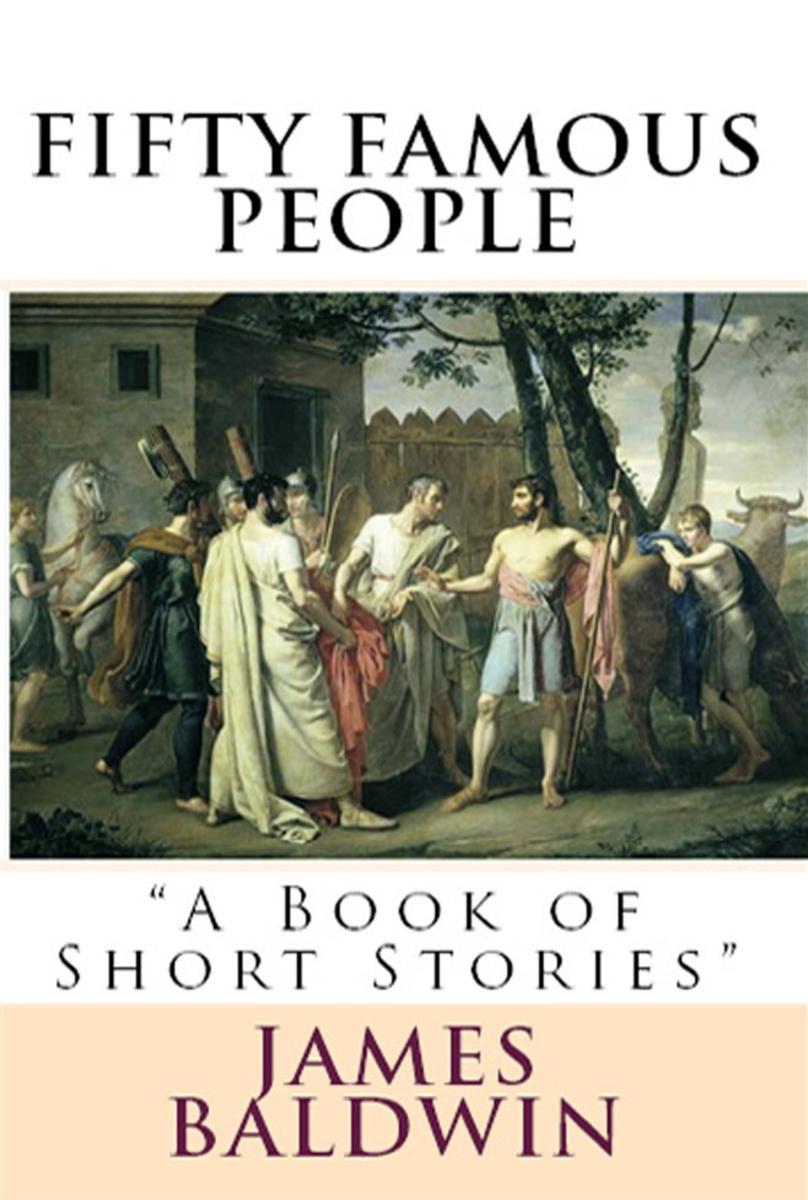
Fifty Famous People: "A Book of Short Stories"
¥28.29
ONE of the best things to be said of the stories in this volume is that, although they are not biographical, they are about real persons who actually lived and performed their parts in the great drama of the world's history. Some of these persons were more famous than others, yet all have left enduring "footprints on the sands of time" and their names will not cease to be remembered. ??In each of the stories there is a basis of truth and an ethical lesson which cannot fail to have a wholesome influence; and each possesses elements of interest which, it is believed, will go far towards proving the fallibility of the doctrine that children find delight only in tales of the imaginative and unreal. The fact that there are a few more than fifty famous people mentioned in the volume may be credited to the author's wish to give good measure.??SAVING THE BIRDS?ONE day in spring four men were riding on horseback along a country road. These men were lawyers, and they were going to the next town to attend court.?There had been a rain, and the ground was very soft. Water was dripping from the trees, and the grass was wet.?The four lawyers rode along, one behind another; for the pathway was narrow, and the mud on each side of it was deep. They rode slowly, and talked and laughed and were very jolly.?As they were passing through a grove of small trees, they heard a great fluttering over their heads and a feeble chirping in the grass by the roadside.? "Stith! stith! stith!" came from the leafy branches above them.?"Cheep! cheep! cheep!" came from the wet grass.?"What is the matter here?" asked the first lawyer, whose name was Speed.?"Oh, it's only some old robins!" said the second lawyer, whose name was Hardin. "The storm has blown two of the little ones out of the nest. They are too young to fly, and the mother bird is making a great fuss about it."?"What a pity! They'll die down there in the grass," said the third lawyer, whose name I forget.?"Oh, well! They're nothing but birds," said Mr. Hardin. "Why should we bother?"? "Yes, why should we?" said Mr. Speed.?The three men, as they passed, looked down and saw the little birds fluttering in the cold, wet grass. They saw the mother robin flying about, and crying to her mate.?Then they rode on, talking and laughing as before. In a few minutes they had forgotten about the birds.?But the fourth lawyer, whose name was Abraham Lincoln, stopped. He got down from his horse and very gently took the little ones up in his big warm hands.

A Kis Herceg
¥8.18
La ora la care scriu aceste r?nduri, revista Contemporanul se apropie de aniversarea a 130 de ani de la fondare, si ne ?ntreb?m, cu to?ii, iar??i ?i iar??i, ce schimb?ri s-au produs ?n peisajul cultural, literar, social ?n ultimii 20 de ani? Ce viitor vor avea cultura, literatura rom?n? vie ?n contextul acestor schimb?ri? Cum ??i va reveni din criza actuala, mai grav?, mai dramatic? dec?t criza economic? propriu-zisa fiind, f?r? ?ndoiala, profunda criz? moral? de care este cuprins? societatea rom?neasc?? R?spunsurile formulate de participan?ii la anchet? – precum ?i celelalte articole, eseuri, reportaje etc. – cuprinse ?n acest supliment aniversar vizeaz? ?i aceste aspecte, greu de neglijat, din v?rtejul evenimentelor istorice, din acest dramatic prezent, rezist?nd, spre gloria na?iunii rom?ne, Excelen?a Sa, cultura, literatur? rom?n? vie. (Aura Christi)
?zlemek Sevmekse, ?zlüyorum Seni
¥9.16
B?R DAMLA SEVG?YLE MERHABA ?Dokunan hafif bir esinti, bir damla ya?, bir kü?ük ka?amak bak??tan ve bir tatl? s?zden sonra yüre?in ?eperlerine yap???p kalan a?k?n izleriyle dolu ya?amakt?r belki de istenilen… ??zlemek sevgiyle yüre?e dokunmaksa; bir tatl? s?z, bir gidenin ard?ndan kalan iz, bir hüzün i?indeki umutsuzluklarda bile, umut arayan kalple var olmakt?r kimbilir belki de i?imizde kalan… ??zlemek; a?k?n g?zya?lar?nda, yar?n? olmayan a?klarda ve bir garip a?k?n i?inde bile mutlulu?u, sevginin kanatlar?nda ?zlemle arayarak yazmakt?r belki de sayfalarda saklanan… ?Kim bilir belki de sevgiyi i?inde bularak kanatlanmakt?r, kanats?z hallerinde bile ?zlemle a?ka u?makt?r… ?Her okunan ?iirin i?inde hissedebilmektir belki de; tarifi olmayan, tarifsiz o duyguyu, yüre?indeki bir k?v?lc?m ate?iyle canland?r?p ya?atabilmektir belki de arzulanan... ?Sevgiyle dolu sayfalarda, hissettiklerinizi bulup dolu dolu ya?aman?z dile?iyle… Cengiz ?ET?K 1964 y?l?nda Konya/Karap?nar do?du. ?lkokulu Emirgazi il?esinde okudu. Ortaokulu ve liseyi Karap?nar’da okudu. Endüstri Meslek Lisesi Torna tesviye’den mezun oldu. 1989 y?l?nda Burdur E?itim Yüksek Okulu’ndan S?n?f ??retmeni olarak mezun olduktan sonra 1990 y?l?ndan bu yana zaman zaman idarecilik yapsa da ?u an Uzman S?n?f ??retmeni olarak ?al??makta olup iki k?z babas?d?r. 1986 y?l?nda ilk ?yküsü “sonun Ba?lang?c?” bir sinema dergisinin a?t??? yar??mada birinci gelmi?tir. Finike yerel gazetelerinde 2005 y?l?ndan sonra bir?ok k??e yaz?lar? yay?nland?. 2006 y?l?nda ilk ?iir kitab? “Son S?züm Sana Gülüm” yay?nlad?. ?kinci kitab? “Siyahlarday?m Alev Bak??l?m” 2008 y?l?nda yay?nland?. Ayr?ca güfte halinde “ Siyahlarday?m” 2010 y?l?nda ve “Vazge? G?nlüm” 2016 y?l?nda iki ?iiri bestelenip ?ark? olarak hayat bulmu?tur. 2017 y?l? son ay?nda ilk bilimkurgu roman? “Pokentranl? G?kmen” okurlar?yla tan??t?.
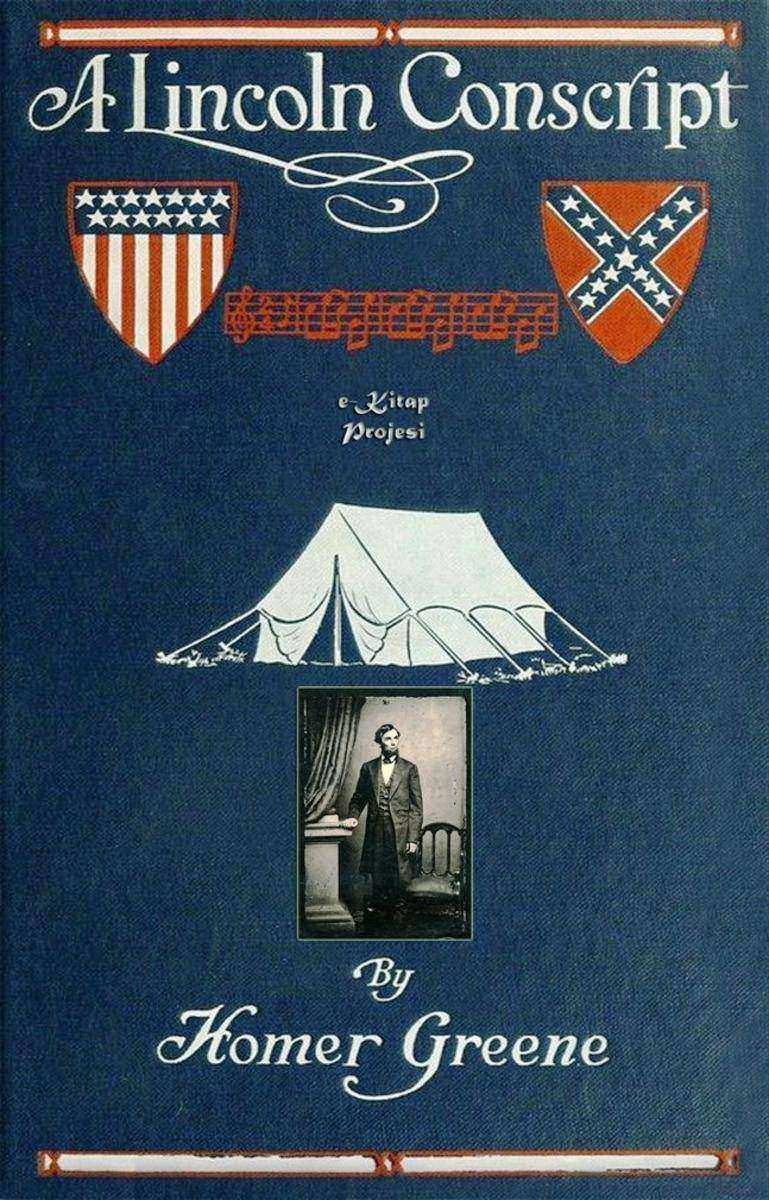
A Lincoln Conscript
¥27.88
On the second day of July in the year 1863 the Civil War in America was at its height. Late in the preceding month Lee had turned his face northward, and, with an army of a hundred thou-sand Confederate soldiers at his back, had marched up into Penn-sylvania. There was little to hinder his advance. Refraining, by reason of strict orders, from wanton destruction of property, his soldiers nevertheless lived on the rich country through which they passed. York and Carlisle were in their grasp. Harrisburg was but a day’s march away, and now, on this second day of July, flushed with fresh victories, they had turned and were giving desperate battle, through the streets and on the hills of Gettysburg, to the Union armies that had followed them. The old commonwealth was stirred as she had not been stirred before since the fall of Sumter. Every town and village in the state responded quickly to the governor’s call for emergency troops to defend the capital city. Mount Hermon, already depleted by gen-erous early enlistments, and by the draft of 1862, gathered to-gether the bulk of the able-bodied men left in the village and its surroundings, and sent them forth in defense of the common-wealth. Not that Mount Hermon was in especial danger from Lee’s invasion, far from it. Up in the northeastern corner of the state, on a plateau of one of the low foot-hills of the Moosic range, sheltered by the mountains at its back, it was well protected, both by reason of distance and location, from the advancing foe. But Mount Hermon was intensely patriotic. In the days preceding the Revolution the sturdy pioneers from Connecticut had met the equally sturdy settlers from the domain of Penn, and on this plateau they had fought out their contentions and settled their differences; the son of the Pennamite had married the daughter of the Yankee; and the new race, with love of country tingeing every drop of its blood a deeper red, had stayed on and possessed the land. So, on this July day, when the armies of North and South were striving and struggling with each other in bloody combat back and forth across the plain and up the hills of Gettysburg, Mount Hermon’s heart beat fast. But it was not for themselves that these people were anxious. It was for the fathers, husbands, sons, lovers in that army with which Meade, untried and unproven, was endeavoring to match the strategy and strength of Lee. News of the first day’s skirmishing had reached the village, and it was felt that a great battle was imminent. In the early evening, while the women were still busy at their household tasks, the men gathered at the post-office and the stores, eager for late news, anxious to discuss the situation as they had learned it. In the meantime the boys of the town had congregated on the village green to resume the military drills which, with more or less frequency, they had carried on during the summer. These drills were not wholly without serious intent. It was play, indeed; but, out of the ranks of these boys, three of the older ones had already gone to the front to fight real battles; and it was felt, by the men of the town, that the boys could not be too thoroughly imbued with the military spirit. So, on this July evening, wakened into new ardor by the news from Gettysburg, they had gathered to resume their nightly work—and play.There were thirty-three of them, ranging in years all the way from eight to eighteen. They were eager and enthusiastic. At the command to fall in there was much pushing and jostling, much striving for desirable places, and even the young captain, with great show of authority, could not quite adjust all differences to the complete satisfaction of his men.Before the confusion had wholly ceased, and while there were still awkward gaps in the ranks, a tall, straight, shy-mannered boy of seventeen, who had remained hitherto on the outskirts of the group, quietly slipped into one of the vacant places.
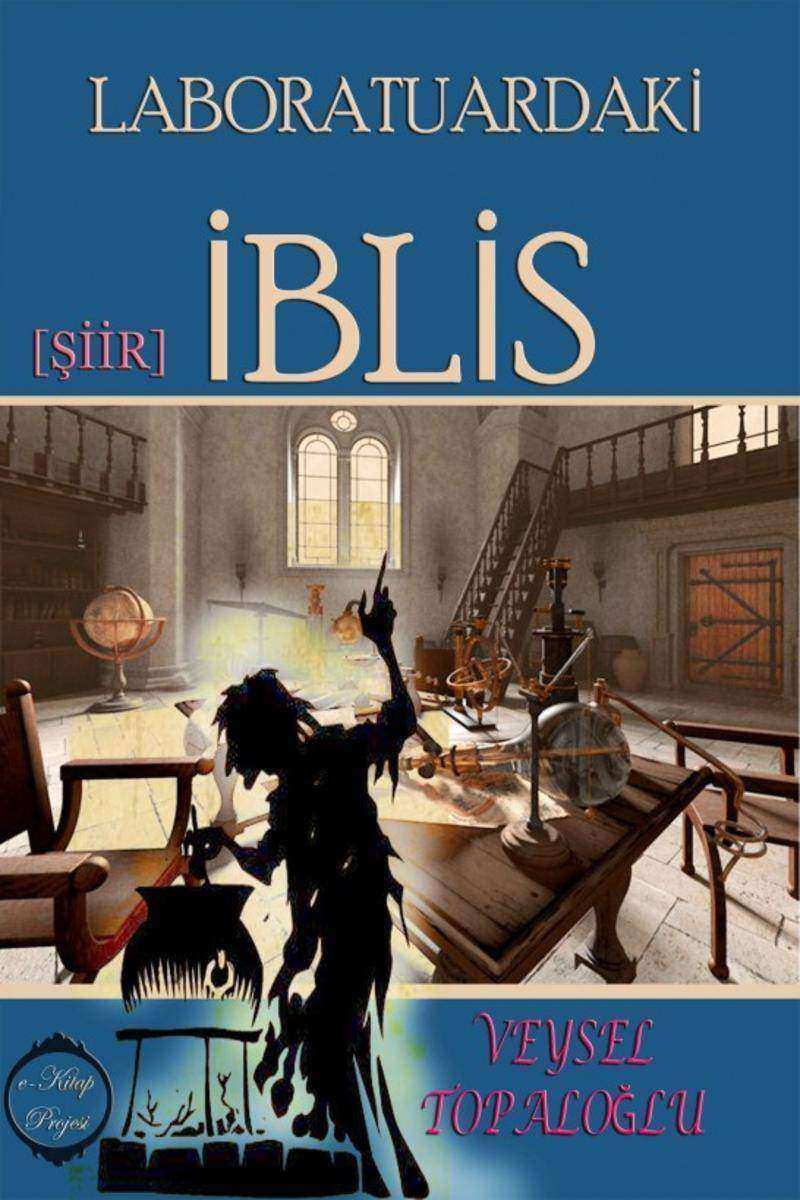
Laboratuardaki ?blis: ?iir
¥27.71
Yirmi birinci yüzy?lda, teknolojik geli?melerin de etkisiyle, büyük bir "öz güven patlamas?" ya?ayan insanl?k; kurulu?undan bu yana kendi yasalar?na göre çal??an ba?ta ekolojik sistem olmak üzere: Biyolojik ve jeolojik sistemlere müdahale ederek; kendi kurallar?na göre de?i?tirmeye kalkt?. ??te, ba?ta baz? hastal?klar olmak üzere; birçok sorunlar da burada ortaya ç?kt?. Maalesef bugün nerede ise hepimiz, hastay?z! Hastal?klar?m?z?n ise çe?it çe?it ad? olsa bile en yayg?n olan?: "Parçalama Hastal???" olup çok da kolay tedavi edilebilecek gibi de görünmemektedir.Günümüzde, teknolojik geli?mi?li?in de etkisiyle: ?nsano?lu, bütünü anlamak için onu parçalamay? seçti. Parçalar? üzerinden bütünü; anlamaya ve tan?maya çal??maktad?r.. Oysa ki, parçalar? birle?tirerek bütünü tan?mak hem daha kolay, hem de daha do?al bir yöntem oldu?unu da bilmesine ra?men.Y?llard?r; maddeleri parçalad?k yetmedi. Atomlar? parçalad?k bitmedi. Bu i? daha nereye kadar gidecek? Ve ne kadar daha sürecek? Bilinmez! Ancak bizler, bir an önce maddeleri ve sistemleri parçalamaktan vazgeçmek mecburiyetindeyiz! Yoksa: Korkar?m çok yak?nda, yeryüzündeki ya?am? kökünden bitirece?iz!..Bu arada, baz? "Laboratuvar Ka?iflerine" de birkaç hat?rlatmada bulunmak isterim:Hani; Sizlerin, mikro organizmalar? incelemek için hergün bakt???n?z o devasa büyüteçler'iniz (Dev Elektron Mikroskoplar?n?z) var ya! ??te o büyüteçler; inceledi?iniz o organizmalar?, sizlerin gözünde milyonlarca kez büyütmekte iken; sizleri de belki onlar?n "gözünde" milyonlarca kez küçültüyor olmas?nlar (?) Yine: Belki de sizler; onlar? tan?maya çal???rken; onlar da bizleri anlamaya çabal?yor olmas?nlar? Dahas?: Belki de onlar da bizleri merak ediyorlard?r (?) Kim bilir? Ne dersiniz? Bir de böyle dü?ünmeyi denemelisiniz!.."LABORATUARDAK? ?BL?S"{???R L?STES? & ?Ç?NDEK?LER}:YAZAR HAKKINDA {ÖZ GEÇM??}TANITMALIK {PROSPEKTÜS}T?N VE TENZERRELABORATUARDAK? ?BL?SB?ZDEN M?D?R?RUH YARASIKONDUNEFES?ST?R?DYEN?N HÜNER?MOLEKÜLER SEYAHATYARI?L?NÇHIZ/HAZ ÇEL??MECES?HAL?S YAPAYLIKLAR D?YARINDA -1MAZ?DEK? AYAK ?ZLER?MMAN?SA TARZANIARKA KAPAK?a’irin Yay?nlanm?? Di?er Kitaplar?VEYSEL TOPALO?LU (?A?R; SADEKUL)

Jeff Bezos: La Forza Dietro il Marchio
¥32.62
Che cos'è che lo rende un uomo di super successo? Che cosa gli ha permesso di trasformare un'idea in una mega-compagnia che ha cambiato il mondo?? Che cosa, in lui, puoi rivedere in te, e cosa ti manca? Che cosa potresti imparare da lui?Leggi, e scoprilo. Il bisogno di capire coloro che ci circondano e ce l'hanno fatta in modi che superano la nostra immaginazione è insito in tutti noi. Questo desiderio innato è guidato dal nostro bisogno profondo e fondamentale di trovare modi migliori che ci permettano di raggiungere i nostri obiettivi, comprendere i nostri sogni e superare le sfide che ci si presentano. Questo libro parla degli eventi di fondo nella vita di Jeff Bezos e dei modi in cui hanno influenzato la sua vita, del modo in cui ha reagito ad essi e li ha usati a suo vantaggio. Il libro non pretende di conoscere le fibre di cui è composto il suo cuore - nessun uomo può conoscerle. Ma quello che fa è mettere insieme eventi e vedere le ombre che proiettano. Tutto ciò affinché tu possa trovare dentro di te gli elementi che potrebbero essere il seme del tuo successo, della tua realizzazione e grandezza. La storia di Bezos traccia un percorso attraverso la sua vita da giovane e osserva le sue azioni e conquiste, decifrando l'esistenza del suo più grande successo - Amazon - in un modo che riflette il suo carattere, il suo intelletto e la sua educazione. La sua storia è diversa da quella di altre persone di successo nella storia. Il suo marchio di etica del lavoro è familiare ma differente. Non aspettare un altro minuto! Scorri verso l'alto e clicca il pulsante
Fairy Circles: [Tales and Legends of Giants, Dwarfs, Fairies, Water-Sprites and
¥27.80
MORE than a thousand years have rolled away since a castle looked down cheerfully from a height amid the Franconian plains into the well-watered Kinzig Valley, with its pleasant villages and towns.?It belonged to the powerful Swabian duke Frederick of Hohenstaufen, whose young and valiant son loved this the best of all his father's proud castles, and often left his uncle's splendid palace to hunt in its forests, or to look down from its lofty oriel window on the blooming plain below.??His father and uncle indeed missed him sadly. His clear blue eye, and the cheerful expression of his noble countenance, seemed to the two grave and war-weary men so gladdening to look upon, that they were always unwilling to let him leave them.??But the young Frederick used to beg them so earnestly to grant him the freedom of the forest for just this once, that father and uncle smilingly granted him permission, though "this once" was often repeated..
Dini Bir Vecibeyle Pis Bir Ucube
¥18.56
Gerek aklara gerek insanlara yazmtm iirlerimi... Bana pis bir ucubeymiim gibi davranan ucubeye... nsan hi ucubeye iir yazar m demeyin! Benimki gerek bir ak hikayesiydi... yle sandm...Küüktüm.... Aldandm... Hani bize hep anlatlan kurbaa prens hikayesi var ya; Ben hep kurbaann prens olacan düünmütüm, ama nereden bilebilirdim prensimin kurbaa kacan... Kurbaamn da yok olacan... Bu kitabm benim gibi kurbaay prens zanneden gen kzlara, incinmi aldatlm tüm kadnlara, terk edilmi aklara ve ak ararken insann nasl ac ektiini, her eyini kaybetmiliini anlamak isteyen ak hrszlarna gelsin... ve tüm iir dostlarna.... Ben küük bir kzdm, ok incindim... Lütfen siz incinmeyin ve sizi kimsenin incitmesine izin vermeyin... UCUBEYE... Bugün tam on iki sene oldu gidiinin ardndan.. Uzun uzun yolunu gzleyiimle, hala bana bunu nasl yapt deyiimle geen on iki sene... On iki senedir hi grmedim seni... Belki yüzünü bile unuttum; zaten sesini hi hatrlamyorum. Karma ksan tanmam bile. Sadece benden aldn ak, güven, huzur, mutluluk duygularn bulmaya alyorum. Yalnzlm iimde gibi büyürken braktn korkularla adm atmaya ekindim her ak araymda... Ve yllarca yazdm sen bilmesen de sana...

Speaking of Poetry...
¥15.40
A book of poetry on various themes. Springtime I shall wait for you springtimeWhen winter has passed awayRosebuds will be dancing in the nightBeneath the Milky Way Lovers kissing and holding handsWaltzing a brisk and lively danceUnderneath the crescent moon that shownAs Orpheus sings a joyful song Mockingbirds will send forth merry soundsAwakening nature's dreary brownChildren playing games while folksLaugh and tell their silly jokes
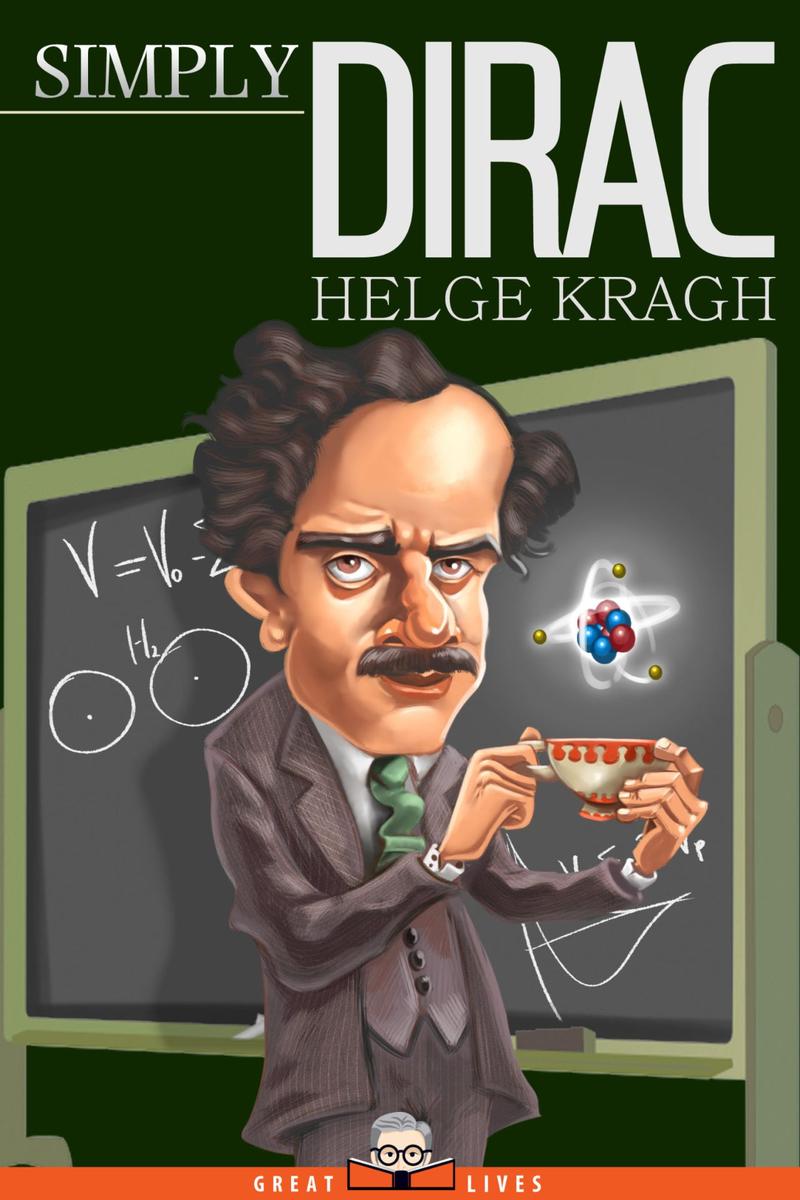
Simply Dirac
¥65.32
Paul Dirac?(1902–1984) was a brilliant mathematician and a 1933 Nobel laureate whose work ranks alongside that of Albert Einstein and Sir Isaac Newton. Although not as well known as his famous contemporaries Werner Heisenberg and Richard Feynman, his influence on the course of physics was immense. His landmark book,?The Principles of Quantum Mechanics, introduced that new science to the world and his “Dirac equation” was the first theory to reconcile special relativity and quantum mechanics. Dirac held the Lucasian Chair of Mathematics at Cambridge University, a position also occupied by such luminaries as Isaac Newton and Stephen Hawking. Yet, during his 40-year career as a professor, he had only a few doctoral students due to his peculiar personality, which bordered on the bizarre. Taciturn and introverted, with virtually no social skills, he once turned down a knighthood because he didn’t want to be addressed by his first name. Einstein described him as “balancing on the dizzying path between genius and madness.” In?Simply Dirac, author?Helge Kragh?blends the scientific and the personal and invites the reader to get to know both Dirac the quantum genius and Dirac the social misfit. Featuring cameo appearances by some of the greatest scientists of the 20th century and highlighting the dramatic changes that occurred in the field of physics during Dirac’s lifetime, this fascinating biography is an invaluable introduction to a truly singular man.
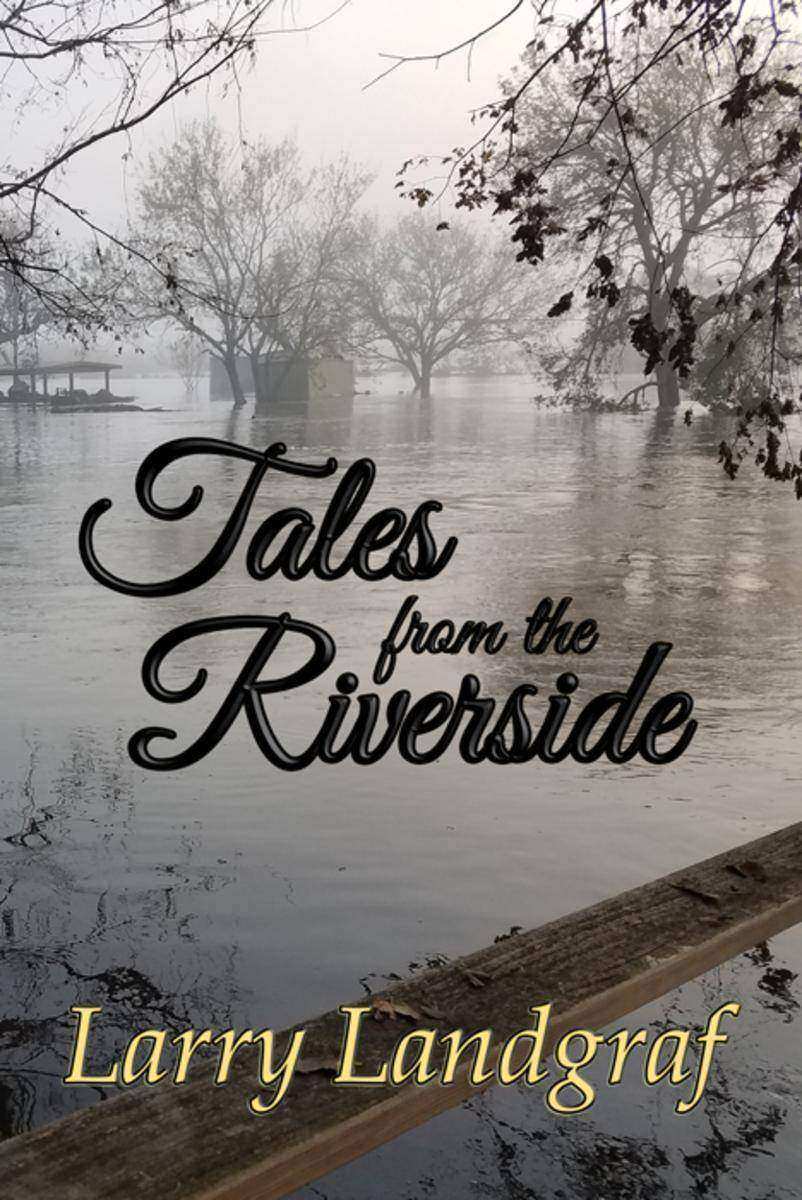
Tales from the Riverside
¥24.44
Tales from the Riverside tells true and unique stories about one man’s struggle with alligators, snakes, killer bees, and hordes of nasty critters on a daily basis in his swamp. Experience the danger without the need for professional medical services. Life in a swamp is not for everyone.
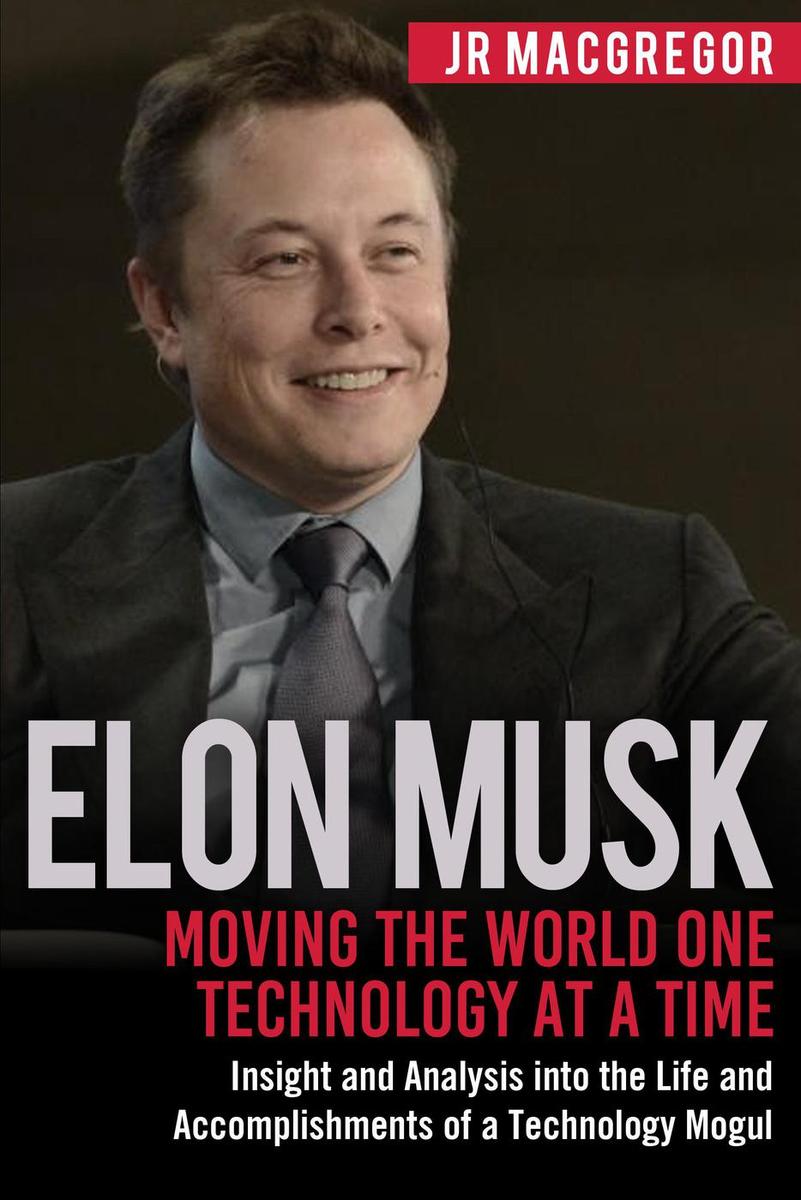
Elon Musk: Moving the World One Technology at a Time
¥24.44
Put aside what you read on the web about Elon Musk. There is a significant amount more to him than just his genius and his accomplishments. This book lays out the life that he had before arriving in the United States and looks at the boy inside who set a path for himself, and literally went through the fires of hell before getting the opportunities that he wished for.He did not fall into wealth and he did not work his way up the corporate ladder, Elon made every bit of his life that you see today. Some of the stories that you find in this book will shock and awe you and change the way you look at your own challenges. From arriving in a new country with just a few bucks and not knowing anyone, to working in farms and cleaning up after barn animals, to working in the fires of a toxic furnace. Read about the man that is about to make this planet a safer place to live. Elon Musk is an inspiration for a generation because he represents many of the values that define today's Millennials and Generation X. From PayPal to Tesla, the driving force that built these icons of the imagination was the desire to make the world a better place for everyone – it was never about the money. This book gives you a deeper look and analysis of a man that defies the traditional mold of industrialist, entrepreneur, and achiever.? Don't wait any longer! Scroll up and click the 'Buy Now' button to learn more about this technology mogul!
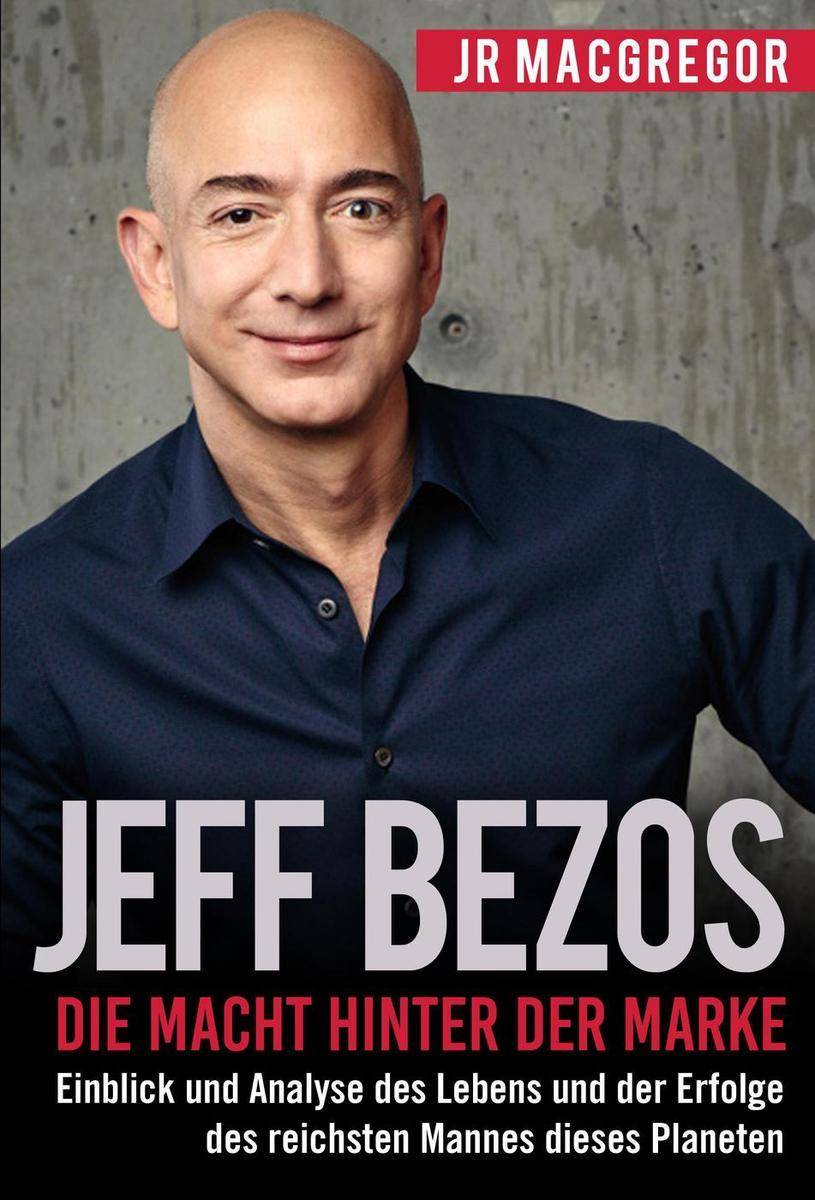
Jeff Bezos: Die Macht hinter der Marke
¥32.62
Was ist es an ihm, dass ihn zu einem Superhelden macht? Was ist mit ihm, wenn er eine Idee in ein Mega-Unternehmen verwandeln kann? Was ist an ihm wie bei Ihnen und was nicht? Was k?nnen Sie von ihm lernen? Lesen Sie es und finden es heraus. Das Bedürfnis, diejenigen um uns herum zu verstehen, die jenseits unserer eigenen Vorstellungskraft Erfolg haben, ist uns allen inh?rent. Der angeborene Wunsch wird von unserem tiefen und grundlegenden Bedürfnis getrieben, bessere Wege zu finden, um unsere eigenen Ziele zu erreichen, unsere eigenen Tr?ume zu verstehen und uns unseren einzigartigen Herausforderungen zu stellen. In diesem Buch geht es um die zugrundeliegenden Ereignisse im Leben von Jeff Bezos und die Art und Weise, wie es sein Leben beeinflusste, wie er auf sie reagierte und wie er sie zu seinem Vorteil nutzte. Das Buch behauptet nicht, die Ideen zu kennen, die sein Herz füllen – das kann kein Mensch wissen. Aber wir schauen auf mehrere aneinander gereihte Ereignisse und sehen die Schatten, die sie werfen. All das, damit Sie eben jene Elemente in sich selbst finden k?nnen, die der Keim für Erfolg, Leistung und Gr??e sein werden. Die Geschichte von Bezos zeichnet seinen Weg durchs Leben als Jugendlicher nach, betrachtet sein Handeln und seine Leistungen und entschlüsselt die Existenz seiner gr??ten Leistung – Amazon – in einer Weise, die seinen Charakter, seinen Intellekt und seine Erziehung widerspiegelt. Seine Geschichte ist anders als jene, anderer erfolgreicher Menschen in der Geschichte. Seine Arbeitsmoral ist vertraut, aber anders. Warten Sie nicht l?nger! Scrollen Sie nach oben und klicken Sie auf
Banchetul de litere
¥61.83
Romanul e captivant, bine scris, n ciuda unor efuziuni retorice prea lungi pe alocuri, care puteau fi scurtate. Un text elaborat de ctre un crturar, cu lecturi din Schopenhauer, Nietzsche, Jung sau Dostoievski fcute n profunzime, temeinic. n consecin, e un roman n care simbolurile apar la tot pasul, incifrate n text, n tehnica unui modernism hermeneutic care nu poate fi scos din ecuaie (…). Strict tehnic, ne aflm n faa unui Bildungsroman construit pe un scenariu clasic, de iniiere: tnrul Matei (toate numele sunt luate din Biblie…) interiorizeaz sfietor, dramatic moartea prematur a tatlui su, David, pierdut ntr-un accident de main pe Valea Oltului, se afl n conflict deschis cu mama sa, Riri, femeie pragmatic, dar intrat n faza unui deficit de cldura uman, mascat prin nervozitate, i i fixeaz ntreaga afeciune pe fiina compensativ a bunicului, Grig, mort i el spre sfritul romanului, i pe aceea a profesorului universitar Semion Ruda, stilat, elevat, aristorcatic, un concitadin de ocazie i tat-surogat, cruia, n cele din urm, protagonistul romanului i datoreaz relansarea intelectuala – viitor student n filosofie – i formarea literar, ca romancier, talentul compensativ al scrisului descoperindu-i-l oarecum fr premeditare sau ndemnuri din afar, ca pe o efervescen intern a propriei sale fiine. (tefan Borbély)Viaa cotidian este transferat n interioritate, iar tensiunile generatoare de suspans sunt direcionate ctre aceeai nevoie urgent de a deveni. Eroii Aurei Christi sunt fpturi aflate ntre lumi, ntre vrste, ntre maluri. (Irina Ciobotaru)Intenia vdit a autoarei este aceea de a explora personajele pn n adncul firii lor, astfel nct nu aciunea s stea n prim-plan, ci caracterele. (Bogdan Mihai Dasclu)
Antimemoriile lui Grobei
¥38.62
Aceasta nu este o arc? a salv?rii, a speran?ei, a regener?rii suflete?ti, nici locul ?n care personaje-kamikaze arunc? ?n jur ?n timpul sacrificiului lor, bun?tate, generozitate, bl?nde?e, ?n?elepciune, cump?tare. E o arc? simbolic?. Fictiv?, sau e chiar lumea noastr? condamnat? s? pluteasc? ?n deriv? pe un ocean sub care p?nde?te un tzunami apocaliptic? Da, ?ntr-adev?r, Breban nu neglijeaz? nici o specie, sunt toate conservate aici, e destul s? ?nl?turi dificila, fragila ?i totu?i rezistenta perdea ?esut? din mii de pagini de carte, ca s? descoperi o umanitate crud?, pe care mul?i dintre noi, dintre cititori sau autori avem tendin?a de a o evita, tendin?a de a o machia, de a-i face opera?ii estetice… Arca are capaciatatea de a re?nvia din cenu?a ?i de a ne propune o c?l?torie imaginar? spre o alt? dimensiune, ?ncerc?nd s?-i salveze deopotriv? pe credincio?i ?i pe atei, pe puternici ?i pe cei slabi, pe victime ?i pe c?l?i, pe mae?tri ?i pe discipoli, pe slugi ?i pe st?p?ni. Tu alegi de care parte vrei s? te afli, ?n afara arcei, pe arc? sau ?n structura ei intim? fragil? ?i totu?i rezistent?, capabil? s? te duc? spre cele mai insolite teritorii care ?nc? nu au fost inventate ?i pe care doar acul busolei lui Breban le indic? ?i le plaseaz? pe o hart? altfel inaccesibil?.

Despre dragoste - Anatomia unui sentiment
¥30.88
Edi?ia de fa?? o reproduce ?ntocmai pe cea din 1966 care a v?zut lumina tiparului la Editura pentru literatura ?i este menit? s? repun? – laolalt? cu alte titluri editate de noi – ?n circula?ie numele ?i opera unui mare profesor de filosofie ?i a unui important om de cultur? din perioada interbelice. Edi?ia este structurat? pe c?teva capitole, cum ar fi bun?oar? ?Amintiri din copil?rie ?i tinere?e“, ?Amintiri culturale, didactice ?i politice“, cuprinz?nd, ?ntre altele, ?i coresponden?a cu Titu Maiorescu, conferin?e ?i cursuri ?inute la Viena, Paris, Geneva, Praga, Oslo ?i Bruxelles. ?Petrovici a avut o via?? fracturat?. ?ntr-o vreme, a urcat n? pe Everestul performan?ei ?i al recunoa?terii publice, de unde, atunci c?nd istoria s-a virusat de o ideologie apocaliptic?, s-a pr?bu?it direct ?n groapa Marianelor, b?ntuit? de tot felul de silnicii ?i nes?buin?e. Mult? vreme s-a am?git cu in?elesul m?ng?ietor al filosofiei, a?a cum i-l h?r?zise cei vechi, dar s-a ?i ?nfiorat de mizeriile ei, atunci c?nd a v?zut-o dec?zut? ?n condi?ia de surogat ideologic. Oare trebuia, dup? ce a privit lumea prin sp?rtura pe?terii lui Platon, s-o p?ndeasc? ?i din spatele gra?iilor ?i ale z?voarelor trase? Vremurile noi, rascolnice, l-au g?sit total nepreg?tit. Glasul s?u, obi?nuit s? peroreze ?n aule universitare, ?n Camera, ?n Academie, ?n cadrul unor fastuoase reuniuni interna?ionale a fost, pentru multe decenii, obligat la t?cere.“ (Ionel Necula)
O inim? de Broscu??. Volumul 3. Valsul stelar al vie?ii
¥65.32
Un fast spectacol despre feminitate, moarte ?i alte teme eterne, ne ofer? de ast? dat? redutabilul eseist, istoric ?i critic literar Irina Petra?, despre care Marin Mincu scria c? este ?cel mai “b?rbat“ critic al nostru“. ?Demersul constituie o modalitate de a-?i apropia moartea, propria moarte, de a o studia sub lupa m?ritoare, de a o ?ine deliberat, zi de zi, ceas de ceas, al?turi, ?n imediata proximitate, pentru a te impulsiona s? fii c?t mai mult, c?t mai decis ?n spirit, pentru a te determina s? te investe?ti ?n toate cu ?ntreaga-?i fiin??, una dintre limitele c?reia e moartea-cea-cotidian?, pentru a te remodela, sim?ind atingerea botului mor?ii, pentru a recurge la travaliul dep??irii de sine prin crea?ie. A nu te obi?nui cu vecin?tatea mor?ii, obi?nuindu-te ?n acela?i timp, a realiza eficienta ei, adun?ndu-te, sporindu-?i eficien?a, a fi, ?n pofida con?tiin?ei tragice a finitudinii umane – iat? o piatr? de ?ncercare, iat? un examen major, la care au c?zut nu pu?ini. Cei ce-au rezistat constituie pentru Irina Petra? un fast obiect de studiu, care, fiind cercetat cu acribia unui colec?ionar, nelipsit de o redutabil? experien?? ?n domeniu, alc?tuiesc o galerie acoperit? cu oglinzi, ?n care, v?z?nd reflectat propriul univers, propriile spaime, frici, angoase, nelini?ti, autorul se supune, el ?nsu?i, din spirit de fair play, dar ?i dintr-un subtil, rafinat amestec de sado-masochism intelectual, unui examen: ?i va rezista co?ul pieptului? va ?ti sa r?spund?? dar s? reziste? Ei, mon?trii sacri… au rezistat, descriind modul ?n care se men?in pe muchia abisului, ?n care ?i-au v?zut propriul chip, contemplat de cineva…“ (Aura Christi)
Dic?ionar de literatur? rom?n?
¥61.83
Editorul, criticul ?i istoricul literar clujean Irina Petra? propune lectorilor un studiu despre locurile favorite din literatura rom?n? ?i cea universal?, paginile de teorie literar? oferind nu pu?ine repere asupra predilec?iilor clasicilor autohtoni de la Eminescu ?i Creang? p?n? la Norman Manea ?i Marta Petreu. Cartea se adreseaz? elevilor, studen?ilor, precum ?i publicului larg de cititori.
?nt?mpl?ri din p?dure
¥46.36
Lidia Lazu semneaz? o poezie delicat-confesiv?, parcelat? pe momente distincte, cu o structur? de jurnal. De?i termenul structur? e oarecum inadecvat acestei materii de fr?gezimi ce se transcriu ca atare, f?r? grija unei osaturi, a unui tipar ce i-ar st?njeni fluiditatea, evanescent?. Fiin?a respir? neconstr?ns? de nimic, supus? doar clipei, ?nc?nta?iei tranzitoriului. A?tept?rile sale sunt naiv-fabuloase, ?n continuitatea unei copil?rii care nu s-a epuizat, care-?i tr?ie?te intens uimirile, dezvolt?ndu-le fin imaginativ... O atare autoscopie fantezista este rodul unei virtuozit??i a simplit??ii. Coeziunea textului se produce ?n jurul acestei neputin?e de a accepta ordinea pragmatic?, meschin?ria, ?n numele unei candori funciare. La polul opus criticismului luciferic, poeta se d?ruie lumii nu doar prin contempla?ie, ci ?i printr-un soi de automatism existen?ial, l?s?ndu-se ?n voia lui, sublim lipsit? de voin??. Ceea ce e o moral? a extazului. (Gheorghe Grigurcu)


