


 购物车
购物车 个人中心
个人中心
Büszkeség és Balítélet
¥16.27
Un b?iat de ?ase ani care a impresionat-o pe ?mp?r?teasa Austriei cu geniul s?u muzical Un compozitor care a scris peste 600 de concerte, sonate, simfonii ?i opere ?n cei treizeci ?i cinci de ani c?t a tr?it Un muzician serios c?ruia ?i pl?cea s? spun? glume stupide Toate cele de mai sus! ? Afl? mai multe despre adev?ratul Wolfgang Amadeus Mozart ?n aceast? biografie amuzant? ?i minunat ilustrat?!

A Láthatatlan Légió
¥16.27
Un copil care a ?nv??at s? deseneze ?nainte s? ?nve?e s? vorbeasc?. Un iubitor de animale care avea un ?oricel, o broasc?-?estoas?, o maimu?? ?i o mul?ime de pisici ?i c?ini. Cel mai celebru artist al secolului al XX-lea. Toate cele de mai sus! Afl? mai multe despre adev?ratul Pablo Picasso ?n aceast? biografie amuzant? ?i minunat ilustrat?!
Simona and Her Magic Racket
¥24.44
Chronicling the landmark events in Beethoven's life, this book enhances understanding of the composer's character, inspiring a deeper appreciation for his work.?George Alexander Fischer illuminates the composer’s difficult childhood, his struggle to maintain friendships and romances, his ungovernable temper, his obsessive efforts to control his nephew’s life, and the excruciating decline of his hearing. This absorbing narrative provides a comprehensive account of a momentous life, as it takes the reader on a journey from the composer’s birth in Bonn to his death in Vienna.

Сочные блюда из курицы. Мамочкина вкуснятина!
¥17.74
Доля ж?нки в Пакистан? визначена наперед: бути пок?рною дружиною, догоджати чолов?ков? й виховувати д?тей. Але 1997 року народилася ??накша? д?вчинка. Вона хот?ла ходити в школу, носити яскравий одяг ? не ховати обличчя. В цей час владу в ?? р?дних краях, в долин? Сват, захопив ?Тал?бан?. За найменшу провину перед ?законом? терористи карали людей побоями ? нав?ть смертю. Геро?ня ? авторка ц??? книжки розум?ла важлив?сть осв?ти ? боронила права ж?нок, за що й отримала кулю в голову... ?? звуть Малала. ? це т?льки початок ?? ?стор??...
Энциклопедия разумного огородника
¥17.74
Нельсон Мандела — п?вденноафриканський правозахисник, юрист, пол?тик, президент П?вденно-Африкансько? Республ?ки (1994 –??1999 рр.). Мандела був першим президентом ПАР, обраним на демократичних, не сфальсиф?кованих виборах. У сво?й трет?й книз? Нельсон Мандела в?дверто опису? ?н?ц?ац?ю африканських хлопчик?в, побут ? злидн? свого дитинства, навчання й одруження, народження ? смерть сво?х д?тей, жах самотност? в’язня на остров? Роббен ? вистраждану Свободу. Житт?вий досв?д та погляди Нельсона Мандели як н?коли актуальн? в контекст? нин?шн?х укра?нських реал?й, бо ?правда поляга? в тому, що ми ще не в?льн?, ми просто здобули свободу бути в?льними, право не бути пригноблюваними…справжн? випробування нашо? в?дданост? свобод? лише почина?ться?.??

The Critique of Pure Reason
¥28.04
Piping down the valleys wild,?Piping songs of pleasant glee,?On a cloud I saw a child,?And he laughing said to me:??"Pipe a song about a Lamb!"?So I piped with merry cheer.?"Piper, pipe that song again;"?So I piped: he wept to hear.??"Drop thy pipe, thy happy pipe;?Sing thy songs of happy cheer!"?So I sang the same again,?While he wept with joy to hear.??"Piper, sit thee down and write?In a book, that all may read."?So he vanish'd from my sight;?And I pluck'd a hollow reed,??And I made a rural pen,?And I stain'd the water clear,?And I wrote my happy songs?Every child may joy to hear. ?

Торты нашего детства. Мамочкина вкуснятина!
¥17.99
Книга объединяет два главных прижизненных издания основателя и ярчайшего представителя поэзии абсурда. Эдвард Лир (1812-1888) – прославленный английский поэт и художник, отец литературного лимерика, жанра, оказавшего заметное влияние на литературу конца XIX и всего XX века. Лимерики (216 забавных пятистиший) приведены на языке оригинала с параллельными переводами, выполненными лучшим российским интерпретатором поэзии нонсенса Борисом Архипцевым, и сопровождаются авторскими иллюстрациями. Переводчик посвятил работе более 20 лет жизни, добившись уникального результата, невиданной прежде полноты раскрытия авторского замысла в сочетании с красотой и естественностью звучания русского стиха. ?…Архипцев переводит Эдварда Лира, как благочестивый толковник – Писание: он передает и смысл, и звук. Точен – часто до мельчайших деталей. Звучен – до самой лихой эквилибристики…??Н. Горбаневская. Книга погружает читателя в атмосферу тонкого английского юмора, превосходно переданного переводчиком, в мир абсурда, делая его близким и понятным человеку любого возраста – от младшего школьного до старшего пенсионного. Издательство Animedia Company желает вам приятного чтения.
Funeral of hearts
¥24.44
Nebunul indian este al treilea volum semnat de Ovidiu Raul Vasiliu ?i marcheaz? maturitatea liric? a t?n?rului poet ie?ean. Cartea con?ine peste 60 de poeme scrise ?n ultima perioad?, autorul exers?nd cu succes diverse registre stilistice ?i prozodice, ?n versuri ?sub a c?ror dexteritate formal? se ?ntrez?re?te ceea ce niciodat? nu poate fi exprimat p?n? la cap?t“ (Daniel Cristea-Enache).

Iubitafizica (?tiin?a iubirilor imaginare)
¥40.79
Dou? spa?ii literare: cel rom?nesc ?i cel spaniol. Dou? planuri de abordare: teoretic ?i hermeneutic.Acela?i element de referin??: metafic?iunea. Un studiu semnat de Anamaria Blanaru care vizeaz? o cercetare complex? a metafic?iunii, o privire critic? asupra polemicilor ?n care a fost abordat acest subiect.?

Un Corazón de Ranita. 4° volumen. El bautismo de la madurez
¥48.97
Aproape c? nu a existat epoc?, de la primele texte scrise p?n? azi, ?n care s? nu se vorbeasc? despre o criz? a literaturii. Periodic, fie regimul politic, fie situa?ia economic? ori exuberan?ele filozofarde au f?cut s? fie puse semne de ?ntrebare dup? cuv?ntul ?literatur?“. Timp de cinci ani, o serie de ?nt?lniri organizate ?n spa?ii neconven?ionale la Bucure?ti (?i, de c?teva ori, ?n afara Rom?niei) a ?ncercat s? adune scriitori de toate v?rstele pentru a-i pune fa?? ?n fa?? cu publicul lor. Nici acum, dic?ionarul limbii rom?ne nu include termenul ?performare“, dar, dac? ?n cazul artelor spectacolului traducerea ?interpretare“ poate s? func?ioneze, atunci c?nd este vorba despre literatur?, limba rom?n? nu ofer? dec?t termenul ?lectur?“. Acest cuv?nt nu acoper? complexitatea unei prezent?ri ce implic? ?i publicul ?n calitate de participant activ la ?nt?lnirea cu scriitorul, ?i cu textul acestuia. Ini?iat ca un proiect de promovare a literaturii contemporane pentru un public larg, ?Poeticile cotidianului“ s-a transformat, dup? ani de ?nt?lniri s?pt?m?nale, ?ntr-un eveniment literar cu propria sa concep?ie despre literatur?: poetica rela?ional?.

?n ap?rarea femeii cavernelor
¥65.32
Proiectul acestei cri m frmnta de mai muli ani. n ultimul timp am tot cutat motivaii pentru care o asemenea carte merit s fie scris. Iat ce am gsit.n primul rnd, chiar dac printr-o fereastr foarte ngust, ea este o mrturie a ultimilor 20 de ani. Conine o frm din istoria acestor dou decenii, mici instantanee ale devenirii Romniei dup 1989.n al doilea rnd, exist n mintea fiecrui romn – i aici m includ i pe mine – preconcepia c toate afacerile postrevoluionare sunt mnjite, nscute din privatizri dubioase sau dezvoltate la umbra unor reele de influen care-i ntind rdcinile n era comunist. Povestea din aceast carte arta contrariul. S-au putut constitui i iniiative independente i curate, cum sunt convins c mai exist cu miile. Povestea de fa poate fi o contribuie la schimbarea de mentalitate, att de necesar pentru intrarea n normalitate.“ (Mihail Penescu)
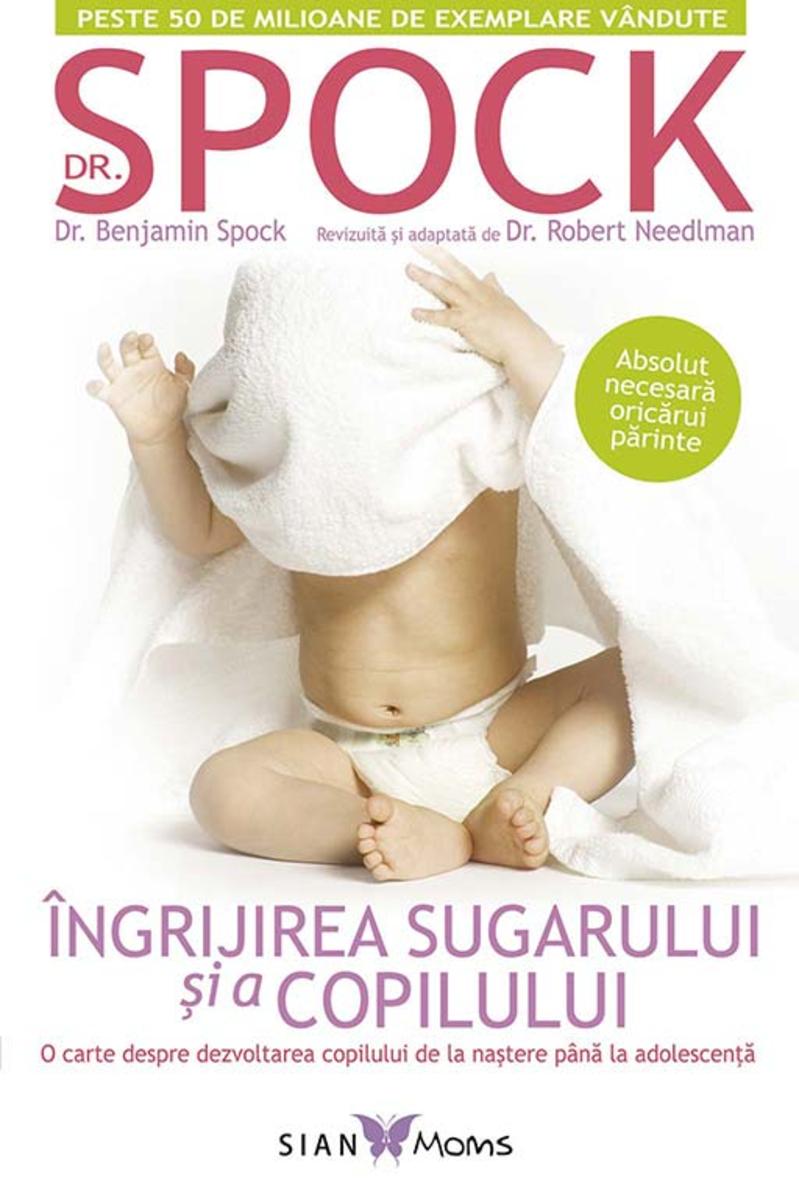
?ngrijirea sugarului ?i a copilului.
¥114.37
n lucrarea sa, care a ctigat premiul Pulitzer n 1981, Robert K. Massie prezint detaliat viaa acestui captivant personaj istoric i evideniaz evenimentele cruciale care au transformat un biat ntr-o legend, inclusiv cltoriile sale incognito prin Europa, curiozitatea sa de nepotolit fa de obiceiurile occidentale, obsesia pentru mare i constituirea mreei flote ruseti, modul n care a creat o armat de nenvins i relaiile sale cu cei pe care i-a iubit cel mai mult: Ecaterina, iubita sa tandr, i Menikov, prinul fermector i lipsit de scrupule care a ajuns la putere prin intermediul prieteniei cu Petru. Un loc special n carte l ocup relaia dificil a lui Petru cu fiul su Aleksei, care a fost judecat i condamnat la moarte n 1718. Autorul nu neglijeaz nici viaa politic, social, cultural i religioas din Rusia pe parcursul jumtii secunde a secolului al XVII-lea i primei pri a secolului al XVIII-lea. Astfel, Massie i conduce cititorii n lumea ruseasc medieval i premodern schimbat iremediabil, uneori n mod violent, de reformele iniiate de monarhul autocrat Petru cel Mare. Fie c sunt schimbri care au afectat n primul rnd individul, precum obligativitatea tierii brbilor, sau iniiative care au vizat consolidarea forei statului, de exemplu, nfiinarea marinei ruseti i a Sankt-Petersburgului, reorganizarea administrativ inspirat de modelul occidental, toate acestea au transformat Rusia medieval ntr-un stat modern. n acelai timp, multe dintre reformele din timpul lui Petru au avut o influen ndelungat asupra societii ruseti. Cartea lui Massie nu ofer doar o perspectiv intern a societii ruseti, ci urmrete i aciunile lui Petru n planul politicii externe, la nivel european sau chiar global. Astfel, dou dintre cele cinci seciuni ale lucrrii se ocup de relaiile Rusiei cu celelalte state europene. Poate cel mai important conflict din timpul domniei lui Petru a fost cel mpotriva Suediei. n urma Marelui Rzboi Nordic (1700-1721), Rusia a obinut o serie de teritorii (Estonia, Livonia i Ingria). Totodat, deznodmntul acestui lung rzboi a nsemnat i ascensiunea Rusiei la rangul de putere continental. Pe plan militar, ns, domnia lui Petru nu a fost scutit de eecuri. Campania arului din Moldova, pornit mpotriva Imperiului Otoman, s-a terminat prin nfrngerea de la Stnileti (1711). Nu de puine ori, autorul american i aduce n prim-plan pe actorii politici importani din Europa sfritului secolului al XVIII-lea i nceputului secolului al XVIII-lea. Regi, comandani militari, nobili, toi sunt prezentai cititorilor, care pot astfel nelege mai bine aciunile sau atitudinile lor. arul Aleksei, tatl lui Petru, Ludovic al XIV-lea, Wilhelm de Orania, Carol al XII-lea, Augustus de Saxonia, ducele de Marlborough, prinul Eugeniu de Savoia sau feldmarealul Rehnskild se numr printre figurile ilustre descrise de Massie. De regul, atunci cnd analizeaz anumite perioade, istoricii pun accentul pe rolul proceselor i al fenomenelor de lung durat, lsnd cumva n umbr personalitile excepionale. Tocmai pentru a sugera impactul lui Petru cel Mare asupra istoriei Rusiei, n special, putem face apel la istoria contrafactual i s ne ntrebm: Cum ar fi artat Rusia contemporan dac n-ar fi existat Petru cel Mare

Reglarea emo?ional? ?i importan?a ei clinic?
¥57.14
Cum ?i-au crescut regii britanici copiii din 1066 p?n? ?n prezent Lumea ?ntreag? a fost uimit? c?nd Prin?esa Diana s-a dovedit a fi o mam? bun? ?i afectuoas?. Ea a constituit o excep?ie: Familia Regal? a Marii Britanii este cunoscut? mai cur?nd pentru rela?iile reci ?i chiar tensionate dintre genera?iile de p?rin?i ?i copii. ?nc? din vremea Reginei Victoria ?i a Regelui George al VI-lea, p?rin?ii ?i-au exprimat ?n mod f??i? dezam?girea fa?? de mo?tenitori. David Cohen folose?te materiale noi ?i documente descoperite recent, ce dateaz? ?nc? din vremea dinastiei Tudor, ?i realizeaz? ?n Educa?ia regal? o combina?ie captivant? ?ntre istorie ?i telenovel?. ?O bog??ie de anecdote – de la lec?iile de scrim? p?n? la faptul c? Prin?ul Charles a avut valet de la v?rsta de trei ani.“
A visszakapott élet
¥57.31
Ninge ?n martieNinge ?ntr-un hornDin care iese fumNinge tot mai densCople?itor?i ?ntoarce fumul din drum?l preseaz? ?n horn ca-ntr-un teasc?l ?ndeas? la loc ?n c?rbuniAstup? flac?raRea?az? focul ?nMiezul ?nsu?i al P?m?ntului.

Labirintul haosului meu
¥32.62
Ca orice construc?ie solid?, ?i un sistem de g?ndire se pl?smuie?te pe structura unor con?cepte fundamentale cu func?ii vitaminizante pentru ?ntreaga desf??urare a g?ndului ?i pen?tru ?nchegarea lui ?ntr?o viziune articulat? ?i complex?, marcat? de cele dou? condi?ii indis?pensabile unui sistem: completitudinea ?i non?contradic?ia. ?i mai preciz?m, chiar cu riscul suspiciunii de banal, c? un sistem de g?ndire articulat nu las? ?i nu trebuie s? lase r?m??i?e sau componente necuprinse ?n ansamblu. C?ci un sistem incomplet, cu resturi sau componen?te r?mase ?n afara ?ntregului ??i pierde carac?teristica de sistem. S? preciz?m totu?i c? vorbim despre sis?tem ?ntr?un loc unde, nu doar c? lipse?te, dar a ?i fost repudiat cu o insisten?? repetat? ?i ?n?d?rjit?. Nu spun c? furia lui Cioran ?mpotriva ideii de sistem filosofic nu??i are ra?iunile ei, spun doar c? chiar acolo unde este t?g?duit?, o anumit? viziune de ansamblu asupra lumii este totu?i implicit?. Nu se poate vorbi despre parte, despre fragment f?r? s? se aib? ?n vede?re imaginea totului ?i felul cum o diviziune este a?ezat? ?n p?ntecul exist?rii. Ionel Necula
Un albastru infinit
¥11.04
Adrian Punescu scrie proz cu degetele arse de miracolul poeziei, i de aici succesul tulburtor, care, n loc s mntuie, nspimnt, oblig i rtcete. Poet al fluenelor de liliac n grle de piatr rar, al brumelor de bronz, al cderii n rnile dorului i n hohote de chihlimbar, grav despicat de neiertare i de rzvrtire, Adrian Punescu intr n hotarele prozei prin vijelia reportajului. (...) Puin i pas dac lumea l aplaud sau l njur, el vrea s rstoarne i s cldeasc, i n-are timp s cpieze stnd ntr-un picior, viaa e scurt i, dac nu vrea s se ndrepte prin cntec (i nu vrea), trebuie rezidit din mers i nvat s cnte. Reportajul lui Punescu e, nainte de toate, unul de atitudine, adevrul sare din pagin ca miezul dintr-o ceap zdrobit cu pumnul (...), fulgerul, aparent liric i aparent hrnit de curcubeie, e un arc al ndoielii, un crlig veninos umblnd prin crpturile pmntului, strigtul doare, suspinul are ghimpi n cretet, gerul frige, apsarea nghea.Durabila for a reporterului Adrian Punescu vine de acolo c el n-are chef, n nici o pagin, s fie ru de but n apte linguri, ci numai fluviu azvrlindu-se n mare, cu toate aluviunile i rzboaiele sufletului.“
Piktasis princas
¥9.32
i acest volum intr ?n seria celor pregtitoare, anun?nd O istorie politic a literaturii rom?ne postbelice. Nu e vorba de un ?rzboi cu estetismul”, reanim?nd fantoma lui Gherea, ci de reevaluri pe temei estetic, la mai multe m?ini, folosind achiziiile criticii literare; i, firete, de recontextualizri (interog?nd epoca), in?nd cont, ?ns, de fluctuaiile recepiei i de capricioasa meteorologie politic. ?n fond, suntem consecveni cu programul, anunat ?nc de la debut (Orizontul lecturii, 1983), ?neleg?nd c, sociologic judec?nd, nu putem examina fenomenul literar retez?ndu-i ombilicul istoric. Generaia orfelin discut, prin profiluri sintetizatoare, despre o serie creatoare, av?nd drept numitor comun vitregele condiii formative; ea a fost modelat de interdicii (lecturi clandestine, maetri ?ascuni”, biblioteci epurate), provoc?nd o reacie polemic (ruptura) i promov?nd, astfel, la start, un program negativ. Dar, ?n acelai timp, este o generaie auroral, cu rol de verig, redescoperind – euforic – tradiia, definind o stare de spirit, angaj?ndu-se, prin combustie creatoare, la o lucrare comun, recuperatoare, fecund, susinut, prin propulsie adjectival, de o critic solidar, risipind i cronici ?tactice”, cum recunotea Matei Clinescu. Chiar dac noi discutm, ?n acest volum, poeii ei, evident nu poate fi vorba doar despre o generaie de poei, transport?nd legenda Labi, anun?nd, prin voci tinere, o nou epoc de lirism. Nu e vorba, aadar, de o compact ?echip” liric, ci de un buchet de personaliti, cu voci distincte, evolu?nd ?n direcii imprevizibile, isc?nd, ?n timp, disensiuni, controverse ?nfierb?ntate, ierarhizri provizorii. i propun?nd un inventar tematic, hrnind un imaginar, p?n la un punct, comun, definind o fizionomie specific. (Adrian Dinu Rachieru)
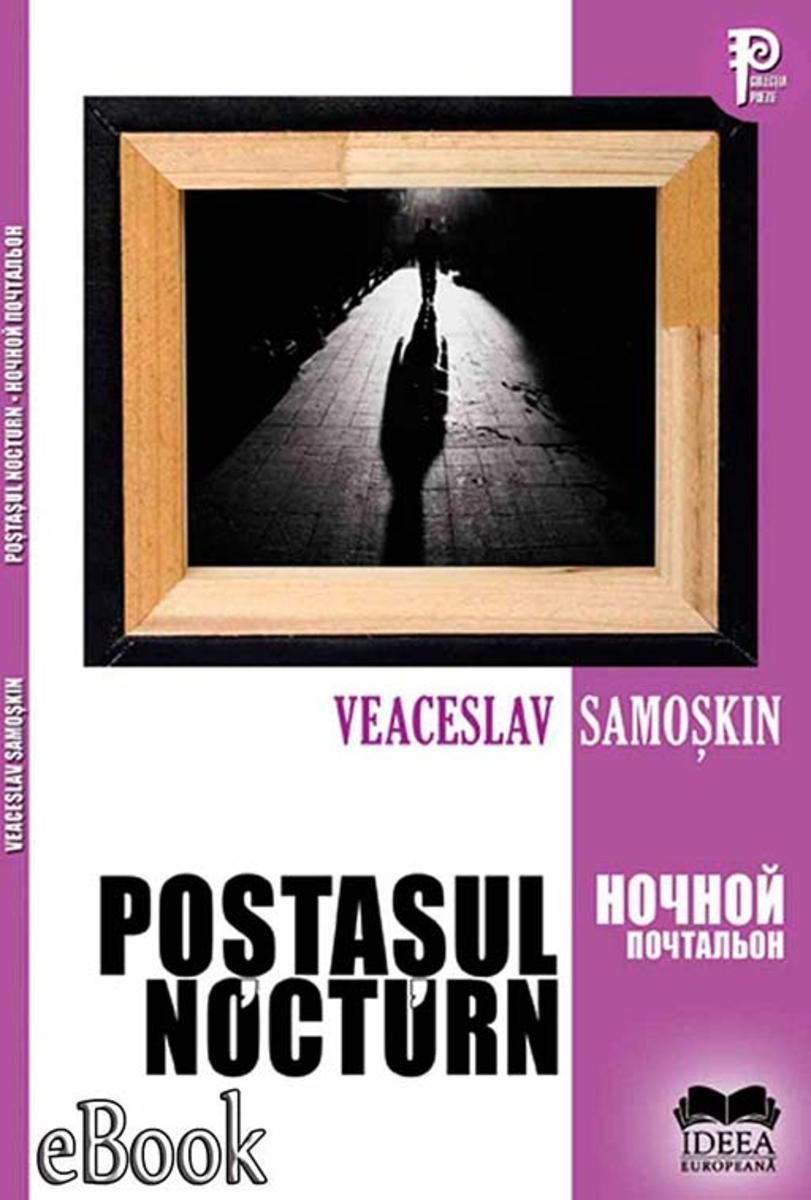
Po?ta?ul nocturn. Ночной Почтальон
¥20.44
Edi?ie bilingv? Veaceslav Samo?kin este rus, corespondent de pres? la Bucure?ti, dar ?n primul r?nd, poet. Universul lui poetic penduleaz? ?ntre tragismul ?nsingur?rii ?i nevoia de confesiune. Elegiac? ?i intimist?, lirica din volumul Po?ta?ul nocturn este strig?tul de am?r?ciune al intelectualului lucid ?n fa?a vicisitudinilor unei istorii contorsionate ?i, totodat?, supapa prin care se revars? preaplinul propriilor drame existen?iale. Poet prin excelen?? citadin, Veaceslav Samo?kin ??i aminte?te cu nostalgie de ora?ul natal ?cu nume bol?evic“, care ?i-a pus amprenta asupra ?ntregii lui vie?i – ?Arhitectura sufletului meu/ e-a str?zilor lui prelungire“–, descrie cu delicate?e ner?bdarea de a ?nt?lni fata drag? – ?ochii mei ?nverzesc semaforul“ –, identific? ?n triste?ea unei toamne destinul unei iubiri trecute – ?era acea toamn?/ nu un anotimp, ci/ soarta noastr? doamn?“–, sufer? al?turi de femeile care pl?ng noaptea, cu hohote ?n?bu?ite, ?vie?ile nen?scute ori ucise/ ?n disperate p?ntece de mam?“... Tr?itor de c?teva decenii ?n ?ara noastr?, Veaceslav Samo?kin s-a integrat perfect ?n peisajul d?mbovi?ean: ?l putem ?nt?lni pe str?zile ora?ului sau ?i putem asculta, ?ntr-o cafenea, considera?iile generoase asupra literaturii ?i artei, politicii sau vie?ii, ?n general. C?ci cel pe care prietenii ?l apeleaz? cu diminutivul Slava nu este doar un intelectual de stirpe aleas?, impresionant prin erudi?ie, ci ?i un om de o fermec?toare ?i bl?nd? colocvialitate. ?n c?teva din versurile sale, poetul pentru care Rom?nia a devenit a doua patrie zugr?ve?te imaginea Bucure?tiului sub ar?i?a necru??toare a verii, anotimp ?nscris ?ntr-un ineluctabil ciclu universal. (Dinu Moraru)
Via?a unui c?rturar
¥186.80
Tr?g?nd linie, am spune c? ne afl?m ?n prezen?a unui demers pertinent de mare actualitate, a unui pre?ios instrument de lucru menit s? umple un gol ?n literatura didactico-?tiin?ific? de specialitate, dar totodat? put?nd deveni util ?i unor cercuri intelectuale interesate de evolu?ia fenomenului poetic rusesc ?n secolul XX, situate ?n afara comunit??ii universitare. (Mircea Croitoru) E o bibliotec? umbl?toare. A citit mii de c?r?i ale altora ?i a scris c?teva ale sale. ?l recuno?ti dintr-o mie. Ziarele, revistele, c?r?ile ?i sunt lipite de degete. Merge pe strad? ?i cite?te, a?teapt? lini?tit la o coad? ?i cite?te. Absent pentru lumea aceasta viermuitoare ?i pragmatic?, el s-a retras protector ?n spatele ziarelor ?i c?r?ilor, ?i a rezistat. Cu o ?inut? sobr?, de o ?epeno?enie verde, demn? de ?ara Fagilor de unde-?i trage ob?r?ia, nu-i po?i da anii pe care, incredibil, ?i are. (…) Dac? te duci la el acas?, totul pare sprijinit pe tomuri, iar dac? ai proasta inspira?ie s? clinte?ti ceva, acea ?arhitectur? intelectual?“ ??i poate fi fatal?. Un soi de Manole Anapoda, zidit ?n chip de An? ?ntr-o m?n?stire de c?r?i. Prietenii ?i spun Dima. Am tradus ?mpreun? din Bulat Okudjava volumul de versuri C?ntecul esen?ial ?i, din mul?i al?i poe?i contemporani ru?i, ?n periodice. Metodic, punctual, suferind de acribie ?i, bine?n?eles, scufundat ?ntr-o lectur? atunci c?nd nu lucram ?mpreun?, a dovedit c? nu e doar un consumator de literatur?, ci ?i un excelent cunosc?tor al limbii din care traducea, ?i chiar un creator. ?l invidiez pentru felul sfid?tor ?n care ?tie s? uite de televizor ?i de calculator. Dima cite?te. El e scufundat ?n ecranul unei file de carte, al unei pagini de ziar sau de revist?. ?ntr-o vreme ?n care aceste dou? ustensile subjug? lumea obosind-o, nevroz?nd-o, ?mb?tr?nind-o, f?c?nd abstrac?ie de mirajul lor, el a r?mas ?nc? proasp?t, zdrav?n ?i t?n?r. (Passionaria Stoicescu)
Büd?ss úr
¥58.94
Un volum fundamental, pagini memorabile despre literatura francez? nu numai pentru elevi, studen?i, profesori, constituind un manual indirect de literatur? francez?; este editat pentru prima dat? ?n Colec?ia Edi?ii Definitive, ?n condi?ii grafice cu totul excep?ionale. ??...Vor crede poate c? a fost un bufon, un farsor?. Medicul Pierre Boulenger nu se ?n?el? scriind astfel despre faima viitoare a marelui s?u prieten, Rabelais. Nimic mai ridicol dec?t p?rerile felurite care s-au risipit ?n decursul veacurilor pe socoteala maestrului Alcofibras. Mirarea acestuia ar fi mare dac? le-ar putea afla ?i desigur nu o dat? ar azv?rli printre hohote c?te-o vorba pe care urechile noastre mult prea fine de fii ai veacului al dou?zecilea nu ar putea-o cuprinde dec?t ?nro?indu-se. Ronsard vede ?n autorul lui Gargantua un animal jovial ?i ve?nic ?nsetat, t?v?lindu-se ?n b?l?i de vin ?ca o broasc? ?n noroi?. Tabloul acesta bestial cred c? n-a mai fost reluat de altul. ?n schimb judec??ile au fost tot at?t de neverosimile.” O carte esen?ial?. Un manual indirect de literatur? francez?.
Agatha Christie
¥33.03
„În 1964, ca parte dintr-un proiect de istorie oral? despre via?a ?i cariera lui John F. Kennedy, mama mea a intrat într-un dialog cu Arthur M. Schlesinger Jr. pentru a-?i împ?rt??i amintirile ?i percep?ia asupra lucrurilor. Înregistrate la mai pu?in de patru luni dup? moartea so?ului ei, aceste conversa?ii reprezint? un dar f?cut istoriei... Sper c? tinerele genera?ii care încep s? afle mai multe despre anii 1960 vor considera aceste rememor?ri o introducere util? în modul în care se face istoria ?i vor g?si în ele inspira?ia de a oferi ceva acestei ??ri care ne-a oferit tuturor atât de multe.“


