


 购物车
购物车 个人中心
个人中心
Taming the Barbarian
¥42.03
The countess of Briarburn craves excitement, adventure, and passion ...But she never dreamed she'd find it in the arms of a warrior from centuries past.
When Seducing a Spy
¥42.03
Heath Bartlett doesn't want to believe that his childhood friend had any part in the dastardly crime he's investigating but the bewitching, intoxicating beauty is certainly hiding something. And he will do whatever necessary to uncover the truth.The ton sees her merely as the castoff of a disreputable rake. In truth, Lady Tess Golding is protecting her own secret, so she dares not surrender to Heath's intimate temptations even though, when Heath comes within arm's reach of Tess, passions flare. Despite that the danger to the Crown is too great, and the threat to their vulnerable hearts even greater . . . when a passion this heated is unleashed, sometimes even the strongest must submit.
Witch in the House
¥42.03
Jade Delarue is determined to find the man of her dreams, so the sexy witch casts a spell that brings a gorgeous man to her door. But private detective Mason Kincaid isn't looking for love. Jilted by his last girlfriend, Mason's thrown himself into his work. He's visiting Jade on official business, and not even the blizzard raging outside her house or her spellbinding beauty can distract him.Then Jade realizes the mistake she's made in her spell, and she wants him gone. But there are charms to spare in Mystic Manor, showing Mason that the witch in the house might be the woman he's been waiting for. Convincing her, though, means coming up with a little magic of his own.
With Her Last Breath
¥42.03
Don't Look Back . . .Maggie Chantel is running from memories too painful -- and frightening -- to acknowledge. And the small, peaceful town of Blanchefleur on the shores of Lake Michigan is where her running stops. Maggie just wants to be left alone to forget, but her new neighbor Nick Alessandro is paying her far too much attention. A survivor of soul-shattering tragedy, Nick is fascinated by this beautiful, secretive woman -- an interest that is slowly turning from attraction to love.But someone waiting in the shadows is determined that Maggie will love no one ever again. The nightmare she was escaping has found her hiding place, and people in the sleepy Michigan community are starting to die. Maggie knows what her hunter is capable of, and now she must leave behind the man who was bringing her back to life, for his own safety. Nick is determined never to lose the only person who can make his world whole again. And he knows he has to find the killer -- before the killer gets to Maggie.

Claiming the Courtesan
¥48.39
The Duke of Kylemore knows her as Soraya, London's most celebrated courtesan. Men fight duels to spend an hour in her company. And only he comes close to taming her. Flying in the face of society, he decides to make her his bride; then, she vanishes, seemingly into thin air.Dire circumstances have forced Verity Ashton to barter her innocence and change her name for the sake of her family. But Kylemore destroys her plans for a respectable life when he discovers her safe haven. He kidnaps her, sweeping her away to his hunting lodge in Scotland, where he vows to bend her to his will.There he seduces her anew. Verity spends night after night with him in his bed . . . and though she still dreams of escape and independence, she knows she can never flee the unexpected, unwelcome love for the proud, powerful lover who claims her both body and soul.

Home
¥44.25
"Thirty authors and illustrators contribute original stories, poems, and artwork that explore and illuminate the theme of belonging, be it to a physical place or a family group. Thought-provoking and...first-rate." H. A Reading Rainbow Selection Notable 1992 Children's Trade Books in Social Studies (NCSS/CBC)

Something Like Love
¥48.39
Blackboard bestselling author Beverly Jenkins delivers another lush historical novel featuring brothers that were first introduced in her award-winning novel Always and Forever. This is the story that readers have been waiting for.He was a wanted man.But no one wanted him more than she did.Desperate to escape an arranged marriage, Olivia Sterling flees Chicago and heads west. She dreams of setting up her own seamstress shop in Henry Adams, a small all Black town in Kansas. But her plans are derailed when her train is robbed by Neil July and his notorious band of outlaws.Neil is enchanted by the headstrong and lovely Olivia. No woman has ever set his blood on fire before, and he suspects no other woman ever will. When they meet again, Olivia is the town's newly elected mayor and Neil is still the wanted outlaw. With bounty hunters on his trail, he would be wise not to linger, yet he can't seem to leave her. Will Neil be able to convince Olivia to ride off into the sunset with himOr will he finally lay down his guns for love?

Still in My Heart
¥48.39
Brahm Ryland is a man used to getting everything he desires...Another London season has just wound down and Brahm Ryland, Viscount Creed, is thankful for it. Since a horrible mistake ruined his betrothal to the beautiful Lady Eleanor Durbane, his life as a scandalous bachelor has grown tedious; every day without Eleanor seems longer than the last. But then a break in the monotony appears: an invitation to a shooting party at the home of Lord Burrough, Eleanor's father, and he knows his chance to make amends has come at last.Yet Brahm soon finds that Eleanor will need more than a simple apology to atone for his betrayal -- and after so many years of hurt it will take time and care to make her learn to trust again. When all her sisters warn her against him, she knows she would be a fool to give their passion another chance. But what Eleanor doesn't know is that London's boldest viscount will do anything -- anything -- it takes for a second chance at his one true love ...
After the Abduction
¥55.31
After two London seasons and a score of resoundingly dull society suitors Juliet Laverick finds herself longing for one man: Morgan Pryce, the dashing scoundrel who kidnapped her two years ago. But her determination to bring the rogue to justice hasn't waned until Morgan's twin brother, Sebastian, arrives with some shocking news: Juliet's mysterious paramour has disappeared.Sebastian, Lord Templemore, dares not tell Juliet the truth: he is the man she seeks it is his kiss she yearns for. Confessing to the abduction would bring devastating scandal upon them both. But how can he persuade her to forsake her dedicated pursuit of her dream lover, when all he dreams of is holding her in his arms again?
Always Time to Die
¥55.31
Former U.S. Senator Quintrell is dead.His son, New Mexico's governor, is preparing hisrun for the highest political office in the land.And dark family secrets are about to explode with the devastating force of a Southwestern earthquake. An eccentric Quintrell aunt has invited genealogist Carolina "Carly" May to their Taos compound to compile a record of the illustrious family. But digging into the past is raising troubling questions about a would-be president's private life . . . and the grisly street crime that left his drug-addicted sister dead. As a dark world of twisted passions and depravity slowly opens up before Carly, there is no one whom she dares trust -- perhaps least of all Dan Duran, a dangerous, haunted enigma who's tied to the Quintrells' history. But she will need an ally to survive the terrible mysteries a father carried to the grave -- because following the bloodlines of the powerful can be a bloody business. And some dead secrets can kill.

Born in Sin
¥55.91
Stunning Caledonia MacNeely fights an unfamiliar shiver when she is offered in marriage to the infamous 'Lord Sin'. Though Callie fears this mysterious knight less for the dark whispers that damn him than for the burning desire he invokes she is under order of the English King. And with the fate of her troubled clan hanging in the balance, she has little recourse.
Cat Pay the Devil
¥48.39
Molena Point, California, should be a tranquil place. Nestled quietly on the Pacific coast miles below San Francisco, it's not the kind of town escaped convicts seek out. But if you're a thief named Cage Jones, you've just sprung yourself from the clink, and the woman who turned state's witness and helped put you behind bars lives there where better to go than Molena PointWily Tomcat Joe Grey knows that something sinister is afoot when he hears about Cage Jones but he doubts that his girlfriend Dulcie's suspicions that the escaped thief is after Dulcie's human companion, Wilma, are justified. But when Jones shoots a federal officer, and the bodies of two peaceful, local residents are found brutally murdered in their home, even the suspicious Feline Detective knows that things are only going to get worse. Paw in paw with Dulcie and their tattercoat friend Kit, the indomitable feline trio with special powers that only a few select humans are privy to team up to capture the thief, and in one of award winning author Shirley Rousseau Murphy's most suspenseful and unforgettable books to date, bring peace to the town they love.
The Fulfillment
¥55.31
New readers will fall in love with New York Times bestselling author LaVyrle Spencer's unforgettable novels and for those who have already read her timeless romances, rediscover the passion and magic . . . .Two brothers work a rich and bountiful land and one extraordinary woman shares their lives. To Jonathan Gray, Mary is a devoted and giving mate. To Aaron, she is a beloved friend. But seven childless years of marriage have forced Jonathan to ask the unthinkable of his brother and his wife binding the two people he cares for most with an act of desire born of compassion . . . awakening Mary to the pain of infidelity, and to all the bittersweet joy and heartache that passionate love can bring.
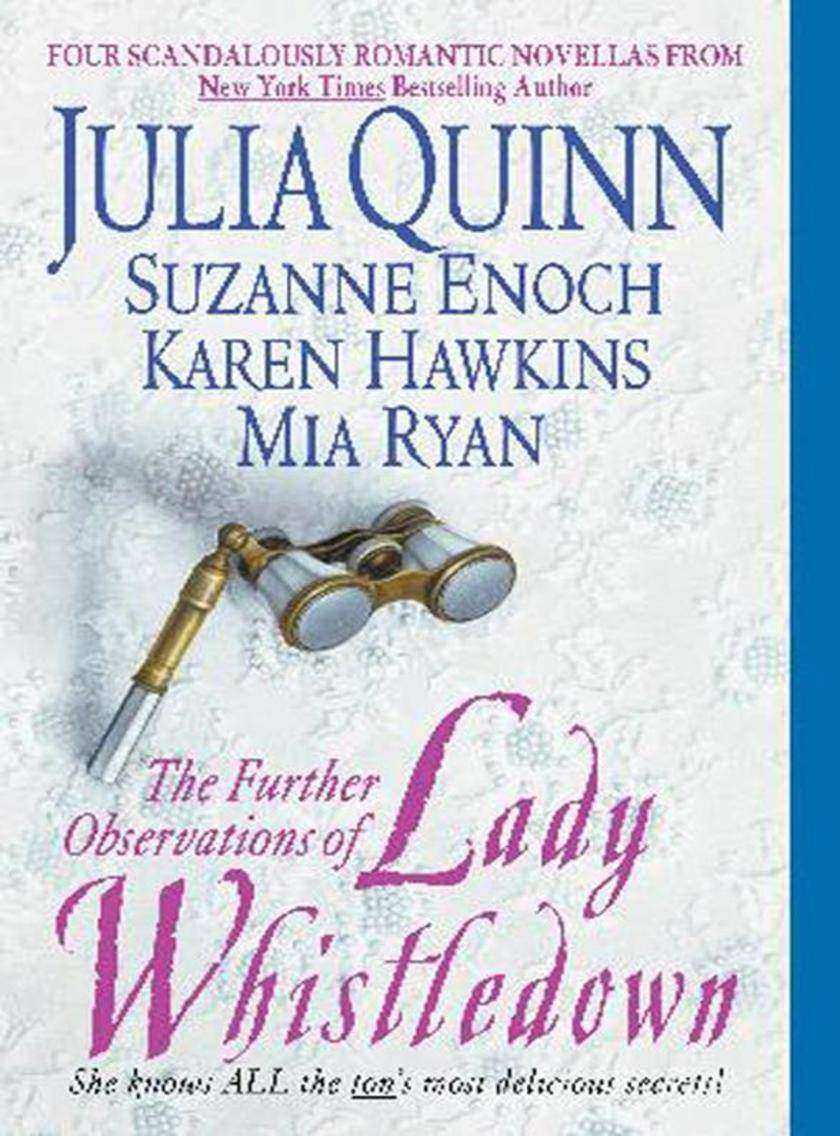
The Further Observations of Lady Whistledown
¥55.31
Lady Whistledown Tells All!Society is abuzz when the Season's most promising debutante is jilted by her intended -- only to be swept away by the deceitful rogue's dashing older brother -- in New York Times bestseller Julia Quinn's witty, charming, and heartfelt tale.When the scandalous actions of his beautiful fiance are recorded in Lady Whistledown's column, a concerned groom-to-be rushes back to London to win his lady's heart once and forever, in Suzanne Enoch's enchanting romantic gem.Karen Hawkins captivates with an enduring story of a handsome rogue whose lifelong friendship -- and his heart -- are tested when the lovely lady in question sets her cap for someone else.A dazzling and delightful tale by Mia Ryan has a young woman cast out of her home by an insufferable yet charming marquis -- who intends to take possession not only of the house ... but its former occupant as well!
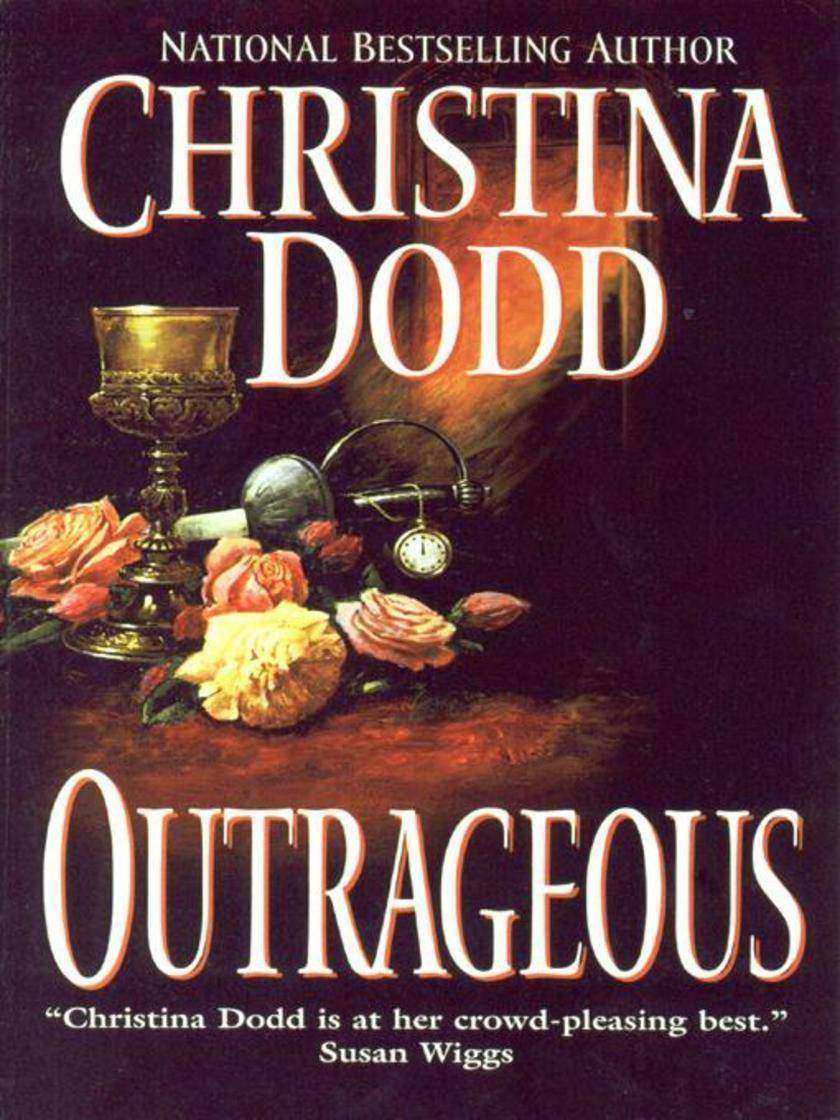
Outrageous
¥56.07
A woman banishedGriffith, battle-seasoned warrior and the king'smost trusted emissary, expected to find ashallow, vain, frivolous woman at WenthavenCastle. After all, as lady-in-waiting to thequeen, lovely Lady Marian had been in aposition of privilege, yet she had been banishedfrom the court. And the rumors were that shehad given birth to an illegitimate child.An outrageous offerWhen he arrived, Griffith found Lady Marianto be strong, intelligent and fiercely protectiveof the young baby in her custody.... and verysuspicious of him. If he were smart, the knightwould just deliver the message with which hehad been entrusted. Instead, he longs to lingerto delve into the mystery that is Marian, todiscover what she so desperately fears-andwhy he so improperly wants her.
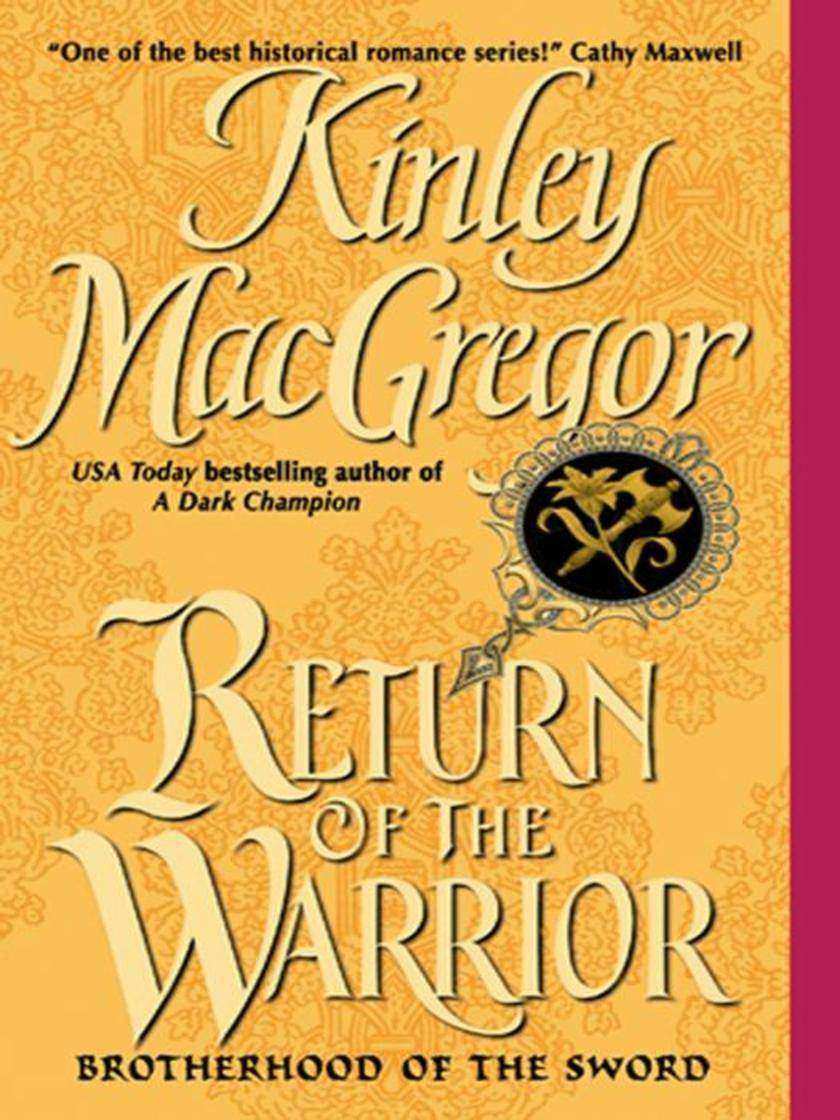
Return of the Warrior
¥55.91
Fearless men, their allegiance is to each other, to the oppressed, and to the secret society known as the Brotherhood of the Sword -- and they must never surrender to the passionate yearnings of their noble hearts.Fiercely devoted to her people and her land, Queen Adara refuses to let a power-mad usurper steal her crown. But the only way to protect what is hers is to seek out the man she married in childhood.A proud, tormented warrior, Christian of Acre owes allegiance only to the mysterious Brotherhood -- and has no wish to be king over anyone but himself. Now a bold and beautiful stranger has appeared in his rooms, tempting him with an irresistible seduction and demanding he accompany her back to their kingdoms ... or, at the very least, provide her with an heir to her throne. Though he cannot abandon the brave regal lady to her enemies, Christian dares not give in to his traitorous body's desires. Yet how can he deny the passion that is rightfully his and the ecstasy that awaits him in Adara's kiss?
A Scandalous Marriage
¥49.05
Leah Carrollton had dreams of meeting and marrying the perfect man. Then a scandalous affair ended in abandonment, and she left London rather than face her disgrace. With no one to turn to, Leah ran away to the country. Abruptly Devon Marshall, Viscount Huxhold, strides into her life, enveloping her in his strong embrace and offering her a chance to recapture what she'd lost. Heir to one of England's most honorable titles, Devon has spent his life breaking the rules and giving Leah and her fatherless child his name is just one more way to flaunt convention. But Devon discovers Leah tantalizes him as no other woman ever has, making him long for all the sweet bliss that marriage has to offer. But can a marriage made in scandal become a happily-ever-after affairLeah Carrollton had dreams of meeting and marrying the perfect man. Then a scandalous affair ended in abandonment, and she left London rather than face her disgrace. With no one to turn to, Leah ran away to the country. Abruptly Devon Marshall, Viscount Huxhold, strides into her life, enveloping her in his strong embrace and offering her a chance to recapture what she'd lost.Heir to one of England's most honorable titles, Devon has spent his life breaking the rules and giving Leah and her fatherless child his name is just one more way to flaunt convention. But Devon discovers Leah tantalizes him as no other woman ever has, making him long for all the sweet bliss that marriage has to offer. But can a marriage made in scandal become a happily-ever-after affair?Leah Carrollton had dreams of meeting and marrying the perfect man. Then a scandalous affair ended in abandonment, and she left London rather than face her disgrace. With no one to turn to, Leah ran away to the country. Abruptly Devon Marshall, Viscount Huxhold, strides into her life, enveloping her in his strong embrace and offering her a chance to recapture what she'd lost.Heir to one of England's most honorable titles, Devon has spent his life breaking the rules and giving Leah and her fatherless child his name is just one more way to flaunt convention. But Devon discovers Leah tantalizes him as no other woman ever has, making him long for all the sweet bliss that marriage has to offer. But can a marriage made in scandal become a happily-ever-after affair?

The Warrior
¥48.91
Lochlan MacAllister was born to lead. Ruthlessly groomed to take control of his clan, he has given his life to his people. But when he learns that the brother he thought was dead might still be alive, he embarks on a quest to find the truth.Catarina wants a life of freedom. But now Catarina's royal father wants to use her as a pawn to ensure a treaty between conflicting lands. So much so that he's willing to kidnap his daughter to force the issue. But when she escapes, fate throws her into the path of a man she loathes.Lochlan is stunned to find the shrewish Cat being hauled away by unknown men. Unwilling to see even her suffer, he frees her only to learn that she has her own demons to fight. When their fates intertwine, two people who know nothing of trust must rely on each other, and two enemies who have vowed their eternal hatred must find common ground, or see their very lives shattered.

Rules of Engagement
¥56.07
The Rules of Engagement: Choose a bride from this year's debutantes.Decide on a proper settlement.Send an announcement to The Times.Inform the bride of her good fortune.Rules of Respectability Devon Mathewes, earl of Kerrich, has a plan that is sure to restore him to the Queen's favor.First, he must hire a sensible, unattractive governess. Next, he will see to adopting a properly grateful orphan, which will surely lend him a patina of respectability. Finally, he must obtain a guarantee that his orphan and the governess will better his character and reputation without unduly disturbing his life--love life or otherwise.Rules of Passion As a condition of accepting the governess position, Miss Pamela Lockhart of the Distinguished Academy of Governesses has a few rules of her own. Devon at all times must behave with propriety, an unlikely accomplishment that would delight the ton and completely astonish Pamela herself. She must be allowed to choose a suitable orphan at her own discretion. Most important, Devon must vow to neverever delve into Pamela's background, or her appearance, lest he discover the truth behind the deepest secrets of her heart. But of course, all rules are made to be broken . . .Rules of Engagement

Kiss an Angel
¥56.07
How did pretty, flighty Daisy Devreaux find herself in this fixShe can either go to jail or marry the mystery man her father has chosen for her. Alex Markov, however, has no intention of playing the loving bridegroom to a spoiled little featherhead with champagne tastes. As humorless as he is deadly handsome, he drags the irrepressible Daisy away from her uptown life and sets out to tame her.Except it won't be as easy as he thinks. This man without a soul has met a woman who's nothing but heart. Will vows spoken in haste shatter . . . or offer the promise of love everlasting?
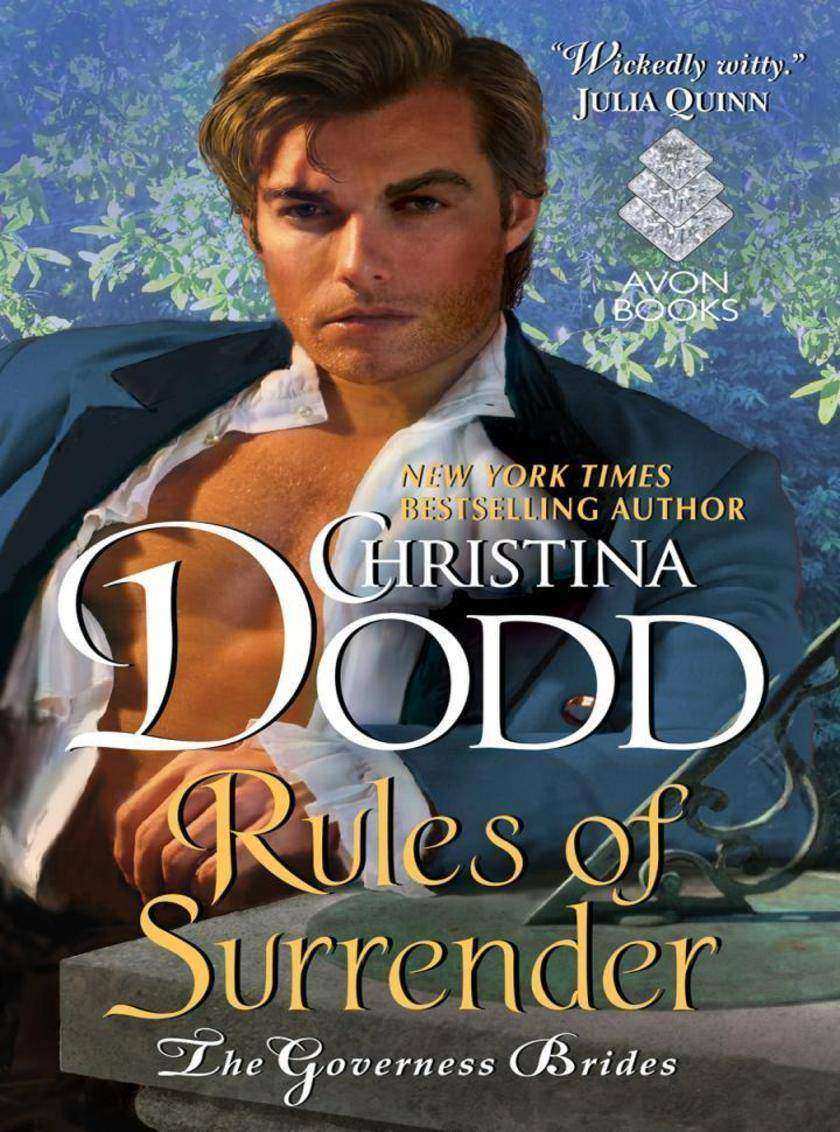
Rules of Surrender
¥56.07
The Rules of Employmentfor The Distinguished Academy of Governesses: Always remember your station. Be sure to maintain a disciplined schoolroom. And never, ever become too familiar with the master of the house...Lady Charlotte Dalrumple is known as England's most proper governess, a woman who has never taken a misstep socially or romantically. On the surface, she seems perfectly suited to accept the challenge of reforming Lord Wynter Ruskin, sadly uncivilized by his travels abroad.But Wynter has no desire to be taught manners. He glimpsed an uninhibited beauty hiding beneath Charlotte's prim exterior, and he'd much rather spend his days and nights instructing her in the pleasures of the body and the passions of the heart. But before they can love, both must also master the Rules of Surrender.


