


 购物车
购物车 个人中心
个人中心

Foodist
¥90.51
Foodist is a manifesto about real food and real science that proves once and for all that sustainable weight loss is possible by incorporating fresh, seasonal—and delicious—ingredients into every meal. If you picked up this book, there's a good chance this is not the first time you hoped a new eating plan would help you lose weight. Dieting is a popular hobby in the twenty-first century, and the result is typically a slow but steady weight gain over the years. Oops. Diets fail because they rely on willpower and restriction for achieving health goals, and ignore the reasons these tactics always backfire. Becoming a foodist helps you give up dieting forever and get on the real path to healthy, lasting weight control. Foodist is an approach that actually celebrates food while taking you through the nutrition and psychology involved in eating well to help you move beyond the daily obstacles and bad habits that keep the tasteless, empty, and unsatisfying food-like products on your plate. Losing weight no longer has to be about sacrifice, deprivation, and willpower, and food will turn from something you fight into something you can actually love again. As Darya writes, "You don't need a diet. You need an upgrade." Smart, accessible, and engaging, Foodist will help you tailor your eating habits to match your lifestyle and your food preferences, making sure the path you choose works for you in the short- and long-term. Not only will you permanently build healthier habits into your daily life, you'll lose weight and enjoy food like never before.
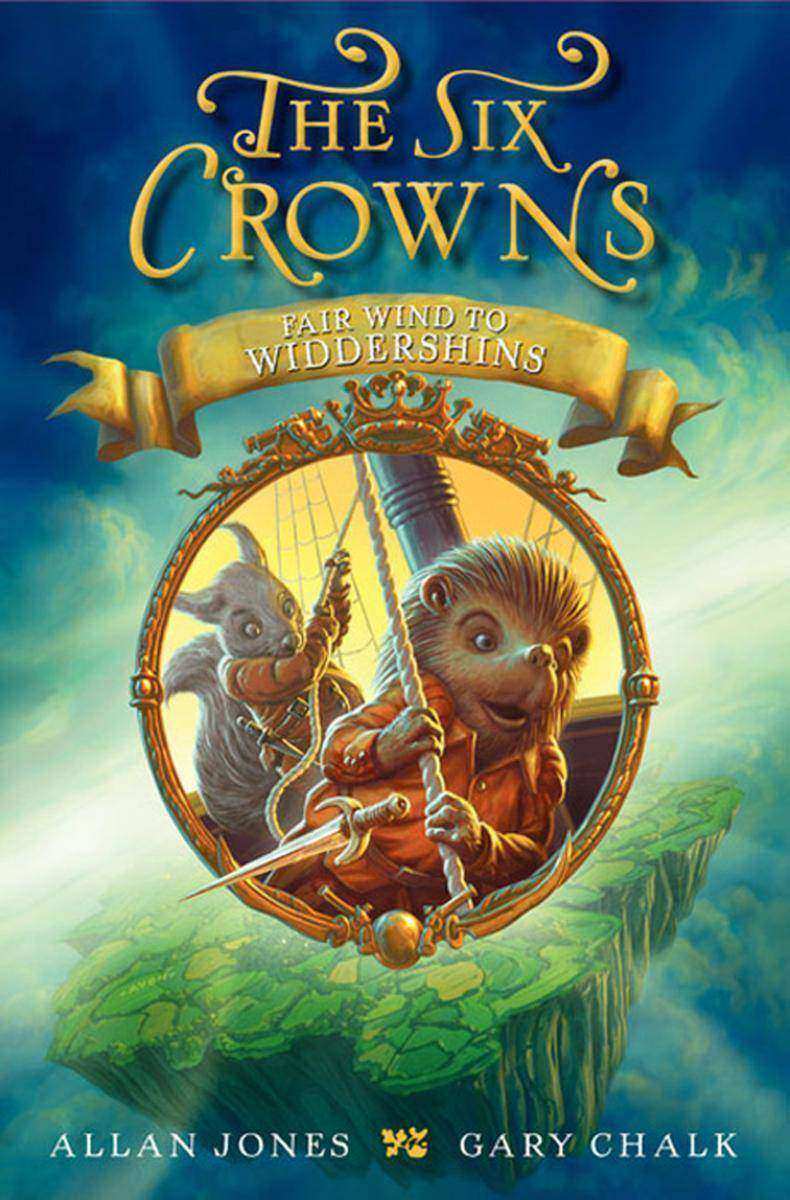
The Six Crowns: Fair Wind to Widdershins
¥90.77
After finding the first of six legendary crowns, Trundle the lamplighter thought he could finally return to his quiet life in Port Shiverstones. But Esmeralda has other ideas. A princess with a talent for magic and mischief, she is determined to continue their quest to find the five other crowns, and to use them to unite the Sundered Lands once and for all.Accompanied by their new friend, Jack Nimble the bard, Trundle and Esmeralda sail to new lands in search of Esmeralda’s wise old aunt. Will the mysterious Aunt Millie give them the clues they need to find the next treasureOr are they walking straight into a trap?
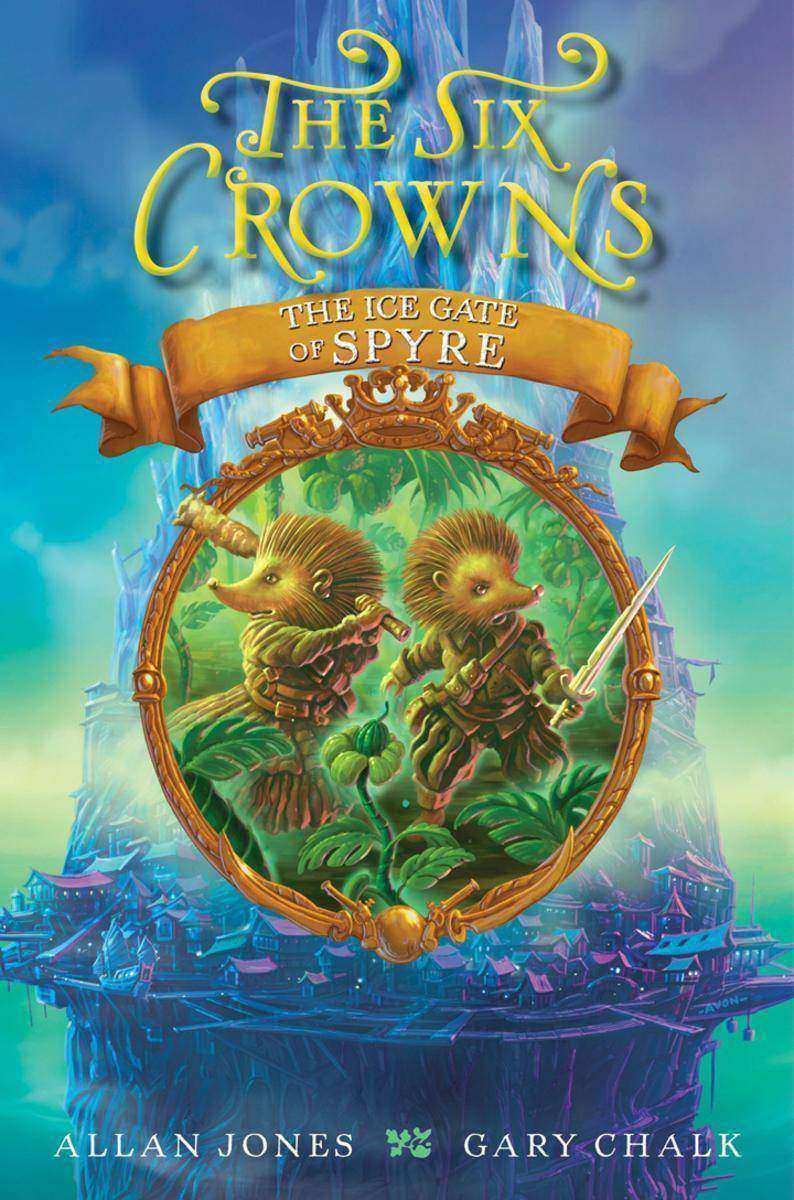
The Six Crowns: The Ice Gate of Spyre
¥90.77
The valiant hedgehog Trundle's quest for the Crown of Ice leads him and his crew to the sacred island of Spyre. According to legend, only the Oracle can find the crown, and Trundle's spirited friend Esmeralda Lightfoot is convinced she's the chosen one. Spyre is full of wonders—and danger—from its low, swampy jungles to its soaring, icy mountaintops. And as Trundle, Esmeralda, the squirrel troubadour Jack Nimble, and their new companion, a wild and crazy hare, make their way through a monastery of fighting llamas and a nest of hungry snow snakes, they discover that nothing on this extraordinary island is as it seems.
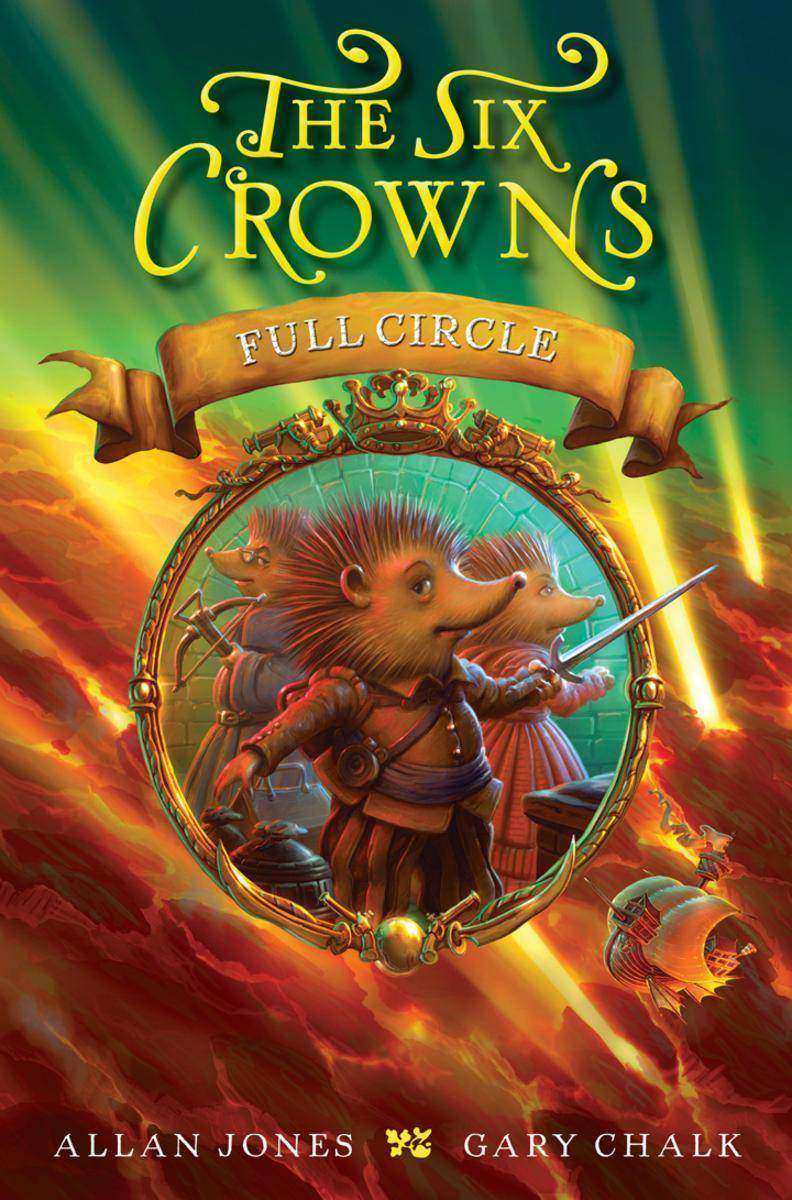
The Six Crowns: Full Circle
¥96.50
The sixth and final book in the animal fantasy series The Six Crowns, of which Booklist said, "Evokes elements of both Redwall and Lord of the Rings." The adventuring hedgehog Trundle Boldoak and energetic Princess Esmeralda must find the final legendary crown in their quest to save their lands!Five of the six lost Badger crowns have been found. Only one is left—the Crown of Stone. But legend has it this crown is on an island long forgotten. Will Trundle and his swashbuckling companions be able to find it on their trusty shipWith dangerous pirates hot on their trail, Trundle and his friends must set sail to an island that might not even exist. An entertaining—and funny!—tween adventure with lively black-and-white illustrations throughout. School Library Journal called the Six Crowns an "action-packed page-turner . . . that even reluctant fantasy readers will embrace."

Parents Need to Eat Too
¥94.10
The question is as old as parenting itself: How can new moms and dads eat well when all their time and energy is spent on babyFinally, we have the answer!Specifically designed for frazzled, sleep-deprived parents, every recipe in Parents Need to Eat, Too is nutritious, delicious, satisfying, and EASY. As a bonus each recipe includes instructions for preparing baby food from the same ingredients. Plus every recipe has the added advantage of being tested by a group of more than 100 new parents.Inside you'll find: Meals you can eat with one hand Recipes for the new parent's best friend: the slow cooker More ambitious recipes, broken down into simple stages to perform while baby naps “Un-Recipes” for parents who can't cook at all Recipes that support breastfeeding Advice from experts, including a pediatric dietitian and a lactation consultantHere are real solutions for the real problems new parents face in the kitchen. Through comforting, honest, and essential help for stressed out, undernourished moms and pops, Parents Need To Eat Too ensures that nobody will go hungry!Parents Need to Eat Too has been named one of the Best Cookbooks of 2012 by Leite’s Culinaria, whose Editor-in-Chief Renee Schettler Rossi called it the “What to Expect After You’re Expecting” and said that the book “savvily and sassily helps you extend the efficiency of any time spent in the kitchen.”
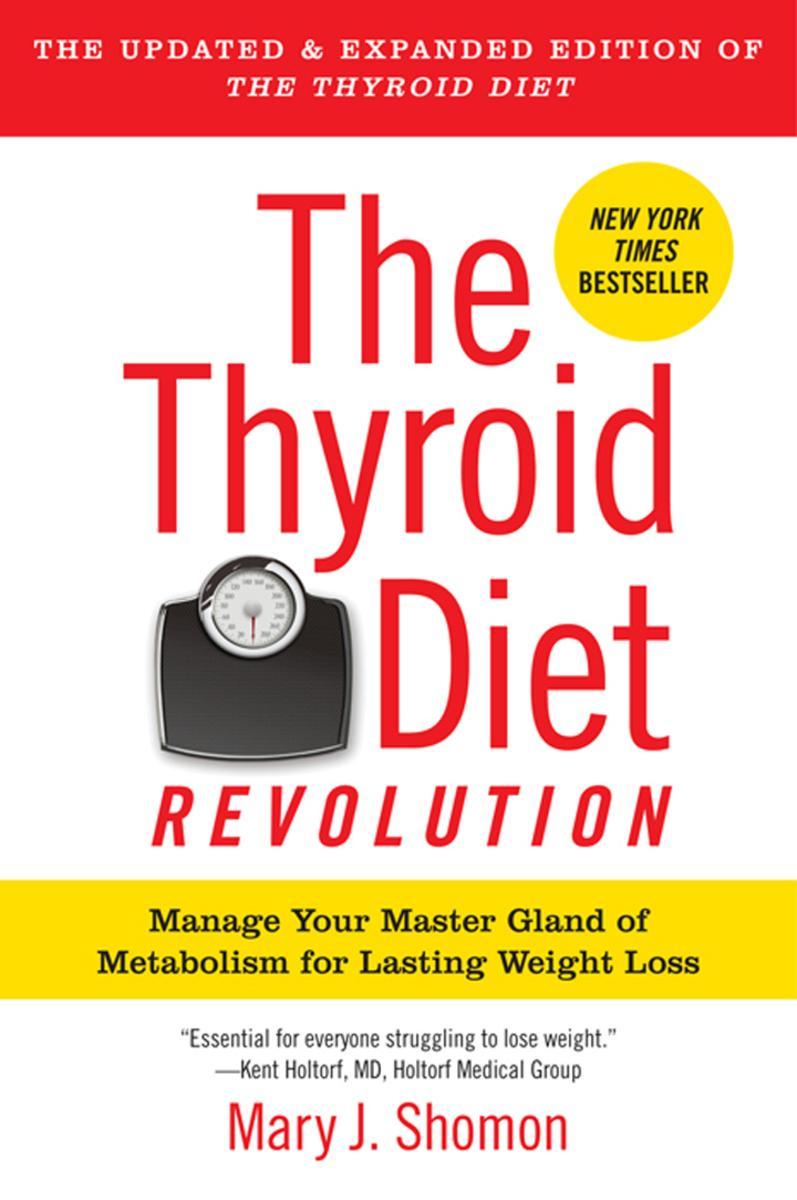
The Thyroid Diet Revolution
¥94.10
Fifty Million Americans Have Thyroid-Based Weight Problems—Do You?Since Mary J. Shomon’s groundbreaking book The Thyroid Diet hit the New York Times bestseller list in 2004, the number of Americans diagnosed with thyroid disease has more than doubled. This newly expanded and updated version of Shomon’s classic work, The Thyroid Diet Revolution identifies the many hormonal factors that can get in the way of your weight loss and offers much-needed solutions. New material includes:Guidelines to help frustrated dieters determine if they have an undiagnosed thyroid condition.A comprehensive step-by-step approach to help you get proper thyroid treatment, optimize thyroid function, increase metabolism, and effectively lose weight.A common-sense look at cutting-edge hormonal, nonsurgical weight-loss treatments, plus the latest on weight-loss drugs and surgery.Updated information on the latest nutritional approaches—herbs, supplements, and vitamins to help enhance your metabolism, improve energy, balance hormones, control blood sugar, and promote weight loss.Customized exercise approaches that help you fit in fitness and build muscle without fatigue.Reviews and recommendations of the best diet programs for thyroid patients . . . and more.Offering an integrated diet and exercise recommendations—and a special resource section featuring websites, books, and support groups—The Thyroid Diet Revolution provides vital help for the millions of thyroid patients dealing with weight problems.
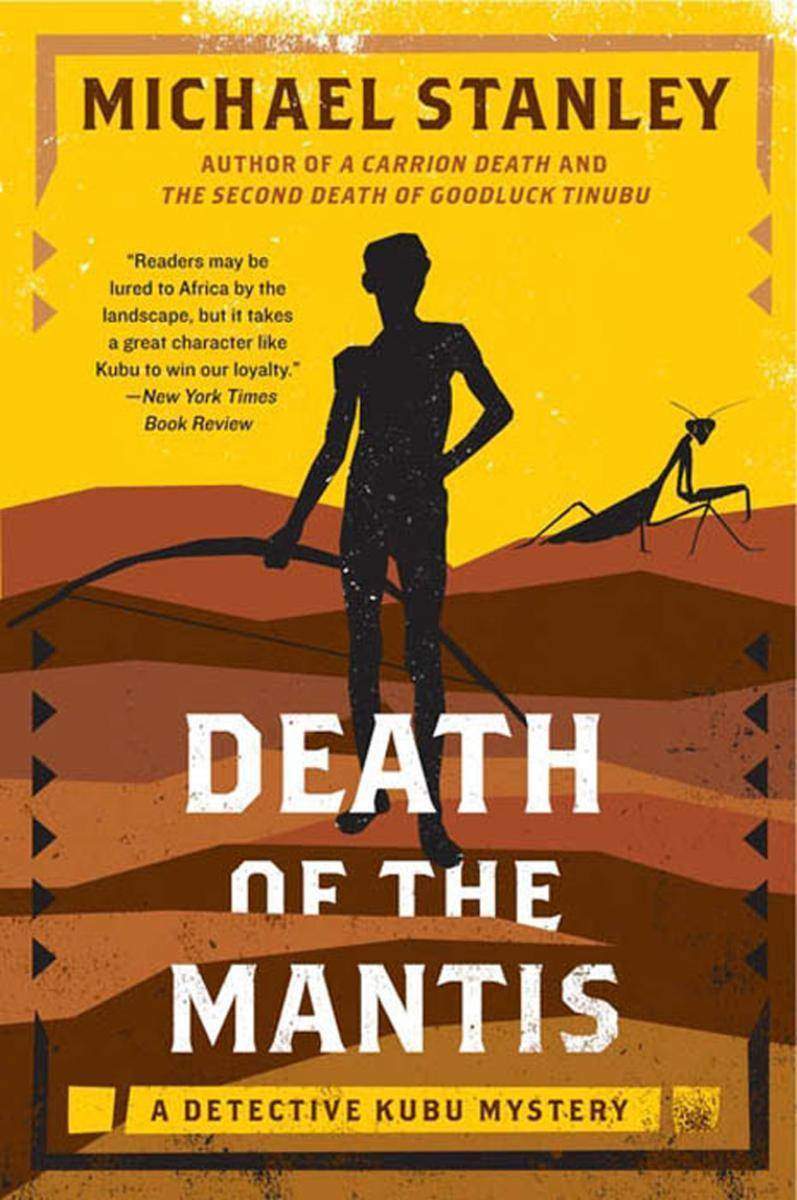
Death of the Mantis
¥83.03
In the southern Kalahari area of Botswana—an arid landscape of legends that speak of lost cities, hidden wealth, and ancient gods—a fractious ranger named Monzo is found dying from a severe head wound in a dry ravine. Three Bushmen surround the doomed man, but are they his killers or there to helpDetective David “Kubu” Bengu is on the case, an investigation that his old school friend Khumanego claims is motivated by racist antagonism on the part of the local police. But when a second bizarre murder, and then a third, seem to point also to the nomadic tribe, the intrepid Kubu must journey into the depths of the Kalahari to uncover the truth. What he discovers there will test all his powers of detection . . . and his ability to remain alive.
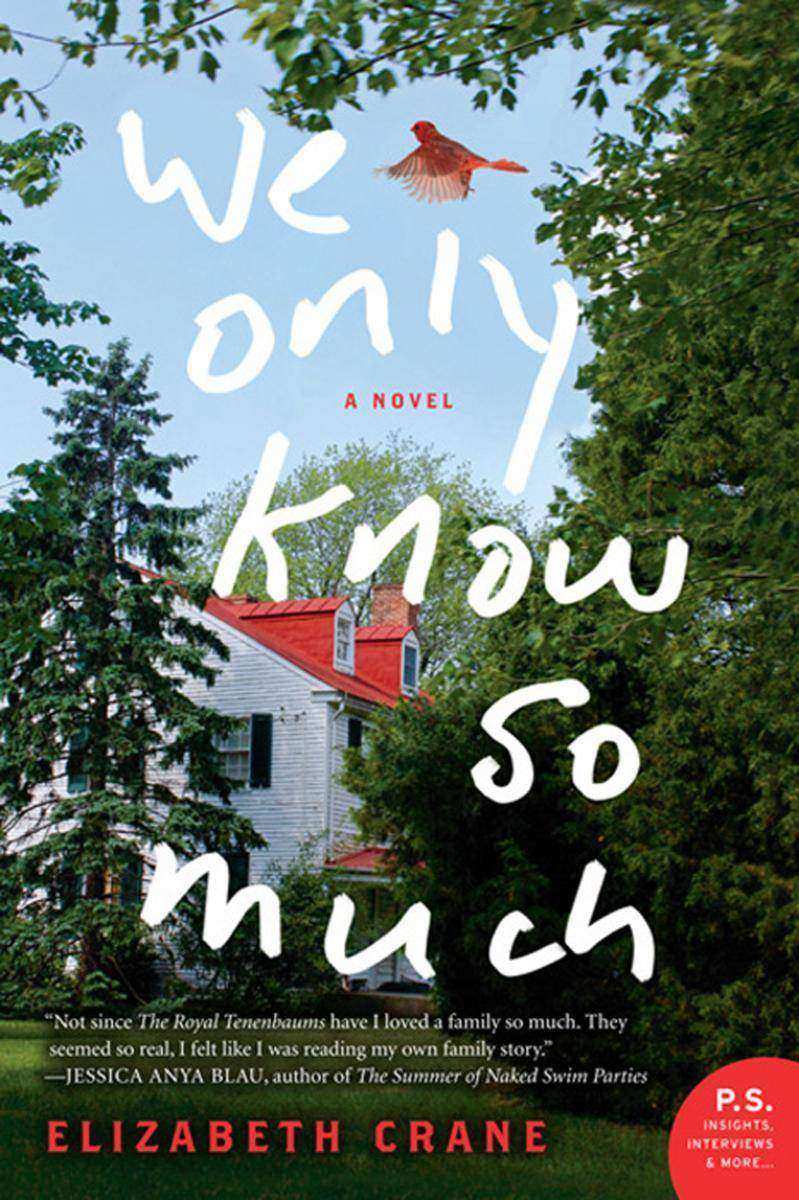
We Only Know So Much
¥84.16
Jean Copeland, an emotionally withdrawn wife and mother of two, has taken a secret lover—only to lose him in a moment of tragedy that leaves her reeling. Her husband, Gordon, is oblivious, distracted by the fear that he's losing his most prized asset: his memory. Daughter Priscilla (a pill since birth—don't get us started) is talking about clothes, or TV, or whatever, and hatching a plan to extend her maddening reach to all of America. Nine-year-old Otis is torn between his two greatest loves: crossword puzzles and his new girlfriend. At the back of the house, grandfather Theodore is in the early throes of Parkinson's disease. (And he's fine with it—as long as they continue to let him walk the damn dog alone.) And Vivian, the family's ninety-eight-year-old matriarch, is a razor-sharp grande dame who suffers no fools...and still harbors secret dreams of her own. With empathy, humor, and an unforgettable voice, Elizabeth Crane reveals what one family finds when everyone goes looking for meaning in all the wrong places.
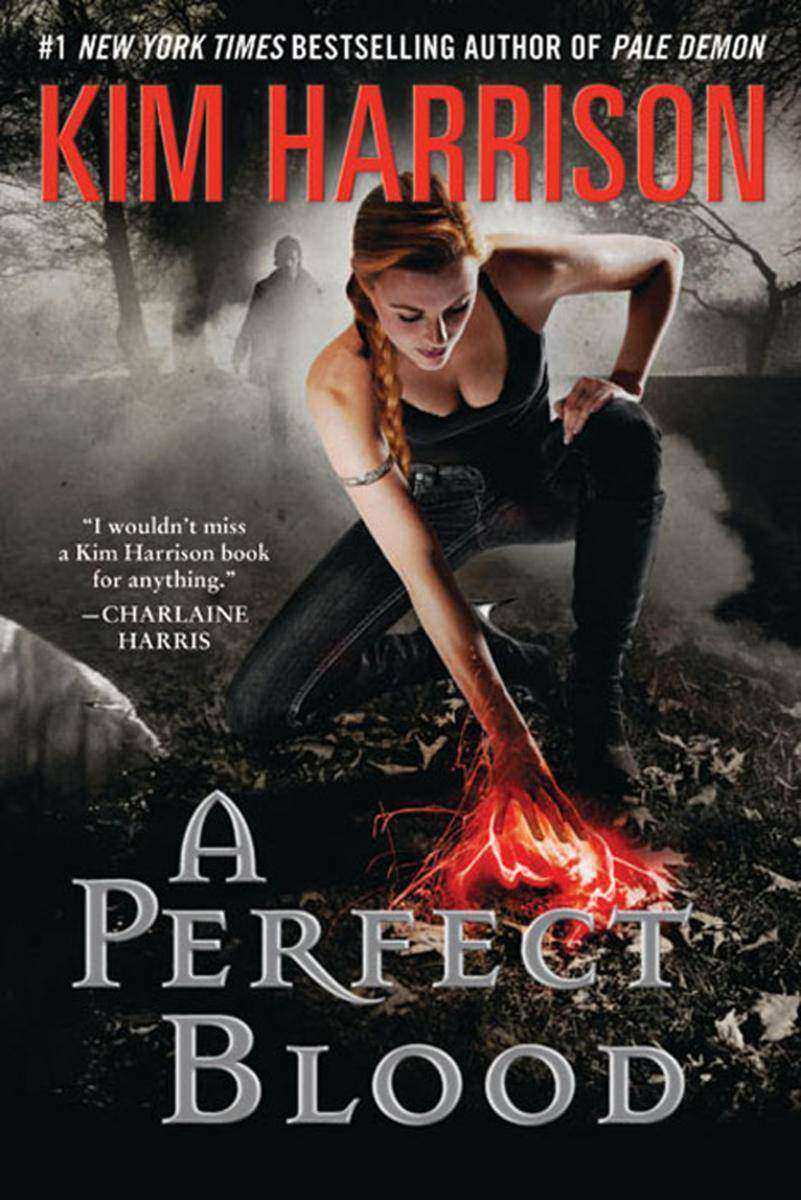
A Perfect Blood
¥55.91
Ritually murdered corpses are appearing across Cincinnati, terrifying amalgams of human and other.Pulled in by the FIB to help investigate, former witch-turned-day-walking demon Rachel Morgan soon realizes a horrifying truth: others want to create their own demons, and to do so they need her blood. She’s faced vampires, witches, werewolves, demons, and more—but this time Rachel’s toughest challenge might be humanity itself.

The Food52 Cookbook
¥193.85
The Best Cooks Are Home CooksAccomplished food writers and editors Amanda Hesser and Merrill Stubbs had a mission: to discover and celebrate the best home cooks in the country. Each week for fifty-two weeks, they ran recipe contests on their website, Food52.com, and the 140 winning recipes make up this book. They include:Double Chocolate Espresso CookiesSecret Ingredient Beef Stew Simple Summer Peach CakeWishbone Roast Chicken with Herb ButterThese recipes prove the truth that great home cooking doesn’t have to be complicated or precious to be memorable. This book captures the community spirit that has made Food52 a success. It features Amanda’s and Merrill’s thoughts and tips on every recipe, plus behind-the-scenes photos, reader comments, and portraits of the contributors—putting you right in the kitchen with America’s most talented cooks.
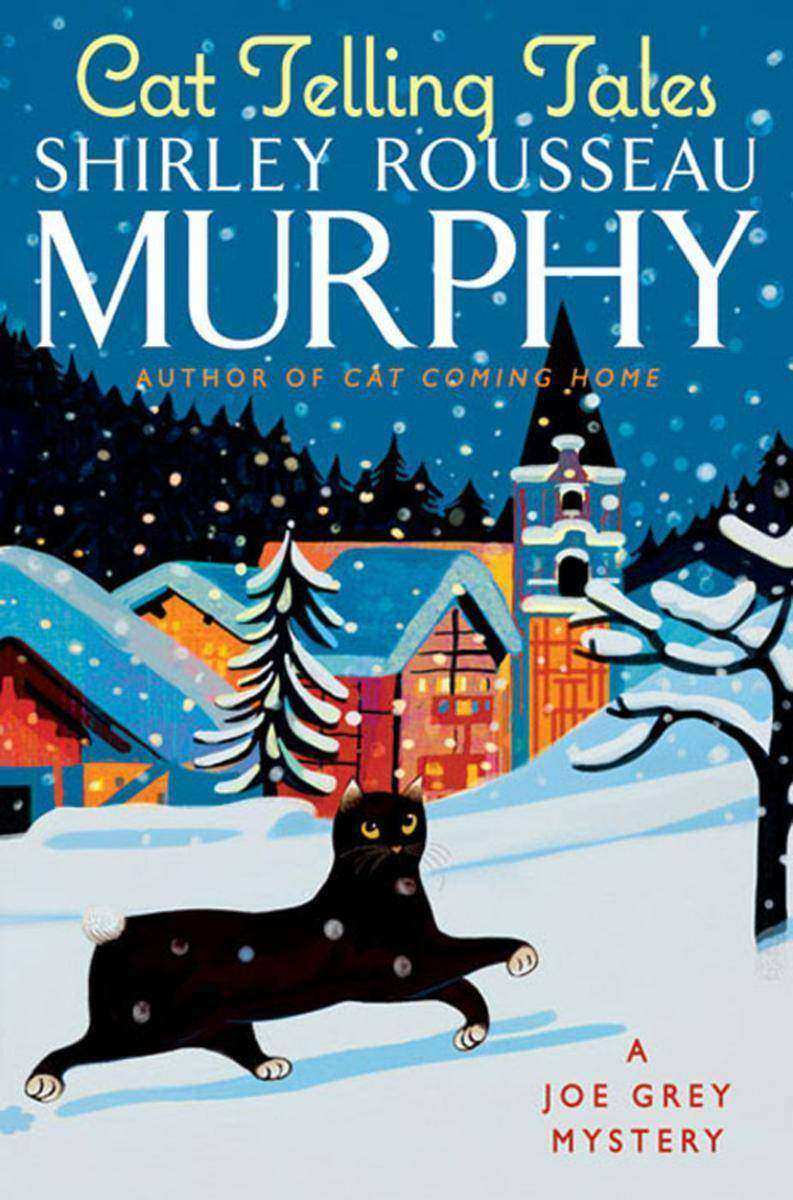
Cat Telling Tales
¥55.31
Even the bright seaside village of Molena Point has been hit hard by the economic downturn, bringing a rash of foreclosures in which many residents are abandoning their family pets. While feline P. I. Joe Grey's human friends join together to care for the starving cats, a fire leaves a twelve-year-old boy homeless. The body of his alcoholic guardian is discovered in the smoldering ruins, causing Joe to wonder if escape was really impossible for the elderly woman or if something more sinisteroccurred.Meanwhile, Debbie Kraft descends uninvited on the Damens' home with her two children, claiming that her ex-husband has left her with no money and nowhere else to go. But when Joe learns that the victim of the fire was Debbie's estranged mother and that Debbie is not broke at all but carrying plenty of cash, his fur is on end with suspicion.As Debbie's abandoned tomcat follows her all the way down the coast from Oregon with his own clues to add to the mix, Joe learns that Debbie's Realtor ex-husband may be involved in a number of intricate real estate scams. Furthermore, his sales partner may be missing, and while Joe and his pals prowl through the dead woman's house, they discover that her reclusive neighbor has disappeared as well.But it's not until Debbie's tomcat arrives that Joe and his feline detective pals find the biggest clue of all: a grave that the cops have missed. And as the pieces of the puzzle begin to come together, tortoiseshell Kit sees her own dreams coming true in the handsome new cat with whom she might share her life's adventures.
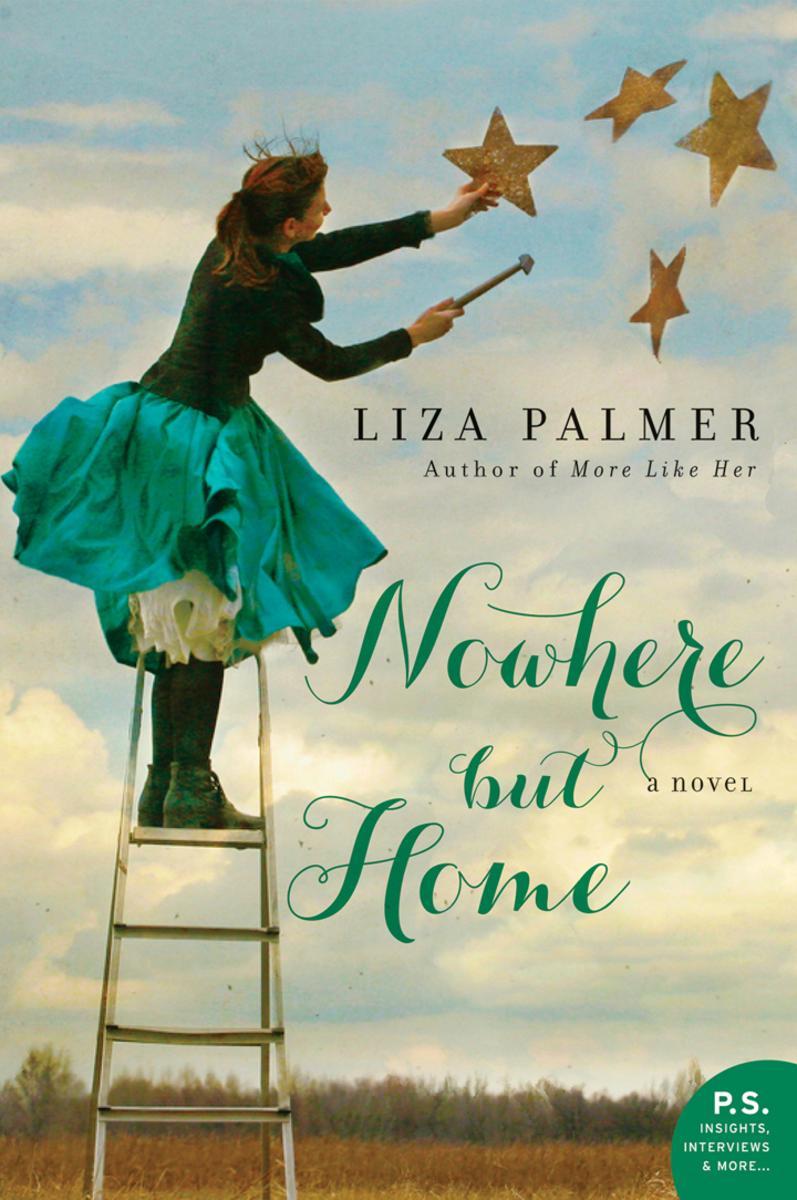
Nowhere but Home
¥83.03
The strategy on the gridiron of Friday Night Lights is nothing compared to the savagery of coming home . . .Queenie Wake has just been fired from her job as a chef for not allowing a customer to use ketchup . . . again. Now the only place she has to go is North Star, Texas, the hometown she left in disgrace. Maybe things will be different this time around. After all, her mother—notorious for stealing your man, your car, and your rent money—has been dead for years. And Queenie's sister, once the local teenage harlot who fooled around with the town golden boy, is now the mother of the high school football captain.Queenie's new job, cooking last meals at the nearby prison, is going well . . . at least the inmates don't complain! But apparently small-town Texas has a long memory for bad reputations. And when Queenie bumps into Everett Coburn, the high school sweetheart who broke her heart, she wishes her own memory was a little spottier. But before Queenie takes another chance on love, she'll have to take an even bigger risk: finding a place to call home once and for all.

World of Howl Collection
¥261.65
One of the most memorable and irresistible characters in all of literature—the Wizard Howl—is introduced in Diana Wynne Jones's classic fantasy novel Howl's Moving Castle and makes guest appearances in two stand-alone sequel novels, Castle in the Air and House of Many Ways. Howl's Moving Castle was adapted into an acclaimed and Academy Award-nominated film of the same name, produced by Studio Ghibli and directed by Hayao Miyazaki.Sophie Hatter never intended to set out and seek her fortune. The eldest of three sisters, Sophie thought she was destined to fail. That all changed the day the Witch of the Waste turned her into an old woman. In order to lift the spell, Sophie barges into Wizard Howl's moving castle and strikes a bargain with Calcifer, his fire demon. But Howl is outrunning a curse of his own, and soon Sophie realizes that nothing is as it appears. . . . Howl, Sophie, and Calcifer return in both Castle in the Air and The House of Many Ways, two stand-alone sequels full of mayhem, secrets, and magic.
Too Loud, Too Bright, Too Fast, Too Tight
¥77.49
In the publishing tradition of Driven to Distraction or The Boy Who Couldn't Stop Washing, this pre*ive book by a developmental psychologist and sufferer of Sensory Defensive Disorder (SD) sheds light on a little known but common affliction in which sufferers react to harmless stimuli as irritating, distracting or dangerous.We all know what it feels like to be irritated by loud music, accosted by lights that are too bright, or overwhelmed by a world that moves too quickly. But millions of people suffer from Sensory Defensive Disorder (SD), a common affliction in which people react to harmless stimuli not just as a distracting hindrance, but a potentially dangerous threat.Sharon Heller, Ph.D. is not only a trained psychologist, she is sensory defensive herself. Bringing both personal and professional perspectives, Dr. Heller is the ideal person to tell the world about this problem that will only increase as technology and processed environments take over our lives. In addition to heightening public awareness of this prevalent issue, Dr. Heller provides tools and therapies for alleviating and, in some cases, even eliminating defensiveness altogether.Until now, the treatment for sensory defensiveness has been successfully implemented in Learning Disabled children in whom defensiveness tends to be extreme. However, the disorder has generally been unidentified in adults who think they are either overstimulated, stressed, weird, or crazy. These sensory defensive sufferers live out their lives stressed and unhappy, never knowing why or what they can do about it. Now, with Too Loud, Too Bright, Too Fast, Too Tight, they have a compassionate spokesperson and a solution–oriented book of advice.

The Obsidian Temple
¥48.39
After a harrowing escape to the desert, Sulis Hasifel finds her calling is not yet fulfilled. Traveling to the Obsidian Temple—the site of an ancient divine battle—Sulis is tasked with mentoring Ava, a young girl with a troubled past. Together, they join a group of magically gifted warriors to re-make the very fabric of the universe. But the fate of the world hinges on whether Ava can harness her power, and some trials cannot be overcome.Returning to Illian, Sulis's twin Kadar finds that his lover, Farrah, has abandoned their newborn daughter for the revolutionary cause. Not willing to give up his dream of a family, Kadar vows to stay by Farrah's side. But when he finds that Farrah is willing to anger the gods to aid the Forsaken caste's uprising, and as she steps farther down a violent and dark path, Kadar must decide if he will help her…or let the world spin out of control.In this mesmerizing sequel to Desert Rising, Kelley Grant brings us back to the cities of Illian and Shpeth, drawing her epic fantasy tale closer to the trilogy's stunning conclusion.

This Monstrous Thing
¥56.08
A wildly creative Gothic fantasy retelling of Frankenstein, This Monstrous Thing is a wholly new reimagining of the classic novel by Mary Shelley and is perfect for fans of retellings such as Cinder by Marissa Meyer, fantasy by Libba Bray and Cassandra Clare, and alternative history by Scott Westerfeld.In an alternative fantasy world where some men are made from clockwork parts and carriages are steam powered, Alasdair Finch, a young mechanic, does the unthinkable after his brother dies: he uses clockwork pieces to bring Oliver back from the dead.But the resurrection does not go as planned, and Oliver returns more monster than man. Even worse, the novel Frankenstein is published and the townsfolk are determined to find the real-life doctor and his monster. With few places to turn for help, the dangers may ultimately bring the brothers together—or ruin them forever.
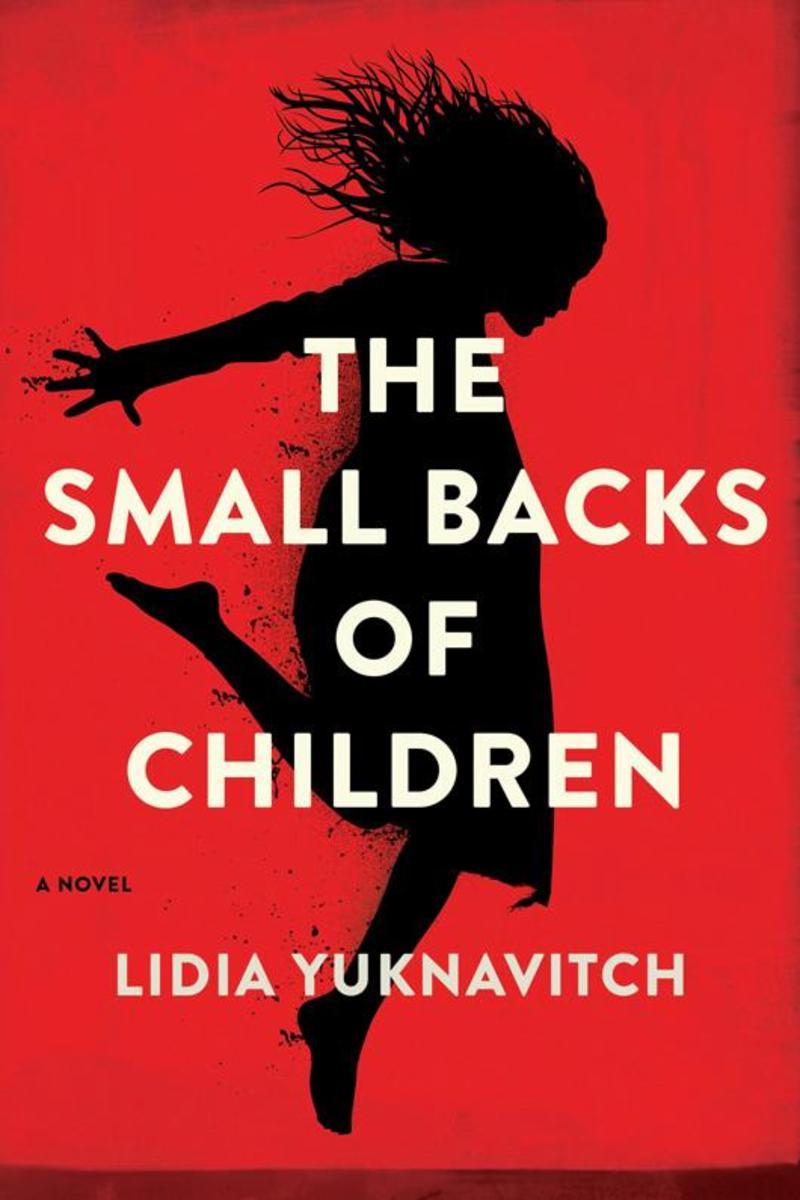
The Small Backs of Children
¥90.51
In a war-torn village in Eastern Europe, an American photographer captures a heart-stopping image: a young girl flying toward the lens, fleeing a fiery explosion that has engulfed her home and family. The image, instantly iconic, garners acclaim and prizes—and, in the United States, becomes a subject of obsession for one writer, the photographer's best friend, who has suffered a devastating tragedy of her own.In a bid to save the writer from a spiraling depression, her filmmaker husband enlists a group of friends—including a fearless bisexual poet, an ingenuous performance artist, and the writer's playwright brother and painter ex-husband—to rescue the unknown girl and bring her to the United States. And yet, as their plot unfolds, everything we know comes into question: What does the writer really wantWho is controlling the actionAnd what will happen when these two worlds—East and West, real and virtual—collide?A fierce, provocative, and deeply affecting novel exploring the often violent borders between war and sex, love and art, The Small Backs of Children is a major step forward from one of our most avidly watched writers.
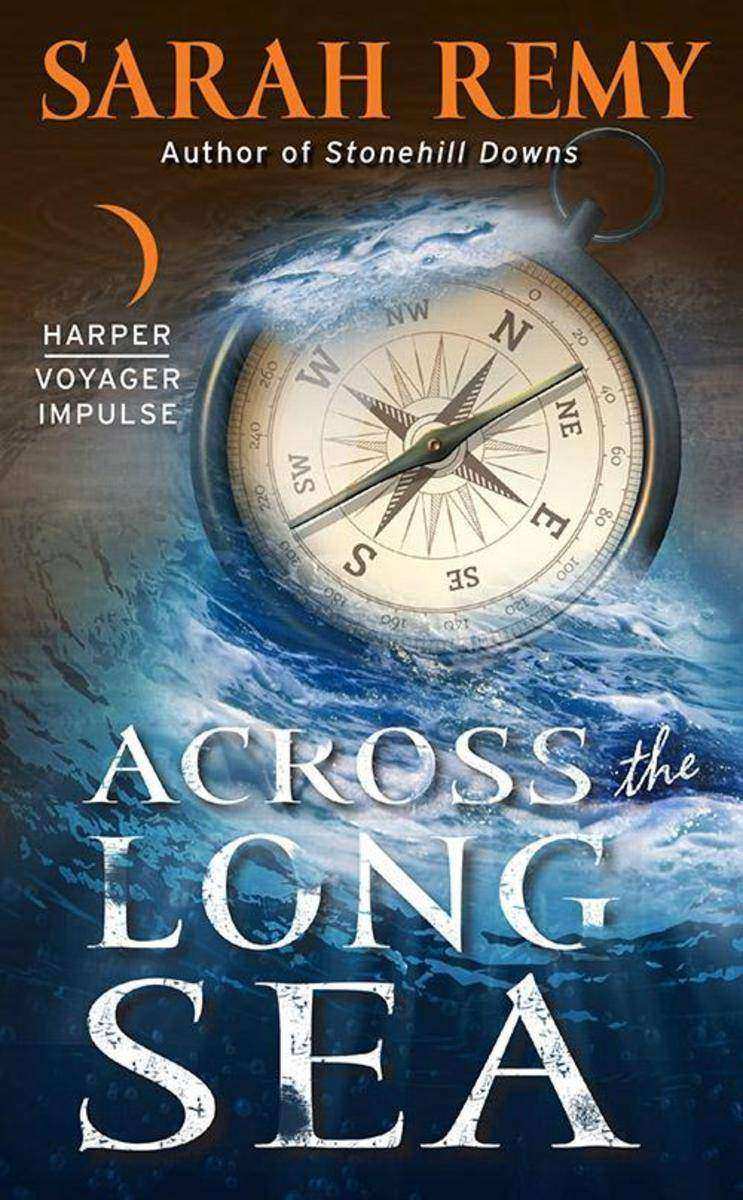
Across the Long Sea
¥49.05
The gripping follow-up to Stonehill DownsAs the most valuable asset in the kingdom of Wilhaiim, Malachi Doyle has many responsibilities—protector, assassin, detective, and King Renault's right-hand man. And until he met Avani in the cursed village of Stonehill Downs, he believed he was the last of his kind: a magus who can communicate with the dead.But Wilhaiim is left vulnerable when Mal and his page, Liam, are kidnapped and ferried across the Long Sea to a warring kingdom in search of its own magus. To make matters worse, a springtime plague is rapidly spreading, and beneath the earth the sidhe are preparing for war. With Mal missing and presumed dead, Avani reluctantly takes his place as Wilhaiim's magus. But her powers are unreliable and untested, her many allies are treacherous, and she is certain Mal is alive. Will she be able to keep Wilhaiim—and herself—safe?
Deadly Shaker Spring
¥42.03
We have frightening enemies living among us, known by their strange dress. These so-called Shakers are shrewd and canny. . .a scourge; a tumor that must be sliced from our side . .Sister Rose Callahan read the printed flyer and shivered. Its message terrified her. She was aware that Believers had sometimes been objects of resentment from the outside world, but nothing like this. Who could write such thingsAnd who could be responsible for recent acts of violence directed against the peaceful Shaker community?A sister had suffered a mysterious wound to the head; a sackful of rats were set loose in the schoolroom, food had been stolen -- and now a hate-filled message points to continued mischief. Sister Rose, recently honored with the position of Eldress despite her youth, seeks clues in the journals of her aged predecessor. She discovers a shocking similarity to outrages perpetrated years before, as well as a scandalous secret about a present-day sister. Now Rose must look both outside and within the cloistered religious community to find clues that link an old murder, a recent death, and an unknown enemy whose thirst for revenge overrides the ultimate sin...of murder.
Killing Gifts
¥42.48
The Depression's winter gloom has crept into the summerhouse of the Hancock Shaker Village in Massachusetts. The dead body of a woman "of dubious reputation" -- a lost soul befriended by many of the brothers and sisters -- sits at a table in an evening gown, snow swirling around her frozen ankles, her lifeless arms stretched out before her. A frantic call goes out to Kentucky, begging Eldress Rose Callahan to brave the February cold and come East, where her keen eye and peerless deductive powers are needed to help lift a terrible weight from the bereft and dwindling community of Believers. But Sister Rose's arrival is greeted with local suspicion and spreading terror when murder once again scars the gentle village. And as the fury of winter further isolates the small village from its suspicious neighbors, Sister rose and her dear friend Gennie Malone must race to unmask a killer who may be mad enough to keep killing throughout this frigid season of dying.
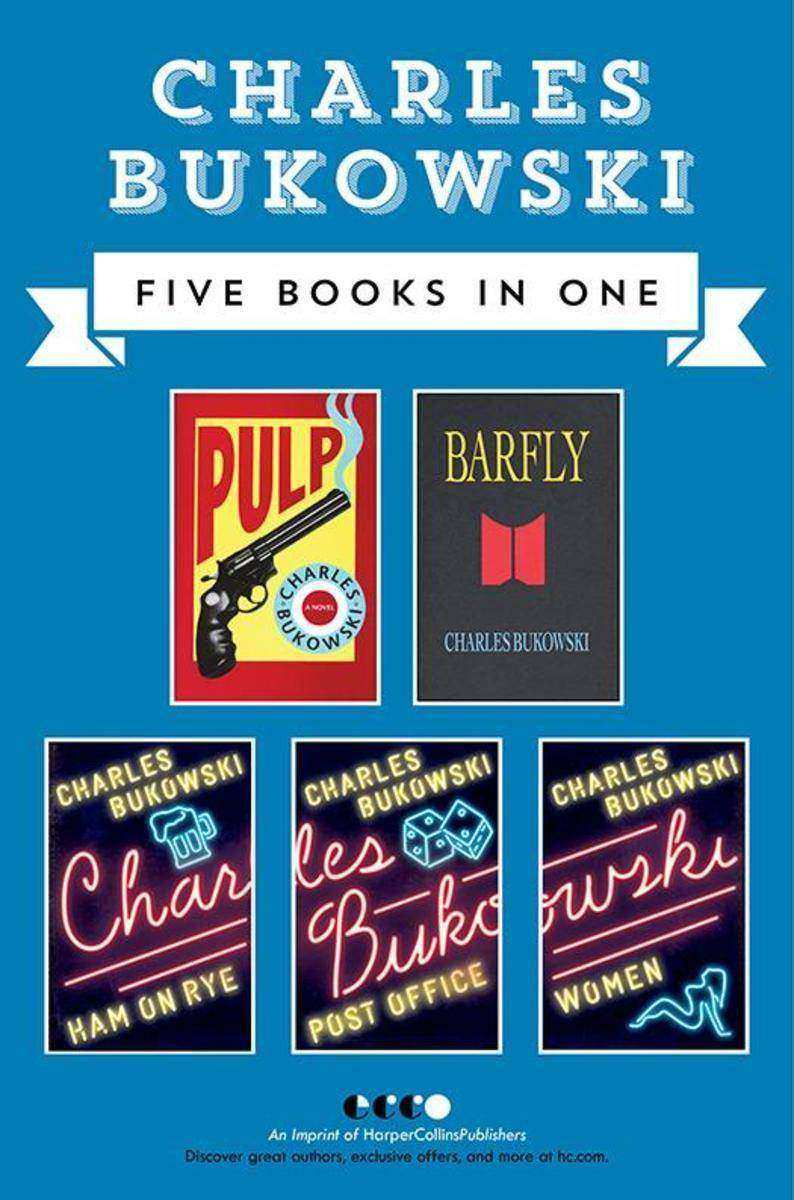
Charles Bukowski Fiction Collection
¥425.27
Charles Bukowski Fiction Collection by Charles Bukowski has de*ive copy which is not yet available from the Publisher.


