


 购物车
购物车 个人中心
个人中心

Wanted: A Father for her Twins (Mills & Boon Medical)
¥31.10
Dr Rosie Jefferson's only priority is caring for her twin niece and nephew. It takes one deliciously attractive and deeply persuasive Dr Nick Masters to stop Rosie thinking she's just a plain and plump single mum. . . Try as she might, Rosie finds Nick's charms are very hard to resist. . .

A Family for Tyler (Mills & Boon Superromance) (A Chair at the Hawkins Table, Bo
¥31.10
Family sticks together, no matter what! Wyatt Hawkins takes care of his family. So when he discovers he has a nephew, he vows to be there for Tyler until his father returns from overseas. Too bad the smart—and beautiful—judge in their custody case is interfering with Wyatt’s intention. He has to convince Judge Emily Ivers he’s good for Tyler! But she seems to have strong feelings about a single rancher raising a child and Wyatt can’t help wonder why. Is it the attraction between them? Or maybe it has something to do with the sadness he sees in her eyes. Maybe his nephew’s heart isn’t the only that needs healing…

A Ranch to Keep (Mills & Boon Superromance)
¥31.10
Samantha Rylant’s life is coming together as planned—promising career, awesome friends, perfect boyfriend. Then she inherits her grandmother’s ranch and the sweet childhood memories come rushing back to her. Now this city girl is torn, wondering where she truly belongs. And the handsome cowboy down the lane is only complicating matters! Jack Baron and his handsome, aggravating self is around every corner offering a helping hand, sharing his unwanted opinions, and in general messing with Sam’s heart. The logical thing to do is to sell the ranch and return to her life in San Francisco. But maybe this is one decision that requires the heart, not the head….
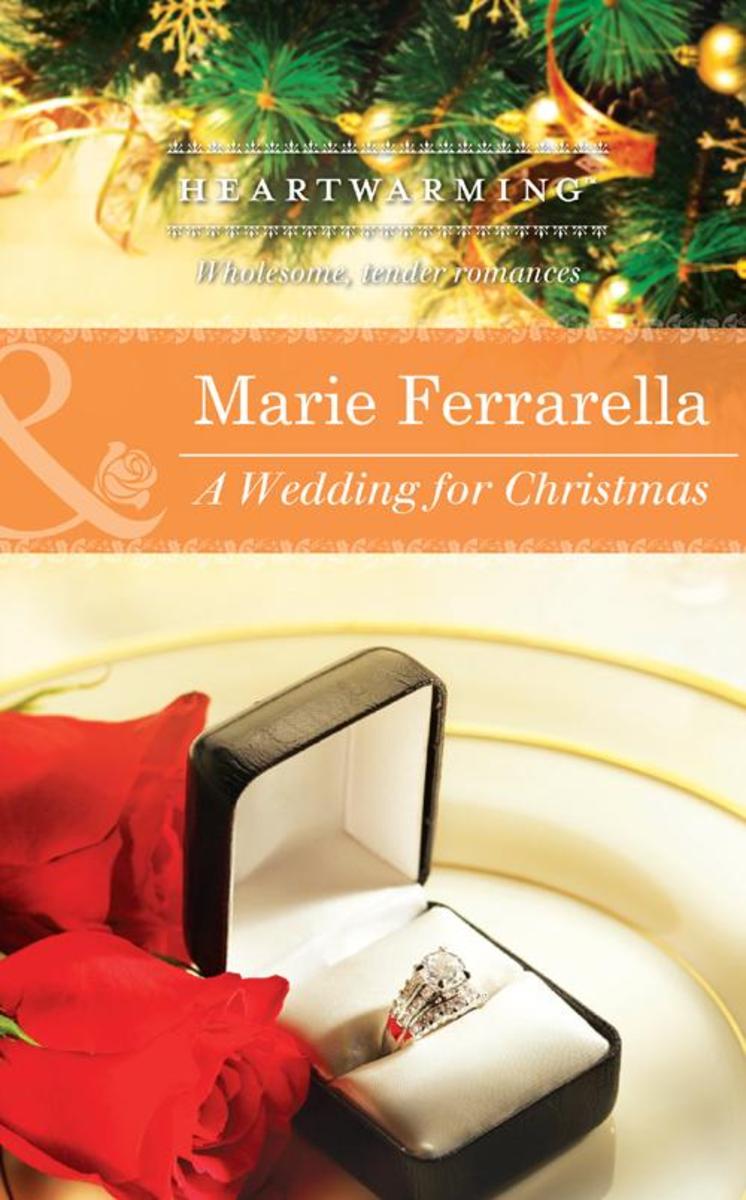
A Wedding for Christmas (Mills & Boon Heartwarming) (Ladera by the Sea, Book 2)
¥30.61
Just how…committed…is he? There is nothing Cristina Roman loves more than being a mom. Although working as the chef at her family’s inn, Ladera by the Sea, is a close second. And a quickly rising third is her new – or actually old – love interest, Shane McCallister, the local contractor. After her soldier husband’s tragic death, Cris thought she would never be able to move on. But with the way Shane bonds with her five-year-old son, she might be persuaded. Except then her in-laws sue her for custody of Ricky. Now facing every mother’s worst nightmare, she’ll do anything not to lose her child, and Shane is determined to help. Could her sister’s Christmas wedding be their inspiration?

Don't Go Breaking My Heart: Break Up to Make Up / Always the Best Man
¥45.03
How do you mend a broken heart? Nick and Adele’s marriage have been over for a year – but following his mother’s chemotherapy Nick hasn’t had the heart to tell his family. So when he invites Adele to Scotland for his mother’s birthday party, it’s impossible for her to say no. Stranded together in a picturesque cottage, as the twinkling firelight begins to work its magic, could the spark they always shared still be there? Standing at the altar, Damien is breathless as the woman he loves walks toward him ; to marry another man. Knowing bridesmaid Zoe’s watching him makes it harder still. The opposite of the bride, Zoe’s too loud, too vibrant, too everything! Zoe can’t resist provoking Damien - just once, she’d like to see Mr. Perfect lose his cool. But she never imagined where getting him to let go could lead… Two sparkling rom-com stories from the author of Make My Wish Come True & Kiss Me Under The Mistletoe

NYC Angels: One Night in Manhattan (Fast Fiction)
¥9.71
Fast Fiction Romantic - short stories with a Happy Ever After No one at Angel Mendez Children's Hospital understands why Brandon Bishop, the talented, charismatic head of neurosurgery, wants to give up his position—and life in New York—for a research job in California. But Brandon has his own, deeply personal reasons for pursuing brain injury research on the West Coast. And so, with a month left in Manhattan, Brandon's not looking to get attached. Yet when he meets Olivia Bowen at the local bar, neither can deny their attraction…or resist spending the night together. They both agree it's a one-time deal—no strings attached. Until Olivia reports for her first day of a nursing placement at Angel's. In Brandon's department. Suddenly, sticking to "one night" seems impossible, and "no strings" is a promise neither can keep…

Secret Agent Seduction (Fast Fiction)
¥11.77
Fast Fiction Suspense - short romantic stories with a twist of intrigue Just when Evie Cabrera thinks her blind date can't get any worse, her insipid dinner companion pulls out a gun. Suddenly Evie is drawn into the middle of a terrorist plot. Her only protection is Jude Curran, an agent with Tactical Executive Security. But Evie senses that Jude is keeping more secrets than he's revealing. With her life in chaos, can she trust the secret agent? Jude was supposed to gather intel on the potential terrorist—not get into a shootout with the man. Then again, he's also not supposed to let the beautiful, smart Evie get caught up in this conspiracy. Jude is determined to keep Evie safe, which means keeping her close and ignoring the sparks flying between them. After all, Evie deserves a man who can be completely honest with her, and as a TES agent, Jude must always protect his company's secrets, or risk the security of the entire nation….
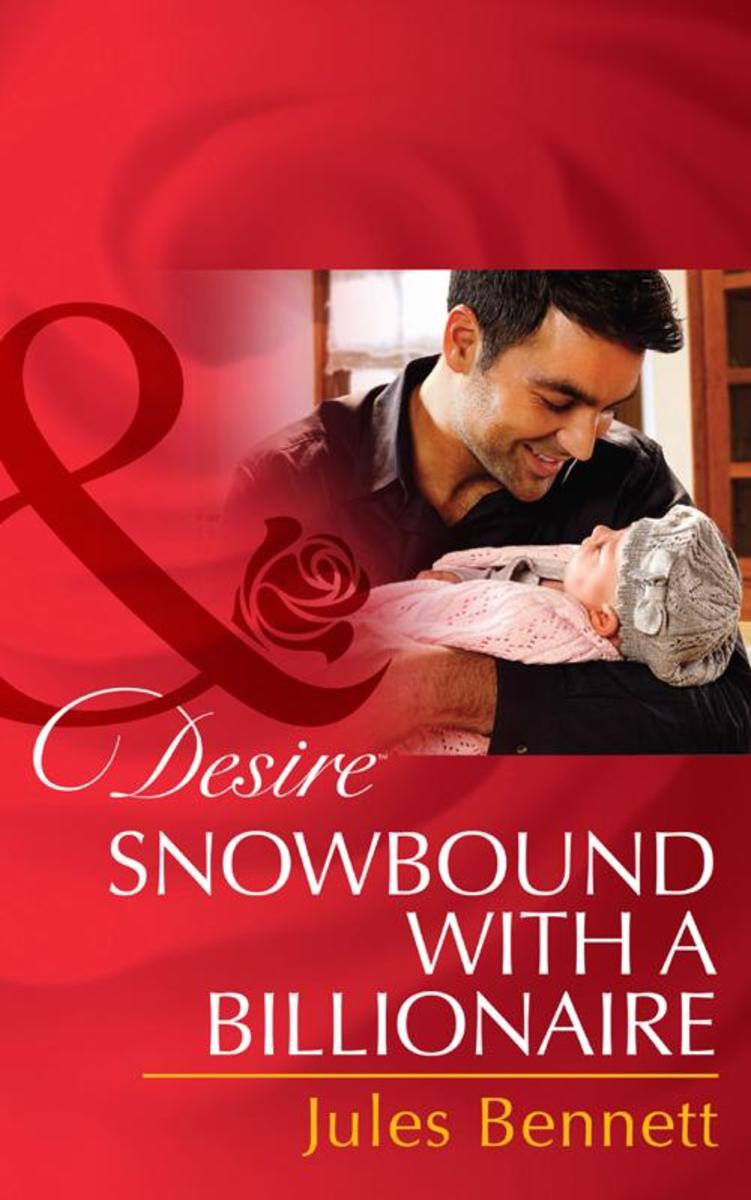
Snowbound with a Billionaire (Mills & Boon Desire) (Billionaires and Babies, Boo
¥31.10
For years, billionaire producer Max Ford believed Raine Monroe betrayed him. Now he wants answers. But Raine plans to keep far away from Hollywood’s hottest bachelor…until a snowstorm strands them together – with her baby. Soon Raine is falling fast and the dark secrets from their past are finally coming to light…
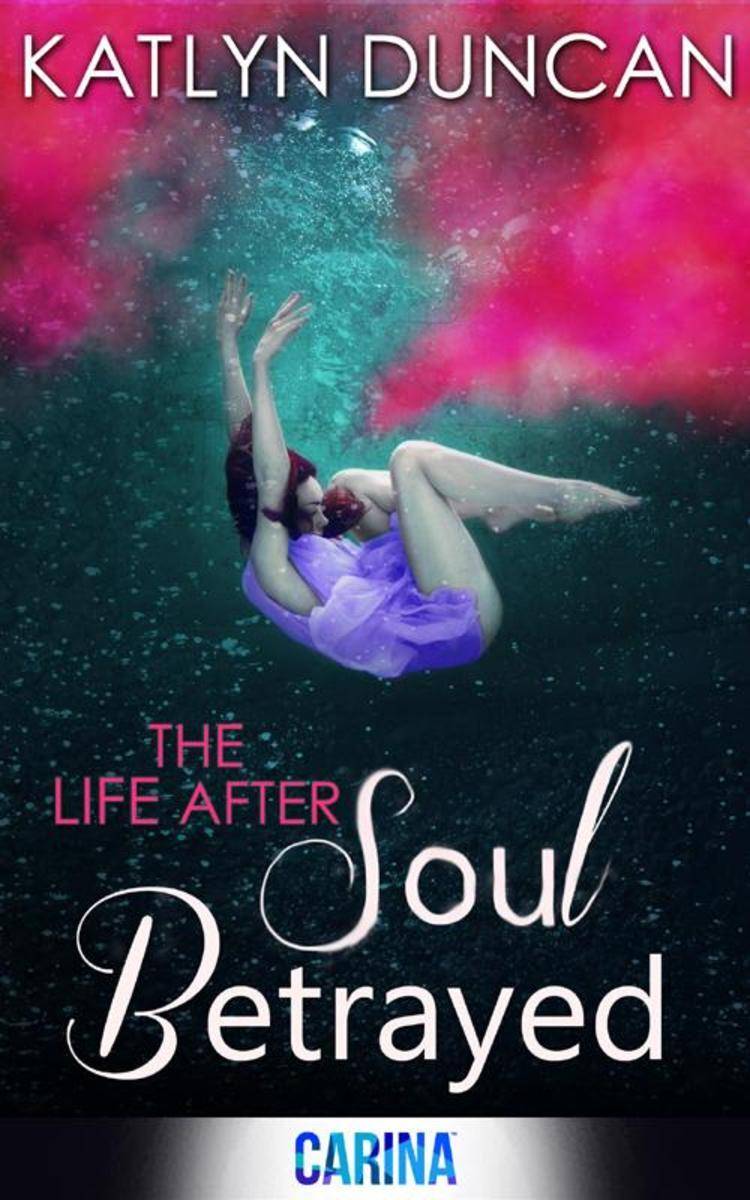
Soul Betrayed (The Life After trilogy, Book 3)
¥42.48
A Life for a Life The battle between Shadowed and Guard has brought destruction and terror to Gate Seven and now Maggie wants revenge. As the only after-life being who can save the souls from ultimate death Maggie comes face to face with her own human body, preserved for a century, waiting for just this moment to arrive. Yet, how far will Maggie go to exact her revenge on the Shadowed? And when she comes face to face with her past, how will she survive the onslaught of memories she thought long gone? For when the truth comes out all is not what it seems and Maggie has finally run out of time... She must choose her destiny or watch all she has perish in the fight for her life! Praise for Katlyn Duncan 'absolutely epic conclusion to this series... Katlyn Duncan has a fan in me and I can't wait to see what she has planned next!' - The Best Books Ever 'Soul Betrayed was a perfect ending to the series. ... I was lost in the story, from the first page to the last. I only wish that maybe there will be more from this world that Duncan created so magically.' - Polished Readers ' a wonderful conclusion to The Life After series. Fans of the series, you won't be disappointed. And, YA lovers, this is a series worth checking out.' - Imagine a World 'a great conclusion' - Moonlight Gleam Reviews The Life After series: 1. Soul Taken 2. Soul Possessed 3. Soul Betrayed

The Cowboy's Reunited Family (Mills & Boon Love Inspired) (Cooper Creek, Book 8)
¥31.20
A WIFE’S HOMECOMING Blake Cooper thought he’d never see his daughter again. Then former wife Jana Cooper shows up on his doorstep with Lindsay asking for help. Blake can’t deny his ill child anything. But he’s struggling to sort out his feelings for the woman who abandoned him ten years ago. Jana’s back in Oklahoma for Lindsay’s sake, and a second chance with her first love. Somehow she must prove she’s no longer a confused young wife, but a woman willing to do anything to reunite her family forever. Cooper Creek: Home is where the heart is for this Oklahoma family
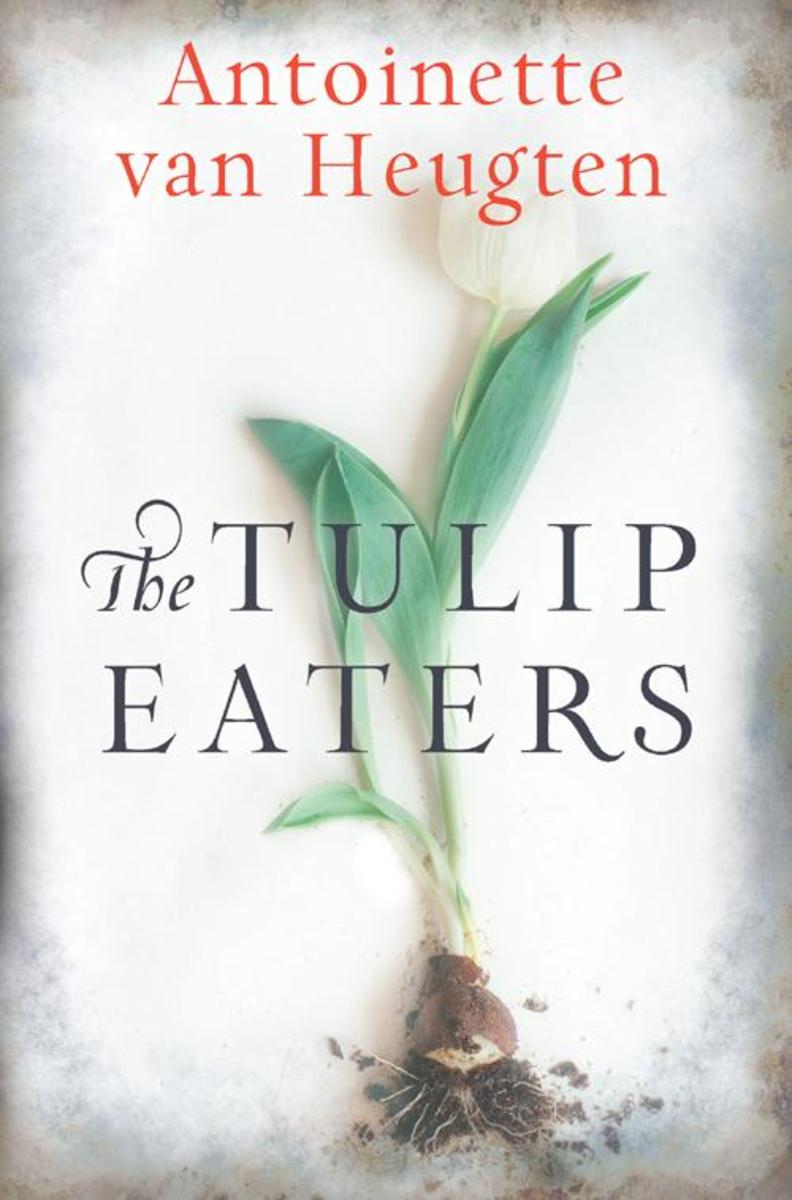
The Tulip Eaters
¥50.62
In a riveting exploration of the power the past wields over the present, critically acclaimed author Antoinette van Heugten writes the story of a woman whose child’s life hangs in the balance, forcing her to confront the roots of her family’s troubled history in the dark days of World War II… It’s the stuff of nightmares: Nora de Jong returns home from work one ordinary day to find her mother has been murdered. Her infant daughter is missing. And the only clue is the body of an unknown man on the living-room floor, clutching a Luger in his cold, dead hand. Frantic to find Rose, Nora puts aside her grief and frustration to start her own search. But the contents of a locked metal box she finds in her parents’ attic leave her with as many questions as answers—and suggest the killer was not a stranger. Saving her daughter means delving deeper into her family’s darkest history, leading Nora half a world away to Amsterdam, where her own unsettled past and memories of painful heartbreak rush back to haunt her. As Nora feverishly pieces together the truth from an old family diary, she’s drawn back to a city under Nazi occupation, where her mother’s alliances may have long ago sealed her own–and Rose’s—fate.
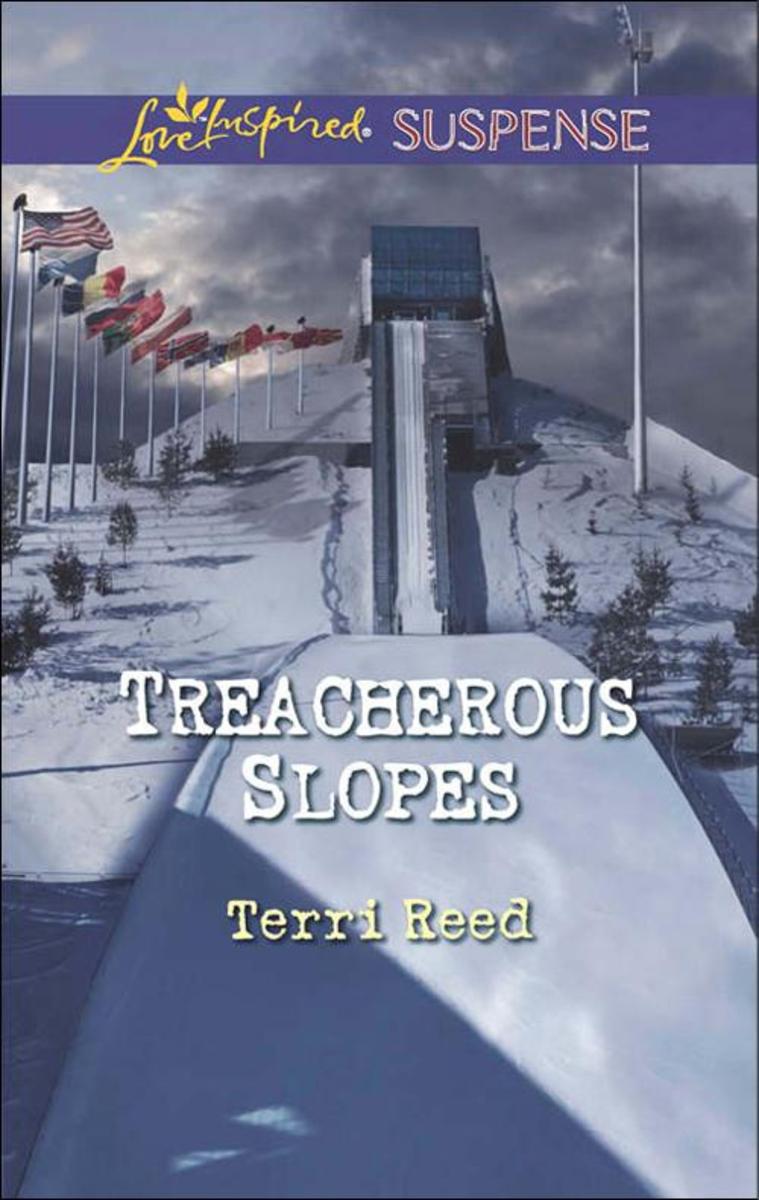
Treacherous Slopes (Mills & Boon Love Inspired Suspense)
¥31.10
KILLER COMPETITION A champion ski jumper, Nick Walsh wants one thing: to win the gold for his late brother. Nick has always blamed himself for his family’s tragic loss—and so does everyone else. To complicate things, sweet and shy reporter Julie Frost insists on doing a story about him. But as Nick gets closer to achieving his dream, someone will do anything to stop him. Somehow, Nick must keep Julie from getting too close as they confront a threat that can destroy them both. Julie and Nick are on the verge of discovering the truth about his brother’s death… unless an unknown murderer finds them first.

Whisper of Jasmine
¥15.50
New York Times bestselling author Deanna Raybourn transports readers to a magical New Year’s Eve party in 1914, where two guests will discover the passion of a lifetime in this prequel novella… Notorious socialite Delilah Drummond won’t be deterred by the war. Instead, she decides to throw the event of the year, and she’s handing out invitations with an eye for wanton fun and wild abandon. There is the dashing explorer and archaeologist Gabriel Stark, a man at a crossroads in his life. Brilliant and restless, he’s just committed to a secret enterprise that forces him to play a public role very different from the man he truly is. And then there is the charming if flighty Evangeline Merriweather. Evie has dreamed her whole life of adventure. Little does she know, she’s about to get more than she bargained for. Especially after her vivacious Aunt Dove acts as fairy godmother, if a saucy one, providing a scandalous gown and a whisper of jasmine on her skin…. Evie will shake cool Gabriel to his core, but just how far are they willing to take love at first sight? One seductive night will change Evie forever. Watch for her next adventure, in the City of Jasmine.

A Family of His Own (Mills & Boon Cherish)
¥20.60
Could they be a family? Picking blackberries in a derelict garden with her little girl had the most unexpected outcome for Kay Lovell: first Kay was kissed by a tall, dark and brooding stranger, and then he hired her as his gardener! Kay did her best with the garden--and her cantankerous new boss, Dominic Ravenscar. He was obviously still dealing with the emotional scars from his past, but gradually Kay unearthed the real Dominic, the one who loved life and just wanted a family of his own....

A Father's Love (Mills & Boon Vintage Love Inspired)
¥25.60
CONGRATULATIONS…IT'S TWINS! The morning Max Stevenson found twin babies on his doorstep, he knew life was about to change…. The millionaire bachelor could barely fasten a diaper, but pledged to care for the children until a true home was found. Then Kaitland Summerville arrived as the new nanny–and Max whispered a silent prayer. Why had the good Lord turned his world upside down? His former fiancée looked more beautiful than ever. Yet her betrayal remained a painful memory. But could this hectic household finally teach Max the true meaning of forgiveness and unconditional love? Welcome to Love Inspired?–stories about life, faith and love that will lift your spirits and gladden your heart. Meet men and women facing the challenges of today's world and learning important lessons about life, faith and love.

A Healing Love (Mills & Boon Vintage Love Inspired)
¥31.10
A MAN WITHOUT A PAST… When Brad Jeremiah's private plane crashed on a foggy hillside, Dr. Laura McBride risked her life to save him. And with Laura at his hospital bed, Brad woke to find he'd lost his memory. Discovering the handsome surgeon's identity was simple, yet his past remained a puzzling mystery…. Did their love have a future? The healing touch of his beautiful doctor gave Brad hope and her faith gave him strength. Soon he imagined working beside her in the small mountain hospital. But as Brad prayed for help to uncover the secrets of his past, he feared the truth would destroy Laura's love, and their dreams of a life together….

A Holiday Prayer (Mills & Boon Vintage Love Inspired)
¥31.10
A MASQUERADE BALL. A MASKED STRANGER. A STAR-FILLED NIGHT… From the first, Maddie Carlton felt that she'd met mysterious Rory March before. Now, he'd appeared on her doorstep when she least expected–and vanished just as swiftly. Yet, at each visit, Rory brought Maddie and her boy the warmth of joy their lives had been missing for so long–ever since the tragedy that had taken her husband. But who was "Rory" really? And could the man who'd restored her faith–and saved Christmas for her son–teach Maddie to love again?

Beneath A Texas Sky (Mills & Boon Vintage Superromance)
¥23.15
Dana Turner is an astronomer; she's also an ex-convict. Deliberately framed for a murder she didn't commit, she spent seven months in prison. On her release, she came to Texas to work at an isolated little observatory in the Davis Mountains. She has no interest in people–only in stars. That changes when she meets Jace Riley. For the first time in a long time, she's attracted to someone. More than attracted. But, despite her feelings, she has some questions about Jace, a man who shows up in her life with astonishing frequency. Jace has questions about her, too. He's a Texas Ranger working undercover, searching for two cop-killers. He's traced them this far, to the town of Cloud Rim, where they simply disappeared. He finds himself wondering whether the beautiful and mysterious Dana Turner has anything to do with his case. And hoping she doesn't…

Brides And Blessings (Mills & Boon Vintage Love Inspired)
¥31.10
FROM MOVIE STAR…TO A PASTOR'S WIFE? Actress Suzann Condry took on a tough role when she traded lives with her twin sister, Holly. Suzann needed to get away from Hollywood…and Holly believed Suzann might find both peace and faith in charming Oak Valley. Anything can happen when twin sisters trade lives! Could Suzann convince everyone she was the sweet church librarian? Especially Josh Gallagher, the handsome assistant pastor who looked like a rugged rancher. Suzann feared he suspected her…until he asked for a date. She soon dreamed of an "ordinary" life as Josh's wife. But would Josh still love her once he learned her true identity?

Decidedly Married (Mills & Boon Vintage Love Inspired)
¥31.10
BLESSINGS IN DISGUISE? Her life looked perfect, but Julie Ryan wondered why she felt so empty inside. Why did her charming husband and teenage daughter seem so distant? Julie whispered a simple prayer, asking that her family grow closer. Suddenly her world went into a tailspin. First, a shocking suspicion about her husband, Michael. Then, just as the couple were weathering stormy emotions, their daughter made a startling confession. As Julie fought to save her family, she looked to the Lord for a helping hand…and prayed for the wisdom to understand His answers…. Welcome to Love Inspired?–stories that will lift your spirits and gladden your heart. Meet men and women facing the challenges of today's world and learning important lessons about life, faith and love.

Fathers and Other Strangers (Mills & Boon Vintage Superromance)
¥25.60
A Family of Strangers Matt Bolt. A top homicide detective before he made one–almost fatal–mistake and ended up with a bullet in his chest, another in his leg. And not to complicate matters, his son–a child he's seen only twice in ten years–is placed in his care. Bolt's life is a shambles, his house a wreck–and he can't cook. Worse, his son seems to hate him. Then, as if he doesn't have enough. troubles, he's suddenly stuck with Virginia Carney, a woman running from her past. Running for her life. Matt Bolt's a stubborn man; even he admits that. He's never asked anyone for help, but he needs it now. Still, he has two questions: First, is Ginny's presence in his home likely to be a danger to his son? Second, can she cook?


