


 购物车
购物车 个人中心
个人中心
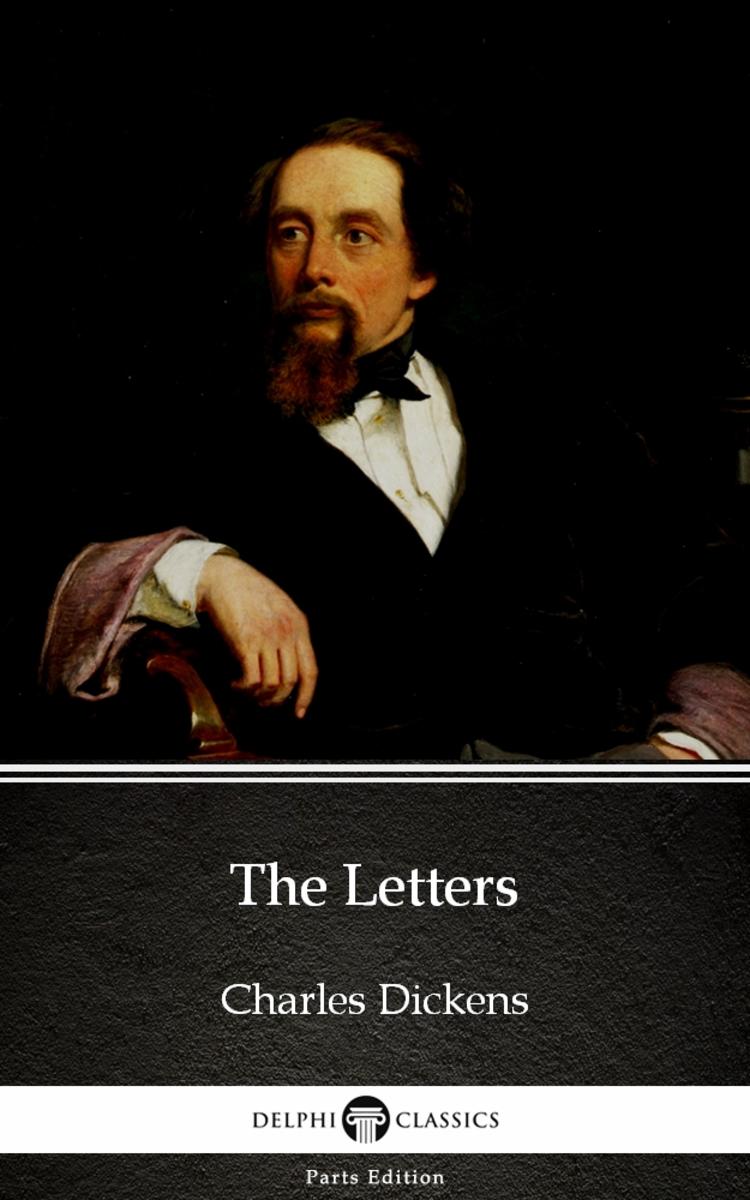
The Letters by Charles Dickens (Illustrated)
¥8.09
This eBook features the unabridged text of ‘The Letters’ from the bestselling edition of ‘The Complete Works of Charles Dickens’. Having established their name as the leading publisher of classic literature and art, Delphi Classics produce publications that are individually crafted with superior formatting, while introducing many rare texts for the first time in digital print. The Delphi Classics edition of Dickens includes original annotations and illustrations relating to the life and works of the author, as well as individual tables of contents, allowing you to navigate eBooks quickly and easily.eBook features:* The complete unabridged text of ‘The Letters’* Beautifully illustrated with images related to Dickens’s works* Individual contents table, allowing easy navigation around the eBook* Excellent formatting of the textPlease visit www.delphiclassics.com to learn more about our wide range of titles
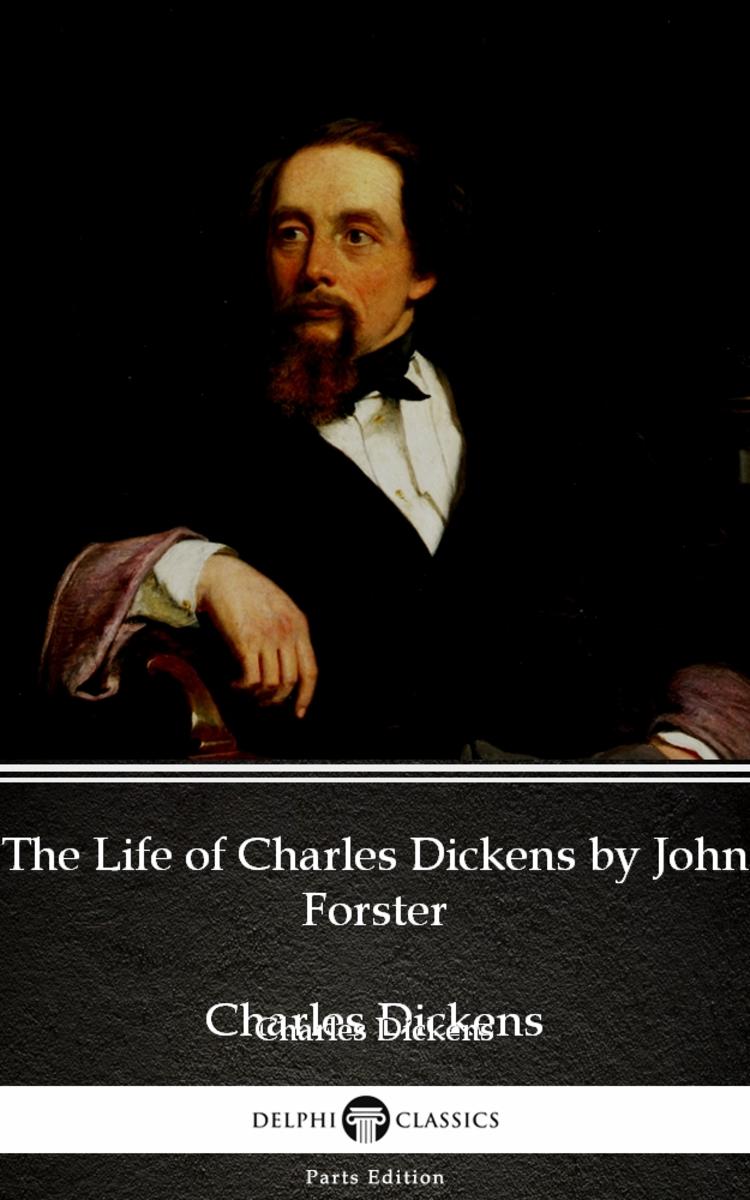
The Life of Charles Dickens by John Forster (Illustrated)
¥8.09
This eBook features the unabridged text of ‘The Life of Charles Dickens by John Forster’ from the bestselling edition of ‘The Complete Works of Charles Dickens’. Having established their name as the leading publisher of classic literature and art, Delphi Classics produce publications that are individually crafted with superior formatting, while introducing many rare texts for the first time in digital print. The Delphi Classics edition of Dickens includes original annotations and illustrations relating to the life and works of the author, as well as individual tables of contents, allowing you to navigate eBooks quickly and easily. eBook features:* The complete unabridged text of ‘The Life of Charles Dickens by John Forster’* Beautifully illustrated with images related to Dickens’s works* Individual contents table, allowing easy navigation around the eBook* Excellent formatting of the textPlease visit www.delphiclassics.com to learn more about our wide range of titles
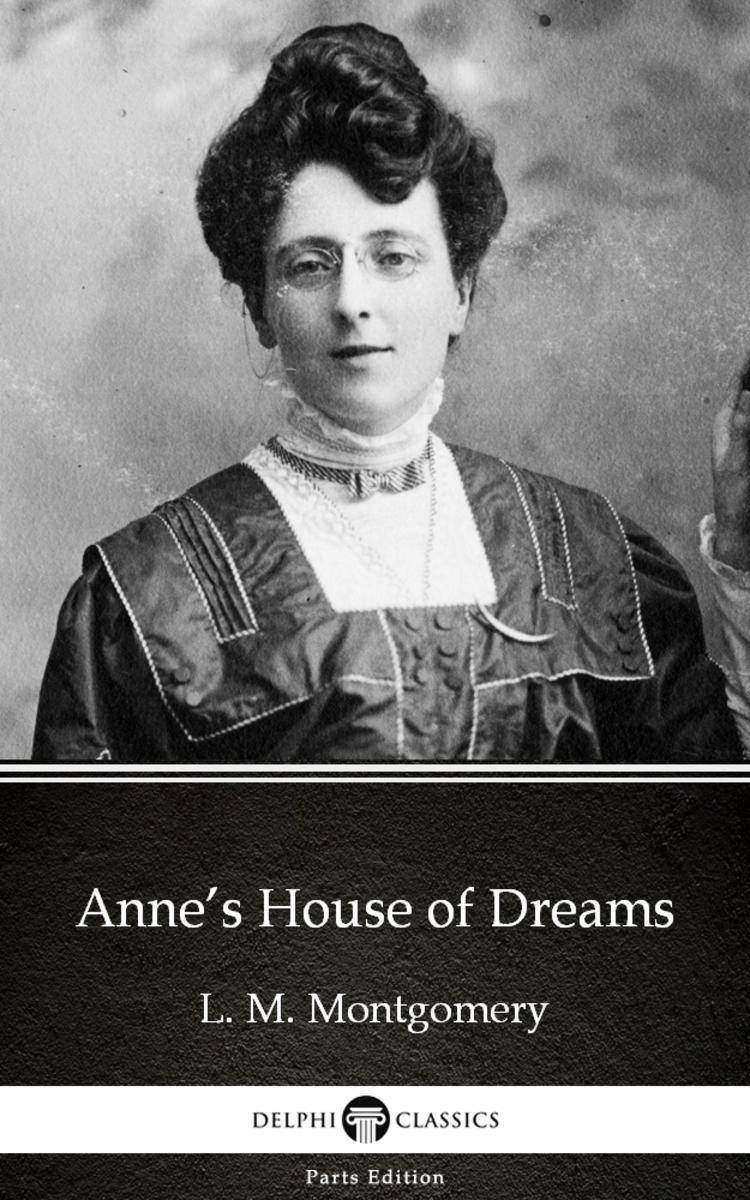
Anne’s House of Dreams by L. M. Montgomery (Illustrated)
¥8.09
This eBook features the unabridged text of ‘Anne’s House of Dreams’ from the bestselling edition of ‘The Complete Works of L. M. Montgomery’. Having established their name as the leading publisher of classic literature and art, Delphi Classics produce publications that are individually crafted with superior formatting, while introducing many rare texts for the first time in digital print. The Delphi Classics edition of Montgomery includes original annotations and illustrations relating to the life and works of the author, as well as individual tables of contents, allowing you to navigate eBooks quickly and easily.eBook features:* The complete unabridged text of ‘Anne’s House of Dreams’* Beautifully illustrated with images related to Montgomery’s works* Individual contents table, allowing easy navigation around the eBook* Excellent formatting of the textPlease visit www.delphiclassics.com to learn more about our wide range of titles
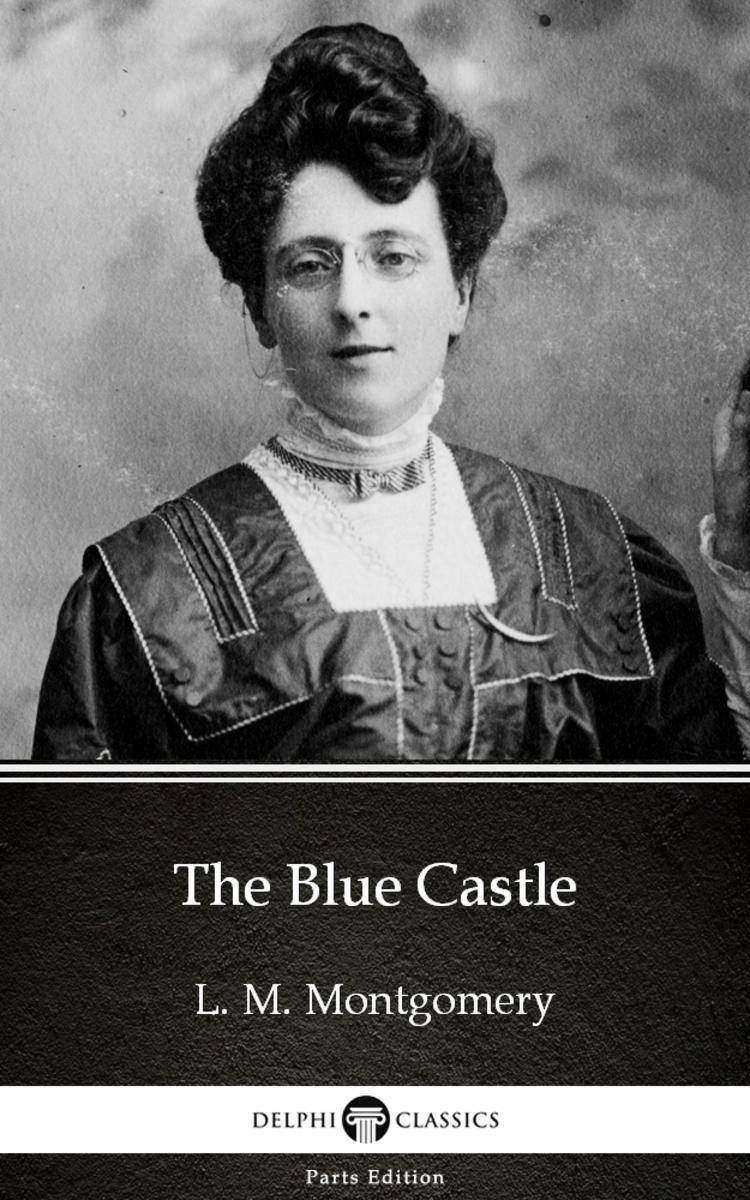
The Blue Castle by L. M. Montgomery (Illustrated)
¥8.09
This eBook features the unabridged text of ‘The Blue Castle’ from the bestselling edition of ‘The Complete Works of L. M. Montgomery’. Having established their name as the leading publisher of classic literature and art, Delphi Classics produce publications that are individually crafted with superior formatting, while introducing many rare texts for the first time in digital print. The Delphi Classics edition of Montgomery includes original annotations and illustrations relating to the life and works of the author, as well as individual tables of contents, allowing you to navigate eBooks quickly and easily.eBook features:* The complete unabridged text of ‘The Blue Castle’* Beautifully illustrated with images related to Montgomery’s works* Individual contents table, allowing easy navigation around the eBook* Excellent formatting of the textPlease visit www.delphiclassics.com to learn more about our wide range of titles
The Black Arrow by Robert Louis Stevenson (Illustrated)
¥8.09
This eBook features the unabridged text of ‘The Black Arrow’ from the bestselling edition of ‘The Complete Works of Robert Louis Stevenson’. Having established their name as the leading publisher of classic literature and art, Delphi Classics produce publications that are individually crafted with superior formatting, while introducing many rare texts for the first time in digital print. The Delphi Classics edition of Stevenson includes original annotations and illustrations relating to the life and works of the author, as well as individual tables of contents, allowing you to navigate eBooks quickly and easily.eBook features:* The complete unabridged text of ‘The Black Arrow’* Beautifully illustrated with images related to Stevenson’s works* Individual contents table, allowing easy navigation around the eBook* Excellent formatting of the textPlease visit www.delphiclassics.com to learn more about our wide range of titles
Fables by Robert Louis Stevenson (Illustrated)
¥8.09
This eBook features the unabridged text of ‘Fables’ from the bestselling edition of ‘The Complete Works of Robert Louis Stevenson’. Having established their name as the leading publisher of classic literature and art, Delphi Classics produce publications that are individually crafted with superior formatting, while introducing many rare texts for the first time in digital print. The Delphi Classics edition of Stevenson includes original annotations and illustrations relating to the life and works of the author, as well as individual tables of contents, allowing you to navigate eBooks quickly and easily.eBook features:* The complete unabridged text of ‘Fables’* Beautifully illustrated with images related to Stevenson’s works* Individual contents table, allowing easy navigation around the eBook* Excellent formatting of the textPlease visit www.delphiclassics.com to learn more about our wide range of titles

A Tramp Abroad by Mark Twain (Illustrated)
¥8.09
This eBook features the unabridged text of ‘A Tramp Abroad’ from the bestselling edition of ‘The Complete Works of Mark Twain’. Having established their name as the leading publisher of classic literature and art, Delphi Classics produce publications that are individually crafted with superior formatting, while introducing many rare texts for the first time in digital print. The Delphi Classics edition of Twain includes original annotations and illustrations relating to the life and works of the author, as well as individual tables of contents, allowing you to navigate eBooks quickly and easily.eBook features:* The complete unabridged text of ‘A Tramp Abroad’* Beautifully illustrated with images related to Twain’s works* Individual contents table, allowing easy navigation around the eBook* Excellent formatting of the textPlease visit www.delphiclassics.com to learn more about our wide range of titles
Following the Equator by Mark Twain (Illustrated)
¥8.09
This eBook features the unabridged text of ‘Following the Equator’ from the bestselling edition of ‘The Complete Works of Mark Twain’. Having established their name as the leading publisher of classic literature and art, Delphi Classics produce publications that are individually crafted with superior formatting, while introducing many rare texts for the first time in digital print. The Delphi Classics edition of Twain includes original annotations and illustrations relating to the life and works of the author, as well as individual tables of contents, allowing you to navigate eBooks quickly and easily.eBook features:* The complete unabridged text of ‘Following the Equator’* Beautifully illustrated with images related to Twain’s works* Individual contents table, allowing easy navigation around the eBook* Excellent formatting of the textPlease visit www.delphiclassics.com to learn more about our wide range of titles

The Trumpet-Major by Thomas Hardy (Illustrated)
¥8.09
This eBook features the unabridged text of ‘The Trumpet-Major’ from the bestselling edition of ‘The Complete Works of Thomas Hardy’. Having established their name as the leading publisher of classic literature and art, Delphi Classics produce publications that are individually crafted with superior formatting, while introducing many rare texts for the first time in digital print. The Delphi Classics edition of Hardy includes original annotations and illustrations relating to the life and works of the author, as well as individual tables of contents, allowing you to navigate eBooks quickly and easily.eBook features:* The complete unabridged text of ‘The Trumpet-Major’* Beautifully illustrated with images related to Hardy’s works* Individual contents table, allowing easy navigation around the eBook* Excellent formatting of the textPlease visit www.delphiclassics.com to learn more about our wide range of titles
Thérèse Raquin
¥4.41
Thérèse Raquin is a novel by ?mile Zola, first published in 1867. It was originally published in serial format in the journal L'Artiste. It was published in book format in December of the same year. In 1873, Zola turned Thérèse Raquin into a play. Thérèse Raquin tells the story of a young woman, unhappily married to her first cousin by a well-intentioned and overbearing aunt. Her cousin, Camille, is sickly and selfish, and when the opportunity arises, Thérèse enters into a tragic affair with one of Camille's friends, Laurent. In his preface, Zola explains that his goal in this novel was to "study temperaments and not characters" and he compares the novel to a scientific study. Because of this detached and scientific approach, Thérèse Raquin is considered an example of Naturalism.
Captain Burle
¥4.41
It was nine o'clock. The little town of Vauchamp, dark and silent, had just retired to bed amid a chilly November rain. In the Rue des Recollets, one of the narrowest and most deserted streets of the district of Saint-Jean, a single window was still alight on the third floor of an old house, from whose damaged gutters torrents of water were falling into the street. Mme Burle was sitting up before a meager fire of vine stocks, while her little grandson Charles pored over his lessons by the pale light of a lamp.
Oeuvres Complètes
¥9.00
Cet ebook regroupe les oeuvres complètes de Charles Baudelaire. Des tables des matières rendent la navigation intuitive et agréable. ---- Contenu: Le Jeune Enchanteur (1846) La Fanfarlo (1847) Les Fleurs du mal (1857) Les Paradis artificiels (1860) Les Fleurs du mal (1861) Les ?paves (1866) Les Fleurs du mal (additional poems of the 1868 edition) Curiosités esthétiques (1868): Salon de 1845, Salon de 1846, Le musée classique du bazar bonne-nouvelle, Exposition universelle — 1855 — beaux-arts, Salon de 1859, De l'essence du rire, Quelques caricaturistes fran?ais, Quelques caricaturistes étrangers. L'Art romantique (1869): L'?uvre et la vie d'Eugène Delacroix, Peintures murales d'Eugène Delacroix à Saint-Sulpice, Le peintre de la vie moderne, Peintres et aqua-fortistes, Vente de la collection de M. E. Piot, L'art philosophique, Morale du joujou, Théophile Gautier, Pierre Dupont, Richard Wagner et Tannh?user à Paris, Philibert Rouvière, Conseils aux jeunes littérateurs, Les drames et les ...
Murder Is Invisible
¥40.79
What do you do when logic tells you to do one thing, but your heart tells you to do another?? That’s the problem Nicky Fusco is facing when Rosa’s friend is kidnapped and she asks him to help.? Then Rosa brings home a video that shows her friend, Allison, being forced to do disgusting things. At that point, Nicky realizes he has no choice, so he sets out to make things right.?
Los Despojos
¥9.00
Esta recopilación compuesta de inéditos y piezas condenadas fue publicada en Bruselas, bajo el cuidado de Poulet-Malassis, amigo de Baudelaire con un pie de imprenta apócrifo: Amsterdam, a l'Enseigne du Coq, precedida por un simbólico frontispicio de Félicien Rops.
Las Flores del Mal
¥9.00
Les Fleurs du mal es una colección de poemas de Charles Baudelaire. Considerada la obra máxima de su autor, abarca casi la totalidad de su producción poética desde 1840 hasta la fecha de su primera publicación en 1857. Las Flores del mal es considerada una de las obras más importantes de la poesía moderna, imprimiendo una estética nueva, donde la belleza y lo sublime surgen, a través del lenguaje poético, de la realidad más trivial.

La Fanfarlo
¥9.00
Este cuento ha sido publicado en el Boletín de la Sociedad de la Gente de Letras en enero de 1847 bajo el seudónimo de Charles Dufays. Narra la historia de los amores y desamores del joven poeta Samuel Cramer.Una peque?a joya de la literatura clásica.
Cities of the Plain: (Sodom and Gomorrah)
¥9.00
In this fourth volume, Proust’s novel takes up for the first time the theme of homosexual love and examines how destructive sexual jealousy can be for those who suffer it. Sodom and Gomorrah is also an unforgiving analysis of both the decadent high society of Paris and the rise of a philistine bourgeoisie that will inevitably supplant it.

Winnetou 3
¥9.00
Old Shatterhand trifft in der Savanne den berühmten Westmann Sans-Ear. Nachdem Sans-Ear vier feindliche Komantschen besiegt hat, reiten beide zusammen weiter und verhindern einen Zugüberfall. Bei diesem ?berfall beteiligt sich ein Wei?er, der von Sans-Ear als der M?rder seiner Familie identifiziert wird, Fred Morgan. Durch einen glücklichen Umstand k?nnen sie die Spur des Verbrechers entdecken und folgen ihm durch den Llano Estacado, wo sie sich erneut gegen die Comanchen behaupten müssen, zwischenzeitlich begleitet von Winnetou und Bernard Marshall, der ebenfalls hinter Fred Morgan her ist. In der N?he der Goldfelder von San Francisco erwischen sie endlich beide Morgans. Im zweiten Teil trifft Old Shatterhand auf einer Zugfahrt Fred Walker, einen Detektiv, der hinter den Railtroublers her ist, einer Bande von Zugr?ubern. Old Shatterhand und sp?ter auch Winnetou verbünden sich mit Spürauge und verhindern einen ?berfall auf Echo Canyon, eine gro?e Bahnstation. Auf der Flucht überfallen die mit den Zugr?ubern verbündeten Sioux eine Siedlung und verschleppen alle Bewohner. Bei der Rettungsaktion am Berg Hancock wird Winnetou von einem Sioux erschossen.
The Turncoat Prince
¥32.62
Darna is just a guildswoman, or so she’d like to think, but her alleged father was the prince of a backwater province. Now he’s been assassinated, and her uncle has put a price on Darna’s head to secure his claim on the throne. Darna takes her lover’s place in a job that will take her away from the city and, she hopes, away from assassins’ daggers. Her new employer, the prince, is irate to find that the able-bodied man he hired has been replaced by a limping woman. According to the contract, they’re stuck together for the year. The prince is arrogant, but also intelligent and well-read. As winter closes in, their late night conversations turn from sea walls to more intimate territory. Meanwhile, the province’s lost dragon reappears, and even the prince can see it. This book is the second in the Dragonsfall trilogy. It is recommended that you read The Defenders' Apprentice first. The story also refers back to some events which took place in the two prequel novels, Scrapplings and Priestess.
Priestess of the Dragons' Temple
¥32.62
Once, Iola flew with a dragon. If she can become ambassadress to the dragons' realm, she might fly again, but first she must navigate life as an ordinary priestess. She’s wholly devoted to the dragons, but some of her fellow priestesses are dragon-blind and corrupt. Worse, they think that Iola’s devotions are actually just a sign of greed. The ambassadress returns from the dragons’ realm, too sick to fly again. Iola might have a chance to take her place, but her rival, Tiagasa, was raised in a prince's palace. Tiagasa thrives on political intrigue and gossip, and her lover is about to become governor of the city. Iola’s few friends and allies aren't much more savvy than she is. Still, they hope to persuade the new governor to make Iola ambassadress so that the temple cam be a true sanctuary of the dragons for a few years more.

Under the Sunset
¥8.82
Far, far away, there is a beautiful Country which no human eye has ever seen in waking hours. Under the Sunset it lies, where the distant horizon bounds the day, and where the clouds, splendid with light and color, give a promise of the glory and beauty that encompass it. Sometimes it is given to us to see it in dreams. This Country is the Land Under the Sunset. This is the story of that Country, and what happened when evil came to abide there. It is a story all of us must hear.


