


 购物车
购物车 个人中心
个人中心

Patriot Strike
¥25.60
TEXAS BLAST 'EM After the murder of a Texas Ranger, Mack Bolan is called in to investigate. Working under the radar with the dead Ranger's sister, he quickly learns rumors of missing fissile material falling into the wrong hands are true–and the terrorists plotting to use the dirty bomb are die-hard Americans determined to remove Texas from the Union, no matter what the cost. Following a trail of cold bodies, Bolan finds himself always one step behind the oil tycoon funding the deadly plot and his New Texas Republic army. But as the countdown to D-day begins and millions of Texans are oblivious to the target on their backs, time is running out. The only option is to take the bait of the superpatriots and shut them down from the inside. You don't mess with Texas. Unless you're the Executioner.

Perilous Waters (Mills & Boon Love Inspired Suspense)
¥31.10
UNDER SUSPICION For FBI agent Sam Steele, there's no room for error or emotions on his latest undercover assignment. Getting close to gallery owner Jennifer Robbins while on an Alaskan cruise is the only way to catch her dealing stolen art. Out on the icy seas, Jen suddenly goes from suspect to victim when she's targeted by a deadly enemy. And Sam's mission goes from investigating an art crime to protecting the woman who's begun to melt his heart. As danger looms closer, he'll do anything to save her life–even if it costs him his own.
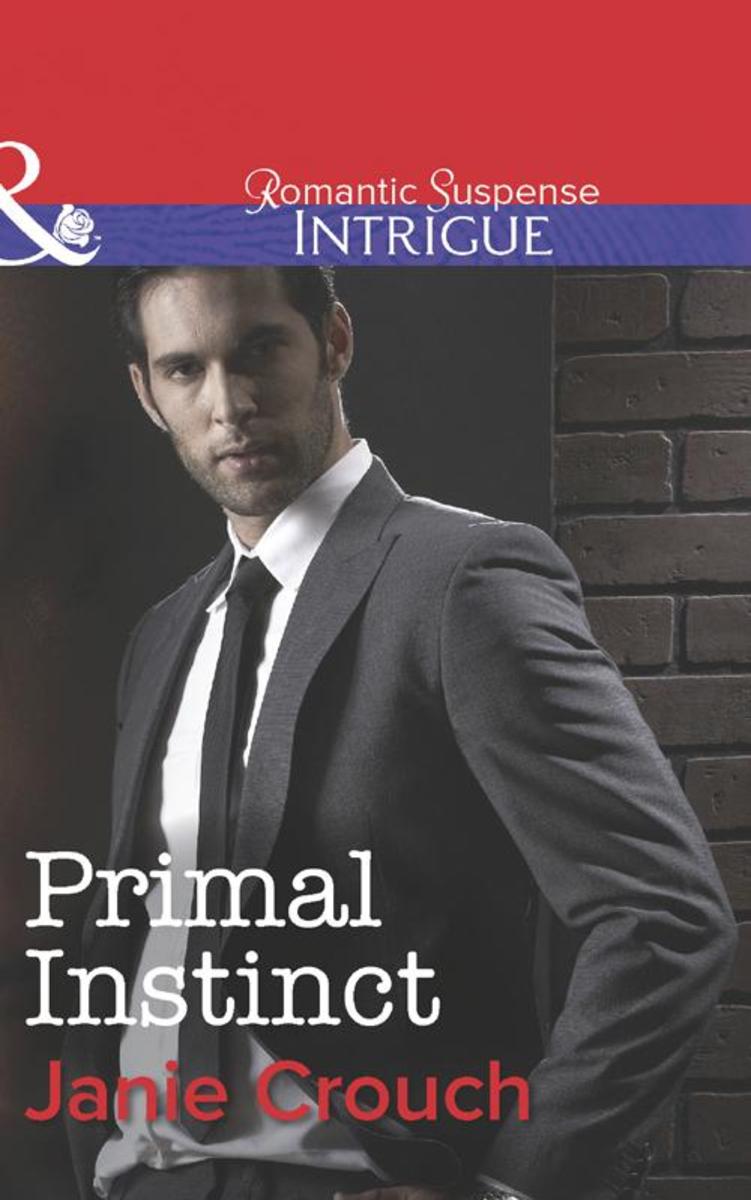
Primal Instinct (Mills & Boon Intrigue)
¥39.24
A killer stalks the city streets, and one FBI agent is determined to bring him down in Janie Crouch's Primal Instinct. On the crowded streets of San Francisco, a serial killer watches and waits. Known only as "Simon Says," he lures his next victim while the FBI grasps for answers. Desperate, they turn to Adrienne Jeffries. Adrienne has an uncanny talent for getting inside the city's most dangerous minds. But first she'll have to get past FBI agent Conner Perigo. Skeptical of Adrienne's abilities, Conner begrudgingly enlists her help…unprepared for the powerful attraction that could jeopardize their focus. With little time, and everything to lose, they must work to find Simon's next victim—before he does.
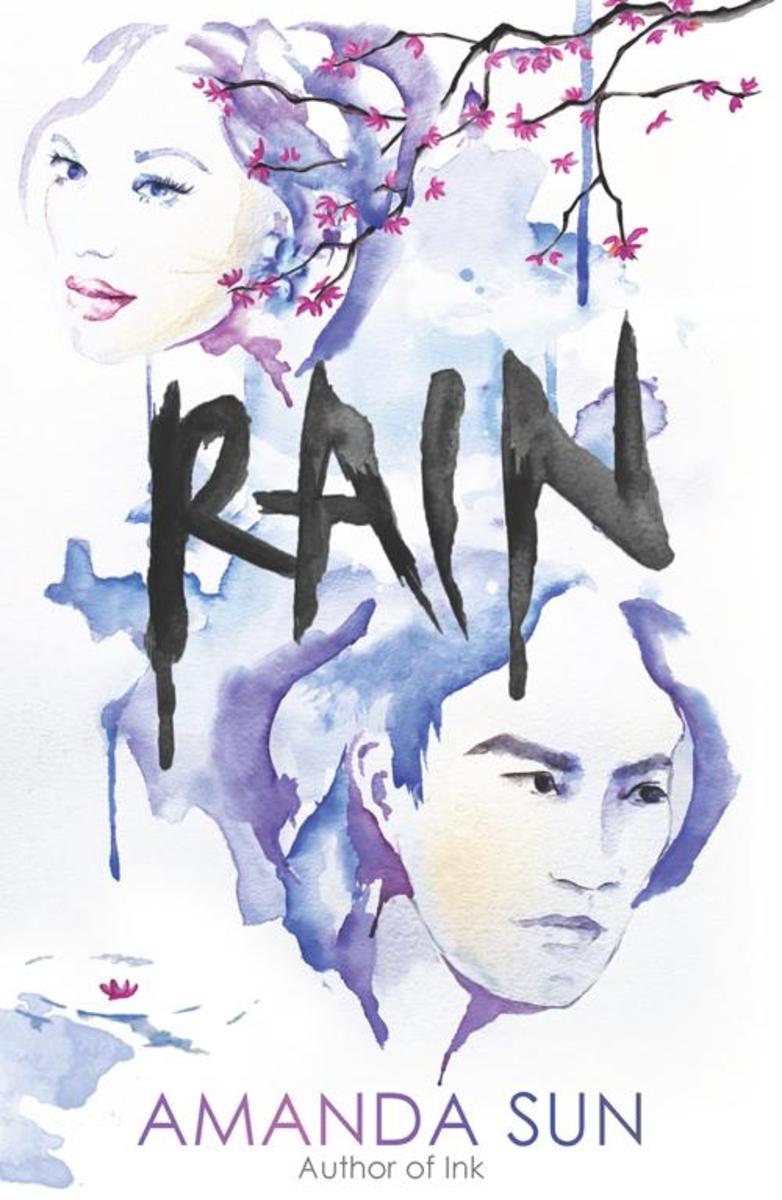
Rain (The Paper Gods, Book 3)
¥54.74
American Katie Green has decided to stay in Japan. She's started to build a life in the city of Shizuoka, and she can't imagine leaving behind her friends, her aunt and especially Tomohiro, the guy she's fallen in love with. But her return is not as simple as she thought. She's flunking out of Japanese school and committing cultural faux pas wherever she goes. Tomohiro is also struggling–as a Kami, his connection to the ancient gods of Japan and his power to bring drawings to life have begun to spiral out of control. When Tomo decides to stop drawing, the ink finds other ways to seep into his life–blackouts, threatening messages and the appearance of unexplained sketches. Unsure how to help Tomo, Katie turns to an unexpected source for help–Jun, her former friend and a Kami with an agenda of his own. But is Jun really the ally he claims to be? In order to save themselves, Katie and Tomohiro must unravel the truth about Tomo's dark ancestry, as well as Katie's, and confront one of the darkest gods in Japanese legend. American Katie Green has decided to stay in Japan. She's started to build a life in the city of Shizuoka, and she can't imagine leaving behind her friends, her aunt and especially Tomohiro, the guy she's fallen in love with. But her return is not as simple as she thought. She's flunking out of Japanese school and committing cultural faux pas wherever she goes. Tomohiro is also struggling–as a Kami, his connection to the ancient gods of Japan and his power to bring drawings to life have begun to spiral out of control. When Tomo decides to stop drawing, the ink finds other ways to seep into his life–blackouts, threatening messages and the appearance of unexplained sketches. Unsure how to help Tomo, Katie turns to an unexpected source for help–Jun, her former friend and a Kami with an agenda of his own. But is Jun really the ally he claims to be? In order to save themselves, Katie and Tomohiro must unravel the truth about Tomo's dark ancestry, as well as Katie's, and confront one of the darkest gods in Japanese legend. American Katie Green has decided to stay in Japan. She's started to build a life in the city of Shizuoka, and she can't imagine leaving behind her friends, her aunt and especially Tomohiro, the guy she's fallen in love with. But her return is not as simple as she thought. She's flunking out of Japanese school and committing cultural faux pas wherever she goes. Tomohiro is also struggling–as a Kami, his connection to the ancient gods of Japan and his power to bring drawings to life have begun to spiral out of control. When Tomo decides to stop drawing, the ink finds other ways to seep into his life–blackouts, threatening messages and the appearance of unexplained sketches. Unsure how to help Tomo, Katie turns to an unexpected source for help–Jun, her former friend and a Kami with an agenda of his own. But is Jun really the ally he claims to be? In order to save themselves, Katie and Tomohiro must unravel the truth about Tomo's dark ancestry, as well as Katie's, and confront one of the darkest gods in Japanese legend.
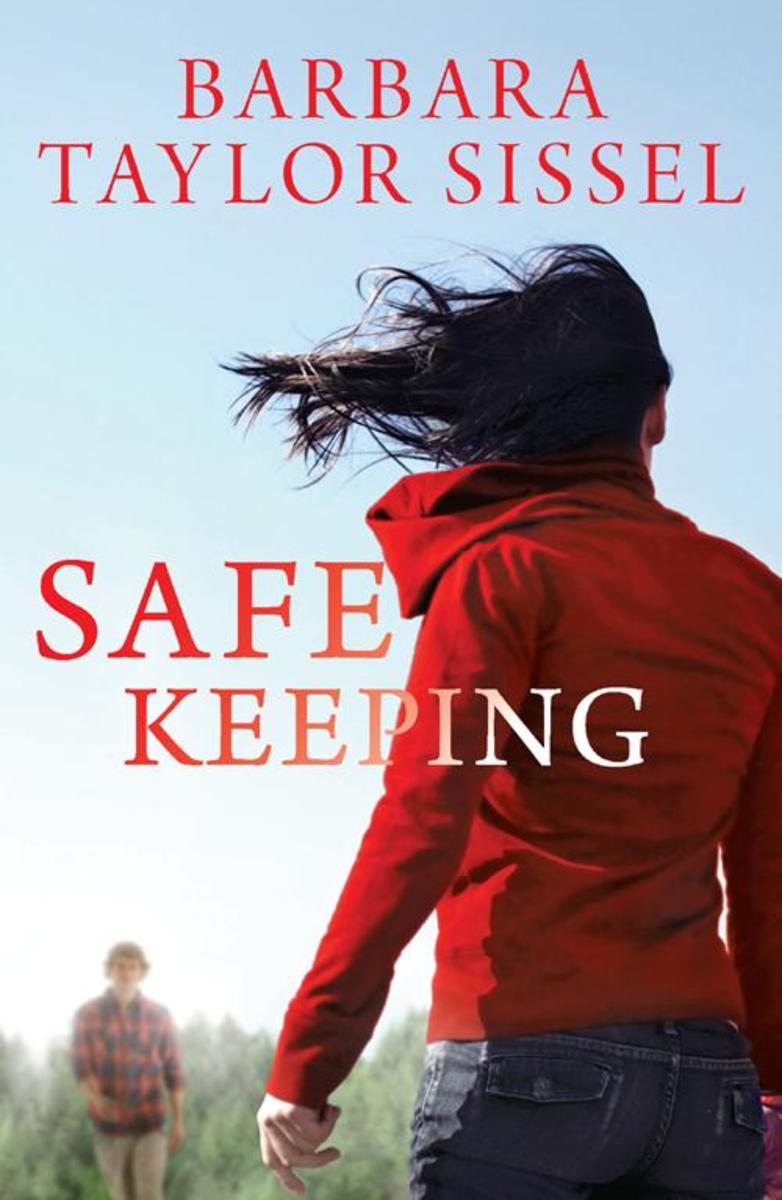
Safe Keeping
¥45.03
At the heart of every crime, there's a family… My son is a murderer…. So begins this chilling and emotionally charged mystery from highly acclaimed author Barbara Taylor Sissel. Emily Lebay had always thought of her family as ordinary. Sure, they've endured their share of problems, even a time of great trouble–what family hasn't? But when a woman's body turns up in the dense woods near their home, and Emily's grown son, Tucker, is accused of murder, Emily is forced to confront the unfathomable, and everything she believed about her life is called into question. This isn't the first time Tucker has been targeted by the police; a year ago he was a person of interest when another woman was found dead in the same stretch of woods. Still, neither Emily nor her daughter, Lissa, can reconcile their Tucker with these brutal crimes. Terrified, convinced there's been a tragic mistake, Emily and Lissa set out to learn the truth about Tucker, once and for all. And while his life hangs in the balance, what they discover proves far more shocking than their darkest fears…. "A gut-wrenching mystery…enjoyable and insightful." –RT Book Reviews on Evidence of Life

The Devaney Brothers: Ryan and Sean: Ryan's Place / Sean's Reckoning (The Devane
¥51.50
#1 New York Times bestselling author Sherryl Woods brings readers two classic tales of the Devaneys…brothers torn apart in childhood, reunited by love Ryan's Place Abandoned by his parents and separated from his brothers, Ryan Devaney doesn't believe in love. Until Maggie O'Brien storms into his Irish pub and her bright smile and tender touch have him reconsidering. The beautiful redhead warms his frozen spirit and awakens forgotten dreams–like the desire to search for his long-lost brothers. Will he dare to believe there's a place for them in happily-ever-after? Sean's Reckoning Son of a shattered family, fireman Sean Devaney knows love never lasts, so he refuses to chance it. Then he meets single mom Deanna Blackwell, who has just lost everything in a devastating fire. Despite the warning in Sean's head, he's drawn to protect the stunning woman and her son. Sean may be tough enough to storm burning buildings…but is he brave enough to risk building a family of his own? www.SherrylWoods.com

The Husband Campaign (Mills & Boon Love Inspired Historical) (The Master Matchma
¥31.10
A Marriage of Necessity The moment John, Lord Hascot, encounters a young woman sheltering in his abandoned stable, his future is sealed. To prevent scandal–and protect Lady Amelia Jacoby from her parents' ire–he must propose. John's ability to trust vanished when his former love married his twin brother. Yet he offers Amelia everything she could want–except affection. Amelia sees John's true nature shine through when he cares for his horses. But the brooding aristocrat seems determined to keep her at arm's length. Little by little Amelia will turn Hollyoak Farm into a home, but can she turn a marriage of convenience into a joyful union? The Master Matchmakers: Wedding bells will ring when downstairs servants play Cupid for upstairs aristocracy

The Legend of Smuggler's Cave (Mills & Boon Intrigue) (Bitterwood P.D., Book 6)
¥31.10
One man will go to any lengths when a vulnerable woman and her little boy are threatened County prosecutor Dalton Hale is convinced widowed Briar Blackwood has information that can help him take down a local crime organization. Getting it is no easy task, though, considering the distrust in the Bitterwood police officer's beautiful gray eyes. But since he started his investigation, Briar and her tiny son have been attacked twice. The only solution is to move her and Logan into his home, where he can ensure their safety. However, neither Dalton nor Briar is prepared for the deepening feelings between them. Playing house is one thing, but when Briar's son is kidnapped Dalton recognizes he wants the real deal–and will put his own life on the line to get it.

Hell Road Warriors
¥25.60
The human will to survive has sharpened to a knife edge after a century of postnuclear madness. In a lawless land where firepower and savagery rule, power lies with the barons and coldhearts who wield control through terror. Against all odds, a courageous few still fight for something better to live by–honor, decency and hope. Emerging relatively unscathed from the apocalyptic rebirth of North America, Canada hides a trove of Cold War-era secret government installations known as Diefenbunkers, filled with caches of weapons, wags and food. Ryan Cawdor and his companions agree to ride sec for a convoy headed west across the remnants of the old Trans-Canada Highway to retrieve the ultimate prize: four portable nuclear reactors. It's enough power to light up a ville for years, a bright beacon for a new tomorrow. But they have death on their tail, a baron and his sec men who will stop at nothing to claim the prize as their own.

Her Better Half (Mills & Boon M&B)
¥27.27
BOTH SIDES NOW… LAUREN HOLLOWAY: The mother of twin daughters, this cashmere-and-pearls housewife has always been careful to do the "right" things in life. ERIN KARMELI: Clad in tight jeans and low-cut tops, she's a vodka-swilling, straight-shooting single mother who openly admits to making all the "wrong" choices. When her husband leaves her for his "hot" yoga instructor and her so-called perfect life does a 180, Lauren is fairly certain she's hit rock bottom. But then she develops an unlikely friendship with Erin (her new wise-talking neighbor) and Murphy Jones (whose neighborhood diner serves both friendship and fries). With their help, Lauren slowly realizes the only thing she's lost is the barrier to discovering her better half….

Home Again (Mills & Boon Vintage Cherish)
¥23.84
Mom Required Before Joey, his culinary repertoire was comprised of bad scrambled eggs, his spare bedrooms gathered dust and the master bedroom seemed destined to remain mistress-less. But when his nephew became his 24/7 responsibility literally overnight, Mark Chandler knew things had to change. And he needed help. Cedar Kennedy cured troubled kids, a reputation that prompted Mark to seek out the psychologist. Ordinarily their paths never would have crossed, she the silk-and-suits-wearing doctor, he the dusty-jeans-wearing construction-company owner. But Mark knew Cedar was the one. The one to help Joey face his fears. The one to make their house a home–if only he could get the good doctor to break her rules…and battle her own demons.

If Wishes Were Horses... (Mills & Boon Vintage Intrigue)
¥31.10
The cry for help came at night, during final roundup. But nothing could prevent Conner Calhoun from rescuing his brother' s widow and her two children. From the moment he' d laid eyes on Abigail, he' d wanted her, but she wasn' t his to have. And now he' d moved his forbidden love onto his ranch, where the secret between them had nowhere to hide… . Every time he tousled Cody' s hair, every time he cuddled little Miss Sarah, he was reminded of impossible wishes… and a gift given out of love. But honor demanded he not claim for his own what was never meant to be– unless, of course, Abby wanted the same thing… .

In Good Company (Mills & Boon Vintage Cherish)
¥31.10
Now Playing: The story of the unsinkable Molly Preston Gone were the glasses, braces and baby fat. Molly Preston had changed heaps since the days they kept company in high school. Since Des O'Donnell had betrayed her. Now, of all the men on the charity auction block, she'd taken the upper hand and secretly bid on him. His Big Scene: Convincing her that with him she was in good company Seemed Molly had past wrongs she wanted to right. And she believed having big-man-on-campus Des O'Donnell as her reunion escort would send a statement. But Des owed her more. So he fibbed a little…and introduced her as his fiancée!
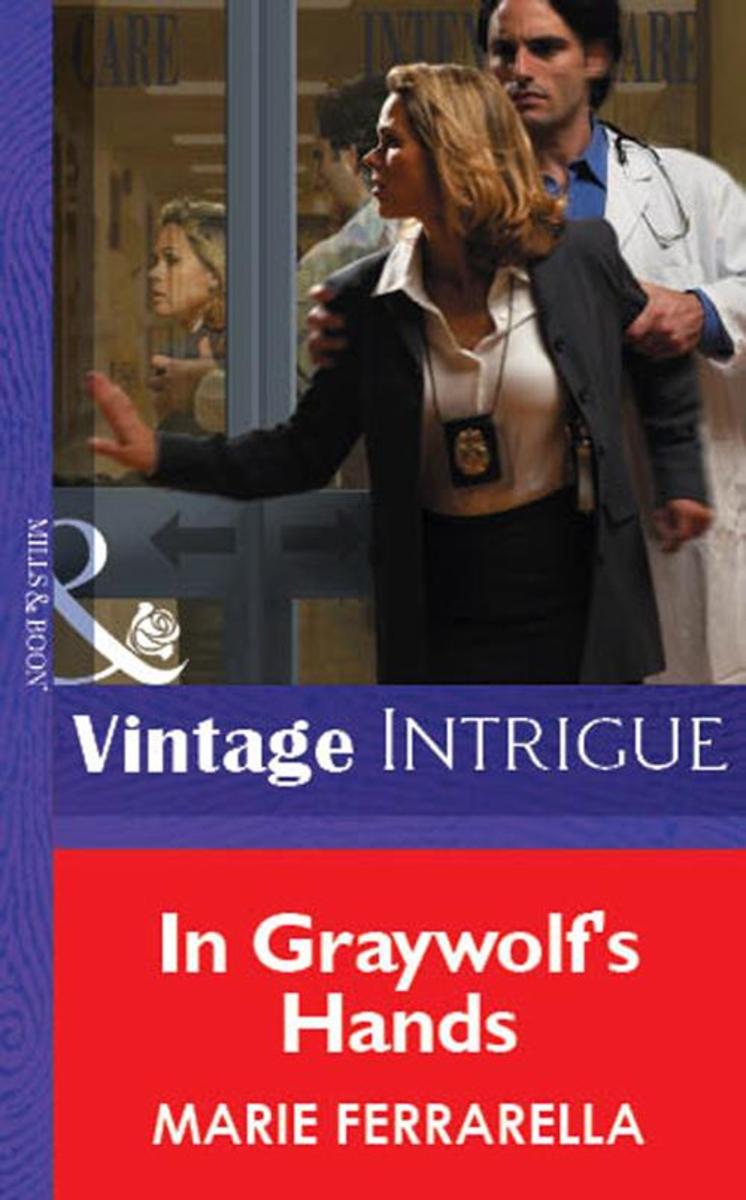
In Graywolf's Hands (Mills & Boon Vintage Intrigue)
¥25.60
FBI Special Agent Lydia Wakefield had thought there was no room in her life for the opposite sex. Then she walked into Blair Memorial's emergency room with a bullet in her arm–and encountered the most compelling man she'd ever met. Lukas Graywolf was a brilliant surgeon who brought together the wonders of modern medicine and the wisdom of his Navaho heritage. And his strong, skilled healer's hands were awakening unsuspected desires within her. But it took a brutal hostage-taking–and the threat of losing Lukas forever–to make her see that she could never be complete without him.

Indigo Summer (Mills & Boon Kimani)
¥31.10
Fifteen-year-old Indigo Summer's world finally seems to be going in the right direction: She hooks up with the star linebacker on the high-school football team, gets a date for homecoming and makes the high-school dance squad all in the same week. But sometimes things are just too good to be true. After football star Quincy Rawlins abruptly dumps her for a girl who is willing to put out, Indigo's popularity and self-esteem take a nosedive. When her perfect world falls apart, Indigo turns to the one person who seems to have his head on straight–her next-door neighbor, sixteen-year-old Marcus Carter. The problem is, now that Indigo realizes what a great guy Marcus really is, so does someone else.

Keeping Her Safe (Mills & Boon M&B)
¥27.27
When investigative journalist Natalie McCabe discovers a local investment bank is taking retirees for a ride, she's all over the case, even going undercover to get the goods on dirty brokers. But then Jason Jamison, the man she recently saw murder his wife, escapes from jail. And incognito or not, Natalie's life is in danger. Fortunately her new bodyguard, Vincent Fortune, has the brawn to keep her safe…as long as she plays by his rules. Vincent can't figure out his spitfire client. She wants security, but sneaks away as soon as she thinks she has a lead. All he knows is their attraction is growing stronger each day. And Vincent's not sure how much longer he can protect Natalie from his own desire.
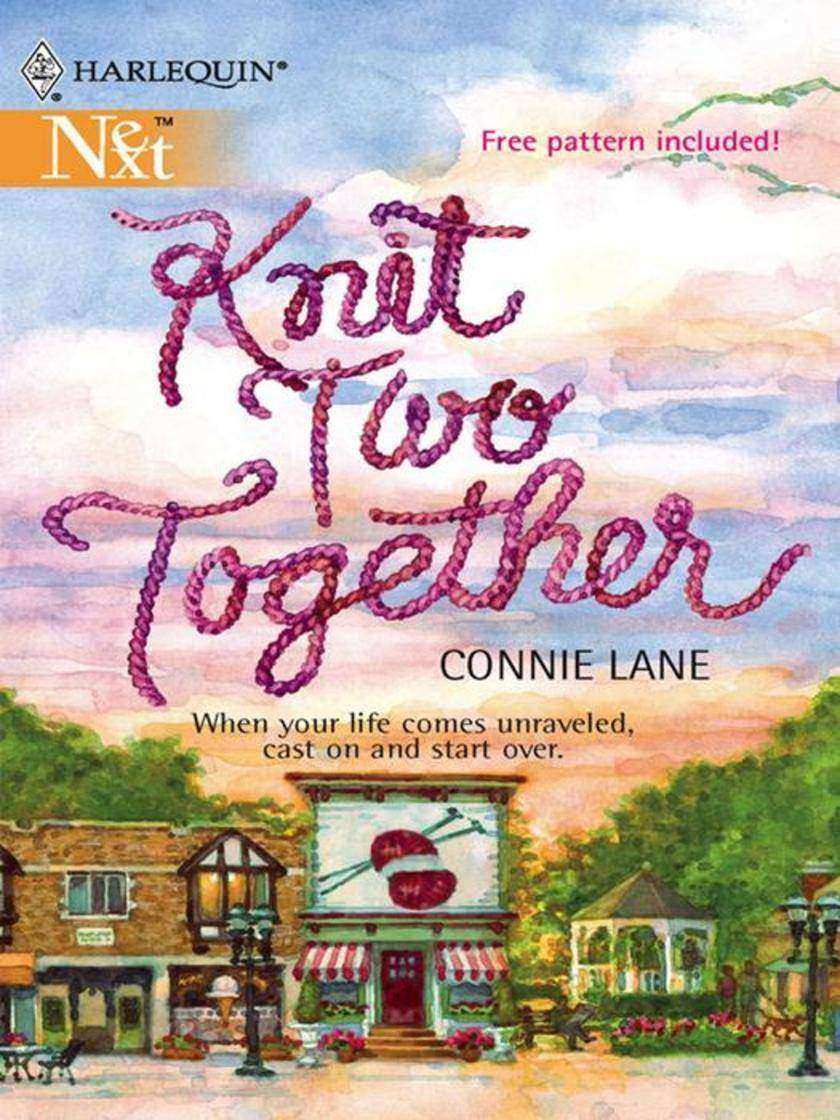
Knit Two Together (Mills & Boon M&B)
¥27.27
Her mother remained a mystery in life…and in death Libby Cartwright hadn't planned on inheriting a yarn shop from her estranged mother. But that was before she found her favorite childhood stuffed animal amidst the dust and moldering yarn. And before she encountered a motley crew of locals determined to resurrect the store. So what else had Mom been hiding? Running Metropolitan Knits means Libby still has lots to learn. About knitting. Motherhood (who ever said raising a daughter was easy!). And even romance. For quiet Hal O'Connell, an unlikely–and unattached–new customer, turns out to be a kindred spirit. As the Grand Reopening approaches, Libby learns to knit two together–in knitting and in life….

Learning to Hula (Mills & Boon M&B)
¥27.27
Being Strong Is a State of Mind… Everyone in town thinks Holly DeJong has handled her husband's death well, including her. Until the day she spots a cupcake display at Smiley's General Store and lets loose. Holly's husband is dead…because he cheated on her. He didn't have just one Kitty Cupcake on the side; he had boxes of them! Now everyone in town thinks she's lost it, except Holly. For the first time in months she feels as if she can handle anything, including her children, dating-minded family members and a certain deputy with more on his mind than the cupcake massacre. Just like the hula dancer on her husband's favorite lamp, Holly is learning that happiness comes from swaying with whatever possibilities life throws her way.

Lily and the Lawman (Mills & Boon Vintage Cherish)
¥31.10
City girl Lily Quintano came to tiny Hades, Alaska, to get away from men. Her cheating ex-fiancé had turned her heart to stone–or so she thought. For the minute she saw Max Yearling, her pulse started racing. She had to avoid the sexy sheriff at all costs. But in a town the size of Hades, heated encounters with the handsome local hero were inevitable…and way too enjoyable. Max Yearling didn't believe in love–his deadbeat father made sure of that. So why did he feel the need to keep an eye on the pretty Ms. Lily? Perhaps she might get lost in the wilderness…or even better, lose herself in his strong, protective arms….

Live To Tell (Mills & Boon Vintage Intrigue)
¥23.45
Journalist Jo Francis suspected that someone was out to sabotage her survival assignment. She enlisted Blake Stirton's aid. She quickly tired of his me-Tarzan-you-Jo attitude, but she doubted she'd ever weary of the desire he stirred within her. Crocodile hunter Blake Stirton should have sent the sultry reporter back to the big city, yet one look at her and Blake knew he couldn't leave her to fend for herself, especially after he learned she was the key to finding his family's long-lost fortune.
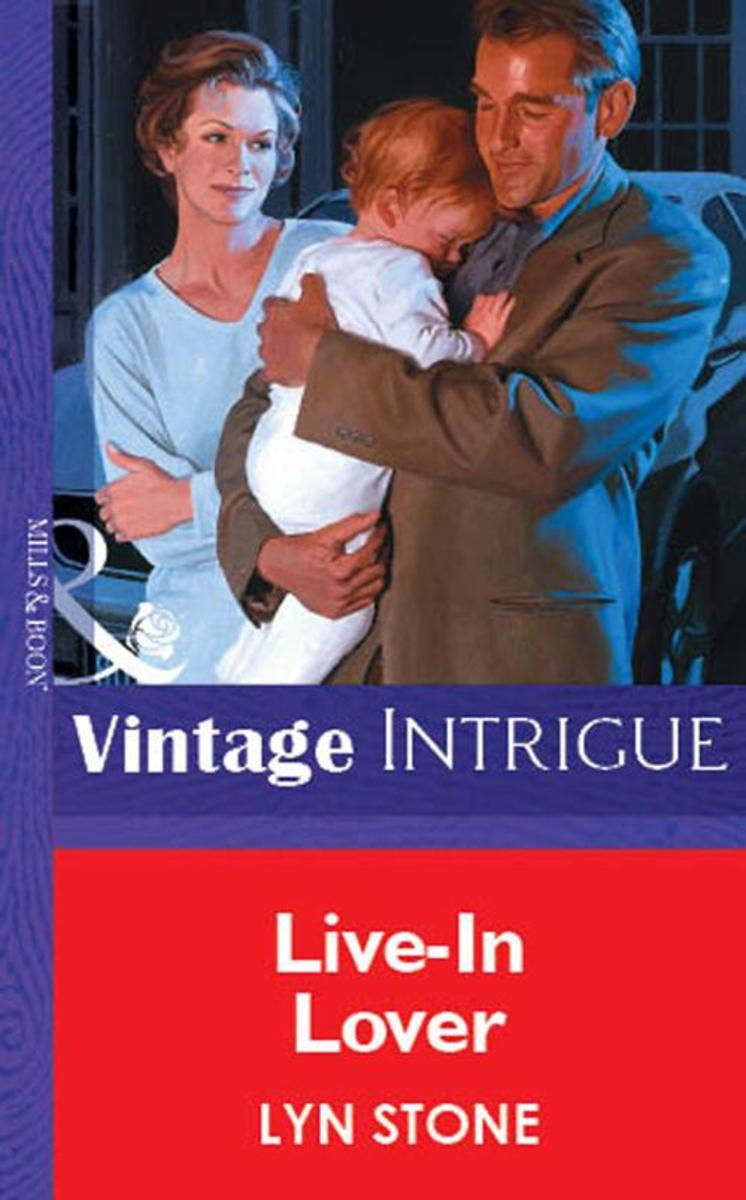
Live-In Lover (Mills & Boon Vintage Intrigue)
¥31.10
In ten years with the FBI, Damien Perry had posed as a drug lord, a terrorist, even a hit man. Now the thrill was gone. But what would he do if he quit? Maybe the answer was in the mail, on the card from Marian Olivia Jensen– Molly, as he remembered her. The earthy redhead who aroused unfamiliar fantasies of a wife and family in his jaded soul. Molly Jensen was finally safe from her menacing ex-husband– until he was released from jail. Now the threatening phone calls wouldn' t stop. Molly knew there was only one man who could help her: Damien Perry. His charade as her live-in lover was ingenious, but how long could she pretend to be pretending?


