


 购物车
购物车 个人中心
个人中心

?nc? o zi
¥73.49
Volumul al treilea din seria N?scu?i ?n cea?? Am?gi?i s? elibereze spiritul r?u N?ruire ?n timp ce ?ncercau s? ?nchid? F?nt?na ?n?l??rii, noul ?mp?rat Elend Venture ?i so?ia lui, asasina Vin, se str?duiesc s? salveze lumea de Inchizitorii uciga?i ai N?ruirii, de ce?urile letale ?i insidioase numite Ad?ncime ?i de c?derile tot mai masive de cenu?? neagr? care amenin?? s? ?ngroape p?m?nturile ?i s?-i ucid? prin ?nfometare pe locuitorii lor. Pe c?nd caut? ultimul depozit secret de atiu al fostului ?mp?rat, sursa celor mai puternice energii ale N?scu?ilor din Cea??, cei doi ?nfrunt? at?t for?ele N?ruirii, c?t ?i mon?tri ?i puteri amintite ?n profe?ii. ?Un apogeu dramatic ?i surprinz?tor… Saga lui Sanderson are personaje complexe ?i o intrig? fascinant?, pun?nd ?ntreb?ri serioase despre loialitate, credin?? ?i responsabilitate."Publishers Weekly Seria N?scu?i din cea?? este o trilogie, la care a fost ad?ugat ulterior un al patrulea volum a c?rui ac?iune se petrece la 300 de ani dup? evenimentele din seria original?.
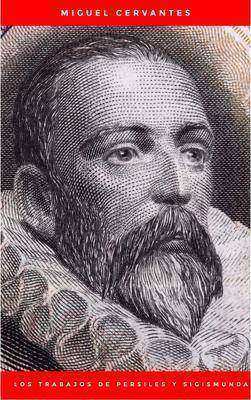
Los Trabajos de Persiles y Sigismunda
¥8.82
Los trabajos de Persiles y Sigismunda es la última obra de Miguel de Cervantes. Pertenece al subgénero de la novela bizantina. El propio autor la consideró su mejor obra; sin embargo la crítica da este título unánimemente a Don Quijote de la Mancha. En ella escribió la dedicatoria al Conde de Lemos el 19 de abril de 1616, cuatro días antes de morir, donde se despide de la vida citando estos versos: Puesto ya el pie en el estribo, con las ansias de la muerte, gran se?or, esta te escribo.
Intrus ?n lumea umbrelor. Rebelul
¥116.01
Intrus n lumea umbrelor“ este un roman de sertar… care a fost scris ntre 1982-1986 i care a zcut ascuns n beci, ntr-o lad cu nisip pentru ptrunjei i morcovi de iarn, din 1986 pn n 1991. Apoi s-a mutat ntr-un sertar al biroului… pn astzi… Aciunea primului volum, CAPCANA“, se petrece n anii 1982 – 1983. Un scriitor aflat n slujba partidului comunist, un autor care semnase pactul cu diavolul“, pact n general negat, dar existent n realitate, care scria cri la comand“, dezerteaz. Un personaj deopotriv curajos i destul de la nct s fi semnat acest pact blestemat, vicios, drept i cinstit n acelai timp, afemeiat i pctos, ncpnat i realist, vntor i braconier, ducnd o via deanat, trit pe muchie de cuit, o via plin de femei i de infideliti conjugale, chefuri, prieteni la fel de vicioi, curajoi, nelinitii i realiti ca i el. Obosit de contiina care nu-l las sa adoarm, se refugiaz la ar, n nordul extrem al rii, ntre pduri i dealuri, pentru a scpa de oameni i de minciun. i descoper prieteni uitai i rude pe care n ultimii ani le ignorase. Dar, cutnd un adevr de care nc nu era contient, i descoper i dumanii. ntr-o goan parc nebun dup regsirea de sine, i rentlnete iubirile pierdute, femei care l-au iubit i pe care el le prsise cutnd mereu altceva, femei pe care le iubise i care l-au prsit, prieteni i dumani care nu l-au uitat, oameni trectori prin viaa sa. Cu incontiena omului brusc trezit la realitate, se las purtat de valul ntmplrii, aflnd adevruri mereu ntrezrite i bnuite, dar tinuite ntr-o lege a tcerii pe care n-o nelege nc. Tenace din fire i venic gata s rite totul pe o carte dintr-o nevoie aproape bolnvicioas de senzaii tari, ncepe s ntrebe, contient c fr ntrebri, nu exist nici rspunsuri. Iar ntrebrile lui trezesc brusc furia stpnilor si comuniti. Ameninrile acestora i ale securitii care, la ordin, i urmrea fiecare micare, trezete n el i curajul neamului din care se trage i care dormise n el n toi aceti ani. ncpnat i ncrncenat, ncepe s afle adevrul despre colectivizarea din nordul ndeprtat, att de apropiat sufletului su. Pas cu pas afl despre crimele, ororile, minciunile i teroarea ce se aflau n spatele mreelor realizri ale partidului cruia i slujea. Afl despre oameni pe care i cunoscuse i care erau altceva dect crezuse el ca sunt. Obosit de atta minciun, se decide sa spun, n sfrit, adevrul. Realizeaz ns c pe nevzute i negndite, czuse n CAPCANA… pentru ca ce altceva este pn la urma adevrul, dect capcana propriei tale contiine! Cnd te hotrti s spui adevrul, nu te poi ocoli pe tine nsui pentru a-l spune doar despre ceilali! Adevrul este doar unul singur, i te include i pe tine i faptele tale… alturi de ceilali i de faptele lor…
La limita extrem?
¥77.31
O poveste de dragoste derulat? ?n decorul Saharei.Dintotdeauna, ?ndr?gosti?ii prefer? un loc anume pentru ?nt?lnirile lor. Fie c? este teiul lui Eminescu, Ci?migiul sau – de ce nu? – o veche, aproape uitata epopee, acel loc ?nsufle?e?te ?i coloreaz? aura iubirii. La Eneida este o frumoas? poveste cu zei ?i umbre, o poveste de dragoste derulata ?n decorul Saharei. Cei doi ?ndr?gosti?i, un b?rbat t?n?r ?i o femeie bogat?… ?n amintiri, rescriu pagini din Eneida vergilian?, retr?iesc iubirea dintre Enea, eroul troian, ?i Didona, regina Cartaginei, ad?ug?ndu-i ?ns? dimensiunea tragic? a unor evenimente recente, am?ndoi fiind marca?i, obseda?i, urm?ri?i de umbrele ?i experien?ele ultimelor zile ale Golaniei din iunie 1990.
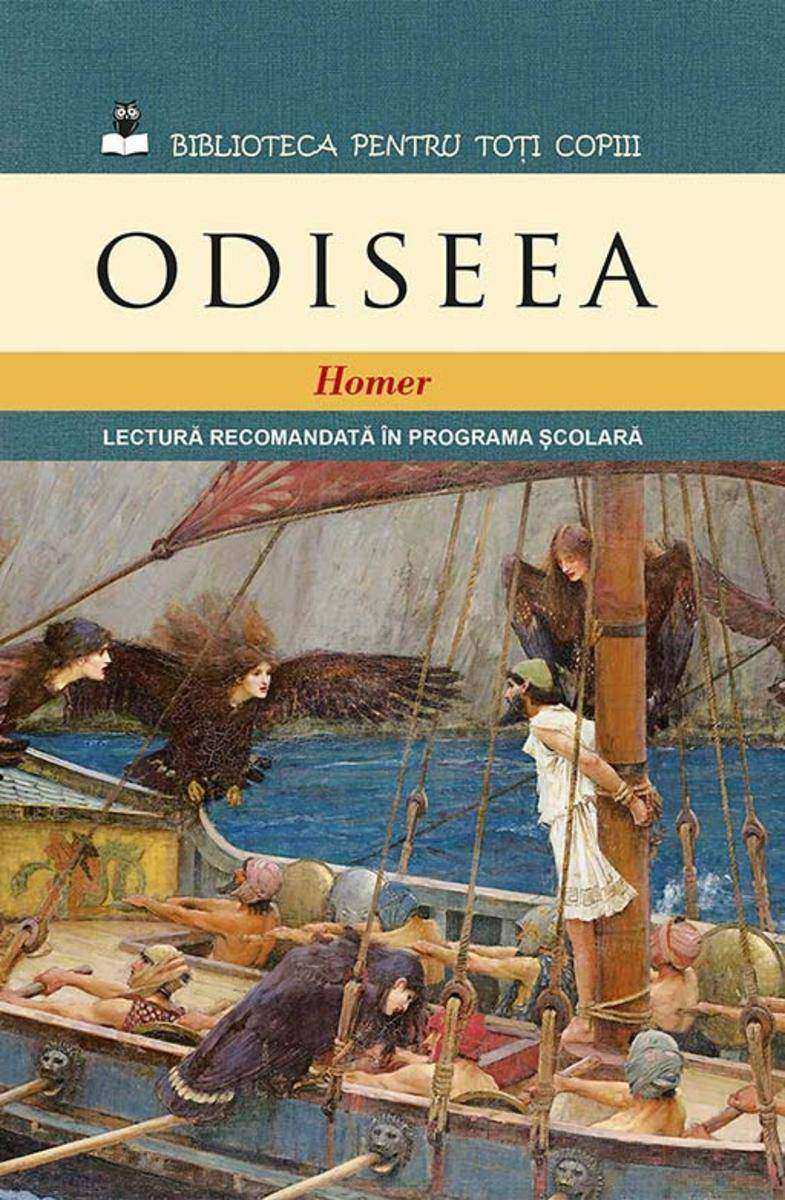
Odiseea
¥33.03
La limita extrem? este un roman de scandal nu numai literar, o capodoper? ?n care se lupt? cu prejudec??ile morale, sexuale, sociale. O carte scris? ?n bun? tradi?ie inaugurat? de D.H. Lawrence ?i Henri Miller. Mihail Ar??ba?ev, romancier, prozator rus, este contemporan cu Nabokov ?i al?i scriitori care se formeaz? ?i se lanseaz? ?la r?scrucea“ secolelor XIX ?i XX. Moare t?n?r. Sanin, capodopera d-sale ap?ruta ?n 1907, i-a adus autorului o celebritate scandaloas?. La ini?iativa Bisericii ortodoxe ruse, lui Ar??ba?ev i s-a intentat un proces, scriitorul fiind ?nvinuit de propagarea pornografiei. ?n consecin??, Sanin ?i alte scrieri ale lui Ar??ba?ev au fost interzise ?n patria autorului r?stimp de decenii.
Miori?a
¥85.05
Dumitru Velea ??i continu? aventura ?n lumea xerxeian?, de aceast? dat? public?nd unul dintre cele mai consistente volume de versuri semnate de domnia sa de-a lungul anilor. Spun consistente g?ndindu-m? la un anume risc al atac?rii unei at?t de vaste tematici. Cartea face parte dintr-o pornire a poetului mai de ?ntindere, dedicat? suveranilor persani din dinastia Ahemenizilor. Iar c?nd spun aceasta, am ?n vedere, cel pu?in din punct de vedere tehnic, faptul c?, dup? piesa de teatru Xerxes, apare acum Xerxes la Hellespont. Posibilit??ile de interpretare a mesajului sunt, practic, nelimitate, fiindc? transfocaliz?nd versuri sau cuvinte, f?r? efort putem ?descinde“ ?n actualitatea imediat?. De aceea, ne putem ?ntreba, justificat: nu cumva, printr-o manevra subtil?, stilistic-epica, autorul a ?uitat“ deschis? o porti?? spre problematicile biografiei sale? (Dumitru Huruba)
Baletul fantasmelor
¥47.01
Un nou gen de proz? literar?? A?a s-ar p?rea, dac? pornim de la separarea ?n con?tient ?i incon?tient a sinelui uman, aprofundat? magistral de marele psihiatru elve?ian C.G. Jung ?n celebra ?i monumentala sa Carte Ro?ie. Dumitru Popescu are o bogat? oper? literar?-fic?ional? ?i nonfic?ional? – inspirat? din yona con?tientului. Baletul fantasmelor ne propune sondarea cu mijloace literare a celeilalte zone a spiritului, cu origini ?i mecanisme ?nc? greu decelabile ?i care deschide o alt? fabuloas? perspectiv? a l?untricului omenesc.
Proz?
¥16.35
Tr?ind de azi pe m?ine ?ntr-un Bucure?ti plin de tenta?ii, dar consumator de resurse, studentul la Drept Mihnea B?iatu nu ?i-a dat examenele, iar ob?inerea licen?ei ?ncepe s? semene cu un vis imposibil. A ?nv??at ?ns? cum s? c??tige ?ncrederea cet??enilor s?raci cu duhul – ?i nu e pu?in lucru. Plasat ?ntr-un decor suburban, cu personaje caragialiene, Mihnea B?iatu se ?nscrie ?ns?, f?r? doar ?i poate, ?n tipologia eroilor lui Gib I. Mih?escu, urm?ri?i de idealul femeii absolute. Expert ?n practicile ?amorului democrat“ ?i ?n escrocarea cu sistem – erotic? ?i financiar? – a propriet?reselor de mahala, eternul student d? nas ?n nas pe culoarele universit??ii cu femeia perfect?, care-l scruteaz? ?i ea, cu acela?i interes, prin lentila unui lornion de aur…

Patty in the City
¥28.29
It was the third week in September when the Fairfields left the seashore and returned to their Vernondale home.??“Now, my child,” said Mr. Fairfield, as they sat on the veranda after dinner, “I will unfold to you my plans for the coming winter, and you may accept, or reject, or amend them as you please.”??“Proceed,” said Patty, settling herself comfortably in her wicker chair; “I feel in an amiable mood this evening, and will probably agree to anything you may suggest.”??“I’ve been thinking for some time,” went on her father, “that I don’t want to spend the coming winter in Vernondale. I would much rather be in New York.”??“Reason number one—Nan,” said Patty, checking it off on her forefinger and smiling at her father.?“Yes,” he responded, with an answering smile, “she is reason number one, but there are others.”?To readers who are unfamiliar with Patty’s earlier history we may say right here that her mother had died when Patty was but three years old. ??At present she lived with her father in their little home in Vernondale, an establishment of which Patty greatly prided herself on her management.?Recently Mr. Fairfield had become engaged to Miss Nan Allen, a young lady who lived in Philadelphia, and who was a dear friend of Patty’s.
Anomalous
¥9.71
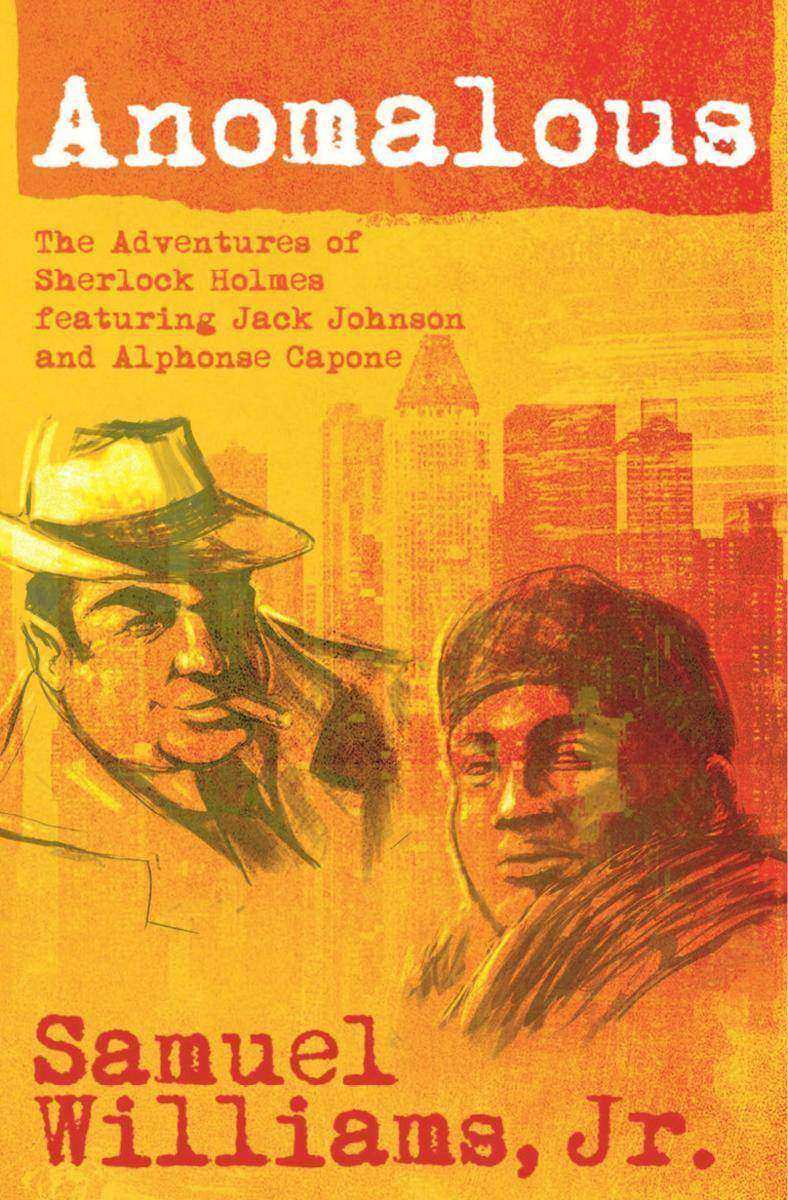
America's first African American heavyweight boxing champion, Jack Johnson, has a chance encounter with a mysterious Irishman, named Altamont, when they meet at the boxer s restaurant, Cafe de Champion, in August 1912. Johnson's new relationship with the unusual man, with beady eyes and hawk-like nose, places him in an unusual circumstance to help Altamont get out of a tough situation. In 1913, Johnson is nailed with a felony conviction in the American court system and flees to Canada, and later travels to England, to meet with fight promoters. But a stolen South African blood diamond and a grudge harbored against the controversial boxer from the past, puts Johnson s life in peril while on British soil, reuniting him with the mysterious Altamont. Will Johnson uncover the true identity of this Irishman, and entrust his life to Altamont's care? And as the action unfurls, Johnson forms an alliance with a black British rogue and grifter, Steve Dixie, but can this man be trusted? With all the uncertainty Johnson faces in a foreign land, and for his own protection, he calls in a favour from his American Mafia cronies, finding himself in league with American teenage mobsters, Alphonse Capone and Frankie Yale. Johnson, Altamont and their entourage of companions race against the clock, not just to save Johnson's life, but to preserve the national security and future of Britain as well.
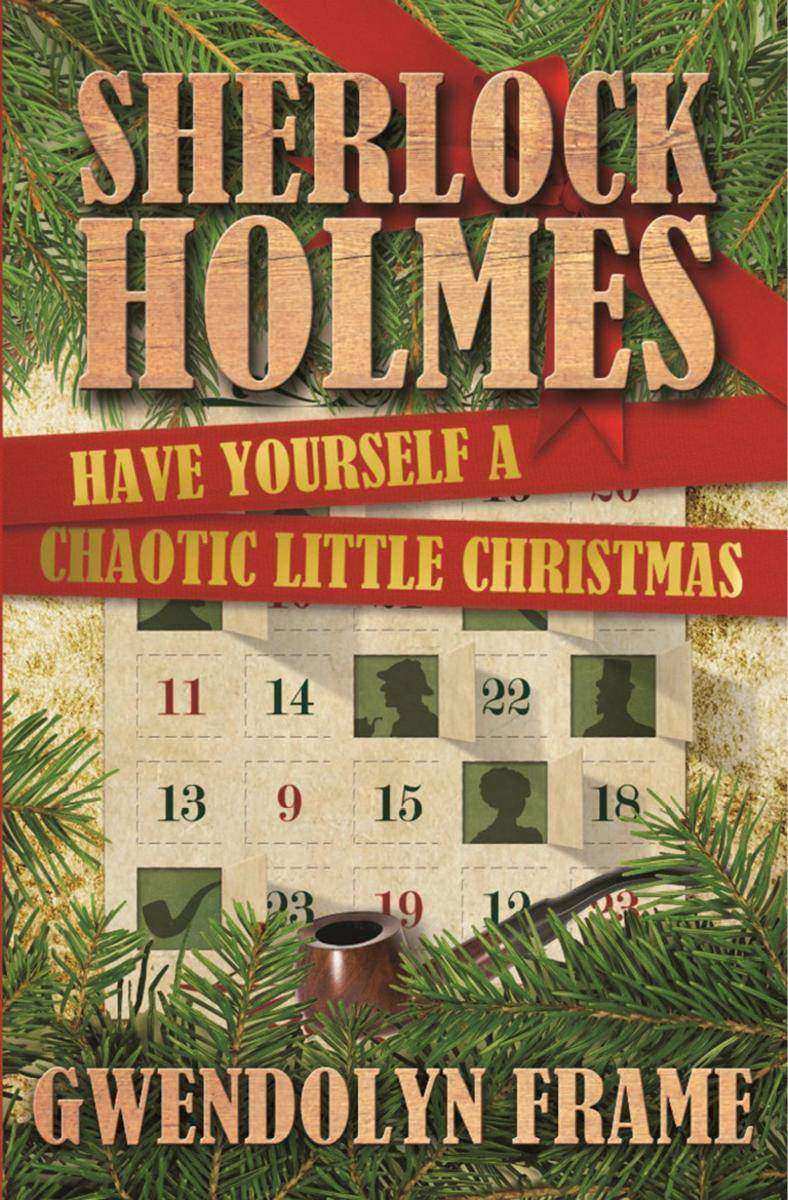
Sherlock Holmes Have Yourself a Chaotic Little Christmas
¥53.86
It's that time of year again on Baker Street. That time when trees are trimmed, snow is falling, and... Mycroft is helping Watson to play out an old carol? Well, take one obsessive Sherlockian and give her a flood of ideas from wildly-imaginative fellow fans... and you get one wacky advent calendar of Sherlockian short stories. A picnic in a graveyard, a snowball fight, a violinist on the roof, a vampire or two, Jack the Ripper, Professor Moriarty, and the Baker Street Irregulars all combine to make this one unforgettable Christmas collection.
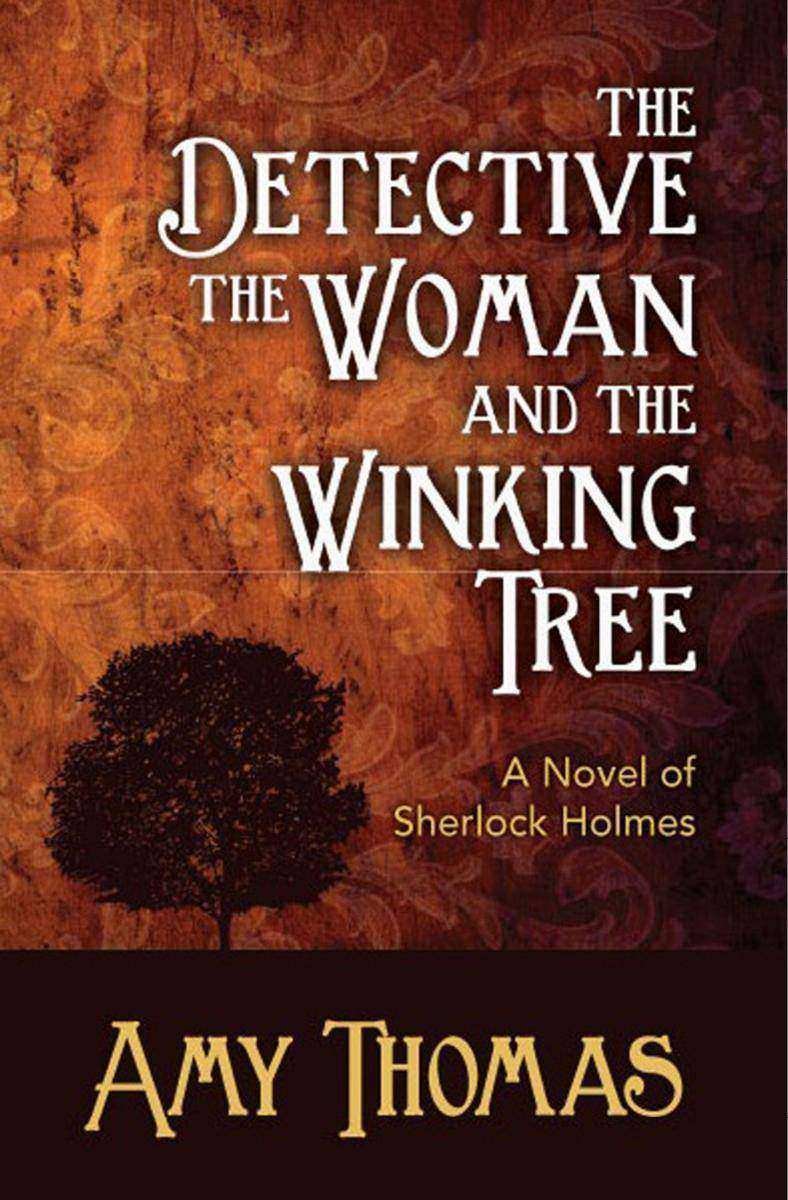
Detective, The Woman and the Winking Tree
¥63.67
Irene Adler is enjoying a quiet, undisturbed life in Sussex when the mysterious disappearance of a local farmer named James Phillimore throws her world into turmoil and forces her to enlist the aid of her friend and former enemy Sherlock Holmes. Irritated by his flatmate John Watson's romantic inclinations, Holmes journeys to Fulworth to assist The Woman in her investigation. Along the way, the two uncover the darkness, intrigue, scandal, and unexpected loyalty that lie at the heart of a seemingly-innocent village and a case filled with diabolical deception.

East Wind Coming
¥58.76
East meets West as one of the most talented British Sherlockian scholars, John Hall and a Japanese member of the Baker Street Irregulars, Hirayama Yuichi argue important Sherlockian questions. One offers the other three questions, and the other answers them with all their Sherlockian knowledge. They are serious Sherlockian battles between an English Knight and Japanese samurai! This volume also includes Hirayama's Sherlockian papers published in The Musgraves, The Baker Street Journal, The Canadian Holmes and The Shoso-in Bulletin.

Never Meant To Be
¥53.86
An accident with H.G. Wells' time machine strands Cynthia Kenyon in London, 1882. Utterly alone, the prisoner of Professor James Moriarty, there is but one name from the period Cynthia knows: Sherlock Holmes. What she could not know is how powerful an attraction she would feel for Holmes' partner, the handsome Dr. John Watson. Cynthia faces a number of dangerous choices on this unique journey: allow the 19th century's great criminal mastermind to plunder the centuries? Give up her family, friends, and career for the love of one man from the past? Should she correct the history she has changed, and how? No matter what Cynthia chooses, some things are never meant to be.

Adventure of the Vatican Cameos
¥19.52
Fresh from almost getting killed helping Sebastian McCabe solve The 1895 Murder, Jeff Cody and Lynda Teal are enjoying their honeymoon alone in Rome when mystery and murder intrude. The disappearance of a young American's Roman boyfriend seems like a familiar tale of a summer romance leading to heartbreak . . . until a cameo necklace purchased at the Vatican is stolen right off of Lynda's neck. The feisty young journalist finds a connection between the two events as she solves her own case for the first time. In a departure from the McCabe - Cody mystery novels, she also narrates the story. The many fans of Jeff and Lynda will be delighted to read this short story bridge to the next novel in the series, The Disappearance of Mr. James Phillimore.

Watson Is Not an Idiot
¥53.86
Over the past few years, Sherlock Holmes has exploded in popularity. The character has made a huge impact on the 21st century, with multiple interpretations gaining a growing audience of new Sherlockians. But many fans of Sherlock and Elementary know very little about the original stories themselves. Watson is Not an Idiot is an opinionated exploration of Sir Arthur Conan Doyle's original canon, written to illustrate interesting features and historical elements of the stories from the perspective of a lifelong fan of the material. It's not academic, but a companion - the passionate, excited, and sometimes ranty friend who sits alongside you and points out interesting bits while you read. Watson is Not an Idiot is perfect for the first-time reader of the stories and fans curious about starting a more critical reading of the material.
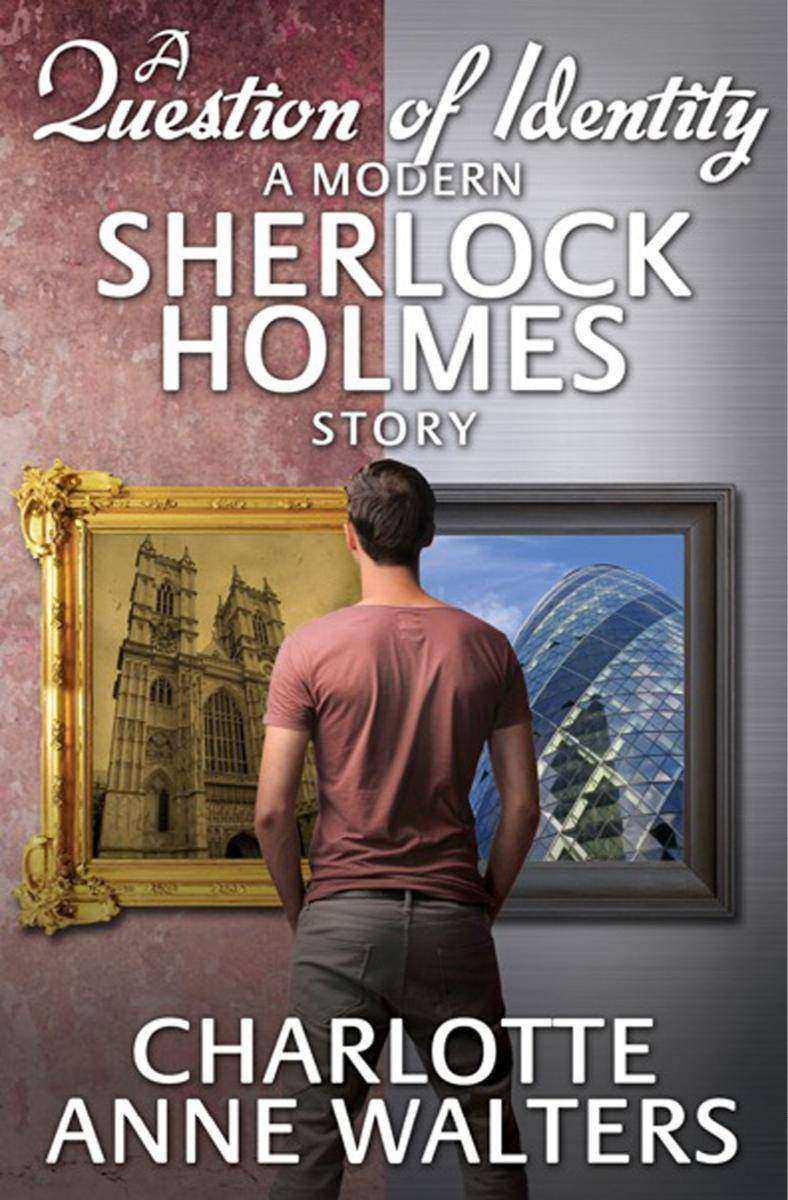
Question of Identity - A Modern Sherlock Holmes Story
¥9.71
When a young girl goes missing, Watson puts his mid-life crisis to one side and helps Holmes try to find her. Dealing with the sceptical police, a bunch of teenagers and a grumpy step-father all add to the challenges of the case. Can Holmes find her before it is too late? And before Detective Chief Inspector Gregson makes the mistake of his career? And will Watson achieve that illusive book-deal he's dreaming of? A modern re-working of Sir Arthur Conan Doyle's original Sherlock Holmes adventure, A Case of Identity. The fourth story in a series of five.

Abbey Strange - A Modern Sherlock Holmes Story
¥9.71
The final story in a series of five adventures which re-work original stories by Sir Arthur Conan Doyle into our modern world. The murder of an aged rock star is initially blamed on a gang of burglars, but Holmes senses that his widow is hiding something. What is the formidable music mogul not telling about the night her husband died at their Gothic country home? And how will Watson and Lestrade face up to the life-changing decisions they both decide to make? A re-working of Sir Arthur Conan Doyle's The Adventure of the Abbey Grange.

Sherlock Holmes and The Adventure of The Winged Ghost
¥24.43
In one of Sherlock Holmes' most harrowing cases, the crown jewels are stolen from the Tower of London just days before Queen Victoria's Diamond Jubilee. In the race against the clock to retrieve the precious gems to save from national embarrassment, Holmes finds that the case to be more complex and infinitely more dangerous than it first appeared.
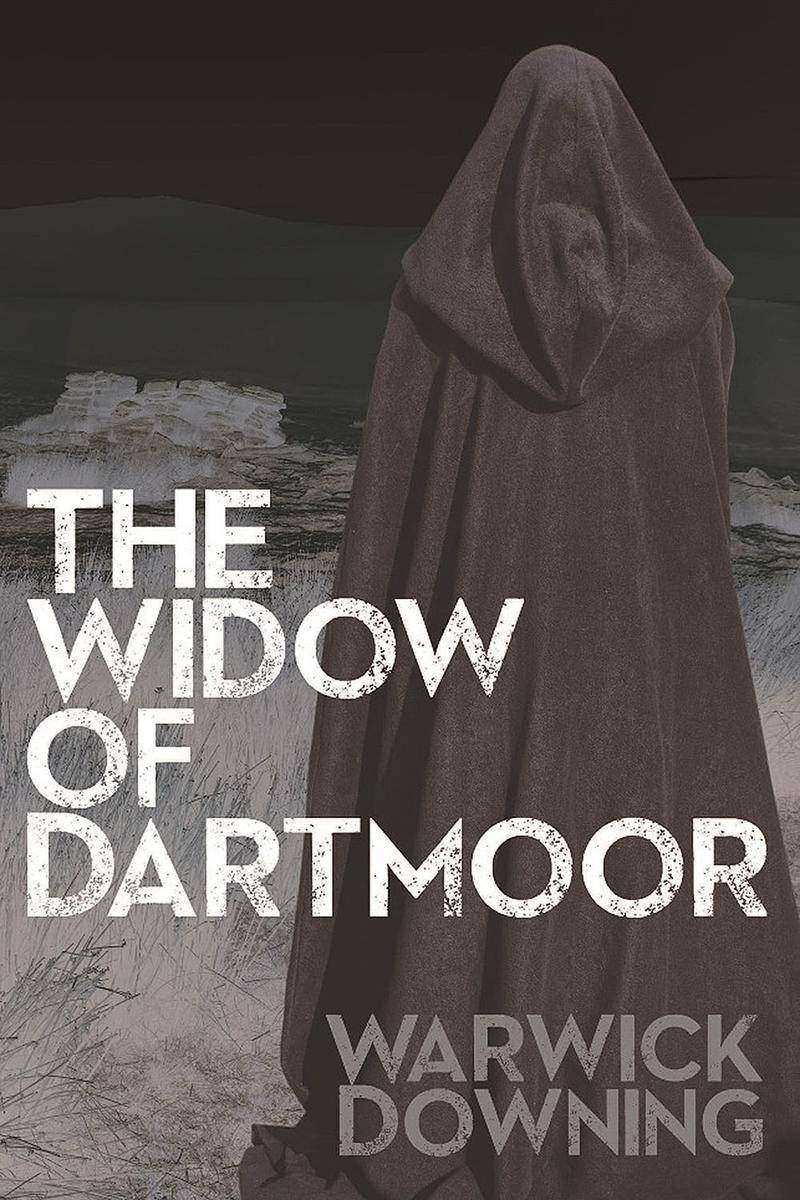
Widow of Dartmoor
¥73.48
The Widow of Dartmoor is a sequel to The Hound of the Baskervilles. Beryl Stapleton felt joy, on learning that Jack, her husband, was sucked into the Grimpen Mire. Free of his evil, she opened a fashionable dress shop in London. Her enterprise was a success... until she was caught, at two AM dragging the body of a murdered man into an alleyway. Who better to defend her than The Bastard, the nephew of Sherlock Holmes? Jeremy Holmes was the illegitimate son of Sherlock's oldest brother. With astonishing skill, Jeremy would peel the mask off a false witness and find the truth. But his talent was not the product of reason. Rather, his art. Often, when he drew a likeness, his drawing would reveal the passions and the secrets of one's soul.
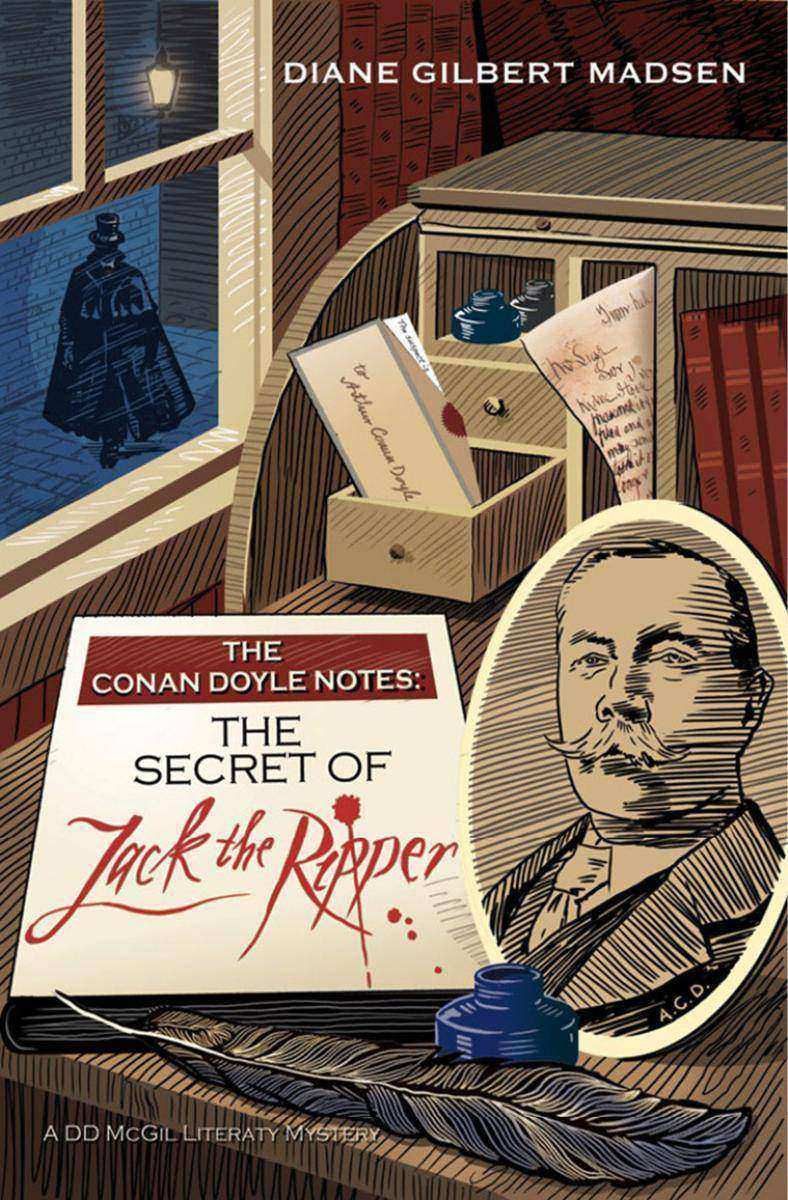
Conan Doyle Notes
¥48.95
"e;The Conan Doyle Notes: The Secret of Jack the Ripper,"e; uncovers clues as to Why the Dog Did Not Bark in the Night. Sherlock Holmes concluded that it was because the intruder was known to the dog. Madsen's new mystery questions whether the identity of one of the greatest criminals of all time, Jack the Ripper, was deduced by Conan Doyle. Conan Doyle was already famous with his popular Sherlock Holmes stories when Jack the Ripper struck London in October 1888. Why was Conan Doyle silent about this case? Find out in "e;The Conan Doyle Notes: The Secret of Jack the Ripper."e;


