


 购物车
购物车 个人中心
个人中心

A Pregnancy, a Party & a Proposal (Mills & Boon Cherish)
¥31.10
Her big secret in the Big Apple! Event co-ordinator Lauren Randall always has a plan. And falling pregnant after a fling with infamous Ray Donovan is not part of it! Creative and commanding, Ray might be an award-winning movie director, but he’s definitely not up for Dad-of-the-Year. Posing as Ray’s date gives Lauren a chance to reveal her secret. There’s just one glitch: his ailing grandmother announces their engagement. With everyone assuming she’s his fiancée, it’s hard to keep a distance – and even harder to pretend she’s not falling for her baby’s father…!
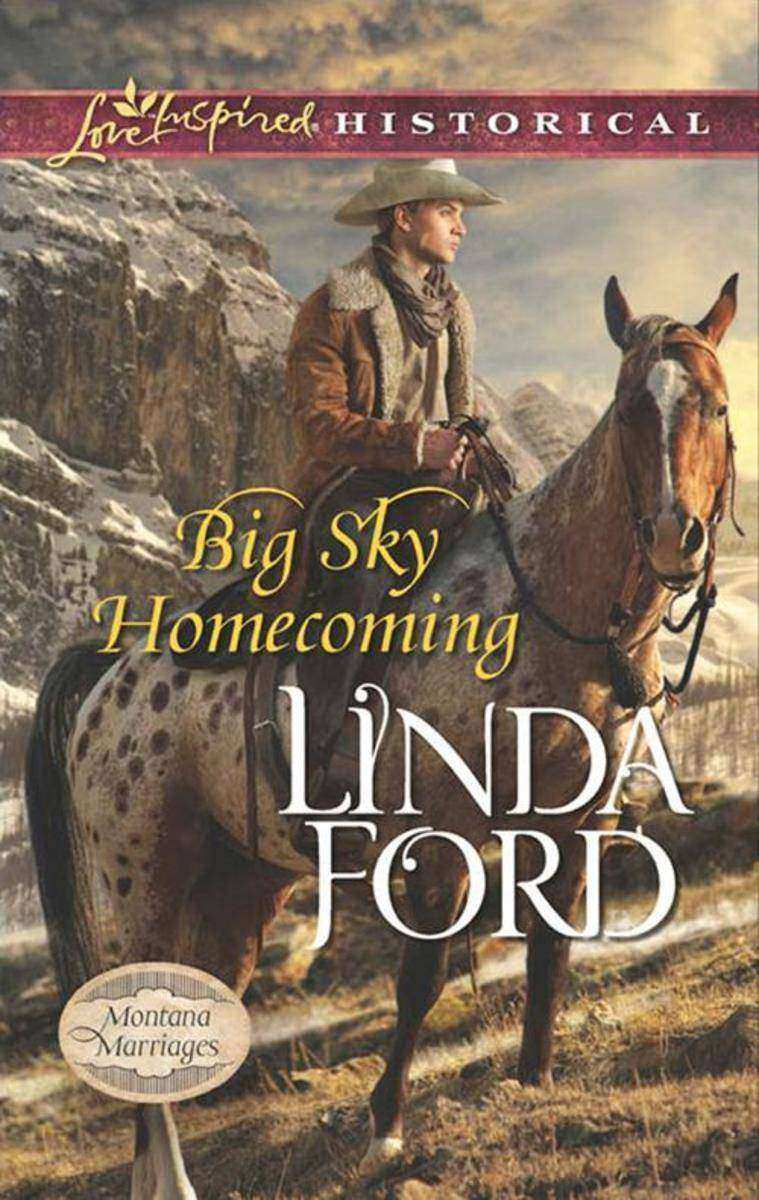
Big Sky Homecoming (Mills & Boon Love Inspired Historical) (Montana Marriages, B
¥31.10
Falling for the enermy Newly returned Duke Caldwell is the son of her family's enemy–and everyone knows a Caldwell can't be trusted. Yet when Duke is thrown from his horse, Rose Bell puts her misgivings aside to help care for the handsome rancher. And soon there's no denying that her childhood nemesis isn't the scoundrel she thinks he is. Duke keeps telling himself that his reasons for wanting to spend time with feisty Rose have to do only with ending their families' feud–and not with how captivating he finds her. But though Rose might be willing to mend fences with the enemy, could she ever believe Duke worthy of her love? Montana Marriages: Three sisters discover a legacy of love beneath the Western sky
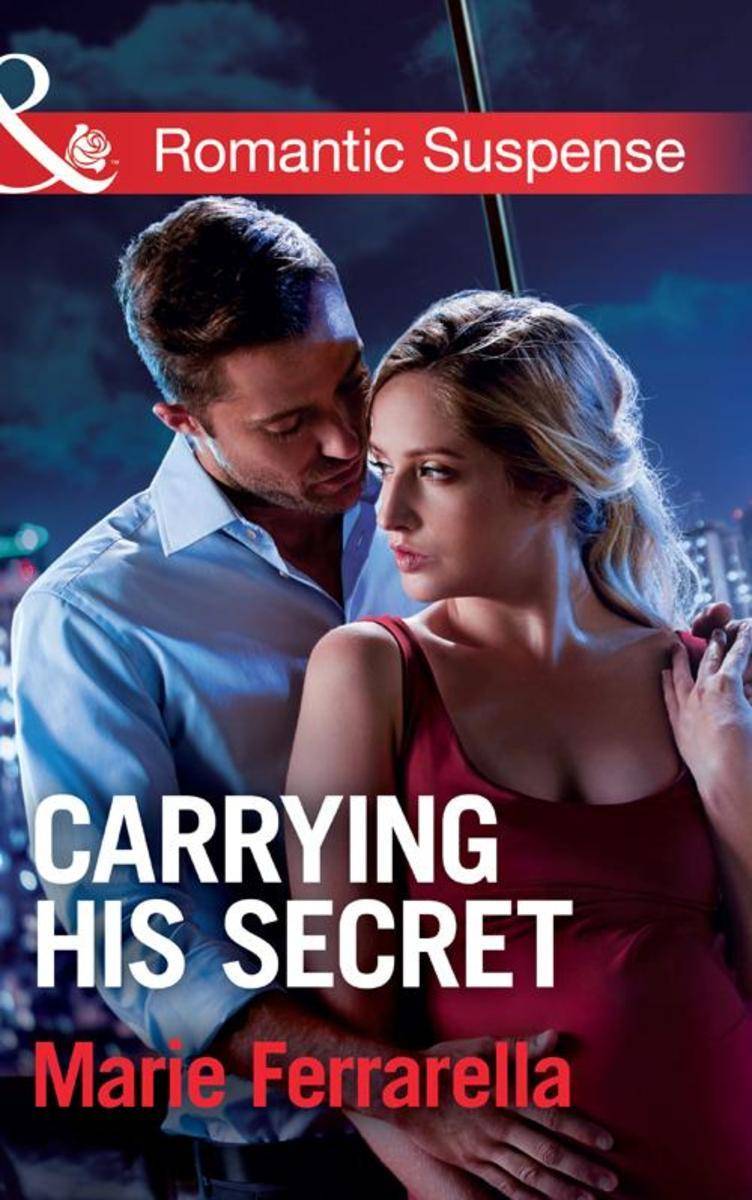
Carrying His Secret (Mills & Boon Romantic Suspense) (The Adair Affairs, Book 1)
¥30.61
FAMILY SECRETS… For years, Elizabeth Shelton kept her attraction to Whit Adair hidden. But when one explosive night with the gorgeous tycoon leaves her pregnant, it’s not just her heart that’s at risk. Because the Adair family have been targeted by a killer… and Elizabeth is next on their list. When Whit learns of the danger Elizabeth is in, he immediately whisks her away to his ranch, the only place where he can keep this beautiful, vulnerable woman safe. And, once he learns that Elizabeth is carrying his child, Whit knows that he’ll defend their future… whatever it takes.
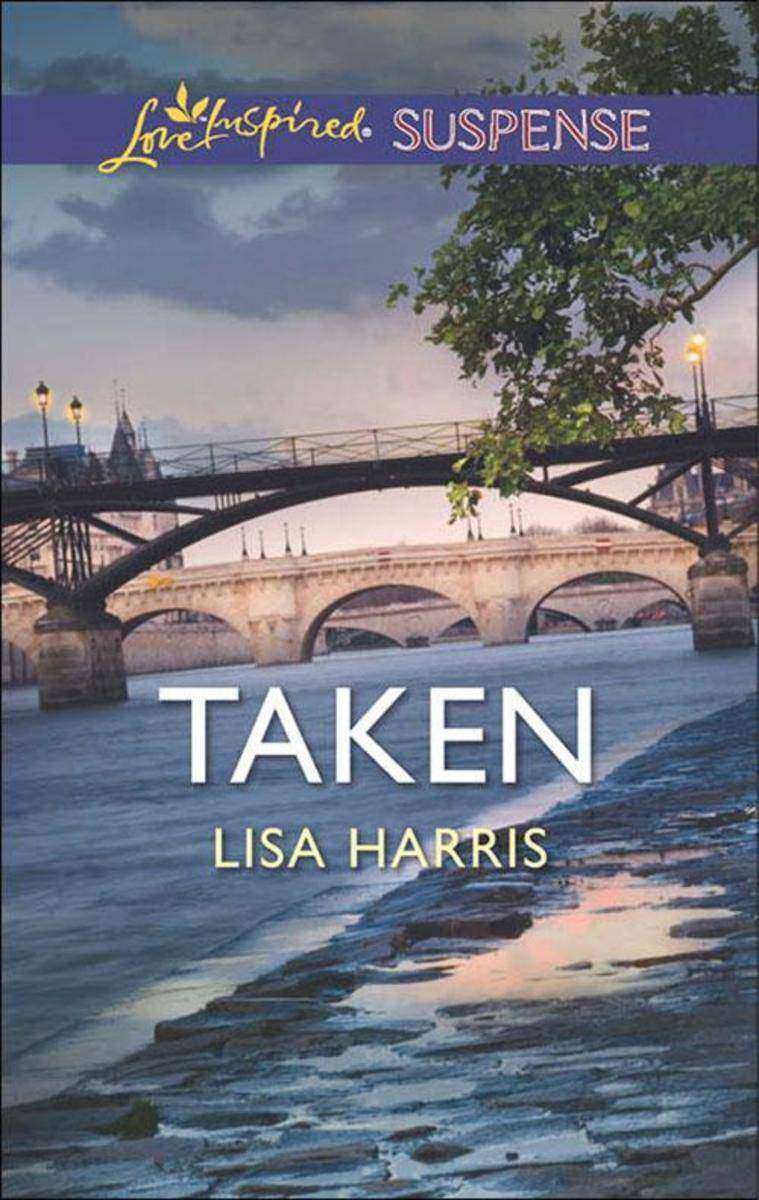
Taken (Mills & Boon Love Inspired Suspense)
¥31.10
Experience the thrill of life on the edge and set your adrenalin pumping! These gripping stories see heroic characters fight for survival and find love in the face of danger. One wrong turn in the middle of the night Witness to her sister’s brutal kidnapping, Jillian Sorenson was consumed with guilt – and over her head. It seemed the only way to be reunited with her sister was to join forces with ex-cop Rick Brady, a man with an old score to settle. But tracking the treacherous kidnappers only intensified Jillian and Rick’s supercharged connection. And as their partnership became increasingly personal, coming face-to-face with the dangerous men who had abducted her sister seemed like less of a risk than putting her faith in an all-too-handsome stranger…
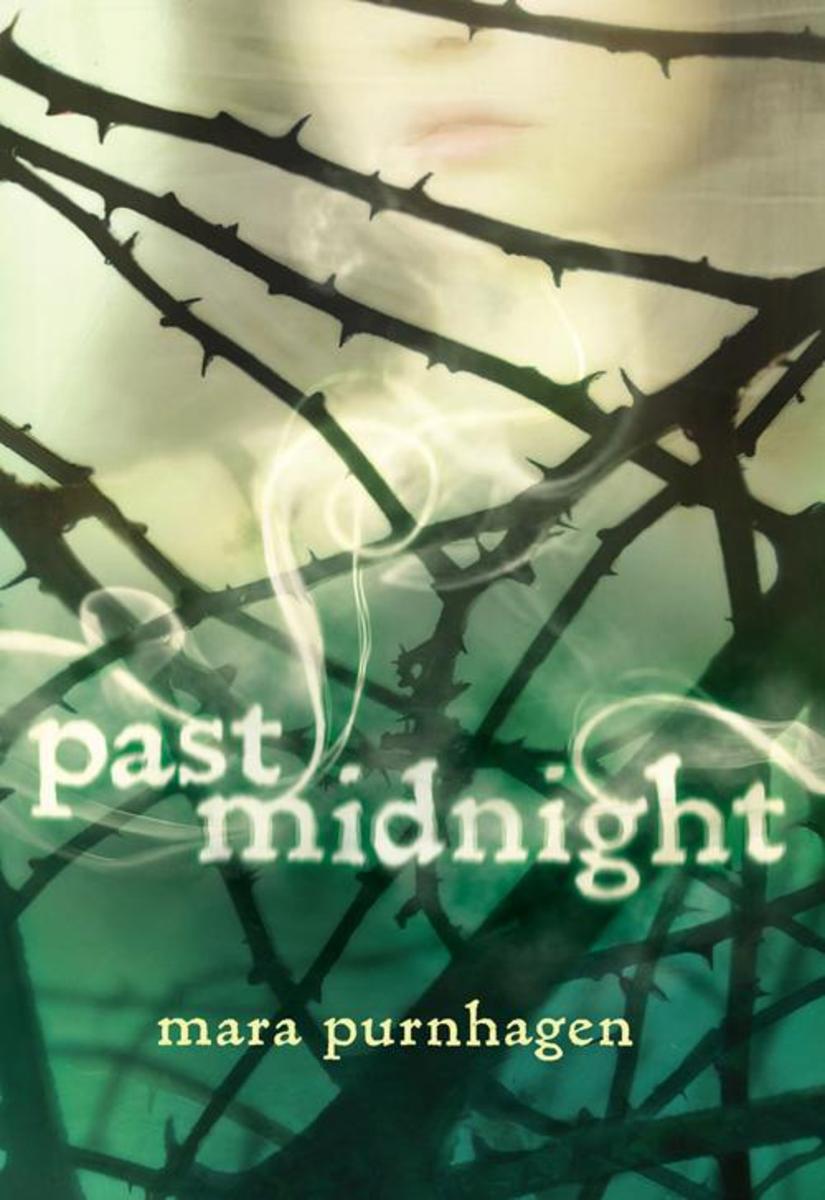
Past Midnight (Past Midnight, Book 1)
¥54.74
Let me set the record straight. My name is Charlotte Silver and I'm not one of those paranormal-obsessed freaks you see on TV…no, those would be my parents, who have their own ghost-hunting reality show. And while I'm usually roped into the behind-the-scenes work, it turns out that I haven't gone unnoticed. Something happened on my parents' research trip in Charleston—and now I'm being stalked by some truly frightening other beings. Trying to fit into a new school and keeping my parents' creepy occupation a secret from my friends—and potential boyfriends—is hard enough without having angry spirits whispering in my ear. All I ever wanted was to be normal, but with ghosts of my past and present colliding, now I just want to make it out of high school alive…
The Oracle Rebounds (An Oracle of Dating story, Book 2)
¥54.74
As the "oracle of dating," Kayla is supposed to have all the answers about love and relationships. She's supposed to have the perfect relationship. But now that Jared is "taking a step back," Kayla feels like a total fraud. So the expert on dating starts taking her own rebound advice—and some from her friends—and stops moping around. Yeah, there are other possibilities out there—including the beyond-cute French foreign exchange student she's showing around town. But when controversy erupts about the Oracle's advice, Kayla is sent reeling once again. Will anything work out for her this year? Yet when her friends start seriously needing the Oracle, Kayla begins to focus on what really matters: Viv, Sharese, Amy and Ryan, her true-blue buds. And suddenly, everything starts making sense again…

These Things Hidden
¥61.90
Imprisoned for a heinous crime when she was a just a teenager, Allison Glenn is now free. Desperate for a second chance, Allison discovers that the world has moved on without her… Shunned by those who once loved her, Allison is determined to make contact with her sister. But Brynn is trapped in her own world of regret and torment. Their legacy of secrets is focused on one little boy. And if the truth is revealed, the consequences will be unimaginable for the adoptive mother who loves him, the girl who tried to protect him and the two sisters who hold the key to all that is hidden… Praise for Heather Gudenkauf 'A great thriller, probably the kind of book a lot of people would chose to read on their sun loungers. It will appeal to fans of Jodi Picoult' - Radio Times 'Deeply moving and exquisitely lyrical, this is a powerhouse of a debut novel' - Tess Gerritsen 'Beautifully written, compassionately told, and relentlessly suspenseful' - Diane Chamberlain

The Backup Plan (The Charleston Trilogy, Book 1)
¥53.76
It's finally time for Dinah Davis to go home. The world-weary correspondent wants to settle down with the sweet guy she left behind in South Carolina's Low Country. Instead, she's confronted by his black-sheep brother, anddespite her longing for serenitysparks fly. How can she possibly trade her perfectly safe backup plan for a risk-taking guy like Cordell Beaufort after all the dangers she's already faced? But to Dinah's dismaybackup plan or nother heart has its own ideas. "

Too Good to Be True
¥54.05
When Grace Emerson's ex-fiancé starts dating her younger sister, extreme measures are called for. To keep everyone from obsessing about her love life, Grace announces that she's seeing someone. Someone wonderful. Someone handsome. Someone completely made up. Who is this Mr. Right? Someone…exactly unlike her renegade neighbor Callahan O'Shea. Well, someone with his looks, maybe. His hot body. His knife-sharp sense of humor. His smarts and big heart. Whoa. No. Callahan O'Shea is not her perfect man! Not with his unsavory past. So why does Mr. Wrong feel so…right?
92 Pacific Boulevard (A Cedar Cove Novel, Book 9)
¥50.91
Perfect for fans of Maeve Binchy' - Candis Dear Reader, I'm not much of a letter writer. As the sheriff here, I'm used to writing incident reports, not chatty letters. But my daughter, Megan–who'll be making me a grandfather soon–told me I had to do this. So here goes. I'll tell you straight out that I'd hoped to marry Faith Beckwith (my onetime high school girlfriend) but she ended the relationship last month, even though we're both widowed and available. There were a few misunderstandings between us, some of them inadvertently caused by Megan. However, I've got plenty to keep me occupied, like the unidentified remains found in a cave outside town. And the fact that my friend Judge Olivia Griffin is fighting cancer. And the break-ins at 204 Rosewood Lane–the house Faith happens to be renting from Grace Harding… If you want to hear more, come on over to my place or the sheriff 's office–if you can stand the stale coffee! Troy Davis
The Tortured Rake (Bad Blood, Book 1)
¥30.61
Bad Blood is a fantastic BRAND NEW collection from bestselling Modern authors. by Sarah Morgan Nathaniel…Icon. Celebrity. Heartthrob. But beneath the movie star’s good looks is a man battling with his past. One night he is forced to rely on Katie Field, an ordinary woman who isn’t blinded by his fame. Can Nathaniel trust her enough to reveal the man behind the mask?
What the Duchess Wants (Mills & Boon)
¥19.42
Eleanor, Duchess of Aquitaine and Henry of Anjou (future Henry II), 1152. As one of Europe’s most powerful women, Eleanor, Duchess of Aquitaine, has a chance most can only dream of – to choose her own husband! One glance at the young, forceful Henry of Anjou and her choice is made. Able to match her wit for wit, Henry’s a true warrior and not afraid to disobey a royal command… But his love of life – and the bedroom – promises Eleanor a brand-new world of excitement!
Prince Charming in Disguise (Mills & Boon)
¥19.42
Prince George and Caroline of Ansbach, 1704. He may be the future King of England, but Prince George seeks a marriage that’s more than a mere political alliance. Masquerading as a lowly nobleman, George heads to the court of Ansbach to woo the renowned beauty, Caroline! Caroline has no knowledge that he’s the most sought-after bachelor in Europe. But however much she’s charmed by the mysterious gentleman, her duty is to accept a blue-blooded proposal… Still, she cannot deny she’s wickedly tempted by his red-hot proposition!
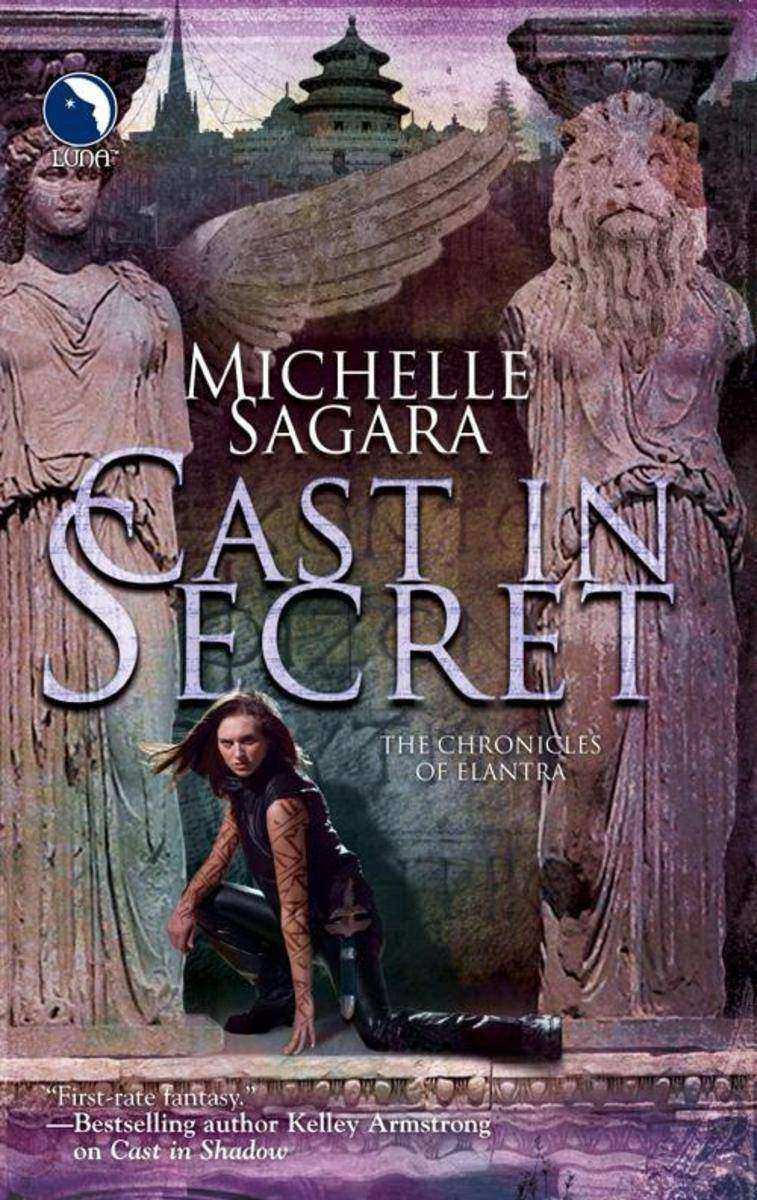
Cast In Secret (The Chronicles of Elantra, Book 3)
¥44.44
Stolen goods are so much easier… Still avoiding her magic lessons—yet using her powers when need be—Corporal Kaylin Neya is relishing investigating a regular theft once again. That is, until she finds out the mysterious box was taken from Elani Street, where the mages and charlatans mingle and it’s sometimes difficult to tell the difference between the two. Still, she hopes this might be a mundane case…. Then in a back room Kaylin sees a lostlooking girl in a reflective pool…who calls out for Kaylin’s help. Shaken, Kaylin tries to stay focused on the case at hand. But since the stolen item is ancient, has no keyhole and holds tremendous darkness inside, Kaylin knows unknown forces are again playing with her destiny—and her life….
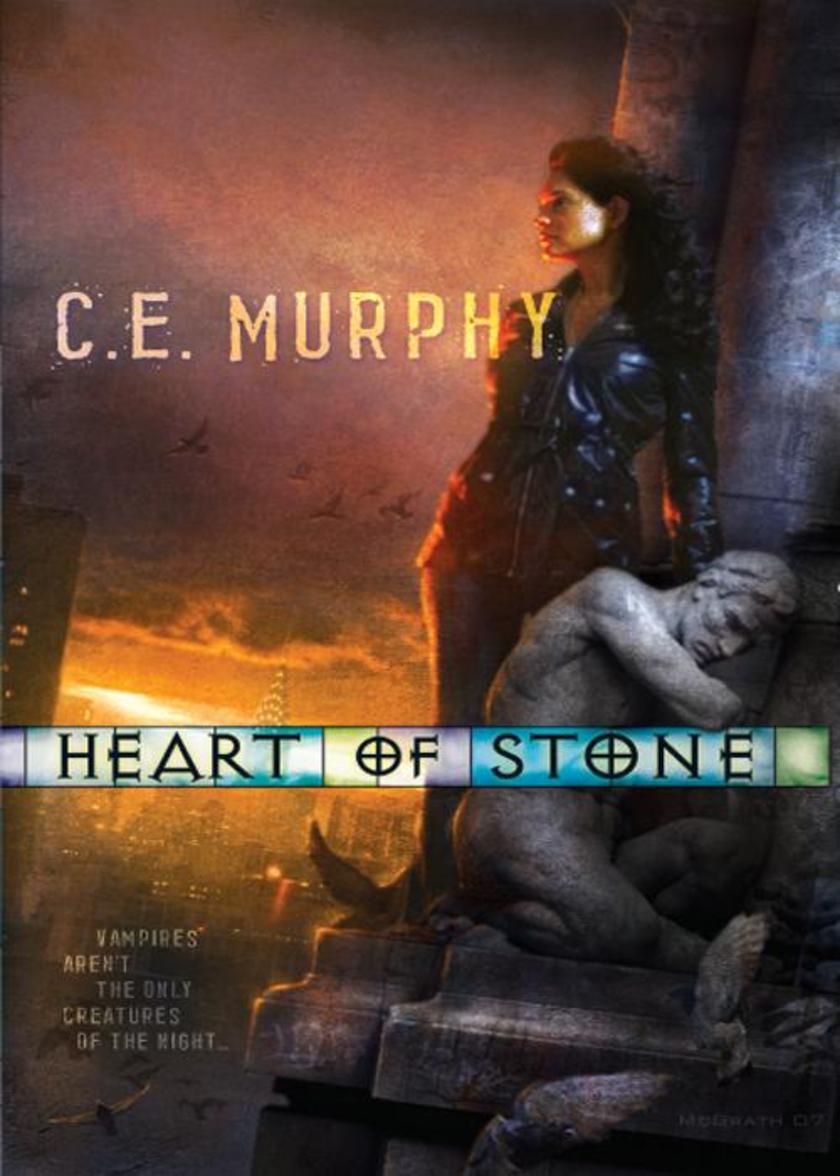
Heart of Stone (The Negotiator, Book 1)
¥44.44
Okay, so jogging through Central Park after midnight wasn't a bright idea. But Margrit Knight never thought she'd encounter a dark new world filled with magical beings–not to mention a dying woman and a mysterious stranger with blood on his hands. Her logical, lawyer instincts told her it couldn't all be real–but she could hardly deny what she'd seen. . . and touched. The mystery man, Alban, was a gargoyle. One of the fabled Old Races who had hidden their existence for centuries. Now he was a murder suspect, and he needed Margrit's help to take the heat off him and find the real killer. And as the dead pile up, it's a race against the sunrise to clear Alban's name and keep them both alive. . . .
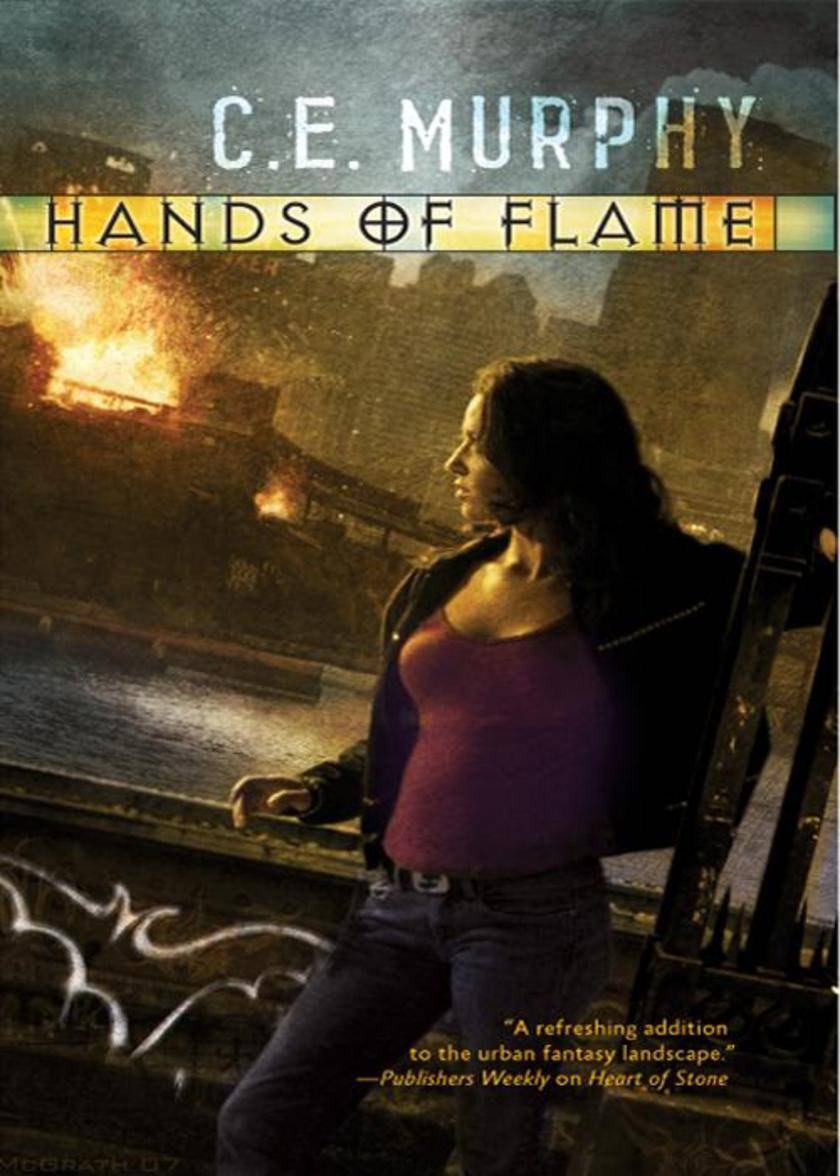
Hands of Flame (The Negotiator, Book 3)
¥44.44
War has erupted among the five Old Races, and Margrit is responsible for the death that caused it. Now New York City's most unusual lawyer finds herself facing her toughest negotiation yet. And with her gargoyle lover, Alban, taken prisoner, Margrit's only allies a dragon bitter about his fall, a vampire determined to hold his standing at any cost and a mortal detective with no idea what he's up against have demands of their own. Determined to rescue Alban and torn between conflicting loyalties as the battle seeps into the human world, Margrit soon realizes the only way out is through the fire .
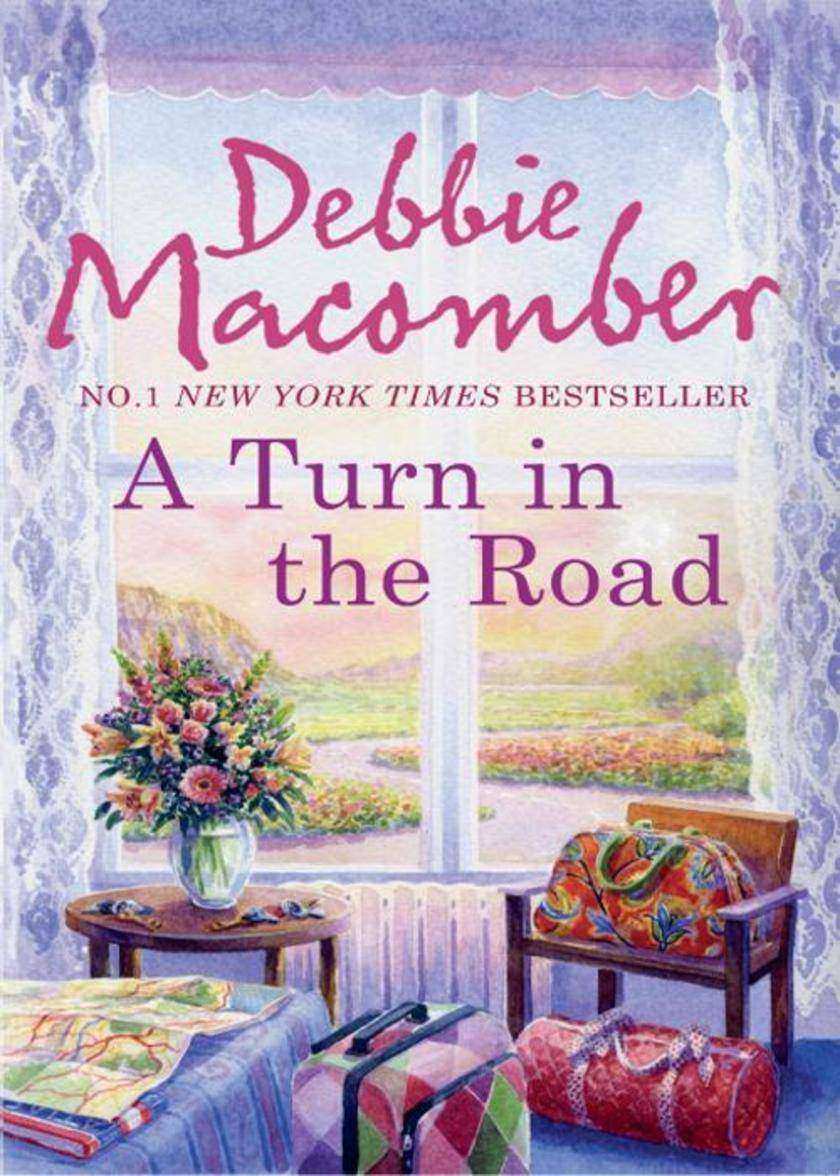
A Turn in the Road (A Blossom Street Novel, Book 8)
¥58.86
In the middle of the year, in the middle of her life, Bethanne Hamlin takes a road trip with her daughter, Annie, and her former mother-in-law, Ruth. They're driving to Florida for Ruth's 50th high-school reunion. A longtime widow, Ruth would like to reconnect with Royce, the love of her teenage life. She's heard he's alone, tooand, well, she's curious. Maybe even hopeful. Bethanne herself needs time to rei- ect, to ponder a decision she has to make. Her ex-husband, Granther children's fatherwants to reconcile now that his second marriage has failed. Bethanne's considering it. Meanwhile, Annie's out to prove to her onetime boyfriend that she can live a brilliant life without him! So there they are, three women driving across America. They have their maps and their directionsbut even the best-planned journey can take you to a turn in the road. Or lead you to an unexpected encounterlike the day Bethanne meets a man named Max who really is a hero on a Harley. That's when Bethanne's decision becomes a lot harder. Because Grant wants her back, but now there's Max. From Seattle's Blossom Street to the other end of the country, this is a trip that could change three women's lives.
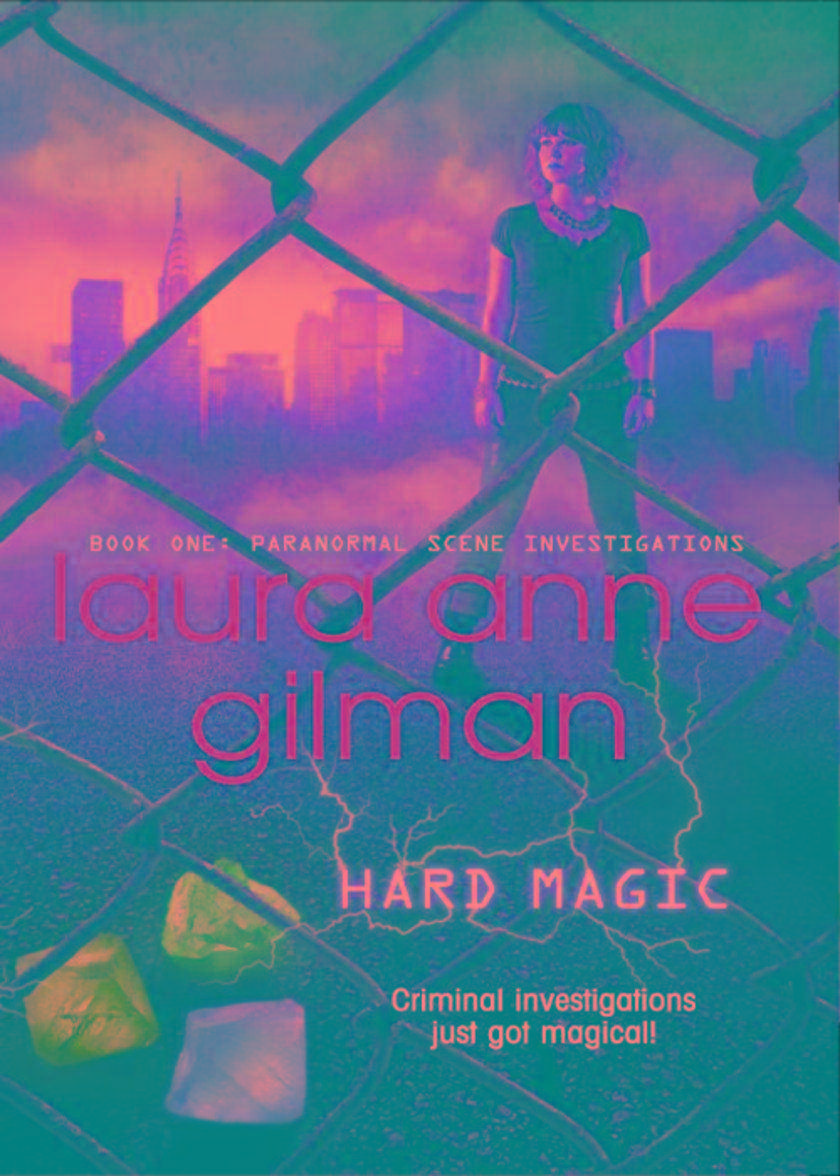
Hard Magic (Paranormal Scene Investigations, Book 1)
¥53.76
WELCOME TO PRIVATE PARANORMAL INVESTIGATIONS A handpicked team trained to solve crimes the regular police can’t touch – crimes of magic My name’s Bonnie Torres. Recent college graduate, magic user and severely unemployed. Until I got a call out of nowhere to interview for a job I hadn’t applied for. It seemed too good to be true but I needed the work… Two days later I’m a Private Paranormal Investigator – me and Nick, Sharon, Nifty and Pietr. Five twenty-somethings, thrown into an entirely new career in forensic magic, answerable only to the evidence, the truth. The first job we get is a high-profile case – proving that the deaths of two Talents were murder, not suicide. Worse, there are people who want us to close up shop and go away. We’re sniffing out things they need to keep buried. Looks as if this job is going to get interesting. The only problem is, we’re making it up as we go along…

Can You Get Hooked On Lip Balm?
¥51.50
Why does my shampoo stop working? Are my cosmetics poisoning me? What does hypoallergenic mean? Are organic products better? Every day thousands of people turn to the scientists at the popular blog TheBeautyBrains.com for answers to their most pressing beauty questions. In Can You Get Hooked on Lip Balm?* you'll learn how cosmetic products work, what advertising claims actually mean, and how to make smarter buying decisions. You'll discover that: Salon products are not necessarily better than products you can buy in the store. Some of the most expensive cosmetics are made by the same companies that make the less expensive brands, and often the same formulas are used in both. You do not need to spend hundreds of dollars to look and feel good. You'll also find: 4 ways to tell if your cosmetic has expired 5 home beauty gadgets that really work 4 easy tips to longer, stronger nails and much, much more! *You can! See chapter 6. "
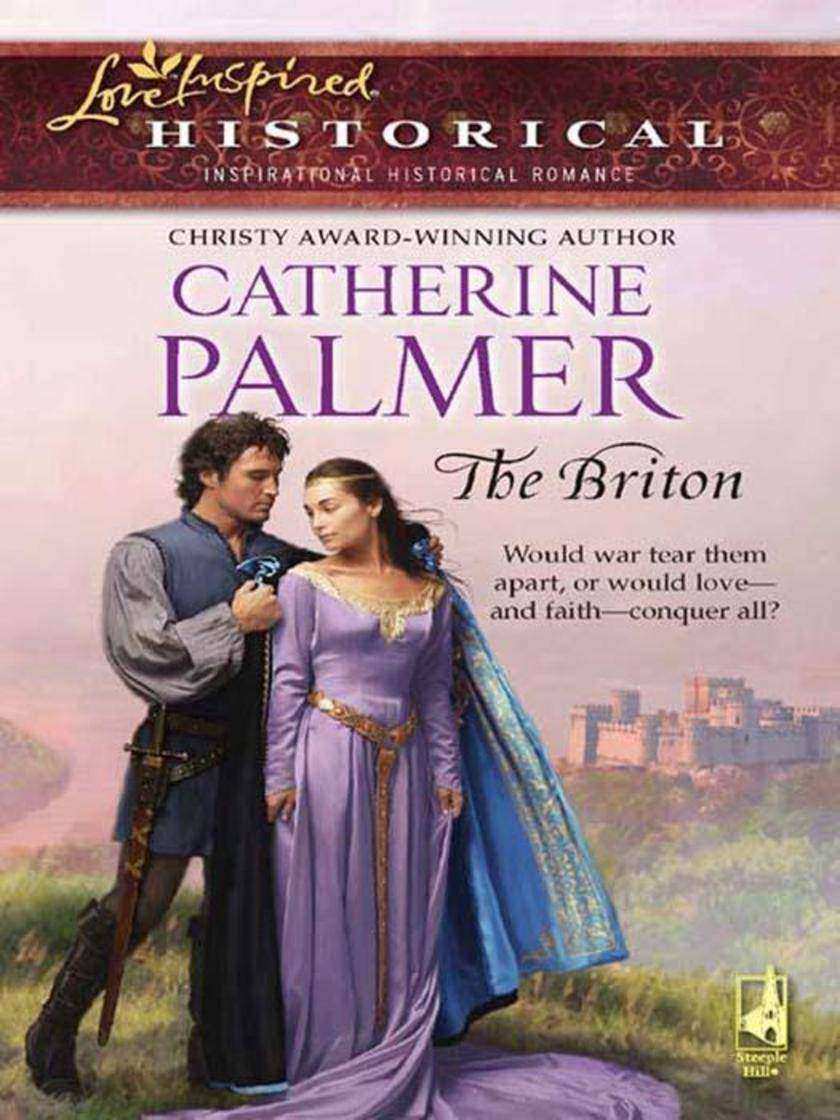
The Briton (Mills & Boon Historical)
¥38.65
Indulge your fantasies of delicious Regency Rakes, fierce Viking warriors and rugged Highlanders. Be swept away into a world of intense passion, lavish settings and romance that burns brightly through the centuries Lady Bronwen, proud inheritor of the ancient ways of the Britons, had lost all she held dear. She had been widowed in war, then robbed of the ancestral home that was her birthright. now her last hope was a stranger–one with whom she'd shared a single tender kiss. The foreign knight Jacques le Brun begged her to let him defend her honor–nay, her very life. But he owed fealty to the hated French who had conquered her country, Engl, to the new faith they brought with them. Could Bronwen place her trust in the pure, untainted love she saw shining in this man's eyes– follow him to a new world. . . ?
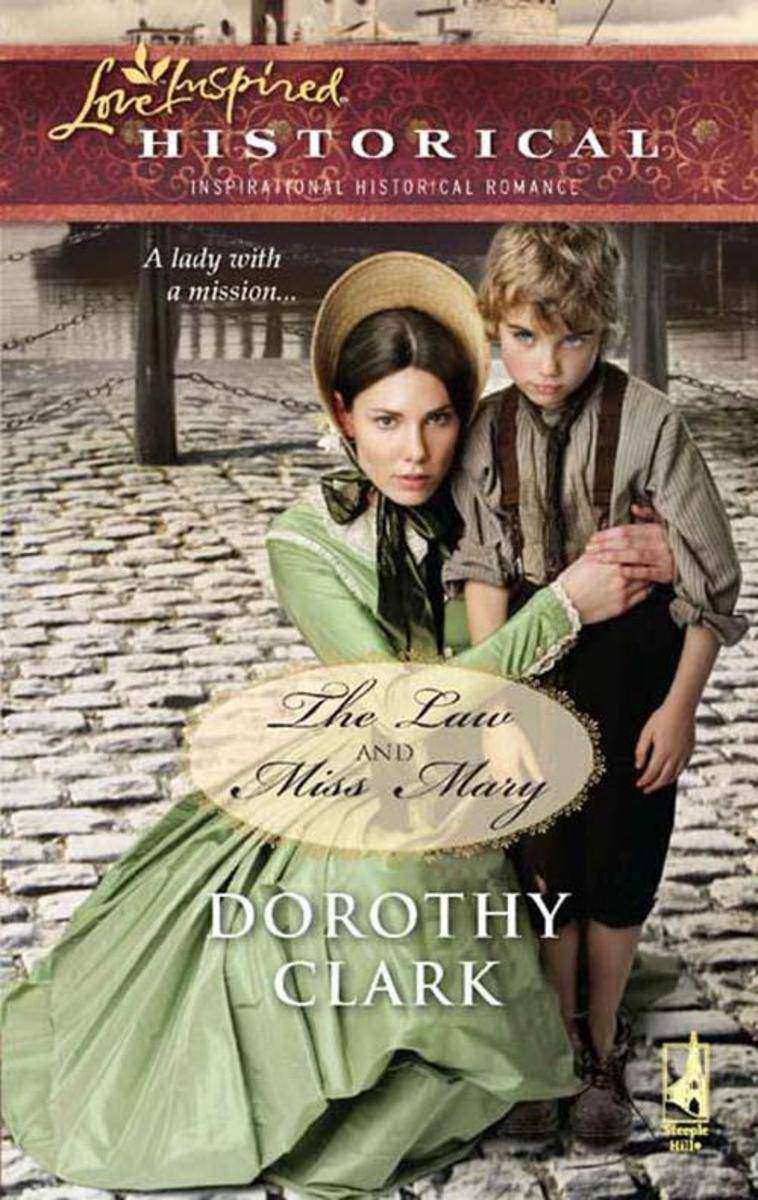
The Law and Miss Mary (Mills & Boon Historical)
¥38.65
Indulge your fantasies of delicious Regency Rakes, fierce Viking warriors and rugged Highlanders. Be swept away into a world of intense passion, lavish settings and romance that burns brightly through the centuries It's disgraceful how St. Louis's orphans are treated. Mary Rolph plans to do something about it. She's lost her faith, but she still has compassion a drive to help innocents in need. If she has to battle with by-the-book police captain Samuel Benton to protect them. . . well, she'll give him a challenge he'll never forget. A poverty-stricken childhood left Sam hungry for the social acceptance now within his reach. All he has to do is follow through with the city fathers' plans. But Miss Rolph's feisty perseverance gives him second thoughts, reigniting his faith– showing him how true love can fulfill all their dreams. . . .


