


 购物车
 个人中心

Economy of Glory
¥370.82
From the outset of Napoleon's career, the charismatic Corsican was compared to mythic heroes of antiquity like Achilles, and even today he remains the apotheosis of French glory, a value deeply embedded in the country's history. From this angle, the Napoleonic era can be viewed as the final chapter in the battle of the Ancients and Moderns. In this book, Robert Morrissey presents a literary and cultural history of glory and its development in France and explores the "e;economy of glory"e; Napoleon sought to implement in an attempt to heal the divide between the Old Regime and the Revolution. ?Examining how Napoleon saw glory as a means of escaping the impasse of Revolutionary ideas of radical egalitarianism, Morrissey illustrates the challenge the leader faced in reconciling the antagonistic values of virtue and self-interest, heroism and equality. He reveals that the economy of glory was both egalitarian, creating the possibility of an aristocracy based on merit rather than wealth, and traditional, being deeply embedded in the history of aristocratic chivalry and the monarchy-making it the heart of Napoleon's politics of fusion. Going beyond Napoleon, Morrissey considers how figures of French romanticism such as Chateaubriand, Balzac, and Hugo constantly reevaluated this legacy of glory and its consequences for modernity. Available for the first time in English, The Economy of Glory is a sophisticated and beautifully written addition to French history.

Nature of Diversity
¥376.70
All living things on earth-from individual species to entire ecosystems-have evolved through time, and evolution is the acknowledged framework of modern biology. Yet many areas of biology have moved from a focus on evolution to much narrower perspectives.Daniel R. Brooks and Deborah A. McLennan argue that it is impossible to comprehend the nature of life on earth unless evolution-the history of organisms-is restored to a central position in research. They demonstrate how the phylogenetic approach can be integrated with ecological and behavioral studies to produce a richer and more complete picture of evolution. Clearly setting out the conceptual, methodological, and empirical foundations of their research program, Brooks and McLennan show how scientists can use it to unravel the evolutionary history of virtually any characteristic of any living thing, from behaviors to ecosystems. They illustrate and test their approach with examples drawn from a wide variety of species and habitats.The Nature of Diversity provides a powerful new tool for understanding, documenting, and preserving the world's biodiversity. It is an essential book for biologists working in evolution, ecology, behavior, conservation, and systematics. The argument in The Nature of Diversity greatly expands upon and refines the arguments made in the authors' previous book Phylogeny, Ecology, and Behavior.
Frozen Fauna of the Mammoth Steppe
¥265.87
Frozen mammals of the Ice Age, preserved for millennia in the tundra, have been a source of fascination and mystery since their first discovery over two centuries ago. These mummies, their ecology, and their preservation are the subject of this compelling book by paleontologist Dale Guthrie. The 1979 find of a frozen, extinct steppe bison in an Alaskan gold mine allowed him to undertake the first scientific excavation of an Ice Age mummy in North America and to test theories about these enigmatic frozen fauna.The 36,000-year-old bison mummy, coated with blue mineral crystals, was dubbed "e;Blue Babe."e; Guthrie conveys the excitement of its excavation and shows how he made use of evidence from living animals, other Pleistocene mummies, Paleolithic art, and geological data. With photographs and scores?of detailed drawings, he takes the reader through the excavation and subsequent detective work, analyzing the animal's carcass and its surroundings, the circumstances of its death, its appearance in life, the landscape it inhabited, and the processes of preservation by freezing. His examination shows that Blue Babe died in early winter, falling prey to lions that inhabited the Arctic during the Pleistocene era.Guthrie uses information gleaned from his study of Blue Babe to provide a broad picture of bison evolutionary history and ecology, including speculations on the interactions of bison and Ice Age peoples. His de*ion of the Mammoth Steppe as a cold, dry, grassy plain is based on an entirely new way of reading the fossil record.

Alfred the Great
¥265.87
Filled with drama and action, here is the story of the ninth-century life and times of Alfred-warrior, conqueror, lawmaker, scholar, and the only king whom England has ever called "e;The Great."e; Based on up-to-date information on ninth-century history, geography, philosophy, literature, and social life, it vividly presents exciting views of Alfred in every stage of his long career and leaves the reader with a sharply-etched picture of the world of the Middle Ages.

Afterlife Is Where We Come From
¥265.87
When a new baby arrives among the Beng people of West Africa, they see it not as being born, but as being reincarnated after a rich life in a previous world. Far from being a tabula rasa, a Beng infant is thought to begin its life filled with spiritual knowledge. How do these beliefs affect the way the Beng rear their children?In this unique and engaging ethnography of babies, Alma Gottlieb explores how religious ideology affects every aspect of Beng childrearing practices-from bathing infants to protecting them from disease to teaching them how to crawl and walk-and how widespread poverty limits these practices. A mother of two, Gottlieb includes moving discussions of how her experiences among the Beng changed the way she saw her own parenting. Throughout the book she also draws telling comparisons between Beng and Euro-American parenting, bringing home just how deeply culture matters to the way we all rear our children.All parents and anyone interested in the place of culture in the lives of infants, and vice versa, will enjoy The Afterlife Is Where We Come From."e;This wonderfully reflective text should provide the impetus for formulating research possibilities about infancy and toddlerhood for this century."e; - Caren J. Frost, Medical Anthropology Quarterly?"e;Alma Gottlieb's careful and thought-provoking account of infancy sheds spectacular light upon a much neglected topic. . . . [It] makes a strong case for the central place of babies in anthropological accounts of religion. ?Gottlieb's remarkably rich account, delivered after a long and reflective period of gestation, deserves a wide audience across a range of disciplines."e;-Anthony Simpson, Critique of Anthropology?
Citizen Hobo
¥253.10
In the years following the Civil War, a veritable army of homeless men swept across America's "e;wageworkers' frontier"e; and forged a beguiling and bedeviling counterculture known as "e;hobohemia."e; Celebrating unfettered masculinity and jealously guarding the American road as the preserve of white manhood, hoboes took command of downtown districts and swaggered onto center stage of the new urban culture. Less obviously, perhaps, they also staked their own claims on the American polity, claims that would in fact transform the very entitlements of American citizenship.In this eye-opening work of American history, Todd DePastino tells the epic story of hobohemia's rise and fall, and crafts a stunning new interpretation of the "e;American century"e; in the process. Drawing on sources ranging from diaries, letters, and police reports to movies and memoirs, Citizen Hobo breathes life into the largely forgotten world of the road, but it also, crucially, shows how the hobo army so haunted the American body politic that it prompted the creation of an entirely new social order and political economy. DePastino shows how hoboes-with their reputation as dangers to civilization, sexual savages, and professional idlers-became a cultural and political force, influencing the creation of welfare state measures, the promotion of mass consumption, and the suburbanization of America. Citizen Hobo's sweeping retelling of American nationhood in light of enduring struggles over "e;home"e; does more than chart the change from "e;homelessness"e; to "e;houselessness."e; In its breadth and scope, the book offers nothing less than an essential new context for thinking about Americans' struggles against inequality and alienation.
Embers and the Stars
¥247.21
"e;It is hard to put this profound book into a category. Despite the author's criticisms of Thoreau, it is more like Walden than any other book I have read. . . . The book makes great strides toward bringing the best insights from medieval philosophy and from contemporary environmental ethics together. Anyone interested in both of these areas must read this book."e;-Daniel A. Dombrowski, The Thomist"e;Those who share Kohk's concern to understand nature as other than a mere resource or matter in motion will find his temporally oriented interpretation of nature instructive. It is here in particular that Kohk turns moments of experience to account philosophically, turning what we habitually overlook or avoid into an opportunity and basis for self-knowledge. This is an impassioned attempt to see the vital order of nature and the moral order of our humanity as one."e;-Ethics
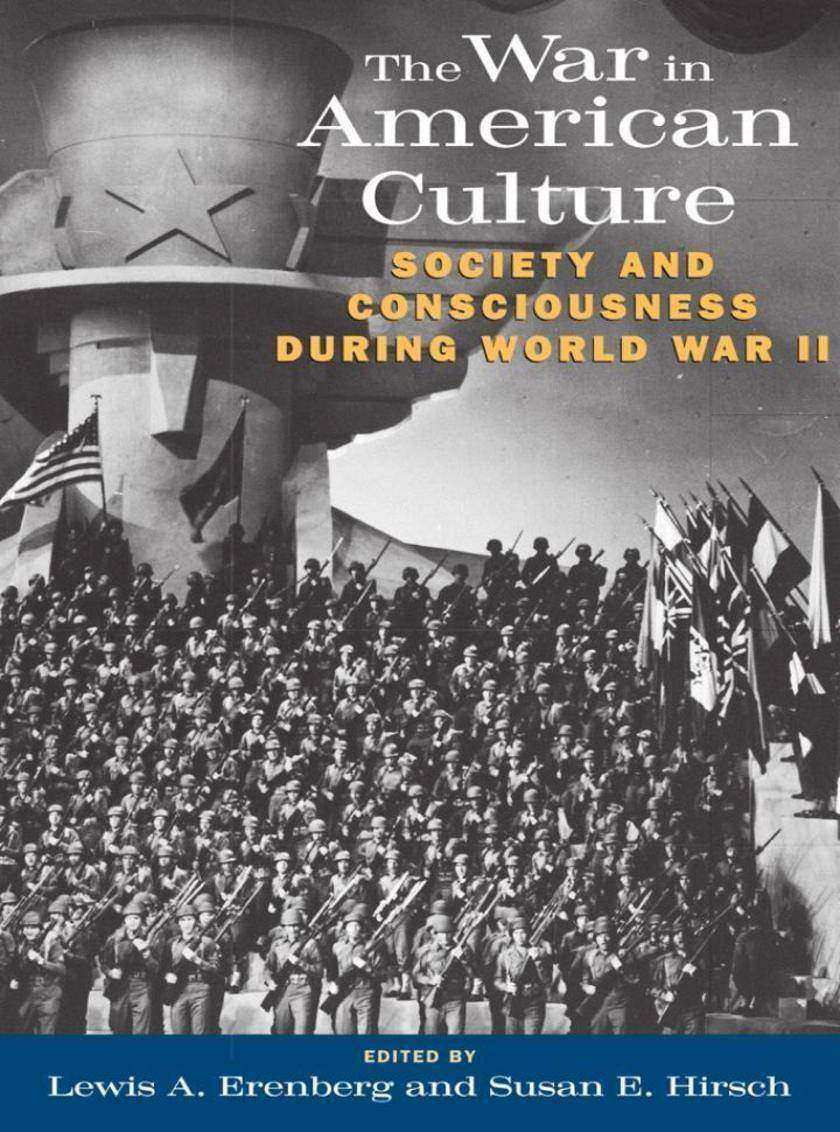
War in American Culture
¥247.21
The War in American Culture explores the role of World War II in the transformation of American social, cultural, and political life.World War II posed a crisis for American culture: to defeat the enemy, Americans had to unite across the class, racial and ethnic boundaries that had long divided them. Exploring government censorship of war photography, the revision of immigration laws, Hollywood moviemaking, swing music, and popular magazines, these essays reveal the creation of a new national identity that was pluralistic, but also controlled and sanitized. Concentrating on the home front and the impact of the war on the lives of ordinary Americans, the contributors give us a rich portrayal of family life, sexuality, cultural images, and working-class life in addition to detailed consideration of African Americans, Latinos, and women who lived through the unsettling and rapidly altered circumstances of wartime America.
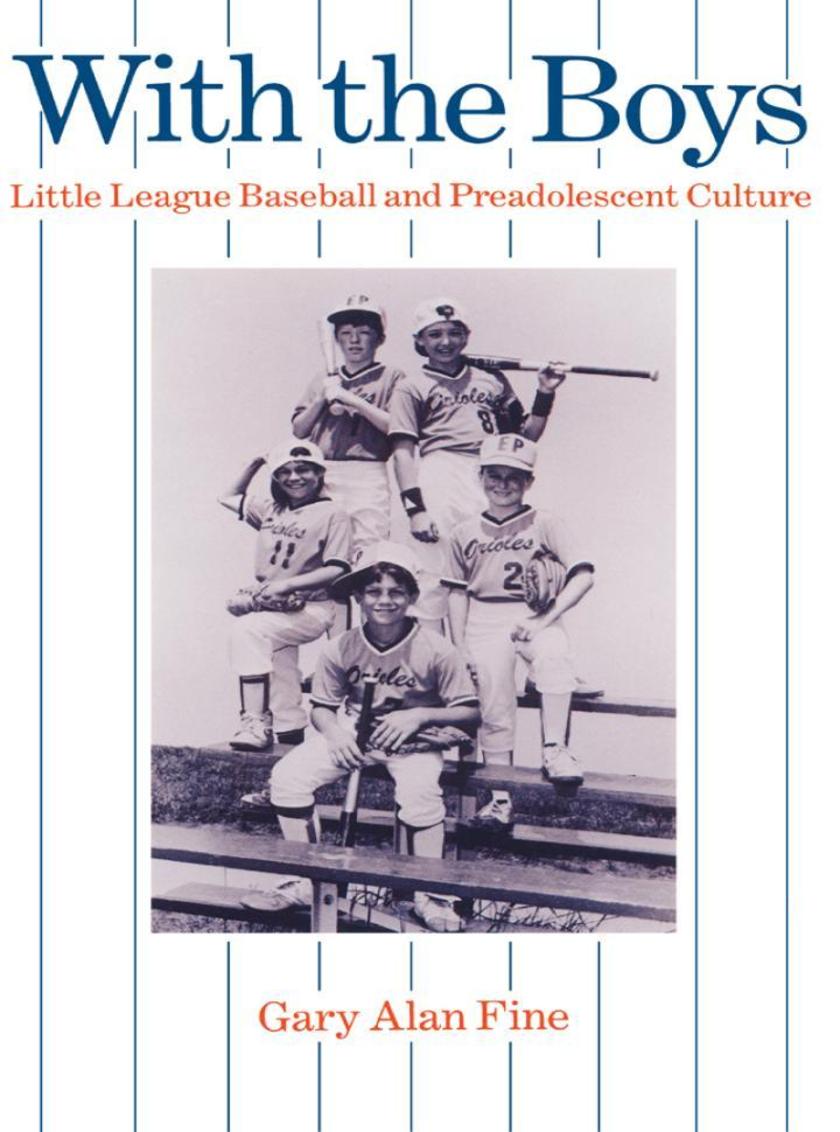
With the Boys
¥247.21
What are boys likeWho is the creature inhabiting the twilight zone between the perils of the Oedipus complex and the Strum und Drang of pubertyIn With the Boys, Gary Alan Fine examines the American male preadolescent by studying the world of Little League baseball. Drawings on three years of firsthand observation of five Little Leagues, Fine describes how, through organized sport and its accompanying activities, boys learn to play, work, and generally be "e;men."e;
Greater Ethiopia
¥247.21
Greater Ethiopia combines history, anthropology, and sociology to answer two major questions. Why did Ethiopia remain independent under the onslaught of European expansionism while other African political entities were colonizedAnd why must Ethiopia be considered a single cultural region despite its political, religious, and linguistic diversity?Donald Levine's interdisciplinary study makes a substantial contribution both to Ethiopian interpretive history and to sociological analysis. In his new preface, Levine examines Ethiopia since the overthrow of the monarchy in the 1970s."e;Ethiopian scholarship is in Professor Levine's debt. . . . He has performed an important task with panache, urbanity, and learning."e;-Edward Ullendorff, Times Literary Supplement"e;Upon rereading this book, it strikes the reader how broad in scope, how innovative in approach, and how stimulating in arguments this book was when it came out. . . . In the past twenty years it has inspired anthropological and historical research, stimulated theoretical debate about Ethiopia's cultural and historical development, and given the impetus to modern political thinking about the complexities and challenges of Ethiopia as a country. The text thus easily remains an absolute must for any Ethiopianist scholar to read and digest."e;-J. Abbink, Journal of Modern African Studies

Romantic Things
¥247.21
Our thoughts are shaped as much by what things make of us as by what we make of them. Lyric poetry is especially concerned with things and their relationship to thought, sense, and understanding. In Romantic Things, Mary Jacobus explores the world of objects and phenomena in nature as expressed in Romantic poetry alongside the theme of sentience and sensory deprivation in literature and art.?Jacobus discusses objects and attributes that test our perceptions and preoccupy both Romantic poetry and modern philosophy. John Clare, John Constable, Rainer Maria Rilke, W. G. Sebald, and Gerhard Richter make appearances around the central figure of William Wordsworth as Jacobus explores trees, rocks, clouds, breath, sleep, deafness, and blindness in their work. While she thinks through these things, she is assisted by the writings of Maurice Merleau-Ponty, Jacques Derrida, and Jean-Luc Nancy. Helping us think more deeply about things that are at once visible and invisible, seen and unseen, felt and unfeeling, Romantic Things opens our eyes to what has been previously overlooked in lyric and Romantic poetry.

Socrates and the Jews
¥247.21
"e;What has Athens to do with Jerusalem?"e; Asked by the early Christian Tertullian, the question was vigorously debated in the nineteenth century. While classics dominated the intellectual life of Europe, Christianity still prevailed and conflicts raged between the religious and the secular. Taking on the question of how the glories of the classical world could be reconciled with the Bible, Socrates and the Jews explains how Judaism played a vital role in defining modern philhellenism.Exploring the tension between Hebraism and Hellenism, Miriam Leonard gracefully probes the philosophical tradition behind the development of classical philology and considers how the conflict became a preoccupation for the leading thinkers of modernity, including Matthew Arnold, Moses Mendelssohn, Kant, Marx, Nietzsche, and Freud. For each, she shows how the contrast between classical and biblical traditions is central to writings about rationalism, political subjectivity, and progress. Illustrating how the encounter between Athens and Jerusalem became a lightning rod for intellectual concerns, this book is a sophisticated addition to the history of ideas.

Making Gray Gold
¥241.33
This first hand report on the work of nurses and other caregivers in a nursing home is set powerfully in the context of wider political, economic, and cultural forces that shape and constrain the quality of care for America's elderly. Diamond demonstrates in a compelling way the price that business-as-usual policies extract from the elderly as well as those whose work it is to care for them.In a society in which some two million people live in 16,000 nursing homes, with their numbers escalating daily, this thought-provoking work demands immediate and widespread attention."e;[An] unnerving portrait of what it's like to work and live in a nursing home. . . . By giving voice to so many unheard residents and workers Diamond has performed an important service for us all."e;-Diane Cole, New York Newsday"e;With Making Gray Gold, Timothy Diamond describes the commodification of long-term care in the most vivid representation in a decade of round-the-clock institutional life. . . . A personal addition to the troublingly impersonal national debate over healthcare reform."e;-Madonna Harrington Meyer, Contemporary Sociology
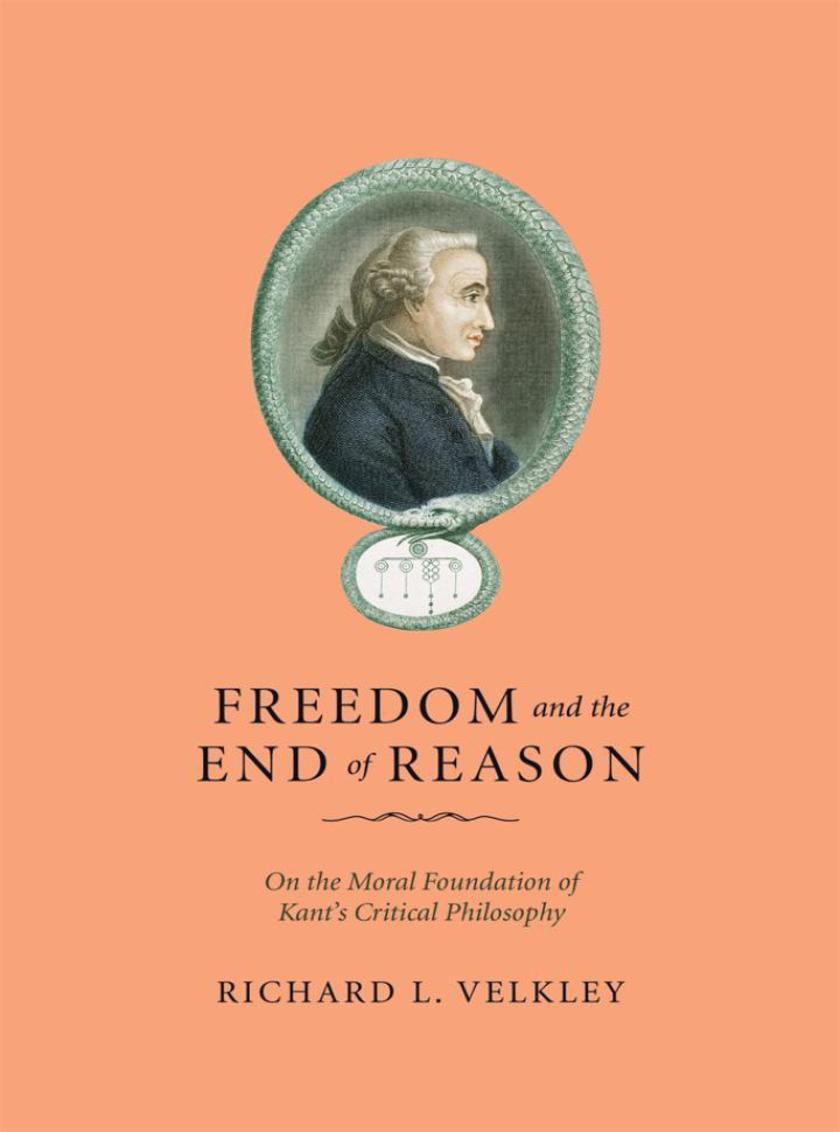
Freedom and the End of Reason
¥229.55
In Freedom and the End of Reason, Richard L. Velkley offers an influential interpretation of the central issue of Kant's philosophy and an evaluation of its position within modern philosophy's larger history. He persuasively argues that the whole of Kantianism-not merely the Second Critique-focuses on a "e;critique of practical reason"e; and is a response to a problem that Kant saw as intrinsic to reason itself: the teleological problem of its goodness. Reconstructing the influence of Rousseau on Kant's thought, Velkley demonstrates that the relationship between speculative philosophy and practical philosophy in Kant is far more intimate than generally has been perceived. By stressing a Rousseau-inspired notion of reason as a provider of practical ends, he is able to offer an unusually complete account of Kant's idea of moral culture.
Little Magazine in Contemporary America
¥229.55
Little magazines have often showcased the best new writing in America. Historically, these idiosyncratic, small-circulation outlets have served the dual functions of representing the avant-garde of literary expression while also helping many emerging writers become established authors. Although changing technology and the increasingly harsh financial realities of publishing over the past three decades would seem to have pushed little magazines to the brink of extinction, their story is far more complicated.In this collection, Ian Morris and Joanne Diaz gather the reflections of twenty-three prominent editors whose little magazines have flourished over the past thirty-five years. Highlighting the creativity and innovation driving this diverse and still vital medium, contributors offer insights into how their publications sometimes succeeded, sometimes reluctantly folded, but mostly how they evolved and persevered. Other topics discussed include the role of little magazines in promoting the work and concerns of minority and women writers, the place of universities in supporting and shaping little magazines, and the online and offline future of these publications.Selected contributorsBetsy Sussler, BOMB; Lee Gutkind, Creative Nonfiction; Bruce Andrews, L=A=N=G=U=A=G=E; Dave Eggers, McSweeney's; Keith Gessen, n+1; Don Share, Poetry; Jane Friedman, VQR; Amy Hoffman, Women's Review of Books; and more.?
Studies on the Abuse and Decline of Reason
¥529.74
Studies on the Abuse and Decline of Reason is a series of fascinating essays on the study of social phenomena. How to best and most accurately study social interactions has long been debated intensely, and there are two main approaches: the positivists, who ignore intent and belief and draw on methods based in the sciences; and the nonpositivists, who argue that opinions and ideas drive action and are central to understanding social behavior. F. A. Hayek's opposition to the positivists and their claims to scientific rigor and certainty in the study of human behavior is a running theme of this important book.Hayek argues that the vast number of elements whose interactions create social structures and institutions make it unlikely that social science can predict precise outcomes. Instead, he contends, we should strive to simply understand the principles by which phenomena are produced. For Hayek this modesty of aspirations went hand in hand with his concern over widespread enthusiasm for economic planning. As a result, these essays are relevant to ongoing debates within the social sciences and to discussion about the role government can and should play in the economy.
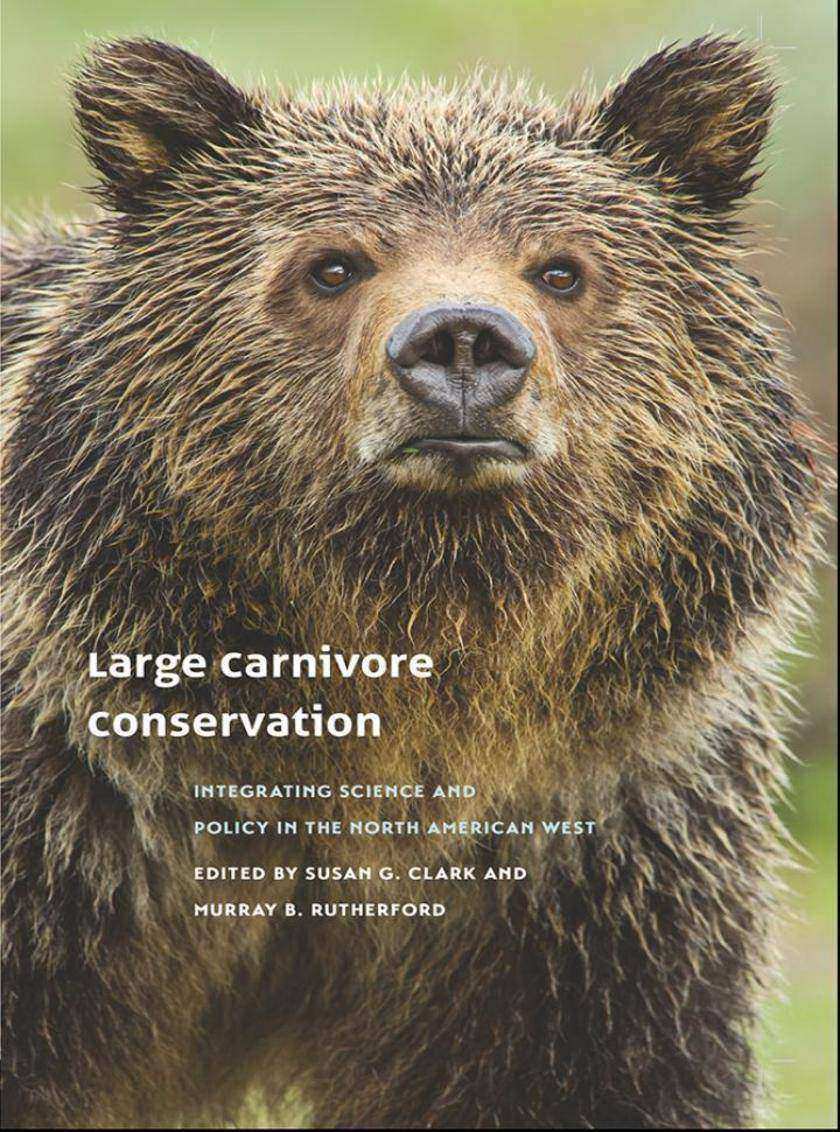
Large Carnivore Conservation
¥494.42
Drawing on six case studies of wolf, grizzly bear, and mountain lion conservation in habitats stretching from the Yukon to Arizona, Large Carnivore Conservation argues that conserving and coexisting with large carnivores is as much a problem of people and governance-of reconciling diverse and sometimes conflicting values, perspectives, and organizations, and of effective decision making in the public sphere-as it is a problem of animal ecology and behavior. By adopting an integrative approach, editors Susan G. Clark and Murray B. Rutherford seek to examine and understand the interrelated development of conservation science, law, and policy, as well as how these forces play out in courts, other public institutions, and the field.In combining real-world examples with discussions of conservation and policy theory, Large Carnivore Conservation not only explains how traditional management approaches have failed to meet the needs of all parties, but also highlights examples of innovative, successful strategies and provides practical recommendations for improving future conservation efforts.

Population Fluctuations in Rodents
¥488.54
How did rodent outbreaks in Germany help to end World War IWhat caused the destructive outbreak of rodents in Oregon and California in the late 1950s, the large population outbreak of lemmings in Scandinavia in 2010, and the great abundance of field mice in Scotland in the spring of 2011Population fluctuations, or outbreaks, of rodents constitute one of the classic problems of animal ecology, and in Population Fluctuations in Rodents, Charles J. Krebs sifts through the last eighty years of research to draw out exactly what we know about rodent outbreaks and what should be the agenda for future research.?Krebs has synthesized the research in this area, focusing mainly on the voles and lemmings of the Northern Hemisphere-his primary area of expertise-but also referring to the literature on rats and mice. He covers the patterns of changes in reproduction and mortality and the mechanisms that cause these changes-including predation, disease, food shortage, and social behavior-and discusses how landscapes can affect population changes, methodically presenting the hypotheses related to each topic before determining whether or not the data supports them. He ends on an expansive note, by turning his gaze outward and discussing how the research on rodent populations can apply to other terrestrial mammals. Geared toward advanced undergraduate students, graduate students, and practicing ecologists interested in rodent population studies, this book will also appeal to researchers seeking to manage rodent populations and to understand outbreaks in both natural and urban settings-or, conversely, to protect endangered species.
Regimens of the Mind
¥488.54
In Regimens of the Mind, Sorana Corneanu proposes a new approach to the epistemological and methodological doctrines of the leading experimental philosophers of seventeenth-century England, an approach that considers their often overlooked moral, psychological, and theological elements. Corneanu focuses on the views about the pursuit of knowledge in the writings of Robert Boyle and John Locke, as well as in those of several of their influences, including Francis Bacon and the early Royal Society virtuosi. She argues that their experimental programs of inquiry fulfill the role of regimens for curing, ordering, and educating the mind toward an ethical purpose, an idea she tracks back to the ancient tradition of cultura animi. Corneanu traces this idea through its early modern revival and illustrates how it organizes the experimental philosophers' reflections on the discipline of judgment, the study of nature, and the study of Scripture. It is through this lens, the author suggests, that the core features of the early modern English experimental philosophy-including its defense of experience, its epistemic modesty, its communal nature, and its pursuit of "e;objectivity"e;-are best understood.
Steam-Powered Knowledge
¥488.54
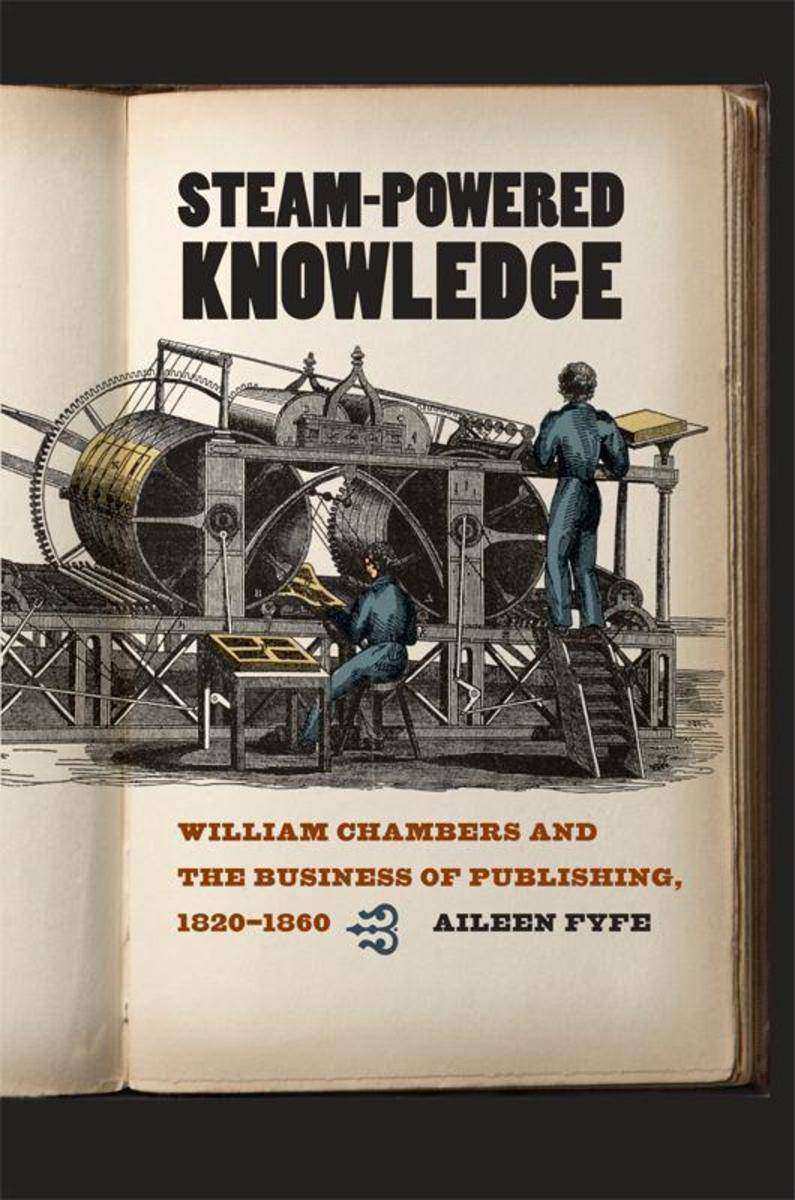
With the overwhelming amount of new information that bombards us each day, it is perhaps difficult to imagine a time when the widespread availability of the printed word was a novelty. In early nineteenth-century Britain, print was not novel-Gutenberg's printing press had been around for nearly four centuries-but printed matter was still a rare and relatively expensive luxury. All this changed, however, as publishers began employing new technologies to astounding effect, mass-producing instructive and educational books and magazines and revolutionizing how knowledge was disseminated to the general public.In Steam-Powered Knowledge, Aileen Fyfe explores the activities of William Chambers and the W. & R. Chambers publishing firm during its formative years, documenting for the first time how new technologies were integrated into existing business systems. Chambers was one of the first publishers to abandon traditional skills associated with hand printing, instead favoring the latest innovations in printing processes and machinery: machine-made paper, stereotyping, and, especially, printing machines driven by steam power. The mid-nineteenth century also witnessed dramatic advances in transportation, and Chambers used proliferating railway networks and steamship routes to speed up communication and distribution. As a result, his high-tech publishing firm became an exemplar of commercial success by 1850 and outlived all of its rivals in the business of cheap instructive print. Fyfe follows Chambers's journey from small-time bookseller and self-trained hand-press printer to wealthy and successful publisher of popular educational books on both sides of the Atlantic, demonstrating along the way the profound effects of his and his fellow publishers' willingness, or unwillingness, to incorporate these technological innovations into their businesses.
Radium and the Secret of Life
¥453.22
Before the hydrogen bomb indelibly associated radioactivity with death, many chemists, physicians, botanists, and geneticists believed that radium might hold the secret to life. Physicists and chemists early on described the wondrous new element in lifelike terms such as "e;decay"e; and "e;half-life,"e; and made frequent references to the "e;natural selection"e; and "e;evolution"e; of the elements. Meanwhile, biologists of the period used radium in experiments aimed at elucidating some of the most basic phenomena of life, including metabolism and mutation.From the creation of half-living microbes in the test tube to charting the earliest histories of genetic engineering, Radium and the Secret of Life highlights previously unknown interconnections between the history of the early radioactive sciences and the sciences of heredity. Equating the transmutation of radium with the biological transmutation of living species, biologists saw in metabolism and mutation properties that reminded them of the new element. These initially provocative metaphoric links between radium and life proved remarkably productive and ultimately led to key biological insights into the origin of life, the nature of heredity, and the structure of the gene. Radium and the Secret of Life recovers a forgotten history of the connections between radioactivity and the life sciences that existed long before the dawn of molecular biology.


