


 购物车
购物车 个人中心
个人中心
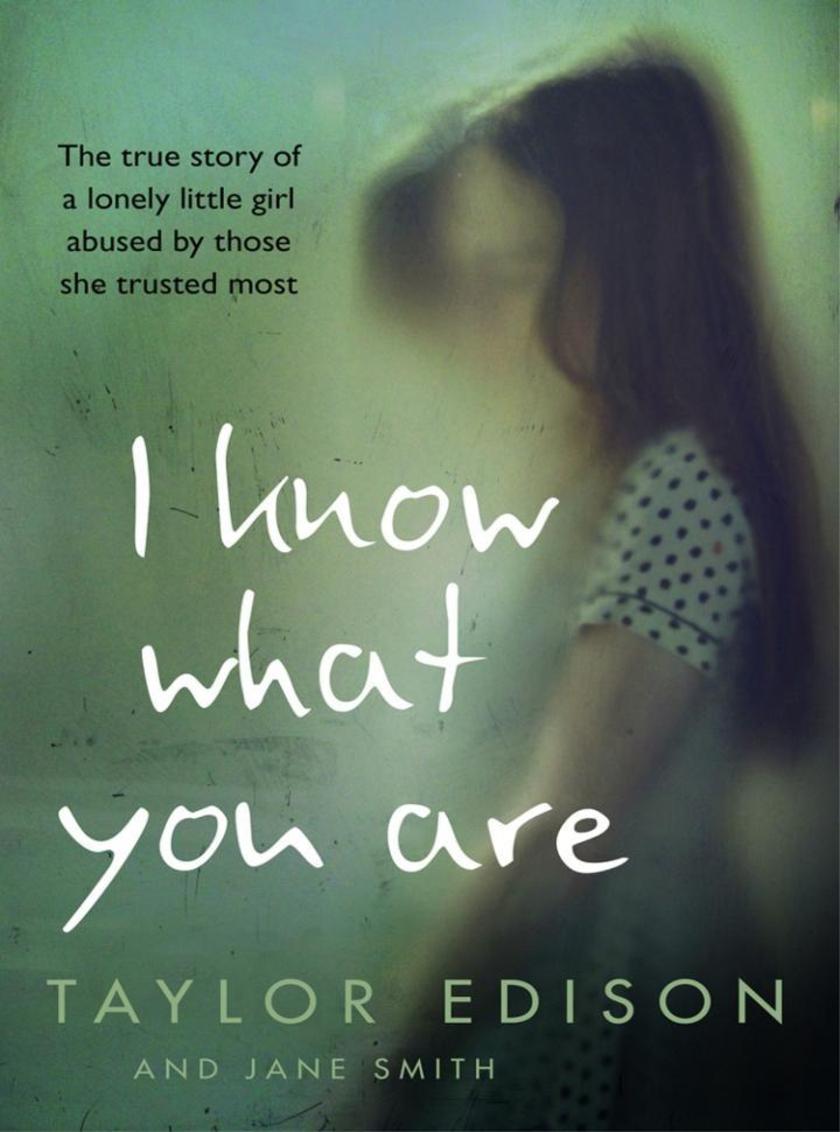
I Know What You Are: The true story of a lonely little girl abused by those she
¥58.57
The moving true story of a little girl with Asperger syndrome, controlled and abused by the one person she called her friend. Taylor had always struggled to make friends – she felt ‘different’. Taylor never knew her father and her mother wasn’t around much. She just didn’t understand people, and was alone and scared most of the time. That was until, aged just 11, an older married man called Tom befriended her. She loved having someone who would talk to her, listen to her, a protector. But when he moved away a few months later she was easy prey to the gang of drug dealers and petty criminals who groomed and abused her, using her as a form of currency to appease their debtors and amuse their friends. Increasingly isolated and desperate, it began to look as though the pattern of Taylor's life had been set – until she started to fight back, determined to build a safe future for herself, however long it took.
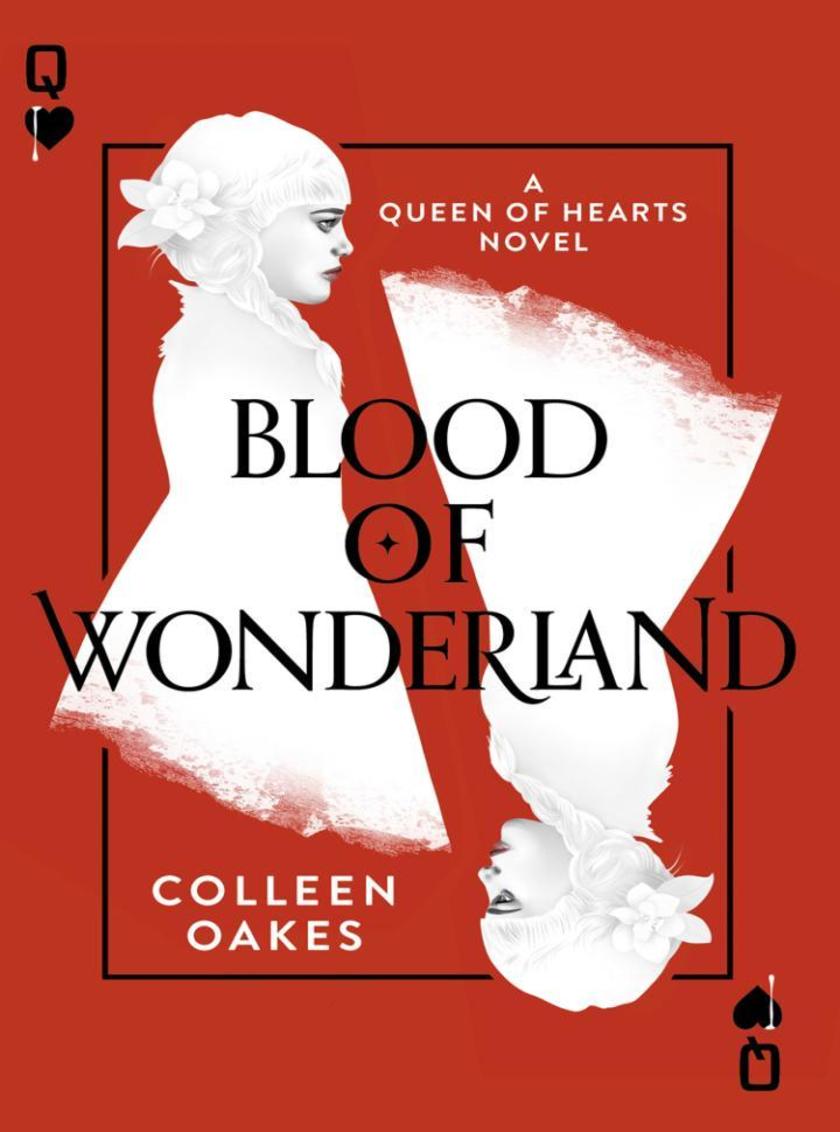
Blood of Wonderland (Queen of Hearts, Book 2)
¥58.57
Dorothy Must Die meets Alice in Wonderland! This is not a story of happily ever after – it’s the twisted YA sequel in the origin story of an infamous villain… The once-future Queen of Hearts, Princess Dinah, has been exiled from Wonderland. Her vicious father who she always feared has framed her for a brutal murder and turned the kingdom against her. Now hiding in the mysterious Twisted Wood with only her war steed at her side, Dinah is faced with a choice – to leave Wonderland forever or stay and fight for the throne. A chance encounter with a long-lost enemy of the kingdom brings Dinah more allies than she ever could have imagined. But before battle, Dinah must confront truths about her heart and her destiny – no matter how dark those secrets may be. Revolution is rising in Wonderland. Dinah’s war has begun.
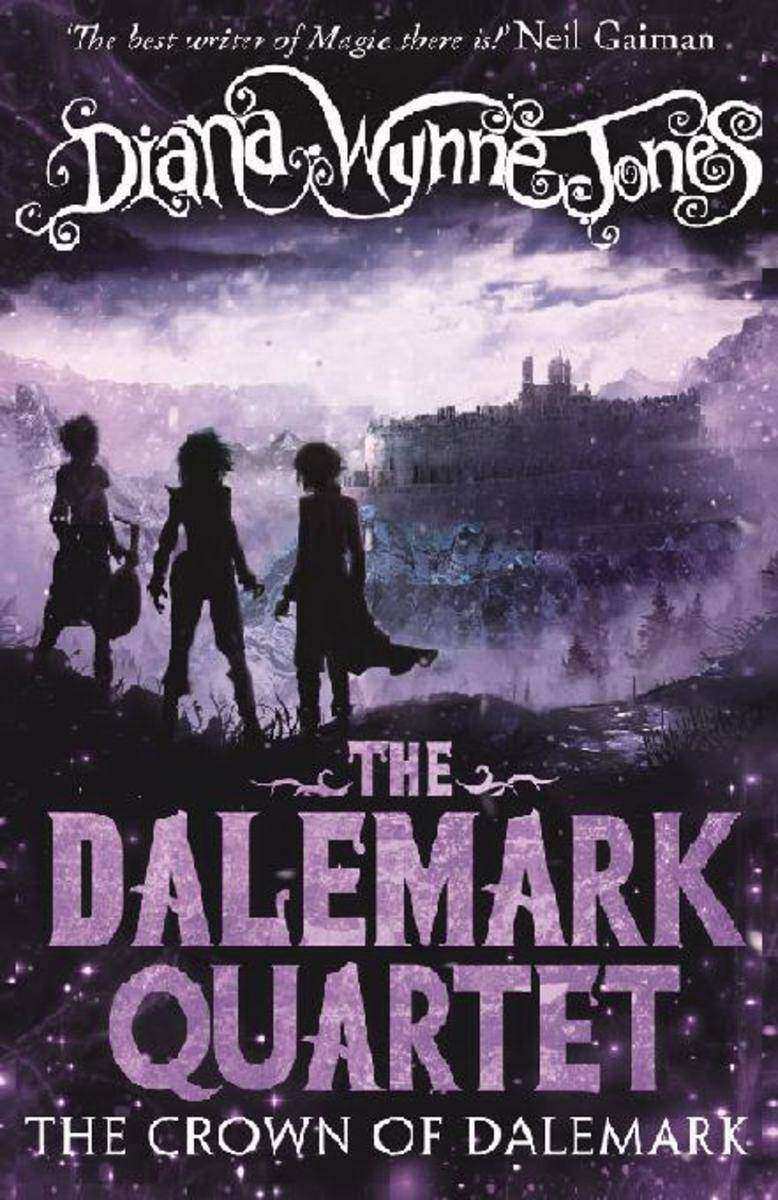
The Crown of Dalemark (The Dalemark Quartet, Book 4)
¥58.57
The final book in the epic fantasy-adventure series from ‘the Godmother of Fantasy’, Diana Wynne Jones. Now back in print! ‘Mitt arrived at the top of the steps, panting, and pushed open the door. “Oh, there you are,” said the Countess. “We want you to kill someone.”’ Since his arrival in the North of Dalemark Mitt has become disillusioned. The North seems no more free than the Holand he fled, a fugitive accused of attempted murder. And now he is trapped by the order to kill someone he doesn’t know or else risk the lives of his friends. Forced once more to flee, Mitt is joined by Moril, the quietly powerful musician, and Maewen – out of her time, but mysteriously fated to play a part in their quest. For the evil powers of the mage Kankredin are re-assembling, and only the Adon’s gifts – the ring, sword and cup – can once more unit Dalemark.
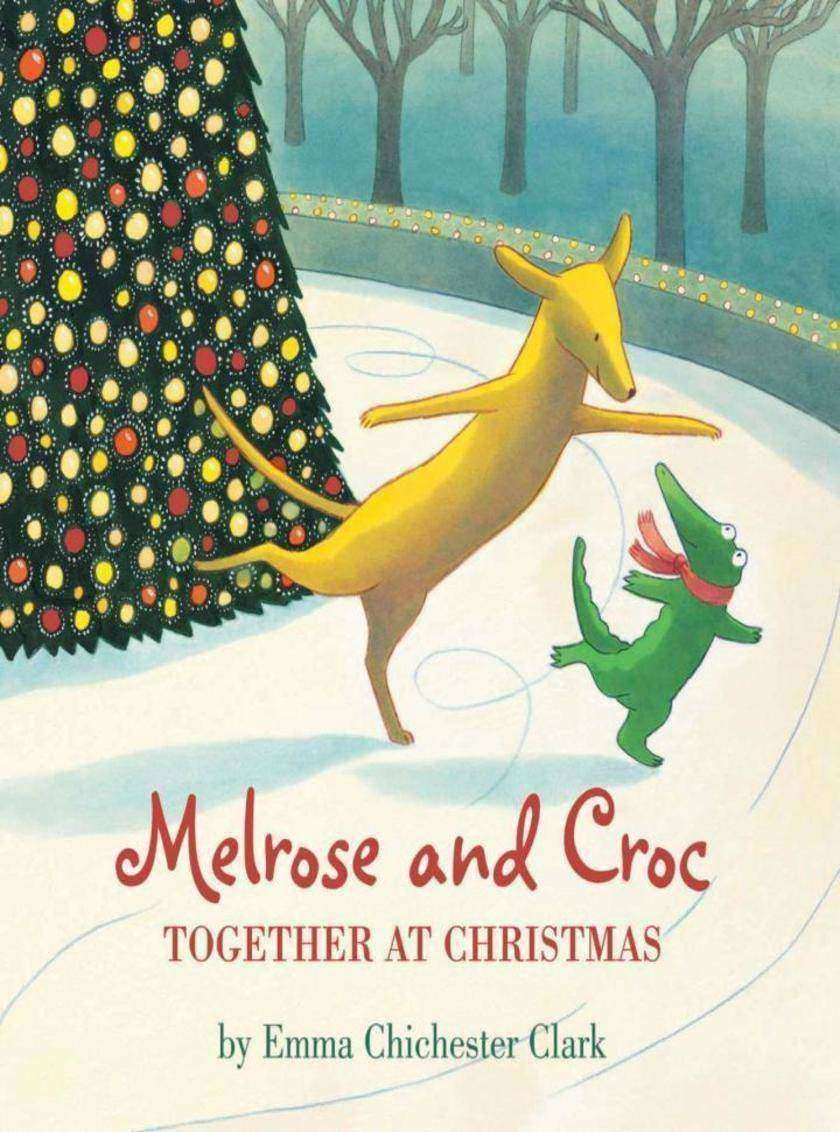
Together at Christmas (Read aloud by Emilia Fox) (Melrose and Croc)
¥51.50
Emma studied art at the Royal College of Art . She has worked as a freelancer for magazines, publishers and advertising agencies as well as teaching art for several years, but now dedicates most of her time to children’s books.
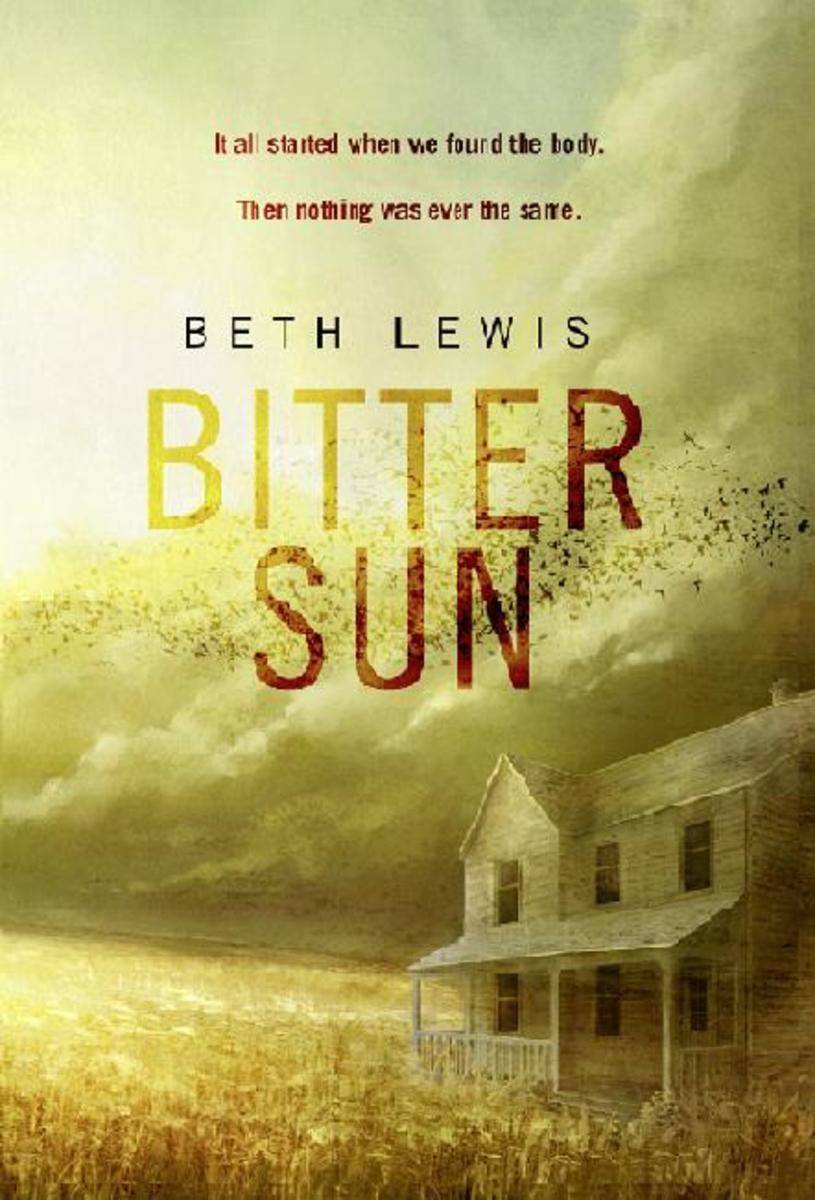
Bitter Sun
¥104.48
It all started when we found the body. Then nothing was ever the same. The Dry meets Stand by Me and True Detective in this stunningly written tale of the darkness at the heart of a small mid-Western town and the four kids who uncover it. In the heatwave summer of 1971, four kids find a body by a lake and set out to solve a murder. But they dig too deep and ask too many questions. Larson is a town reeling in the wake of the Vietnam draft, where the unrelenting heat ruins the harvest, and the people teeter on the edge of ruin. As tension and paranoia run rife, rumours become fact, violence becomes reflex. The unrest allows the dark elements of the close-knit farming community to rise and take control. And John, Jenny, Gloria and Rudy are about to discover that sometimes secrets are best left uncovered…
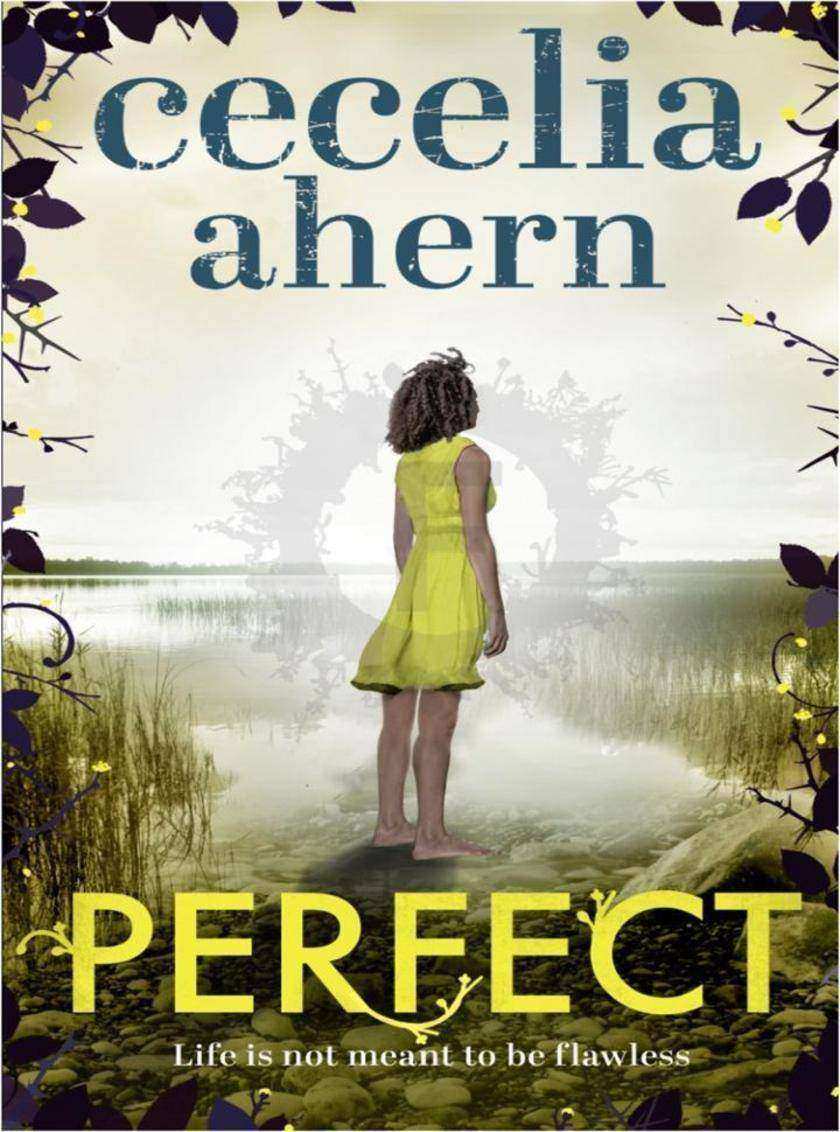
Perfect
¥58.86
The thrilling, shocking and romantic sequel to the bestselling YA debut FLAWED is finally here. When we embrace all our flaws, that’s when we can finally become PERFECT… Celestine North lives in a society that demands perfection. After she was branded Flawed by a morality court, Celestine's life has completely fractured – all her freedoms gone. Since Judge Crevan has declared her the number one threat to the public, she has been a ghost, on the run with the complicated, powerfully attractive Carrick, the only person she can trust. But Celestine has a secret – one that could bring the entire Flawed system crumbling to the ground. Judge Crevan is gaining the upper hand, and time is running out for Celestine. With tensions building, Celestine must make a choice: save only herself, or risk her life to save all the Flawed. And, most important of all, can she prove that to be human in itself is to be Flawed…?

That’s Your Lot
¥66.22
Brian ‘Limmy’ Limond is a Scottish comedian who first became known for his website and blog, and is now regarded as one of Scotland's most original comedy talents. In 2006 Limmy started a hilarious daily podcast, Limmy's World of Glasgow, and in 2010 he launched his incredibly successful comedy series Limmy’s Show. His first book, Daft Wee Stories, was a Sunday Times bestseller.

Three Things About Elsie: LONGLISTED FOR THE WOMEN’S PRIZE FOR FICTION 2018
¥58.86
The Sunday Times Bestseller ‘Powerful and profound’ Guardian ‘Another sure-fire hit’ Daily Mail ‘Funny, melancholy, acutely observant’ Sunday Express There are three things you should know about Elsie. The first thing is that she’s my best friend. The second is that she always knows what to say to make me feel better. And the third thing… might take a little bit more explaining. 84-year-old Florence has fallen in her flat at Cherry Tree Home for the Elderly. As she waits to be rescued, Florence wonders if a terrible secret from her past is about to come to light; and, if the charming new resident is who he claims to be, why does he look exactly like a man who died sixty years ago? From the author of THE TROUBLE WITH GOATS AND SHEEP, this book will teach you many things, but here are three of them: 1) The fine threads of humanity will connect us all forever. 2) There is so very much more to anyone than the worst thing they have ever done. 3) Even the smallest life can leave the loudest echo.
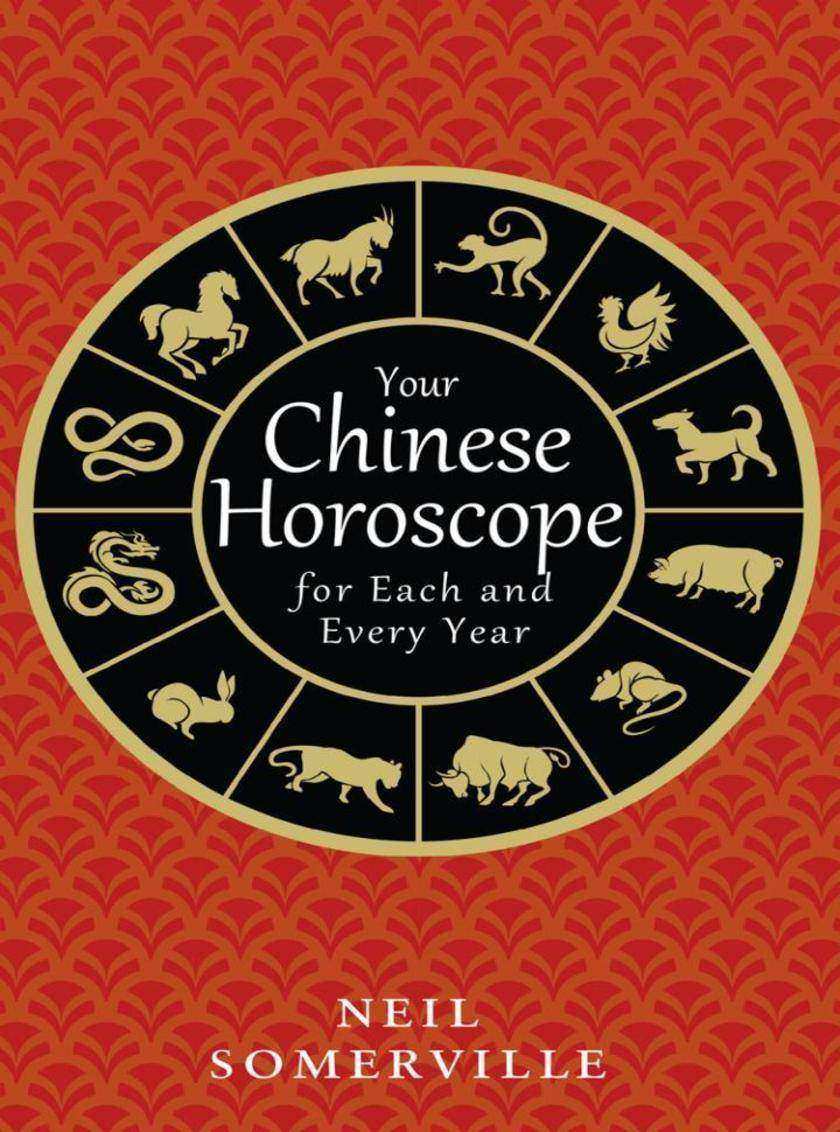
Your Chinese Horoscope for Each and Every Year
¥110.46
Neil Somerville has been writing the bestselling ‘Your Chinese Horoscope’ series since 1987 and, as his readers have discovered, these are no ordinary Horoscope books. Although they do contain predictions they also give much encouraging advice and this is what attracted Neil to Chinese horoscopes so many years ago. They are a great indicator of trends to come and, once aware of these, it is possible to adapt and benefit from this knowledge.

Clean Eating Alice Everyday Fitness: Train Smart, Eat Well and Get the Body You
¥110.46
Alice is a pint-sized personal trainer with a passion for health and fitness. Having spent the majority of her formative years developing unhealthy habits through trying every diet there was, and gaining weight as a result, she decided to take matters into her own hands. Alice tracked her complete lifestyle change progress through her now hugely successful Instagram blog ‘Clean Eating Alice’.

Unconquerable: The Invictus Spirit
¥110.46
Boris Starling is an award-winning novelist, screenwriter and journalist. His books have reached the Sunday Times and New York Times bestseller lists. He is the author of the popular HAYNES EXPLAINS series. His debut novel MESSIAH was made into a prime time BBC1 series which ran for five seasons, and he is currently writing the screenplay for an animated sci-fi reimagining of Charlie Chaplin’s THE KID. Boris writes regularly for several national newspapers and was the writer-in-residence at Max Gate, Thomas Hardy's house. Before becoming a full-time writer, he worked for an international consultancy specialising in political risk assessment, confidential investigations and kidnap negotiation. Boris lives in Dorset with his wife, children, dogs and a constantly fluctuating number of chickens and ducks.
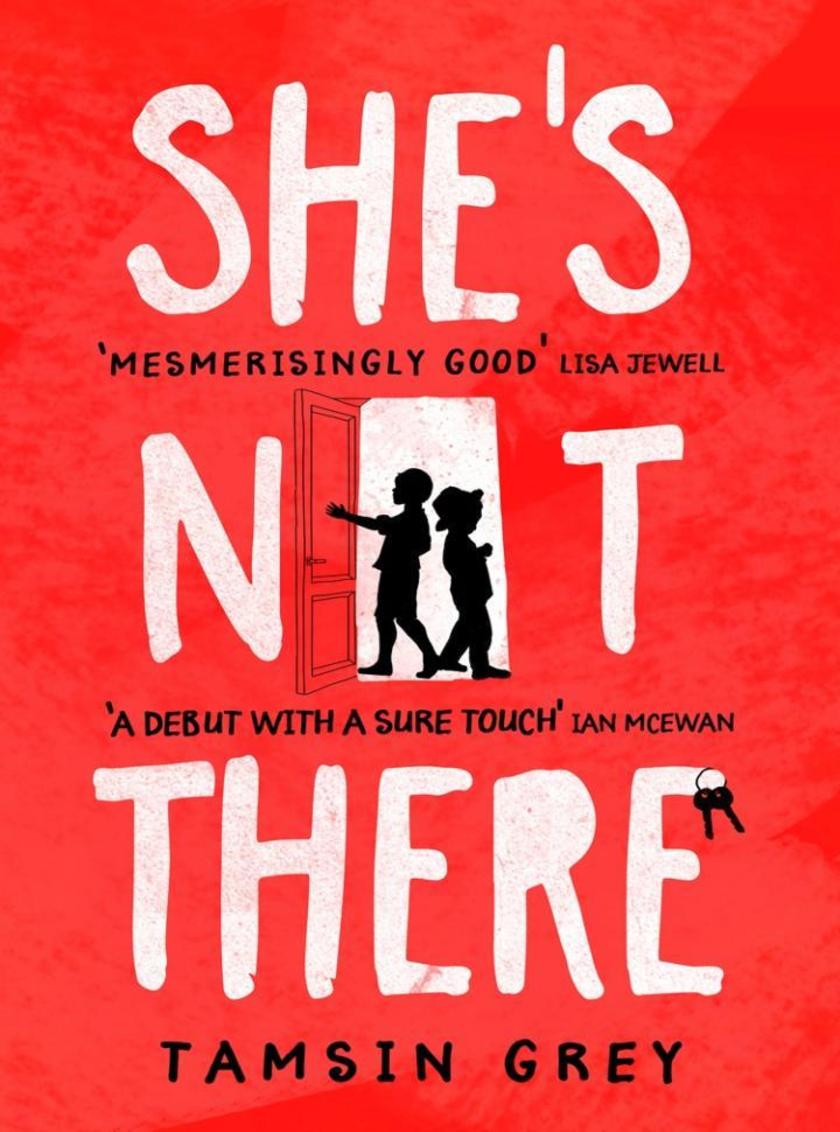
She’s Not There
¥110.46
‘[An] amazing debut, packed with South London atmosphere…it has To Kill a Mockingbird written all over it… brilliant’ Daily Mail When Jonah and Raff wake up on Monday, their mother Lucy isn’t there. Although Jonah is only nine, he is the big brother, and knows enough about the world to keep her absence a secret. If anyone found out she’d left them alone, it could be disastrous for him and Raff; and she'll be back, he’s nearly sure. With growing unease, he puzzles over the clues she’s left behind. Who sent her the flowers? Why are all her shoes still in the house? Why is her phone buried in a plant pot? And who, in their diverse south London community, might know more about her than he does? For fans of My Name is Leon and The Trouble with Goats and Sheep, Tamsin Grey’s outstanding debut is tender, funny and unsettling.
The Hunters
¥110.46
‘An imaginative portrait of Theo Miller … and his infatuation with the seemingly glamorous figures of Sylvie de Croy and her lover … a rich reimagining of a colonial Eden in which multitudes of serpents lurked’ Sunday Times ‘Just the thing to read while sipping a cocktail or two’ iPaper ‘A gloriously dark tale, packed with heat and glamour’ LIZA KLAUSSMANN Sweeping, evocative and sumptuously told, The Hunters is a dramatic coming-of-age story, a complex portrayal of first love and family loyalty and a passionate reimagining of the Happy Valley set in all their glory and notoriety. Theo Miller is fourteen years old, bright and ambitious, when he steps off the train into the simmering heat and uproar of 1920s Nairobi. Neither he, nor his earnest younger sister Maud, is prepared for the turbulent mix of joy and pain their new life in Kenya will bring. Their father is Director of Kenyan Railways, a role it is assumed Theo will inherit. But when he meets enchanting American heiress Sylvie de Cro? and her charismatic, reckless companion, Freddie Hamilton, his aspirations turn in an instant. Sylvie and Freddie’s charm is magnetic and Theo is welcomed into the heart of their inner circle: rich, glamourous expatriates, infamous for their hedonistic lifestyles. Yet behind their intoxicating allure lies a more powerful cocktail of lust, betrayal, deceit and violence that he realises he cannot avoid. As dark clouds gather over Kenya’s future and his own, he must find a way back to his family – to Maud – before it is too late.
Property: A Collection
¥110.46
The first ever story collection from the inimitable Lionel Shriver ‘Genius’ Stylist ‘Phenomenal’ Observer ‘Brilliant’ The Times This landmark publication, the first collection of stories from a master of the form, explores the idea of "property" in both senses of the word: real estate, and stuff. These sharp, brilliantly imaginative pieces illustrate how our possessions act as proxies for ourselves, and how tussles over ownership articulate the power dynamics of our relationships. In Shriver’s world, we may possess people and objects and places, but in turn they possess us. In the stunning novella “The Standing Chandelier” (‘a brutal treat’: Daily Mail), a woman with a history of attracting other women’s antagonism creates a deeply personal wedding present for her best friend and his wife-to-be. In “Domestic Terrorism,” a thirty-something son refuses to leave home, resulting in a standoff that renders him a Millennial cause célèbre. In “The ChapStick,” a middle-aged man subjugated by service to his elderly father discovers that the last place you should finally assert yourself is airport security. In “Vermin,” an artistic Brooklyn couple’s purchase of a ramshackle house destroys their once passionate relationship. In “The Subletter,” two women, both foreign conflict junkies, fight over claim to a territory that doesn’t belong to either. This immensely readable collection showcases the biting insight that has made Lionel Shriver one of the most acclaimed authors of our time, described by the Sunday Times as ‘a brilliant writer’ with ‘a strong, clear and strangely seductive voice’.
Mrs Whistler
¥110.46
‘A captivating tale …This novel is a delight’ THE TIMES ‘A terrific novel … It springs off the page’ DEBORAH MOGGACH 'Vividly engaging’ SUNDAY TIMES ‘Maud could tell the whole story, but she will not’ Chelsea 1876: Jimmy Whistler stands on the cusp of fame, ready to astound the London art world with his radical paintings. At his side is Maud Franklin, his muse, lover and occasional pupil, sharing his house, his dazzling social life and his grand hopes for the future. But Jimmy’s rebelliousness comes at a heavy price for them both as he battles a furious patron, challenges an influential and viciously hostile critic and struggles with a dire lack of cash. Before long a fight for survival is being waged through the galleries, the drawing rooms and even the courts – and Maud, Jimmy’s Madame and closest ally, is expected to do her part. The Madame has problems of her own, however. Maud has fallen pregnant, and must now face the reality of what life with Jimmy entails. As the situation starts to unravel, as loyalties are sorely tested and bankruptcy looms, she has to decide what she wants. Who she is. What she is prepared to endure. Stunning and suspenseful, this a story of one woman’s progress through a world of beauty and sacrifice, art and ambition; a story which asks what we will withstand for love, and what it means to reach for greatness.
Last Letter from Istanbul: Escape with this epic holiday read of secrets and for
¥58.86
‘This will sweep you away for the summer. Lucy Foley blends a rich history, haunting secrets and a timeless love story’ Santa Montefiore, Sunday Times bestselling author of The Deverill series 1921 Each day Nur gazes across the waters of the Bosphorus to her childhood home, a grand white house, nestled on the opposite bank. Memories float on the breeze – the fragrance of the fig trees, the saffron sunsets of languid summer evenings. But now those days are dead. The house has been transformed into an army hospital, it is a prize of war in the hands of the British. And as Nur weaves through the streets carrying the embroideries that have become her livelihood, Constantinople swarms with Allied soldiers – a reminder of how far she and her city have fallen. The most precious thing in Nur’s new life is the orphan in her care – a boy with a terrible secret. When he falls dangerously ill Nur’s world becomes entwined with the enemy’s. She must return to where she grew up, and plead for help from Medical Officer George Monroe. As the lines between enemy and friend become fainter, a new danger emerges – something even more threatening than the lingering shadow of war.
What She Ate: Six Remarkable Women and the Food That Tells Their Stories
¥73.58
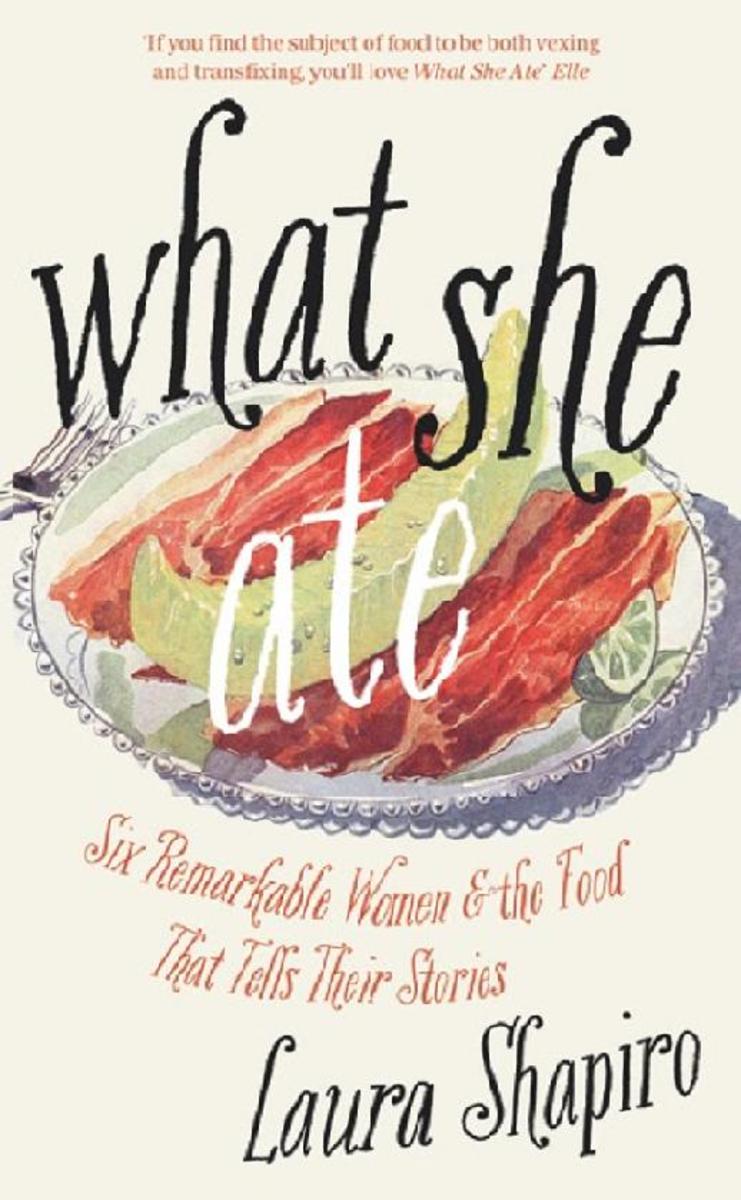
‘If you find the subject of food to be both vexing and transfixing, you’ll love What She Ate’ Elle Dorothy Wordsworth believed that feeding her poet brother, William, gooseberry tarts was her part to play in a literary movement. Cockney chef Rosa Lewis became a favourite of King Edward VII, who loved her signature dish of whole truffles boiled in Champagne. Eleanor Roosevelt dished up Eggs Mexican – a concoction of rice, fried eggs, and bananas – in the White House. Eva Braun treated herself to Champagne and cake in the bunker before killing herself, alongside Adolf Hitler. Barbara Pym's novels overflow with enjoyment of everyday meals – of frozen fish fingers and Chablis – in midcentury England. Cosmopolitan editor Helen Gurley Brown's idea of “having it all” meant having almost nothing on the plate except a supersized portion of diet gelatin. In the irresistible What She Ate, Laura Shapiro examines the plates, recipe books and shopping trolleys of these six extraordinary women, casting a new light on each of their lives – revealing love and rage, desire and denial, need and pleasure.

The World’s Worst Children 2 (Read Aloud by David Walliams)
¥110.46
The brilliant follow-up to David Walliams’ bestseller The World’s Worst Children! Ten more stories about a brand new gang of hilariously horrible kids from everyone’s favourite children’s author, illustrated in glorious full colour by Tony Ross. If you thought you had read about the World’s Worst Children already, you’re in for a rather nasty shock. The beastly boys and gruesome girls in this book are even ruder, even more disgusting and WORSE than you could ever imagine! This gorgeous collection of ten stories from the master himself, David Walliams, will make you snort with laughter and thank your lucky stars that you don’t know anyone like Gruesome Griselda or Fussy Frankie in real life. It also features a special appearance from fan-favourite Raj! Gloriously illustrated in full colour throughout by artistic genius Tony Ross, The World’s Worst Children 2 is a side-splitting companion to David’s blockbuster hit, The World’s Worst Children, and the perfect gift for kids aged 9 and up.
The Forever Ship (Fire Sermon, Book 3)
¥66.22
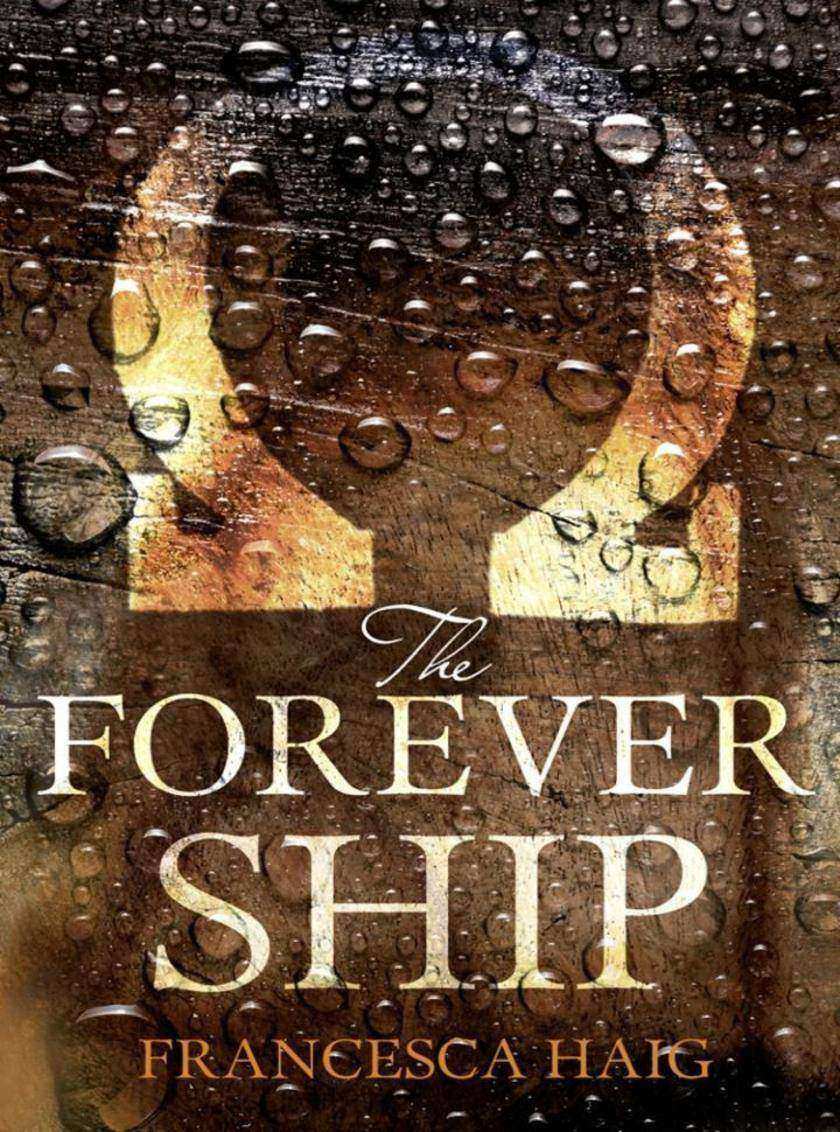
Book Three in the critically acclaimed The Fire Sermon trilogy—The Hunger Games meets Cormac McCarthy’s The Road in this richly imagined post-apocalyptic series by award-winning poet Francesca Haig. The apocalypse has come and gone, and now every person is born a twin: one a strong Alpha, one a mutated Omega. The Omegas live in segregation, cast out by their families as soon as their mutation becomes clear. Forced to live apart, they are ruthlessly oppressed by their Alpha counterparts. The only thing that keeps the Alphas at bay is the fact that whenever one twin dies, so does the other. In this thrilling conclusion to The Fire Sermon trilogy, Cass, Piper, and Zoe have discovered that Elsewhere exists, and it’s more real and more complicated than any of them could have imagined. Now, they must race to prevent the Alphas from destroying what might be the only salvation for the Omegas. The end to their lifelong discrimination is in sight, but before she can be free, Cass must overcome her loyalty to her Alpha twin, Zach, her most dangerous enemy. But if they’re not careful, both will die in the struggle for power.

Clean Eating Alice The Body Bible: Feel Fit and Fabulous from the Inside Out
¥110.46
Alice is a pint sized personal trainer with a passion for health and fitness. Having spent the majority of her formative years developing unhealthy habits through trying every diet there was, and gaining weight as a result, she decided to take matters into her own hands. Alice tracked her complete lifestyle change progress through her now hugely successful Instagram blog ‘Clean Eating Alice’. Now a fully qualified personal trainer, Alice wants to bring her message of balance and ditching the diet myths to the masses. The aim is to encourage everyone and anyone to readdress their eating habits and increase their activity levels to create a healthier, happier lifestyle that is ultimately sustainable. Find Alice posting regular updates of her day to day food and fitness videos on Instagram at clean_eating_alice, on twitter at alice_LDNM and on Facebook at /cleaneatingalice, where she creates a fuss and fad free approach to diet and exercise.
The Good Girl: An addictively suspenseful and gripping thriller
¥58.86
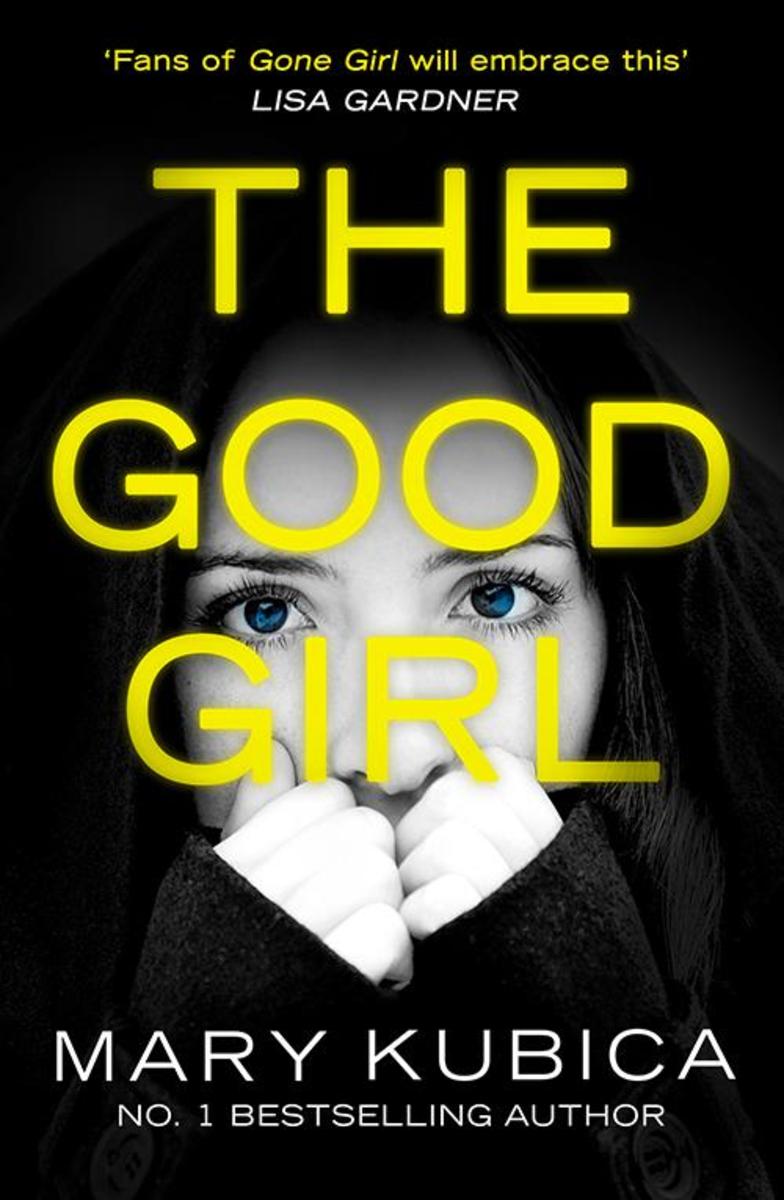
An addictively suspenseful and tautly written thriller. ‘A tremendous read’ - The Sun on The Good Girl Now optioned for a major movie by the company behind Winter’s Bone, Babel, Being John Malkovich and the TV series True Detective. A compulsive debut that reveals how, even in the perfect family, nothing is as it seems… I've been following her for the past few days. I know where she buys her groceries, where she has her dry cleaning done, where she works. I don't know the colour of her eyes or what they look like when they're scared. But I will. Mia Dennett can't resist a one-night stand with the enigmatic stranger she meets in a bar. But going home with him might turn out to be the worst mistake of Mia's life… Don't miss Mary Kubica's next novel, Pretty Baby!


