


 购物车
购物车 个人中心
个人中心
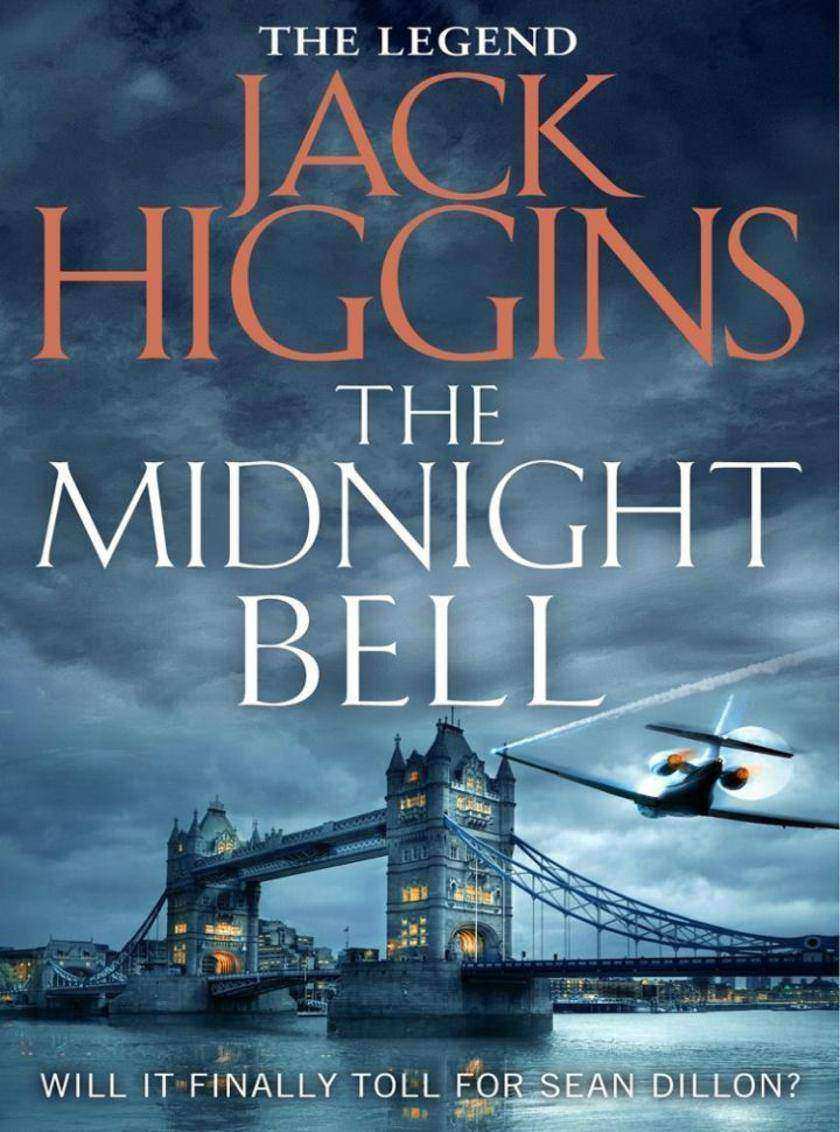
The Midnight Bell (Sean Dillon Series, Book 22)
¥58.86
‘The bell tolls at midnight as death requires it.’ But will it finally toll for Sean Dillon & company in the explosive new thriller of murder, terrorism and revenge from the Sunday Times bestselling author. In Ulster, Northern Ireland, a petty criminal kills a woman in a drunken car crash. Her sons swear revenge. In London, Sean Dillon and his colleagues in the ‘Prime Minister’s private army’, fresh from defeating a deadly al-Qaeda operation, receive a warning: ‘You may think you have weakened us, but you have only made us stronger.’ In Washington, D.C., a special projects director with the CIA, frustrated at not getting permission from the President for his daring anti-terrorism plan, decides to put it in motion anyway. Soon, the ripples from these events will meet and overlap, creating havoc in their wake. Desperate men will act, secrets will be revealed – and the midnight bell will toll.
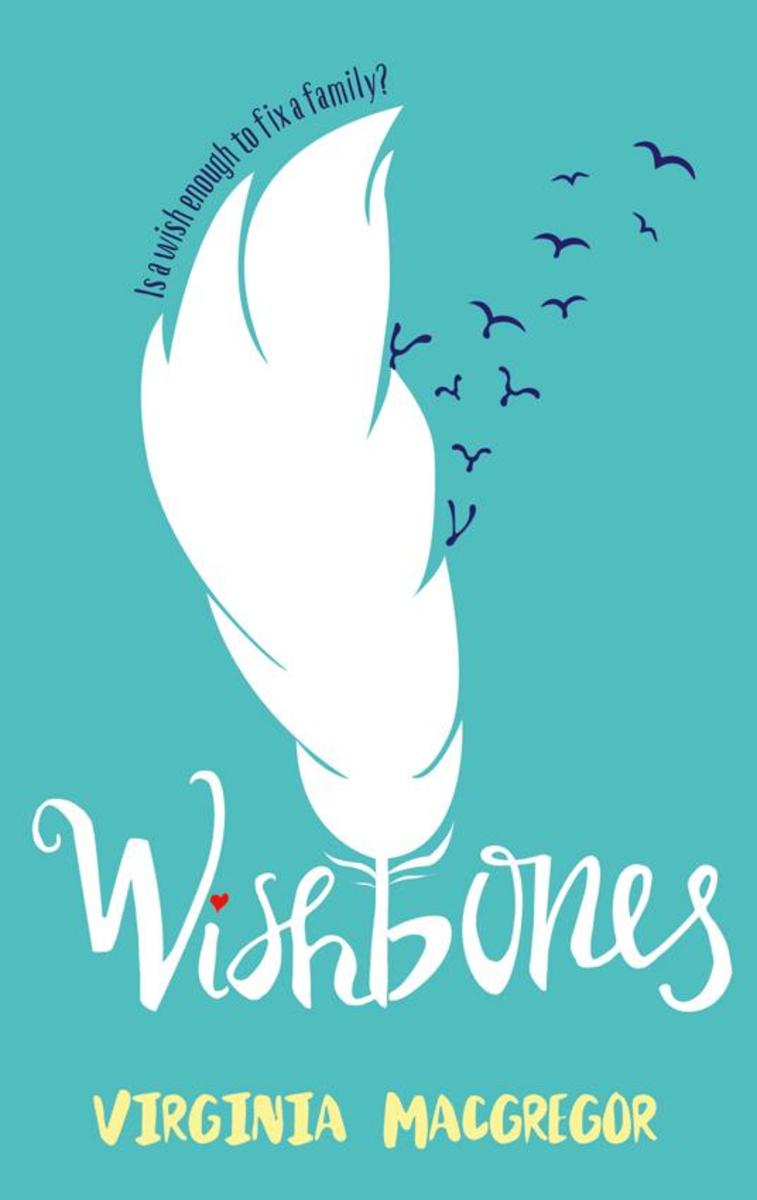
Wishbones
¥58.86
Feather Tucker has two wishes: 1)To get her mum healthy again 2) To win the Junior UK swimming championships When Feather comes home on New Year’s Eve to find her mother – one of Britain’s most obese women- in a diabetic coma, she realises something has to be done to save her mum’s life. But when her Mum refuses to co-operate Feather realises that the problems run deeper than just her mum’s unhealthy appetite. Over time, Feather’s mission to help her Mum becomes an investigation. With the help of friends old and new, and the hindrance of runaway pet goat Houdini, Feather’s starting to uncover when her mum’s life began to spiral out of control and why. But can Feather fix it in time for her mum to watch her swim to victory? And can she save her family for good?
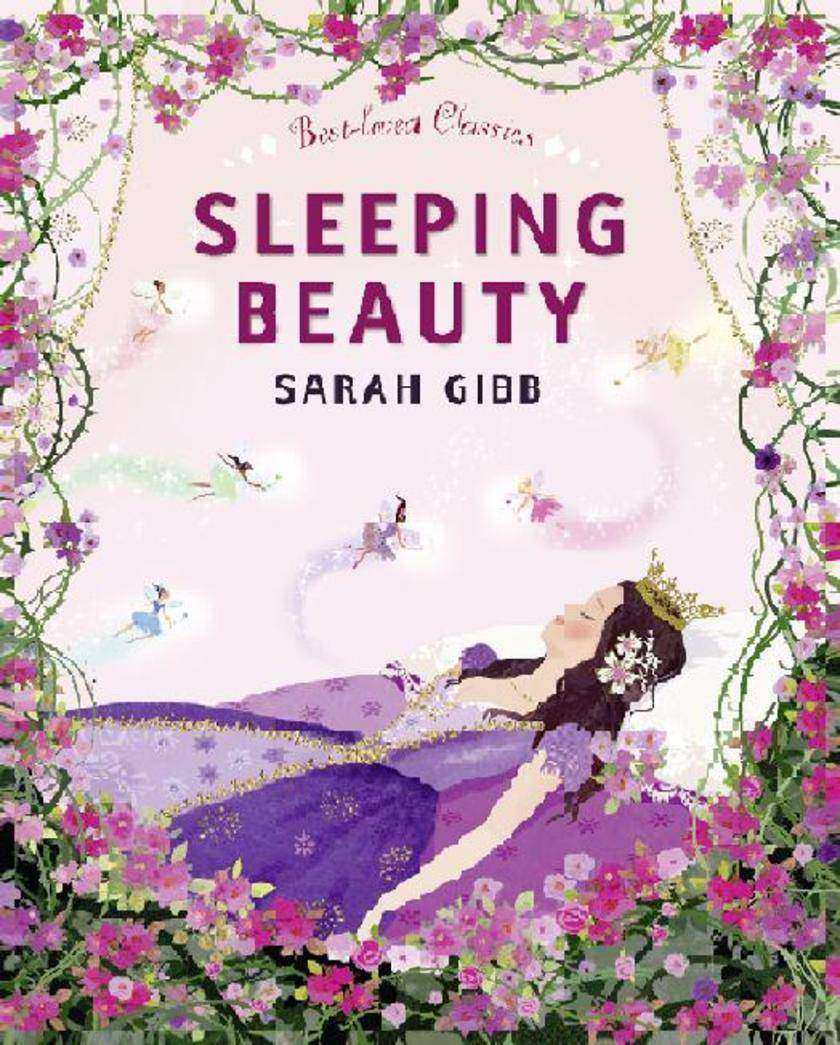
Sleeping Beauty (Best-loved Classics)
¥50.62
Sarah Gibb studied Graphic Design at St Martins and then did an MA in Sequential Illustration at the University of Brighton. She illustrates the incredibly popular children’s fiction series, The Tiara Club, and novels such as The Nanny Diaries. As well as illustrating books, Sarah works on greetings cards and packaging for clients including Crabtree and Evelyn, Marks and Spencer and Harrods. She lives in London with her husband and young son

15 Seconds
¥61.51
‘A total white knuckle stay-up-all-night thrill ride’ (Harlan Coben) from the bestselling author of Reckless and Killing Hour. Fifteen seconds can tear a life apart.. OUT OF TOWN Dr Henry Steadman has it all: a booming business, a daughter he loves, and plenty of time to enjoy life. But while visiting upstate Florida, a police-stop ends in the shooting of a local cop – with Henry as the prime suspect. OUT OF LUCK Framed for a second murder, this time of a close friend, Henry goes on the run. His only lifeline is state-trooper Carrie Holmes, no stranger to tragedy herself, who can help prove his innocence. But they are in a dead-end – the police are closing in, the killer is getting away. OUT OF TIME This is not just a set-up, it’s far more personal. Henry’s nightmare is complete when his daughter is kidnapped. Suddenly, survival is not enough: he must save his daughter. Everything has been taken away from him – but now, Henry has nothing left to lose…
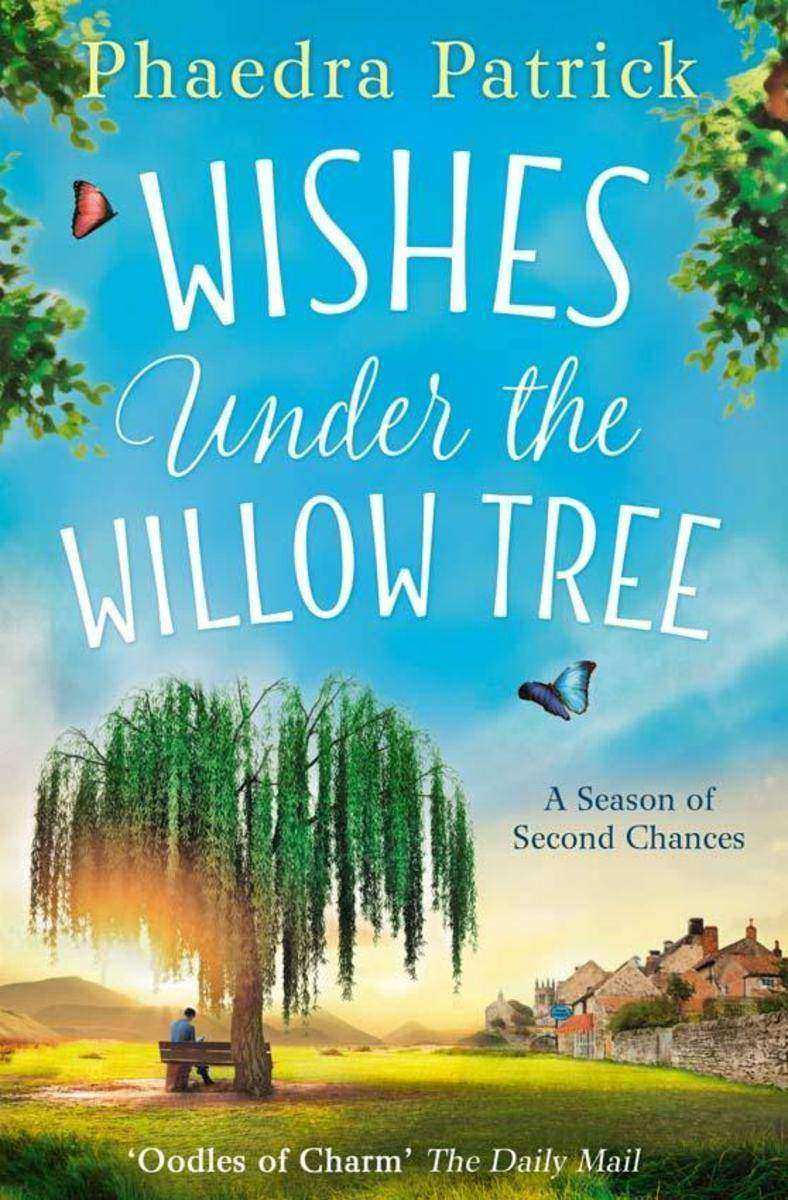
Wishes Under The Willow Tree: The feel-good book of 2018
¥58.86
‘A feel-good story with oodles of charm’ Daily Mail For generations, the Stone family have been making wishes on the old willow tree in their garden. And this year they’re wishing harder than ever… In the small village of Noon Sun, Benedict and Estelle thought they’d found their happy ever after. But, unable to have the children they’ve longed for, their marriage has hit the rocks and Estelle has moved out. Devastated but unwilling to accept defeat, jeweller Benedict vows to win her back – he just doesn’t know how. The unexpected – and uninvited – arrival of his estranged sixteen-year-old niece, Gemma, is the last thing he needs. But when a decades old secret is brought to light, Benedict and Estelle realise they’re not the only ones in need of a second chance. And that maybe the family they wished for has been there all along… Praise for bestselling author Phaedra Patrick’s award-winning debut The Curious Charms of Arthur Pepper: ‘Gorgeous’ Heat ‘A charming, unforgettable story’ Harper’s Bazaar
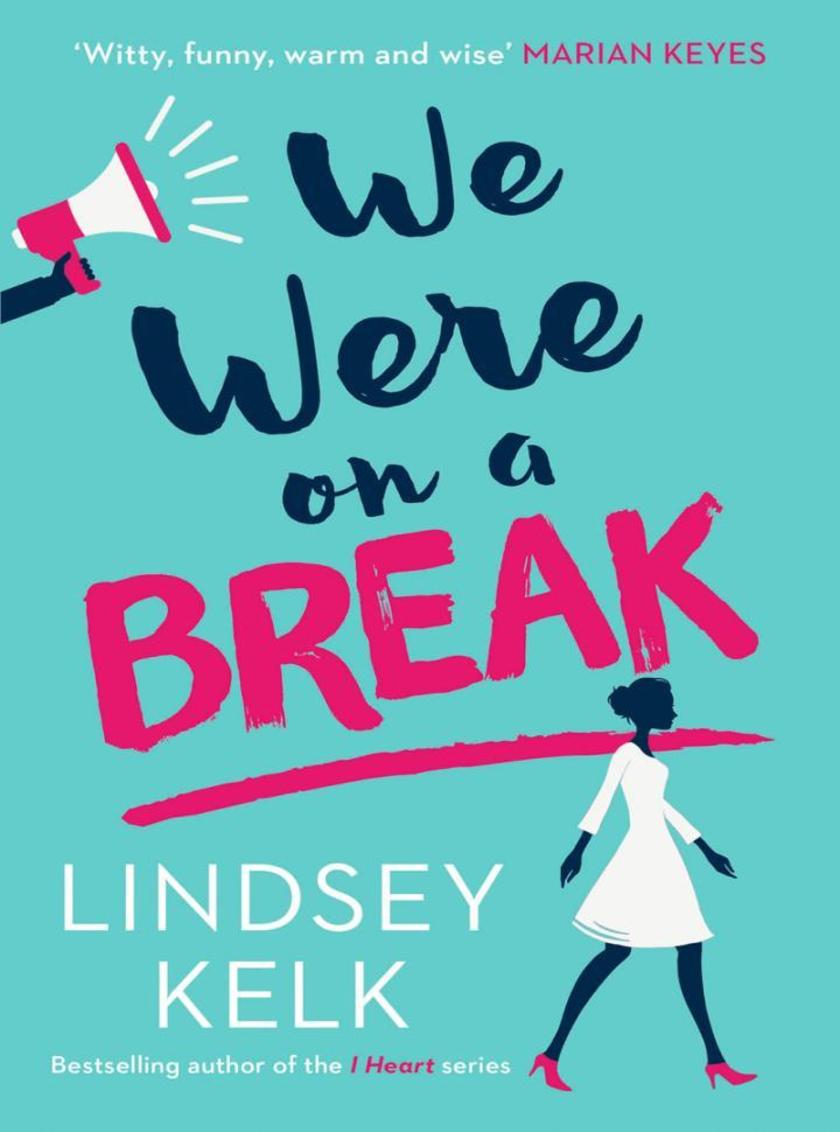
We Were On a Break: The hilarious and romantic top ten bestseller
¥58.86
‘Witty, funny, warm and wise’ Marian Keyes Is it a break? Or is it a blip? ‘You’ve just had a holiday,’ I pointed out, trying not to yawn. ‘Wasn’t that enough of a break?’ ‘I don’t mean that kind of break.’ There’s nothing worse than the last day of holiday. Oh wait, there is. When what should have been a proposal turns into a break, Liv and Adam find themselves on opposite sides of the life they had mapped out. Friends and family all think they’re crazy; Liv throws herself into work – animals are so much simpler than humans – and Adam tries to get himself out of the hole he’s dug. But as the short break becomes a chasm, can they find a way back to each other? Most importantly, do they want to?

Captain Amberton's Inherited Bride (Mills & Boon Historical)
¥44.15
‘Marry me… …And you’ll have your freedom.’ Her father’s will dictates that Violet Harper must wed or be disinherited―but she’d rather face the wilderness of the wintry Yorkshire moors than be bound to cynical, damaged soldier Lance Amberton. Lance promises a marriage of convenience that will grant Violet her independence. In exchange she must put her faith in Lance, and see beyond his gruff exterior to the man beneath…

Hidden Warrior (The Tamir Triad, Book 2)
¥59.94
A trick of magic, a twist of fate. As the orphaned nephew of the king, trusted companion to his cousin, and second heir to the throne of Skala, Prince Tobin’s future is clear. But not as clear as the spring in which a hill witch shows him his true face--and his secret destiny.... Now Tobin carries a burden he cannot share with even his closest friend, Ki, his squire. He is to rule--not as he is but as he was born: a woman. Given the shape of a boy by dark magic, Tobin is the last hope of the people of Illior--those who desperately seek a return to the old ways, when Skala was ruled by a line of warrior queens. They still believe that only a woman can lift the war, famine, and pestilence that have run rampant through the land since the king usurped his half sister’s throne. It is these outlaw wizards and witches who protect Tobin--and it is for them that Tobin must accept his fate. With the unsuspecting yet fiercely loyal Ki at his side, Tobin must turn traitor against the only blood ties he has left. He must lift the masks of Skala’s rulers to show their true colors--before he can reveal the power of the woman within himself. From the Paperback edition.

The Marquess Tames His Bride (Mills & Boon Historical) (Brides for Bachelors, Bo
¥44.15
‘I have just announced our betrothal’ Now there’s no going back… In this Brides for Bachelors story, the Marquess of Rawcliffe has always found his childhood friend Clare Cottam enthralling, but any relationship has been forbidden by her strict father. Now the couple are embroiled in a heated argument that puts Clare’s reputation in danger, and Rawcliffe is forced to declare her his fiancée. It will be his pleasure to tame his independent, innocent bride…
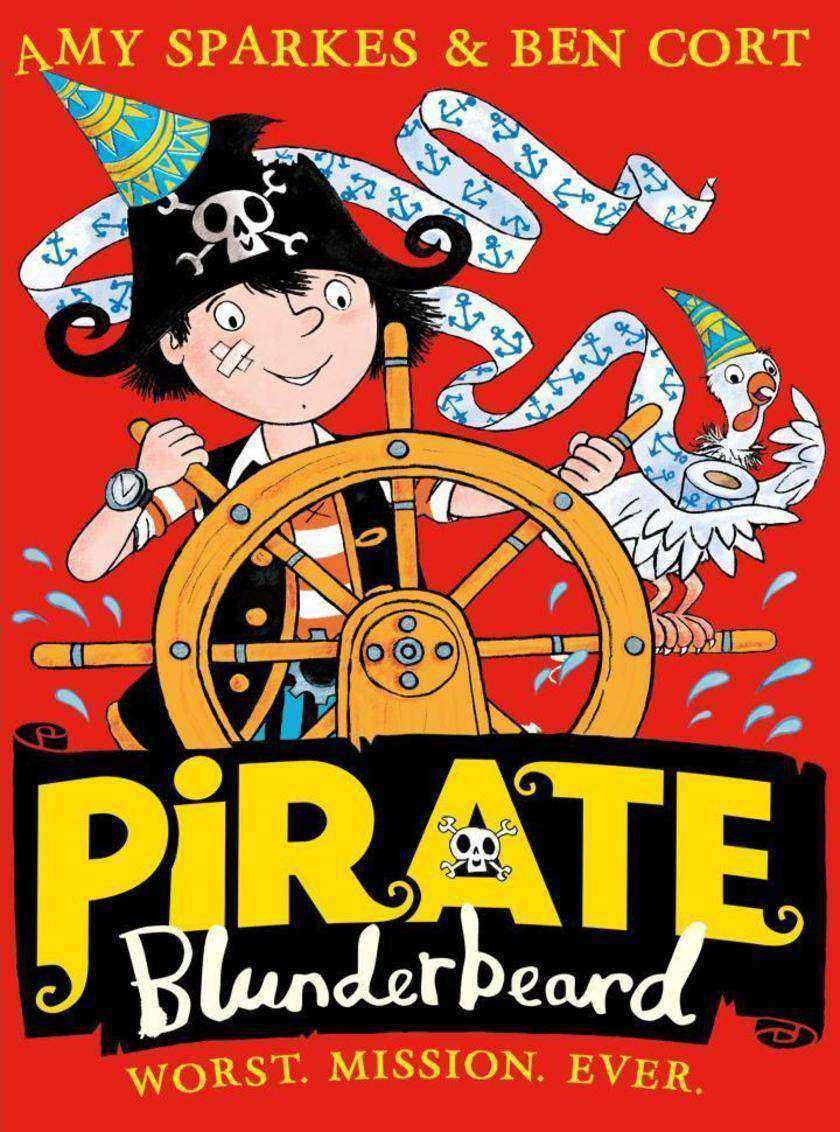
Pirate Blunderbeard: Worst. Mission. Ever. (Pirate Blunderbeard, Book 3)
¥37.96
Set sail with the funniest pirate on the seven seas in this hilarious adventure for readers of 7+ with brilliant pictures throughout from ALIENS LOVE UNDERPANTS illustrator Ben Cort. Pirate Blunderbeard is on a voyage with his cousin Redruth and Grandpa Greybeard. Blunderbeard hopes it will be like a holiday cruise, ice-cream, deck chairs and maybe a bit of swimming. But Grandpa Greybeard is on a mission. He wants to get his favourite ship back from the Scariest Pirate on the high seas he wants Blunderbeard to help. What could possibly go wrong? Pirate Blunderbeard on might be on the worst mission ever but it’s also the funniest – laugh-out-loud fun for readers of 7+

The Lost Puppy (Dotty Detective, Book 4)
¥44.15
Set sail with the funniest pirate on the seven seas in this hilarious adventure for readers of 7+ with brilliant pictures throughout from ALIENS LOVE UNDERPANTS illustrator Ben Cort. Pirate Blunderbeard is on a voyage with his cousin Redruth and Grandpa Greybeard. Blunderbeard hopes it will be like a holiday cruise, ice-cream, deck chairs and maybe a bit of swimming. But Grandpa Greybeard is on a mission. He wants to get his favourite ship back from the Scariest Pirate on the high seas he wants Blunderbeard to help. What could possibly go wrong? Pirate Blunderbeard on might be on the worst mission ever but it’s also the funniest – laugh-out-loud fun for readers of 7+

The Birthday Surprise (Dotty Detective, Book 5)
¥44.15
Set sail with the funniest pirate on the seven seas in this hilarious adventure for readers of 7+ with brilliant pictures throughout from ALIENS LOVE UNDERPANTS illustrator Ben Cort. Pirate Blunderbeard is on a voyage with his cousin Redruth and Grandpa Greybeard. Blunderbeard hopes it will be like a holiday cruise, ice-cream, deck chairs and maybe a bit of swimming. But Grandpa Greybeard is on a mission. He wants to get his favourite ship back from the Scariest Pirate on the high seas he wants Blunderbeard to help. What could possibly go wrong? Pirate Blunderbeard on might be on the worst mission ever but it’s also the funniest – laugh-out-loud fun for readers of 7+
Pigs Might Fly! (Mudpuddle Farm)
¥37.96
Set sail with the funniest pirate on the seven seas in this hilarious adventure for readers of 7+ with brilliant pictures throughout from ALIENS LOVE UNDERPANTS illustrator Ben Cort. Pirate Blunderbeard is on a voyage with his cousin Redruth and Grandpa Greybeard. Blunderbeard hopes it will be like a holiday cruise, ice-cream, deck chairs and maybe a bit of swimming. But Grandpa Greybeard is on a mission. He wants to get his favourite ship back from the Scariest Pirate on the high seas he wants Blunderbeard to help. What could possibly go wrong? Pirate Blunderbeard on might be on the worst mission ever but it’s also the funniest – laugh-out-loud fun for readers of 7+

Paddington 2: The Story of the Movie: Movie tie-in
¥44.15
Set sail with the funniest pirate on the seven seas in this hilarious adventure for readers of 7+ with brilliant pictures throughout from ALIENS LOVE UNDERPANTS illustrator Ben Cort. Pirate Blunderbeard is on a voyage with his cousin Redruth and Grandpa Greybeard. Blunderbeard hopes it will be like a holiday cruise, ice-cream, deck chairs and maybe a bit of swimming. But Grandpa Greybeard is on a mission. He wants to get his favourite ship back from the Scariest Pirate on the high seas he wants Blunderbeard to help. What could possibly go wrong? Pirate Blunderbeard on might be on the worst mission ever but it’s also the funniest – laugh-out-loud fun for readers of 7+

The Earl's Convenient Wife/In the Boss's Castle/Her Hot Highland Doc
¥46.11
The Earl’s Convenient Wife by Marion Lennox The terms of the will are simple: to keep his family’s Scottish castle, Alasdair McBride, Earl of Duncairn, must marry his housekeeper Jeanie Lochlan. Given their past, there’s no love lost between them…but their chemistry is undeniable! As their barriers start to crumble, suddenly they’re wondering, will one year be enough…? In the Boss’s Castle by Jessica Gilmore Maddison Carter is determined to build her perfect life. But arriving in London she’s tempted by a man who’s totally off-limits – her delectable boss, Kit Buchanan. When Kit whisks Maddison to his Scottish castle she wonders if they could have the perfect future…together! Her Hot Highland Doc by Annie O’Neil Dr Brodie McClellan has only recently returned to the Isle of Dunregan and already the demons of his past are pushing him to the edge. Running from her own troubled past, this remote posting is perfect for Kali O’Shea. And Brodie makes her long to find her true home in Scotland…in her new boss’s arms!

The Riverbank Otter (Tiger Days, Book 3)
¥44.15
Meet animal lover, Tiger Days! A brand-new young fiction series about animals, friendship and adventure by bestselling author Sarah Lean. Beautiful black-and-white illustrations throughout. When Tiger Days visits her grandmother at Willowgate House, she never knows what to expect… Tiger meets Lucky – an injured otter who can’t survive by himself. Tiger has an important job to do – feeding and caring for Lucky, and also exploring the riverbank in search of the perfect place for him to live. She desperately wants Lucky to get better, but saying goodbye to her new friend won’t be easy… No day is ever dull for Tiger!
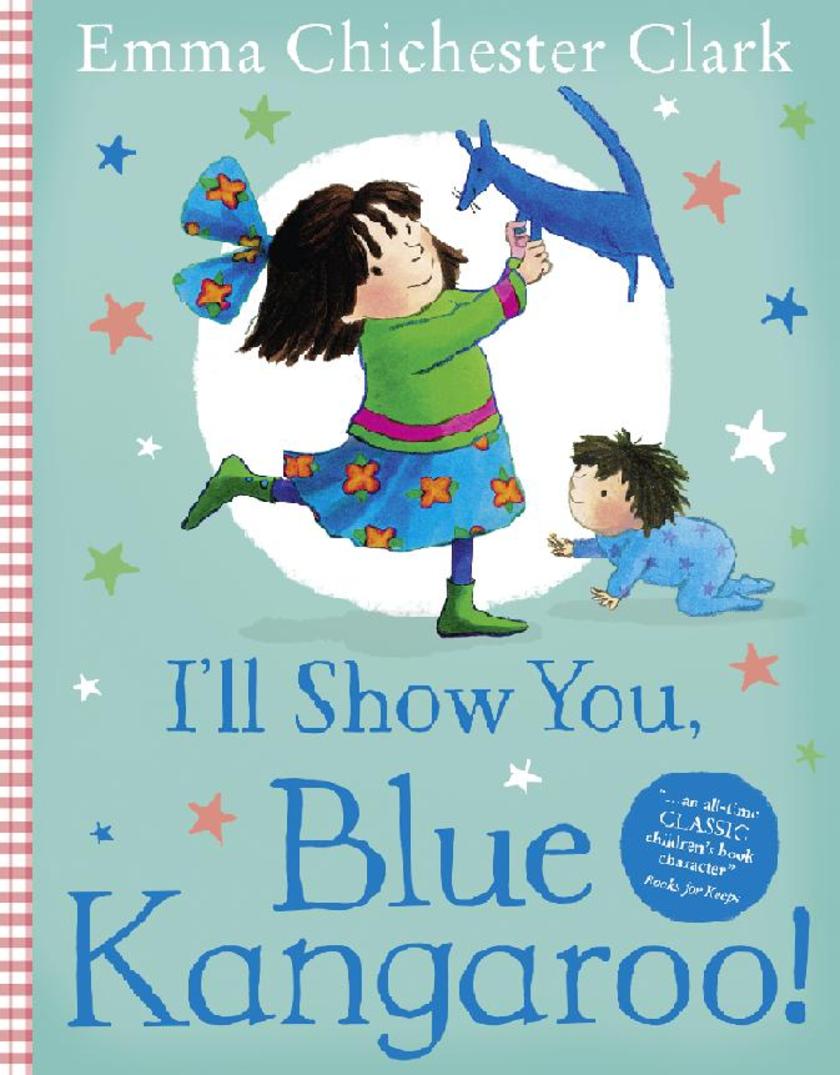
I’ll Show You, Blue Kangaroo (Read Aloud)
¥46.99
Emma studied art at the Royal College of Art . She has worked as a freelancer for magazines, publishers and advertising agencies as well as teaching art for several years, but now dedicates most of her time to children’s books.
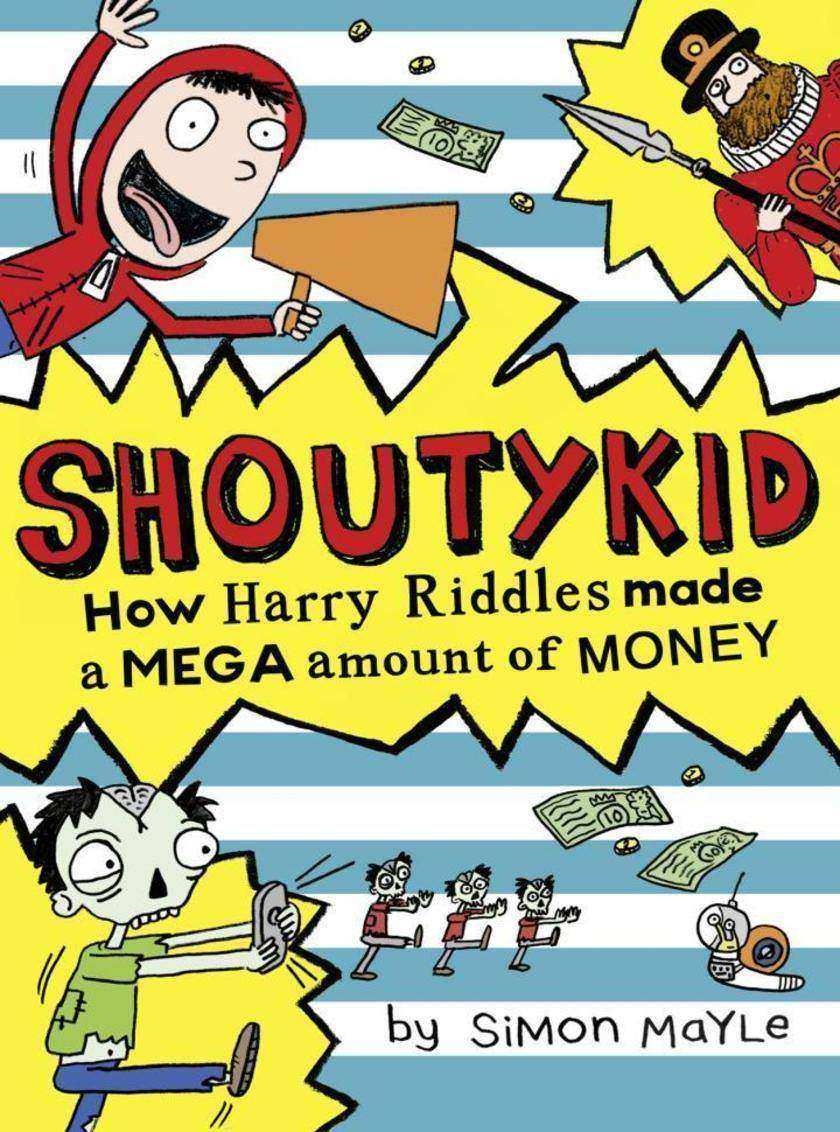
How Harry Riddles Made a Mega Amount of Money (Shoutykid, Book 5)
¥47.38
The loudest kid in fiction is back brand-new story. And he’s still got a lot to shout about! Harry’s school is running out of money and might even have to close but then his friend Jessica tells everyone that Harry will know how raise the money needed to keep it open. The pressure is on. Can Harry save the school? Probably, but first he needs to finish his game of World of Zombies RUN!

The Button Box: Gripping historical romance from the Sunday Times Bestseller
¥48.27
The new heartwarming novel from Sunday Times bestselling author, Dilly Court. Clara held onto the precious button, glimmering like a jewel in the dark alleyways of London’s notorious Seven Dials. She needed to save her family… but who was going to save her? There was a time when the Carter sisters’ father was their hero. Now he’s a drunk who’s gambled away everything they had and put them all in peril. It's on Clara's shoulders to save the four sisters from destitution. Clutching her precious button box, the only thing of value they have left, Clara dreams of starting a shop that could put a roof over their heads and keep them safe… But in debt to the terrifying Patches Braggs, leader of one of the East End's roughest gangs, Clara is in fear for her life. When a mysterious benefactor seems to offer an escape, Clara realizes too late that it comes at a terrible price… Cheated, abandoned and alone – can Clara save her family and hold onto her dreams?

Air Force Blue: The RAF in World War Two – Spearhead of Victory
¥73.58
Patrick Bishop is the author of the critically acclaimed and best-selling ‘Fighter Boys’, ‘Bomber Boys’, ‘3 Para’ and ‘Ground Truth’. Previously, he was a foreign correspondent for over twenty years, reporting from conflicts all over the world.

Victoria and Albert - A Royal Love Affair: Official companion to the ITV series
¥147.35
The second tie-in to ITV drama Victoria unveils the complex, passionate relationship of Victoria and Albert. What happened after the Queen married her handsome prince? Did they live happily ever after, or did their marriage, like so many royal marriages past and present fizzle into a loveless bond of duty? Victoria and Albert were the royal couple that broke the mould – it may have been an arranged match, yet their union was a passionate, tempestuous relationship between two extremely strong-willed individuals. Despite the fact that they were first cousins they could not have been more different people – she was impulsive, emotional, capricious, while he was cautious, self-controlled, and logical. But together they became the most successful royal couple there had ever been, and this book reveals the private and the public face of Victoria and Albert’s marriage. Using their letters and diaries, Victoria and Albert charts the constant ebb and flow of power between the couple, and presents a picture of a very modern marriage. This companion book, full of rich historical detail, takes fans deeper into that period than ever before. Discover the inner workings behind the scenes, with profiles of all the major characters, interviews with the actors and fascinating, in-depth information on the production, the costumes and the props.


