


 购物车
购物车 个人中心
个人中心

Kellassepp: Novell (Eesti v?ljaanne): Estonian edition
¥8.09
—Küsi, kuidas saad v?ita ühe tunni aega— Maria O’Connore’il on palju suuremaid probleeme kui see fakt, et tema kell seiskus kell 3:57. Kui ta viib oma kella lahke parandaja juurde, ootamatult selgub, et ta sai kummalise auhinna – v?imaluse taaselada ühe tunni oma elust. Aga saatusel on ranged reeglid mineviku torkimise suhtes, sealhulgas range hoiatus, et ei tohi tekitada aja-paradoksi. Kas Maria saab teha rahu oma k?ige kahetsusv??rsema veaga siin maailmas? "Nukker, lühike P?hjamaade mütoloogiast p?rit osund. Aeg on kingitus, ja m?nikord viimane v?imalus…" —Dale Amidei, autor "V?ga sisutihe ja dramaatiline lugu… Kas me muudaksime oma minevikku, kui meil oleks v?imalik seda teha?" —Lugeja arvamus "Saada unikaalset v?imalust, et parandada oma sügavaim viga on ainulaadne v?imalus!" —Lugeja arvamus Mis siis, kui saaksid eluhetke parandada ja seda uuesti teha? * Eesti keel - Estonian language
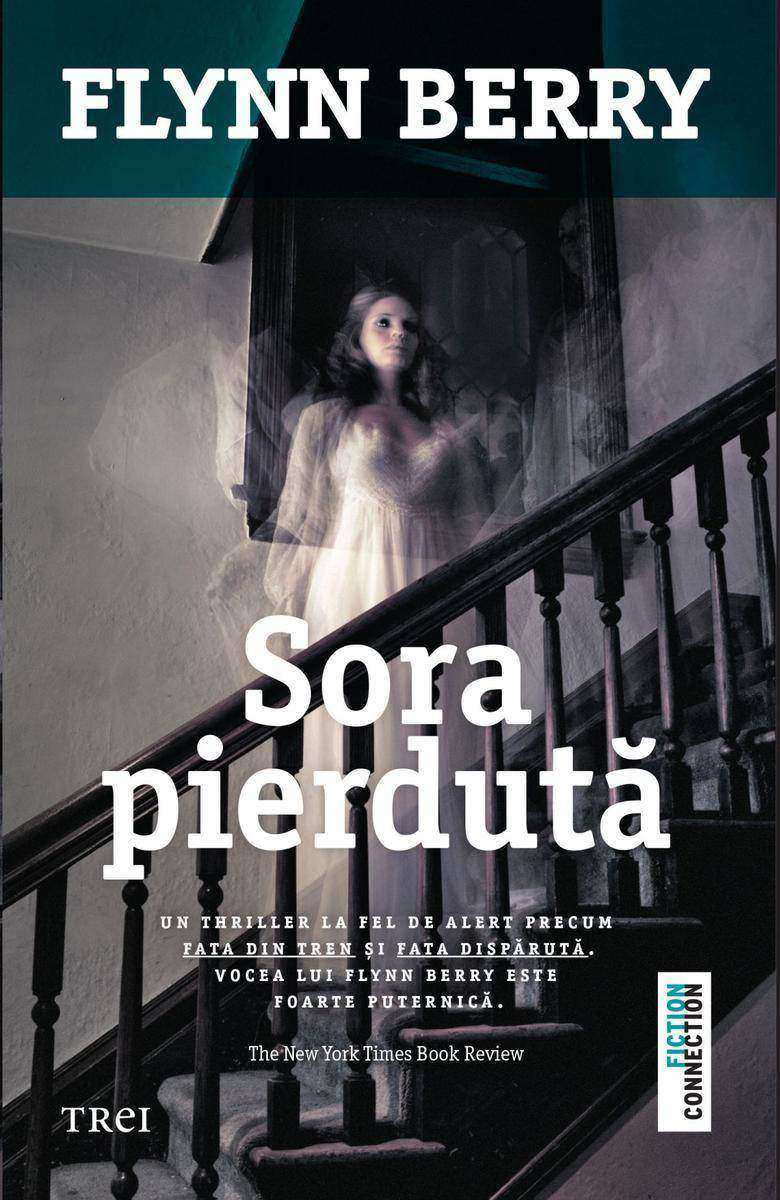
Sora pierdut?
¥65.32
C?nd "explodezi" de furie, gesturile necugetate pot avea consecin?e pe care s? le regre?i o via?? ?ntreag?: ajungi s?-?i strici rela?iile cu cei mai buni prieteni, ??i periclitezi situa?ia de la serviciu sau chiar te ?mboln?ve?ti grav. Reac?ia pasiv?, de tipul "Rabd? ?i ?ntoarce ?i cel?lalt obraz", dar ?i exprimarea brut? a furiei (prin lovirea unor perne, de exemplu) sunt, ambele, solu?ii la fel de nes?n?toase. Dar cum altfel s? faci fa?? stresului ?i nedrept??ilor ?i cum s? ??i aperi punctul de vedere, f?r? s? pari agresiv? Influentul terapeut american Albert Ellis te ajut? s?-?i ?n?elegi mai bine credin?ele care ??i provoac? furia, s? ??i exprimi ?n moduri asertive (dar neviolente) opiniile ?n fa?a celor care te-au m?niat, dar ?i s? aplici metode de relaxare ?i de control cognitiv-comportamental al reac?iilor afective exacerbate ?i al g?ndurilor ira?ionale disfunc?ionale. Miza c?r?ii nu const? ?n a-?i reprima sau ascunde furia, ci ?n a o accepta ?i a o modula ?n forme s?n?toase, care te pot ajuta s? fii mai asertiv ?i mai echilibrat.?

Alegerea potrivit? ?n dragoste. For?a incon?tientului
¥65.32
Fiecare secret e un accident care a?teapt? s? se ?nt?mpleE sezonul accidentelor, ?n fiecare an ?n aceea?i perioad?.Se rup oase, se sf??ie pielea, ?ncep s? apar? v?n?t?i.Sezonul accidentelor a f?cut dintotdeauna parte din via?a Carei, o adolescent? ?n v?rst? de ?aptesprezece ani: o lun? a tragediilor ?i r?nilor misterioase, care arunc? o umbr? constant? asupra Carei ?i a familiei sale.Anul acesta, ?n sezonul accidentelor nu se va l?sa doar cu oase rupte. Pentru c? acum Cara ?ncepe s? ?i pun? o serie de ?ntreb?ri – ?i toate secretele familiei sale vor ie?i la iveal?.Ame?itor, devastator, ?ntunecat ?i intens – sezonul accidentelor a sosit."Senza?ionalul roman de debut al Mo?rei Fowley Doyle ?mbin? planul temporal cu cel spiritual ?ntr-o realitate f?r? fisuri, cu un puternic impact emo?ional... Aceast? poveste profund? ?i va fermeca deopotriv? pe adolescen?i ?i adul?i." - School Library Journal"Fantome, secrete ?i magie se ?mpletesc ?n acest roman uluitor al autoarei irlandeze. Un portret impresionant al unei familii dezbinate, care ?ncearc? s? se reuneasc? prin iubire ?i curaj. Sezonul accidentelor e un roman puternic ce anun?? un talent aparte." - Kirkus Review
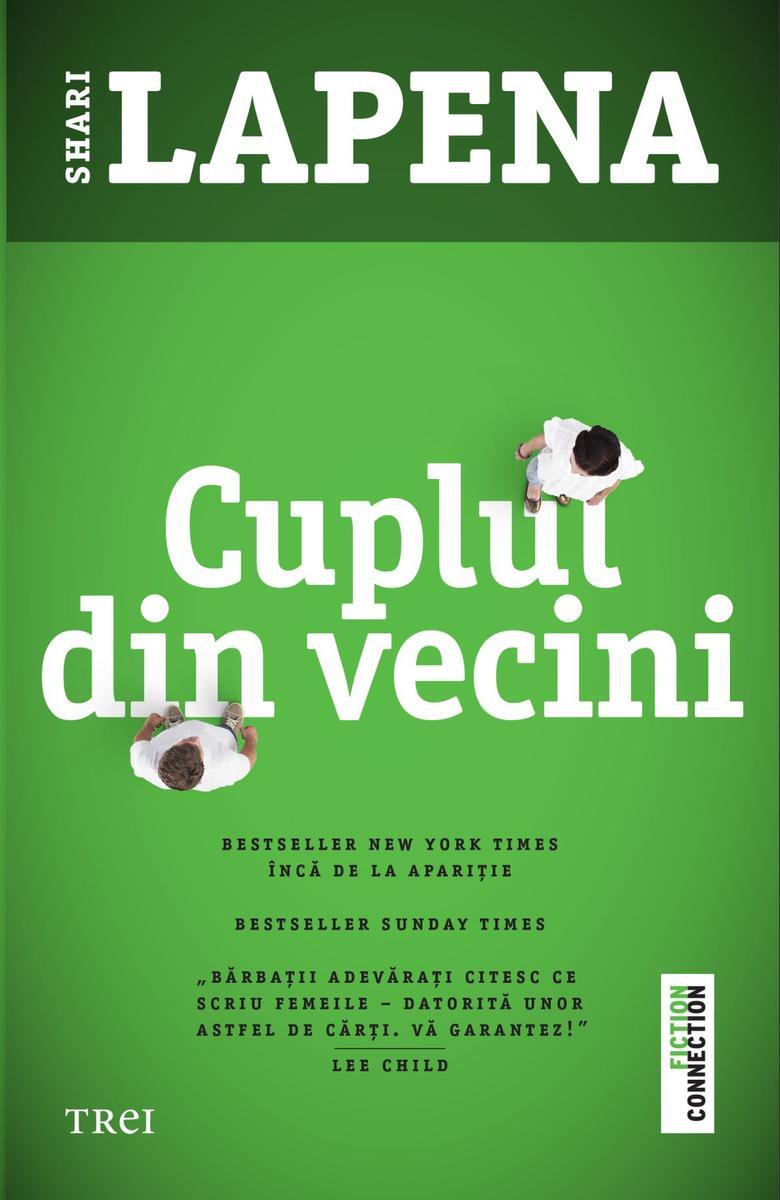
Cuplul din vecini
¥73.49
#1 New York Times Bestseller?# 1 USA Today BestsellerDe la autoarea celebrei trilogii GrishaUrmarea volumului Banda celor ?ase ciori (nominalizat la Carnegie Medal 2017) este un amestec de Urzeala tronurilor ?i Ocean’s ElevenKaz Brekker ?i echipa lui tocmai au dat o lovitur? at?t de ?ndr?znea??, ?nc?t nici ei nu credeau c? vor sc?pa teferi. Dar ?n loc s? pun? m?na pe o recompens? consistent?, sunt nevoi?i s? lupte din nou pentru vie?ile lor.??n?elat? ?i sl?bit? de r?pirea unui membru important, echipa a r?mas f?r? resurse, f?r? alia?i ?i f?r? speran??.??n timp ce ?n Ketterdam se adun? for?e puternice din ?ntreaga lume, dornice s? smulg? secretele periculosului drog numit jurda parem, rivali vechi ?i du?mani noi pun la ?ncercare iscusin?a lui Kaz ?i loialit??ile fragile din cadrul echipei. Pe str?zile ?ntunecate ?i ?ntortocheate ale ora?ului se va da un r?zboi, o lupt? pentru r?zbunare ?i isp??ire care va decide soarta lumii Grisha."Un roman sumbru ?i violent – una dintre scene ?nf??i?eaz? o parad? de adolescen?i cu revolvere, pu?ti, pistoale, explozibili ?i grenade luminoase –, dar de o autenticitate captivant?." - Kirkus Reviews"Excelent scris… Bardugo se dep??e?te pe sine." – Booklist"Romanul are toate ingredientele necesare ca s? ?in? cititorii cu sufletul la gur?: un ?ef de band? viclean, cu un plan pentru fiecare ?mprejurare, ?anse de reu?it? aproape nule, o echip? distractiv? de inadapta?i cu talente diverse, o intrig? cu r?sturn?ri de situa?ii ?i un deznod?m?nt plin de suspans." - Publishers Weekly?
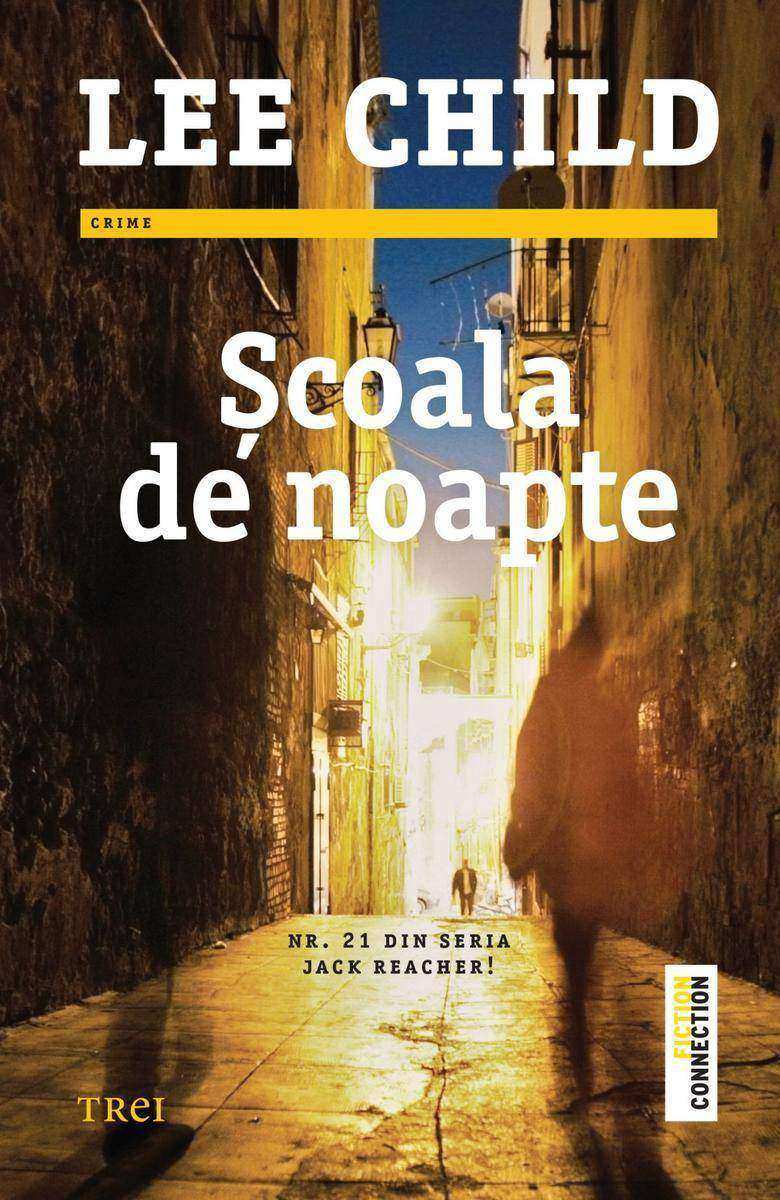
?coala de noapte
¥81.67
Un thriller psihologic ambi?ios ?i plin de adrenalin?, ?n care nimic nu este ceea ce pare.Ted McKay are tot ce ??i dore?te: o so?ie frumoas?, dou? fete minunate ?i o slujb? foarte bine pl?tit?. C?nd este diagnosticat cu tumoare cerebral? ?n faz? terminal?, hot?r??te s?-?i trag? un glon? ?n cap. Dar e ?ntrerupt de soneria de la intrare.Justin Lynch ??i face apari?ia la u?a lui, cu o propunere ciudat?. S? ucid? dou? persoane: un criminal ?i un om bolnav de cancer ?n faz? terminal?, care, asemenea lui Ted, vrea s? moar?. ?n schimb, cineva ?l va omor? pe Ted. Familia lui va fi astfel cru?at? de consecin?ele psihologice devastatoare provocate de sinuciderea sa.??n timp ce Ted comite crimele, unele situa?ii i se par stranii. Victimele ?i ?tiu numele ?i evoc? secven?e ce-i sunt familiare. ?i mai ciudat, Ted recunoa?te locuri ?i oameni de care n-ar trebui s? aib? habar. Pe m?sur? ce o ia razna, ?i revin ?n minte secrete ?ntunecate din trecut."Viziuni de co?mar, r?sturn?ri de situa?ie halucinante ?i un stil narativ caleidoscopic fac din povestea lui Axat una trepidant?, dar la baza acestei aventuri literare pe alocuri ?nfrico??toare se afl? un roman poli?ist ingenios construit, care uime?te, tulbur? ?i ?nc?nt? ?n egal? m?sur?." - Publishers Weekly"Adev?rul ?i iluzia se ?mpletesc ?ntr-o ?es?tur? invizibil? ?n aceast? poveste uluitoare. Federico Axat este genul de scriitor hipnotic pe care adori s?-l cite?ti, dar pe care nu-l po?i crede ?n totalitate." - The New York Times"?n romanul lui Federico Axat se ?nt?lnesc elemente din Hitchock, P. D. James sau Ruth Rendell, dar el duce suspansul mult mai departe." - New York Journal of Books"Un thriller psihologic ?n care totul e ?n?el?tor, inclusiv ?n mintea protagonistului, iar piesele se mi?c? exact ca ?ntr-o partid? de ?ah." - El Mundo?
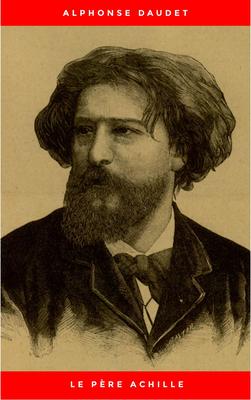
Le Père Achille
¥8.82
"La mère Achille quitte son ouvrage, la fenêtre où elle était assise, et se dispose à mettre son couvert. L'homme va monter pour déjeuner. Il travaille là tout près dans ces grands ateliers vitrés qu'on aper?oit encombrés de pièces de bois, et où grincent du matin au soir les instruments des scieurs de long… La femme va et vient de la chambre à la cuisine. Tout est soigné, tout reluit dans cet intérieur d'ouvrier. Seulement la nudité des deux petites pièces est plus frappante à ce jour éclatant du cinquième étage. On voit des cimes d'arbres, les buttes Chaumont tout en haut, et ?à et là de longues cheminées de briques noircies au bord, toujours actives. Les meubles sont cirés, frottés. Ils datent du mariage, comme ces deux bouquets de fruits en verre qui ornent la cheminée. On n'a rien acheté depuis, parce que, pendant que la femme tirait courageusement son aiguille, l'homme dépensait ses journées dehors. Tout ce qu'elle a pu faire, ?'a été de soigner, d'entretenir le peu qu'ils avaient."

Love Poems
¥15.40
A book of love poems.? I Have Loved You Through the yearsI have loved youSince the painting of the skyEmerald, redStratus cloudsThe horse's maneCreated for you on that beautiful day Let the scroll of the heavens unwrapShowing an approbation for you and I;Let not the rays of the sun obstruct our viewWhen it is displayed Then, I will know the time has comeFor us to marry
La Belle-Nivernaise: Légendes et récits
¥8.82
La Belle-Nivernaise - Histoire d’un vieux bateau et de son équipage. Suivi de Légendes et récits : Jarjaille chez le bon Dieu - La Figue et le paresseux - Premier habit - Les Trois Messes basses - Le Nouveau maitre

Les Amoureuses
¥8.82
Le premier livre publié par Alphonse Daudet, était un recueil de poèmes, de la poésie naturaliste aux images na?ves et généreuses que nous vous invitons à découvrir ici.
The Ancient
¥24.44
The Ancient is an anthology of short stories, all revolving around the notion of Aladdin’s Lamp. Some of these stories use an actual lamp, some of them use a different object. But in each story, the object has some unusual magical aspect that stays with it from one person to the next. Be careful what you wish for...

Così è (se vi pare)
¥8.82
Rappresentata per la prima volta il 18 giugno 1917 al Teatro Olimpia di Milano, "Così è (se vi pare)" è una commedia in tre atti derivata dalla novella "La signora Frola ed il signor Ponza, suo genero". L'opera, come la novella originaria, è incentrata su uno dei temi più forti della visione pirandelliana del mondo: l'inconoscibilità del reale, a cui ognuno può dare una propria interpretazione ed una propria verità che possono non coincidere con quelle degli altri.
Silesian Folk Tales: The Book of Rübezahl
¥65.32
Long ago in the region between old Bosnia and Silesia there dwelled The Mountain Spirit, a mischievous yet warmhearted creature who loved his relationship with mankind. This collection of traditional folk tales, originally published in 1915, recount some of his encounters with various people - and how they were either punished or rewarded for their deeds.Whether you are of Silesian descent or are simply curious about that ancient region of what is now the Czech Republic, if you enjoy folk tales then you're sure to appreciate the trickery of the mighty Rübezahl.

Fundamentele comunic?rii interpersonale
¥48.97
Puericultur? ?i pediatrie pentru asisten?i medicali ofer? elevilor ?colilor postliceale sanitare un instrument de studiu al particularit??ilor fiziologice ?i patologice ale copilului, necesar identific?rii nevoilor fundamentale ale copilului s?n?tos ?i bolnav ?i aplic?rii tehnicilor specifice de ?ngrijire a acestuia.Aceast? carte se dore?te a fi un ghid teoretic pentru elevii ?i asisten?ii medicali care ?ngrijesc copii ?n diverse perioade de dezvoltare, pornind de la premisa c? un copil nu este un adult ?n miniatur?.Lucrarea este astfel conceput? ?nc?t informa?ia oferit? s? acopere cerin?ele programei analitice, s? fie simplu de accesat ?i s? fie u?or de ?n?eles.

The Count of Monte Cristo: Word Cloud Classics
¥8.82
The Count of Monte Cristo (French: Le Comte de Monte-Cristo) is an adventure novel by Alexandre Dumas, père. It is often considered, along with The Three Musketeers, as Dumas' most popular work. It is also among the highest selling books of all time. The writing of the work was completed in 1844. Like many of his novels, it is expanded from the plot outlines suggested by his collaborating ghostwriter Auguste Maquet. The story takes place in France, Italy, islands in the Mediterranean and the Levant during the historical events of 1815–1838 (from just before the Hundred Days through the reign of Louis-Philippe of France). The historical setting is a fundamental element of the book. It is primarily concerned with themes of hope, justice, vengeance, mercy, forgiveness and death, and is told in the style of an adventure story.

Pride and Prejudice: Word Cloud Classics
¥8.82
Pride And Prejudice, the story of Mrs. Bennet's attempts to marry off her five daughters is one of the best-loved and most enduring classics in English literature. Excitement fizzes through the Bennet household at Longbourn in Hertfordshire when young, eligible Mr. Charles Bingley rents the fine house nearby. He may have sisters, but he also has male friends, and one of these—the haughty, and even wealthier, Mr. Fitzwilliam Darcy—irks the vivacious Elizabeth Bennet, the second of the Bennet girls. She annoys him. Which is how we know they must one day marry. The romantic clash between the opinionated Elizabeth and Darcy is a splendid rendition of civilized sparring. As the characters dance a delicate quadrille of flirtation and intrigue, Jane Austen's radiantly caustic wit and keen observation sparkle.
Scriitori evrei din Rom?nia
¥46.36
Pornind de la rezultatele unor cercet?ri ?i experimente ?ndelungate ?n domeniul alimenta?iei, F?nic?-Voinea Ene, renumit specialist ?n medicin? complementar?, ne demonstreaz? c? numai o diet? naturist? ne poate conduce spre o pierdere ?n greutate lesnicioas?, cu pu?ine frustr?ri ?i f?r? s? ne afecteze s?n?tatea, fiindc? ea presupune consumul alimentelor integrale, a?a cum se g?sesc ele pe planeta aceasta de milioane de ani, ?i care au suferit pu?ine prelucr?ri termice sau chimice. Este o diet? bazat? pe respectarea unor reguli specifice: meniul zilnic trebuie s? con?in? numai alimente cu calorii negative, trebuie s? se consume doar ape minerale alcaline plate ?i alimente alcaline; se pune accent pe consumul de gr?simi nesaturate, carbohidra?i cu indice glicemic sc?zut, nu trebuie s? se utilizeze nutrimente glucido-lipidice ?i nici asocieri de glucide cu lipide la aceea?i mas?...
Gunman's Reckoning
¥8.98
"It was time then for action, and Lefty Joe prepared for the descent into the home of the enemy. Let it not be thought that he approached this moment with a fallen heart, and with a cringing, snaky feeling as a man might be expected to feel when he approached to murder a sleeping foeman. For that was not Lefty's emotion at all. Rather he was overcome by a tremendous happiness. He could have sung with joy at the thought that he was about to rid himself of this pest."
Wildfire: Special Edition
¥8.82
Horse hunter Lin Sloan never wanted anything more than the wild stallion he called Wildfire. Lucy Bostil found the horse and the unconscious man who had roped him. She saved both their lives and took Sloan's heart in the process. Now another man wants Lucy and the horse--and will stop at nothing short of killing to get them.
The Young Pitcher
¥8.82
High school senior Ken Ward is on top of the world--he's popular, a somebody. But as a freshman at Wayne University, Ken quickly discovers he's a nobody who's treated like dirt by upperclassmen. When Ken can't stand the harassment anymore, he bursts out of his gloom by slugging a sophomore bully--who turns out to be captain of the varsity baseball team. It looks as if Ken's dream of making that team has gone down the drain... until in a moment of wild excitement he proves himself with, of all things, a potato! And Ken keeps on proving himself until the last out of a heart-pounding league championship game.

There's Nothing Romantic About Washing the Dishes
¥24.44
Collection of short stories inspired by real life. Most represent a mundane side from science fiction and fantasy writer, Katrina Joyner, people don't get to see often.Silver - Redemption can come in many ways, depending on how you find it and where you look. Over It - Sometimes when faced with your evil stepmother, leaving bread crumbs on the trail is not enough. Ghost in the Water - When water spirits need rescue, heroes come in many shapes and sizes. A rare Native American point of view for the author.The Glass of Cappuccino - Your fairy godmother may be closer than you think, and her motives may not be so easy to understand.For Fear of Breaking Hearts - Fear can shatter worlds. And hearts.
The Young Forester
¥8.82
Think the Old West was nothing but outlaws and cowboys? Think again. Follow the death-defying adventures of a forest fireman, one of the many brave souls who laid his own safety on the line to make the wild terrain of the region safe and inhabitable.


