


 购物车
购物车 个人中心
个人中心
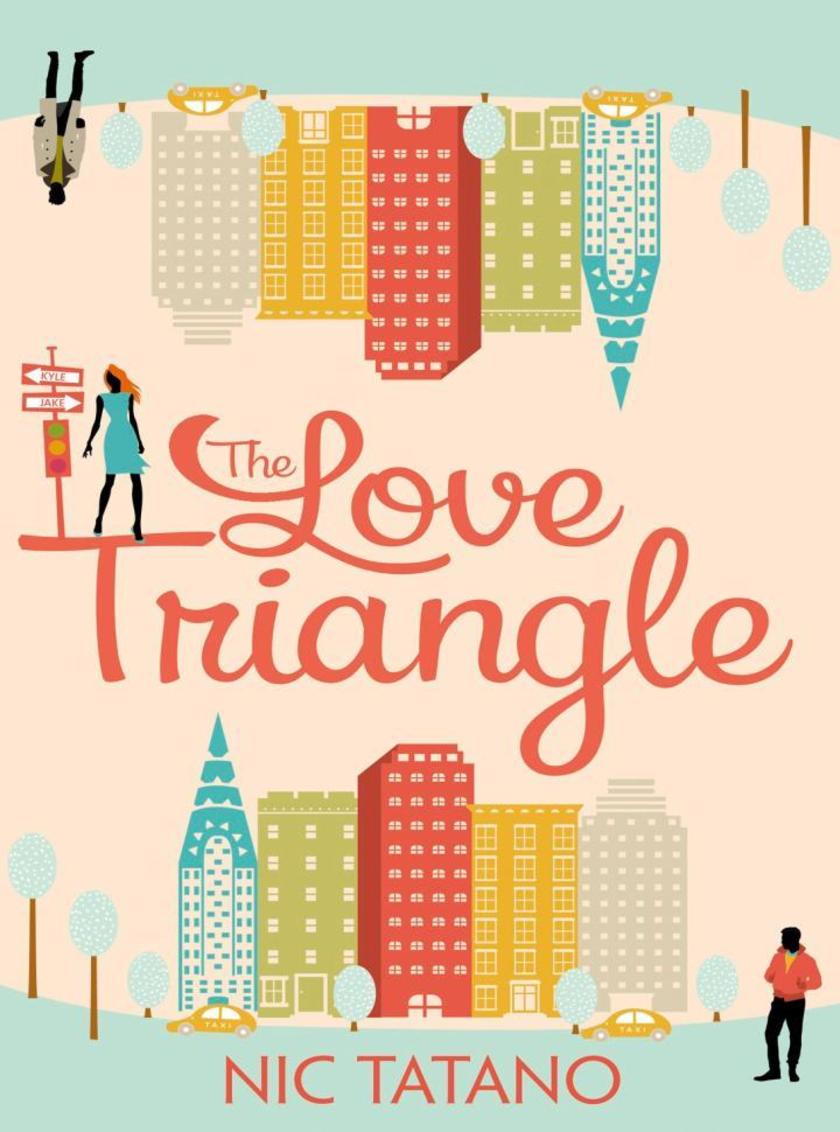
The Love Triangle
¥30.51
Public relations expert Lexi Harlow is the queen of getting her clients out of sticky situations. But can she do it for herself? After an incendiary breakup (setting fire to her cheating boyfriend’s pants), Lexi decides to play the field for the first time in her life. Two suitors are vying for her affections:New York’s most eligible bachelor and pro quarterback Jake Frost, and sports agent Kyle Caruso. But when the athlete hires the agent, and both enlist her services to take care of public relations, well… There’s only one way Lexi can get out of this love triangle before everything blows up in her face:choose one. But when the candle she’s burning at both ends meets in the middle, the choice is no longer hers.
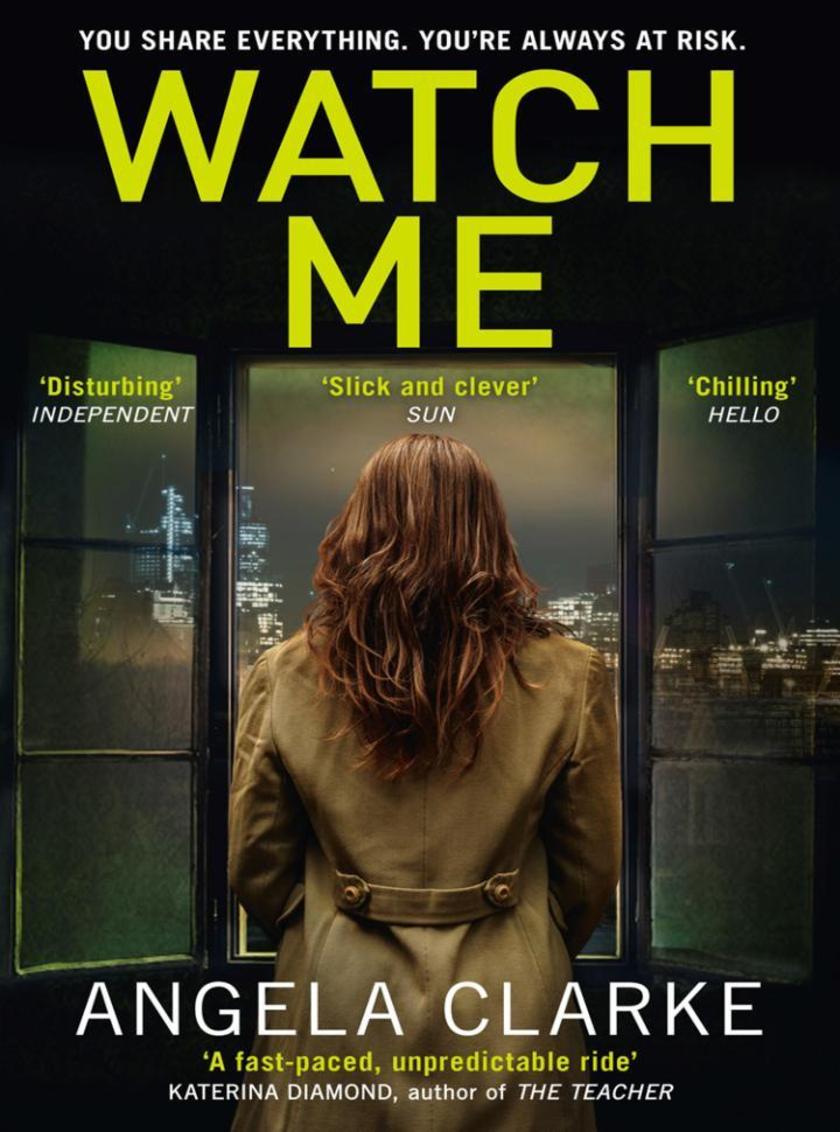
Watch Me
¥58.86
The body of a 15-year-old is found hours after she sends a desperate message to her friends. It looks like suicide, until a second girl disappears. This time, the message is sent directly to the Metropolitan Police – and an officer’s younger sister is missing. DS Nasreen Cudmore and journalist Freddie Venton will stop at nothing to find her. But whoever’s behind the notes is playing a deadly game of hide and seek – and the clock is ticking.
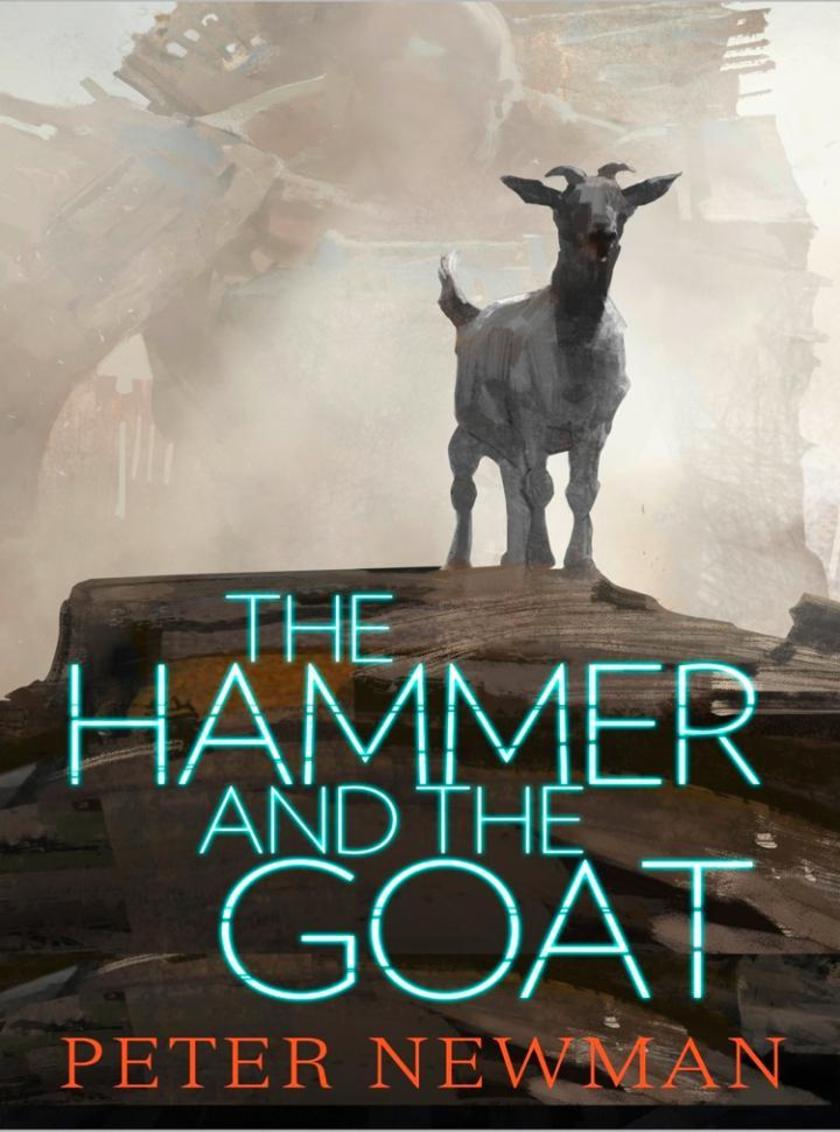
The Hammer and the Goat
¥54.94
This novelette is set parallel to events in THE VAGRANT and tells the story of what the Hammer that Walks and the goat get up to when left to their own devices…
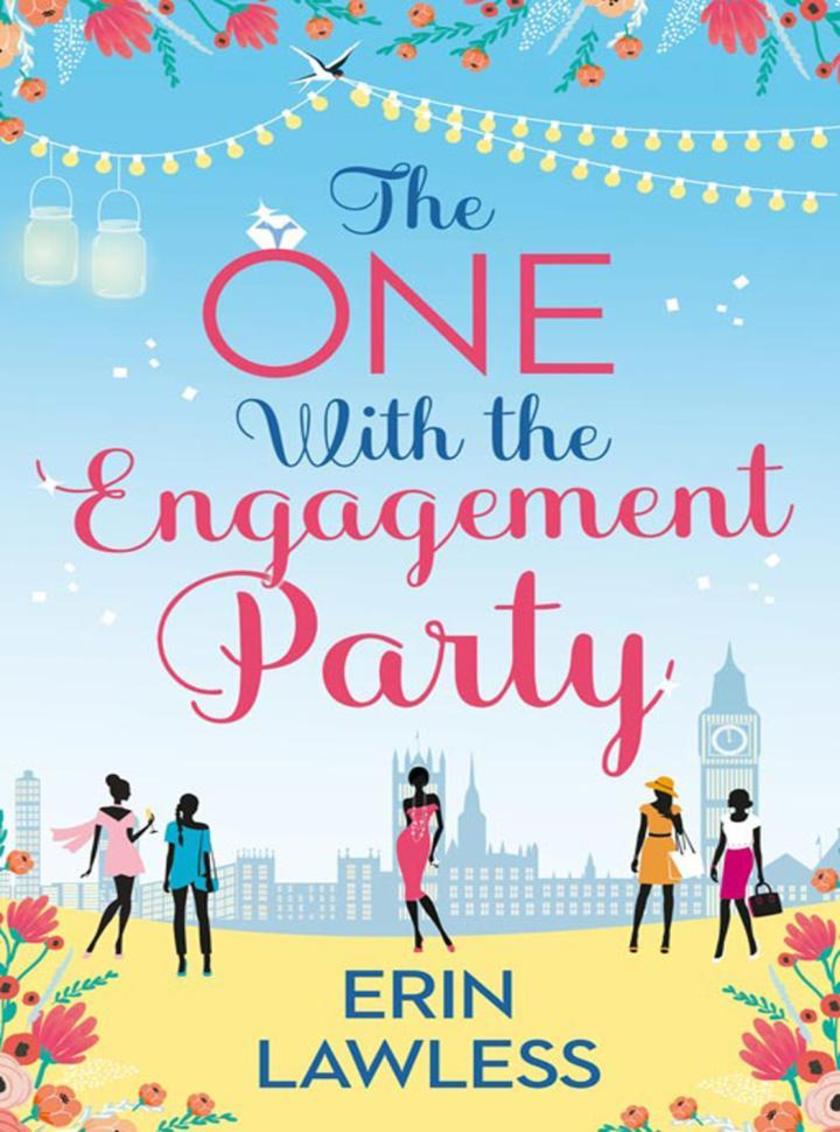
The One with the Engagement Party (Bridesmaids, Book 1)
¥20.31
‘Heartwarming and humorous, The One with the Engagement Party is Erin Lawless at her best. I can't wait for more!’ – Books with Bunny Save the Date For fans of romantic comedies like Bridesmaids and Four Weddings & a Funeral, and bestselling authors Mhairi McFarlane and David Nicholls, this is a hilarious new romantic comedy series about one bride and her four best friends. Nora Dervan is ready for her Happy Ever After. With her darling Harry waiting at the altar, and all her family and friends around her. She is certain that her special day will not be forgotten/will be one to remember… But with her four bridesmaids hiding more secrets, than bottles of champagne. Will her big day be remembered for all the right reasons? Bea has barely gotten past the fact that her two best friends are dating, and now they’re engaged, whilst cupid’s arrow points in a forbidden direction for Cleo. She is so distracted by her off limits, hot new colleague that she has forgotten Daisy, who has been left dreading the singles table. There’s more romance in the cheesy pick- up lines than Sarah’s own marriage, which hasn’t turned out as she hoped it would be. With her wicked sense of humour and refreshingly honest voice, Erin Lawless brings to the life the romance (and horrors!) of wedding season.

Orphans of War
¥40.81
Joanna Ryan’s father has gone off to war, leaving her in the care of her step-mother, a woman more concerned with having a good time than being any sort of parent to her. But then she finds a puppy, left for dead, and Joanna becomes determined to save him, sharing her meagre rations with him. But, in a time of war, pets are only seen as an unnecessary burden and she is forced to hide her new friend, Harry, from her step-mother and the authorities. With bombs falling over Bristol and with the prospect of evacuation on the horizon, can they stay together and keep each other safe?

Marcus at Home
¥147.35
Marcus Wareing is a brilliant chef. His restaurant group Marcus Wareing Restaurants includes three critically-acclaimed restaurants – the two Michelin-starred Marcus at The Berkeley, as well as The Gilbert Scott and Tredwell’s. Marcus is also judge of MasterChef:The Professionals, combining authority with inspiration for the contestants and viewers alike. But there’s another side to Marcus – away from the professional kitchens – when he’s at home, cooking the food he loves to share with his family and friends. In Marcus at Home, he shows you how you can cook these recipes, too. Marcus at Home will cover delicious meals all week long, from chapters on Midweek and Weekend to Entertaining and Baking. Focusing on great flavours and inspirational touches, these are recipes that will become time-honoured favourites in your home. Whether it’s a light Chicken & Asparagus Salad or a comforting Prawn Orzo Risotto; an indulgent Eggs & Avocado with Chorizo Jam or a delicious Buttermilk Pannacotta with Thyme Crumble; or a definitive Sunday Roast or a Chocolate Cake, these are recipes that are easy to make at home in the rush of a busy week, when you have a little more time at the weekend, or when you want to make a showstopper meal. Marcus is renowned for incredible food that tastes great. And here he’ll show you how to bring this into your home cooking.
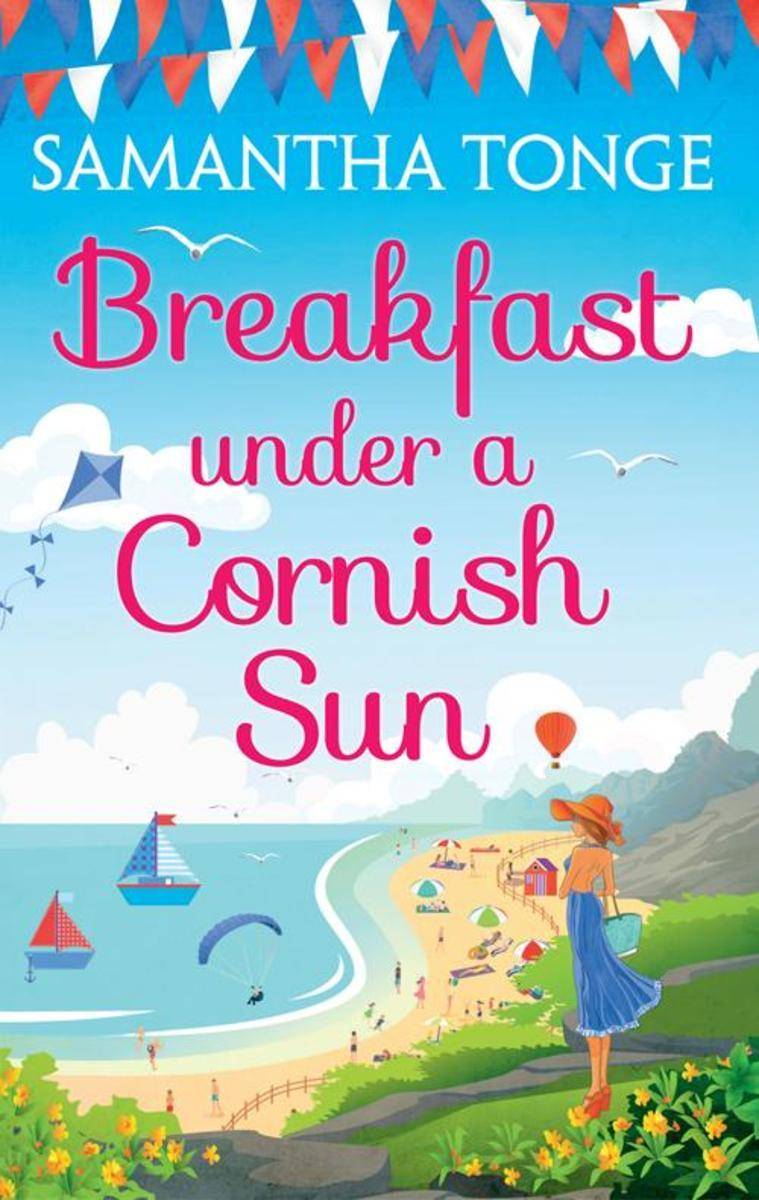
Breakfast Under A Cornish Sun:The perfect romantic comedy for summer
¥42.48
Kate Golightly needs to move forward and what better way to do that then with a trip to the Cornish coast with best friend and boss, Izzy. The sea wind is just what Kate needs to finally relax and begin to let go of her past. Except she’s suddenly got one big reason to panic! She RSVP’d ‘yes’ to the Queen Bee of her high school’s wedding saying she’s bringing her boyfriend (she doesn’t have one) who looks just like Ross Poldark! With only two weeks to find the Poldark look-alike of her dreams Kate is under a lot of pressure for the Cornish coast to deliver…
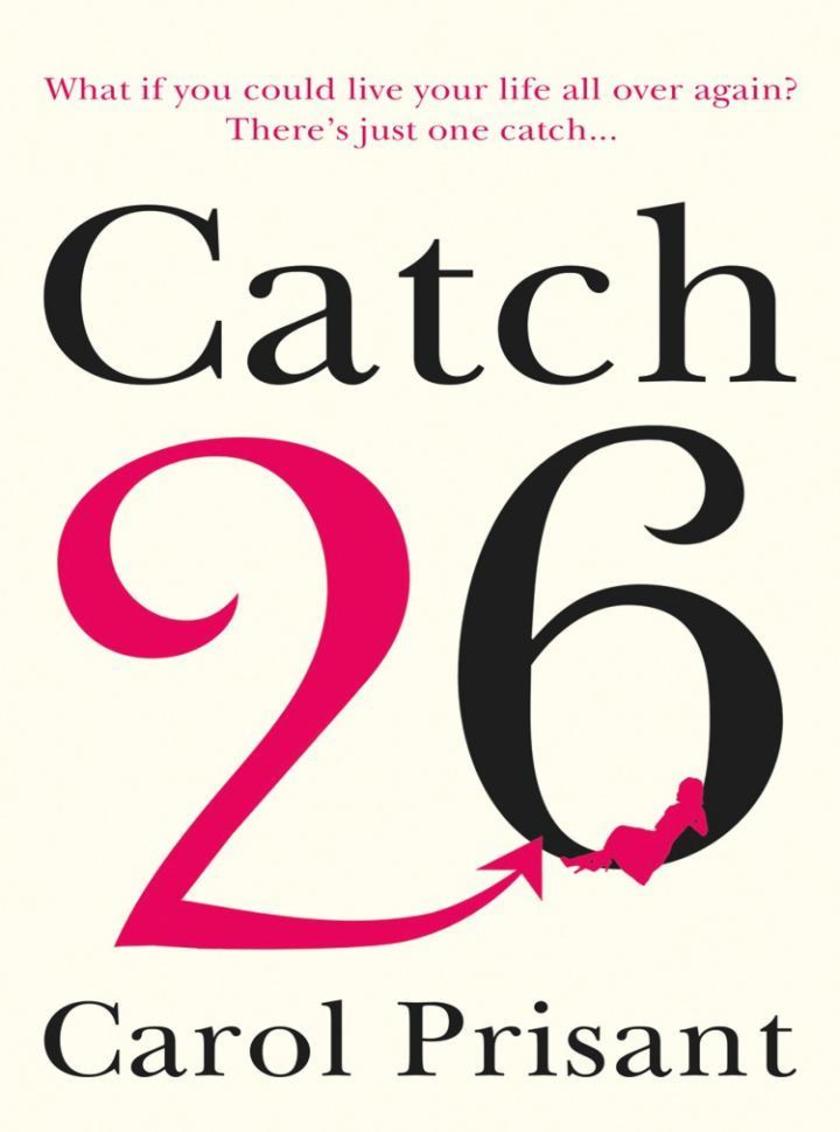
Catch 26:A Novel
¥42.77
What if you could live your life all over again? There’s just one catch… Frannie Turner is a plain, middle-aged housewife married to Stanley, a self-absorbed retired dentist who hasn’t slept in her bed in years. No children to love and be loved by. No exciting career to look back on. Just loneliness and lost dreams. So when the mysterious new hairdresser in town offers her the chance to get everything she’s ever wanted, Frannie figures she has nothing to lose -except her soul. And surely, as a stunning twenty-six-year-old singleton in New York, finding true love within the stipulated year should be a piece of cake, not to mention a hell of a lot of fun! But New York City is no place for the na?ve, and Frannie will soon learn just how dangerous a deal with the devil can be… ‘Catch-26 marries confection with thriller to create a tale that's at once compelling and comic, delightful and deep, classic yet modern, just like its older-but-younger heroine and theme. I read it straight through yet its memory lingers, the signs of a wonderful novel.’ Pamela Redmond Satran, author of Younger ‘In her tantalizing novel, Catch 26, Carol Prisant serves up a thoroughly modern woman's Faust. This irresistible story comes wrapped around a devilish question:If you could have it all—sex, love, beauty, money and eternal life—would you sign on the dotted line?’

Emergency Admissions
¥66.22
‘Heart-stopping, eye-opening and jaw-dropping. Sometimes painful, sometimes sad, often very, very funny.’ Craig Brown Shocking, funny and unflinchingly honest, Emergency Admissions gives us a fascinating glimpse into the extraordinary world of ambulance driving from the man behind the wheel. Kit Wharton has been an ambulance driver for a dozen years. This book is his report from the frontline of that work:999 calls that hurtle him to critical moments in other peoples’ lives. Nothing in this job is normal, every job is different. From the bizarre to the terrifying and tragic, Wharton takes the reader through his strange work. There is an S&M party gone horribly wrong and bodily discharges sure to make you wretch. There is a man who calls 999 saying he has picked a spot – you can imagine Kit’s irritation. When he arrives, the patient is lying in a pool of his own blood. On the other hand there are colossal time wasters. There are extraordinarily sad stories, heart-warming, touching instances of human bravery and connection Along the way Kit reveals more about his own unconventional upbringing, a childhood pickled in alcohol abuse and bohemian family set ups. As he says, he was well prepared for the ambulance service…

The Sunflower Cottage Breakfast Club (A Luna Bay novel)
¥42.48
Emily Reed is having a bad day. Her mother has just dropped a devastating bombshell—the dad she’s known and loved for twenty-five years isn’t her biological father! Desperately in need of answers, Emily heads to Luna Bay covering her personal quest up as a work trip to Sunflower Cottage B&B. Setting up the ‘Sunflower Cottage Breakfast Club’ should be a great way to meet the locals and maybe even find out who her father is. The only problem is brooding and insanely gorgeous, Noah, who is determined to make Emily’s stay perfectly uncomfortable. Discovering the truth after all these years was never going to be simple, but Emily will stop at nothing to uncover her past… even if her heart is getting in the way!

Blink and You Die (Ruby Redfort, Book 6)
¥51.50
Say goodbye to Ruby Redfort:every smart kid’s smart kid. The mind-blowing conclusion to the thrilling series by award-winning author Lauren Child. Ruby Redfort:undercover agent, code-cracker and thirteen-year-old genius – you can count on her when the ice starts to crack. All good things come to an end… Ruby Redfort is running scared, a whole bunch of people want her dead and worst of all one of them is on her team. But just who is this agent of doom? You can run, Ruby, but you can’t hide…
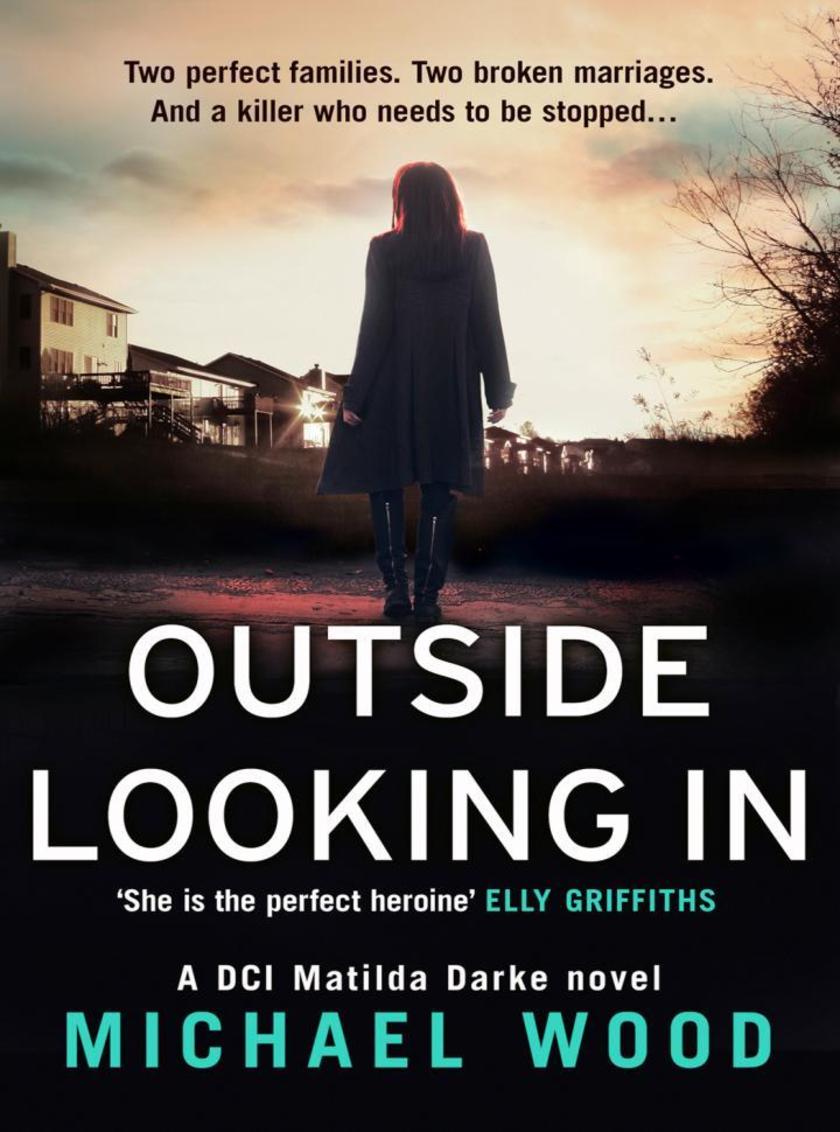
Outside Looking In:A darkly compelling crime novel with a shocking twist
¥23.45
The second book in Michael Wood’s darkly compelling new crime series featuring DCI Matilda Darke. Perfect for fans of Stuart MacBride, Mark Billingham and Val McDermid. When elderly George Rainsford goes to investigate a suspicious noise one night, the last thing he expects to find is a bloodbath. A man has been killed and a woman brutally beaten, left for dead. The victims are Lois Craven and Kevin Hardaker – both married, but not to each other. Their spouses swear they knew nothing of the affair and, besides, they both have alibis for the attack. With nothing else to link the victims, the investigation hits a dead end. The pressure is on for investigating officer, DCI Matilda Darke:there’s a violent killer on the loose, and it looks like her team members are the new targets. With no leads and no suspects, it’s going to take all Matilda’s wits to catch him, before he strikes again.

The Little Wedding Shop by the Sea:Cupcakes and Confetti
¥40.81
Brides by the Sea, the cutest little wedding shop in all of Cornwall, has it all, including cake baker Poppy who lives upstairs. But wedding planning is not the piece of cake Poppy thought it would be, and when her best friend Cate’s wedding planner walks out, Poppy has to tie up the loose ends so her bestie can tie the knot. Double-booked venues, ‘rustic’ locations and gorgeous but grumpy farmer Rafe have this wedding pro feeling like she could be Cate’s ‘something blue.’ Will the wedding, the shop and the cake all come crashing down on her? Or will Poppy pull it off to give Cate – and herself – the happy ever afters they deserve? This is the first full-length novel in a brand new series set in Cornwall. Look out for the next books in The Little Wedding Shop by the Sea series.
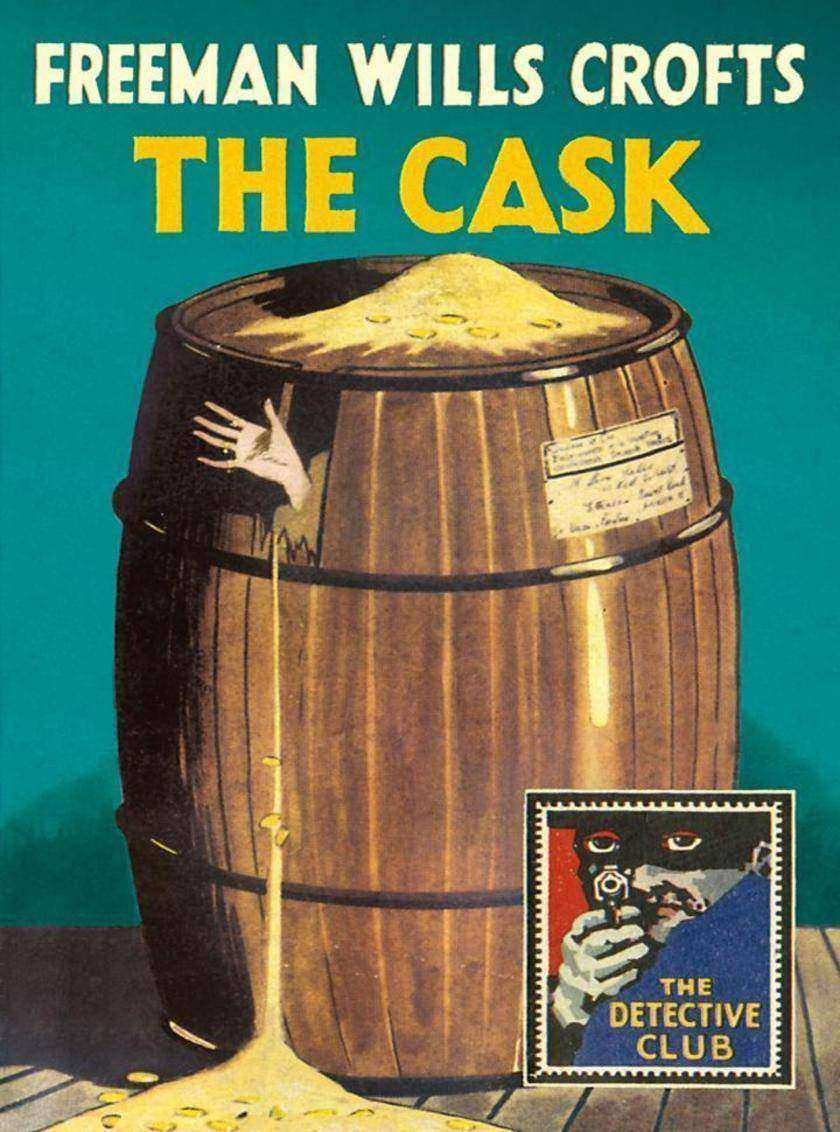
The Cask:A Detective Story Club Classic Crime Novel (The Detective Club)
¥73.58
From the Collins Crime Club archive, the seminal first novel by Freeman Wills Crofts, once dubbed ‘The King of Detective Story Writers’ and recognised as one of the ‘big four’ Golden Age crime authors. The unloading of a consignment of French wine from the steamship Bullfinch is interrupted by a gruesome discovery in a broken cask leaking sawdust and gold sovereigns. But when the shipping clerk returns with the police, the cask and its macabre contents have gone. Following the clues to Paris, Inspector Burnley of Scotland Yard enlists the help of the genial French detective M. Lefarge to check motives and alibis in their hunt for evidence of a particularly fiendish murder. This Detective Story Club classic is introduced by Freeman Wills Crofts himself in a unique preface from 1946 about The Cask’s origins.
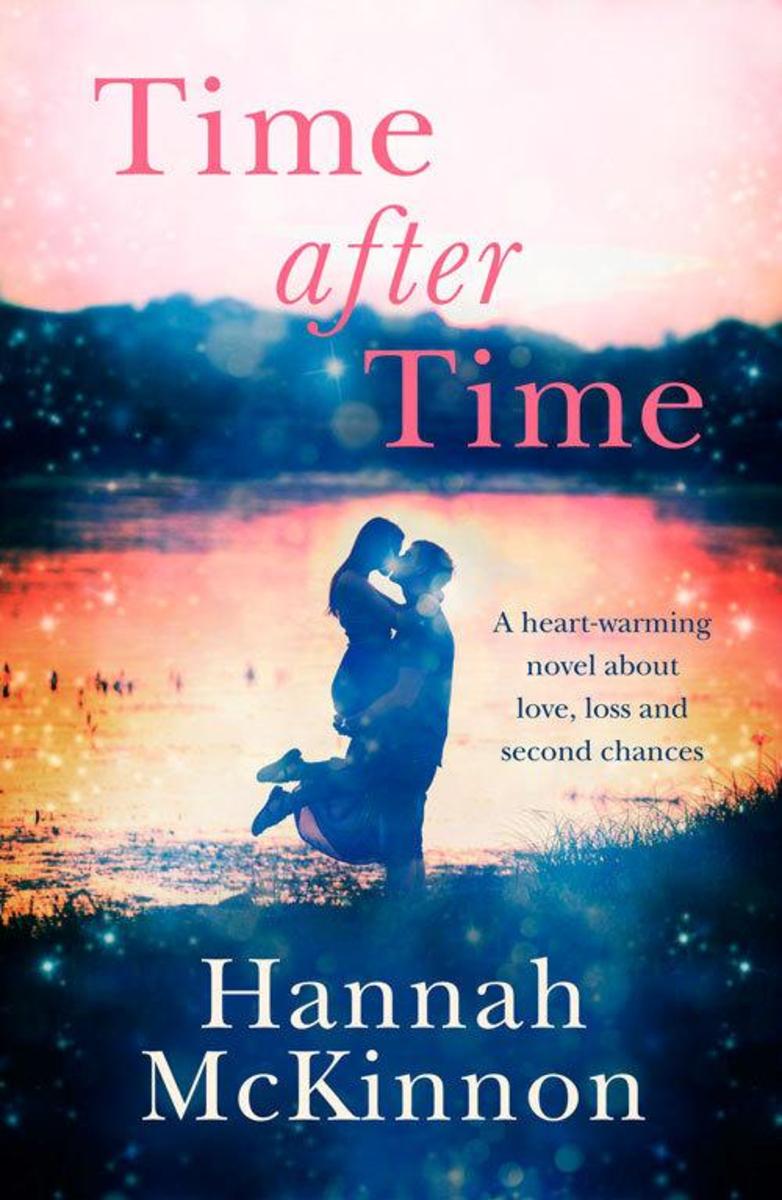
Time After Time:A heart-warming novel about love, loss and second chances
¥22.27
‘A very clever idea! if you’re thinking what if about reading this, then think no more, pick this up now!’ Have you ever wondered ‘what if?’ When Hayley Cooper goes to sleep wishing for a different life, then wakes up in bed with her first boyfriend, she can’t believe her eyes. She hasn’t seen Chris in over twenty years – but now she’s married to him. And Hayley is in for a few more romantic surprises . . . Over a single weekend, Hayley lives her life time and time again, and as each of her former loves resurface, Hayley starts to realise that there’s some truth in the saying ‘be careful what you wish for.’ Yes, the past two years with her husband Rick have been tough, but is the grass always greener? Time After Time is a fresh, funny novel, which explores the romantic paths that could have been and the ones who (almost) got away. . . Perfect for fans of Laura Barnett and Dani Atkins.
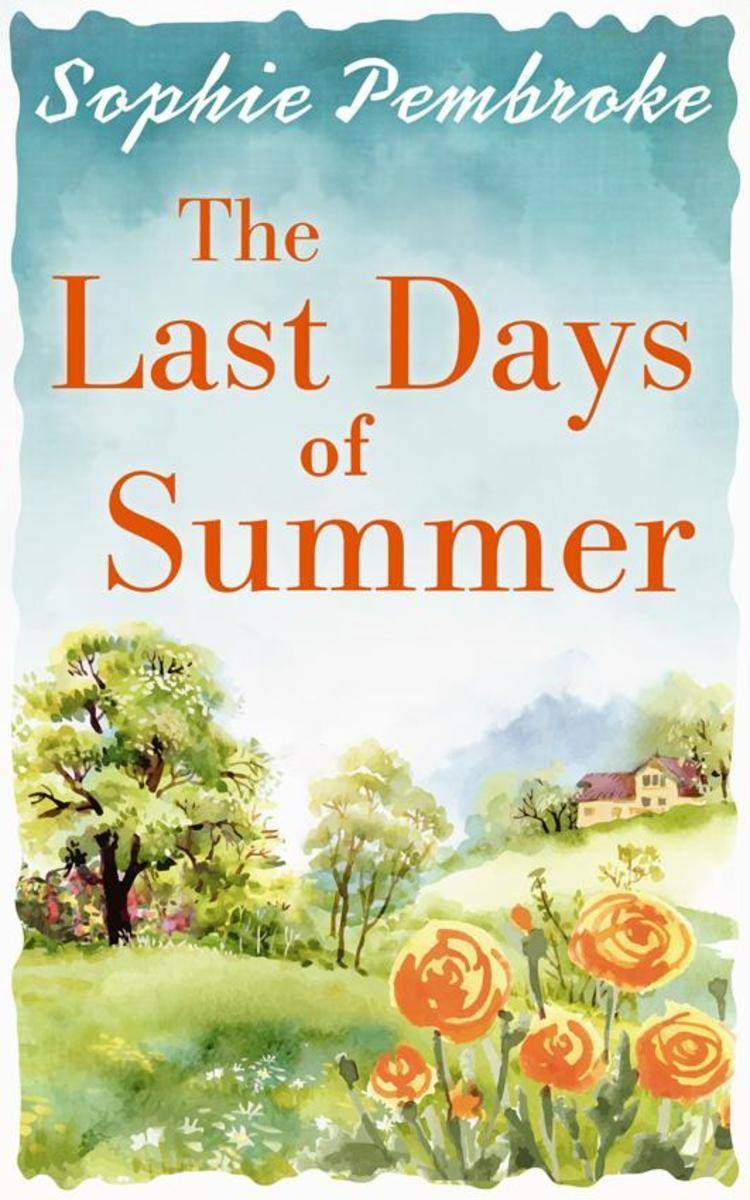
The Last Days of Summer:A heart-warming summer read
¥42.48
Saskia has always loved Rosewood. It was her family home, her sanctuary and her memories of it are vividly alive even after two years of being absent. Never did she think she would be standing in the rose garden afraid to cross the threshold and own up to the past she had run away from. So much about Rosewood hasn’t changed, everyone still dresses for dinner, sips cocktails on the terrace, her father cooks every delicious meal and her beloved grandfather still tells spellbinding stories. But the cold reception from her grandmother, Ellie’s complete avoidance of her and the judgmental gaze of Edward, her grandfather’s new assistant (who seems to know more than enough about her past), are all new to Kia. All Kia needs to do is attend her grandparent’s Golden Wedding Party and make it to the train station without her secret coming out. What could possible go wrong in just one weekend?

Country Rivals (The Tippermere Series)
¥30.51
A hilarious, sexy rom com for fans of Jilly Cooper and Fiona Walker! Dashing eventer Rory is ready to button up his breeches and settle down. His gorgeous wife, Lottie, wants a bank balance in the black so she can protect the beautiful family estate for future generations. But with the wedding business at Tipping House going up in flames, and rumours that it was arson not accident, Lottie begins to wonder who she can trust with her future. Tranquil Tippermere is under siege as movies moguls and insurance investigators invade the countryside, and as events gather pace rescue plans start to look too good to be true, and intentions may not be as honourable as they seem. As a moody, but definitely marvellous, polo player enters the fray and squares up to the eventing hero of Tippermere, does Lottie stand to lose her husband as well as her home?
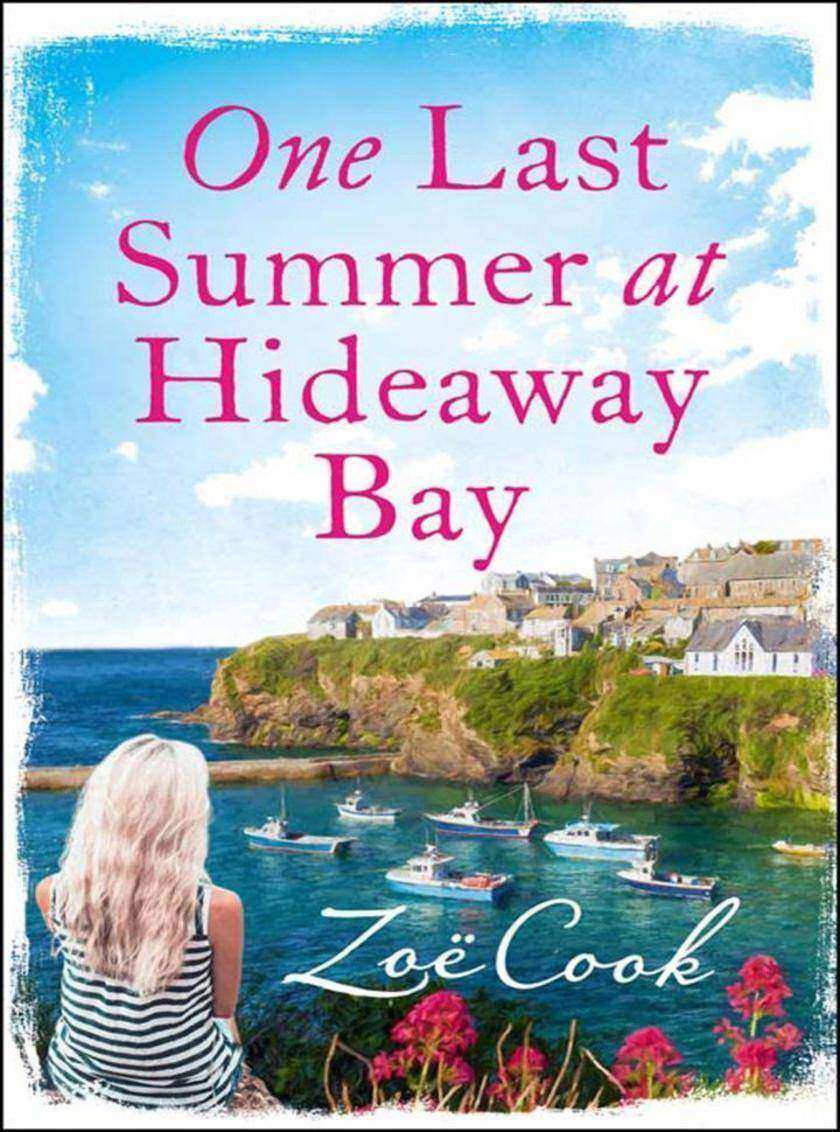
One Last Summer at Hideaway Bay
¥20.31
Secrets lie waiting beneath the Cornish waves in this moving and unforgettable love story. Perfect for fans of Nicholas Sparks and Jojo Moyes. Lucy, hi. It’s Tom. How are you? It’s been a while. I’ve been meaning to get in touch but it’s hard to know how to after so much time. I hear you’re doing really well up there. I knew you would be. You should come here, you know, back to Hideaway bay. Come and see everyone, see how little it’s all changed. Feel the sand between your toes, the Cornish sea breeze on your face. When the sun hits the surf in that way it does, it’s as magical as ever. That’s why I’m writing to you, actually. I want to get the gang back together again, one last time before…well…just one last time. You should come too. The four of us, a summer on the beach, like old times. We all want you here for it. I want you here for it. It’s been so long since I saw you. I still think about you.
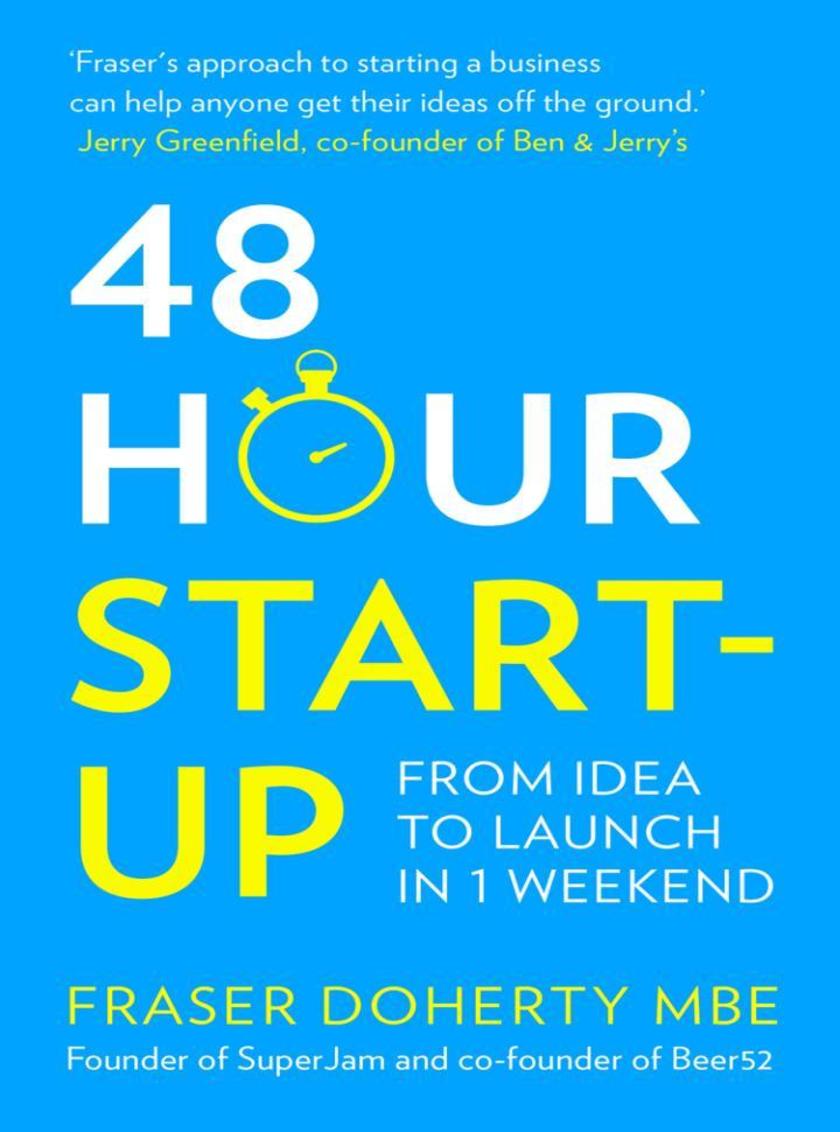
48-Hour Start-up:From idea to launch in 1 weekend
¥95.75
Fraser Doherty’s 48-Hour Start-Up is your handy and essential cheat sheet to starting your own business giving the key steps for developing an idea and getting it to market quickly. Almost everyone dreams of starting their own business but very few do. But what if it only had to be a decision of a weekend and it didn’t cost a fortune? In 48-Hour Start-Up, Fraser Doherty uses his experience building a multi-million-dollar company to attempt an experiment; starting with a blank piece of paper, he sets out to start a profitable new business over a weekend, without relying on any technical ability whatsoever. He succeeds and you can, too.

What Happens at the Beach...
¥48.07
It’s finally time for Natalie Dryden to decide what she really wants! After ditching her sparkling engagement ring, and her ghastly fiancé, she jets off for the sun-kissed shores of Southern France – the only place that has ever truly felt like home. For the first time ever, Natalie is determined to forget all about men and follow her dreams!

Girl on a Plane:A sexy, sassy, summer read
¥11.77
A sexy, sassy, summer read, perfect for fans of Rebecca Chance and Lindsey Kelk. CLIMB ON BOARD . . . When feisty Irish flight attendant Sinead Kennealy locks eyes with sexy Australian CEO Gabriel Anderson in First Class, sparks fly. But as they jet across the globe from Melbourne to London, it’s clear that they’re in for a turbulent journey . . . Stressed-out Gabriel doesn’t do relationships. And Sinead isn’t about to be fooled by another bad boy after escaping her stalker ex. Then a storm hits, causing the plane to land unexpectedly, and Sinead and Gabriel are thrown together in Singapore. The pressure rises as Sinead’s unhappy past threatens to catch up with her. But might Gabriel be the one to heal her heartbreak? If he could open up about his troubling secrets, maybe a relationship could actually get off the ground. Fasten your seatbelts – this WON’T be a smooth ride . . .


