


 购物车
购物车 个人中心
个人中心
Problem at Sea: A Hercule Poirot Short Story
¥19.13
A classic Agatha Christie short story, available individually for the first time as an ebook. A new bride is murdered in Cabin 66 on a cruise to Egypt, while her husband is ashore with other passengers. Their travelling companion Hercule Poirot finds that his holiday has become an investigation…
The Hound of Death: An Agatha Christie Short Story
¥23.25
A classic Agatha Christie short story, available individually for the first time as an ebook. In this supernatural tale by the Queen of Crime, a nun has memories of a past-life in an ancient civilisation and believes she can harness natural psychic powers…
Sharpe’s Revenge: The Peace of 1814 (The Sharpe Series, Book 19)
¥56.11
Richard Sharpe triumphs in the last battle of the war, only to find himself in worse peril when charged to recover Napoleon’s treasure. It is 1814. There are rumours that Napoleon is dead, or has run away, but Sharpe has one last battle to fight before he can lay down his sword. It is the battle for Toulouse. Little does he know it will be one of the bloodiest conflicts of the war. But Sharpe’s war is not only the battle. Accused of stealing Napoleon’s treasure, Sharpe must discover the unknown enemy who has tried to frame him – and his revenge is ingenious and devastating. Soldier, hero, rogue – Sharpe is the man you always want on your side. Born in poverty, he joined the army to escape jail and climbed the ranks by sheer brutal courage. He knows no other family than the regiment of the 95th Rifles whose green jacket he proudly wears.
The Listerdale Mystery: An Agatha Christie Short Story
¥23.25
A classic Agatha Christie short story, available individually for the first time as an ebook. A rich woman’s decline into poverty is seemingly arrested when she takes the opportunity to live at the late Lord Listerdale’s residence for next to nothing. Her family believe it is too good to be true - what’s the catch?

The Lonely God: An Agatha Christie Short Story
¥19.13
A classic Agatha Christie short story, available individually for the first time as an ebook. An unlikely couple find themselves drawn together by their mutual fascination for a sinister little stone idol high on a shelf in the British Museum…
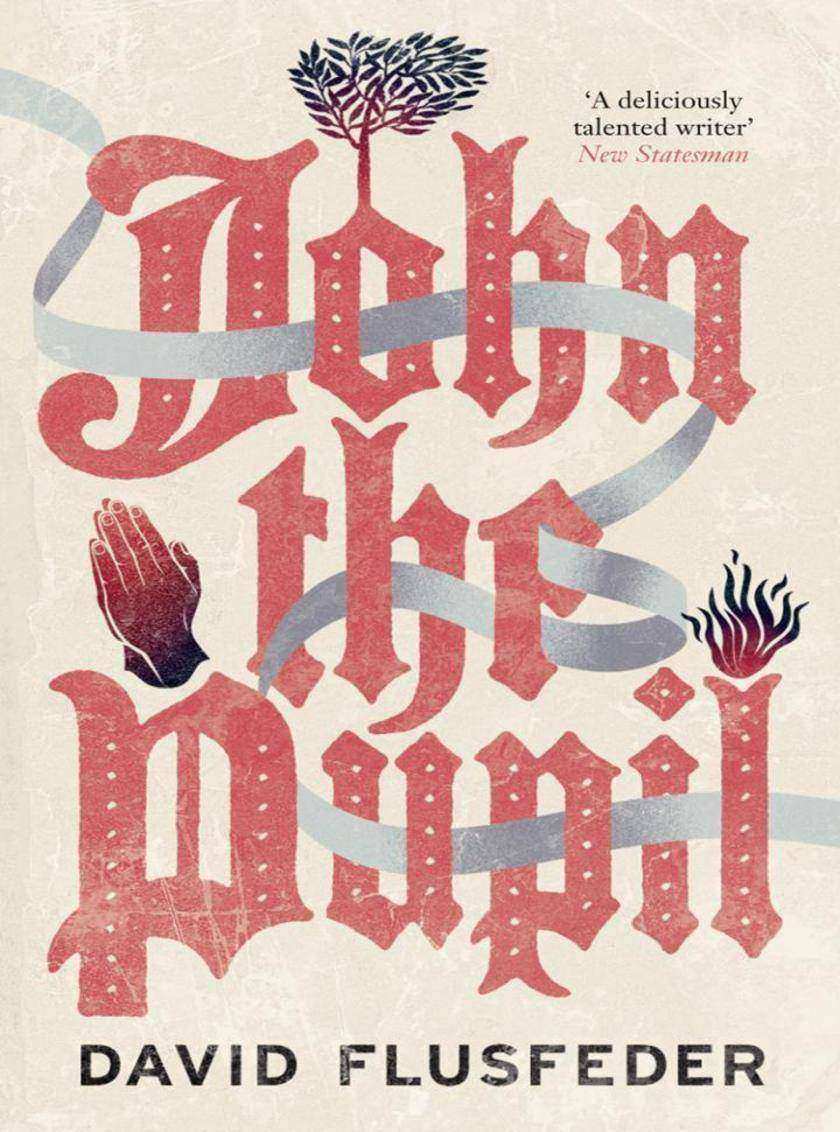
John the Pupil
¥66.22
The extraordinary new novel from David Flusfeder. ‘John the Pupil’ is a medieval road movie, Umberto Eco seen through the eyes of Quentin Tarrantino, recounting the journey taken from Oxford to Viterbo in 1267 by John and his two companions, at the behest of the friar and magus Roger Bacon, carrying a secret burden to His Holiness Clement IV. As well as having to fight off ambushes from thieves hungry for the thing of power they are carrying, the holy trio are tried and tempted by all sorts of sins: ambition, pride, lust – and by the sheer hell and heaven of medieval life. Erudite and earthy, horrifying, comic, humane, David Flusfeder’s extraordinary novel reveals to the reader a world very different and all too like the one we live in now.

Geek Girl and Model Misfit (Geek Girl books 1 and 2) (Geek Girl)
¥109.97
“My name is Harriet Manners, and I am a geek.” The first two hilarious novels in the award-winning GEEK GIRL series – now available as a 2-book collection. Geek Girl: Harriet Manners knows that a cat has 32 muscles in each ear, a “jiffy” lasts 1/100th of a second, and the average person laughs 15 times per day. She knows that bats always turn left when exiting a cave and that peanuts are one of the ingredients of dynamite. But she doesn’t know why nobody at school seems to like her. So when Harriet is spotted by a top model agent, she grabs the chance to reinvent herself… Model Misfit: Harriet Manners knows that humans have 70,000 thoughts per day. She also knows that Geek + Model = a whole new set of graffiti on your belongings. And that the average person eats a ton of food a year, though her pregnant stepmother is doing her best to beat this. But Harriet doesn’t know where she’s going to fit in once the new baby arrives. And with her summer plans ruined, modelling in Japan seems the perfect chance to get away… Will geek girl find her place on the other side of the world? The award-winning debut GEEK GIRL and sequel MODEL MISFIT by bestselling author Holly Smale.
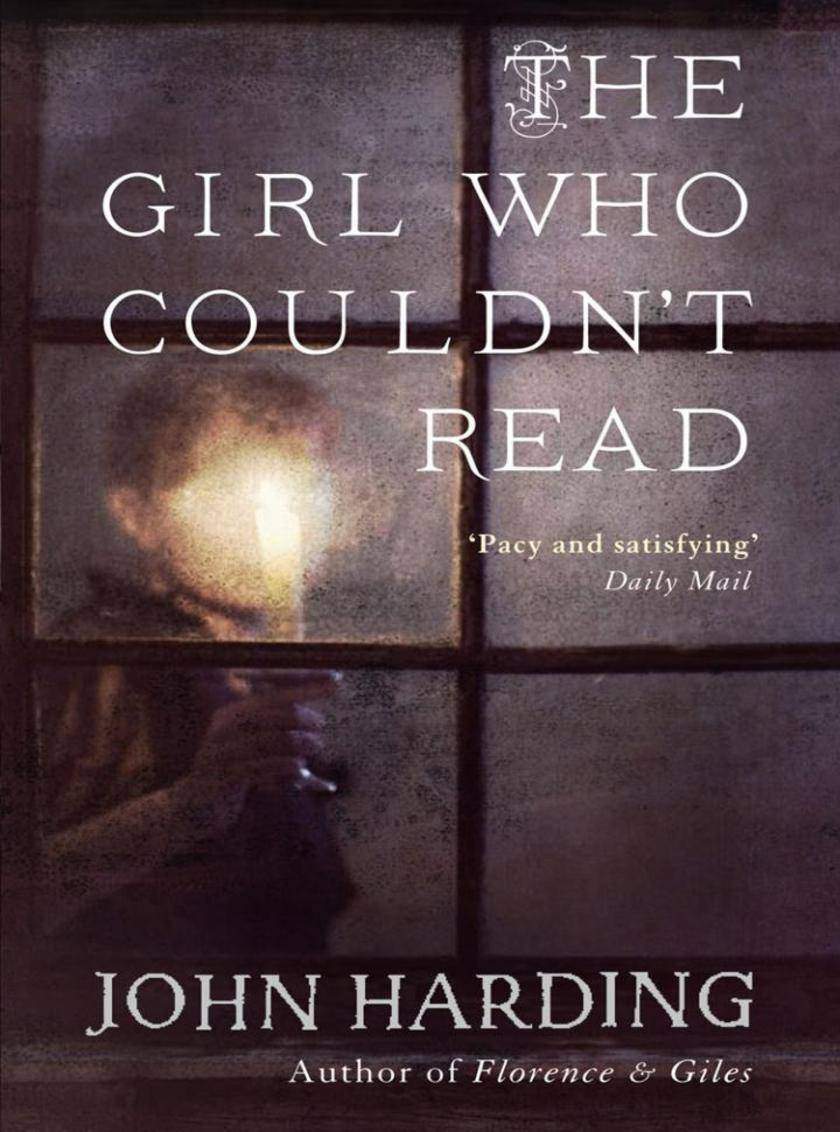
The Girl Who Couldn’t Read
¥66.22
A sinister Gothic tale in the tradition of The Woman in Black and The Fall of the House of Usher New England, The 1890s When a young doctor begins work at an isolated mental asylum, he is expected to fall in with the shocking regime for treating the patients. He is soon intrigued by one patient, a strange amnesiac girl who is fascinated by books but cannot read. He embarks upon a desperate experiment to save her but when his own dark past begins to catch up with him, he realises it is she who is his only hope of escape. In this chilling literary thriller from a master storyteller, everyone has something to hide and no one is what they seem.
The Magic Charm (Silver Dolphins, Book 1)
¥13.44
Exciting new magical adventure series - will you answer the call of the Silver Dolphins? Antonia is thrilled to win first prize in the Sea Watch poster competition - a dolphin charm necklace. But when she is presented with it, she is mysteriously told to 'always answer the call'. Soon she discovers that her necklace has magical powers that draw her to the sea where she meets a pod of dolphins and learns she has been chosen for a very special role. But Antonia's new responsibilities not only conflict with her friendships; they also bring her into danger. Is she brave enough to face her fears? And can she be a Silver Dolphin without losing her best friend?
William Walker’s First Year of Marriage: A Horror Story
¥54.25
For anyone who has ever dreamed of finding true love only to discover that happy endings are just the beginning comes this brilliantly comic novel about marriage, ex-girlfriends, ‘performance anxiety’, and what it takes to make happily ever last beyond the honeymoon. William is a happy man. He has just married Isabel, the girl of his dreams, and is confidently sailing along on a sea of wedded bliss. He’s got a hot wife, a snazzy new job and things couldn’t be much better. Sure, there are a few bumps in the road, but life on the whole is good. That is until Isabel’s ‘best friend’ Alex starts to intrude on their wedded bliss. And when William’s ex-girlfriend Saskia – aka the ‘Destroyer of Relationships’ – appears on the scene, things go from bad to worse. For marriage, William quickly discovers, has its own set of rules. And while falling in love is easy, staying in love can be a whole lot trickier… Witty, irreverent and laugh-out-loud funny, “William Walker’s First Year of Marriage: A Horror Story” is the perfect novel for anyone who has ever wanted to know what the person they’re facing at the altar is REALLY thinking – and been rightly afraid to ask.

Lindsey Kelk 5-Book ‘I Heart...’ Collection
¥275.07
Indulge in the unputdownable I HEART series. Follow Angela’s adventures from day one . . . When Angela Clark flees her best friend's wedding for New York, leaving chaos, an injured groom and a boyfriend in her wake, her adventures are only just beginning. Follow her through five hilarious and highly entertaining novels as her attempts to start a new life and new career – and a new love affair too – take her to Hollywood, Vegas, Paris and back to London. Being Angela, it's not long before she's in one scrape after another…
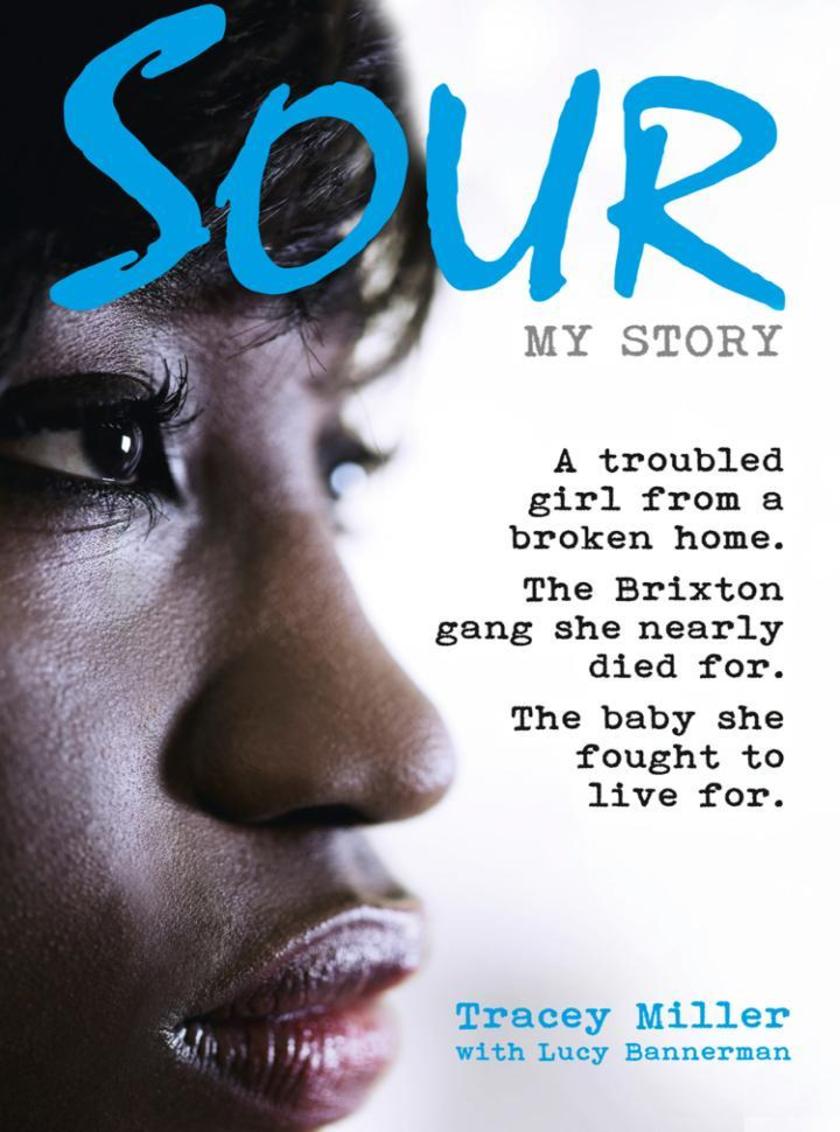
Sour: My Story
¥61.51
They call me Sour. The opposite of sweet. Shanking, stabbing, steaming, robbing, I did it all, rolling with the Man Dem. I did it because I was bad. I did it because I had heart. And the reason I reckon I got away with it for so long? Because I was a girl. SOUR is the true story of a former Brixton gang girl, drug dealer and full-time criminal. A member of the Younger 28s, a notorious gang that terrorised the postcodes around Brixton in the 90s, Sour escapes a troubled family life to immerse herself in the street life of likking and linking. She never leaves her house without a knife. At the age of fifteen, she stabs an innocent man in the street, earning her unrivalled respect and ‘Top-Dog’ status amongst her crew. She believes she is invincible. But the consequences of her actions are soon to catch up with her. Waking for the second time in two weeks in a hospital bed, to the news that she is pregnant, she realises it’s time to turn her life around. Motherhood will be a rude awakening, but it may also be her saving grace. Told with raw emotions and ferocious honesty, this is the real, on-the-record, story of one woman’s descent down the rabbit hole of gangland, and her efforts, as a daughter, mother and girlfriend, to claw herself out.
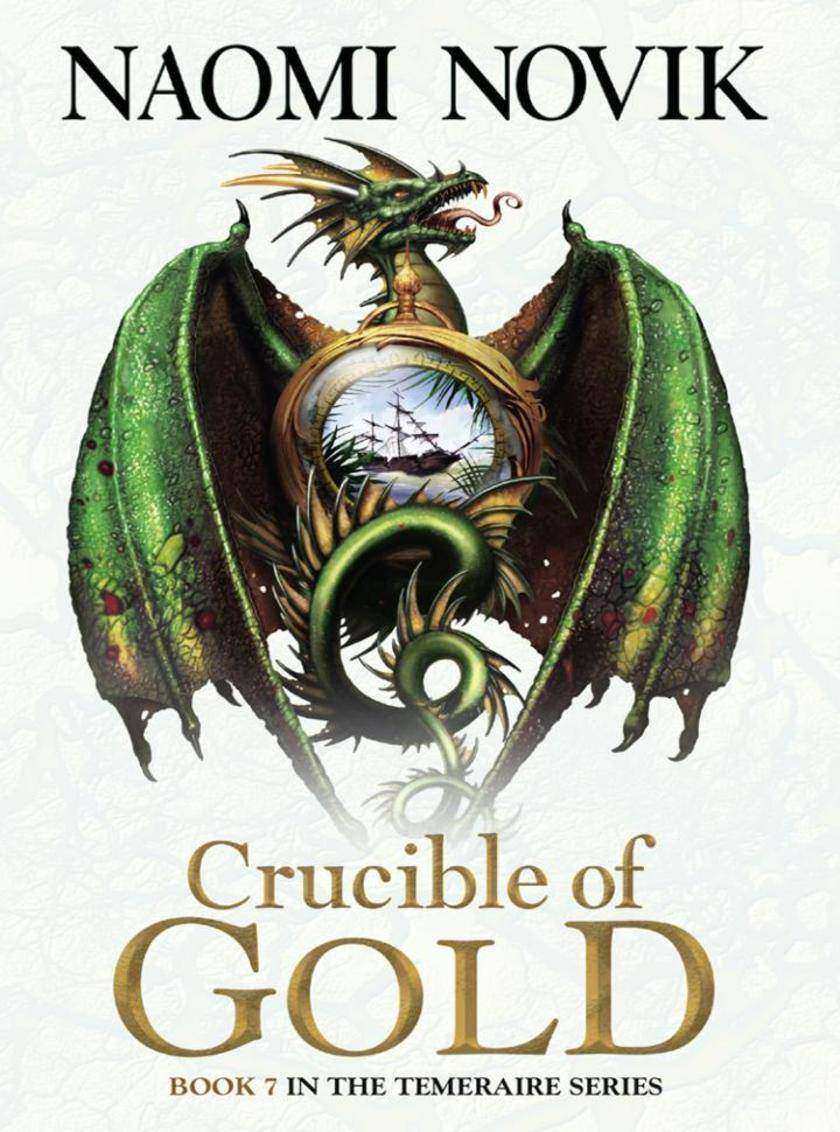
Crucible of Gold (The Temeraire Series, Book 7)
¥72.30
Naomi Novik’s stunning series of novels follow the global adventures of Captain William Laurence and his fighting dragon Temeraire as they are thrown together to fight for Britain during the turbulent time of the Napoleonic Wars. Former Aerial Corps captain Will Laurence and his faithful dragon, Temeraire, have been put out to pasture in Australia – and it seems their part in the war has ended just when they are needed most. The French have invaded Spain, forged an alliance with Africa’s powerful Tswana empire, and brought revolution to Brazil. With Britain’s last desperate hope of defeating Napoleon in peril, the government that sidelined Laurence swiftly offers to reinstate him, convinced that he’s the best man to enter the fray and negotiate peace. So the pair embark for Brazil, only to meet with a string of unmitigated disasters that forces them to make an unexpected landing in the hostile territory of the Incan empire. With the success of the mission balanced on a razor’s edge, an old enemy appears and threatens to tip the scales toward ruin. Yet even in the midst of disaster, opportunity may lurk – for one bold enough to grasp it.
Beautiful Losers
¥73.58
One of the best-known experimental novels of the 1960s, this uninhibited tale centres on the hapless members of a love triangle, and their sexual obsession and shared fascination with a mythic saint. Revolving around four central – and intrinsically flawed – characters, ‘Beautiful Losers’ is the frank and humorous story of a nameless narrator, his wife Edith, their domineering friend and mentor ‘F’ and Catherine Tekakwitha, a mythic 17th-century Mohawk virgin saint. The complexities of this three-way love, pain and lust are sent spiralling by the death of Edith and ‘F’ at the novel’s start, leading the damaged narrator to question the nature of love, sexuality and spirituality in a series of explicit flashbacks. The extraordinary and inimitable singer-songwriter’s classic novel, this is Leonard Cohen’s most critically acclaimed literary work, echoing the dark poetry and wry humour of his timeless songs of loss, love, sex and religion. Not just an extremely funny novel, but an incredibly original and explicit examination of friendship, sex and spirituality.
Under Heaven
¥71.22
An epic historical adventure set in an alternate 8th century China, from the author of the 2008 World Fantasy winner, Ysabel. Under Heaven is a novel of heroes, assassins, concubines and emperors set against a majestic and unforgiving landscape. Honour is beyond measure But its price may be an empire… For two years Shen Tai has mourned his celebrated father and lived like a hermit beyond the borders of the Kitan Empire. There, by a mountain lake, the bones of the soldiers killed in great battles between the Kitai and the Tagurans lie unburied and their wailing ghosts strike terror into the living. Tai has laboured alone, laying to rest the mingled dead of both empires, until a letter arrives. It contains the promise of a poisoned chalice: Tai will be given two hundred and fifty Sardian horses by the Tagurans, legendary steeds from the far west, as a reward for his courage and piety. Now, Tai must try to return alive from solitude to a glittering, dangerous court. For to give a man even one of the famed Sardians is to honour him greatly; to give him so many is a reward which would overwhelm an emperor, and could be Tai's death warrant.
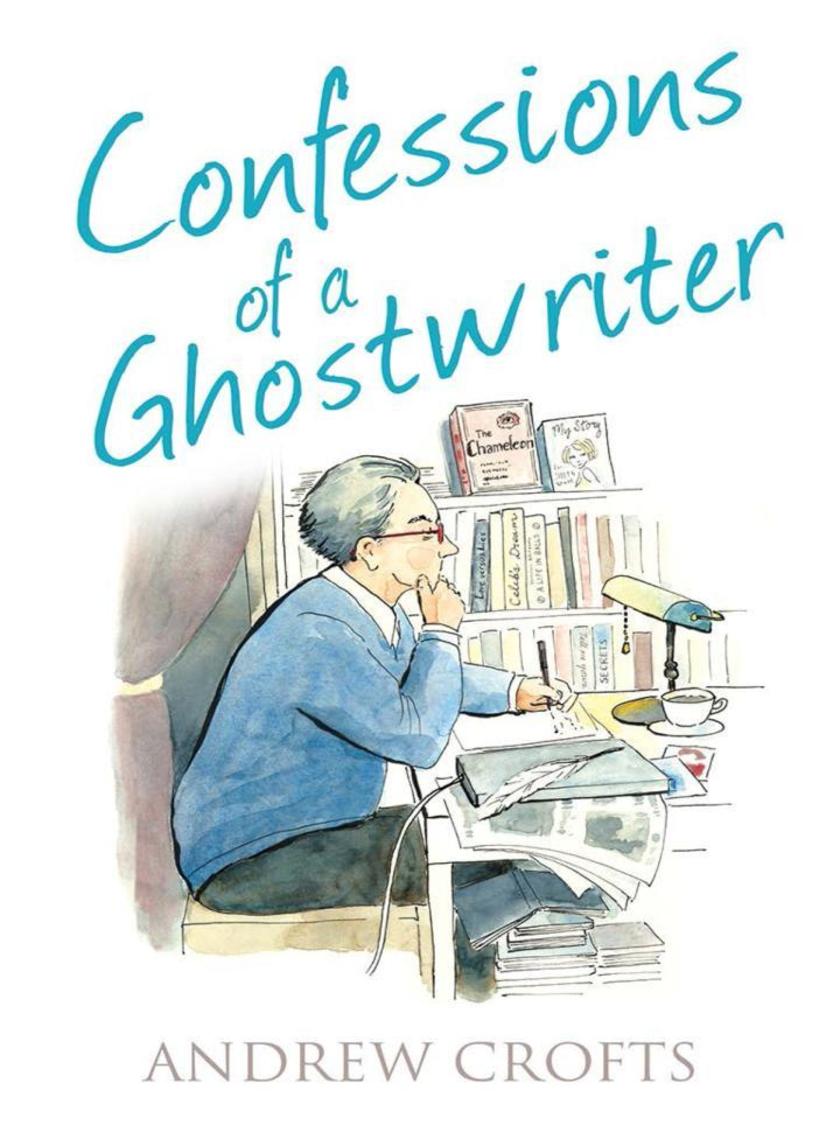
Confessions of a Ghostwriter (The Confessions Series)
¥34.14
HE’S WRITTEN MORE THAN 80 BOOKS. HE’S SOLD MILLIONS OF COPIES ACROSS THE WORLD. HE IS THE MAN BEHIND A DOZEN SUNDAY TIMES TOP 10 HITS, SPENDING OVER 120 WEEKS IN THE BESTSELLER CHARTS. BUT YOU PROBABLY HAVEN’T HEARD OF HIM. Andrew Crofts is a ghostwriter, an author for hire, employed to write other people’s stories – everyone from film stars to footballers, hitmen to hookers, world leaders to abused children. Ghostwriters are confidantes to the most famous people on earth, and they help give a voice to some of the most vulnerable and inspiring. They dip their toes into every corner of life, and inhabit worlds that are both shadowy and glamorous. They are the ones who write the books that top the bestseller charts. Andrew is one of the world’s most sought-after ghosts. In this book he confesses the truth about ghosting; how it feels to be an invisible author, to be given first class tickets to travel anywhere and permission to ask whatever questions you like. Confessions of a Ghostwriter gives an unrivalled peek into private worlds that few others gain admission to.
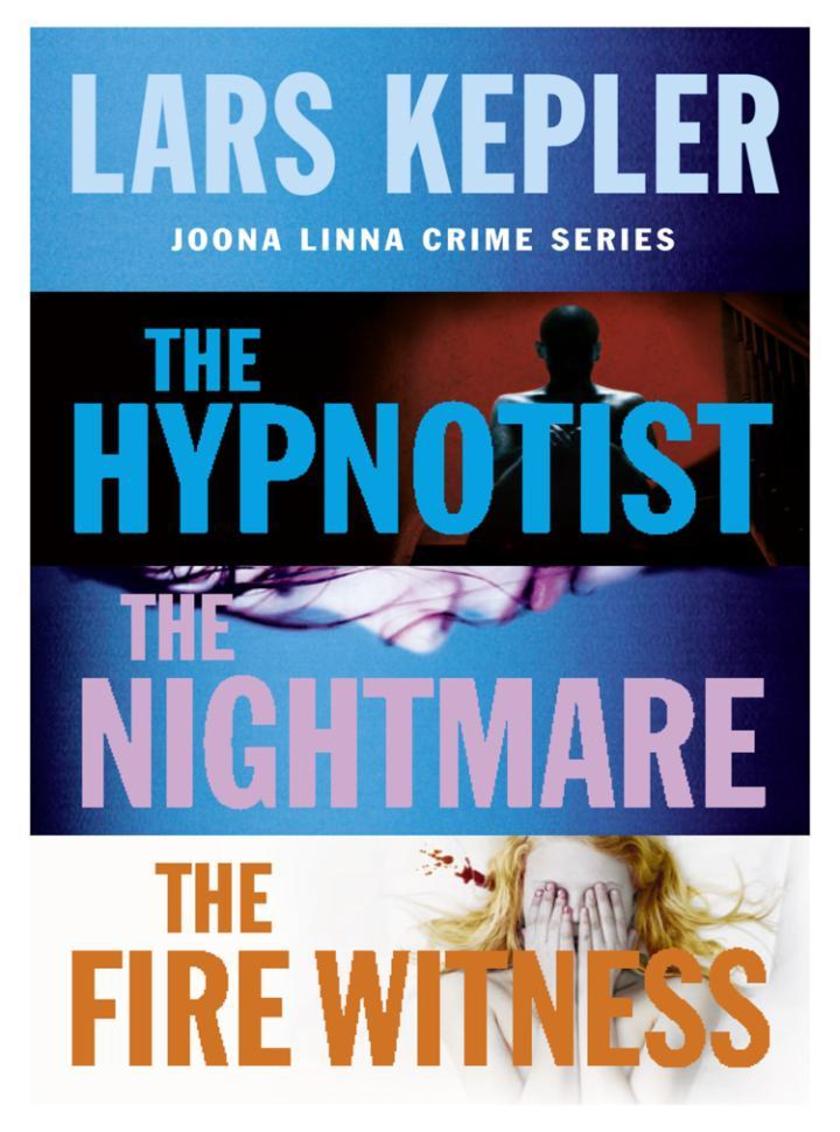
Joona Linna Crime Series Books 1-3
¥228.08
Read the first three Detective Joona Linna thrillers in the Swedish crime sensation taking the world by storm The Hypnotist Detective Inspector Joona Linna is faced with a boy who witnessed the gruesome murder of his family. He’s suffered more than one hundred knife wounds and is comatose with shock. With a killer on the run and Linna running out of time, a hypnotist who vowed never to practice again is brought in to the investigation unfurling a terrifying chain of events. The Nightmare The lifeless body of a young woman is discovered on an abandoned boat. A man is found hanging alone in his apartment. The question for Detective Inspector Joona Linna: suicide or murder? Only four people know the answer. And one man wants them dead. The Fire Witness One girl is dead. One girl is missing. One girl claims to have witnessed it all. When a young girl is found brutally murdered in a home for troubled teenagers, Joona Linna is called in to investigate. As he refuses to accept the easy answers, his search leads him into darker, more violent territory, and, finally, to a shocking confrontation with his past. This edition contains an exclusive extract of Kepler’s fourth explosive thriller, The Sandman.
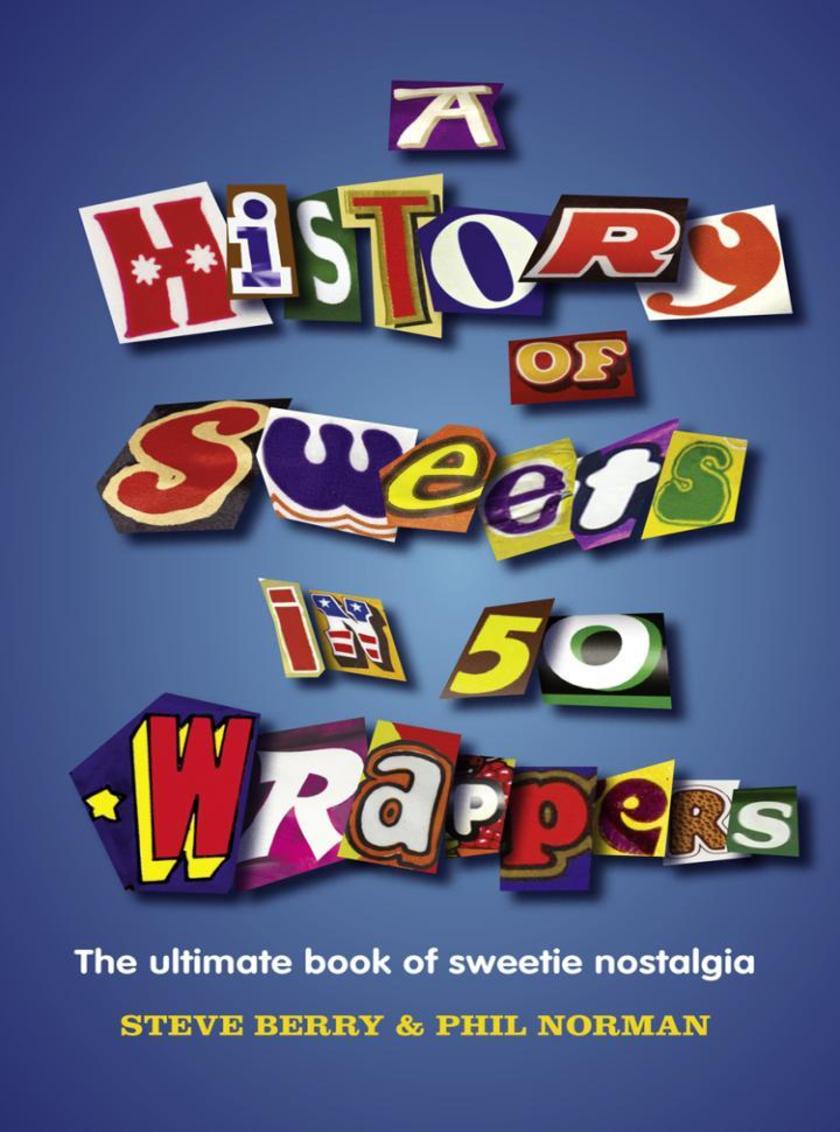
A History of Sweets in 50 Wrappers
¥15.60
A super-sweet guide to all your favourite sweets from years gone by. A History of Sweets in 50 Wrappers is a colourful and comical history of sweets and chocolates. If you ever dreamt of being the Milkybar Kid, if you remember when Snickers were Marathons and Double Deckers had raisins in them, if you ever checked the colour of your next Fruit Pastille before offering it out, this book is for you. It will lead you down memory lane until you reach the corner shop and load up a 10p mix-up bag. Fully illustrated, with hundreds of classic wrappers and adverts, A History of Sweets in 50 Wrappers is packed full of memories, fun facts, historical research … … and lots and lots of sweets!

Triumph Over Adversity 3-in-1 Collection
¥182.66
For the first time, Casey Watson’s The Girl Without a Voice, Torey Hayden’s Beautiful Child and Mary MacCracken’s Lovey are combined in an exclusive e-book bundle. Discover the moving stories of three inspirational teachers as they try to pull their students out of the darkness. The Girl Without a Voice is the shocking story from bestselling author and foster carer Casey Watson. Thirteen-year-old Imogen joins Casey’s class and suffers from selective mutism – although her grandparents insist they have no idea why. Not content with the explanation that Imogen is just playing up, Casey starts digging and it’s not long before she starts to discover a very different side to Imogen’s character. After months of silence, Imogen utters her first, terrified, words to Casey: ‘I thought she was going to burn me.’ Internationally bestselling author Torey Haydon returns with Beautiful Child, a stunning and poignant account of an extraordinary teacher's determination never to abandon a child in need. Seven-year-old Venus Fox never spoke or listened. Yet an accidental playground 'bump' would release a rage frightening to behold. The school year that followed would prove to be one of the most trying, perplexing, and ultimately rewarding of Torey's career, as she struggled to reach a silent child in obvious pain. Mary MacCracken’s deeply moving memoir Lovey is the account of eight-year-old Hannah, who joins Mary’s class and retires to a cupboard, refusing to come out. Howling almost non-stop she was displaying the worst symptoms that Mary had ever seen. How could Mary help a child who had been shut up in closets and treated like an animal? How could she reach this lost girl?
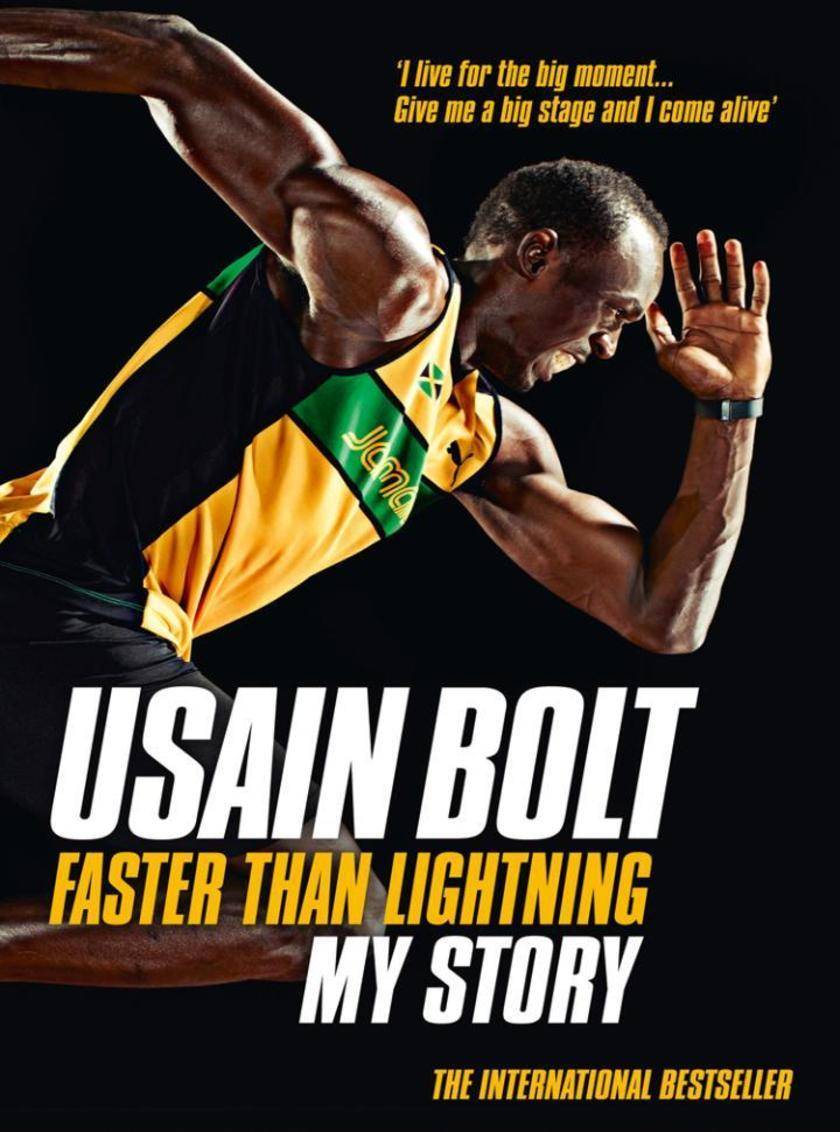
Faster than Lightning: My Autobiography
¥68.67
The autobiography of the fastest man of all time and a superstar whose talent and charisma have made him one of the most famous people on the planet. Whether you know Athletics or not, and even whether you know sport or not, chances are you know Usain Bolt. The fastest man on the planet, not just now but ever, Usain has won the hearts of people everywhere with his mind-blowing performances and his infectious charisma – uniting supporters around the world. In this, his full autobiography, Usain tells his story in his own words: from humble beginnings in Jamaica, to international stardom at Beijing and on to the new heights of superstardom he has reached since lighting up London 2012. Full of the charm and charisma that has made him the most popular sporting figure of our time and a universal celebrity, this is a book that Usain’s millions of fans will love.

The Fire Witness
¥61.51
The No 1 Swedish thriller by the author of The Hypnotist and The Nightmare One girl is dead Detective Inspector Joona Linna has been called to a home for troubled girls, north of Stockholm. A young girl has been brutally murdered, her body arranged in bed with her hands covering her eyes. One girl is missing Vicky Bennet is the only girl unaccounted for. Did she run away to escape the chaos or does a bloody hammer found under her pillow make her the prime suspect? One girl claims to have witnessed it all In Stockholm, Flora Hansen works as a medium, pretending to commune with the dead. When she begins to suffer crippling visions of the young girl’s murder, will anyone believe her? As Joona refuses to accept the easy answers, his search leads him into darker, more violent territory, and, finally, to a shocking confrontation with his past.


