


 购物车
购物车 个人中心
个人中心

Edward II by Christopher Marlowe - Delphi Classics (Illustrated)
¥8.09
This eBook features the unabridged text of ‘Edward II by Christopher Marlowe - Delphi Classics (Illustrated)’ from the bestselling edition of ‘The Complete Works of Christopher Marlowe’. Having established their name as the leading publisher of classic literature and art, Delphi Classics produce publications that are individually crafted with superior formatting, while introducing many rare texts for the first time in digital print. The Delphi Classics edition of Marlowe includes original annotations and illustrations relating to the life and works of the author, as well as individual tables of contents, allowing you to navigate eBooks quickly and easily. eBook features: * The complete unabridged text of ‘Edward II by Christopher Marlowe - Delphi Classics (Illustrated)’ * Beautifully illustrated with images related to Marlowe’s works * Individual contents table, allowing easy navigation around the eBook * Excellent formatting of the textPlease visit www.delphiclassics.com to learn more about our wide range of titles

When Anthony Rathe Investigates
¥57.14
These four stories follow on from the US radio series Imagination Theater that included Anthony Rathe stories. Linked by how Rathe is wracked with guilt over a suicide, they explore crime from a different angle: determination to find the truth, no matter how inconvenient to the investigating officer.

Parlement of Foules by Geoffrey Chaucer - Delphi Classics (Illustrated)
¥8.09
This eBook features the unabridged text of ‘Parlement of Foules by Geoffrey Chaucer - Delphi Classics (Illustrated)’ from the bestselling edition of ‘The Complete Works of Geoffrey Chaucer’. Having established their name as the leading publisher of classic literature and art, Delphi Classics produce publications that are individually crafted with superior formatting, while introducing many rare texts for the first time in digital print. The Delphi Classics edition of Chaucer includes original annotations and illustrations relating to the life and works of the author, as well as individual tables of contents, allowing you to navigate eBooks quickly and easily. eBook features: * The complete unabridged text of ‘Parlement of Foules by Geoffrey Chaucer - Delphi Classics (Illustrated)’ * Beautifully illustrated with images related to Chaucer’s works * Individual contents table, allowing easy navigation around the eBook * Excellent formatting of the textPlease visit www.delphiclassics.com to learn more about our wide range of titles

The Paradigm Shift
¥37.36
A sinister conspiracy is about to change the world forever. One of the world s most powerful nations has secretly joined an unholy alliance with India to tip the balance of world power and create an axis that will never again be dictated to by the US government... The world watches helplessly as nuclear weapons replace diplomacy in the increasingly volatile exchanges between the Indian and Pakistan governments. With a fanatic s finger on the nuclear button, world oil supplies are cut off and chaos reigns throughout the Gulf States and beyond. The US and UK governments stand together to face the world threat head on using détente and political pressure to hold crisis at bay while dispatching two of their best agents with more incisive methods in mind. One half of the team is battle hardened but weary Special Forces veteran Luke Weaver. The other, to his discomfort, is the dynamic and beautiful Kirin an American field officer of Indian descent who s familiar with the language and the terrain. As the oil supplies dwindle, the world learns that this is only the beginning of the master plan. Fronted by the maniacal Prime Minister of India, the axis plans to change the world forever: this is the paradigm shift. As the President battles against time and treachery in the highest corridors of White House power, the options are running out as fast as the oil supplies...

EZ Gamer Issue 2
¥31.07
Hello, and welcome to an exciting new video game ezine,? EZ Gamer. Throughout this textbased ezine we aim to provide you with an insightful view on all things video games. We are dedicated gamers with many years of video games experience? We believe a social life is not necessary if there's an awesome new game coming out. In EZ Gamer Issue 2 we are giving you previews to the most anticipated games of 2011. To think, over the next year top games like Batman: Arkham City, Portal 2, the next Assassin's Creed, The Last Guardian, and many more will be gracing our consoles. Be sure to check out our 20 most anticipated feature.We also put plenty of focus on the biggest games that have arrived in the last couple of months. Don't fear we have all the classics covered, from Halo: Reach and Black Ops, to the recent Gran Turismo 5 and Assassin's Creed: Brotherhood. All reviewed in our bumper end of the year reviews section. In addition to all this great content, we're also giving you the full walkthrough guides for Halo: Reach and Call of Duty: Black Ops. Plus cheats and tips for the latest games. Including a Weapon Combination guide for Capcom's Dead Rising 2. So sit back, prepare you eyes and enjoy this edition of EZ Gamer. About EZGamer Ezine -EZGamer is a bimonthly downloadable video game magazine, featuring the big news stories, previews of upcoming games, insightful and humorous features on games and the industry, all the top and indepth reviews for the latest games across all formats, a cheats, tips and hints section for the newest games, plus a detailed walkthrough guide for the biggest and toughest game in that period. The content is given to you by dedicated gamers with an unbiased opinion on all things video games.Disclaimer All game titles, names and images are trademarks of their respective companies. Editorial content copyright ICE Games Ltd. 2010.

The Canterbury Tales - Original and Modernised Text by Geoffrey Chaucer - Delphi
¥8.09
This eBook features the unabridged text Chaucer's ‘The Canterbury Tales' in the Original medieval text and a Modernised Text, from the bestselling edition of ‘The Complete Works of Geoffrey Chaucer’. Having established their name as the leading publisher of classic literature and art, Delphi Classics produce publications that are individually crafted with superior formatting, while introducing many rare texts for the first time in digital print. The Delphi Classics edition of Chaucer includes original annotations and illustrations relating to the life and works of the author, as well as individual tables of contents, allowing you to navigate eBooks quickly and easily. eBook features: * The complete unabridged text of ‘The Canterbury Tales - Original and Modernised Text by Geoffrey Chaucer - Delphi Classics (Illustrated)’ * Beautifully illustrated with images related to Chaucer’s works * Individual contents table, allowing easy navigation around the eBook * Excellent formatting of the textPlease visit www.delphiclassics.com to learn more about our wide range of titles

The Gambler
¥40.79
Dostoyevsky's own passion for gambling lays in foundation of this novel. He first gambled at the gaming tables at Wiesbaden and later, when his passion for gambling subsided, he played at Baden-Baden, often beginning by winning a small amount of money and losing far more in the end. Using his future work as collateral with his publisher in exchange for cash he was eventually given a final deadline to complete the novel or sell the rights to all his work in the next nine years. So great was the pressure that Dostoyevsky was only able to finish the novel on time using one of the very first stenographers in Russia and his wife-to-be, Anna Grigorievna.
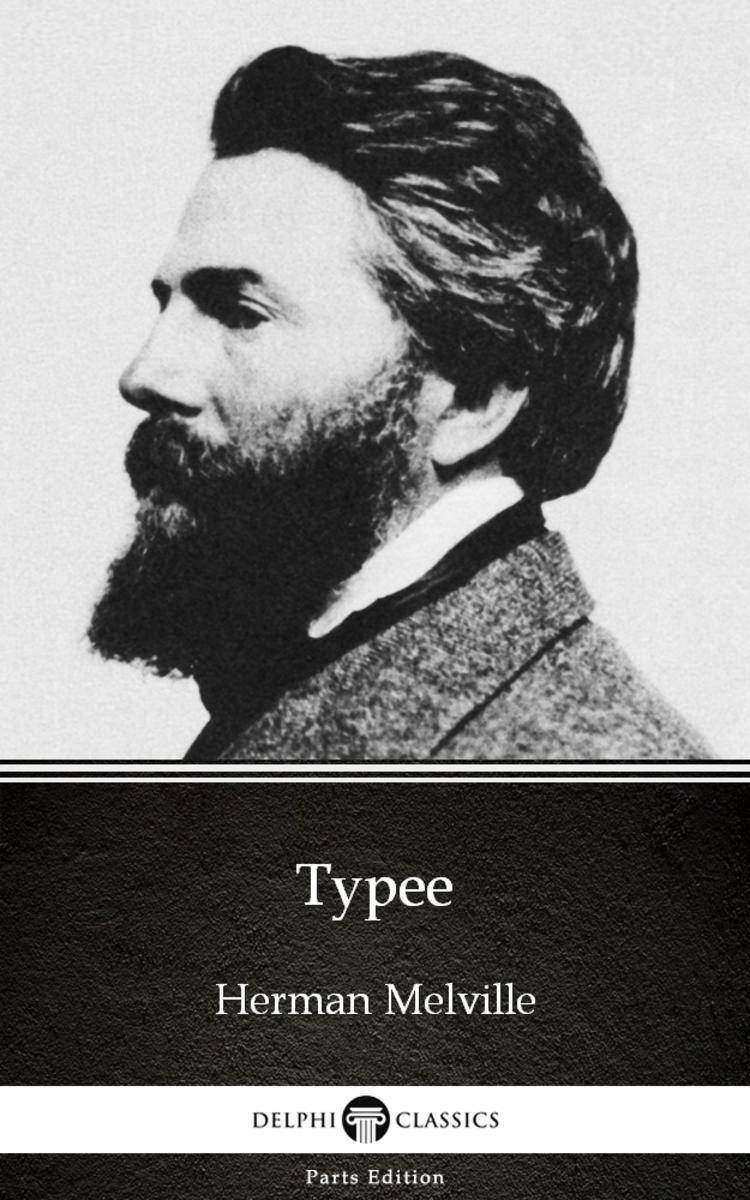
Typee by Herman Melville - Delphi Classics (Illustrated)
¥8.09
This eBook features the unabridged text of ‘Typee by Herman Melville - Delphi Classics (Illustrated)’ from the bestselling edition of ‘The Complete Works of Herman Melville’. Having established their name as the leading publisher of classic literature and art, Delphi Classics produce publications that are individually crafted with superior formatting, while introducing many rare texts for the first time in digital print. The Delphi Classics edition of Melville includes original annotations and illustrations relating to the life and works of the author, as well as individual tables of contents, allowing you to navigate eBooks quickly and easily. eBook features: * The complete unabridged text of ‘Typee by Herman Melville - Delphi Classics (Illustrated)’ * Beautifully illustrated with images related to Melville’s works * Individual contents table, allowing easy navigation around the eBook * Excellent formatting of the text Please visit www.delphiclassics.com to learn more about our wide range of titles
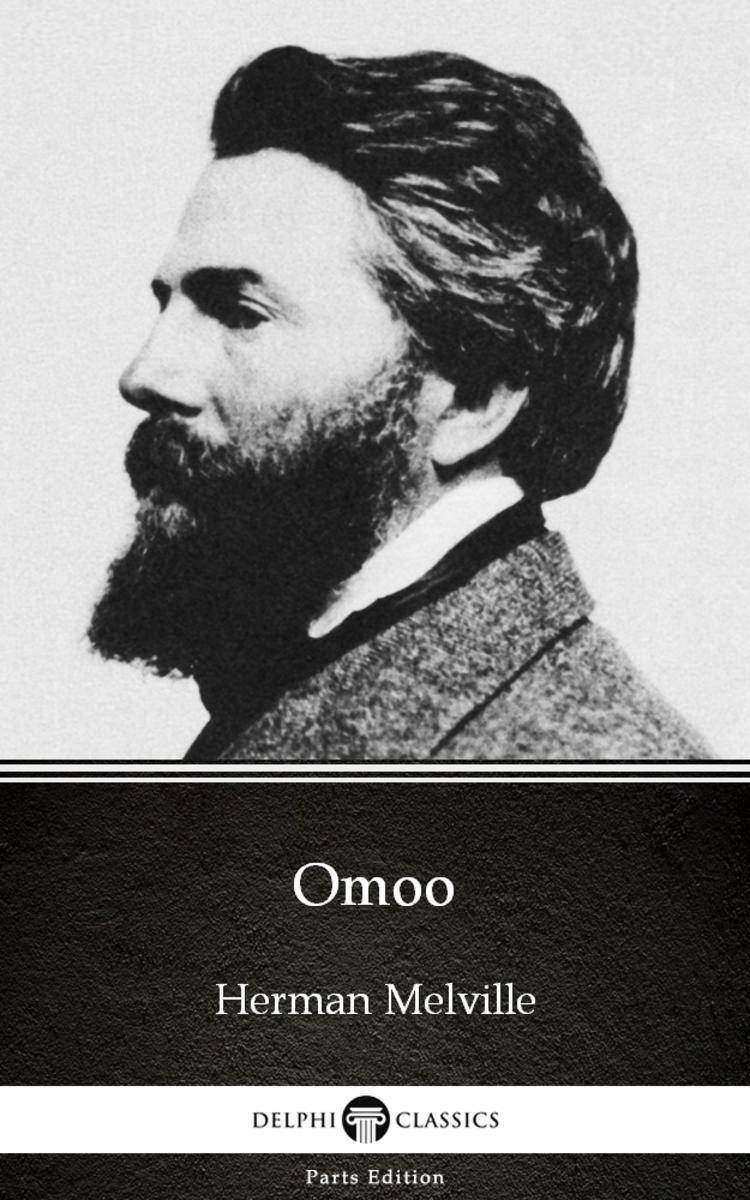
Omoo by Herman Melville - Delphi Classics (Illustrated)
¥8.09
This eBook features the unabridged text of ‘Omoo by Herman Melville - Delphi Classics (Illustrated)’ from the bestselling edition of ‘The Complete Works of Herman Melville’. Having established their name as the leading publisher of classic literature and art, Delphi Classics produce publications that are individually crafted with superior formatting, while introducing many rare texts for the first time in digital print. The Delphi Classics edition of Melville includes original annotations and illustrations relating to the life and works of the author, as well as individual tables of contents, allowing you to navigate eBooks quickly and easily. eBook features: * The complete unabridged text of ‘Omoo by Herman Melville - Delphi Classics (Illustrated)’ * Beautifully illustrated with images related to Melville’s works * Individual contents table, allowing easy navigation around the eBook * Excellent formatting of the text Please visit www.delphiclassics.com to learn more about our wide range of titles
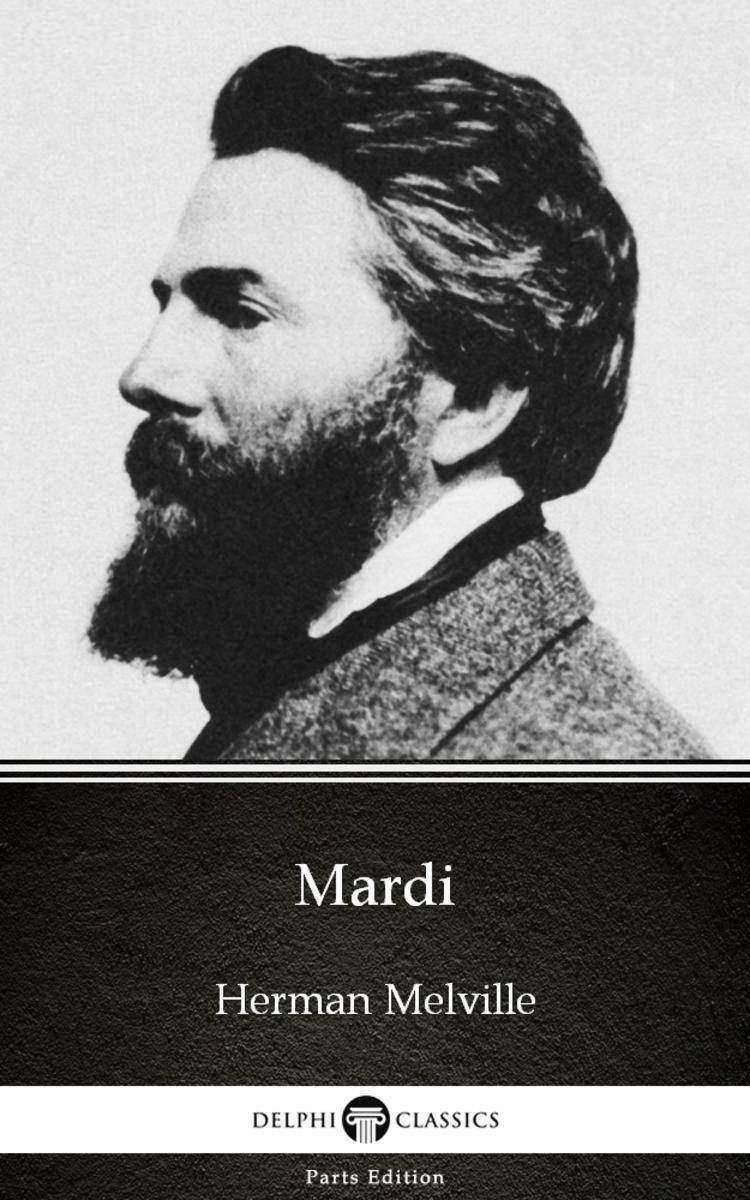
Mardi by Herman Melville - Delphi Classics (Illustrated)
¥8.09
This eBook features the unabridged text of ‘Mardi by Herman Melville - Delphi Classics (Illustrated)’ from the bestselling edition of ‘The Complete Works of Herman Melville’. Having established their name as the leading publisher of classic literature and art, Delphi Classics produce publications that are individually crafted with superior formatting, while introducing many rare texts for the first time in digital print. The Delphi Classics edition of Melville includes original annotations and illustrations relating to the life and works of the author, as well as individual tables of contents, allowing you to navigate eBooks quickly and easily. eBook features: * The complete unabridged text of ‘Mardi by Herman Melville - Delphi Classics (Illustrated)’ * Beautifully illustrated with images related to Melville’s works * Individual contents table, allowing easy navigation around the eBook * Excellent formatting of the text Please visit www.delphiclassics.com to learn more about our wide range of titles
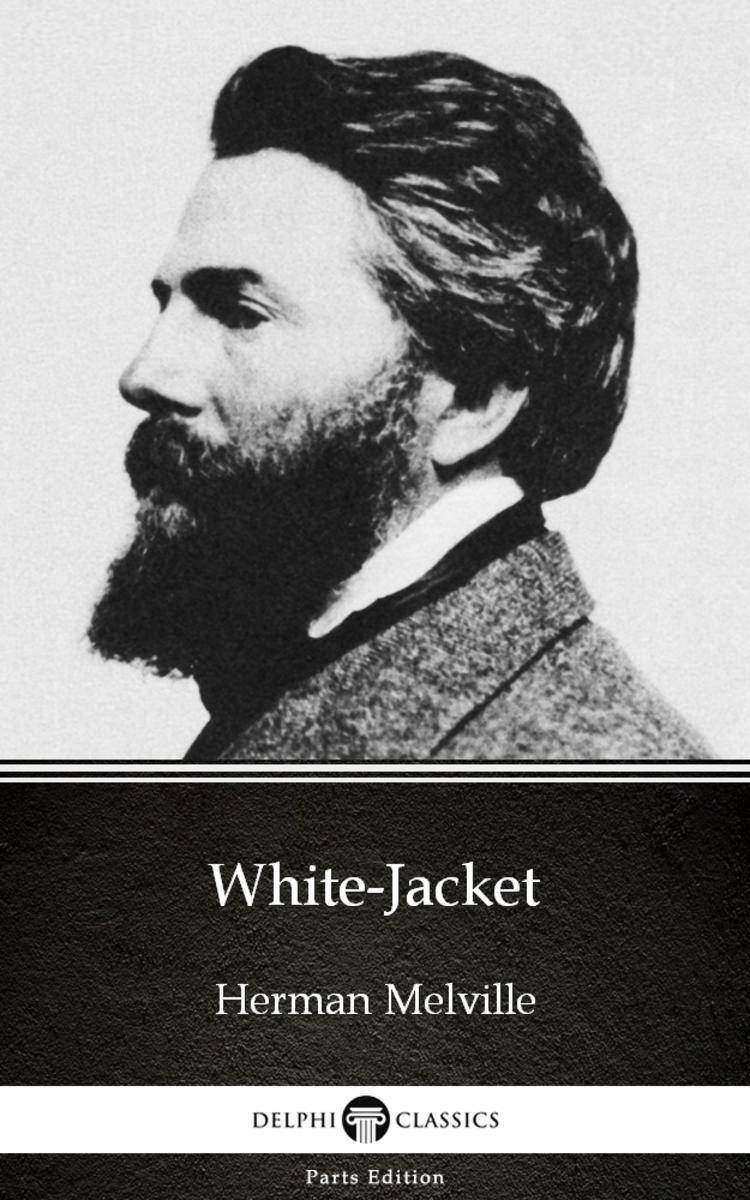
White-Jacket by Herman Melville - Delphi Classics (Illustrated)
¥8.09
This eBook features the unabridged text of ‘White-Jacket by Herman Melville - Delphi Classics (Illustrated)’ from the bestselling edition of ‘The Complete Works of Herman Melville’. Having established their name as the leading publisher of classic literature and art, Delphi Classics produce publications that are individually crafted with superior formatting, while introducing many rare texts for the first time in digital print. The Delphi Classics edition of Melville includes original annotations and illustrations relating to the life and works of the author, as well as individual tables of contents, allowing you to navigate eBooks quickly and easily. eBook features: * The complete unabridged text of ‘White-Jacket by Herman Melville - Delphi Classics (Illustrated)’ * Beautifully illustrated with images related to Melville’s works * Individual contents table, allowing easy navigation around the eBook * Excellent formatting of the text Please visit www.delphiclassics.com to learn more about our wide range of titles
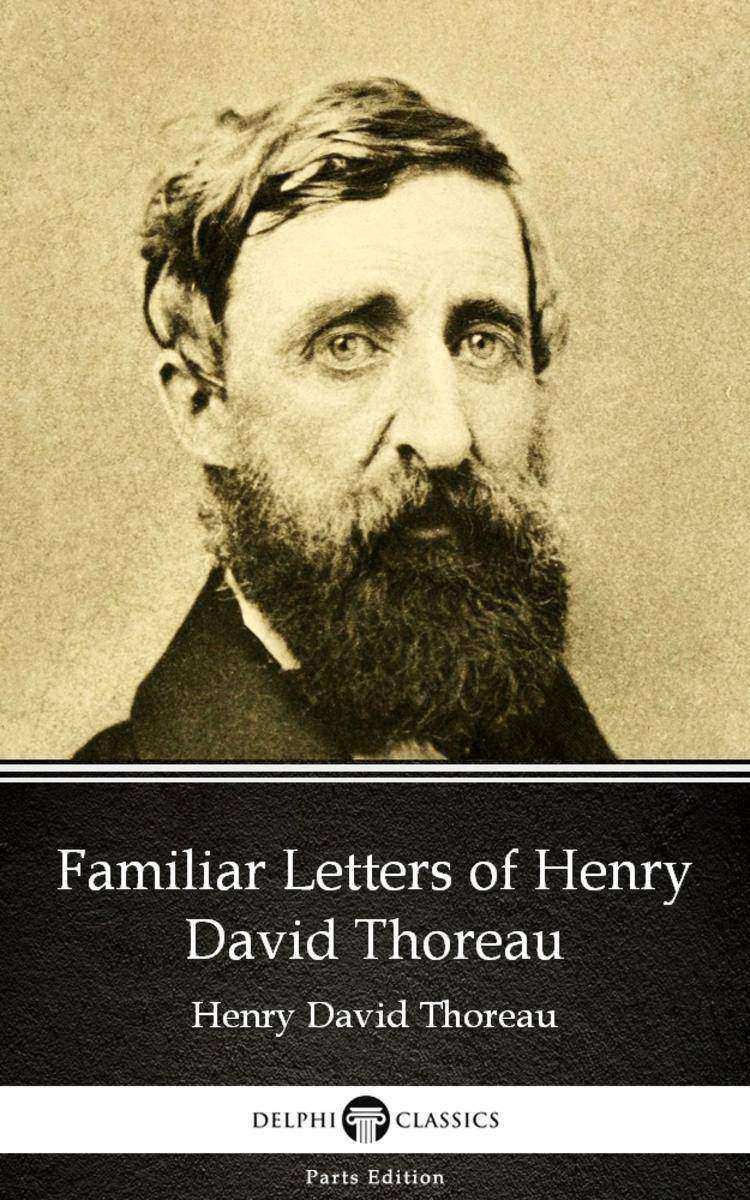
Familiar Letters of Henry David Thoreau by Henry David Thoreau - Delphi Classics
¥8.09
This eBook features the unabridged text of ‘Familiar Letters of Henry David Thoreau by Henry David Thoreau - Delphi Classics (Illustrated)’ from the bestselling edition of ‘The Complete Works of Henry David Thoreau’. Having established their name as the leading publisher of classic literature and art, Delphi Classics produce publications that are individually crafted with superior formatting, while introducing many rare texts for the first time in digital print. The Delphi Classics edition of Thoreau includes original annotations and illustrations relating to the life and works of the author, as well as individual tables of contents, allowing you to navigate eBooks quickly and easily. eBook features: * The complete unabridged text of ‘Familiar Letters of Henry David Thoreau by Henry David Thoreau - Delphi Classics (Illustrated)’ * Beautifully illustrated with images related to Thoreau’s works * Individual contents table, allowing easy navigation around the eBook * Excellent formatting of the text Please visit www.delphiclassics.com to learn more about our wide range of titles

The Further Adventures of Mr Wallace
¥31.07
It was obvious at once that Mr. Wallace was no ordinary teddy bear. There was mystery behind his eyes. Mr. Wallace was first introduced in the short story 'The Life and Times of Mr. Wallace' from the short story book 'Serrated Skylines and Other Tales'. That first peep into his life was just not enough. Join him as the secrets in his extraordinary life are unlocked and gasp as the adventures continue and the further perils he has yet to face unfold. ?
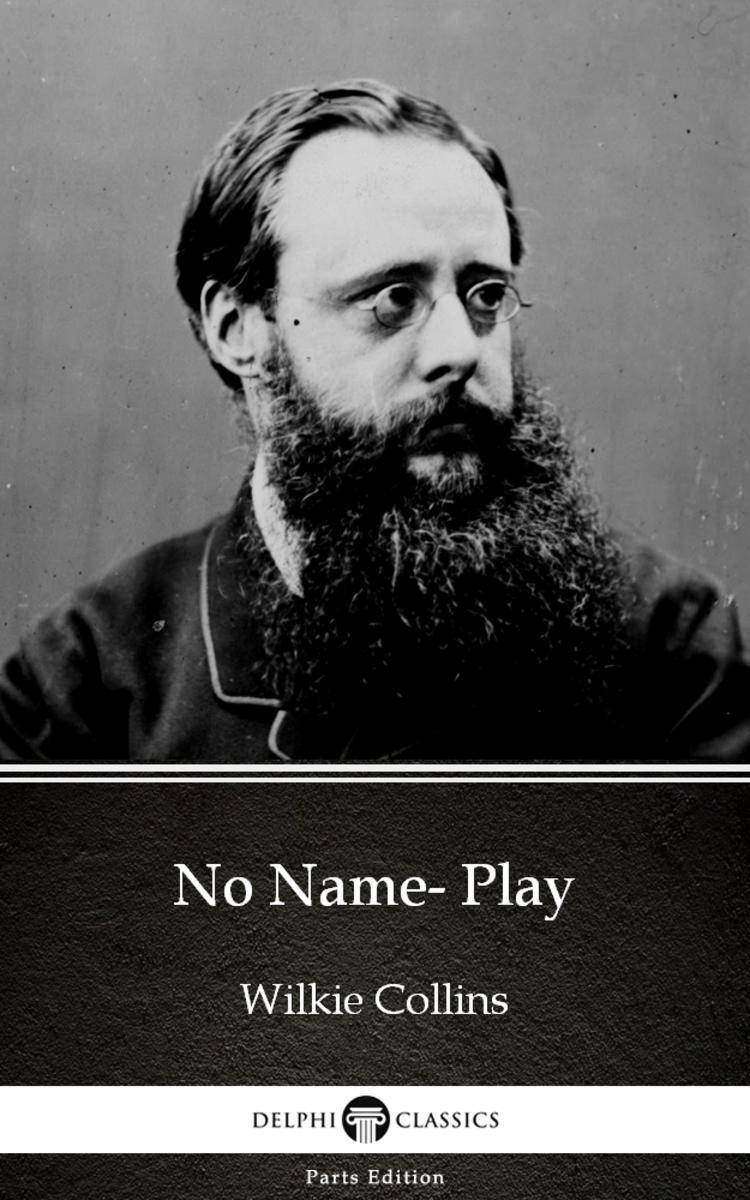
No Name- Play by Wilkie Collins - Delphi Classics (Illustrated)
¥8.09
This eBook features the unabridged text of ‘No Name- Play by Wilkie Collins - Delphi Classics (Illustrated)’ from the bestselling edition of ‘The Complete Works of Wilkie Collins’. Having established their name as the leading publisher of classic literature and art, Delphi Classics produce publications that are individually crafted with superior formatting, while introducing many rare texts for the first time in digital print. The Delphi Classics edition of Collins includes original annotations and illustrations relating to the life and works of the author, as well as individual tables of contents, allowing you to navigate eBooks quickly and easily. eBook features: * The complete unabridged text of ‘No Name- Play by Wilkie Collins - Delphi Classics (Illustrated)’ * Beautifully illustrated with images related to Collins’s works * Individual contents table, allowing easy navigation around the eBook * Excellent formatting of the text Please visit www.delphiclassics.com to learn more about our wide range of titles

A Great Man by Arnold Bennett - Delphi Classics (Illustrated)
¥8.09
This eBook features the unabridged text of ‘A Great Man by Arnold Bennett - Delphi Classics (Illustrated)’ from the bestselling edition of ‘The Complete Works of Arnold Bennett’. Having established their name as the leading publisher of classic literature and art, Delphi Classics produce publications that are individually crafted with superior formatting, while introducing many rare texts for the first time in digital print. The Delphi Classics edition of Bennett includes original annotations and illustrations relating to the life and works of the author, as well as individual tables of contents, allowing you to navigate eBooks quickly and easily. eBook features: * The complete unabridged text of ‘A Great Man by Arnold Bennett - Delphi Classics (Illustrated)’ * Beautifully illustrated with images related to Bennett’s works * Individual contents table, allowing easy navigation around the eBook * Excellent formatting of the text Please visit www.delphiclassics.com to learn more about our wide range of titles

The Woman in White- Play by Wilkie Collins - Delphi Classics (Illustrated)
¥8.09
This eBook features the unabridged text of ‘The Woman in White- Play by Wilkie Collins - Delphi Classics (Illustrated)’ from the bestselling edition of ‘The Complete Works of Wilkie Collins’. Having established their name as the leading publisher of classic literature and art, Delphi Classics produce publications that are individually crafted with superior formatting, while introducing many rare texts for the first time in digital print. The Delphi Classics edition of Collins includes original annotations and illustrations relating to the life and works of the author, as well as individual tables of contents, allowing you to navigate eBooks quickly and easily. eBook features: * The complete unabridged text of ‘The Woman in White- Play by Wilkie Collins - Delphi Classics (Illustrated)’ * Beautifully illustrated with images related to Collins’s works * Individual contents table, allowing easy navigation around the eBook * Excellent formatting of the text Please visit www.delphiclassics.com to learn more about our wide range of titles
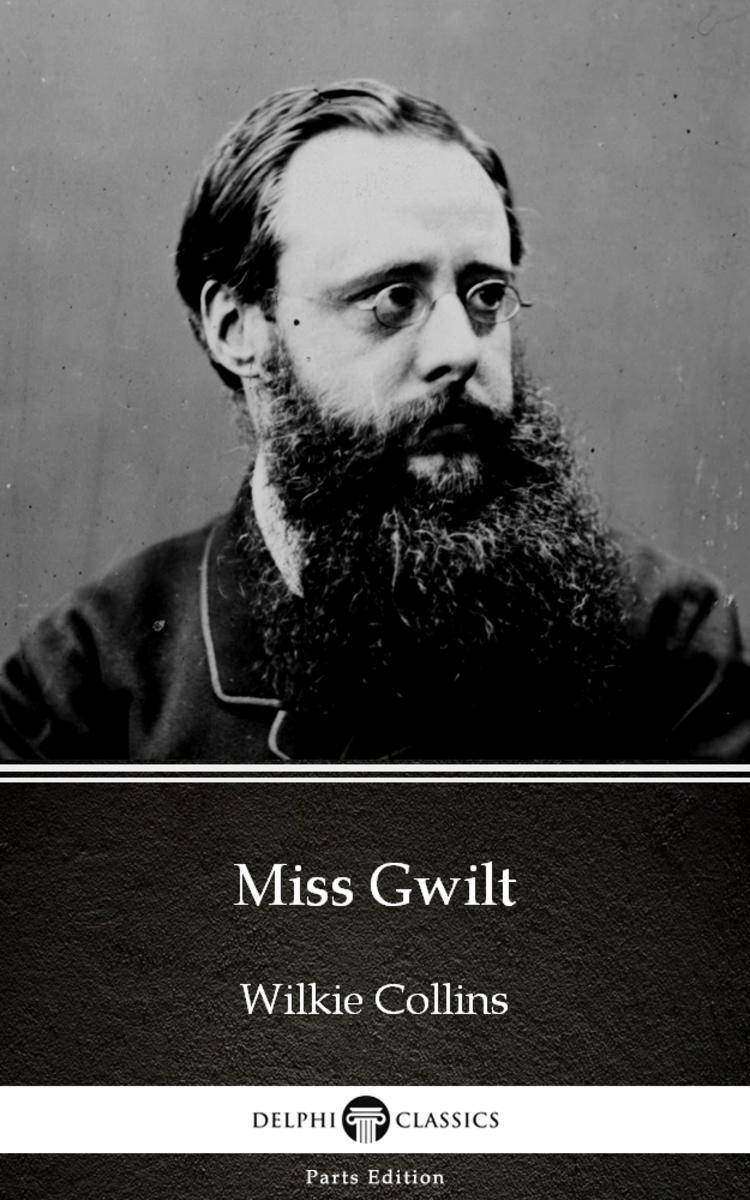
Miss Gwilt by Wilkie Collins - Delphi Classics (Illustrated)
¥8.09
This eBook features the unabridged text of ‘Miss Gwilt by Wilkie Collins - Delphi Classics (Illustrated)’ from the bestselling edition of ‘The Complete Works of Wilkie Collins’. Having established their name as the leading publisher of classic literature and art, Delphi Classics produce publications that are individually crafted with superior formatting, while introducing many rare texts for the first time in digital print. The Delphi Classics edition of Collins includes original annotations and illustrations relating to the life and works of the author, as well as individual tables of contents, allowing you to navigate eBooks quickly and easily. eBook features: * The complete unabridged text of ‘Miss Gwilt by Wilkie Collins - Delphi Classics (Illustrated)’ * Beautifully illustrated with images related to Collins’s works * Individual contents table, allowing easy navigation around the eBook * Excellent formatting of the text Please visit www.delphiclassics.com to learn more about our wide range of titles

A Room of One’s Own by Virginia Woolf - Delphi Classics (Illustrated)
¥8.09
This eBook features the unabridged text of ‘A Room of One’s Own by Virginia Woolf - Delphi Classics (Illustrated)’ from the bestselling edition of ‘The Complete Works of Virginia Woolf’. Having established their name as the leading publisher of classic literature and art, Delphi Classics produce publications that are individually crafted with superior formatting, while introducing many rare texts for the first time in digital print. The Delphi Classics edition of Woolf includes original annotations and illustrations relating to the life and works of the author, as well as individual tables of contents, allowing you to navigate eBooks quickly and easily. eBook features: * The complete unabridged text of ‘A Room of One’s Own by Virginia Woolf - Delphi Classics (Illustrated)’ * Beautifully illustrated with images related to Woolf’s works * Individual contents table, allowing easy navigation around the eBook * Excellent formatting of the text Please visit www.delphiclassics.com to learn more about our wide range of titles

The Regent by Arnold Bennett - Delphi Classics (Illustrated)
¥8.09
This eBook features the unabridged text of ‘The Regent by Arnold Bennett - Delphi Classics (Illustrated)’ from the bestselling edition of ‘The Complete Works of Arnold Bennett’. Having established their name as the leading publisher of classic literature and art, Delphi Classics produce publications that are individually crafted with superior formatting, while introducing many rare texts for the first time in digital print. The Delphi Classics edition of Bennett includes original annotations and illustrations relating to the life and works of the author, as well as individual tables of contents, allowing you to navigate eBooks quickly and easily. eBook features: * The complete unabridged text of ‘The Regent by Arnold Bennett - Delphi Classics (Illustrated)’ * Beautifully illustrated with images related to Bennett’s works * Individual contents table, allowing easy navigation around the eBook * Excellent formatting of the text Please visit www.delphiclassics.com to learn more about our wide range of titles
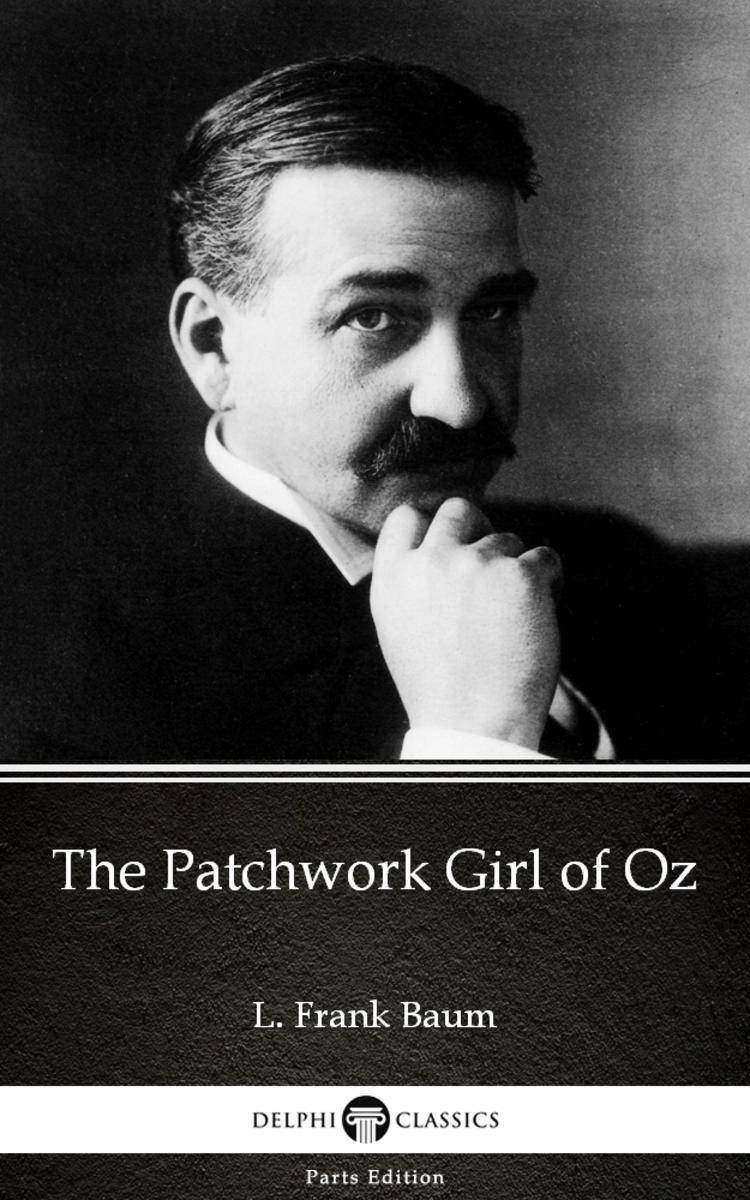
The Patchwork Girl of Oz by L. Frank Baum - Delphi Classics (Illustrated)
¥8.09
This eBook features the unabridged text of ‘The Patchwork Girl of Oz by L. Frank Baum - Delphi Classics (Illustrated)’ from the bestselling edition of ‘The Complete Works of L. Frank Baum’. Having established their name as the leading publisher of classic literature and art, Delphi Classics produce publications that are individually crafted with superior formatting, while introducing many rare texts for the first time in digital print. The Delphi Classics edition of Baum includes original annotations and illustrations relating to the life and works of the author, as well as individual tables of contents, allowing you to navigate eBooks quickly and easily. eBook features: * The complete unabridged text of ‘The Patchwork Girl of Oz by L. Frank Baum - Delphi Classics (Illustrated)’ * Beautifully illustrated with images related to Baum’s works * Individual contents table, allowing easy navigation around the eBook * Excellent formatting of the text Please visit www.delphiclassics.com to learn more about our wide range of titles

Spirit of the Border by Zane Grey - Delphi Classics (Illustrated)
¥8.09
This eBook features the unabridged text of ‘Spirit of the Border by Zane Grey - Delphi Classics (Illustrated)’ from the bestselling edition of ‘The Collected Works of Zane Grey’. Having established their name as the leading publisher of classic literature and art, Delphi Classics produce publications that are individually crafted with superior formatting, while introducing many rare texts for the first time in digital print. The Delphi Classics edition of Grey includes original annotations and illustrations relating to the life and works of the author, as well as individual tables of contents, allowing you to navigate eBooks quickly and easily. eBook features: * The complete unabridged text of ‘Spirit of the Border by Zane Grey - Delphi Classics (Illustrated)’ * Beautifully illustrated with images related to Grey’s works * Individual contents table, allowing easy navigation around the eBook * Excellent formatting of the text Please visit www.delphiclassics.com to learn more about our wide range of titles


