


 购物车
 个人中心

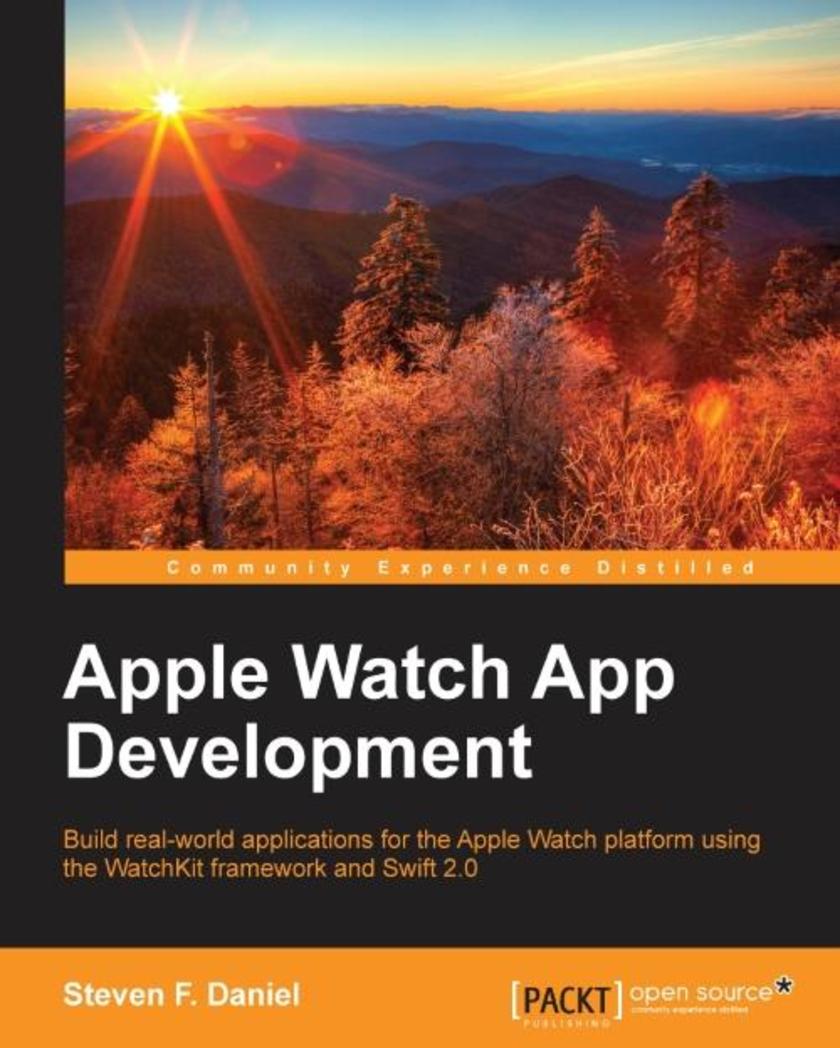
Apple Watch App Development
¥80.65
Build real-world applications for the Apple Watch platform using the WatchKit framework and Swift 2.0 About This Book Find out how to download and install the Xcode development tools before learning about Xcode playgrounds and the Swift programming language Discover everything you need to know about the WatchKit platform architecture, its classes, as well its limitations This book introduces you to the very latest mobile platform with hands-on instructions so you can build your very own Apple Watch apps Who This Book Is For This book is for developers who are interested in creating amazing apps for the Apple Watch platform. Readers are expected to have no prior experience of programming. What You Will Learn Navigate within the WatchKit interface using the page-based, modal, and hierarchical navigation techniques Work with context menus to allow your users to interact with the Apple Watch and respond to their actions to perform a task Use the MapKit framework to display a map within the WatchKit interface to track the user's current location Build effective user interfaces for the WatchKit platform and integrate iCloud capabilities to synchronize data between the iOS app and the WatchKit UI Design your apps for the Apple Watch platform by adhering to the set of User Interface design guidelines set out by Apple Reinforce image caching to display animations within the Apple Watch user interface Explore WatchKit tables, which allow your users to purchase groceries and pay for them using Apple Pay Analyze the new layout system to ensure that your Apple Watch apps work with various screen sizes In Detail Wearable are the next wave of mobile technology and with the release of Apple’s WatchKit SDK, a whole new world of exciting development possibilities has opened up. Apple Watch App Development introduces you to the architecture and possibilities of the Apple Watch platform, as well as an in-depth look at how to work with Xcode playgrounds. Benefit from a rapid introduction to the Swift programming language so you can quickly begin developing apps with the WatchKit framework and the Xcode Development IDE. Get to grips with advanced topics such as notifications, glances, iCloud, Apple pay, closures, tuples, protocols, delegates, concurrency, and using Swift Playgrounds, with each concept is backed up with example code that demonstrates how to properly execute it. Finally, discover how to package and deploy your Watch application to the Apple AppStore. By the end of this book, you will have a good understanding of how to develop apps for the Apple Watch platform, and synchronize data using iCloud between the wearable and the iOS device. Style and approach This book takes a step-by-step approach to developing applications for the Apple Watch using the Swift programming language and the WatchKit UI. Each topic is explained in a conversational and easy-to-follow style.

My First Old Testament Bible Stories
¥24.44
God is the creator. That means He made everything that you see in the whole world. God made you too.

At the Farm
¥24.44
Look at the pigs playing in the mud. I see three little pigs, and they’re all having fun.

En El Zoológico
¥24.44
En El Zoológico

This Old Man
¥24.44
This old man, he played one . He played knick knack on my thumb .
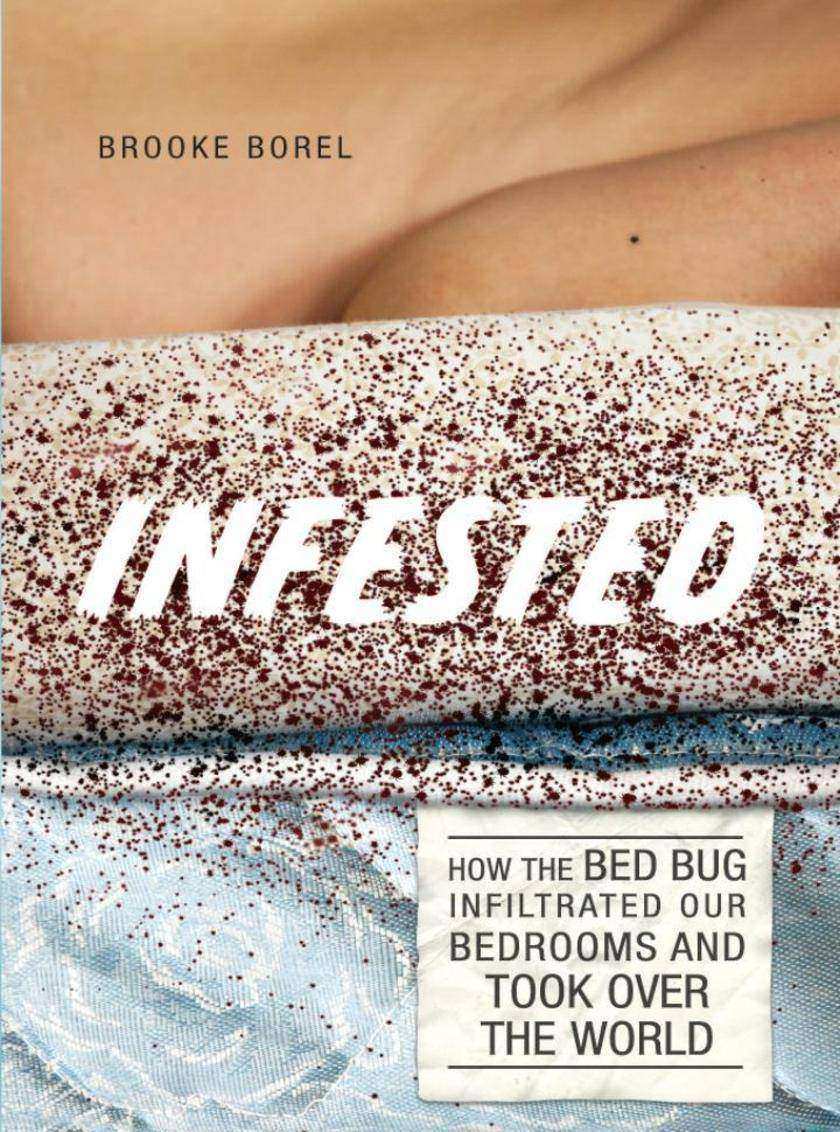
Infested
¥147.15
Bed bugs. Few words strike such fear in the minds of travelers. In cities around the world, lurking beneath the plush blankets of otherwise pristine-looking hotel beds are tiny bloodthirsty beasts just waiting for weary wanderers to surrender to a vulnerable slumber. Though bed bugs today have infested the globe, the common bed bug is not a new pest at all. Indeed, as Brooke Borel reveals in this unusual history, this most-reviled species may date back over 250,000 years, wreaking havoc on our collective psyche while even inspiring art, literature, and music-in addition to vexatious red welts.?In Infested, Borel introduces readers to the biological and cultural histories of these amazingly adaptive insects, and the myriad ways in which humans have responded to them. She travels to meet with scientists who are rearing bed bug colonies-even by feeding them with their own blood (ouch!)-and to the stages of musicals performed in honor of the pests. She explores the history of bed bugs and their apparent disappearance in the 1950s after the introduction of DDT, charting how current infestations have flourished in direct response to human chemical use as well as the ease of global travel. She also introduces us to the economics of bed bug infestations, from hotels to homes to office buildings, and the expansive industry that has arisen to combat them.Hiding during the day in the nooks and seams of mattresses, box springs, bed frames, headboards, dresser tables, wallpaper, or any clutter around a bed, bed bugs are thriving and eager for their next victim. By providing fascinating details on bed bug science and behavior as well as a captivating look into the lives of those devoted to researching or eradicating them, Infested is sure to inspire at least a nibble of respect for these tenacious creatures-while also ensuring that you will peek beneath the sheets with prickly apprehension.
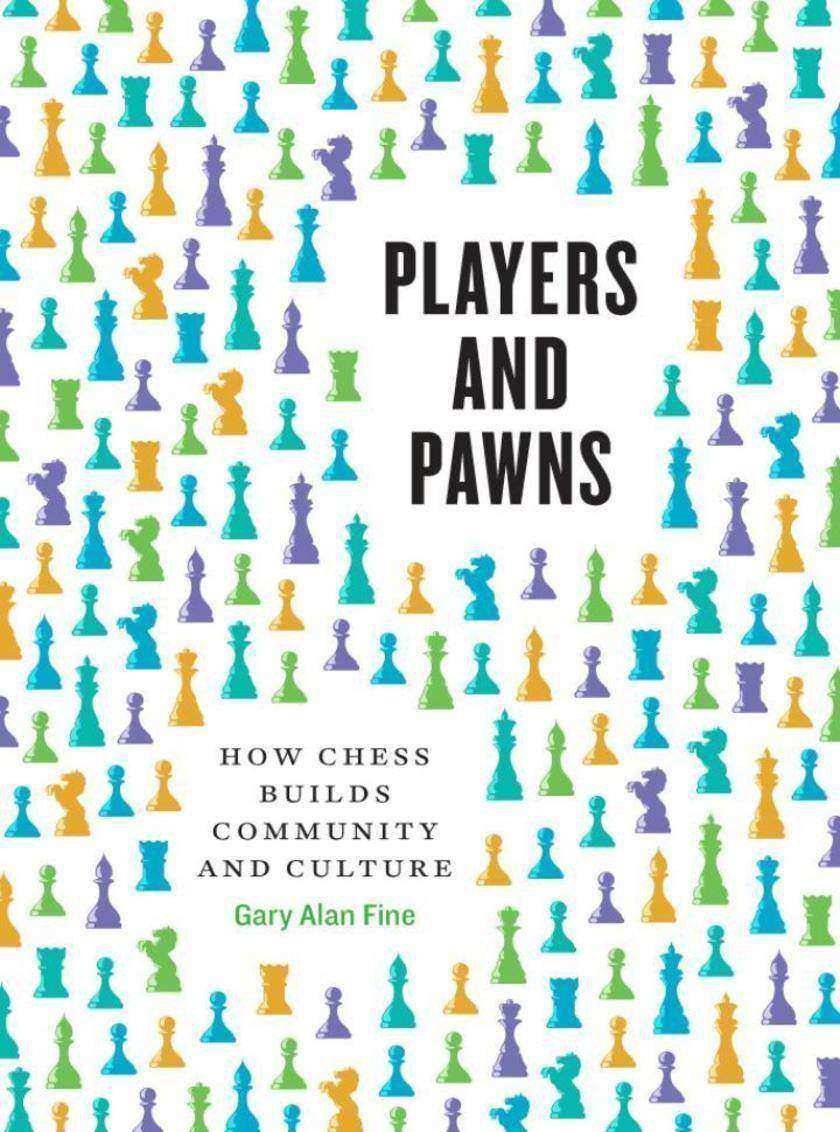
Players and Pawns
¥147.15
A chess match seems as solitary an endeavor as there is in sports: two minds, on their own, in fierce opposition. In contrast, Gary Alan Fine argues that chess is a social duet: two players in silent dialogue who always take each other into account in their play. Surrounding that one-on-one contest is a community life that can be nearly as dramatic and intense as the across-the-board confrontation.?Fine has spent years immersed in the communities of amateur and professional chess players, and with Players and Pawns he takes readers deep inside them, revealing a complex, brilliant, feisty world of commitment and conflict. Opening with a close look at a typical tournament in Atlantic City, Fine carries us from planning and setup through the climactic final day's match-ups between the weekend's top players, introducing us along the way to countless players and their relationships to the game. At tournaments like that one, as well as in locales as diverse as collegiate matches and community chess clubs, players find themselves part of what Fine terms a "e;soft community,"e; an open, welcoming space built on their shared commitment to the game. Within that community, chess players find both support and challenges, all amid a shared interest in and love of the long-standing traditions of the game, traditions that help chess players build a communal identity.?Full of idiosyncratic characters and dramatic gameplay, Players and Pawns is a celebration of the ever-fascinating world of serious chess.
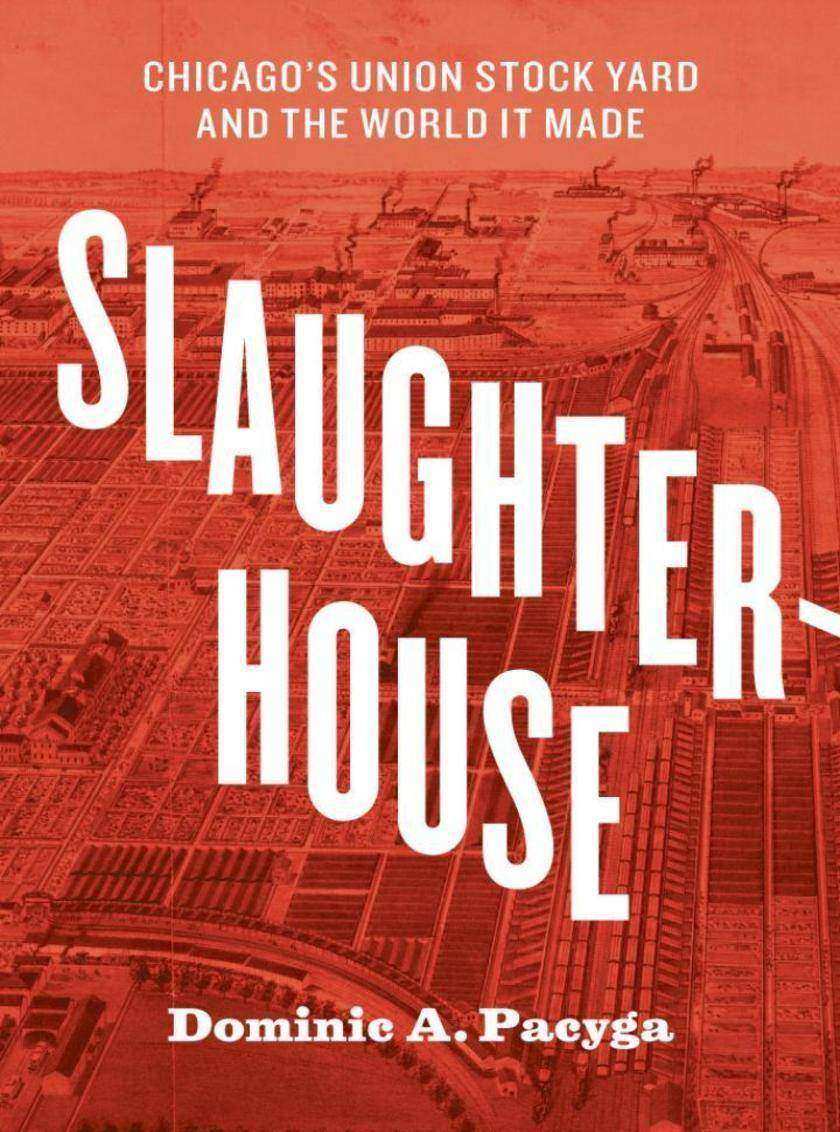
Slaughterhouse
¥147.15
From the minute it opened-on Christmas Day in 1865-it was Chicago's must-see tourist attraction, drawing more than half a million visitors each year. Families, visiting dignitaries, even school groups all made trips to the South Side to tour the Union Stock Yard. There they got a firsthand look at the city's industrial prowess as they witnessed cattle, hogs, and sheep disassembled with breathtaking efficiency. At their height, the kill floors employed 50,000 workers and processed six hundred animals an hour, an astonishing spectacle of industrialized death.Slaughterhouse tells the story of the Union Stock Yard, chronicling the rise and fall of an industrial district that, for better or worse, served as the public face of Chicago for decades. Dominic A. Pacyga is a guide like no other-he grew up in the shadow of the stockyards, spent summers in their hog house and cattle yards, and maintains a long-standing connection with the working-class neighborhoods around them. Pacyga takes readers through the packinghouses as only an insider can, covering the rough and toxic life inside the plants and their lasting effects on the world outside. He shows how the yards shaped the surrounding neighborhoods and controlled the livelihoods of thousands of families. He looks at the Union Stock Yard's political and economic power and its sometimes volatile role in the city's race and labor relations. And he traces its decades of mechanized innovations, which introduced millions of consumers across the country to an industrialized food system.Although the Union Stock Yard closed in 1971, the story doesn't end there. Pacyga takes readers to present day, showing how the manufacturing spirit lives on. Ironically, today the site of the legendary "e;stockyard stench"e; is now home to some of Chicago's most successful green agriculture companies.Marking the 150th anniversary of the opening of the stockyards, Slaughterhouse is an engrossing story of one of the most important-and deadliest-square miles in American history.
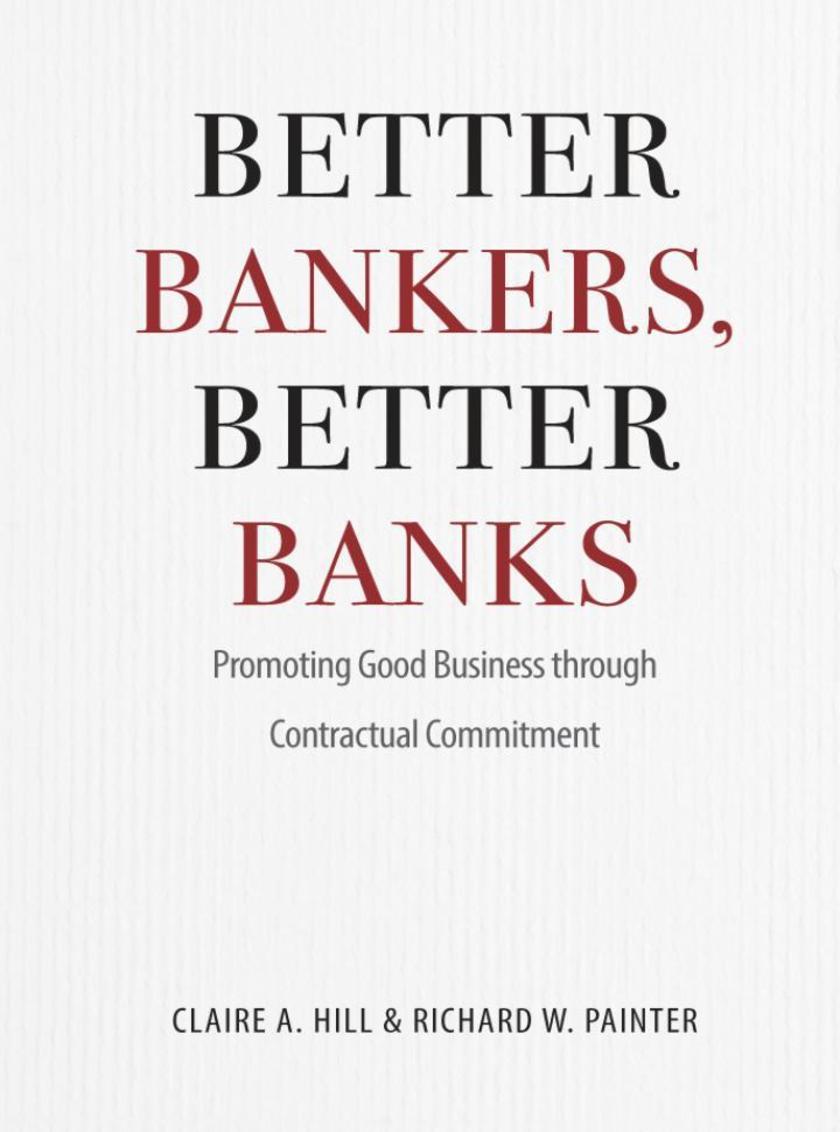
Better Bankers, Better Banks
¥147.15
Taking financial risks is an essential part of what banks do, but there's no clear sense of what constitutes responsible risk. Taking legal risks seems to have become part of what banks do as well. Since the financial crisis, Congress has passed copious amounts of legislation aimed at curbing banks' risky behavior. Lawsuits against large banks have cost them billions. Yet bad behavior continues to plague the industry. Why isn't there more changeIn Better Bankers, Better Banks, Claire A. Hill and Richard W. Painter look back at the history of banking and show how the current culture of bad behavior-dramatized by the corrupt, cocaine-snorting bankers of The Wolf of Wall Street-came to be. In the early 1980s, banks went from partnerships whose partners had personal liability to corporations whose managers had no such liability and could take risks with other people's money. A major reason bankers remain resistant to change, Hill and Painter argue, is that while banks have been faced with large fines, penalties, and legal fees-which have exceeded one hundred billion dollars since the onset of the crisis-the banks (which really means the banks'shareholders) have paid them, not the bankers themselves. The problem also extends well beyond the pursuit of profit to the issue of how success is defined within the banking industry, where highly paid bankers clamor for status and clients may regard as inevitable bankers who prioritize their own self-interest. While many solutions have been proposed, Hill and Painter show that a successful transformation of banker behavior must begin with the bankers themselves. Bankers must be personally liable from their own assets for some portion of the bank's losses from excessive risk-taking and illegal behavior. This would instill a culture that discourages such behavior and in turn influence the sorts of behavior society celebrates or condemns.Despite many sensible proposals seeking to reign in excessive risk-taking, the continuing trajectory of scandals suggests that we're far from ready to avert the next crisis. Better Bankers, Better Banks is a refreshing call for bankers to return to the idea that theirs is a noble profession.
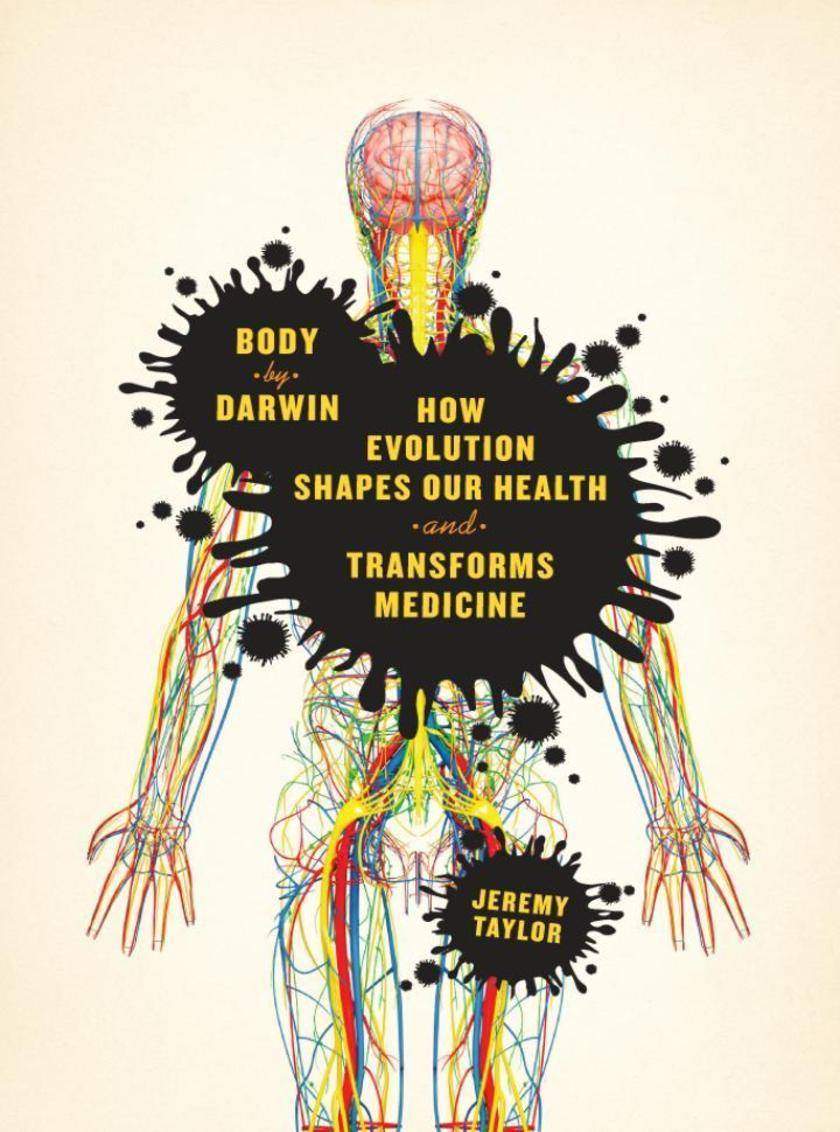
Body by Darwin
¥147.15
We think of medical science and doctors as focused on treating conditions-whether it's a cough or an aching back. But the sicknesses and complaints that cause us to seek medical attention actually have deeper origins than the superficial germs and behaviors we regularly fault. In fact, as Jeremy Taylor shows in Body by Darwin, we can trace the roots of many medical conditions through our evolutionary history, revealing what has made us susceptible to certain illnesses and ailments over time and how we can use that knowledge to help us treat or prevent problems in the future.?In Body by Darwin, Taylor examines the evolutionary origins of some of our most common and serious health issues. To begin, he looks at the hygiene hypothesis, which argues that our obsession with anti-bacterial cleanliness, particularly at a young age, may be making us more vulnerable to autoimmune and allergic diseases. He also discusses diseases of the eye, the medical consequences of bipedalism as they relate to all those aches and pains in our backs and knees, the rise of Alzheimer's disease, and how cancers become so malignant that they kill us despite the toxic chemotherapy we throw at them. Taylor explains why it helps to think about heart disease in relation to the demands of an ever-growing, dense, muscular pump that requires increasing amounts of nutrients, and he discusses how walking upright and giving birth to ever larger babies led to a problematic compromise in the design of the female spine and pelvis. ?Throughout, he not only explores the impact of evolution on human form and function, but he integrates science with stories from actual patients and doctors, closely examining the implications for our health.?As Taylor shows, evolutionary medicine allows us think about the human body and its adaptations in a completely new and productive way. By exploring how our body's performance is shaped by its past, Body by Darwin draws powerful connections between our ancient human history and the future of potential medical advances that can harness this knowledge.

Church Mother
¥253.10
Imbued with character and independence, strength and articulateness, humor and conviction, abundant biblical knowledge and intense compassion, Katharina Schutz Zell (1498-1562) was an outspoken religious reformer in sixteenth-century Germany who campaigned for the right of clergy to marry and the responsibility of lay people-women as well as men-to proclaim the Gospel. As one of the first and most daring models of the pastor's wife in the Protestant Reformation, Schutz Zell demonstrated that she could be an equal partner in marriage; she was for many years a respected, if unofficial, mother of the established church of Strasbourg in an age when ecclesiastical leadership was dominated by men.Though a commoner, Schtz Zell participated actively in public life and wrote prolifically, including letters of consolation, devotional writings, biblical meditations, catechetical instructions, a sermon, and lengthy polemical exchanges with male theologians. The complete translations of her extant publications, except for her longest, are collected here in Church Mother, offering modern readers a rare opportunity to understand the important work of women in the formation of the early Protestant church.
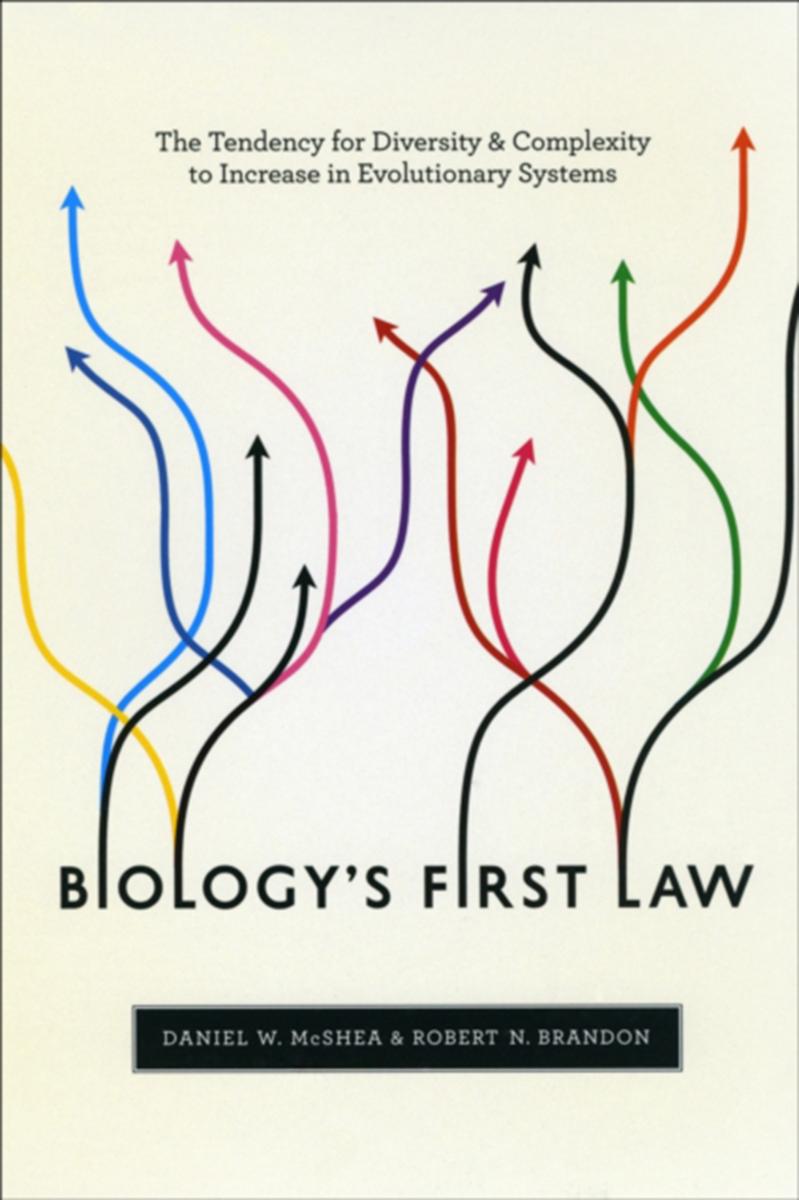
Biology's First Law
¥211.90
So certain is this that we may boldly state that it is absurd for human beings even to attempt it, or to hope that perhaps some day another Newton might arise who would explain to us, in terms of natural laws unordered by intention, how even a mere blade of grass is produced.Kant, Critique of Judgment (1790)
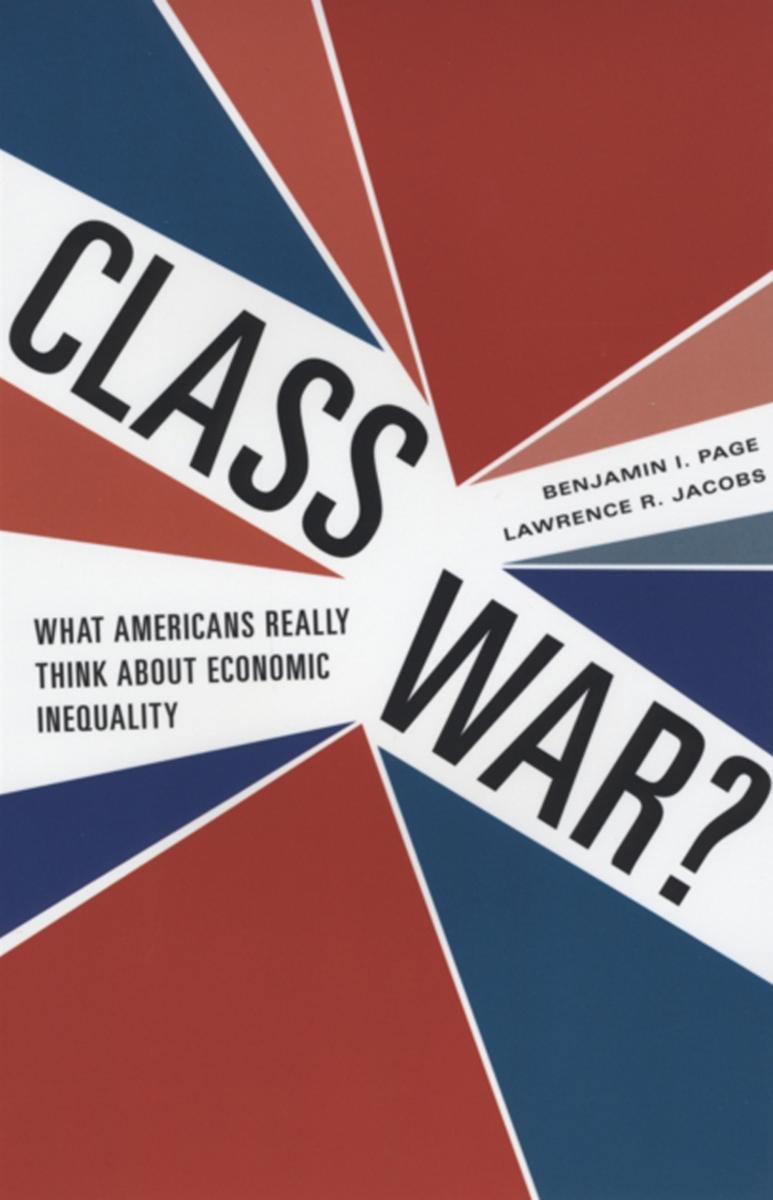
Class War?
¥141.26
Recent battles in Washington over how to fix America's fiscal failures strengthened the widespread impression that economic issues sharply divide average citizens. Indeed, many commentators split Americans into two opposing groups: uncompromising supporters of unfettered free markets and advocates for government solutions to economic problems. But such dichotomies, Benjamin Page and Lawrence Jacobs contend, ring false. In Class Warthey present compelling evidence that most Americans favor free enterprise and practical government programs to distribute wealth more equitably.At every income level and in both major political parties, majorities embrace conservative egalitarianism-a philosophy that prizes individualism and self-reliance as well as public intervention to help Americans pursue these ideals on a level playing field. Drawing on hundreds of opinion studies spanning more than seventy years, including a new comprehensive survey, Page and Jacobs reveal that this worldview translates to broad support for policies aimed at narrowing the gap between rich and poor and creating genuine opportunity for all. They find, for example, that across economic, geographical, and ideological lines, most Americans support higher minimum wages, improved public education, wider access to universal health insurance coverage, and the use of tax dollars to fund these programs.In this surprising and heartening assessment, Page and Jacobs provide our new administration with a popular mandate to combat the economic inequity that plagues our nation.
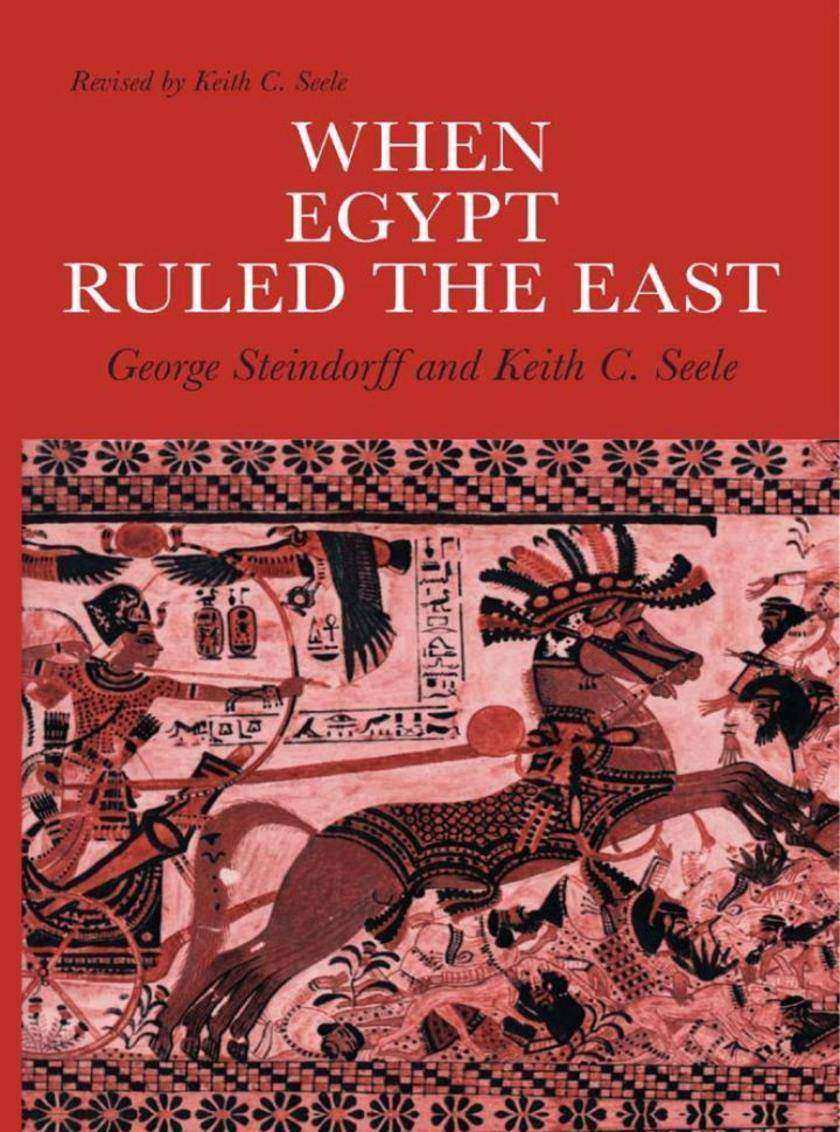
When Egypt Ruled the East
¥165.81
Here, adequately presented for the first time in English, is the fascinating story of a splendid culture that flourished thirty-five hundred years ago in the empire on the Nile: kings and conquests, gods and heroes, beautiful art, sculpture, poetry, architecture.Significant archeological discoveries are constantly being made in Egypt. In this revision Professor Steele has rewritten whole chapters on the basis of these new finds and offers several new conclusions to age-old problems.
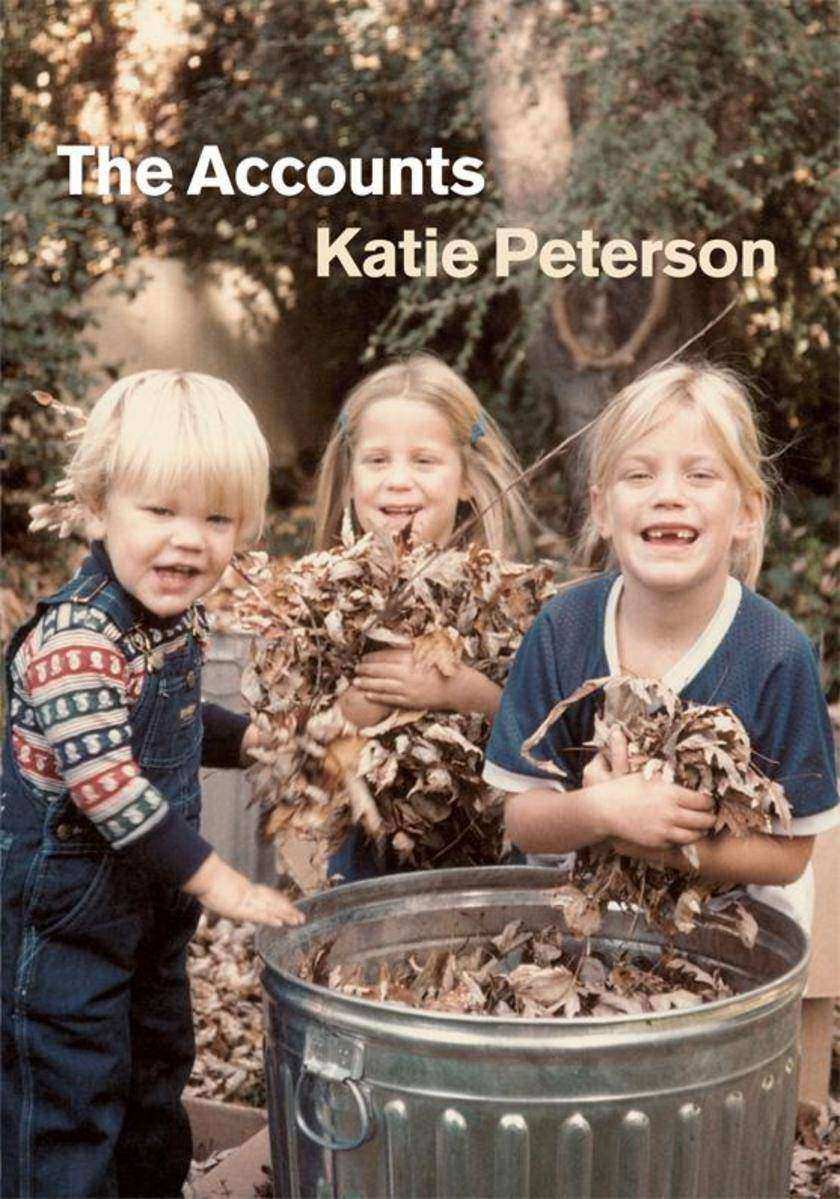
Accounts
¥147.15
The death of a mother alters forever a family's story of itself. Indeed, it taxes the ability of a family to tell that story at all. The Accounts narrates the struggle to speak with any clear understanding in the wake of that loss. The title poem attempts three explanations of the departure of a life from the earth-a physical account, a psychological account, and a spiritual account. It is embedded in a long narrative sequence that tries to state plainly the facts of the last days of the mother's life, in a room that formerly housed a television, next to a California backyard. The visual focus of that sequence, a robin's nest, poised above the family home, sings in a kind of lament, giving its own version of ways we can see the transformation of the dying into the dead. In other poems, called "e;Arguments,"e; two voices exchange uncertain truths about subjects as high as heaven and as low as crime. Grief is a problem that cannot be solved by thinking, but that doesn't stop the mind, which relentlessly carries on, trying in vain to settle its accounts. The death of a well-loved person creates a debt that can never be repaid. It reminds the living of our own psychological debts to each other, and to the dead. In this sense, the death of this particular mother and the transformation of this particular family are evocative of a greater struggle against any changing reality, and the loss of all beautiful and passing forms of order.
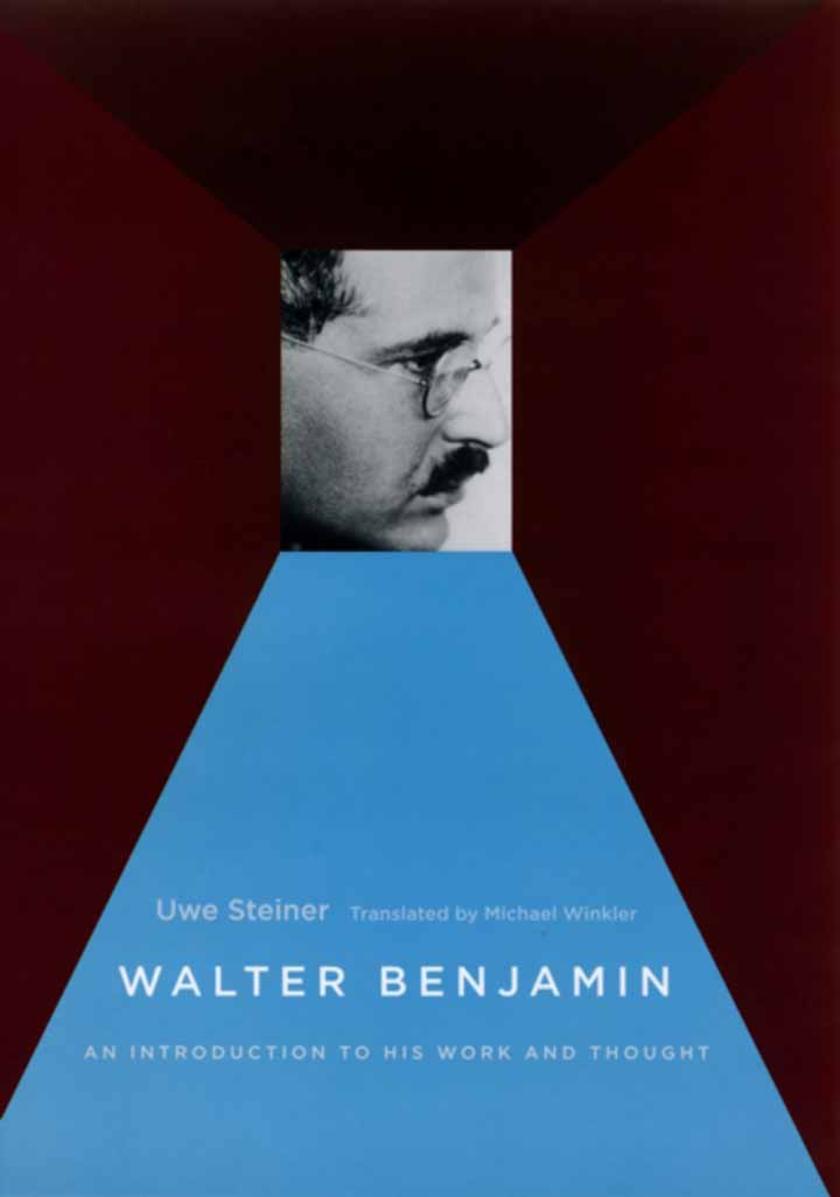
Walter Benjamin
¥188.35
Seven decades after his death, German Jewish writer, philosopher, and literary critic Walter Benjamin (1892-1940) continues to fascinate and influence. Here Uwe Steiner offers a comprehensive and sophisticated introduction to the oeuvre of this intriguing theorist.Acknowledged only by a small circle of intellectuals during his lifetime, Benjamin is now a major figure whose work is essential to an understanding of modernity. Steiner traces the development of Benjamin's thought chronologically through his writings on philosophy, literature, history, politics, the media, art, photography, cinema, technology, and theology. Walter Benjamin reveals the essential coherence of its subject's thinking while also analyzing the controversial or puzzling facets of Benjamin's work. That coherence, Steiner contends, can best be appreciated by placing Benjamin in his proper context as a member of the German philosophical tradition and a participant in contemporary intellectual debates.As Benjamin's writing attracts more and more readers in the English-speaking world, Walter Benjamin will be a valuable guide to this fascinating body of work.

Reel to Reel
¥147.15
Reel to Reel, Alan Shapiro's twelfth collection of poetry, moves outward from the intimate spaces of family and romantic life to embrace not only the human realm of politics and culture but also the natural world, and even the outer spaces of the cosmos itself. In language richly nuanced yet accessible, these poems inhabit and explore fundamental questions of existence, such as time, mortality, consciousness, and matter. How did we get hereWhy is there something rather than nothingHow do we live fully and lovingly as conscious creatures in an unconscious universe with no ultimate purpose or destination beyond returning to the abyss that spawned usShapiro brings his humor, imaginative intensity, characteristic syntactical energy, and generous heart to bear on these ultimate mysteries. In ways few poets have done, he writes from a premodern, primal sense of wonder about our postmodern world.
Anyone
¥147.15
Milton's GodWhere I-95 meets The Pike,a ponderous thunderhead flowered-?stewed a minute, then flippedlike a flash card, tatterededges crinkling in, linings so darkwith excessive bright?that, standing, waiting, at the overpass edge,the onlooker couldn't decide?until the end, or even then,what was revealed and what had been hidden.Using a variety of forms and achieving a range of musical effects, Nate Klug's Anyone traces the unraveling of astonishment upon small scenes-natural and domestic, political and religious-across America's East and Midwest. The book's title foregrounds the anonymity it seeks through several means: first, through close observation (a concrete saw, a goshawk, a bicyclist); and, second, via translation (satires from Horace and Catullus, and excerpts from Virgil's Aeneid). Uniquely among contemporary poetry volumes, Anyone demonstrates fluency in the paradoxes of a religious existence: "e;To stand sometime / outside my faith . . . or keep waiting / to be claimed in it."e; Engaged with theology and the classics but never abstruse, all the while the poems remain grounded in the phenomenal, physical world of "e;what it is to feel: /moods, half moods, / swarming, then darting loose."e;
Disorder
¥147.15
MidsummerCambridge, MA, 2008?Midsummer. Finally, you are used to disappointment.A baby touches phlox. Many failures, many botched attempts,?A little success in unexpected forms. This is how the rest will go:The gravel raked, bricks ashen, bees fattened-honey not for babes.?All at once, a rustling, whole trees in shudder, clouds pulledWestward. You are neither here nor there, neither right nor?Wrong. The world is indifferent, tired of your insistence.Garter snakes swallow frogs. The earthworms coil.?On your fingers, the residue of red pistils. What have you made?What have you kept aliveGreen, a secret, occult,?Grass veining the hands. Someone's baby toddling.And the phlox white. For now. Midsummer.A remarkable first book, Disorder tells the story, by turns poignant and outrageous, of a family's dislocation over four continents during the course of a hundred years. In short lyrics and longer narrative poems, Vanesha Pravin takes readers on a kaleidoscopic trek, from Bombay to Uganda, from England to Massachusetts and North Carolina, tracing the path of familial love, obsession, and the passage of time as filtered through the perceptions of family members and a host of supporting characters, including ubiquitous paparazzi, amorous vicars, and a dubious polygamist. We experience throughout a speaker forged by a deep awareness of intergenerational, multicontinental consciousness. At once global and personal, crossing ethnic, linguistic, and national boundaries in ways that few books of poetry do, Disorder bristles with quiet authority backed by a skeptical intelligence.

Worthy of the Cause for Which They Fight
¥263.30
Worthy of the Cause for Which They Fight chronicles the experiences of a well-educated and articulate Confederate officer from Arkansas who witnessed the full evolution of the Civil War in the Trans-Mississippi Department and western theater. Daniel Harris Reynolds, a community leader with a thriving law practice in Chicot County, entered service in 1861 as a captain in command of Company A of the First Arkansas Mounted Rifles. Reynolds saw action at Wilson's Creek and Pea Ridge before the regiment was dismounted and transferred to the Army of Tennessee, the primary Confederate force in the western theater. As Reynolds fought through the battles of Chickamauga, Atlanta, Nashville, and Bentonville, he consistently kept a diary in which he described the harsh realities of battle, the shifting fortunes of war, and the personal and political conflicts that characterized and sometimes divided the soldiers. The result is a significant testimonial offering valuable insights into the nature of command from the company to brigade levels, expressed by a committed Southerner coming to grips with the realities of defeat and the ultimate demoralization of surrender.
Lectures on Kant's Political Philosophy
¥141.26
Hannah Arendt's last philosophical work was an intended three-part project entitled The Life of the Mind. Unfortunately, Arendt lived to complete only the first two parts, Thinking and Willing. Of the third, Judging, only the title page, with epigraphs from Cato and Goethe, was found after her death. As the titles suggest, Arendt conceived of her work as roughly parallel to the three Critiques of Immanuel Kant. In fact, while she began work on The Life of the Mind, Arendt lectured on "e;Kant's Political Philosophy,"e; using the Critique of Judgment as her main text. The present volume brings Arendt's notes for these lectures together with other of her texts on the topic of judging and provides important clues to the likely direction of Arendt's thinking in this area.


