


 购物车
购物车 个人中心
个人中心
Memories, Dreams and Reflections
¥72.40
This book is a more personal history than has ever before been written by or about Marianne Faithfull. Anecdotal, conversational, intimate and revealing, this is her no-holds-barred account of her life, her friends, her triumphs and mistakes. A decade after the publication of ‘Faithfull’, one of the most acclaimed rock autobiographies of all time, Marianne Faithfull is back, vowing periodically leave her wicked ways behind and grow up, but finding that somehow strange things keep happening. A wry observer of her slightly off-kilter world, Marianne muses nostalgically about afternoons languishing on Moroccan cushions at George and Pattie's, getting high and listening to new songs. She fondly recalls the outlandish antics of her Beat friends Allen Ginsberg and William Burroughs; is frequently baffled at her image in the press (opening the paper to read of her own demise: 'Sixties Star in Death Plunge'); terrified by the curse sent by Kenneth Anger; mortified by her history of reckless behaviour; not to mention her near-death experience in Singapore while looking for an opium den. Marianne peoples her anecdotal memoir with legendary characters one can imagine only Marianne assembling around her, both the eccentric and the beautiful, from Henrietta Moraes and Donatella Versace to Sofia Coppola, Juliette Greco, and Yves St. Laurent's dog. Here is Marianne on the dark side of the sixties and the bright side of the nineties, which saw her collaborating with the likes of Blur and Jarvis Cocker; compelling recollections of an unconventional childhood in her father's orgiastic literary commune to a hilariously decadent few days at Lady Caroline Blackwood's deathbed. Here she is her blossoming movie career, on her records as subliminal autobiography. This is as intimate a portrait as we've ever had of Marianne, as she meditates on sex and drugs, confronts her alter-ego, the Fabulous Beast, and faces her own mortality in her battle with breast cancer. Since her last book Marianne has, in her own words, 'made quite a few records, gone on many tours, tried to play it straight, and… Well, the rest is the subject of this book.'

The Flight
¥58.86
A powerful novel set at the end of World War II about one woman and her family's struggle for survival. The thrust of this epic novel occurs in the spring of 1945, during an event known in Germany as Die Flucht, or The Flight, when some 12 million Eastern European ethnic-Germans fled their ancestral homes to escape the advancing Soviet Army. ‘The Flight’ tells the story of Ida, a mother who attempts to take her children from their village in East Prussia to the assumed safety of Berlin. Travelling by foot, boat and rail across enemy lines, she quickly discovers that their survival is dependent on her will to save them, and on overriding the silent tragedies they will face during the journey west. Ida's is a terrifying passage, soaked with a bleak sadness, but her quiet bravery and sorrowful resilience in the face of the depravity of war is captivating. Told with clarity and beauty, in a remarkably understated way, ‘The Flight’ is a captivating novel of authenticity and power, which opens up a chapter of World War II long overlooked.
Bloodletting and Miraculous Cures
¥69.26
An astonishing literary debut, this collection of mature and intricate stories introduces a powerful new voice in fiction. ‘A STUNNING DEBUT’ Margaret Atwood ‘IRRESISTIBLE’ Alice Munro In this beautifully written collection, Vincent Lam weaves together black humour, investigations of both common and extraordinary moral dilemmas, and a sometimes shockingly realistic portrait of today's medical profession. Twelve interlinked stories introduce us to a group of medical students over ten years, as they make the transition from medical school to hospital life. The stories span the unique challenges faced by young, inexperienced doctors – having to decide during a first human dissection whether it is more important to follow the anatomy textbook or keep a tattoo intact – but also delve into their private lives, their relationships and family histories, their fears and motivations. Riveting, convincing and precise, ‘Bloodletting & Miraculous Cures’ looks with rigorous honesty at the specificities of the lives of doctors and their patients and brings us to a deeper understanding of the challenges and temptations that surge around us all.

Alfred and Emily
¥57.09
Doris Lessing’s first book after winning the Nobel Prize for Literature revisits her childhood in Southern Africa and the lives, both fictional and factual, that her parents led. ‘I think my father'’s rage at the trenches took me over, when I was very young, and has never left me. Do children feel their parents' emotions? Yes, we do, and it is a legacy I could have done without. What is the use of it? It is as if that old war is in my own memory, my own consciousness.’ In this extraordinary book, Doris Lessing explores the lives of her parents, both of them irrevocably damaged by the Great War. Her father wanted the simple life of an English farmer, but shrapnel almost killed him in the trenches, and thereafter he had to wear a wooden leg. Her mother Emily's great love was a doctor who drowned in the Channel, and she spent the war nursing the wounded in the Royal Free Hospital. In the first half of this book, Lessing imagines the lives her parents might have made for themselves had there been no war, a story that has them meeting at a village cricket match as children but leading separate lives. This is followed by a piercing examination of their lives as they actually came to be in the shadow of that war, their move to Rhodesia, a damaged couple hulking over Lessing’s childhood in a strange land. ‘Here I still am,’ says Doris Lessing, ‘trying to get out from under that monstrous legacy, trying to get free.’
The Yummy Mummy’s Family Handbook
¥62.59
‘Liz Fraser portrayal of family life is hilarious and so true. I loved Liz Fraser's first book, but this is even better. Every single mum and dad in the world should have a book like this in their homes!’ Amazon review Throw off your Domestic Goddess apron or Superwoman's powersuit – the new family ensemble is far more wearable. But work pressures, stroppy kids, and run-ins with the in-laws can all lead to split seams and frayed nerves, and family life isn't a simple one-size fits all. Liz Fraser, mother of three, invites you into the family home to explore the most common of domestic snags. From TV tantrums to refreshing your sex life, feeding time at the zoo to playground politics, she offers invaluable reassurance and top tips for keeping it all hanging together. A honest, hilarious must-have guide on how to survive family life.

Touch the Devil
¥54.25
Classic adventure from the million copy bestseller Jack Higgins If there’s such a thing as a grade A terrorist then his name is Frank Barry. His ideology is money and his track record is flawless. When the Russians want review copies of the latest NATO missile system, Barry’s the man to deliver them. Stopping him will be near enough impossible, but one man knows all the moves. Martin Brosnan is a poet, scholar and trained killer. A graduate of Vietnam and polished in the ranks of the IRA he could be the key to ending Barry’s reign. There’s one problem, Brosnan is languishing in a French prison, and only the powerfully persuasive Liam Devlin can get him out and working for British intelligence.

Three Girls and their Brother
¥88.39
A stunning novel about celebrity and the price of fame from a Pulitzer-shortlisted playwright and the creator of hit series SMASH. It was the photograph in the New Yorker which started it all. They were three young, beautiful, red-haired girls, there granddaughters of a literary lion. They were News. But it was the row over the youngest's reaction to the attentions from one of Hollywood's biggest stars that made them Celebrities. The family – the three sisters, their brother, their mother, their normally absent father – are sucked into a whirlwind of agents, producers, managers, photo shoots, paparazzi, journalists, stylists, parties, shows, a maelstrom they have no idea how to control. The three girls – and their brother, an uneasy observer – experiment with life and change, and learn to survive, each of them differently. Each of them pays a different price in their relationship with each other, with their parents and in their beliefs in themselves and the civilisation around them. Three Girls and their Brother is a novel to devour. The story is compelling, sometimes cutting, sometimes touching. The characters leap widely off the page. The setting and portrait of the celebrity scene is completely convincing, busy and yet intimate. Theresa Rebeck's first novel is a triumph.
The Secret Between Us
¥47.38
As one lie forces another lie, a life falls apart in this stunning novel from bestselling author Barbara Delinsky. When Deborah Monroe’s car hits and kills a man on a deserted road on a dark and rainy night, questions of who is to blame muddy the already complicated life of a woman who is newly divorced and struggling with emotions that are rampant in a house with two vulnerable children. Deborah’s daughter, 16-year old, Grace, was behind the wheel but, desperate to protect her daughter, Deborah covers for her and takes responsibility for the death of the man. But, when it seems that the victim may or may not have been suicidal, issues of guilt and responsibility, truth and honesty, are all brought into sharp focus. Barbara Delinsky is the master of the issue. Perfect for all fans of Jodi Picoult, this novel will make you question where the lines of right and wrong can be drawn.
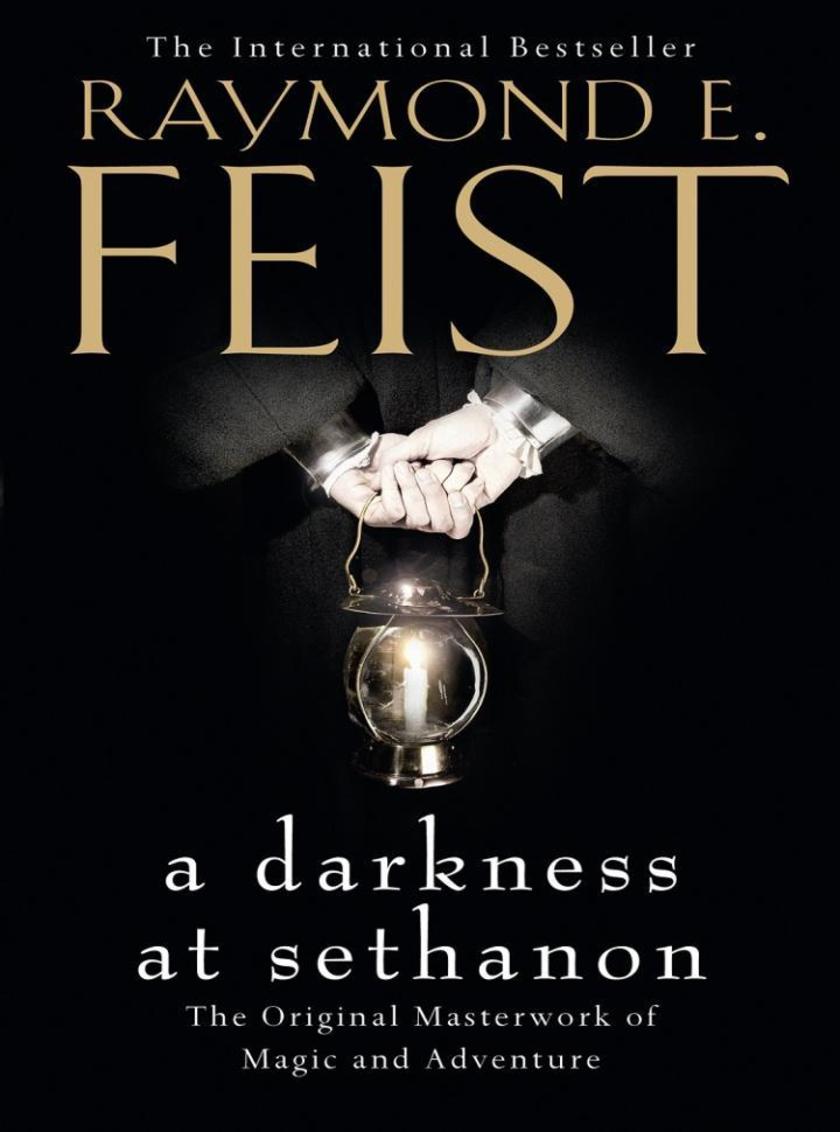
A Darkness at Sethanon (The Riftwar Saga, Book 3)
¥66.22
The triumphant finale to the Riftwar Saga – Raymond E. Feist’s first classic, bestselling fantasy trilogy. As Prince Arutha and his companions rally their forces for the final battle with an ancient and mysterious evil, the dread necromancer Marcos the Black has once again unleashed his dark sorcerery. Now the fate of two worlds will be decided in a titanic struggle beneath the walls of Sethanon, as the link between Kelewan and Midkemia is revived.
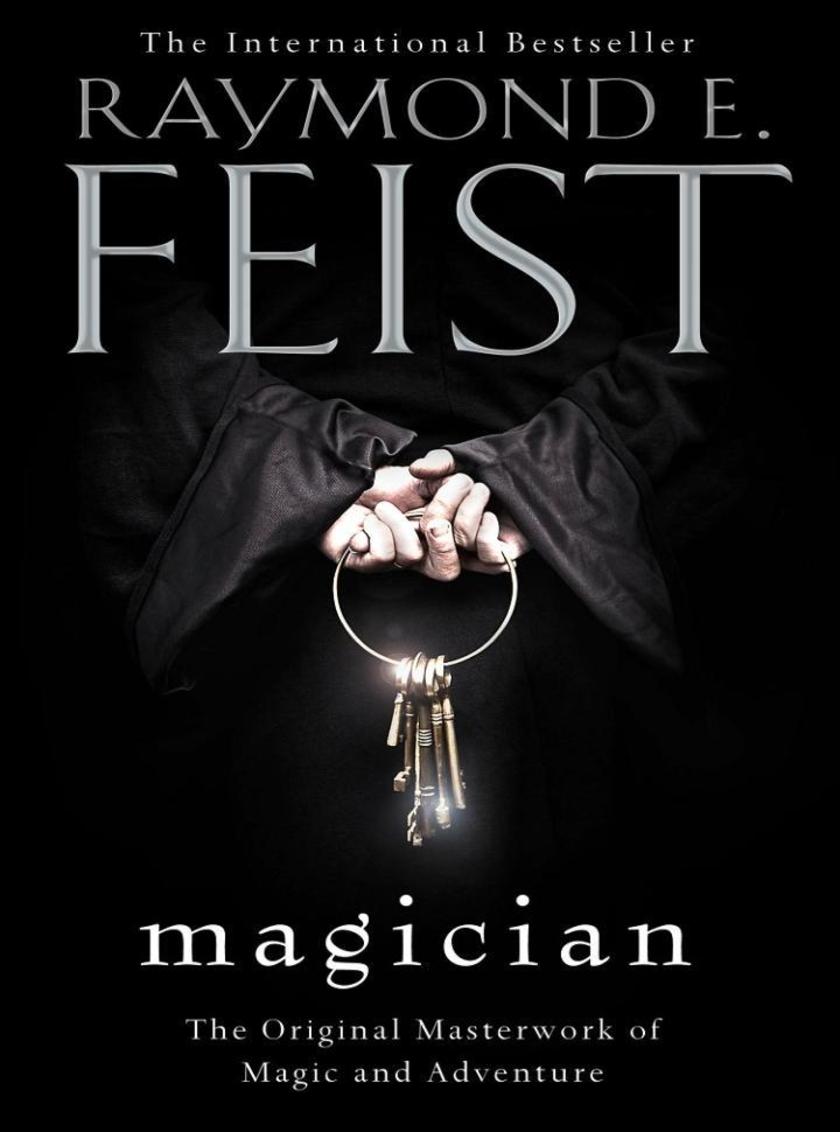
Magician (The Riftwar Saga, Book 1)
¥54.25
Magician, available in ebook for the first time, is a masterwork of magic and adventure. The whole of the magnificent Riftwar Cycle, by bestselling author Raymond E. Feist, is now available in ebook
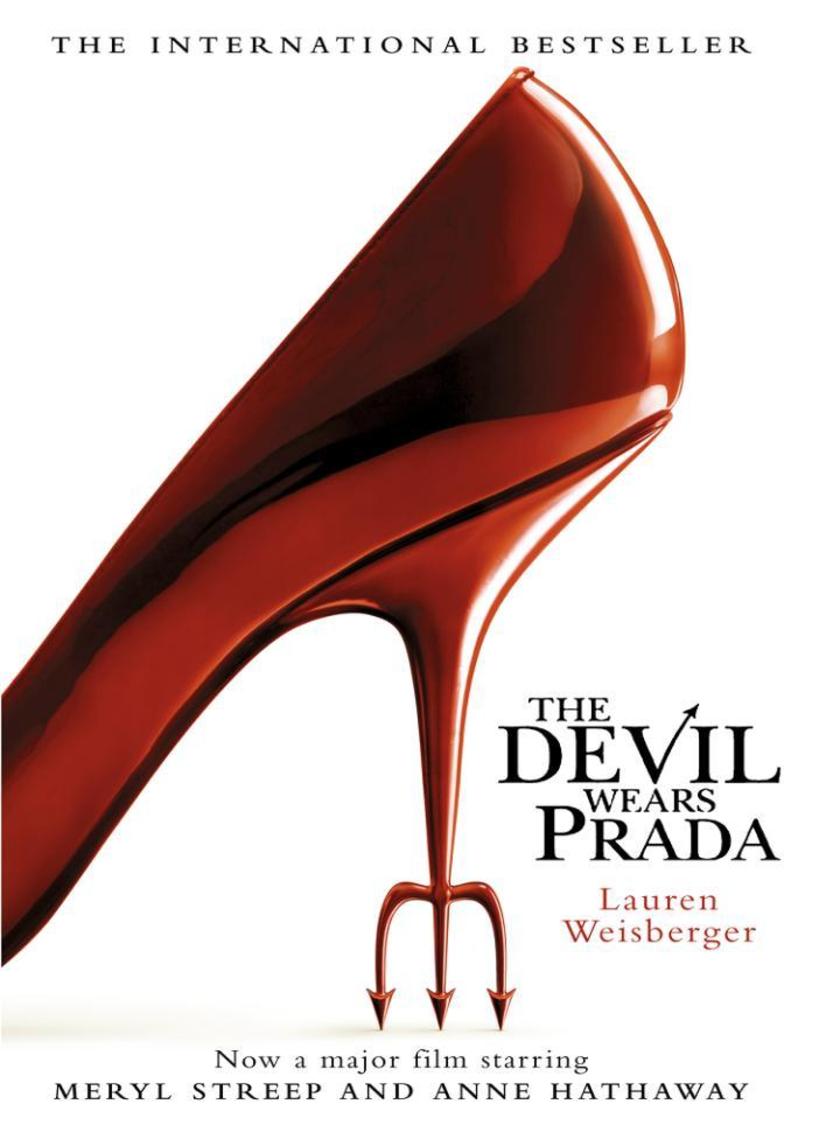
The Devil Wears Prada
¥58.86
The classic bestseller – over a million copies sold worldwide High fashion, low cunning – and the boss from hell When Andrea first sets foot in the plush Manhattan offices of Runway she knows nothing. She's never heard of the world's most fashionable magazine, or its feared and fawned-over editor, Miranda Priestly – her new boss. A year later, she knows altogether too much: That it's a sacking offence to wear anything lower than a three-inch heel to work. That you can charge cars, manicures, anything at all to the Runway account, but you must never, ever, leave your desk, or let Miranda's coffee get cold. And that at 3 a.m. on a Sunday, when your boyfriend's dumping you because you're always at work, if Miranda phones, you jump. But this is Andrea’s big break – it's going to be worth it in the end. Isn't it?
The Highly Sensitive Child: Helping our children thrive when the world overwhelm
¥95.75
15-20% of children are Highly Sensitive – and they are often labelled shy, introverted, fussy or faddy. The real story is very different though and this intelligent, practical book helps parents know what to do, when to back off, and how to ensure their child is given the right sort of treatment at school. This book is the follow up to the author’s internationally best-selling personal development guide The Highly Sensitive Person. It is the first and only book for parents of highly sensitive children. It provides parents with insights and information so they can understand High Sensitivity, and help their highly sensitive child thrive in the world. It is important for these children to be understood so they can be helped to avoid the common traps of shyness and withdrawal that many highly sensitive fall into as they develop. Contains questionnaire for parents to find out if their child has the traits common in highly sensitive children. Discusses HSC’s at different ages – infant, toddler, school-age and adolescent.…

The Shipping News
¥66.22
Annie Proulx's highly acclaimed, international bestseller and Pulitzer Prize-winning novel. Quoyle is a hapless, hopeless hack journalist living and working in New York. When his no-good wife is killed in a spectacular road accident, Quoyle heads for the land of his forefathers -- the remotest corner of far-flung Newfoundland. With 'the aunt' and his delinquent daughters -- Bunny and Sunshine -- in tow, Quoyle finds himself part of an unfolding, exhilarating Atlantic drama. 'The Shipping News' is an irresistible comedy of human life and possibility.
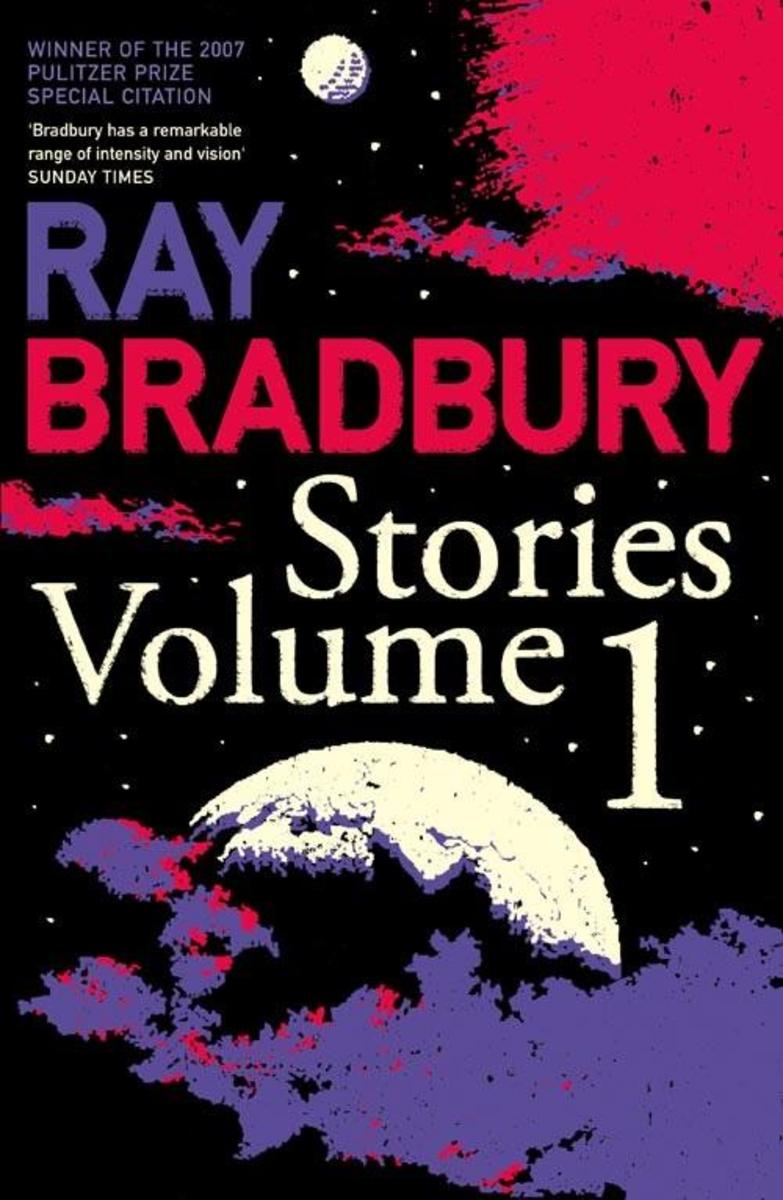
Ray Bradbury Stories Volume 1
¥136.56
One hundred classic stories from the celebrated author of Fahrenheit 451. In this, the first volume of Ray Bradbury's short stories, some of the author's finest works are published together, among them ‘Homecoming’, ‘Veldt’, ‘A Sound of Thunder’ and ‘The Long Rain’. Join an ill-fated crew of astronauts pushed to the brink of insanity by the incessant and highly corrosive rain on Venus, a high-tech virtual reality playroom that comes to life with terrible consequences, and a safari company offering tours for the wealthy back in time to the prehistoric era to stalk and kill dinosaurs, resulting in the present they return to being irrevocably altered. This collection is a rare treasure trove of wonder; as apprehensive about technology and the fate of humanity as it is elegiaic of its irrepressible progress. Each story presents an enlightening and poetic facet of Bradbury’s writing, every one as relevant now as when it was first written.
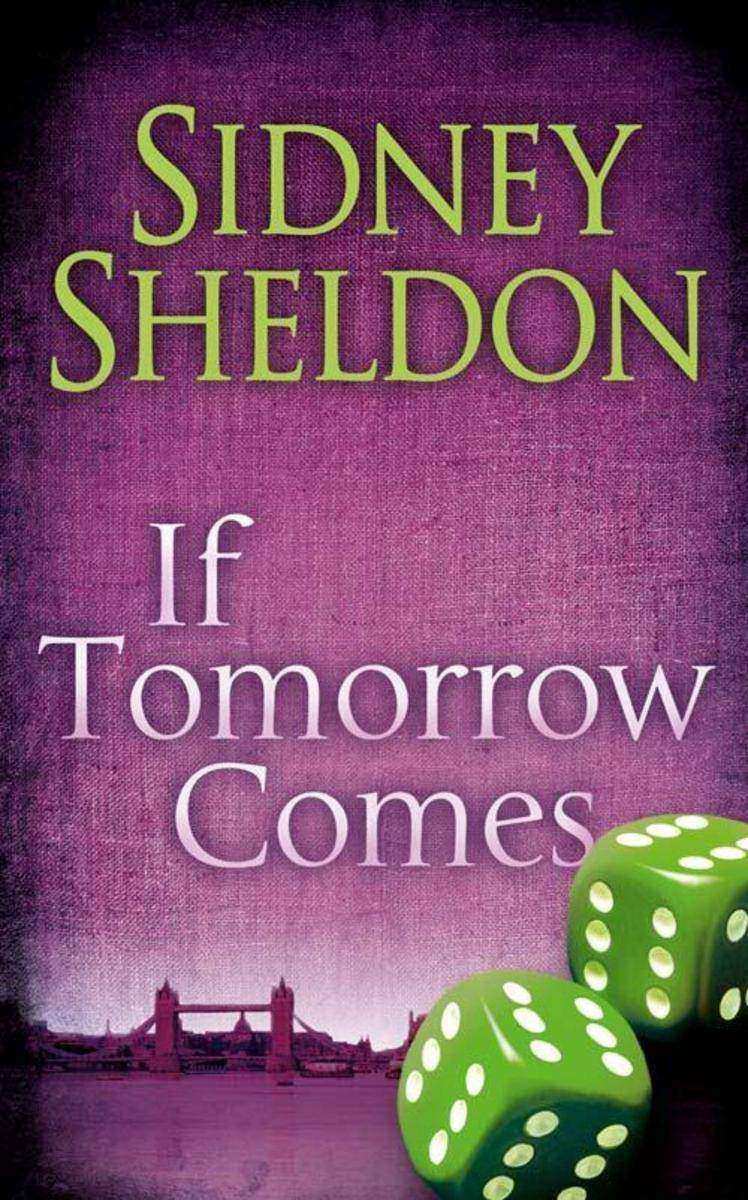
If Tomorrow Comes
¥66.22
The international bestseller from the master of suspense. A mafia conspiracy and one women against the world. Tracy Whitey is on top of the world. Young, beautiful, intelligent, she is about to marry into wealth and glamour – until, betrayed by her own innocence, she finds herself in prison, framed by a ruthless mafia gang and abandoned by the man she loves. Beaten and broken, but surviving with her dazzling ingenuity, Tracy emerges from her savage ordeal – determined to avenge those who have destroyed her life. Her thirst for revenge takes her from New Orleans to London, from Paris to Madrid and Amsterdam. Tracy is playing for the highest stakes in a deadly game. Only one man can challenge her – he’s handsome, persuasive and every bit as daring. Only one man can stop her – an evil genius whose only hope of salvation is in Tracy’s destruction…
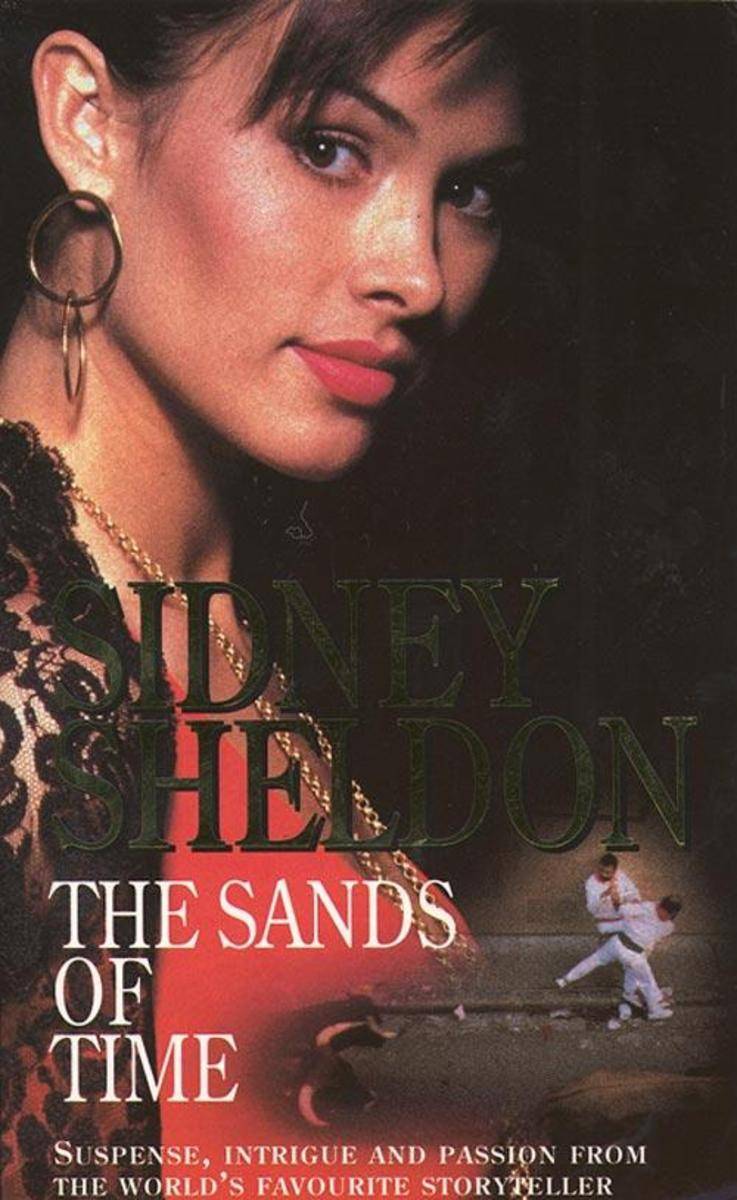
The Sands of Time
¥53.76
FOUR WOMEN AND THE MEN THEY ARE FORBIDDEN TO LOVE Four nuns find themselves suddenly thrust into a hostile world they long ago abandoned for the safety of the convent. Unwittingly they become pawns in a battle between the charismatic Jaime Miro, leader of the outlawed Basque nationalists, and the ruthless Colonel Ramon Acoca of the Spanish Army. Megan the orphan, who feels an overpowering attraction to Jaime Miro Lucia the fiery Sicilian beauty on the run for murder – and Rubio Arzano, the freedom fighter who risks his life to save her Teresa whose guilty conscience finally drives her to betray her friends Graciela who bears a terrible secret that almost destroys her – and the courageous Ricardo Mellado who loves her. 'The Sands of Time' is an unforgettable adventure and a heart-stopping romance, set against the timeless and dramatic landscape of Spain.
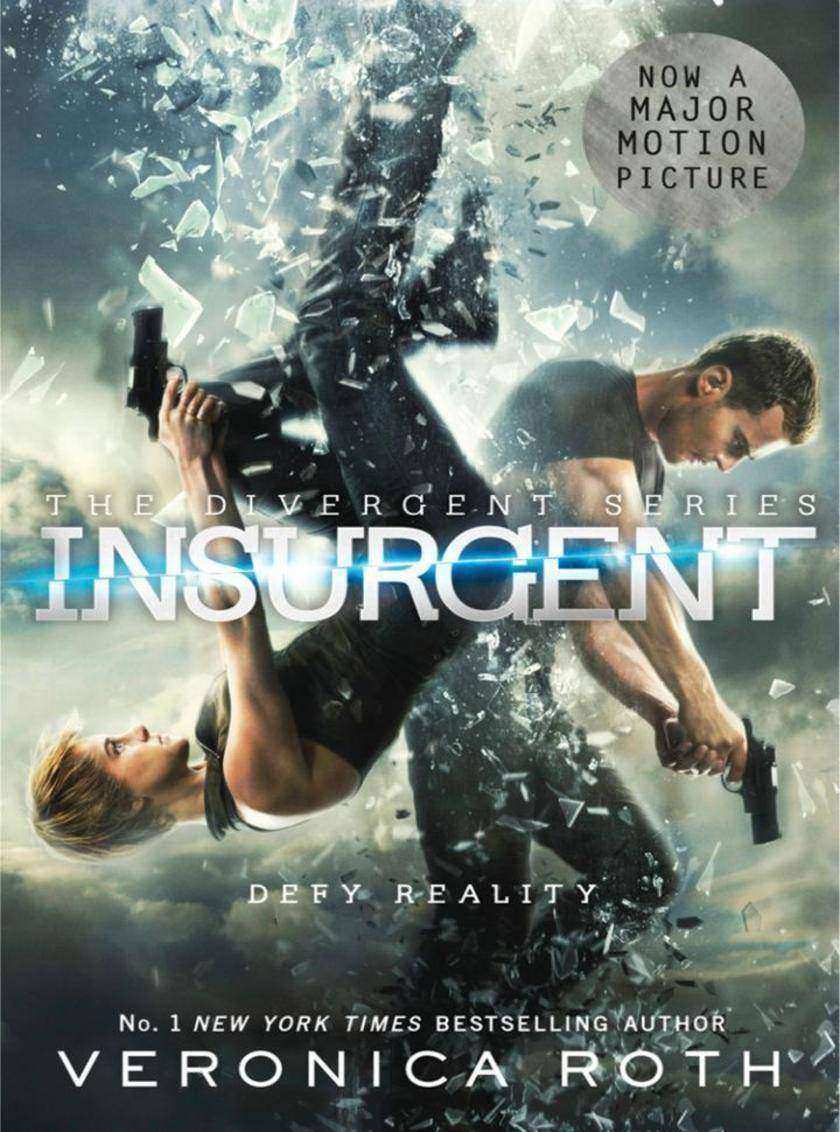
Insurgent (Divergent, Book 2)
¥58.86
Synopsis Details Reviews Fighting for survival in a shattered world! the truth is her only hope. The thrillingly dark sequel to New York Times bestseller, DIVERGENT. I have done bad things. I can't take them back, and they are part of who I am. Tris has survived a brutal attack on her former home and family. But she has paid a terrible price. Wracked by grief and guilt, she becomes ever more reckless as she struggles to accept her new future. Yet if Tris wants to uncover the truth about her world, she must be stronger than ever! because more shocking choices and sacrifices lie ahead.
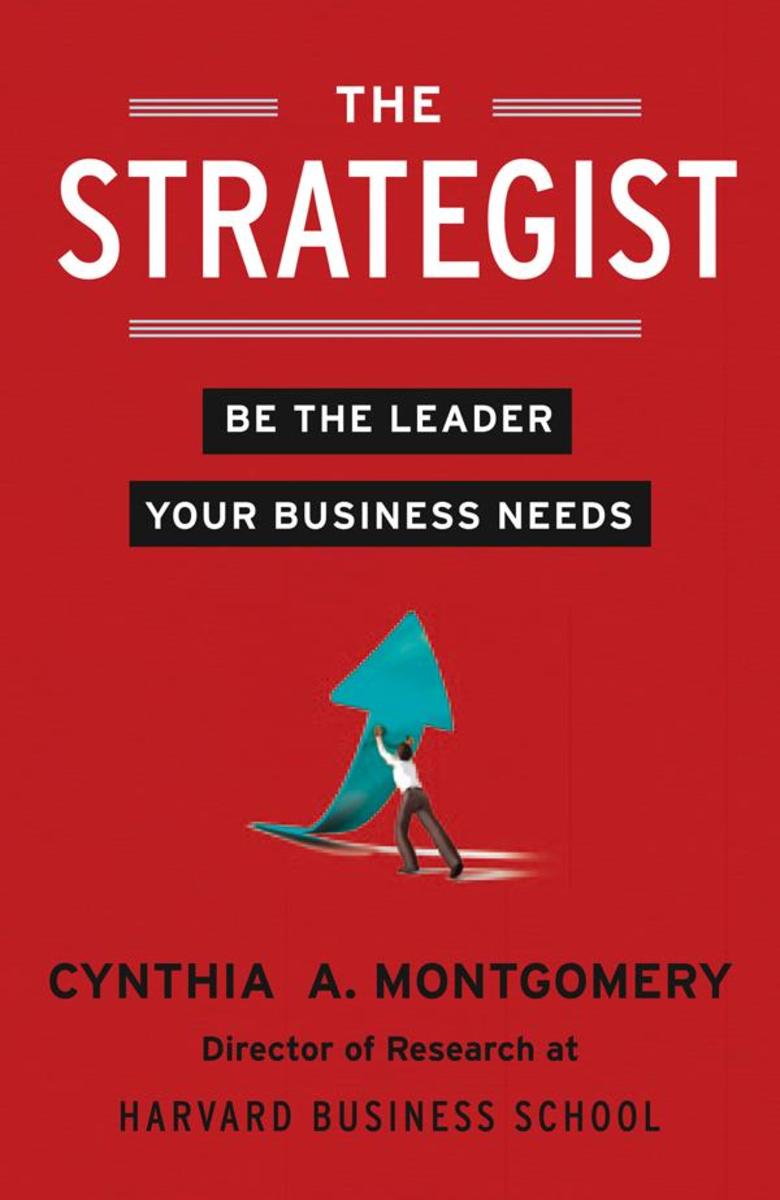
The Strategist: Be the Leader Your Business Needs
¥69.26
Strategy is about identifying why your business matters, not just analysing the competition. Cynthia Montgomery reveals how leaders can embrace the crucial role of The Strategist to really define and drive the objectives and advantages to power their companies forward. Cynthia Montgomery teaches the globally-renowned EOP (Entrepreneur, Owner, President) course at Harvard Business School, one of Harvard’s most oversubscribed executive courses. Participants are all seasoned executives, owners, CEOs, or COOs of privately held companies who pay tens of thousands of dollars to attend, with the goal of learning how to be more effective leaders and how to make their companies more successful. Montgomery’s course teaches them a totally new way to understand leadership, a way that fuses leadership with strategy. Her approach calls for a reset of current thinking about both. She shows that strategy is not just a tool for outwitting the competition – it is the most powerful means a leader has for shaping a firm itself. Montgomery takes the readers through the paces of her world-renowned course, teaching them how to develop the skills and sensibilities that living strategy and real leadership demand. No other book marries strategy and leadership in the same way – a way readers will find challenging, intriguing, and ultimately, inspiring.

A Good Yarn (Mills & Boon M&B) (A Blossom Street Novel, Book 2)
¥61.90
NO.1 NEW YORK TIMES BESTSELLER When times are tough, confiding in friends can change your life. Cancer survivor Lydia’s business is thriving but her dream-man’s ex is threatening their relationship… Retired, self-contained Elise has lost everything and lives with her daughter, but still has disturbingly strong feelings for her gambling ex-husband. Nervous Bethanne is an unwilling divorcée whose husband left her and their children for a younger woman. She urgently needs a job, but has she the confidence to find one? Lonely teenager Courtney feels abandoned too. Grieving over her mother’s death, she has put on weight and dreads starting a new school. This uplifting, heart-warming story proves that however bleak the future may look, the importance of friendship should never be underestimated. Make time for friends. Make time for Debbie Macomber.
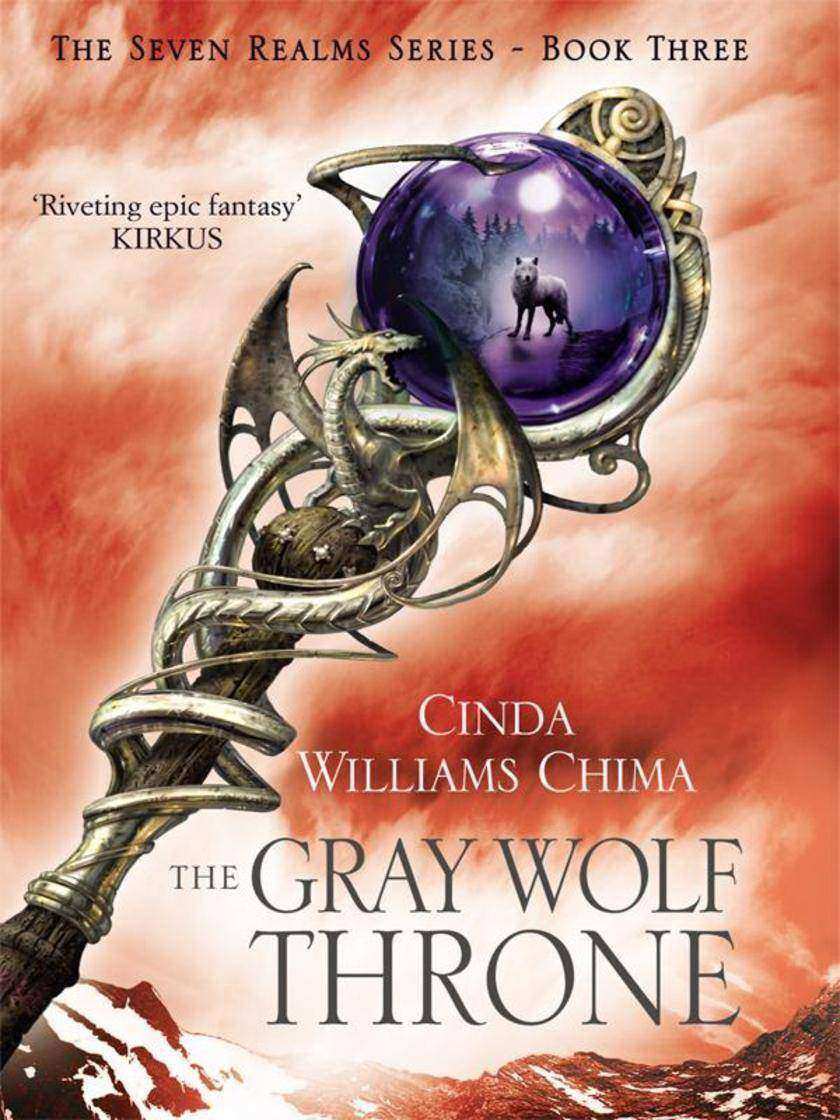
The Gray Wolf Throne (The Seven Realms Series, Book 3)
¥82.40
The third book in the critically acclaimed Seven Realms epic fantasy series from Cinda Williams Chima Han Alister thought he had already lost everyone he loved. But when he finds his friend Rebecca Morley near death in the Spirit Mountains, Han knows that nothing matters more than saving her. The costs of his efforts are steep, but nothing can prepare him for what he soon discovers: the beautiful, mysterious girl he knew as Rebecca is none other than Raisa ana’Marianna, heir to the Queendom of the Fells. Han is hurt and betrayed. He knows he has no future with a blueblood. And, as far as he’s concerned, the princess’s family killed his own mother and sister. But if Han is to fulfill his end of an old bargain, he must do everything in his power to see Raisa crowned queen. Meanwhile, some people will stop at nothing to prevent Raisa from ascending. With each attempt on her life, she wonders how long it will be before her enemies succeed. Her heart tells her that the thief-turned-wizard Han Alister can be trusted. She wants to believe it―he’s saved her life more than once. But with danger coming at her from every direction, Raisa can only rely on her wits and her iron-hard will to survive―and even that might not be enough. The Gray Wolf Throne is an epic tale of fierce loyalty, unbearable sacrifice, and the heartless hand of fate.
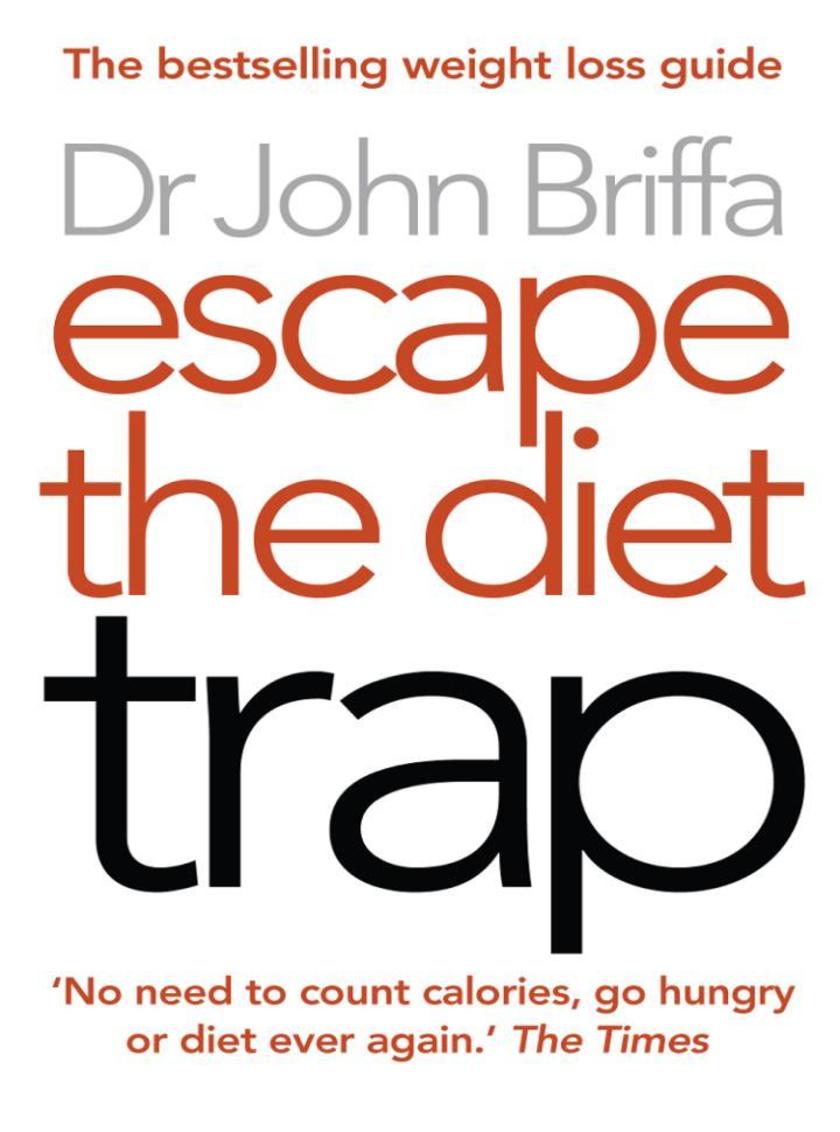
Escape the Diet Trap
¥66.22
This revolutionary book reveals: ?Ten reasons why eating a low-fat, calorie controlled diet makes sustained weight loss virtually impossible. ?Why the less hungry you are, the more weight you’ll lose. ?How different types of calories have different fattening potential. ?Why weight is not just about calories, but the impact our diet has on key hormones including insulin and leptin. ?Why you should ignore foods labelled ‘low fat’ or ‘light’. ?Why aerobic exercise has little impact on weight, and the type of exercise that does. ?The simple and mental tricks to ensure permanent success.


