


 购物车
购物车 个人中心
个人中心

Caught In A Bind (Mills & Boon Love Inspired Suspense)
¥25.60
People don't vanish into thin air. Yet that's what happened to Tom Whatley, the husband of one of Merry Kramer's coworkers at The News. And in his place? A strange corpse lay in the Whatleys' garage. As if a missing-person/murder case weren't challenging enough, a beautiful new rival was rattling Merry's faith in her blossoming romance with artist Curt Carlyle. And Merry's search for the scoop put her directly in the path of a killer…spelling potential doom for this spunky sleuth.
Cold Feet (Mills & Boon M&B)
¥54.74
The Seattle police suspect Madison Lieberman's father was the serial killer they call the "Sandpoint Strangler." Madison refuses to believe it. Her father is now dead, and all she wants is the chance to create a new life for herself and her six-year-old child. Then she discovers something in the crawl space beneath her parents' house. Something that makes her question her father's innocence. Or the innocence of someone else who's equally close to her… When another woman turns up dead, crime writer Caleb Trovato wonders whether they're dealing with a copycat killer. Or is the real Sandpoint Strangler still alive? Caleb's sure Madison knows more than she's telling, and he's determined to find out what. But he doesn't expect to fall in love–or to lead Madison and her child into danger….
Speechless (Mills & Boon Silhouette)
¥39.24
Libby McIssac is known for two things: catching bridal bouquets (her record's an even dozen) and having a way with words. Since the former isn't really something that looks good on a résumé, it's helpful to have parlayed the latter into a new career as a political speechwriter. But just as she's making sure her boss looks as if she knows something about…well, anything, Libby's world is turned upside down. Enter a handsome British consultant–a bit on the cagey side, perhaps–who upsets the delicate chain of command around the office and somehow always gets what he wants. Including Libby? When a media leak of a big-time scandal sends everyone into a tailspin, Libby fears she may get caught in the cross fire. Cue the fake alliances, the secrets, the sex, the subterfuge, the hidden friendships: it's all there. Welcome to the world of politics, where perception is everything, nothing is as it seems and the last thing you want is to be left speechless.
Starting From Square Two (Mills & Boon Silhouette)
¥39.24
Gert Healy thought she was finished with dating. She thought she'd be picking out strollers and booties for the children she and her husband were planning to have. Instead, she's mourning his loss and coming to terms with being a widow at twenty-nine. It's been over a year now, and her friends have convinced her it's time to get back into the swing of things (even though looking for love is the last thing she wants to do). Although they've developed many a dating rule between them, now that Gert's a part of their single-girl crew, she's beginning to realize they don't know the first thing about men. Of course, Gert doesn't know the first thing about dating, since she married her college sweetheart, so maybe joining forces will work out after all. But does Gert have it in her to fight her way through the leather-jacketed and miniskirted crowds in search of a second miracle? It's back to square one on everything. Well, actually she's done it all before. Square two, then.
Texas...Now and Forever (Mills & Boon Silhouette)
¥31.10
Though Luke was temporarily blinded, his senses were on high alert when Haley Mercado confessed to having their child–a baby girl who'd been kidnapped by the infamous Texas Mafia. Trained in covert tactics, Luke gathered his military brothers to save his daughter. In the frenzied hours before Operation Rescue, Luke and Haley rediscovered each other…intimately. Tensions shifted into overdrive, and Luke realized this would be the most important mission. But could a deadly foe keep their newfound love–their newfound family–from reuniting…?
The Chaotic Miss Crispino (Mills & Boon Silhouette)
¥19.13
Valerian Fitzhugh had been entrusted to accompany a wayward, headstrong heiress from her disreputable Italian pensione to her family's English estate. He had expected a young girl, not a beautiful, full-grown woman employed as an opera singer. Ever mindful of his obligation, Valerian escorted Miss Allegra Crispino across the ocean in a most gentlemanly fashion. Yet once they touched shore, the Englishman could no longer deny himself a kiss from the maddening minx. With that one embrace, their fates appeared to be sealed…until chaos was unleashed.
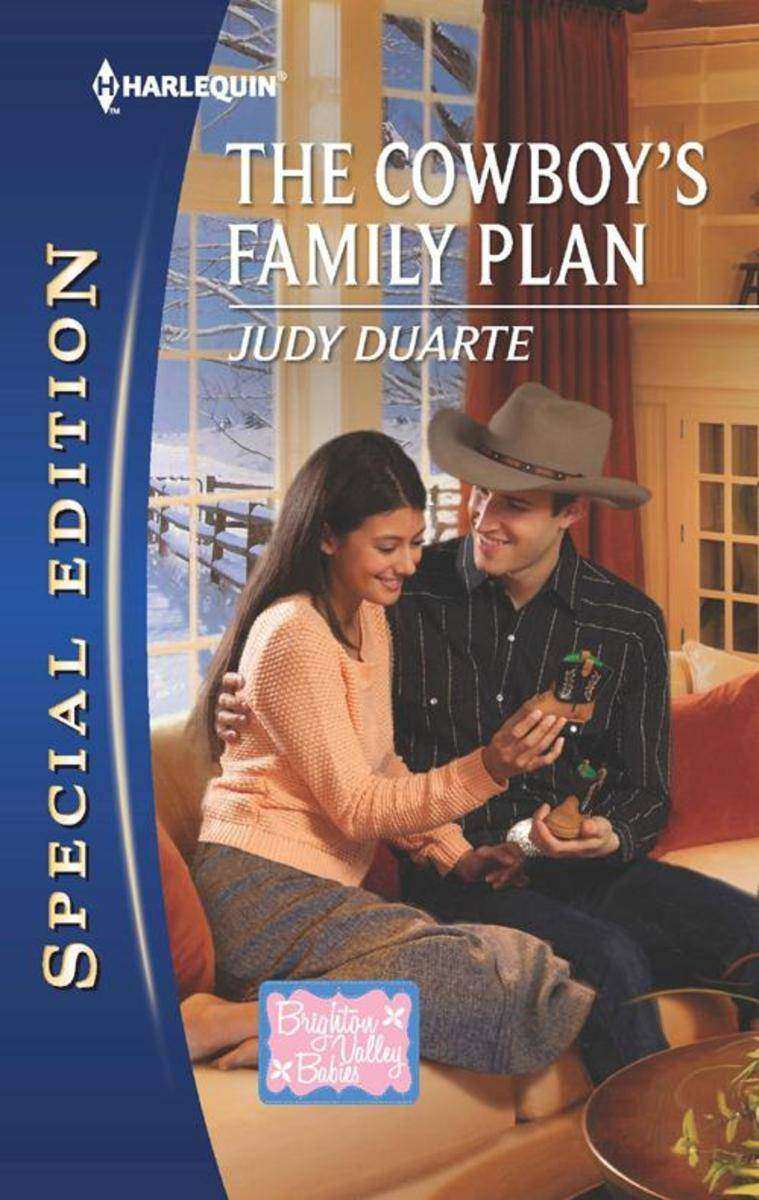
The Cowboy's Family Plan (Mills & Boon Silhouette)
¥23.25
Solemn rancher Alex Connor was looking for a good woman. To be more precise, he was looking for a surrogate to bear his babies. He had it all figured out: he'd be a single dad completely devoted to his children. But after his first meeting with obstetrician Dr. Selena Ramirez, all his carefully made plans flew out the window. Selena knew she'd be able to help Alex, though not in the way he might imagine. Common sense told her to run when the sexy green-eyed cowboy admitted he wanted her. What kind of crazy fate had brought a man yearning for offspring to a woman who couldn't have any? What kind of crazy girl would gamble on a man whose heart was already taken?
The Dubious Miss Dalrymple (Mills & Boon Silhouette)
¥23.25
Forced to assume a false identity, "John Bates" journeyed to the new Earl of Hythe's home to uncover a murderous plot. There he found Elinor Dalrymple, sister to the newly ensconced earl and mistress of his seaside estate. At first glance, John dismissed her as merely a staid spinster. Yet once she let down her hair, sweet Elinor transformed into a beautiful butterfly–and a feisty damsel who was dubious of his devilish rogue persona. Suddenly John's carefully orchestrated masquerade was crumbling…under his own desire to reveal his true self to Miss Dalrymple!
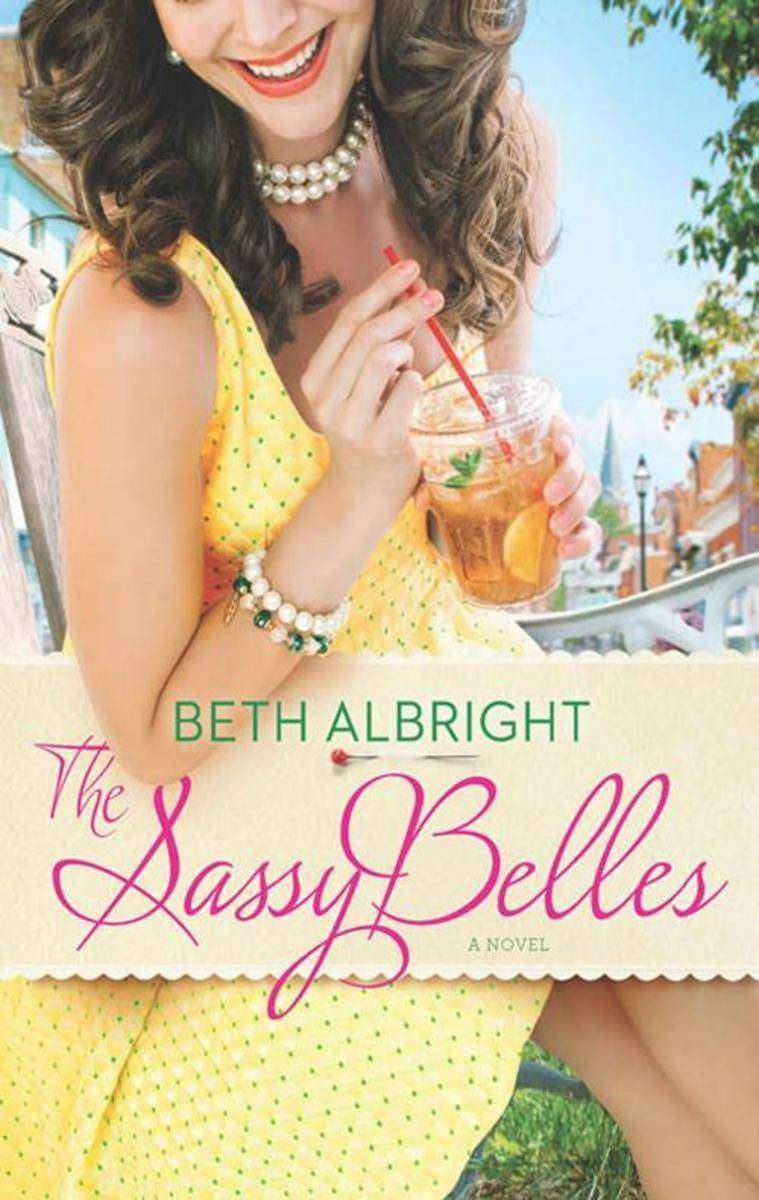
The Sassy Belles (A Sassy Belles Novel, Book 1)
¥45.03
Meet the Sassy Belles. They're strong as a mint julep, sweet as peach cobbler, and no matter what, they stick together. There are only two seasons in Tuscaloosafootball and waiting-for-football. When Lewis Heart, football announcer and voice of the Crimson Tide, vanishes after an impromptu romp with Vivi Anne McFadden at the Fountain Mist Motel, Vivi does what any Southern woman would do: calls her best friend, Blake O'Hara Heart, attorney-at-law. With the town gossip swirling around them, Vivi and Blake are determined to find out what happened to Lewis and clear Vivi's reputation. Because after all, men may come and go, but the Sassy Belles are forever. Not since Steel Magnolias have we fallen in love with such sexy, strong and hilarious Southern women. So grab your best girlfriends and join these Belles on the first of many joyrides through the Deep South. Sexy Southern funwith a hint of magnolia!"

Once a Champion (Mills & Boon Superromance) (The Montana Way, Book 1)
¥31.10
Liv Bailey never forgot her high school crush. Champion roper Matt Montoya always did have that irresistible daredevil swagger. But Liv isn't Matt's shy tutor anymore. She's a grown woman and a physiotherapist with a painful past. Matt isn't the only tough one now, and when their tempers clash over a horse they both claim ownership to, sparks fly in more ways than one. Liv's willing to let Matt bring some passion into her life, but when he opens his heart to her, she's scared of being hurt again. Liv knows there's more there than just desire—if she can only trust the cowboy who loves her.
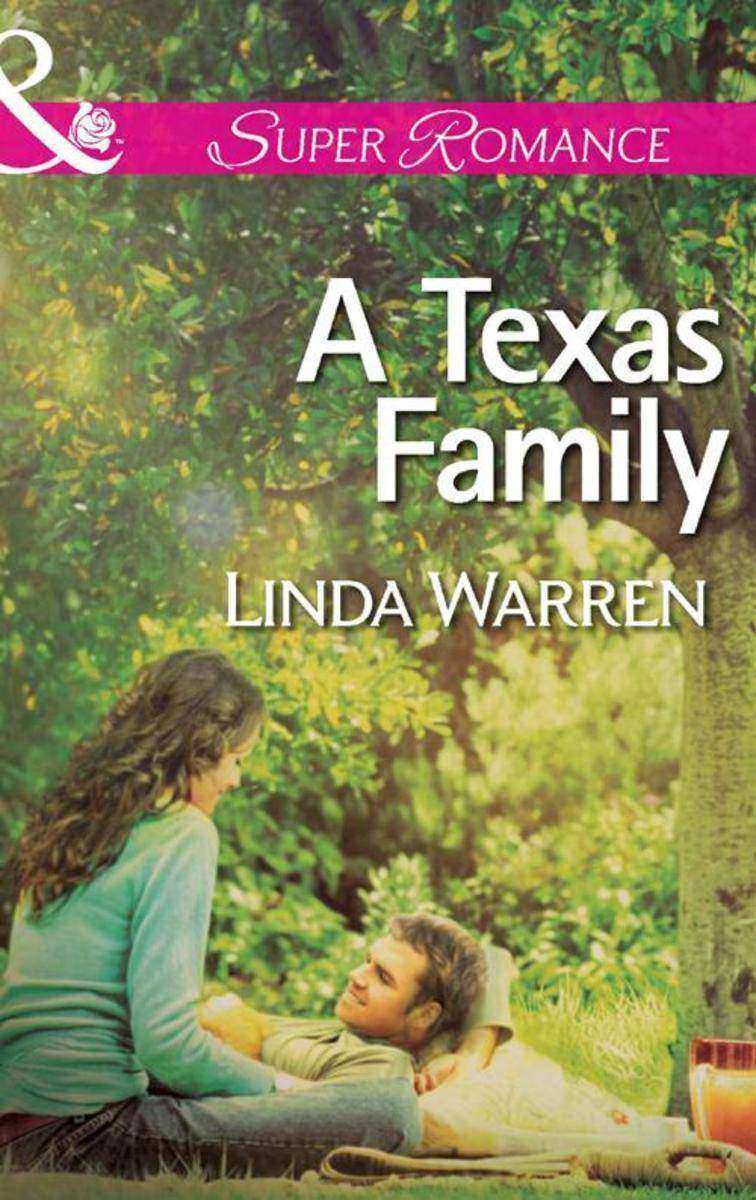
A Texas Family (Mills & Boon Superromance) (Willow Creek, Texas, Book 2)
¥31.10
Nine years ago, Jena Brooks fled Willow Creek, Texas, as a frightened teenager. Now she’s finally found the courage to come home, and this time she’s not leaving without her baby. Memories of Asa Corbett stealing her new-born child still haunt Jena to this day. Unfortunately, her best chance at finding her baby is Asa’s eldest son, local Constable, Carson Corbett. Trusting a Corbett again isn’t easy but they’ll need to rely on each other completely to face their pasts and discover the truth. Together, Jena and Carson have a chance to heal old wounds and unite their families for good… if the truth doesn’t first tear them apart.

Into the Dark
¥54.74
The sole survivor of a heartbreaking family tragedy… Claire Bowen, a haunted psychologist, devotes her life to helping troubled women rebuild theirs. But her dream of a family with her new husband, Robert, a pilot and local hero, begins to crumble as disturbing revelations from his past emerge. And a grieving cop who lures a killer from the shadows… Detective Joe Tanner, struggling to overcome his wife's death while raising their little girl alone, heads the task force formed to stop the monster who has resurfaced with a chilling message. Race the clock in a life-and-death struggle to save the next victim… In the wake of five cold-case murders across Los Angeles, one of Claire's most promising patients vanishes. Gut instinct tells Tanner the truth is within his grasp, while Claire is torn between guilt and terror over what’s to come. As time runs out, both are pulled deeper and deeper into an unspeakable darkness. "Rick Mofina's tense, taut writing makes every thriller he writes an adrenaline-packed ride." —Tess Gerritsen, New York Times bestselling author

Mr (Not Quite) Perfect (Mills & Boon Modern Tempted)
¥26.78
What do women really want? Journalist Allegra Fielding has a problem. She’s pitched a story to her boss – how to transform a not-so-perfect man into Prince Charming – and now she has to deliver! But where is she going to find a man willing to take part in a makeover? Time to blackmail her flatmate, Max… But Allegra’s cunning plan backfires spectacularly when Max refuses to be ‘perfected’! He’s a guy who knows what he likes, and he’s going to enjoy proving to Allegra that there’s nothing hotter than a man who’s a little rough around the edges…

If Only... (Mills & Boon Modern Tempted)
¥25.70
If only I hadn’t had that last drink… It might be the toughest night of the year for Micah O’Shea, but one tequila too many and suddenly she’s seeing the world – and her best friend, firefighter Josh Taylor – in a new light! Surely a bit of Dutch courage is all she needs to see if he tastes as good as he looks…? Why did no one tell her that the morning after is way more awkward when you’re friends with the man you threw yourself at? And that it gets more awkward when you start having X-rated dreams about him? Perhaps Micah should stop saying ‘If only…’ and start asking ‘What if…?’! You won’t want to miss this fabulous story by So You Think You Can Write 2013 winner Tanya Wright!
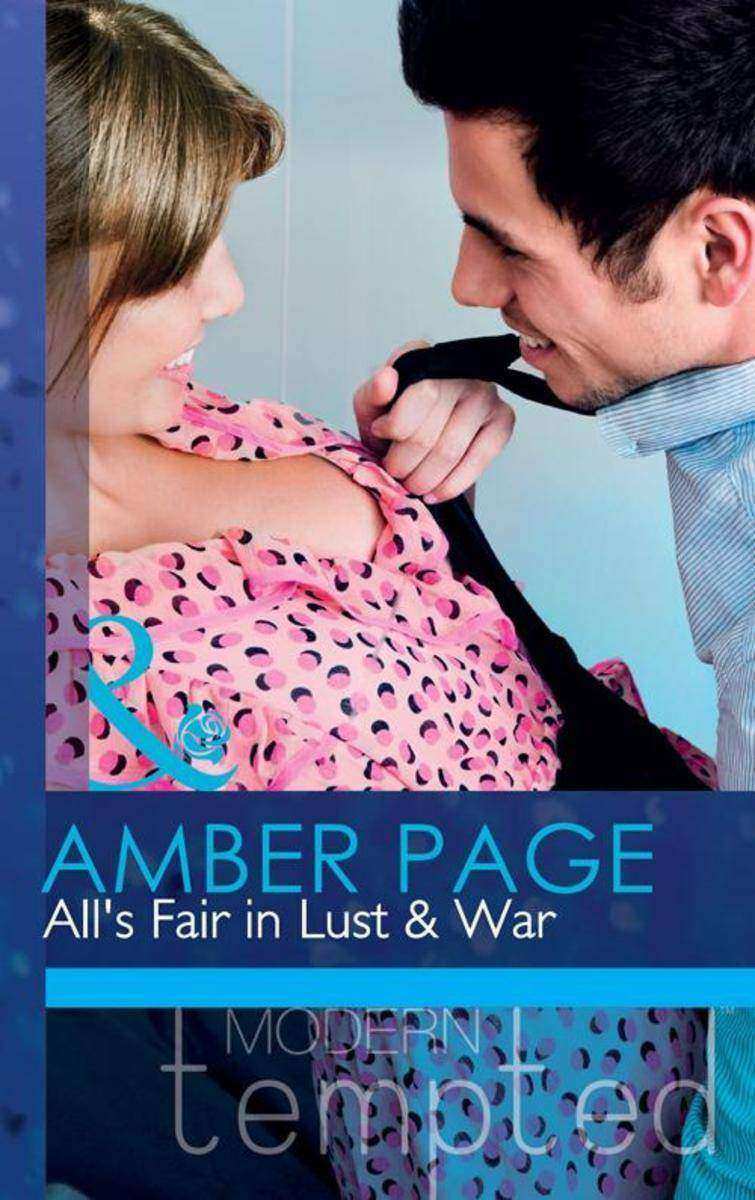
All's Fair in Lust & War (Mills & Boon Modern Tempted)
¥26.78
WICKED CAPTAIN, WAYWARD WIFE When young widow Evelina Wylder comes face to face with her dashing captain husband – very much alive – she’s shocked, overjoyed… and furious! So, whatever the explanation for his outrageous deception, she’ll keep Nick firmly out of their marriage bed, no matter his method of seduction… THE EARL’S RUNAWAY BRIDE When Felicity’s husband, charismatic Major Nathan Carraway, disappeared into war-torn Spain, she discovered a dark secret behind their whirlwind marriage and fled to England… Five years on, Felicity takes the hand of a dangerously handsome dance partner… her commanding husband – back to claim his runaway bride!

An Offer She Can't Refuse (Mills & Boon Modern Tempted)
¥26.78
The ultimate proposition… Ambitious businesswoman Mallika wasn’t expecting a job offer from the distractingly good-looking Darius Mistry – nor was she expecting their scorching chemistry! But, bound by responsibilities, she turns it down… Darius can’t understand why she’d walk away from her dream job, or their attraction! Determined, he makes her an offer she can’t refuse… !

The Apple Orchard (A Bella Vista novel, Book 1)
¥61.51
"Sometimes you stumble across a treasure when you're looking for something else entirely." #1 New York Times bestselling author Susan Wiggs brings readers to the lush abundance of Sonoma County in a novel of sisters, friendship and how memories are woven like a spell around us. Tess Delaney makes a living restoring stolen treasures to their rightful owners. People like Annelise Winther, who refuses to sell her long-gone mother's beloved necklacedespite Tess's advice. To Annelise, the jewel's value is in its memories. But Tess's own history is filled with gaps: a father she never met, a mother who spent more time traveling than with her daughter. So Tess is shocked when she discovers the grandfather she never knew is in a coma. And that she has been named in his will to inherit half of Bella Vista, a hundred-acre apple orchard in the magical Sonoma town called Archangel. The rest is willed to Isabel Johansen. A half sister she's never heard of. Against the rich landscape of Bella Vista, Tess begins to discover a world filled with the simple pleasures of food and family, of the warm earth beneath her bare feet. A world where family comes first and the roots of history run deep. A place where falling in love is not only possible, but inevitable. And in a season filled with new experiences, Tess begins to see the truth in something Annelise once told her: if you don't believe memories are worth more than money, then perhaps you've not made the right kind of memories. From one of America's most beloved writers, The Apple Orchard is a story of family tiesboth old and newand of the moments that connect our hearts. "

Pieces of Dreams (Mills & Boon Kimani Arabesque)
¥39.24
Tragedy brought Maxine Sherman and Quinten Parker together years ago, but another woman stole him away from her. For as long as Maxine could remember, her nights were filled with dreams of his return. That was then. Now Quinn is back after another tragedy occurs in his life, and he wants things the way they were. But Maxine has a new life, a new man…and a secret that binds her and Quinn forever. Common sense tells Maxine she shouldn't put her heart in the hands of the man who once left it broken in pieces–and risk losing the love and devotion of Taylor Collins, who not only brings her joy, but the kind of love she always longed for. Is Taylor her real love or a substitute for what she lost? As Maxine struggles against Quinn's passionate pleas, and the old desires ignite between them, she must decide if what they have is strong enough to last this time, or if her feelings are only…pieces of dreams.

A Blessed Life (Mills & Boon Love Inspired)
¥31.10
THERE ARE ANGELS AMONG US AND SOME RIDE MOTORCYCLES Single mother Serena Jacobs stopped praying for miracles when a year of battling her daughter's illness took its toll on her spirit. But even though Serena's faith was shattered, she turned to the church for solace–and found a Harley-riding youth minister waiting with open arms and an open heart. Andrew Westin was determined to restore Serena's faith and heal her troubled heart. But despite the growing love between them, the past still haunted him. Would their newfound love be enough to also mend Andrew's wounded soul?
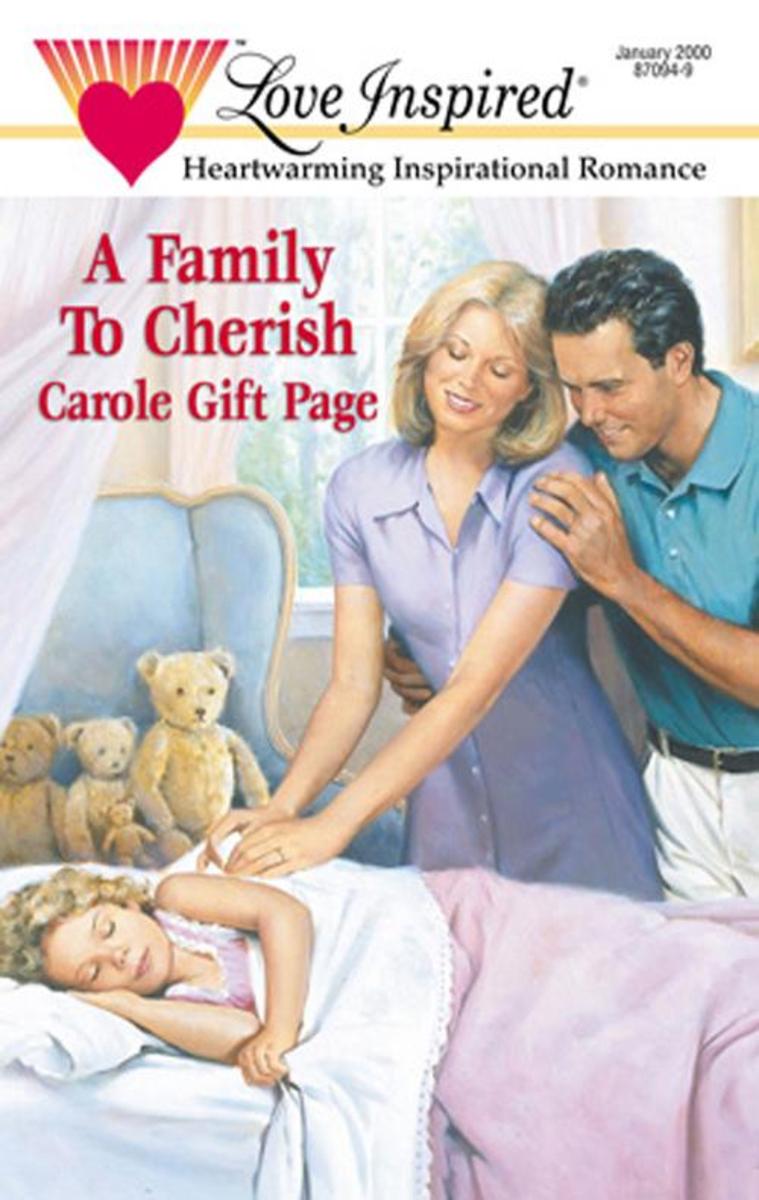
A Family To Cherish (Mills & Boon Love Inspired)
¥31.10
LITTLE GIRL LOST… The tragic loss of their beloved daughter had been shattering for Doug and Barbara Logan. Even now, years later, grief shadowed their every waking moment, and it threatened to destroy the marriage they had been certain would last a lifetime…. LITTLE GIRL FOUND… Now another child–with no one to care for her–needed them desperately. But could they overcome their anguish and reach out to her, and to each other? Could love and faith–and the healing power of a little girl's smile–make them truly a family again…?

Icing On The Cake
¥9.71
When Liz Talbot's husband left her for a woman half her age, Liz put all her passions into her bakery. The problem is that fad diets and fitness crazes are ruining sales and she's barely staying afloat. Liz's luck seems to be changing when her ex dies without changing his will, leaving her the main beneficiary. Unfortunately one of the things she inherits is the advertising agency she left behind to pursue her dream of baking. Her partner? The newly widowed husband stealer–Brandi, with a heart over the i. As the new co-owner of Talbot Advertising, in the toilet since the death of her ex (that's right, she's now the proprietor of two failing businesses), Liz is more determined than ever to break out and make a name for herself as an artisan baker extraordinaire, providing her products can catch the eye of the Nabisco Food scout who is as elusive as he is mysterious.


