


 购物车
购物车 个人中心
个人中心
Moodle 2.0 First Look
¥71.93
The book looks at the main functional areas of Moodle that have significant new features, explains the new features and how to use them. It draws attention to significant differences from how things used to behave, and gives the reader an idea of the kind of consequences these changes will bring to them. If you are an existing Moodle user, tutor, or administrator, then this book is for you. You are expected to be familiar with the operation of Moodle.
OpenStreetMap
¥71.93
This book introduces the OSM project, its aims and objectives, and its history, then guides you through the process of gathering, editing, and using OpenStreetMap data using a series of real-world examples. This book is the perfect aid for geographic-information professionals interested in using OpenStreetMap in their work and web designers and developers who want to include mapping in their sites, and want a distinctive style. It is for you if you have a need to use maps and geographic data for work or leisure, and want accurate, up-to-date maps showing the information you're interested in, without details you don't need. If you want to use maps for navigation and want more or less detail than traditional printed maps give this book is perfect for you.
IBM Lotus Sametime 8 Essentials: A User's Guide
¥80.65
As a user, you will learn, using real-world scenarios and tasks, exactly how to use all the features of Sametime. Beginning with how to install Sametime, we've included step-by-step de*ions and screen prints for each topic area in a clear easy-to-follow format. Each chapter builds on what you learn in earlier chapters and guides you into using the more advanced features of Sametime, but if you only want to develop your skills in one particular area, each chapter acts as a stand-alone module. If you want to learn how to use IBM Lotus Sametime, then this book is for you. No matter if you're new to Sametime or want to become a Sametime power user, this book contains something for you. The focus is on using Sametime as a user and does not include information about development or administration of a Sametime environment; but any user of Sametime in an organization will be able to take this book, sit down at their computer, and learn how to use each feature of Sametime from start to finish.
Building job sites with Joomla!
¥71.93
This will be a step-by-step tutorial - a workbook with practical approach. The book starts by looking at the important features that make a professional job site: adding and managing jobs, jobseekers and employers, providing online recruitment services, selling credits and managing credit system, SEO to drive huge traffic to your job site, and so on. This book includes a lot of screenshots which not only illustrate tasks but also create a visual impact. This book contains overall necessary information that is important for the understanding of job site development. If you are looking for building and managing a job site using Joomla! extensions then this book is for you. Prior knowledge of using extensions is not expected but Joomla! basics will be required.
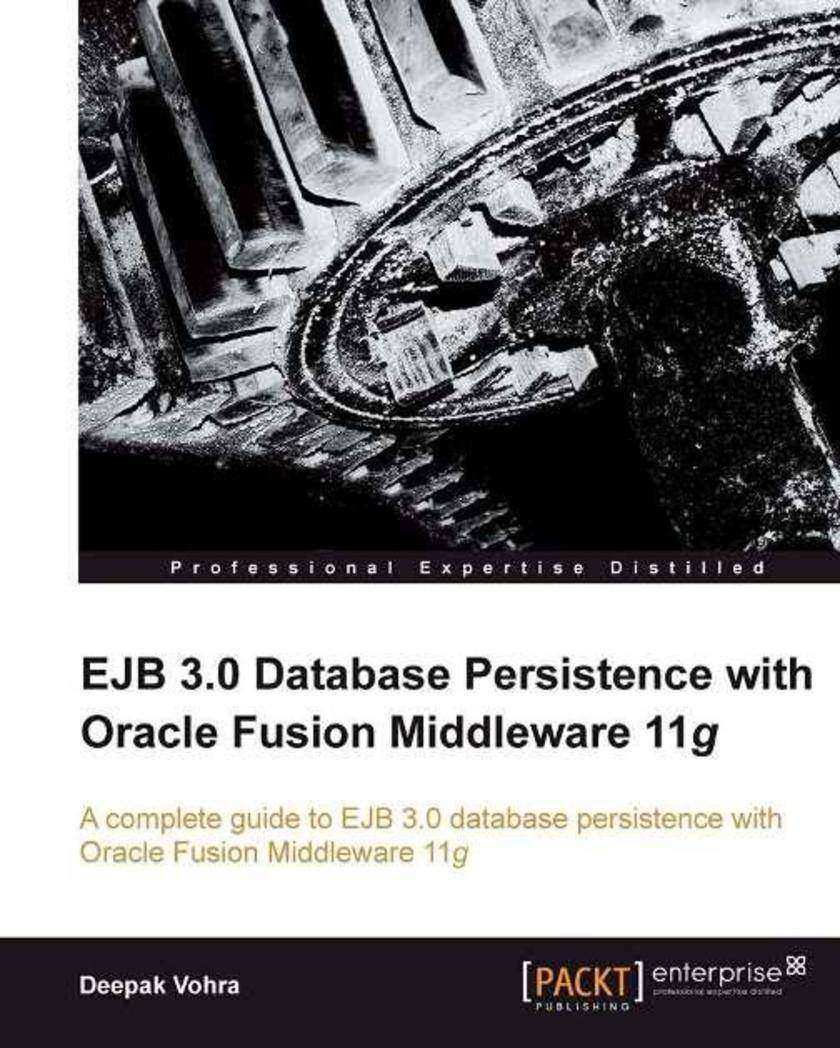
EJB 3.0 Database Persistence with Oracle Fusion Middleware 11g
¥99.18
This is a practical, tutorial-style book that includes many examples that demonstrate how to develop EJB 3.0 database persistence applications with Oracle Fusion Middleware 11g. Every chapter starts with setting the environment for the chapter and includes an example application illustrated with figures at milestone stages. This book is aimed at EJB 3.0 application developers who want to learn about the practical use of EJB 3.0 database persistence with Oracle Fusion Middleware. Those who are already using EJB 3.0 database persistence will learn about using EJB 3.0 database persistence with Oracle Fusion Middleware 11g. The target audience is expected to have some prior knowledge about Java EE, EJBs, EJB 3.0, JSF, AJAX, web services, and XML. This book is ideal for those developers who have working knowledge of JDeveloper and WebLogic server, and wish to learn about the practical use of EJB 3.0 with Oracle Fusion Middleware.
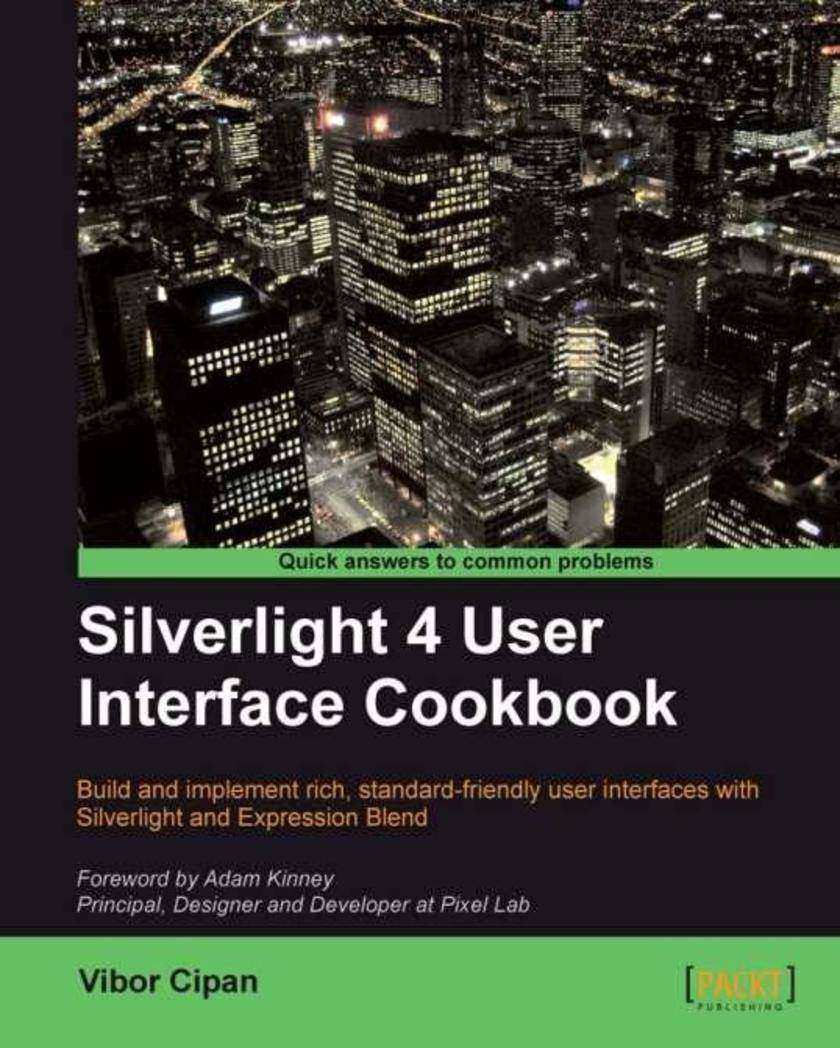
Silverlight 4 User Interface Cookbook
¥90.46
Written in a Cookbook style, this book offers learning and techniques through recipes. It contains step-by-step instructions for designers and developers who want to learn about how to design and implement numerous user interface patterns with Silverlight. It will take you a step further by providing you with professional and proven user interface and user experience guidelines wherever possible. The book is designed in such a way that you can explore it chapter-by-chapter, or read it in any order. Written in a Cookbook style, this book offers learning and techniques through recipes. It contains step-by-step instructions for designers and developers who want to learn about how to design and implement numerous user interface patterns with Silverlight. It will take you a step further by providing you with professional and proven user interface and user experience guidelines wherever possible. The book is designed in such a way that you can explore it chapter-by-chapter, or read it in any order.
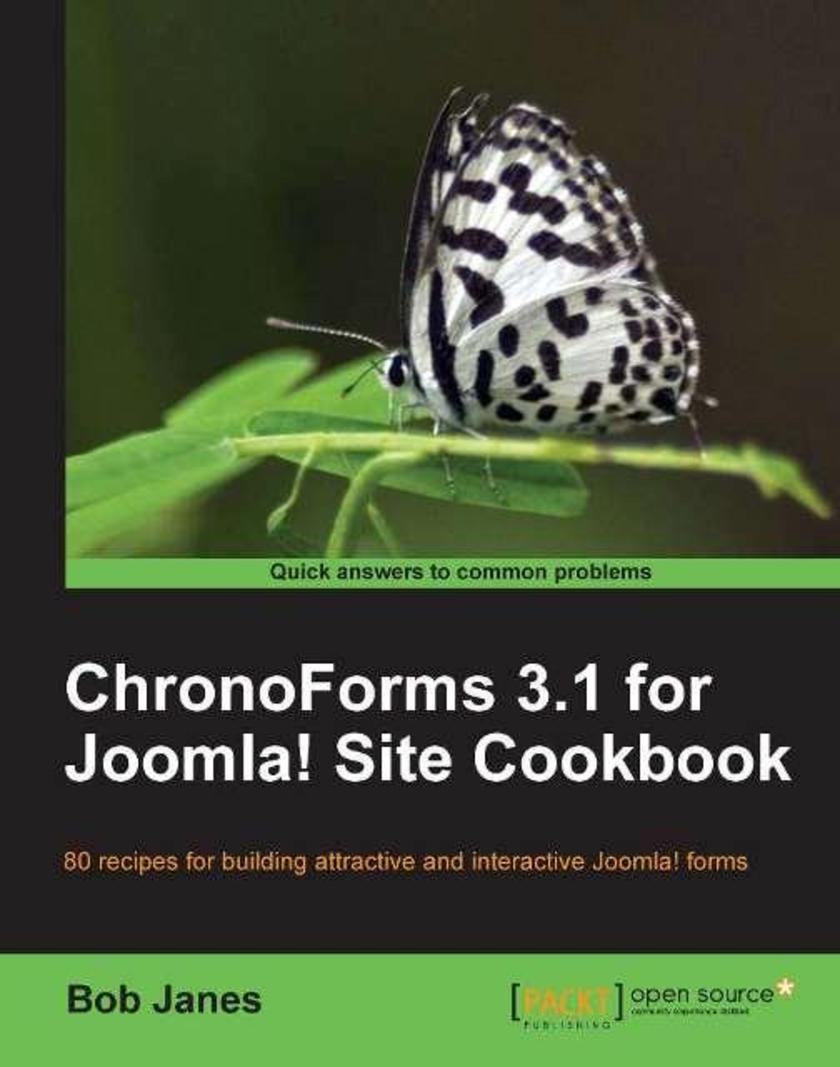
ChronoForms 1.3 for Joomla! site Cookbook
¥80.65
This book is the missing manual for creating forms on your Joomla! site. Using simple examples that you can easily follow we will show you how you can create forms of almost any kind. Most of the chapters focus on one topic starting with simple recipes for new users and then adding new features that add more to the form but may also require more knowledge and experience to implement.Other chapters look in more detail at adding special features, or creating forms to perform particular tasks. Again the recipes range from those that a new user can easily implement to those that will help more advanced developers.Each recipe is kept as simple as possible and set out so that it can be easily implemented with the code supplied; and the recipes are also a set of building blocks that you can use to create much more complex forms using several recipes to build your form.As far as space allows we have explained how the code works, what features of Joomla or of ChronoForms we are using and we’ve offered suggestions in the ‘There’s more . . .’ sections for ways in which the basic recipe can be extended or adapted.The code examples are complete and can be adapted by new users with the minimum of customization or they can be as a starting point for developers with more coding experience to build on and adapt to create fully customized form applications. This is a practical hands-on book for people who want to add forms to their Joomla! site. Whether you just want to add a simple newsletter sign-up form or a complex multi-page interactive form you’ll find helpful suggestions and recipes that will get your forms working. Many recipes will work ‘out-of-the-box’ using ChronoForms built-in capabilities; other more advanced recipes require some knowledge of Joomla!, HTML, CSS ,PHP, MySQL or JavaScript. There is working code with each recipe that you can adapt to meet your specific needs.
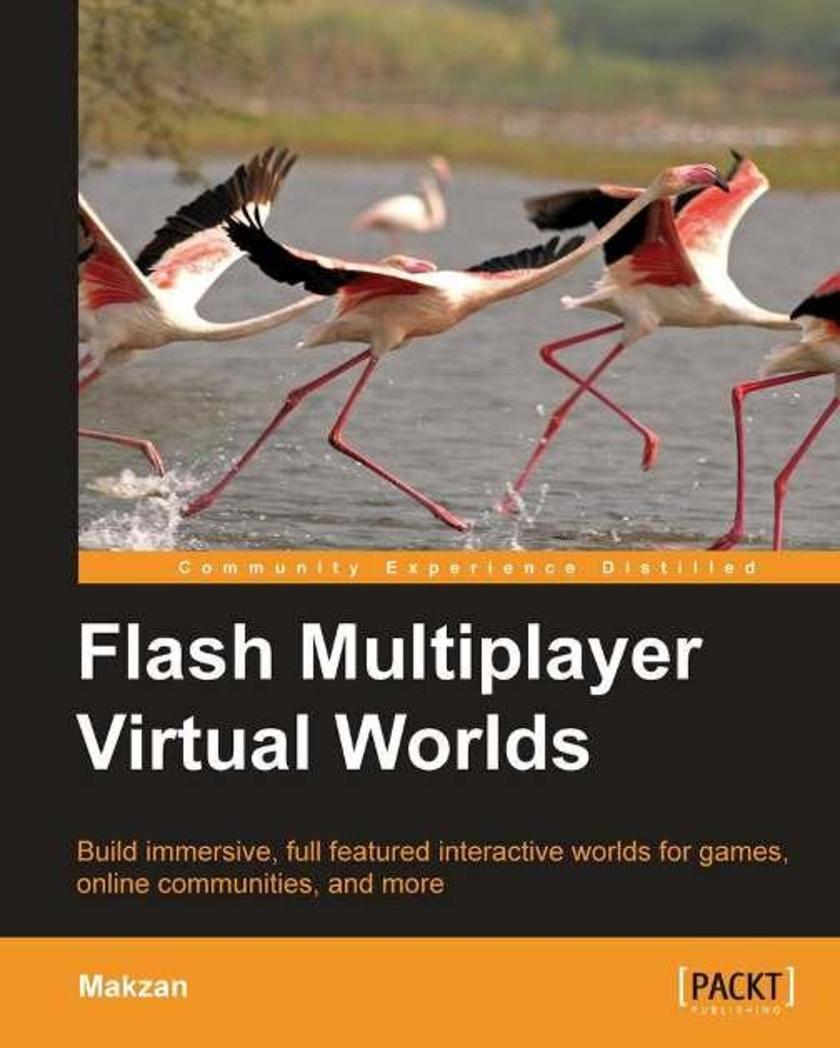
Flash Multiplayer Virtual Worlds
¥90.46
This is a step-by-step, hands-on guide that is filled with examples and screenshots of building a multiplayer virtual world. The virtual world is built gradually; each chapter in the book sequentially develops the virtual world. The author explains the fundamentals with examples from existing virtual worlds such as Club Penguin, Mole, Dofus, and World of Warcraft. If you are a Flash or an ActionScript developer who wants to build powerful and immersive multiplayer games, this book is for you. This book assumes that you have some experience with ActionScript 3.0.
ColdFusion 9 Developer Tutorial
¥90.46
This book is a fast-paced tutorial to developing ColdFusion applications, with an emphasis on real-world skills. Packed with examples and careful explanations, the book leads you through all the topics relevant to today's ColdFusion developer. This book is for web developers working with ColdFusion 9. If your goal is to get a good grounding in the basics of the language as quickly as possible and put a site together quickly, this book is ideal for you. This book will also help you if you want to learn more about professional programming of ColdFusion. No prior knowledge of ColdFusion is expected, but basic knowledge of general web and software development skills is assumed.
Moodle 1.9 for Teaching Special Education Children (5-10): Beginner's Guide
¥80.65
Written with a step-by-step but friendly and engaging approach, this Packt Beginner's Guide is designed to be placed alongside the computer as your guide and mentor. Step-by-step tutorials are boosted by explanations of the reasoning behind what you are doing. You will quickly pick up the necessary skills, tips, and tricks for creating practical exercises using Moodle 1.9 with practical examples and see how the child with special education needs progresses. If you are an SEN teacher or SEN therapist with minimal knowledge of Moodle who is willing to exploit Web 2.0 possibilities using Moodle 1.9 as the background platform, this book is for you.
Moodle 1.9: The English Teacher's Cookbook
¥90.46
This book follows a cookbook style, which will help you achieve outstanding results using ready-to-use recipes for reading comprehension, writing, and composition holding hands with Moodle 1.9 in the Web 2.0 Era. Each recipe is unique; some deal with similar teaching techniques, but they show how to develop the same technique using different software, situations, or topics. Images, videos, poems, songs, artists, classic stories, cartoons, superheroes, painting, the environment, and comics are inserted into the Moodle course, in order to be used as either prewriting or writing activities. If you are an English teacher who wants to discover practical, funny, and engaging activities to insert in your course, this is a perfectly designed book for you. It will help you to use different techniques in the teaching of reading comprehension, writing, and composition using a great variety of resources from the free and open source software available in the Web and interesting websites as well as social networks. You need basic experience with Moodle 1.9 or 1.9.5, as well as installation and configuration procedures.

Microsoft Dynamics GP 2010 Cookbook
¥107.90
As a cookbook, this book enables you to solve real-world Dynamics GP problems with immediately useable recipes that unleash the powerful functionality of Dynamics GP. The book provides tips, techniques, and solutions designed to show users how to improve their use of Dynamics GP, not simply perform basic tasks. If you are a Dynamics GP user or Dynamics GP partner primarily focused on delivering time-proven application optimizations, then this book is for you. This book assumes that you have a basic understanding of business management systems, with basic knowledge of Microsoft Dynamics GP. All the recipes are real-world tested and designed to be used immediately.
Tcl 8.5 Network Programming
¥90.46
The book is written so that both experienced and novice Tclers can find useful information inside. It starts with quick introduction to Tcl and its networking support for those who are less familiar with them. Authors focus on showing practical, yet simple examples for each module and command described so that reader understands how to use them when solving the real life problems. The examples given are useful programs that try to solve real-world needs. All sample programs are clear and concise yet nothing essential is left out and the programming style focuses on readability rather than on stylistic rigor or efficiency. This book is for Tcl developers with basic network programming concepts, who want to add networking capabilities to their applications. Working knowledge of Tcl and basic experience of network protocols will be useful. The reader should be familiar with basic concepts used in modern networking – keywords like TCP, HTTP or XML should not be a mystery. The book does not require advanced knowledge of Tcl – the first chapters will swiftly introduce the reader into it, allowing refreshing the information or gaining a quick overview of the Tcl language abilities.
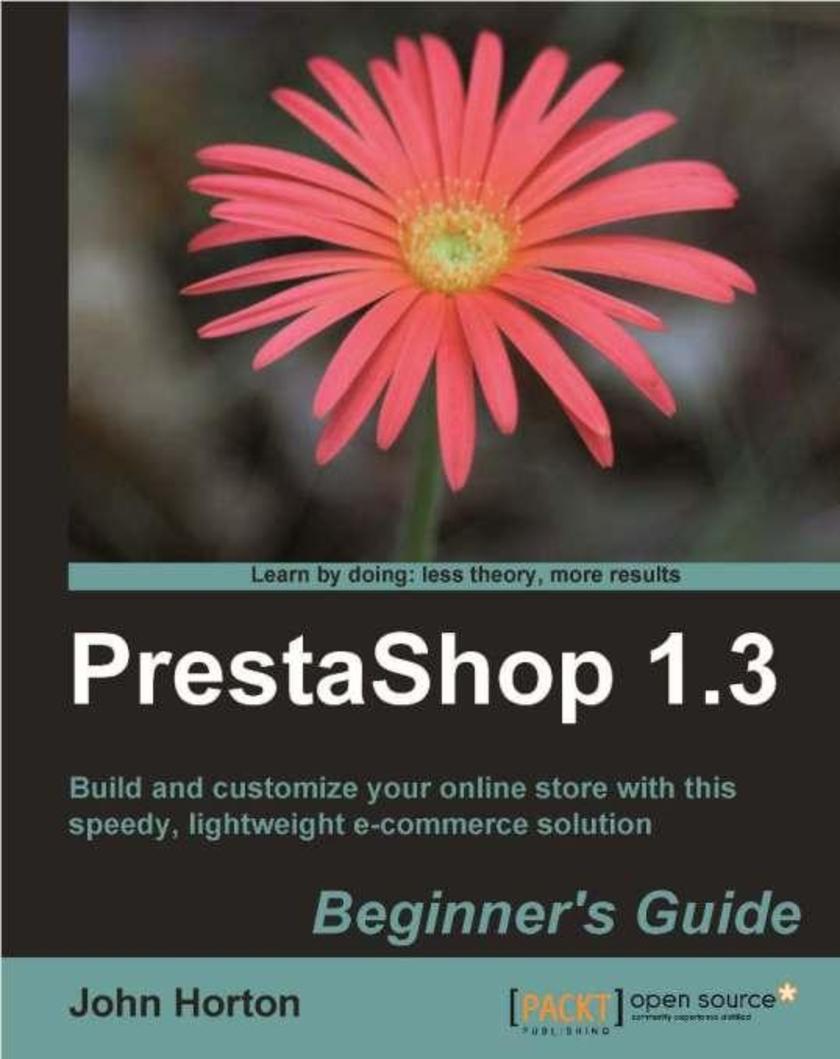
PrestaShop 1.3 Beginner's Guide
¥80.65
The book is structured so that following the chapters in order leads to building a fully functioning and live trading PrestaShop. Guidance is also given should you wish to learn or practice your skills in an offline, non-trading environment. Every chapter contains clearly structured and illustrated step-by-step explanation to achieve the goals discussed. Nothing is left for readers to work out themselves, but it would be very simple for them to use the information to go beyond the specific tutorials, should they wish to do so. There is optional additional reading, including more than a dozen specifically written downloadable e-books made available on the book's support website just for readers of PrestaShop 1.3 Beginners Guide. This book is for anybody who wants a fully functioning e-commerce store using PrestaShop. You do not have to have any previous knowledge of PrestaShop or any aspect of e-commerce or business in general. If you do, then you will probably find this guide really valuable as well. The book covers all you need to know about starting your own e-commerce business.
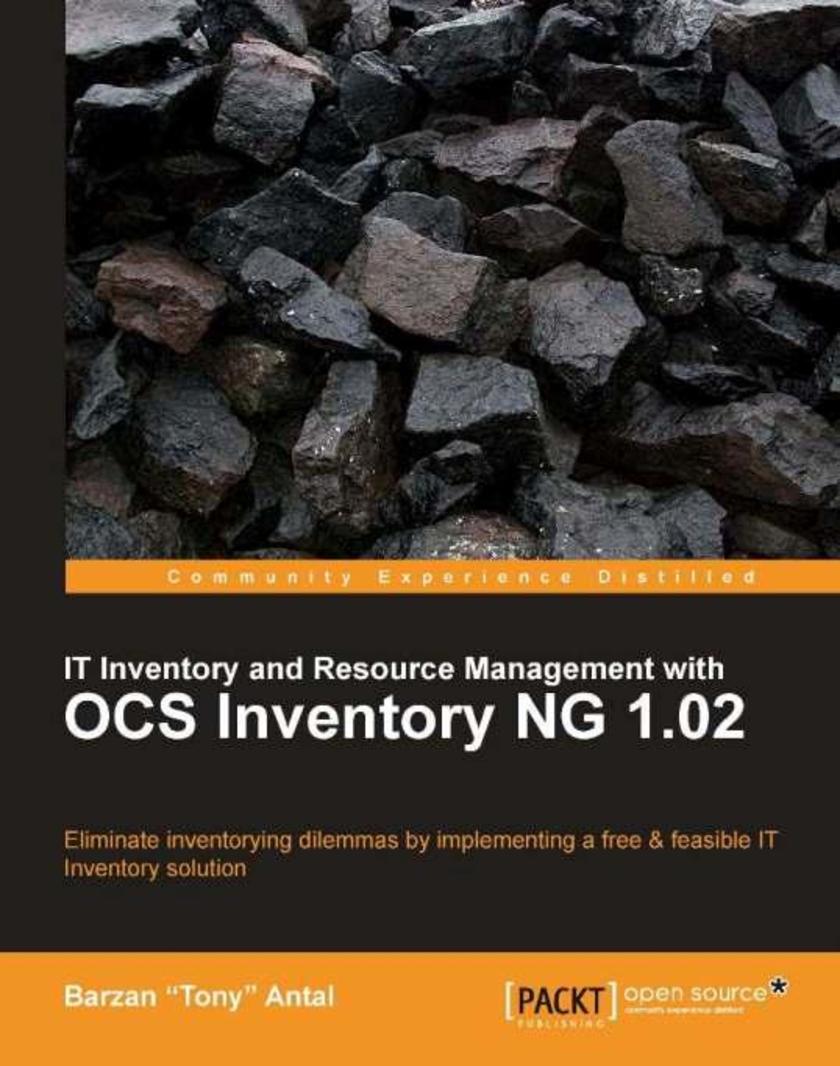
IT Inventory and Resource Management with OCS Inventory NG 1.02
¥71.93
This book closely follows the style of a practical, hands-on "how to" guide on working with OCS Inventory NG. The step-by-step approach, coupled with the use of visual aids, clear instructions, and real-world examples, makes it a fast-paced book. Upon the completion of this book, you will have the necessary skill set, know-how, and confidence to implement OCS Inventory NG to meet the demanding asset management needs of any organization. Then you can carry on using the book as reference material. This book targets an audience of system administrators and IT professionals who are required to implement, configure, customize, and work with IT Inventory and Asset Management solutions. The book does not presume any prior knowledge of inventory management, just a solid grasp of the server/client model and familiarity with the chosen operating system along with the necessary web server and database server terminologies. Anyone with an interest in inventorying IT assets and solving real-world resource management dilemmas will enjoy this book.
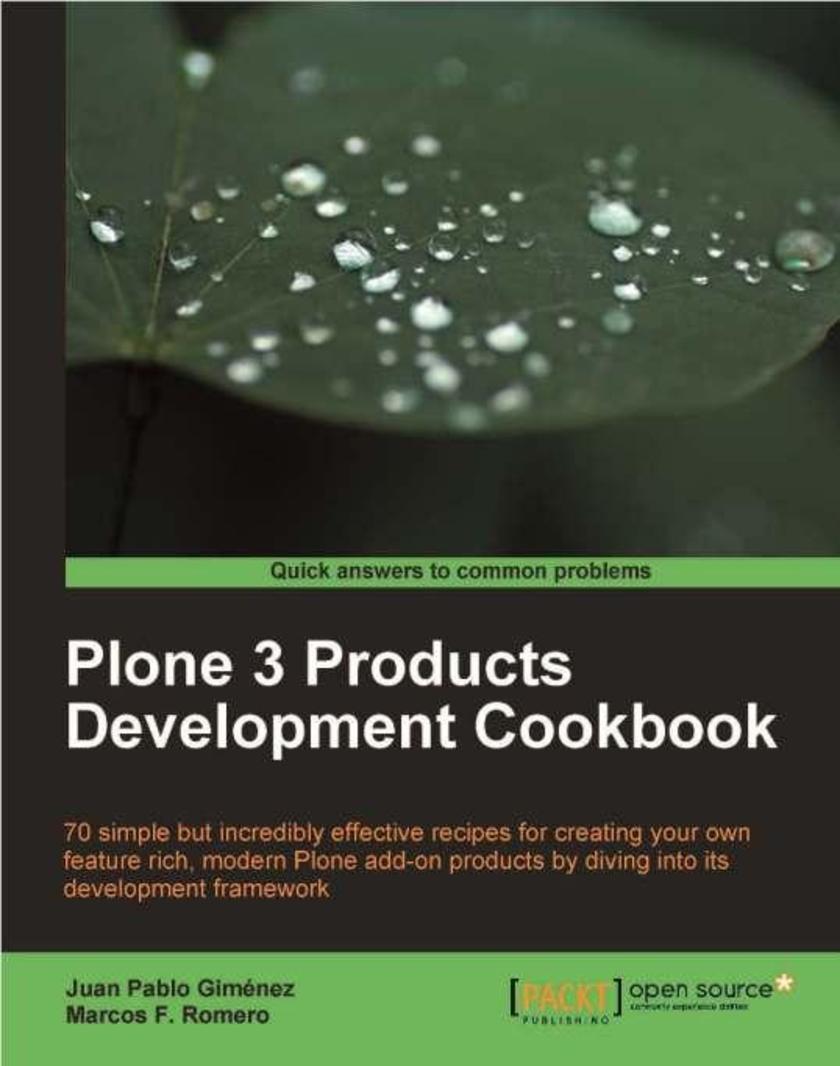
Plone 3 Products Development Cookbook
¥80.65
The examples in this book follow a sample project creating a digital newspaper website to meet the requirements of a fictional customer who wants to place commercial advertisements all over the site. The whole book is a comprehensive collection of recipes that elaborate a series of well known use cases. You will find an organized step-by-step procedure to accomplish each task followed by detailed explanations to better understand how and why each topic was undertaken, and many links to online references and other related sections in the book that can supplement the subject in question. You can read the whole book or just pick the recipes that are relevant for you; where necessary, cross references will help you understand the recipes even if you do not read them in sequential order. This book is for programmers who have some knowledge of Python, Plone, and Zope. If you want to develop feature-rich add-on products in Plone, this book is for you. It is aimed at the development of backend features, so you need not have other web-related skills such as HTML, CSS, or JavaScript.
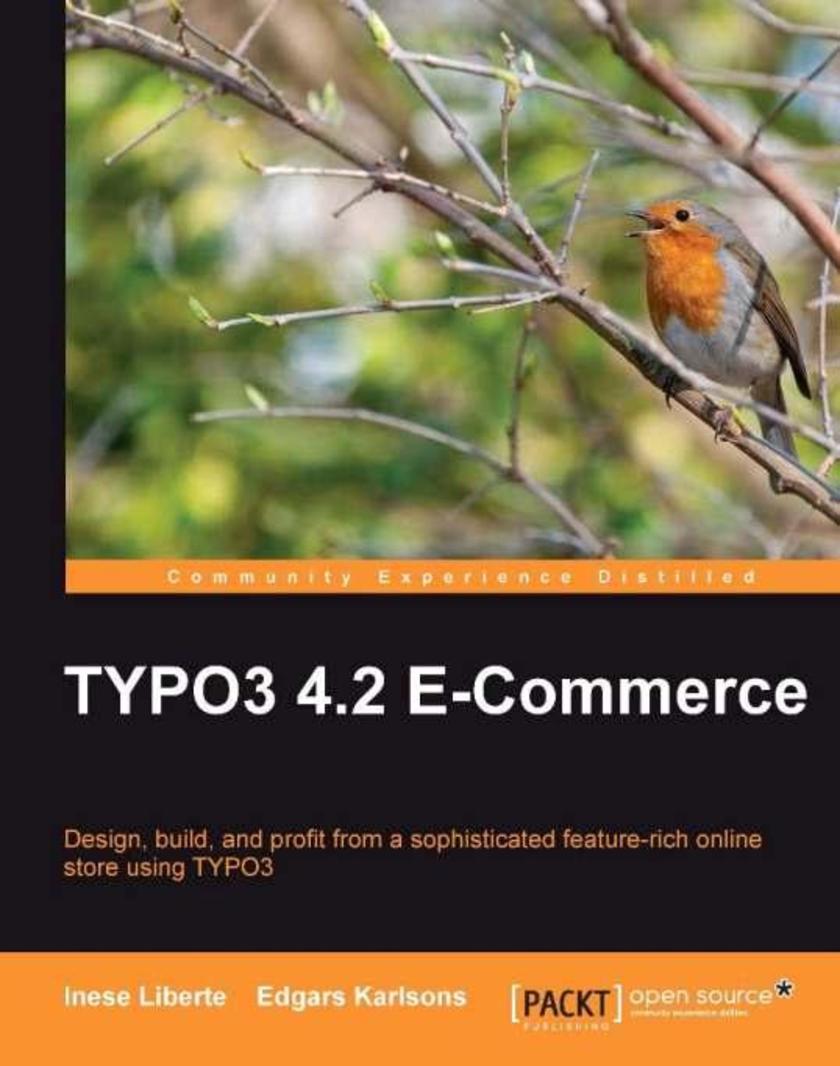
TYPO3 4.2 E-Commerce
¥71.93
This is a fast-paced tutorial focusing on creating an online store. It walks in detail through development of a sample website, illustrating each step with screenshots and explanation. The cumbersome and time-consuming task of developing and customizing a TYPO3 e-commerce site will be a smooth sail with this book. If you want to create a captivating online shop using TYPO3 and optimize your profit, this book is for you. Some knowledge of TYPO3, PHP, and TypoScript is required.

Double the Love
¥24.44
The beautiful Ariana Dancer is orphaned and has led a cheerless life in London with her disagreeable Guardian, Uncle Konstantin Bardici. He has shown little interest in his niece and she has been left very much to her own devices. One day Uncle Konstantin suggests that Ariana marry an Albanian Prince – one who is seeking an English wife and who claims to have fallen in love with her portrait – and it does not take much to persuade her to agree. Even before she sets out for Albania, she begins to dream of romance and her lonely heart ensures that she quickly fancies herself in love with a man she has never seen. She is sure in her heart that she will find everlasting happiness with Prince Stefan of Dukka in the depths of Albania.! But the journey she must take to fulfil her dreams is longer and more treacherous than she could ever have imagined. When she and her hapless maid are kidnapped en route to Castle Dukka by brigands, the rosy future she dreamed of becomes bitterly compromised. Soon life in the wild mountains begins to exert an unexpected pull, while the King of the Brigands turns out to possess an irresistible charm. Ariana discovers that love can have a double meaning and that image is not all that it seems. Forced to choose between honour and passion and faced with the responsibility of deciding life or death for the man she loves, she bravely makes the ultimate sacrifice. Even then Ariana’s torment is not over – Find out how Ariana unexpectedly finds all that she has been seeking, and more, in this exciting and unusual romantic tale by BARBARA CARTLAND

The Viscount's Revenge
¥24.44
The handsome Viscount Trent finally makes up his mind to accede to the pleadings of his family and get married. He is twenty-seven and for a long time they have been begging him to take a wife and produce an heir to his illustrious title, his famous stately home and his vast estate. On the whole he finds debutantes extremely boring and has enjoyed a number of affaires-de-coeur with older married women. However there is one girl, Marigold Marlow, he considers outstanding and she is the acknowledged great beauty of the Season. As she is so beautiful, the Viscount is convinced that Marigold will make him a perfect wife, but he is astonished when, having proposed to her, she tells him that she has not quite made up her mind. She will let him know on Wednesday if she accepts his proposal of marriage. As the Viscount expects her to fall immediately into his arms, he is surprised, but content to wait until Wednesday for her answer, which he is certain will be ‘yes’. As he drives away from Marigold’s house, a young girl holding a white Pekingese in her arms begs him to give her a lift to London. He sees no reason to refuse and finds as they drive off that she is Salvia, a cousin of the beautiful Marigold. He then learns that Marigold has her eyes on the son of the Duke of Northerncliff, who is seriously ill. In fact if he dies as expected, she intends to marry his heir as one day soon he will be a Duke. Feeling surprised and angry, he is even more astonished to learn that Marigold is cruel to animals and that Salvia is running away because she is so unkind to her dog as well as to her. How the Viscount dreams up a way to avenge himself on Marigold and, if the Duke does recover, how he can escape marrying her as he has now changed his mind. How the Viscount’s plan succeeds. And how Salvia takes London by storm, faces appalling danger and finally finds the love of her life is all told in this unusual story by BARBARA CARTLAND.
SignalR Blueprints
¥80.65
This book is designed for software developers, primarily those with knowledge of C#, .NET, and JavaScript. Good knowledge and understanding of SignalR is assumed to allow efficient programming of core elements and applications in SignalR.
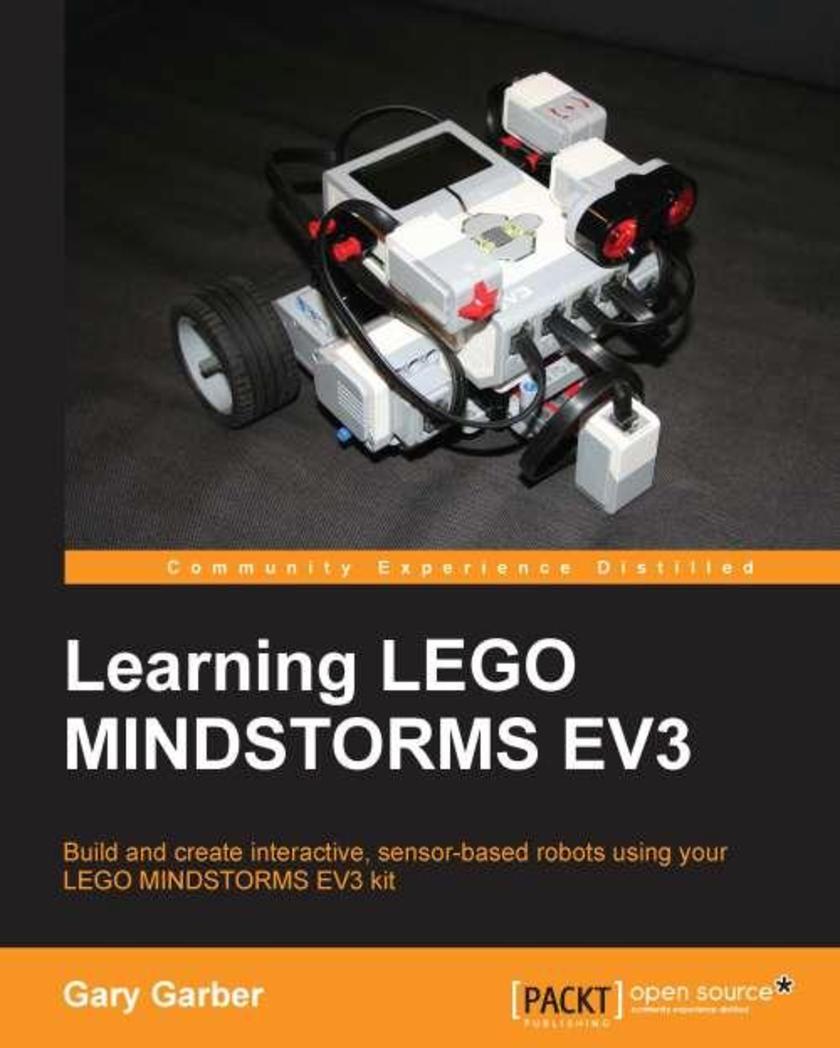
Learning LEGO MINDSTORMS EV3
¥80.65
This book is for the hobbyists, builders, and programmers who want to build and control their very own robots beyond the capabilities provided with the LEGO EV3 kit. You will need the LEGO MINDSTORMS EV3 kit for this book. The book is compatible with both the Home Edition and the Educational Edition of the kit. You should already have a rudimentary knowledge of general programming concepts and will need to have gone through the basic introductory material provided by the official LEGO EV3 tutorials.


