


 购物车
购物车 个人中心
个人中心
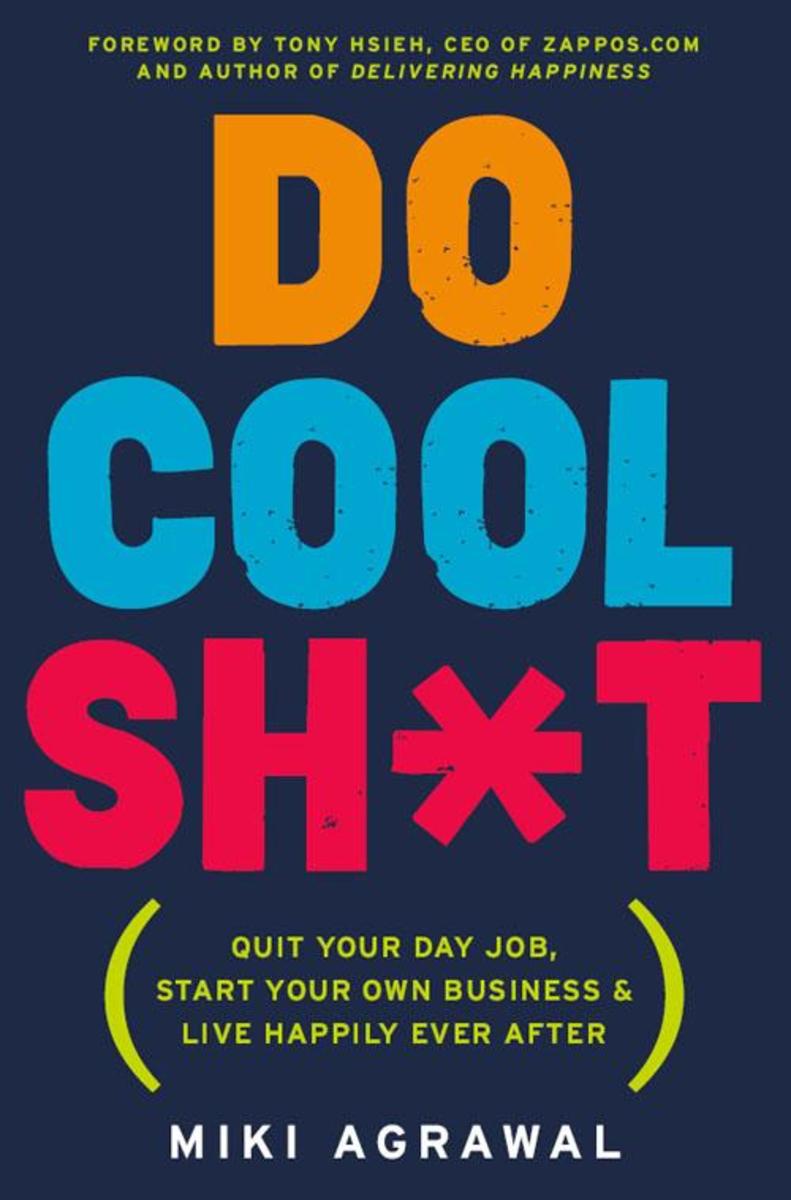
Do Cool Sh*t
¥88.56
An inspiring, irreverent manifesto for those seeking to blaze their own path to entrepreneurship and find fulfillment and happiness through bold action and big ideasHave you ever wondered if it's possible to make a career out of something you loveOr how to march through life with a purpose and get the most out of every secondMiki Agrawal, entrepreneur, angel investor, and cool-sh*t-doer, has figured it out. Here Miki shares her own adventures in entrepreneurship and life, from learning to step out of her comfort zone in a foreign country to achieving her dream of playing soccer for the New York Magic to partnering with Tony Hsieh of Zappos.com to launch her dream business.In Do Cool Sh*t, Miki shows you how to start your own business, fund it on a shoestring budget, convene the perfect group to brainstorm your business plan, test your product, get great (free) press coverage, and more all while living a life you're proud of.Miki pulls back the curtain to reveal how you can live out loud, honor your hunches, and leave nothing on the table. She reminds you that it's cool to care and be excited about ideas and to be proactive; it's cool to mess up; it's cool to work your ass off on something that is meaningful to you; and it's cool to keep trying when the odds are stacked against you. Whether you're about to graduate from college and are wondering what the heck you want to do with your life, or you are in a dead-end job, dreaming about starting your own business, Do Cool Sh*t will make you open your eyes, laugh out loud, and shout, "I can do that!"

The Southern Belle's Handbook
¥55.86
Learn how to navigate life with the effortless savior faire of a true daughter of the South with The Southern Belle's Handbook.Sissy LeBlanc's rules to live by will teach you how to hook, hold on to, and handle any man as well as conquer any personal situation with the poise and confidence of a sophisticated southern stunner.And because every woman possesses her own sassy instincts, you can also record your own rules for unstoppable fabulousness and success.
HarperCollins e-books
¥134.46
According to her colorful Mami Dearest, the life of young Gigi Anders will be simple if she can remember three maxims be pretty, get married, and always drink TaB. Thus begins her instruction in the art of being a lady and the side effects of falling in love. As the granddaughter of Eastern European and Russian shtetl-reared grandparents who immigrated as teenagers in the early 1920s to the fierce tropical beauty of Cuba, Anders is heir apparent to a legacy of transatlantic alienation. With dazzling wit and hilarity mined from the depths of loss and yearning, Anders chronicles her journey from beach baby to ostracized exile to vibrant intellectual, along the way balancing her obsession with killer outfits and zaftig, orgasmic meals always with a can of TaB! with the more serious pursuits of love, sanity, and lipstick in perfect siren red.
Self-Editing for Fiction Writers, Second Edition
¥95.11
Hundreds of books have been written on the art of writing. Here at last is a book by two professional editors to teach writers the techniques of the editing trade that turn promising manu*s into published novels and short stories.In this completely revised and updated second edition, Renni Browne and Dave King teach you, the writer, how to apply the editing techniques they have developed to your own work. Chapters on dialogue, exposition, point of view, interior monologue, and other techniques take you through the same processes an expert editor would go through to perfect your manu*. Each point is illustrated with examples, many drawn from the hundreds of books Browne and King have edited.
The Way You Wear Your Hat
¥94.10
Within is a masterful assembly of the most personal details and gorgeous minutiae of Frank Sinatra's way of living--matters of the heart and heartbreak, friendship and leadership, drinking and cavorting, brawling and wooing, tuxedos and snap-brims--all crafted from rare interviews with Sinatra himself as well as many other intimates, including Tony Bennett, Don Rickles, Angie Dickinson, Tony Curtis, and Robert Wagner, in addition to daughters Nancy and Tina Sinatra. Illustrated with scores of photos, The Way You Wear Your Hat captures the timeless romance and classic style of the fifties and the loose sixties and is a stunning exploration of the Sinatra mystique.
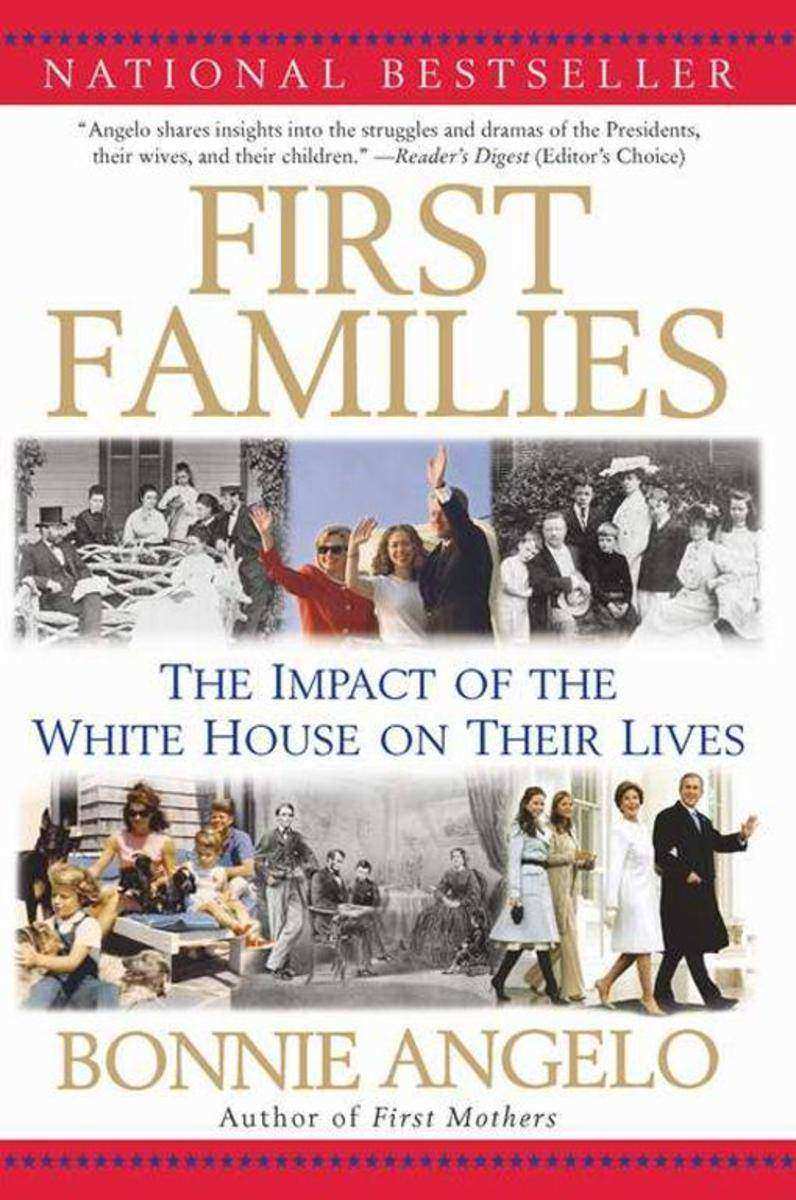
First Families
¥94.10
What is it like to be America's First FamilyIn this wonderfully engaging book, Bonnie Angelo, Time correspondent and acclaimed author of First Mothers, probes two hundred years of American history to tell the story of real life within the White House walls how presidents, their wives, children, and extended families worked to create a home in an imposing national monument while attempting to keep their private lives from the public domain.First Families chronicles exhilarating moments as well as dark days at the nation's most famous address, with fascinating, behind-the-headline accounts of picture-book weddings, gossipy love affairs, rollicking children, domestic squabbles, and tragic deaths. From activist wives Eleanor Roosevelt and Hillary Clinton to reluctant occupants Bess Truman and Jacqueline Kennedy, to those such as Mary Todd Lincoln, Dolley Madison, and madcap debutante Alice Roosevelt, who embraced their new address and status, here is an unforgettable human portrait of our First Families and how they coped, stumbled, or thrived in the national spotlight.
Complete Confidence Updated Edition
¥99.65
Confident people react positively and successfully to life's problems and challenges. Those who lack confidence often view themselves as victims blaming others or bingeing on drugs, sex, food, or alcohol to mask their feelings of shame or worthlessness.In Complete Confidence, renowned psychotherapist Dr. Sheenah Hankin points the way to a confident life free of self-criticism, anxiety, and immature anger. Her Winning Hand of Comfort technique is a clear, concise, and powerful pre*ion for dealing with everyday situations from resolving conflicts to ending unhealthy habits like overeating, complaining, and procrastinating. This essential handbook will teach you how to retrain your brain to manage your emotions and put your problems into perspective. You will learn how to calm down, clarify your thinking, challenge your blame habit, comfort your negative feelings, and achieve confidence. That is Dr. Hankin's promise.

Motherless Mothers
¥95.39
When Hope Edelman, author of the New York Times bestseller Motherless Daughters, became a parent, she found herself revisiting the loss of her mother in ways she had never anticipated. Now the mother of two young girls, Edelman set out to learn how the loss of a mother to death or abandonment can affect the ways women raise their own children. In Motherless Mothers, Edelman uses her own story as a prism to reveal the unique anxieties and desires that these women experience as they raise their children without the help of a living maternal guide. In an impeccably researched, luminously written book enriched by the voices of the mothers themselves and filled with practical insight and advice from experienced professionals she examines their parenting choices, their triumphs, and their fears, and offers motherless mothers the guidance and support they want and need.

The Tyranny of Oil
¥90.77
Who's really driving oil and gas pricesHow much oil is leftHow far will Big Oil go to get it, and at what cost to the environment, human rights, the economy, worker safety, public health, and democracy?Here, at last, are the answers we've been looking for and the inside story on Big Oil.In The Tyranny of Oil, Antonia Juhasz investigates the true state of the companies collectively known as "Big Oil," uncovering their unparalleled global financial power, their political dominance, and their increasingly destructive plans for the future. And she tells us what we can do about it.A tool for meaningful change that blends history, original investigative research and reporting, candid interviews with key insiders, and a unique focus on activism, The Tyranny of Oil is required reading for every concerned global citizen.

Pieces of My Heart
¥88.56
In this moving memoir, Robert J. Wagner opens his heart to share the romances, the drama, and the humor of an incredible life He grew up in Bel Air next door to a golf course that changed his life. As a young boy, he saw a foursome playing one morning featuring none other than Fred Astaire, Clark Gable, Randolph Scott, and Cary Grant. Seeing these giants of the silver screen awed him and fueled his dreams of becoming a movie star. Battling a revolving door of boarding schools and a father who wanted him to forget Hollywood and join the family business, sixteen-year-old Wagner started like any nave kid would walking along Sunset Boulevard, hoping that a producer or director would notice him.Under the mentorship of stars like Spencer Tracy, he would become a salaried actor in Hollywood's studio system among other hot actors of the moment such as his friends Rock Hudson and Tony Curtis. Working with studio mogul Darryl Zanuck, Wagner began to appear in a number of films alongside the most beautiful starlets but his first love was Barbara Stanwyck, an actress twice his age. As his career blossomed, and after he separated from Stanwyck, he met the woman who would change his life forever, Natalie Wood. They fell instantly and deeply in love and stayed together until the stress of their careers hers marching upward, his inexplicably deflating drove them to divorce.Trying to forget the pain, he made more movies and spent his time in Europe with the likes of Steve McQueen, Sophia Loren, Peter Sellers, Laurence Olivier, David Niven, Liz Taylor, and Joan Collins. He would meet and marry the beautiful former model and actress Marion Marshall. Together they had a daughter and made their way back to America, where he found himself at the beginning of a new era in Hollywood the blossoming of television. Lew Wasserman and later Aaron Spelling would work with Wagner as he produced and starred in some of the most successful programs in history. Despite his newfound success, his marriage to Marion fell apart. He looked no further than Natalie Wood, for whom he still pined. To the world's surprise, they fell in love all over again, this time more deeply and with maturity. As she settled into a domestic life, raising their own daughter, Courtney, as well as their children from previous marriages, Wagner became the sole provider, reaping the riches of television success. Their life together was cut tragically short, though, when Wood died after falling from their yacht.For the first time, Wagner writes about that tremendously painful time. After a serious bout with depression, he finally resurfaced and eventually married Jill St. John, who helped keep his family and his fractured heart together. With color photographs and never-before-told stories, this is a quintessentially American story of one of the great sons of Hollywood.

Piggybanking
¥90.77
How to afford kids and teach them about moneyWe all want to raise smart children. But somewhere between the reading, writing, and arithmetic, one of life's most important lessons is too often overlooked: personal finances. As adults, we interact with money every day, whether by saving, investing, spending, or giving it, but we often forget that kids also face these same decisions from their own unique perspective as they mature. How do we teach today what kids really need to know tomorrow to thrive as financially savvy adultsIn Piggybanking, veteran Wall Street Journal personal-finance writer Jeff D. Opdyke provides a clear and effective plan to help parents raise children to be comfortable and confident managing the daily finances of life.But even before kids arrive, parents face a rash of financial decisions. Accordingly, Piggybanking also deals with the essential problems every struggling young family must face, including how to prepare your budget for a child's arrival, how to choose between single- and dual-income lifestyles, and how to plan for funding a college education.With Opdyke's valuable advice, and with his 15 Rules of Kids Money in hand, parents will be well equipped to create a sound financial foundation for their family and a successful financial life for their kids.
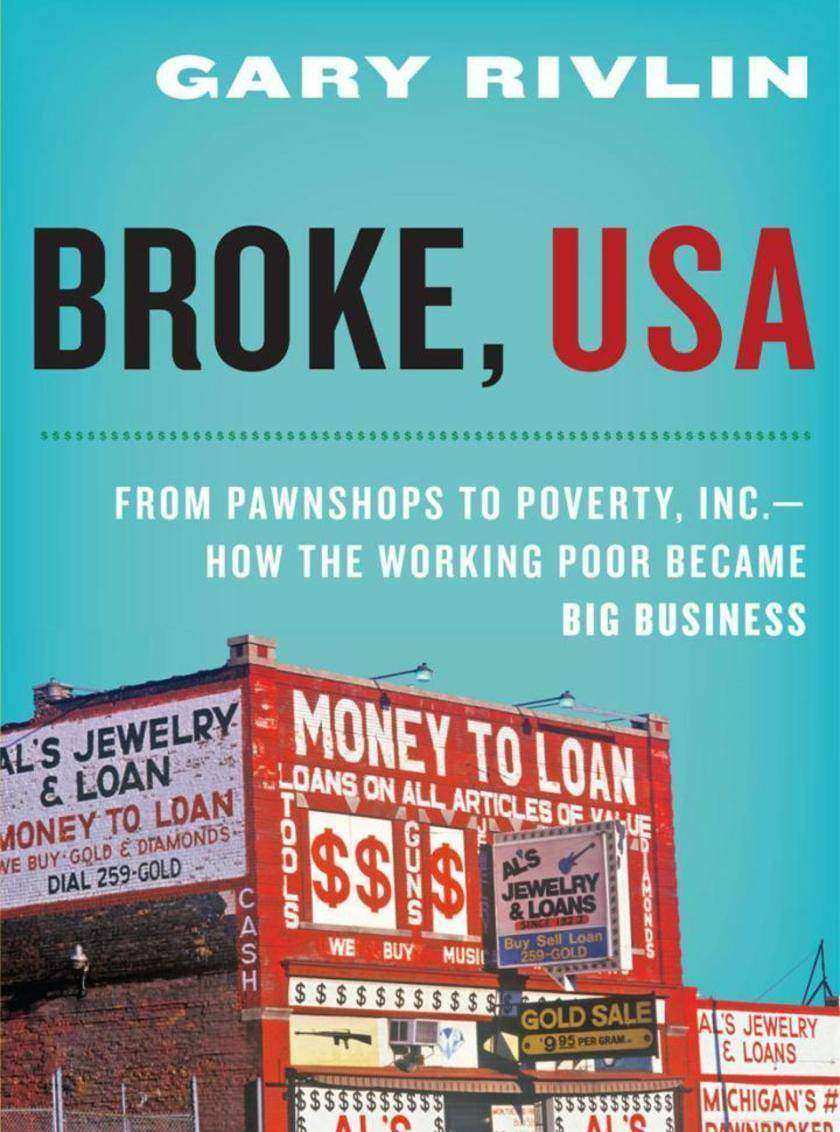
Broke, USA
¥88.56
For most people, the Great Crash of 2008 has meant troubling times. Not so for those in the flourishing poverty industry, for whom the economic woes spell an opportunity to expand and grow. These mercenary entrepreneurs have taken advantage of an era of deregulation to devise high-priced products to sell to the credit-hungry working poor, including the instant tax refund and the payday loan. In the process they've created an industry larger than the casino business and have proved that pawnbrokers and check cashers, if they dream big enough, can grow very rich off those with thin wallets.Broke, USA is Gary Rivlin's riveting report from the economic fringes. From the annual meeting of the national check cashers association in Las Vegas to a tour of the foreclosure-riddled neighborhoods of Dayton, Ohio, here is a subprime Fast Food Nation featuring an unforgettable cast of characters and memorable scenes. Rivlin profiles players like a former small-town Tennessee debt collector whose business offering cash advances to the working poor has earned him a net worth in the hundreds of millions, and legendary Wall Street dealmaker Sandy Weill, who rode a subprime loan business into control of the nation's largest bank. Rivlin parallels their stories with the tale of those committed souls fighting back against the major corporations, chain franchises, and newly hatched enterprises that fleece the country's hardworking waitresses, warehouse workers, and mall clerks.Timely, shocking, and powerful, Broke, USA offers a much-needed look at why our country is in a financial mess and gives a voice to the millions of ordinary Americans left devastated in the wake of the economic collapse.
Choice Theory
¥94.10
Dr. William Glasser offers a new psychology that, if practiced, could reverse our widespread inability to get along with one another, an inability that is the source of almost all unhappiness. For progress in human relationships, he explains that we must give up the punishing, relationship destroying external control psychology. For example, if you are in an unhappy relationship right now, he proposes that one or both of you could be using external control psychology on the other. He goes further. And suggests that misery is always related to a current unsatisfying relationship. Contrary to what you may believe, your troubles are always now, never in the past. No one can change what happened yesterday.

In the City of Bikes
¥99.65
When Pete Jordan arrives in Amsterdam to study how to make America's cities more bicycle-friendly, he immediately falls in love with the city that already lives life on two wheels. His new bride, Amy Joy, joins Pete, and despite their financial hardships and instability, she eventually finds her own new calling as a bicycle mechanic as Pete discovers the untold history of cycling in Amsterdam.From its beginnings as an elitis t pastime in the 1890s to the street-consuming craze of the 1920s, from the bicycle's role in a citywide resistance to the Nazi occupation to the White Bikes of the 1960s and the bike fishermen of today, Jordan chronicles the evolution of Amsterdam's cycling.Part personal memoir, part history of cycling, part fascinating street-level tour of Amsterdam, In the City of Bikes is the story of a man who loves bikes in a city that loves bikes.
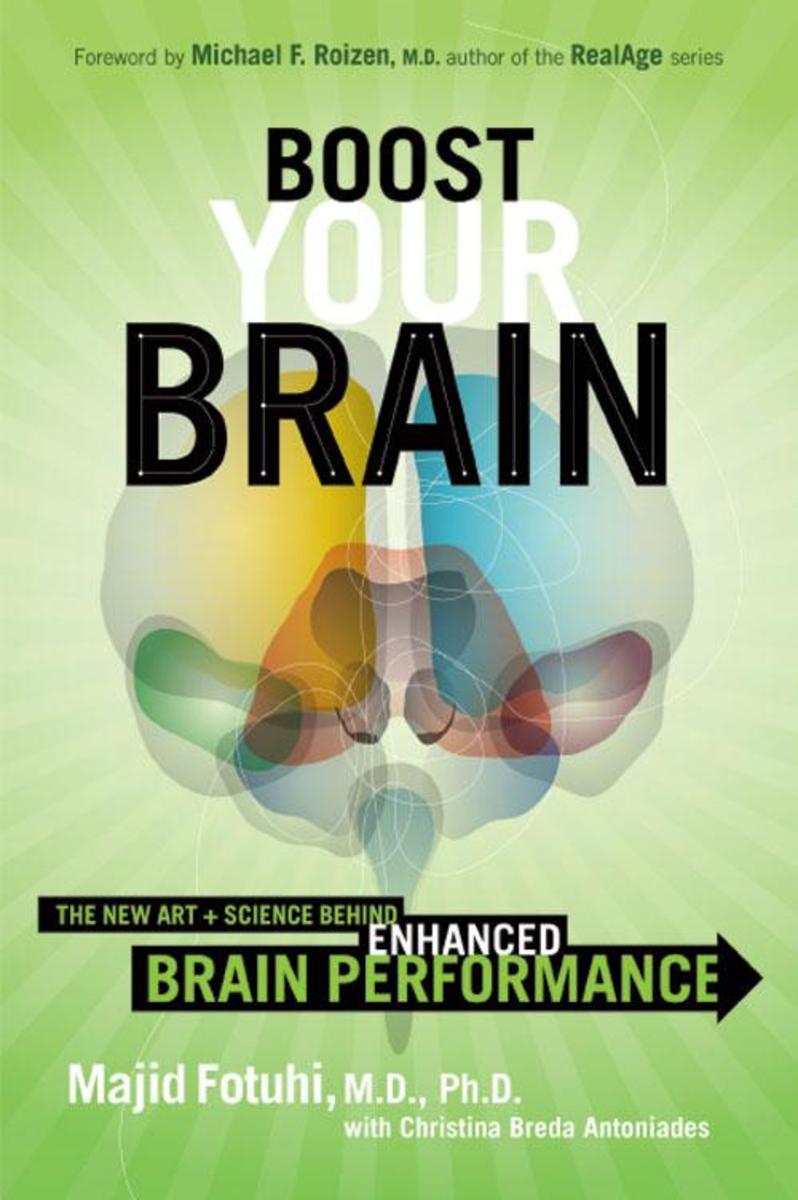
Boost Your Brain
¥88.56
The human brain can actually grow and a bigger brain means better memory, creativity, speed of learning, and ability to concentrate.In Boost Your Brain, Majid Fotuhi, M.D., Ph.D., guides you through the innovative brain fitness program that he has developed for his patients at the NeurExpand Brain Center, an institute dedicated to helping people quickly sharpen their brain performance. You start the program with an assessment of your current brain health and then are given specific brain-fit strategies proven to promote brain acuity and longevity, detailing the latest scientific evidence behind each. Concrete advice is given on how to spur new cell growth, which foods help to build new synapses, what creates brain reserve, and more. Dr. Fotuhi also highlights key behaviors to avoid explaining, for example, how one common sleep disorder can shrink your brain's memory and attention centers by as much as 18 percent!Dr. Fotuhi brings together the latest brain science discoveries about neuroplasticity, which show not only that the size of the brain can be increased within a matter of weeks resulting in better focus, memory, and creativity but that the increase can be scientifically measured. Boost Your Brain is the only book that uses groundbreaking advances in neuroscience to present a clear explanation and pre*ive plan for how to access the benefits of significantly enhanced brain performance at any age.
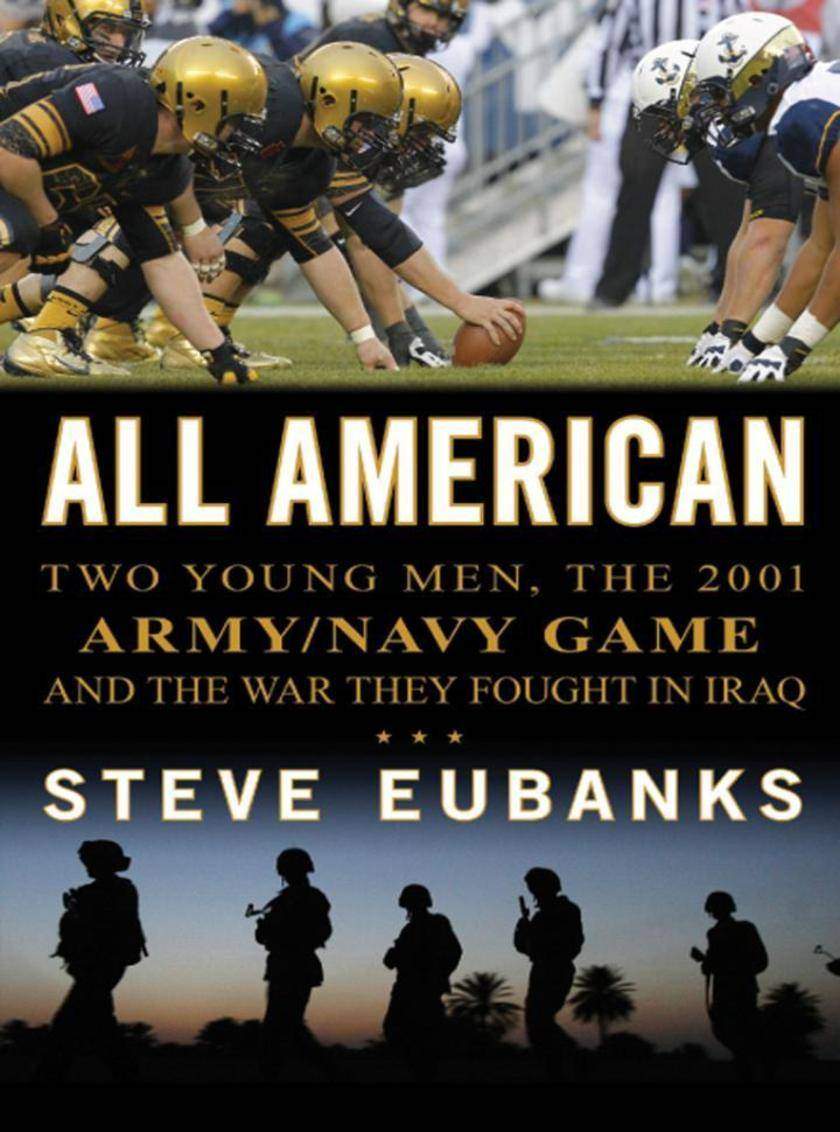
All American
¥88.56
In December 2001, as fires still burned beneath the ruins of the World Trade Center, West Point cadet Chad Jenkins and Naval Academy midshipman Brian Stann faced off at Veterans Stadium in Philadel-phia in what would become the most-watched college football game of the decade: the matchup between the Army Black Knights and the Navy Midshipmen. At opposing stadiums throughout the season, the Army and Navy teams, used to jeers from their oppo-nents' fans, had instead been greeted with standing ovations from respectful crowds who knew that these young players, military officers in training, were soon going to fight a war in the Middle East. On this day, before this momentous game, President George W. Bush along with others such as General Norman Schwarzkopf and Senator John McCain visited both locker rooms before watching the game from the sidelines.When Stann, a Navy linebacker, first came into contact with Jenkins, the Army quarterback, his team was behind by thirteen points. Yet he managed to land the perfect tackle against Jenkins. Though these two players?would not meet again for a decade, Stann and Jenkins shared the same path: both went to war. As first-class officers serving several tours of duty, they led soldiers and marines and participated in events they never imagined possible. A moving and fascinating dual profile of honor, duty, courage, and competition, All American is a thoughtful exploration of American character and values, embodied in the lives of two remarkable young men.
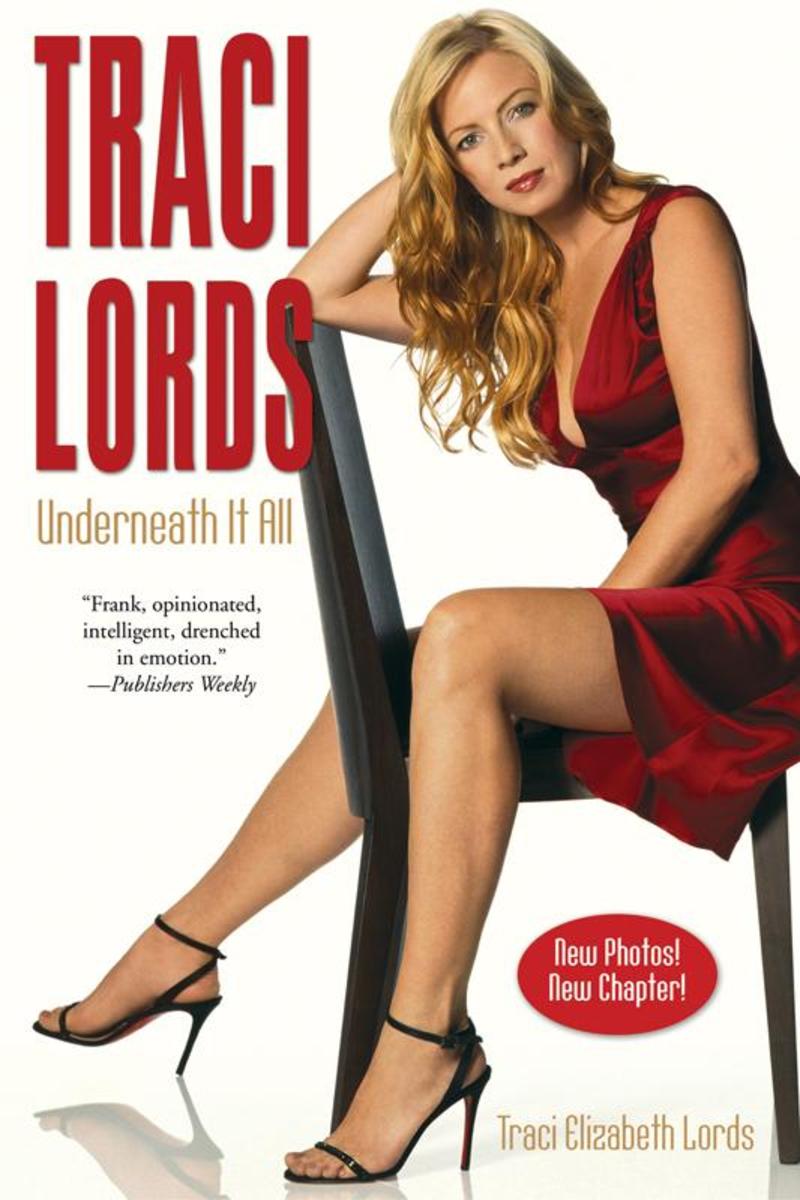
Traci Lords: Underneath It All
¥88.56
The moving, gripping, and tell–all autobiography of Traci Elizabeth Lords, a former child porn queen, electronica maven, and cult movie and TV star. At 14, Nora Kuzma ran away from home and ended up on the dirty streets of Hollywood. She fell in with a fast crowd, and her dreams of modelling soon landed her a spectacular centrefold in Penthouse Magazine, where at 15 she became internationally known as TRACI LORDS. From there she appeared in numerous adult films and magazines, denying her past and battling a deep addiction to cocaine and men. Three years later she got out. This is her memoir–a tale of loss, redemption, and ultimate survival as Traci Elizabeth Lords takes you into her secretive past, faces her demons, and shares her extraordinary journey of personal growth.
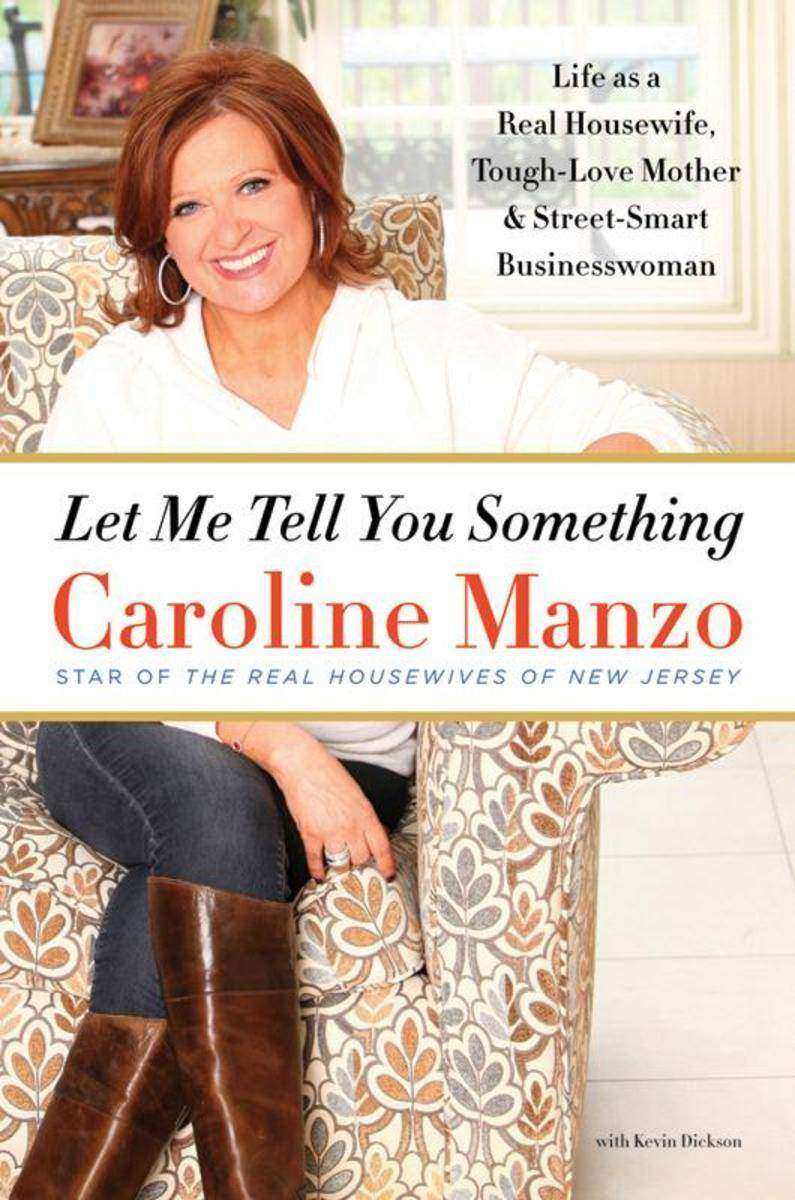
Let Me Tell You Something
¥90.77
Red-hot advice from the redhead who doesn't pull any punches Mother, wife, and fan favorite Caroline Manzo has been through it all as one of the original breakout stars of Bravo's The Real Housewives of New Jersey. The explosive and addicting reality series has seen some of the craziest moments in Real Housewives history, but Caroline has managed to set herself apart as the levelheaded, fiercely loyal, and down-to-earth member of the cast. Now Caroline, who is known for her no-nonsense advice, "tells you something" about what it really takes to juggle three kids and a husband (and still maintain your sanity), all while living in the spotlight. Her wisdom on family, life, and love, and her shockingly honest confessions about beauty, body image, and even plastic surgery, resonate with women of every generation. Equal parts funny, sincere, and revealing, Caroline exposes the sweeter, more reflective side of herself that fans of the show might not always see. Filled with personal stories, family photos, and Caroline's characteristic humor, Let Me Tell You Something gives fans and readers an all-access, behind-the-scenes pass into the life of this real New Jersey housewife and her family, where honest advice and practical life lessons are served up as only Caroline can.
We Were There
¥90.77
The Greatest Generation meets Bloods in this revealing oral history of the unrecognized contributions of African American veterans.Award-winning journalist Yvonne Latty never bothered to find out the extent of her father's service until it was almost too late. Inspired by his moving story -- and eager to uncover the little-known stories of other black veterans, from those who served in the Second World War to the War in Iraq -- Latty set about interviewing veterans of every stripe: men and women; army, navy, and air force personnel; prisoners of war; and brigadier generals.In a book that has sparked discussions in homes, schools, and churches across America, Latty, along with acclaimed photographer Ron Tarver, captures not only what was unique about the experiences of more than two dozen veterans but also why it is important for these stories to be recorded. Whether it's the story of a black medic on Omaha Beach or a nurse who ferried wounded soldiers by heli-copter to medical centers throughout Asia during the Vietnam War, We Were There is a must-have for every black home, military enthusiast, and American patriot.
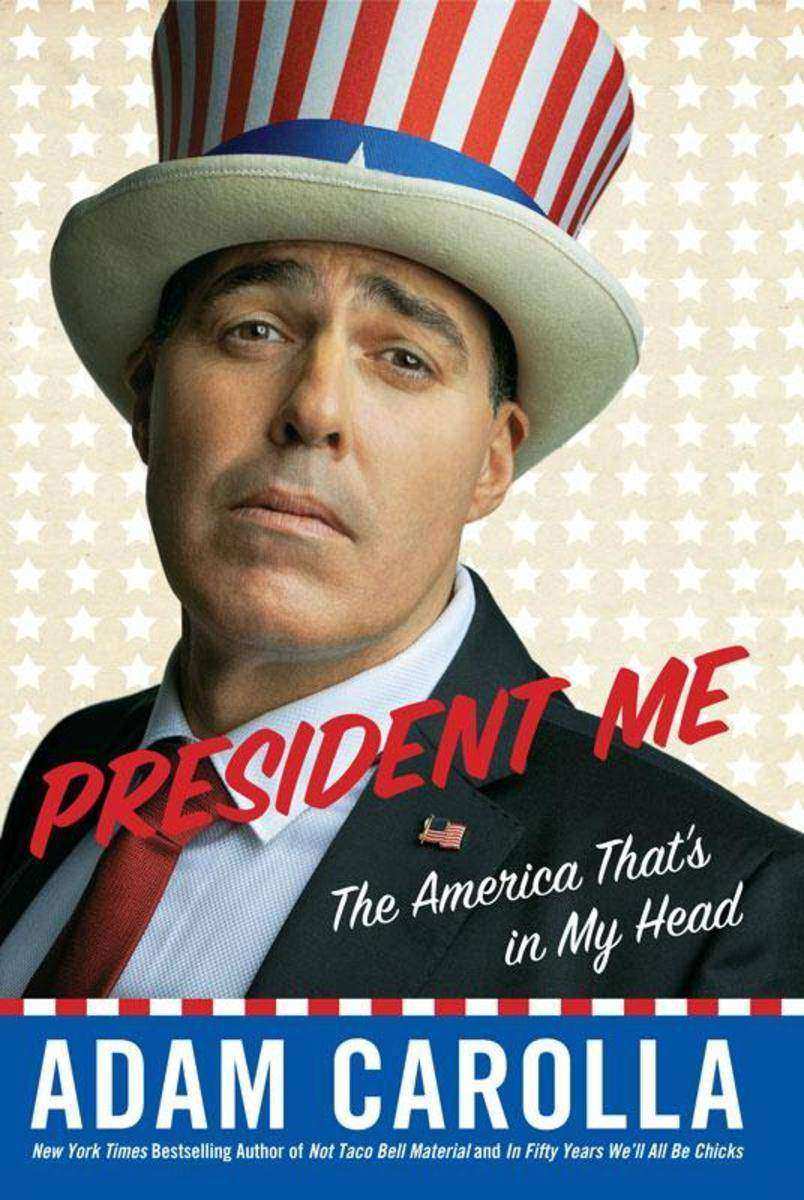
President Me
¥88.56
My fellow Americans,President John F. Kennedy once famously said, "Hey, is that blond intern eighteen yet?" He also said, "Ask not what your country can do for you, but what you can do for your country."We've changed a lot since JFK asked us all to pitch in. We've become a nation of narcissistic, yoga-mat-toting, service-dog-having, absentee dads and gluten-free, hand-wringing, hypochondriac moms of overcaffeinated (yet somehow still lazy) twerking tweens. And our government is an inept bureaucracy incapable of doing anything except getting in our wallets and in our way. We've got to get it together, America.That is why I, Adam Carolla, hereby declare myself Candidate Carolla. The tome you hold in your hands is a statement of my intent to whip our country back into fighting shape, to eliminate the "what are you going to do for me?" mentality that has invaded our country.President Me is my manifesto, my vision for a better place . . . free of Big Government, barefoot fliers, lazy hipsters who'd rather "Occupy" than work, and the other things that are bringing our country down. With my cabinet appointees, my list of worthy and necessary presidential ManDates, and tons of great ideas for fixing our health care, education, energy, and even national parks systems . . . behold an America we can be proud of. The America I see in my head.You're welcome in advance.Your future leader,Adam
All or Nothing
¥95.39
"Remember, it's not just about the food—it has to be an experience." Thirty-one-year-old Jesse Schenker has rocketed to the top of the culinary world. An Iron Chef winner and a James Beard nominee, he was voted Best New Chef by New York magazine, and his acclaimed Recette was named Best New Restaurant by the New York Times. Manhattan magazine has called him "a boy wonder . . . young, hungry, and talented," while Zagat has hailed him as a "wunderkind." But Jesse's epic rise masks a little-known past filled with demons and obsession, genius and mania. "For as long as I can remember, I've had this unquenchable thirst to keep moving, going, and doing. I've never felt comfortable in my own skin and have always needed an outlet for that uneasiness." Jesse first found that outlet in the South Florida kitchens where he showed great promise as a teenager, but it was in those same kitchens that he was introduced to the world of hard drugs. He was fourteen when he first got arrested and seventeen when he became physically addicted to Oxycontin. Becoming a high school dropout addicted to heroin and crack, alienated from his family and wanted by the cops, by the age of twenty-one Jesse had overdosed and nearly been beaten to death while robbing, cheating, and lying to everyone in his life. After getting arrested and going to jail, Jesse got clean and slowly put back together the pieces of his fractured life, ultimately channeling the same energy that had earlier fueled his addiction into making a name for himself in the fast-paced, competitive New York restaurant scene. In this startling and down-to-earth memoir, he lays it all on the table for the first time, coming clean about his insatiable appetite for the extreme—which has led to his biggest triumphs and failures—and shares the shocking story of his turbulent life. All or Nothing is a candid exploration of the manic culture of some of the world's most celebrated kitchens. A drug-fueled, anxiety-ridden epic, it reads like a rollicking rock-and-roll memoir—with amazing food.


