


 购物车
购物车 个人中心
个人中心
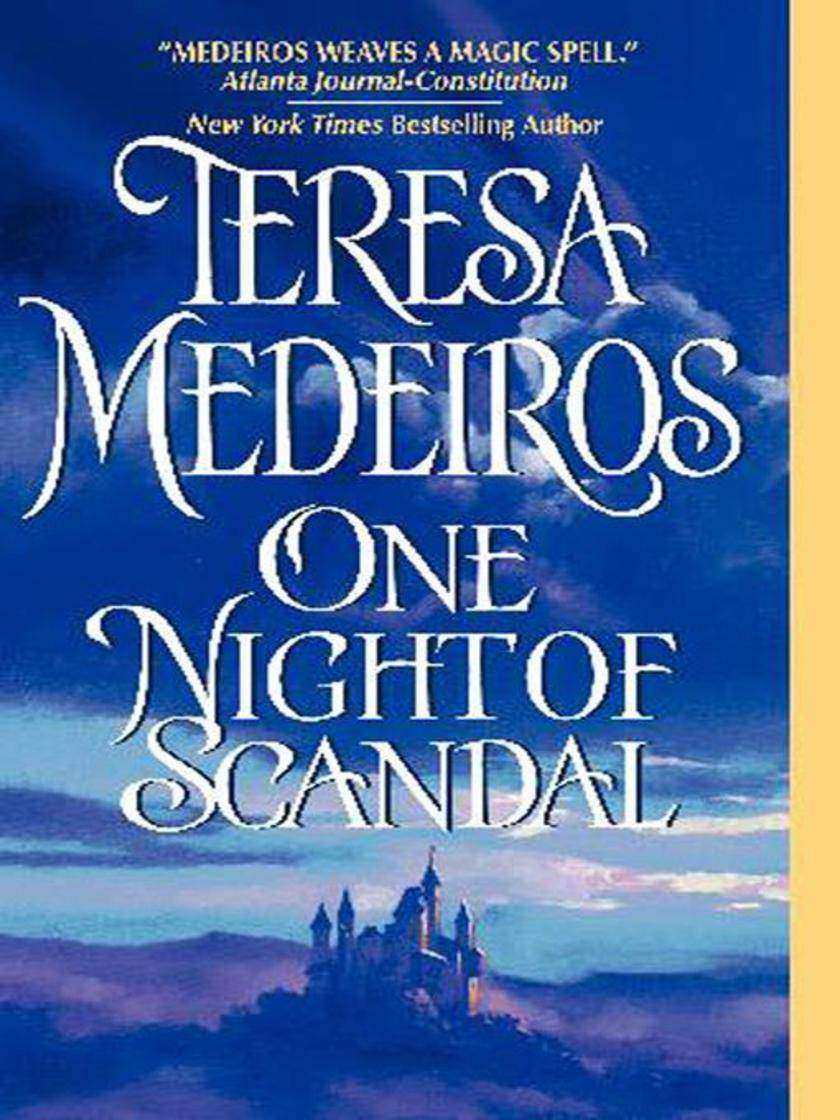
One Night of Scandal
¥55.91
Proper decorum has never come easily to Carlotta Anne Fairleigh not even tonight, when the lovely, impetuous miss is finally making her debut. As she waits to make her entrance, she can't help wondering about the darkened house next door, the supposedly abandoned home of Hayden St. Clair, the man society has dubbed the "Murderous Marquess." Certainly one small peek through his window before the festivities would be harmless . . .And, naturally, this latest "adventure" ends in disaster, thoroughly compromising the budding debutante's reputation and leaving her suddenly, unthinkably . . . betrothed! Soon she's en route to the wilds of Cornwall in the company of the handsome, mysterious marquess whose name the ton whisper with fear and loathing.Yet there is something thrilling and surprisingly tender about her dark, unreachable groom, and the desire in his eyes is undeniable. But before Lottie will surrender to the yearnings in her heart, she must unlock the secrets of Hayden's past, no matter how scandalous or perilous they may be.

Much Ado About You
¥55.91
When you're the oldest daughter, you don't get to have any fun! Witty, orphaned Tess Essex faces her duty: marry well and marry quickly, so she can arrange matches for her three sisters -- beautiful Annabel, romantic Imogen and practical Josie. After all, right now they're under the rather awkward guardianship of the perpetually tipsy Duke of Holbrook. But just when she begins to think that all might end well, one of her sisters bolts with a horse-mad young lord, and her own fiance just plain runs away.Which leaves Tess contemplating marriage to the sort of man she wishes to avoid -- one of London's most infamous rakes. Lucius Felton is a rogue whose own mother considers him irredeemable! He's delicious, Annabel points out. And he's rich, Josie notes. But although Tess finally consents to marry him, it may be for the worst reason of all. Absurd as she knows it to be, she may have fallen utterly in love . . .

This Duchess of Mine
¥56.07
No man can resist Jemma's sensuous allure . . . Except her own husband!Wedding bells celebrating the arranged marriage between the lovely Duchess of Beaumont and her staid, imperturbable duke had scarcely fallen silent when a shocking discovery sent Jemma running from the ducal mansion. For the next nine years she cavorted abroad, creating one delicious scandal after another (if one is to believe the rumors).Elijah, Duke of Beaumont, did believe those rumors.But the handsome duke needs an heir, so he summons his seductive wife home. Jemma laughs at Elijah's cool eyes and icy heart but to her secret shock, she doesn't share his feelings. In fact, she wants the impossible: her husband's heart at her feet.But what manner of seduction will make a man fall desperately in love . . . with his own wife?
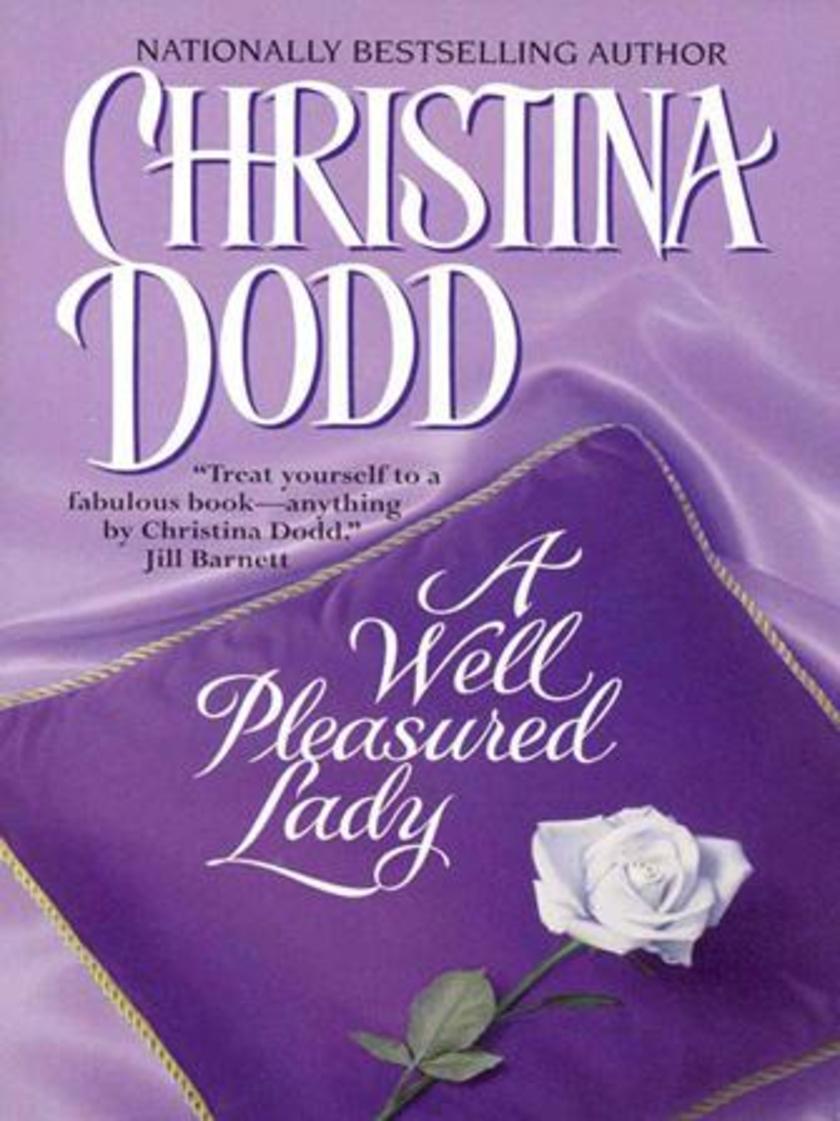
A Well Pleasured Lady
¥56.07
Prim, plain, desperately virtuous Lady Mary Fairchild stared at the seductive gentleman and wondered -- did he remember the elements of the night they metSurely not. In the ten years since, she had abandoned her youthful impetuousness and transformed herself into a housekeeper -- disguising her beauty beneath a servant's dour clothing determined to conquer the passions of the past.But Sebastian Durant, Viscount Whitfield, did recognize her as a Fairchild, one of his family's bitter enemies. When he demanded her help recovering a stolen diary, she dared not refuse him. When he proposed they masquerade as a betrothed couple, loyalty forced her to agree. And when the restraint between them shattered and pleasure became an obsession, Mary had to trust a powerful man who could send her to the gallows ... or love her through eternity.
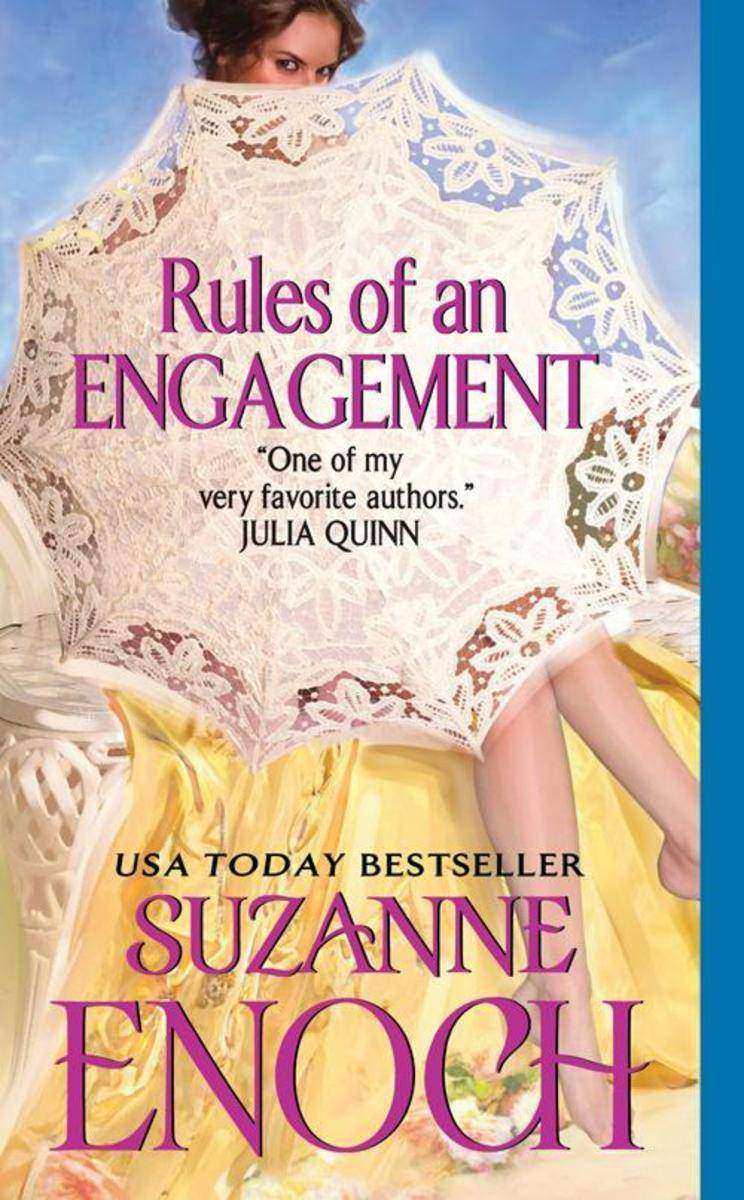
Rules of an Engagement
¥55.91
For proper young ladies, good behavior has always been the rule Captain Bradshaw Carroway loves the seafaring life though he'd rather be battling brigands than his current assignment offerrying a boatload of spoiled aristocrats. One passenger, however, has caught his eye: a bewitching young minx who definitely distracts him from the rules ofshipboard decorum . . .Some rules, of course, are meant to be broken.Miss Zephyr Ponsley has traveled the world, but she's completely innocent in the ways of love. She's never learned to dance or flirt. But scientific observation has taught her that the laws of attraction have no rules, and that no adventure, on land or sea, is more dangerous or delicious than passion!
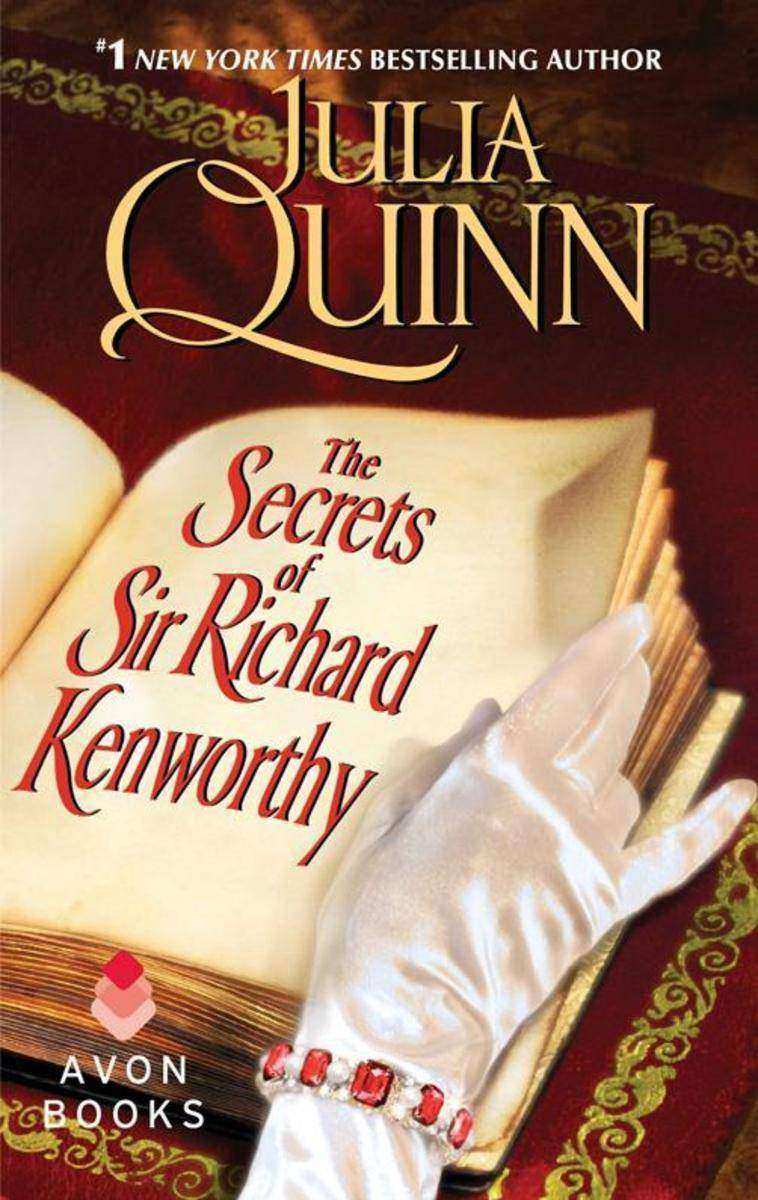
The Secrets of Sir Richard Kenworthy
¥55.31
Sir Richard Kenworthy has less than a month to find a bride. He knows he can't be too picky, but when he sees Iris Smythe-Smith hiding behind her cello at her family's infamous musicale, he thinks he might have struck gold. She's the type of girl you don't notice until the second—or third—look, but there's something about her, something simmering under the surface, and he knows she's the one. Iris Smythe–Smith is used to being underestimated. With her pale hair and quiet, sly wit she tends to blend into the background, and she likes it that way. So when Richard Kenworthy demands an introduction, she is suspicious. He flirts, he charms, he gives every impression of a man falling in love, but she can't quite believe it's all true. When his proposal of marriage turns into a compromising position that forces the issue, she can't help thinking that he's hiding something . . . even as her heart tells her to say yes.
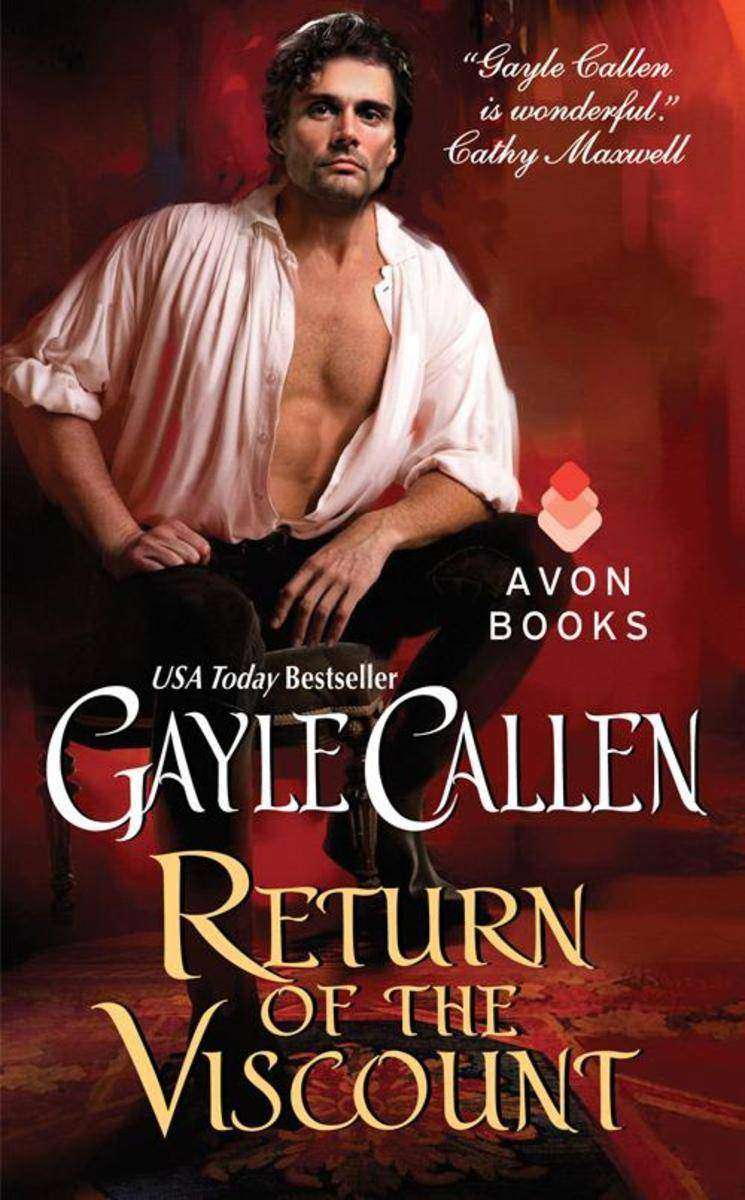
Return of the Viscount
¥55.31
Her marriage of convenience seems far too convenient . . .Desperation drove Cecilia Mallory to seek a union with a stranger one who would wed her sight unseen and grant her full access to her inheritance with no expectations whatsoever. She anticipated, perhaps, an older, undesirable, equally desperate husband never the young, vibrant, and devastatingly attractive man who answered her call. What could such a man really be afterUnknown to Cecilia, Viscount Michael Blackthorne, a soldier and gentleman, owes a debt of honor to Lady Cecilia's father, and granting her unusual request to wed seemed a worthy way to repay it. But an unseen threat perilously close at hand is convincing Michael thathis true responsibility is to protect the beautiful, warm-hearted lady he has married . . . the woman he is unexpectedly coming to love.

Ahead of the Market
¥90.77
Beat the Pros at Their Own Game All too often, you learn about good stocks far too late to profit from the information. By the time you actually buy a stock, professional investors have already been there, bought the stock, driven up the price, and are just waiting to unload it at an inflated price.All That's About to Change. . . .In Ahead of the Market, Mitch Zacks shows investors how they can spot stocks that are poised to take off long before the rest of the crowd learns about them. HowBy unlocking the gems of priceless information buried in Wall Street's often self-serving research. Ahead of the Market is the first book, ever, that enables you to profitably use the analyst stock research for which Wall Street firms pay more than one billion dollars annually. Many investors have rightly felt misled in the past by analysts who continued to hype stocks as prices plummeted. You may have even concluded that Wall Street research is totally worthless. But it's not.In Ahead of the Market, Mitch Zacks shows that analysts actually provide a wealth of market-moving information that can generate exceptional returns if interpreted correctly.The key is to use the research produced by Wall Street analysts the same way the professional money managers do.Pioneered by the firm Zacks Investment Research and based on more than twenty years of intensive analysis, the investment strategies revealed in this book are indeed the same ones used by successful professional investors everywhere.In these pages you will learn how to form an investment plan by locating stocks that are poised for price appreciation and avoiding stocks heading for a fall. Zacks shows how you could have prevented being burned when the recent bubble burst, if you had known how to use analyst research correctly and teaches you the rules of the research game so you will not fall victim the next time around. In sum, this book is your guide to picking the right stock at the right time.Mitch Zacks's groundbreaking research provides new insights and new strategies to: Use revisions to analysts' earnings estimates to predict the rise and fall of stock prices Interpret the real meaning behind analysts' stock recommendations Employ the "cockroach" phenomenon and other methodologies to predict earnings surprises before they occur Determine how to react when a company reports earnings and how to profit from "post-earnings announcement drift" Understand and profit from "analyst creep" the reason that earnings estimate revisions occur incrementally over time Avoid being duped by the games that companies play with their earnings reportsWhether the economy is healthy or stalled, whether the market is up or down, by focusing on the strategies contained in this book you will always come out ahead. Well-picked individual stocks will always carry the day. Now with Ahead of the Market, you will finally have the same tools institutional investors have and will be able to find great stocks in any market environment.
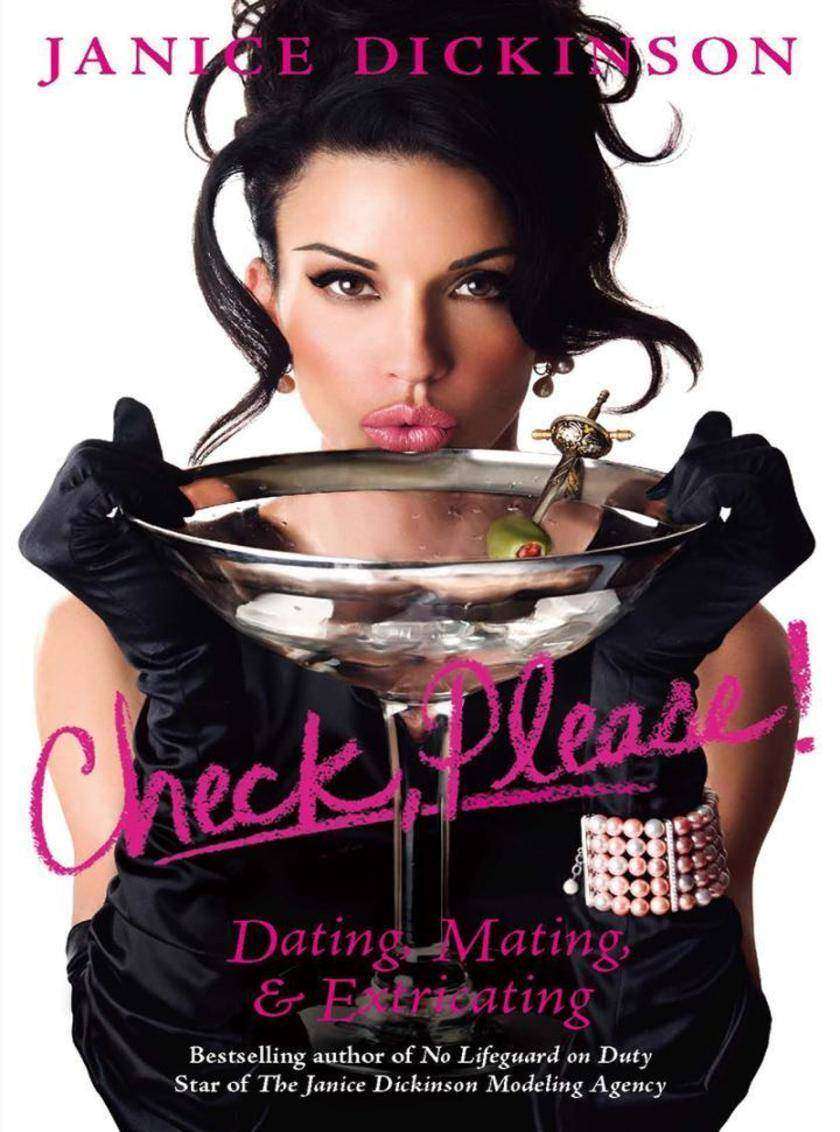
Check, Please!
¥82.80
The outrageous Janice Dickinson -- former star of TV's America's Next Top Model, bestselling author, and glam girl extra-ordinaire -- now brings her patented blend of hard-won romantic wisdom and diva chic to her first-ever dating guide. Loaded with uncensored dish on her romantic sagas -- and her stranger-than-fiction bedroom adventures -- Check, Please! unveils Janice's dating dos and don'ts, culled from her three decades at the top of the fast-track world of modeling, and a rich, racy life of dating, mating, and extricating.With the same voracious charm that propelled her into the arms of some of America's most eligible bachelors, here Janice shares her secrets to landing men, loving them, and letting them go. From first dates and old flames to primping, cheating, and sizing things up, Check, Please! is a girl's guide to an irreverent, extravagant love life.Some titillating tips from Check, Please!Lesson #2: Wanna Get a Guy's AttentionIgnore Him!Lesson #13: If He's Got His Eye on the Door, He's Already Halfway Through ItLesson #28: Don't Do Anyone You Might RegretLesson #40: It's Okay to Want More, More, MoreLesson #47: Don't Follow Trends -- Start ThemFrom the unfettered hedonism of her modeling days -- spent in white-hot one night stands and steamy affairs -- to her crusade to find Mr. Right today and tomorrow, Check, Please! is a fun, over-the-top vicarious thrill ride as only Janice can deliver it -- with a core that's surprisingly real. Check, Please!

Alpha Dogs
¥83.93
Take an ordinary business. A bike shop. An auction company. An ice cream parlor. A sock manufacturer. In thoroughly mundane businesses like these, an entrepreneur must outsmart the multitudes of competitors, leap to the head of the pack, and become a dominant Alpha Dog.Exactly how does an everyday company distinguish itself in the marketplace, generate much higher sales than its competitors, and earn the lasting loyalty of customers and employeesIs it cutting-edge productsBrilliant serviceIngenious branding?Donna Fenn, a twenty-year veteran of Inc. magazine, has discovered the people who have the answers. In a personal and probing style, she introduces you to eight Alpha Dogs. These men and women share their solutions and insights on how to rise to the top, despite multiple competitors, from Chinese manufacturers to Wal-Mart.Readers will meet: Chris Zane, an intense, ambitious father of three boys. His Branford, Connecticut, retail bike shop has flourished among Wal-Mart, Sports Authority, and independent bike stores. He's done it by seeking out new markets and perfecting the art of customer service. Deb Weidenhamer, a tough woman in a male-dominated industry who transformed a traditional auction company with cutting-edge technology. While her competitors were still fretting about eBay, she was using the online auction giant as a training ground for her own innovative Web site. Amy Simmons, a former premed student who fell in love with the ice cream business in Boston and then founded her own ice cream parlor in Austin, Texas. With twelve Amy's Ice Creams stores in Austin, Amy's is the Austin hometown favorite, despite her deep-pocketed rivals, Ben Jerry's and Cold Stone Creamery. In accessible, conversational style, Donna Fenn tells each entrepreneur's personal story, shares their winning formulas, and offers nuts-and-bolts advice and practical tips. Alpha Dogs is a lively handbook for every current and aspiring entrepreneur.
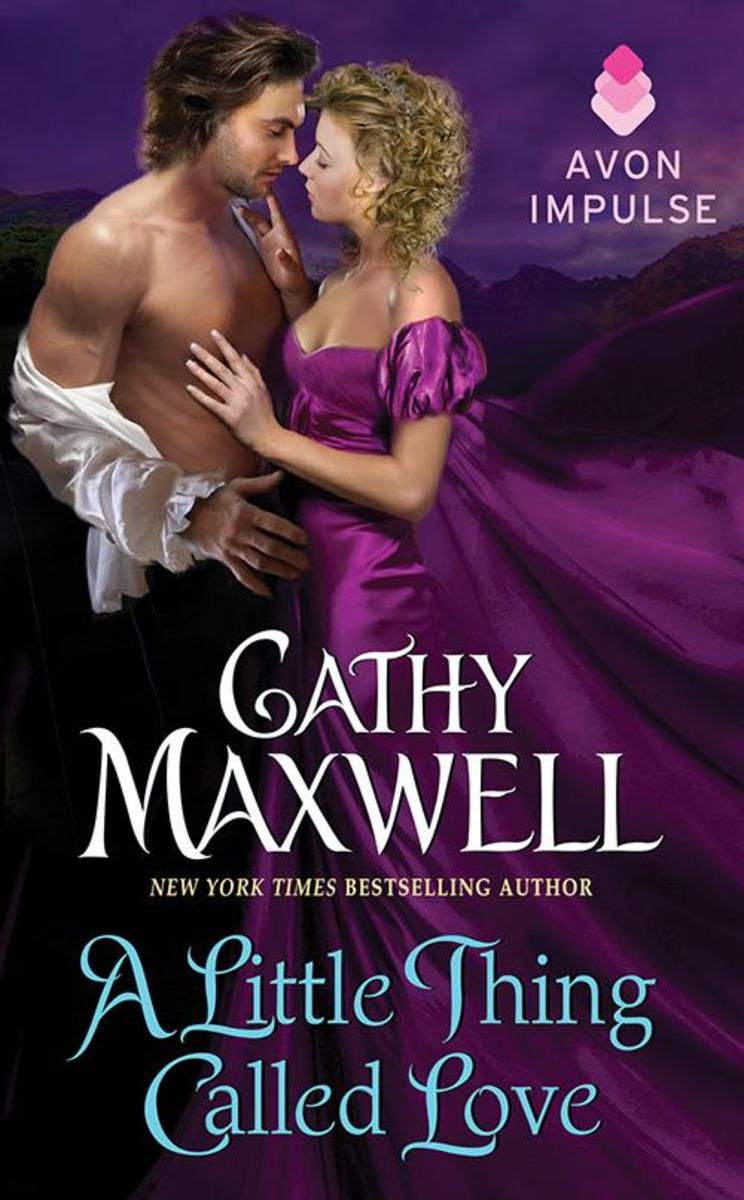
A Little Thing Called Love
¥27.91
Grandmother, grandmother, who shall it be Who shall it be who will marry meDuke, Earl, a powerful marquessWhen my heart is given to Fyclan Morris… In New York Times bestselling author Cathy Maxwell's new novella, beautiful Jennifer Tarleton has no lack of noble suitors, but the only man who captures her attention is the one her father will never let her marry: Fyclan Morris. He's a brash adventurer, witty, courageous…and Irish! Even worse, her father blames her for their reversal of fortune… And it's a fortune—or rather, his grandmother the fortune teller—who foretold that Fyclan would meet "the one,", a love prophesied in the stars. He vows nothing will stand in the way of making Jennifer his bride, but is the price too highOr is a thing called love worth every challenge?

Bet You'll Marry Me
¥34.54
First published as a short story in Debbie Macomber's Family Affair In Darlene Panzera's debut full-length romance, an entire town places a bet on just whom pretty Jenny O'Brien will marry . . . and her choice surprises them all! Marry her and win When tall, handsome out-of-towner Nick Chandler first sets eyes on Jenny O'Brien, she's storming into the Bets & Burgers Café, wielding a broom and threatening the safety of every man in sight. Hey, he figures, she's got the right to be annoyed—the whole town seems to be laying bets on whom Jenny will marry. Nick's annoyed as well. He didn't think he'd have to propose to romance the land away from her, but to save his sister and his ill-fated business, he jumps into the fray and bets $10,000 that Jenny will marry him. Now the only thing stopping him from seizing her land . . . may be his own heart.
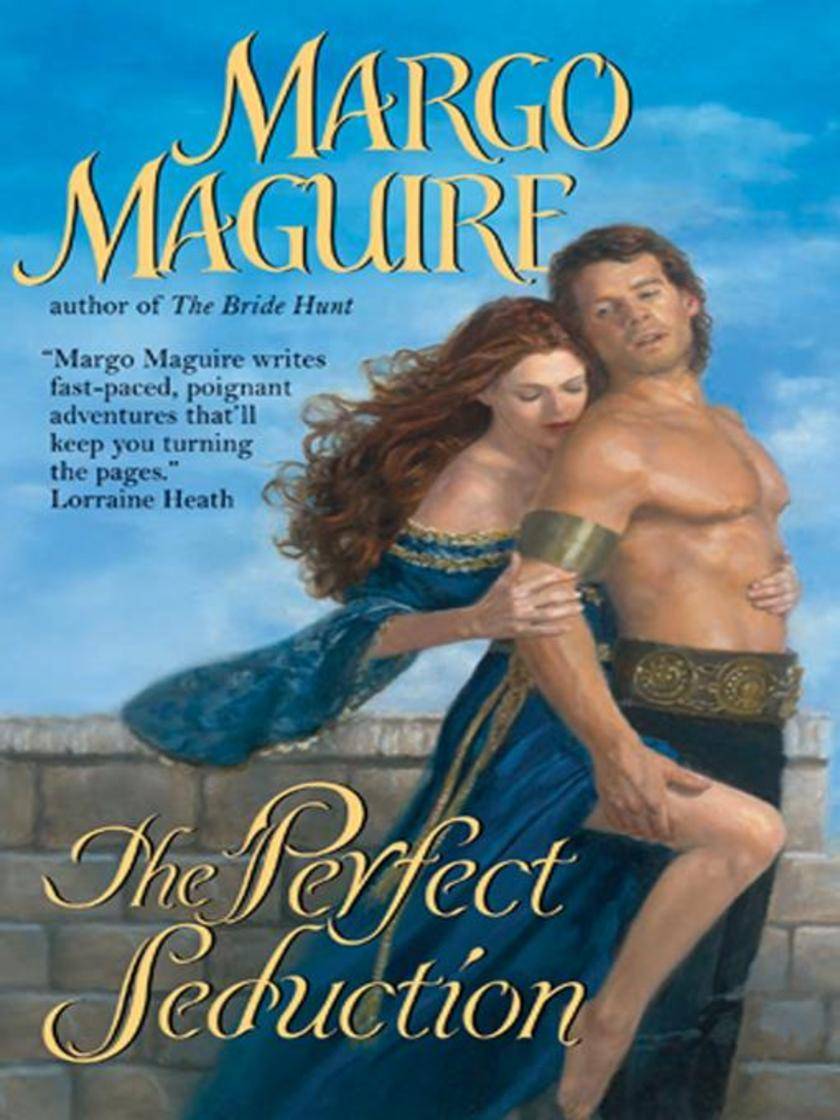
The Perfect Seduction
¥42.03
To burn with passion . . . to surrender to the power of a man's desire . . . Kathryn de St. Marie's years in a French convent have taught her such things are forbidden. Still the chaste Norman beauty dreams of a soul-stirring love. But cruel destiny intrudes when she is taken prisoner by Scot barbarians though a kinder fate intervenes when she is rescued by proud, haunted Edric of Braxton Fell, a bitter Saxon lord displaced by Norman rule.Though he despises the conquerors, Edric can sense that Kathryn is different gentle and giving, yet possessing a fire that enflames Edric in turn and he grudgingly allows her into his broken life. For Kathryn's capture has tainted her in the eyes of her people, and she can never again return home. Her future rests in the strong hands of her enemy champion . . . and in a long-cherished dream of a perfect seduction and a dangerous, rapturous love.

Never Marry a Cowboy
¥41.91
In his arms she found the greatest joy she'd ever known . . . but his heart belonged to another. Can her love make their marriage real before their time together ends forever?
Forever After
¥55.31
THE PROTECTOR From the moment Heath Masters lays eyes on Meredith Kenyon, he knows there's something mysterious in this pretty woman's past. True, she seems like a good mother to her little daughter, but as local sheriff Heath has seen his share of liars ... and Meredith is certainly hiding something. But though his romantic gestures are met with suspicion, Heath can't help but be drawn to his vulnerable new neighbor. He doesn't entirely trust her, but he sure does want to kiss her THE WOMAN ON THE RUNAbout to lose her child in a devastating childcustody case, Meredith transformed herseIf from urbanwidow to small town mom, escaping the clutches of her abusive late husband'smanipulative father. Fleeing across America, she ran stright into the armsof the lonely lawman. Heath's persistence melts her misgivings, making her wonder if she could overcome her traumatic former life. But could his love protect her from her past--now and foreve?rTHE PROTECTORFrom the moment Heath Masters lays eyes on Meredith Kenyon, he knows theres something mysterious in this pretty womans past. True, she seems like a good mother to her little daughter, but as local sheriff Heath has seen his share of liars. . .and Meredith is certainly hiding something, But through his romantic gestures are met with suspicion, Heath cant help but be drawn to his vulnerable new neighbor. He doesnt entirely trust her, but he sure does want to kiss her.THE WOMAN ON THE RUINAbout to lose her child in a devastating child custody case, Meredith transformed herself from urban widow to small town mom, escaping the clutches of her abusive late husbands manipulative father. Fleeing across America, she ran straight into the arms of the lonely lawman. Heaths persistence melts her misgivings, making her wonder if she could overcome her traumatic former life. But could his love protect her from her past--now and forever?
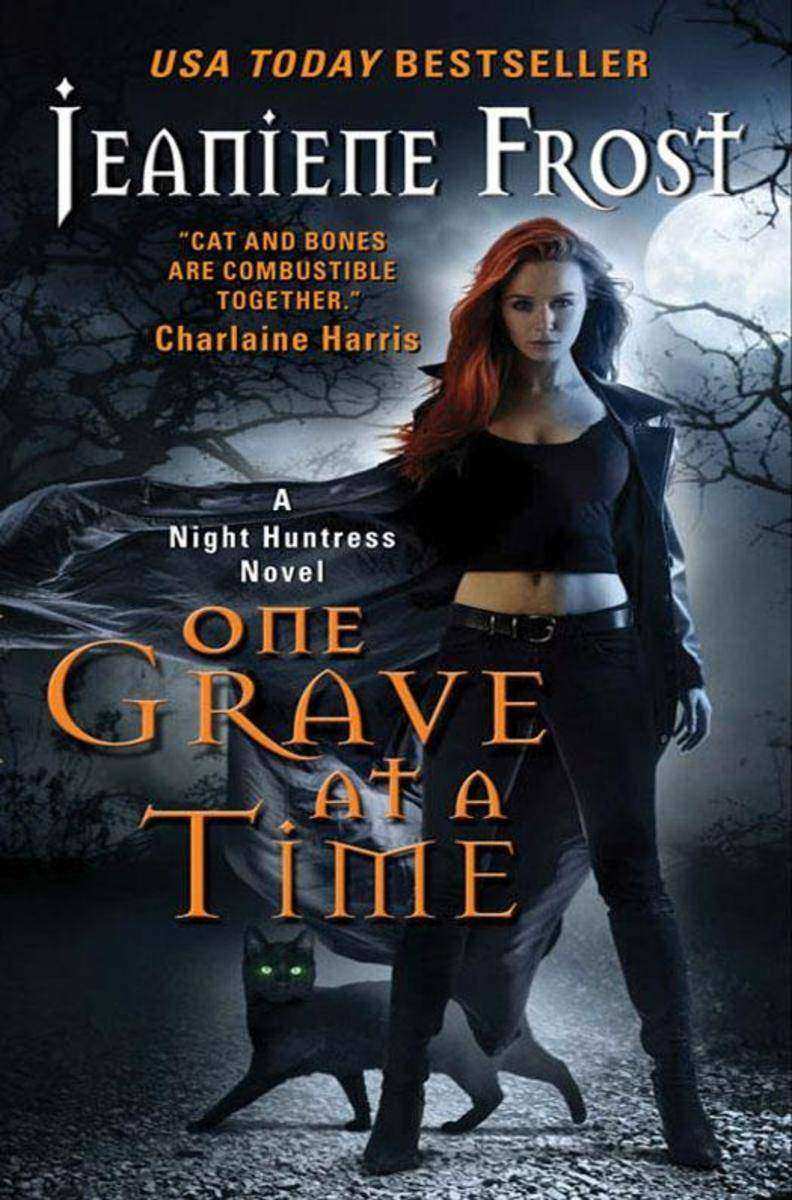
One Grave at a Time
¥55.31
How do you send a killer to the grave when he's already deadHaving narrowly averted an (under)World War, Cat Crawfield wants nothing more than a little downtime with her vampire husband, Bones. Unfortunately, her gift from New Orleans's voodoo queen just keeps on giving leading to a personal favor that sends them into battle once again, this time against a villainous spirit. Centuries ago, Heinrich Kramer was a witch hunter. Now, every All Hallows Eve, he takes physical form to torture innocent women before burning them alive. This year, however, a determined Cat and Bones must risk all to send him back to the other side of eternity forever. But one wrong step and they'll be digging their own graves.
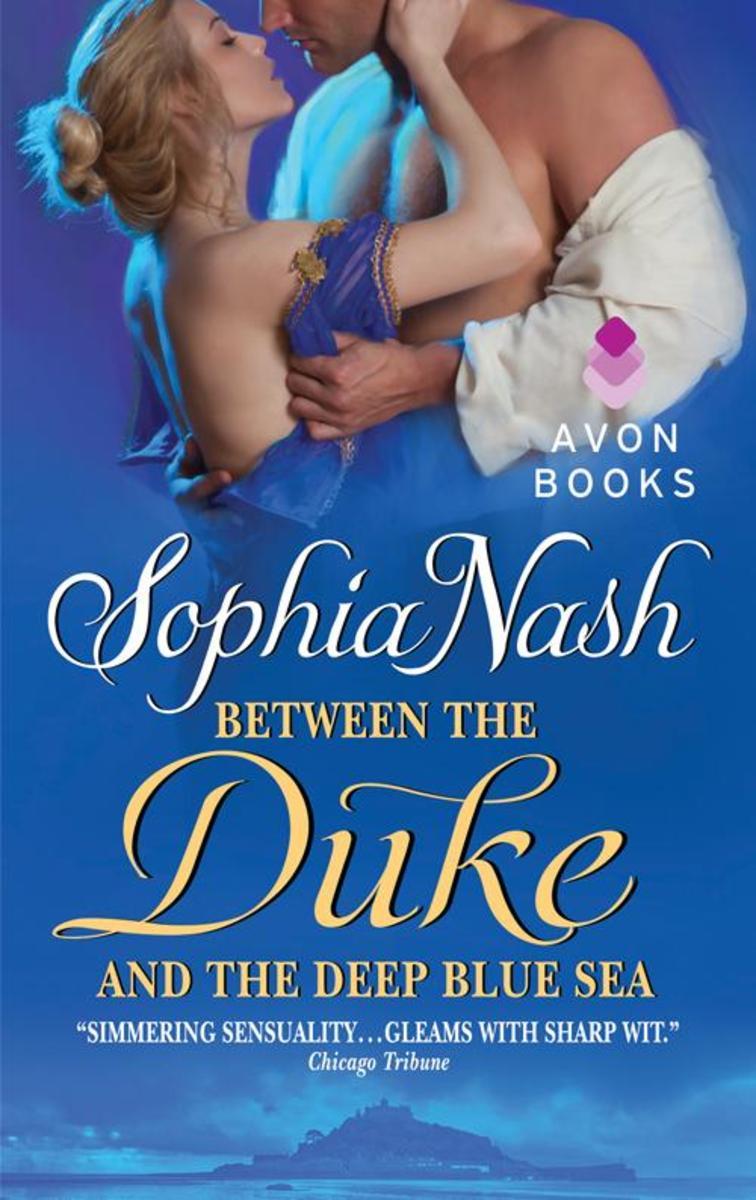
Between the Duke and the Deep Blue Sea
¥55.31
Six Regency heroes One royal hangoverAn infamous night has been lost to memory. The scandalous Dukes of the Royal Entourage must make amends. The first step is a heroic rescue.One of England's most disreputable peers, Alexander Barclay, Duke of Kress, has stumbled upon a perfect opportunity for redemption. Having been exiled to Cornwall by the Prince Regent himself, Barclay discovers lovely Roxanne Vanderhaven clinging to the edge of a cliff, stranded there by her murderous blackguard of a husband . . . just waiting to be rescued. Back on solid ground, Roxanne is desperate for a new life once she's retaliated for her husband's despicable actions. Surprisingly, she finds herself drawn to her unlikely champion, certainly the last man in England she could count on. Yet, the infamous Duke of Kress isn't quite the scoundrel he seems . . .

The Lady Most Willing...
¥56.07
At the behest of three of the most talented historical romance authors writing today, you are cordially invited to a ball. No, a party. No . . . a kidnapping.Taran Ferguson, laird of his clan, is determined that his ancient (if not so honorable) birthright be secured before he dies. When both his nephews refuse to wed, the old reprobate takes matters into his own hands: he raids a ball and makes off with four likely brides . . .Miss Marilla Chisholm the bonniest lass in Scotland, and an heiress to boot.Miss Fiona Chisholm her older sister, another fine choice (but for that tiny stain on her reputation).Lady Cecily Tarleton true, she's an English beauty, but very, very rich.Miss Catriona Burns without name or fortune, clearly someone made a mistake.Oh, yes. And one very irate duke.Because somewhere there must be one lady most willing to love a Scottish lord.

The Duke of Dark Desires
¥55.31
Wanted: Governess able to keep all hours . . . Rebellious Julian Fortescue never expected to inherit a dukedom, nor to find himself guardian to three young half-sisters. Now in the market for a governess, he lays eyes on Jane Grey and knows immediately she is qualified to become his mistress. Yet the alluring woman appears impervious to him. Somehow Julian must find a way to make her succumb to temptation . . . without losing his heart and revealing the haunting mistakes of his past.Desired: Duke skilled in the seductive art of conversation . . . Lady Jeanne de Falleron didn't seek a position as a governess simply to fall into bed with the Duke of Denford. Under the alias of Jane Grey, she must learn which of the duke's relatives is responsible for the death of her family and take her revenge. She certainly can't afford the distraction of her darkly irresistible employer, or the smoldering desire he ignites within her .But as Jane discovers more clues about the villain she seeks, she's faced with a possibility more disturbing than her growing feelings for Julian: What will she do if the man she loves is also the man she's sworn to kill?

For Parents and Teenagers
¥77.49
The author of Choice Theory and Reality Therapy offers a powerful approach for helping troubled teens. In his decades as a therapist, Dr William Glasser has often counselled parents and teenagers. His advice has healed shattered families and changed lives. Now in his first book on the lessons he has learned, he asks parents to reject the 'common sense' that tells them to 'lay down the law', ground teens, or try to coerce them into changing behaviour. These strategies have never worked, asserts Dr Glasser, and never will. Instead he offers a different approach based upon Choice Theory. Glasser spells out the seven deadly habits parents practiSe and then shows them how to accomplish their goals by changing their own behaviour. Above all, he helps parents keep their relationship with their child strong. Dr Glasser provides a groundbreaking method that any parent can use with confidence and love.
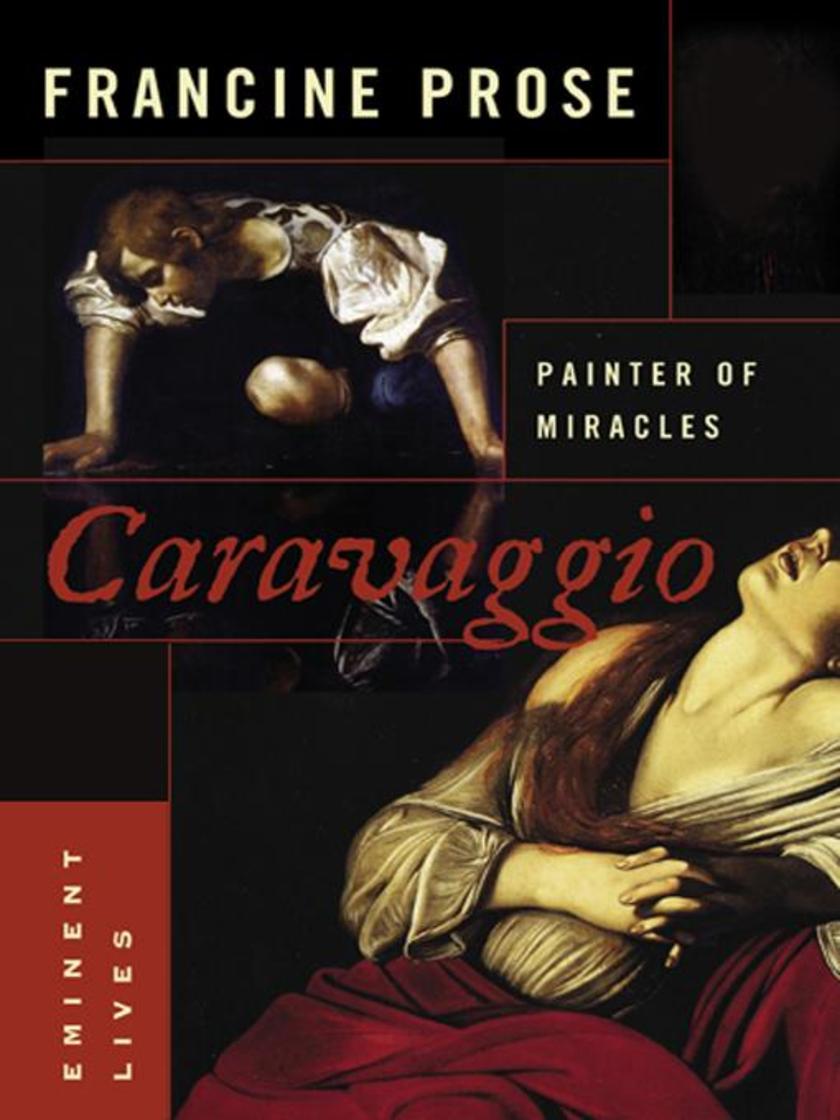
Caravaggio
¥83.03
Francine Prose's life of Caravaggio evokes the genius of this great artist through a brilliant reading of his paintings. Caravaggio defied the aesthetic conventions of his time; his use of ordinary people, realistically portrayed street boys, prostitutes, the poor, the aged was a profound and revolutionary innovation that left its mark on generations of artists. His insistence on painting from nature, on rendering the emotional truth of experience, whether religious or secular, makes him an artist who speaks across the centuries to our own time.Born in 1571 near Milan, Michelangelo Merisi (da Caravaggio) moved to Rome when he was twenty-one years old. He became a brilliant and successful artist, protected by the influential Cardinal del Monte and other patrons. But he was also a man of the streets who couldn't seem to free himself from its brawls and vendettas. In 1606 he fled Rome, apparently after killing another man in a dispute. He spent his last years in exile, in Naples, Malta, and Sicily, at once celebrated for his art and tormented by his enemies. Through it all, he produced masterpieces of astonishing complexity and power. Eventually he received a pardon from the Pope, only to die, in mysterious circumstances, on the way back to Rome in 1610.Francine Prose presents the brief but tumultuous life of one of the greatest of all painters with passion and acute sensitivity.


