


 购物车
购物车 个人中心
个人中心

The GI Walking Diet:Lose 10lbs and Look 10 Years Younger in 6 Weeks
¥80.25
The six week programme designed to revolutionise your health. A diet, recipes and walking plan especially designed with the over 40s in mind to increase your levels of health and combat age-related problems, by the UK’s leading name in health and fitness, Joanna Hall. After a year researching the over 40s market, leading name in the fitness industry Joanna Hall has designed a diet and fitness programme that builds health and weight loss in simple steps. Old habits die hard, but here she shows you how to make new, healthy habits stick, slowly but surely. Her mantra is: small steps make big changes. ? Take her 10,000 steps a day walking challenge ? Discover why a pedometer will revolutionise your fitness ? Learn tips on how to combat osteoporosis, high blood pressure, arthritis, menopausal symptoms and overweight with food and exercise plans So take the challenge – and stop kidding yourself if you think that pottering in the garden with a pair of secateurs or taking the dog for a 10 minute walk is making you fit!
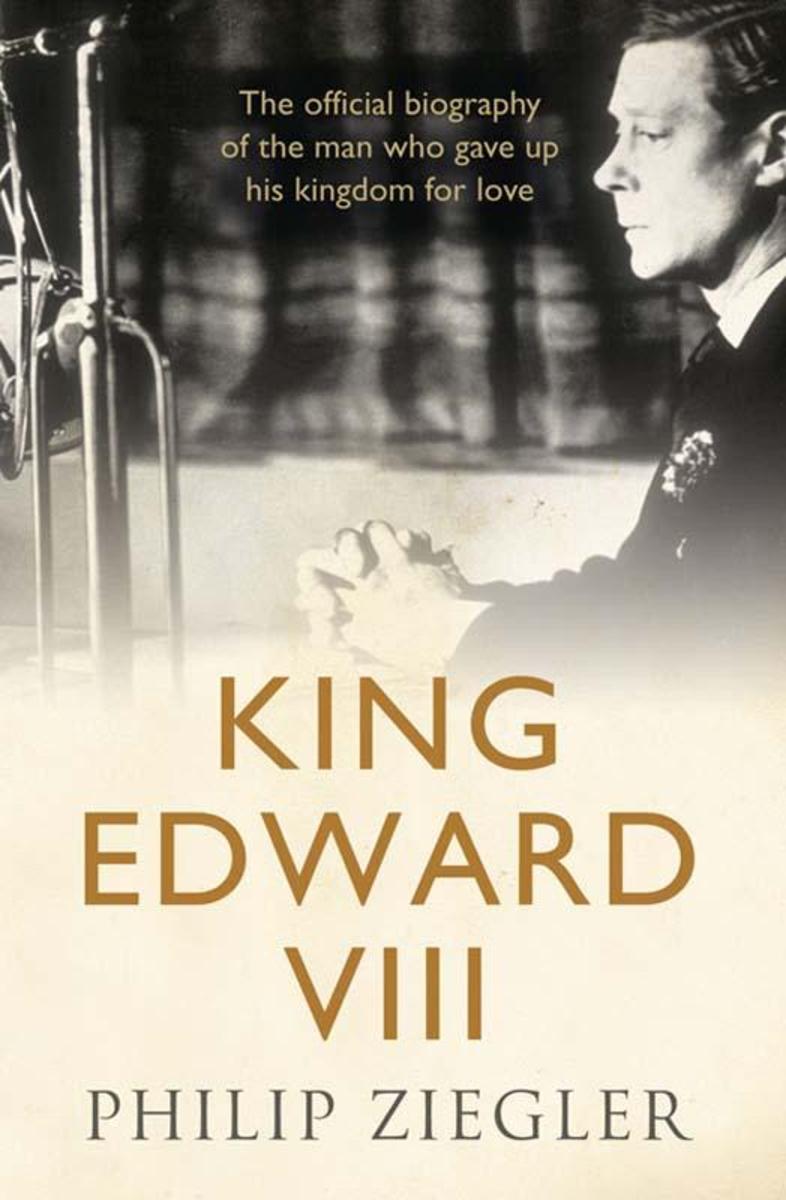
King Edward VIII
¥104.48
The authorised life story of the king who gave up his throne for love, by one of our most distinguished biographers. In this masterly authorized biography, Philip Ziegler reveals the complex personality of Edward VIII, the only British monarch to have voluntarily renounced the throne. With unique access to the Royal Archives, Ziegler overturns many myths about Edward and tells his side of the story – from his glamorous existence as Prince of Wales to his long decline in semi-exile in France. At the heart of the book is an unflinchingly honest examination of Edward’s all-consuming passion for Wallis Simpson, which led to his dramatic abdication. Elegant and devastating, this is the most convincing portrait of Edward ever published.
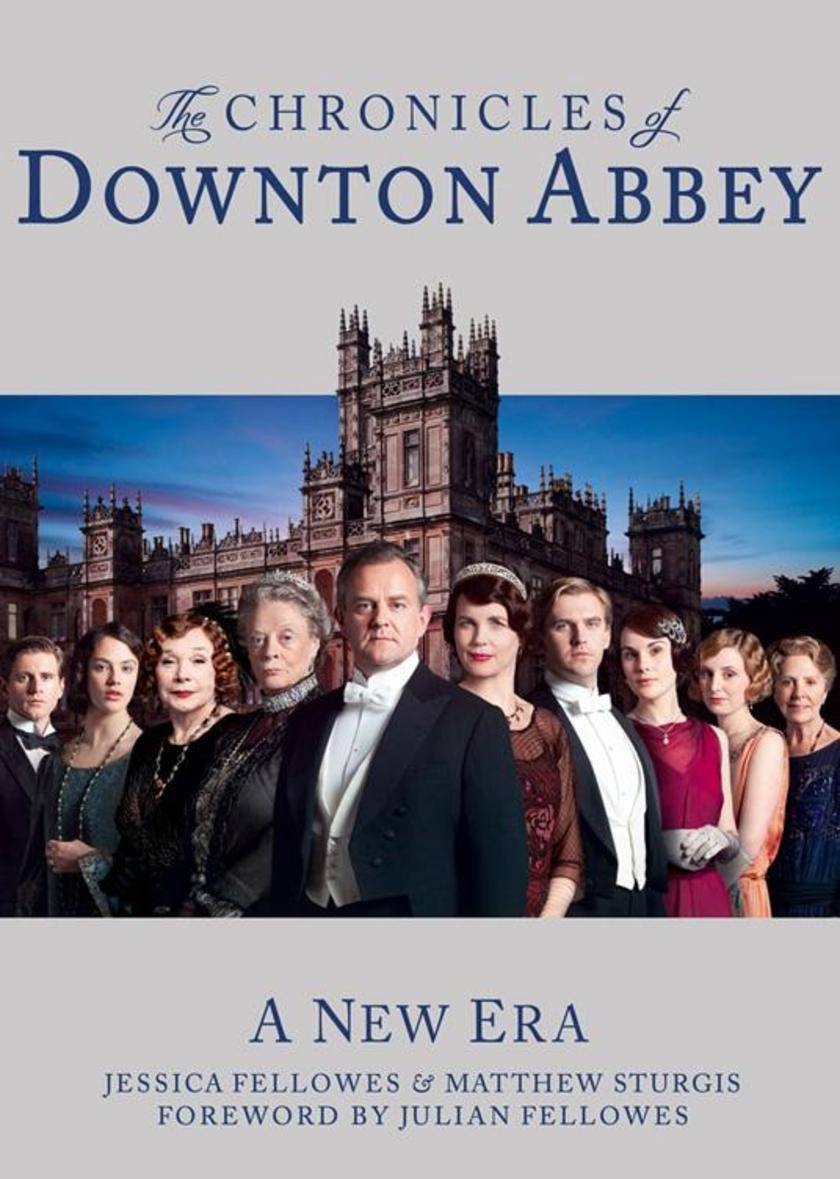
The Chronicles of Downton Abbey (Official Series 3 TV tie-in)
¥147.35
The official companion to all three seasons. The Great War has ended, but Downton Abbey is far from peaceful… A changing world has brought new challenges and new guests. Inside the walls of the Great House there is more intrigue, rivalry and romance than ever. The Chronicles of Downton Abbey take you deep into the lives of the Crawleys, their servants, lovers, friends and guests. So wander the crowded servants' quarters and peek into luxurious bed chambers. Go beneath the surface, and experience every aspect of their lives – from daily routines, dressing tables and treasure chests to their most secret hopes and fears. This definitive book explores the lives of every important member of the Downton estate. Focusing on each character individually, it examines their motivations, their actions and the inspirations behind them. An evocative source of story and background, it will take you even deeper into the secret, beating heart of the house.
Treachery
¥61.51
Perfect for fans of C.J. Sansom and The Name of the Rose, the fourth historical thriller featuring Giordano Bruno, heretic, philosopher and spy. August, 1585. England is on the brink of war… Sir Francis Drake is preparing to launch a daring expedition against the Spanish when a murder aboard his ship changes everything. A relentless enemy. A treacherous conspiracy. Giordano Bruno agrees to hunt the killer down, only to find that more than one deadly plot is brewing in Plymouth’s murky underworld. And as he tracks a murderer through its dangerous streets, he uncovers a conspiracy that threatens the future of England itself.
Hide and Seek:A Lying Game Novel
¥66.22
From the author of the New York Times bestselling Pretty Little Liars comes a killer new series, The Lying Game. Sutton Mercer had a life anyone would kill for – and someone did. But thanks to a view from the afterlife and Emma Paxton, her long-lost twin sister, Sutton has a chance to solve her own murder. Emma slips into Sutton’s old life to piece together her disappearance. But can Emma keep up the charade long enough to discover what really happened to Sutton…or will she become the next victim? Let the lying games begin.
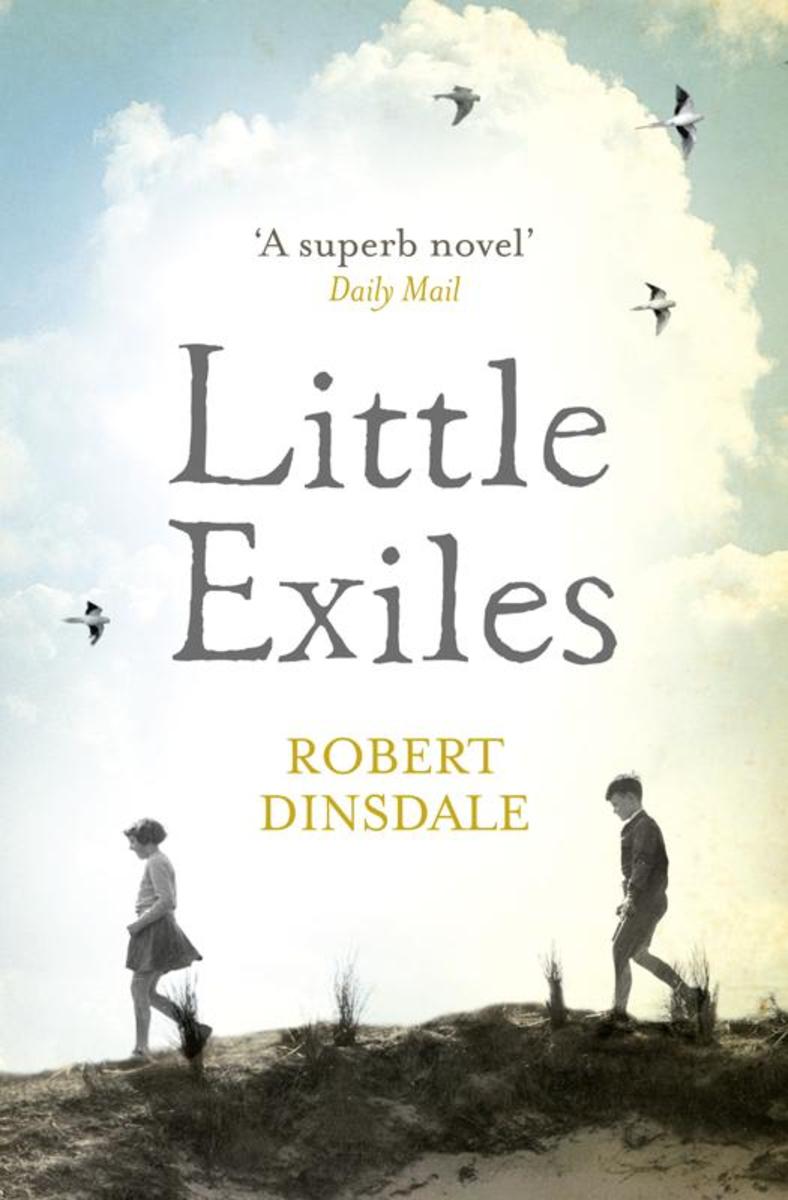
Little Exiles
¥62.59
A stunning novel set in the wake of the Second World War, Little Exiles tells the extraordinary story of the forced child migration between Britain and Australia that took place after World War II and how this flight from home shaped the identity of a generation of children. What if someone you loved asked you to pack a bag and said that they would see you again soon? When Jon Heather’s mother leaves him by the door of the Chapeltown Boys’ Home of the Children’s Crusade, one cold night in post-war Leeds, he is convinced there has been a dreadful mistake. But several weeks later, nine-year-old Jon finds himself on a boat bound for Australia. Promised paradise, he soon realizes the reality of the Australian outback is very different: a life of hard labour on unforgiving terrain, under an alien sun. So begins a journey that will last a lifetime, as Jon Heather and his group of unlikely friends battle to make their way back home.
Mega Sleepover 5 (The Sleepover Club)
¥88.39
Join the Sleepover Club: Frankie, Kenny, Felicity, Rosie and Lyndsey, five girls who want to have fun – but who always end up in mischief! In Sleepover on Friday 13th, Kenny plans some spooky surprises – but suddenly, everything starts getting out of control… In Sleepover Girls Go Camping, it’s the Sleepover Club versus the M&Ms on a massive assault course at summer camp. And in Sleepover Girls Go Detective, Lyndz’s cat disappears. Could it be anything to do with a very suspicious-looking neighbour? Three fantastic Sleepover Club stories in one!
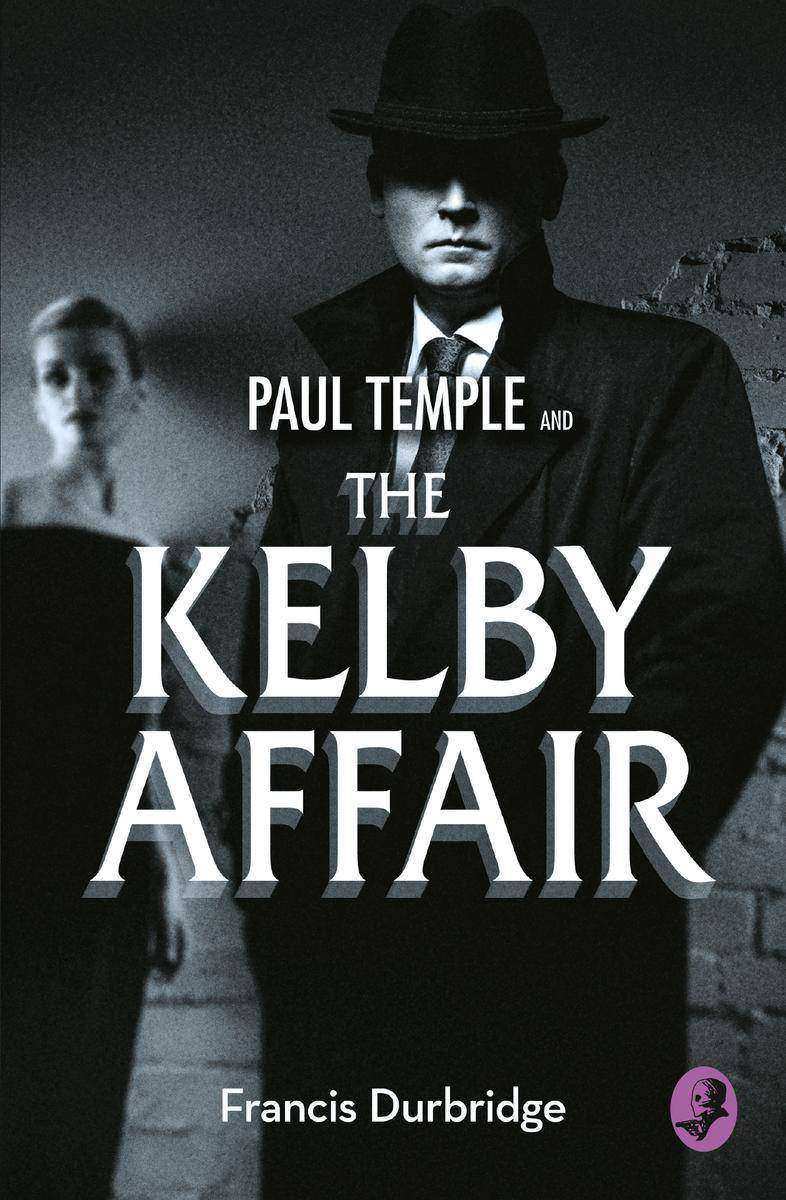
Paul Temple and the Kelby Affair (A Paul Temple Mystery)
¥65.16
The great radio detective lives again in a brand new reading by Anthony Head. Returning from an author tour in America, Paul is met at the dockside by his publisher Scott Reed, who wants him to investigate the mysterious disappearance of Alfred Kelby. Reed had entrusted Kelby with a sensational diary written by Margaret Spender, the mistress of Lord Delamore, containing several clues pointing to the murderer of Delamore. When Kelby is strangled, and the diary stolen, it seems that the two events are connected. But could there be another motive for Kelby's murder? Paul is determined to find out...
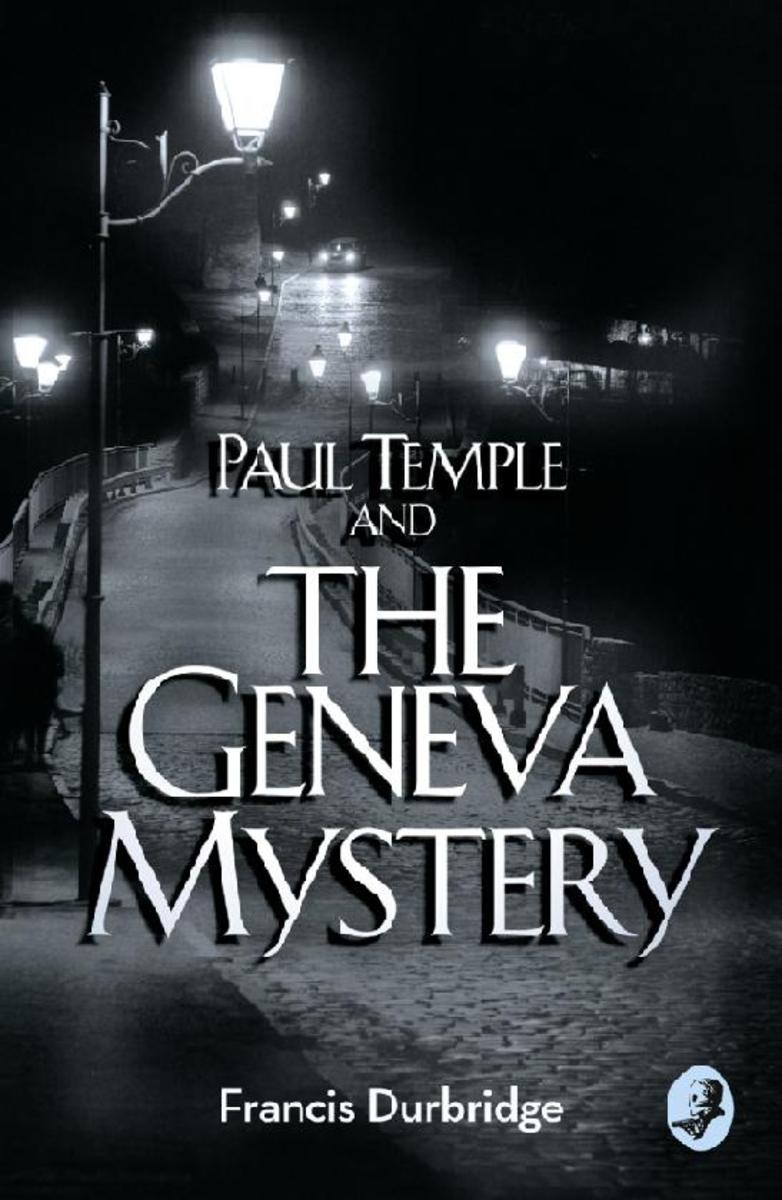
Paul Temple and the Geneva Mystery (A Paul Temple Mystery)
¥61.51
The great radio detective lives again in a brand new reading by Anthony Head. Returning from an author tour in America, Paul is met at the dockside by his publisher Scott Reed, who wants him to investigate the mysterious disappearance of Alfred Kelby. Reed had entrusted Kelby with a sensational diary written by Margaret Spender, the mistress of Lord Delamore, containing several clues pointing to the murderer of Delamore. When Kelby is strangled, and the diary stolen, it seems that the two events are connected. But could there be another motive for Kelby's murder? Paul is determined to find out...
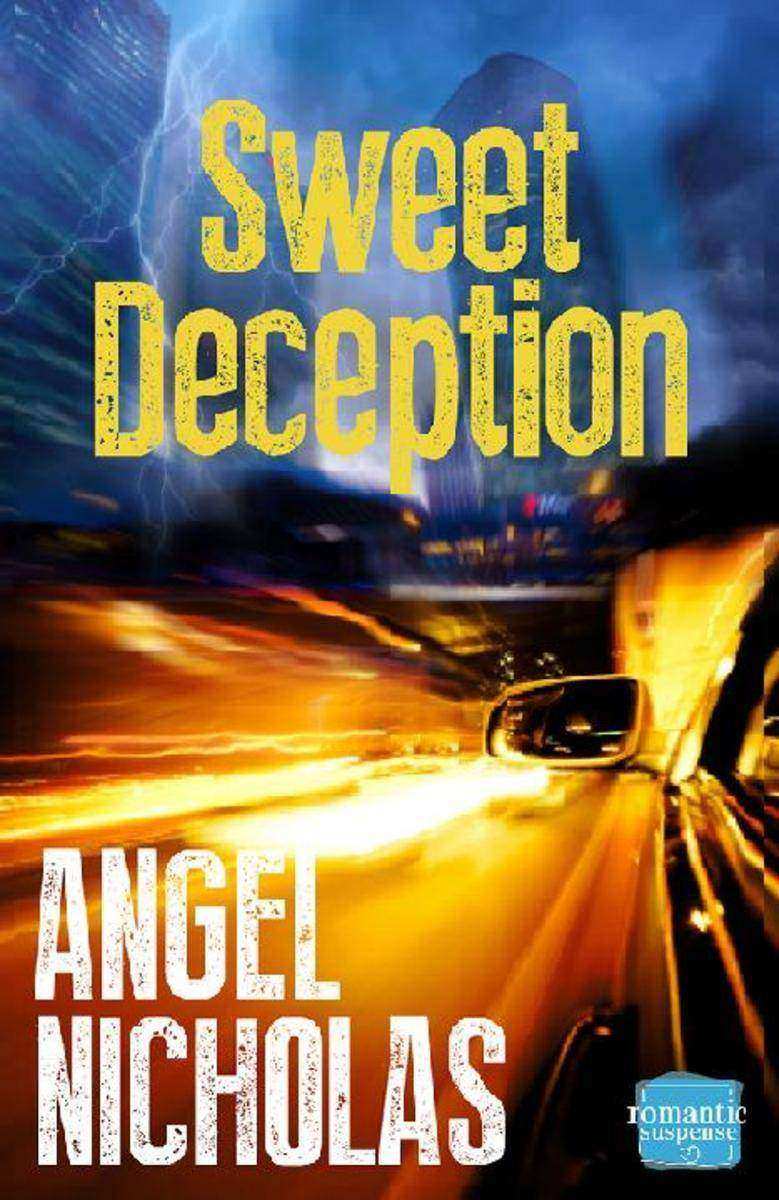
Sweet Deception HarperImpulse Romantic Suspense
¥45.42
Ally Thompson's life is perfect. Calm, quiet, some might even say boring. The sole survivor of a tragic accident, she's not the adventurous type – something her new therapist wants to change. One roller-coaster ride… A murder and a detective in disguise shatter Ally's first attempt at "fun." Detective Greg Marsing is everything Ally knows better than to want. The gun-toting, tattooed, scumbags trying to kill her are almost a welcome distraction from her pointless attraction. Blows her world wide open… A contract on Ally has every lowlife for miles gunning for her. Sparks fly while she and her unlikely hero scramble to unravel clues. As the deadly game escalates, Greg has to decide if self-preservation rates higher than a love worth dying for.

Dying for Love
¥40.81
This novel is set in the border country where Scots and English raided for centuries, committing atrocities that would be war crimes today and leaving the land reeking with blood and smoke. On the face of it, everything has changed. Nowadays cosy pubs sell real ale to discerning tourists and employ gourmet chefs, decrepit houses are restored by loving owners, fat geese graze village greens where quaint cottages are lush with clematis and roses. This is the Garden of Eden and that is the appearance, but Moffat is from farming stock; she has lived for most of her life in wild and wilderness country and her antannae are charged in every isolated village. As Sherlock Holmes pointed out: "the lowest and vilest alleys in London do not present a more dreadful record of sin than does the smiling and beautiful countryside."
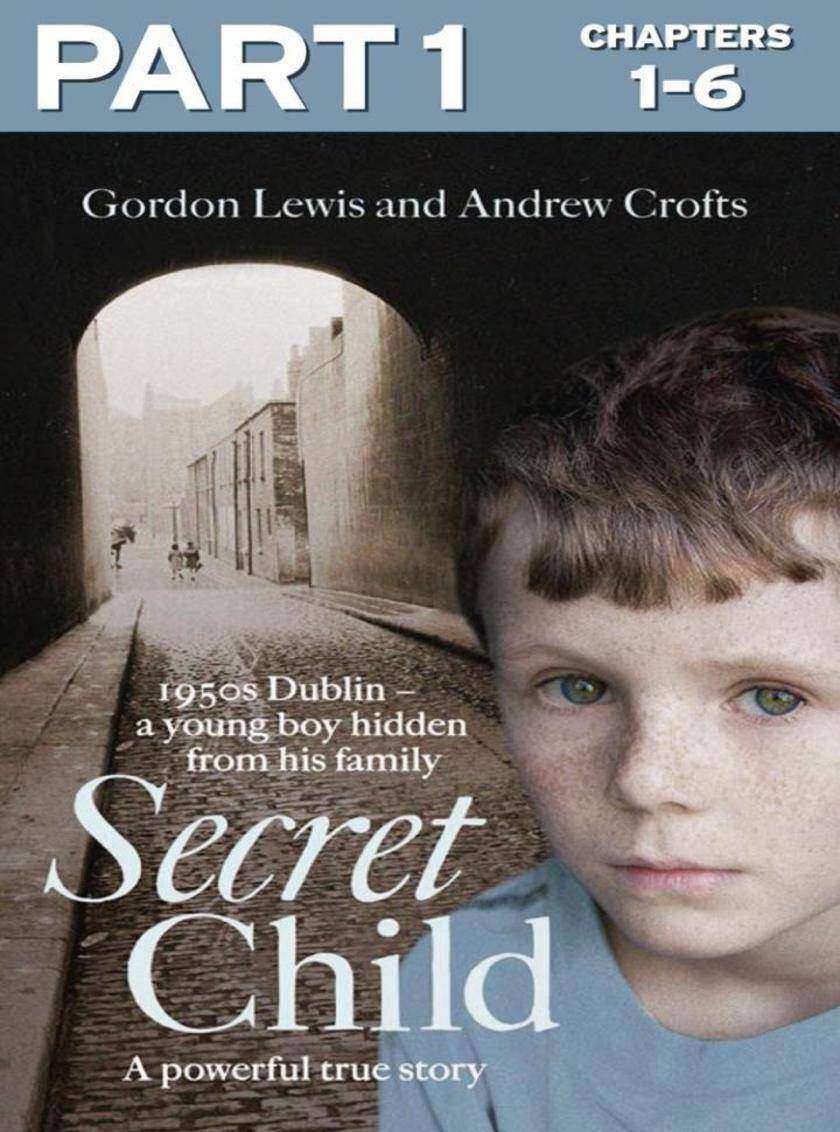
Secret Child Part 1 of 3
免费
The flight was delayed but none of the passengers milling around the lounge seemed to mind too much. There was something of a party atmosphere at that end of the terminal at JFK that day, which added to my own sense of excitement at my impending adventure.
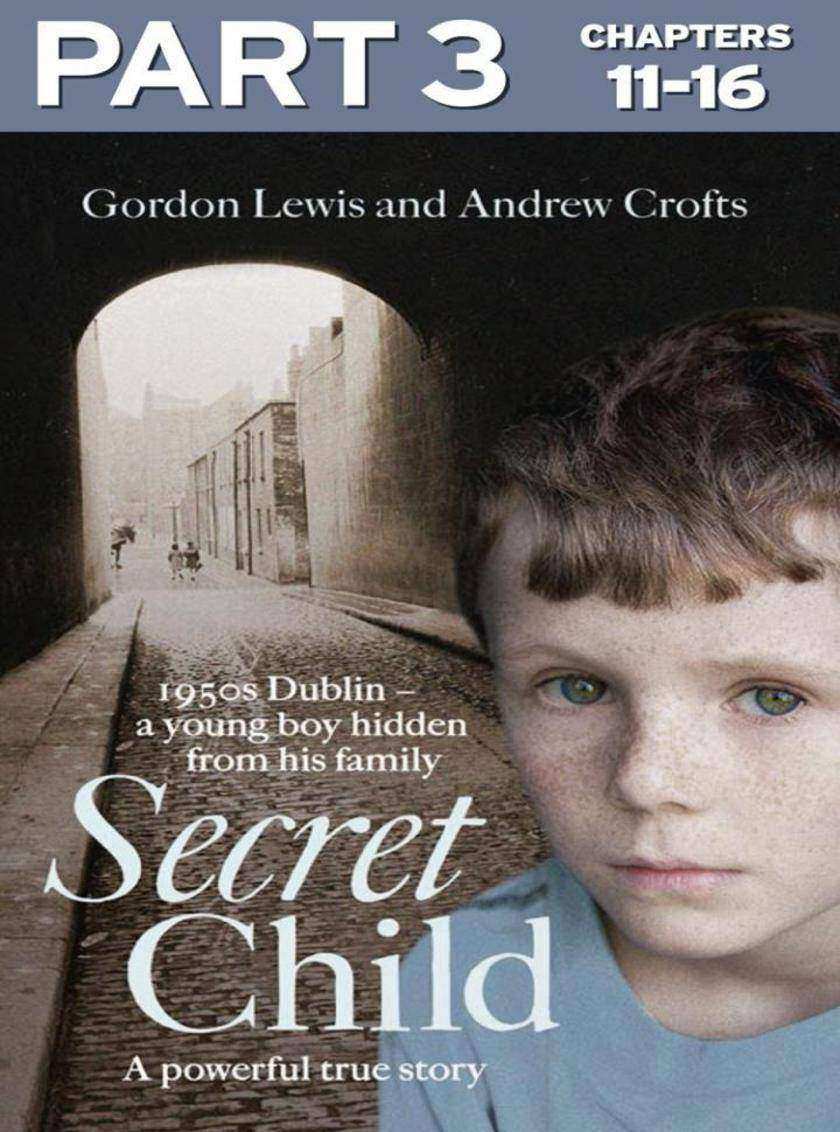
Secret Child Part 3 of 3
¥56.90
The flight was delayed but none of the passengers milling around the lounge seemed to mind too much. There was something of a party atmosphere at that end of the terminal at JFK that day, which added to my own sense of excitement at my impending adventure.
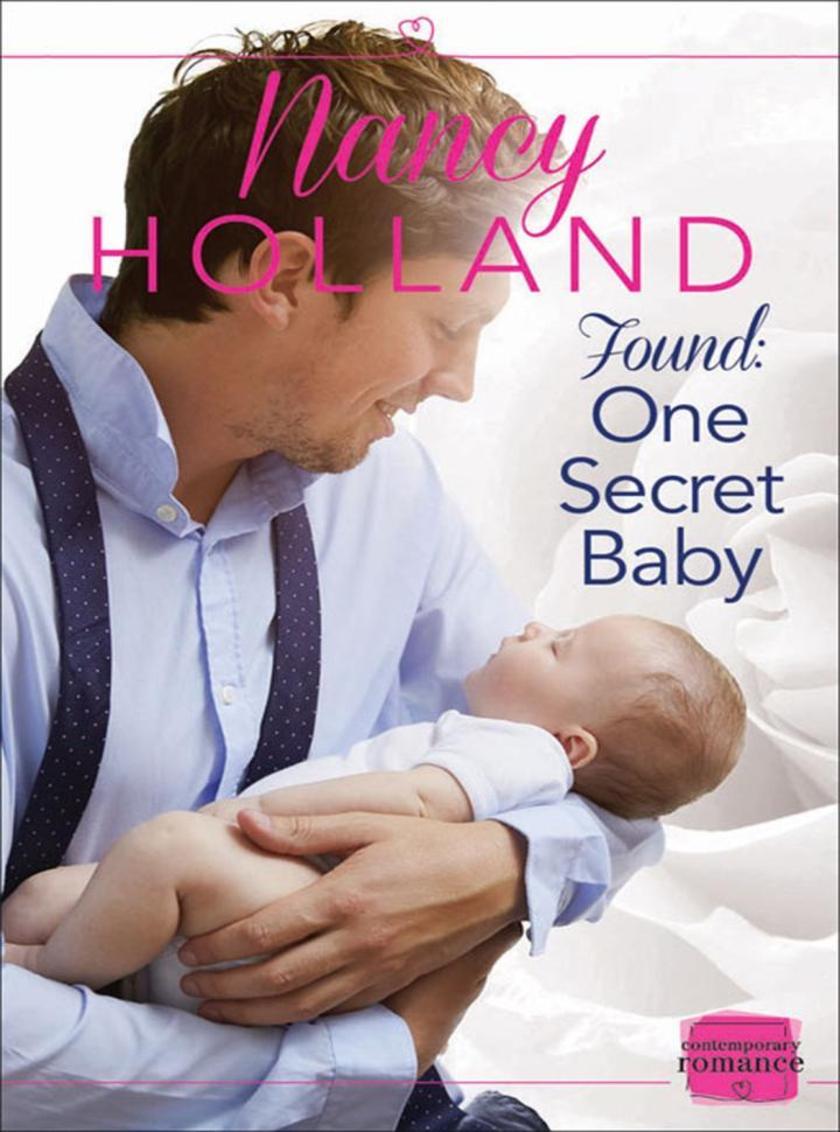
Found One Secret Baby
¥30.51
The usual flicker of nerves made Rosalie Walker stand up straighter as the receptionist opened the door to show her visitor in. The appointment had been made this morning and she’d been too busy to Google this new client. Would Morgan Danby be a man or a woman?
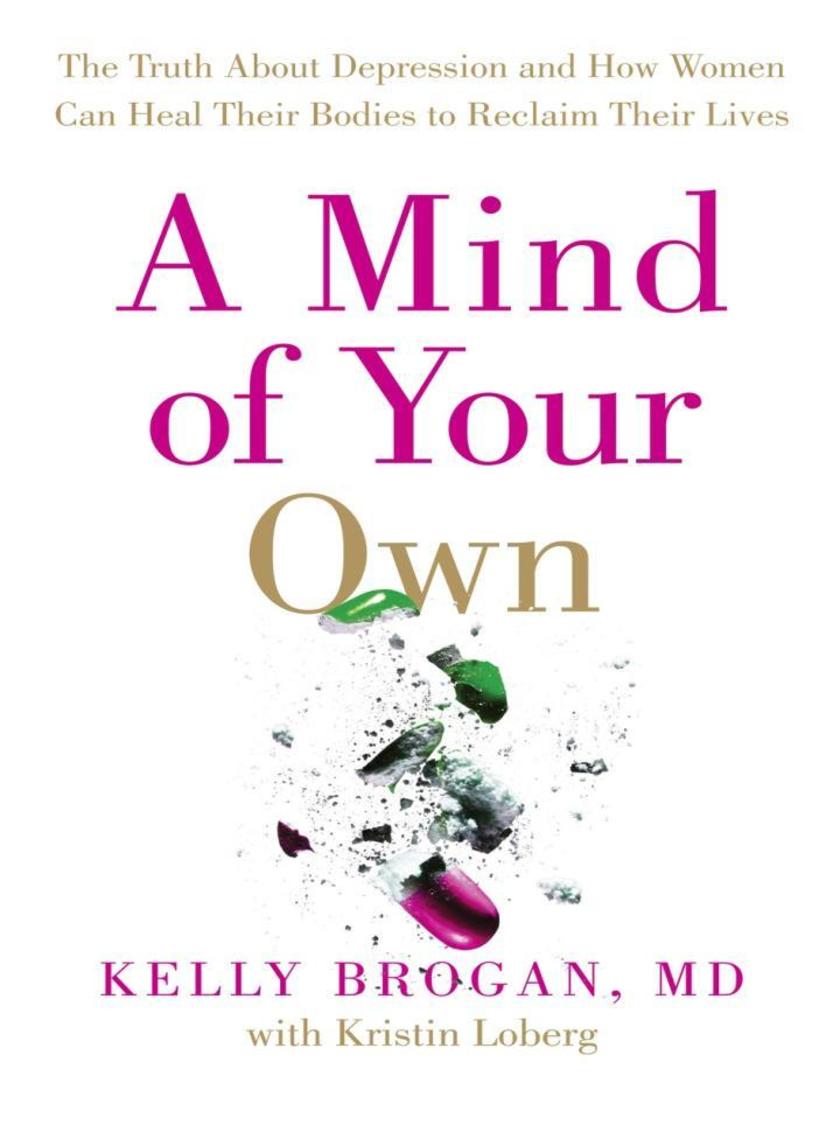
A Mind of Your Own
¥95.75
All along the history of medicine, the really great physicians were peculiarly free from the bondage of drugs.

Skinnytaste Cookbook
¥137.63
Be honest with yourself: aren’t you over all the excuses? What have they done for you, besides keep you from achieving your goals and creating a better life for yourself? By picking up this book, you’ve already taken the first step to end the excuses. Congratulations! You are now officially on the path towards your goals and a healthier life.
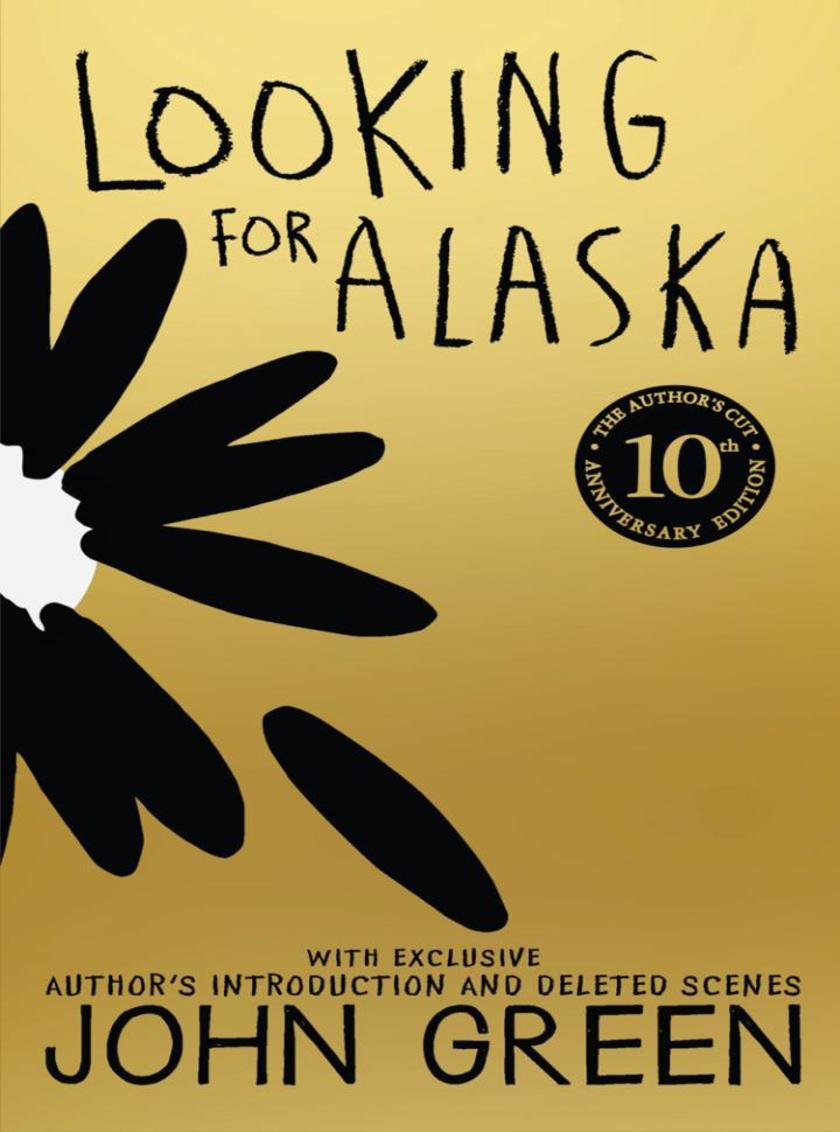
Looking For Alaska
¥58.86
The award-winning, genre-defining debut from #1 bestselling author of The Fault in Our Stars Winner of the Michael L. Printz Award "Los Angeles Times "Book Prize Finalist "New York Times "bestseller Before. Miles "Pudge" Halter is done with his safe life at home. His whole life has been one big non-event, and his obsession with famous last words has only made him crave "the Great Perhaps" even more (Francois Rabelais, poet). He heads off to the sometimes crazy and anything-but-boring world of Culver Creek Boarding School, and his life becomes the opposite of safe. Because down the hall is Alaska Young. The gorgeous, clever, funny, sexy, self-destructive, screwed up, and utterly fascinating Alaska Young. She is an event unto herself. She pulls Pudge into her world, launches him into the Great Perhaps, and steals his heart. Then. . . . After. Nothing is ever the same.
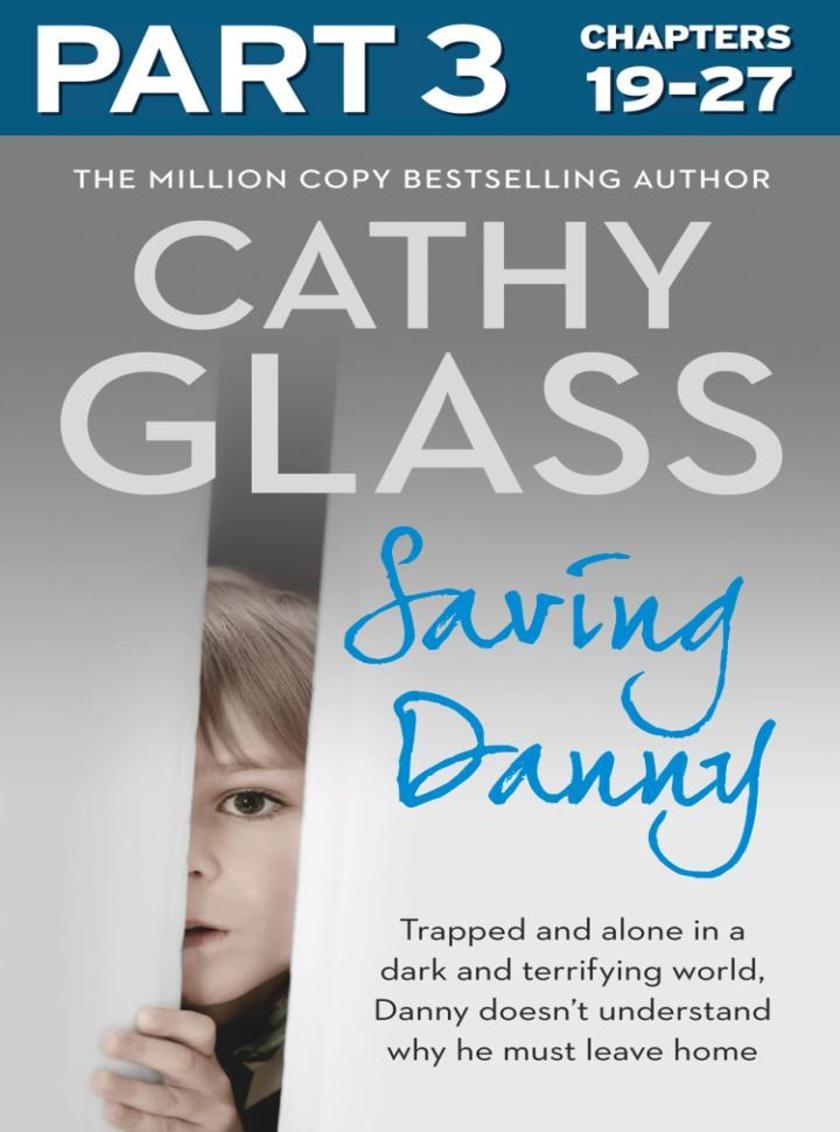
Saving Danny Part 3 of 3
¥33.65
The fifteenth fostering memoir by Cathy Glass. Danny was petrified and clung to me in desperation as I carried him to my car. Trapped in his own dark world, he couldn't understand why his parents no longer loved or wanted him, and were sending him away. While Danny’s parents have everything they could wish for in material terms, they are unable to care for their only child. This is where Cathy comes in. On a cold dark evening Danny finds a place in her home where he can be himself; away from his parents’ impatience and frustration. Often in his own little world, six-year-old Danny finds it difficult to communicate, finding solace in his best friend and confidant George – his rabbit. Cathy quickly becomes aware of his obsessively meticulous behaviour in addition to his love of patterns, he sees them everywhere and creates them at any opportunity – in his play and also with his food. She realises that patience is the key to looking after Danny as well as her well-tried strategies for managing children’s behaviour. With his father refusing to cooperate, it becomes increasingly likely that Danny will be living with Cathy permanently until she gets an opportunity to speak her piece.

A Safe Place for Joey Part 2 of 3
¥47.48
From bestselling author and teacher Mary Maccracken comes the engaging and inspiring story of five troubled children who she fought to bring back from the brink Joey is the class clown, but alone proves to be an intensely dark seven-year old who still can’t read. Eric is a kindergartener, left withdrawn and speechless by the horrors he’s witnessed at home. Alice appears the model fifth year child, but secretly scores zero on every maths test. Charlie, an eight-year old, struggles to understand his place in the world, leaving him confused and alone.

Fire Damage (A Jessie Flynn Investigation, Book 1)
¥58.86
To find a killer, she must unlock a child’s terror… The first in an exciting new crime series featuring psychologist Dr Jessie Flynn – a brilliantly complex character who struggles with a dark past of her own. Perfect for fans of Nicci French and Val McDermid. A traumatized little boy
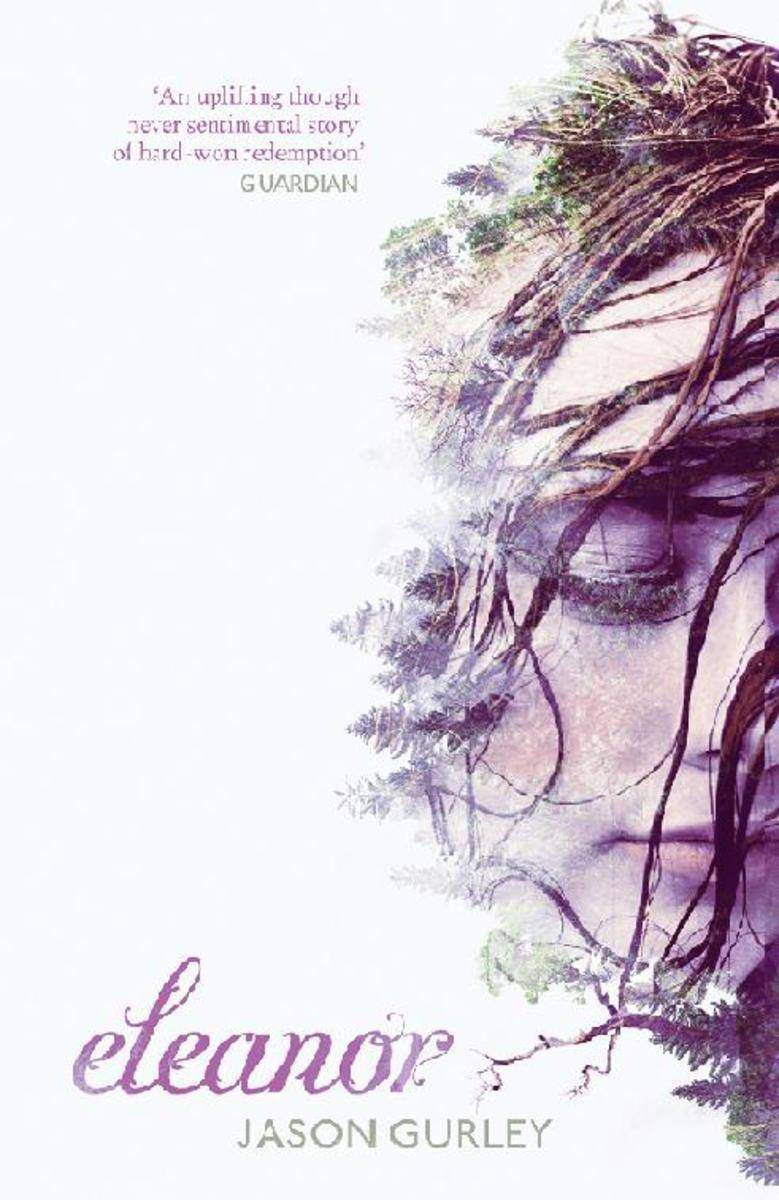
Eleanor
¥66.22
The Sunday Times bestseller ‘Funny, touching and unpredictable’ Jojo Moyes Eleanor Oliphant has learned how to survive – but not how to live Eleanor Oliphant leads a simple life. She wears the same clothes to work every day, eats the same meal deal for lunch every day and buys the same two bottles of vodka to drink every weekend. Eleanor Oliphant is happy. Nothing is missing from her carefully timetabled life. Except, sometimes, everything. One simple act of kindness is about to shatter the walls Eleanor has built around herself. Now she must learn how to navigate the world that everyone else seems to take for granted – while searching for the courage to face the dark corners she’s avoided all her life. Change can be good. Change can be bad. But surely any change is better than… fine? ‘Heartwrenching and wonderful’ Nina Stibbe ‘Deft, compassionate and moving’ Paula McLain ‘I adored it. Skilled, perceptive, Eleanor's world will feel familiar to you from the very first page. An outstanding debut!’ Joanna Cannon


