


 购物车
购物车 个人中心
个人中心
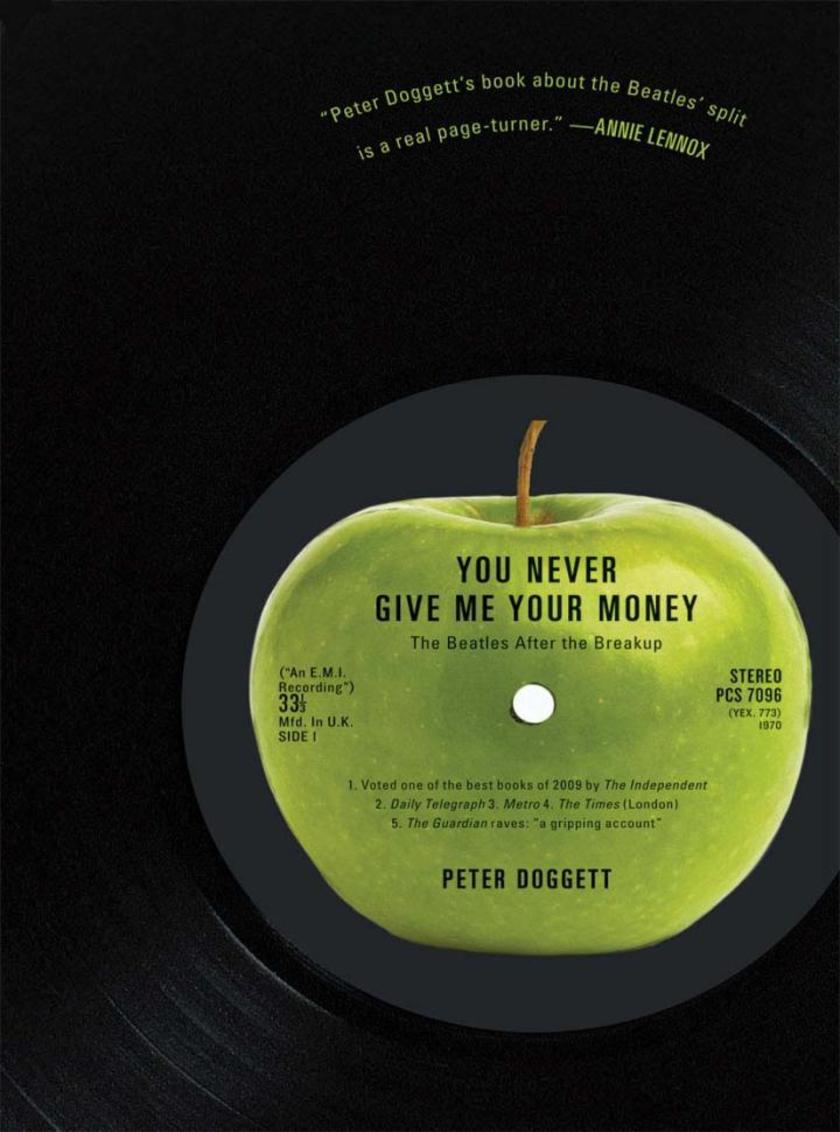
You Never Give Me Your Money
¥88.56
The world stopped in 1970 when Paul McCartney announced that he was through with the Beatles. His statement not only marked the end of the band's remarkable career, but also seemed to signal the demise of an era of unprecedented optimism in social history. Though the Beatles' breakup was widely viewed as a cultural tragedy, one of the most fascinating phases of their story was just about to begin.Now, for the first time, You Never Give Me Your Money tells the behind-the-scenes story of the personal rivalries and legal feuds that have dominated the Beatles' lives since 1969. Journalist Peter Doggett charts the Shakespearean battles between Lennon and McCartney, the conflict in George Harrison's life between spirituality and fame, and the struggle with alcoholism that threatened to take Richard Starkey's life. In vivid detail, Doggett also describes the wild mismanagement of the Beatles' fortune staked largely in Apple Corps. You Never Give Me Your Money is a compelling human drama and an equally rich and absorbing story of the Beatles' creative and financial empire, set up to safeguard their interests but destined to control their lives. From tragedy to triumphant reunion, and chart success to courtroom battles, this meticulously researched work tells the previously untold story of a group and a legacy that will never be forgotten.

Harper
¥166.09
A sweeping historical epic and a radical new interpretation of Vasco da Gama’s groundbreaking voyages, seen as a turning point in the struggle between Christianity and Islam In 1498 a young captain sailed from Portugal, circumnavigated Africa, crossed the Indian Ocean, and discovered the sea route to the Indies and, with it, access to the fabled wealth of the East. It was the longest voyage known to history. The little ships were pushed beyond their limits, and their crews were racked by storms and devastated by disease. However, their greatest enemy was neither nature nor even the sheer dread of venturing into unknown worlds that existed on maps populated by coiled, toothy sea monsters. With bloodred Crusader crosses emblazoned on their sails, the explorers arrived in the heart of the Muslim East at a time when the old hostilities between Christianity and Islam had risen to a new level of intensity. In two voyages that spanned six years, Vasco da Gama would fight a running sea battle that would ultimately change the fate of three continents. An epic tale of spies, intrigue, and treachery; of bravado, brinkmanship, and confused and often comical collisions between cultures encountering one another for the first time; Holy War also offers a surprising new interpretation of the broad sweep of history. Identifying Vasco da Gama’s arrival in the East as a turning point in the centuries-old struggle between Islam and Christianity—one that continues to shape our world—Holy War reveals the unexpected truth that both Vasco da Gama and his archrival, Christopher Columbus, set sail with the clear purpose of launching a Crusade whose objective was to reach the Indies; seize control of its markets in spices, silks, and precious gems from Muslim traders; and claim for Portugal or Spain, respectively, all the territories they discovered. Vasco da Gama triumphed in his mission and drew a dividing line between the Muslim and Christian eras of history—what we in the West call the medieval and the modern ages. Now that the world is once again tipping back East, Holy War offers a key to understanding age-old religious and cultural rivalries resurgent today.
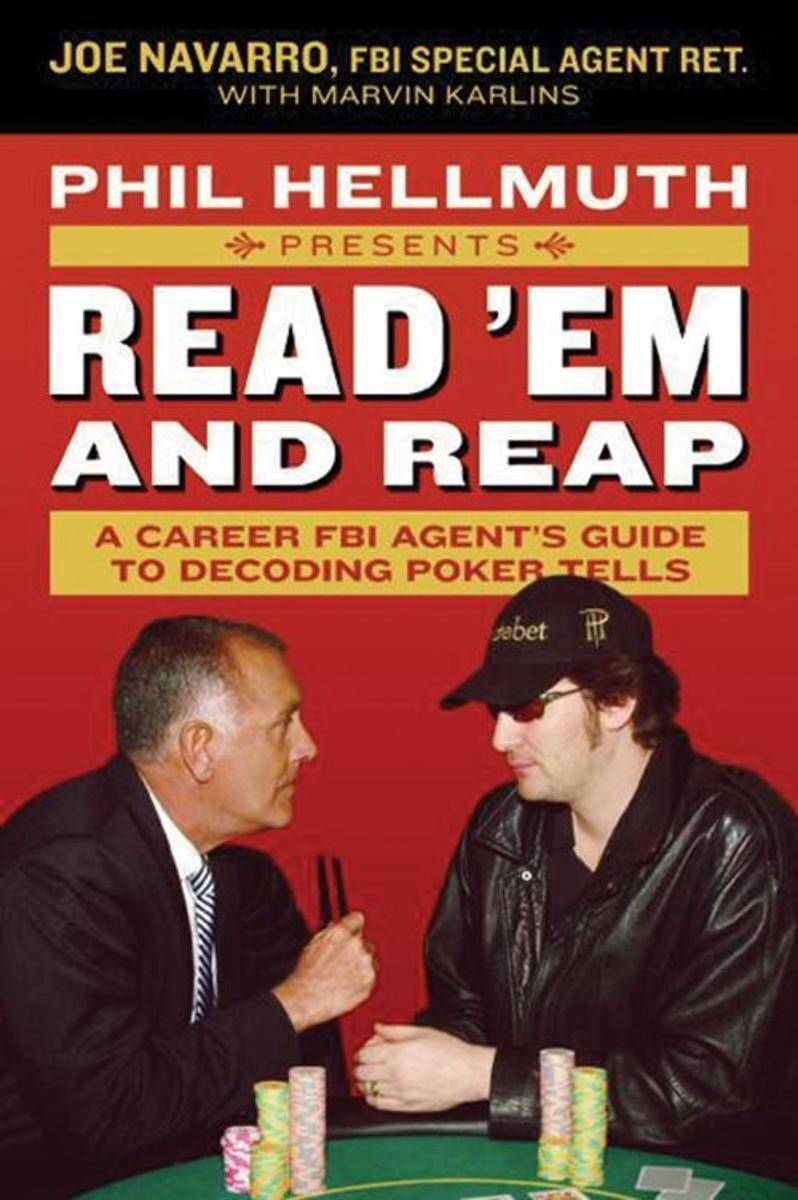
Phil Hellmuth Presents Read 'Em and Reap
¥106.31
very great player knows that success in poker is part luck, part math, and part subterfuge. While the math of poker has been refined over the past 20 years, the ability to read other players and keep your own "tells" in check has mostly been learned by trial and error.But now, Joe Navarro, a former FBI counterintelligence officer specializing in nonverbal communication and behavior analysis or, to put it simply, a man who can tell when someone's lying offers foolproof techniques, illustrated with amazing examples from poker pro Phil Hellmuth, that will help you decode and interpret your opponents' body language and other silent tip-offs while concealing your own. You'll become a human lie detector, ready to call every bluff and the most feared player in the room.

Mysteries of the Dark Moon
¥106.61
Exploring the mystery, wisdom, and power of the dark phase of the moon's cycle--a lunar-based model for moving through the dark times in our lives with understanding, consciousness, and faith in renewal.The moon's dark phase has traditionally been a time of fear and superstition, a time associated with death and isolation. The mythical embodiment of these fears is the Dark Goddess. Known around the world by many names--Lilith, Kali, Hecate, and Morgana--the archetypal Dark Goddess represents death, sexuality, and the unconscious--the little understood, often feared aspects of life.Demetra George combines psychological, mythical, and spiritual perspective on the shadowy, feminine symbolism of the dark moon to reclaim the darkness from oppressive, fear-based images. George offers rites for rebirth and transformation that teach us to tap into the power of our dark times, maximizing the potential for renewal inherent in our inevitable periods of loss, depression, and anger.

Emily Post's Wedding Planner for Moms
¥132.87
Countless mothers of brides and grooms have asked Peggy Post for a wedding planner just for them. Here it is! Whether you're helping a little or a lot, or like most moms are serving as combination coach, diplomat, and troubleshooter, this planner is packed with useful ideas, including: Planning lists especially for moms Questions to ask before hiring wedding professionals Times when a mother's tactful advice is most helpful A Resources section with worksheets for keeping track of guests, gifts, budget, and more An Address Book you'll refer to again and again Peggy Post will help you navigate finances, guest list, ceremony, and reception details; interact with your daughter's or son's future in-laws; and plan your role (including your outfit!) while making memories to last a lifetime.
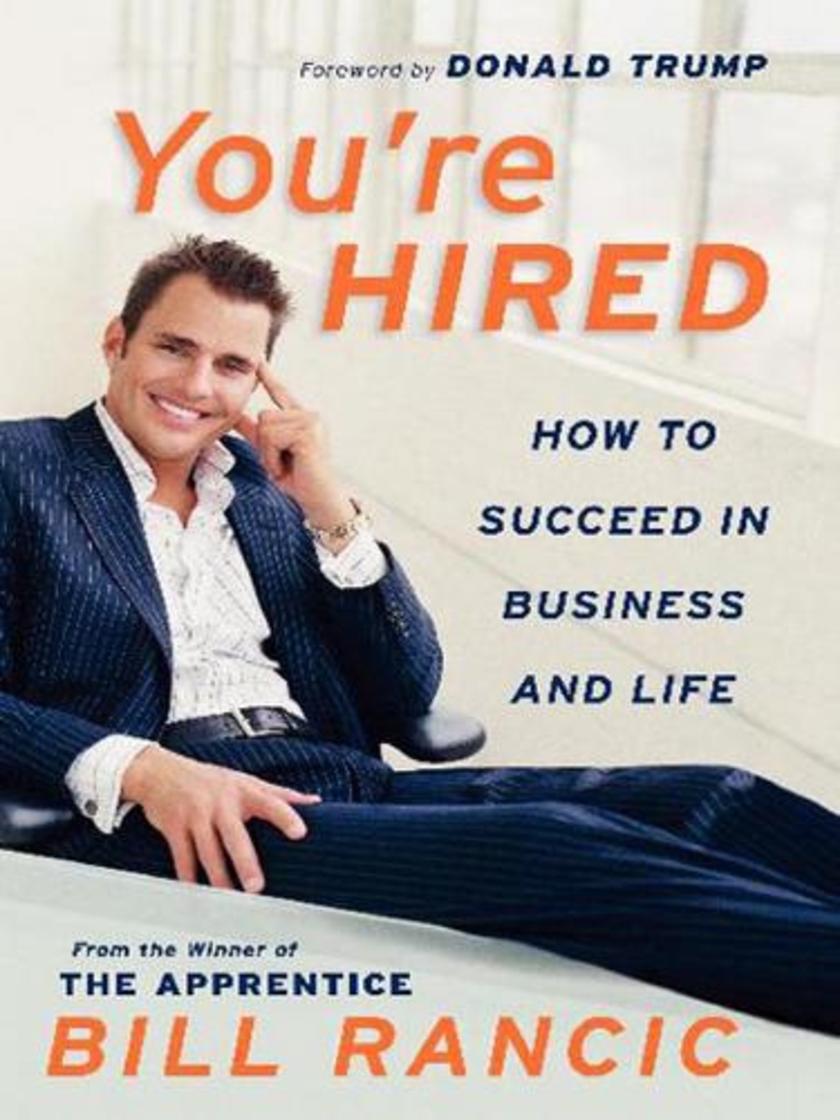
You're Hired
¥129.07
*Author will be named after the final show is aired in Australia*The winner of the hit TV show, The Apprentice, shows how anyone can become their own personal success in both business and life, using his or her own experiences as a self-made entrepreneur,his or her work ethic, top business strategies, and lessons learned competing on the show, working for Donald Trump and winning the most talked about reality shows in years.Foreword by Donald Trump.
A Year with Aslan
¥151.10
For more than fifty years, the world C. S. Lewis created in Narnia has captured our hearts and imaginations. Both children and adults have discovered that rereading the books leads to entirely new experiences and insights. In the midst of these breathtaking stories of adventure, betrayal, and discovery in a magical land are profound messages about the true meaning of life. Whether it is Eustace struggling with his dragon skin, Digory debating obedience to Aslan versus saving his mother, or Edmund facing his shame after his rescue from the White Witch, the questions and dilemmas facing the characters are surprisingly relevant to us today. By pondering the world of Narnia, we better understand our own.In the first book of its kind, A Year with Aslan offers 365 of the most thought-provoking passages from all seven books, paired with reflective questions that get at the heart of what matters most. An unprecedented way to experience the magic of Narnia every day of the year, A Year with Aslan allows us all to go "Further up and further in!"

Breaking Up with God
¥129.07
I broke up with God. The breakup was devastating. It was like a divorce when all the friends you had as a couple are forced to choose sides and end up not choosing yours. Sarah Sentilles's relationship with God was not casual. When it began to unravel she was in the ordination process to become an Episcopal priest, a youth minister at a church, and a doctoral student in theology at Harvard. You might say they were engaged and that the wedding was all planned. Calling it off would be more than a little awkward. But in the studying of the religion she'd been raised on and believed wholeheartedly, one day she woke up and realized . . . it was over. In this powerful memoir of faith, Sentilles reveals how deep our ties to God can be, and how devastating they can be to break. Without God to mold herself to and without religion as her *, who was she and what was her purposeHer relationship with God had been connected to everything her family, her friends, her vocation, the places she frequented, the language she used, and her way of being in the world.Not unlike after a divorce, she had to reorient her life and face a future that felt darkly unfamiliar. But this beautiful, brave book is surprisingly filled with hope, a coming-out story that lets others know it's safe to come out too, and that there's light on the other side.
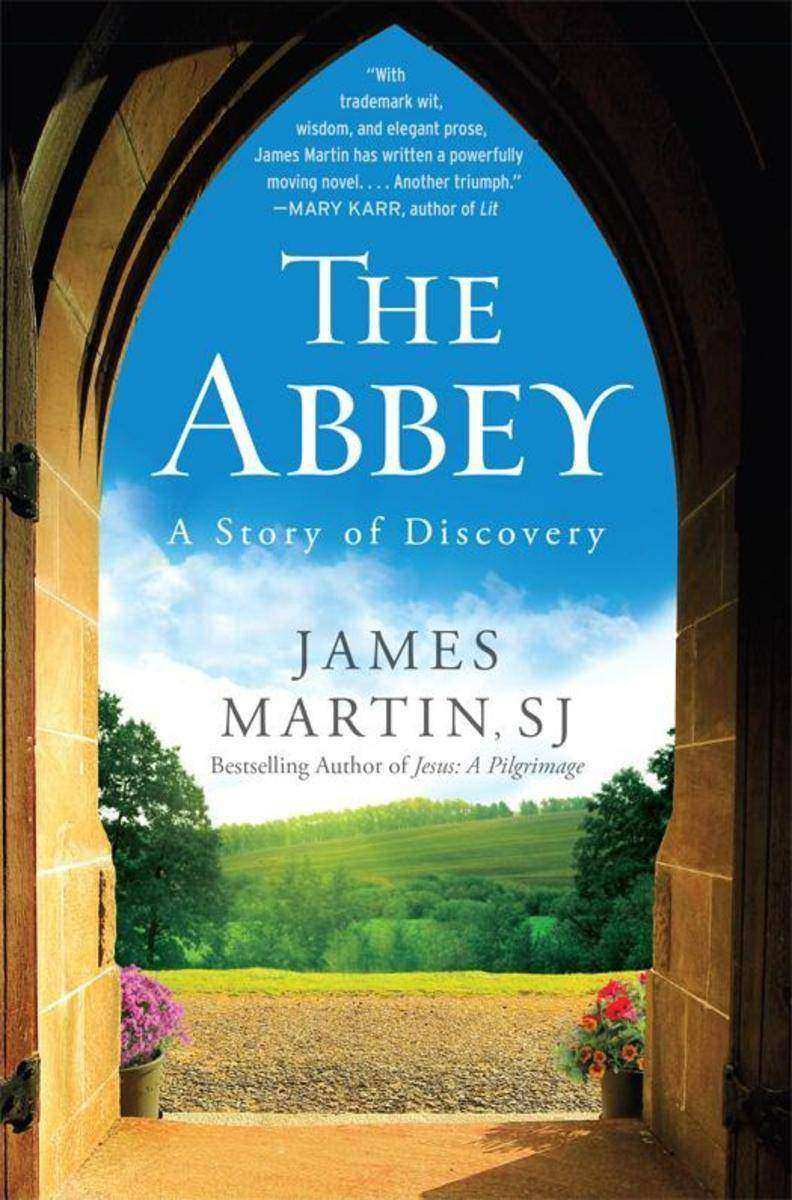
The Abbey
¥83.92
A divorced single mom, Anne can sometimes barely cope with life and struggles to make sense of the death of her young son.A former architect who had a promising career, Mark works as a handyman and wonders how his life got off track.The abbot of the Abbey of Saints Philip and James, Father Paul sometimes questions how to best live a life that secludes him so thoroughly from the world.At a Pennsylvania abbey, this unlikely trio will discover the answers they seek a miracle of hope and understanding that bears witness to the surprising power of God to bring healing and wholeness to our lives.In his debut novel, James Martin, SJ, provides a window into the spiritual journeys of three people seeking direction. As he did in his previous bestsellers Jesus: A Pilgrimage, Between Heaven and Mirth, and The Jesuit Guide to (Almost) Everything Martin once again crafts a book that incarnates deep spiritual wis-dom while being accessible and full of humor and grace. Through the characters' struggles, we see firsthand how God uses our worries, questions, and even anger to help us become whole.
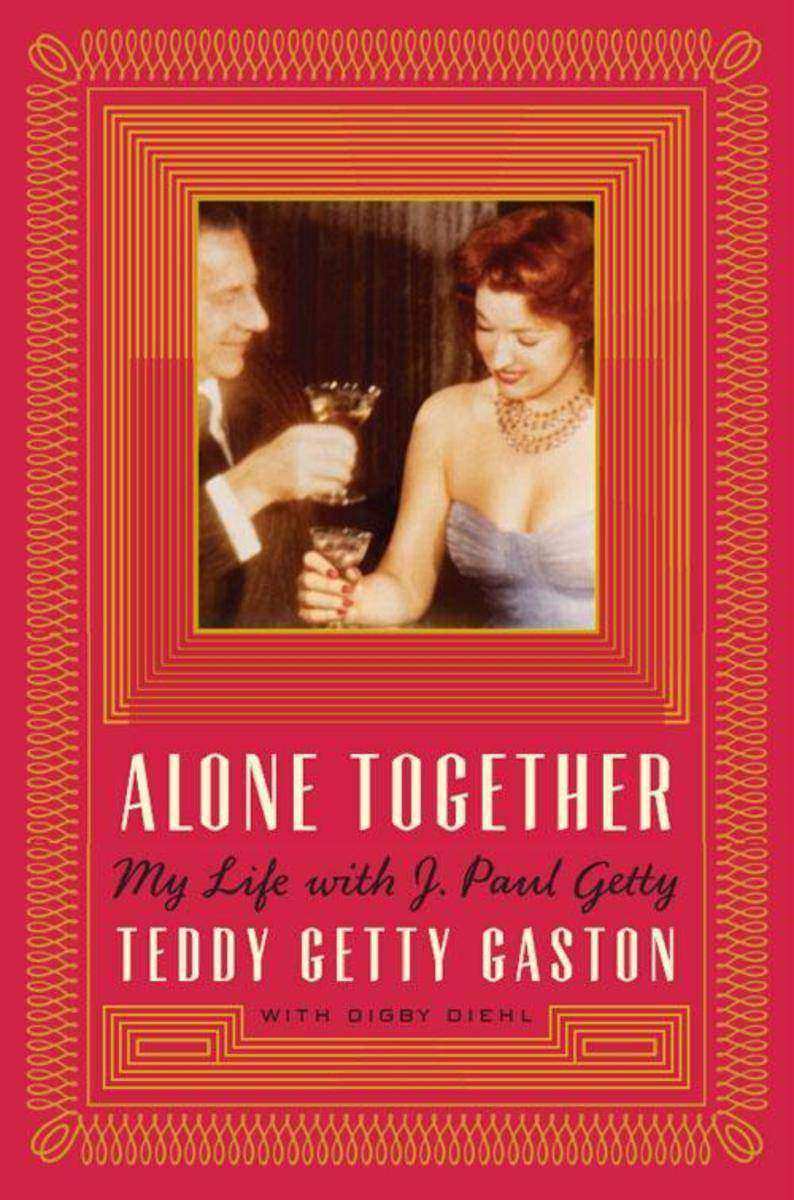
Alone Together
¥149.48
It was 1935. Flame-haired Teddy Lynch finished singing "Alone Together" at the swanky nightclub the New Yorker and left the stage to find a charming stranger at her friends' table. It was Jean Paul Getty, enigmatic oil tycoon and America's first billionaire. In her passionate, unflinchingly honest memoir of two outsize lives entwined, Theodora "Teddy" Getty Gaston—now one hundred years old—reveals the glamorous yet painful story of her marriage to Getty. As formidable as he was, Teddy was equally strong-minded and flamboyant, and their clutches and clashes threw off sparks. She knew the vulnerable side of Getty—he underwent painful plastic surgery and suffered terrible phobias—that few, if any, saw. A vivid love story, Alone Together is also a fascinating glimpse into the twentieth century from the vantage point of one of its most remarkable couples. This is how the other half lived—dinner dances, satin gowns, beach houses, hotel suites, first-class cabins on the Queen Mary. Teddy's extra-ordinary life story moves from the glittering nightclubs of 1930s New York City to Mussolini's Italy, where she was imprisoned by the fascist regime, to California in the golden postwar years, where Paul and Teddy socialized with movie stars and the elite. But life with one of the world's richest men wasn't all glitz and glamour. Though terrifically charismatic in person, Getty grew more miserly as his wealth increased. Worse, he often left Teddy and their son, Timothy, behind for years at a time while he built planes for the war effort in the 1940s or brokered oil deals—he was the first American to lease mineral rights in Saudi Arabia, which made him, at his death, the richest man in the world. Even when Timothy was diagnosed with a brain tumor, Getty complained about medical bills and failed to return to the United States to support his wife and son. When Timothy died at age twelve, the marriage was already falling apart. Teddy's unrelenting spirit, her valiant friendship, and her winning lack of vanity transform what could have been a sob story into a nuanced portrait of a brilliant but stubbornly difficult man and the family he loved but left behind, as well as an enchanting view into a bygone era. This was a life lived from the heart.
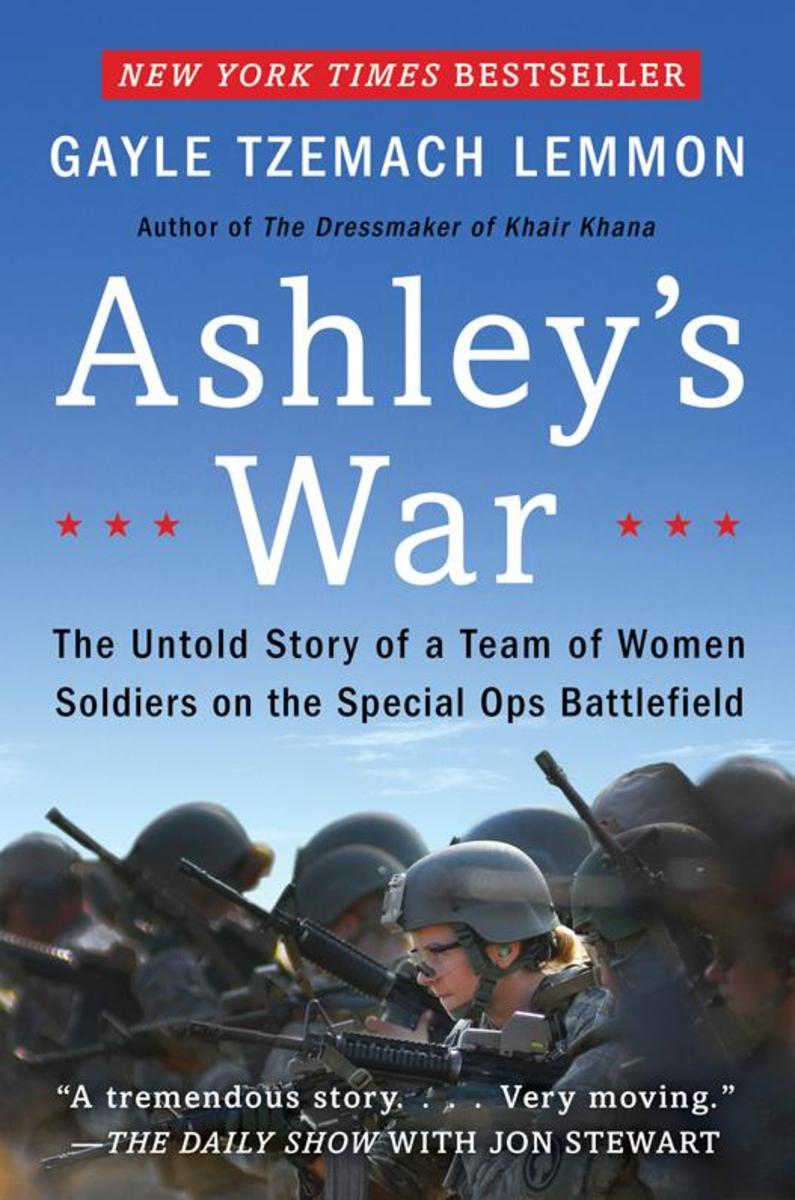
Ashley's War
¥88.56
In 2010 the U.S. Army Special Operations Command created Cultural Support Teams, a pilot program to put women on the battle field alongside Army Rangers, Green Berets, Navy SEALs, and other special operations teams on sensitive missions in Afghanistan. The idea was that women could access places and people that had remained out of reach and could build relationships woman to woman in ways that male soldiers in a conservative, traditional country could not. Though officially banned from combat, female soldiers could be "attached" to different teams, and for the first time women throughout the Army, the National Guard, and the Reserves heard the call to join male soldiers on special ops missions. Each had her own reason for wanting to serve alongside America's finest fighters for wanting, as the recruiting poster advertised, "to be part of history."In Ashley's War, Gayle Tzemach Lemmon uses exhaustive firsthand reporting and a finely tuned understanding of the complexities of war to tell the story of CST-2, a unit of women handpicked from across the Army, and of the remarkable hero at its heart: First Lieutenant Ashley White. Lemmon reveals how First Lieutenant White and the pioneers of CST-2 worked to earn the respect of combat-tested special operations warriors and illuminates the very human stakes of their battlefield successes. Transporting readers into the little-known world of the CSTs, a community of fierce women bound together by valor, danger, and the desire to serve, Ashley's War is a gripping combat narrative and a testament to the unbreakable bond of friendship born of war.
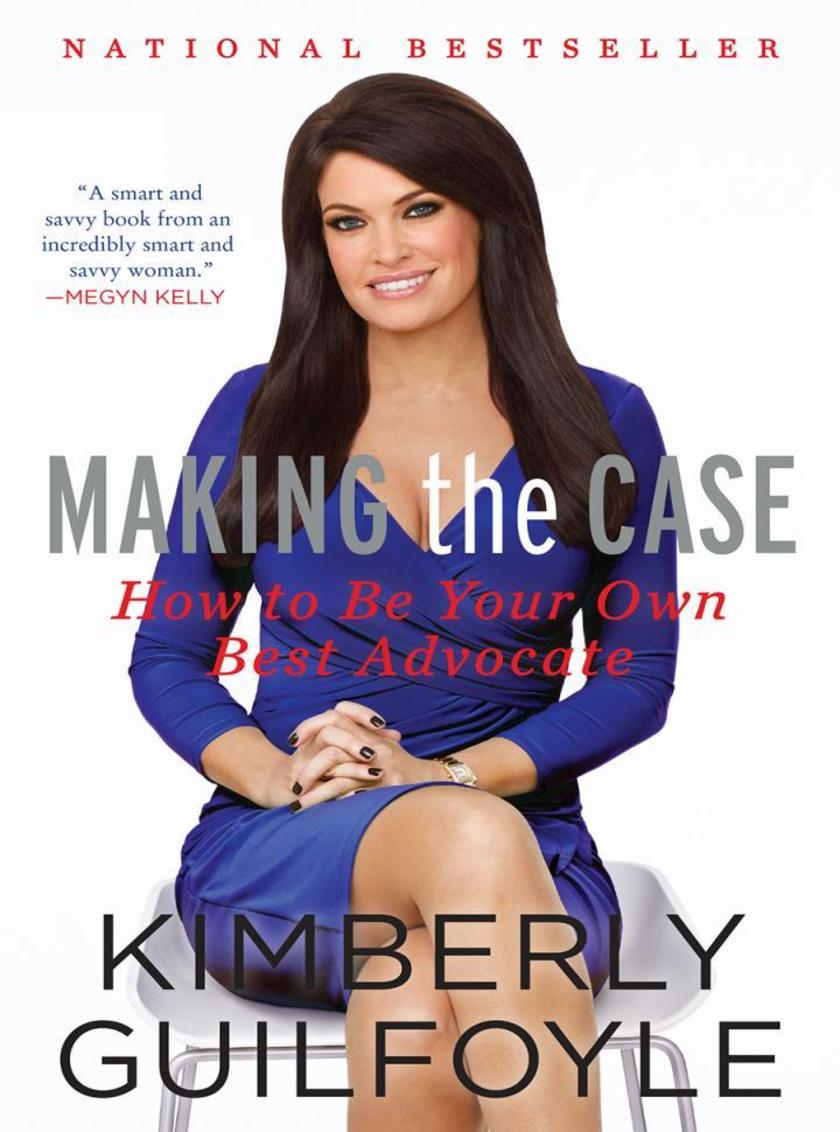
Making the Case
¥88.56
After an eleven-year-old Kimberly Guilfoyle lost her mother to leukemia, her dad wanted her to become as resilient and self-empowered as she could be. He wisely taught her to build a solid case for the things she wanted. Creating a strong logical argument was the best way to ensure she could always meet her needs. That childhood lesson led her to become the fearless advocate and quick-thinking spitfire she is today. In Making the Case, Guilfoyle interweaves stories and anecdotes from her life and career with practical advice that can help you win arguments, get what you want, help others along the way, and come out ahead in any situation.Learning how to state your case effectively is not just important for lawyers it's something every person should know how to do, no matter what stage of life they are in. From landing her dream job right out of school, switching careers seamlessly midstream, and managing personal finances for greater growth and stability to divorcing amicably and teaching her young child to advocate for himself, Guilfoyle has been there and done it. Now she shares those stories, showing you how to organize your thoughts and plans, have meaningful discussions with the people around you, and achieve your goals in all aspects of your life. You'll also learn the tips and strategies that make the best advocates so successful, some of which come directly from courtroom scenarios where the stakes are highest.Told in her winning and humorous voice, Guilfoyle's experiences and the wisdom drawn from them are a ready guide to help you reach your potential and live a fulfilling and happy life at work and at home.

Daddy, Stop Talking!
¥94.10
Last Will & Testament of Adam CarollaI, Adam Carolla, being of beaten-down mind, declare this to be my Last Will and Testament. I revoke all wills and addendums previously made by me. (You guys never did listen, anyway.) Article II appoint the rest of the world's unappreciated dads as Personal Representatives to administer this Will. I bequeath to them the right to crack a couple cold ones in the garage after working their asses off all week and ask that they be permitted to watch all the porn they like and not have to change diapers and get dragged to every preschool "graduation" and PTA meeting. Article IITo my wife, I leave a safe-deposit box, the sole content of which is a note reading "Get a job. I'm dead," and my best wishes on trying to keep up with the unending demands of our houses, cars, dog, and kids.Article IIII devise, bequeath, and give my kids this book, Daddy, Stop Talking. Since you guys were the death of me, I leave you these pages of wisdom. But no cash, cars, or property. You've got to earn those. On that note, I further demand that the following message be placed on the marker of my grave: "You're All on Your Own Now. Enjoy."
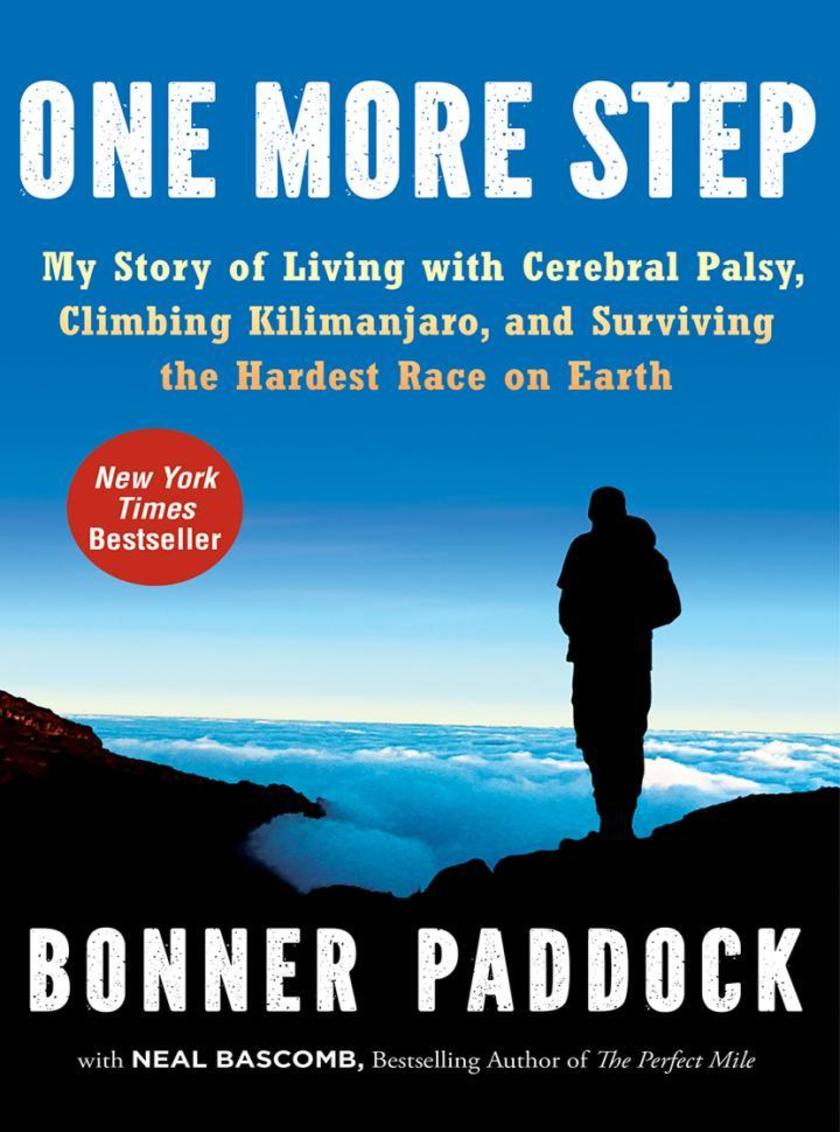
One More Step
¥95.39
In 2008, Bonner Paddock summited 19,341-foot-high mount kilimanjaro, the world's tallest freestanding mountain. Four years later, he earned the elite triathlete title kona Ironman. Thousands have done each individually. Bonner is the first person with cerebral palsy to do both.Bonner Paddock grew up just wanting to be ordinary. Despite his skinny legs and habit of tripping over nothing, he fought to keep up with his athletic older brothers, learned to battle riptides with his grandfather on close watch, and did everything he could to feel like a regular kid, even when it became clear he wasn't. After being diagnosed with cerebral palsy at age eleven, Bonner didn't let it limit him instead he simply ignored its existence. For the next eighteen years, he guarded the truth about his health, building a normal life and keeping his secret from everyone most of all himself.But the sudden death of a friend's young son named Jake, a boy who also suffered from cerebral palsy, forced Bonner to reevaluate who he was. No longer content striving for normal, he began to pursue one breathtaking experience after another in Jake's memory, never hiding from his physical limitations and, in the process, raising international awareness about cerebral palsy. T is appetite for challenges led him to the foothills of Mount Kilimanjaro where, pushing his fragile body to the brink and barely surviving, he braved one mountain only to discover that he still had farther to climb.Embracing his weaknesses to understand his strengths, he then pursued the ultimate adventure: testing his mind, body, and will at the Ironman in Kona, Hawaii, a race regarded by many as the hardest on earth. Along the way he forged a renewed bond with his family and launched a foundation to help disabled children in Africa and at home.In the end, his remarkable journey took him across the globe and introduced him to a compelling cast of characters from Tanzanian mountain guides to top-class surgeons, to disabled children, to champion athletes all of whom inspired his quest. Infused with his irresistible charisma, courage, and heart, and illustrated with sixteen pages of color photos, One More Step is a gripping story of human perseverance that demonstrates how our lives are not defined by limits, but by the moments and lessons that push us past them.
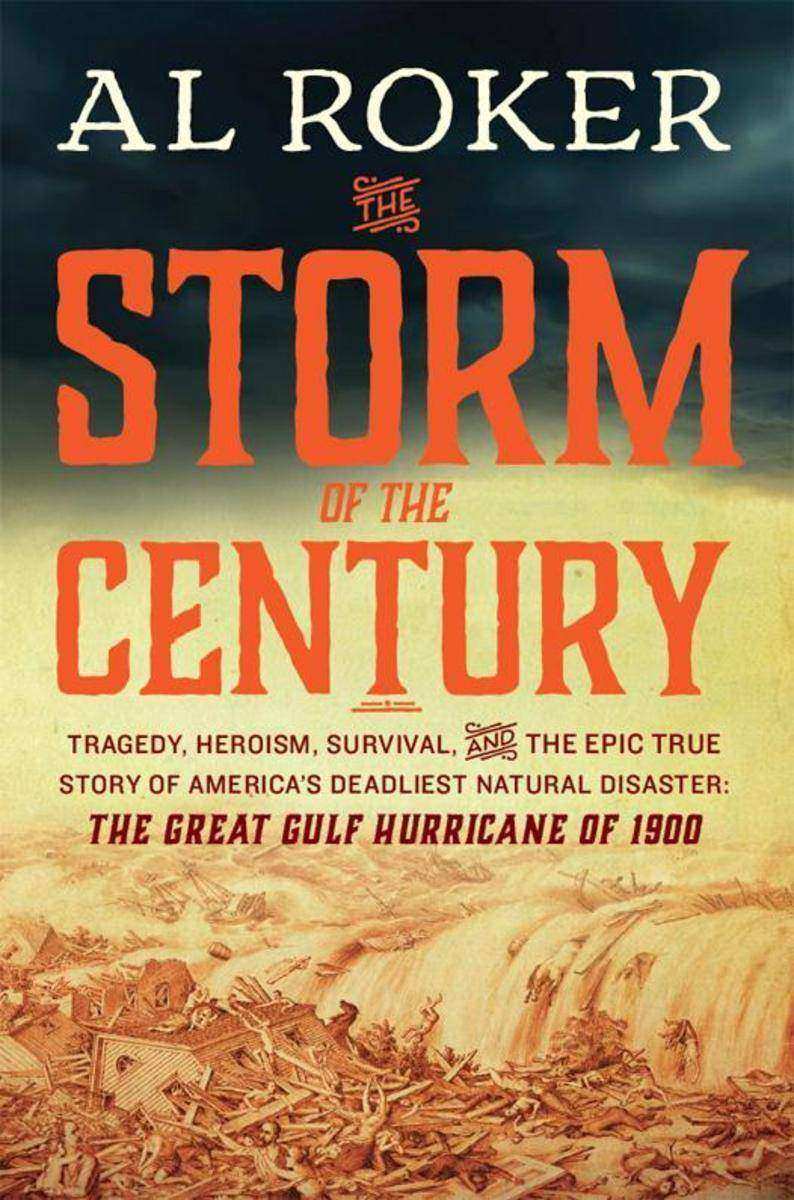
The Storm of the Century
¥100.71
In this gripping narrative history, Al Roker from NBC’s Today and the Weather Channel vividly examines the deadliest natural disaster in American history—a haunting and inspiring tale of tragedy, heroism, and resilience that is full of lessons for today’s new age of extreme weather. On the afternoon of September 8, 1900, two-hundred-mile-per-hour winds and fifteen-foot waves slammed into Galveston, the booming port city on Texas’s Gulf Coast. By dawn the next day, the city that hours earlier had stood as a symbol of America’s growth and expansion was now gone. Shattered, grief-stricken survivors emerged to witness a level of destruction never before seen: Eight thousand corpses littered the streets and were buried under the massive wreckage. Rushing water had lifted buildings from their foundations, smashing them into pieces, while wind gusts had upended steel girders and trestles, driving them through house walls and into sidewalks. No race or class was spared its wrath. In less than twenty-four hours, a single storm had destroyed a major American metropolis—and awakened a nation to the terrifying power of nature. Blending an unforgettable cast of characters, accessible weather science, and deep historical research into a sweeping and dramatic narrative, The Storm of the Century brings this legendary hurricane and its aftermath into fresh focus. No other natural disaster has ever matched the havoc caused by the awesome mix of winds, rain, and flooding that devastated Galveston and shocked a young, optimistic nation on the cusp of modernity. Exploring the impact of the tragedy on a rising country’s confidence—the trauma of the loss and the determination of the response—Al Roker illuminates the United States’s character at the dawn of the “American Century,” while also underlining the fact that no matter how mighty they may become, all nations must respect the ferocious potential of our natural environment.
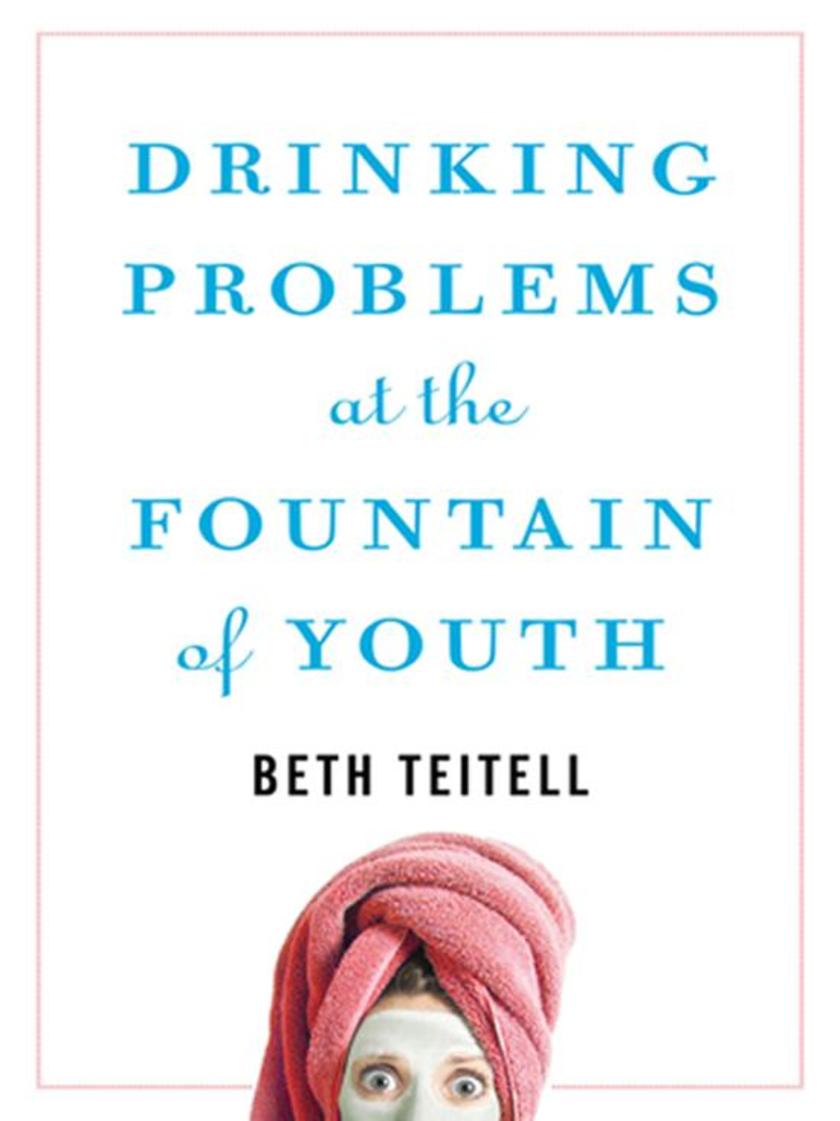
Drinking Problems at the Fountain of Youth
¥140.08
Short of spending every waking hour engaged in antiaging treatments, is there anything the average woman can do to shave even a few months from her appearanceDo any of the miracle creams, procedures, or magic potions actually make a person look more youthfulDoes a woman have to worry about her nasolabial folds if she doesn't even know where they're located on her bodyVeteran journalist Beth Teitell aims to find the answers to these questions and many more in her hilarious travels looking for the elusive elixir of youth. If you feel bad about your neck (or any other body part), if the idea of Botox-filled syringes fills you with horror, if you don't want to empty your wallet to pay for $475 serums that promise to cheer up aging skin or the hourly cost of a facial-fitness coach, or if you don't believe the claims of antiaging gummy bears or age-defying bottled water, then Drinking Problems at the Fountain of Youth is the book for you. There's not a woman in America who won't see herself in Teitell's struggles or come away feeling that the enormous amount of energy, time, and money we spend trying to restore our bodies to the way they were when we were twenty could be better spent elsewhere. With honesty, outrage, and wit, Teitell goes deep into the youth-at-any-cost culture and takes it apart from the inside out. And then she reassures us that there is hope there are things we can do to look and feel younger, and ways we can learn to stop worrying about looking older.Drinking Problems at the Fountain of Youth is for every woman who isn't as young as she used to be a book of wisdom and advice, and a laugh-out-loud look at our age-obsessed culture.
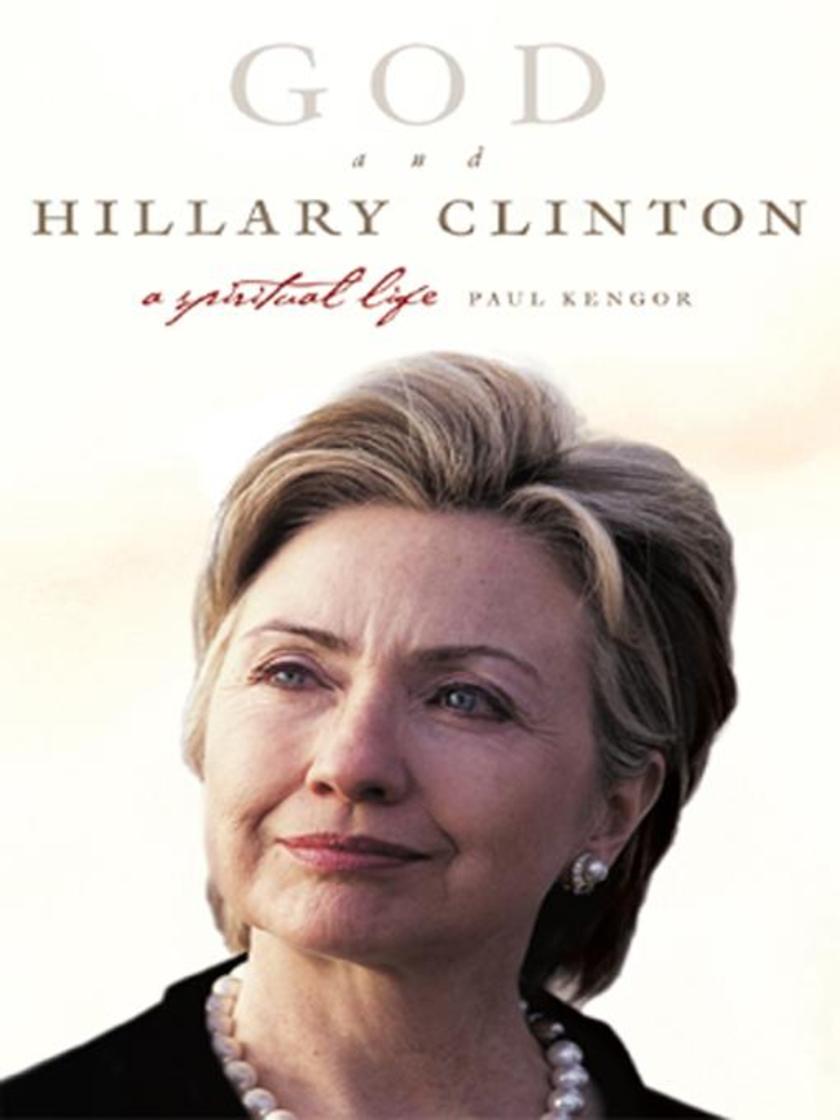
God and Hillary Clinton
¥90.54
For nearly three decades political observers have sought to understand the complex relationship between Hillary Clinton's faith and her politics. Now, in this first spiritual biography of the former first lady, acclaimed historian Paul Kengor sets out to answer the elusive question: What does Hillary Clinton believeBased on exhaustive research, God and Hillary Clinton tells the surprising story of Hillary's spiritual evolution, detailing the interaction between her lifelong religious beliefs and her personal history that has made her the politician she is today. Offering an in-depth spiritual chronology of Clinton's life, author Paul Kengor also analyzes the fraught relationship between her faith and her secular policies most notably how she reconciles her pro-choice stance on abortion with her Christian beliefs and scrutinizes how these policies have changed over the course of her political career. What emerges is an unexpected portrait of a political figure whose ideals have been shaped by both the power of her politics and the depth of her religious devotion.
101 Poems to Get You Through the Day (and Night)
¥90.54
This is an anthology designed to help you get through the stresses of modern life. For rapid and effective relief around the clock, 24-7, without side effects, try a poem -- whatever the time of the day (or night), you can be sure that some poet, past or present, has been there too.To help you find the right poem at the right time, the organization of the book is like that of a book of hours. Starting with Getting Up, it then moves on to those other morning traumas: Stepping on the Scale and Looking into the Mirror.As the day moves on there are sections to cover everything, from Office Politics to Off to School. And if by five p.m. your head is throbbing, dig into the poems in the Take 5 section and let the world recede. By the end of the day you may want to look for inspiration among the poems in Going Home, but if you are intent on veering from the straight and narrow, then turn to the Behaving Badly poems and you'll find you're in good company. Anyone who feels vaguely guilty about settling down in front of the TV instead of taking café society by storm should turn to the poems in the Not Tonight section.
Introduction to Business
¥90.54
The Collins College Outline for Introduction to Business provides students with a detailed overview of the basic business studies curriculum. This guide covers business foundations, the global economy, company structure and formation, personnel and production management, labor-management relations, marketing concepts and logistics, statistical analysis, financial strategies, careers in business, and much more. Completely revised and updated by Dr. H. James Williams, Introduction to Business includes practical "test yourself" sections with answers and complete explanations at the end of each chapter. Also included are bibliographies for further reading, as well as charts, graphs, and illustrations.The Collins College Outlines are a completely revised, in-depth series of study guides for all areas of study, including the Humanities, Social Sciences, Mathematics, Science, Language, History, and Business. Featuring the most up-to-date information, each book is written by a seasoned professor in the field and focuses on a simplified and general overview of the subject for college students and, where appropriate, Advanced Placement students. Each Collins College Outline is fully integrated with the major curriculum for its subject and is a perfect supplement for any standard textbook.
What is Your Life's Work?
¥128.85
What Is Your Life's Workcaptures a most extraordinary moment in each of our lives the time when we sit down with loved ones and attempt to answer the big question about what really matters. Bill Jensen has created a wonderfully practical space for you to explore who you are, what you stand for, what you believe in, what's risky, what's not, what's worth it, what you're struggling with, and what you've accomplished.He has captured the intimate exchanges between mothers and daughters, fathers and sons, and caring teammates all talking about what really matters at work, and in life. Their conversations are as real as yours would be: "Don't kiss tush, beware carnivorous sheep." "Honey, there are no shortcuts." "My daughter was limp with pain ... and I'm worried about deadlines. What was I thinking?!?!" "Speak up if you don't agree." "Be a respectful rebel." In What Is Your Life's Workyou will discover a new way to see and know who you are in today's more-better-faster world. Exposed is what usually stays private; the raw truths we've all experienced, the personal frailties and mistakes we'd like to hide, and the proudest achievements we'd like to celebrate.In the letters and work diaries of others, we see ourselves. In their struggles, we see our own.Bill Jensen has made it his life's work to battle corporate stupidity and help us all simplify our workdays, take more control, and rediscover our passions. As your trail guide and partner, he will take you through five distinct discoveries that thousands have encountered in finding their voices: Finding Yourself Finding the Lessons to Be Learned,the Questions to Be Asked Finding the Choices That Really Matter Finding the Courage to Choose Finding Joy, Serenity, and FulfillmentWhile it touches your heart and lifts your soul, What Is Your Life's Workdoes not shy away from difficult introspection. You are an active participant in this book. Yes, you will find value here stories of people like you, new ways of looking at what really matters, or simple confirmation that others have chosen the same path as you.But the ultimate takeaway asks something of you in return: Take something from this book and pay it forward. Start a new conversation with a loved one about what really matters about your own life's work.You will get back even more than you give. You will have brought these pages to life.

Alek
¥78.55
Since the day she was scouted by a modeling agent while shopping at a London street fair when she was just nineteen, Alek Wek's life has been nothing short of a fantasy. When she's not the featured model in print campaigns for hip companies, or gracing the cover of Elle, she is working the runways of Paris, New York, and Milan to model for the world's leading designers, including Karl Lagerfeld for Chanel. But nothing in her early years prepared her for the life of a model.Born in Wau, in the southern Sudan, Alek knew only a few years of peace with her family before they were caught up in a ruthless civil war that pitted outlaw militias, the Muslim-dominated government, and southern rebels against each other in a brutal conflict that killed nearly two million people. Here is her daring story of fleeing the war on foot and her escape to London, where her rise from young model to supermodel was all the more notable because of Alek's non-European looks. A probe into the Sudanese conflict and an inside look into the life of a most unique supermodel, Alek is a book that will inspire as well as inform.


