


 购物车
购物车 个人中心
个人中心

Australian Secrets (Mills & Boon M&B)
¥9.71
Some secrets need to be told… Current affairs reporter Nicola Harvey has everything – she’s part of Australian television’s A-list, has a wealthy, successful fiancé and a classy apartment in Adelaide. But appearances are deceiving and Nicola’s sensing a problem. So, when her boss sends her on an extended research trip, she’s happy to get away for some country-style relaxation. When Nicola arrives in the little town of Nowhere Else, nothing is as she expected: there’s no spa and all the locals are tight-lipped except the handsome stranger from the plane, who’s keen to entertain her! The deeper Nicola digs for a story, the more time she spends with rugged Alex and she realises coming here wasn’t a mistake. In fact, Alex may just unlock the mystery of her past. And hold the key to her future happiness… Originally published as Nowhere Else.

Her Perfect Proposal (Mills & Boon Cherish)
¥31.10
For journalist Lilly Matsuda, the assignment always comes first. So when work leads her to gorgeous policeman Gunnar Norling, she refuses to let him be a distraction. She’s here to interview him! Until Gunnar has a very important question for her...

He's the One: Winning a Groom in 10 Dates / Molly Cooper's Dream Date / Mr Right
¥37.96
WINNING A GROOM IN TEN DATES As a teenager, Sophie adored Brandon Sheridan… until he left for the army. Now he’s back just in time to rescue her from a social nightmare – she needs him to pretend they’re in love! But are they really pretending? MOLLY COOPER'S DREAM DATE Millionaire Patrick Knight finds the chatty e-mails from house-sitter Molly Cooper strangely addictive. But what do you do when you realise what you want is a world away… sleeping in your bed? MR RIGHT THERE ALL ALONG Simon Ford may make Chloe McDaniels’ heart flutter inappropriately, but they’ve always been friends… and with their high school reunion coming up, she needs him more than ever! But this time, she might get more than friendship…
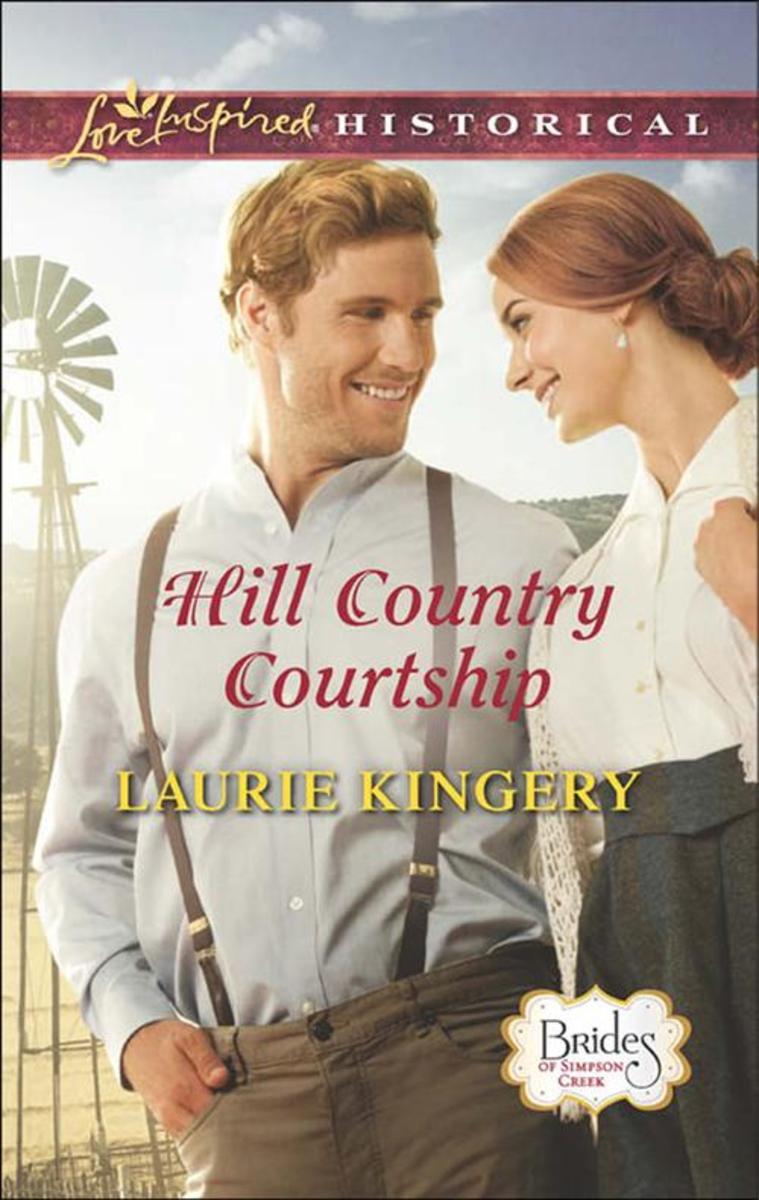
Hill Country Courtship (Mills & Boon Love Inspired Historical) (Brides of Simpso
¥31.10
A Baby of Her Own Maude Harkey is resigned to a loveless life until a baby is born - and orphaned - at her boardinghouse home. She'll never be a wife…but she can still be a mother. Yet a boardinghouse is no place for a newborn. Enter Jonas MacLaren - a handsome, exasperating rancher with an offer too good to refuse. Jonas can handle running a ranch - but handling his cantankerous mother is another matter. Maude matches his mother's stubbornness so she'll be a perfect live-in companion. But she's there for his mother, not for him. He'll just have to keep his wounded heart closed to her beauty, her humor, her warmth and strength - and her irresistibly adorable baby. Brides of Simpson Creek: Small-town Texas spinsters find love with mail-order grooms!

Insurrection
¥25.60
MURDER DOCTRINE A jihadist bomb brings down a massive church in Ibadan, and injured Catholic bishops flee the sanctuary-turned-death-trap…straight into the machetes of Nigeria's most fearsome terrorist group, Boko Haram. This bloodbath is only the beginning of a reign of terror linked to al Qaeda. As the gloating leader amps up the massacres of Christians across the country, Mack Bolan sets out to hunt him down and smash al Qaeda's hopes of building another major African power base. Yet the moment Bolan hits Nigerian soil, his identity is compromised. His only allies have little training, and their priority is protecting children orphaned by the terrorists' brutal attacks. Now survival means fighting his way through the crowded city, ambush by lethal ambush, and staying one step ahead of a traitor moving in for the kill. With the death toll rising, the Executioner will have to play one last gamble to restore the region's rightful government–and send this unholy gang of jihadists into fiery oblivion.

Mendoza's Secret Fortune (Mills & Boon Cherish) (The Fortunes of Texas: Cowboy C
¥31.10
MAY THE BEST MENDOZA WIN! The Fortunes are not the only hotties in Texas; their longtime friends the Mendozas are legendary for their good looks and ardent hearts. Tall and dark, with soulful eyes, Matteo Mendoza is a pilot whose charms have too often been eclipsed by his more outgoing brother, Cisco. Now, Matteo has set his sights on Cantina hostess Rachel Robinson. Brother, look out! After several years on a self-imposed "romance diet," Rachel finds Matteo to be a treat she just can't resist. But she's already been through her own family heartbreak–the last thing she wants is to come between the Mendozas! Can She learn that following her heart might lead to the greatest fortune of all?
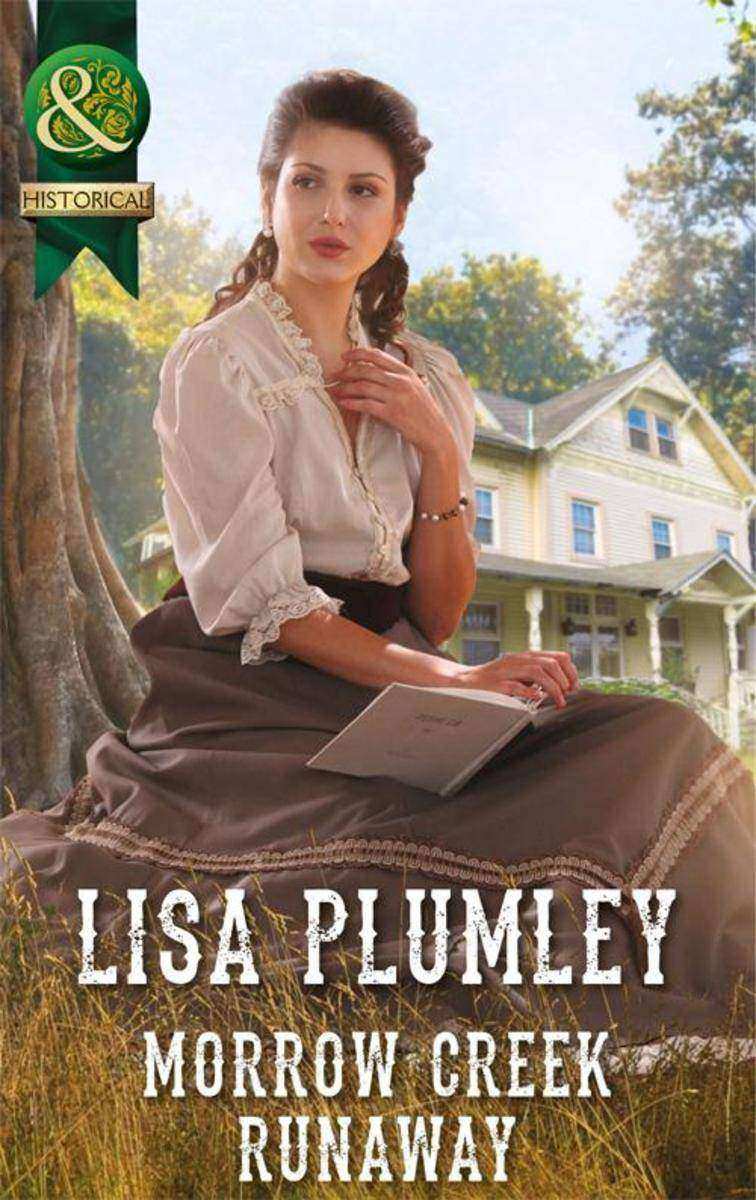
Morrow Creek Runaway (Mills & Boon Historical)
¥36.79
When the past comes to call A year ago, Rosamond Dancy never dreamed she'd find herself in Morrow Creek. After being removed from her job as a Boston housemaid, sold into marriage and widowed in quick succession, she's now determined to take back the reins of her life. But then the past she's determined to forget shows up on her doorstep in the form of Miles Callaway--and everything changes in an instant. Could Miles be the one to convince this runaway to hang up her shoes and stay by his side...forever? "Love and redemption are the soul of this heart-tugging charmer." --RT Book Reviews on The Honor-Bound Gambler

Reunited with the Major (Mills & Boon Historical) (Regency Brides of Convenience
¥38.36
FOR HONOUR… Major Harry Brockley gave up on love long ago, when he lost his heart to his colonel’s wife, Samantha Scatterby. Now, years later, Brock agrees to a loveless marriage to save a damsel in distress – only for Sam to reappear in his life! … OR FOR LOVE? Courageous Sam, now a widow, is happy to see the one man she’s secretly adored for years – even if he is engaged to someone else. And when Brock seeks Sam’s help she’s powerless to resist this chance to be reunited with her handsome major… Regency Brides of Convenience: deals made at the altar!
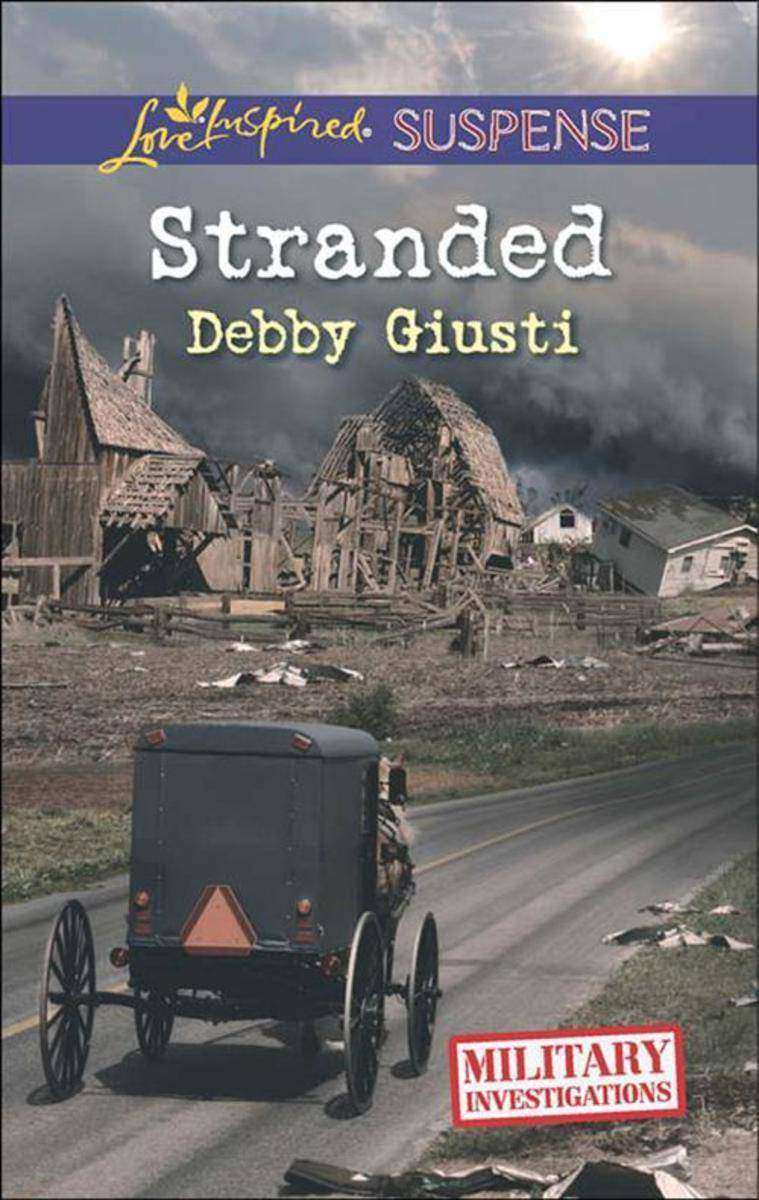
Stranded (Mills & Boon Love Inspired Suspense) (Military Investigations, Book 7)
¥31.10
AMISH COUNTRY REFUGE Colleen Brennan has one goal - take down her sister's killer. But chasing after evidence leaves her in the path of a tornado and stranded in an Amish community. With the killer nearby, Colleen must depend on the kindness of Special Agent Frank Gallagher. Although the army officer is recuperating from a battlefield injury, he wants to help the beautiful woman he rescued from the tornado's fury. He can tell she's hiding something important. But getting her to reveal her secrets may be his most dangerous mission ever. Military Investigations: Serving their country and solving crimes
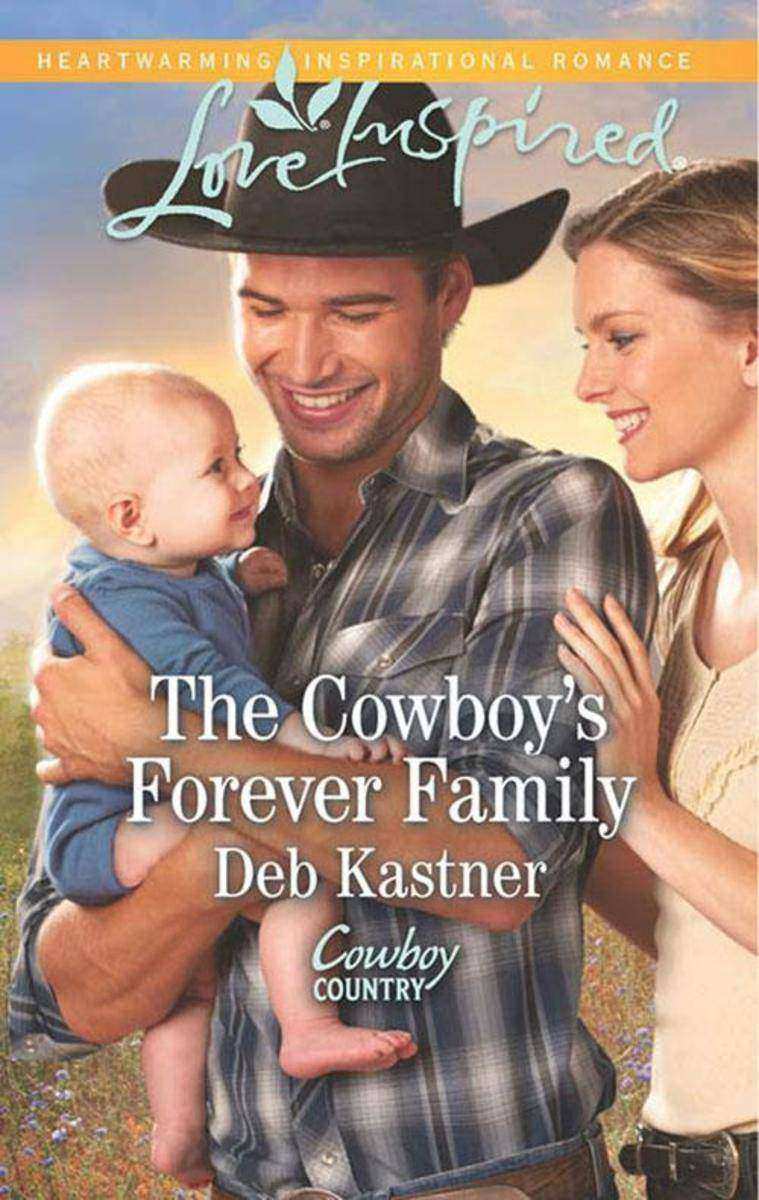
The Cowboy's Forever Family (Mills & Boon Love Inspired) (Cowboy Country, Book 2
¥31.10
His Best Friend's Baby Widowed and pregnant, Laney Beckett wants nothing to do with stubborn rodeo cowboy Slade McKenna. But avoiding her late husband's best friend is nearly impossible now that Slade thinks Laney and her baby need his protection. Though Slade figures he's too rough a man to settle down, his thrill-seeking ways have already cost him his childhood pal. Looking out for the man's wife and child is the least he can do, especially when headstrong Laney doesn't know the first thing about running the family's ranch. For the sake of baby Beckett, Laney and Slade give friendship a chance…but could they become a true family? Cowboy Country: Surprise babies lead to unexpected love in Texas
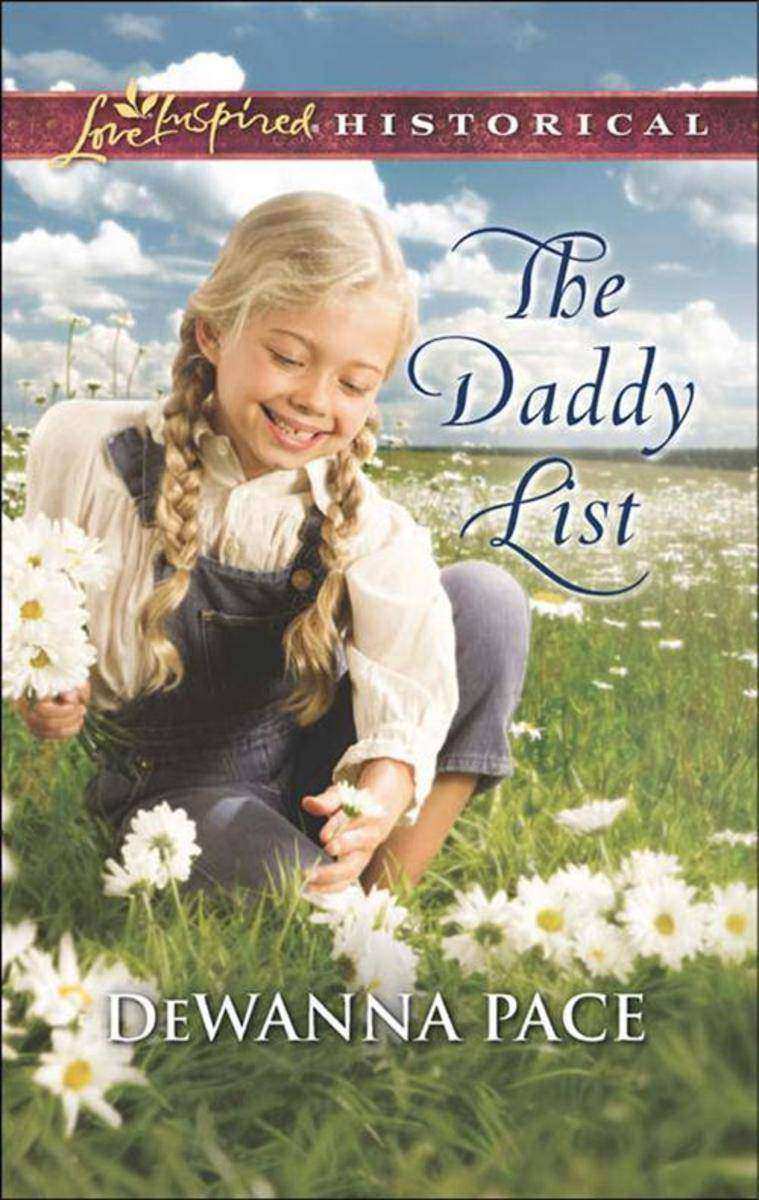
The Daddy List (Mills & Boon Love Inspired Historical)
¥31.10
A Substitute Husband Discovering her daughter is holding bank patrons hostage to interview daddy candidates sends widow Daisy Trumbo running to intervene. But when real bank robbers take advantage of the fake stickup, the hero of the day is Bass Parker–the man Daisy blames for her husband's death. Yet duty compels her to care for him as he recovwers from his injuries. Bass is determined to make amends to the widow and child of the fallen soldier who took his place on the battlefield. But he slowly finds himself feeling more than obligation to this independent woman and her spirited little girl. Their happiness hinges on Daisy's forgiveness, but can she let go of the past?
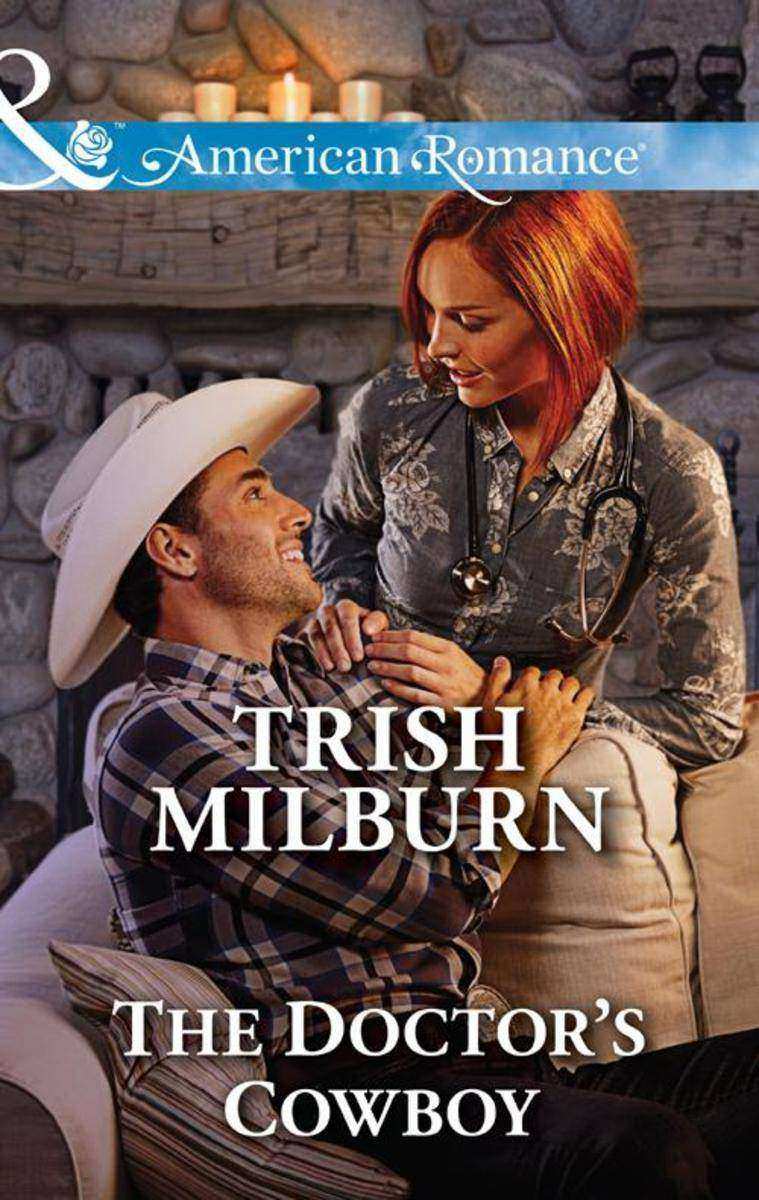
The Doctor's Cowboy (Mills & Boon American Romance) (Blue Falls, Texas, Book 4)
¥31.10
THE PERFECT PRESCRIPTION Dr. Chloe Brody cares about all her patients. Maybe more than she should. Because one day rodeo cowboy Wyatt Kelley shows up in her ER, busted up but still flirting. He's got no place to go, so she takes him home. Soon, Wyatt is seeing stuff no one else in Chloe's life has noticed. The pretty doctor has a full life, but inside, she's alone, just like him. When the attraction between them heats up, Wyatt knows he should leave Blue Falls and Chloe behind - because what can a broken cowboy with an ugly past offer a woman like her? Chloe, though, is determined to show Wyatt that she doesn't care about his past. She just wants him to be a part of her future.

The Family She Needs (Mills & Boon Medical)
¥30.61
And doctor makes three… Nurse Karina Brown only has room in her heart for one guy: four-year-old Mickey. Running a small-town surgery and looking after a little boy with Down syndrome isn't easy, but Katrina wouldn't have it any other way. Until Mickey's co-guardian, gorgeous Dr. Logan Pascale, moves into their home–determined to sell up! His heart is on lockdown but soon, united in their love for Mickey, Logan and Karina are falling for each other, too! Can Karina persuade Logan that everything he needs is right under her roof…already?
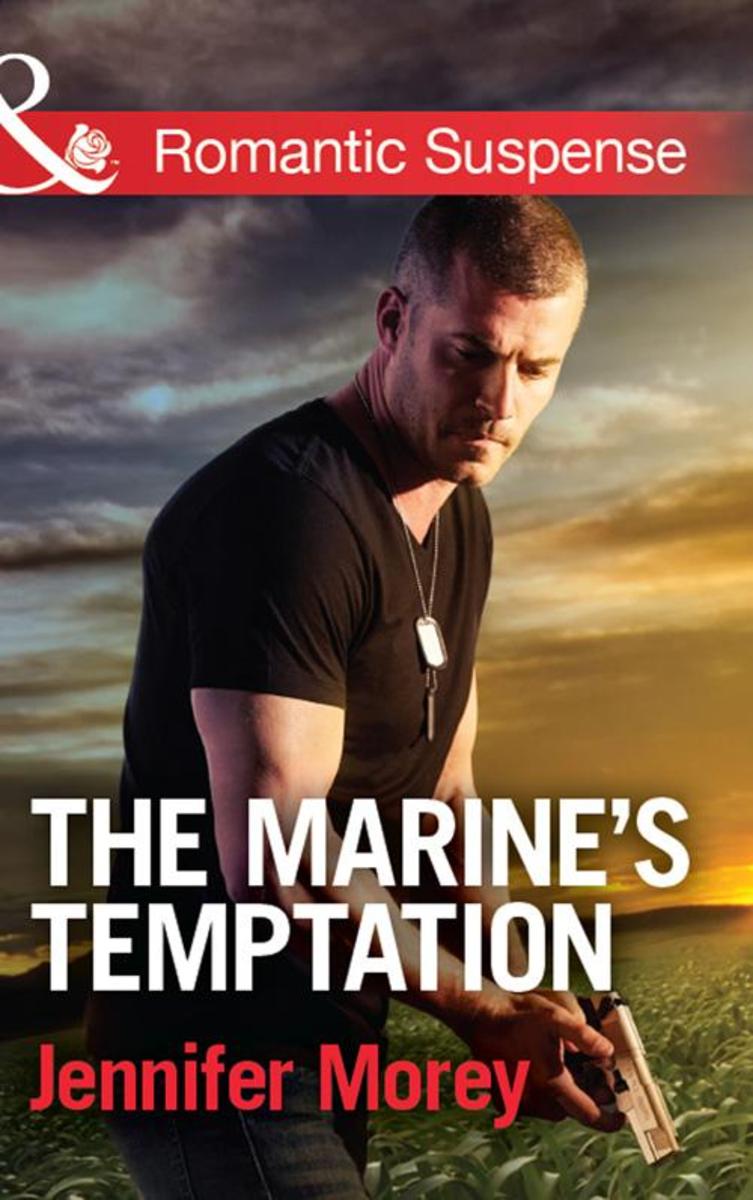
The Marine's Temptation (Mills & Boon Romantic Suspense) (The Adair Affairs, Boo
¥25.21
CAN’T BUY ME LOVE… Carson Adair’s father ruined Georgia Mason’s stepmother’s life and Georgia is not about to give Carson the same opportunity with her. She’s determined to resist his charms – however tempting it is to allow the smouldering sexy ex-marine to seduce her! But it’s hard to hate him when he’s trying to track down the traitor behind his botched mission. And, when a gunman from Carson’s dark past tracks him down and puts Georgia in the line of fire, Carson protects her, igniting a scorching passion. Maybe Carson’s someone for Georgia to trust, respect… and love.
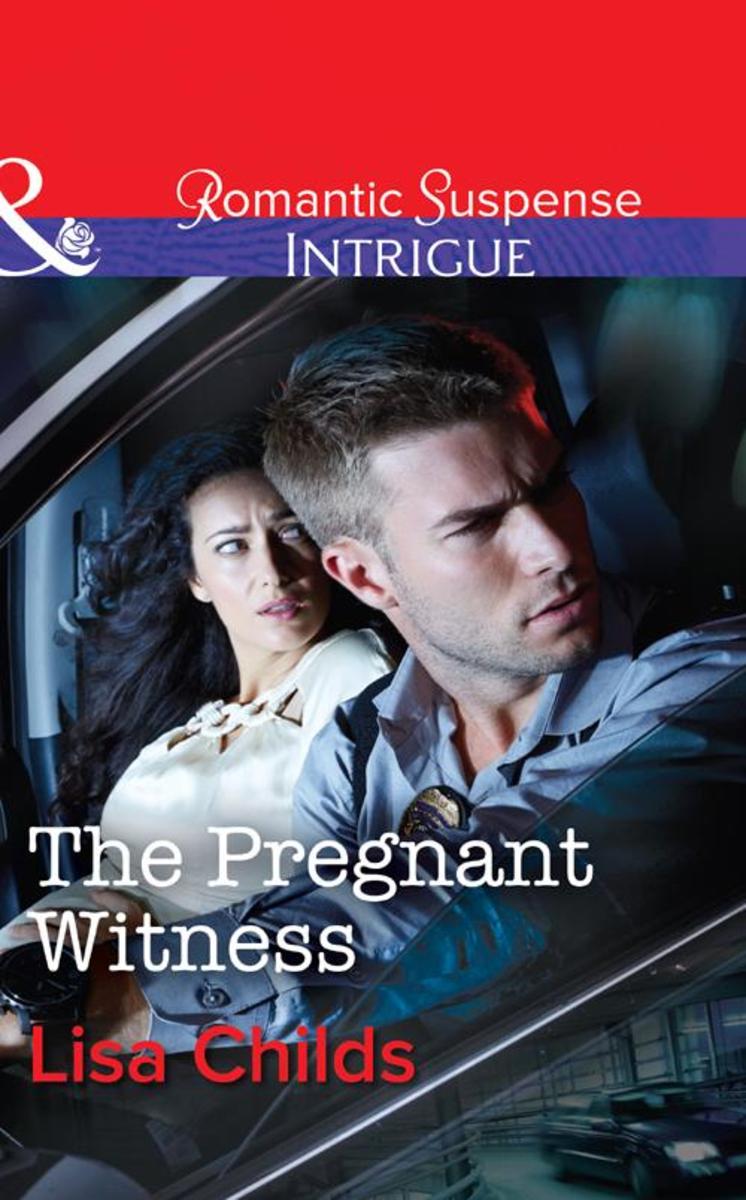
The Pregnant Witness (Mills & Boon Intrigue) (Special Agents at the Altar, Book
¥31.10
Strong, handsome and crossing a dangerous line! An expert at catching bank robbers, FBI Special Agent Blaine Campbell isn’t sure who to trust. He's just rescued the beautiful assistant manager from being abducted by robbers–but was it an inside job? What if pregnant Maggie Jenkins wasn’t a hostage but a co-conspirator? After several harrowing attempts on the young widow’s life, the steely Blaine relies on his instincts. Maggie wasn't involved. The only thing she's guilty of is stealing his heart. Risking his life to find Maggie’s would-be killers has become more than a job. She and her unborn child could be the future he never imagined for himself. All he has to do is keep her alive.
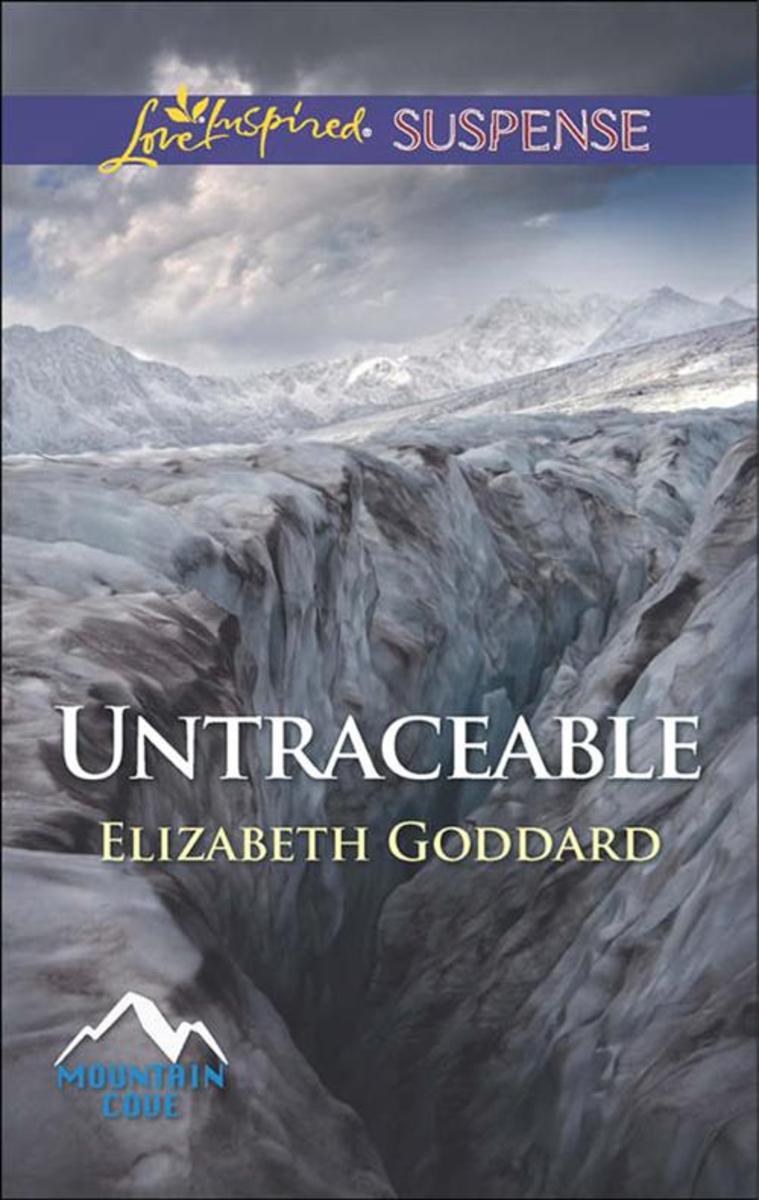
Untraceable (Mills & Boon Love Inspired Suspense) (Mountain Cove, Book 2)
¥31.10
NO WAY OUT On a daring mission, search-and-rescue specialist Heidi Warren and her team step onto an icy Alaskan mountaintop. . .and right into a trap. A stranded gang of thieves holds them at gunpoint, forcing them to serve as guides along the treacherous path. Menaced on all sides by dangerous weather, deadly terrain and murderous criminals, Heidi desperately needs someone to trust. But her rescue partner, Isaiah Callahan, is keeping secrets from her. Secrets that ended their chance at a relationship before it could even begin. Yet her survival depends on finding a way to trust Isaiah when a blizzard starts closing in and her options start running out. Mountain Cove: In the Alaskan wilderness, love and danger collide.
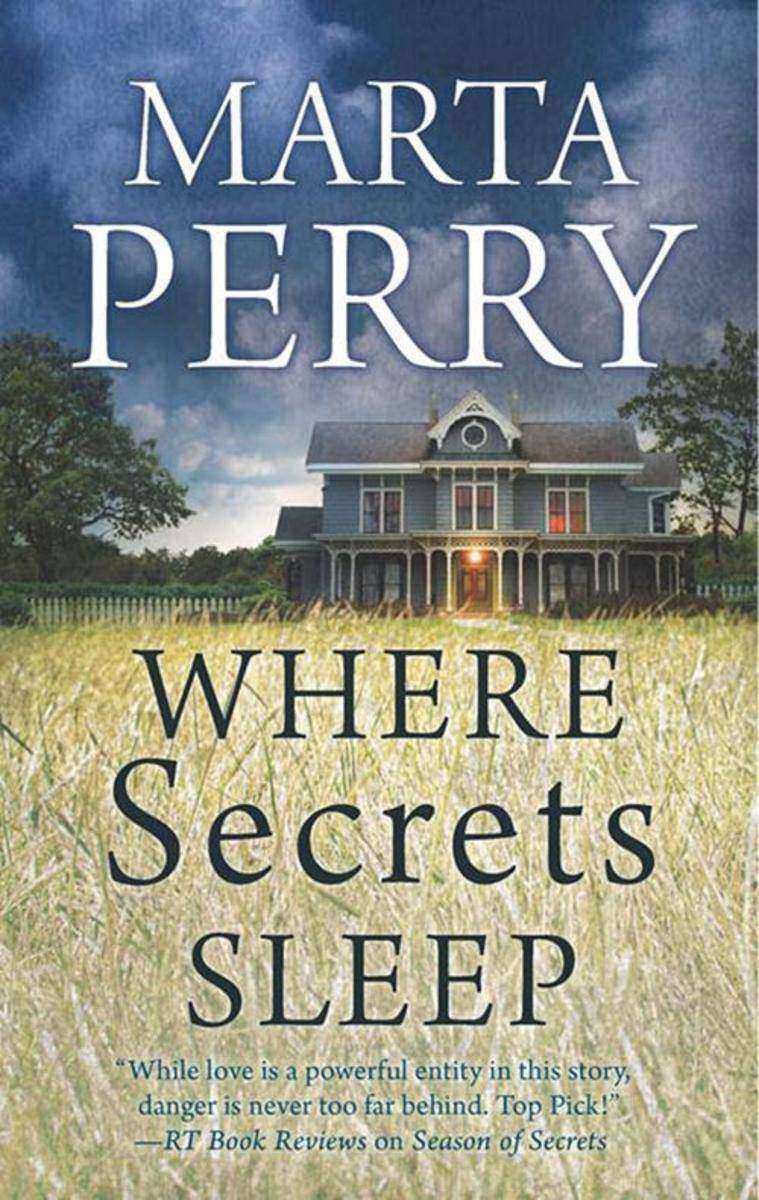
Where Secrets Sleep
¥54.74
In Amish country, not everything is as simple as it appears After a terrible betrayal, Allison Standish flees Philadelphia for the small Amish village of Laurel Ridge to claim an unexpected inheritance. Allison intends to sell the mansion housing various shops on Main Street–until she meets Nick Whiting, a single father and tenant of Blackburn House, who challenges everything she believes about her estranged grandmother and the Amish community. Strange stipulations in her grandmother's will soon bring distant relatives and seething townsfolk to Allison's door. As anonymous threats escalate, Nick grows protective of Allison, and she finds herself falling for the handsome carpenter… But then she discovers her grandmother's death may not have been accidental, and someone wants Allison gone. Permanently.
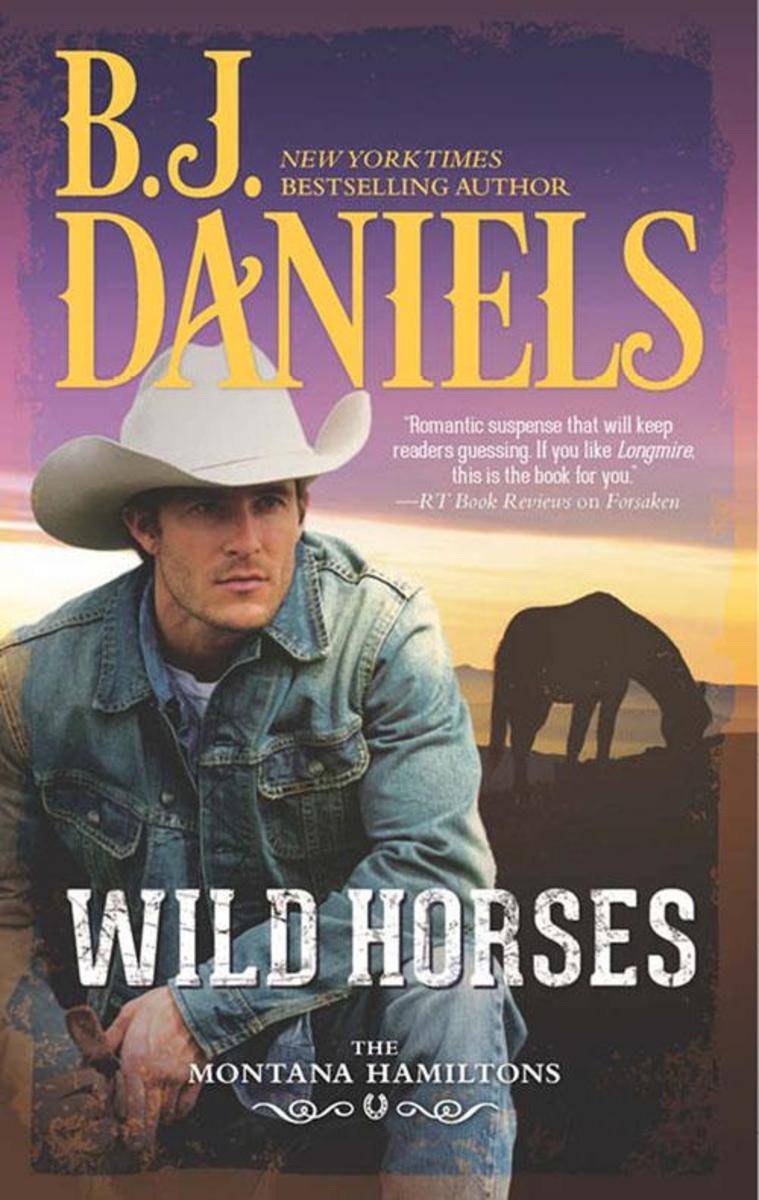
Wild Horses (The Montana Hamiltons, Book 1)
¥54.74
It took only one impusive moment on an empty two-lane highway to cost her everything. A man's responsible for his own prosperity - especially if he's Cooper Barnett, the most determined cowboy in the West. No one knows what he sacrificed to claim a piece of Beartooth, Montana, for himself and his beautiful fiancé, Livie. No one knows what he's willing to do for love…until a stranger's twisted vendetta threatens the happy ending they should've had long ago. One fateful mistake isn't the only secret Livie Hamilton is keeping from her fiancé. Victimized during a treacherous blizzard by a man she thought she could trust, she's pregnant…but unsure who the father is. With an unknown blackmailer threatening to expose her, she must confess to Cooper and trust he'll still protect her. But when the truth falls into place, she may lose the only man she's ever loved - or worse.
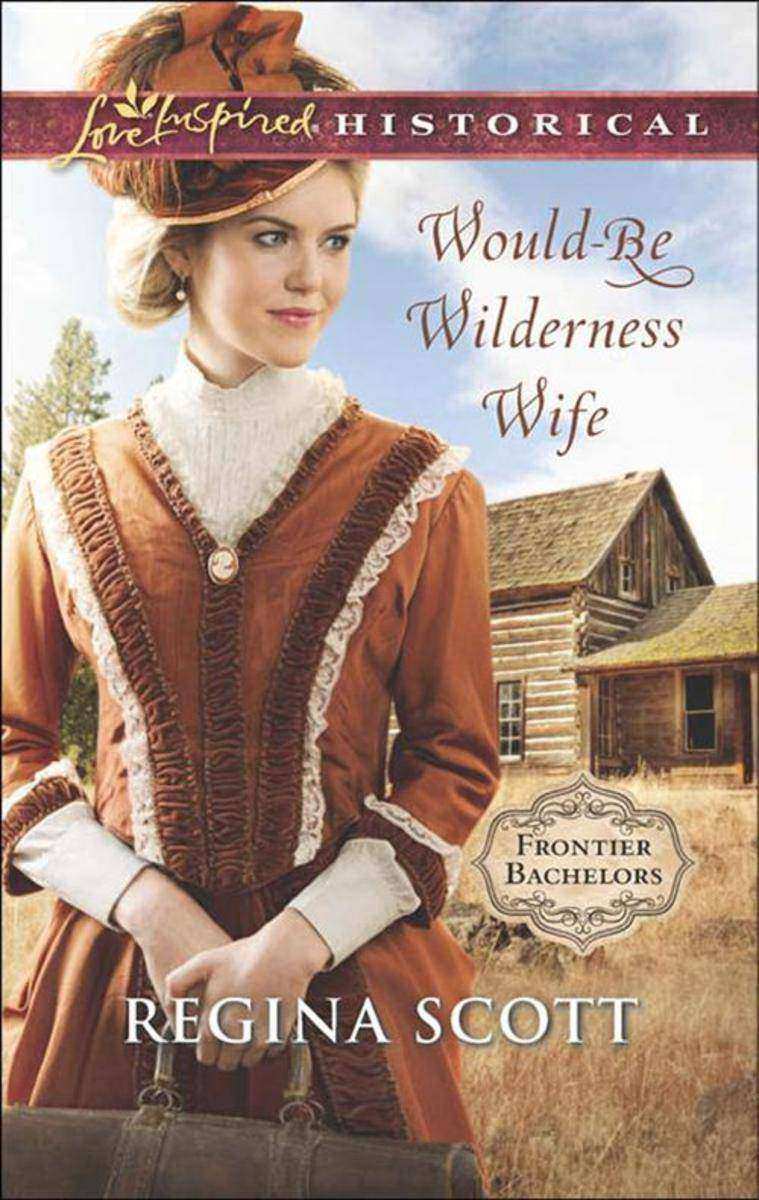
Would-Be Wilderness Wife (Mills & Boon Love Inspired Historical) (Frontier Bache
¥31.10
The Kidnapped Bride Drew Wallin's youngest brother is determined to see him married - so he kidnaps Drew a prospective bride. Not only is Catherine Stanway beautiful, but she's a nurse who can help their ailing mother. Drew doesn't have time for distractions - he's too busy watching over his fatherless siblings. Yet he's drawn to this woman who carries loss and pain equal to his own. Catherine has traveled West to use her nursing skills to save lives, not to find a husband. She knows if she gives in to Drew's matchmaking family, she'll be risking her already bruised heart. But maybe it's time she takes the ultimate risk to win the groom she didn't know she wanted! Frontier Bachelors: Bold, rugged - and bound to be grooms

Burning Obsession (Mills & Boon Modern)
¥31.20
Carole Mortimer is one of Mills & Boon’s best loved Modern Romance authors. With nearly 200 books published and a career spanning 35 years, Mills & Boon are thrilled to present her complete works available to download for the very first time! Rediscover old favourites - and find new ones! - in this fabulous collection… Back in her husband’s bed… Relieved that her beloved father has awoken from his coma, Kelly Lord isn’t prepared for the news that he has amnesia, believing her to be still happily married! Now she must not only see her husband again after five long years apart - but they have to live together, pretending to be newlyweds! Being back in Jordan’s presence soon raises feelings long since buried for Kelly—including their incendiary passion! Could a night in her husband’s bed mend what was once broken?
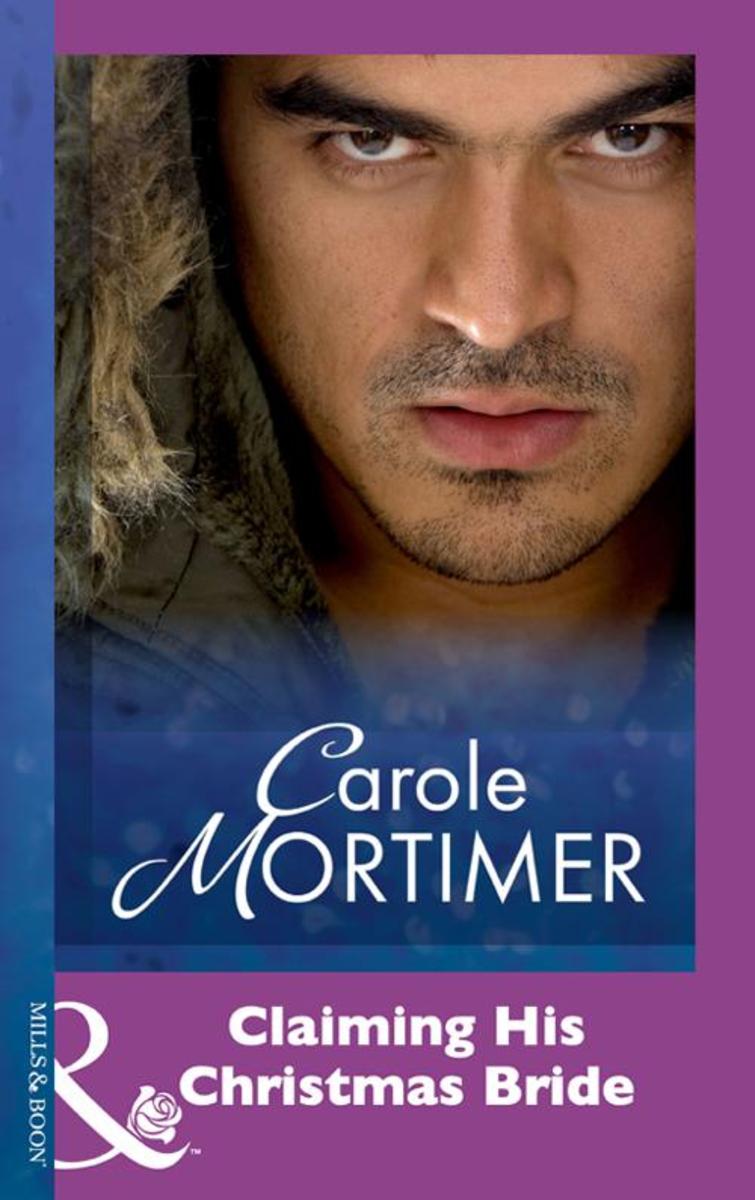
Claiming His Christmas Bride (Mills & Boon Modern)
¥20.60
Carole Mortimer is one of Mills & Boon’s best loved Modern Romance authors. With nearly 200 books published and a career spanning 35 years, Mills & Boon are thrilled to present her complete works available to download for the very first time! Rediscover old favourites - and find new ones! - in this fabulous collection… She'll be his wife by Christmas! When wealthy interior designer Gideon Webber first meets Molly Barton he wants her more than anything! But not only does it appear that Molly is already another man's mistress, the other man is his brother… Three years later, Molly and Gideon meet again at Christmas. And this time Gideon's determined to take what he still desires…! With the tension between them simmering, Gideon's left with only one option: he'll claim Molly once and for all—as his Yuletide bride!


