


 购物车
购物车 个人中心
个人中心
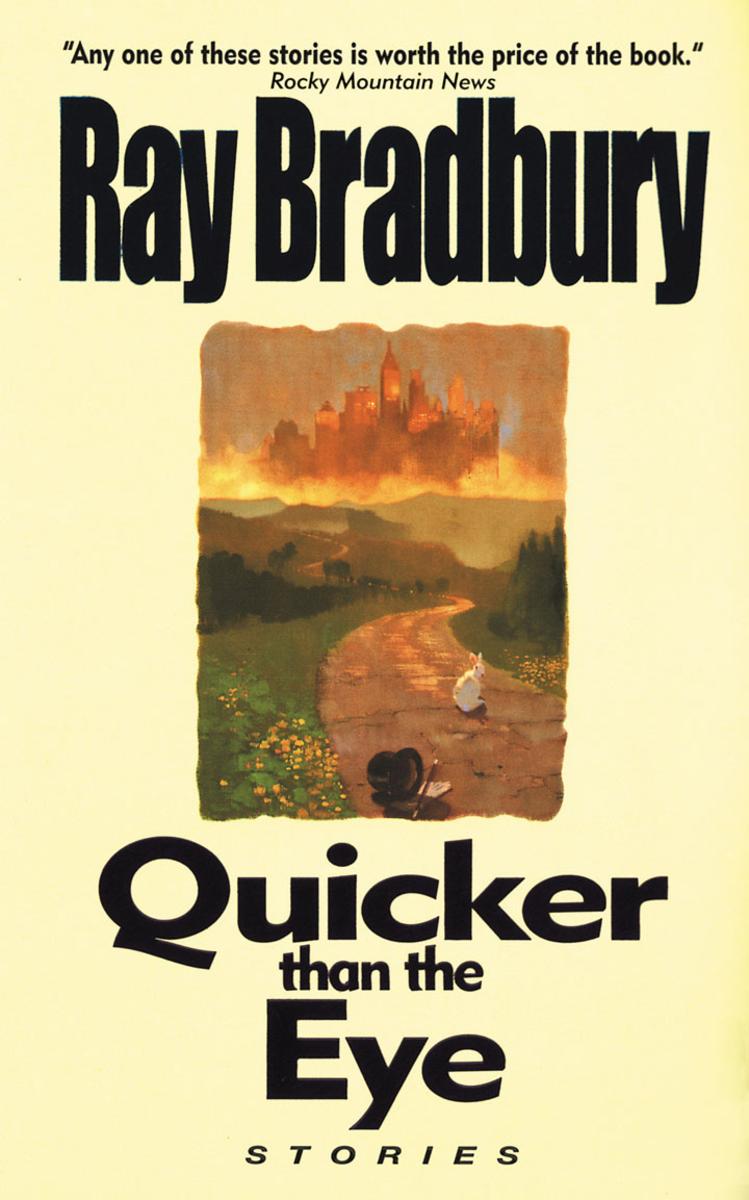
Quicker Than the Eye
¥55.91
The internationally acclaimed author of The Martian Chronicles, The Illustrated Man, and Fahrenheit 451, Ray Bradbury is a magician at the height of his powers, displaying his sorcerer's skill with twenty-one remarkable stories that run the gamut from total reality to light fantastic, from high noon to long after midnight. A true master tells all, revealing the strange secret of growing young and mad; opening a Witch Door that links two intolerant centuries; joining an ancient couple in their wild assassination games; celebrating life and dreams in the unique voice that has favored him across six decades and has enchanted millions of readers the world over.
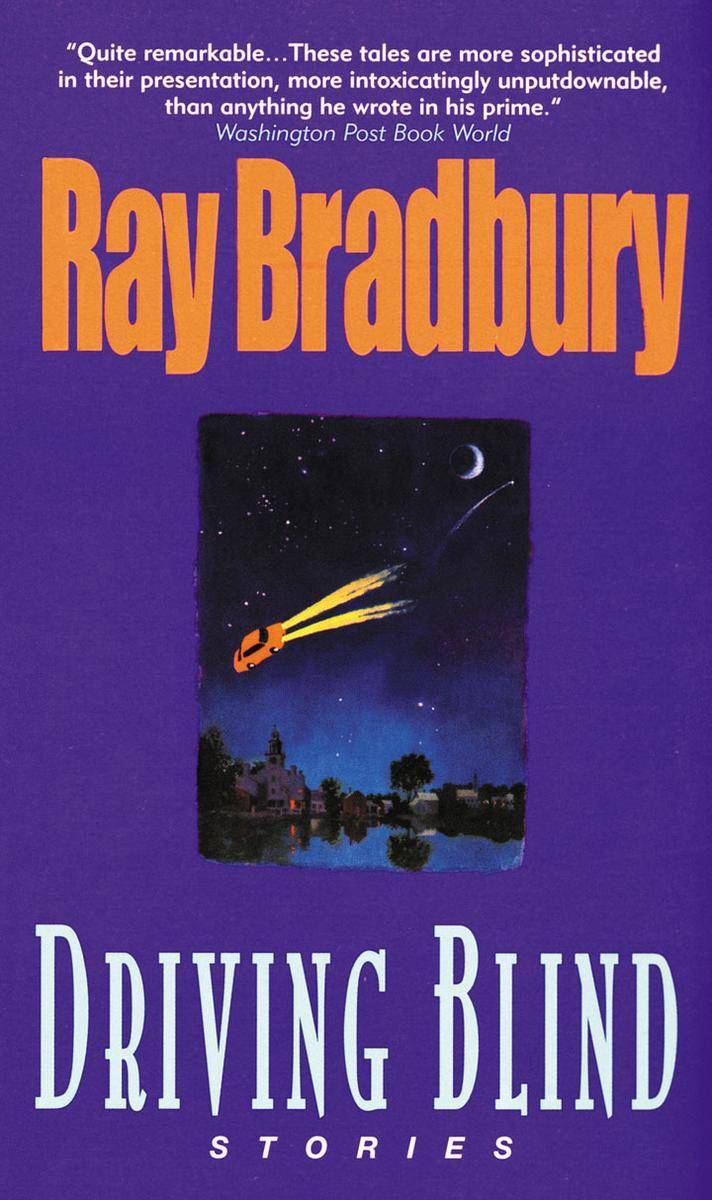
Driving Blind
¥45.49
The incomparable Ray Bradbury is in the driver's seat, off on twenty-one unforgettable excursions through fantasy, time and memory, and there are surprises waiting around every curve and behind each mile marker. The journey promises to be a memorable one.
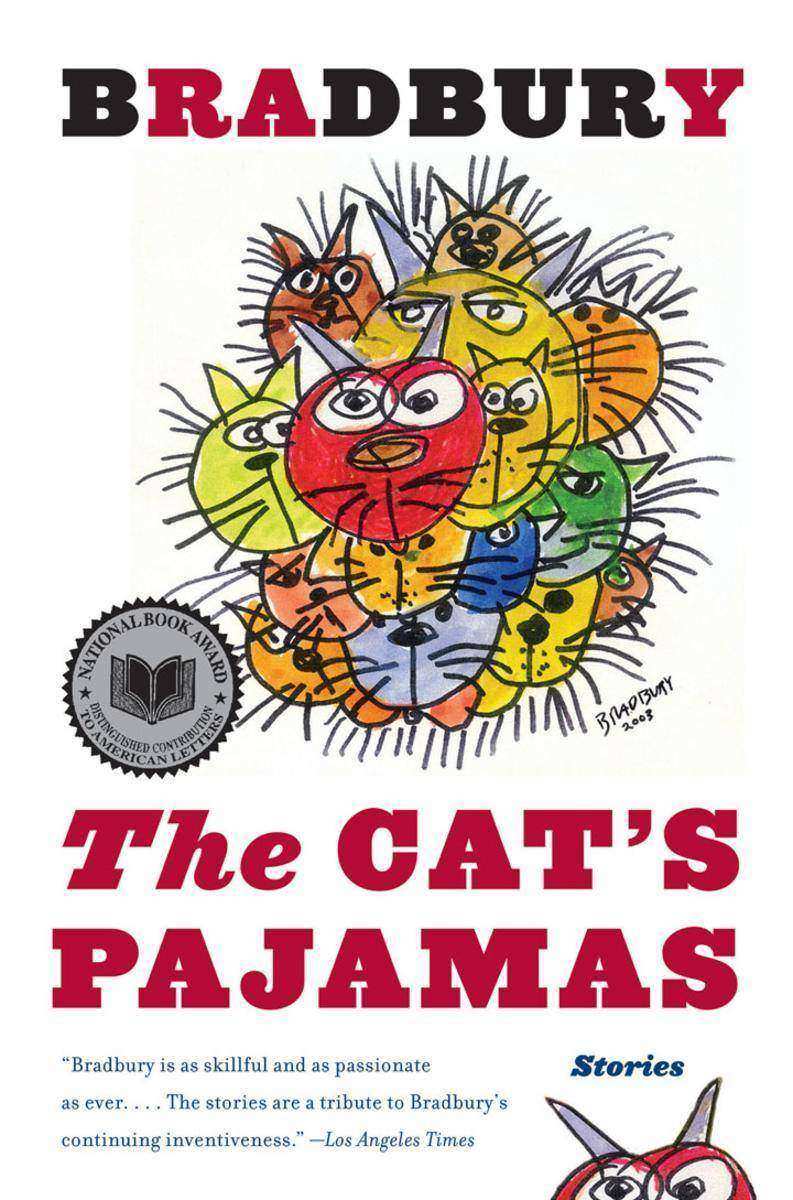
The Cat's Pajamas
¥83.03
Ray Bradbury is, indisputably, one of America's greatest storytellers. The recipient of the 2000 National Book Foundation Medal for Distinguished Contribution to American Letters, he ranks among the most beloved -- and widely read -- of American authors. In The Cat's Pajamas, this "latter-day O. Henry" (Booklist) takes us on an amazing walk through his six-decade career, presenting twenty-two tales -- some old, some new, all but two never before published.Here you will find stories strange and scary, nostalgic and bittersweet, humorous and heart-touching, ranging from the not-so-long-gone past to an unknowable future: a group of senators drinks a bit too much -- and gambles away the United States; a newlywed couple buys an old house and finds their fledgling relationship tested; two mysterious strangers arrive at a rooming house and baffle their fellow occupants with strange crying in the night; a lonely woman takes a last chance on love. The final piece in the collection is a story-poem, a fond salute from Bradbury to his literary heroes Shaw, Chesterton, Dickens, Twain, Poe, Wilde, Melville, and Kipling.The Cat's Pajamas is just that -- the bee's knees -- a touching, timeless, and tender collection from the incomparable Ray Bradbury, and a anoramic view of an amazingly long, rich, and fertile creative career.
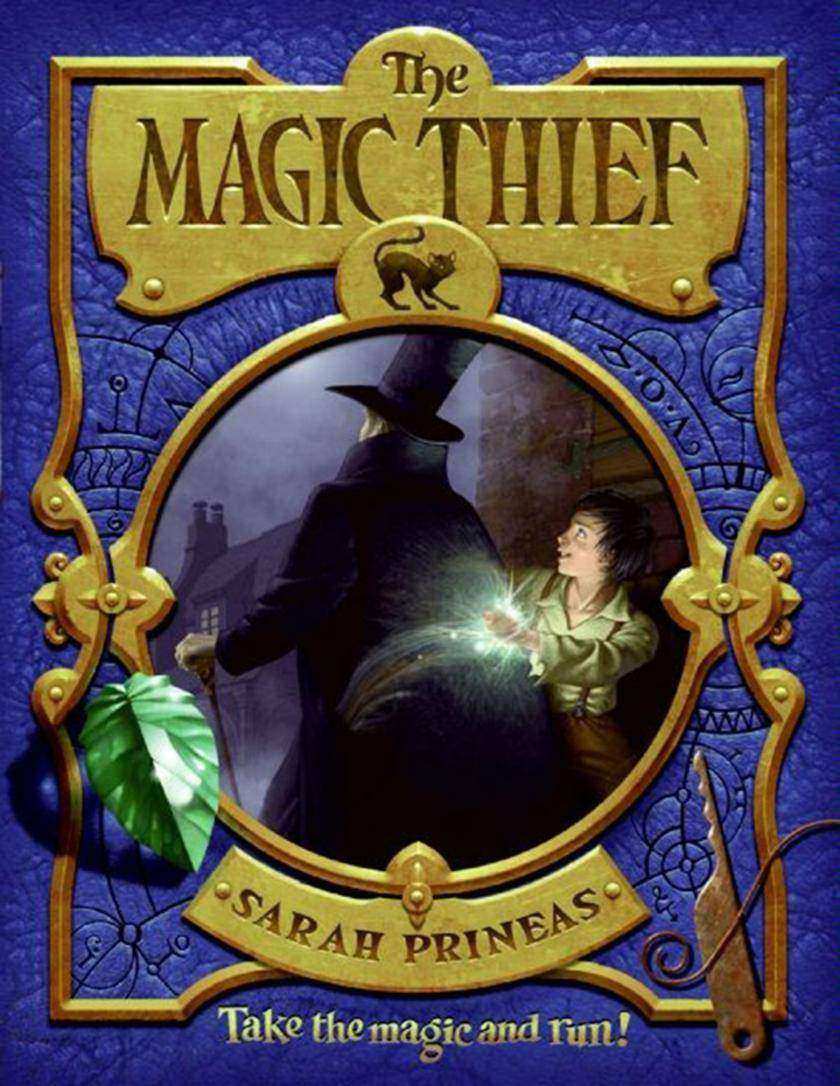
The Magic Thief
¥44.73
In a city that runs on a dwindling supply of magic, a young boy is drawn into a life of wizardry and adventure. Conn should have dropped dead the day he picked Nevery's pocket and touched the wizard's locus magicalicus, a stone used to focus magic and work spells. But for some reason he did not. Nevery finds that interesting, and he takes Conn as his apprentice on the provision that the boy find a locus stone of his own. But Conn has little time to search for his stone between wizard lessons and helping Nevery discover who—or what—is stealing the city of Wellmet's magic.
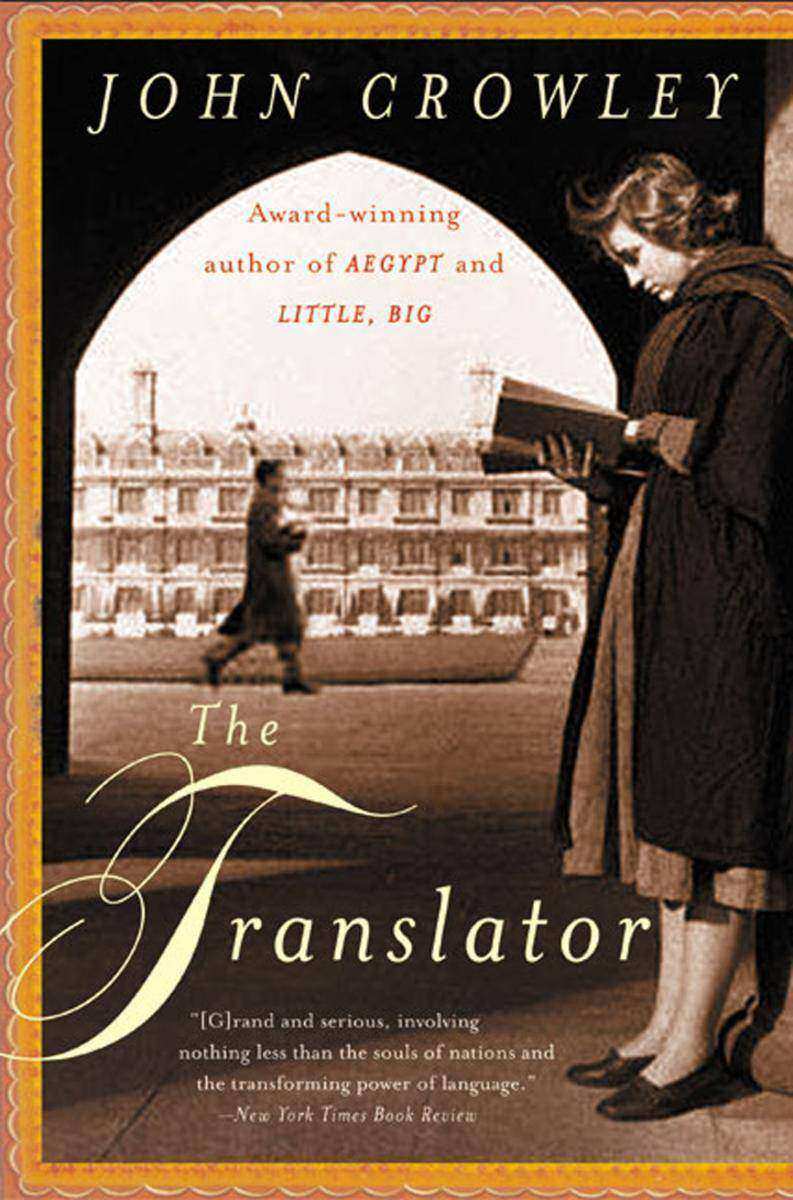
The Translator
¥83.03
A novel of tremendous scope and beauty, The Translator tells of the relationship between an exiled Russian poet and his American translator during the Cuban missile crisis, a time when a writer's words -- especially forbidden ones -- could be powerful enough to change the course of history.

Backward-Facing Man
¥96.50
Chuck Puckman, Lorraine Nadia, and Frederick Keane came of age in the late 1960s. Like that era, their lives were mysterious, idealistic, passionate, even romantic—but ultimately confused and often ineffectual. More than thirty years later, their youthful adventures continue to have ramifications: Chuck faces prosecution after an industrial accident at his family business, Lorraine's daughter is searching for the father she never knew, and Frederick has gone underground after his radical life spiraled out of control. Epic in scope and touching on such provocative issues as Patty Hearst and the SLA, crime and the possibility of redemption, and the search for self and the meaning of life, Backward-Facing Man is a novel about choices and their lasting effects on people's lives, their families, and American society.
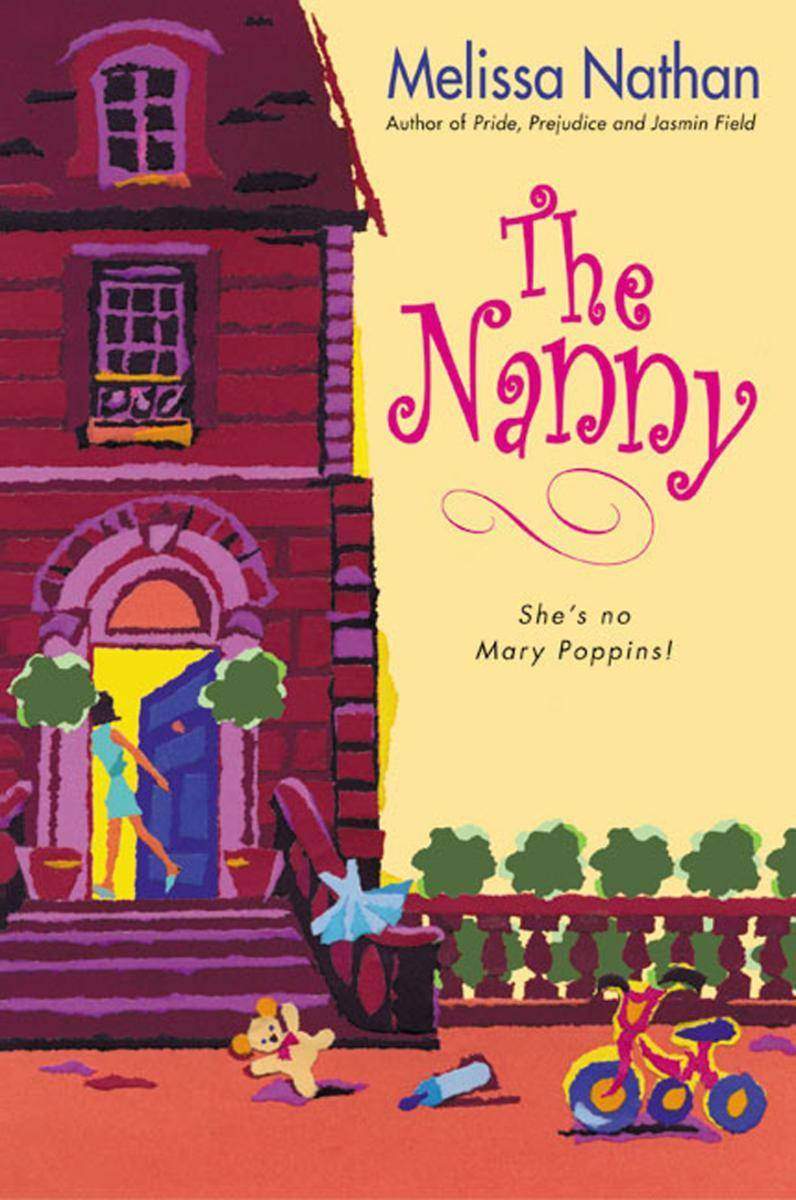
The Nanny
¥84.16
Twenty-three-year-old Jo Green knows that if she has to spend one more night in ultra-provincial Niblet-Upon-Avon she'll go completely bonkers! So she answers an ad in the paper, bids her devoted boyfriend Shaun adieu, and heads off to the big city. With a new job that offers excitement; a cool car; and her own suite with a TV, DVD player, and a cell phone, how can she go wrong?Then she meets . . . the Fitzgeralds -- Dick and Vanessa and their unruly brood of rugrats who have suddenly been entrusted into Jo's care. There's eight-year-old "psycho-babe" Cassandra; bloodthirsty Zak, the six-year-old Terminator; and timid little Tallulah.So what else could go wrongHow about the arrival of Dick's children from his first marriage: teenage Toby and (gulp!) all-grown-up-and-very-nicely-at-that Josh the accountantAnd now that she has to temporarily share her room with Josh, Jo's head is really in a spin -- because with her hometown beau still in the picture and a sexy possibility sleeping just a foot away, life has suddenly gotten very complicated indeed!
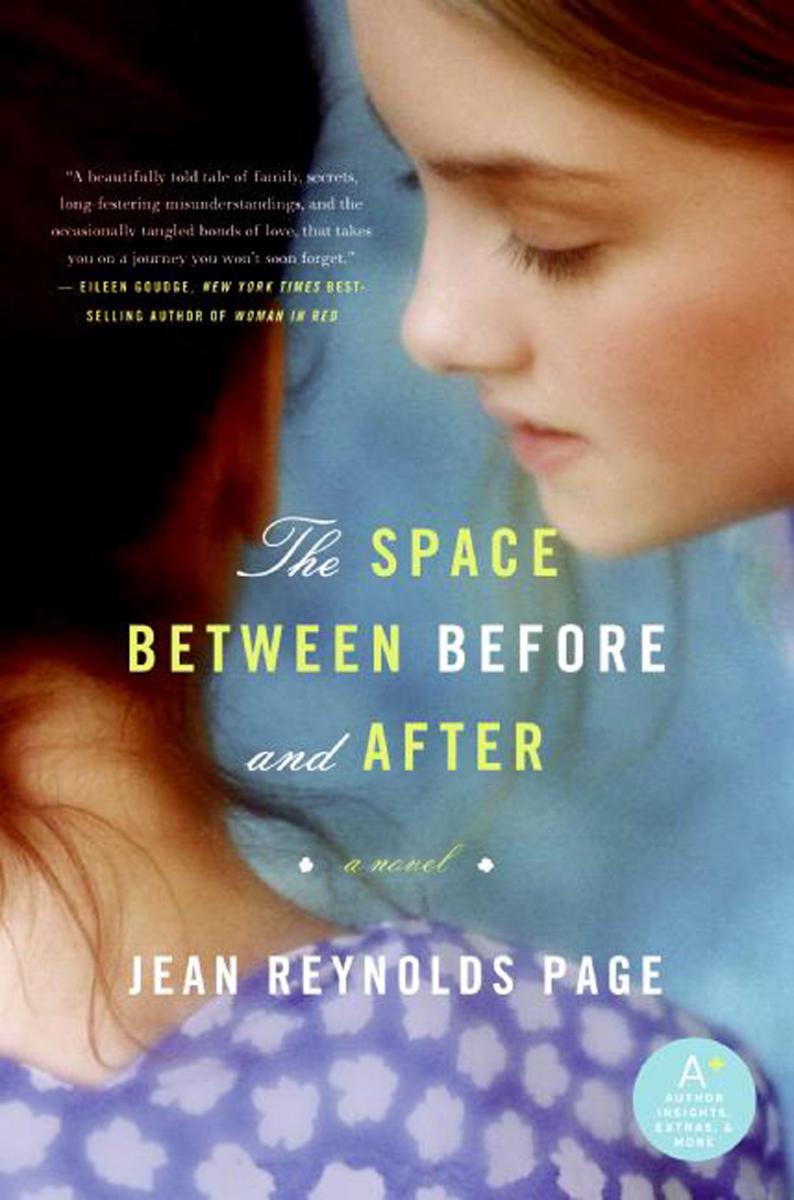
The Space Between Before and After
¥78.32
Forty-two and divorced, Holli Templeton has just begun to realize the pleasures of owning her life for the first time. But the experience is short-lived. Her son Conner has unexpectedly fled college in Rhode Island and moved to Texas with his troubled girlfriend, Kilian. This alone is difficult to handle, but as Holli begins to understand the depth of the girl's problems, concern turns to crisis.Conner's situation is worsening, and as if that's not enough, Holli notices signs of serious decline in the beloved Texas grandmother who raised her. She has no choice but to leave the comfort zone of life in New York and return to her hometown in Texas to care for the people she loves.In the tight space between these two generations, Holli initially feels lost. The journey back stirs so many unresolved hurts from her childhood. But something else happens in this uneasy homecoming. Comfort arrives in the ethereal presence of the mother long lost to her, and Holli is surprised to find that as she struggles to help her son and grandmother, the wounds of her own past begin to heal.The space between before and after—easily the most challenging place she has ever known—begins to reveal an unanticipated hope for what the future might hold.
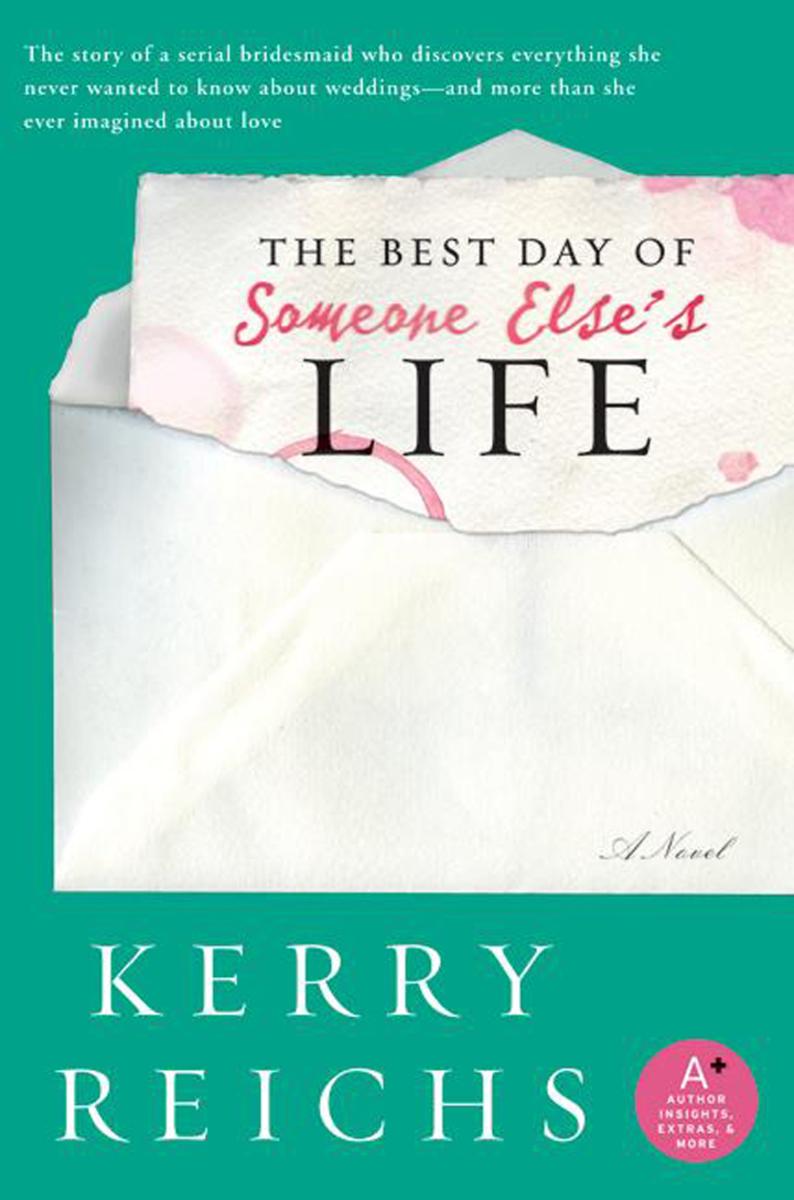
The Best Day of Someone Else's Life
¥84.16
Despite being cursed with a boy's name, Kevin "Vi" Connelly is seriously female and a committed romantic. The affliction hit at the tender age of six when she was handed a basket of flower petals and ensnared by the "marry-tale." The thrill, the attention, the big white dress—it's the Best Day of Your Life, and it's seriously addictive. But at twenty-seven, with a closetful of pricey bridesmaid dresses she'll never wear again, a trunkful of embarrassing memories, and an empty bank account from paying for it all, the illusion of matrimony as the Answer to Everything begins to fray. As her friends' choices don't provide answers, and her family confuses her more, Vi faces off against her eminently untrustworthy boyfriend and the veracity of the BDOYL. Eleven weddings in eighteen months would send any sane woman either over the edge or scurrying for the altar. But as reality separates from illusion, Vi learns that letting go of someone else's story to write your own may be harder than buying the myth, but just might help her make the right choices for herself.
Nerve Damage
¥55.31
Renowned sculptor Roy Valois receives the worst news since learning of his adored wife Delia's death in South America fifteen years ago. His doctor tells him he's dying—and a morbid curiosity about how he'll be remembered inspires Roy, with the help of a local computer geek, to hack into a newspaper's system to read his prewritten obituary. But the death notice includes a small discrepancy about his late wife—and by calling the mistake to the attention of the surprised obit writer, Roy has inadvertently sealed an innocent man's doom.Suddenly Roy has a mission: to uncover the truth about the woman he can't stop loving—secrets guarded by powerful forces who believe murder is an acceptable price for keeping them buried. With his disease-ravaged body's final betrayal rapidly approaching, Roy must somehow stay alive long enough to find the answers: Who was DeliaHow did she dieWhy did she die?Did she die?
Daughter of Fortune
¥105.17
An orphan raised in Valparaiso, Chile, by a Victorian spinster and her rigid brother, vivacious young Eliza Sommers follows her lover to California during the Gold Rush of 1849. Entering a rough-and-tumble world of new arrivals driven mad by gold fever, Eliza moves in a society of single men and prostitutes with the help of her good friend and savior, the Chinese doctor Tao Chien. California opens the door to a new life of freedom and independence to the young Chilean, and her search for her elusive lover gradually turns into another kind of journey. By the time she finally hears news of him, Eliza must decide who her true love really is.

Forest of the Pygmies
¥83.03
Once again Alexander Cold and his indomitable journalist grandmother, Kate, are braving the mystical unknown, this time in the heart of Africa. Along with Alex's friend Nadia Santos and a photographic crew from International Geographic magazine, they have travelled to Kenya to work on an article about the continent's first elephant-led safaris. But when a missionary approaches their camp in search of companions who have mysteriously disappeared, Alex, Nadia, and their group find themselves embarking on a dangerous mission to Africa's equatorial forest to aid a clan of Pygmies. For the Cold expedition is the tribe's last hope for survival in a world where poaching, corruption, and slavery run rampant.Forest of the Pygmies is the concluding volume of acclaimed author Isabel Allende's celebrated trilogy, which begins with City of the Beasts and continues with Kingdom of the Golden Dragon.
The Hip Girl's Guide to the Kitchen
¥112.23
The author of The Hip Girl's Guide to Homemaking shows you how to love your kitchen and learn to make creative, delicious food without breaking your budget.You can become a confident cook—even if the drawer with the take-out menus is the only part of your kitchen you currently use! Kate Payne shows you how to master basic cooking techniques—boiling, baking, and sautéing—and simplifies the process of fancy ones, like jamming and preserving, dehydrating, braising, roasting, infusing, and pickling. With this straightforward and fun guide, you can stock up your kitchen with the ingredients, tools, and appliances you'll actually use. You'll also learn how to decode recipes and alter them to make them gluten-free, dairy-free, or vegan. The Hip Girl's Guide to the Kitchen includes advice and instructions on how to make both classic meals and foods that are typically bought, such as yogurt; ice cream; flavored salt; oil and vinegar infusions; kimchi; aioli; jam; granola; bread; and fruit leather—even liqueurs, iced teas, and vegetable juices. With fun line drawings, sidebars full of tips and tricks, and lists of resources, Kate Payne sets you up for success and shows you how to unlock your inner kitchen prowess.
The Autism Sourcebook
¥112.23
Practical advice and information from the world's foremost experts on autism -- and a mother's own hard-won lessons from helping her son recover from the disorder When Karen Siff Exkorn's son, Jake, was diagnosed with autism, she struggled to pull together comprehensive information about the disorder. Fortunately, she was able to educate herself quickly, and her extensive at-home treatment of her son led to his amazing full recovery. But the journey wasn't easy, and now, in The Autism Sourcebook, Siff Exkorn offers parents the wisdom she wishes she'd had at the beginning. Recent studies show that there is a worldwide epidemic of autism. More than 1.5 million people are affected in the United States alone, with one in every 166 children diagnosed. Early detection and early intervention are two of the key factors in improving prognosis -- but too often, writes Siff Exkorn, parents get bogged down in denial or confusion about the still mysterious disorder, and are unable to take the necessary steps. Providing accessible medical information gleaned from the world's foremost experts, Siff Exkorn offers an inside look at families with children who have autism, and ties in her own firsthand experience as a parent. The author shares valuable knowledge about the following: ?What the diagnosis really means ?Understanding and accessing treatment options ?Knowing your child's rights in the school system ?Coping with common marital and familial stress ?Making the stigma of autism a thing of the past With extensive appendices, including the Modified Checklist for Autism in Toddlers, Diagnostic Criteria for the Five Pervasive Developmental Disorders, and carefully selected lists of Internet resources, recommended readings, and top autism organizations worldwide, The Autism Sourcebook is the single most comprehensive, practical resource available to parents and loved ones of children with autism.
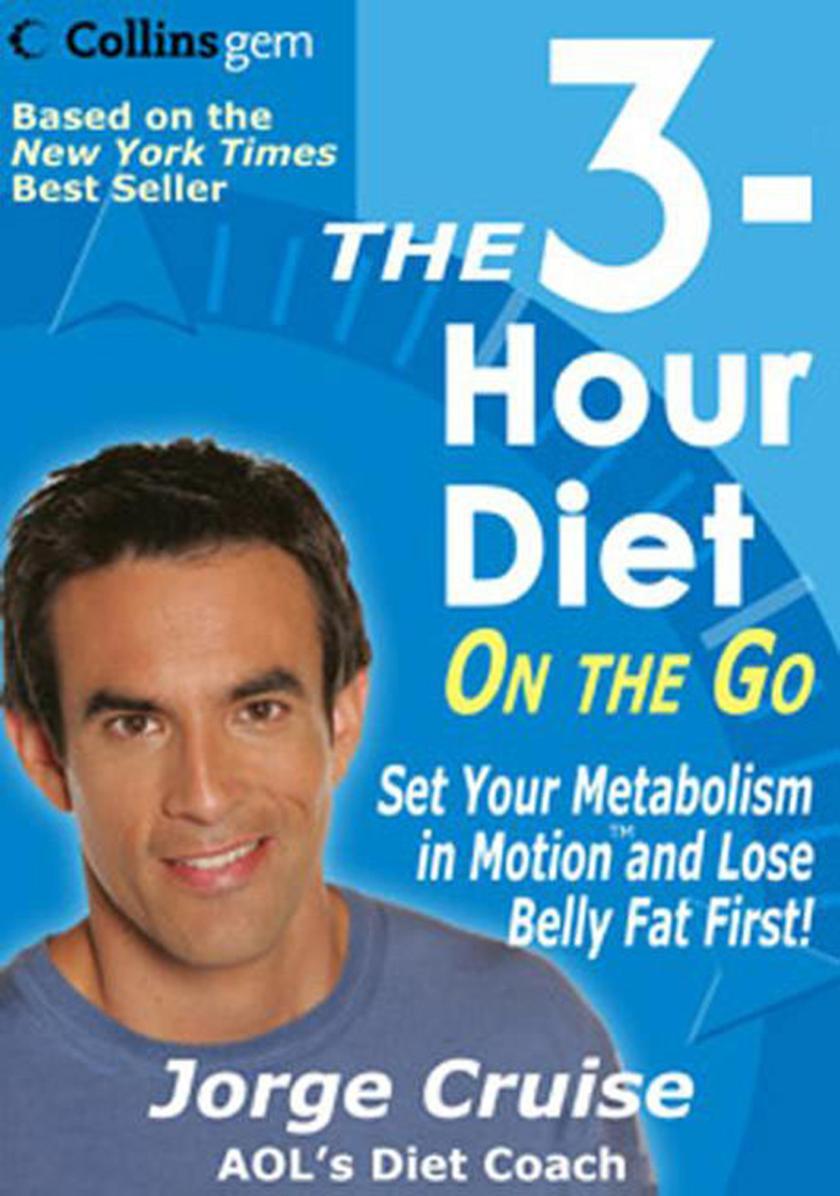
The 3-Hour Diet (TM) On the Go
¥49.79
More Than 600 New Options! Imagine eating your favorite foods every 3 hours to finally get the results you've been searching for. NO calorie-counting, NO carb deprivation, and NO skipping sweets. Based on the revolutionary principles of Time-Based Nutrition?, this pocket guidebook will give you the slimming secrets you need to enjoy fast food, restaurant meals, gas station gourmet, and much more! Visit www.3hourdiet.net for your free personalized weight-loss profile.

The Average American Male
¥77.49
An offensive, in-your-face, brutally honest and completely hilarious look at male inner life and sexual fantasy. In the course of this hilariously honest book, our narrator suffers through a relationship with his vapid wannabe-actress girlfriend until he finds the perfect girl. But when he moves into the new relationship, he slowly learns that all women are pretty much the same, that man's true desires will never be fulfilled, and the decision between living life alone or biting the marriage bullet must be made.Includes an excerpt from the forthcoming sequel The Average American Marriage.

Awaken My Heart
¥61.70
1803, the colony of Texas Marianne Phillips, the daughter of a wealthy rancher, has never agreed with her father's harsh treatment of the poor mestizos who first inhabited the colony of Texas. When rebels kidnap Marianne, in hopes her father will trade back their land for her freedom, she realizes her loyalty lies with her abductors, not her father, who plans to marry her off to the don of a nearby estate. Armando Garcia is the locals' reluctant leader, but his people revere and depend on him. Knowing that without his leadership they'd be forced from their land, Armando accepts his role, but does not approve of the latest attempt to manipulate their enemy. When he learns that Marianne actually speaks his language, of her loyalty to his people, and of the faith that keeps her strong, Armando is faced with a difficult decision. Will his newfound love keep him from letting her goOr will he set her free and risk losing their land forever?
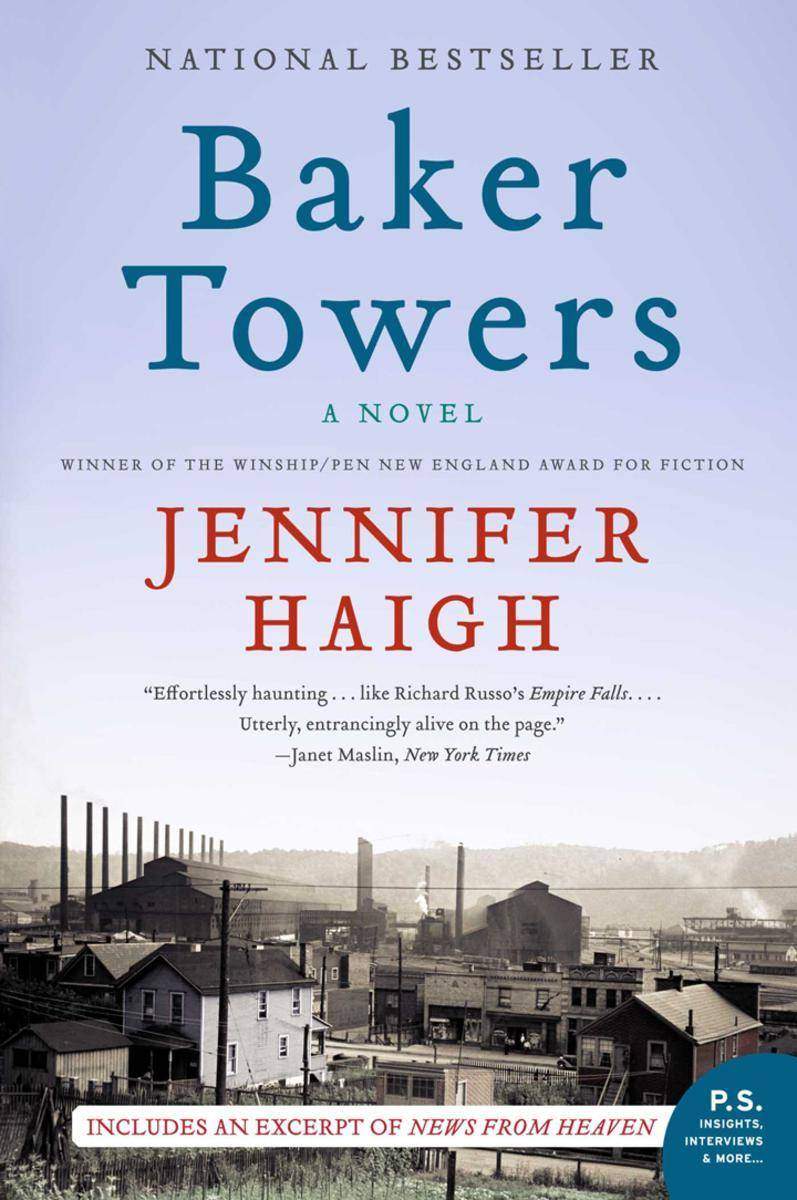
Baker Towers
¥83.03
Bakerton is a community of company houses and church festivals, of union squabbles and firemen's parades. Its neighborhoods include Little Italy, Swedetown, and Polish Hill. For its tight-knit citizens -- and the five children of the Novak family -- the 1940s will be a decade of excitement, tragedy, and stunning change. Baker Towers is a family saga and a love story, a hymn to a time and place long gone, to America's industrial past, and to the men and women we now call the Greatest Generation. It is a feat of imagination from an extraordinary voice in American fiction, a writer of enormous power and skill.

The Beauty Buyble
¥78.32
This attractive box includes The Beauty Buyble book and dozens of amazing product samples you won't be able to wait to get your hands on! Indulge yourself--and find out what products work best for your hair, skin, and face! Going to the cosmetic counter can be one of the most abusive experiences in a woman's daily routing. Where else do you pay for the privilege of being told, You need a new look The salesperson, who has no clue about what's right for you, sells you $150 worth of makeup and skin care products you may not need or that may irritate your skin. How do you know which mascara truly lengthens, curls, or offers the blackest blackWhich lipstick really does stay on all day without drying your lipsThe Beauty Buyble is a one-step reference to the year's best beauty buys and products. It takes out the guesswork, making it easier for you to find the best hair care, makeup, skin care, and beauty tools available on the market. This helpful, accessible book lists product in the low-, middle-, and high-end price range so you can find the item that's right for you and that will truly enhance your beauty. The clean, concise format helps you find just what you need -- and the authors offer advice from celebrity hair stylists, makeup artists, and real women to help you get the best out of your beauty purchases!Includes tips and secrets from the top names in beauty!Sally Hershberger, celebrity stylist and spokesperson for John Frieda Oscar Blandi, celebrity stylist Rebecca Restrepo, New York-based makeup artist Mark Garrison, celebrity stylist Katherine Hickland, owner and founder of Cat Cosmetics Orlando Pita, celebrity stylist Lorri Goddard-Clark, celebrity colorist Dr. Dennis Gross, dermatologist in New York City Carla Kay, Cloutier celebrity manicurist
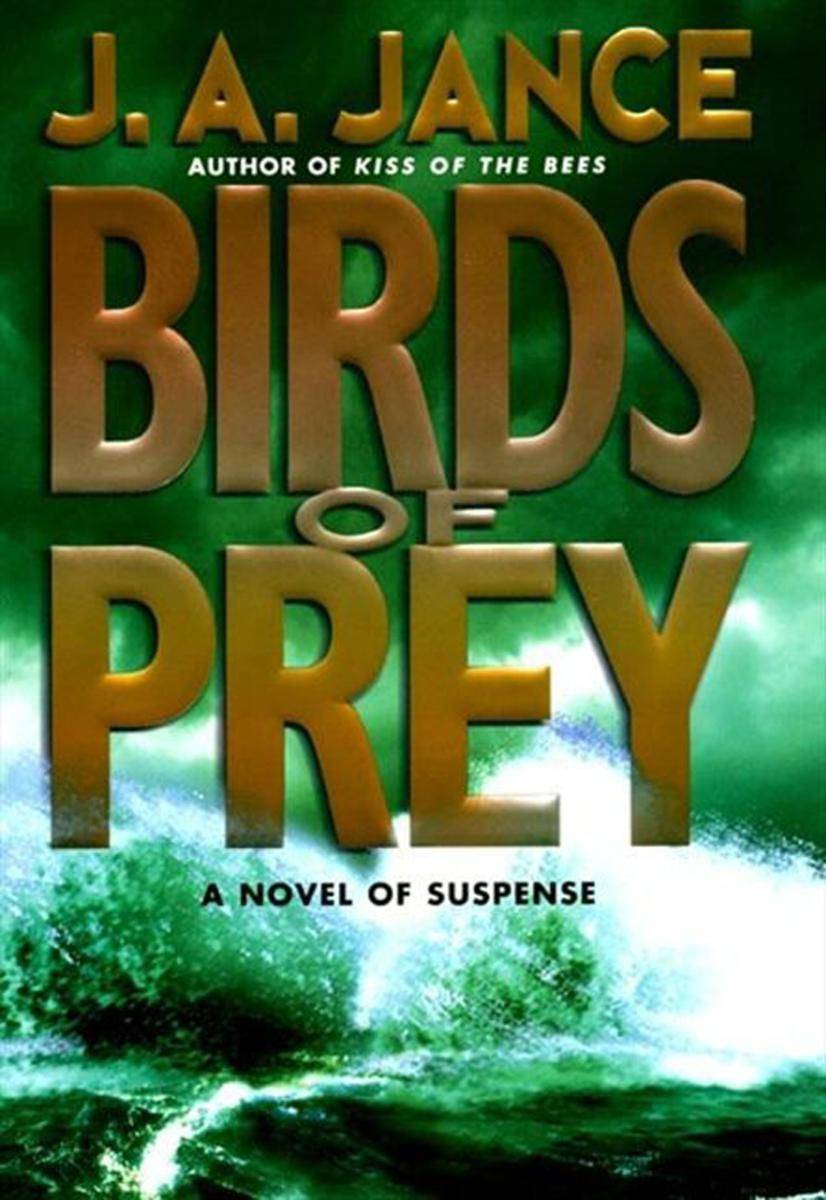
Birds of Prey
¥69.16
The Starfire Breeze steams its way north toward the Gulf of Alaska, buffeted by crisp sea winds blowing down from the Arctic. Those on board are seeking peace, relaxation, adventure, escape. But there is no escape in this place of unspoiled natural majesty. Because terror strolls the decks even in the brilliant light of day . . . and death is a conspicuous, unwelcome passenger. Former Seattle policeman J.P. Beaumont a damaged homicide detective who has come here to heal from fresh, stinging wounds will find that the grim ghosts pursuing him were not left behind . . . as a pleasure cruise gone horribly wrong carries him into lethal, ever-darkening waters.
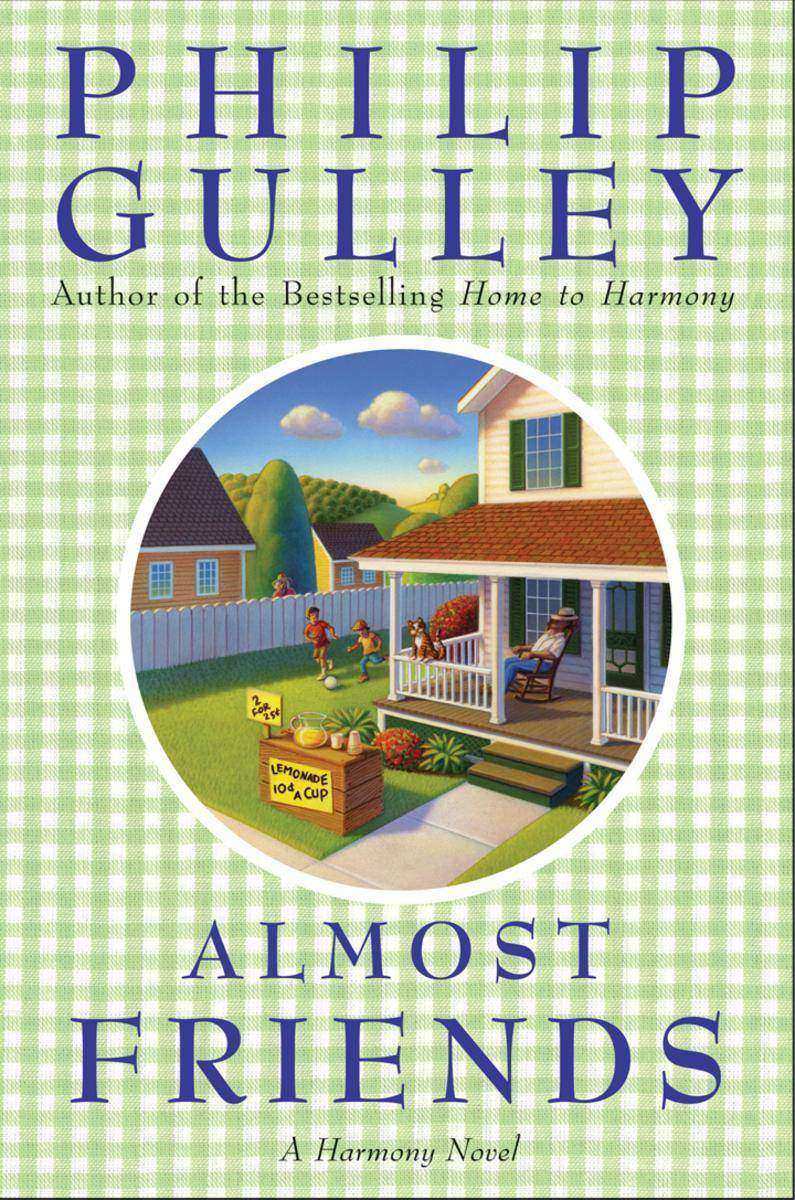
Almost Friends
¥83.92
It's summer in Harmony, but not everything is as sunny as the weather. The good citizens of Harmony are back and stirring up trouble as usual, sometimes with disastrous results. Pastor Sam Gardner must take a leave of absence from his post at Harmony Friends Meeting to take care of his ailing father.But when spunky pastor Krista Riley comes to fill his position, the quirky Quakers seem to fall in love with her, and it begins to look like Sam's sabbatical may be permanent. Krista's resilience is put to the test when Dale Hinshaw and Fern Hampton begin to question whether a woman can faithfully lead their flock, and it looks like the resulting tiff might just be the undoing of Harmony Friends Meeting. Will Sam come to the rescueFinding the answer to this question makes the trip back to Harmony worth turning every page.


