


 购物车
 个人中心

Persuasion
¥18.74
Holmes decodes a warning from Porlock, an informant against arch-criminal Moriarty, for "Douglas" resident five years at "Birlstone". Scotland Yard's MacDonald asks them to investigate a corpse with the same look and circle-in-triangle brand on the forearm as Birlstone owner Douglas. The head was blown off by an American-style sawed-off shotgun. Apparently, an intruder dropped a card with VV341, and left across a shallow moat. Watson observes the bereaved English wife and best male friend in unusually good spirits. When Holmes pretends the moat will be drained, the conspirators retrieve a missing dumb-bell weighting down the visitor's clothes beneath the water. Douglas comes from hiding, to explain he killed the assassin Baldwin in self-defence; the plan was to save him from more attacks by criminal survivors of Vermissa Valley. He hands Dr. Watson the following account. Young McMurdo gains reputation as tough counterfeiter, Freemen Lodge member fleeing murder charges in Chicago. In the Vermissa coal mine area, McGinty rules Scowrers branded by a circle in square, the local Lodge 341 who extort, murder, and exchange vicious deeds with nearby Lodges. Pretty Ettie prefers McMurdo to nasty Baldwin, and wants to flee, but will wait some months. When word comes that Pinkerton sent Edwards, McMurdo gathers ringleaders in one room, and springs his trap on them, surrounded by the law. Although the worst were hanged, after ten years, villains were freed, and chased McMurdo-Edwards-Douglas, despite changes of name, location, and wife. He married Ettie, then she died in California, where he made a fortune. The Valley of Fear, notable for Professor Moriarty's involvement, is set before "The Final Problem", the short story in which Moriarty was introduced. This introduces a logical difficulty, as in "The Final Problem" Dr. Watson has never heard of Moriarty, whereas by the end of The Valley Of Fear he is, or should be, familiar with his name and character. The "Moriarty" element in the story is tied into the fate of the informer in the story. It ties the Molly Maguire background to another event of that period: the murder of James Carey, an informer who was shot on board a ship off the coast of Natal, South Africa in 1883 by Patrick O'Donnell, an Irish republican who had relatives in the Mollies and briefly visited the Pennsylvania coal mining district, supposedly looking for the suspected informer among them.
A Dialogue in Hades: "Illustrated"
¥8.09
t lány, t nézpont, t knyv. Cherry trténete, a Cseresznyés ábránd az els. Cherry Costello élete hamarosan rkre megváltozik. Somersetbe kltzik az apukájával, ahol egy új anyuka és egy csomó vadiúj testvér vár rá. Rgtn az els napon megismeri Shay Fletchert, aki annyira szívdgleszt, hogy az már kzveszélyes. Csakhogy Shay foglalt: Cherry új mostohatestvérével, Honey-val jár. Cherry pontosan tudja, milyen kockázatos Shayjel barátkoznia – hiszen ezzel mindent tnkretehet. Csakhogy ez még nem jelenti azt, hogy távol is tudja tartani magát tle… Csajok és csokik. Egy knyvsorozat, melyben minden testvérnek megvan a maga trténete… Neked melyik lány lesz a kedvenced Talán a Cseresznyés ábránd fhse, Cherry Az a lány, akinek tejeskávé szín a bre, stétbarna szeme pedig mandulavágású. Akinek élénk a képzelete, szórakoztató a társaságában lenni, és aki mindig kiáll magáért. Cathy Cassidy nyolc-kilencéves korában írta meg els képesknyvét kisccsének, és azóta ontja magából a trténeteket. Magyarul elsként a Csajok és csokik-sorozata (a Cseresznyés ábránd az 1. ktet) jelenik meg, melynek a vagány Tanberry-nvérek a fhsei, de mellettük feltnik néhány szupermen srác is, valamint Cathy egyik legnagyobb szerelme, a csokoládé is fontos szerepet kap. Cathy Skóciában él a családjával. Az sszes munka kzül, amivel valaha megpróbálkozott, az írást szereti a legjobban – hiszen amikor ír, mást sem kell csinálnia, mint ébren álmodozni egész álló nap.

?szintén hazudva
¥58.04
36 тижн?в у списку бестселер?в The New York Times! Евел?н пережива? глибоку особисту кризу. Вона знайомиться з? старенькою Н?нн?, яка, попри важку долю, не втрача? жаги до життя. Н?нн? розпов?да? Евел?н ?стор?? ?хнього м?стечка: про д?вчину, яка п?сля загибел? брата знаходить сили жити дал?; про розбите серце красун? Рут; про мандр?вного роб?тника, який закохався в Рут; про безроб?тних, яких у кафе ?Зупинка? годували безкоштовно... Ц? ?стор?? мають таку силу, що зм?нюють на краще життя тих, хто ?х чита?. 36 tizhn?v u spisku bestseler?v The New York Times! Evel?n perezhiva? gliboku osobistu krizu. Vona znajomit'sja z? staren'koju N?nn?, jaka, popri vazhku dolju, ne vtracha? zhagi do zhittja. N?nn? rozpov?da? Evel?n ?stor?? ?hn'ogo m?stechka: pro d?vchinu, jaka p?slja zagibel? brata znahodit' sili zhiti dal?; pro rozbite serce krasun? Rut; pro mandr?vnogo rob?tnika, jakij zakohavsja v Rut; pro bezrob?tnih, jakih u kafe ?Zupinka? goduvali bezkoshtovno... C? ?stor?? majut' taku silu, shho zm?njujut' na krashhe zhittja tih, hto ?h chita?.

A Thousand Years of Jewish History: Illustrated
¥32.62
Minden bonyodalom azzal kezd?dik, hogy Ríviai Geralt kardjainak rejtélyes módon lába kél. Ezt k?veti egy démonidéz? rejtélye, egy furcsa hajóút és egy meglehet?sen fordulatos királyi esküv?. A régi barát, K?k?rcsin szokás szerint most is Geralt ?segítségére siet”, akár akarja a vaják, akár nem. Felbukkan egy varázslón? is, aki megpróbálja irányítani Geraltot, szokás szerint. ?s ismét akadnak olyanok, akik a vaják útjába állnak, szokás szerint. Ez a k?tet Sapkowski utolsó regénye a Vaják-világban, és a sagához csak k?nny? szállal kapcsolódik, de a szerz? nem okoz csalódást: ismét egyszerre szembesülünk népek sorsával és az egyes ember drámájával, de mindezt ismét olyan gazdag képzeletvilággal ?tv?zve és olyan humorral tálalva, ami letehetetlenné teszi a k?tetet. Szokás szerint.

Z?r?s hétvége
¥59.84
EGY FONTOS ?ZENET ROSSZ KEZEKBE KER?L. S?T?T TERV L?P M?K?D?SBE. ?M A K?T TOLVAJ MOST IS A CSELSZ?V?K ?TJ?BAN ?LL. A Riyria egyik fele, Hadrian Blackwater Novron elveszett ?r?k?sének felkutatására indul. Egykori társa életét féltve, Royce Melborn ismét csatlakozik hozzá egy utolsó küldetésre, így együtt szállnak tengerre. A sikerre egyetlen esélyük, ha szembeszállnak a kíméletlen Merrick Mariusszal, a mesterb?n?z?vel, aki barátból Royce legádázabb ellenségévé vált. ?tjuk csapdák és árulás ingoványos vidékén át vezet, és Hadrian arra kényszerül, hogy szembenézzen rég eltemetett múltjával. A Smaragdvihar a magával ragadó Riyria-krónikák negyedik k?tete. A hatk?tetes sorozatot írója egyetlen, eposzi magaslatokra t?r? t?rténetként alkotta meg, amit kül?n epizódokra bontott. A cselekményszálak egybefonódnak, de minden egyes k?tet a saját t?rténetét meséli el, és kül?n, kerek egészként is élvezhet?. Az eredetileg magánkiadásban megjelent sorozatra felfigyelt egy nagy kiadó is, és az új kiadás révén az utóbbi évek legsikeresebb új fantasyjévé vált.

Evolution of Love
¥18.74
In these times of ours, though concerning the exact year there is no need to be precise, a boat of dirty and disreputable appearance, with two figures in it, floated on the Thames, between Southwark bridge which is of iron, and London Bridge which is of stone, as an autumn evening was closing in. The figures in this boat were those of a strong man with ragged grizzled hair and a sun-browned face, and a dark girl of nineteen or twenty, sufficiently like him to be recognizable as his daughter. The girl rowed, pulling a pair of sculls very easily; the man, with the rudder-lines slack in his hands, and his hands loose in his waistband, kept an eager look out. He had no net, hook, or line, and he could not be a fisherman; his boat had no cushion for a sitter, no paint, no inscription, no appliance beyond a rusty boathook and a coil of rope, and he could not be a waterman; his boat was too crazy and too small to take in cargo for delivery, and he could not be a lighterman or river-carrier; there was no clue to what he looked for, but he looked for something, with a most intent and searching gaze. The tide, which had turned an hour before, was running down, and his eyes watched every little race and eddy in its broad sweep, as the boat made slight head-way against it, or drove stern foremost before it, according as he directed his daughter by a movement of his head. She watched his face as earnestly as he watched the river. But, in the intensity of her look there was a touch of dread or horror. Allied to the bottom of the river rather than the surface, by reason of the slime and ooze with which it was covered, and its sodden state, this boat and the two figures in it obviously were doing something that they often did, and were seeking what they often sought. Half savage as the man showed, with no covering on his matted head, with his brown arms bare to between the elbow and the shoulder, with the loose knot of a looser kerchief lying low on his bare breast in a wilderness of beard and whisker, with such dress as he wore seeming to be made out of the mud that begrimed his boat, still there was a business-like usage in his steady gaze. So with every lithe action of the girl, with every turn of her wrist, perhaps most of all with her look of dread or horror; they were things of usage. 'Keep her out, Lizzie. Tide runs strong here. Keep her well afore the sweep of it.' Trusting to the girl's skill and making no use of the rudder, he eyed the coming tide with an absorbed attention. So the girl eyed him. But, it happened now, that a slant of light from the setting sun glanced into the bottom of the boat, and, touching a rotten stain there which bore some resemblance to the outline of a muffled human form, coloured it as though with diluted blood. This caught the girl's eye, and she shivered. 'What ails you?' said the man, immediately aware of it, though so intent on the advancing waters; 'I see nothing afloat.' The red light was gone, the shudder was gone, and his gaze, which had come back to the boat for a moment, travelled away again. Wheresoever the strong tide met with an impediment, his gaze paused for an instant. At every mooring-chain and rope, at every stationery boat or barge that split the current into a broad-arrowhead, at the offsets from the piers of Southwark Bridge, at the paddles of the river steamboats as they beat the filthy water, at the floating logs of timber lashed together lying off certain wharves, his shining eyes darted a hungry look. After a darkening hour or so, suddenly the rudder-lines tightened in his hold, and he steered hard towards the Surrey shore. Always watching his face, the girl instantly answered to the action in her sculling; presently the boat swung round, quivered as from a sudden jerk, and the upper half of the man was stretched out over the stern.
The Tale Of Peter Rabbit
¥8.09
Tanara Oriana moare intr-un accident, chiar in ziua nuntii ei. Pentru oricine, acesta ar parea sfarsitul. Nu si pentru ea. Se intoarce ca recuperator de suflete, insa nu la vechea viata si familie, pentru care trebuie sa ramana moarta, ci la una cu totul noua. Rasfatul si confortul, considerate garantate mai inainte, se duc acum pe Apa Sambetei. Va trebui sa lupte pentru a-i salva pe ceilalti, dar si pe sine. Apar noi prieteni, noi dusmani si… prima iubire? Exista viata dupa moarte? Unii vor spune ca da, altii ca nu. Dar exista un raspuns la care cu siguranta nu v-ati gandit. Exista recuperatorii de suflete. Smulsi din existentele lor, sunt aruncati in altele, neintrebati de nimeni, fara sa li se ceara acceptul. Trebuie doar sa se supuna legilor celor de Dincolo. Iar unii aleg razvratirea…In volumul 2, relatia ei cu Marc, dar si cu ingerii, se aprofundeaza si o determina sa reevalueze tot ce simtea fata de fiecare dintre ei.Aventura se inteteste, atragand cititorul intr-un vartej din care nu mai poate, si nu mai vrea, sa iasa.

Tündevér
¥57.80
In 1861 Captain Grant succeeded Captain Burgess on Matinicus, taking his son with him as assistant. The old keeper left Abby on the rock to instruct the newcomers in their duties, and she performed the task so well that young Grant fell in love with her, and asked her to become his wife. Soon after their marriage she was appointed an assistant keeper. A few years later the husband was made keeper and the wife assistant keeper of White Head, another light on the Maine coast. There they remained until the spring of 1890, when they removed to Middleborough, Mass., intending to pass the balance of their days beyond sight and hearing of the rocks and the waves. But the hunger which the sea breeds in its adopted children was still strong within them, and the fall of 1892 found them again on the coast of Maine, this time at Portland, where the husband again entered the lighthouse establishment, working in the engineers' department of the first lighthouse district. With them until his death lived Captain Grant, who in the closing months of 1890, being then aged eighty-five, retired from the position of keeper of Matinicus light, which he had held for nearly thirty years. Not less lonely, but far more perilous than the life of the keepers of a light like that on Matinicus is the lot of the crew of the South Shoal lightship, whose position twenty-six miles off Sankaty Head, Nantucket Island, makes it the most exposed light-station in the world. Anchored so far out at sea, it is only during the months of summer and autumn that the lighthouse tender ventures to visit it, and its crew from December to May of each year are wholly cut off from communication with the land. It is this, however, that makes the South Shoal lightship a veritable protecting angel of the deep, for it stands guard not only over the treacherous New South Shoal, near which it is anchored, but over twenty-six miles of rips and reefs between it and the Nantucket shore—a wide-reaching ocean graveyard, where bleach the bones of more than a half thousand wrecked and forgotten vessels. The lightship is a stanchly built two-hulled schooner of 275 tons burden, 103 feet long over all, equipped with fore-and-aft lantern masts 71 feet high, and with two masts for sails, each 42 feet high. The lanterns are octagons of glass in copper frames, so arranged that they can be lowered into houses built around the masts. In the forward part of the ship is a huge fog bell, swung ten feet above the deck, which, when foggy weather prevails, as it frequently does for weeks at a time, is kept tolling day and night. A two-inch chain fastened to a "mushroom" anchor weighing upward of three tons holds the vessel in eighteen fathoms of water, but this, so fiercely do the waves beat against it in winter, has not prevented her from going adrift many times. She was two weeks at sea on one of these occasions, and on another she came to anchor in New York Harbor. Life on the South Shoal lightship is at all times a hard and trying one, and, as a matter of fact, the crew are instructed not to expose themselves to danger outside their special line of duty. This, however, does not deter them from frequently risking their lives in rescuing others, and when, several years ago, the City of Newcastle went ashore on one of the shoals near the lightship, all hands, twenty-seven in number, were saved by the South Shoal crew and kept aboard of her over two weeks, until the story of the wreck was signalled to a passing vessel. Isaac H. Grant holds a silver medal given him by the Government for rescuing two men from drowning while he was keeper at White Head; while Frederick Hatch, keeper of the Breakwater station at Cleveland was awarded the gold bar. The last mentioned badge of honor is granted only to one who has twice distinguished himself by a special act of bravery. It was given Hatch in the winter of 1898.

Meztelenül
¥63.03
Mit ér az emlékezés, ha senki nem kíváncsi arra, ami elmúlt? B?n-e a hallgatás, ha védeni akarjuk szeretteinket a múlt sz?rny?ségeit?l? Mit tehetünk, ha a t?rténelem megismételni látszik ?nmagát?? Egy újságíró és egy sokat megélt nyolcvannégy éves h?lgy találkozása régi sebeket tép fel. Mélyen eltemetett emlékek kerülnek felszínre: A remény és a hit a kegyetlenséggel szemben, emberek az embertelenségben, és üzleti érdekek, melyek a pokol káoszát irányítják. Mi k?ti ?ssze egy kislány, egy náci tiszt, egy szovjet ezredes és egy m?fordító sorsát hetven év távlatából? ?Ez a t?rténet...

?ntoarcerea: Am murit, din fericire 1
¥36.79
45.538 de cuvinte. At?tea stau str?nse ?n cartea asta. A?a ?mi indic? un contor al softului ?n care am editat textul. Ceea ce ?nseamn? c? ?n aceast? prezentare a ei, a c?r?ii, trebuie s? m? comport ca un gospodar care ar ?ncerca s? hr?neasc? toat? p?s?rimea satului cu o singur? m?n? de gr?un?e. N-am cum. ?i nici n-a? vorbi despre ea a?a cum o facem despre copiii no?tri, care sunt mereu ?i mai de?tep?i, mai frumo?i sau m?car mai ?nal?i dec?t ai altora. ?n momentul ?sta, tot programul de editare m? salveaz?. Observ c? are posibilitatea de a rezuma textul meu ?n numai zece sentin?e: De riduri. De paradigm?. Nu de om, ci de m?gar [...] De necur??ie. De ?coal?. De efeminat. De care uitasem. De munc?. De butie. De p?reri. ?mi dau seama ?ns? c? posibilul cititor interesat, ori librarul care ar dori s? v?nd? cartea, nu are cum s? ?n?eleag? prea multe din asta. Nu pricep nici eu de unde apeten?a programului pentru prepozi?ia de. Sunt singur ?n cas?, nimeni nu-?i poate da cu p?rerea despre volumul ?sta, editorii m? sun? rug?nd s? le trimit acest sinopsis. ?n clipa aia, Cimbru, c?inele meu, cel care m? ?n?elege mereu at?t de bine, ??i f?lf?ie coada pe l?ng? cracii pantalonilor mei. ?i pun manuscrisul ?n fa?? ?i-l rog s? m? ajute cumva. ?l miroase curios, de dou?, trei ori, p?n? ??i d? seama c? nu-i bun de m?ncat. E clar, cartea asta nu este bun? de m?ncat! Poate o fi bun? la altceva. Nu ?tiu, m?car ca palet? de ping-pong.
Robinson Crusoe: Illustrated
¥18.74
Treasure Island is an adventure novel by Scottish author Robert Louis Stevenson, narrating a tale of "buccaneers and buried gold". First published as a book on 23 May 1883, it was originally serialized in the children's magazine Young Folks between 1881 and 1882 under the title Treasure Island or, the mutiny of the Hispaniola with Stevenson adopting the pseudonym Captain George North. Traditionally considered a coming-of-age story, Treasure Island is a tale known for its atmosphere, characters and action, and also as a wry commentary on the ambiguity of morality — as seen in Long John Silver — unusual for children's literature now and then. It is one of the most frequently dramatized of all novels. The influence of Treasure Island on popular perceptions of pirates is enormous, including treasure maps marked with an "X", schooners, the Black Spot, tropical islands, and one-legged seamen carrying parrots on their shoulders. Short Summary of the Book:The novel is divided into six parts and 34 chapters: The novel opens in the seaside village of Black Hill Cove in south-west England (to Stevenson, in his letters and in the related fictional play Admiral Guinea, near Barnstaple, Devon) in the mid-18th century. The narrator, James "Jim" Hawkins, is the young son of the owners of the Admiral Benbow Inn. An old drunken seaman named Billy Bones becomes a long-term lodger at the inn, only paying for about the first week of his stay. Jim quickly realizes that Bones is in hiding, and that he particularly dreads meeting an unidentified seafaring man with one leg. Some months later, Bones is visited by a mysterious sailor named Black Dog. Their meeting turns violent, Black Dog flees and Bones suffers a stroke. While Jim cares for him, Bones confesses that he was once the mate of a notorious late pirate, Captain Flint, and that his old crewmates want Bones' sea chest. Some time later, another of Bones' crew mates, a blind man named Pew, appears at the inn and forces Jim to lead him to Bones. Pew gives Bones a paper. After Pew leaves, Bones opens the paper to discover it is marked with the Black Spot, a pirate summons, with the warning that he has until ten o'clock to meet their demands. Bones drops dead of apoplexy (in this context, a stroke) on the spot. Jim and his mother open Bones' sea chest to collect the amount due to them for Bones' room and board, but before they can count out the money that they are owed, they hear pirates approaching the inn and are forced to flee and hide, Jim taking with him a mysterious oilskin packet from the chest. The pirates, led by Pew, find the sea chest and the money, but are frustrated that there is no sign of "Flint's fist". Customs men approach and the pirates escape to their vessel (all except for Pew, who is accidentally run down and killed by the agents' horses).
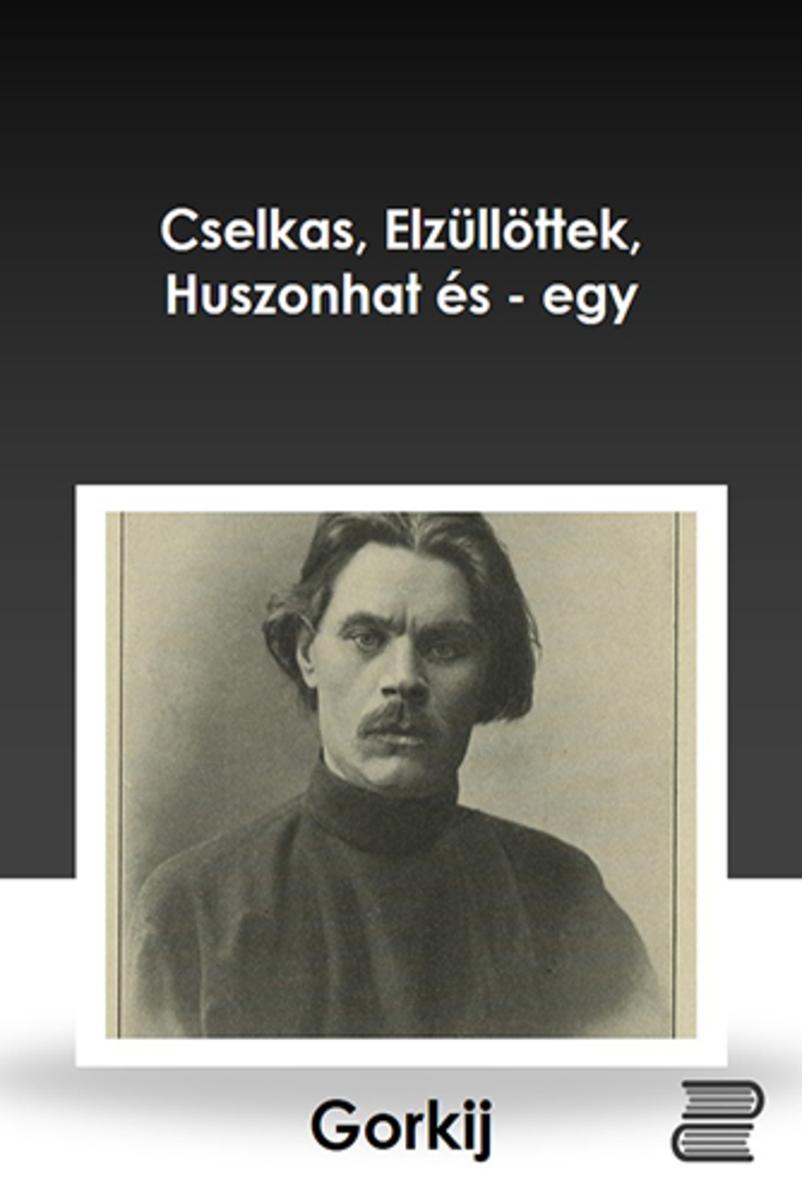
Gorkij elbeszélései :Cselkas, Elzüll?ttek, Huszonhat és- egy
¥8.83
rk élet! Az emberiség si vágya. Mely megvalósíthatatlan - vagy mégsem Nathaniel Delinger, a látnok zseni a csillagok kztt találja meg ennek lehetségét. A neve: Endümión. Mert ugyan sokaknak vágya az rk élet - de van, aki nem akarja, hogy bárki rkké éljen. s ezért akár az rklétet is képes elpusztítani. Owen, a fiatal nyomozó, egy gyilkossági ügy kapcsán 8 feladvánnyal szembesül, mely egyre kzelebb visz Endümión titkához - és kzelebb egy hazugság leleplezdéséhez. Az elkvetk célja, hogy elutazhassanak Endümiónra, ahol az rk élet várja ket, hogy megszabaduljanak a Fld haláltól terhes világától. Vajon Endümión tényleg az az eszményi hely s mi az a szilánk, és hogyan kerül a Fldre GARZ LSZL fantáziájának sem a tér, sem az id nem szabhat határokat. A szerz fordulatokban gazdag kalandos sci-fi trténete új izgalmas világokba repíti az olvasót.

Evolu?ia unei revolu?ii. Bazele psihoterapiei ra?ional-emotive
¥122.54
Lauren Hope a fiatal, gyönyör?, és céltudatos n? minden kétséget kizáróan hisz benne. Két nagy álma van: sikeres író szeretne lenni, és meg akarja ismerni az igaz szerelmet, melyr?l a nagy könyvekben írnak. Egy nap messzire utazik abban a reményben, hogy fájdalmait maga mögött hagyhatja. Akkor még nem is sejti, hogy ez az utazás alapjaiban változtatja meg az életét. Távol otthonától a véletlennek köszönhet?en megismerkedik egy titokzatos, jókép? zenésszel. Dylan Duprés, a biztonságot sugárzó férfi, Lauren álmainak lehetséges megvalósítója, egyben minden probléma forrása. Vajon milyen hatással lesz Lauren életére ennek a rejtélyes férfinek a felbukkanása? Elképzelhet?, hogy mindkét álma valóra válik? És ha választania kell? Zsarnai Beáta - a N?k Lapjához tartozó Cafeblog kiemelt bloggerének - els? regénye a sors hatalmáról.
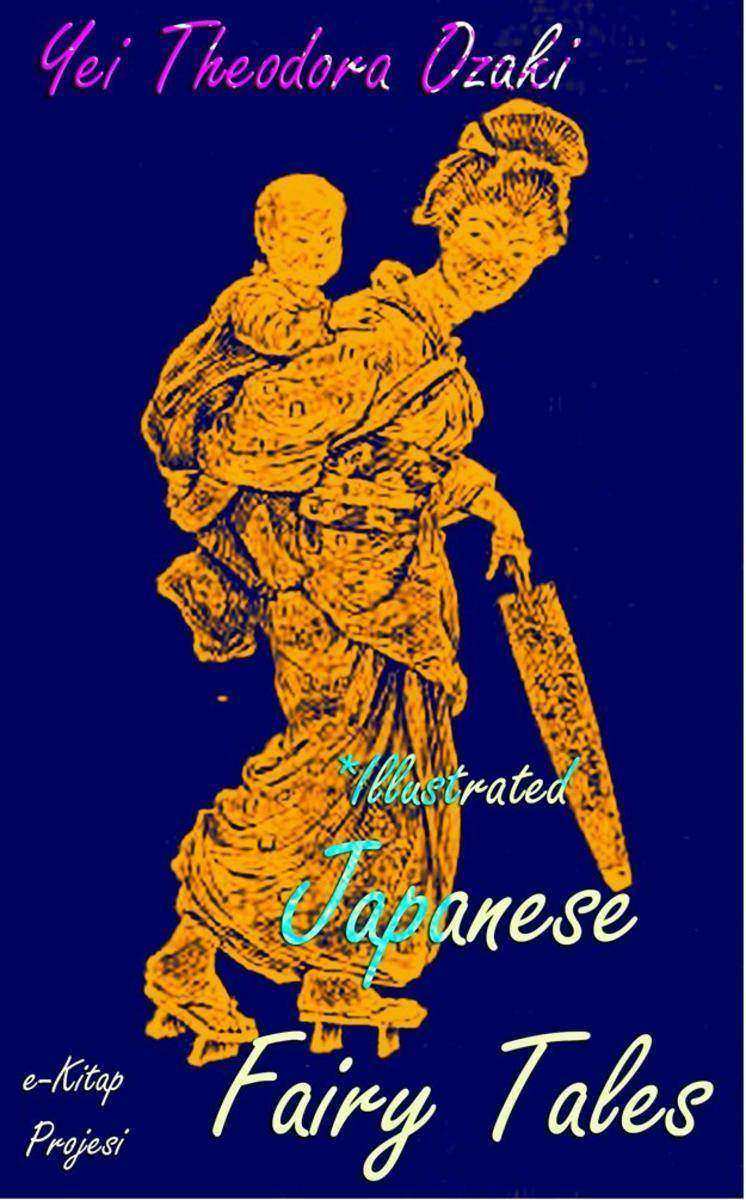
Japanese Fairy Tales: Illustrated
¥18.74
THE ARABIAN NIGHTS “THE ORIENT MAGIC” The Talking Bird, The Singing Tree, and the Golden WaterThe Story of the Fisherman and the GenieThe History of the Young King of the Black IslesThe Story of Gulnare of the SeaThe Story of Aladdin; Or, the Wonderful LampThe Story of Prince AgibThe Story of the City of BrassThe Story of Ali Baba and the Forty ThievesThe History of Codadad and His BrothersThe Story of Sinbad the Voyager The Talking Bird:It will be sufficient to break off a branch and carry it to plant in your gardenThe Fisherman and the GenieThe smoke ascended to the clouds, and extending itself along the sea and upon the shore formed a great mist The Young King of the Black IslesWhen he came to this part of his narrative the young king could not restrain his tearsGulnare of the SeaAnd she proceeded to burn perfume and repeat spells until the sea foamed and was agitatedAladdinAt the same time the earth, trembling, opened just before the magician, and uncovered a stone, laid horizontally, with a brass ring fixed into the middlePrince AgibAnd when the boat came to me I found in it a man of brass, with a tablet of lead upon his breast, engraven with names and talismans Prince AgibAt the approach of evening I opened the first closet and, entering it, found a mansion like paradiseThe City of BrassAnd when they had ascended that mountain they saw a city than which eyes had not beheld any greaterThe Story of Ali Baba and the Forty ThievesCassim ... was so alarmed at the danger he was in that the more he endeavoured to remember the word Sesame the more his memory was confoundedThe History of Codadad and His BrothersAs it drew near we saw ten or twelve armed pirates appear on the deckSecond Voyage of SinbadThe spot where she left me was encompassed on all sides by mountains that seemed to reach above the clouds, and so steep that there was no possibility of getting out of the valleyThird Voyage of SinbadHaving finished his repast, he returned to his porch, where he lay and fell asleep, snoring louder than thunder.. Little excuse is needed, perhaps, for any fresh selection from the famous "Tales of a Thousand and One Nights," provided it be representative enough, and worthy enough, to enlist a new army of youthful readers. Of the two hundred and sixty-four bewildering, unparalleled stories, the true lover can hardly spare one, yet there must always be favourites, even among these. We have chosen some of the most delightful, in our opinion; some, too, that chanced to appeal particularly to the genius of the artist. If, enticed by our choice and the beauty of the pictures, we manage to attract a few thousand more true lovers to the fountain-book, we shall have served our humble turn. The only real danger lies in neglecting it, in rearing a child who does not know it and has never fallen under its spell. You remember Maimoune, in the story of Prince Camaralzaman, and what she said to Danhasch, the genie who had just arrived from the farthest limits of China? "Be sure thou tellest me nothing but what is true or I shall clip thy wings!" This is what the modern child sometimes says to the genies of literature, and his own wings are too often clipped in consequence."The Empire of the Fairies is no more. Reason has banished them from ev'ry shore;Steam has outstripped their dragons and their cars,Gas has eclipsed their glow-worms and their stars."?douard Laboulaye says in his introduction to Nouveaux Contes Bleus: "Mothers who love your children, do not set them too soon to the study of history; let them dream while they are young.

Little Women
¥18.74
In offering this study to a public accustomed only to the unquestioning acceptance of the home as something perfect, holy, quite above discussion, a word of explanation is needed. First, let it be clearly and definitely stated, the purpose of this book is to maintain and improve the home. Criticism there is, deep and thorough; but not with the intention of robbing us of one essential element of home life—rather of saving us from conditions not only unessential, but gravely detrimental to home life. Every human being should have a home; the single person his or her home; and the family their home. The home should offer to the individual rest, peace, quiet, comfort, health, and that degree of personal expression requisite; and these conditions should be maintained by the best methods of the time. The home should be to the child a place of happiness and true development; to the adult a place of happiness and that beautiful reinforcement of the spirit needed by the world's workers. We are here to perform our best service to society, and to find our best individual growth and expression; a right home is essential to both these uses. The place of childhood's glowing memories, of youth's ideals, of the calm satisfaction of mature life, of peaceful shelter for the aged; this is not attacked, this we shall not lose, but gain more universally. What is here asserted is that our real home life is clogged and injured by a number of conditions which are not necessary, which are directly inimical to the home; and that we shall do well to lay these aside. As to the element of sanctity—that which is really sacred can bear examination, no darkened room is needed for real miracles; mystery and shadow belong to jugglers, not to the truth. The home is a human institution. All human institutions are open to improvement. This specially dear and ancient one, however, we have successfully kept shut, and so it has not improved as have some others.
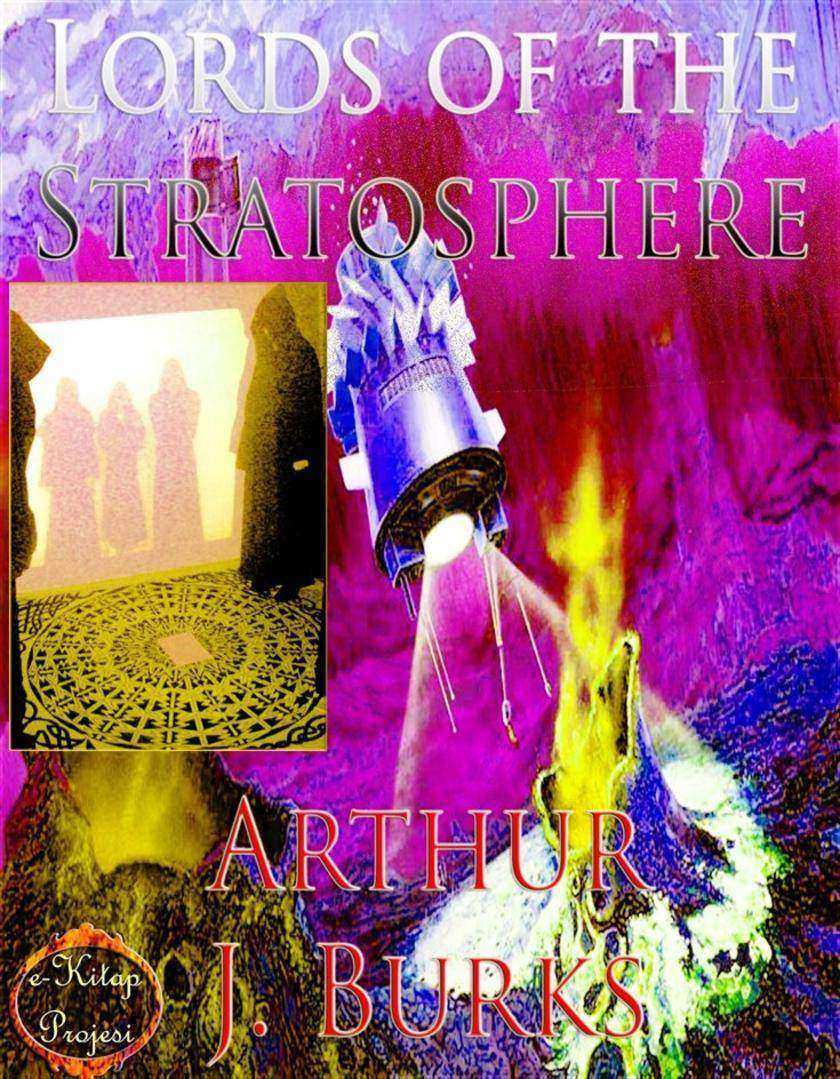
Lords of the Stratosphere
¥9.24
It is a cumulative tale that does not tell the story of Jack's house, or even of Jack who built the house, but instead shows how the house is indirectly linked to other things and people, and through this method tells the story of "The man all tattered and torn", and the "Maiden all forlorn", as well as other smaller events, showing how these are interlinked. Origins: It has been argued that the rhyme is derived from an Aramaic hymn Chad Gadya (lit., "One Young Goat") in Sepher Haggadah, first printed in 1590; but although this is an early cumulative tale that may have inspired the form, the lyrics bear little relationship. It was suggested by James Orchard Halliwell that the reference to the "priest all shaven and shorn" indicates that the English version is probably very old, presumably as far back as the mid-sixteenth century. There is a possible reference to the song in The Boston New Letter of 12 April 1739 and the line: "This is the man all forlorn, &c". However, it did not appear in print until it was included in Nurse Truelove's New-Year's-Gift, or the Book of Books for Children, printed in London in 1755. It was printed in numerous collections in the late eighteenth and early nineteenth centuries. Randolph Caldecott produced an illustrated version in 1878. Cherrington Manor, a handsome timber-framed house in North East Shropshire, England, is reputed to be the actual house that Jack built. There is a former malt house in the grounds. Syntactic structure: Each sentence in the story is an example of an increasingly deeply nested relative clause. The last version, "This is the horse...", would be quite difficult to untangle if the previous ones were not present. See the Noun Phrase for more details about postmodification of the noun phrase in this manner. References in popular culture: The rhyme continues to be a popular choice for illustrated children's books, with recent examples by Simms Taback and Quentin Blake showing how illustrators can introduce a fresh angle and humour into a familiar tale. The popularity of the rhyme can be seen in its use in a variety of other cultural contexts..
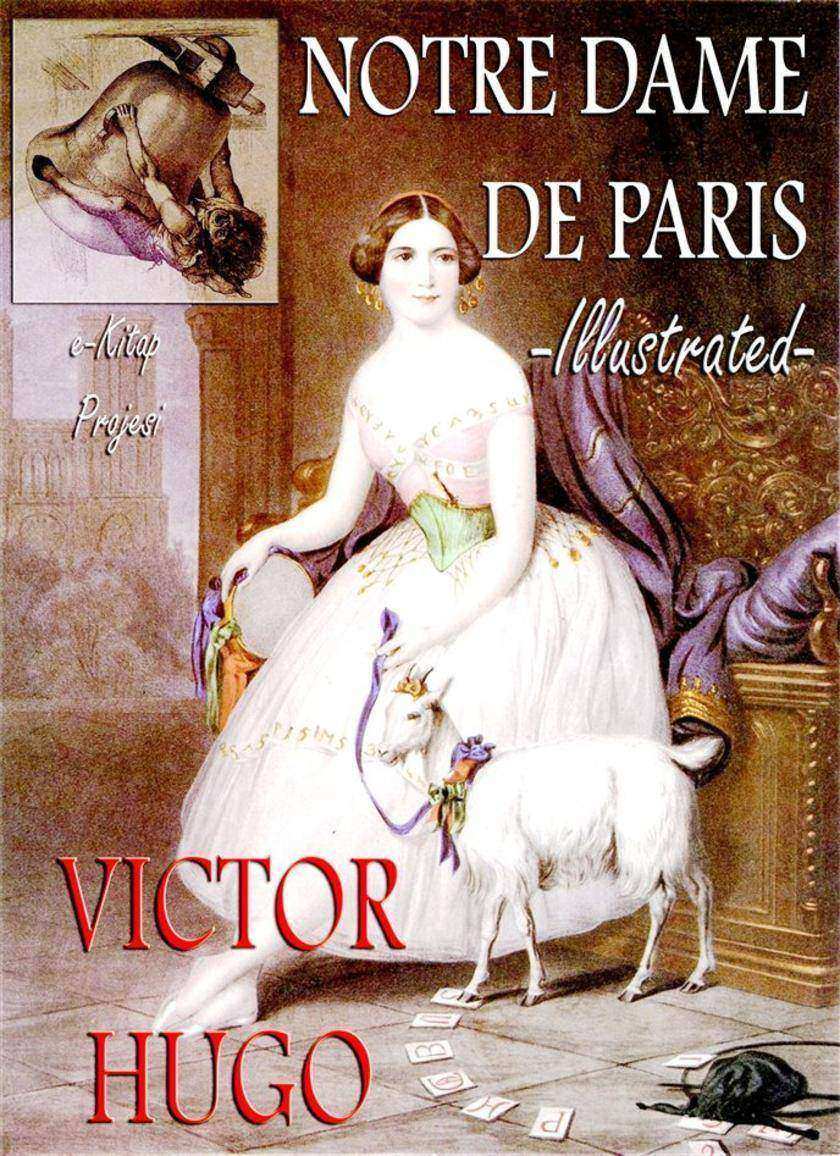
Notre-Dame de Paris
¥28.04
An afternoon of a cold winter’s day, when the sun shone forth with chilly brightness, after a long storm, two children asked leave of their mother to run out and play in the new-fallen snow. The elder child was a little girl, whom, because she was of a tender and modest disposition, and was thought to be very beautiful, her parents, and other people who were familiar with her, used to call Violet. But her brother was known by the style and title of Peony, on account of the ruddiness of his broad and round little phiz, which made everybody think of sunshine and great scarlet flowers. The father of these two children, a certain Mr. Lindsey, it is important to say, was an excellent, but exceedingly matter-of-fact sort of man, a dealer in hardware, and was sturdily accustomed to take what is called the common-sense view of all matters that came under his consideration. With a heart about as tender as other people’s, he had a head as hard and impenetrable, and therefore, perhaps, as empty, as one of the iron pots which it was a part of his business to sell. The mother’s character, on the other hand, had a strain of poetry in it, a trait of unworldly beauty—a delicate and dewy flower, as it were, that had survived out of her imaginative youth, and still kept itself alive amid the dusty realities of matrimony and motherhood. So, Violet and Peony, as I began with saying, besought their mother to let them run out and play in the new snow; for, though it had looked so dreary and dismal, drifting downward out of the gray sky, it had a very cheerful aspect, now that the sun was shining on it. The children dwelt in a city, and had no wider play-place than a little garden before the house, divided by a white fence from the street, and with a pear-tree and two or three plum-trees overshadowing it, and some rose-bushes just in front of the parlor windows. The trees and shrubs, however, were now leafless, and their twigs were enveloped in the light snow, which thus made a kind of wintry foliage, with here and there a pendent icicle for the fruit. “Yes, Violet,—yes, my little Peony,” said their kind mother; “you may go out and play in the new snow.”
Dragonbond
¥40.79
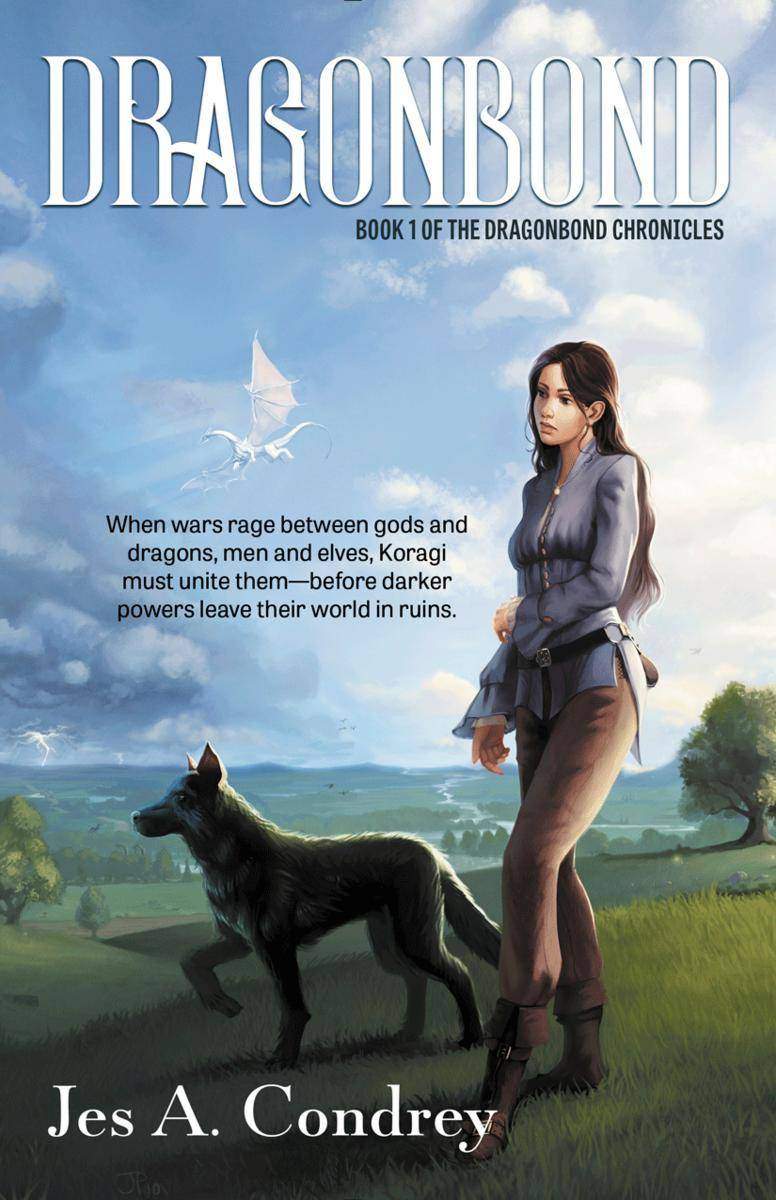
Koragi is a promising young seamstress who longs to open her own tailoring shop in her home village of Cordak. Like most young girls in the village, she has an eye for Tebanis, the handsome militia captain with a crooked smile and a fierce sword arm. Hooded thugs attack Koragi during the annual harvest festival in the capital city of Eiskre. Tebanis mysteriously takes the form of a black dog to track and rescue her. He takes her away from the city on horseback, but they arrive in Cordak to find the village devastated. A massive golden dragon lies dead in the smoldering ruins. Tebanis reveals that Koragi is born of the gods, and she must cast aside her simple life to seek out three Pearls of Power in order to awaken the full capacity of her birthright. As she grieves the loss of her worldly mother and the deaths of countless villagers, Koragi is compelled to travel with Tebanis to Raitom, the City of Swords, in a desperate search for the strength to take retribution. Alongside Tebanis, Koragi battles agents of the dark goddess Ariana as she embarks on a quest to find her Pearls and gather allies and power enough to stand against the wicked goddess who plagues Camriiole. Facing treachery and the agony of loss, can Koragi overcome her own fears and pain to complete the impossible task which prophecy has placed before her?

Plays for Today By Women
¥40.79
Plays for Today by Women A wide-ranging collection of plays by women dealing with contemporary subjects such as sexual abuse, recession, war, poverty and the complexity of modern women’s lives. Many roles for women and girls provided. Suitable for study or for performance or as part of courses in Women’s Studies or Feminist Theatre Studies. All the plays have been produced and performed in the UK to acclaim and are written by commissioned playwrights. ? “The expanse of subjects this short collection covers shows that women are not just writing about the kitchen sink, the claim so often levelled. This collection (provides) a snapshot of an exciting time for female writers” ? @17percent ? The Plays For A Button ?by Rachel Barnett: comic two hander about two friends and the lengths one will go to, to remain best friends. Yours Abundantly, From Zimbabwe ?by Gillian Plowman: a middle-aged woman decides to leave her comfy life in the UK and work in a school in Zimbabwe. Welcome To Ramallah ?by Sonja Linden and Adah Kay: two Jewish sisters are forced to confront the reality of what their forefathers have done to the Palestinians. From The Mouths Of Mothers ?by Amanda Stuart Fisher: a verbatim drama detailing the distressing stories of mothers who learned that their child has been abused. The Awkward Squad ?by Karen Young: a three-generational drama involving Northern women who are trying to live and work in recessionary Britain. Sweet Cider ?by Emteaz Hussain: In a rundown park, two teenage runaways Tazeem and Nosheen hang out, chatting to the boys and an old bag lady, trying to reconcile being British with their Pakistani cultural traditions. ? About the editors Cheryl Robson ?is an award-winning playwright and publisher who founded Aurora Metro Books over 20 years ago to develop and publish new writers in drama and fiction. She also established The Virginia Prize for Fiction in 2009 to promote emerging women novelists. Previously, she worked for the BBC, ran a theatre company and taught in higher education. Rebecca Gillieron ?is an editor and musician with various releases on independent labels in the US and UK. Keen to raise the profile of women and the arts, she has worked in publishing for fifteen years moving from Virgin and Penguin Books into independent publishing via The Womens Press, Marion Boyars and now Aurora Metro Books.? ? ? ?

The Man in the Iron Mask
¥28.04
Jonas Lie is sufficiently famous to need but a very few words of introduction. Ever since 1870, when he made his reputation by his first novel, "Den Fremsynte," he has been a prime favourite with the Scandinavian public, and of late years his principal romances have gone the round of Europe. He has written novels of all kinds, but he excels when he describes the wild seas of Northern Norway, and the stern and hardy race of sail-ors and fishers who seek their fortunes, and so often find their graves, on those dangerous waters. Such tales, for instance, as "Tremasteren Fremtid," "Lodsen og hans Hustru," "Gaa Paa!" and "Den Fremsynte" are unique of their kind, and give far truer pictures of Norwegian life and character in the rough than anything that can be found elsewhere in the literature. Indeed, Lie's skippers and mates are as superior to Kjelland's, for instance, as the peasants of Jens Tvedt (a writer, by the way, still unknown beyond his native land) are superior to the much-vaunted peasants of Bj?rnstjerne Bj?rnson. But it is when Lie tells us some of the wild legends of his native province, Nordland, some of the grim tales on which he himself was brought up, so to speak, that he is perhaps most vivid and enthralling. The folk-lore of those lonely sub-arctic tracts is in keeping with the savagery of nature. We rarely, if ever, hear of friendly elves or companionable gnomes there. The supernatural beings that haunt those shores and seas are, for the most part, malignant and malefic. They seem to hate man. They love to mock his toils, and sport with his despair. In his very first romance, "Den Fremsynte," Lie relates two of these weird tales (Nos. 1 and 3 of the present selection). Another tale, in which many of the superstitious beliefs and wild imaginings of the Nordland fishermen are skilfully grouped together to form the background of a charming love-story, entitled "Finn Blood," I have borrowed from the volume of "Fort?llinger og Skildringer," published in 1872. The re-maining eight stories are selected from the book "Trold," which was the event of the Christmas publishing season at Christiania in 1891. Last Christmas a second series of "Trold" came out, but it is distinctly inferior to the former one. TALES: THE FISHERMAN AND THE DRAUGJACK OF SJOHOLM AND THE GAN-FINNTUG OF WAR."THE EARTH DRAWS"THE CORMORANTS OF ANDVAERISAAC AND THE PARSON OF BRONOTHE WIND-GNOMETHE HULDREFISHFINN BLOODTHE HOMESTEAD WESTWARD IN THE BLUE MOUNTAINS"IT'S ME."

Kalibán háborúja
¥65.66
The Trial (German: Der Process) is a novel by Franz Kafka about a character named Josef K., who awakens one morning and, for reasons never revealed, is arrested and prosecuted for an unspecified crime. According to Kafka's friend Max Brod, the author never finished the novel and wrote in his will that it was to be destroyed. After his death, Brod went against Kafka's wishes and edited The Trial into what he felt was a coherent novel and had it published in 1925.


