


 购物车
 个人中心


Book of Tea
¥19.52
Book of Tea

Children of the Ghetto
¥19.52
A fascinating look into the world of the late-19th century Jewish immigrant community in Britain.

Deeds that Won the Empire
¥19.52
A fascinating look at some of the most famous and important battles in the history of the British Empire.

Dogs and All About Them
¥19.52
A fascinating look at all the major breeds of dog, from Bull-Terrier to Poodle, from Airedale to Whippet, from Collie to Pekinese, as well as a history of the dog, some advice on keeping and breading dogs, and a look at some common canine ailments and illnesses.

Drake, Nelson and Napoleon
¥19.52
A collection of three character studies of some of the most influential military minds in history: Sir Francis Drake, Horatio Nelson and Napoleon Bonaparte.

Eight Cousins
¥19.52
This charming classic novel from 1875 by Louisa May Alcott (the author of Little Women) follows the story of the recently orphaned Rose Campbell as she struggles to cope with her new life as part of a large family, which consists of seven boy cousins and numerous aunts and uncles.

England under the Tudors
¥19.52
A comprehensive look at the history of England during the rule of the Tudor monarchs (1485-1603).
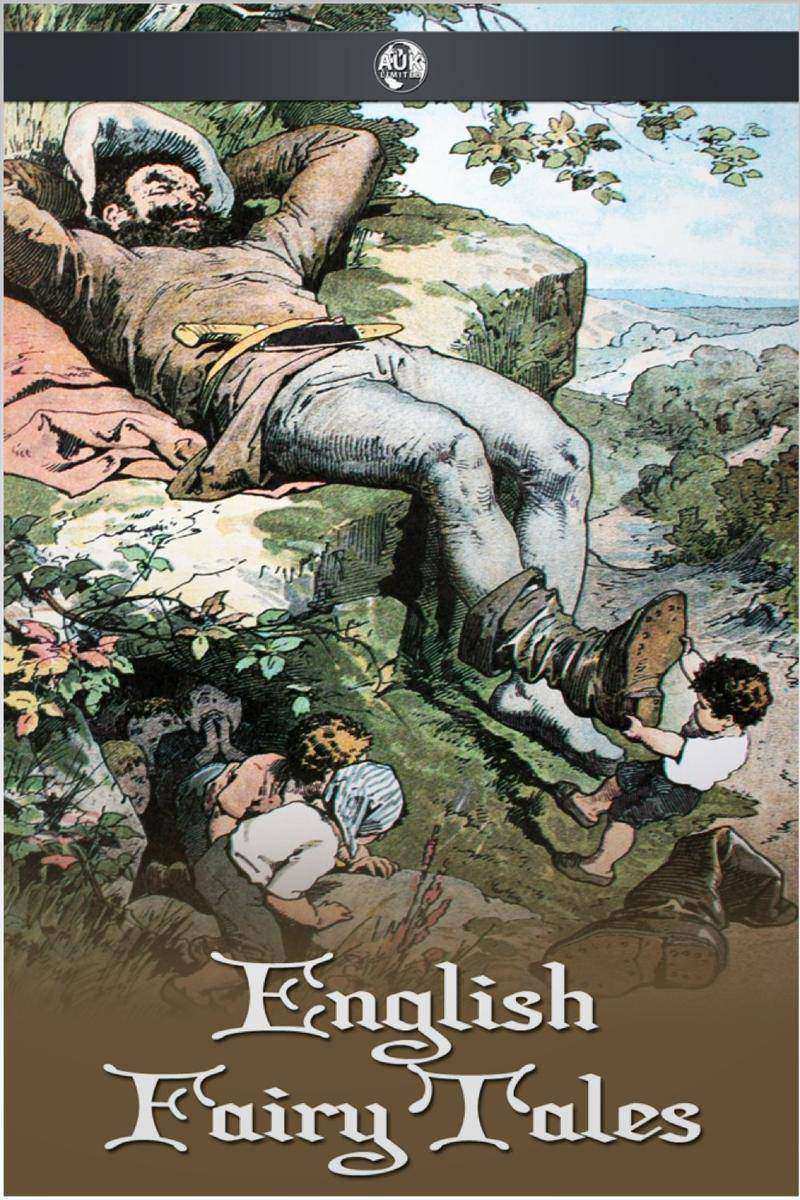
English Fairy Tales
¥19.52
Forty-three traditional English fairytales collected by famed folklorist Joseph Jacobs. Contains childhood favourites such as Jack and the Beanstalk, the Three Little Pigs and Tom Thumb, as well as some forgotten classics like The Well of the World's End, The Magpie's Nest and Kate Crackernuts.
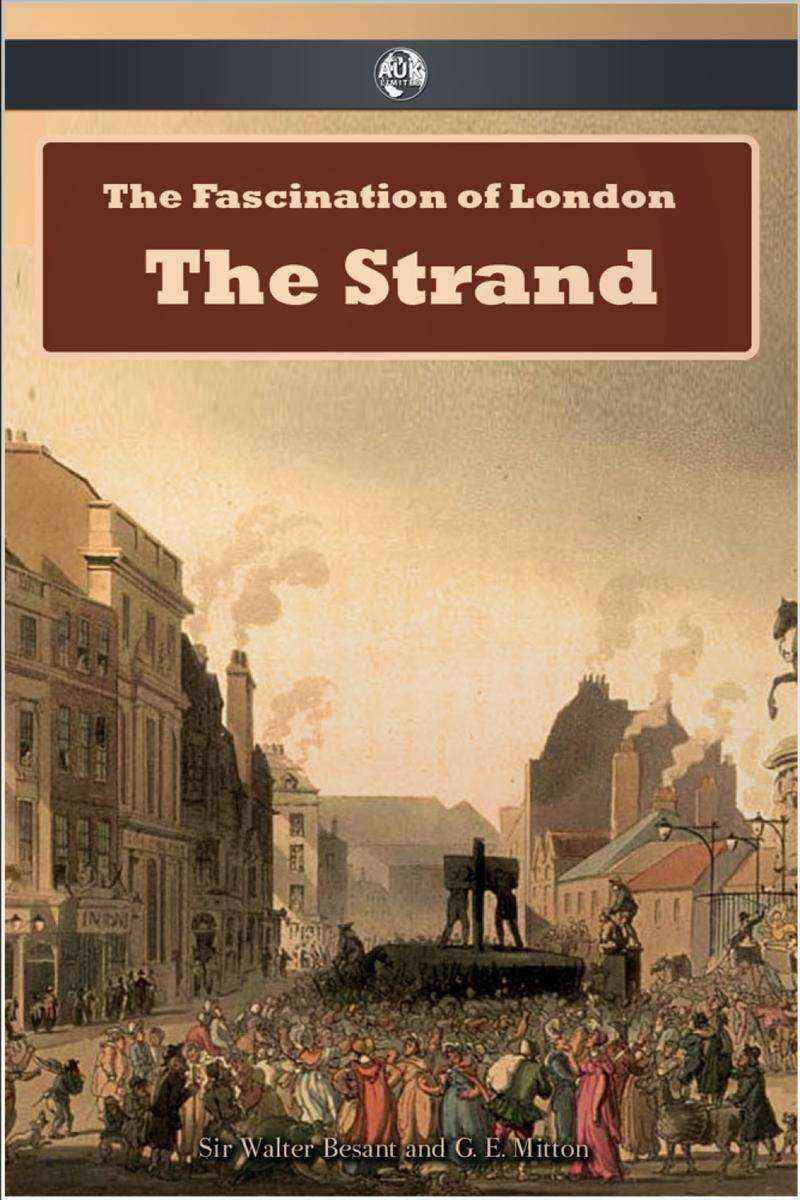
Fascination of London
¥19.52
The Fascination of London' was a series of guide books written by Sir Walter Besant and G. E. Mitton about various different areas of London. This book is about the Strand District, the historical district that used to surround 'The Strand', the road that now runs from Trafalgar Square to Fleet Street but historically was far longer.
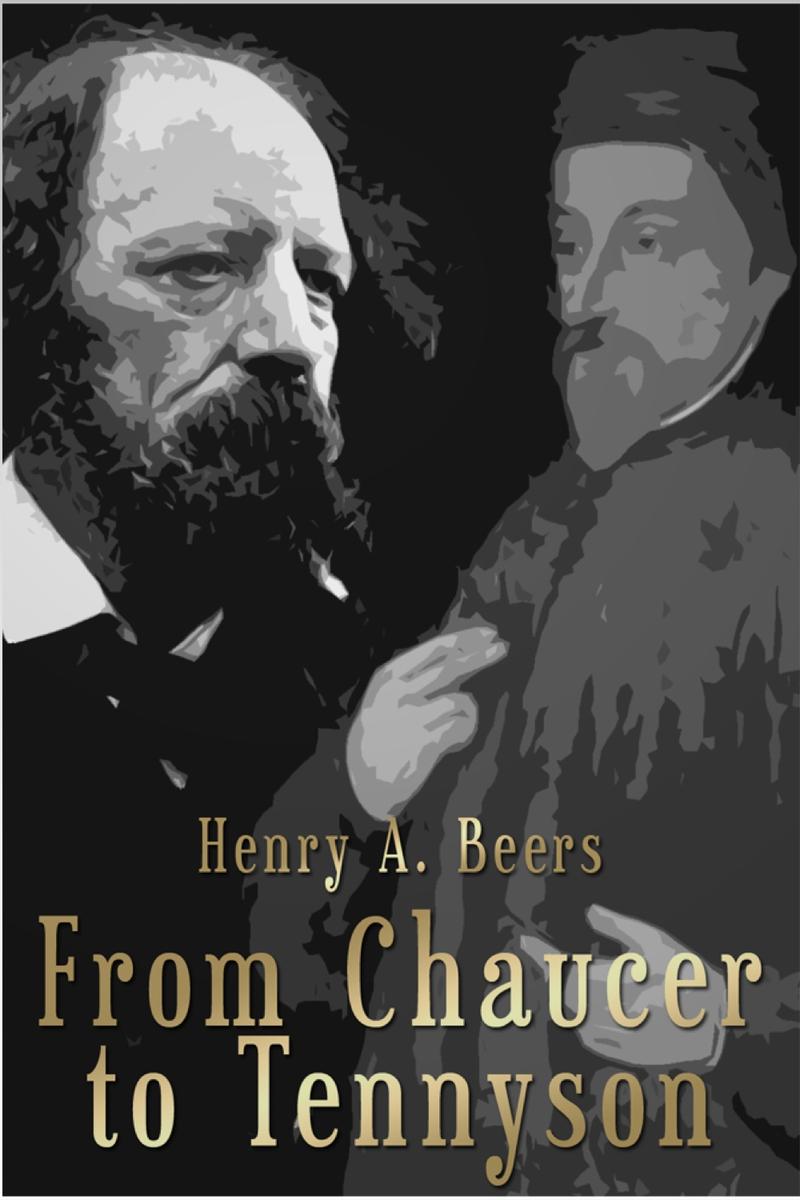
From Chaucer to Tennyson
¥19.52
A fantastic look at the history of English literature from Geoffrey Chaucer in the 14th century to Alfred, Lord Tennyson in the 19th, taking in 30 authors on the way, including William Shakespeare, John Milton and Alexander Pope.

Elizabeth and Her German Garden
¥19.52
This semi-autobiographical book is about the life of a young English woman who marries an ageing German aristocrat and in the marriage she focuses on her garden and children, at the same time running a country house.She also writes down her observations of the stuffy German aristocratic set using her razor sharp wit.Von Arnim was a successful author in her time and deserves to be re-discovered, this novel is a gem. In the first year of publication this book was re-printed twenty times. Von Arnim wrote another 20 books that were all published.
Legende istorice
¥16.35
Cel ce a scris aceast?? c??rticic?? ?i al c??rui nume s-a tot pitit p?n?? acuma sub modestul titlul de Culeg??torul tipograf p?n?? c?nd ?n sf?r?it meritele sale literare de to?i recunoscute ne-au f??cut s??-l silim acum pentru ?nt?ia?i dat?? a se da ?n vileagul publicit???ii cel ce a scris aceast?? c??rticic?? zic mi-a f??cut onoarea ?i pl??cerea de a m?? consulta adesea asupra alegerii faptelor pe care voia s?? le povesteasc?? ?ntr-?nsa. I-a dat ?n minte d-lui P. Ispirescu bunul g?nd de a l??muri pe cei din cititori rom?ni care nu sunt tocmai c??rtutari ad?nci asupra unei mul?imi de nume de cuvinte ?i de zic??tori str??ine pe cari ?n timpul de acum le ?ntrebuin?eaz?? mereu scriitorii no?tri prin gazete ?i prin felurite c??r?i. [...] Apoi pentru un a?a bun serviciu nu se cade oare s?? mul?umim domnului P. Ispirescu culeg??torul ?i scriitorul at?tor Basme Snoave ?i Zic??tori rom?ne?ti con?tiinciosul ?i merituosul lor editor? Ba z??u foarte mult ?i eu unul m?? simt acum fericit c?? mi-a dat ?nsu?i prilejul de a-i aduce prin aceste r?nduri cel dint?i prinos de mul?umire. Sunt ?ncredin?at c?? ?n urm??-mi are s?? se adune gloat?? mare. A. I. ODOBESCU

Sing a Song of Sixpence: [Illustrated]
¥9.24
A brand new sixpence fresh from the Mint! How it sparkled and glittered in the dancing sunlight! Such a treasure for a small girl to possess! But then, on the other hand, what a heavy responsibility!??All day long it had been burning a hole in her pocket, and as for learning lessons, not an idea would enter her head. Everything went in at one ear and out of the other, as Miss Primmer sternly remarked when Nellie could not say her poetry. But, indeed, Nellie did try hard to learn her lessons; she squeezed her eyes together as tightly as possible, though how shutting her eyes was to prevent the lessons from coming out of her ears was not very clear. ??"But I must learn them now," she sighed, "or Miss Primmer will keep me in tomorrow, and I shan't be able to go out with Nursie and Reggie to spend my sixpence. Oh dear! I wish I could learn my poetry and keep it in, I guess I'd better get a bit of cotton wool to put in my ears and then it can't come out. There, now!
Emma
¥23.30
A few years ago, while visiting or, rather, rummaging about Notre-Dame, the author of this book found, in an obscure nook of one of the towers, the following word, engraved by hand upon the wall:— ? ? ? ? ? ? ? ANArKH. These Greek capitals, black with age, and quite deeply graven in the stone, with I know not what signs peculiar to Gothic caligraphy imprinted upon their forms and upon their attitudes, as though with the purpose of revealing that it had been a hand of the Middle Ages which had inscribed them there, and especially the fatal and melancholy meaning contained in them, struck the author deeply. He questioned himself; he sought to divine who could have been that soul in torment which had not been willing to quit this world without leaving this stigma of crime or unhappiness upon the brow of the ancient church. Afterwards, the wall was whitewashed or scraped down, I know not which, and the inscription disappeared. For it is thus that people have been in the habit of proceeding with the marvellous churches of the Middle Ages for the last two hundred years. Mutilations come to them from every quarter, from within as well as from without. The priest whitewashes them, the archdeacon scrapes them down; then the populace arrives and demolishes them. Thus, with the exception of the fragile memory which the author of this book here consecrates to it, there remains to-day nothing whatever of the mysterious word engraved within the gloomy tower of Notre-Dame,—nothing of the destiny which it so sadly summed up. The man who wrote that word upon the wall disappeared from the midst of the generations of man many centuries ago; the word, in its turn, has been effaced from the wall of the church; the church will, perhaps, itself soon disappear from the face of the earth. It is upon this word that this book is founded.

Live, work, retire, buy property and do business in Mauritius
¥29.33
It is an ebook which explains how a foreigner can come to Mauritius to live, work, retire, do business and buy property. There are hyperlinks which take the reader to relevant guidelines and application forms.

Walker
¥19.52
Jack Galloway, Sports Editor of the Telegraph, decides to reveal the prowess of master athlete Walker on the world stage at the Olympic Games in Athens, to combat the increasing plague of the use of perfomance-enhancing substances by world class athletes. Walker's victories in six events, winning an unprecedented six gold medals in track and field, is a demonstration that the use of drugs and the disgrace that accompanies the convicted athlete is a worthless pursuit, which Jack believes will finish forever the culture of the drug-enhanced athletic performance. In setting six new world records in track and field Walker demonstrates to the millions and millions of spectators throughout the world the importance of hard work, discipline and precision in performance. His achievements may never be equalled in the athletics arena. Walker is a superman of track and field who will inspire generations of future athletes.

Csillagpuszta
¥22.97
A kosaras srácok t?rténete folytatódik! Valaki felgyújtja Sédar klubját. Nyolcszornyolc, az edz? kizártnak tartja, hogy a Sharks csapatának k?ze legyen a dologhoz. A gyanúsítottak k?re azonban egyre b?vül, el?veszik a játékosokat is: Tunyát, aki mindig kül?nck?dik, Levet, aki visszahúzódó és félénk, Grimaszt, aki a legkisebb provokációból is balhét csinál. ?s ha mindez nem volna elég, Stifti, aki a szép szál Sédar iránti féltékenységét soha sem titkolta, ezúttal Szilviával is ?sszekap. Ráadásul Porto Vecchio hárompontosakat szóró királyn?je is eltitkol valamit. A Sharksnak a nagy izgalmak k?zepette is meg kell ?riznie higgadtságát, hogy legy?zhessék a Templomosokat.

Az alvilág zsoldjában
¥86.33
Doktor Proktor, a kétbalkezes professzor maga sem sejti, milyen kalandokba keveredik majd, amikor véletlenül feltalálja a f?ldkerekség legnagyobb erej? pukiporát, ami bárkit képes az ?rbe r?píteni. ?m amíg két kisiskolás segít?je azon dolgozik, hogy a találmány híressé és gazdaggá tegye ?ket, a csodaszer híre illetéktelenek fülébe is eljut. A doktor hamarosan egy sz?késbiztos cellában találja magát, a gonosz ikerpár ellopja a találmányt, és egy folyton éhes anakonda is beszabadul Oslo szennyvízcsatornáiba. K?zben pedig feltartóztathatatlanul k?zeleg a nemzeti ünnepre gyakorló iskolai katonazenekar... A világhír? skandináv krimiíró Doktor Proktor-sorozatát már t?bb mint 20 nyelvre fordították le. A f?szerepl?k fergeteges kalandjait elképeszt? fordulatok, abszurd humor és a Nesb?-féle kül?nleges atmoszféra teszi feledhetetlenné.
Hard Times
¥28.04
The story begins on May 5, 1805, in one of the wildest and most abrupt portions of New Spain, which now forms the State of Coahuila, belonging to the Mexican Confederation. If the reader will have the kindness to take a glance at a numerous cavalcade, which is debouching from a canyon and scaling at a gallop the scarped side of a rather lofty hill, on the top of which stands an aldea, or village of Indios mansos, he will at the same time form the acquaintance of several of our principal characters, and the country in which the events recorded in this narrative occurred. This cavalcade was composed of fifteen individuals in all; ten of them were lancers, attired in that yellow uniform which procured them the nickname of tamarindos. These soldiers were execrated by the people, in consequence of their cruelty. They advanced in good order, commanded by a subaltern and an alférez—an old trooper who had grown gray in harness, who had long white moustachios and a disagreeable face. As he galloped on, he looked around him with the careless, wearied air of a man for whom the future reserves no hopes either of ambition, love, or fortune. About twenty paces from this little band, and just so far ahead that their remarks reached the soldiers' ears in a completely incomprehensible fashion, three persons, two men and a woman, were riding side by side.The first was a gentleman of about thirty years of age, of commanding stature; his harsh, haughty, and menacing features were rendered even more gloomy by a deep scar of a livid hue which commenced on his right temple and divided his face into two nearly equal parts. This man, who was dressed in the sumptuous costume of the Mexican campesinos, which he wore with far from common grace, was named Don Aníbal de Saldibar, and was considered the richest hacendero in the province.His companion, who kept slightly in the rear, doubtless through respect, was a civilized Indian, with a quick eye, aquiline nose, and a wide mouth lined with two rows of dazzling white teeth. His countenance indicated intelligence and bravery. He was short and robust, and the almost disproportioned development of his muscles gave an enormous width to his limbs. This individual must assuredly be endowed with extraordinary strength. His attire, not nearly so rich as that of the hacendero, displayed a certain pretension to elegance, which was an extraordinary thing in an Indian. This man's name was Pedro Sotavento, and he was majordomo to Don Aníbal.As we have said, the third person was a female. Although it was easy to see, through the juvenile grace of her movements and her taper waist, that she was still very young, she was so discreetly hidden behind gauze and muslin veils, in order to protect her from the burning heat of the sun which was then at its zenith, that it was impossible to distinguish her features. Long black locks escaped from beneath her broad-brimmed vicu?a hat, and fell in profusion on her pink and white shoulders, which were scarcely veiled by a China crape rebozo. At the moment when we approach these three persons they were conversing together with considerable animation."No," Don Aníbal said, with a frown, as he smote the pommel of his saddle, "it is not possible, I cannot believe in so much audacity on the part of these Indian brutes. You must have been deceived, Sotavento." The majordomo grinned knowingly, and buried his head between his shoulders with a motion which was habitual to him."You will see, mi amo," he replied, in a honeyed voice, "my information is positive." "What!" the hacendero continued with increased fury, "They would really attempt resistance! Why, they must be mad!""Not so much as you suppose, mi amo; the aldea is large and contains at least three thousand callis.""What matter? Suppose there were twice as many, is not one Spaniard as good as ten Indians?"
A kis szellem
¥58.78
Defoe's novel Robinson Crusoe (1719) tells of a man's shipwreck on a deserted island and his subsequent adventures. The author based part of his narrative on the story of the Scottish castaway Alexander Selkirk, who spent four years stranded on the island of Juan Fernandez. He may have also been inspired by the Latin or English translation of a book by the Andalusian-Arab Muslim polymath Ibn Tufail, who was known as "Abubacer" in Europe. The Latin edition of the book was entitled Philosophus Autodidactus and it was an earlier novel that is also set on a deserted island. "One day, about noon, going towards my boat, I was exceedingly surprised with the print of a man's naked foot on the shore, which was very plain to be seen on the sand."— Defoe's Robinson Crusoe, 1719 The novel has been variously read as an allegory for the development of civilisation, as a manifesto of economic individualism and as an expression of European colonial desires but it also shows the importance of repentance and illustrates the strength of Defoe's religious convictions. It is also considered by many to be the first novel written in English. Early critics, such as Robert Louis Stevenson admired it saying that the footprint scene in Crusoe was one of the four greatest in English literature and most unforgettable; more prosaically, Dr. Wesley Vernon has seen the origins of forensic podiatry in this episode. It has inspired a new genre, the Robinsonade as works like Johann David Wyss's The Swiss Family Robinson (1812) adapt its premise and has provoked modern postcolonial responses, including J. M. Coetzee's Foe (1986) and Michel Tournier's Vendredi ou les Limbes du Pacifique (in English, Friday, or, The Other Island) (1967). Two sequels followed, Defoe's The Farther Adventures of Robinson Crusoe (1719) and his Serious reflections during the life and surprising adventures of Robinson Crusoe: with his Vision of the angelick world (1720). Jonathan Swift's Gulliver's Travels (1726) in part parodies Defoe's adventure novel. ? About Author: Daniel Defoe (1660 – 24 April 1731), born Daniel Foe, was an English trader, writer, journalist, pamphleteer, and spy, now most famous for his novel Robinson Crusoe. Defoe is notable for being one of the earliest proponents of the novel, as he helped to popularise the form in Britain, and, along with others such as Samuel Richardson, is among the founders of the English novel. A prolific and versatile writer, he wrote more than 500 books, pamphlets and journals on various topics (including politics, crime, religion, marriage, psychology and the supernatural). He was also a pioneer of economic journalism. ? Early lifeDaniel Foe (his original name) was probably born in the parish of St. Giles Cripplegate, London. Defoe later added the aristocratic-sounding "De" to his name and on occasion claimed descent from the family of De Beau Faux. His birthdate and birthplace are uncertain: sources offer dates of anywhere between 1659 to 1662; considered most likely to be 1660. His father, James Foe, was a prosperous tallow chandler and a member of the Butchers' Company. In Defoe's early life he experienced firsthand some of the most unusual occurrences in English history: in 1665, 70,000 were killed by the Great Plague of London and the Great Fire of London (1666) left standing only Defoe's and two other houses in his neighborhood. In 1667, when he was probably about 7, Dutch fleet sailed up the Medway via the River Thames and attacked Chatham. His mother Annie had died by the time he was about 10.
Devil Stories: An Anthology
¥28.61
Monkey Nuts was written in the year 1922 by David Herbert Lawrence. This book is one of the most popular novels of David Herbert Lawrence, and has been translated into several other languages around the world.This book is published by Booklassic which brings young readers closer to classic literature globally.


