


 购物车
 个人中心

Умный виноградник без хлопот (Umnyj vinogradnik bez hlopot)
¥17.74
Кра?на стр?мко летить у пр?рву: моторошна криза охоплю? вс? царини людського життя. Псевдовчен? наполегливо пропагують: мислення – це ?люз?я, пошук будь-якого сенсу – абсурд, ? зрештою уряд оголошу? моратор?й на розум. Талано- вит? п?дпри?мц? безсл?дно зникають, кидаючи сво? виробництво напризволяще або знищуючи його. Головн? геро? роману – Да?н? Та??арт ? Генк Р?арден – в?дчайдушно намагаються в?двернути катастрофу. Да?н? переконана, що в кра?н? з’явився та?м- ничий Руйн?вник, ц?ль якого – крах економ?ки ? тотальна деградац?я людей. Ж?нка не покида? над?? в?дтворити досконалий двигун, але перспективний молодий нау- ковець, який погодився допомогти ?й, в?дмовля?ться працювати на благо нев?глас?в. Да?н? не хоче в?дмовлятися в?д свого задуму, тож ?де на зустр?ч з? знев?реним до- сл?дником, а в дороз? знайомиться з волоцюгою. Свого часу в?н працював там, де й зародилося ?чисте зло?, яке зараз пожира? кра?ну… Друга частина роману м?стить блискуч? св?тоглядн? монологи, вкладен? в уста Франциско Д’Анкон?? та Генка Р?ардена.
Notes from the Underground: "Illustrated"
¥18.74
In 1888 a client, Mary Morstan, comes with two puzzles for Holmes. The first is the disappearance of her father Captain Arthur Morstan in December 1878 and the second is that she has received 6 pearls in the mail from an anonymous benefactor once a year since 1882, since she answered an anonymous newspaper query inquiring for her. With the last pearl she has received a letter remarking that she has been a wronged woman and asks for meeting. Holmes takes the case and soon discovers that Major Sholto — Morstan's only friend who had denied seeing Morstan — had died in 1882 and that within a short span of time Mary began to receive the pearls, implying a connection. The only clue Mary can give Holmes is a map of a fortress with the names of Jonathan Small and three Sikhs, who are named Dost Akbar, Abdullah Khan, and Mahomet Singh. Holmes, Watson, and Mary meet Thaddeus Sholto, the son of the late Major Sholto and Capt Morstan's Army friend who has sent her the pearls. Thaddeus remarks that his father had a paranoid fear of one-legged men and confirms that Mary's father had seen the Major the night he died. That night, in a quarrel about an Agra Treasure, Morstan — who was in weak health — suffered a heart attack. Not wanting to bring attention to the object of the quarrel to public notice, Sholto disposed of the body and hid the treasure. However his own health became worse when he received a letter from India. Dying, he called his two sons and confessed to Morstan's death and was about to divulge the location of the treasure when he suddenly cried "Keep him out!". The puzzled sons glimpsed a face in the window but the only trace was a single footstep in the dirt. On their father's body is a note reading "The Sign of Four". Both brothers quarreled over whether a legacy should be left to Mary Morstan and Thaddeus left his brother Bartholomew, taking a chaplet and sending its pearls to Mary. The reason he sent the letter is that Bartholomew has found the treasure and possibly Thaddeus and Mary might confront him for a division of it. Bartholomew is found dead in his home from a poison dart and the treasure is missing. While the police wrongly take Thaddeus in as a suspect Holmes deduces that there are two persons involved in the murder: a one-legged man, Jonathan Small, as well as another "small" accomplice. He traces them to a boat landing where Small has hired a launch named the Aurora. With the help of his Baker Street Irregulars and his own disguise Holmes traces the launch. In a Police launch Holmes and Watson chase the Aurora and capture it but in the process end up killing the "small" companion after he attempts to kill Holmes with a poisoned dart shot from a blow-pipe. Small tries to escape but is captured. However the iron treasure box is empty; Small claims to have dumped the treasure over the side during the chase.
Pen Drawing: "An Illustrated Treatise"
¥18.74
The book's protagonist is an English scientist and gentleman inventor living in Richmond, Surrey in Victorian England, and identified by a narrator simply as the Time Traveller. The narrator recounts the Traveller's lecture to his weekly dinner guests that time is simply a fourth dimension, and his demonstration of a tabletop model machine for travelling through it. He reveals that he has built a machine capable of carrying a person, and returns at dinner the following week to recount a remarkable tale, becoming the new narrator.In the new narrative, the Time Traveller tests his device with a journey that takes him to A.D. 802,701, where he meets the Eloi, a society of small, elegant, childlike adults. They live in small communities within large and futuristic yet slowly deteriorating buildings, doing no work and having a frugivorous diet. His efforts to communicate with them are hampered by their lack of curiosity or discipline, and he speculates that they are a peaceful communist society, the result of humanity conquering nature with technology, and subsequently evolving to adapt to an environment in which strength and intellect are no longer advantageous to survival. Returning to the site where he arrived, the Time Traveller is shocked to find his time machine missing, and eventually works out that it has been dragged by some unknown party into a nearby structure with heavy doors, locked from the inside, which resembles a Sphinx. Later in the dark, he is approached menacingly by the Morlocks, ape-like troglodytes who live in darkness underground and surface only at night. Within their dwellings he discovers the machinery and industry that makes the above-ground paradise possible. He alters his theory, speculating that the human race has evolved into two species: the leisured classes have become the ineffectual Eloi, and the downtrodden working classes have become the brutish light-fearing Morlocks. Deducing that the Morlocks have taken his time machine, he explores the Morlock tunnels, learning that they feed on the Eloi. His revised analysis is that their relationship is not one of lords and servants but of livestock and ranchers. The Time Traveller theorizes that intelligence is the result of and response to danger; with no real challenges facing the Eloi, they have lost the spirit, intelligence, and physical fitness of humanity at its peak. Meanwhile, he saves an Eloi named Weena from drowning as none of the other Eloi take any notice of her plight, and they develop an innocently affectionate relationship over the course of several days. He takes Weena with him on an expedition to a distant structure that turns out to be the remains of a museum, where he finds a fresh supply of matches and fashions a crude weapon against Morlocks, whom he fears he must fight to get back his machine. He plans to take Weena back to his own time. Because the long and tiring journey back to Weena's home is too much for them, they stop in the forest, and they are then overcome by Morlocks in the night, and Weena faints. The Traveller escapes only when a small fire he had left behind them to distract the Morlocks catches up to them as a forest fire; Weena is presumably lost in the fire, as are the Morlocks. The Morlocks use the time machine as bait to ensnare the Traveller, not understanding that he will use it to escape. He travels further ahead to roughly 30 million years from his own time. There he sees some of the last living things on a dying Earth, menacing reddish crab-like creatures slowly wandering the blood-red beaches chasing butterflies in a world covered in simple lichenous vegetation. He continues to make short jumps through time, seeing Earth's rotation gradually cease and the sun grow larger, redder, and dimmer, and the world falling silent and freezing as the last degenerate living things die out.

Gorkij elbeszélései :Cselkas, Elzüll?ttek, Huszonhat és- egy
¥8.83
rk élet! Az emberiség si vágya. Mely megvalósíthatatlan - vagy mégsem Nathaniel Delinger, a látnok zseni a csillagok kztt találja meg ennek lehetségét. A neve: Endümión. Mert ugyan sokaknak vágya az rk élet - de van, aki nem akarja, hogy bárki rkké éljen. s ezért akár az rklétet is képes elpusztítani. Owen, a fiatal nyomozó, egy gyilkossági ügy kapcsán 8 feladvánnyal szembesül, mely egyre kzelebb visz Endümión titkához - és kzelebb egy hazugság leleplezdéséhez. Az elkvetk célja, hogy elutazhassanak Endümiónra, ahol az rk élet várja ket, hogy megszabaduljanak a Fld haláltól terhes világától. Vajon Endümión tényleg az az eszményi hely s mi az a szilánk, és hogyan kerül a Fldre GARZ LSZL fantáziájának sem a tér, sem az id nem szabhat határokat. A szerz fordulatokban gazdag kalandos sci-fi trténete új izgalmas világokba repíti az olvasót.
Evolu?ia unei revolu?ii. Bazele psihoterapiei ra?ional-emotive
¥122.54
Lauren Hope a fiatal, gyönyör?, és céltudatos n? minden kétséget kizáróan hisz benne. Két nagy álma van: sikeres író szeretne lenni, és meg akarja ismerni az igaz szerelmet, melyr?l a nagy könyvekben írnak. Egy nap messzire utazik abban a reményben, hogy fájdalmait maga mögött hagyhatja. Akkor még nem is sejti, hogy ez az utazás alapjaiban változtatja meg az életét. Távol otthonától a véletlennek köszönhet?en megismerkedik egy titokzatos, jókép? zenésszel. Dylan Duprés, a biztonságot sugárzó férfi, Lauren álmainak lehetséges megvalósítója, egyben minden probléma forrása. Vajon milyen hatással lesz Lauren életére ennek a rejtélyes férfinek a felbukkanása? Elképzelhet?, hogy mindkét álma valóra válik? És ha választania kell? Zsarnai Beáta - a N?k Lapjához tartozó Cafeblog kiemelt bloggerének - els? regénye a sors hatalmáról.

The Man in the Iron Mask
¥28.04
Jonas Lie is sufficiently famous to need but a very few words of introduction. Ever since 1870, when he made his reputation by his first novel, "Den Fremsynte," he has been a prime favourite with the Scandinavian public, and of late years his principal romances have gone the round of Europe. He has written novels of all kinds, but he excels when he describes the wild seas of Northern Norway, and the stern and hardy race of sail-ors and fishers who seek their fortunes, and so often find their graves, on those dangerous waters. Such tales, for instance, as "Tremasteren Fremtid," "Lodsen og hans Hustru," "Gaa Paa!" and "Den Fremsynte" are unique of their kind, and give far truer pictures of Norwegian life and character in the rough than anything that can be found elsewhere in the literature. Indeed, Lie's skippers and mates are as superior to Kjelland's, for instance, as the peasants of Jens Tvedt (a writer, by the way, still unknown beyond his native land) are superior to the much-vaunted peasants of Bj?rnstjerne Bj?rnson. But it is when Lie tells us some of the wild legends of his native province, Nordland, some of the grim tales on which he himself was brought up, so to speak, that he is perhaps most vivid and enthralling. The folk-lore of those lonely sub-arctic tracts is in keeping with the savagery of nature. We rarely, if ever, hear of friendly elves or companionable gnomes there. The supernatural beings that haunt those shores and seas are, for the most part, malignant and malefic. They seem to hate man. They love to mock his toils, and sport with his despair. In his very first romance, "Den Fremsynte," Lie relates two of these weird tales (Nos. 1 and 3 of the present selection). Another tale, in which many of the superstitious beliefs and wild imaginings of the Nordland fishermen are skilfully grouped together to form the background of a charming love-story, entitled "Finn Blood," I have borrowed from the volume of "Fort?llinger og Skildringer," published in 1872. The re-maining eight stories are selected from the book "Trold," which was the event of the Christmas publishing season at Christiania in 1891. Last Christmas a second series of "Trold" came out, but it is distinctly inferior to the former one. TALES: THE FISHERMAN AND THE DRAUGJACK OF SJOHOLM AND THE GAN-FINNTUG OF WAR."THE EARTH DRAWS"THE CORMORANTS OF ANDVAERISAAC AND THE PARSON OF BRONOTHE WIND-GNOMETHE HULDREFISHFINN BLOODTHE HOMESTEAD WESTWARD IN THE BLUE MOUNTAINS"IT'S ME."
Exerci?iul miraculos: C?nd un cuplu vindec? un psihoterapeut
¥48.97
Unul tr?ie?te, cel?lalt moare. E singura solu?ie. Roman din seria Helen Grace Doi ostatici. Un singur glon?. Doar unul va supravie?ui. Sunt suflete-pereche. Vor s?-?i petreac? restul vie?ii ?mpreun?. ?ns? c?nd se trezesc singuri ?i dezorienta?i ?ntr-un subsol p?r?sit, groaza ?i cople?e?te. Nu au la dispozi?ie dec?t o arm? ?nc?rcat? cu un singur glon? ?i ?nso?it? de urm?torul mesaj: ?C?nd unul dintre voi ?l va ucide pe cel?lalt, supravie?uitorul va fi liber“. Cine a putut concepe un astfel de scenariu sinistru, ?n care victimele ?nse?i comit crima? Tortura?i de spaim?, disperare, sete ?i inani?ie, pentru ostatici nu exist? dec?t o singur? cale de a pune cap?t acestui supliciu: unul dintre ei trebuie s? moar?. M. J. Arlidge a creat o eroin? memorabil?: inspectoarea Helen Grace. – Daily Mail O poveste captivant? ?i ?nfrico??toare, scris? magistral. – Sun ??i d? fiori! – Sunday Mirror ?Mi se pare mie sau ?mbr??i??rile noastre nu ne mai prea ?nc?lzesc? ?i nu ne mai ap?r?? De c?nd s-a ?nt?mplat, ne-am ag??at zi ?i noapte unul de altul, dorind s? supravie?uim am?ndoi, dispera?i s? nu r?m?nem singuri ?n locul acesta cumplit. Am jucat tot felul de jocuri ca s? treac? timpul, imagin?ndu-ne ce vom face dup? ce va sosi cavaleria — ce-o s? m?nc?m, ce-o s? le spunem rudelor, ce-o s? primim de Cr?ciun. ?ns? aceste jocuri s-au terminat treptat, pe m?sur? ce am ?n?eles c? am fost adu?i aici cu un scop ?i c? nu va exista un sf?r?it fericit.“

O sut? de zile de fericire
¥81.67
Capitala a c?zut. ?ntunecatul conduce Ravka din tronul s?u de umbre. Acum, soarta ??rii depinde de fragila Invocatoare a Soarelui, de o iscoad? c?zut? ?n dizgra?ie ?i de r?m??i?ele unei armate magice, c?ndva m?rea??. Pornit? ?n c?utarea ultimului amplificator al lui Morozova, Alina ?ncheie noi alian?e ?i las? deoparte vechile rivalit??i. Pe m?sur? ce afl? secretele ?ntunecatului, descoper? un trecut ce va schimba pentru totdeauna felul ?n care vede leg?tura lor, precum ?i puterea cu care e ?nzestrat?. Numai pas?rea de foc mai poate ?mpiedica distrugerea Ravk?i, ?ns? prinderea ei ar putea s? o coste pe Alina viitorul pentru care lupt?. Alina este o marginal? ?i a?a m? sim?eam ?i eu c?nd eram mic?. ??i dore?te foarte mult s? apar?in? unui loc din lumea asta ?i din aceast? cauz? face ni?te alegeri gre?ite. Am fost crescut? de bunicii mei ?ntr-un loc straniu, unde nu prea ?nt?lneai copii. Casa lor se afla pe un deal ?i mai tot timpul eram l?sat? de capul meu. Cred c? ceva din senza?ia aceea de izolare s-a strecurat ?i ?n descrierea Keramzinului (orfelinatul ?n care cresc Alina ?i Mal). – Leigh Bardugo, pentru Entertainment Weekly Elegan?a ?i fluiditatea stilului, ?mpreun? cu acea lume imaginar? des?v?r?it? fac din Trilogia Grisha o pies? de rezisten?? a genului fantasy. – RT Book Reviews Am reu?it s? m? ridic ?n picioare. Capul mi se ?nv?rtea. Mi-am str?ns bra?ul r?nit cu m?na teaf?r? ?i am pornit cl?tin?ndu-m? prin ?ntuneric. Nu vedeam nimic, eram complet dezorientat?. Dar am continuat s? merg prin bezn?, ?ncerc?nd s?-mi deblochez mintea, s? ?ncropesc un plan. ?tiam c? volcrele m? puteau ataca ?n orice clip?, dar era prea riscant s? folosesc lumina. G?nde?te!, m? mustram ?n sinea mea. Nu mai aveam nicio idee. R?m?sesem f?r? explozibili ?i nu puteam folosi T?ietura. M?neca ?mi era plin? de s?nge ?i pa?ii ?mi ?ncetineau. Trebuia s? g?sesc pe cineva s?-mi vindece bra?ul. Trebuia s? m? refac ?i s? atac din nou. Nu puteam fugi iar??i de ?ntunecatul, la fel ca prima oar? c?nd luptaser?m ?n Falie. De atunci, fugisem ?ntruna.
Ghici cine moare primul: Roman din seria Helen Grace
¥73.49
PREMIUL NA?IONAL AL CHINEI ?n senza?ionalul s?u roman de debut, Mai Jia ne dezv?luie misterioasa lume a Unit??ii 701, un serviciu de informa?ii ultrasecrete, care se ocup? cu spargerea codurilor ?i contraspionaj. Rong Jinzhen, un geniu al matematicii autist, cu un trecut de-a dreptul mitic, e obligat s?-?i abandoneze cariera academic? dup? ce e recrutat ?n Unitatea 701. Fiind cel mai mare criptograf al Chinei, Rong descoper? c? mintea str?lucit? din spatele extrem de dificilului Cod Violet e fostul s?u profesor ?i prieten apropiat, care lucreaz? acum pentru inamicul Chinei. Considerat un precursor al fic?iunii de spionaj chineze, Mai Jia s-a inspirat din propria experien?? – a intrat ?n contact cu numero?i criptologi ?i spioni ?n timpul celor 17 ani c?t a lucrat ?n serviciul de informa?ii secrete din cadrul Armatei de eliberare a poporului. “Cartea e o subtil? ?i complex? ?mbinare de criptografie, politic?, vise ?i semnifica?ia lor. Sunt multe episoade memorabile, de la apari?ia stranie, ?nc?rcat? de supersti?ii, a familiei Rong ?i p?n? la declinul ei treptat, pe m?sur? ce secolul XX ?nainteaz?. ?ns? marea reu?it? a romanului e dat? de profunzimea personajelor lui.“ - The Times Literary Supplement Romanul lui Mai Jia are o estetic? proprie, construie?te o lume ?n care personajele par mereu gata s? cad? prad? obsesiilor. -- The Telegraph “Absurditatea destinului, str?lucirea ?i fragilitatea geniului ?i ?mprejur?rile care-i leag? definitiv pe oameni – despre toate acestea vorbe?te Criptograful, romanul straniu ?i misterios al lui Mai Jia.“ - Beijing Evening News “Copilul s-a n?scut cu pre?ul vie?ii mamei sale, care ?l adusese pe lume ?n chinuri groaznice. Intrat ?n via??, i-a uimit pe to?i cu capul lui mare ca o bani??. Avea capul mai mare dec?t linia umerilor! Capul mamei era o nimica toat? ?n compara?ie cu al fiului (…)Dup? na?terea lui, cei din clanul Lin s-au dat peste cap s?-i aleag? tot soiul de nume, de la nume cu stil, nume formale, nume-porecl? ?i multe altele, ?ns? ?i-au dat repede seama c? era o treab? de prisos, ?ntruc?t capul s?u c?t bani?a ?i condi?iile groaznice ?n care se n?scuse i-au f?cut pe oameni s?-l strige: C?p???n? de Uciga?.“

Forever Yours
¥40.79
Ramona Dorokhova is twenty-eight, not an actual bartender, and plans to tell her boss the truth. How hard can it be to tell a man you haven’t seen since childhood that?you’ve come across an ocean to marry him? Owen Chandler wants for nothing, fulfills women’s fantasies, and desires his newest employee. When a snow storm plus no electricity leads to sharing a bed, why not use the situation to his advantage? Except her history intertwines with his, what both believe isn’t true, and their one night of passion may have deadly consequences.

To Break A Vow
¥32.62
A perfect life…or the perfect lie? Leighton Wright loves her children, strives to remain the perfect wife, and hides any discord behind a practiced smile. There’s no room in her life for messing up or messing around. Cole Vaughn is ten years younger, her daughter’s teacher, and an unexpected temptation. Surrendering to the forbidden will lead them both toward an uncertain future. Will the decision to break a vow result in the beginning of a new life…or the end of her own?

Reclaimed Haven: Murder on Second
¥23.14
Ashley Stone’s new job leaped from dream to nightmare faster than you can say “small town murder.” Swept into an unimaginable vortex of international intrigue and global terrorism, Ashley has to somehow untangle the motives of a clearly insane mastermind. This is, of course, assuming she can subdue her own demon… a secret so breathtaking she can barely acknowledge it. Dashing Ned Stevens fell hard for Ashley. This former one hit wonder, boy band member finally met the woman of his dreams… but her inner demons may tear them apart. To make matters worse, has his blind adoration made him unable to protect her from the sinister forces descending upon the once tranquil Crossroads? Abductions, unbridled mayhem, and of course, vicious murder… cruel elements combine to tear Ashley and Ned’s pristine love apart. Can they reclaim their safe haven?

Raven: A Creepy Hollow Story
¥40.79
The glittering magic of high society faerie life, with a hint of forbidden romance ... When design student Raven Rosewood, daughter of high society fae, is almost killed in an explosion, her parents insist on assigning a bodyguard to protect her at all times. Raven agrees, but only if she can choose the guard. Flint's life couldn't be more different from that of his employers. He doesn't agree with their extravagant ways, but he's admired their daughter Raven since he first met her. When asked to guard her more closely after her life is threatened, Flint is happy to take on the assignment. Despite the gulf between their stations in life, Raven and Flint can't help growing close to one another. As the pressure of Raven's final fashion show builds, along with the threat of her parents discovering her relationship with a guard, Raven and Flint must decide whether their differences will push them apart or bring them closer together. ? Raven is a companion story to the bestselling YA fantasy Creepy Hollow series. While it is best enjoyed in conjunction with the rest of the series, it is a standalone story that can be read on its own.

Japanska Teroristkinja
¥130.72
Teroristkinja!“ Teroristkinja!“ Svi su vikali kad sam ula unutra. Osvrnula sam se po prostoriji i videla mnogo pritvorenih ljudi. Jedan runi ovek zastraujueg izgleda mi se uneo u lice i rekao: Terorista je dobar samo kad je mrtav!“ Te rei su me toliko prestravile da sam se sruila na pod. Ovo je pria o gospoici Minami Jamagui, japanskoj teroristkinji.

Five by Five v3: Target Zone
¥40.79
TARGETS ARE LOCKED! Five short novels by five masters of military SF capture the excitement, and hell, of fantastic future war—on and off the battlefield. Stories of terrifying monsters, dangerous aliens and staggering cosmic dreadnaughts march alongside far-flung courtroom dramas and cautionary tales involving man and his devices. Michael A. Stackpole—The Star Tigers are commandeered by a powerful alien overseer on a covert mission to a world long abandoned by an ancient species. There, the ruins of a forgotten war will tip the balance of their war, unless the Star Tigers can prevent it. Sarah A. Hoyt—Lucius Dante Maximilian Keeva is a well-respected leader of the Usaian Revolution, but treason in the ranks can cost him everything that makes life worth living—unless he takes justice into his own hands and breaks every military regulation in its pursuit. Doug Dandridge—Faced with an enemy more than two hundred times her own size, Cinda Klerk has two options: hide, and let it destroy the planet she is supposed to protect, or find a way to even the odds and kill the enemy, even at the cost of her ship and crew. Eytan Kollin and Dani Kollin—As the Unincorporated War envelops the entire solar system, a father must come to the rescue of a daughter he never raised. But he'll have to convince her to save herself first. Kevin J. Anderson—In the war against an alien menace, Earth’s greatest military commanders risk themselves on the front lines, but with an escape hatch: If the situation goes terribly wrong, they can switch places with a safe soldier far from the battlefield. But the cannon-fodder volunteers don’t consider that such a good deal. Set your cross-hairs on the Target Zone.
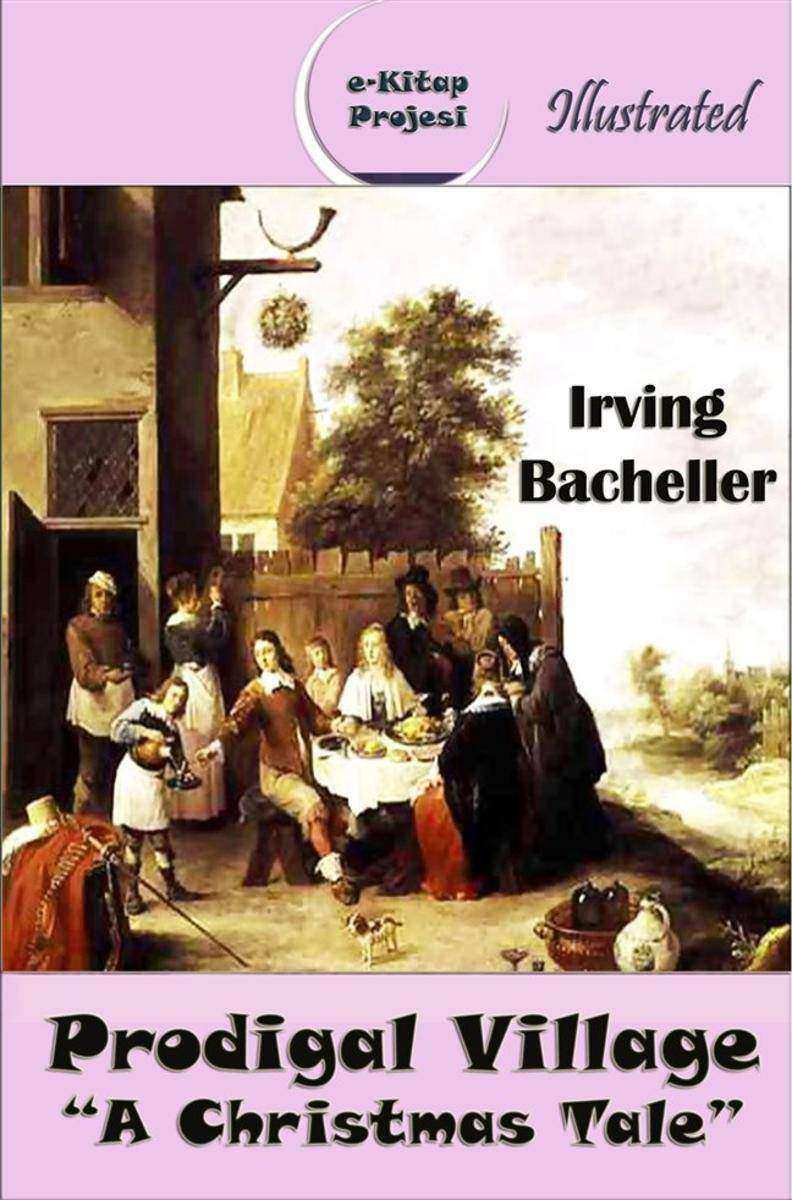
Prodigal Village: "A Christmas Tale"
¥18.74
Through the Looking-Glass, and What Alice Found There (1871) is a novel by Lewis Carroll (Charles Lutwidge Dodgson), the sequel to Alice's Adventures in Wonderland (1865). The themes and settings of Through the Looking-Glass make it a kind of mirror image of Wonderland: the first book begins outdoors, in the warm month of May (4 May), uses frequent changes in size as a plot device, and draws on the imagery of playing cards; the second opens indoors on a snowy, wintry night exactly six months later, on 4 November (the day before Guy Fawkes Night), uses frequent changes in time and spatial directions as a plot device, and draws on the imagery of chess. In it, there are many mirror themes, including opposites, time running backwards, and so on. Short Summary: Alice is playing with a white kitten (whom she calls "Snowdrop") and a black kitten (whom she calls "Kitty")—the offspring of Dinah, Alice's cat in Alice's Adventures in Wonderland—when she ponders what the world is like on the other side of a mirror's reflection. Climbing up on the fireplace mantel, she pokes at the wall-hung mirror behind the fireplace and discovers, to her surprise, that she is able to step through it to an alternative world. In this reflected version of her own house, she finds a book with looking-glass poetry, "Jabberwocky", whose reversed printing she can read only by holding it up to the mirror. She also observes that the chess pieces have come to life, though they remain small enough for her to pick up. Upon leaving the house (where it had been a cold, snowy night), she enters a sunny spring garden where the flowers have the power of human speech; they perceive Alice as being a "flower that can move about." Elsewhere in the garden, Alice meets the Red Queen, who is now human-sized, and who impresses Alice with her ability to run at breathtaking speeds. This is a reference to the chess rule that queens are able to move any number of vacant squares at once, in any direction, which makes them the most "agile" of pieces. The Red Queen reveals to Alice that the entire countryside is laid out in squares, like a gigantic chessboard, and offers to make Alice a queen if she can move all the way to the eighth rank/row in a chess match. This is a reference to the chess rule of Promotion. Alice is placed in the second rank as one of the White Queen's pawns, and begins her journey across the chessboard by boarding a train that literally jumps over the third row and directly into the fourth rank, thus acting on the rule that pawns can advance two spaces on their first move.
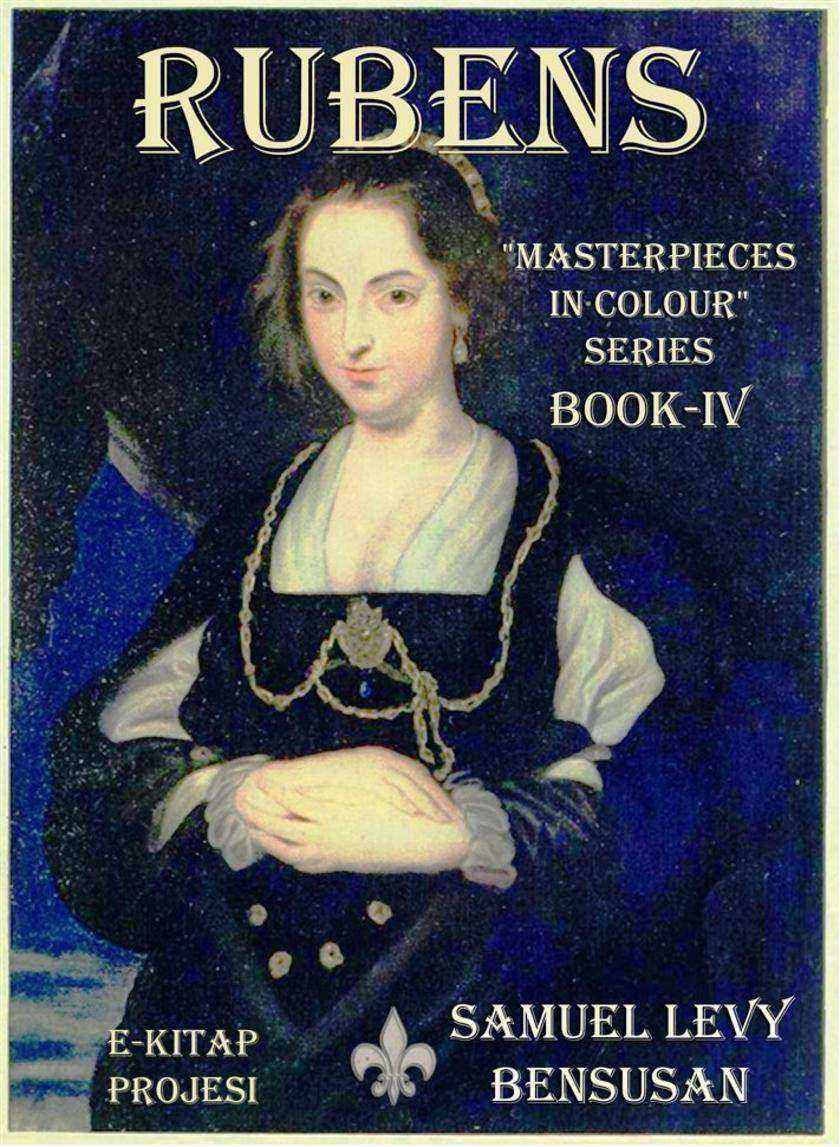
Rubens: "Masterpieces in Colour" Series: Book-IV
¥28.04
In “True Ghost Stories,” Mr. Carrington presents a number of startling cases of this character; but they are not the ordinary “ghost stories”—based on pure fiction, and having no foundation in reality. Here we have a well-arranged collection of incidents, all thoroughly investigated and vouched for, and the testimony obtained first-hand and corroborated by others. The chapter on “Haunted Houses” is particularly striking. The first chapter deals with the interesting question, “What is a Ghost?” and attempts to answer this question in the light of the latest scientific theories which have been advanced to explain these supernatural happenings and visitants. It is a book of absorbing interest, and cannot fail to grip and hold the attention of every reader—no matter whether he be a student of these questions, or one merely in search of hair-raising anecdotes and stories. He will find them here a-plenty! The following little book endeavors to bring together a number of “ghost stories” of the more startling and dramatic type,—but stories, nevertheless, which seem to be well authenticated; and which have been obtained, in most instances, at first hand, from the original witnesses; and often contain corroborative testimony from others who also experienced the ghostly phenomena. Some of these incidents, indeed, rise to the dignity of scientific evidence; others are less well authenticated cases,—but interesting for all that. These have been grouped in various Chapters, according to their evidential value. Chapters II. and III. contain well-evidenced cases, some of which have been taken from the Proceedings and Journals of the Society for Psychical Research (S. P. R.), or from Phantasms of the Living, or from other scientific books, in which narratives of this character receive serious consideration. Chapter V., on the contrary, contains a number of incidents which,—striking and dramatic as they are,—cannot be included in the two earlier Chapters, as presenting real evidence of Ghosts; but are published rather as startling and interesting ghost stories. Chapter IV., devoted to “Haunted Houses,” contains brief accounts of the most famous Haunted Houses, and of the phenomena which have been witnessed within them. Appendix A gives a list of a few of the important “Historical Ghosts,” Appendix B describes the “Phantom Armies” lately seen by the Allied troops in France—while Appendix C lists a number of books of Ghost Stories which the interested reader may care to peruse. A short Glossary, at the beginning of the book, explains the meaning of certain terms used,—which are not, perhaps, ordinarily met with in books of this character. In the Introductory Chapter, I have endeavored to explain, very briefly, the nature and character of Ghosts; what they are; and the various scientific theories which have been brought forward, of late years, to explain Ghosts. I hope that this may prove of interest to the reader; in case it does not do so, he is invited to “skip” directly to Chapter II., which begins our account of “True Ghost Stories.” I wish to express my thanks in this place to the Council of the English S. P. R. for special permission to quote and to summarize several striking cases here reproduced; also to Miss Estelle Stead, for permission to utilize several cases previously printed at length in Mr. Wm. T. Stead’s collections of Ghost Stories. H. C. [Author]
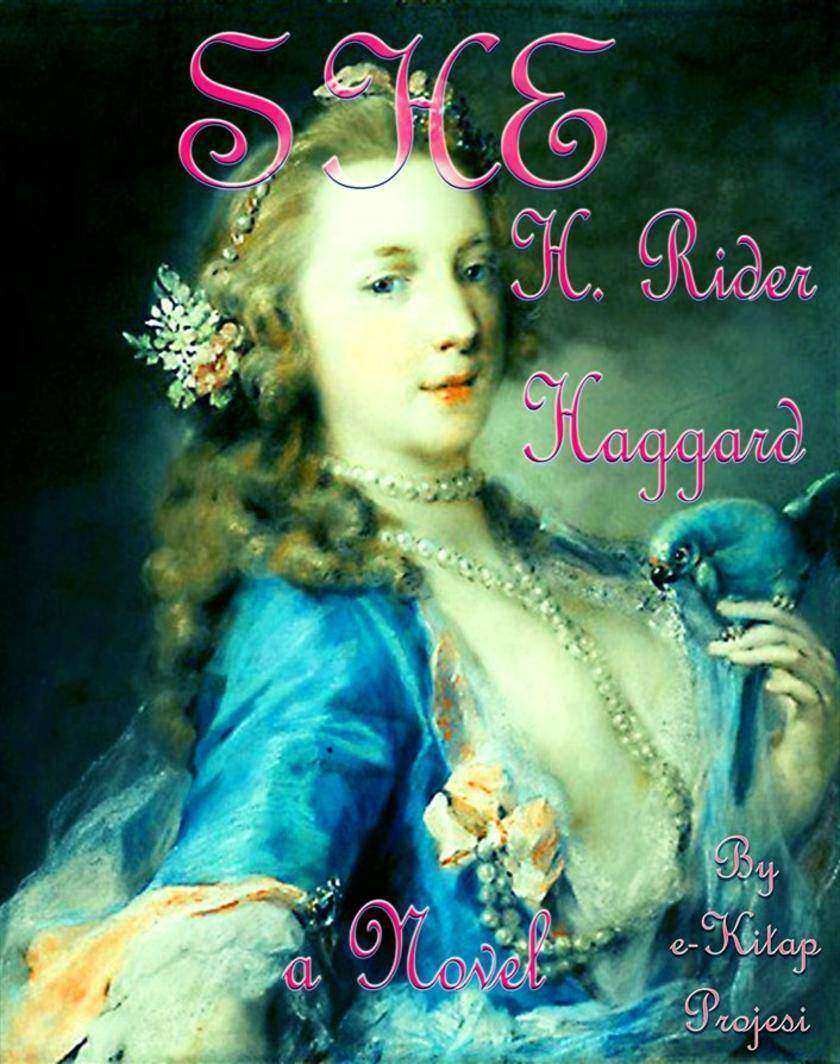
She
¥18.74
The War of the Worlds is a military science fiction novel by H. G. Wells. It first appeared in serialized form in 1897, published simultaneously in Pearson's Magazine in the UK and Cosmopolitan magazine in the US. The first appearance in book form was published by William Heinemann of London in 1898. It is the first-person narrative of the adventures of an unnamed protagonist and his brother in Surrey and London as Earth is invaded by Martians. Written between 1895 and 1897, it is one of the earliest stories that detail a conflict between mankind and an extraterrestrial race. The novel is one of the most commented-on works in the science fiction canon. The War of the Worlds has two parts, Book One: The Coming of the Martians and Book Two: The Earth under the Martians. The narrator, a philosophically-inclined author, struggles to return to his wife while seeing the Martians lay waste to southern England. Book One also imparts the experience of his brother, also unnamed, who describes events in the capital and escapes the Martians by boarding a ship near Tillingham, on the Essex coast. The plot has been related to invasion literature of the time. The novel has been variously interpreted as a commentary on evolutionary theory, British Imperialism, and generally Victorian superstitions, fears and prejudices. At the time of publication it was classified as a scientific romance, like his earlier novel The Time Machine. The War of the Worlds has been both popular (having never gone out of print) and influential, spawning half a dozen feature films, radio dramas, a record album, various comic book adaptations, a television series, and sequels or parallel stories by other authors. It has even influenced the work of scientists, notably Robert Hutchings Goddard. Plot SummaryYet across the gulf of space, minds that are to our minds as ours are to those of the beasts that perish, intellects vast and cool and unsympathetic, regarded this earth with envious eyes, and slowly and surely drew their plans against us.— H. G. Wells (1898), The War of the Worlds The Coming of the MartiansThe narrative opens in an astronomical observatory at Ottershaw where explosions are seen on the surface of the planet Mars, creating much interest in the scientific community. Later a "meteor" lands on Horsell Common, near the narrator's home in Woking, Surrey. He is among the first to discover that the object is an artificial cylinder that opens, disgorging Martians who are "big" and "greyish" with "oily brown skin," "the size, perhaps, of a bear," with "two large dark-coloured eyes," and a lipless "V-shaped mouth" surrounded by "Gorgon groups of tentacles." The narrator finds them "at once vital, intense, inhuman, crippled and monstrous." They briefly emerge, have difficulty in coping with the Earth's atmosphere, and rapidly retreat into the cylinder. A human deputation (which includes the astronomer Ogilvy) approaches the cylinder with a white flag, but the Martians incinerate them and others nearby with a heat-ray before beginning to assemble their machinery. Military forces arrive that night to surround the common, including Maxim guns. The population of Woking and the surrounding villages are reassured by the presence of the military. A tense day begins, with much anticipation of military action by the narrator.

Воздушные блинчики, оладьи, вафли.
¥17.99
Кра?на, яку залишили ?? творц?, винах?дники та мислител?, приречена на в?йну, голод ? смерть. Владу захоплюють нев?гласи, корупц?онери й мародери. ?стор?я трива? бодай тому, що одна вольова ж?нка на ?м’я Да?н? Та??арт переконана, що досконалий св?т справжн?х ц?нностей ?сну?. Вона намага?ться зламати сценар?й неминучо? катастрофи. ?? Атлантида не м?ф. У св?т? ще ? см?ливц?, спроможн? створити сусп?льний лад, де нема? конфл?кт?в, не виника? потреби в самопожертв?, жодна людина не становить загрози для мети ?нших. Бунт?вн? атланти знають, що розум таки переможе. Риторичне питання, хто такий Джон ?олт, насправд? ма? в?дпов?дь, а неймов?рн? ?де? — сво? вт?лення, яке проголомшу? людську уяву. В останн?й частин? свого фундаментального роману ?дей Айн Ренд змальову? ц?л?сну ф?лософську систему, яка дос? виклика? палк? дискус??, де в?д захвату до обурення — один крок.
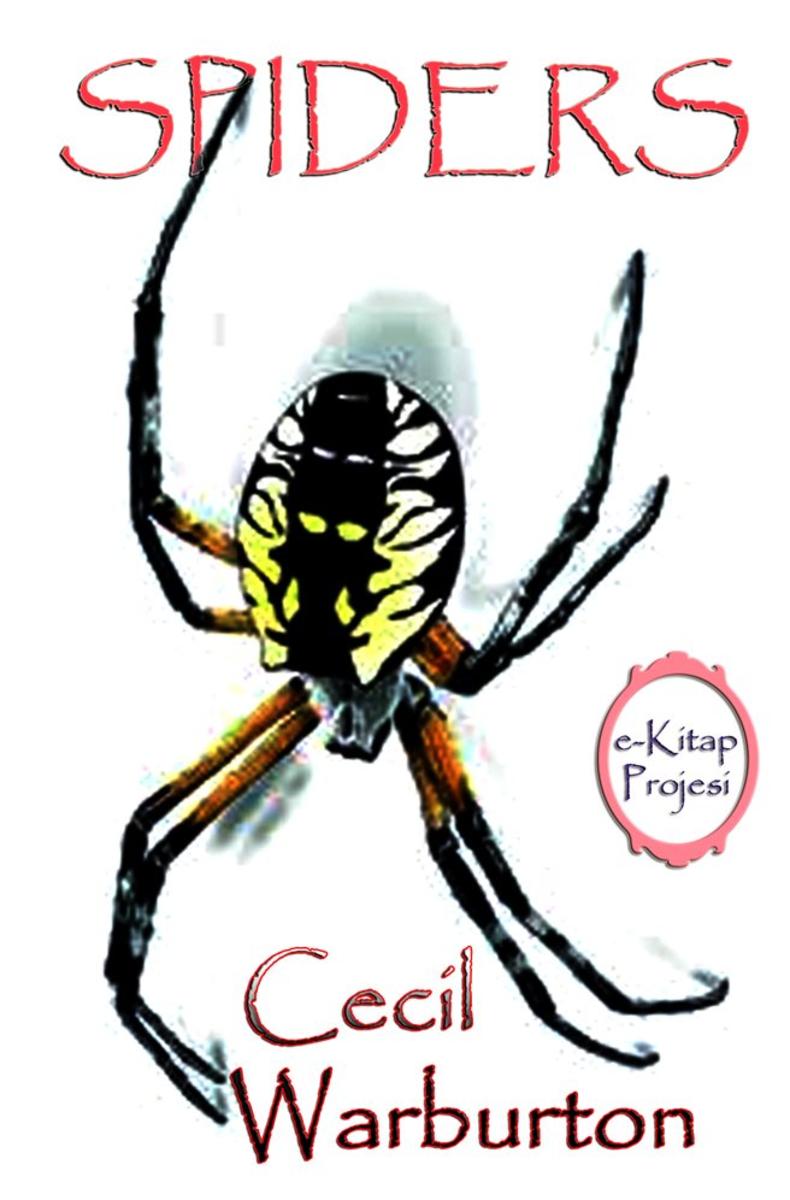
Spiders
¥18.74
This book is called The White Spark as the white spark or vacuum cell in Nature IS THE RIGHT HAND OF GOD—it is a ubiquitous principle of the universe and is the cause and parent of electricity, combustion, radium, snow-flakes, flowers, trees, leaves, crystallization, wireless telegraphy, animal forms and EVEN LIFE ITSELF. This book is the key to every department of human endeavor, as it enunciates the basic principle and THE PRIME MOVER of the universe.?It tells the road to health, the cause and cure of disease, the truth about the germ humbug and drug treatments, serums and antitoxins. It shows why luminosity is produced on the flesh of various organisms, why a slice of pollock when first iced, then heated to 100 degrees and then thrust into a temperature of 50 degrees becomes luminous. It shows the farmer that he can become a magician of agriculture—tells that the nitrogen of the air is only a dust of quartz rocks, like the invisible moisture of the air is "a dust of water"—that the nodules on the roots of the clover and legumes do not abstract nitrogen from the air, for if they did nature would have placed these bacteriological growths on the vine and not the root, the scientists have the cart before the horse in this case and the nodular cells form the proteids from sand or silica, this book tells how it is done. It tells what a trance is and how the soul can leave the body temporarily. How JESUS CHRIST is carrying out the biblical prophesy by TELEPATHY. Gives the truths about the ideal society, alcohol, drunkenness, causes of crime, longevity and law.
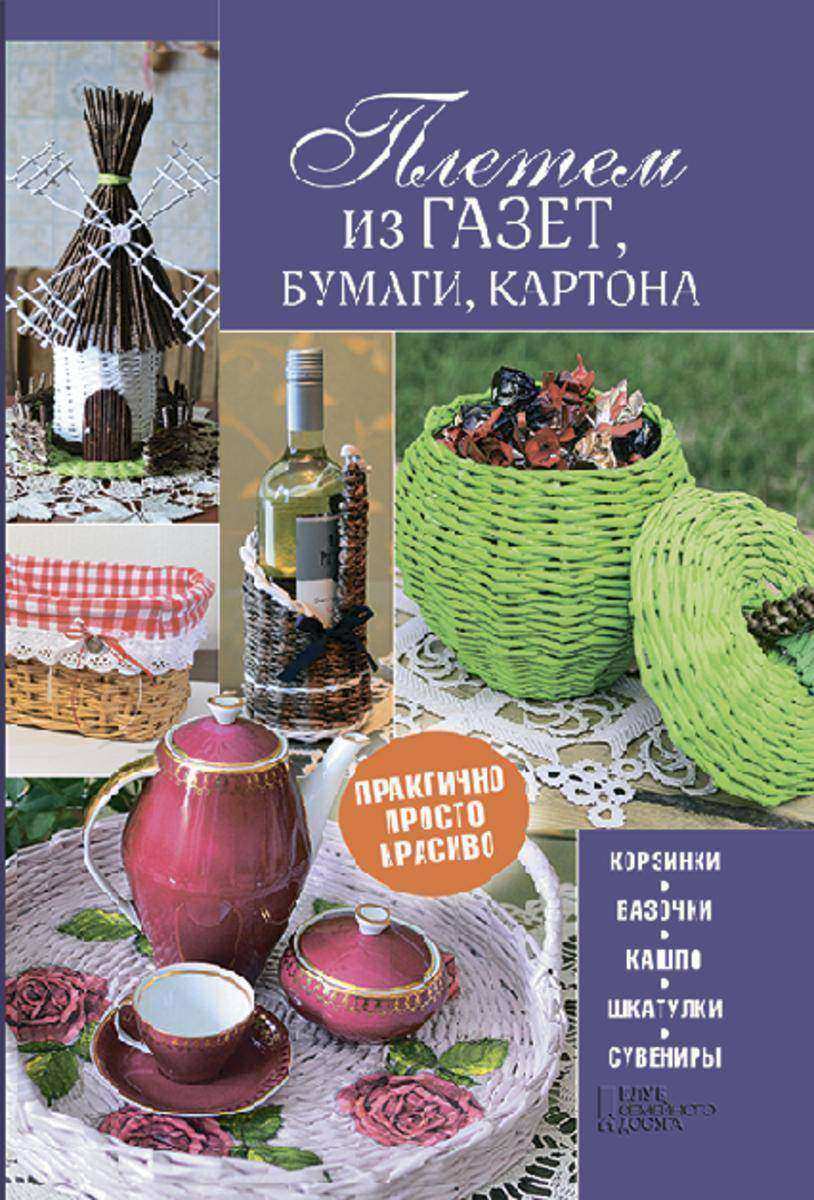
Плетем из газет, бумаги, картона (Pletem iz gazet, bumagi, kartona)
¥17.74
Rū?ītis ?ī skaistā pasaka ir mazā elfa dzīves stāsts. Vi?? mitinājās bagāta tirgotāja mājā un vienmēr bija pārticis.? ?ajā mājā dzīvoja arī kāds trūcīgs students, kur? bie?i cieta badu, jo visu naudu tērēja grāmatām. Kādu dienu Rū?ītis ieskatījās studenta istabi?ā pa atslēgas caurumu. Ko vi?? tur ieraudzīja? Kas notika tālāk? Lasiet pa?i! ?ajā burvju pasakā ir daudzas svarīgas patiesības un morāles vērtības. Tās saturs, noska?a un krāsainās ilustrācijas noteikti iepriecinās visus bērnus


