


 购物车
购物车 个人中心
个人中心
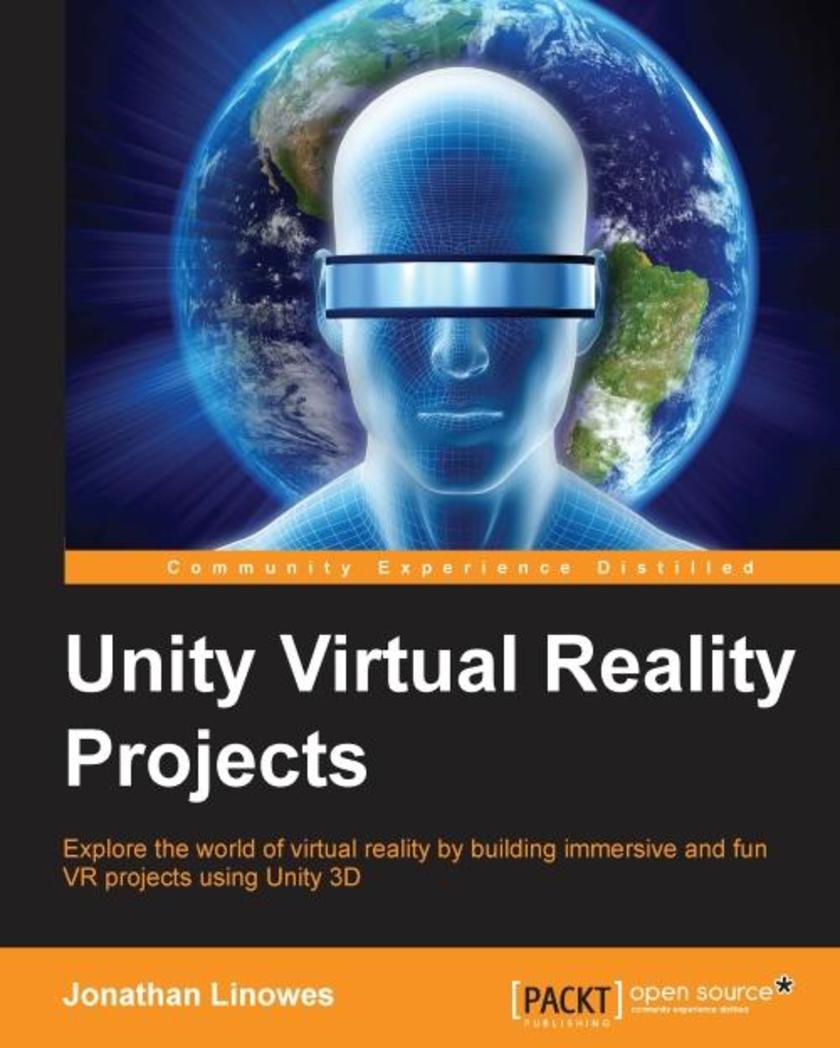
Unity Virtual Reality Projects
¥71.93
Explore the world of Virtual Reality by building immersive and fun VR projects using Unity 3D About This Book Learn the basic principles of virtual reality applications and get to know how they differ from games and desktop apps Build various types of VR experiences, including diorama, first-person characters, riding on rails, 360 degree projections, and social VR A project-based guide that teaches you to use Unity to develop VR applications, which can be experienced with devices such as the Oculus Rift or Google Cardboard Who This Book Is For If you’re a non-programmer unfamiliar with 3D computer graphics, or experienced in both but new to virtual reality, and are interested in building your own VR games or applications then this book is for you. Any experience in Unity is an advantage. What You Will Learn Create 3D scenes with Unity and Blender while learning about world space and scale Build and run VR applications for consumer headsets including Oculus Rift and Google Cardboard Build interactive environments with physics, gravity, animations, and lighting using the Unity engine Experiment with various user interface (UI) techniques that you can use in your VR applications Implement the first-person and third-person experiences that use only head motion gestures for input Create animated walkthroughs, use 360-degree media, and build multi-user social VR experiences Learn about the technology and psychology of VR including rendering, performance and VR motion sickness Gain introductory and advanced experience in Unity programming with the C# language In Detail What is consumer “virtual reality”Wearing a head-mounted display you view stereoscopic 3D scenes. You can look around by moving your head, and walk around using hand controls or motion sensors. You are engaged in a fully immersive experience. On the other hand, Unity is a powerful game development engine that provides a rich set of features such as visual lighting, materials, physics, audio, special effects, and animation for creating 2D and 3D games. Unity 5 has become the leading platform for building virtual reality games, applications and experiences for this new generation of consumer VR devices. Using a practical and project-based approach, this book will educate you about the specifics of virtual reality development in Unity. You will learn how to use Unity to develop VR applications which can be experienced with devices such as the Oculus Rift or Google Cardboard. We will then learn how to engage with virtual worlds from a third person and first person character point of view. Furthermore, you will explore the technical considerations especially important and possibly unique to VR. The projects in the book will demonstrate how to build a variety of VR experiences. You will be diving into the Unity 3D game engine via the interactive Unity Editor as well as C-Sharp programming. By the end of the book, you will be equipped to develop rich, interactive virtual reality experiences using Unity. So, let's get to it! Style and approach This book takes a practical, project-based approach to teach specifics of virtual reality development in Unity. Using a reader-friendly approach, this book will not only provide detailed step-by-step instructions but also discuss the broader context and applications covered within.
Boost.Asio C++ Network Programming - Second Edition
¥54.49
Learn effective C++ network programming with Boost.Asio and become a proficient C++ network programmer About This Book Learn efficient C++ network programming with minimum coding using Boost.Asio Your one-stop destination to everything related to the Boost.Asio library Explore the fundamentals of networking to choose designs with more examples, and learn the basics of Boost.Asio Who This Book Is For This book is for C++ Network programmers with basic knowledge of network programming, but no knowledge of how to use Boost.Asio for network programming. What You Will Learn Prepare the tools to simplify network programming in C++ using Boost.Asio Explore the networking concepts of IP addressing, TCP/IP ports and protocols, and LAN topologies Get acquainted with the usage of the Boost libraries Get to know more about the content of Boost.Asio network programming and Asynchronous programming Establish communication between client and server by creating client-server application Understand the various functions inside Boost.Asio C++ libraries to delve into network programming Discover how to debug and run the code successfully In Detail Boost.Asio is a C++ library used for network programming operations. Organizations use Boost because of its productivity. Use of these high-quality libraries speed up initial development, result in fewer bugs, reduce reinvention-of-the-wheel, and cut long-term maintenance costs. Using Boost libraries gives an organization a head start in adopting new technologies. This book will teach you C++ Network programming using synchronous and asynchronous operations in Boost.Asio with minimum code, along with the fundamentals of Boost, server-client applications, debugging, and more. You will begin by preparing and setting up the required tools to simplify your network programming in C++ with Boost.Asio. Then you will learn about the basic concepts in networking such as IP addressing, TCP/IP protocols, and LAN with its topologies. This will be followed by an overview of the Boost libraries and their usage. Next you will get to know more about Boost.Asio and its concepts related to network programming. We will then go on to create a client-server application, helping you to understand the networking concepts. Moving on, you will discover how to use all the functions inside the Boost.Asio C++ libraries. Lastly, you will understand how to debug the code if there are errors found and will run the code successfully. Style and approach An example-oriented book to show you the basics of networking and help you create a network application simply using Boost.Asio, with more examples for you to get up and running with Boost.Asio quickly.
Microsoft Dynamics NAV 2015 Professional Reporting
¥107.90
Discover tips and trick for Dynamics NAV report building About This Book Create and customize reports in Dynamics NAV 2015 using RDLC, Word, Power BI, and Reporting Services Work with different elements in the toolbox such as tablix, which can be used as a List, Table, or Matrix and understand the differences between them and when to use which This book is a pragmatic guide with clear instructions and real-world examples to teach you about the reporting capabilities of Dynamics NAV 2015 Who This Book Is For If you are a consultant, developer, customer, user, or just interested in the reporting capabilities of Dynamics NAV, then this book is for you. Basic knowledge of Dynamics NAV will be helpful. What You Will Learn Understand why reports are designed in a specific way and then apply this knowledge to your advantage Develop document reports using different techniques Apply filtering and sorting, and create groups Use RDLC to visualize information Visualize information, KPIs, and trends using expressions, Gauges, Charts, Data bars, Indicators, and Spark lines Create and optimize your dataset for RDLC and for Word layouts Use Power BI with Dynamics NAV to bring your data to life Build Reporting Services reports on top of Dynamics NAV In Detail Microsoft Dynamics NAV is a multi-lingual, multi-currency business management solution that organizations use to manage their accounts, supply chain, sales, payroll, and HR. It is an ERP tool for organizations that is fast to implement, easy to configure, and simple to use. It is widely used because simplicity is a part of its development, product design, usability, and implementation. This book will help you to master, analyze, and deliver the most challenging reporting requirements in Dynamics NAV 2015. The book starts by explaining report development and it's different phases such as data model, layout, and testing you go through. It introduces you to RDLC and the different controls in the toolbox, such as the Tablix, in its many forms. You will learn to use expressions to make your layout dynamic and to overcome typical problems. Moving on, the book will teach you to visualize data and be able to understand and read a report as it is intended. You will also learn to use Microsoft Word to create a layout for a report. With Power BI and Power Pivot, Power View, and Power Map, you will learn how easy and powerful it is to bring your data to life, so you can spot trends and perform in depth analysis of your business. Reporting Services is also explained as another way that you can apply the knowledge you have about RDLC to build RDL layouts outside of Dynamics NAV. By the end, you will create different types of charts so you can visualize key performance indicators inside the Dynamics NAV application. Style and approach This book is an essential guide in to understanding what is involved in creating reports in Dynamics NAV and its reporting capabilities.
Java Hibernate Cookbook
¥80.65
Over 50 recipes to help you build dynamic and powerful real-time Java Hibernate applications About This Book Learn to associate JDBC and Hibernate with object persistence Manage association mappings, implement basic annotations and learn caching Get to grips with Hibernate fundamentals from installation to developing a business application with this step-by-step guide Who This Book Is For This is book for Java developers who now want to learn Hibernate. Good knowledge and understanding of Java is preferred to allow efficient programming of the core elements and applications; it would be helpful if readers are familiar with the basics of SQL. What You Will Learn Set up and install Hibernate on your system and explore different ways in which Hibernate can be configured Learn the basic concepts and fundamentals of Java Hibernate Define mappings without a use of XML file using Annotations Persist collection elements such as list, map, set and array Explore the various mapping options and learn to work with Hibernate associations Understand advanced Hibernate concepts such as caching and inheritance Develop an engaging and robust real-world hibernate application based on a common business scenario Integrate Hibernate with other frameworks to develop robust enterprise applications In Detail Hibernate is a database independent technology, so the same code will work for all databases. It helps a Java developer write a query by mapping Java bean to database tables and help create tuned queries that boost performance. Even with limited SQL knowledge one can easily perform database operations. This makes the development faster and more accurate than JDBC. Hibernate supports useful features like connection pooling, caching, and inheritance etc. This book will provide a useful hands-on guide to Hibernate to accomplish the development of a real-time Hibernate application. We will start with the basics of Hibernate, which include setting up Hibernate – the pre-requisites and multiple ways of configuring Hibernate using Java. We will then dive deep into the fundamentals of Hibernate such as SessionFactory, session, criteria, working with objects and criteria. This will help a developer have a better understanding of how Hibernate works and what needs to be done to run a Hibernate application. Moving on, we will learn how to work with annotations, associations and collections. In the final chapters, we will see explore querying, advanced Hibernate concepts and integration with other frameworks. Style and approach This book is a practical guide filled with carefully organized step-by-step instructions. All recipes are arranged in an easy-to understand and clear manner allowing you to apply the solutions to other situations.
Troubleshooting Ubuntu Server
¥80.65
Make life at the office easier for server administrators by helping them build resilient Ubuntu server systems About This Book Tackle the issues you come across in keeping your Ubuntu server up and running Build server machines and troubleshoot cloud computing related issues using Open Stack Discover tips and best practices to be followed for minimum maintenance of Ubuntu Server 3 Who This Book Is For This book is for a vast audience of Linux system administrators who primarily work on Debian-based systems and spend long hours trying fix issues with the enterprise server. Ubuntu is already one of the most popular OSes and this book targets the most common issues that most administrators have to deal with. With the right tools and definite solutions, you will be able to keep your Ubuntu servers in the pink of health. What You Will Learn Deploy packages and their dependencies with repositories Set up your own DNS and network for Ubuntu Server Authenticate and validate users and their access to various systems and services Maintain, monitor, and optimize your server resources and avoid tremendous load Get to know about processes, assigning and changing priorities, and running processes in background Optimize your shell with tools and provide users with an improved shell experience Set up separate environments for various services and run them safely in isolation Understand, build, and deploy OpenStack on your Ubuntu Server In Detail Ubuntu is becoming one of the favorite Linux flavors for many enterprises and is being adopted to a large extent. It supports a wide variety of common network systems and the use of standard Internet services including file serving, e-mail, Web, DNS, and database management. A large scale use and implementation of Ubuntu on servers has given rise to a vast army of Linux administrators who battle it out day in and day out to make sure the systems are in the right frame of operation and pre-empt any untoward incidents that may result in catastrophes for the businesses using it. Despite all these efforts, glitches and bugs occur that affect Ubuntu server's network, memory, application, and hardware and also generate cloud computing related issues using OpenStack. This book will help you end to end. Right from setting up your new Ubuntu Server to learning the best practices to host OpenStack without any hassles. You will be able to control the priority of jobs, restrict or allow access users to certain services, deploy packages, tackle issues related to server effectively, and reduce downtime. Also, you will learn to set up OpenStack, and manage and monitor its services while tuning the machine with best practices. You will also get to know about Virtualization to make services serve users better. Chapter by chapter, you will learn to add new features and functionalities and make your Ubuntu server a full-fledged, production-ready system. Style and approach This book contains topic-by-topic discussion in an easy-to-understand language with loads of examples to help you take care of Ubuntu Server. Plenty of screenshots will guide you through a step-by-step approach.
Mastering Python Scientific Computing
¥71.93
A complete guide for Python programmers to master scientific computing using Python APIs and tools About This Book The basics of scientific computing to advanced concepts involving parallel and large scale computation are all covered. Most of the Python APIs and tools used in scientific computing are discussed in detail The concepts are discussed with suitable example programs Who This Book Is For If you are a Python programmer and want to get your hands on scientific computing, this book is for you. The book expects you to have had exposure to various concepts of Python programming. What You Will Learn Fundamentals and components of scientific computing Scientific computing data management Performing numerical computing using NumPy and SciPy Concepts and programming for symbolic computing using SymPy Using the plotting library matplotlib for data visualization Data analysis and visualization using Pandas, matplotlib, and IPython Performing parallel and high performance computing Real-life case studies and best practices of scientific computing In Detail In today's world, along with theoretical and experimental work, scientific computing has become an important part of scientific disciplines. Numerical calculations, simulations and computer modeling in this day and age form the vast majority of both experimental and theoretical papers. In the scientific method, replication and reproducibility are two important contributing factors. A complete and concrete scientific result should be reproducible and replicable. Python is suitable for scientific computing. A large community of users, plenty of help and documentation, a large collection of scientific libraries and environments, great performance, and good support makes Python a great choice for scientific computing. At present Python is among the top choices for developing scientific workflow and the book targets existing Python developers to master this domain using Python. The main things to learn in the book are the concept of scientific workflow, managing scientific workflow data and performing computation on this data using Python. The book discusses NumPy, SciPy, SymPy, matplotlib, Pandas and IPython with several example programs. Style and approach This book follows a hands-on approach to explain the complex concepts related to scientific computing. It details various APIs using appropriate examples.
Business Process Management with JBoss jBPM
¥90.46
This is a book for Business Analysts (BAs) who need to develop a process model for implementation in a business process management system. Developers looking at the JBoss jBPM toolset will also find it a useful introduction to the key concepts. This book is a full toolkit for someone who wants to implement BPM in the right way. This toolkit is particularly aimed at Business Analysts, although Project Managers, IT managers, developers, and even business people can expect to find useful tools and techniques in here. We will present the project framework, analysis techniques and templates, BPM technology and example deliverables that you need to successfully bring a BPM solution into your organization.
Qmail Quickstarter: Install, Set Up and Run your own Email Server
¥45.77
This book gives practical examples that system administrators can use right away, but it also explains the basics behind every example clearly. This book is targeted at System Administrators familiar with Linux/UNIX and DNS servers who need to set up qmail.
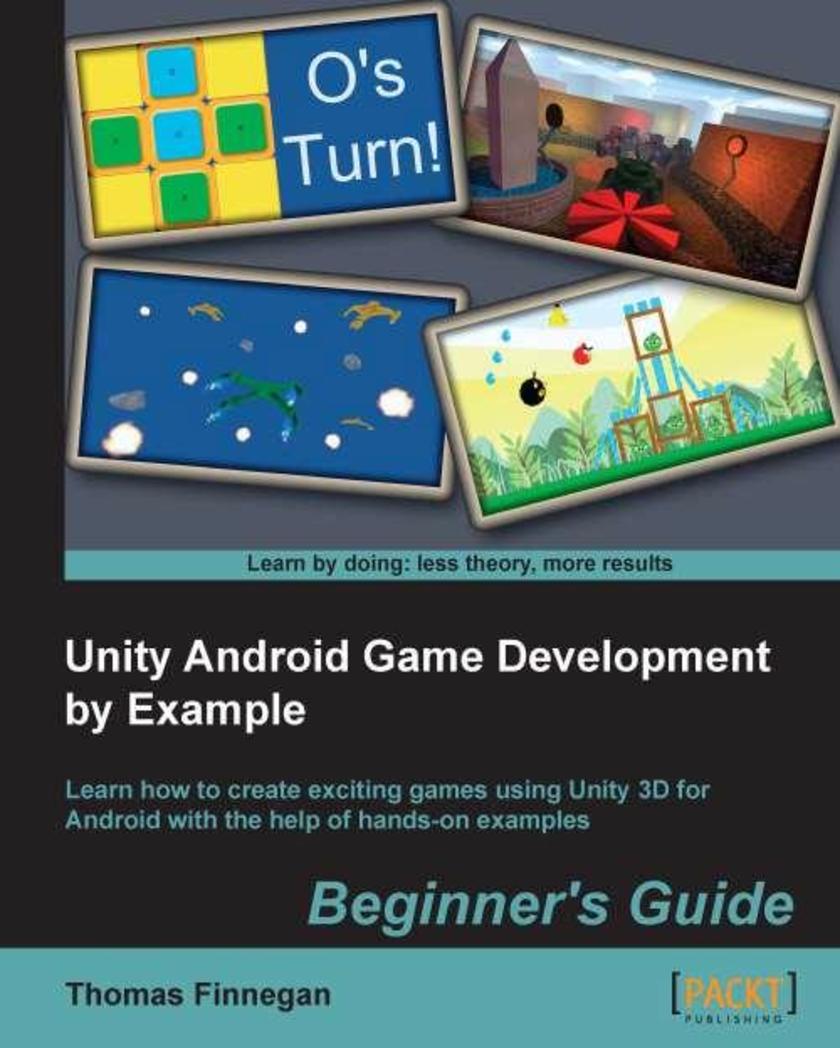
Unity Android Game Development by Example Beginner's Guide
¥80.65
Unity Android Game Development by Example Beginner's Guide consists of different game application examples. No prior experience with programming, Android, or Unity is required. You will learn everything from scratch and will have an organized flow of information specifically designed for complete beginners to Unity.Great for developers new to Unity, Android, or both, this book will walk you through everything you need to know about game development for the Android mobile platform. No experience with programming, Android, or Unity is required. Most of the assets used in each chapter project are provided with the book, but it is assumed that you have some access to basic image and model creation software. You will also need access to an Android powered device.
Zend Framework 2 Cookbook
¥90.46
This book is written in a practical, cookbook style with numerous examples and recipes. This style allows you to go both directly to your topic of interest or follow topics throughout a chapter to gain an in-depth knowledge of certain areas.'Zend Framework 2 Cookbook" is for PHP developers who are fairly advanced in programming in PHP. It will also be useful for developers who have a keen interest in expanding their knowledge outside the boundaries of simply *ing pages together. As unit testing and MVC will be discussed, it is beneficial for the reader to know what these technologies are, although experience with developing applications is not necessarily essential.
CodeIgniter 2 Cookbook
¥90.46
Presented in a recipe-based format, you are led step-by-step through each aspect of CodeIgniter, allowing you to dip in and out as you choose.CodeIgniter 2 Cookbook is for intermediate to advanced PHP developers who want to begin using the powerful CodeIgniter framework to create web applications. Familiarity with CodeIgniter isn’t essential, but it will be useful if you have been introduced to the framework before.
PrestaShop 1.3 Beginner's Guide
¥80.65
The book is structured so that following the chapters in order leads to building a fully functioning and live trading PrestaShop. Guidance is also given should you wish to learn or practice your skills in an offline, non-trading environment. Every chapter contains clearly structured and illustrated step-by-step explanation to achieve the goals discussed. Nothing is left for readers to work out themselves, but it would be very simple for them to use the information to go beyond the specific tutorials, should they wish to do so. There is optional additional reading, including more than a dozen specifically written downloadable e-books made available on the book's support website just for readers of PrestaShop 1.3 Beginners Guide. This book is for anybody who wants a fully functioning e-commerce store using PrestaShop. You do not have to have any previous knowledge of PrestaShop or any aspect of e-commerce or business in general. If you do, then you will probably find this guide really valuable as well. The book covers all you need to know about starting your own e-commerce business.
IT Inventory and Resource Management with OCS Inventory NG 1.02
¥71.93
This book closely follows the style of a practical, hands-on "how to" guide on working with OCS Inventory NG. The step-by-step approach, coupled with the use of visual aids, clear instructions, and real-world examples, makes it a fast-paced book. Upon the completion of this book, you will have the necessary skill set, know-how, and confidence to implement OCS Inventory NG to meet the demanding asset management needs of any organization. Then you can carry on using the book as reference material. This book targets an audience of system administrators and IT professionals who are required to implement, configure, customize, and work with IT Inventory and Asset Management solutions. The book does not presume any prior knowledge of inventory management, just a solid grasp of the server/client model and familiarity with the chosen operating system along with the necessary web server and database server terminologies. Anyone with an interest in inventorying IT assets and solving real-world resource management dilemmas will enjoy this book.
Plone 3 Products Development Cookbook
¥80.65
The examples in this book follow a sample project creating a digital newspaper website to meet the requirements of a fictional customer who wants to place commercial advertisements all over the site. The whole book is a comprehensive collection of recipes that elaborate a series of well known use cases. You will find an organized step-by-step procedure to accomplish each task followed by detailed explanations to better understand how and why each topic was undertaken, and many links to online references and other related sections in the book that can supplement the subject in question. You can read the whole book or just pick the recipes that are relevant for you; where necessary, cross references will help you understand the recipes even if you do not read them in sequential order. This book is for programmers who have some knowledge of Python, Plone, and Zope. If you want to develop feature-rich add-on products in Plone, this book is for you. It is aimed at the development of backend features, so you need not have other web-related skills such as HTML, CSS, or JavaScript.
TYPO3 4.2 E-Commerce
¥71.93
This is a fast-paced tutorial focusing on creating an online store. It walks in detail through development of a sample website, illustrating each step with screenshots and explanation. The cumbersome and time-consuming task of developing and customizing a TYPO3 e-commerce site will be a smooth sail with this book. If you want to create a captivating online shop using TYPO3 and optimize your profit, this book is for you. Some knowledge of TYPO3, PHP, and TypoScript is required.
High Availability MySQL Cookbook
¥80.65
This book uses the approach of a cookbook. Each recipe provides the reader with easy step-by-step de*ions of the actions necessary to accomplish a specific task. It is designed to present what often appear as extremely complicated techniques as a series of simple-to-follow recipes, allowing readers to achieve high uptimes on their MySQL servers. This book is targeted at system administrators or database administrators who have basic familiarity with Linux, the shell, and MySQL. The typical user will be able to get MySQL installed and working, but needs practical guidance to make it highly available.
Microsoft Silverlight 4 Data and Services Cookbook
¥107.90
Written in a cookbook style, this book offers learning and techniques through recipes. It contains step-by-step instructions for developers who want to build rich data-driven business applications using Silverlight. The book is designed in such a way that you can refer to things chapter by chapter, or read them in no particular order. If you are a .NET developer who wants to build professional data-driven applications with Sliverlight, then this book is for you. Basic experience of programming Silverlight and familiarity with accessing data using ADO.NET in normal .NET applications is required.
Wordpress and Flash 10x Cookbook
¥71.93
This book consists of a series of easy-to-follow recipes. Each recipe stands on its own, so you can open the book to any recipe and complete it without going through the previous recipes. You can work through the book from start to end or just choose the recipes most applicable to your needs and situation. The book presents recipes of varying difficulty levels so that there is something for everyone from a beginner to an advanced WordPress user. Detailed screenshots, code examples, and links to additional resources supplement the concise instructions. If you are a Wordpress user interested in creating multimedia-rich websites and blogs using Flash then this book is perfect for you. This book caters for site administrators and web developers, who have experience using Flash aand Wordpress.
VirtualBox 3.1: Beginner's Guide
¥90.46
This beginner's guide consists of comprehensive explanation, appropriate screenshots, tips, tricks, and best practices. It offers step-by-step instructions on building your own virtual environment from scratch, supported by the reasoning behind what you do. If you are a System Administrator who has to set up a virtual machine and want to use an open source tool to do it this book will prove invaluable. No prior knowledge of VirtualBox is required, but you should have experience with general system administration.
Pentaho 3.2 Data Integration: Beginner's Guide
¥90.46
As part of Packt's Beginner's Guide, this book focuses on teaching by example. The book walks you through every aspect of PDI, giving step-by-step instructions in a friendly style, allowing you to learn in front of your computer, playing with the tool. The extensive use of drawings and screenshots make the process of learning PDI easy. Throughout the book numerous tips and helpful hints are provided that you will not find anywhere else. The book provides short, practical examples and also builds from scratch a small datamart intended to reinforce the learned concepts and to teach you the basics of data warehousing. This book is for software developers, database administrators, IT students, and everyone involved or interested in developing ETL solutions, or, more generally, doing any kind of data manipulation. If you have never used PDI before, this will be a perfect book to start with. You will find this book is a good starting point if you are a database administrator, data warehouse designer, architect, or any person who is responsible for data warehouse projects and need to load data into them. You don't need to have any prior data warehouse or database experience to read this book. Fundamental database and data warehouse technical terms and concepts are explained in easy-to-understand language.
Oracle Database 11g – Underground Advice for Database Administrators
¥90.46
This book is designed to cover the problems that novice DBAs particularly struggle with. This handbook covers a minimal amount of theoretical information before showing you how to overcome common problems through the use of real-life examples. It covers both Oracle 11g R1 and 11g R2 in examples, with material applicable to all versions of Oracle. This book is for you if you find yourself in charge of an Oracle database. It can be easy to feel overwhelmed. Whether you are a single employee or the DBA manager of several employees, whether you are taking over an existing position or taking up a newly created one – this book is designed to be a sanity check. If you need guidance for migrating to 11g or implementing Oracle's Maximum Availability Architecture, you will find this book very helpful.


