


 购物车
 个人中心

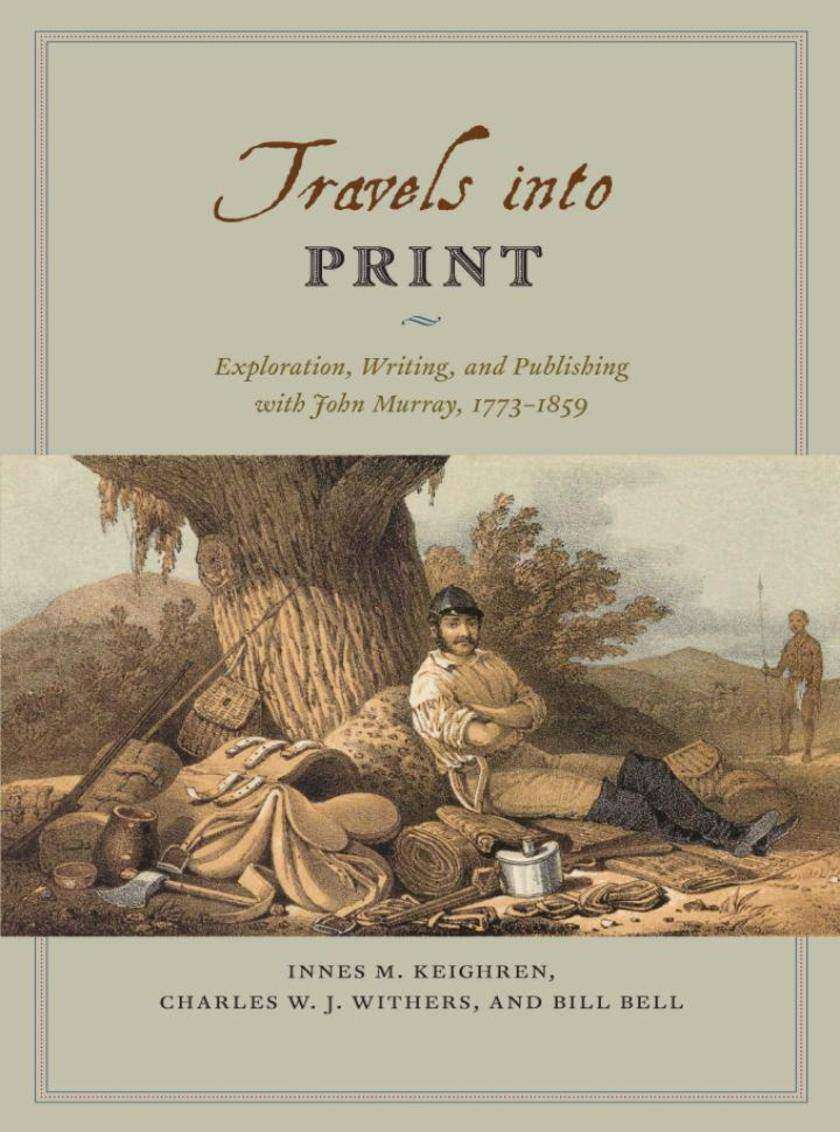
Travels into Print
¥370.82
In eighteenth- and nineteenth-century Britain, books of travel and exploration were much more than simply the printed experiences of intrepid authors. They were works of both artistry and industry-products of the complex, and often contested, relationships between authors and editors, publishers and printers. These books captivated the reading public and played a vital role in creating new geographical truths. In an age of global wonder and of expanding empires, there was no publisher more renowned for its travel books than the House of John Murray.Drawing on detailed examination of the John Murray Archive of manu*s, images, and the firm's correspondence with its many authors-a list that included such illustrious explorers and scientists as Charles Darwin and Charles Lyell, and literary giants like Jane Austen, Lord Byron, and Sir Walter Scott-Travels into Print considers how journeys of exploration became published accounts and how travelers sought to demonstrate the faithfulness of their written testimony and to secure their personal credibility. This fascinating study in historical geography and book history takes modern readers on a journey into the nature of exploration, the production of authority in published travel narratives, and the creation of geographical authorship-a journey bound together by the unifying force of a world-leading publisher.
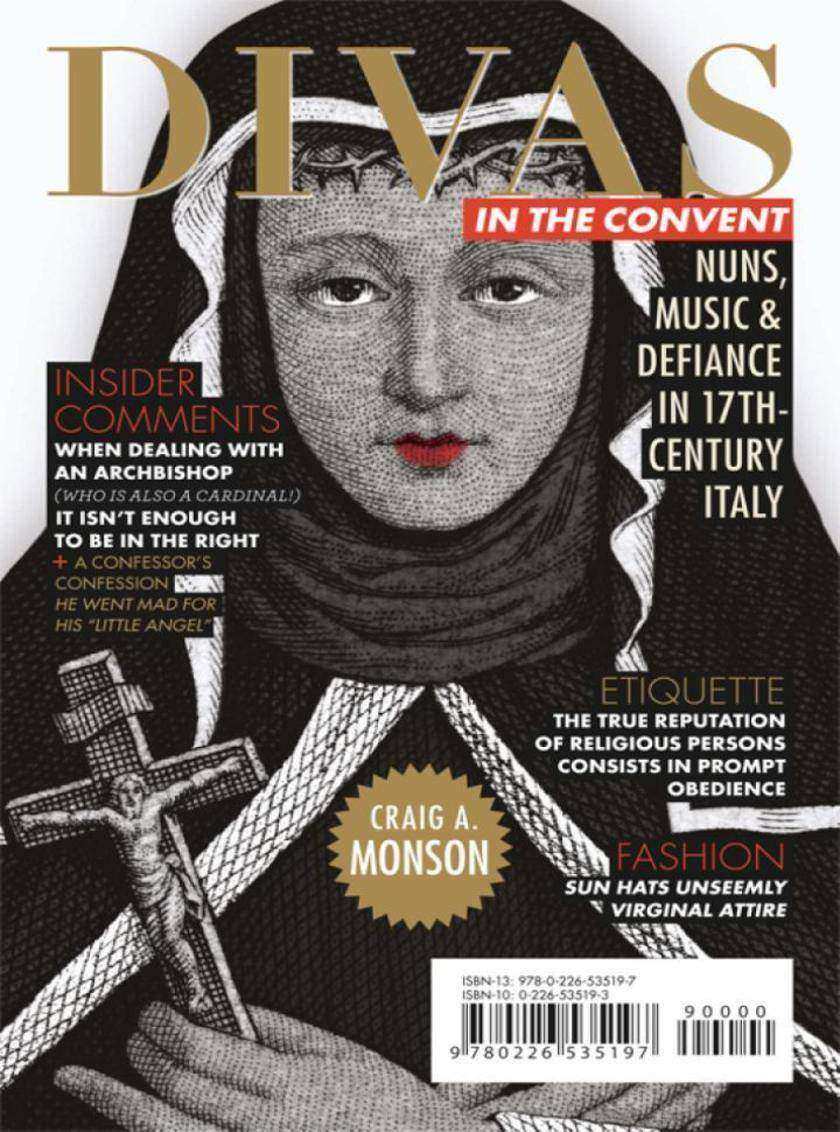
Divas in the Convent
¥253.10
When eight-year-old Lucrezia Orsina Vizzana (1590-1662) entered one of the preeminent convents in Bologna in 1598, she had no idea what cloistered life had in store for her. Thanks to clandestine instruction from a local maestro di cappella-and despite the church hierarchy's vehement opposition to all convent music-Vizzana became the star of the convent, composing works so thoroughly modern and expressive that a recent critic described them as "e;historical treasures."e; But at the very moment when Vizzana's works appeared in 1623-she would be the only Bolognese nun ever to publish her music-extraordinary troubles beset her and her fellow nuns, as episcopal authorities arrived to investigate anonymous allegations of sisterly improprieties with male members of their order.?Craig A. Monson retells the story of Vizzana and the nuns of Santa Cristina to elucidate the role that music played in the lives of these cloistered women. Gifted singers, instrumentalists, and composers, these nuns used music not only to forge links with the community beyond convent walls, but also to challenge and circumvent ecclesiastical authority. Monson explains how the sisters of Santa Cristina-refusing to accept what the church hierarchy called God's will and what the nuns perceived as a besmirching of their honor-fought back with words and music, and when these proved futile, with bricks, roof tiles, and stones. These women defied one Bolognese archbishop after another, cardinals in Rome, and even the pope himself, until threats of excommunication and abandonment by their families brought them to their knees twenty-five years later. By then, Santa Cristina's imaginative but frail composer literally had been driven mad by the conflict.?Monson's fascinating narrative relies heavily on the words of its various protagonists, on both sides of the cloister wall, who emerge vividly as imaginative, independent-minded, and not always sympathetic figures. In restoring the musically gifted Lucrezia Orsina Vizzana to history, Monson introduces readers to the full range of captivating characters who played their parts in seventeenth-century convent life.?
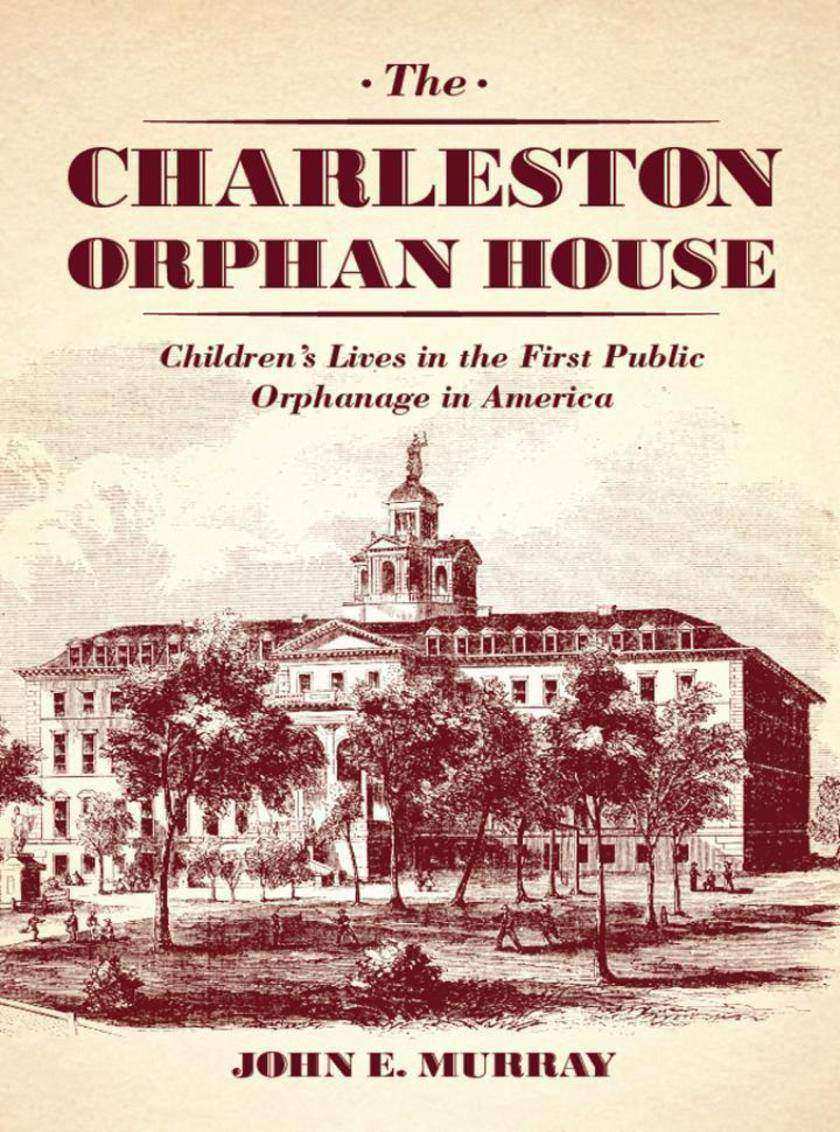
Charleston Orphan House
¥265.87
The first public orphanage in America, the Charleston Orphan House saw to the welfare and education of thousands of children from poor white families in the urban South. From wealthy benefactors to the families who sought its assistance to the artisans and merchants who relied on its charges as apprentices, the Orphan House was a critical component of the city's social fabric. By bringing together white citizens from all levels of society, it also played a powerful political role in maintaining the prevailing social order.?John E. Murray tells the story of the Charleston Orphan House for the first time through the words of those who lived there or had family members who did. Through their letters and petitions, the book follows the families from the events and decisions that led them to the Charleston Orphan House through the children's time spent there to, in a few cases, their later adult lives. What these accounts reveal are families struggling to maintain ties after catastrophic loss and to preserve bonds with children who no longer lived under their roofs.?An intimate glimpse into the lives of the white poor in early American history, The Charleston Orphan House is moreover an illuminating look at social welfare provision in the antebellum South.

Rereading the Fossil Record
¥288.41
Rereading the Fossil Record presents the first-ever historical account of the origin, rise, and importance of paleobiology, from the mid-nineteenth century to the late 1980s.?Drawing on a wealth of archival material, David Sepkoski shows how the movement was conceived and promoted by a small but influential group of paleontologists and examines the intellectual, disciplinary, and political dynamics involved in the ascendency of paleobiology. By tracing the role of computer technology, large databases, and quantitative analytical methods in the emergence of paleobiology, this book also offers insight into the growing prominence and centrality of data-driven approaches in recent science.

Once Out of Nature
¥353.16
Once Out of Nature offers an original interpretation of Augustine's theory of time and embodiment. Andrea Nightingale draws on philosophy, sociology, literary theory, and social history to analyze Augustine's conception of temporality, eternity, and the human and transhuman condition.?In Nightingale's view, the notion of embodiment illuminates a set of problems much larger than the body itself: it captures the human experience of being an embodied soul dwelling on earth. In Augustine's writings, humans live both in and out of nature-exiled from Eden and punished by mortality, they are "e;resident aliens"e; on earth. While the human body is subject to earthly time, the human mind is governed by what Nightingale calls psychic time. For the human psyche always stretches away from the present moment-where the physical body persists-into memories and expectations. As Nightingale explains, while the body is present in the here and now, the psyche cannot experience self-presence. Thus, for Augustine, the human being dwells in two distinct time zones, in earthly time and in psychic time. The human self, then, is a moving target.?Adam, Eve, and the resurrected saints, by contrast, live outside of time and nature: these transhumans dwell in an everlasting present.?Nightingale connects Augustine's views to contemporary debates about transhumans and suggests that Augustine's thought reflects our own ambivalent relationship with our bodies and the earth. Once Out of Nature offers a compelling invitation to ponder the boundaries of the human.
Futurity
¥353.16
When looking at how trauma is represented in literature and the arts, we tend to focus on the weight of the past. In this book, Amir Eshel suggests that this retrospective gaze has trapped us in a search for reason in the madness of the twentieth century's catastrophes at the expense of literature's prospective vision. Considering several key literary works, Eshel argues in Futurity that by grappling with watershed events of modernity, these works display a future-centric engagement with the past that opens up the present to new political, cultural, and ethical possibilities-what he calls futurity.?Bringing together postwar German, Israeli, and Anglo-American literature, Eshel traces a shared trajectory of futurity in world literature. He begins by examining German works of fiction and the debates they spurred over the future character of Germany's public sphere. Turning to literary works by Jewish-Israeli writers as they revisit Israel's political birth, he shows how these stories inspired a powerful reconsideration of Israel's identity. Eshel then discusses post-1989 literature-from Ian McEwan's Black Dogs to J. M. Coetzee's Diary of a Bad Year-revealing how these books turn to events like World War II and the Iraq War not simply to make sense of the past but to contemplate the political and intellectual horizon that emerged after 1989. Bringing to light how reflections on the past create tools for the future, Futurity reminds us of the numerous possibilities literature holds for grappling with the challenges of both today and tomorrow.
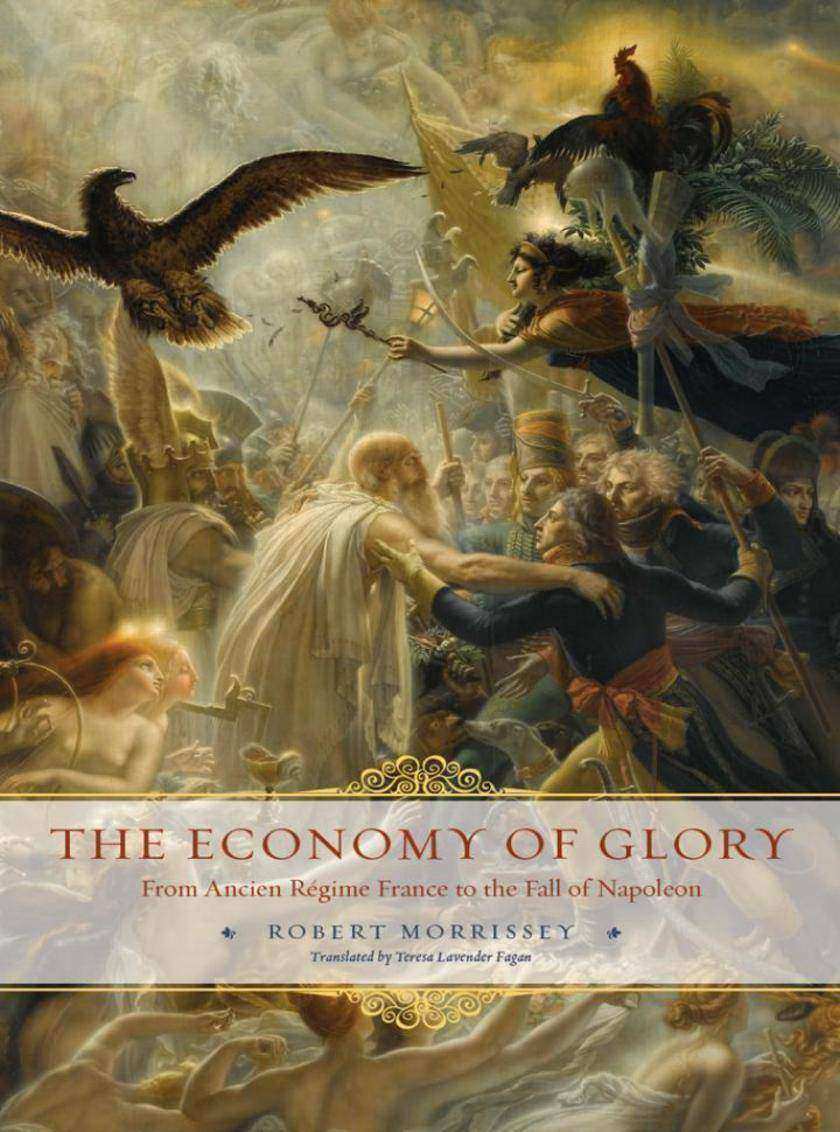
Economy of Glory
¥370.82
From the outset of Napoleon's career, the charismatic Corsican was compared to mythic heroes of antiquity like Achilles, and even today he remains the apotheosis of French glory, a value deeply embedded in the country's history. From this angle, the Napoleonic era can be viewed as the final chapter in the battle of the Ancients and Moderns. In this book, Robert Morrissey presents a literary and cultural history of glory and its development in France and explores the "e;economy of glory"e; Napoleon sought to implement in an attempt to heal the divide between the Old Regime and the Revolution. ?Examining how Napoleon saw glory as a means of escaping the impasse of Revolutionary ideas of radical egalitarianism, Morrissey illustrates the challenge the leader faced in reconciling the antagonistic values of virtue and self-interest, heroism and equality. He reveals that the economy of glory was both egalitarian, creating the possibility of an aristocracy based on merit rather than wealth, and traditional, being deeply embedded in the history of aristocratic chivalry and the monarchy-making it the heart of Napoleon's politics of fusion. Going beyond Napoleon, Morrissey considers how figures of French romanticism such as Chateaubriand, Balzac, and Hugo constantly reevaluated this legacy of glory and its consequences for modernity. Available for the first time in English, The Economy of Glory is a sophisticated and beautifully written addition to French history.

Nature of Diversity
¥376.70
All living things on earth-from individual species to entire ecosystems-have evolved through time, and evolution is the acknowledged framework of modern biology. Yet many areas of biology have moved from a focus on evolution to much narrower perspectives.Daniel R. Brooks and Deborah A. McLennan argue that it is impossible to comprehend the nature of life on earth unless evolution-the history of organisms-is restored to a central position in research. They demonstrate how the phylogenetic approach can be integrated with ecological and behavioral studies to produce a richer and more complete picture of evolution. Clearly setting out the conceptual, methodological, and empirical foundations of their research program, Brooks and McLennan show how scientists can use it to unravel the evolutionary history of virtually any characteristic of any living thing, from behaviors to ecosystems. They illustrate and test their approach with examples drawn from a wide variety of species and habitats.The Nature of Diversity provides a powerful new tool for understanding, documenting, and preserving the world's biodiversity. It is an essential book for biologists working in evolution, ecology, behavior, conservation, and systematics. The argument in The Nature of Diversity greatly expands upon and refines the arguments made in the authors' previous book Phylogeny, Ecology, and Behavior.
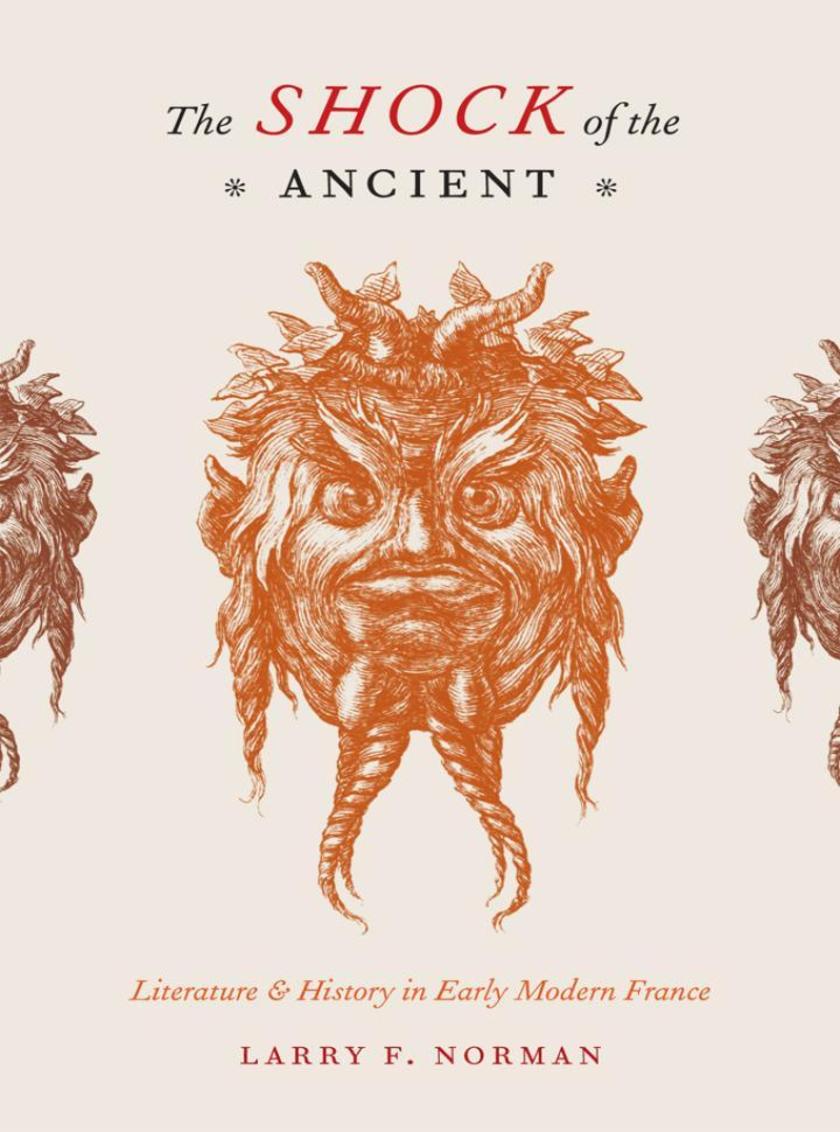
Shock of the Ancient
¥447.34
The cultural battle known as the Quarrel of the Ancients and Moderns served as a sly cover for more deeply opposed views about the value of literature and the arts. One of the most public controversies of early modern Europe, the Quarrel has most often been depicted as pitting antiquarian conservatives against the insurgent critics of established authority. The Shock of the Ancient turns the canonical vision of those events on its head by demonstrating how the defenders of Greek literature-rather than clinging to an outmoded tradition-celebrated the radically different practices of the ancient world.At a time when the constraints of decorum and the politics of French absolutism quashed the expression of cultural differences, the ancient world presented a disturbing face of otherness. Larry F. Norman explores how the authoritative status of ancient Greek texts allowed them to justify literary depictions of the scandalous. The Shock of the Ancient surveys the diverse array of aesthetic models presented in these ancient works and considers how they both helped to undermine the rigid codes of neoclassicism and paved the way for the innovative philosophies of the Enlightenment. Broadly appealing to students of European literature, art history, and philosophy, this book is an important contribution to early modern literary and cultural debates.
Lucretian Renaissance
¥447.34
With The Lucretian Renaissance, Gerard Passannante offers a radical rethinking of a familiar narrative: the rise of materialism in early modern Europe. Passannante begins by taking up the ancient philosophical notion that the world is composed of two fundamental opposites: atoms, as the philosopher Epicurus theorized, intrinsically unchangeable and moving about the void; and the void itself, or nothingness. Passannante considers the fact that this strain of ancient Greek philosophy survived and was transmitted to the Renaissance primarily by means of a poem that had seemingly been lost-a poem insisting that the letters of the alphabet are like the atoms that make up the universe.?By tracing this elemental analogy through the fortunes of Lucretius's On the Nature of Things, Passannante argues that, long before it took on its familiar shape during the Scientific Revolution, the philosophy of atoms and the void reemerged in the Renaissance as a story about reading and letters-a story that materialized in texts, in their physical recomposition, and in their scattering.?From the works of Virgil and Macrobius to those of Petrarch, Poliziano, Lambin, Montaigne, Bacon, Spenser, Gassendi, Henry More, and Newton, The Lucretian Renaissance recovers a forgotten history of materialism in humanist thought and scholarly practice and asks us to reconsider one of the most enduring questions of the period: what does it mean for a text, a poem, and philosophy to be "e;reborn"e;?
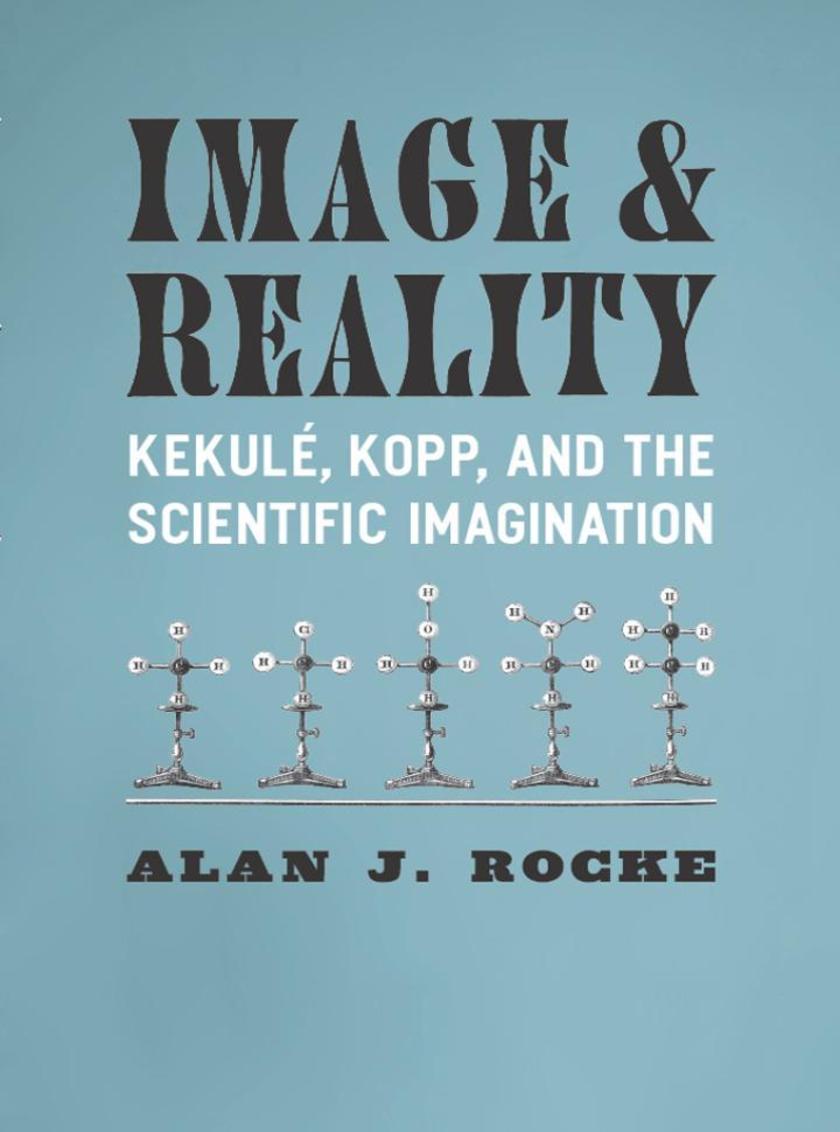
Image and Reality
¥447.34
Nineteenth-century chemists were faced with a particular problem: how to depict the atoms and molecules that are beyond the direct reach of our bodily senses. In visualizing this microworld, these scientists were the first to move beyond high-level philosophical speculations regarding the unseen. In Image and Reality, Alan Rocke focuses on the community of organic chemists in Germany to provide the basis for a fuller understanding of the nature of scientific creativity.?Arguing that visual mental images regularly assisted many of these scientists in thinking through old problems and new possibilities, Rocke uses a variety of sources, including private correspondence, diagrams and illustrations, scientific papers, and public statements, to investigate their ability to not only imagine the invisibly tiny atoms and molecules upon which they operated daily, but to build detailed and empirically based pictures of how all of the atoms in complicated molecules were interconnected. These portrayals of "e;chemical structures,"e; both as mental images and as paper tools, gradually became an accepted part of science during these years and are now regarded as one of the central defining features of chemistry.In telling this fascinating story in a manner accessible to the lay reader, Rocke also suggests that imagistic thinking is often at the heart of creative thinking in all fields.Image and Reality is the first book in the Synthesis series, a series in the history of chemistry, broadly construed, edited by Angela N. H. Creager, John E. Lesch, Stuart W. Leslie, Lawrence M. Principe, Alan Rocke, E.C. Spary, and Audra J. Wolfe, in partnership with the Chemical Heritage Foundation.
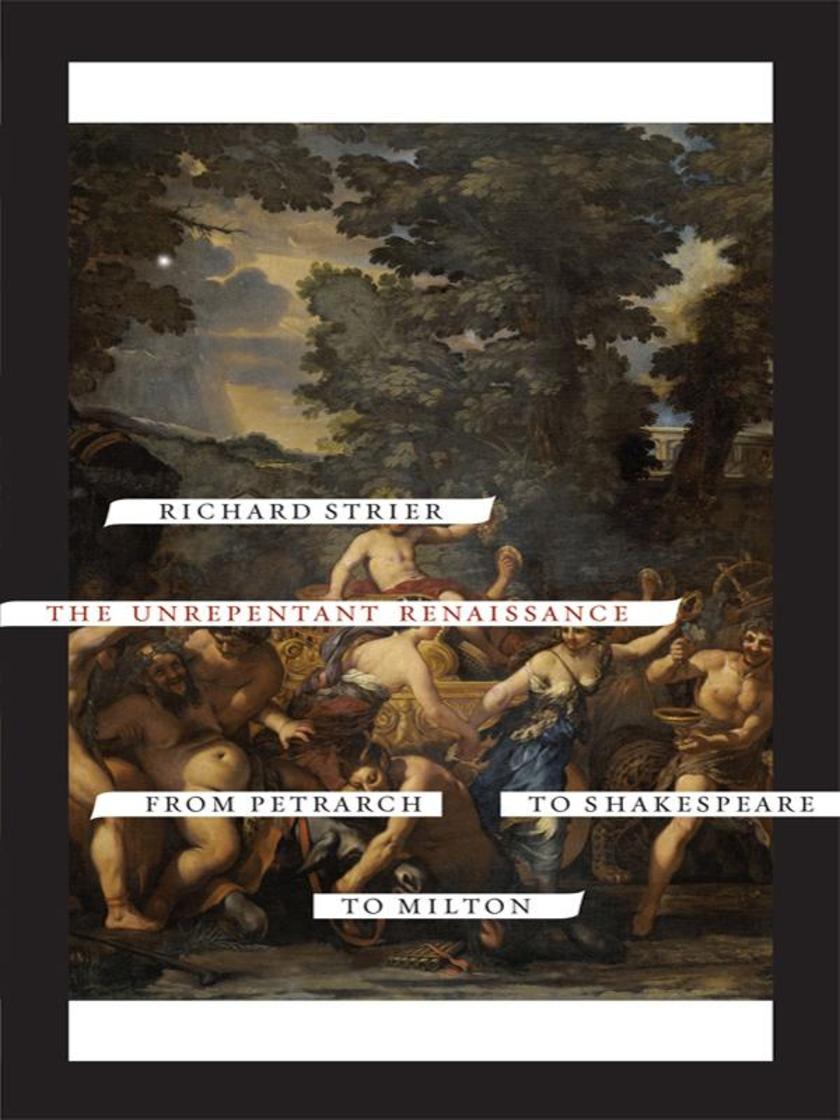
Unrepentant Renaissance
¥447.34
Who during the Renaissance could have dissented from the values of reason and restraint, patience and humility, rejection of the worldly and the physicalThese widely articulated values were part of the inherited Christian tradition and were reinforced by key elements in the Renaissance, especially the revival of Stoicism and Platonism. This book is devoted to those who did dissent from them.?Richard Strier reveals that many long-recognized major texts did question the most traditional values and uncovers a Renaissance far more bumptious and affirmative than much recent scholarship has allowed.The Unrepentant Renaissance counters the prevalent view of the period as dominated by the regulation of bodies and passions, aiming to reclaim the Renaissance as an era happily churning with surprising, worldly, and self-assertive energies. Reviving the perspective of Jacob Burckhardt and Nietzsche, Strier provides fresh and uninhibited readings of texts by Petrarch, More, Shakespeare, Ignatius Loyola, Montaigne, Descartes, and Milton. Strier's lively argument will stir debate throughout the field of Renaissance studies.

Whale and the Reactor
¥188.35
"e;The questions he poses about the relationship between technical change and political power are pressing ones that can no longer be ignored, and identifying them is perhaps the most a nascent 'philosophy of technology' can expect to achieve at the present time."e;-David Dickson, New York Times Book Review"e;The Whale and the Reactor is the philosopher's equivalent of superb public history. In its pages an analytically trained mind confronts some of the most pressing political issues of our day."e;-Ruth Schwartz Cowan, Isis
How Life Began
¥229.55
The origin of life is a hotly debated topic. The Christian Bible states that God created the heavens and the Earth, all in about seven days roughly six thousand years ago. This episode in Genesis departs markedly from scientific theories developed over the last two centuries which hold that life appeared on Earth about 3.5 billion years ago in the form of bacteria, followed by unicellular organisms half a millennia later. It is this version of genesis that Alexandre Meinesz explores in this engaging tale of life's origins and evolution.?How Life Began elucidates three origins, or geneses, of life-bacteria, nucleated cells, and multicellular organisms-and shows how evolution has sculpted life to its current biodiversity through four main events-mutation, recombination, natural selection, and geologic cataclysm.?As an ecologist who specializes in algae, the first organisms to colonize Earth, Meinesz brings a refreshingly novel voice to the history of biodiversity and emphasizes here the role of unions in organizing life. For example, the ingestion of some bacteria by other bacteria led to mitochondria that characterize animal and plant cells, and the chloroplasts of plant cells.?As Meinesz charmingly recounts, life's grandeur is a result of an evolutionary tendency toward sociality and solidarity. He suggests that it is our cohesion and collaboration that allows us to solve the environmental problems arising in the decades and centuries to come. Rooted in the science of evolution but enlivened with many illustrations from other disciplines and the arts, How Life Began?intertwines the rise of bacteria and multicellular life with Vermeer's portrait of Antoni van Leeuwenhoek, the story of Genesis and Noah, Meinesz's son's early experiences with Legos, and his own encounters with other scientists. All of this brings a very human and humanistic tone to Meinesz's charismatic narrative of the three origins of life.?
Freudian Robot
¥247.21
The identity and role of writing has evolved in the age of digital media. But how did writing itself make digital media possible in the first placeLydia H. Liu offers here the first rigorous study of the political history of digital writing and its fateful entanglement with the Freudian unconscious.Liu's innovative analysis brings the work of theorists and writers back into conversation with one another to document significant meetings of minds and disciplines. She shows how the earlier avant-garde literary experiments with alphabetical writing and the word-association games of psychoanalysis contributed to the mathematical making of digital media. Such intellectual convergence, she argues, completed the transformation of alphabetical writing into the postphonetic, ideographic system of digital media, which not only altered the threshold of sense and nonsense in communication processes but also compelled a new understanding of human-machine interplay at the level of the unconscious.Ranging across information theory, cybernetics, modernism, literary theory, neurotic machines, and psychoanalysis, The Freudian Robot rewrites the history of digital media and the literary theory of the twentieth century.

Mapping the Nation
¥247.21
In the nineteenth century, Americans began to use maps in radically new ways. For the first time, medical men mapped diseases to understand and prevent epidemics, natural scientists mapped climate and rainfall to uncover weather patterns, educators mapped the past to foster national loyalty among students, and Northerners mapped slavery to assess the power of the South. After the Civil War, federal agencies embraced statistical and thematic mapping in order to profile the ethnic, racial, economic, moral, and physical attributes of a reunified nation. By the end of the century, Congress had authorized a national archive of maps, an explicit recognition that old maps were not relics to be discarded but unique records of the nation's past.All of these experiments involved the realization that maps were not just illustrations of data, but visual tools that were uniquely equipped to convey complex ideas and information. In Mapping the Nation, Susan Schulten charts how maps of epidemic disease, slavery, census statistics, the environment, and the past demonstrated the analytical potential of cartography, and in the process transformed the very meaning of a map.Today, statistical and thematic maps are so ubiquitous that we take for granted that data will be arranged cartographically. Whether for urban planning, public health, marketing, or political strategy, maps have become everyday tools of social organization, governance, and economics. The world we inhabit-saturated with maps and graphic information-grew out of this sea change in spatial thought and representation in the nineteenth century, when Americans learned to see themselves and their nation in new dimensions.
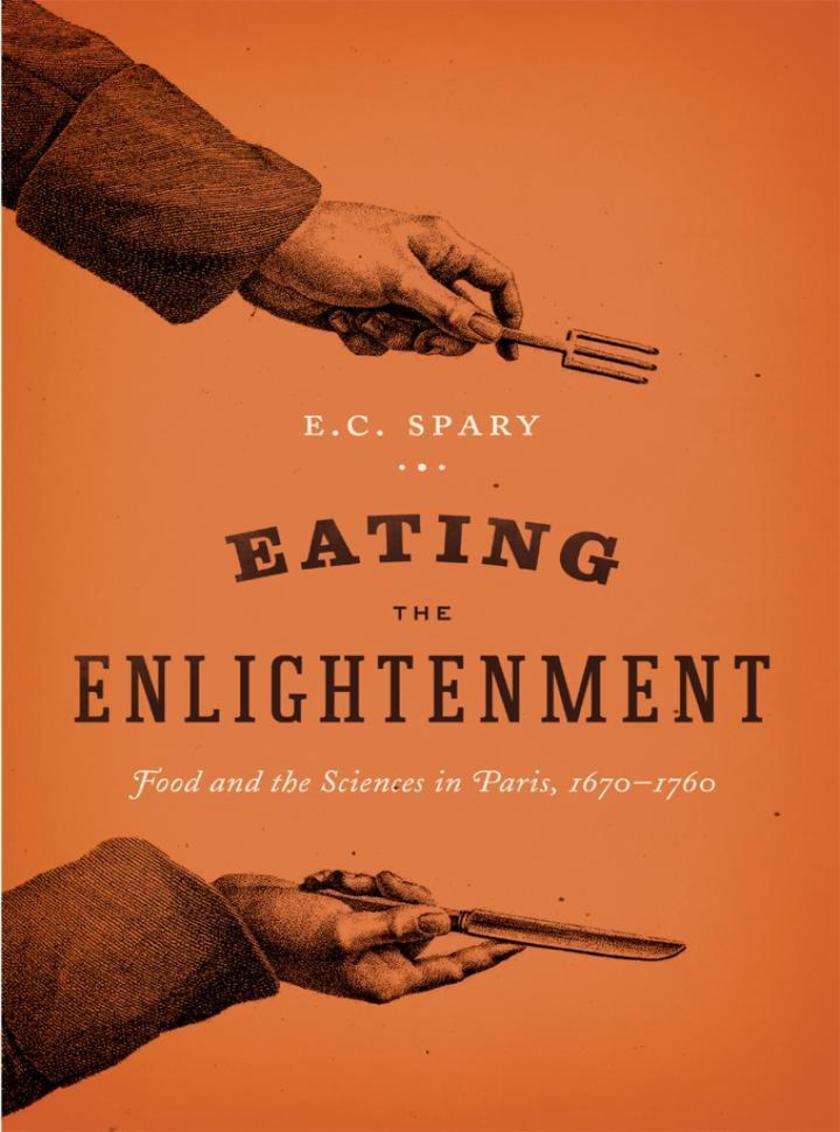
Eating the Enlightenment
¥247.21
Eating the Enlightenment offers a new perspective on the history of food, looking at writings about cuisine, diet, and food chemistry as a key to larger debates over the state of the nation in Old Regime France. Embracing a wide range of authors and scientific or medical practitioners-from physicians and poets to philosophes and playwrights-E. C. Spary demonstrates how public discussions of eating and drinking were used to articulate concerns about the state of civilization versus that of nature, about the effects of consumption upon the identities of individuals and nations, and about the proper form and practice of scholarship. En route, Spary devotes extensive attention to the manufacture, trade, and eating of foods, focusing upon coffee and liqueurs in particular, and also considers controversies over specific issues such as the chemistry of digestion and the nature of alcohol. Familiar figures such as Fontenelle, Diderot, and Rousseau appear alongside little-known individuals from the margins of the world of letters: the draughts-playing cafe owner Charles Manoury, the "e;Turkish envoy"e; Soliman Aga, and the natural philosopher Jacques Gautier d'Agoty. Equally entertaining and enlightening, Eating the Enlightenment will be an original contribution to discussions of the dissemination of knowledge and the nature of scientific authority.
Frankenstein of 1790 and Other Lost Chapters from Revolutionary France
¥394.36
The French Revolution brings to mind violent mobs, the guillotine, and Madame Defarge, but it was also a publishing revolution: more than 1,200 novels were published between 1789 and 1804, when Napoleon declared the Revolution at an end. In this book, Julia V. Douthwaite explores how the works within this enormous corpus announced the new shapes of literature to come and reveals that vestiges of these stories can be found in novels by the likes of Mary Shelley, E. T. A. Hoffmann, Honore de Balzac, Charles Dickens, Gustave Flaubert, and L. Frank Baum.?Deploying political history, archival research, and textual analysis with eye-opening results, Douthwaite focuses on five major events between 1789 and 1794-first in newspapers, then in fiction-and shows how the symbolic stories generated by Louis XVI, Robespierre, the market women who stormed Versailles, and others were transformed into new tales with ongoing appeal. She uncovers a 1790 story of an automaton-builder named Franknsten, links Baum to the suffrage campaign going back to 1789, and discovers a royalist anthem's power to undo Balzac's Pre Goriot. Bringing to light the missing links between the ancien rgime and modernity, The Frankenstein of 1790 and Other Lost Chapters from Revolutionary France is an ambitious account of a remarkable politico-literary moment and its aftermath.
Nietzsche's Enlightenment
¥394.36
While much attention has been lavished on Friedrich Nietzsche's earlier and later works, those of his so-called middle period have been generally neglected, perhaps because of their aphoristic style or perhaps because they are perceived to be inconsistent with the rest of his thought. With Nietzsche's Enlightenment, Paul Franco gives this crucial section of Nietzsche's oeuvre its due, offering a thoughtful analysis of the three works that make up the philosopher's middle period: Human, All too Human; Daybreak; and The Gay Science.?It is Nietzsche himself who suggests that these works are connected, saying that their "e;common goal is to erect a new image and ideal of the free spirit."e; Franco argues that in their more favorable attitude toward reason, science, and the Enlightenment, these works mark a sharp departure from Nietzsche's earlier, more romantic writings and differ in important ways from his later, more prophetic writings, beginning with Thus Spoke Zarathustra. The Nietzsche these works reveal is radically different from the popular image of him and even from the Nietzsche depicted in much of the secondary literature; they reveal a rational Nietzsche, one who preaches moderation instead of passionate excess and Dionysian frenzy. Franco concludes with a wide-ranging examination of Nietzsche's later works, tracking not only how his outlook changes from the middle period to the later but also how his commitment to reason and intellectual honesty in his middle works continues to inform his final writings.
Archaeology of Sympathy
¥370.82
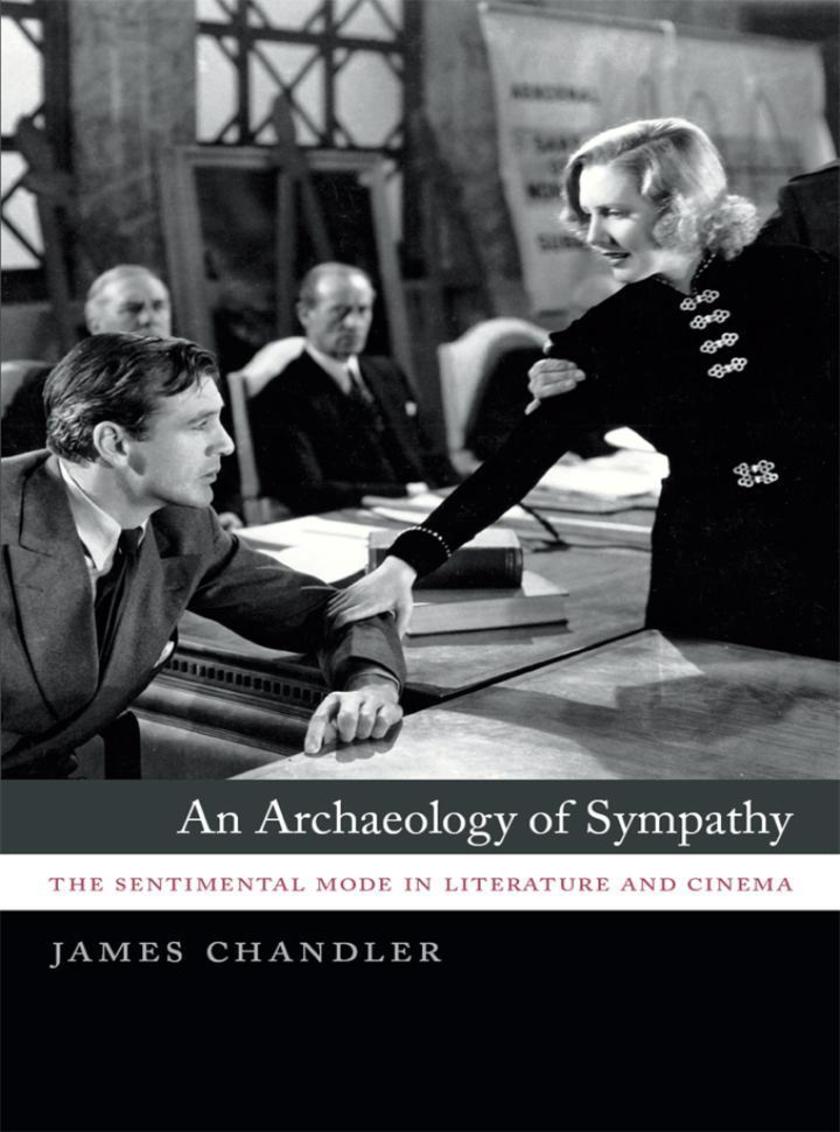
In the middle of the eighteenth century, something new made itself felt in European culture-a tone or style that came to be called the sentimental. The sentimental mode went on to shape not just literature, art, music, and cinema, but people's very structures of feeling, their ways of doing and being.?In what is sure to become a critical classic, An Archaeology of Sympathy challenges Sergei Eisenstein's influential account of Dickens and early American film by tracing the unexpected history and intricate strategies of the sentimental mode and showing how it has been reimagined over the past three centuries. James Chandler begins with a look at Frank Capra and the Capraesque in American public life, then digs back to the eighteenth century to examine the sentimental substratum underlying Dickens and early cinema alike. With this surprising move, he reveals how literary spectatorship in the eighteenth century anticipated classic Hollywood films such as Capra's It Happened One Night, Mr. Deeds Goes to Town, and It's a Wonderful Life. Chandler then moves forward to romanticism and modernism-two cultural movements often seen as defined by their rejection of the sentimental-examining how authors like Mary Shelley, Joseph Conrad, James Joyce, and Virginia Woolf actually engaged with sentimental forms and themes in ways that left a mark on their work.?Reaching from Laurence Sterne to the Coen brothers, An Archaeology of Sympathy casts new light on the long eighteenth century and the novelistic forebears of cinema and our modern world.
Tristan's Shadow
¥370.82
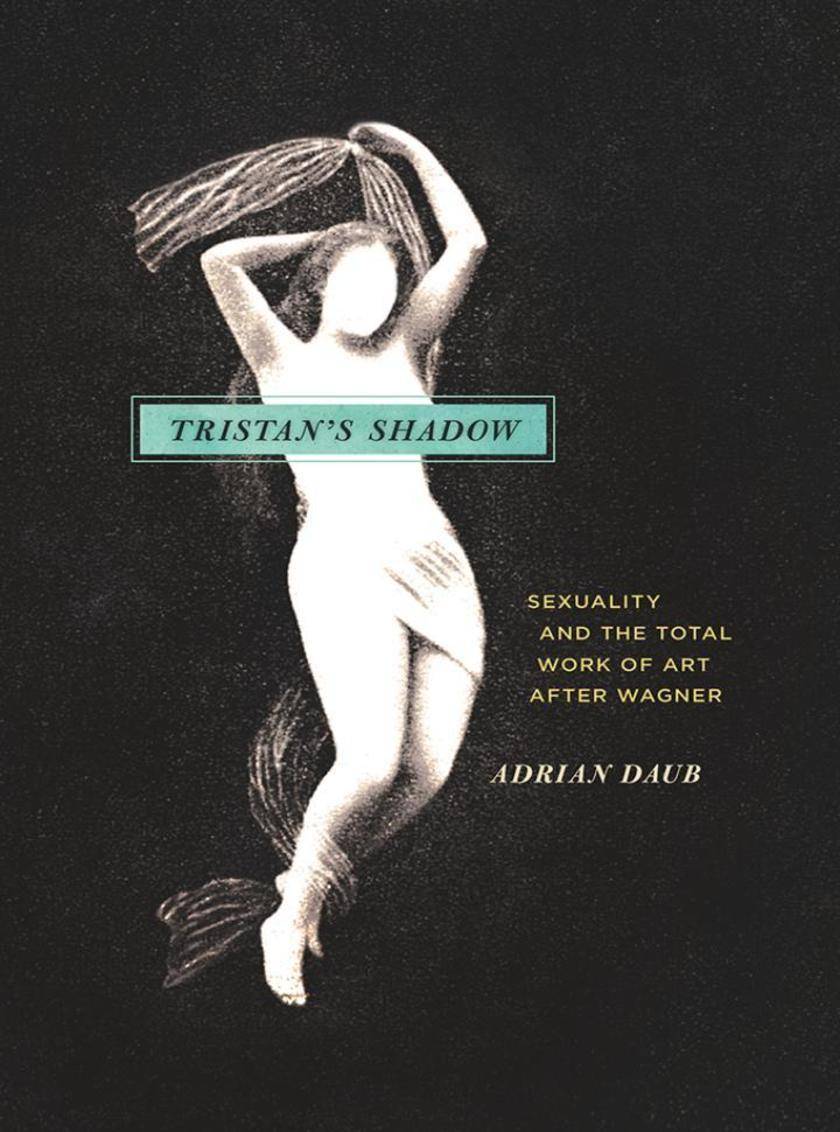
Das Rheingold, Die Walkre, and Siegfried. Parsifal. Tristan und Isolde. Both revered and reviled, Richard Wagner conceived some of the nineteenth century's most influential operas-and created some of the most indelible characters ever to grace the stage. But over the course of his polarizing career, Wagner also composed volumes of essays and pamphlets, some on topics seemingly quite distant from the opera house. His influential concept of Gesamtkunstwerk-the "e;total work of art"e;-famously and controversially offered a way to unify the different media of an opera into a coherent whole. Less well known, however, are Wagner's strange theories on sexuality-like his ideas about erotic acoustics and the metaphysics of sexual difference. Drawing on the discourses of psychoanalysis, evolutionary biology, and other emerging fields of study that informed Wagner's thinking, Adrian Daub traces the dual influence of Gesamtkunstwerk and eroticism from their classic expressions in Tristan und Isolde into the work of the generation of composers that followed, including Zemlinsky, d'Albert, Schreker, and Strauss. For decades after Wagner's death, Daub writes, these composers continued to grapple with his ideas and with his overwhelming legacy, trying in vain to write their way out from Tristan's shadow.


