


 购物车
购物车 个人中心
个人中心

The Art of Lainey
¥56.08
Perfect for fans of Stephanie Perkins, Sarah Dessen, and Susane Colasanti, The Art of Lainey tells the story of how, with the help of The Art of War, Lainey plots the perfect plan to get her boyfriend back. But is getting him back really what she wants?Soccer star Lainey Mitchell is gearing up to spend an epic summer with her amazing boyfriend, Jason, when he suddenly breaks up with her—no reasons, no warnings, and in public no less! Lainey is more than crushed, but with help from her friend Bianca, she resolves to do whatever it takes to get Jason back.And that's when Lainey and Bianca stumble across a copy of The Art of War. With just one glance, the girls are sure they can use the book to lure Jason back into Lainey's arms. So Lainey channels her inner warlord, recruiting spies to gather intel and persuading her coworker Micah to pose as her new boyfriend to make Jason jealous.After a few "dates," it looks like her plan is going to work! But now her relationship with Micah is starting to feel like more than just a game. Can fighting for what she wants help Lainey figure out what she really needs?

Jakarta Missing
¥98.08
Dakar is scared. When her family left East Africa to spend a year or two in Cottonwood, North Dakota, Dakar's older sister, Jakarta, was adamant about staying behind. Now Jakarta is all by herself in Kenya...and she's missing.It's terrible to go through life cringing, sure that at any minute a blow is going to come from somewhere. Dakar doesn't want to worry, but she can't help it. What if Jakarta was in the middle of a Nairobi bombingWhat if Mom gets caught by hoodies and forced back into that place when Jakarta isn't even there to helpWhat if Dad decides to go off to save lives and is seized by some mysterious diseaseIf Dakar were able to do three really brave things, would that be enough to keep her family together?Almost everything in Cottonwood, North Dakota, requires bravery from a girl who has grown up in Kenya, Ethiopia, Egypt, and Senegal. The possibility of a new friend, navigating a new school, and preparing for snow—the first Dakar will ever see—is the least of it. Jakarta is missing...when she's home and when she's not. And for Jakarta, Dakar will battle the universe.

Roar and Liv
¥54.42
Before Perry and Aria, there was Roar and Liv.After a childhood spent wandering the borderlands, Roar finally feels like he has a home with the Tides. His best friend Perry is like a brother to him, and Perry's sister, Liv, is the love of his life. But Perry and Liv's unpredictable older brother, Vale, is the Blood Lord of the Tides, and he has never looked kindly on Roar and Liv's union. Normally, Roar couldn't care less about Vale's opinion. But with food running low and conditions worsening every day, Vale's leadership is more vital—and more brutal—than ever. Desperate to protect his tribe, Vale makes a decision that will shatter the life Roar knew and change the fate of the Tides forever.Set in the harsh but often beautiful world of Veronica Rossi's "unforgettable" Under the Never Sky (Examiner.com), this captivating prequel novella stands on its own for new readers and offers series fans a fascinating look into the character of Roar. Poignant and powerful, Roar and Liv is a love story that will "capture your imagination and your heart." (Justine on Under the Never Sky)
Before & After, Second
¥88.56
At 278 pounds, Susan Maria Leach couldn't lie in bed without gasping for air, wasn't able to fit into a restaurant booth, and could barely buckle the belt on an airplane seat. In 2001 she resolved to take back control and underwent gastric bypass surgery—cutting her weight in half and beginning a journey that would change her life forever.At once an eye-opening memoir, a self-help guide, and a cookbook filled with delicious, healthy recipes, Before & After is Susan's inspiring personal account of her remarkable transformation as well as an indispensable handbook for anyone who has already undergone or is considering the procedure. This newly revised and updated edition includes a wealth of important new material, including;A Q&A section, featuring answers to frequently asked questions—essential advice from someone who has experienced more than a decade of post-bariatric-surgery lifestyle changes. Revised nutrition discussions based on the real and very serious deficiencies faced by a many bariatric patients. Menus and meal plans containing new products and recipes.Weight-loss surgery may not be the answer for everyone. But reading Susan Leach's personal story, and sharing her ups and downs and her tips and techniques, will provide inspiration, motivation, and hope for anyone with a serious weight problem.

True Lies
¥87.15
Set just months before Sutton Mercer's untimely death, this stand-alone 100-page digital original novella from #1 New York Times bestselling author Sara Shepard is an exciting, must-read companion to the Lying Game series.It's the summer after junior year and Sutton Mercer's world is turned upside down when her secret boyfriend, Thayer Vega, disappears without a trace. When he finally calls, he says he needs "space."Furious, Sutton does what any jilted girl would do—she gets over her last boyfriend by finding a new one. And luckily Garrett Austin is happy to step up and be her new leading man. The only catch: Garrett used to date Sutton's best friend Charlotte. Now an annoyed Charlotte is insisting that Sutton's younger sister, Laurel, be admitted to the Lying Game clique. If Sutton wants to keep Laurel out, she'll need to outdo her in a series of prank challenges. Defeating Laurel should be a no-brainer, but little sis has some tricks up her sleeve. . . .Will Sutton prove she's the only Mercer fit for the clubOr is the Lying Game queen about to get overthrown by her not-so-loyal subjects?
In the Dark Places
¥88.56
One of the world's greatest suspense writers returns with this gripping, powerful new novel featuring Inspector Alan Banks, hailed by Michael Connelly as "a man for all seasons."Life. Death.Good. Evil.Innocence. Guilt.All can be found IN THE DARK PLACES.It's a double mystery: two young men have vanished, and the investigation leads to two troubling clues in two different locations.As Inspector Banks and his team scramble for answers, the inquiry takes an even darker turn when a truck careens off an icy road in a freak hailstorm. In the wreckage, rescuers find the driver, who was killed on impact, as well as another corpse . . . that of someone who was dead well before the crash.Snow falls. The body count rises. And Banks, perceptive and curious as ever, feels himself being drawn deeper into a web of crime . . . and at its center something—or someone—dark and dangerous lying in wait.Vibrating with tension, ingeniously plotted, and filled with soul and poignancy, In the Dark Places is a remarkable achievement from this masterful talent. For readers of Michael Connelly, Louise Penny, and Tess Gerritsen, this is a novel to be read with white knuckles and a fast-beating heart.
Bourbon
¥88.56
A rollicking biography of bourbon whiskey that doubles as a rich and surprising history of America itselfFew products are so completely or intimately steeped in the American story as bourbon whiskey. As Dane Huckelbridge's masterfully crafted history reveals, the iconic amber spirit is the American experience, distilled, aged, and sealed in a bottle. Bourbon's essential ingredient, corn, is indigenous to the Americas and had been fermented by its native peoples for centuries. At Jamestown, the earliest colonists applied their old-world distilling know-how to produce the first corn-based whiskey. After winning the American Revolution, George Washington turned his attention to establishing one of the new nation's largest distilling operations at his estate, Mount Vernon, making him a Founding Father of both the United States and American whiskey. Whiskey-swilling Scots-Irish immigrants had perfected bourbon's recipe in the rugged oak forests of the Appalachian frontier by the early nineteenth century. Kentucky-born Abe Lincoln received a liquor license in 1833 before turning his attention to politics; during the Civil War, soldiers on both sides liberally imbibed before, during, and after battle. Then, in cowboy saloons and gambling halls of the late-nineteenth century, bourbon put the wild in Wild West. During the early twentieth century, Prohibition fa-mously sought to curtail America's drinking but instead expanded alcohol's reach as speakeasies run by gangsters and bootleggers welcomed women and made drinking more fashionable than ever. Bourbon-consumption reached record heights—both at home and abroad—as America came of age as a superpower after World War II and labels like Jack Daniel's and Jim Beam emerged as global brands on par with Coca-Cola. Just as bourbon fueled the novels of F. Scott Fitzgerald, William Faulkner, and Ernest Hemingway during the first half of the twentieth century, the 1960s and beyond saw rock-and-roll bands and country stars knocking back bottles of Old Grand-Dad and reclaiming bourbon's unruly reputation. Today the story has come full circle with a renewed appreciation of craft-distilled whiskey produced in small batches, much as it was 150 years ago.Bourbon has been at turns rebellious and traditional, liberating and destructive, regional and global; to know it is to understand the American story. Crack open Bourbon, and come along for the ride.

Bread for the Journey
¥94.10
When beloved author Henri Nouwen set out to record this daybook of totally new reflections, he suddenly found himself on "a true spiritual adventure." For in these 366 original, interlocking morsels of daily wisdom, Nouwen provides both sustenance and a trail for us to follow, as he unveils, to his own surprise, his personal map of faith. From the delicate interplay of human experience to the surrender to Christ and the embrace of Christian community, that journey of Christian spirituality is explored and celebrated here in each eloquent, thought–provoking passage, "The table is one of the most intimate places in our lives. It is there that we give ourselves to one another. When we say, 'Take some more, let me serve you another plate, let me pour you another glass, don't be shy, enjoy it,' we say a lot more than our words express. We invite our friends to become part of our lives. We want them to be nurtured by the same food and drink that nurture us. We desire communion.... Every breakfast, lunch, or dinner can become a time of growing communion with one another." Intimately personal and inspiring, Bread for the Journey is a daily feast of fresh insight into the challenges and deep joys of a life lived in close communion with God. Nouwen is a wise, loving companion who invites us along as he finds joy in the community of loss, true freedom in forgiveness of others, and hope in surprising places. Each daily meditation is a stepping–stone along a path of private discovery, offering Nouwen's seasoned yet fresh ideas on kindness, love, suffering, and prayer, the Church as God's people, and the importance of Jesus in one's life–reflecting, as a whole, Nouwen's own 'personal creed.' Bread for the Journey brims with daily nourishment and guidance for devoted followers and new friends alike –– food for thought on a yearlong journey of discovery and faith.
The Fall of Advertising and the Rise of PR
¥83.03
Bestselling authors and world-renowned marketing strategists Al and Laura Ries usher in the new era of public relations. Today's major brands are born with publicity, not advertising. A closer look at the history of the most successful modern brands shows this to be true. In fact, an astonishing number of brands, including Palm, Starbucks, the Body Shop, Wal-Mart, Red Bull and Zara have been built with virtually no advertising. Using in-depth case histories of successful PR campaigns coupled with those of unsuccessful advertising campaigns, The Fall of Advertising provides valuable ideas for marketers -- all the while demonstrating why advertising lacks credibility, the crucial ingredient in brand building, and how only PR can supply that credibility; the big bang approach advocated by advertising people should be abandoned in favor of a slow build-up by PR; advertising should only be used to maintain brands once they have been established through publicity. Bold and accessible, The Fall of Advertising is bound to turn the world of marketing upside down.

Bringing Home the Birkin
¥83.03
An insider's hilarious, whirlwind account of his years spent globe-trotting in search of the holy grail of handbags: the Birkin For more than twenty years, the Hermès Birkin bag has been the iconic symbol of fashion, luxury, and wealth. Though the bag is often seen dangling from the arms of celebrities, there is a fabled waiting list of more than two years to buy one from Hermès, and the average fashionista has a better chance of climbing Mount Everest in Prada pumps than of possessing one of these coveted carryalls. Unless, of course, she happens to know Michael Tonello . . . Michael's newfound career started with an impulsive move to Barcelona, a vanished job assignment, no work visa, and an Herm scarf sold on eBay to generate some quick cash. But soon the resourceful Michael discovered the truth about the waiting list and figured out the secret to getting Herm to part with one of these precious bags. Millions of dollars worth of Birkins later, Michael had become one of eBay's most successful entrepreneurs and a Robin Hood to thousands of desperate rich women.With down-to-earth wit, Michael chronicles the unusual ventures that took him to nearly every continent, from eBay to Paris auction house and into the lives of celebrities and poseurs. Flirting with danger, Michael recounts the heady rush of hand delivering his first big score to famed songwriter Carole Bayer Sager in Paris; how he had to hire thugs to rescue a bag that one of his "shoppers" held for ransom; and the story of the Oscar-worthy performances that allowed him to snag "reserved" bags from other, less dogged Birkin seekers. Whether he's relating his wining and dining, buying and selling, dodging and weaving, laughing and crying, or schmoozing and stammering, Michael is a master raconteur who weaves together tales of hunting Birkins in the world's most posh locales, memories of meals that would make any gastronome salivate, anecdotes of obsessed collectors with insatiable desires, and sweetly intimate stories about his family, friends, and finding true love. The result is a memoir that is distinctive, fun, page-turning, and as addictive as its namesake.
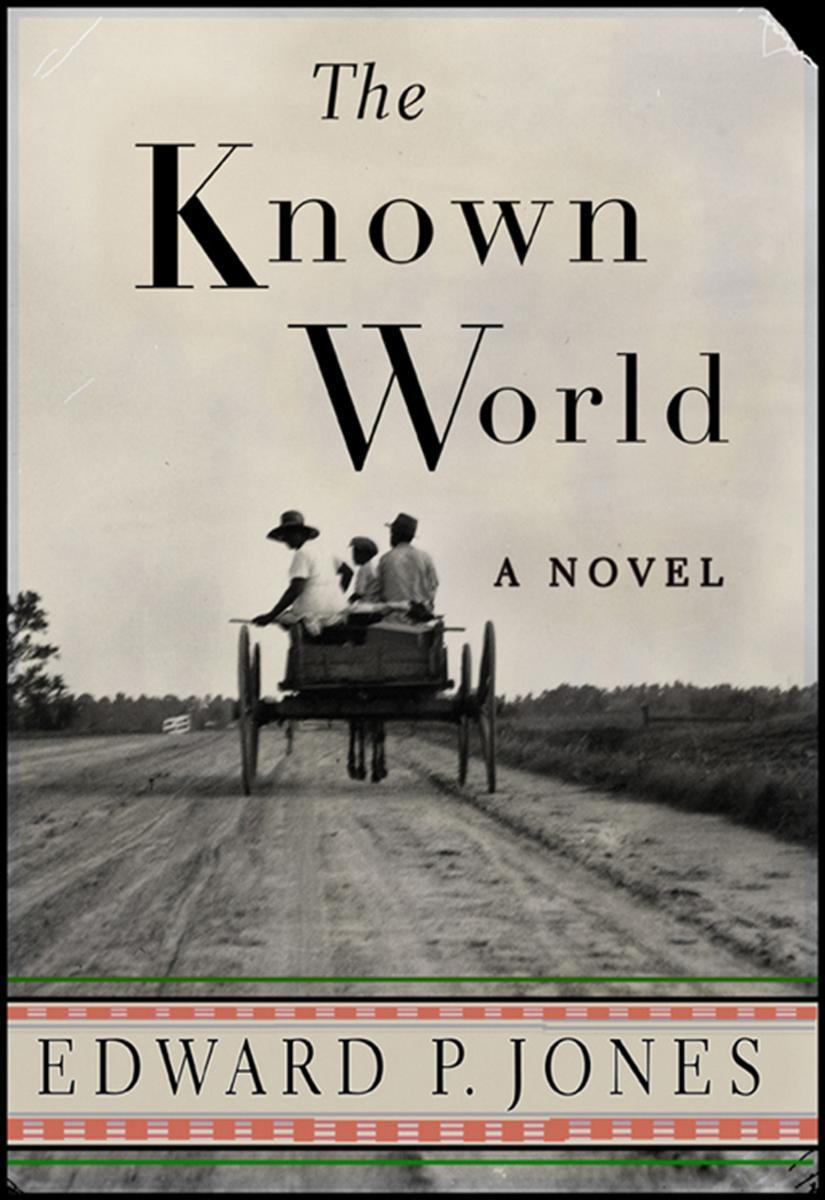
The Known World
¥94.10
In one of the most acclaimed novels in recent memory, Edward P. Jones, two-time National Book Award finalist, tells the story of Henry Townsend, a black farmer and former slave who falls under the tutelage of William Robbins, the most powerful man in Manchester County, Virginia. Making certain he never circumvents the law, Townsend runs his affairs with unusual discipline. But when death takes him unexpectedly, his widow, Caldonia, can't uphold the estate's order and chaos ensues. In a daring and ambitious novel, Jones has woven a footnote of history into an epic that takes an unflinching look at slavery in all of its moral complexities. This P.S. edition features an extra 16 pages of insights into the book, including author interviews, recommended reading, and more.
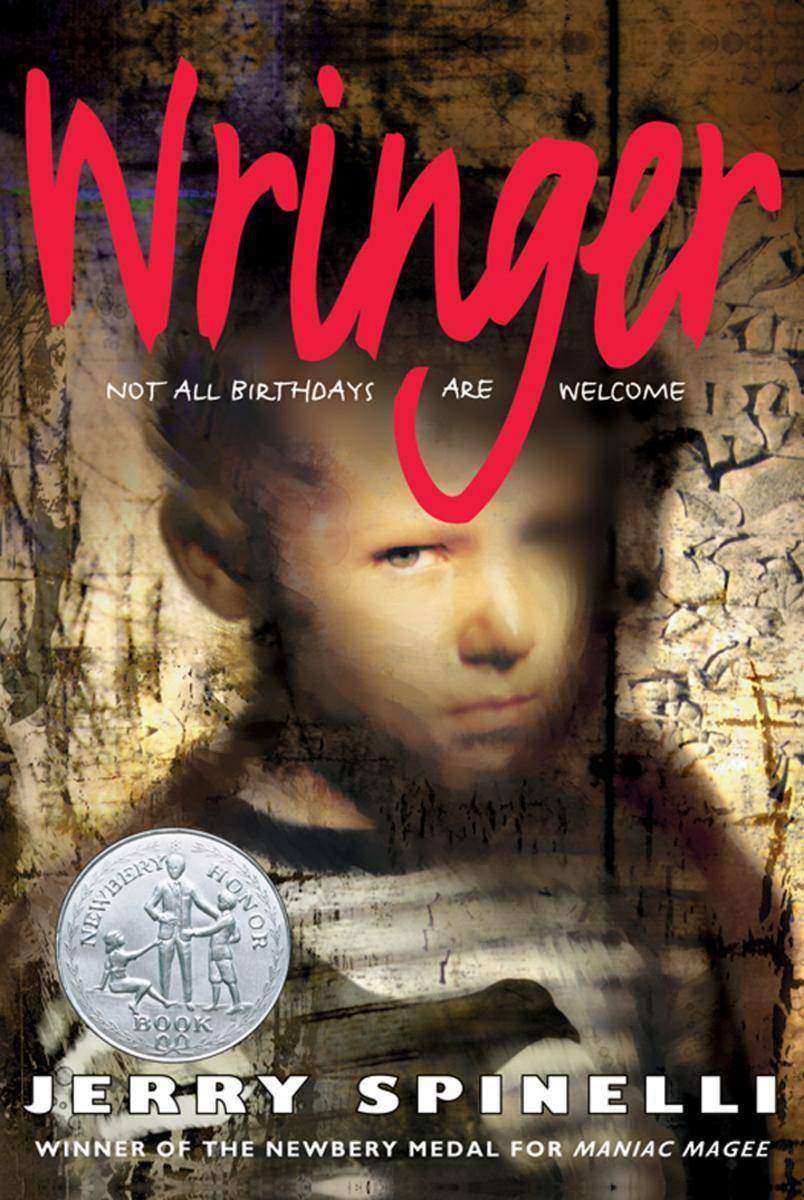
Wringer
¥50.33
Palmer LaRue is running out of birthdays. For as long as he can remember, he's dreaded the day he turns ten -- the day he'll take his place beside all the other ten-year-old boys in town, the day he'll be a wringer. But Palmer doesn't want to be a wringer. It's one of the first things he learned about himself and it's one of the biggest things he has to hide. In Palmer's town being a wringer is an honor, a tradition passed down from father to son. Palmer can't stop himself from being a wringer just like he can't stop himself from growing one year older, just like he can't stand up to a whole town -- rightNewbery Medal winner Jerry Spinelli's most powerful novel yet is a gripping tale of how one boy learns how not to be afraid.
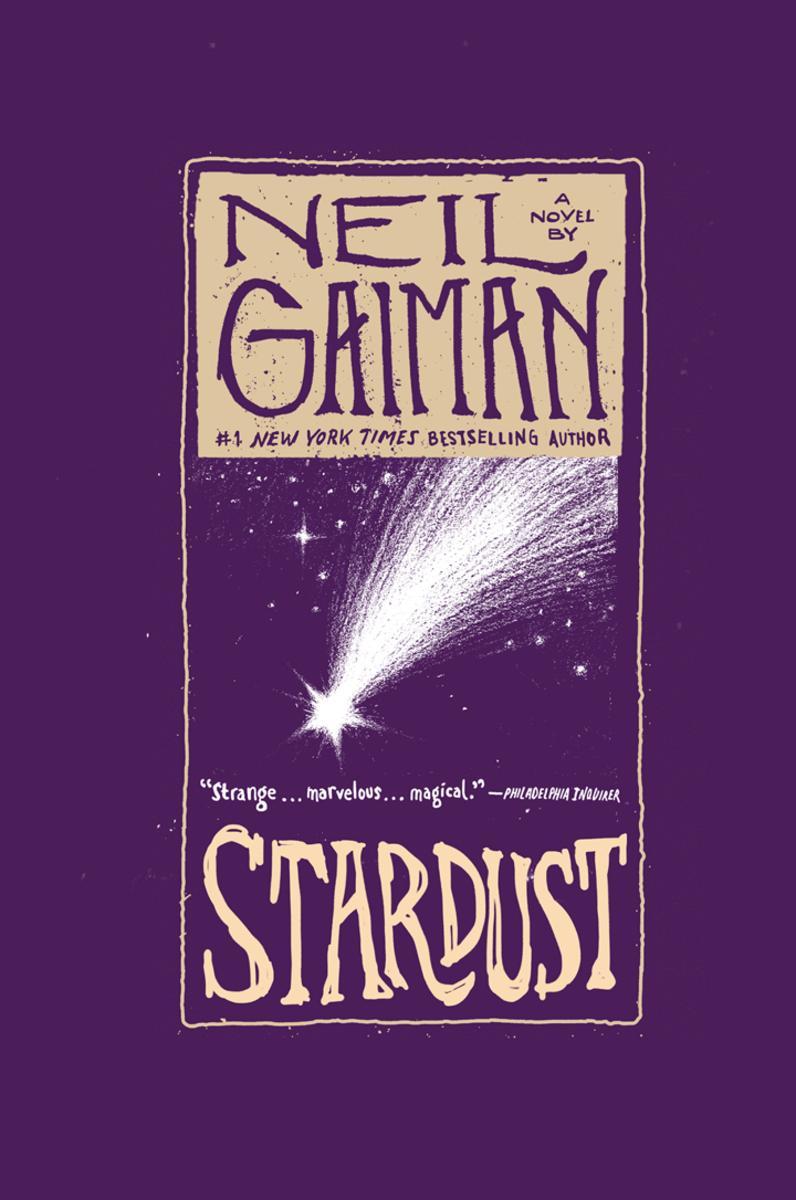
Stardust 星尘
¥55.33
Young Tristran Thorn will do anything to win the cold heart of beautiful Victoria even fetch her the star they watch fall from the night sky. But to do so, he must enter the unexplored lands on the other side of the ancient wall that gives their tiny village its name. Beyond that old stone wall, Tristran learns, lies Faerie where nothing, not even a fallen star, is what he imagined. From #1 New York Times bestselling author Neil Gaiman comes a remarkable quest into the dark and miraculous in pursuit of love and the utterly impossible.
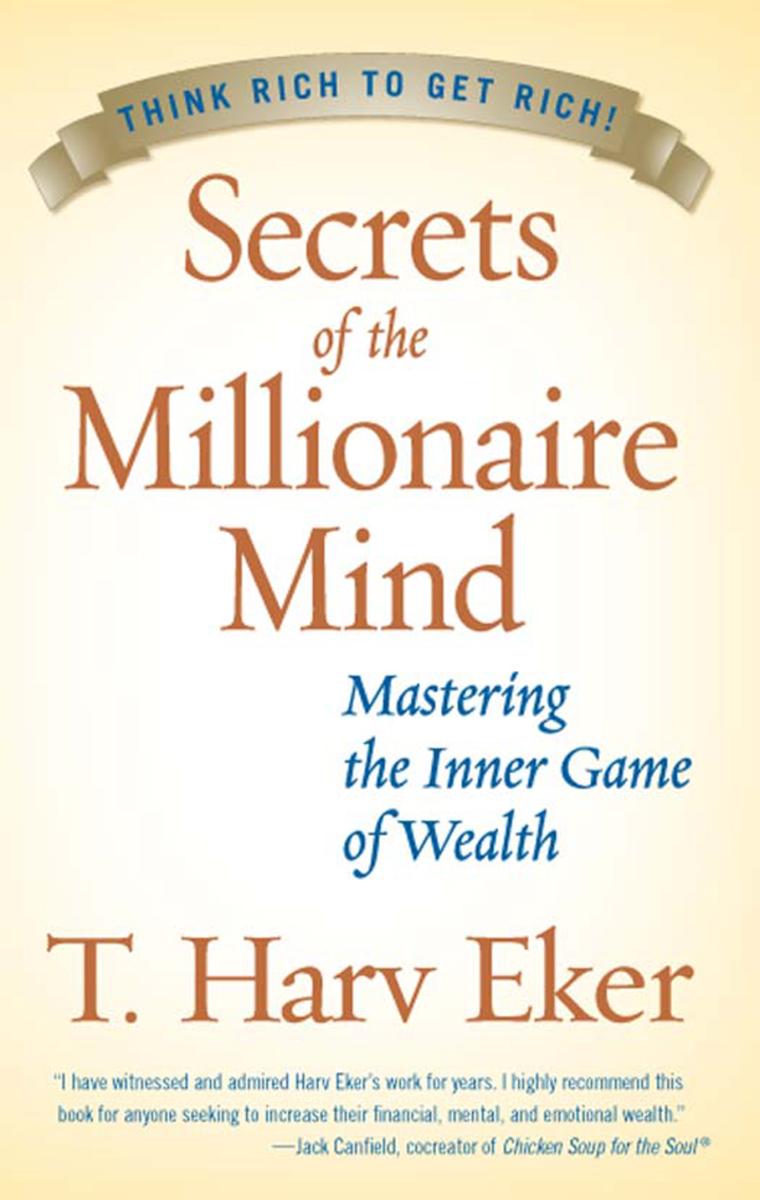
Secrets of the Millionaire Mind
¥145.49
Secrets of the Millionaire Mind reveals the missing link between wanting success and achieving it! Have you ever wondered why some people seem to get rich easily, while others are destined for a life of financial struggleIs the difference found in their education, intelligence, skills, timing, work habits, contacts, luck, or their choice of jobs, businesses, or investmentsThe shocking answer is: None of the above! In his groundbreaking Secrets of the Millionaire Mind , T. Harv Eker states: Give me five minutes, and I can predict your financial future for the rest of your life! Eker does this by identifying your money and success blueprint. We all have a personal money blueprint ingrained in our subconscious minds, and it is this blueprint, more than anything, that will determine our financial lives. You can know everything about marketing, sales, negotiations, stocks, real estate, and the world of finance, but if your money blueprint is not set for a high level of success, you will never have a lot of money and if somehow you do, you will most likely lose it! The good news is that now you can actually reset your money blueprint to create natural and automatic success. Secrets of the Millionaire Mind is two books in one. Part I explains how your money blueprint works. Through Eker rare combination of street smarts, humor, and heart, you will learn how your childhood influences have shaped your financial destiny. You will also learn how to identify your own money blueprint and revise it to not only create success but, more important, to keep and continually grow it. In Part II you will be introduced to seventeen Wealth Files, which describe exactly how rich people think and act differently than most poor and middle-class people. Each Wealth File includes action steps for you to practice in the real world in order to dramatically increase your income and accumulate wealth. If you are not doing as well financially as you would like, you will have to change your money blueprint. Unfortunately your current money blueprint will tend to stay with you for the rest of your life, unless you identify and revise it, and that exactly what you will do with the help of this extraordinary book. According to T. Harv Eker, it simple. If you think like rich people think and do what rich people do, chances are you'll get rich too!

Natural Born Charmer
¥55.31
Chicago Stars quarterback Dean Robillard is the luckiest man in the world: a bona-fide sports superstar and the pride of the NFL with a profitable side career as a buff billboard model for End Zone underwear. But life in the glory lane has started to pale, and Dean has set off on a cross-country trip to figure out what's gone wrong. When he hits a lonely stretch of Colorado highway, he spies something that will shake up his gilded life in ways he can't imagine. A young woman . . . dressed in a beaver suit. Blue Bailey is on a mission to murder her ex. Or at least inflict serious damage. As for the beaver suit she's wearing . . . Is it her fault that life keeps throwing her curveballsWitness the expensive black sports car pulling up next to her on the highway and the Greek god stepping out of it. Blue's career as a portrait painter is the perfect job for someone who refuses to stay in one place for very long. She needs a ride, and America's most famous football player has an imposing set of wheels. Now, all she has to do is keep him entertained, off guard, and fully clothed before he figures out exactly how desperate she is. But Dean isn't the brainless jock she imagines, and Blue despite her petite stature is just about the toughest woman Dean has ever met. They're soon heading for his summer home where their already complicated lives and inconvenient attraction to each other will become entangled with a charismatic but aging rock star; a beautiful fifty-two-year-old woman trying to make peace with her rock and roll past; an eleven-year-old who desperately needs a family; and a bitter old woman who hates them all. As the summer progresses, the wandering portrait artist and the charming football star play a high-stakes game, fighting themselves and each other for a chance to have it all. Natural Born Charmer is for everyone who's ever thought about leaving their old life in the dust and never looking back. Susan Elizabeth Phillips takes us home again . . . and shows us where love truly lives.
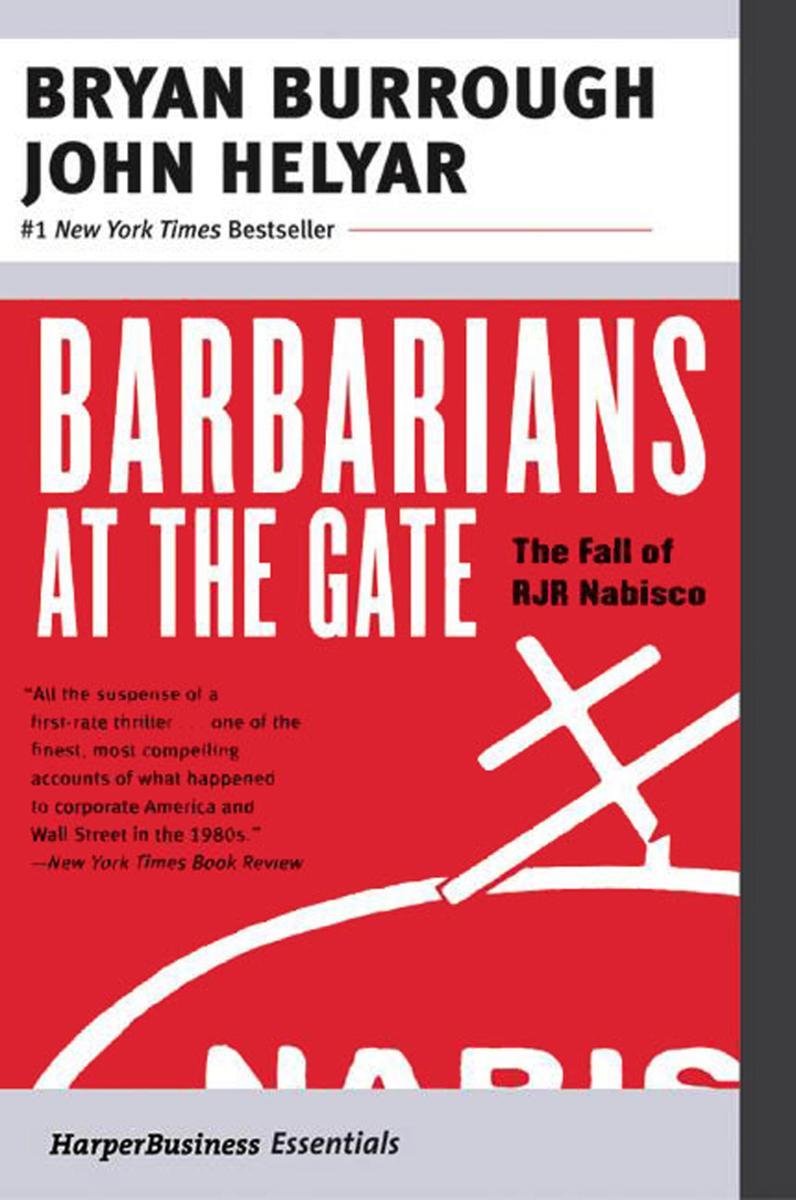
Barbarians at the Gate
¥100.71
Barbarians at the Gate has been called one of the most influential business books of all time -- the definitive account of the largest takeover in Wall Street history. Bryan Burrough and John Helyar's gripping account of the frenzy that overtook Wall Street in October and November of 1988 is the story of deal makers and publicity flaks, of strategy meetings and society dinners, of boardrooms and bedrooms -- giving us not only a detailed look at how financial operations at the highest levels are conducted but also a richly textured social history of wealth at the twilight of the Reagan era. Barbarians at the Gate -- a business narrative classic -- is must reading for everyone interested in the way today's world really works.
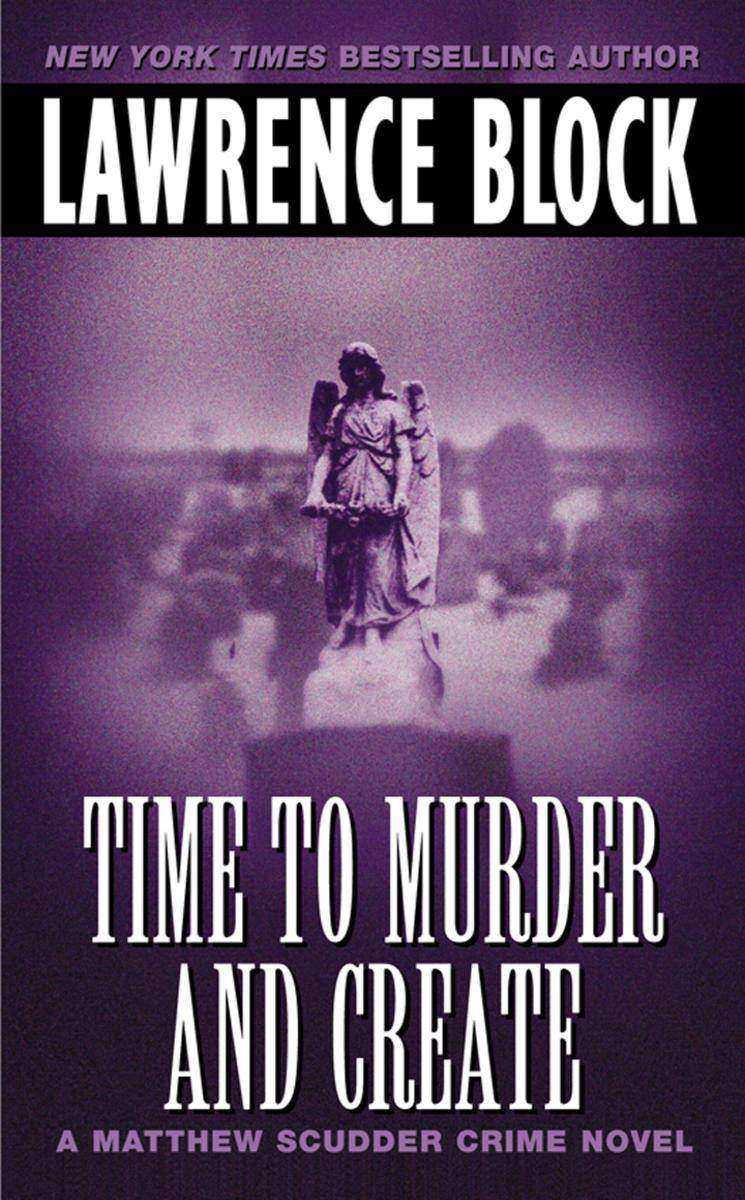
HarperCollins e-books
¥56.07
Small-time stoolie, Jake " The Spinner" Jablon, made a lot of new enemies when he switched careers, from informer to blackmailer. And the more "clients", he figured, the more money -- and more people eager to see him dead. So no one is surprised when the pigeon is found floating in the East River with his skull bashed in.And what's worse, no one cares -- except Matthew Scudder. The ex-cop-turned-private-eye is no conscientious avenging angel. But he's willing to risk his own life and limb to confront Spinner's most murderously aggressive marks. A job's a job after all -- and Scudder's been paid to find a killer -- by the victim...in advance.
Tao Te Ching
¥83.03
Lao-tzu's Tao Te Ching, or Book of the Way, is the classic manual on the art of living and one of the wonders of the world. In eighty-one brief chapters, the Tao Te Ching llods at the basic predicatment of being alive and gives advice that imparts balance and perspective, a serene and generous spirit. This book is about wisdom in action. It teaches how wo work for the good with the efforless skill that comes from being in accord with the Tao (the basic principle of the universe) and applies equally to good government and sexual love, to childrearing, business, and ecology. The Tao Te Ching is the most widely traslated book in world literature, after the Bible. Yet the gemlike lucidity of the original has eluded most previous translations, and they have obscured some of its central ideas. Now the Tao Te ching has been rendered into English by the eminent scholar and traslator Stephen Mitchell. Mr. Mitchell's Dropping Ashes on the Buddha is a modern Zen classic, and his translations of Rilke and of the Book of Job have already been called definitive for our time.
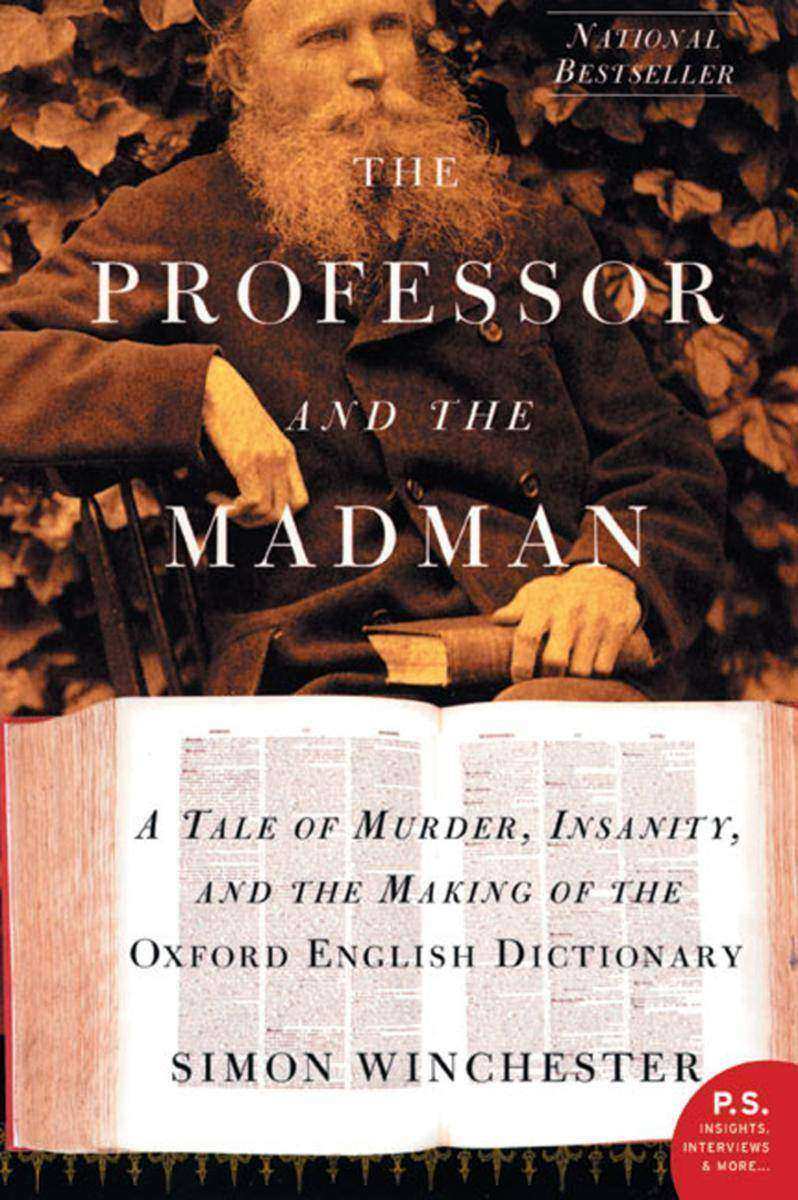
The Professor and the Madman
¥95.39
The Professor and the Madman , masterfully researched and eloquently written, is an extraordinary tale of madness, genius, and the incredible obsessions of two remarkable men that led to the making of the Oxford English Dictionary -- and literary history. The compilation of the OED , begun in 1857, was one of the most ambitious projects ever undertaken. As definitions were collected, the overseeing committee, led by Professor James Murray, discovered that one man, Dr. W. C. Minor, had submitted more than ten thousand. When the committee insisted on honoring him, a shocking truth came to light: Dr. Minor, an American Civil War veteran, was also an inmate at an asylum for the criminally insane.
HarperCollins e-books
¥55.31
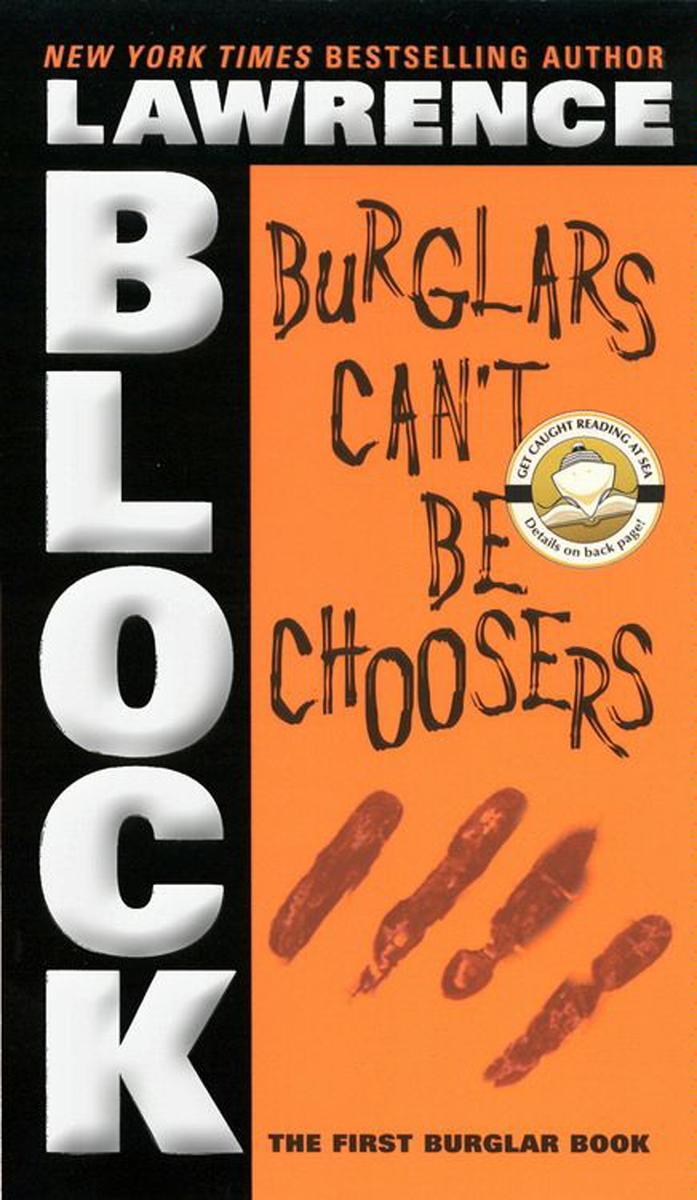
Bernie Rhodenbarr is a personable chap, a good neighbor, a passable poker player. His chosen profession, however, might not sit well with some. Bernie is a burglar, a good one, effortlessly lifting valuables from the not-so-well-protected abodes of well-to-do New Yorkers like a modern-day Robin Hood. (The poor, as Bernie would be the first to tell you, alas, have nothing worth stealing.) He's not perfect, however; he occasionally makes mistakes. Like accepting a paid assignment from a total stranger to retrieve a particular item from a rich man's apartment. Like still being there when the cops arrive. Like having a freshly slain corpse lying in the next room, and no proof that Bernie isn't the killer. Now he's really got his hands full, having to locate the true perpetrator while somehow eluding the police -- a dirty job indeed, but if Bernie doesn't do it, who will?
Reengineering the Corporation
¥94.10
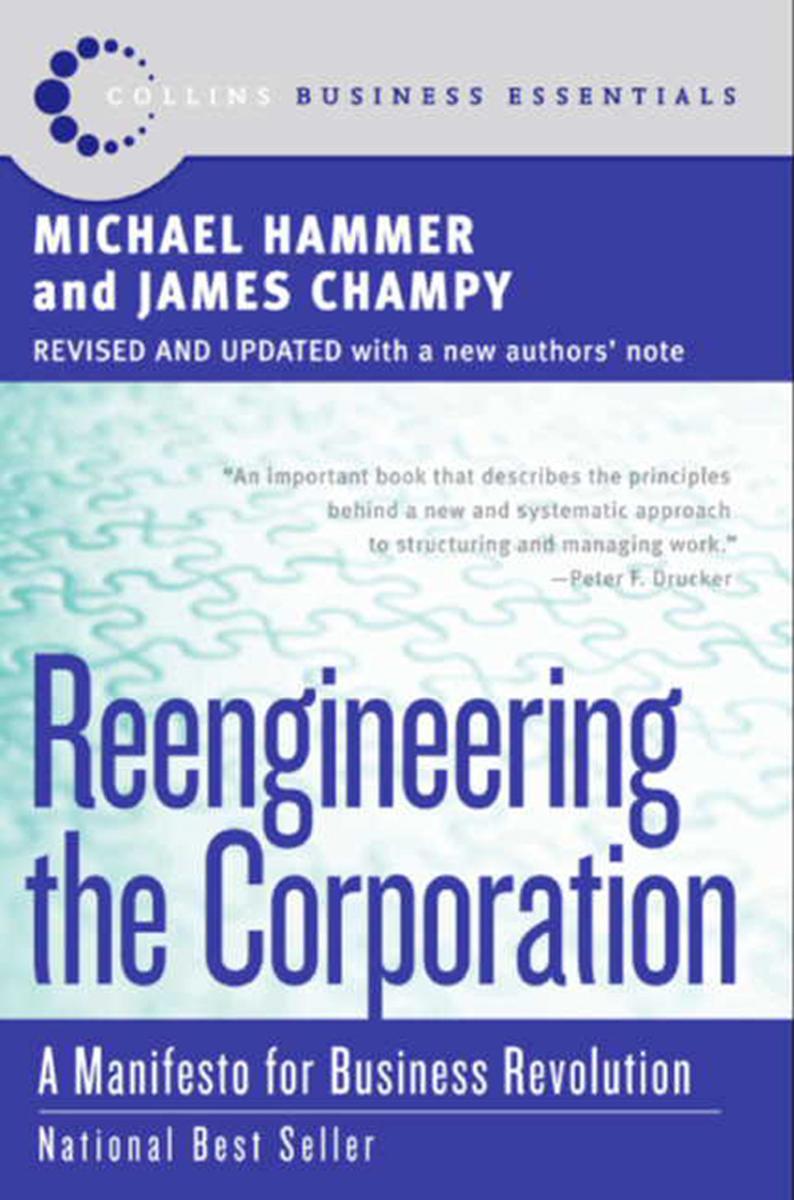
The most successful business book of the last decade, Reengineering the Corporation is the pioneering work on the most important topic in business today: achieving dramatic performance improvements. This book leads readers through the radical redesign of a company's processes, organization, and culture to achieve a quantum leap in performance. Michael Hammer and James Champy have updated and revised their milestone work for the New Economy they helped to create -- promising to help corporations save hundreds of millions of dollars more, raise their customer satisfaction still higher, and grow ever more nimble in the years to come.


