


 购物车
购物车 个人中心
个人中心
Think And Grow Rich
¥8.75
Think and Grow Rich' is the world's most widely acclaimed motivational book on success ever published. It became the must-have bible of prosperity and success for millions of readers since its initial publication in 1937. Napoleon Hill, America's most beloved motivational author, devoted 25 years to finding out how the wealthy became that way. After interviewing over 500 of the most affluent men and women of his time, he uncovered the secret to great wealth. By understanding and applying the thirteen simple steps that constitute Hill's formula, you can achieve your goals, change your life and join the ranks of the rich and successful. This book has changed countless lives and it can change yours!
William Shakespeare Complete Works – World’s Best Collection: 220+ Plays, Sonnet
¥8.09
William Shakespeare Complete Works World's Best Collection This is the world’s best William Shakespeare collection, including the most complete set of Shakespeare’s works available plus many free bonus materials. William Shakespeare Shakespeare is the first name we think of when we think of English literature. His works have an absolutely timeless quality. The ‘Must-Have’ Complete Collection In this irresistible collection you get a full set of Shakespeare’s work, including not only all his plays, poetry, annotations and commentaries on those, but also his rare, hard-to-find Apocryphal Plays. Apocryphal Plays The Apocryphal Plays, as they are known, were not as widely published as Shakespeare’s well-known works, due to not being included in the famous ‘First Folio’ published by his fellow actors. As a result, they are extremely sought-after. Electrifying argument rages over them, often being discussed more than Shakespeare’s more familiar works. The Most Famous Commentaries This ultimate collection also contains some of the most famous commentaries on Shakespeare’s works, from some of the most celebrated literature experts in history: Samuel Johnson - known as the most quoted man after Shakespeare, Johnson’s famous ‘Preface to Shakespeare’ is one of the authorities on The Bard. He also created amazing Annotations of Shakespeare’s plays. All are included. William Hazlitt - We include hs in depth analysis, Characters Of Shakespeare’s Plays, explores each play and its players. Samuel Taylor Coleridge -?His Critical Analysis is considered highly influential and extremely insightful. Shakespeare Biographies This collection also included 2 full length biographies: Life Of Shakespeare By Sidney Lee A Study In Shakespeare By Algernon Charles Swinburne Bonuses In addition, you also receive in this collection: Life of Shakespeare – A quick biography about Shakespeare’s intriguing life. Apocryphal Explanation - Commentary about the fascinating Apocryphal Plays. Get It Now This is the best Shakespeare collection you can get, so get it now and start enjoying and being inspired by his world! Works Included: Comedies, including: Merchant Of Venice Midsummer Night’s Dream Much Ado About Nothing Twelfth Night Histories, including: Henry V Richard Iii Henry Viii Tragedies, including: Romeo & Juliet Titus Andronicus Julius Caesar Macbeth Hamlet Othello Apocrypha, Including: Thomas Cromwell Edward Iii Sir Thomas More Mucedrous Merry Devil Of Edmonton All Poems and Sonnets
The Well-Beloved by Thomas Hardy (Illustrated)
¥8.09
This eBook features the unabridged text of ‘The Well-Beloved’ from the bestselling edition of ‘The Complete Works of Thomas Hardy’. Having established their name as the leading publisher of classic literature and art, Delphi Classics produce publications that are individually crafted with superior formatting, while introducing many rare texts for the first time in digital print. The Delphi Classics edition of Hardy includes original annotations and illustrations relating to the life and works of the author, as well as individual tables of contents, allowing you to navigate eBooks quickly and easily.eBook features:* The complete unabridged text of ‘The Well-Beloved’* Beautifully illustrated with images related to Hardy’s works* Individual contents table, allowing easy navigation around the eBook* Excellent formatting of the textPlease visit www.delphiclassics.com to learn more about our wide range of titles
A Tale of Two Cities
¥7.93
A Tale of Two Cities
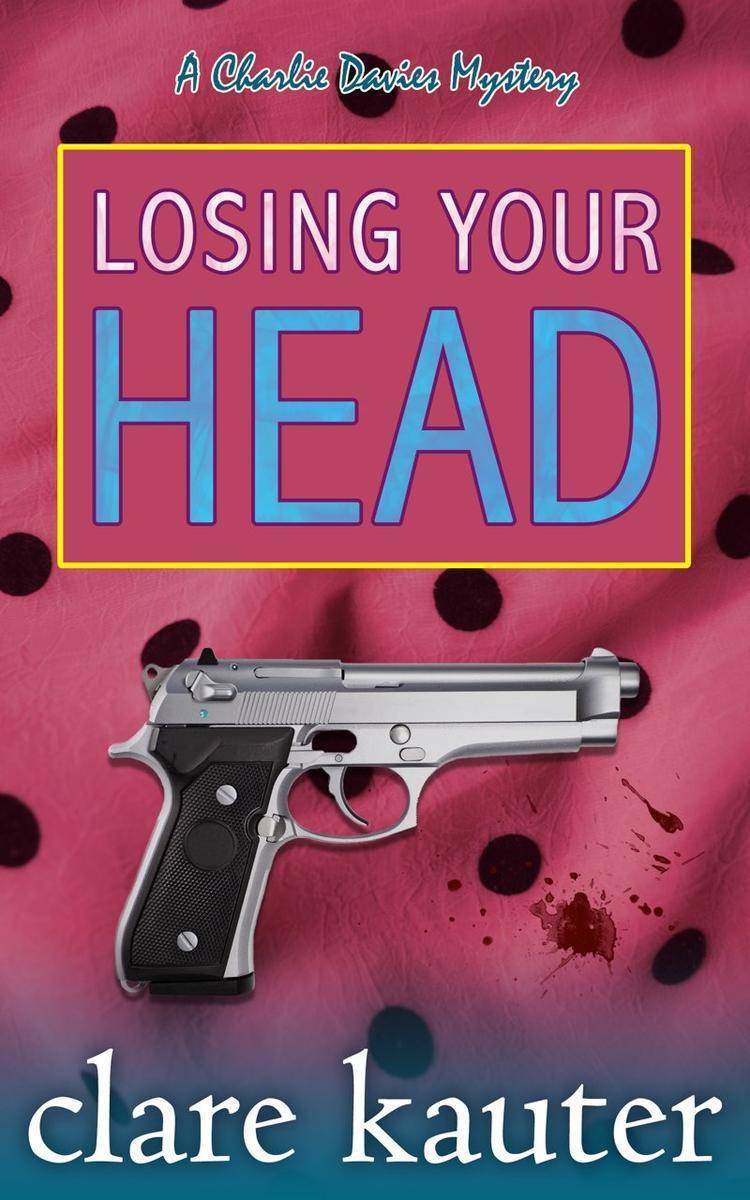
Losing Your Head
¥0.01
Charlie Davies has never solved a murder before - or committed one, although it might have crossed her mind. Especially when it comes to James McKenzie.? When rich boy James is accused of killing his uncle, he bets Charlie twenty grand that she can't find the real culprit, and she simply can't resist. The money, that is - she has no trouble resisting him, no matter how symmetrical his stupid face is.? What James doesn't know is?that Charlie has an advantage: she's just begun working at a private investigation company. OK, so she's the receptionist, but it's a start, right?? What Charlie doesn't know is, well, a lot. But she'd better learn fast, or James will win the bet. As Charlie investigates, things get more and more dangerous. She needs to find the murderer soon, or it won't just be her money and reputation on the line...?She might lose her head.? A hilarious sleuthing series for anyone who loves to laugh out loud on their crime-solving adventures. If you enjoy chick-lit murder mysteries with a snarky heroine, give Charlie Davies a try! Contains some swearing.

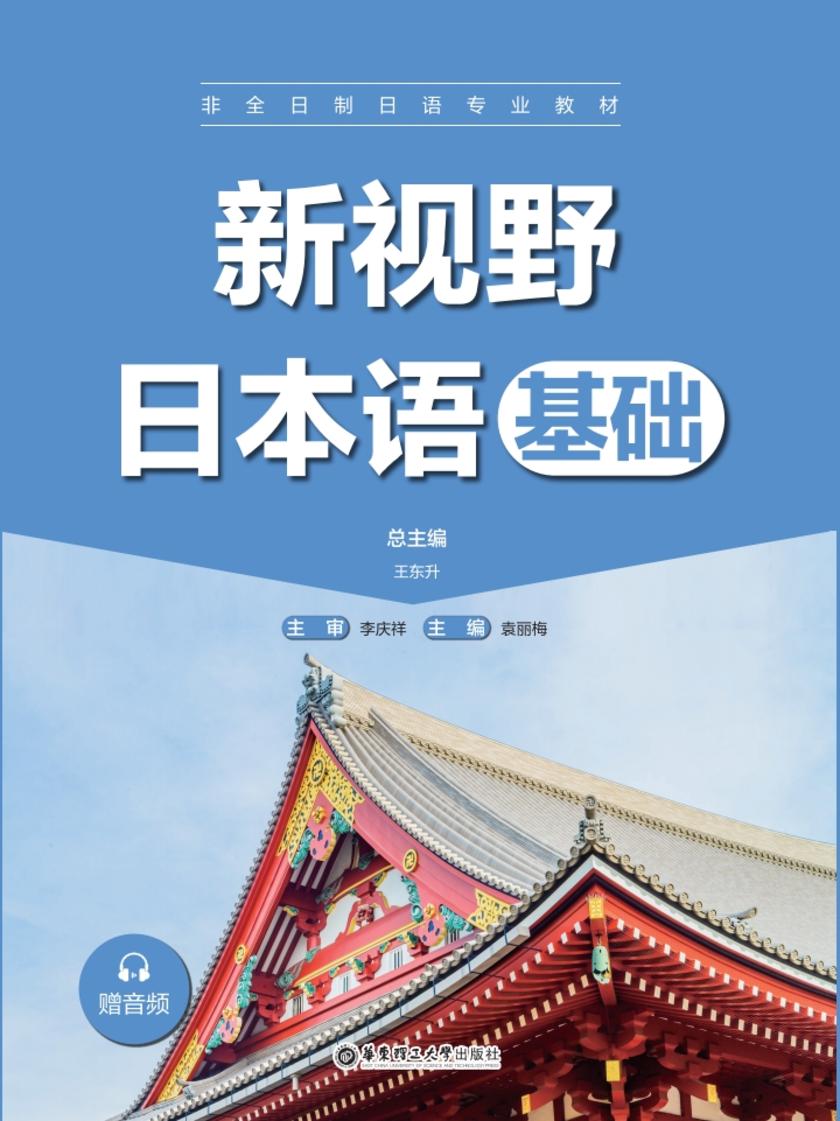
新视野日本语(基础)
¥39.90
本套教材为“非全日制日语专业”(也适合中等教育)零起综合日语教材。学完本套教材之后学习者普遍达到全日制日语本科二年级结束时水平,日语能力考试N2水平。本套教材分为,主教材1~4册,外加教学参考用书1册,共5册。主教材1~4册分别为“新视野日本语(门)”“新视野日本语(基础)”“新视野日本语(提高)”“新视野日本语(精通)”。
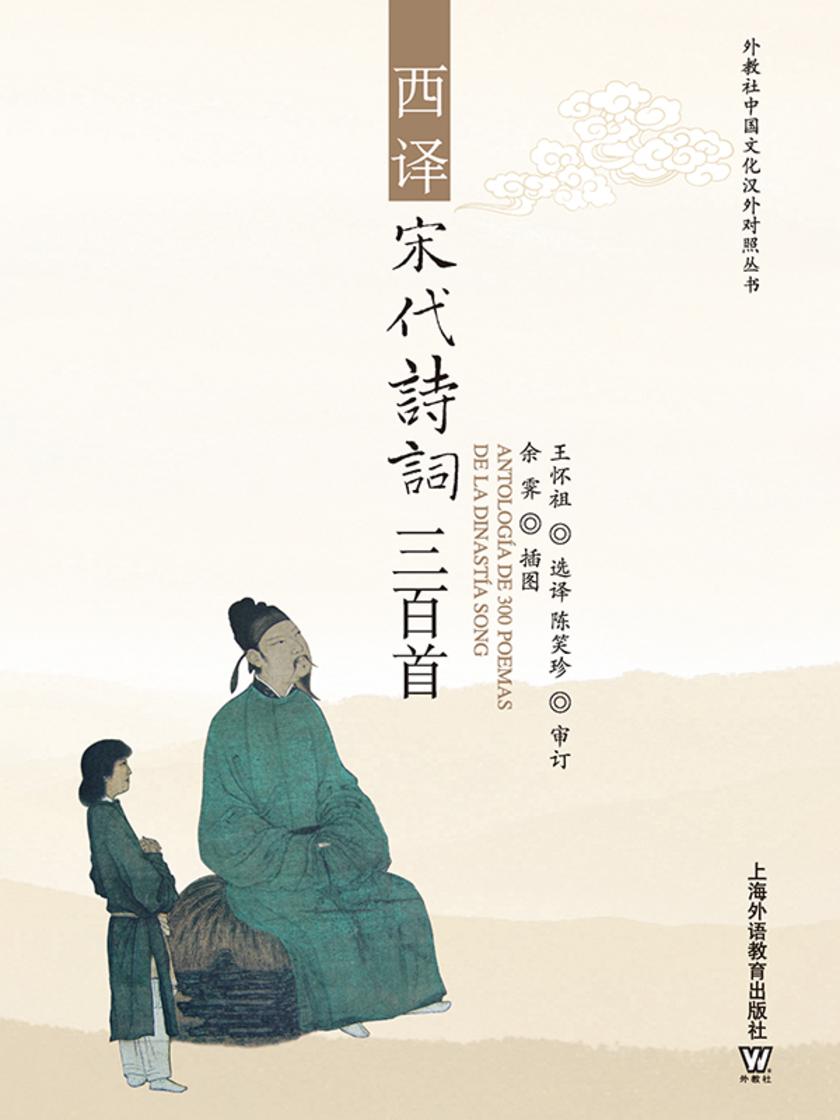
外教社中国文化汉外对照丛书:西译宋代诗词300首
¥56.00
词,诗歌的一种。因是合乐的歌词,故又称曲子词、乐府、乐章、长短句、诗余、琴趣等。始于唐,定型于五代,盛于宋。宋词是中国古代文学皇冠上光辉夺目的一颗巨钻,在古代文学的阆苑里,她是一座芬芳绚丽的园圃。她以姹紫嫣红、千姿百态的风神,与唐诗争奇,与元曲斗艳,历来与唐诗并称双绝,都代表一代文学之盛。后有同名书籍《宋词》。 《西译宋代诗词三百首》(译者王怀祖)收录了西班牙版本的诗歌选集。

我在中日文的交汇处
¥29.88
.

The Plague 鼠疫(英文版)
¥29.99
《鼠疫》以阿尔及利亚奥兰城突发鼠疫为背景,借医生里厄等市民的抗疫斗争,探讨灾难下人性的坚守、荒诞与存在的意义。
Learning PHP 7 High Performance
¥71.93
Improve the performance of your PHP application to ensure the application users aren't left waiting About This Book · Make the optimum use of PHP coding to improve your programming productivity · Leverage the potential of PHP for server-side programming, memory management, and object-oriented programming · Packed with real-life examples to help the readers implement concepts as they learn Who This Book Is For This book is for those who have basic experience in PHP programming. If you are developing performance-critical applications, then this book is for you. What You Will Learn · Setup high performance development and production environment for PHP 7 · Discover new OOP features in PHP 7 to achieve high performance · Improve your PHP applications' performance · Attain improved database performance · Benchmark PHP applications to optimize them · Write quality code by learning to improve code reusability, simplicity, and expressiveness · Get rid of the bottlenecks in your PHP 7 applications by writing PHP code optimally · Tackle issues related to web applications, such as high user dependency and large datasets In Detail PHP is a great language for building web applications. It is essentially a server-side *ing language that is also used for general-purpose programming. PHP 7 is the latest version, providing major backward-compatibility breaks and focusing on high performance and speed. This fast-paced introduction to PHP 7 will improve your productivity and coding skills. The concepts covered will allow you, as a PHP programmer, to improve the performance standards of your applications. We will introduce you to the new features in PHP 7 and then will run through the concepts of object-oriented programming (OOP) in PHP 7. Next, we will shed some light on how to improve your PHP 7 applications' performance and database performance. Through this book, you will be able to improve the performance of your programs using the various benchmarking tools discussed. At the end, the book discusses some best practices in PHP programming to help you improve the quality of your code. Style and approach The book is a step-by-step guide to improve the quality of your code in PHP through real-time examples. The book takes a practical approach to improving the quality of your code.
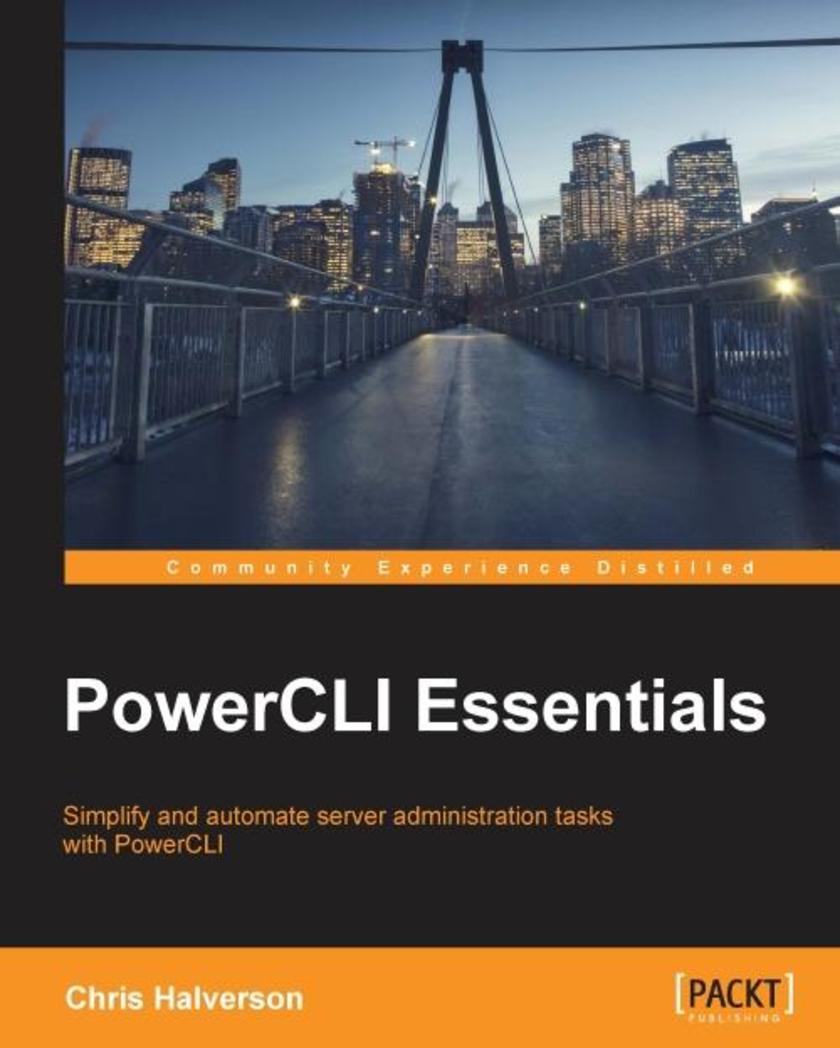
PowerCLI Essentials
¥71.93
Simplify and automate server administration tasks with PowerCLI About This Book Automate VMware’s VSphere environment by learning the essentials of PowerCLI Impress your peers by developing *s to perform administration tasks Discover the intricate workings of PowerCLI through simple and real-life examples Who This Book Is For PowerCLI Essentials is focused toward virtualization professionals and system administrators who want to discover and learn about the automation techniques associated with PowerCLI for complex virtual environments. What You Will Learn Download and install PowerCLI and its basics as well as the basics of PowerShell Enchance your scritping experience Build longer *s and simpler reports Relate a task in VMware administration to a PowerCLI * Discover methods to acquire and change information remotely Set up orchestrator to manage your workflow In Detail Have you ever wished you could automatically get a report with all the relevant information about your VMware environments in exactly the format you wantOr that you could automate a crucial task that needs to be performed on a regular basisPowerful Command Line Interface (PowerCLI) *s do all these things and much more for VMware environments. PowerCLI is a command-line interface tool used to automate VMware vSphere environments. It is used to handle complicated administration tasks through use of various cmdlets and *s, which are designed to handle certain aspects of VSphere servers and to help you manage them. This book will show you the intricacies of PowerCLI through real-life examples so that you can discover the art of PowerCLI *ing. At the start, you will be taught to download and install PowerCLI and will learn about the different versions of it. Moving further, you will be introduced to the GUI of PowerCLI and will find out how to develop single line *s to duplicate running tasks, produce simple reports, and simplify administration. Next, you will learn about the methods available to get information remotely. Towards the end, you will be taught to set up orchestrator and build workflows in PowerShell with update manager and SRM *s. Style and approach Each and every topic in this book is explained in a very easy-to-follow fashion with real-life, simple examples so you’ll get an idea not only about working with PowerCLI, but will also get an idea about *ing.
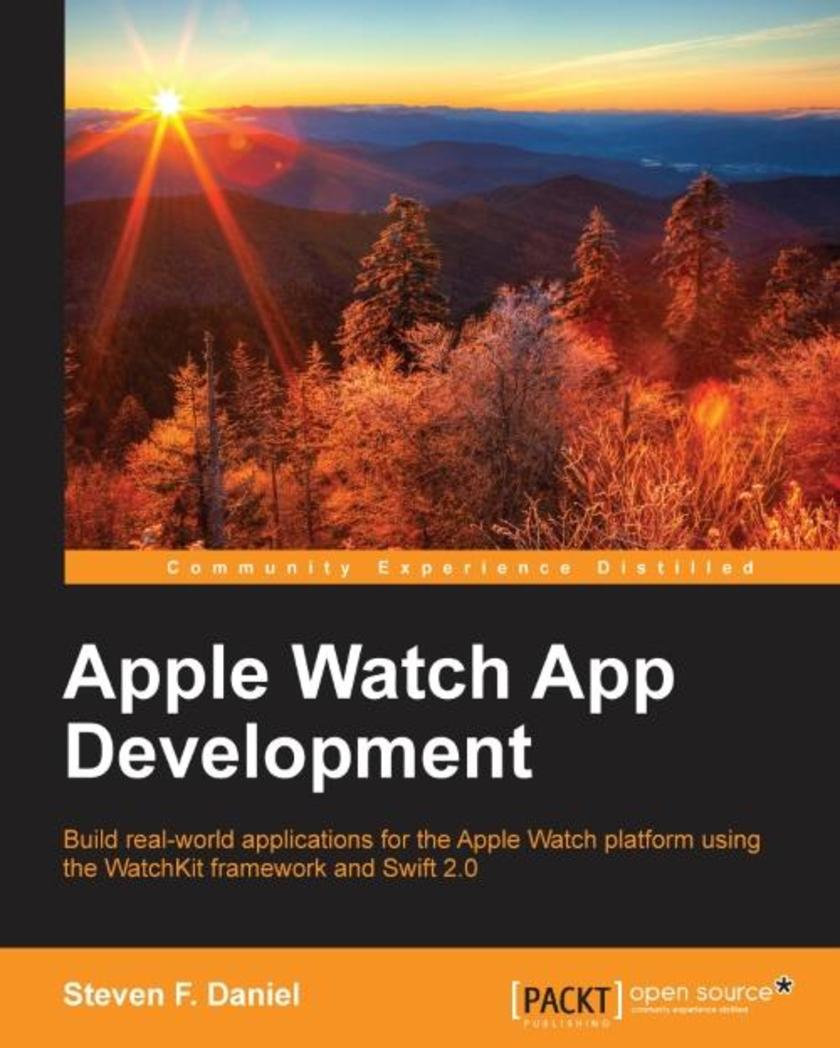
Apple Watch App Development
¥80.65
Build real-world applications for the Apple Watch platform using the WatchKit framework and Swift 2.0 About This Book Find out how to download and install the Xcode development tools before learning about Xcode playgrounds and the Swift programming language Discover everything you need to know about the WatchKit platform architecture, its classes, as well its limitations This book introduces you to the very latest mobile platform with hands-on instructions so you can build your very own Apple Watch apps Who This Book Is For This book is for developers who are interested in creating amazing apps for the Apple Watch platform. Readers are expected to have no prior experience of programming. What You Will Learn Navigate within the WatchKit interface using the page-based, modal, and hierarchical navigation techniques Work with context menus to allow your users to interact with the Apple Watch and respond to their actions to perform a task Use the MapKit framework to display a map within the WatchKit interface to track the user's current location Build effective user interfaces for the WatchKit platform and integrate iCloud capabilities to synchronize data between the iOS app and the WatchKit UI Design your apps for the Apple Watch platform by adhering to the set of User Interface design guidelines set out by Apple Reinforce image caching to display animations within the Apple Watch user interface Explore WatchKit tables, which allow your users to purchase groceries and pay for them using Apple Pay Analyze the new layout system to ensure that your Apple Watch apps work with various screen sizes In Detail Wearable are the next wave of mobile technology and with the release of Apple’s WatchKit SDK, a whole new world of exciting development possibilities has opened up. Apple Watch App Development introduces you to the architecture and possibilities of the Apple Watch platform, as well as an in-depth look at how to work with Xcode playgrounds. Benefit from a rapid introduction to the Swift programming language so you can quickly begin developing apps with the WatchKit framework and the Xcode Development IDE. Get to grips with advanced topics such as notifications, glances, iCloud, Apple pay, closures, tuples, protocols, delegates, concurrency, and using Swift Playgrounds, with each concept is backed up with example code that demonstrates how to properly execute it. Finally, discover how to package and deploy your Watch application to the Apple AppStore. By the end of this book, you will have a good understanding of how to develop apps for the Apple Watch platform, and synchronize data using iCloud between the wearable and the iOS device. Style and approach This book takes a step-by-step approach to developing applications for the Apple Watch using the Swift programming language and the WatchKit UI. Each topic is explained in a conversational and easy-to-follow style.
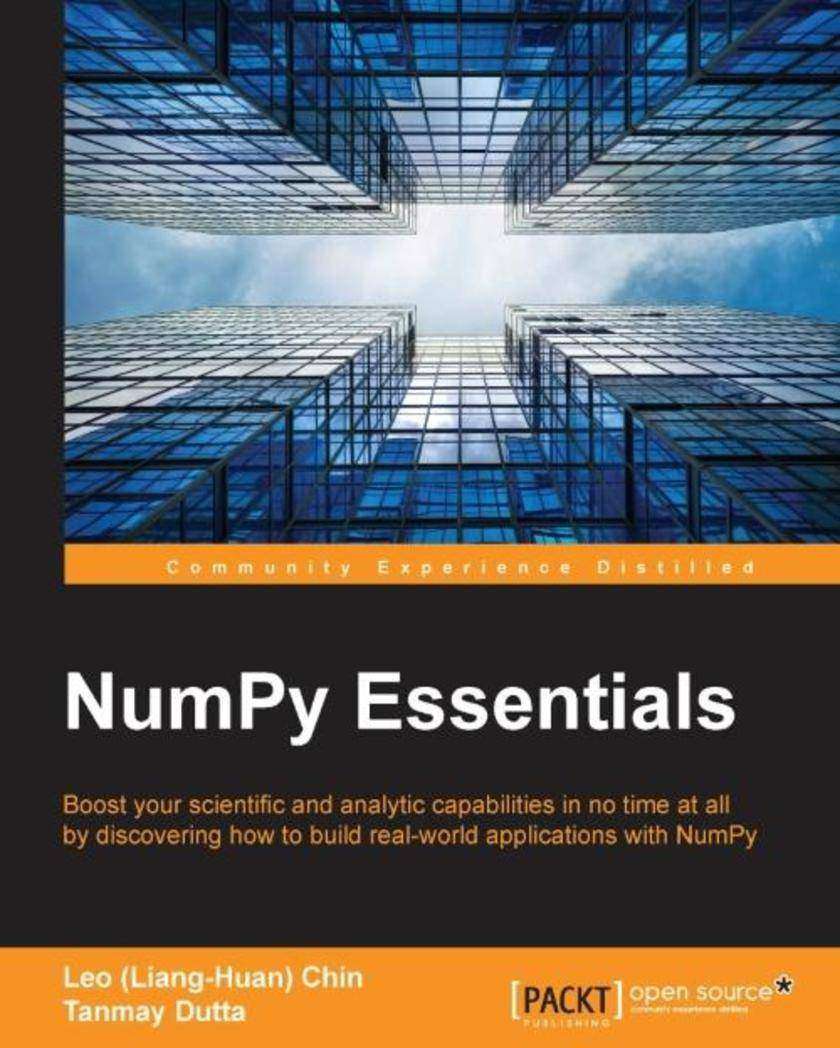
NumPy Essentials
¥54.49
Boost your scientific and analytic capabilities in no time at all by discovering how to build real-world applications with NumPy About This Book Optimize your Python *s with powerful NumPy modules Explore the vast opportunities to build outstanding scientific/ analytical modules by yourself Packed with rich examples to help you master NumPy arrays and universal functions Who This Book Is For If you are an experienced Python developer who intends to drive your numerical and scientific applications with NumPy, this book is for you. Prior experience or knowledge of working with the Python language is required. What You Will Learn Manipulate the key attributes and universal functions of NumPy Utilize matrix and mathematical computation using linear algebra modules Implement regression and curve fitting for models Perform time frequency / spectral density analysis using the Fourier Transform modules Collate with the distutils and setuptools modules used by other Python libraries Establish Cython with NumPy arrays Write extension modules for NumPy code using the C API Build sophisticated data structures using NumPy array with libraries such as Panda and Scikits In Detail In today’s world of science and technology, it’s all about speed and flexibility. When it comes to scientific computing, NumPy tops the list. NumPy gives you both the speed and high productivity you need. This book will walk you through NumPy using clear, step-by-step examples and just the right amount of theory. We will guide you through wider applications of NumPy in scientific computing and will then focus on the fundamentals of NumPy, including array objects, functions, and matrices, each of them explained with practical examples. You will then learn about different NumPy modules while performing mathematical operations such as calculating the Fourier Transform; solving linear systems of equations, interpolation, extrapolation, regression, and curve fitting; and evaluating integrals and derivatives. We will also introduce you to using Cython with NumPy arrays and writing extension modules for NumPy code using the C API. This book will give you exposure to the vast NumPy library and help you build efficient, high-speed programs using a wide range of mathematical features. Style and approach This quick guide will help you get to grips with the nitty-gritties of NumPy using with practical programming examples. Each topic is explained in both theoretical and practical ways with hands-on examples providing you efficient way of learning and adequate knowledge to support your professional work.
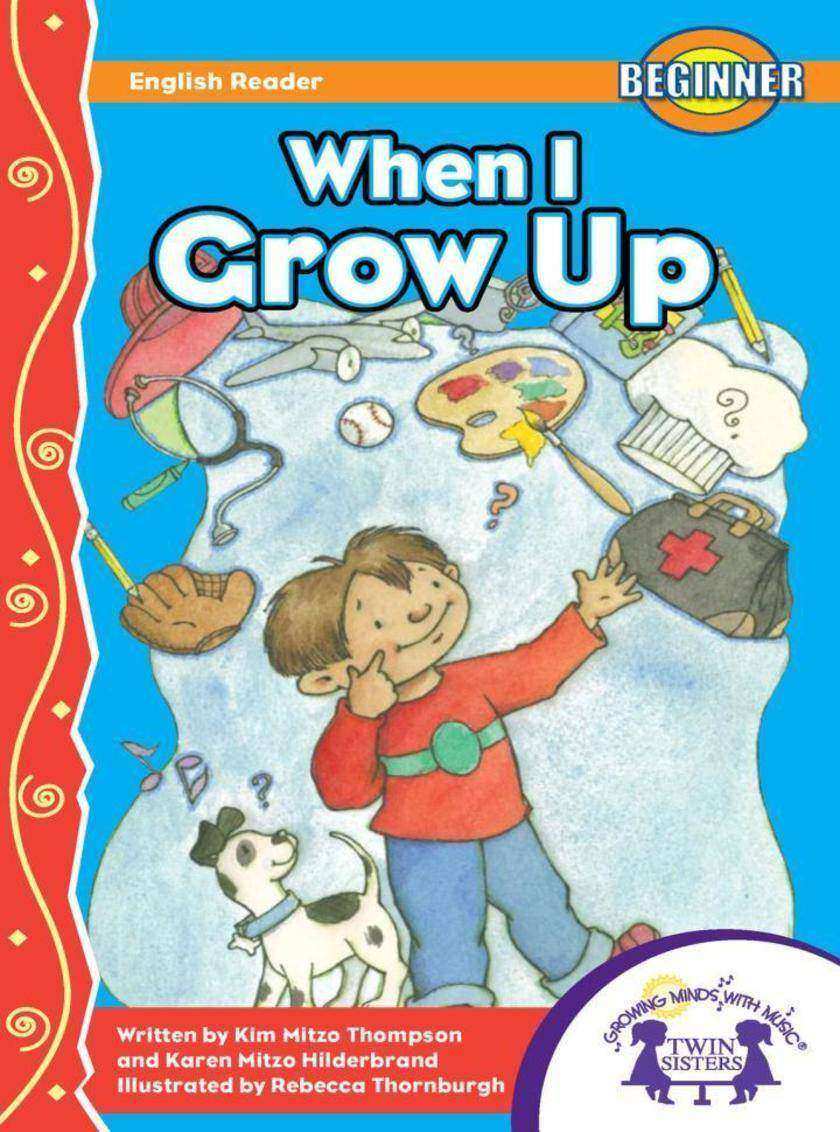
When I Grow Up
¥24.44
The little boy in this illustrated book can’t decide what he wants to be when he grows up. Based in Stow, Ohio, Twin Sisters Productions has been dedicated to producing quality educational and inspirational music resources for over 25 years. Fraternal twins Karen Mitzo Hilderbrand and Kim Mitzo Thompson founded the company when they realized Kim’s success teaching third grade math through her catchy multiplication song could help children beyond her classroom. From there, Twin Sisters expanded its product line to include e-books, digital music, CDs, read-along and sing-along books, floor puzzles and educational workbooks, all with the purpose of learning through music. These internationally sold products have received nearly 170 awards, including nine Record Industry Association of America (RIAA) certified Gold albums and one Platinum albu, over the years for excellence, creativity and amusement. With thousands of songs and 35 million albums sold, Twin Sisters positions itself as the leader in children’s educational music.
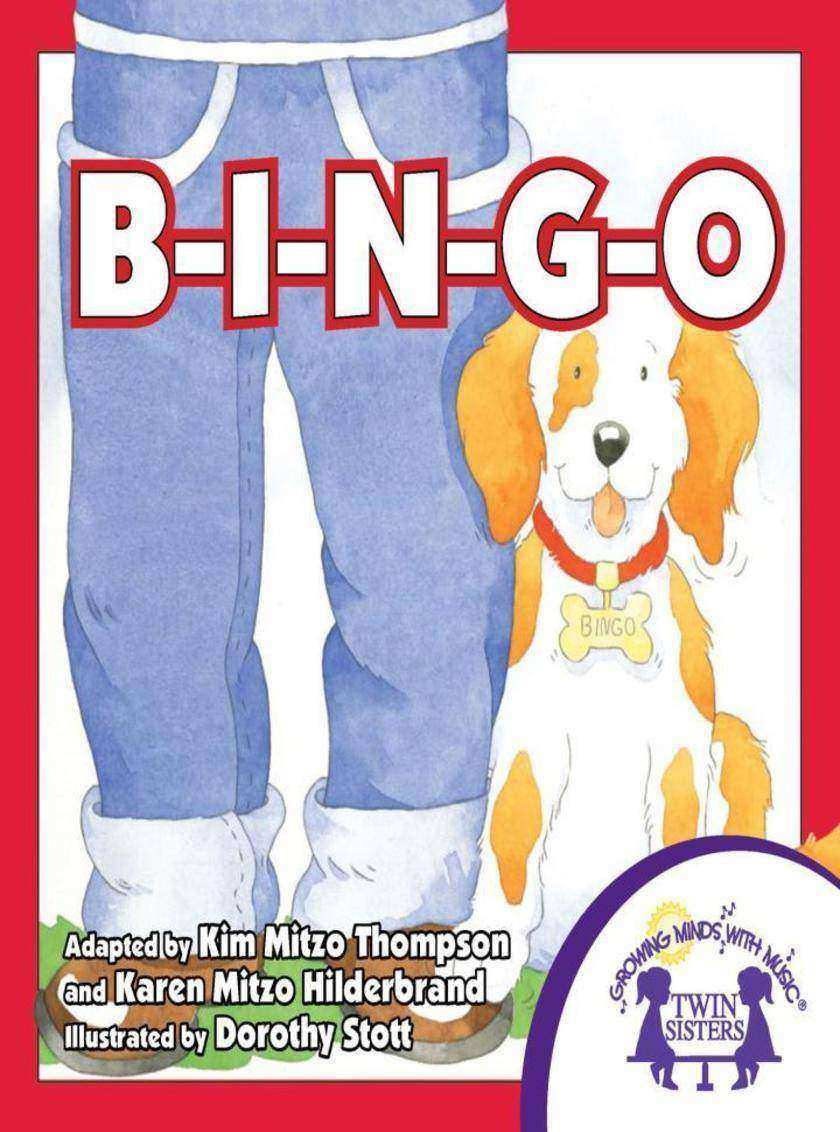
B-I-N-G-O
¥24.44
Young readers will love this classic tale about the farmer’s favorite dog. Based in Stow, Ohio, Twin Sisters Productions has been dedicated to producing quality educational and inspirational music resources for over 25 years. Fraternal twins Karen Mitzo Hilderbrand and Kim Mitzo Thompson founded the company when they realized Kim’s success teaching third grade math through her catchy multiplication song could help children beyond her classroom. From there, Twin Sisters expanded its product line to include e-books, digital music, CDs, read-along and sing-along books, floor puzzles and educational workbooks, all with the purpose of learning through music. These internationally sold products have received nearly 170 awards, including nine Record Industry Association of America (RIAA) certified Gold albums and one Platinum albu, over the years for excellence, creativity and amusement. With thousands of songs and 35 million albums sold, Twin Sisters positions itself as the leader in children’s educational music.
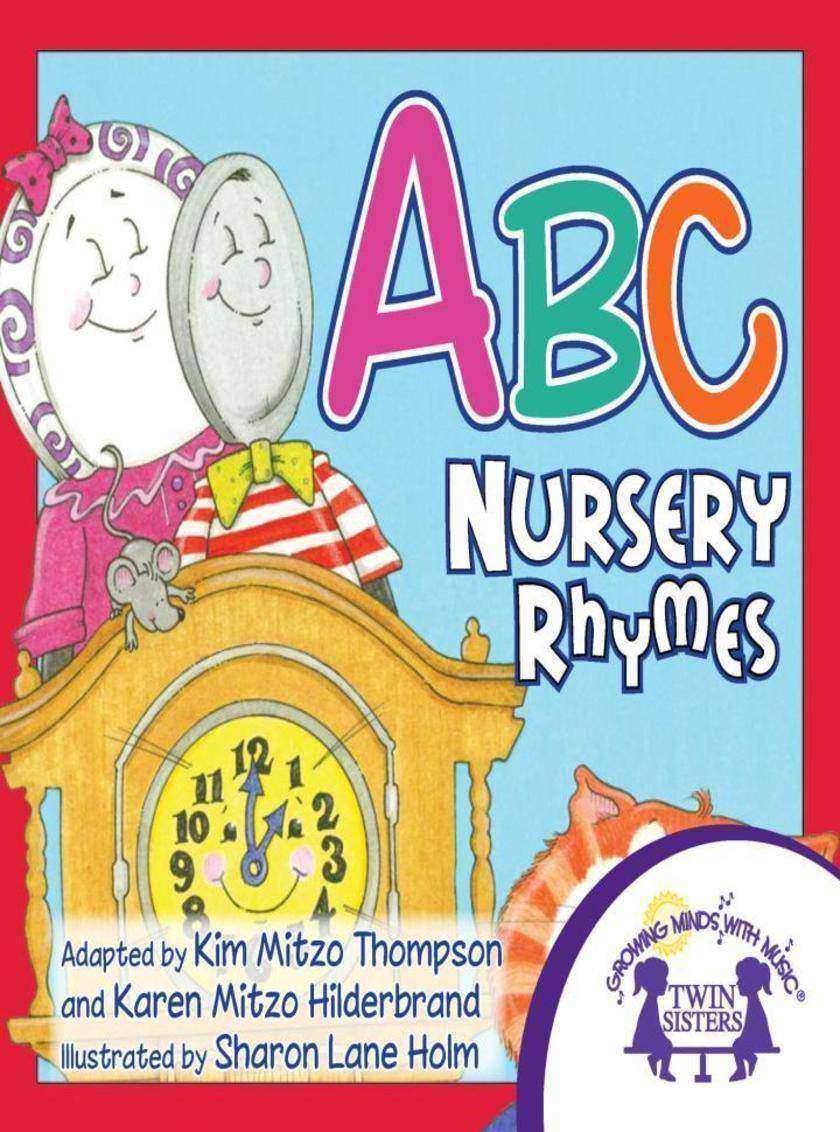
ABC Nursery Rhymes
¥24.44
Master the ABCs while enjoying your favorite nursery rhymes in this beautifully illustrated collection. Based in Stow, Ohio, Twin Sisters Productions has been dedicated to producing quality educational and inspirational music resources for over 25 years. Fraternal twins Karen Mitzo Hilderbrand and Kim Mitzo Thompson founded the company when they realized Kim’s success teaching third grade math through her catchy multiplication song could help children beyond her classroom. From there, Twin Sisters expanded its product line to include e-books, digital music, CDs, read-along and sing-along books, floor puzzles and educational workbooks, all with the purpose of learning through music. These internationally sold products have received nearly 170 awards, including nine Record Industry Association of America (RIAA) certified Gold albums and one Platinum albu, over the years for excellence, creativity and amusement. With thousands of songs and 35 million albums sold, Twin Sisters positions itself as the leader in children’s educational music.
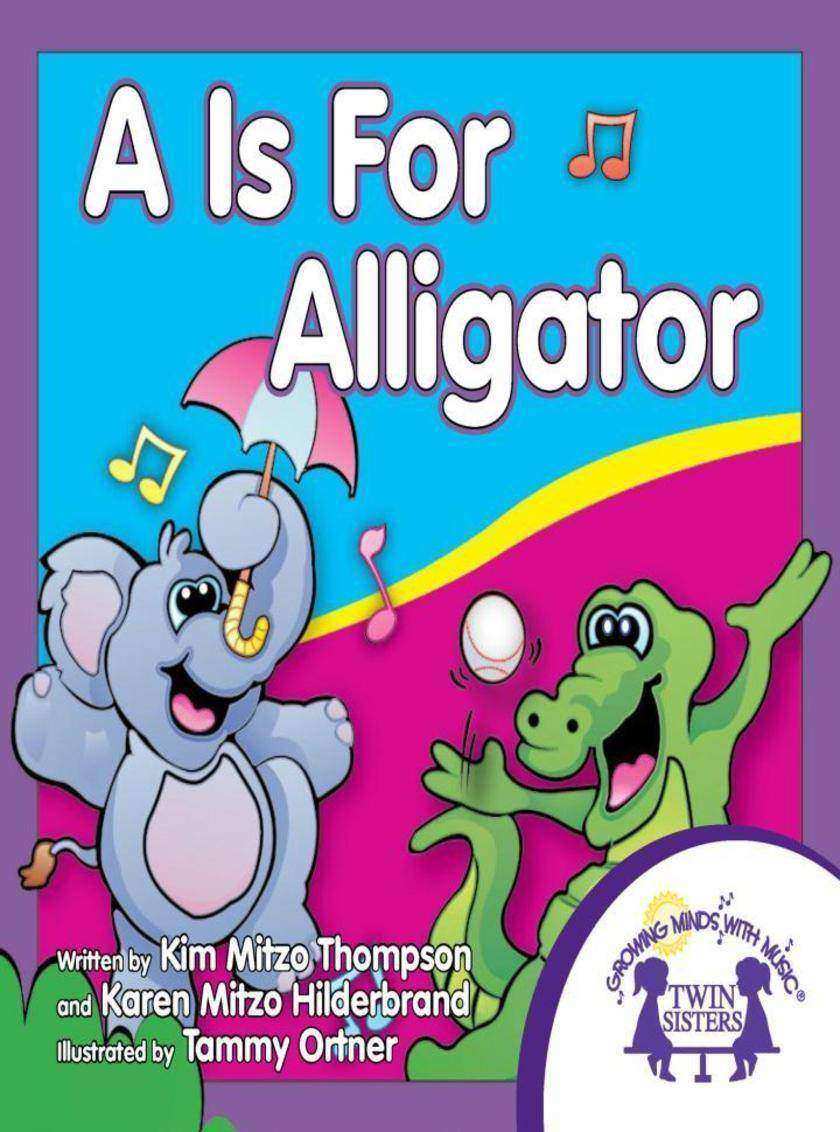
A Is For Alligator
¥24.44
From A to Z, young readers will learn different words that begin with each letter. Based in Stow, Ohio, Twin Sisters Productions has been dedicated to producing quality educational and inspirational music resources for over 25 years. Fraternal twins Karen Mitzo Hilderbrand and Kim Mitzo Thompson founded the company when they realized Kim’s success teaching third grade math through her catchy multiplication song could help children beyond her classroom. From there, Twin Sisters expanded its product line to include e-books, digital music, CDs, read-along and sing-along books, floor puzzles and educational workbooks, all with the purpose of learning through music. These internationally sold products have received nearly 170 awards, including nine Record Industry Association of America (RIAA) certified Gold albums and one Platinum albu, over the years for excellence, creativity and amusement. With thousands of songs and 35 million albums sold, Twin Sisters positions itself as the leader in children’s educational music.
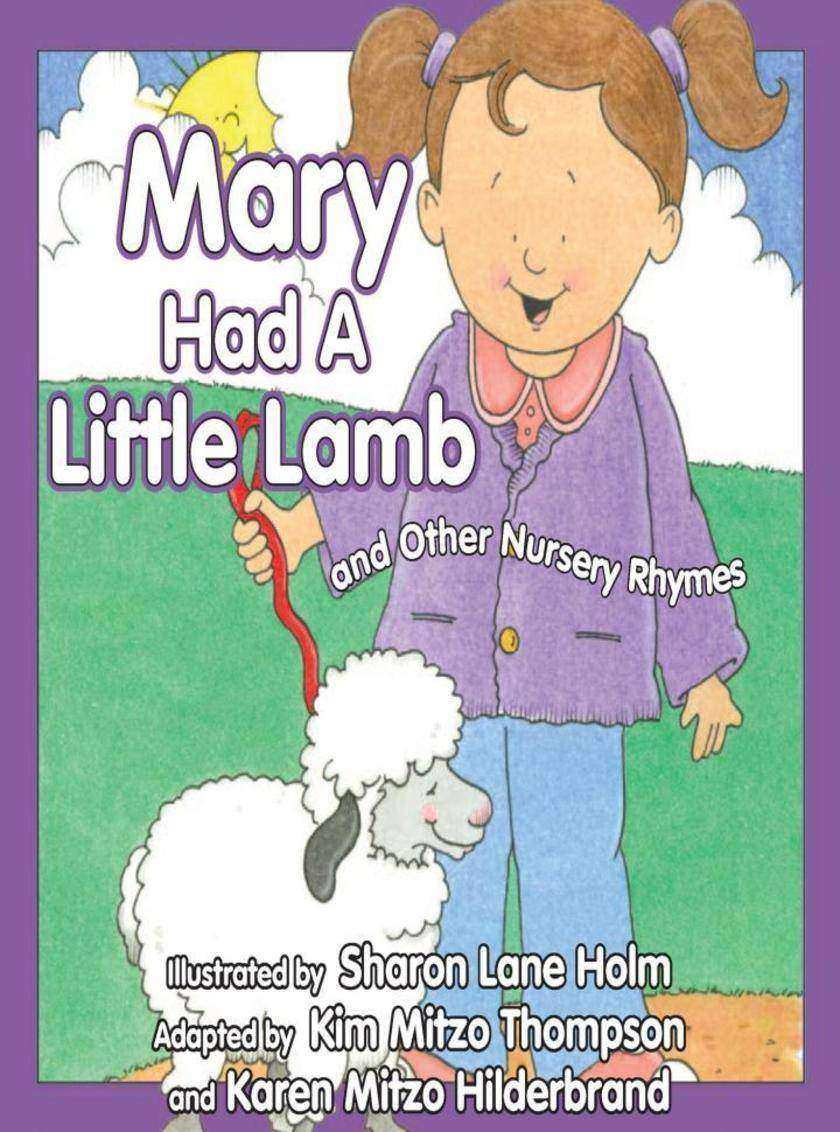
Mary Had a Little Lamb
¥24.44
Enjoy this adorably-illustrated, classic rhyme about Mary and her silly lamb that follows her everywhere she goes! Then young readers can continue reading six other classics including Little Bo Peep, Humpty Dumpty, Little Miss Muffet, Oh Where Has My Little Dog Gone, Hickory Dickory Dock and Hey, Diddle DiddleBased in Stow, Ohio, Twin Sisters Productions has been dedicated to producing quality educational and inspirational music resources for over 25 years. Fraternal twins Karen Mitzo Hilderbrand and Kim Mitzo Thompson founded the company when they realized Kim’s success teaching third grade math through her catchy multiplication song could help children beyond her classroom. From there, Twin Sisters expanded its product line to include e-books, digital music, CDs, read-along and sing-along books, floor puzzles and educational workbooks, all with the purpose of learning through music. These internationally sold products have received nearly 170 awards, including nine Record Industry Association of America (RIAA) certified Gold albums and one Platinum albu, over the years for excellence, creativity and amusement. With thousands of songs and 35 million albums sold, Twin Sisters positions itself as the leader in children’s educational music.
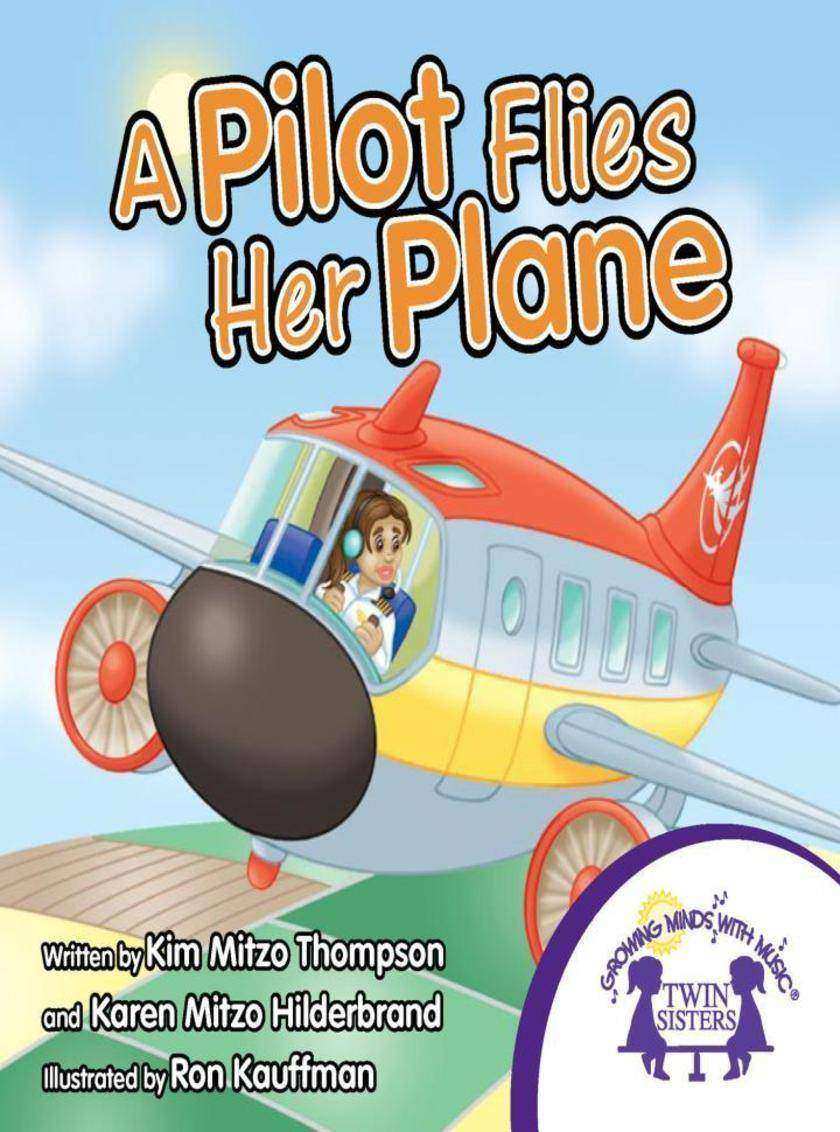
A Pilot Flies Her Plane
¥24.44
Learn about modes of transportation, but don’t forget that it’s fun and healthy to walk sometimes, too! Based in Stow, Ohio, Twin Sisters Productions has been dedicated to producing quality educational and inspirational music resources for over 25 years. Fraternal twins Karen Mitzo Hilderbrand and Kim Mitzo Thompson founded the company when they realized Kim’s success teaching third grade math through her catchy multiplication song could help children beyond her classroom. From there, Twin Sisters expanded its product line to include e-books, digital music, CDs, read-along and sing-along books, floor puzzles and educational workbooks, all with the purpose of learning through music. These internationally sold products have received nearly 170 awards, including nine Record Industry Association of America (RIAA) certified Gold albums and one Platinum albu, over the years for excellence, creativity and amusement. With thousands of songs and 35 million albums sold, Twin Sisters positions itself as the leader in children’s educational music.
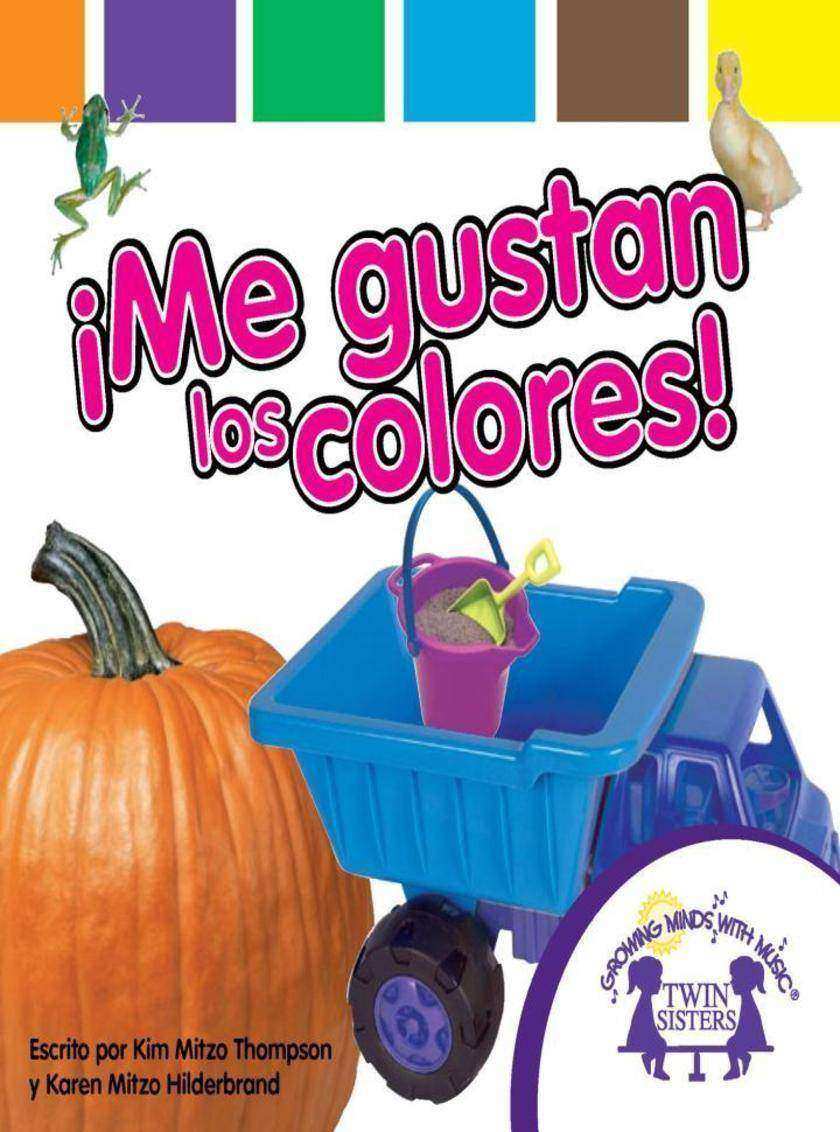
Me Gusta Los Colores
¥24.44
Teaching children the colors is as easy as reading together. Based in Stow, Ohio, Twin Sisters Productions has been dedicated to producing quality educational and inspirational music resources for over 25 years. Fraternal twins Karen Mitzo Hilderbrand and Kim Mitzo Thompson founded the company when they realized Kim’s success teaching third grade math through her catchy multiplication song could help children beyond her classroom. From there, Twin Sisters expanded its product line to include e-books, digital music, CDs, read-along and sing-along books, floor puzzles and educational workbooks, all with the purpose of learning through music. These internationally sold products have received nearly 170 awards, including nine Record Industry Association of America (RIAA) certified Gold albums and one Platinum albu, over the years for excellence, creativity and amusement. With thousands of songs and 35 million albums sold, Twin Sisters positions itself as the leader in children’s educational music.
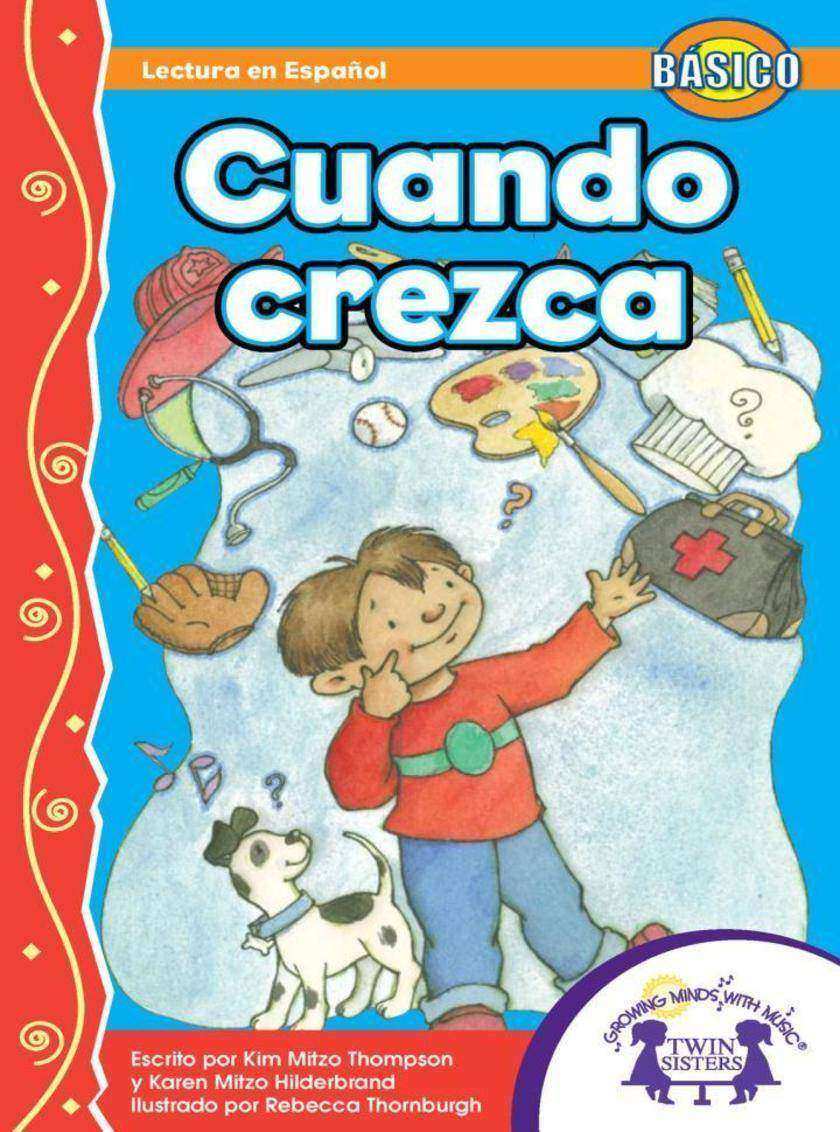
Cuando Crezca
¥24.44
QWhat do you want to be when you grow upBased in Stow, Ohio, Twin Sisters Productions has been dedicated to producing quality educational and inspirational music resources for over 25 years. Fraternal twins Karen Mitzo Hilderbrand and Kim Mitzo Thompson founded the company when they realized Kim’s success teaching third grade math through her catchy multiplication song could help children beyond her classroom. From there, Twin Sisters expanded its product line to include e-books, digital music, CDs, read-along and sing-along books, floor puzzles and educational workbooks, all with the purpose of learning through music. These internationally sold products have received nearly 170 awards, including nine Record Industry Association of America (RIAA) certified Gold albums and one Platinum albu, over the years for excellence, creativity and amusement. With thousands of songs and 35 million albums sold, Twin Sisters positions itself as the leader in children’s educational music.


