


 购物车
购物车 个人中心
个人中心
Anyone
¥147.15
Milton's GodWhere I-95 meets The Pike,a ponderous thunderhead flowered-?stewed a minute, then flippedlike a flash card, tatterededges crinkling in, linings so darkwith excessive bright?that, standing, waiting, at the overpass edge,the onlooker couldn't decide?until the end, or even then,what was revealed and what had been hidden.Using a variety of forms and achieving a range of musical effects, Nate Klug's Anyone traces the unraveling of astonishment upon small scenes-natural and domestic, political and religious-across America's East and Midwest. The book's title foregrounds the anonymity it seeks through several means: first, through close observation (a concrete saw, a goshawk, a bicyclist); and, second, via translation (satires from Horace and Catullus, and excerpts from Virgil's Aeneid). Uniquely among contemporary poetry volumes, Anyone demonstrates fluency in the paradoxes of a religious existence: "e;To stand sometime / outside my faith . . . or keep waiting / to be claimed in it."e; Engaged with theology and the classics but never abstruse, all the while the poems remain grounded in the phenomenal, physical world of "e;what it is to feel: /moods, half moods, / swarming, then darting loose."e;
Disorder
¥147.15
MidsummerCambridge, MA, 2008?Midsummer. Finally, you are used to disappointment.A baby touches phlox. Many failures, many botched attempts,?A little success in unexpected forms. This is how the rest will go:The gravel raked, bricks ashen, bees fattened-honey not for babes.?All at once, a rustling, whole trees in shudder, clouds pulledWestward. You are neither here nor there, neither right nor?Wrong. The world is indifferent, tired of your insistence.Garter snakes swallow frogs. The earthworms coil.?On your fingers, the residue of red pistils. What have you made?What have you kept aliveGreen, a secret, occult,?Grass veining the hands. Someone's baby toddling.And the phlox white. For now. Midsummer.A remarkable first book, Disorder tells the story, by turns poignant and outrageous, of a family's dislocation over four continents during the course of a hundred years. In short lyrics and longer narrative poems, Vanesha Pravin takes readers on a kaleidoscopic trek, from Bombay to Uganda, from England to Massachusetts and North Carolina, tracing the path of familial love, obsession, and the passage of time as filtered through the perceptions of family members and a host of supporting characters, including ubiquitous paparazzi, amorous vicars, and a dubious polygamist. We experience throughout a speaker forged by a deep awareness of intergenerational, multicontinental consciousness. At once global and personal, crossing ethnic, linguistic, and national boundaries in ways that few books of poetry do, Disorder bristles with quiet authority backed by a skeptical intelligence.
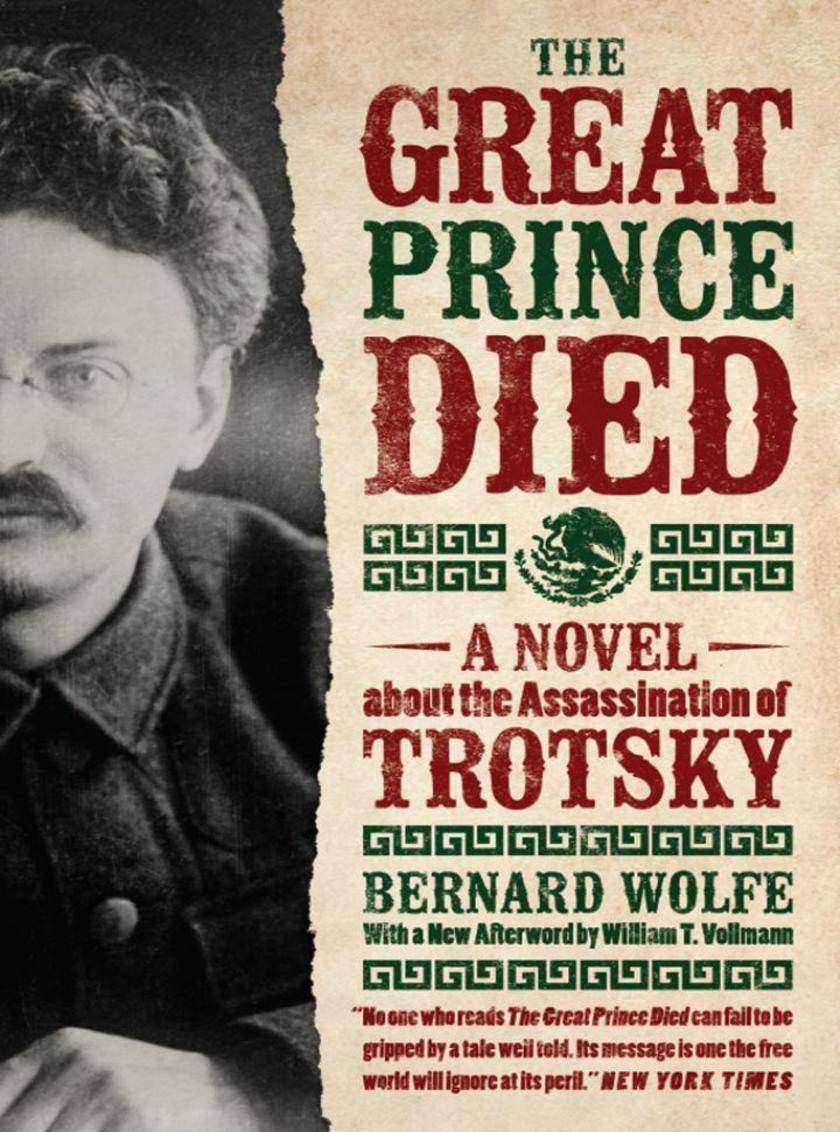
Great Prince Died
¥147.15
On August 20, 1940, Marxist philosopher, politician, and revolutionary Leon Trotsky was attacked with an ice axe in his home in Coyoacan, Mexico. He died the next day.In The Great Prince Died, Bernard Wolfe offers his lyrical, fictionalized account of Trotsky's assassination as witnessed through the eyes of an array of characters: the young American student helping to translate the exiled Trotsky's work (and to guard him), the Mexican police chief, a Rumanian revolutionary, the assassin and his handlers, a poor Mexican "e;pen,"e; and Trotsky himself. Drawing on his own experiences working as the exiled Trotsky's secretary and bodyguard and mixing in digressions on Mexican culture, Stalinist tactics, and Bolshevik history, Wolfe interweaves fantasy and fact, delusion and journalistic reporting to create one of the great political novels of the past century.
Lectures on Kant's Political Philosophy
¥141.26
Hannah Arendt's last philosophical work was an intended three-part project entitled The Life of the Mind. Unfortunately, Arendt lived to complete only the first two parts, Thinking and Willing. Of the third, Judging, only the title page, with epigraphs from Cato and Goethe, was found after her death. As the titles suggest, Arendt conceived of her work as roughly parallel to the three Critiques of Immanuel Kant. In fact, while she began work on The Life of the Mind, Arendt lectured on "e;Kant's Political Philosophy,"e; using the Critique of Judgment as her main text. The present volume brings Arendt's notes for these lectures together with other of her texts on the topic of judging and provides important clues to the likely direction of Arendt's thinking in this area.
Culture of Ancient Egypt
¥129.49
The story of Egypt is the story of history itself-the endless rise and fall, the life and death and life again of the eternal human effort to endure, enjoy, and understand the mystery of our universe. Emerging from the ancient mists of time, Egypt met the challenge of the mystery in a glorious evolution of religious, intellectual, and political institutions and for two millenniums flourished with all the vigor that the human heart can invest in a social and cultural order. Then Egypt began to crumble into the desert sands and the waters of the Nile, and her remarkable achievements in civilization became her lingering epitaph. John A. Wilson has written a rich and interpretive biography of one of the greatest cultural periods in human experience. He answers-as best the modern Egyptologist can-the questions inevitably asked concerning the dissolution of Egypt's glory. Here is scholarship in its finest form, concerned with the humanity that has preceded us, and finding in man's past grandeur and failure much meaning for men of today.
Dead Ladies Project
¥129.49
When Jessa Crispin was thirty, she burned her settled Chicago life to the ground and took off for Berlin with a pair of suitcases and no plan beyond leaving. Half a decade later, she's still on the road, in search not so much of a home as of understanding, a way of being in the world that demands neither constant struggle nor complete surrender.The Dead Ladies Project is an account of that journey-but it's also much, much more. Fascinated by exile, Crispin travels an itinerary of key locations in its literary map, of places that have drawn writers who needed to break free from their origins and start afresh. As she reflects on William James struggling through despair in Berlin, Nora Barnacle dependant on and dependable for James Joyce in Trieste, Maud Gonne fomenting revolution and fostering myth in Dublin, or Igor Stravinsky starting over from nothing in Switzerland, Crispin interweaves biography, incisive literary analysis, and personal experience into a rich meditation on the complicated interactions of place, personality, and society that can make escape and reinvention such an attractive, even intoxicating proposition.?Personal and profane, funny and fervent, The Dead Ladies Project ranges from the nineteenth century to the present, from historical figures to brand-new hangovers, in search, ultimately, of an answer to a bedrock question: How does a person decide how to live their life?
Venusberg
¥129.49
Written from a vantage point both high and deliberately narrow, the early novels of the late British master Anthony Powell nevertheless deal in the universal themes that would become a substantial part of his oeuvre: pride, greed, and the strange drivers of human behavior. More explorations of relationships and vanity than plot-driven narratives, Powell's early works reveal the stirrings of the unequaled style, ear for dialogue, and eye for irony that would reach their caustic peak in his epic, A Dance to the Music of Time.Powell's sophomore novel, Venusberg, follows journalist Lushington as he leaves behind his unrequited love in England and travels by boat to an unnamed Baltic state. Awash in a marvelously odd assortment of counts and ladies navigating a multicultural, elegant, and politically precarious social scene, Lushington becomes infatuated with his very own, very foreign Venus. An action-packed literary precursor to Wes Anderson's The Grand Budapest Hotel, Venusberg is replete with assassins and Nazis, loose countesses and misunderstandings, fatal accidents and social comedy. But beyond its humor, this early installment in Powell's literary canon will offer readers a welcome window onto the mind of a great artist learning his craft.

Planet of Viruses
¥105.95
The past year has been one of viral panic-panic about viruses, that is. Through headlines, public health warnings, and at least one homemade hazmat suit, we were reminded of the powerful force of viruses. They are the smallest living things known to science, yet they can hold the entire planet in their sway.A Planet of Viruses is Carl Zimmer's eye-opening look at the hidden world of viruses. Zimmer, the popular science writer and author of National Geographic's award-winning blog The Loom, has updated this edition to include the stories of new outbreaks, such as Ebola, MERS, and chikungunya virus; new scientific discoveries, such as a hundred-million-year-old virus that infected the common ancestor of armadillos, elephants, and humans; and new findings that show why climate change may lead to even deadlier outbreaks. Zimmer's lucid explanations and fascinating stories demonstrate how deeply humans and viruses are intertwined. Viruses helped give rise to the first life-forms, are responsible for many of our most devastating diseases, and will continue to control our fate for centuries. Thoroughly readable, and as reassuring as it is frightening, A Planet of Viruses is a fascinating tour of a formidable hidden world.
Becoming a Marihuana User
¥82.40
OG Kush. Sour Diesel. Wax, shatter, and vapes. Marijuana has come a long way since its seedy days in the back parking lots of our culture. So has Howard S. Becker, the eminent sociologist, jazz musician, expert on "e;deviant"e; culture, and founding NORML board member. When he published Becoming a Marihuana User more than sixty years ago, hardly anyone paid attention-because few people smoked pot. Decades of Cheech and Chong films, Grateful Dead shows, and Cannabis Cups later, and it's clear-marijuana isn't just an established commodity, it's an entire culture. And that's just the thing-Becker totally called it: pot has everything to do with culture. It's not a blight on culture, but a culture itself-in fact, you'll see in this book the first use of the term "e;users,"e; rather than "e;abusers"e; or "e;addicts."e; Come along on this short little study-now a famous timestamp in weed studies-and you will be astonished at how relevant it is to us today.?Becker doesn't judge, but neither does he holler for legalization, tell you how to grow it in a hollowed-out dresser, or anything else like that for which there are plenty of other books you can buy. Instead, he looks at marijuana with a clear sociological lens-as a substance that some people enjoy, and that some others have decided none of us should. From there he asks: so how do people decide to get high, and what kind of experience do they have as a result of being part of the marijuana worldWhat he discovers will bother some, especially those who proselytize the irrefutably stunning effects of the latest strain: chemistry isn't everything-the important thing about pot is how we interact with it. We learn to be high. We learn to like it. And from there, we teach others, passing the pipe in a circle that begins to resemble a bona fide community, defined by shared norms, values, and definitions just like any other community.?All throughout this book, you'll see the intimate moments when this transformation takes place. You'll see people doing it for the first time and those with considerable experience. You'll see the early signs of the truths that have come to define the marijuana experience: that you probably won't get high at first, that you have to hold the hit in, and that there are other people here who are going to smoke that, too.?
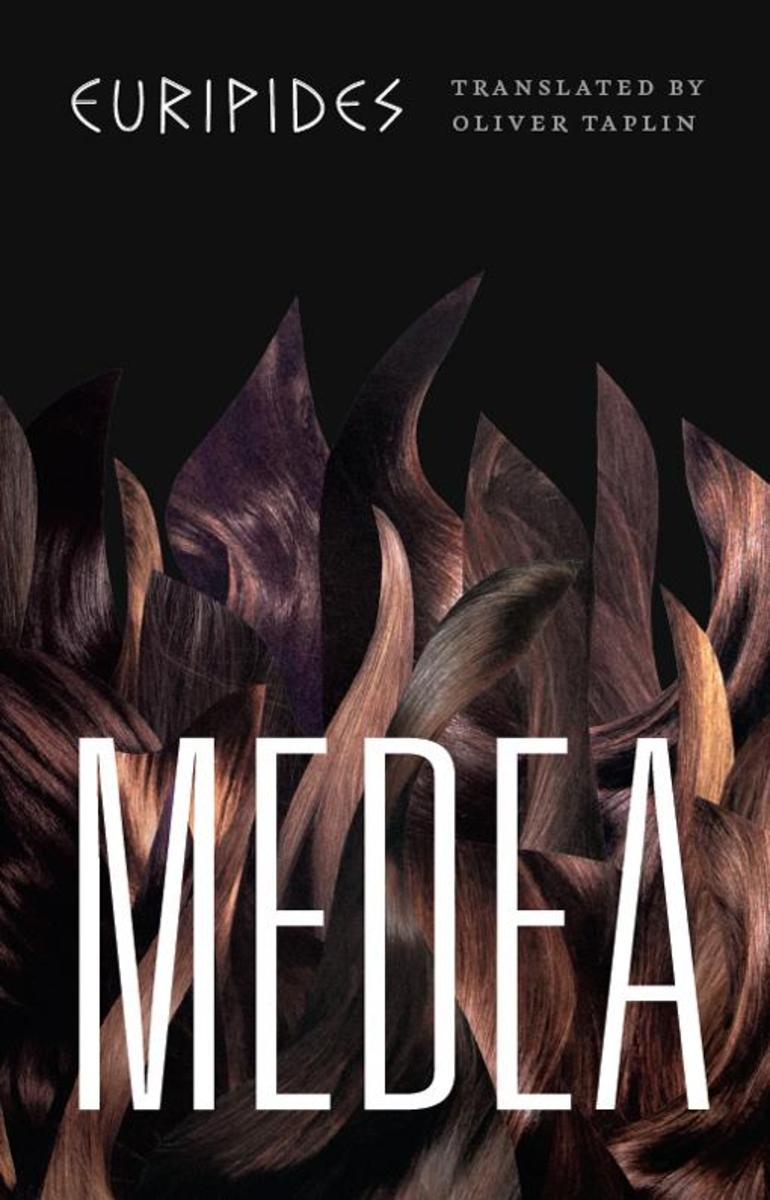
Medea
¥65.75
In the centuries since it was first performed, Euripides's Medea has established itself as one of the most influential of the Greek tragedies. The story of the wronged wife who seeks revenge against her unfaithful husband by murdering their children is lodged securely in the popular imagination, a touchstone for politics, law, and psychoanalysis and the subject of constant retellings and reinterpretations.This new translation of Medea by classicist Oliver Taplin, originally published as part of the acclaimed third edition of Chicago's Complete Greek Tragedies, brilliantly replicates the musicality and strength of Euripides's verse while retaining the play's dramatic and emotional impact.?Taplin has created an edition of Medea that is particularly suited to performance, while not losing any of the power it has long held as an object of reading or study. This edition is poised to become the new standard, and to introduce a new generation of readers to the heights and depths of Greek tragedy.

Hidden Wealth of Nations
¥147.15
We are well aware of the rise of the 1% as the rapid growth of economic inequality has put the majority of the world's wealth in the pockets of fewer and fewer. One much-discussed solution to this imbalance is to significantly increase the rate at which we tax the wealthy. But with an enormous amount of the world's wealth hidden in tax havens-in countries like Switzerland, Luxembourg, and the Cayman Islands-this wealth cannot be fully accounted for and taxed fairly. No one, from economists to bankers to politicians, has been able to quantify exactly how much of the world's assets are currently hidden-until now. Gabriel Zucman is the first economist to offer reliable insight into the actual extent of the world's money held in tax havens. And it's staggering.In The Hidden Wealth of Nations, Zucman offers an inventive and sophisticated approach to quantifying how big the problem is, how tax havens work and are organized, and how we can begin to approach a solution. His research reveals that tax havens are a quickly growing danger to the world economy. In the past five years, the amount of wealth in tax havens has increased over 25%-there has never been as much money held offshore as there is today. This hidden wealth accounts for at least $7.6 trillion, equivalent to 8% of the global financial assets of households. Fighting the notion that any attempts to vanquish tax havens are futile, since some countries will always offer more advantageous tax rates than others, as well the counter-argument that since the financial crisis tax havens have disappeared, Zucman shows how both sides are actually very wrong. In The Hidden Wealth of Nations he offers an ambitious agenda for reform, focused on ways in which countries can change the incentives of tax havens. Only by first understanding the enormity of the secret wealth can we begin to estimate the kind of actions that would force tax havens to give up their practices.Zucman's work has quickly become the gold standard for quantifying the amount of the world's assets held in havens. In this concise book, he lays out in approachable language how the international banking system works and the dangerous extent to which the large-scale evasion of taxes is undermining the global market as a whole. If we are to find a way to solve the problem of increasing inequality, The Hidden Wealth of Nations is essential reading.
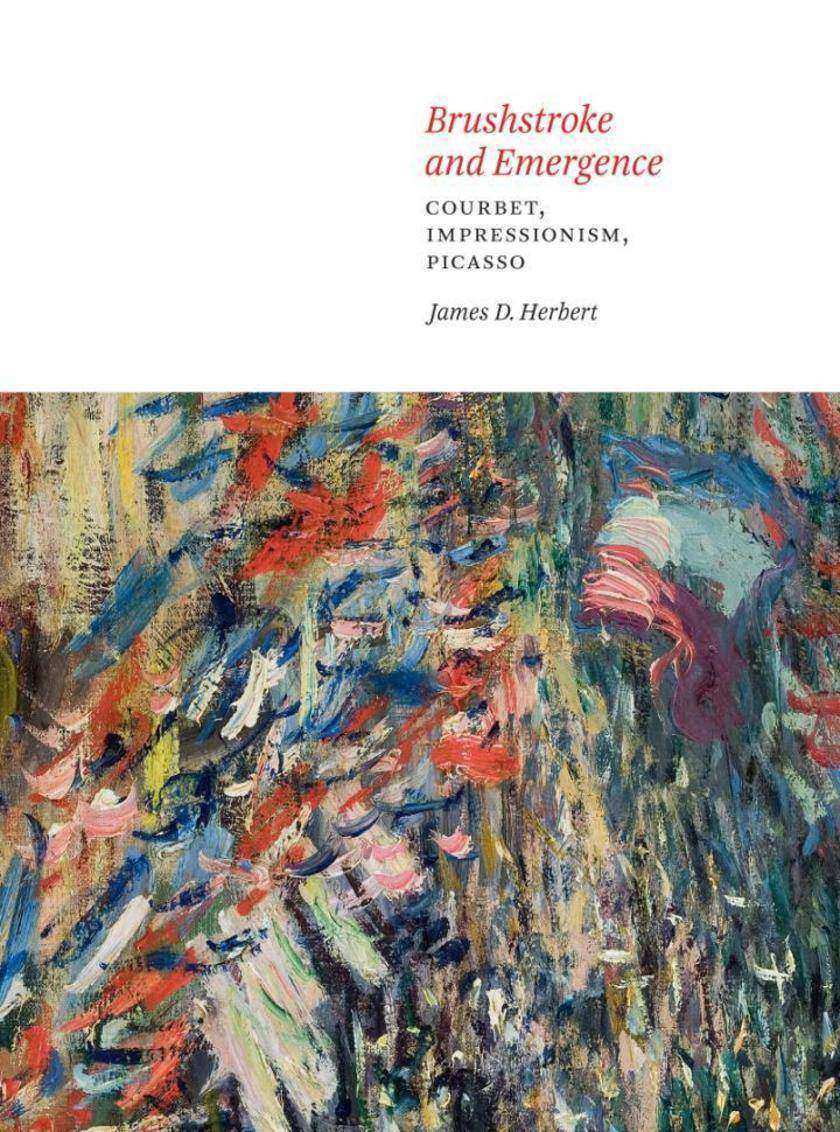
Brushstroke and Emergence
¥247.21
No pictorial device in nineteenth-century French painting more clearly represented the free-ranging self than the loose brushstroke. From the romantics through the impressionists and post-impressionists, the brushstroke bespoke autonomous artistic individuality and freedom from convention.Yet the question of how much we can credit to the individual brushstroke is complicated-and in?Brushstroke and Emergence, James D. Herbert uses that question as a starting point for an extended essay that draws on philosophy of mind, the science of emergence, and art history. Brushstrokes, he reminds us, are as much creatures of habit and embodied experience as they are of intent. When they gather in great numbers they take on a life of their own, out of which emerge complexity and meaning. Analyzing ten paintings by Courbet, Manet, Czanne, Monet, Seurat, and Picasso, Herbert exposes vital relationships between intention and habit, the singular and the complex. In doing so, he uncovers a space worthy of historical and aesthetic analysis between the brushstroke and the self.
Back to the Breast
¥247.21
After decades of decline during the twentieth century, breastfeeding rates began to rise again in the 1970s, a rebound that has continued to the present. While it would be easy to see this reemergence as simply part of the naturalism movement of the '70s, Jessica Martucci reveals here that the true story is more complicated. Despite the widespread acceptance and even advocacy of formula feeding by many in the medical establishment throughout the 1940s, '50s, and '60s, a small but vocal minority of mothers, drawing upon emerging scientific and cultural ideas about maternal instinct, infant development, and connections between the body and mind, pushed back against both hospital policies and cultural norms by breastfeeding their children. As Martucci shows, their choices helped ideologically root a "e;back to the breast"e; movement within segments of the middle-class, college-educated population as early as the 1950s.?That movement-in which the personal and political were inextricably linked-effectively challenged midcentury norms of sexuality, gender, and consumption, and articulated early environmental concerns about chemical and nuclear contamination of foods, bodies, and breast milk. In its groundbreaking chronicle of the breastfeeding movement, Back to the Breast provides a welcome and vital account of what it has meant, and what it means today, to breastfeed in modern America.
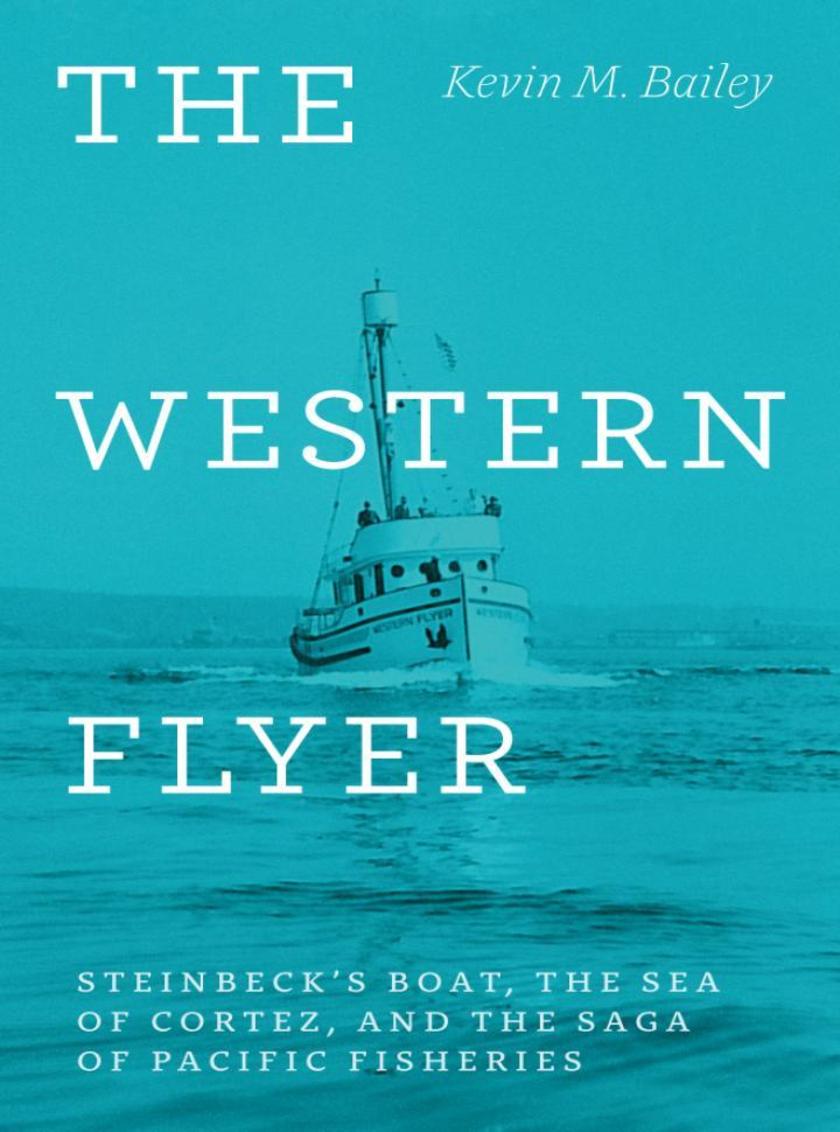
Western Flyer
¥147.15
In January 2010, the Gemini was moored in the Swinomish Slough on a Native American reservation near Anacortes, Washington. Unbeknownst to almost everyone, the rusted and dilapidated boat was in fact the most famous fishing vessel ever to have sailed: the original Western Flyer, immortalized in John Steinbeck's nonfiction classic The Log from the Sea of Cortez.In this book, Kevin M. Bailey resurrects this forgotten witness to the changing tides of Pacific fisheries. He draws on the Steinbeck archives, interviews with family members of crew, and more than three decades of working in Pacific Northwest fisheries to trace the depletion of marine life through the voyages of a single ship. After Steinbeck and his friend Ed Ricketts-a pioneer in the study of the West Coast's diverse sea life and the inspiration behind "e;Doc"e; in Cannery Row-chartered the boat for their now-famous 1940 expedition, the Western Flyer returned to its life as a sardine seiner in California. But when the sardine fishery in Monterey collapsed, the boat moved on: fishing for Pacific ocean perch off Washington, king crab in the Bering Sea off Alaska, and finally wild Pacific salmon-all industries that would also face collapse.As the Western Flyer herself faces an uncertain future-a businessman has bought her, intending to bring the boat to Salinas, California, and turn it into a restaurant feature just blocks from Steinbeck's grave-debates about the status of the California sardine, and of West Coast fisheries generally, have resurfaced. A compelling and timely tale of a boat and the people it carried, of fisheries exploited, and of fortunes won and lost, The Western Flyer is environmental history at its best: a journey through time and across the sea, charting the ebb and flow of the cobalt waters of the Pacific coast.
Integrating the Inner City
¥265.87
For many years Chicago's looming large-scale housing projects defined the city, and their demolition and redevelopment-via the Chicago Housing Authority's Plan for Transformation-has been perhaps the most startling change in the city's urban landscape in the last twenty years. The Plan, which reflects a broader policy effort to remake public housing in cities across the country, seeks to deconcentrate poverty by transforming high-poverty public housing complexes into mixed-income developments and thereby integrating once-isolated public housing residents into the social and economic fabric of the city. But is the Plan an ambitious example of urban regeneration or a not-so-veiled effort at gentrification?In the most thorough examination of mixed-income public housing redevelopment to date, Robert J. Chaskin and Mark L. Joseph draw on five years of field research, in-depth interviews, and volumes of data to demonstrate that while considerable progress has been made in transforming the complexes physically, the integrationist goals of the policy have not been met. They provide a highly textured investigation into what it takes to design, finance, build, and populate a mixed-income development, and they illuminate the many challenges and limitations of the policy as a solution to urban poverty. Timely and relevant, Chaskin and Joseph's findings raise concerns about the increased privatization of housing for the poor while providing a wide range of recommendations for a better way forward.
Sound Diplomacy
¥265.87
The German-American relationship was special long before the Cold War; it was rooted not simply in political actions, but also long-term traditions of cultural exchange that date back to the nineteenth century. Between 1850 and 1910, the United States was a rising star in the international arena, and several European nations sought to strengthen their ties to the republic by championing their own cultures in America. While France capitalized on its art and Britain on its social ties and literature, Germany promoted its particular breed of classical music.Delving into a treasure trove of archives that document cross-cultural interactions between America and Germany, Jessica Gienow-Hecht retraces these efforts to export culture as an instrument of nongovernmental diplomacy, paying particular attention to the role of conductors, and uncovers the remarkable history of the musician as a cultural symbol of German cosmopolitanism. Considered sexually attractive and emotionally expressive, German players and conductors acted as an army of informal ambassadors for their home country, and Gienow-Hecht argues that their popularity in the United States paved the way for an emotional elective affinity that survived broken treaties and several wars and continues to the present.
After Preservation
¥147.15
From John Muir to David Brower, from the creation of Yellowstone National Park to the Endangered Species Act, environmentalism in America has always had close to its core a preservationist ideal. Generations have been inspired by its ethos-to encircle nature with our protection, to keep it apart, pristine, walled against the march of human development. But we have to face the facts. Accelerating climate change, rapid urbanization, agricultural and industrial devastation, metastasizing fire regimes, and other quickening anthropogenic forces all attest to the same truth: the earth is now spinning through the age of humans. After Preservation takes stock of the ways we have tried to both preserve and exploit nature to ask a direct but profound question: what is the role of preservationism in an era of seemingly unstoppable human development, in what some have called the AnthropoceneBen A. Minteer and Stephen J. Pyne bring together a stunning consortium of voices comprised of renowned scientists, historians, philosophers, environmental writers, activists, policy makers, and land managers to negotiate the incredible challenges that environmentalism faces. Some call for a new, post-preservationist model, one that is far more pragmatic, interventionist, and human-centered. Others push forcefully back, arguing for a more chastened and restrained vision of human action on the earth. Some try to establish a middle ground, while others ruminate more deeply on the meaning and value of wilderness. Some write on species lost, others on species saved, and yet others discuss the enduring practical challenges of managing our land, water, and air.From spirited optimism to careful prudence to critical skepticism, the resulting range of approaches offers an inspiring contribution to the landscape of modern environmentalism, one driven by serious, sustained engagements with the critical problems we must solve if we-and the wild garden we may now keep-are going to survive the era we have ushered in. ?Contributors include: Chelsea K. Batavia, F. Stuart (Terry) Chapin III, Norman L. Christensen, Jamie Rappaport Clark, William Wallace Covington, Erle C. Ellis, Mark Fiege, Dave Foreman, Harry W. Greene, Emma Marris, Michelle Marvier, Bill McKibben, J. R. McNeill, Curt Meine, Ben A. Minteer, Michael Paul Nelson, Bryan Norton, Stephen J. Pyne, Andrew C. Revkin, Holmes Rolston III, Amy Seidl, Jack Ward Thomas, Diane J. Vosick, John A. Vucetich, Hazel , and Donald Worster.?
Divas and Scholars
¥147.15
Winner of the 2007 Otto Kinkeldey Award from the American Musicological Society and the 2007 Deems Taylor Award from the American Society of Composers, Authors, and Publishers.Divas and Scholars is a dazzling and beguiling account of how opera comes to the stage, filled with Philip Gossett's personal experiences of triumphant-and even failed-performances and suffused with his towering and tonic passion for music. Writing as a fan, a musician, and a scholar, Gossett, the world's?leading authority on the performance of Italian opera, brings colorfully to life the problems, and occasionally the scandals, that attend the production of some of our most favorite operas.?Gossett begins by tracing the social history of nineteenth-century Italian theaters in order to explain the nature of the musical scores from which performers have long worked. He then illuminates the often hidden but crucial negotiations opera scholars and opera conductors and performers: What does it mean to talk about performing from a critical editionHow does one determine what music to perform when multiple versions of an opera existWhat are the implications of omitting passages from an opera in a performanceIn addition to vexing questions such as these, Gossett also tackles issues of ornamentation and transposition in vocal style, the matters of translation and adaptation, and even aspects of stage direction and set design.?Throughout this extensive and passionate work, Gossett enlivens his history with reports from his own experiences with major opera companies at venues ranging from the Metropolitan and Santa Fe operas to the Rossini Opera Festival at Pesaro. The result is a book that will enthrall both aficionados of Italian opera and newcomers seeking a reliable introduction to it-in all its incomparable grandeur and timeless allure.?

57 Ways to Screw Up in Grad School
¥123.61
Don't think about why you're applying. Select a topic for entirely strategic reasons. Choose the coolest supervisor. Write only to deadlines. Expect people to hold your hand. Become "e;that"e; student.When it comes to a masters or PhD program, most graduate students don't deliberately set out tofail. Yet, of the nearly 500,000 people who start a graduate program each year, up to half will never complete their degree. Books abound on acing the admissions process, but there is little on what to do once the acceptance letter arrives. Veteran graduate directors Kevin D. Haggerty and Aaron Doyle have set out to demystify the world of advanced education. Taking a wry, frank approach, they explain the common mistakes that can trip up a new graduate student and lay out practical advice about how to avoid the pitfalls. Along the way they relate stories from their decades of mentorship and even share some slip-ups from their own grad experiences.The litany of foul-ups is organized by theme and covers the grad school experience from beginning to end: selecting the university and program, interacting with advisors and fellow students, balancing personal and scholarly lives, navigating a thesis, and creating a life after academia. Although the tone is engagingly tongue-in-cheek, the lessons are crucial to anyone attending or contemplating grad school. 57 Ways to Screw Up in Grad School allows you to learn from others' mistakes rather than making them yourself.
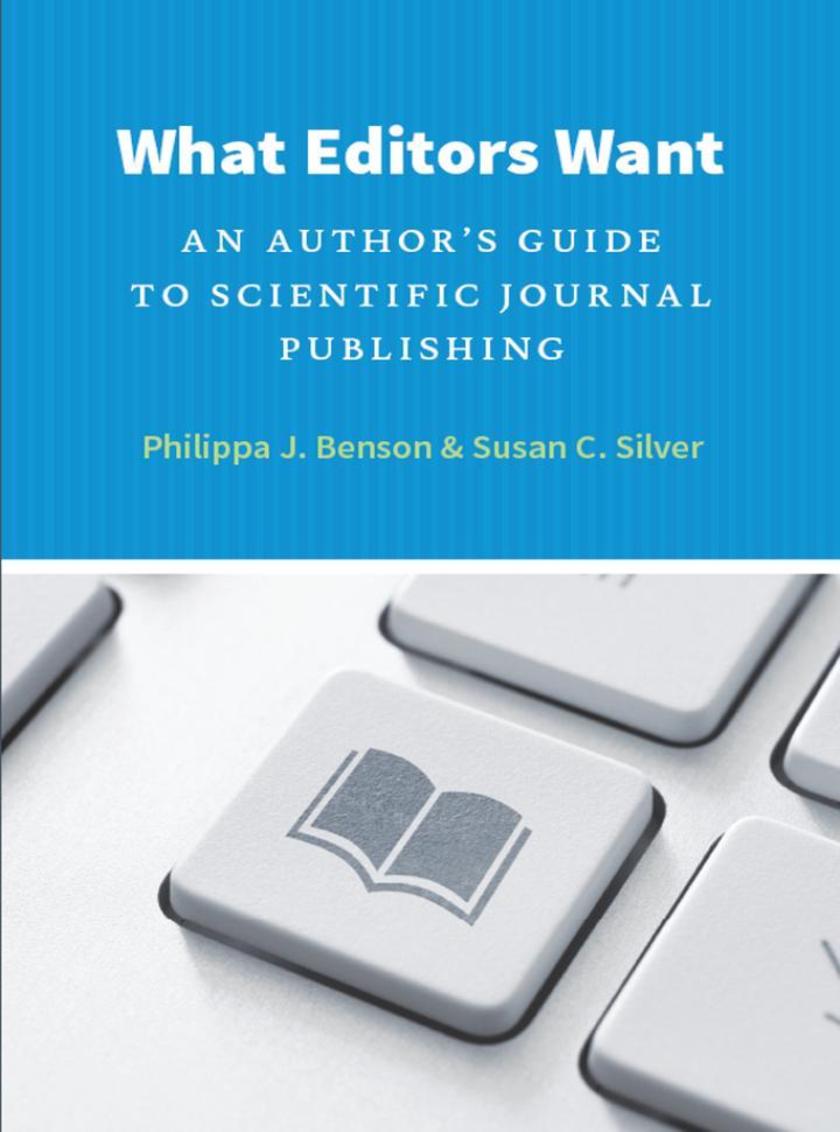
What Editors Want
¥188.35
Research publications have always been key to building a successful career in science, yet little if any formal guidance is offered to young scientists on how to get research papers peer reviewed, accepted, and published by leading scientific journals. With What Editors Want, Philippa J. Benson and Susan C. Silver, two well-respected editors from the science publishing community, remedy that situation with a clear, straightforward guide that will be of use to all scientists.Benson and Silver instruct readers on how to identify the journals that are most likely to publish a given paper, how to write an effective cover letter, how to avoid common pitfalls of the submission process, and how to effectively navigate the all-important peer review process, including dealing with revisions and rejection. With supplemental advice from more than a dozen experts, this book will equip scientists with the knowledge they need to usher their papers through publication.
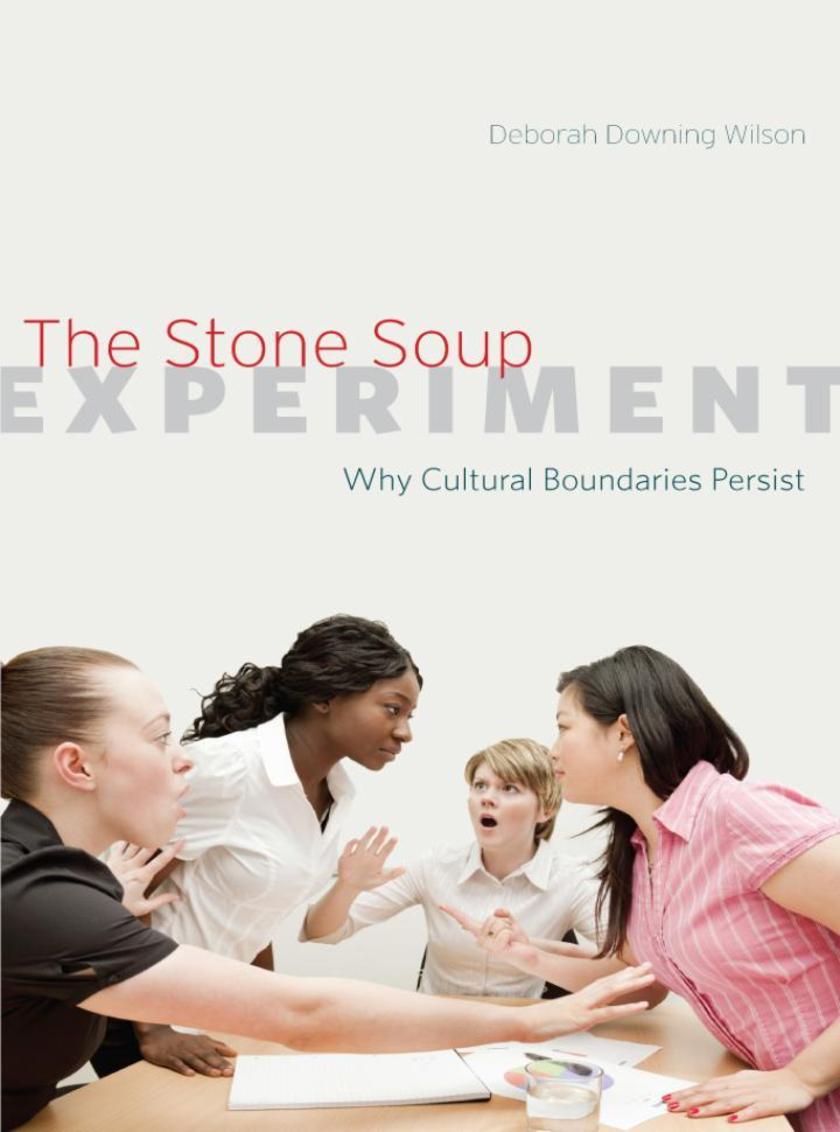
Stone Soup Experiment
¥147.15
The Stone Soup Experiment is a remarkable story of cultural difference, of in-groups, out-groups, and how quickly and strongly the lines between them are drawn. It is also a story about simulation and reality, and how quickly the lines between them can be dismantled.?In a compulsively readable account, Deborah Downing Wilson details a ten-week project in which forty university students were split into two different simulated cultures: the carefree Stoners, and the market-driven Traders. Through their eyes we are granted intimate access to the very foundations of human society: how group identities are formed and what happens when opposing ones come into contact.?The experience of the Stoners and Traders is a profound testament to human sociality. Even in the form of simulation, even as a game, the participants found themselves quickly-and with real conviction-bound to the ideologies and practices of their in-group. The Stoners enjoyed their days lounging, chatting, and making crafts, while the Traders-through a complex market of playing cards-competed for the highest bankrolls. When they came into contact, misunderstanding, competition, and even manipulation prevailed, to the point that each group became so convinced of its own superiority that even after the simulation's end the students could not reconcile. Throughout her riveting narrative, Downing Wilson interweaves fascinating discussions on the importance of play, emotions, and intergroup interaction in the formation and maintenance of group identities, as well as on the dynamic social processes at work when different cultural groups interact. A fascinating account of social experimentation, the book paints a vivid portrait of our deepest social tendencies and the powers they have over how we make friends and enemies alike.?


