


 购物车
购物车 个人中心
个人中心

The Heir's Proposal/A Pregnancy, a Party & a Proposal/His Proposal, Their Foreve
¥37.96
The Heir’s Proposal by Raye Morgan Torie grew up as the butler's daughter on the Huntington estate and she's back to clear her family name – not to fall for billionaire Marc Huntington again! But she can’t deny the sparks flying between them. A Pregnancy, a Party & a Proposal by Teresa Carpenter Lauren Randall always has a plan. And falling pregnant after a fling with infamous Ray Donovan is not part of it – and neither is their fake engagement! But what happens if she falls for her baby’s father…? His Proposal, Their Forever by Melissa McClone When property mogul Justin McMillian tells artist Bailey Cole he’ll be demolishing her studio, she’s determined to stand her ground and resist the millionaire’s charms. But is Justin staking his claim on more than just her gallery?

The Capture (Guardians of Ga’Hoole, Book 1)
¥47.58
Introducing the newest heroes to children's fiction; the owls of Ga'Hoole. Meet Soren and his friends, the owls charged with keeping owldom safe. Based on Katherine Lasky's work with owls, this adventures series is bound to be a hit with kids. Join the heroic owls in the first of a series of mythic adventures. Out of the darkness a hero will rise… Soren the enthusiastic and young owl is busy learning the rituals of being a barn owl– First Meat Ceremony, how to fly and of course, about the legendary Guardians of Ga'Hoole. However, his life is quickly transformed when he abruptly falls from his parent's cosy nest to the bare and dangerous forest floor. Helpless, he is captured by evil chick snatching owls that bring him to St. Aegolius Academy for Orphaned Owls, where his identify disappears as he receives a number instead of a name. Soren quickly befriends another young owl Gylfie, with whom he works to withstand "moon blinking" (brainwashing), and instead develops plans to escape. But before long, Soren realizes that he in fact has already embarked on an extraordinary adventure with much more excitement in the future.
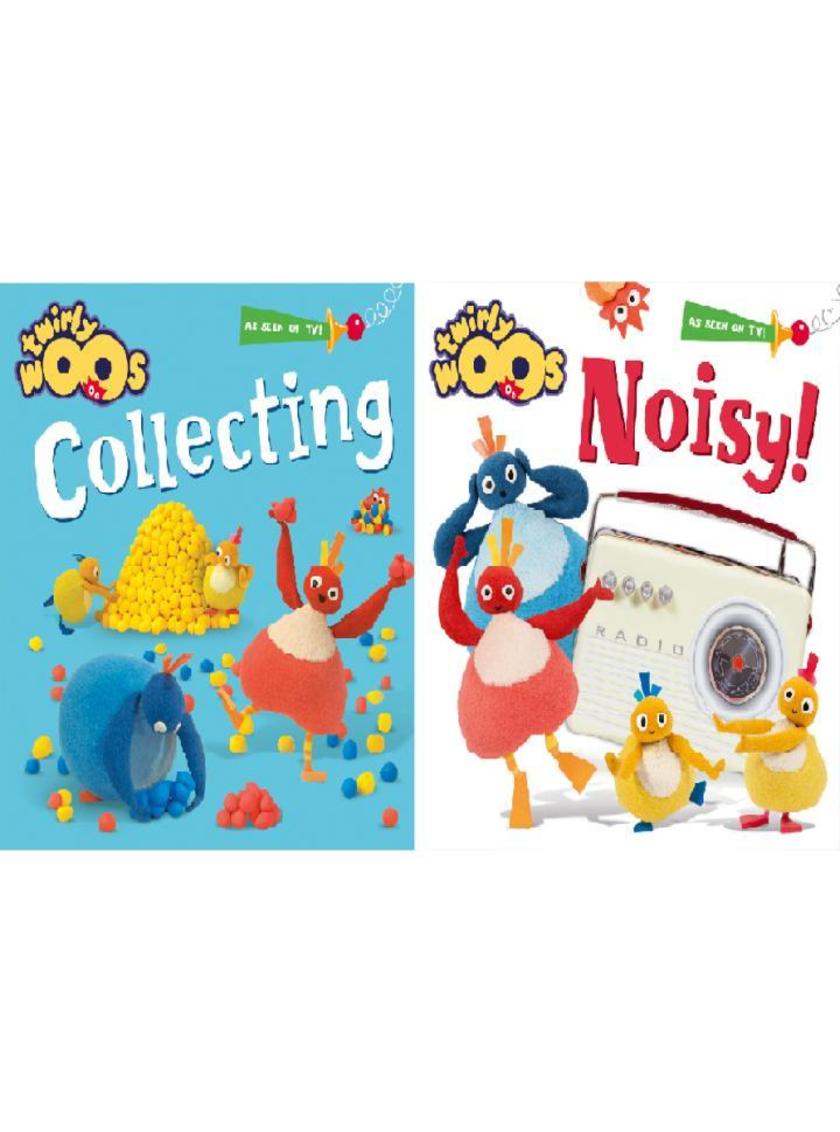
Collecting & Noisy (Twirlywoos)
¥47.58
A new-look picture book featuring the irrepressible little Twirlywoos and their elusive sidekick, Peekaboo.Join the Twirlywoos on their latest adventure as they explore the concept of ‘collecting’. First the Twirlywoos visit a hen yard where they see some children collecting eggs, and help them finish the job. Then they find lots of other examples of collecting in the outside world, before coming back to the Big Red Boat to discover a collection of brightly-coloured pebbles belonging to Peekaboo, which they have fun dividing into different colours.

The Woman Before You: The most shocking thriller you’ll read this year.
¥47.58
You never know what secrets people are hiding. Isabel: Beautiful. Talented. Bored. Mathew: Mysterious. Handsome. Dangerous. For Isabel Archer, dating is a way to pass the time in her otherwise comfortable life. She casts herself as the Perfect Girlfriend for every man she matches with, playing a different girl with a different back-story every night for months. It's innocent – one goodnight kiss before swiftly deleting each profile – until she goes too far. Mathew likes playing games too. Only the games he wants to play are the kind you don’t always walk away from. Dangerous Liaisons meets Maestra in the most shocking thriller you’ll read this year.
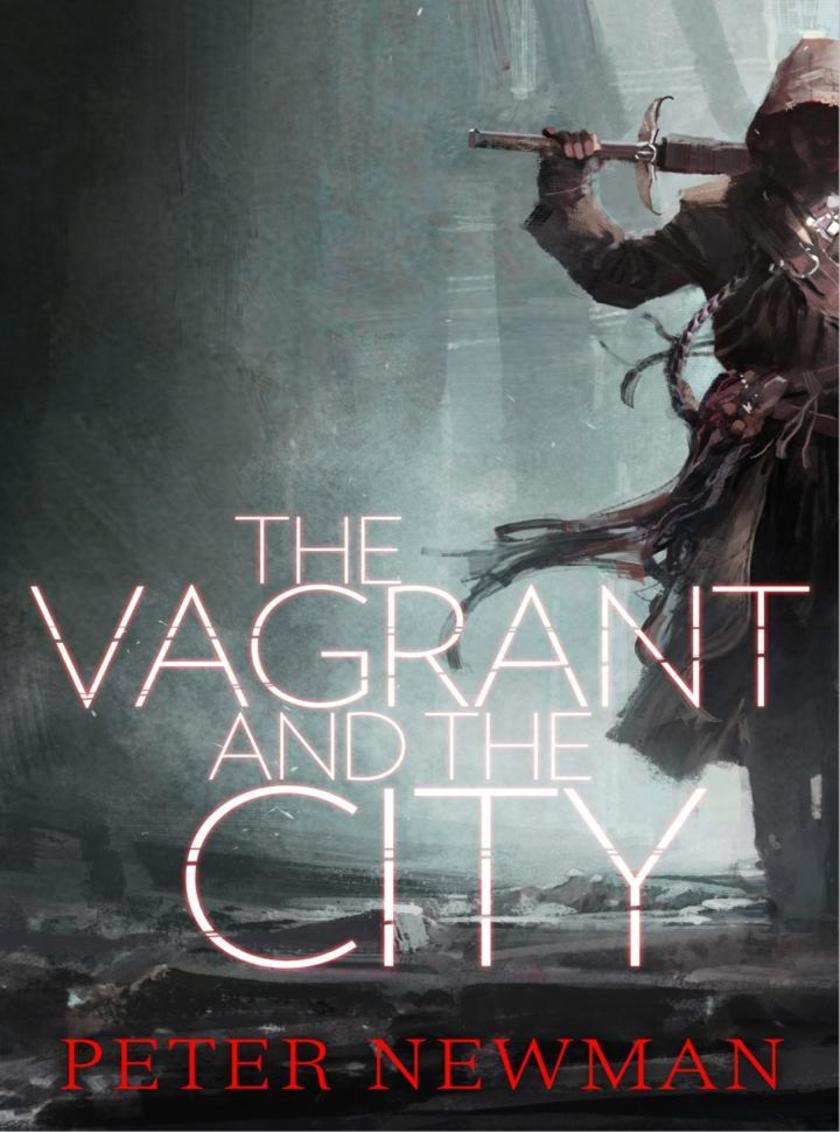
The Vagrant and the City
¥49.34
The second short story set in Peter Newman’s incredible world of THE VAGRANT. 'It's a story that grabbed me by the scruff of the neck and refused to let go…' Fantasy Faction
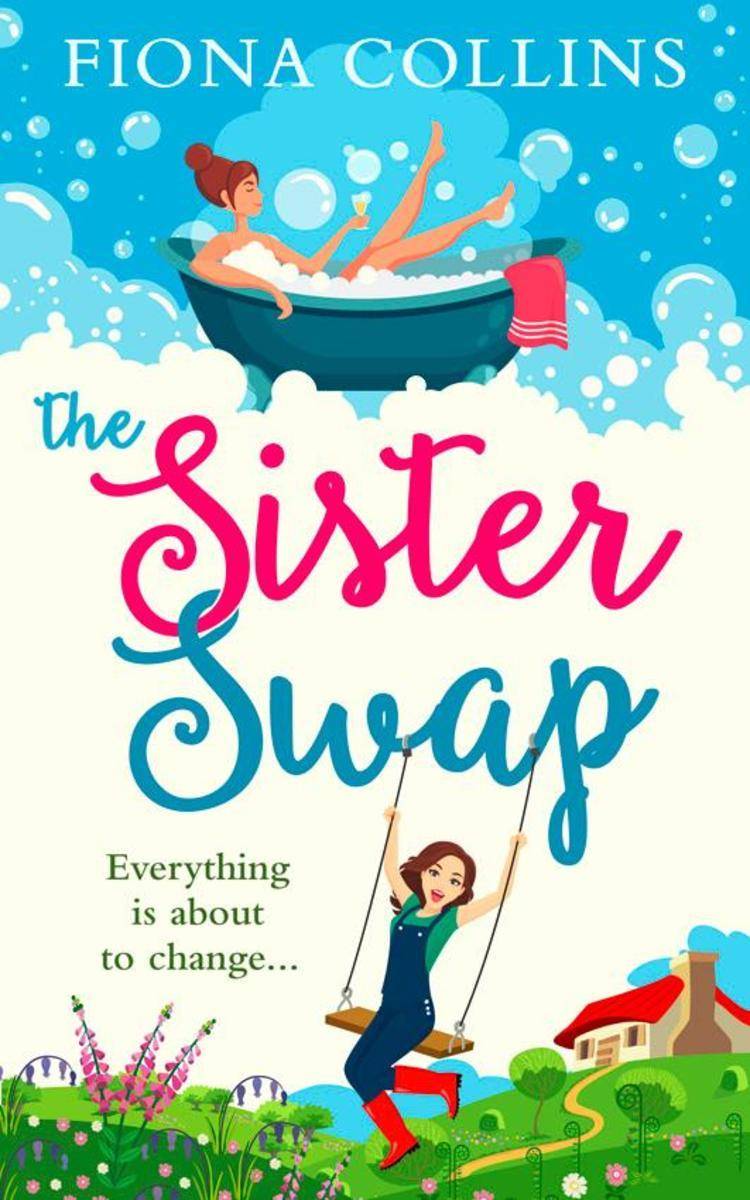
The Sister Swap: the laugh-out-loud romantic comedy of the year!
¥49.65
‘A funny, feel-good read just perfect for the summer!’ Sarah Bennett, author of Sunrise at Butterfly Cove Two sisters. Two very different lives… Meg simply doesn’t have time for men in her life. Instead, she has a strictly one-date rule, survives on caffeine and runs one of the biggest model agencies from her smart office in London. That is, until she collapses one day at work and the doctor orders her to take some R&R in the country… Sarah is used to being stuck behind tractors and the slow pace of her cosy village life. But now her children are all grown-up (and her ex-husband long forgotten) she’s ready to change things up a bit – starting with taking back her old job in the city! After a devastating falling out, the sisters haven’t spoken in years. Swapping houses, cars, everything is the only option – surely they’ll be able to avoid bumping into each other? Perfect for fans of Fiona Gibson, Zara Stonely and Christie Barlow. Praise for The Sister Swap: A funny, feel-good read just perfect for the summer! The Sister Swap left me with a warm glow in my heart and a broad smile upon my face. Sarah Bennett, author of Sunrise at Butterfly Cove ‘Perfect for you summer beach bag!’ Pretty Little Book Reviews ‘Funny, uplifting, feel-good and absolutely wonderful. I loved it!’ Karen Whittard (NetGalley reviewer) ‘Such a feel-good book!’ Mary Torjussen (NetGalley reviewer) ‘Excellent!’ Nicola Clough (NetGalley reviewer) ‘I love Fiona Collins books and this one is no exception!’ Claire Ross (NetGalley reviewer) ‘A light-hearted read…this book will make you chuckle.’ Sara Oxton (NetGalley reviewer)

The Little Teashop of Broken Hearts
¥49.65
A deliciously charming romance, perfect for fans of Caroline Roberts, Jane Linfoot and Debbie Johnson. From fairy cakes to first dates! Maddie Lamington’s dreams are crumbling around her. If she doesn’t come up with a plan to save her little teashop on Sweet Street soon, it might be too late… So when she sees how the perfect apple crumble brings together her lonely father and faithful customer Birdie, inspiration strikes: she’ll set up a dating night involving all her sweetest bakes. Luckily, seriously gorgeous Caleb is on hand to help sprinkle a little magic – and a lot of sugar! Could one night of scrumptious first dates fix Maddie’s heartbreak and save her beloved teashop, too? Praise for Jennifer Joyce: ‘The perfect chick-lit novel to cosy up with!’ – Pretty Little Books ‘Just magical, the perfect read for Valentine’s Day!’ – Jessica Bell (NetGalley Reviewer) ‘A fascinating tale, I highly recommend this novel to all women, everywhere!’ – Urban Book Reviews ‘A scrumptious, warm, romantic book.’ – Tracey Ford (NetGalley Reviewer)

To Rome, with Love
¥49.65
Escape to Italy this summer with this fabulously feel-good beach read! A summer of second chances… Just a week before her big day, Sarah returns home to find a note from her husband-to-be – the wedding’s off! So when her boss decides to send her on an epic cycling trip, from Venice to Rome, it seems like the perfect distraction… Although she never expected the distraction to come in the form of her oh-so-handsome, but slightly serious, cycling companion, Miles. And with still 600 miles of beautiful scenery, mouthwatering food and delicious wine yet to cover, anything could happen! Perfect for fans of Zara Stoneley, Mandy Baggot and Caroline Roberts. Praise for T. A. Willams: ‘The characters in the story really make it exceptional … Natalie is a brilliant protagonist … and I absolutely adored her journey to self-discovery to find her new identity.’ – BooksandBookends ‘Wow! This is contemporary romance at its best! The writing is exquisite. … And the plot is brilliantly clever, captivating, and delightful with a little bit of drama, love, loss, and of course romance.’ – WhatsBetterThanBooks ‘The characters are all brilliantly written, the storyline flows extremely well throughout, and I loved every bit of it.’ – Fiona Wilson (#10 Goodreads reviewer UK) ‘T. A. Williams has that gorgeous way of writing a feel good story…he’s absolutely backed up that men can write chick-lit.’ ─ Reviewed The Book (Top 1000 Amazon Reviewer)
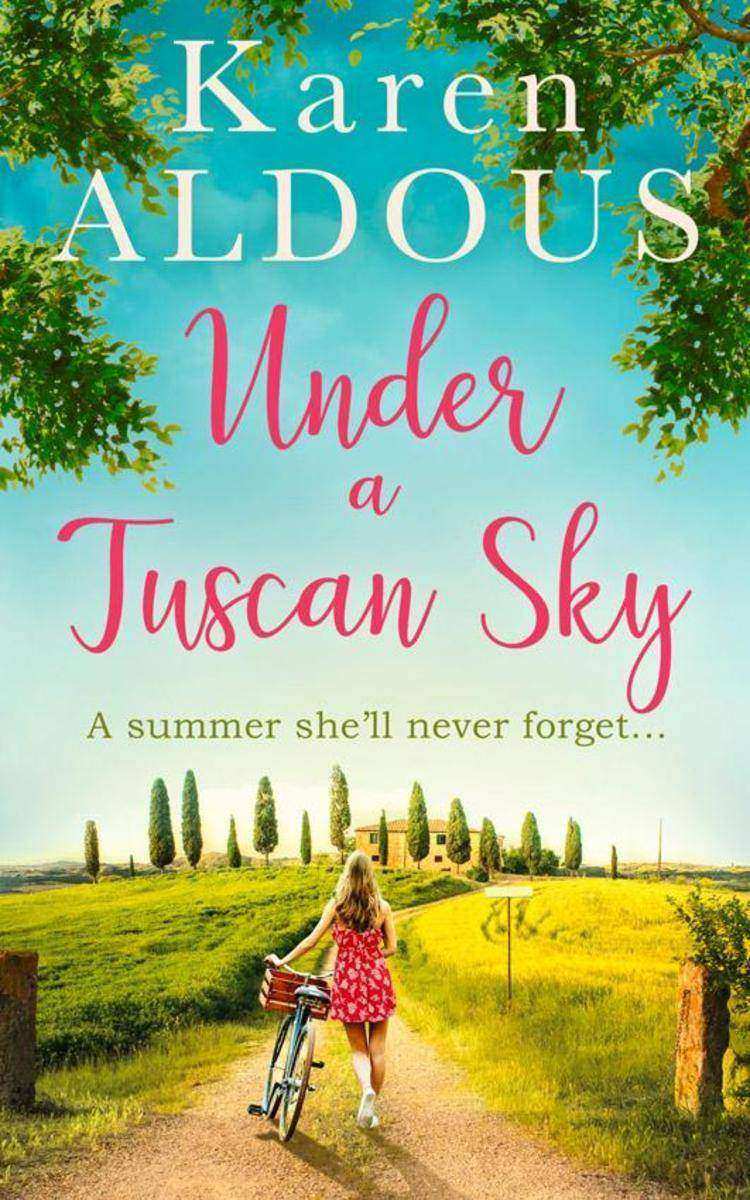
Under a Tuscan Sky
¥49.65
‘A sumptuous story.’ Rachel’s Random Reads (top 500 Amazon reviewer) Escape to Tuscany this summer with Karen Aldous’s brilliantly uplifting read. A summer she’ll never forget… When Olivia Montague’s grandmother passes away, she decides it’s finally time to make some changes in her own life. So she breaks up with her ‘going nowhere’ boyfriend and embarks on a journey to her Nonna’s home in Tuscany. Until now, Olivia has always believed that she’s incapable of love, after being abandoned by her parents as a baby. But with each day spent at the gorgeous villa nestled in the rolling Italian hills, she feels her heart begin to flutter… And when handsome antiques dealer Hugh St. James arrives on the scene, she realises things might be about to change forever! Perfect for fans of Jules Wake, Erica James and Cathy Kelly. Praise for Karen Aldous: ‘A sumptuous story…what I love about fiction, being able to travel from my armchair!’ Rachel’s Random Reads (top 500 Amazon reviewer) ‘An uplifting story of hope, self-discovery and love, set amid the stunning Italian vineyards.’ Got Books, Babe? ‘A perfect summer read…set in the beautiful Tuscan countryside.’ Rosemary Smith (NetGalley reviewer) ‘Stunning… perfect for reading while on your own Mediterranean break!’ Pretty Purple Polkadots ‘Gloriously escapist, wonderfully entertaining and absolutely impossible to put down! Sure to appeal to fans of Cathy Kelly and Erica James.’ Bookish Jottings ‘Fascinating, heartwarming, engaging, romantic and utterly compelling.’ Sparkly Words
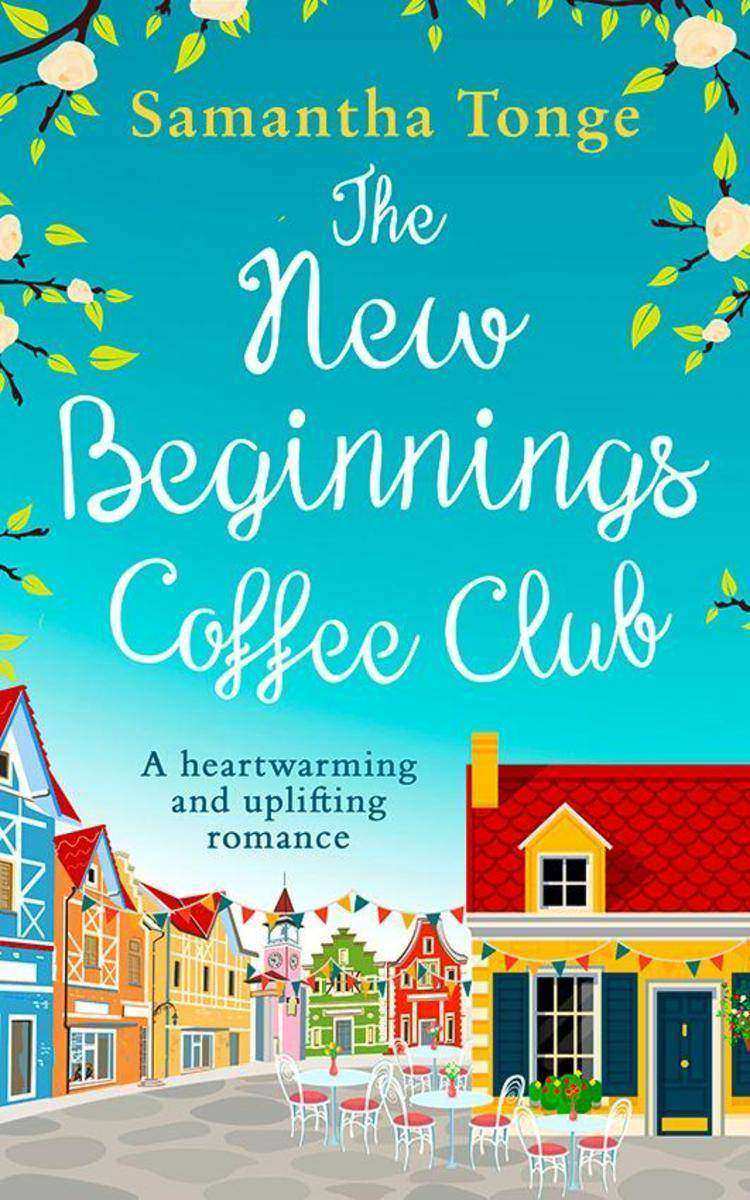
The feel-good, heartwarming read from bestselling author Samantha Tonge
¥49.65
‘Pick up a latte and relax into this cosy read that’s chock-full of surprises!’ - Mandy Baggot Everyone deserves a second chance…don’t they? Jenny Masters finds herself living the modern dream. Wife to a millionaire, living in a mansion and mother to Kardashian-obsessed ten-year-old April, there isn’t anything missing. Until, her whole world comes crashing down, forcing Jenny and April to leave behind their glittering life and start over with nothing. With village gossip following her wherever she goes, she finds refuge and a job in the new coffee shop in town. As the days pass Jenny fears she doesn’t have what it takes to pick herself back up and give April the life she always wanted to. But with the help of enigmatic new boss Noah, and housemate Elle, Jenny realises it’s never too late to become the woman life really intended you to be! What reviewers are saying about The New Beginnings Coffee Club: ‘One of the freshest, captivating, and inspiring contemporary fiction novels that I have read in a very long time’ Books of all Kinds ‘A fantastic, charming story.’ With Love For Books ‘What a great story for your holiday reading, wonderful characters and written superbly by a great author.’ Karen’s World ‘It’s a wonderful, beautiful read.’ Whispering Stories Book Blog ‘What I truly loved about this novel was the sentiment of if you want to change something you can.’ Hayley Reviews
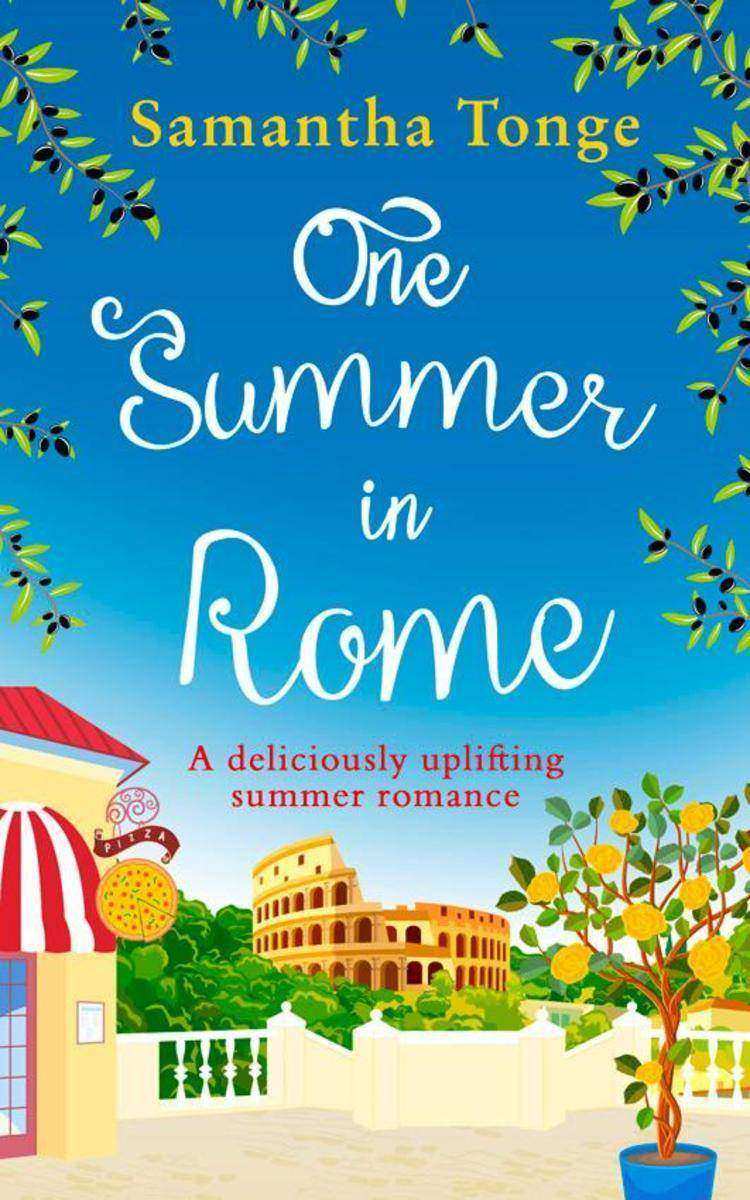
One Summer in Rome: a deliciously uplifting summer romance!
¥49.65
‘A taste of Italy and a summer read you won’t forget!’ Mandy Baggot To Rome…with love? Mary Smith is turning her very ordinary life upside-down! She’s bought herself a one-way ticket to Rome and is ready for a summer she’ll never forget. Men might be off the cards for waitress Mary, but within hours of arriving at the utterly charming family-run La Dolce Vita pizzeria, she’s already fallen in love with the bustling capital! Only Dante Rossi, the mysterious (and drop-dead gorgeous) chef seems displeased with her arrival. And in the heat of the kitchen, it doesn’t take long for long-buried secrets to surface and sparks to fly… A deliciously heartwarming romance to have you dreaming of summer. Perfect for fans of Debbie Johnson and Caroline Roberts. Praise for One Summer in Rome: ‘Food, family and a Roman romance – this is the perfect summer read!’ Heidi Swain ‘A book you won’t regret picking up if you love Jenny Colgan or Cathy Bramley’s books!’ Being Unique Books ‘A perfectly uplifting story to enjoy in the sunshine!’ Fraser’s Fun House ‘A charming novel!’ The Library Corner ‘I couldn’t put this book down… A truly beautiful read.’ Nemesis Book Blog ‘Light-hearted and feel-good.’ Pretty Little Book Reviews ‘A lovely and summery read!’ The Cosiest Corner
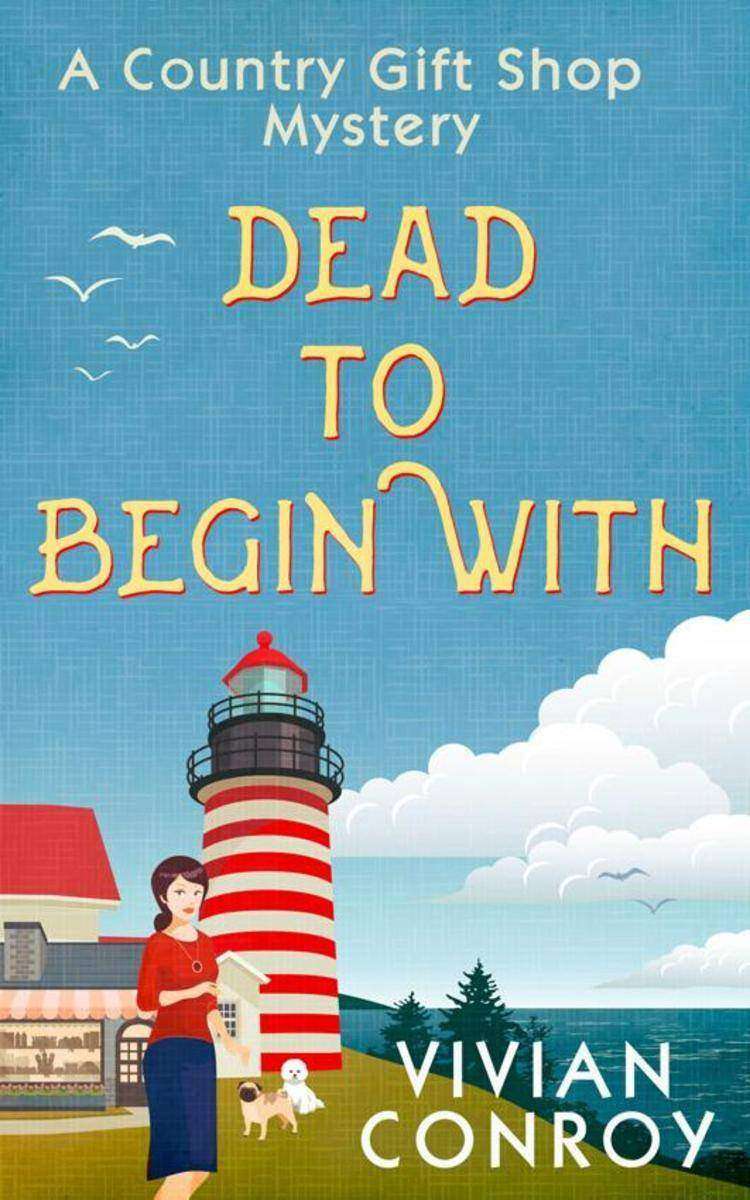
Dead to Begin With (A Country Gift Shop Cozy Mystery series, Book 1)
¥49.65
‘Highly recommend for any cozy mystery fans.’ - Holly (Goodreads) Looking for a new fun cozy crime series? Then spend some time at the coast with Vicky Simmons amateur sleuth! Coming home can be murder Vicky Simmons is looking for the simple life. She’s ready to trade in London for a slower pace by opening a British Country Gift Shop in her old hometown on the coast of Maine. Little does she know a few old faces are back in Glen Cove, including unrequited teenage crush Michael Danning—having taken over the local Gazette and looking better than ever. All is looking rosy until Vicky finds herself face-to-face with a dead body and Michael is the prime suspect. When the sheriff links the motive for murder to the unsolved disappearance of a teenage girl twenty years ago, Vicky must turn amateur sleuth. She’ll stop at nothing to save Michael…and unmask the real killer! The first book in the new Country Gift Shop Cozy Mystery series, look out for book 2: GRAND PRIZE: MURDER! coming soon!
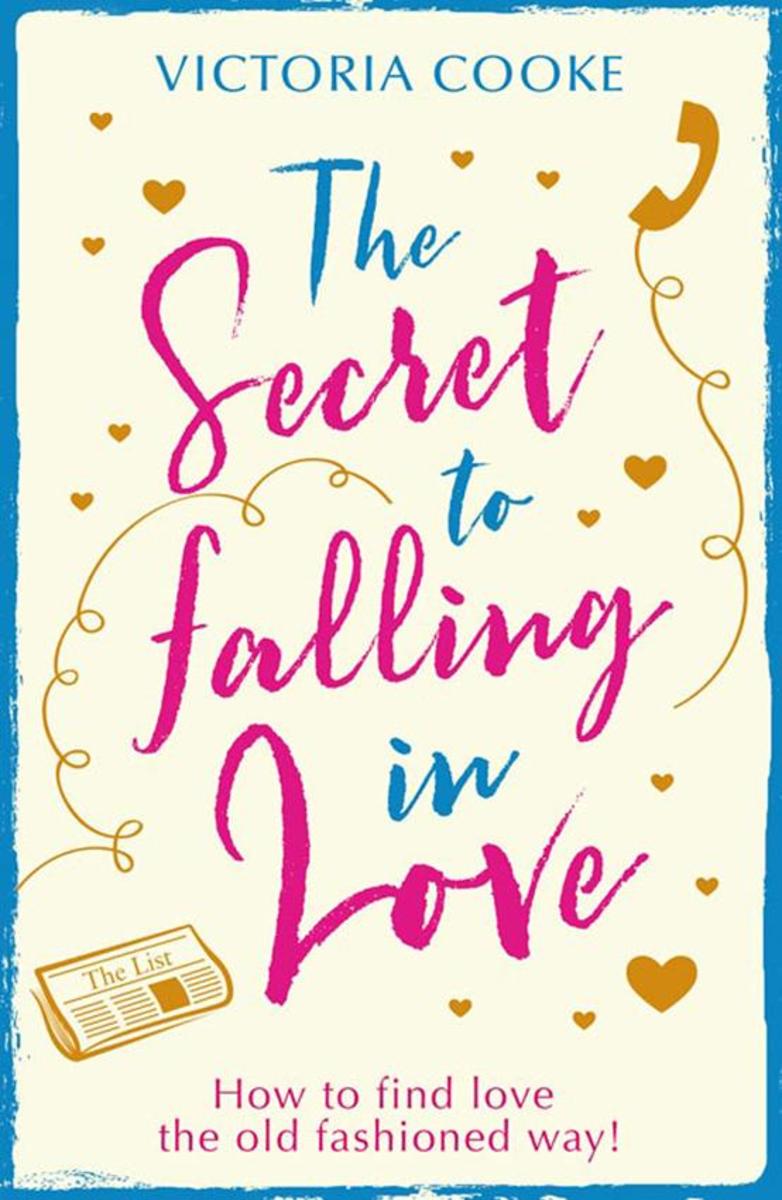
The Secret to Falling in Love
¥49.65
Status Update: I’m going offline for a while… Wish me luck! xx Lifestyle journalist and thirty-something singleton Melissa hashtags, insta's and snapchats her supposedly fabulous life on every social media platform there is. That is until she wakes up on her birthday, another year older and still alone, wondering if for all her internet dates, love really can be found online? The challenge: go technology free for a whole month! Forced to confront the reality of her life without its perfect filters, Melissa knows she needs to make some changes. But when she bumps into not one, but two gorgeous men, without the use of an app, she believes there could be hope for love offline. If only there was a way to choose the right guy for her…
The Girl in the Shadows
¥49.65
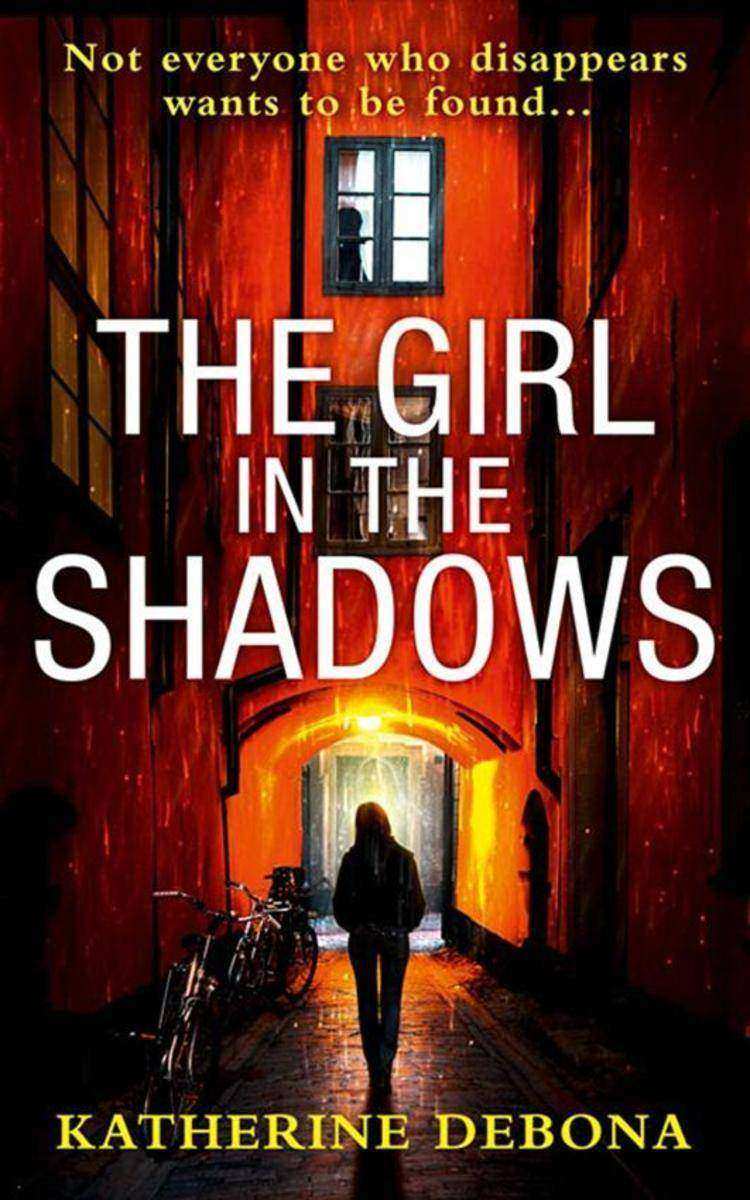
‘A stylish and sophisticated thriller. With bold, clever writing, this is an assured debut and very welcome addition to the genre.’ – Aviva Dautch A teenage girl, missing in Paris. A young woman, searching for her mother. A female PI on a mission. When police drop the case on missing Mathilde Benazet, renegade PI Veronique Cotillard steps in to prove that she can succeed where police inspector Guillaume Leveque failed… Alice Weston’s father had always told her that her mother died in childbirth – but now, Alice has proof that her mother may be alive and living in Paris. When her father dies, Alice decides to take matters into her own hands: it’s time to uncover her family’s long-buried secrets… at any cost. As Alice and Veronique’s lives intertwine, and the city of Paris prepares to celebrate Bastille Day in the shadows of a gathering storm, both women must face the ghosts of their past – and the monsters in the present. What reviewers are saying about THE GIRL IN THE SHADOWS: ‘Fast paced and kept me on my toes. I couldn't wait to read what was going to happen next. Veronique is a strong female detective which is really refreshing.’ – Dash Fan, Blogger ‘This is the kind of book that you desperately hope will have a sequel; all of these characters (especially Veronique, Christophe and Guillaume) have such depth that it would be a shame not to meet them again in the future.’ – Lynne Frappier, NetGalley reviewer ‘Katherine Debona is a fine writer. This book is both well written and plotted.’ – Joyce Fox, NetGalley reviewer ‘A girl is missing in this complex family drama that is both heart wrenching and infuriating … Keep the tissues handy! The writer's style is very readable. I loved this book.’ – Judy Dowell, NetGalley reviewer ‘A complex and intricately woven mystery.’ – Rosemary Smith, NetGalley reviewer ‘Kept me guessing as there were twists and turns galore, with a surprising ending.’ – Philip White, NetGalley reviewer ‘I was drawn in from the onset.’ – Susan Anne Burton, NetGalley reviewer

The Bull Rider's Homecoming (Mills & Boon Love Inspired) (Blue Thorn Ranch, Book
¥39.63
Healing The Cowboy’s Heart When Luke Buckton left Blue Thorn Ranch, he’d hoped to return in a blaze of rodeo glory—instead he’s limping home with a busted leg. To get back on the circuit he’ll need physical therapist Ruby Sheldon’s help. Six years ago, he left Ruby behind, convinced she was too innocent for such a public life. Now his high school sweetheart is stronger, tougher, and even more captivating. A high-profile success story like this could make Ruby’s career. All she has to do is rein in Luke’s bullheadedness, heal his injuries—and hope his reckless charm doesn’t trample her heart again…
The Bachelor's Twins (Mills & Boon Love Inspired) (Castle Falls, Book 2)
¥39.63
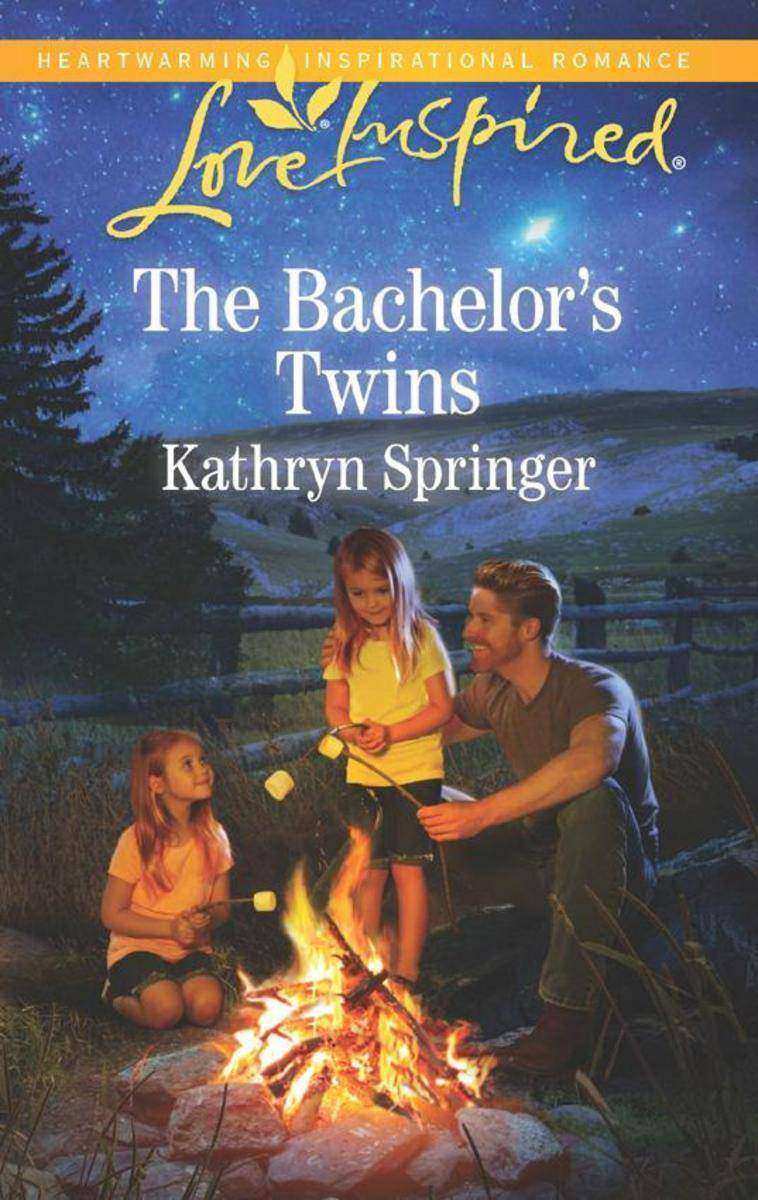
Two Little Matchmakers Anna Leighton’s eight-year-old twin daughters think they've given their hardworking single mom the perfect birthday gift. But the family canoe trip with outdoorsman Liam Kane is far from relaxing. Their rocky shared past—and the secret Anna’s been keeping—means she’s given Liam a wide berth for ten years…until now. Liam may be bowled over by his former high school crush’s beauty, but these days he's a die-hard bachelor who's building a cabin for one. But the rugged Liam underestimates the power of an unstoppable force: two little girls who want a daddy.
Their Surprise Daddy (Mills & Boon Love Inspired) (Grace Haven, Book 3)
¥39.63
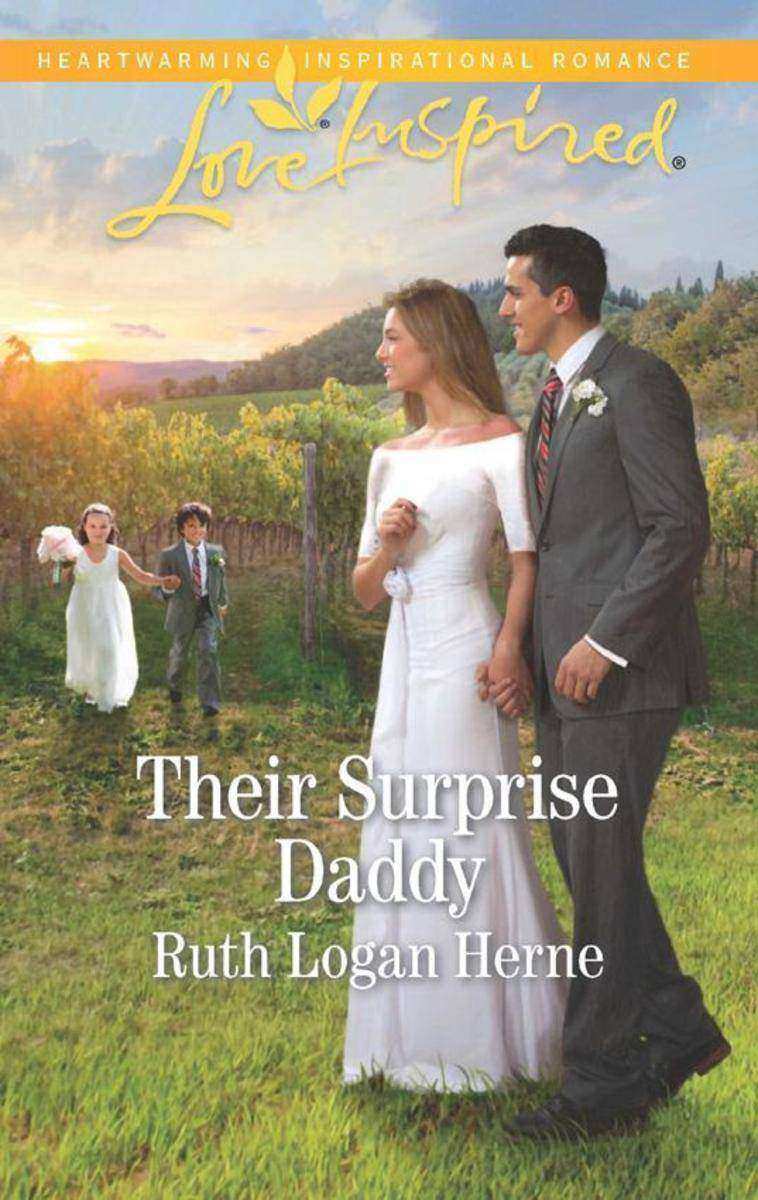
Instant Family Cruz Maldonado has vowed to provide for his beloved cousin’s orphans. With his estranged mother’s health failing, they might soon be Cruz’s only family. But the kids’ immigration status brings complications. Mostly “Miss Rory”—their idealistic young teacher—and Cruz’s court-appointed co-guardian. Cruz has the means to give the kids a good home, yet Rory Gallagher wonders whether he has the heart. That is until she glimpses the sweet small-town boy inside the polished, handsome Wall Street exterior. Soon they both begin to wonder if this temporary partnership could turn into more—a chance to raise the children as husband and wife.
The Best Little Christmas Shop
¥49.65
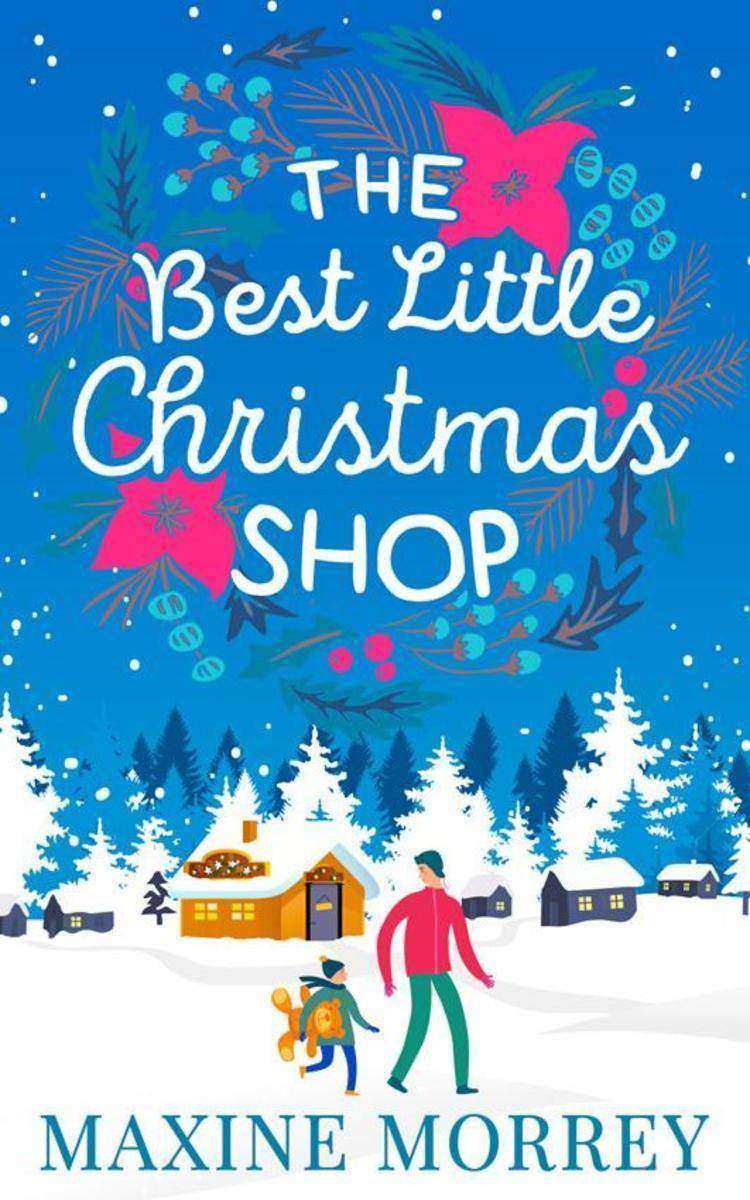
From the bestselling author of A Winter’s Fairytale and The Christmas Project Come home for Christmas to the Best Little Christmas Shop – the snowiest, cosiest place you can be! Perfect for fans of Sarah Morgan and Sue Moorcroft Home for the holidays… Icing gingerbread men, arranging handmade toys and making up countless Christmas wreaths in her family’s cosy little Christmas shop isn’t usually globe-trotter Lexi’s idea of fun. But it’s all that’s keeping her mind off romance. And, with a broken engagement under her belt, she’s planning to stay well clear of that for the foreseeable future…until gorgeous single dad Cal Martin walks through the door! Christmas takes on a whole new meaning as Lexi begins to see it through Cal’s adorable five-year-old son’s eyes. But, finding herself getting dangerously close to the mistletoe with Cal, Lexi knows she needs to back off. She’s sworn off love, and little George needs a stability she can’t provide. One day she’ll decide whether to settle down again – just not yet. But the best little Christmas shop in this sleepy, snow-covered village has another surprise in store… Praise for Maxine Morrey… ’A delightful wintery tale full to the brim with drama, passion and heartwarming cheer.’ – Gem~Bee on The Christmas Project ‘As a festive love story, this book has it all: romance, an engaging heroine you feel you could be friends with, a handsome caring hero…lots of warmth and humour and plenty of snow.’ PortobelloBookBlog ‘This book was a real wintry treat, with all the snow nicely contrasting with all the warmth the story exuded. I couldn’t help but find myself laughing away or sighing with happiness and I’m so excited to read more from Maxine if this is the kind of feel-good novel she’s capable of. I just want to read it all over again and probably will do in Christmases to come.’ Sophie at Reviewed the Book ‘This is a beautiful fairytale for adults, set in and around Christmas, with a healthy helping of romance…this story draws you in and won't let you go. It is beautifully written, very easy and pleasurable to read.’ Rachel’s Random Reads ‘Fantastic strong characters, along with beautifully descriptive writing enabled me to immerse myself into their world and become a fly on the wall. I love books that transport me to Christmas and make me feel all festive and warm and Winter’s Fairytale certainly delivered for me.’ Jill Loves to Read
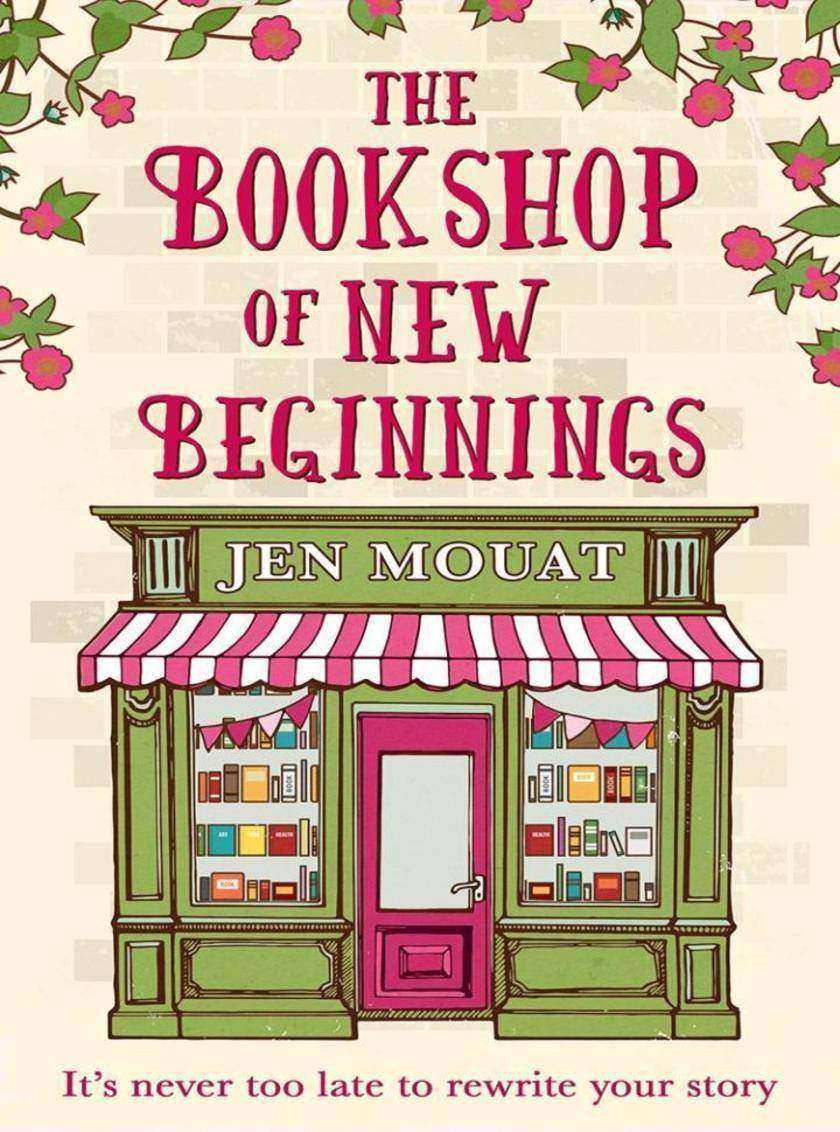
The Bookshop of New Beginnings: Heart-warming, uplifting – a perfect feel good r
¥49.65
‘This book had me captivated from the start…a really great read.’ The Reading Shed It’s never too late to rewrite your story… It’s always been Emily Cotton’s dream to own her own bookshop. But sitting among shelves of haphazardly stacked books in a damp old barn, the reality feels a little different. Kate Vincent hasn’t been back home in six years. But when she receives a desperate email from her childhood best friend begging for her help she doesn’t stop to think. Scenes of idyllic holidays with the Cotton family dance in her mind and she books a one-way ticket home to Wigtown. But life for the Cottons isn’t all as she remembers and the secrets which once drove Kate and Emily apart are finally threatening to come to the surface. Now as the pair work together to save Emily’s failing bookshop – can they too begin a new chapter of their friendship? Previously published as Summer at Bluebell Bank

The Artist’s Muse
¥49.65
‘The author tells an evocative story that is both illuminating and engrossing at the same time.’ Allie Burns, author of The Lido Girls ‘Lush and evocative.’ Rosemary Smith ‘The writing elevates this beyond many historical novels.’ Joseph Morgan Vienna 1907 Wally Neuzil must find a way to feed her family. Having failed in many vocations, Wally has one last shot: esteemed artist Gustav Klimt needs a muse, and Wally could be the girl he’s been waiting for. But Wally soon discovers that there is much more to her role than just sitting looking pretty. And while she had hoped to establish herself as an emerging lady, the upper classes see her as no more than a prostitute. With her society dreams dashed Wally finds herself at rock bottom. So when young artist, Egon Schiele, shows her how different life can be Wally grabs hold of the new start she’s been desperately seeking. As a passionate love affair ensues will he be the making of her or her undoing? Praise for The Artist’s Muse ‘Richly entertaining, wry and funny, and at the same time dark, thoughtful and allusive, I shall look forward to reading this one again, and any more that come from this writer.’ Kate Jackson ‘A richly layered read, that delivers on many levels.’ Joseph Morgan ‘Postle has taken me into a world full of characters that jump off the page with life, who inhabit a Vienna oozing with culture and modernity yet bursting at the seams at the height of empire and all the inequalities that go with it.’ Rebecca Barton ‘This novel evokes a time and a place with such power. Wally Neuzil , so brave, yet so tragic, speaks with a voice to break your heart.’ Pam Dennis
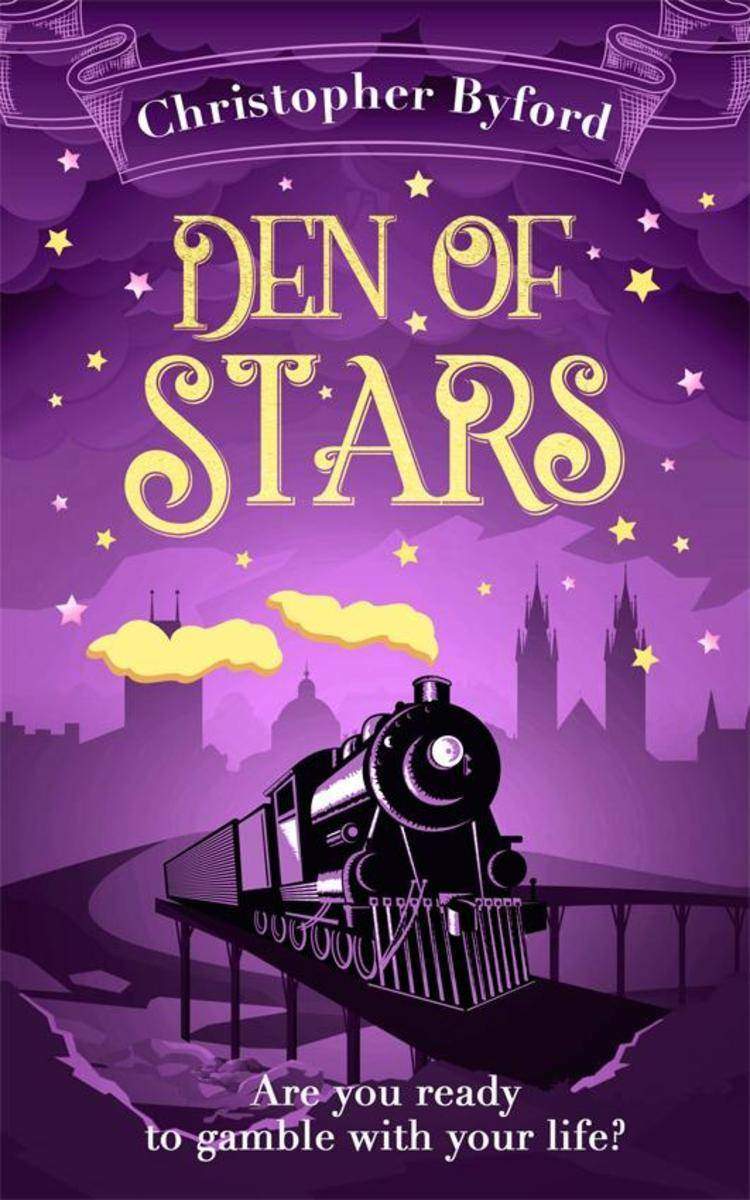
Den of Stars (Gambler’s Den series, Book 2)
¥49.65
Are you willing to gamble with your life? Some debts can’t be repaid. The Gambler’s Den lies in ruins, its staff scattered across the Sand Sea, all but a memory of the minds of its past patrons. But when the Morning Star appears, ruled by a mysterious figure known only as the Hare, the comparisons can’t be helped. Who is this larger-than-life character? Why do the showgirls wear masks? What are they hiding? The answer…they should be dead. Franco and Misu were safe only in their anonymity, but with Franco gone Misu must find him – jeopardising all they have built. In order to save the man she trusts Misu must put her faith in the villain. Wilheim does not forget disobedience lightly, and Misu’s was a great betrayal, so now he will call in his debt, and his revenge on the staff of the Morning Star. Who will win? Who will survive? Who will the odds favour?


