


 购物车
购物车 个人中心
个人中心

The Bacon Book: Irresistible, mouthwatering recipes!
¥95.75
Christopher Sjuve is a chef and food editor. Based in Norway, his motto is your can never have too much bacon!
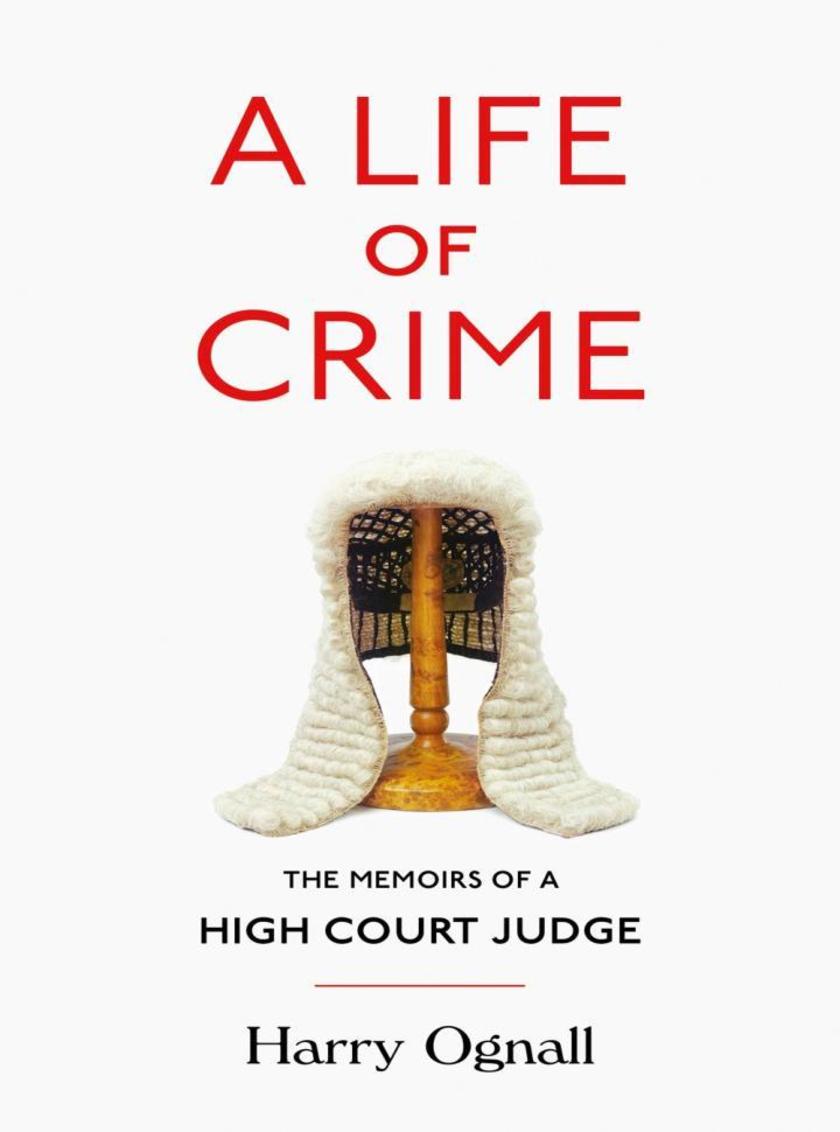
A Life of Crime: The Memoirs of a High Court Judge
¥95.75
A frank and witty memoir of life at the Bar and on the Bench, from former High Court Judge The Hon. Sir Harry Ognall. For many years, Harry Ognall enjoyed a formidable reputation as an advocate at the criminal Bar. As counsel, and later as judge, he was involved in numerous high-profile trials, both in Britain and abroad. Among many cases as a QC, he prosecuted Peter Sutcliffe, the so-called ‘Yorkshire Ripper’. He successfully defended six officers of the Air Force of Zimbabwe at their trial in Harare, where they faced a charge of treasonable sabotage. As a judge, he presided over the trial of Colin Stagg (the alleged ‘Wimbledon Common murderer’), the trial arising from the Lyme Bay canoe tragedy and the trial for the first time in the United Kingdom of a doctor’s alleged involvement in euthanasia. Thoughtful and provocative, Sir Harry has advice for the aspiring young advocate, and invests this penetrating memoir with warmth, humour and understanding. His frank portrait of a lifetime in the criminal law offers unique perspectives on some of the most notorious cases of the twentieth century, as well as fascinating insights into a colourful professional life and the burdens and responsibilities that come with the privilege of high judicial office.
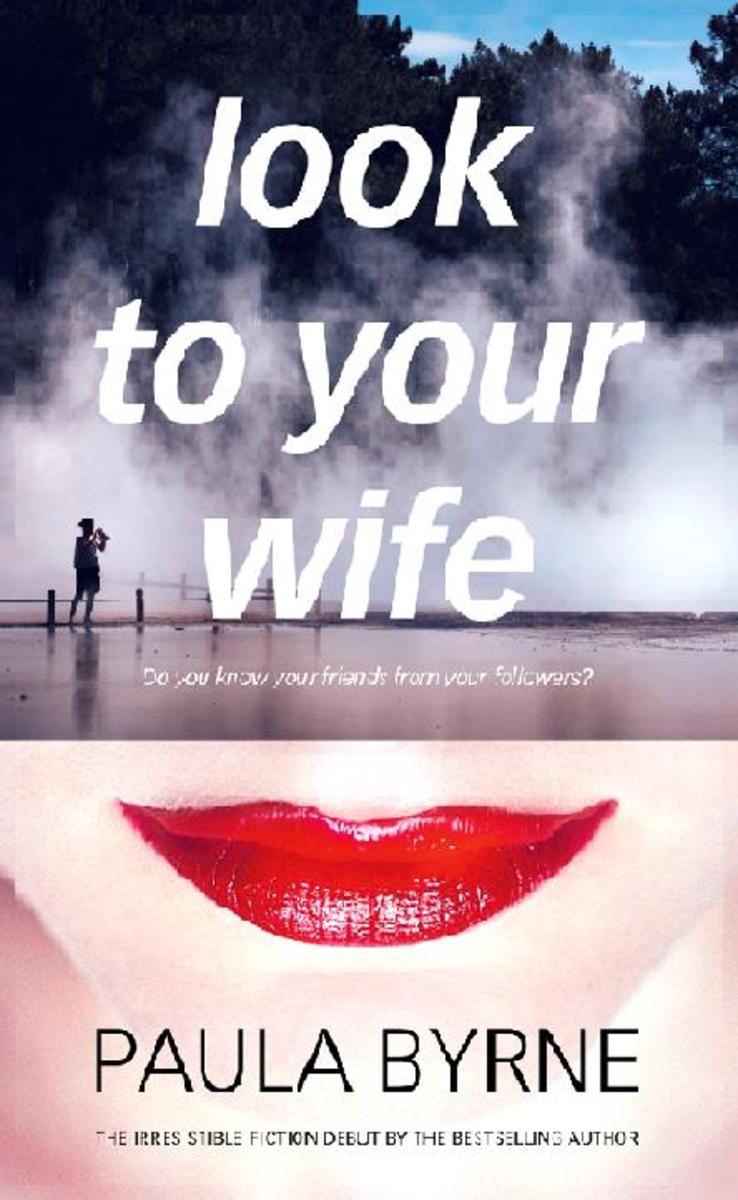
Look to Your Wife
¥95.75
A debut novel by a bestselling non-fiction author, this is a witty, wholly entrancing story of the pleasures, pains and obsessions of contemporary life. Lisa Blaize – teacher, and would-be fashion writer, mother and second wife – feels out of place when her high-flying husband becomes the headmaster of a school in a country town. Isolated and far from her metropolitan upbringing, she turns to the one place where she learns she can be uninhibited. But ‘Twitter may be my undoing’, Lisa discovers as her one-time private life becomes all too public. Soon she is dealing with an online stalker and her husband’s reputation is put at risk, but will she be able to give up her addiction? From the gossip of the classroom to our obsession with instant communication, Look To Your Wife is witty and brilliantly observed, revealing the pleasures and pains of contemporary life.
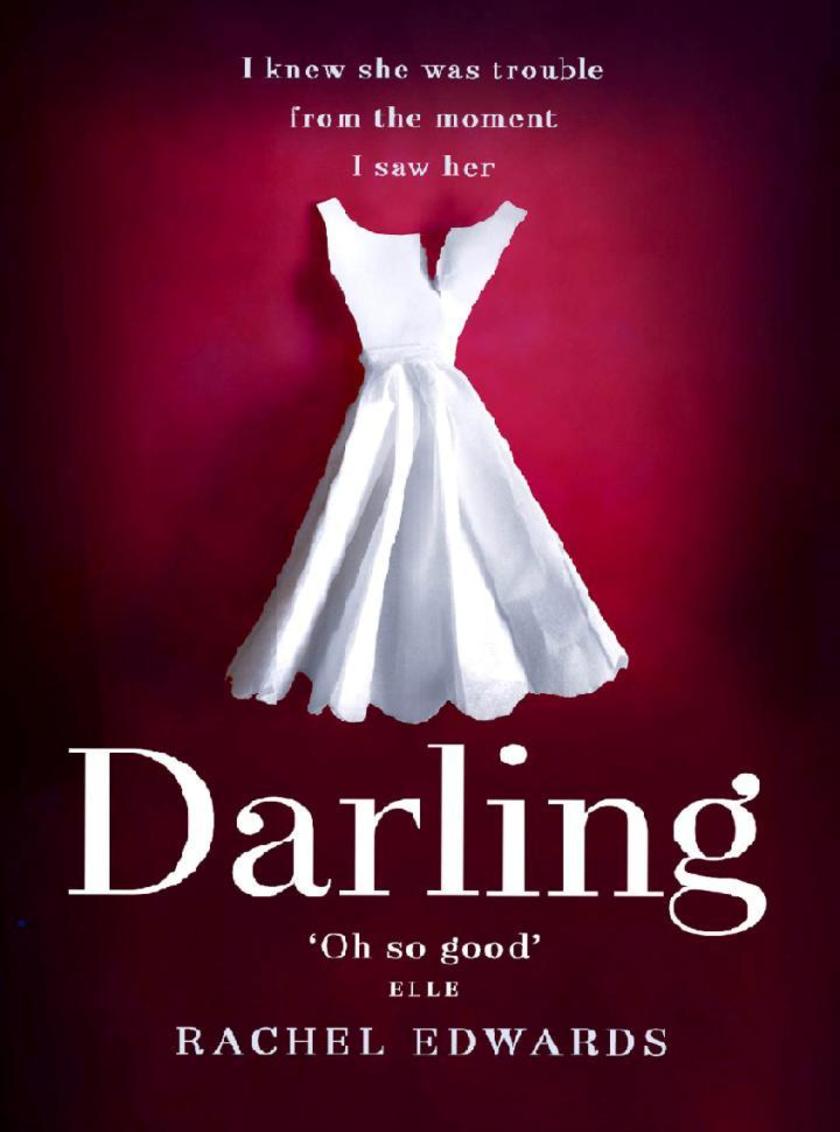
Darling: The controversial thriller with a shocking twist
¥95.75
A white teenage girl clashes with her new black stepmother in this debut thriller with an unforgettable twist ‘Grips the reader with its twisty exploration of the complex relationship between step mother and step daughter’ Kate Hamer, author of The Girl in the Red Coat ‘Oh so good’Elle ‘Told by two unforgettable female narrators, it's urgent, original and genuinely unputdownable’ Clare Fisher, author of All the Good Things ‘Similar in spirit to We Need to Talk About Kevin’ Sunday Times ‘Sure to be a reading group favourite’ Metro ‘Stunning’ Laura Marshall, author of Friend Request ‘Brilliant … the twists and turns left me reeling’ Eleanor Wasserberg, author of Foxlowe ‘Dark, provocative and a refreshing take on the psychological thriller genre. Darling and Lola are both brilliant creations’ Emma Curtis, author of One Little Mistake I knew she was trouble from the moment I saw her. I felt it as she stood in the doorway that day: disaster. Not just because she was so different, that skin and that hair, as different from me as it’s possible to be. There was something wrong about her. Wrong for us. It was never going to work. Now she is dead and only I am left to love him. She is dead, and it’s all my fault.
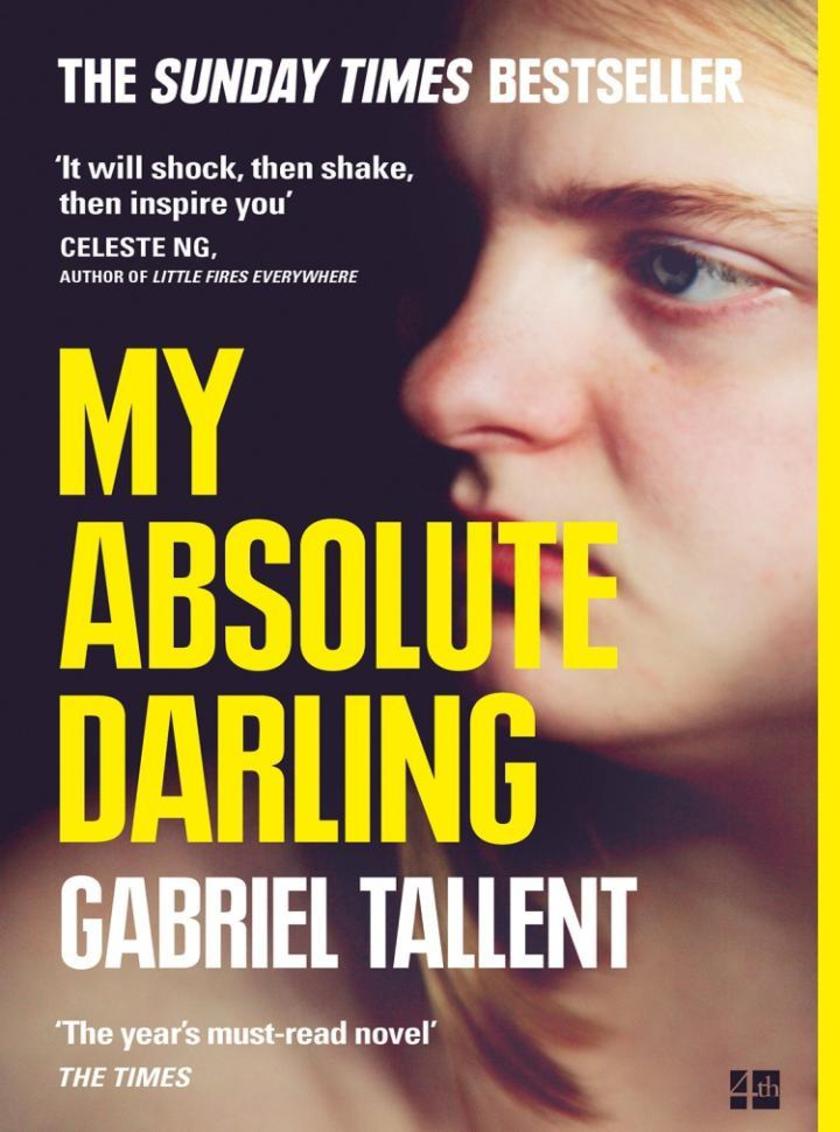
My Absolute Darling: The Sunday Times bestseller
¥66.22
A TIMES BOOK OF THE YEAR ? A GUARDIAN BOOK OF THE YEAR ? A METRO BOOK OF THE YEAR ‘The year’s must read novel’ The Times ‘One of the most important books you’ll pick up this decade’ Harper’s Bazaar ‘An outstanding book that could be this year’s A Little Life’ Guardian ‘You think you’re invincible. You think you won’t ever miss. We need to put the fear on you. You need to surrender yourself to death before you ever begin, and accept your life as a state of grace, and then and only then will you be good enough.’ At 14, Turtle Alveston knows the use of every gun on her wall; That chaos is coming and only the strong will survive it; That her daddy loves her more than anything else in this world. And he’ll do whatever it takes to keep her with him. She doesn’t know why she feels so different from the other girls at school; Why the line between love and pain can be so hard to see; Why making a friend may be the bravest and most terrifying thing she has ever done And what her daddy will do when he finds out … Sometimes strength is not the same as courage. Sometimes leaving is not the only way to escape. Sometimes surviving isn't enough. ‘This book has challenged me like no other. It’s a masterpiece. A work of art on a page. I guarantee this book will take your breath away’ Joanna Cannon, author of The Trouble with Goats and Sheep ‘Brutal yet beautiful, My Absolute Darling has floored me. Dear Turtle, a heroine amidst the horror. Exceptional, unflinching storytelling’ Ali Land?, author of Good Me Bad Me ‘An incandescent novel with an extraordinary, unforgettable heroine, both deeply contemplative and utterly thrilling’ Observer – Thriller of the month ‘There are echoes of Ma’s bravery in Emma Donoghue’s Room, or the resilience of Cormac McCarthy’s protagonists as they struggle to stay alive. Tallent’s world is shocking in the truest sense of the word’ Irish Times ‘An utterly fantastic read. Every page is brimming with energy. And Turtle Alveston is as enthralling a character as I’ve encountered in a good long while’ Kevin Powers, author of The Yellow Birds
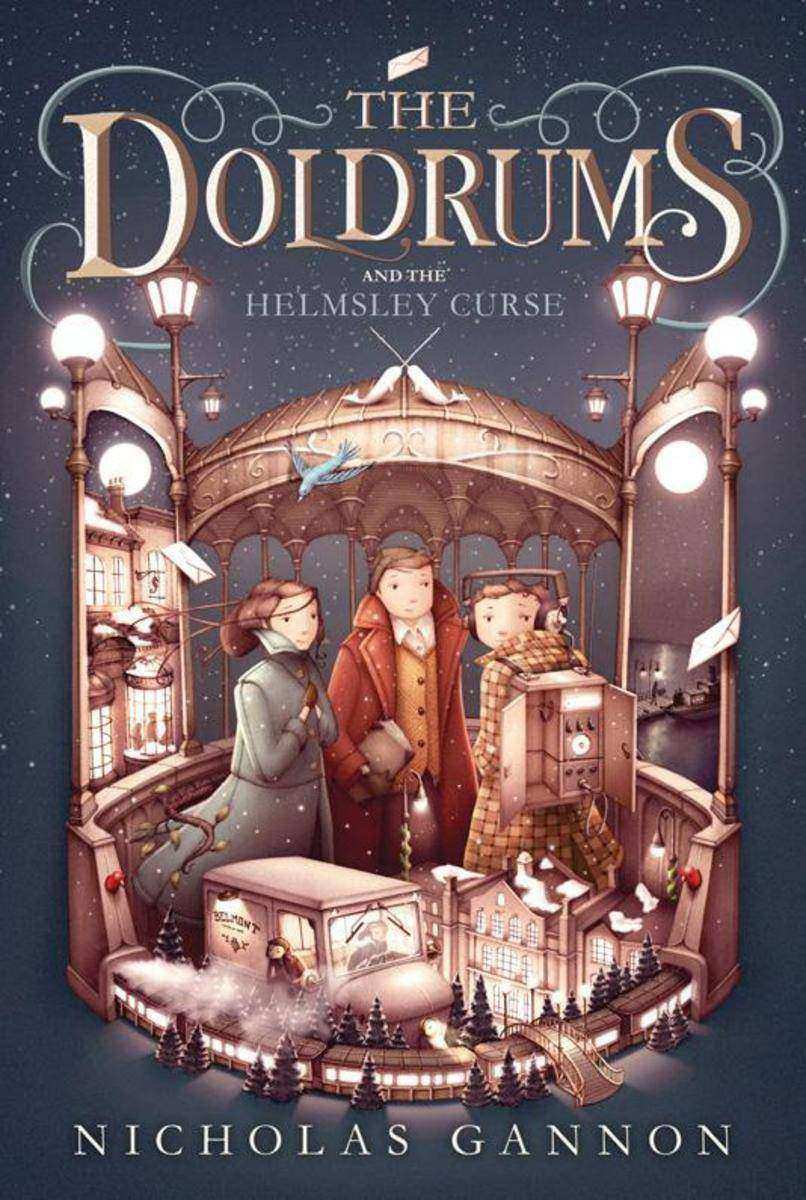
The Doldrums and the Helmsley Curse (The Doldrums, Book 2)
¥51.50
Archer B. Hemsley and friends are back and yearning for adventure in this second beautifully told, stunningly-illustrated story from author-illustrator Nicholas Gannon. After two years, Archer B. Helmsley’s famous explorer grandparents are finally coming home. They had been missing – abandoned on an iceberg – and Archer and his best friends, Adéla?de L. Belmont and Oliver Grub led an adventurous mission to rescue them. Archer is overjoyed by his grandparents return. However, he seems to be the only one. Rumours begin to surface that Archer’s grandparents weren’t abandoned after all. People are claiming that they made it all up. Well, Archer knows those rumours are false, and with the help of his best friends and new neighbour, Kana, he is going to prove it. Off the foursome set, into a snowstorm and beyond, to restore his grandparent’s reputation.

A Life Less Throwaway: The lost art of buying for life
¥95.75
Tara Button is the CEO and founder of Buymeonce.com. Having worked in advertising for many years and having been a cluttered impulse shopper for all her life, she is now an active campaigner influencing manufacturers to up their game in terms of product longevity and to encourage consumers to buy once and buy well.
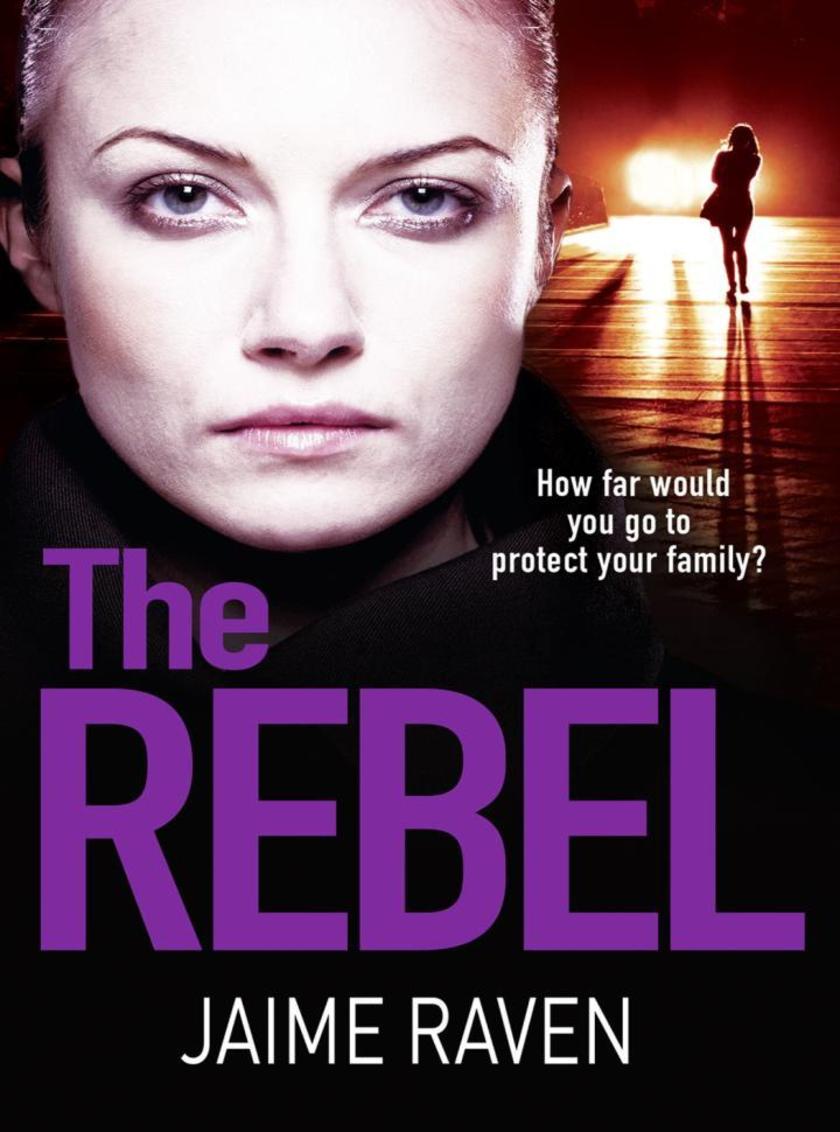
The Rebel: A gripping thriller about facing your worst fear
¥58.86
From the author of The Madam and The Mother comes a gripping new thriller that will have everyone talking! ‘I absolutely flipping well loved it’ Gingerbookgeek Sometimes you have to take the law into your own hands… DI Laura Jefferson will do whatever it takes to bring down London’s most notorious crime boss. When her team receive a deadly threat – stop their investigation or the police and their families will be targeted – but they aren’t willing to back down… Then the killings begin. A new body is turns up every day, and with no leads, Laura knows she has to take action. Her family is innocent and she’ll stop at nothing to protect them. When someone close to her is hurt, she’ll break every rule in the book to get vengeance.
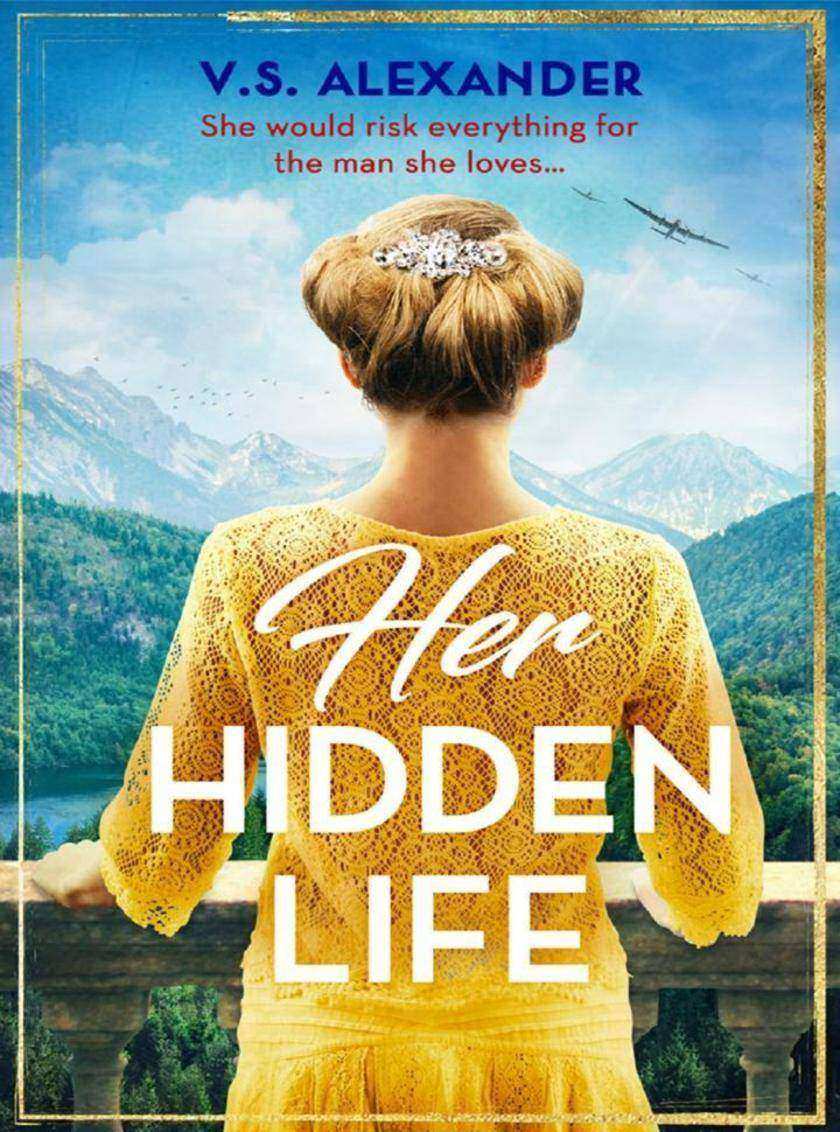
Her Hidden Life: A captivating story of romance, danger and risking it all for l
¥58.86
A forbidden love. A deadly secret. ‘An absorbing, well-researched story that brings to life an extraordinary period in history’ GILL PAUL, bestselling author of The Secret Wife It’s 1943 and Hitler’s Germany is a terrifying place to be. But Magda Ritter’s duty is the most dangerous of all… Assigned to The Berghof, Hitler’s mountain retreat, she must serve the Reich by becoming the Führer’s ‘Taster’ – a woman who checks his food for poison. Magda can see no way out of this hellish existence until she meets Karl, an SS officer who has formed an underground resistance group within Hitler’s inner circle. As their forbidden love grows, Magda and Karl see an opportunity to stop the atrocities of the madman leading their country. But in doing so, they risk their lives, their families and, above all, a love unlike either of them have ever known… Lose yourself in this sweeping, heroic love story fraught with danger. The perfect read for fans of Dinah Jeffries and Gill Paul.
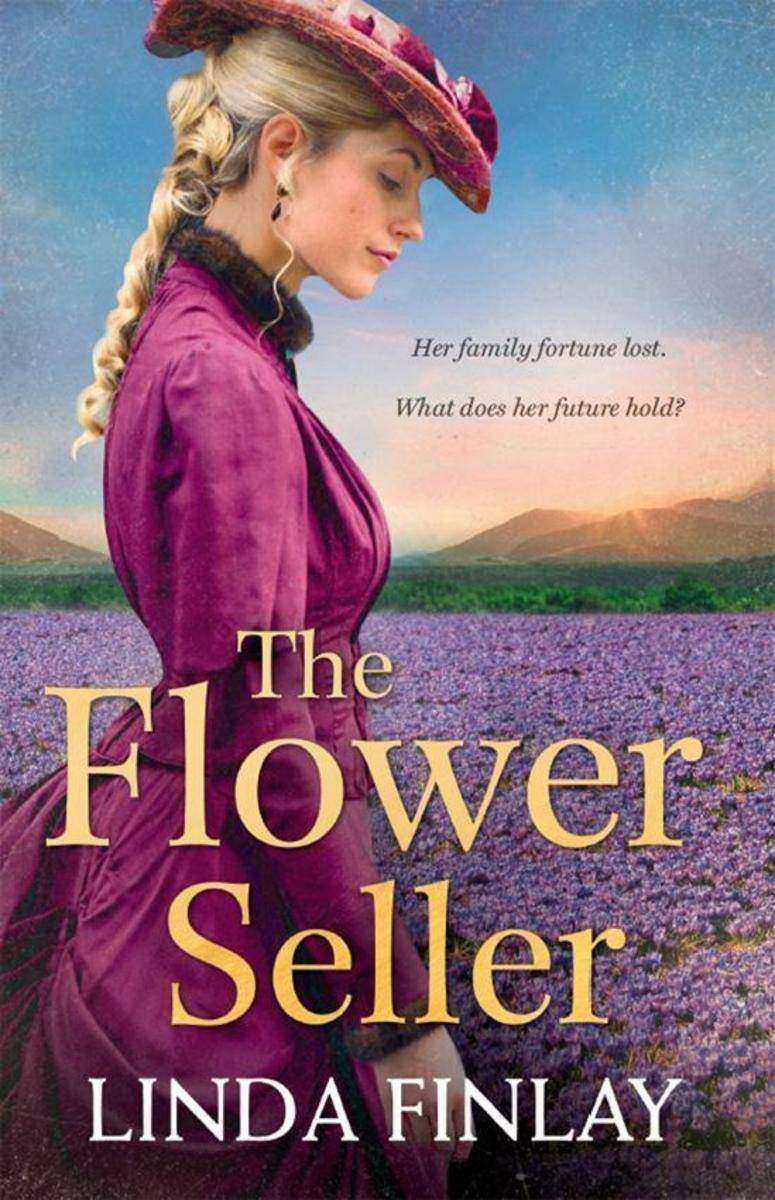
The Flower Seller
¥58.86
A charming and evocative tale of family and fortune from the queen of West Country saga, Linda Finlay. Isabella Carrington has been brought up in a life of privilege in London. Her life seems perfect, until her father suddenly announces bankruptcy. To save Isabella from destitution he sends her to stay with family she has never met, far away on a violet farm deep in Devon. Isabella is horrified to find her uncle expects her to work for her keep, packing up the flowers and selling them in the nearby market. However she soon discovers that life on a violet farm may not be so bad, especially when she meets handsome local farmer Felix Furneaux… Perfect for fans of Dilly Court and Katie Flynn.
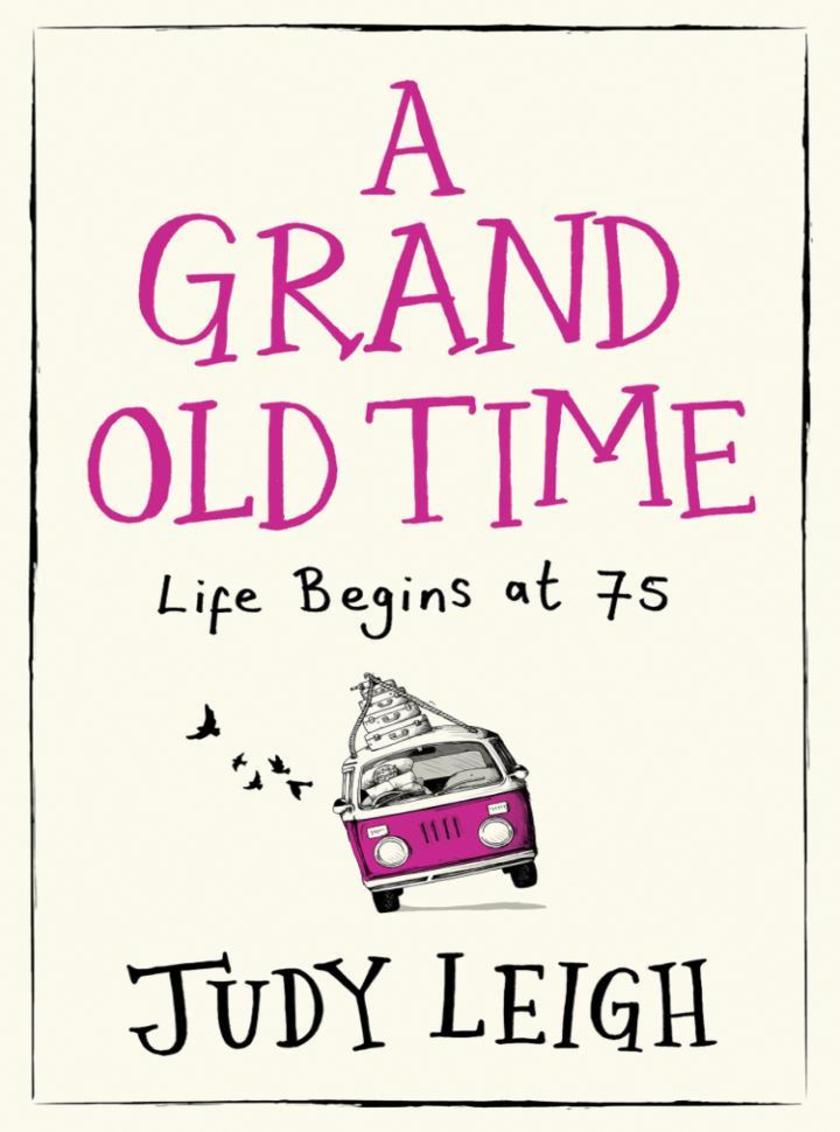
The laugh-out-loud and feel-good romantic comedy with a difference you must read
¥58.86
‘Brilliantly funny, emotional and uplifting’ Miranda Dickinson Heartwarming, hilarious and joyful – the perfect read for anyone who loved Eleanor Oliphant is Completely Fine, A Man Called Ove, Ruth Jones and JoJo Moyes. Evie Gallagher is regretting her hasty move into a care home. She may be seventy-five and recently widowed, but she’s absolutely not dead yet. And so, one morning, Evie walks out of Sheldon Lodge and sets off on a Great Adventure across Europe. But not everyone thinks Great Adventures are appropriate for women of Evie’s age, least of all her son Brendan and his wife Maura, who follow a trail of puzzling text messages to bring her home. When they finally catch up with her, there are shocks in store . . . because while Brendan may have given up on life and love, Evie certainly has not. 'Lovely . . . a book that assures that life is far from over at seventy' Cathy Hopkins, bestselling author of The Kicking the Bucket List ’Brimming with warmth, humour and a love of life . . . a wonderful escapade’ Fiona Gibson, bestselling author of The Woman Who Upped and Left ‘I absolutely loved everything about this book… 5* out of 5*’ The Ginger Book Geek ‘By its end I’d laughed, cringed, felt really concerned, giggled, cried (rather a lot) and emerged into the rosier future with a heart broken, mended, and singing with joy’ Being Anne ‘5 stars! I Loved Evie . . . She has a Passion and Zest for life… I want to go travelling with her! . . . If you read one book that is a little different this month let it be A Grand Old Time! You won't regret It!’ Dash Fan
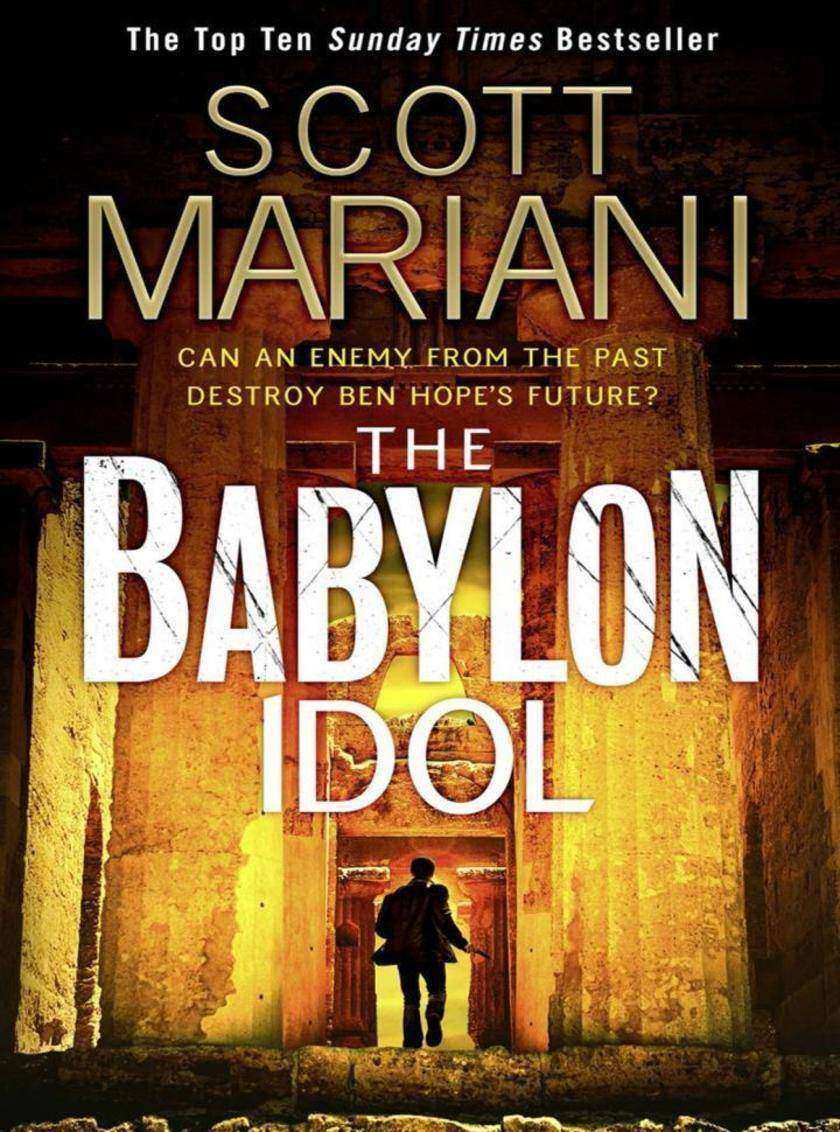
The Babylon Idol (Ben Hope, Book 15)
¥58.86
THE HUNT IS ON When a sniper leaves Ben Hope’s friend fighting for his life, the former SAS major declares war on the men responsible. But what begins as a straightforward revenge mission gets complicated when a mysterious letter reveals Ben to be the real target. And his isn’t the only name on a crazed killer’s list. Professor Anna Manzini has no idea she’s in grave danger from a man she’d thought dead. She’s on the cusp of a major discovery: the location of the lost Babylon idol, a golden statue of immeasurable value. But when word of Anna’s work reaches her enemies, it sets off a cat-and-mouse chase that will lead Ben and Anna halfway across Europe and into the heart of war-torn Syria. To reach the precious idol first, Ben must keep one step ahead of a powerful maniac. If he fails, it won’t just be Ben and Anna’s lives in danger, but the world. BEN HOPE is one of the most celebrated action adventure heroes in British fiction and Scott Mariani is the author of numerous bestsellers. Join the ever-growing legion of readers who get breathless with anticipation when the countdown to the new Ben Hope thriller begins…
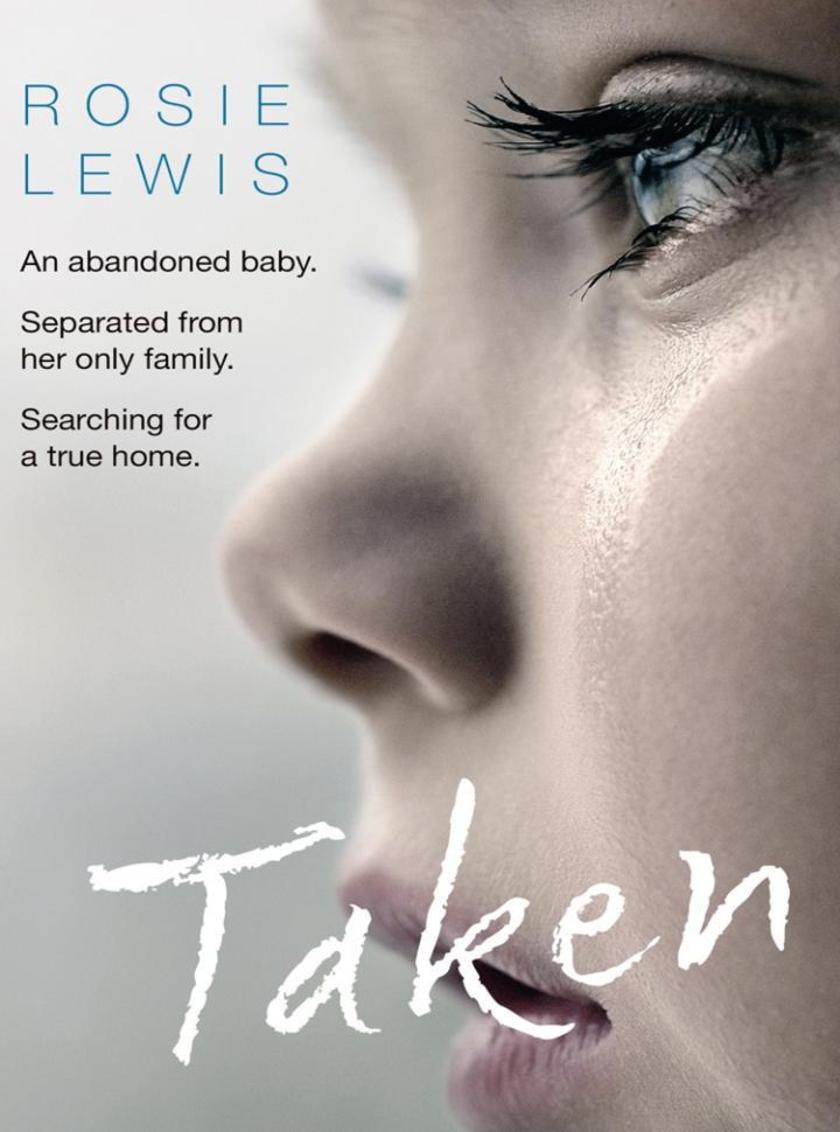
Taken
¥58.86
Experienced foster carer, Rosie Lewis, takes on the heart-breaking case of Megan, a baby born with a drug addiction and a cleft palate. Addicted to drugs from birth because of her mother’s substance abuse during pregnancy, new-born Megan is taken into Rosie’s loving care. Rosie is supposed to help Megan find her new permanent home, but it turns out that Megan has already found her ‘forever mummy’ in Rosie. Rosie grows incredibly attached to Megan and applies to adopt her, but the system refuses her in favour of a young couple and Rosie is devastated. Against all her instincts, Rosie does her job and prepares Megan for her new ‘forever family’, but everything about Megan leaving feels wrong. When Rosie learns a few months later that Megan’s adoption has broken down, she is saddened but also filled with hope – will this little girl be allowed to return to her true ‘forever home’?
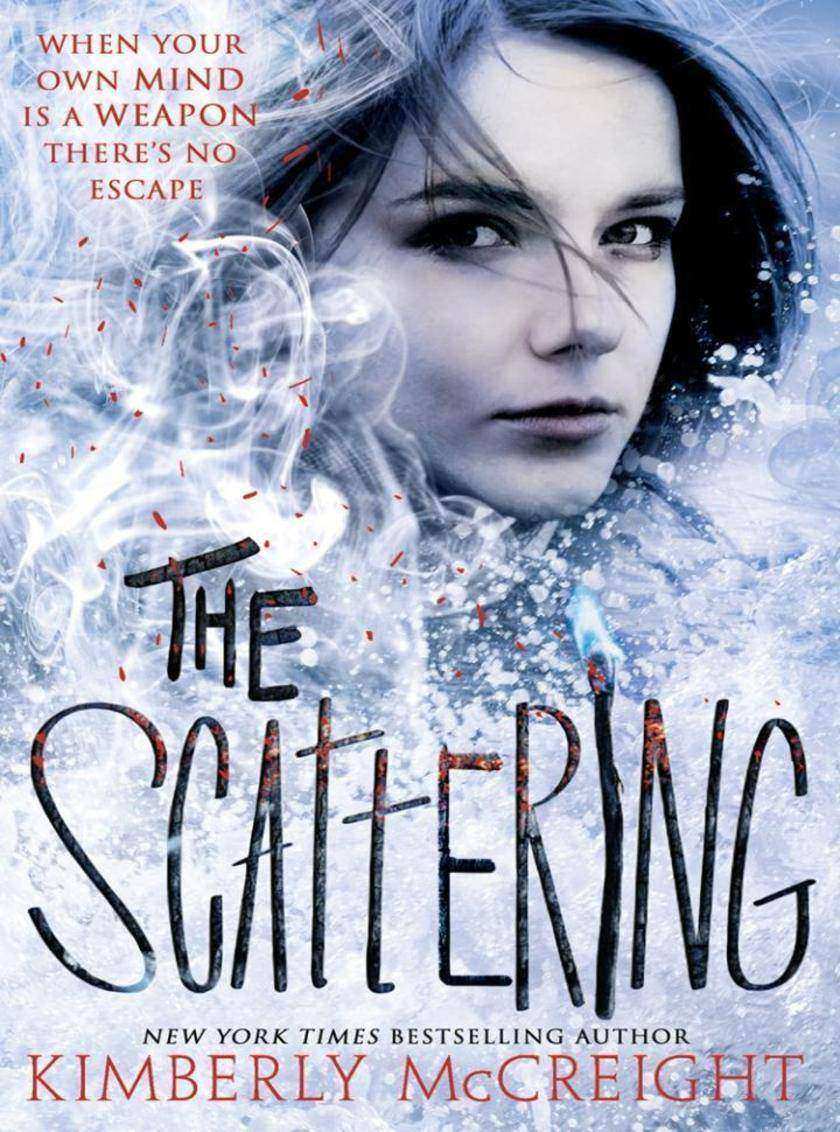
The Scattering (The Outliers, Book 2)
¥58.86
The nail-bitingly tense sequel to THE OUTLIERS by New York Times bestselling author Kimberly McCreight. “Wylie, trust your instincts.” The line goes dead… Wylie may have escaped the isolated camp in the woods, but she is far from safe. The only way to protect herself is to understand her strange abilities as an Outlier, fast. But allowing herself to read other peoples’ emotions isn't just difficult, it's dangerous. And Wylie isn’t the only one at risk. Ever since they returned home, Jasper has been wracked with guilt. He can’t let go of the blame he so desperately feels, especially when someone has been taunting him with reminders of it. Wylie and Jasper would do anything for each other, but is their bond is strong enough to overcome demons from the past? Amid this uncertainty and fear, Wylie is confronted with a choice. She was willing to do whatever it took to help Cassie, but is she prepared to go to the same extremes for complete strangers… even if they are just like her? New York Times bestselling author Kimberly McCreight raises the stakes in the second book of this heart-pounding series about secrets, betrayal and a group of people are blessed – or cursed – with an incredible power.
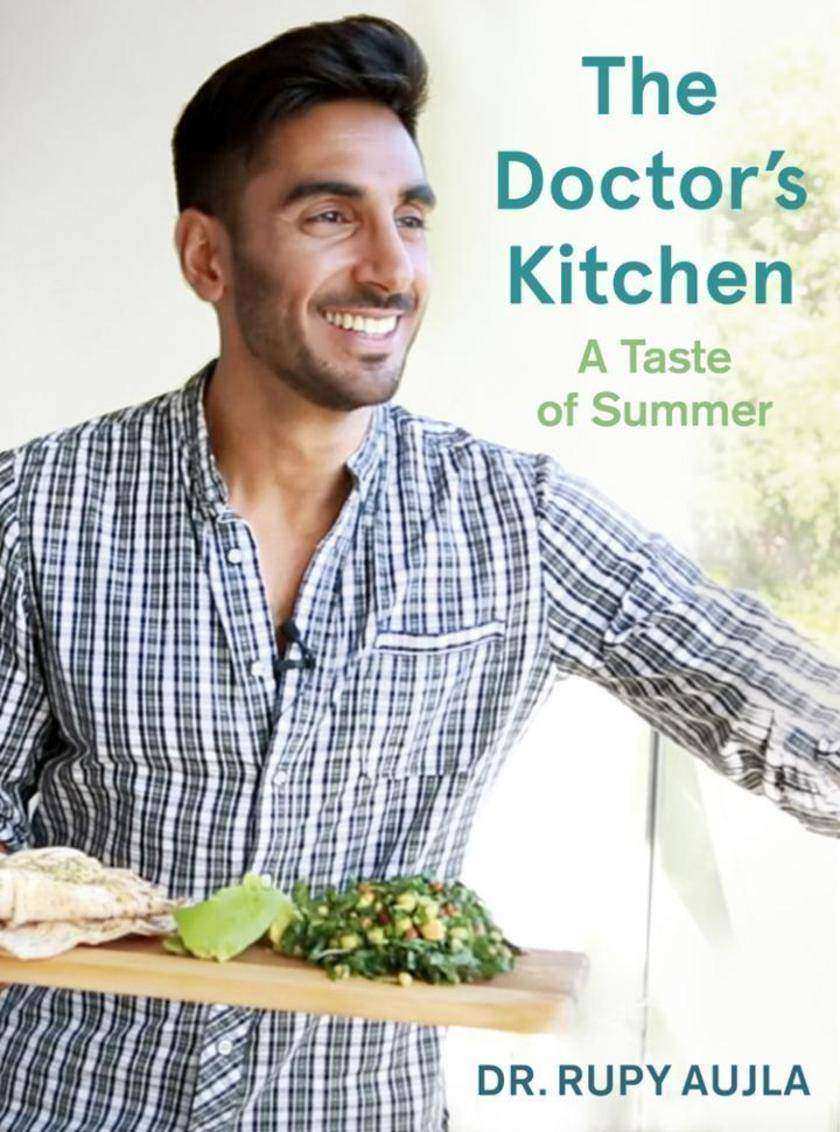
The Doctor’s Kitchen: A Taste of Summer
免费
Dr Rupy Aujla is a practising GP in London. Trained at Imperial College London, his aim is to be the leading voice in how nutrition can heal and improve health. He is one of twenty global ‘I Quit Sugar’ experts, regular Doctor on BBC Asian Network’s Noreen Khan show with half a million listeners, Men’s Health Recipe Creator and Doctor, TEDxNHS Speaker, Huffington Post, Shortlist, Stylist, Metro contributor as well as leading nutrition websites including Nutritionfacts.org. Dr Rupy is developing The Doctors Kitchen social presence on You Tube, Instagram and Twitter.

Jack Pepper
¥7.65
The story of an unforgettable dog, from the bestselling author of A Dog Called Homeless. Someone special will never be forgotten… When Ruby and Sid see a poster about a missing dog, they can’t believe it. It reminds them of an adventure they had, and a little dog they once met. Could it be the same Jack Pepper? Includes beautiful inside artwork from hugely talented illustrator, Gary Blythe.
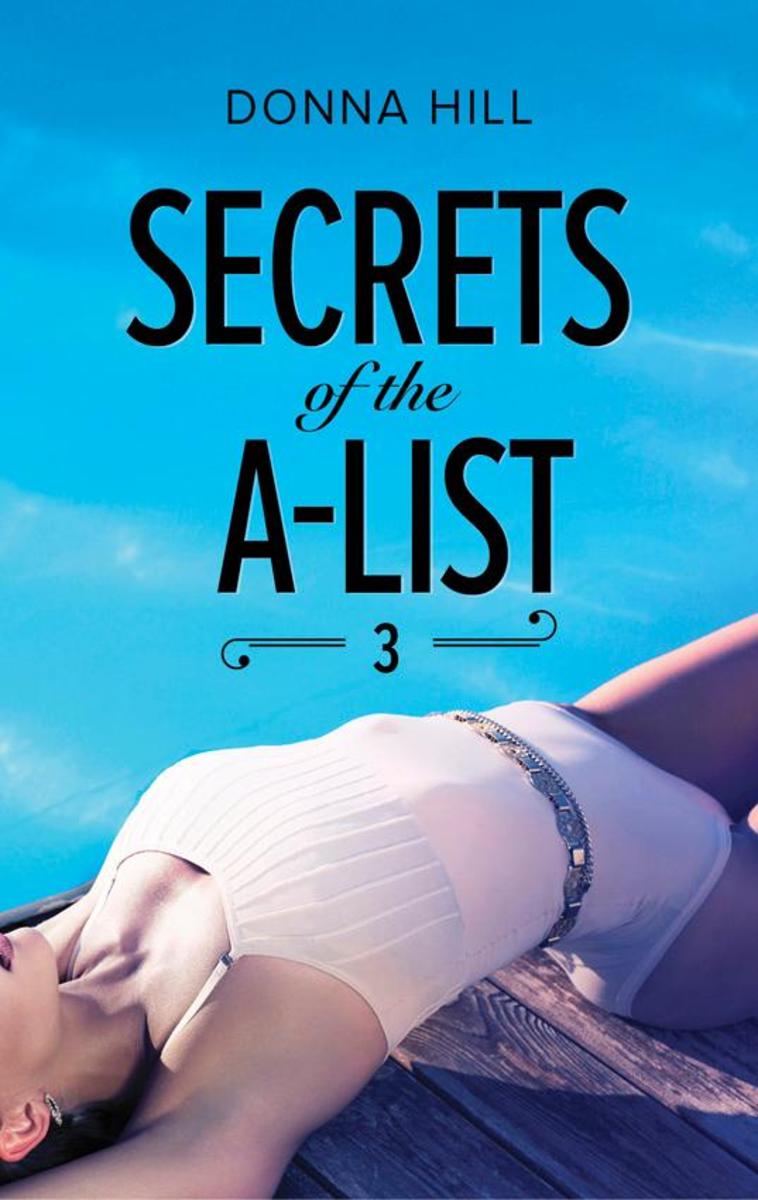
Secrets Of The A-List (Episode 3 Of 12) (Mills & Boon M&B) (A Secrets of the A-L
¥8.14
Most. Revealing. Coma. Ever. With Harrison still out of commission in a coma, his wife, Mariella, is discovering there are oh so many things she never knew about the man she married. To distract herself, she focuses on Elana’s wedding to Thom, which is still on—for now. But is either of them in it for the right reasons? If only it were just their eyes that were wandering. Just who can they turn to – when there’s betrayal threatening the heart of the family? Super Rich. Super Sexy. Super Addictive. Secrets of the A-List – read all 12 episodes!
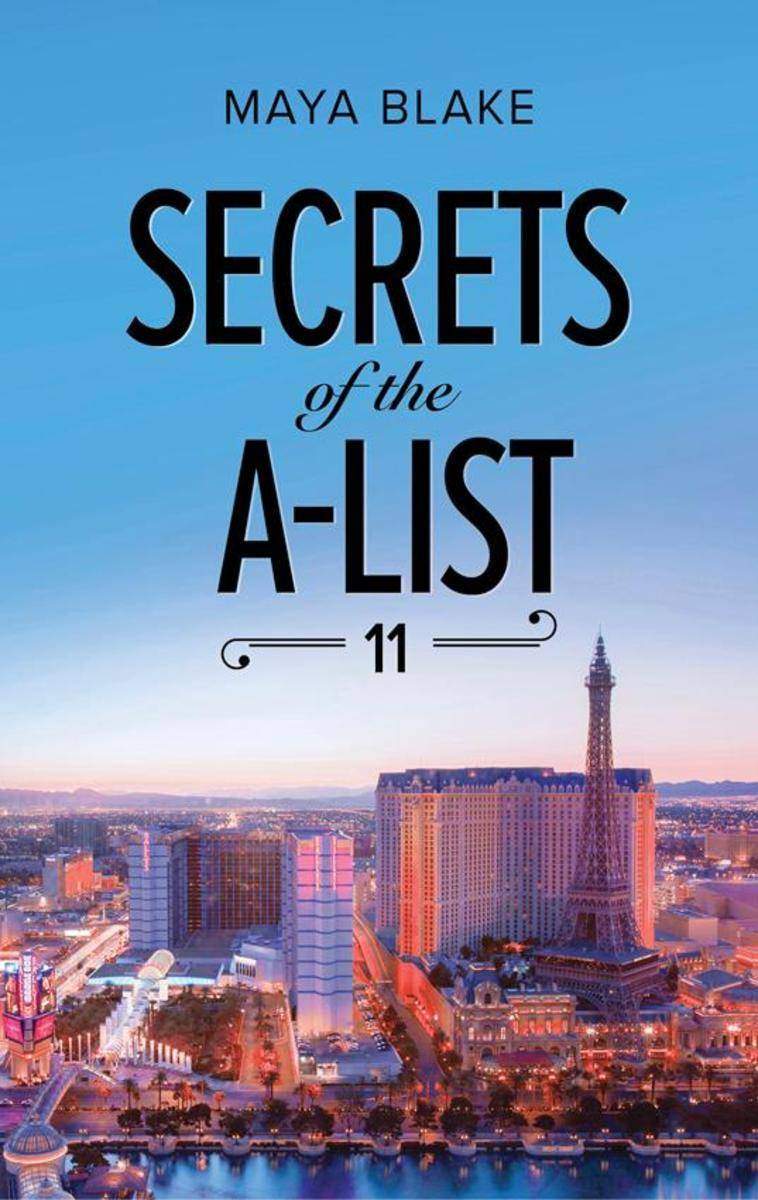
Secrets Of The A-List (Episode 11 Of 12) (Mills & Boon M&B) (A Secrets of the A-
¥8.14
What happens in Vegas… The Fixer has been hustling to keep the Marshall family’s scandals at a simmer, but nothing turns up the heat like the very public opening of a new nightclub. And when Vegas nights turn to Vegas fights, things look ready to boil over. They don’t call it Sin City for nothing. But between vicious jealousies and staggering betrayals, is anyone ready to confess their sins? Remember, dear Marshalls, social climbing has no safety net…

The Present: The must-read Christmas Crime for 2017 (The Present, Book 1)
¥14.22
This book can also be read with The Present by Charlotte Phillips. Two books, one unforgettable Christmas… 12 deadly gifts, one killer on a Christmas countdown… On the first day of Christmas my true love gave to me… this is one deadly Christmas that you can’t forget. The police are baffled by the ‘Santa’ killer, who sends his intended victims gruesome presents based on the twelve days of Christmas. When a young journalist receives a mutilated bird in the post, it’s a race against time to find the killer…
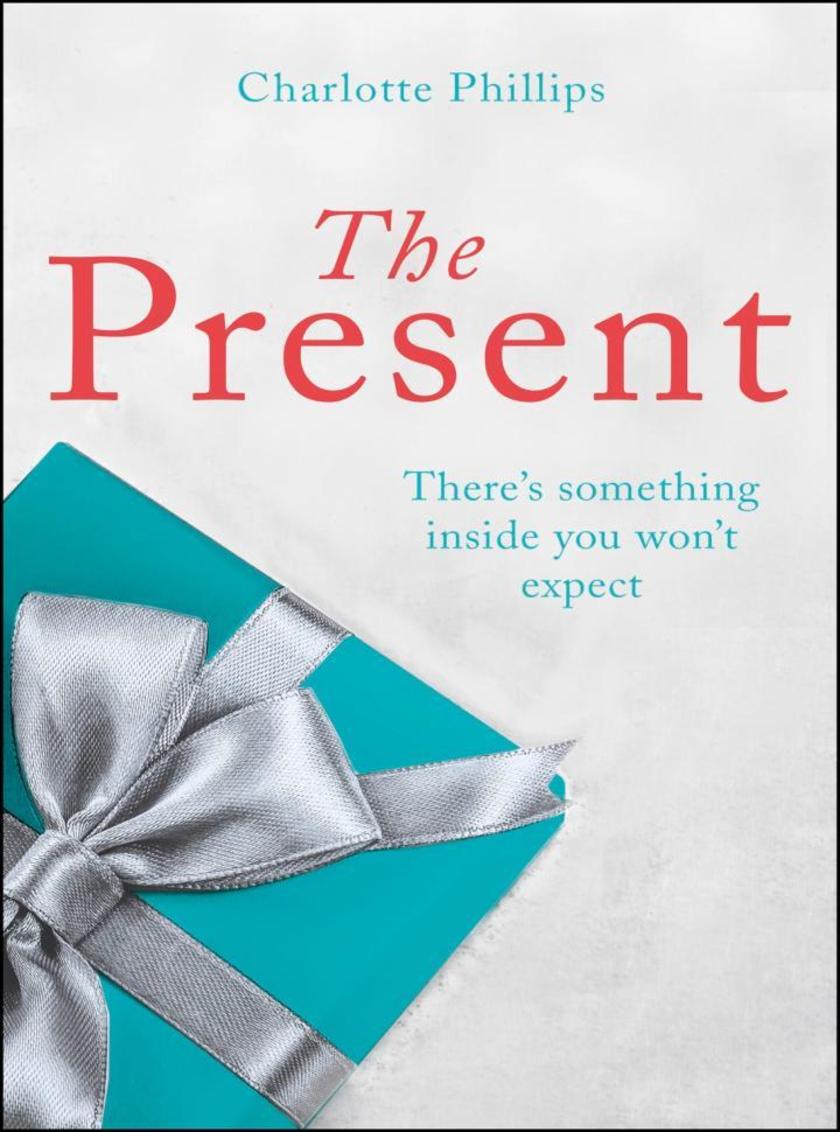
The Present: The must-read Christmas romance for 2017 (The Present, Book 2)
¥14.22
This book can also be read with The Present by DS Devlin. Two books, one unforgettable Christmas… 12 magical gifts, one love that lasts a lifetime… On the first day of Christmas my true love gave to me … one romantic Christmas you won’t forget. When helping to clear out her beloved grandmother’s home, Lucy Jackson discovers twelve beautiful Christmas decorations hidden in the loft. As she discovers their heartbreaking story, a touching romance develops with the handsome gardener next door. Readers love Charlotte Phillips’ The Present: ‘A gem of a Christmas read…fabulous’ Rachel’s Random Reads ‘A charming, unashamedly romantic tale…perfect for an afternoon in front of the fire with the christmas tree lights on’ Jane Hunt Author Book Reviews
Taurus 2018: Your Personal Horoscope
¥13.15
Joseph Polansky is a leading US astrologer who has been practising astrology for over 20 years.


