


 购物车
购物车 个人中心
个人中心
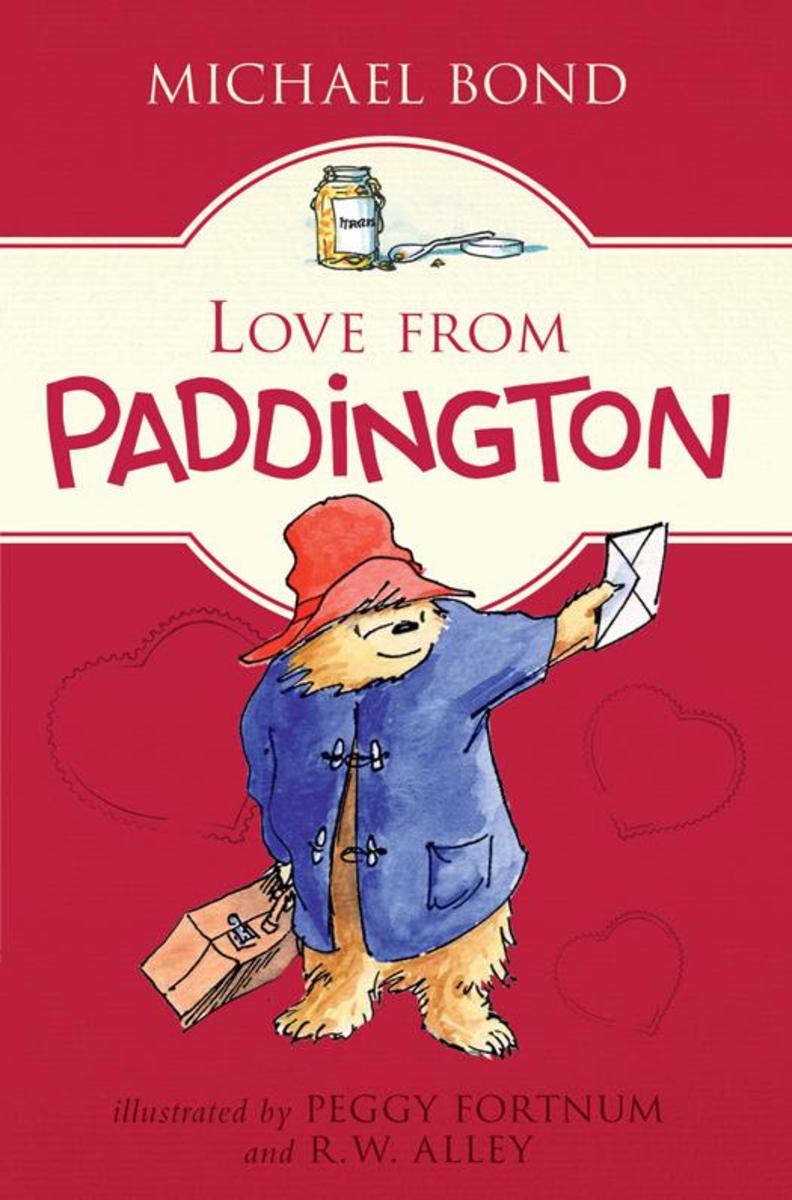
Love from Paddington
¥33.18
A brand-new novel from Michael Bond, celebrating Paddington's many adventures!Told through Paddington's letters to his aunt Lucy back in Peru, this new novel offers Paddington's own special view on some of his most famous tales. Filled with Paddington's signature charm and with black-and-white illustrations throughout, this paper-over-board keepsake is a celebration of this beloved character.
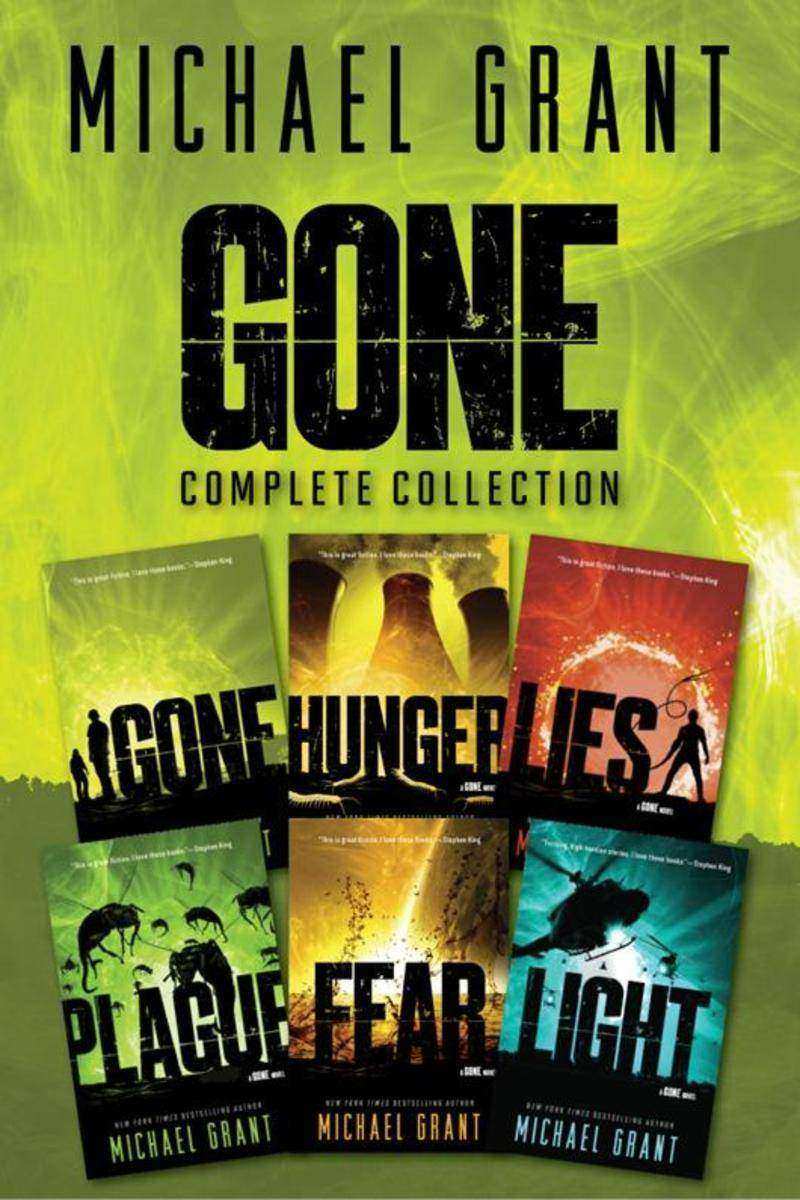
Gone Series Complete Collection
¥447.09
This collection contains all six books in New York Times bestselling author Michael Grant's breathtaking dystopian sci-fi Gone saga. These page-turning thrillers invoke the classic The Lord of the Flies along with the horror of Stephen King. King himself said: "I love these books."In the blink of an eye, everyone disappears. Gone. Except for the young. There are teens, but not one single adult. Just as suddenly, there are no phones, no internet, no television. No way to get help. And no way to figure out what's happened. Hunger threatens. Bullies rule. A sinister creature lurks. Animals are mutating. And the teens themselves are changing, developing new talents—unimaginable, dangerous, deadly powers—that grow stronger by the day. It's a terrifying new world. Sides are being chosen, a fight is shaping up. Townies against rich kids. Bullies against the weak. Powerful against powerless. And time is running out: on your birthday, you disappear just like everyone else. . . .Michael Grant's Gone series has been praised for its compelling storytelling, multidimensional characters, and multiple points of view. Included in this collection are: Gone, Hunger, Lies, Plague, Fear, and Light.

Sweet Evil 3-Book Collection
¥215.73
Embrace the forbidden with the Sweet Evil trilogy—Sweet Evil, Sweet Peril, and Sweet Reckoning—from bestselling author Wendy Higgins.What if there were teens whose lives literally depended on being bad influencesThis is the reality for sons and daughters of fallen angels. Tenderhearted Southern girl Anna Whitt was born with the sixth sense to see and feel emotions of other people. She's aware of a struggle within herself, an inexplicable pull toward danger, but it isn't until she turns sixteen and meets the alluring Kaidan Rowe that she discovers her terrifying heritage and her willpower is put to the test. He's the boy your daddy warned you about. If only someone had warned Anna. Forced to face her destiny, will Anna embrace her halo or her horns?"Suspense, steamy romance, an appealing contemporary teen protagonist, and a lively cast"* make this a must-read series.*Booklist
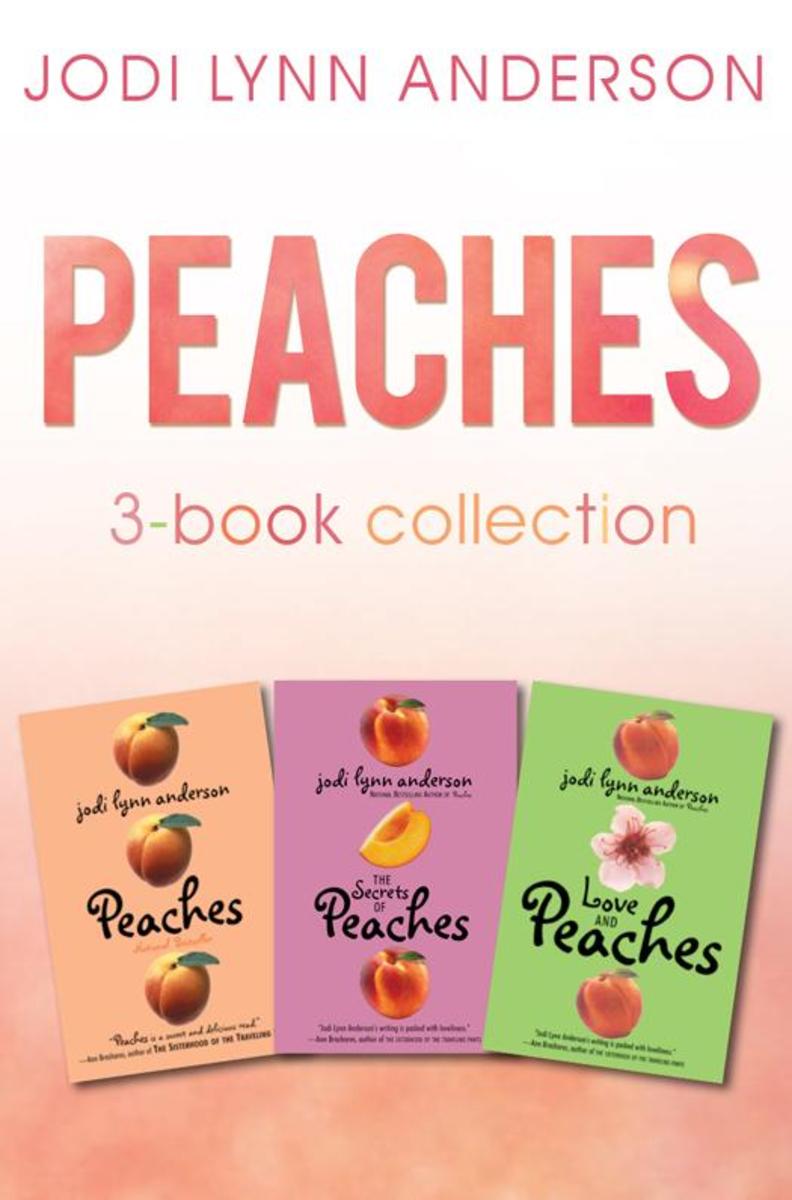
Peaches Complete Collection
¥218.05
This collection contains the complete text of the three bestselling Peaches books, by Jodi Lynn Anderson: Peaches, The Secrets of Peaches, and Love and Peaches.Peaches: Three Georgia peaches are in for one juicy summer…but Birdie would rather eat Thin Mints and sulk in the AC. Leeda would prefer to sneak off with her boyfriend, Rex. And Murphy just wants to cause a little mischief. Together these three very different girls will discover the secret to finding the right boy, making the truest friends, and picking the perfect Georgia peach.The Secrets of Peaches: After a magical summer living on a peach orchard, Murphy, Leeda, and Birdie confront a series of breakups, makeups, and takeoffs. They may have to leave one another, along with the orchard that brought them together. But despite their heartbreak, this year's bittersweet endings could lead to the sweetest of new beginnings.Love and Peaches: After a not-quite-peachy year apart, three Georgia peaches come home to Darlington Orchard. Together for another juicy summer, carefree Murphy, perfect Leeda, and big-hearted Birdie return to the place that allowed them to bloom. Brimming with all the charm, humor, and heart of Peaches and The Secrets of Peaches, this satisfying conclusion to the series reunites three unlikely best friends for a final sweet farewell.

Mackenzie Blue Complete Collection
¥283.49
Tween readers will love following the adventures of Mackenzie "Zee" Blue. California girl Zee is an expert shopper, plays the guitar and writes songs, and makes purses and jewelry. She knows how it feels to have a huge crush. And she knows how to be a good friend and keeps in touch via texts and emails. Tween fans of the Dork Diaries and Diary of a Wimpy Kid series will love the Mackenzie Blue books. This collection includes books 1 through 5.Mackenzie Blue: Meet Mackenzie Blue, aka Zee. She has it all—smarts, talent, humor, and style. Is it enough to survive middle schoolCountdown to a 7th Grade Meltdown. . .Mackenzie Blue #2: The Secret Crush: Mackenzie Blue has a crush! But how can she get Landon—the cutest boy in school—to notice herThe class's new rock-and-roll musical is her chance. Between her crush, the musical, and her friends—not to mention school work—Zee is torn in a thousand different directions. With all the real-life drama going on, will she lose sight of what's really important?Mackenzie Blue #3: Friends Forever?: Zee and the rest of her class from the Brookdale Academy are off on a camping trip to compete in an environmental scavenger hunt. Zee is extra psyched because her best friend, Ally, is visiting from Paris. It should be fabulous having all her friends in one place, but for some reason everyone is fighting!Mackenzie Blue #4: Mixed Messages: Zee and her friends from Brookdale Academy launch Bluetopia, a fab social media site—which is perfect, because Zee's band, The Beans, is about to have its biggest show ever. Everyone is talking about it on Bluetopia. At least it would be perfect if a glitch in the Bluetopia system didn't threaten to ruin the show—and Zee's life!Mackenzie Blue #5: Double Trouble: Mackenzie Blue is a star! Or she will be . . . as soon as she gets the part of an aspiring singer on a new TV pilot! But juggling auditions and the rest of her life turns out to be harder than Zee thought. Zee's friends are helping her hold everything together. But Zee doesn't like having to bail on plans—and her friends—to run to another audition. Is being a star worth it?

L.A. Candy Complete Collection
¥305.30
The L.A. Candy trilogy is a fast-paced, fun, and realistic depiction of coming of age in Hollywood while starring in a reality TV show—written by a star who's experienced it all firsthand: Lauren Conrad, of MTV's #1 show The Hills. This #1 New York Times bestselling series provides a scandalous peek into the life of new reality celebrity Jane Roberts while dishing Hollywood gossip and drama at every turn.Includes:L.A. Candy Sweet Little Lies: An L.A. Candy Novel Sugar and Spice: An L.A. Candy Novel
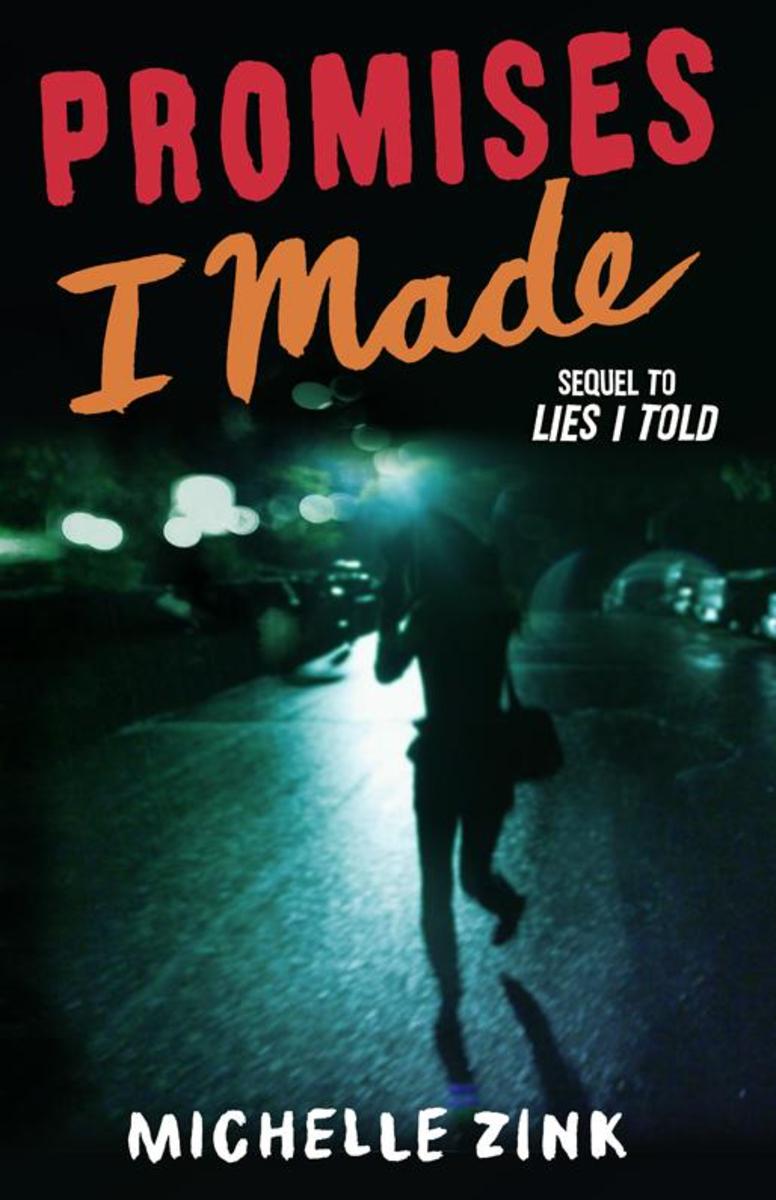
Promises I Made
¥99.65
In the thrilling sequel to Lies I Told, Grace learns that the most difficult thing about pulling off the perfect crime is living with the consequences. Fans of Ally Carter, Cecily von Ziegesar, and Gail Carriger will love this thrilling, high-stakes novel, which deftly explores the roles of identity and loyalty while offering a window into the world of the rich and fabulous.Grace Fontaine was trained to carry out perfect crimes. But when a mistake was made the night her family tried to execute their biggest heist yet, her world fell apart.Haunted by the way she betrayed her brother, her friends, and Logan—the only boy she's ever loved—Grace decides she must return to the place every thief knows you should avoid: the scene of the crime.Returning to Playa Hermosa as a wanted criminal is dangerous. But Grace has only one chance to make things right. To do it, she has to use everything she's been taught about the art of the con to hunt down the very people who trained her: the only family she's ever known.
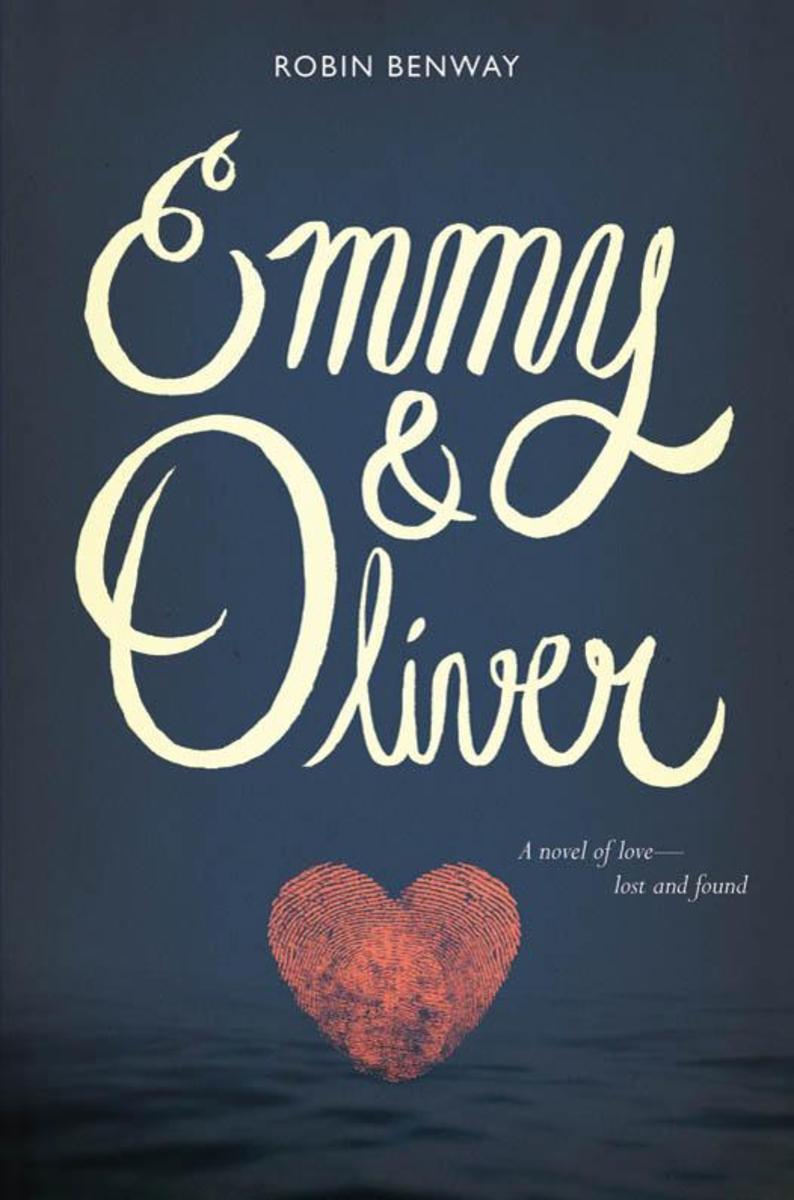
Emmy & Oliver
¥100.71
Emmy and Oliver were going to be best friends forever, or maybe even more, before their futures were ripped apart. In Emmy's soul, despite the space and time between them, their connection has never been severed. But is their story still written in the starsOr are their hearts like the pieces of two different puzzles—impossible to fit together?Emmy just wants to be in charge of her own life. . . . She wants to stay out late, surf her favorite beach—go anywhere without her parents' relentless worrying. But Emmy's parents can't seem to let her grow up—not since the day Oliver disappeared.Oliver needs a moment to figure out his heart. . . . He'd thought, all these years, that his dad was the good guy. He never knew that it was his father who had kidnapped him and kept him on the run. Discovering it, and finding himself returned to his old hometown, all at once, has his heart racing, and his thoughts swirling.Readers who love Sarah Dessen will devour these pages with hearts in throats as Emmy and Oliver struggle to face the messy, confusing consequences of Oliver's father's crime. Full of romance, coming-of-age emotion, and heartache, these two equally compelling characters create an unforgettable story.
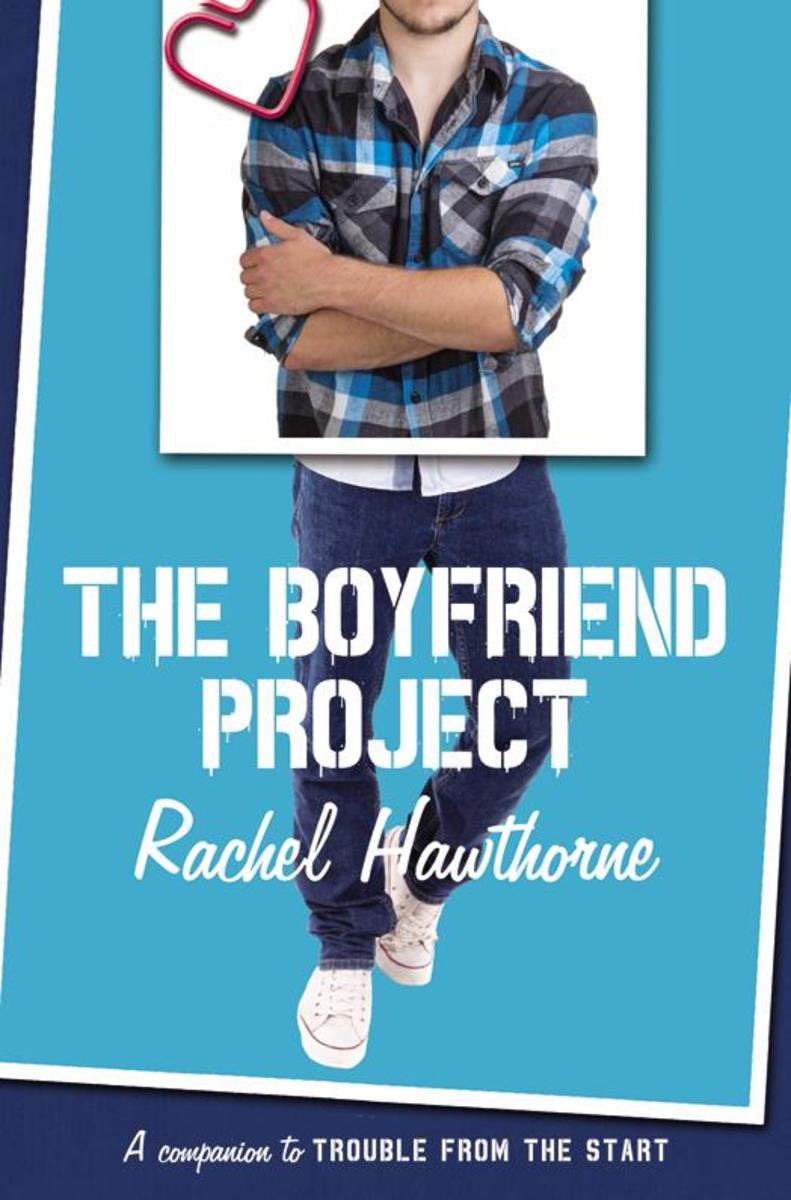
The Boyfriend Project
¥55.33
Perfect for fans of Stephanie Perkins, Lauren Barnholdt, and Susane Colasanti, The Boyfriend Project is a romantic read about a girl who wishes her sweet boyfriend had a little more edge.Kendall and her boyfriend, Jeremy, have been together forever, and Kendall is starting to wonder if Jeremy is a little boring. . . . So she embarks on a boyfriend makeover. But as Jeremy learns to strut his stuff, other girls start to notice him and, what's worse, he's noticing them back. Then Jeremy breaks up with Kendall and she realizes her makeover project was the ultimate disaster. Is the sweet boyfriend she loved gone forever?A companion novel to Rachel Hawthorne's paperback original Trouble from the Start, this title is perfect for fans of summer beach reads and sweet treats.
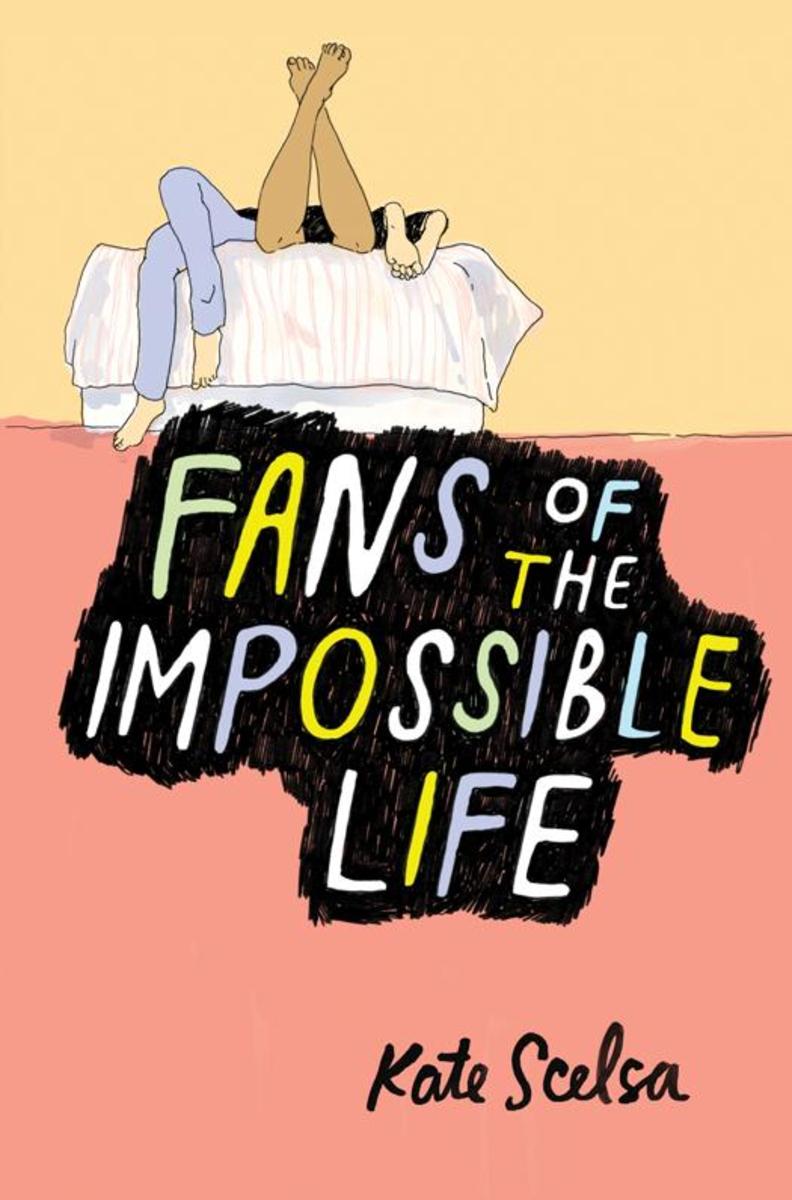
Fans of the Impossible Life
¥100.71
A captivating and profound debut novel about complicated love and the friendships that have the power to transform you forever, perfect for fans of The Perks of Being a Wallflower.Mira is starting over at Saint Francis Prep. She promised her parents she would at least try to pretend that she could act like a functioning human this time, not a girl who can’t get out of bed for days on end, who only feels awake when she’s with Sebby.Jeremy is the painfully shy art nerd at Saint Francis who’s been in self-imposed isolation after an incident that ruined his last year of school. When he sees Sebby for the first time across the school lawn, it’s as if he’s been expecting this blond, lanky boy with mischief glinting in his eye.Sebby, Mira’s gay best friend, is a boy who seems to carry sunlight around with him. Even as life in his foster home starts to take its toll, Sebby and Mira together craft a world of magic rituals and impromptu road trips, designed to fix the broken parts of their lives.As Jeremy finds himself drawn into Sebby and Mira’s world, he begins to understand the secrets that they hide in order to protect themselves, to keep each other safe from those who don’t understand their quest to live for the impossible.
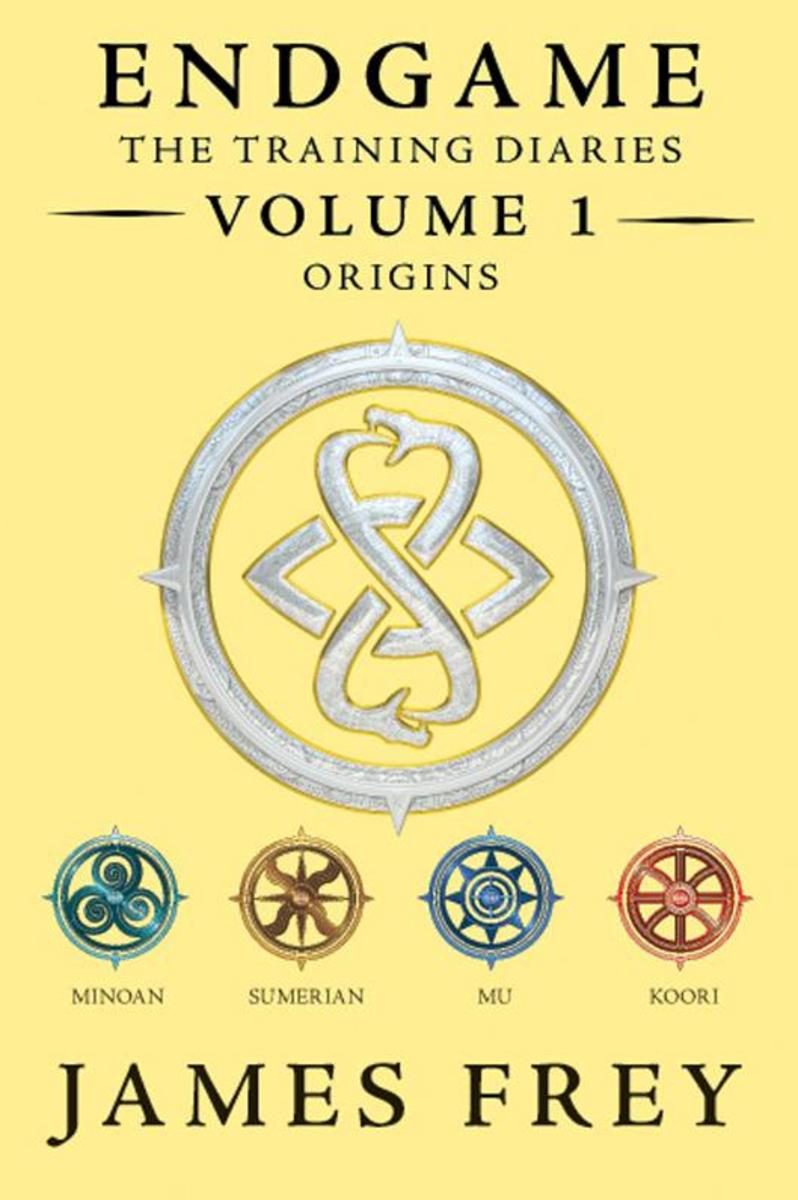
Endgame: The Training Diaries Volume 1: Origins
¥65.33
This thrilling digital prequel novella to Endgame: The Calling follows the lives of four of the twelve Players before they were chosen as the one to save their ancient bloodline—and win Endgame.Before the Calling . . .Marcus must choose between friendship and destiny. Chiyoko fights for what’s hers. Kala learns the price of love. And Alice finally understands what she’s Playing for.They must shed their normal lives and transform into the Players they were meant to be.They must train, learn, prepare.To Play, survive, and solve.To kill or be killed.Endgame is real.Endgame is coming.And only one can win.
The Straw King
¥65.65
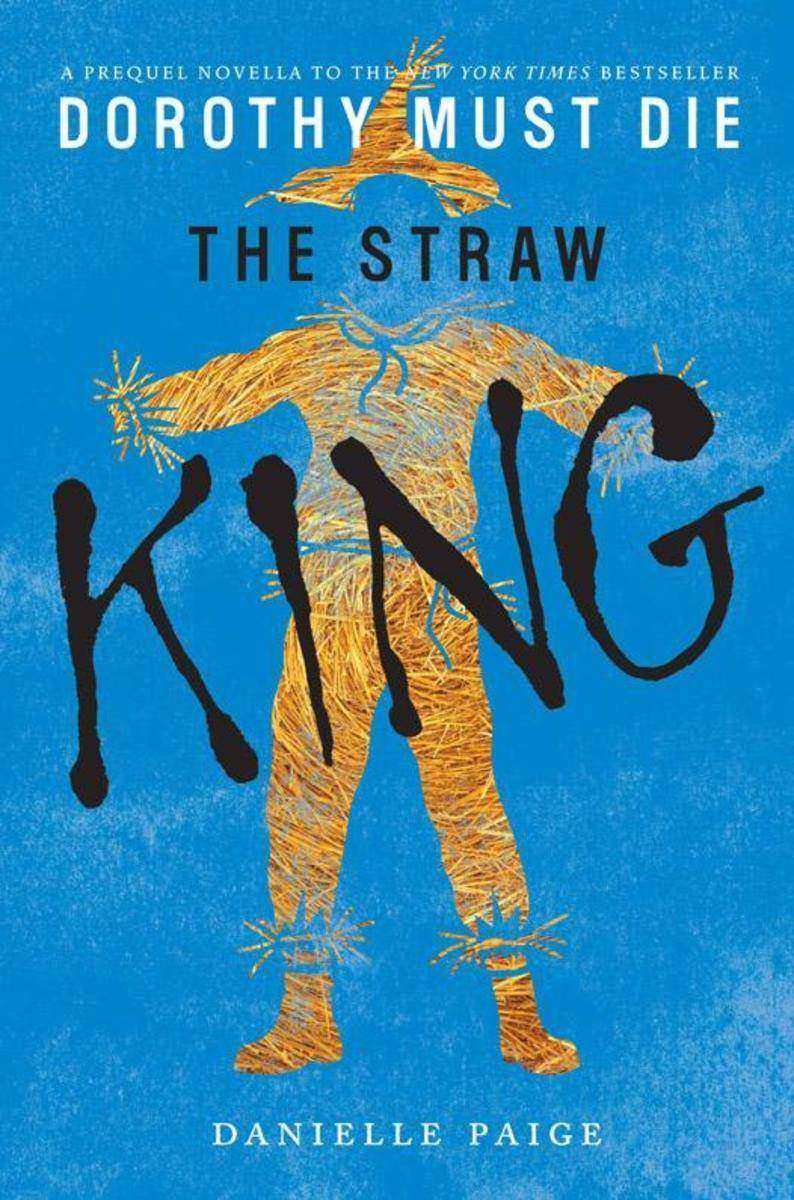
Once upon a time, the Scarecrow's only wish was to have a brain. This digital original novella is the fifth installment in the prequel arc to the edgy and thrilling New York Times bestsellers Dorothy Must Die and The Wicked Will Rise and follows the Scarecrow after he finally gets his wish.In The Wonderful Wizard of Oz, the Scarecrow received the gift of a brain from the Wizard and was appointed the new ruler of Oz. In The Straw King, the Scarecrow's tale takes a crooked turn when his reign is threatened. With faith in his newfound wisdom shaken, the Scarecrow will turn to anyone who can help—even if others have their own interests at heart.The Straw King by Danielle Paige is a dark and compelling reimagining of a beloved classic and is perfect for fans of Cinder by Marissa Meyer, Beastly by Alex Flinn, and Wicked by Gregory Maguire.
Radiant
¥10.83
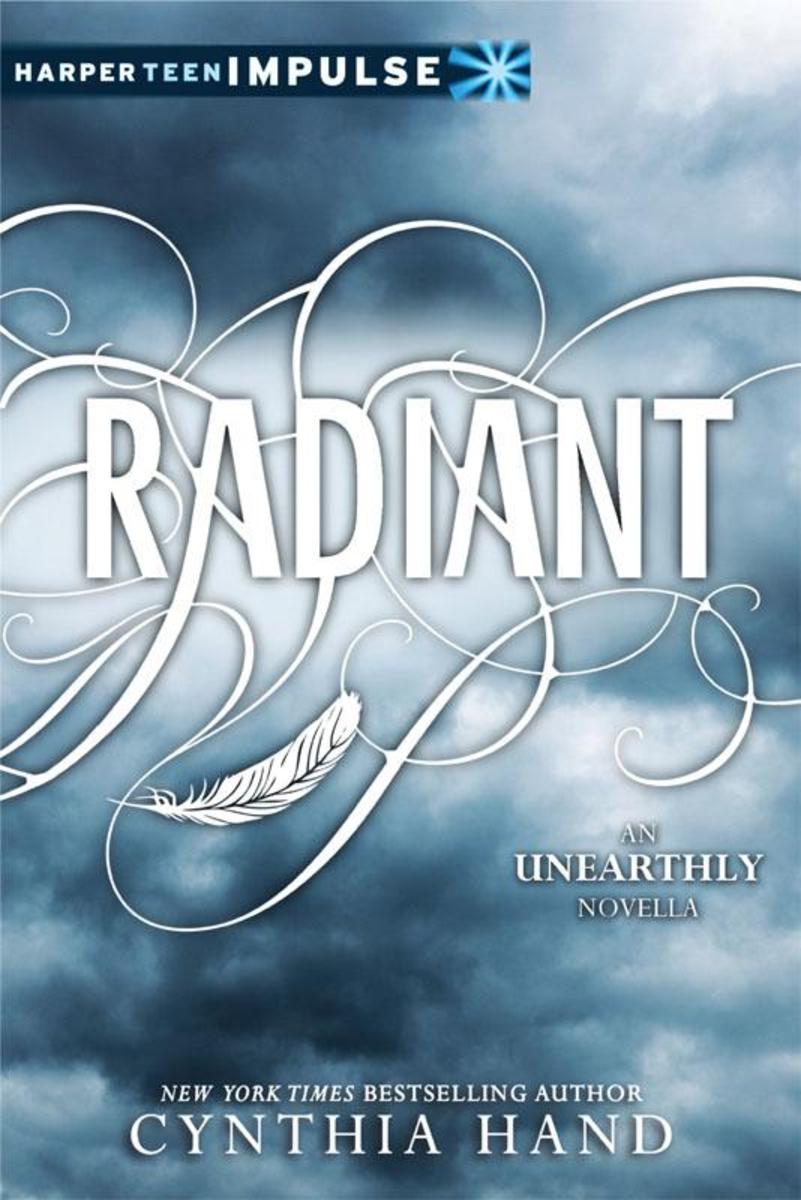
From New York Times bestselling author Cynthia Hand comes a riveting original novella (available only as an ebook) set in the world of the Unearthly series.Clara is desperate to get away—from the memories that haunt her in Wyoming and the visions of a future she isn't ready to face—and spending the summer in Italy with her best friend, Angela, should be the perfect escape. . . .For as long as she can remember, Angela has been told that love is dangerous, that she must always guard her heart. But when she met Phen two years ago she was determined to be with him, no matter the costs. Now she must decide whether she can trust Clara with her secret, or if telling her the truth will risk everything she cares about.Alternating between Angela and Clara's perspectives, Radiant chronicles the unforgettable summer that will test the bounds of their friendship and change their lives forever.Epic Reads Impulse is a digital imprint with new releases each month.
Exquisite Captive
¥55.33
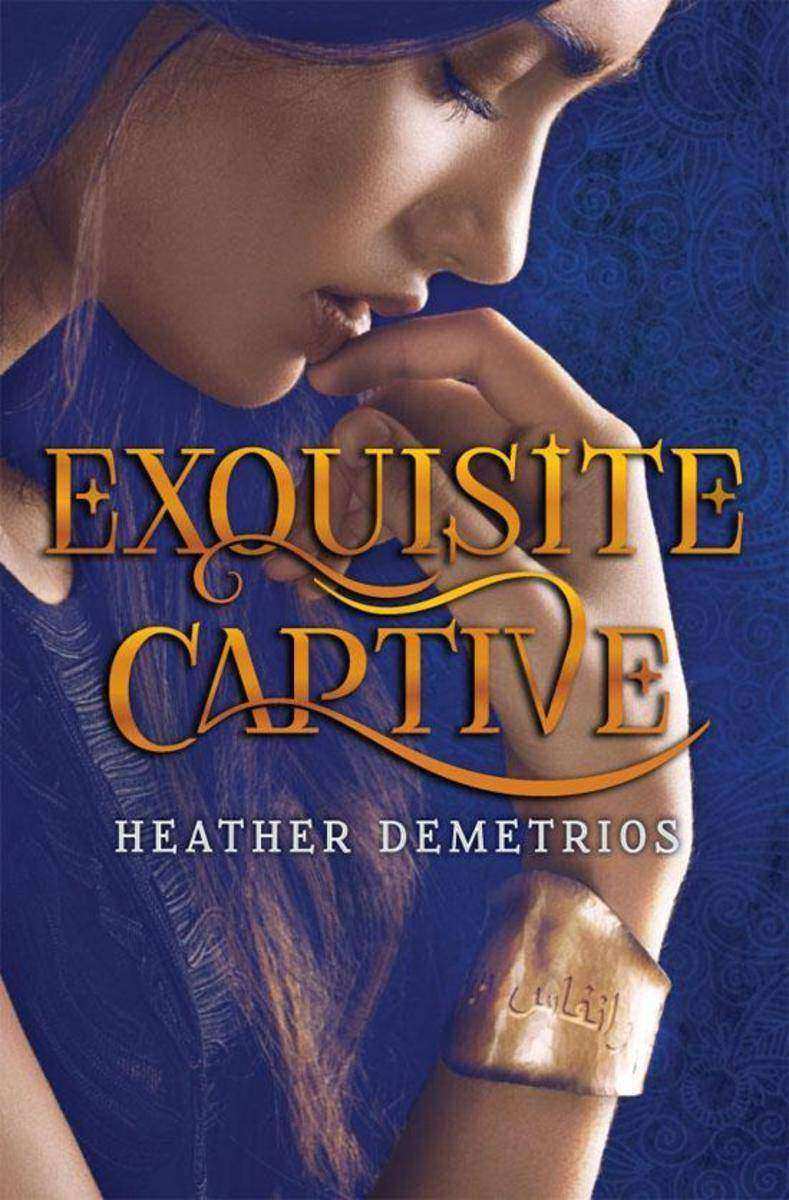
For fans of Laini Taylor’s Daughter of Smoke and Bone series and Leigh Bardugo’s Grisha Trilogy comes the first book in the Dark Caravan Cycle, a modern fantasy-adventure trilogy about a gorgeous, fierce eighteen-year-old jinni who is pitted against two magnetic adversaries, both of whom want her—and need her—to make their wishes come true.Nalia is a jinni of tremendous ancient power, the only survivor of a coup that killed nearly everyone she loved. Now in hiding on the dark caravan—the lucrative jinni slave trade between Arjinna and Earth, where jinn are forced to grant wishes and obey their human masters’ every command—she’d give almost anything to be free of the golden shackles that bind her to Malek, her handsome, cruel master, and his lavish Hollywood lifestyle. Enter Raif, the enigmatic leader of Arjinna’s revolution and Nalia’s sworn enemy. He promises to release Nalia from her master so she can return to her ravaged homeland and free her imprisoned brother. There’s just one catch: for Raif’s unbinding magic to work, Nalia must gain possession of her bottle . . . and convince the dangerously persuasive Malek that she truly loves him.
The Forget-Me-Not Summer
¥44.25
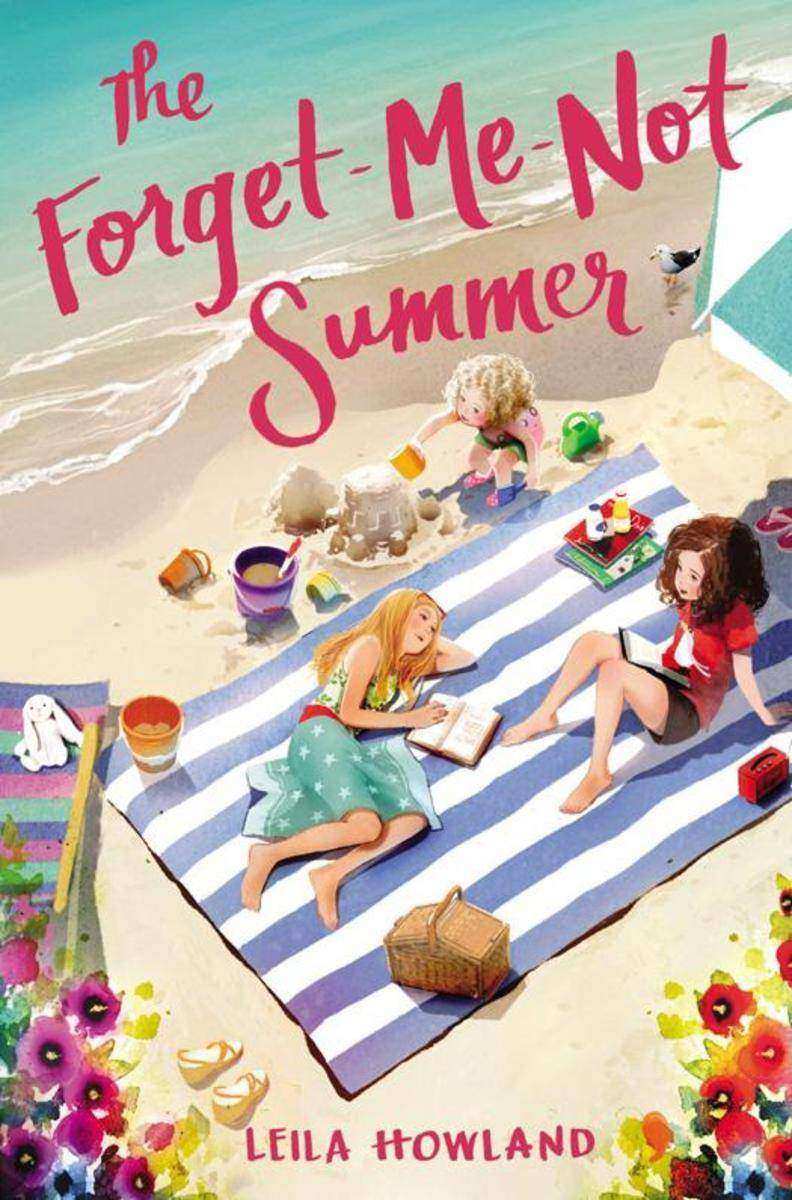
This charming story about the summer three California sisters spend on Cape Cod is perfect for fans of The Penderwicks and The Mother-Daughter Book Club. Full of moments both humorous and reflective, The Forget-Me-Not Summer is a story about three girls facing their fears, adjusting to change, and learning how to band together as the strongest version of themselves: sisters.Though Marigold, Zinnia, and Lily Silver couldn't be more different, they're all excited about their various plans for summer vacation. Twelve-year-old Marigold is hoping to get her first kiss from her big crush, while Zinnia, eleven, will most likely spend her time in Marigold's shadow. And little five-year-old Lily, though angelic, has a knack for stirring up mischief wherever she goes.But any expectation of summer fun comes crashing down when the sisters' parents send them to Cape Cod to visit their aunt Sunny. Small-town life is not what these L.A. girls had in mind. They must adjust, however, to things like sharing a room and living without a TV. With the help of Aunt Sunny's zany disposition and yummy brownies, though, the girls are quickly won over, and before Marigold, Zinnie, and Lily know it, they're cracking lobster shells at clambakes, making new friends, and even organizing a local talent show.
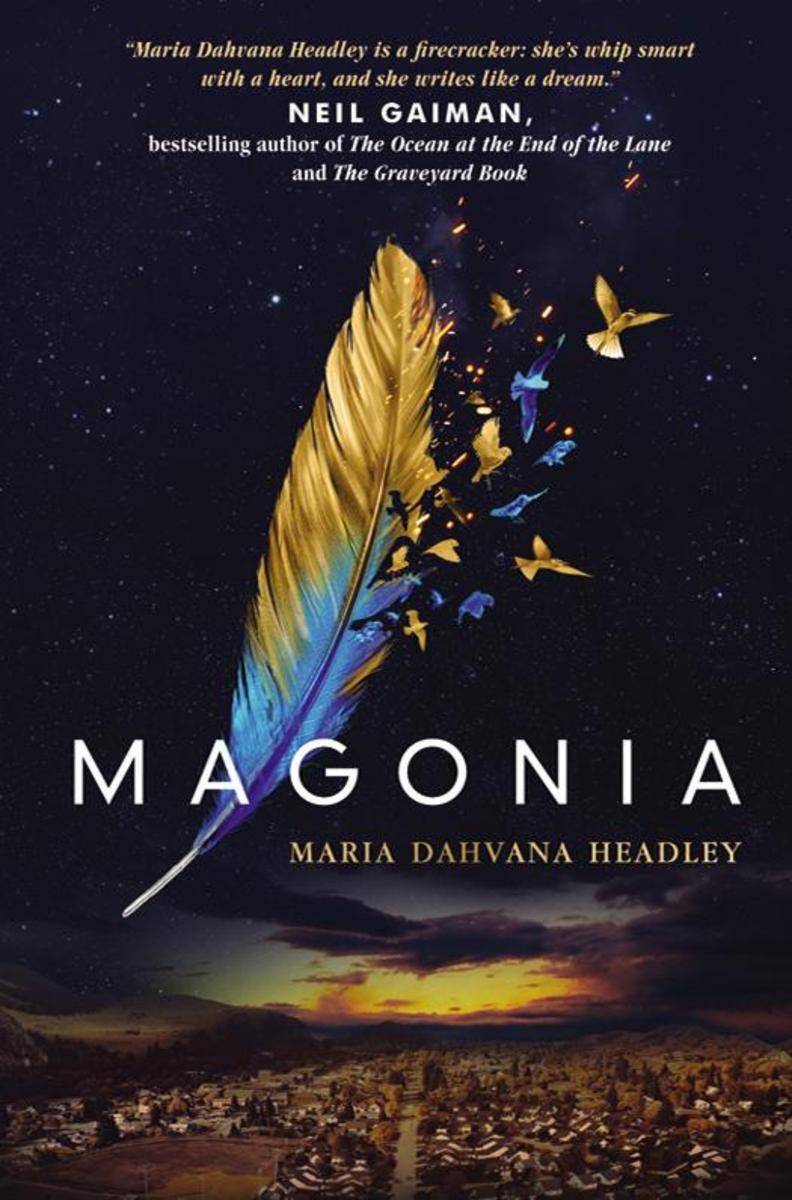
Magonia
¥61.70
Maria Dahvana Headley's soaring YA debut is a fiercely intelligent, multilayered fantasy where Neil Gaiman's Stardust meets John Green's The Fault in Our Stars in a story about a girl caught between two worlds . . . two races . . . and two destinies. Aza Ray Boyle is drowning in thin air. Since she was a baby, Aza has suffered from a mysterious lung disease that makes it ever harder for her to breathe, to speak—to live. So when Aza catches a glimpse of a ship in the sky, her family chalks it up to a cruel side effect of her medication. But Aza doesn't think this is a hallucination. She can hear someone on the ship calling her name.Only her best friend, Jason, listens. Jason, who's always been there. Jason, for whom she might have more-than-friendly feelings. But before Aza can consider that thrilling idea, something goes terribly wrong. Aza is lost to our world—and found, by another. Magonia. Above the clouds, in a land of trading ships, Aza is not the weak and dying thing she was. In Magonia, she can breathe for the first time. Better, she has immense power—but as she navigates her new life, she discovers that war between Magonia and Earth is coming. In Aza's hands lies fate of the whole of humanity—including the boy who loves her. Where do her loyalties lie?
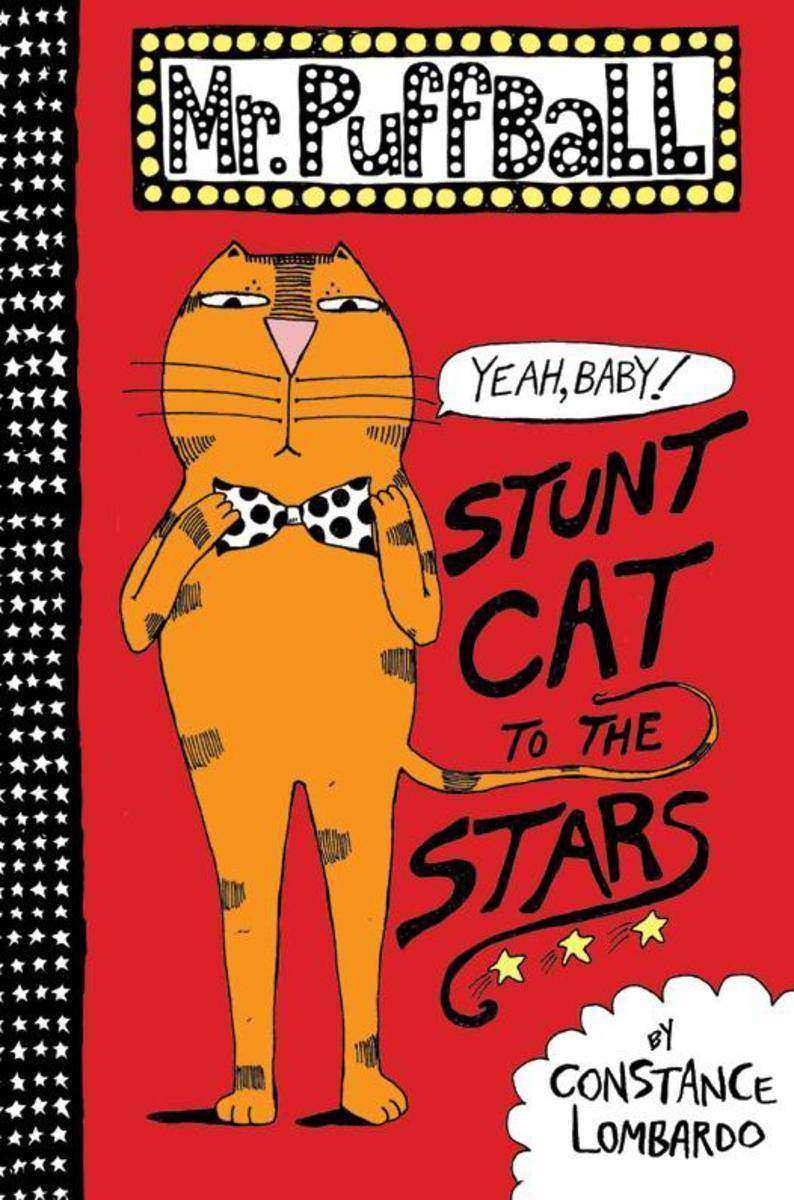
Mr. Puffball: Stunt Cat to the Stars
¥72.93
In this hilarious illustrated adventure meet Mr. Puffball, a medium-size feline with a big dream! With amazing humor that appeals to both kids and adults as well as funny illustrations throughout the story, Mr. Puffball: Stunt Cat to the Stars is perfect for dreamers, movie buffs, and fans of Timmy Failure and Stick Dog.He's a hero for today. Or possibly tomorrow. He's a cat. He's awesome. And . . . wait for it . . . he's going to Hollywood to become a famous movie star! Follow Mr. Puffball on his trip cross-country. (Look at all the postcards to Mom!) See him stumble upon Hobowood! (Not as glamorous as Hollywood, but full of beans.) Watch him land at last in Hollywood, where he meets a cast of thousands (or at least half a dozen) and catapults himself into the next best thing to being a famous movie star: working as a stunt cat to his movie star hero, El Gato!
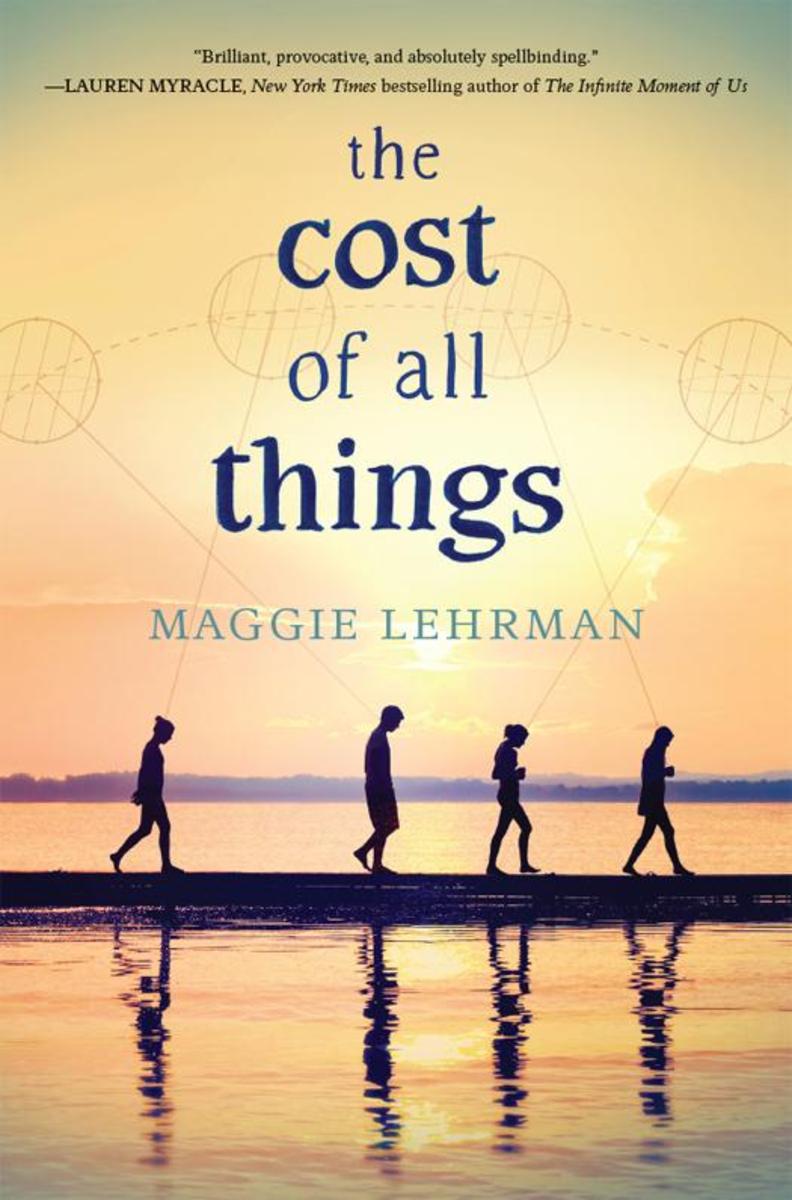
The Cost of All Things
¥101.00
Eternal Sunshine of the Spotless Mind meets We Were Liars in this thought-provoking and brilliantly written debut that is part love story, part mystery, part high-stakes drama.What would you pay to cure your heartbreakBanish your sadnessTransform your looksThe right spell can fix anything…. When Ari's boyfriend Win dies, she gets a spell to erase all memory of him. But spells come at a cost, and this one sets off a chain of events that reveal the hidden—and sometimes dangerous—connections between Ari, her friends, and the boyfriend she can no longer remember.Told from four different points of view, this original and affecting novel weaves past and present in a suspenseful narrative that unveils the truth behind a terrible tragedy.
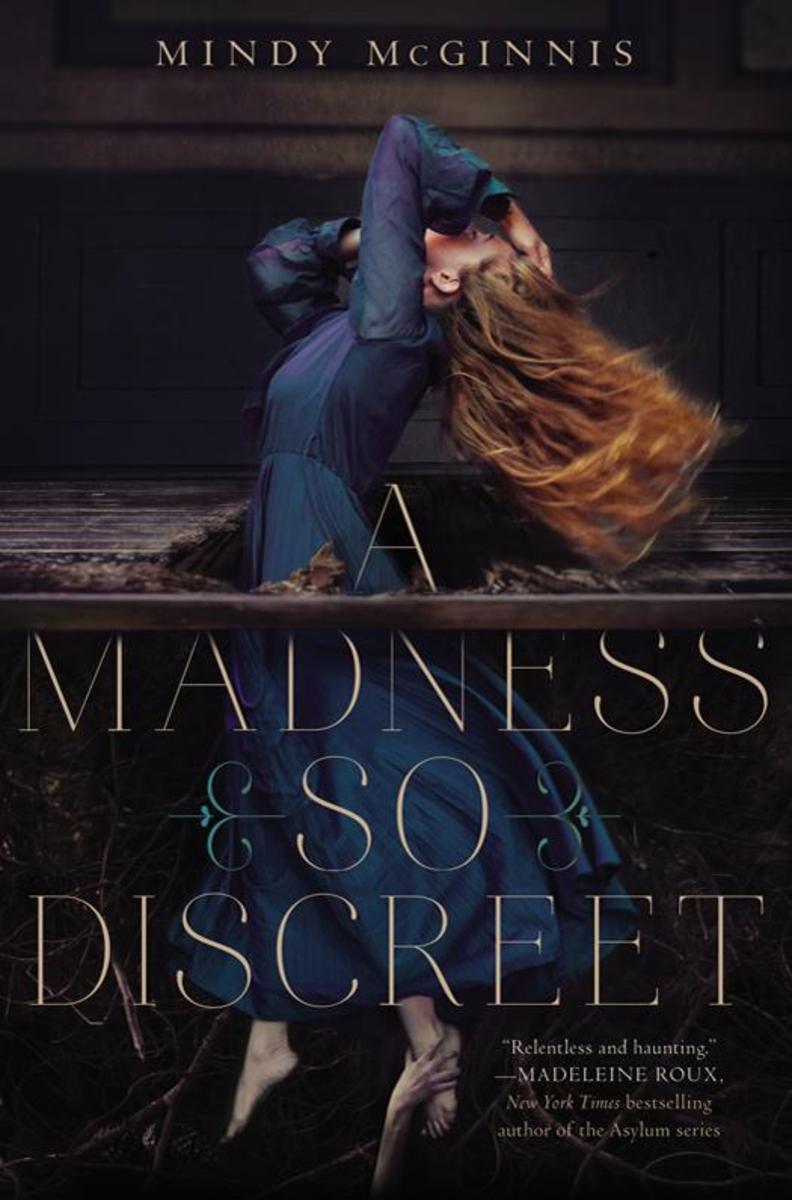
A Madness So Discreet
¥55.33
Mindy McGinnis, the acclaimed author of Not a Drop to Drink and In a Handful of Dust, combines murder, madness, and mystery in a beautifully twisted gothic historical thriller perfect for fans of novels such as Asylum and The Diviners as well as television's True Detective and American Horror Story.Grace Mae is already familiar with madness when family secrets and the bulge in her belly send her to an insane asylum—but it is in the darkness that she finds a new lease on life. When a visiting doctor interested in criminal psychology recognizes Grace's brilliant mind beneath her rage, he recruits her as his assistant. Continuing to operate under the cloak of madness at crime scenes allows her to gather clues from bystanders who believe her less than human. Now comfortable in an ethical asylum, Grace finds friends—and hope. But gruesome nights bring Grace and the doctor into the circle of a killer who will bring her shaky sanity and the demons in her past dangerously close to the surface.
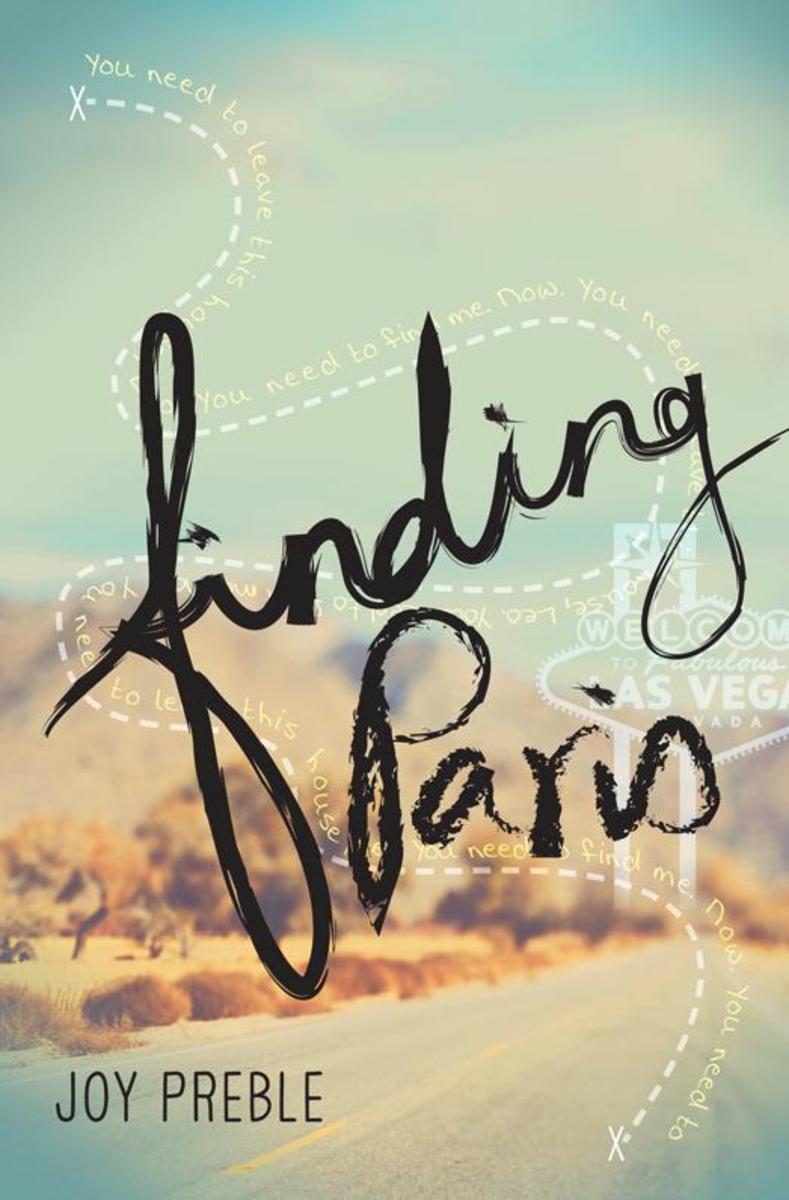
Finding Paris
¥101.00
An evocative and compelling story of two sisters who would do anything for each other—perfect for fans of Thirteen Reasons Why and Speak. Joy Preble's stirring new novel explores the lengths to which sisters go to protect each other, and the winding road that brings two strangers into each other's lives.Sisters Leo and Paris Hollings have only ever had each other to rely on. They can't trust their mother, who hops from city to city and from guy to guy, or their gambler stepfather, who's moved them all to Las Vegas. It's just the two of them: Paris, who's always been the dreamer, and Leo, who has a real future in mind—going to Stanford, becoming a doctor, falling in love. But Leo isn't going anywhere right now, except driving around Vegas all night with her sister.Until Paris ditches Leo at the Heartbreak Hotel Diner, where moments before they had been talking with physics student Max Sullivan. Outside, Leo finds a cryptic note from Paris—a clue. Is it some kind of gameWhere is Paris, and why has she disappearedWhen Leo reluctantly accepts Max's offer of help, the two find themselves following a string of clues through Vegas and beyond. But the search for the truth is not a straight line. And neither is the path to secrets Leo and Max hold inside.
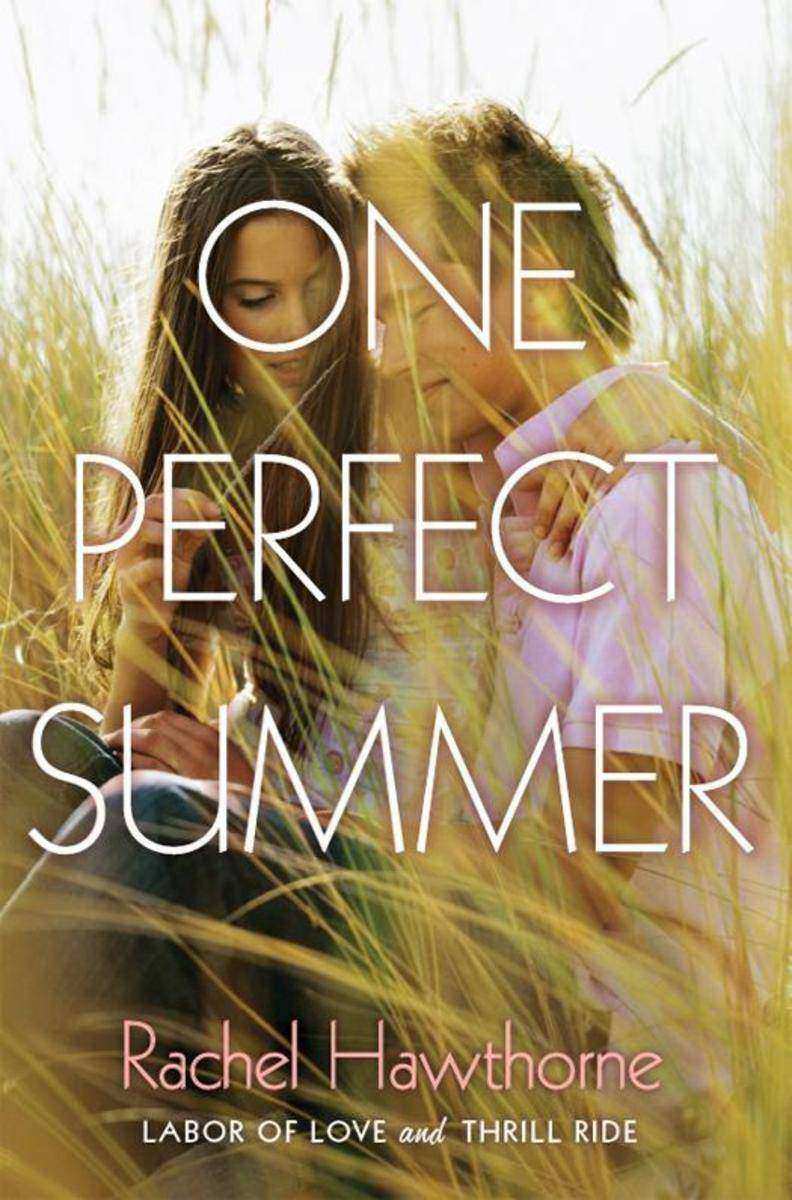
One Perfect Summer
¥55.33
Perfect for fans of Lauren Barnholdt and Susane Colasanti, this sun-soaked pairing of Rachel Hawthorne's beach reads Labor of Love and Thrill Ride brings a fresh feel to two summer favorites.In Labor of Love, Dawn joins a volunteer trip to New Orleans, hoping to forget about boys (her cheating ex Drew, in particular) for the summer. But when a fortune teller predicts she'll meet the man of her dreams on this trip, Dawn has to decide if she believes in the destiny of true love, or if she's just headed for another heartbreak.In Thrill Ride, Megan has landed the perfect summer job at an amusement park far away from home. The only problem is she'll also be far away from her boyfriend. But surely true love can survive three months apart. And Megan can resist her incredibly hot coworker . . . right?Value priced with a great new cover, this combined edition will have readers (re)discovering Rachel Hawthorne.


