


 购物车
购物车 个人中心
个人中心
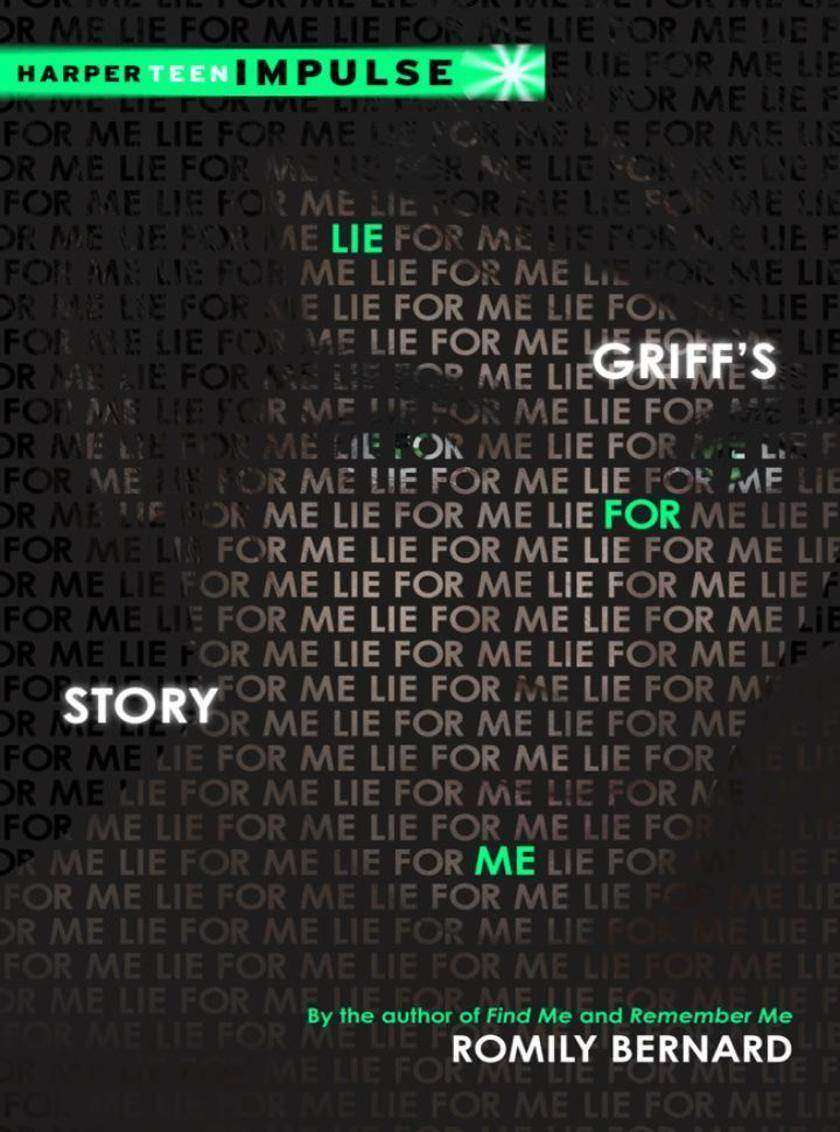
Lie for Me: Griff's Story
¥21.73
A digital-only prequel novella from Romily Bernard, author of the Find Me trilogy.Griff wasn't always the knight in shining armor Wick Tate thinks he is. He had a whole life before he met her, and even though it's grittier than Wick could have imagined, it also made him into the guy she loves.This prequel novella grants readers access to Griff's story from his point-of-view—and it includes some scenes from Find Me, which Jay Asher called "a thriller that keeps picking up speed" and Sophie Jordan hailed as "fast-paced and full of twists," and is told from Griff's alternate perspective!Epic Reads Impulse is a digital imprint with new releases each month.

Survivors: The Gathering Darkness #1: A Pack Divided
¥44.73
The first book in an epic new adventure for the Survivors dogs! From Erin Hunter, #1 nationally bestselling author of Warriors, Survivors is full of "wild and wonderful adventure" (Kirkus Reviews, starred review) that will thrill fans of action-packed animal fantasy.For the first time Storm can remember, she has a place in a Pack, and the world that was devastated by the Big Growl is finally at peace. But tensions are rising among the dogs of the Wild Pack—and the greatest danger they face may come from within.
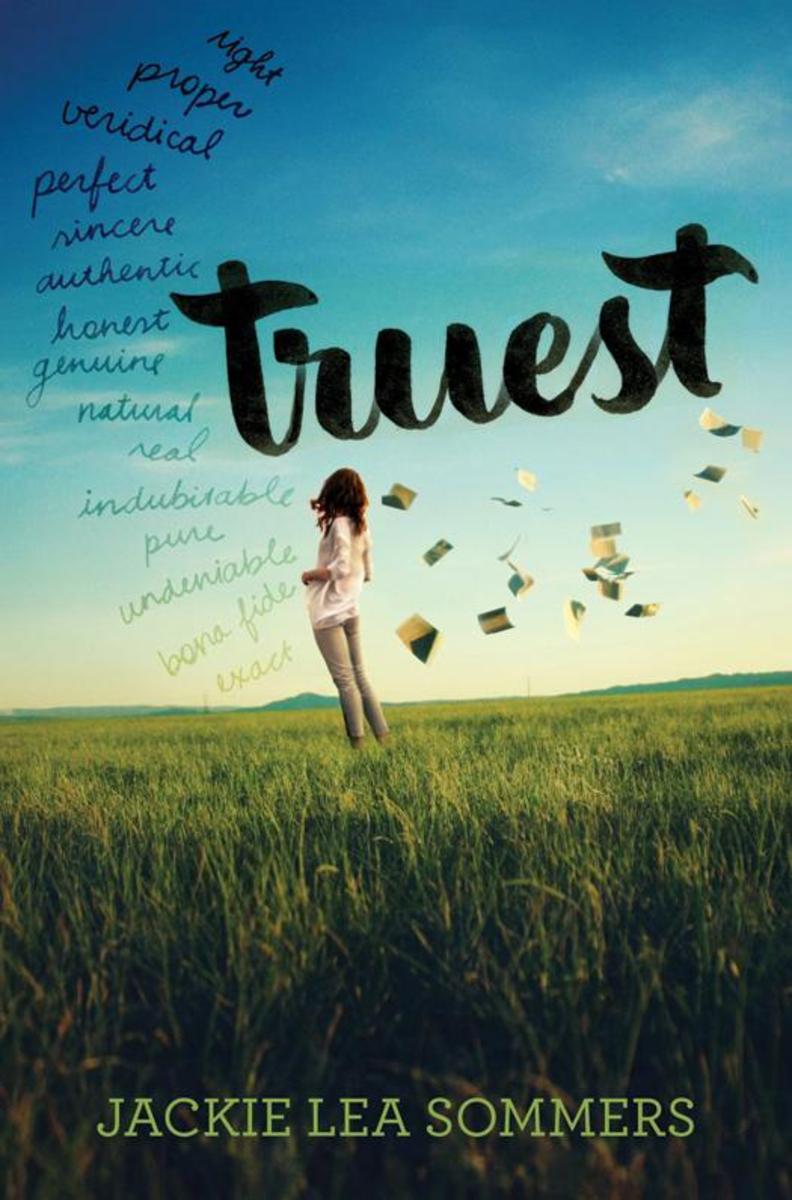
Truest
¥101.00
A breathtaking debut brings us the unforgettable story of a small-town love, big dreams, and family drama.Silas Hart has seriously shaken up Westlin Beck's small-town life. Brand-new to town, Silas is different from the guys in Green Lake. He's curious, poetic, philosophical, maddening—and really, really cute. But Silas has a sister—and she has a secret. And West has a boyfriend. And life in Green Lake is about to change forever.Truest is a stunning, addictive debut. Romantic, fun, tender, and satisfying, it asks as many questions as it answers. Perfect for fans of The Fault in Our Stars and Ten Things We Did (and Probably Shouldn't Have).
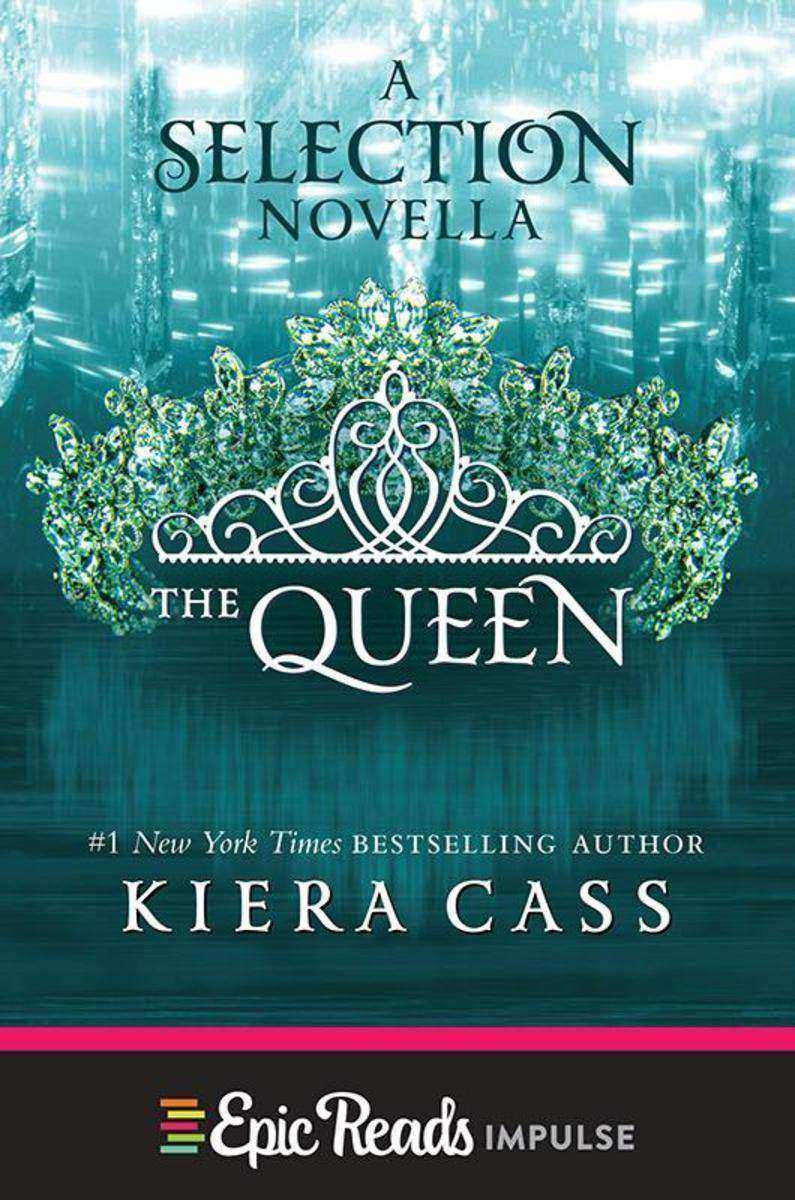
The Queen
¥65.65
Before America Singer's story began, another girl came to the palace to compete for the hand of a different prince….Don't miss this digital original novella set in the captivating world of Kiera Cass's #1 New York Times bestselling Selection series. This prequel story takes place before the events of The Selection and is told from the point of view of Prince Maxon's mother, Amberly. Discover a whole new Selection with this inside look at how Maxon's parents met—and how an ordinary girl named Amberly became a beloved queen.Epic Reads Impulse is a digital imprint with new releases each month.
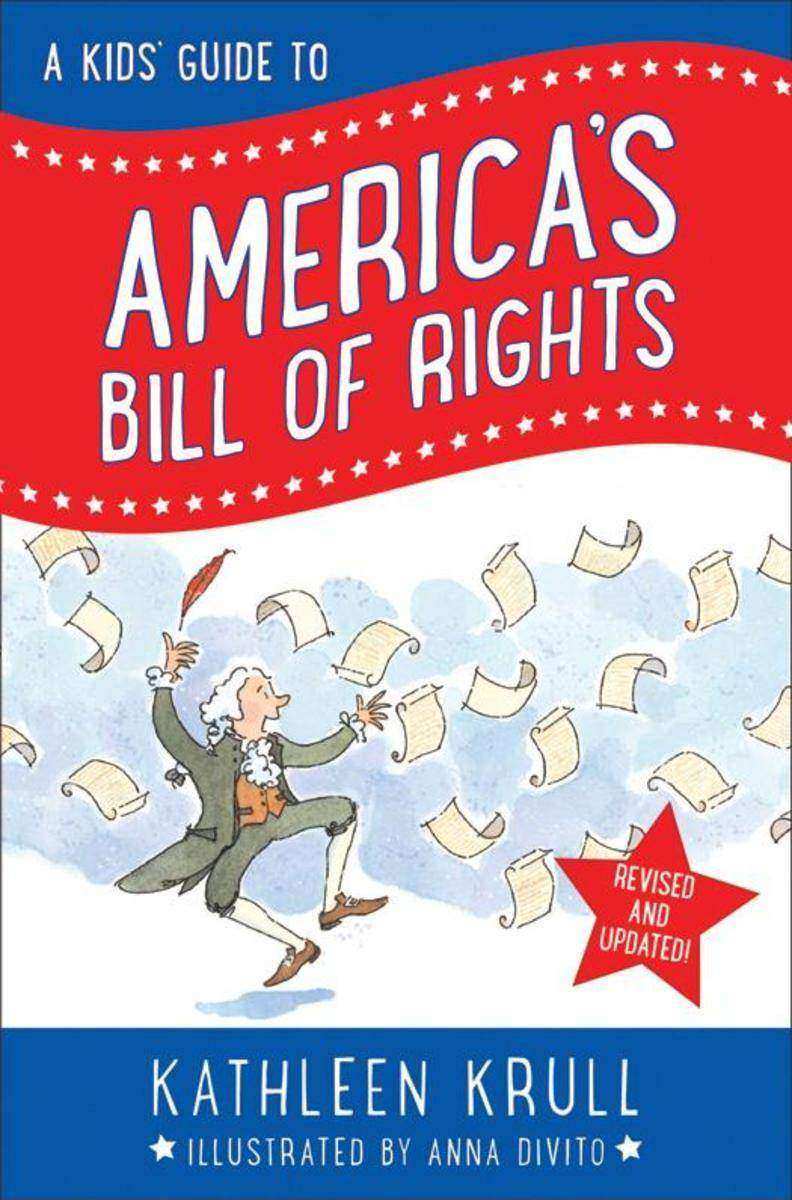
A Kids' Guide to America's Bill of Rights
¥39.13
Which 462 words are so important that they've changed the course of American history more than onceThe Bill of Rights: the first ten amendments to the Constitution, the crucial document that spells out how the United States is to be governed.Newly revised and updated, packed with anecdotes, sidebars, case studies, suggestions for further reading, and humorous illustrations, Kathleen Krull's introduction to the Bill of Rights brings an important topic vividly to life for young readers.Find out what the Bill of Rights is and how it affects your daily life in this fascinating look at the history, significance, and mysteries of these laws that protect the individual freedoms of everyone—even young people.Correlates to the Common Core State Standards in English Language Arts
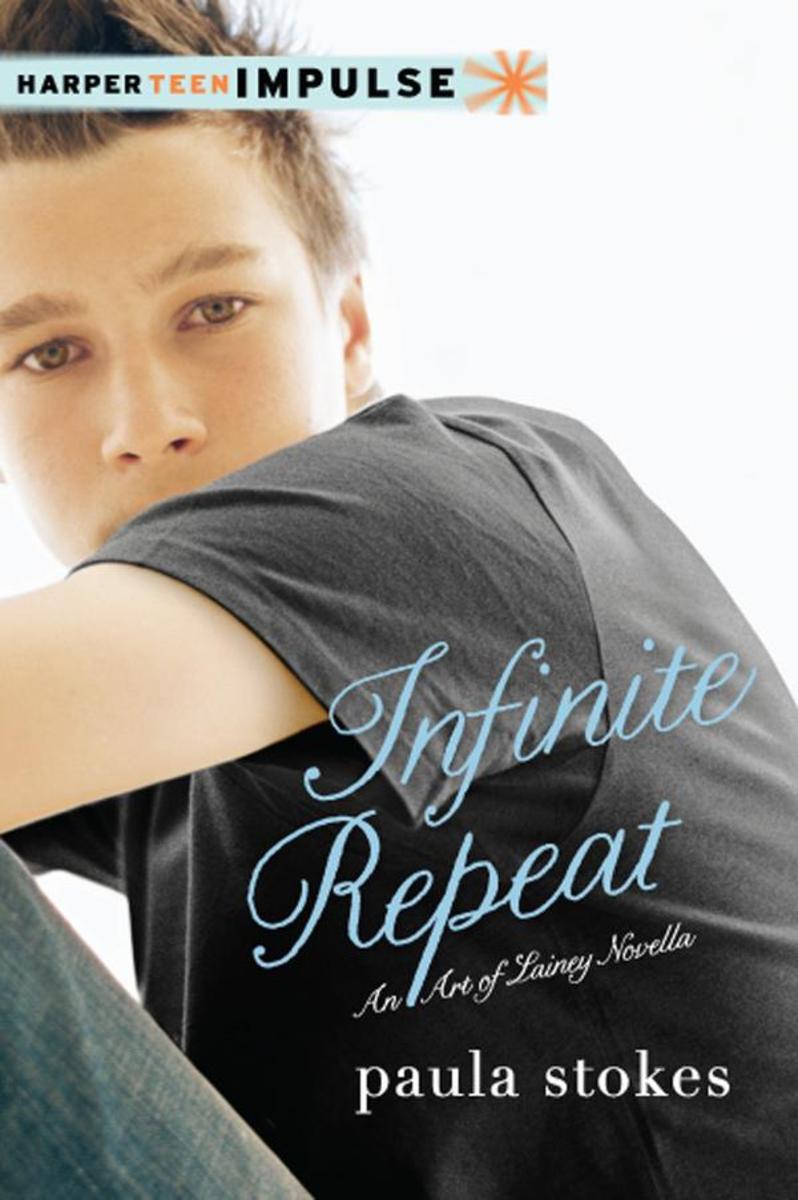
Infinite Repeat
¥10.83
We've seen Lainey's story in The Art of Lainey, but now we'll hear Micah's tale in this digital novella from Paula Stokes.Seventeen-year-old Micah Foster is looking forward to the return of his girlfriend, Amber. She's been away in Los Angeles recording an EP with her band, Arachne's Revenge. But when Amber returns home on the anniversary of Micah's dad's death, everything has changed. Over the next few days, as Micah tries to repair his relationship with Amber, he relives the events of the past few years and recognizes a pattern. His friends and family are right—Micah self-destructs every April. Will Amber be this year's casualtyOr can Micah escape his past in time to fix his present?Epic Reads Impulse is a digital imprint with new releases each month.

Newt's Emerald
¥106.31
Inspired by the works of Georgette Heyer and Jane Austen, Garth Nix's Newt's Emerald is a Regency romance with a fantasy twist. New York Times bestselling author Gail Carriger calls it "charming; quite, quite charming."?After Lady Truthful's magical Newington Emerald is stolen from her she devises a simple plan: go to London to recover the missing jewel. She quickly learns, however, that a woman cannot wander the city streets alone without damaging her reputation, and she disguises herself as a mustache-wearing man. During Truthful's dangerous journey she discovers a crook, an unsuspecting ally, and an evil sorceress—but will she find the Emerald?
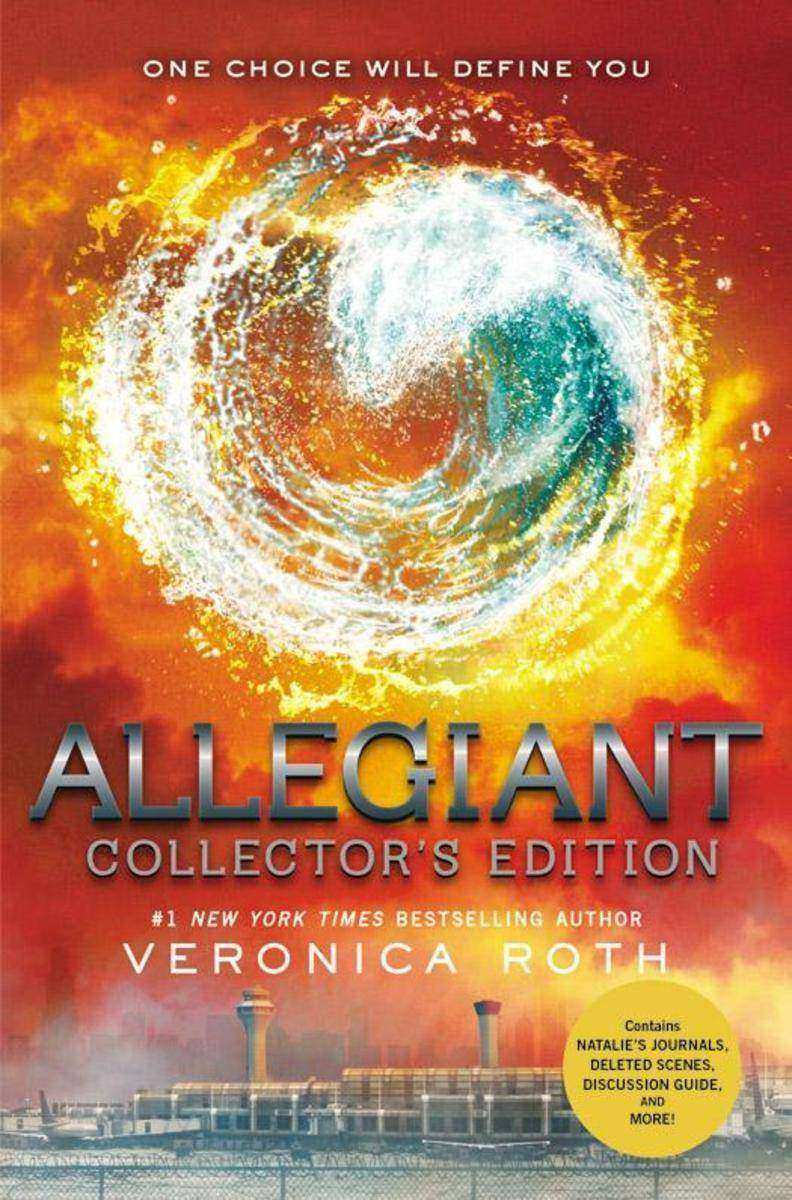
Allegiant Collector's Edition
¥111.91
The stunning conclusion to the #1 New York Times bestselling Divergent series is now available in a collector's edition featuring 48 pages of bonus content, including:Excerpts from Natalie Prior's journal Two deleted scenes with commentary from Veronica Roth Favorite quotes from Allegiant, illustrated by fellow Initiates Allegiant discussion questionsThe Allegiant Collector's Edition is perfect for established fans who want to expand their Divergent library as well as fans of the feature films starring Shailene Woodley, Theo James, and Kate Winslet. The third book in Veronica Roth's worldwide bestselling Divergent trilogy, Allegiant reveals the secrets of the dystopian world that captivated millions of readers in Divergent and Insurgent.
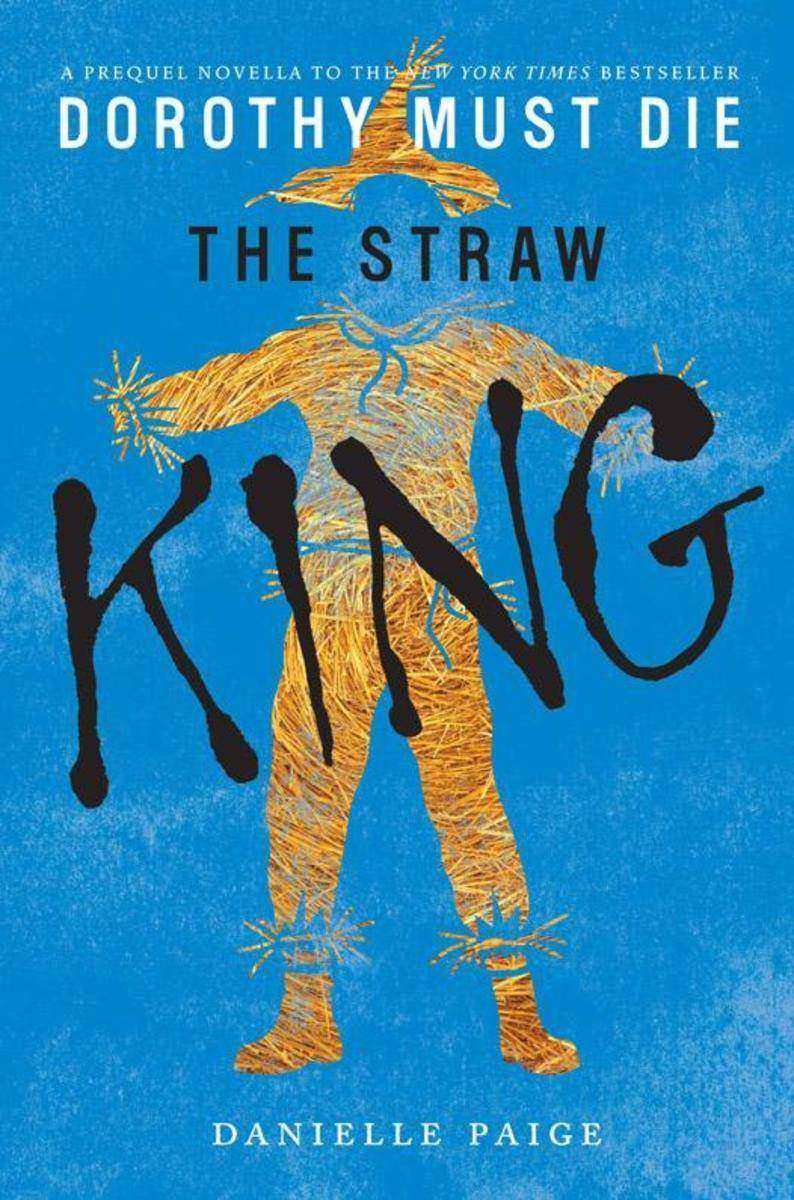
The Straw King
¥65.65
Once upon a time, the Scarecrow's only wish was to have a brain. This digital original novella is the fifth installment in the prequel arc to the edgy and thrilling New York Times bestsellers Dorothy Must Die and The Wicked Will Rise and follows the Scarecrow after he finally gets his wish.In The Wonderful Wizard of Oz, the Scarecrow received the gift of a brain from the Wizard and was appointed the new ruler of Oz. In The Straw King, the Scarecrow's tale takes a crooked turn when his reign is threatened. With faith in his newfound wisdom shaken, the Scarecrow will turn to anyone who can help—even if others have their own interests at heart.The Straw King by Danielle Paige is a dark and compelling reimagining of a beloved classic and is perfect for fans of Cinder by Marissa Meyer, Beastly by Alex Flinn, and Wicked by Gregory Maguire.

The Seventh Miss Hatfield
¥54.42
Romantic and action packed, The Seventh Miss Hatfield is a 300-page novel about a young girl with the ability to travel through time—and the secret she must protect. With an epic romance that cannot be stopped by the bounds of time, as well as deeper questions regarding immortality, The Seventh Miss Hatfield is the beginning of a series perfect for fans of love stories such as The Time Traveler's Wife as well as historical fiction with a fantastical twist like The Diviners by Libba Bray.As a child, Cynthia was lured into the home of her mysterious neighbor, Miss Hatfield. There, Miss Hatfield tells her they are both part of a long line of immortal women able to travel through time. But this gift might be more of a curse, and it comes with a price. Cynthia is beginning to lose herself: she is becoming the next Miss Hatfield.But before the process goes too far, Cynthia must travel back in time to turn-of-the-century New York and steal a painting. This picture might provide a clue to the whereabouts of the source of immortality, a clue that must remain hidden from the world.Her assignment isn't as easy as it appears, especially when Cynthia meets an attractive yet sullen boy named Henley. As their friendship grows into something stronger, Cynthia is hesitant to leave. But how can she stay with the boy she cares for when she must return to her own time before the time travel has a fatal effect on her bodyAnd would she rather stay and die in love or leave and live alone?And who is the mysterious stranger who shadows her from place to placeA hunter for the secret of immortality—or someone who has already found it?Epic Reads Impulse is a digital imprint with new releases each month.
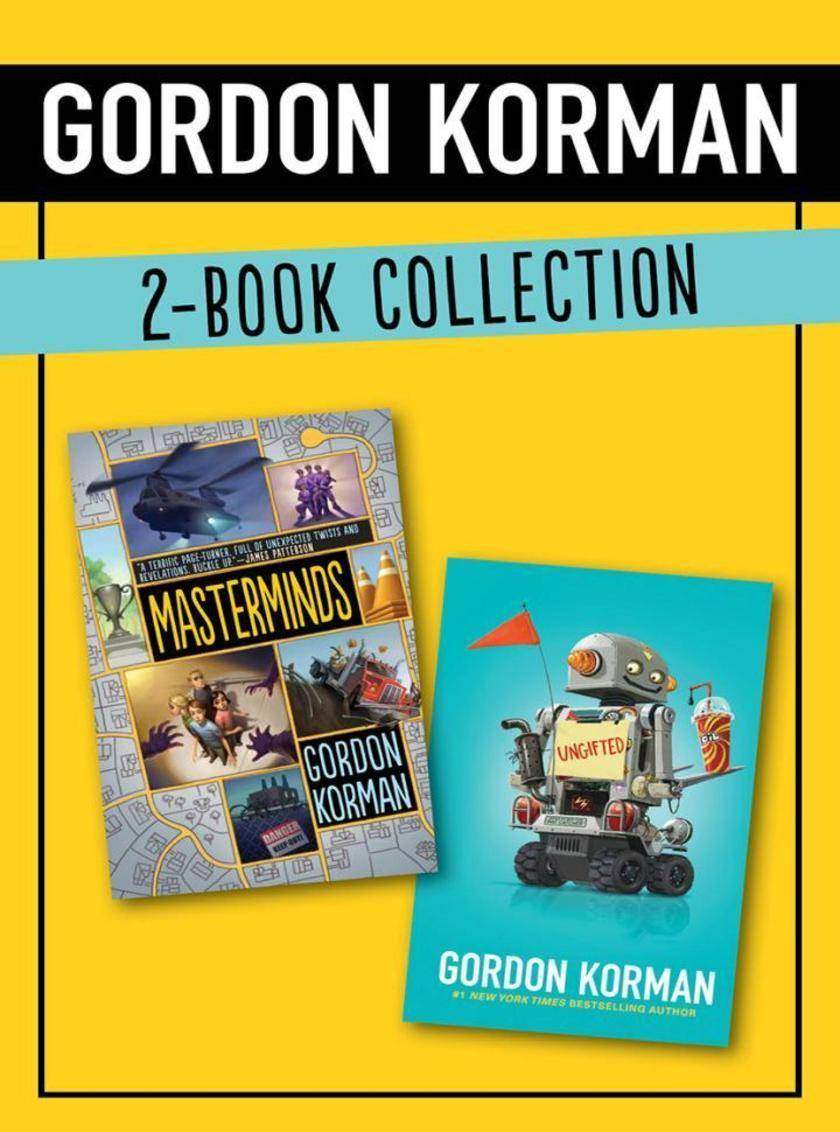
Gordon Korman 2-Book Collection
¥152.61
Here are two adventure-packed novels perfect for introducing middle grade readers to the work of #1 New York Times bestselling author Gordon Korman.Ungifted: When Donovan Curtis pulls a major prank at his middle school, he thinks he's finally gone too far. But thanks to a mix-up by one of the administrators, instead of getting in trouble, Donovan is sent to a special program for gifted and talented students. The program couldn't be a more perfectly unexpected hideout for someone like him. But as the students and teachers grow to realize that Donovan may not be good at math or science (or just about anything), he shows that his gifts may be exactly what these students never knew they needed.Masterminds: In idyllic Serenity, New Mexico, honesty and integrity are valued above all else. The thirty kids who live there never lie—they know it's a short leap from that to the awful problems of other, less fortunate places. Then one day Eli Frieden bikes to the edge of the city limits and something so crazy and unexpected happens, it changes everything. Action-packed and full of unexpected twists, this new series is perfect for young fans of James Patterson and John Grisham.
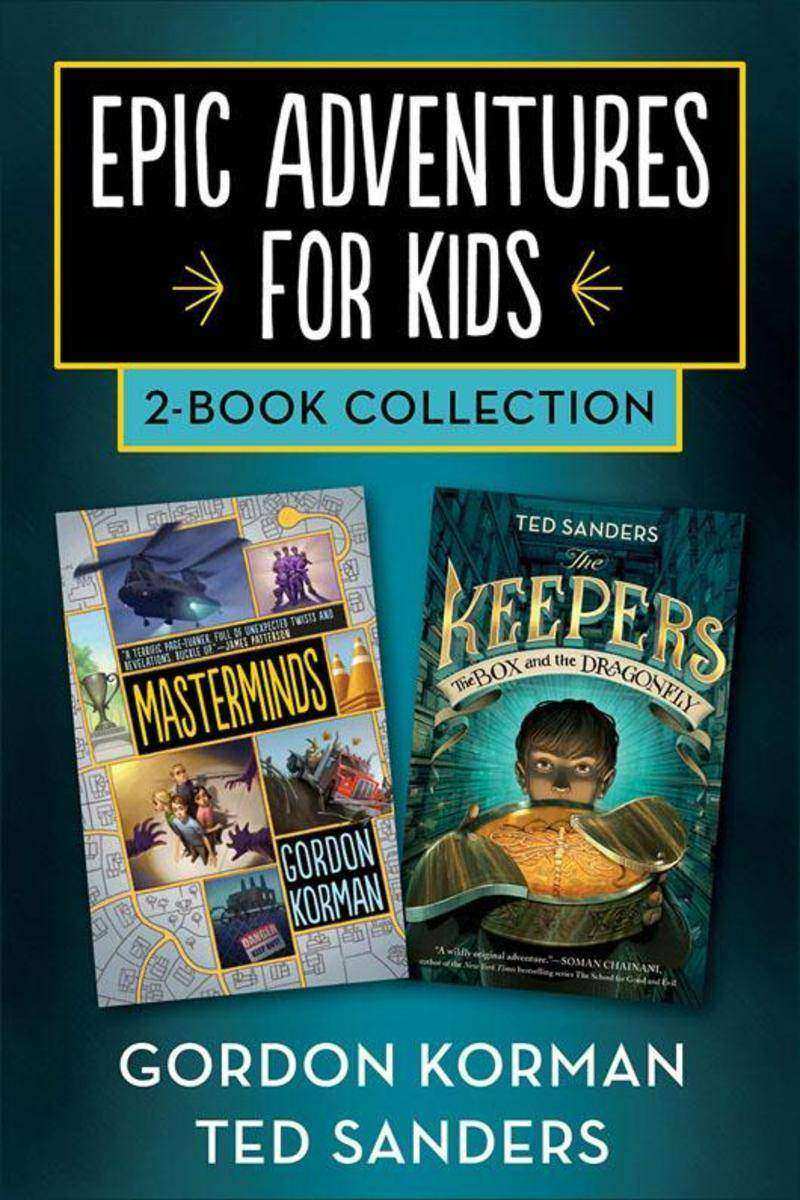
Epic Adventures for Kids 2-Book Collection
¥185.33
Here are two epic, adventure-packed novels for middle grade readers, from #1 New York Times bestselling author Gordon Korman and award-winning author Ted Sanders in his first book for younger readers.Masterminds: Action-packed and full of unexpected twists, this new series from Gordon Korman is perfect for young fans of James Patterson and John Grisham. In idyllic Serenity, New Mexico, honesty and integrity are valued above all else. The thirty kids who live there never lie—they know it's a short leap from that to the awful problems of other, less fortunate places. Then one day Eli Frieden bikes to the edge of the city limits and something so crazy and unexpected happens, it changes everything.The Keepers: The Box and the Dragonfly: Experience the fantastic adventure filled with magical objects, secret sects, and life as we know it on the line! Mixing magic and physics, Ted Sanders has created an epic story that has the feel of classic fantasy but twists it into something new and innovative. When Horace F. Andrews finds the Box of Promises in the curio shop, he quickly discovers that ordinary-looking objects can hold extraordinary power. From the enormous, sinister man shadowing him to the gradual mastery of his newfound abilities to his encounters with Chloe—a girl who has an astonishing talent of her own—Horace follows a path that puts the pair in the middle of a centuries-old conflict between two warring factions in which every decision they make could have disastrous consequences.

This May Sound Crazy
¥106.61
Academy Award-nominated actress and musician Abigail Breslin is your best friend in her publishing debut, a collection of hilarious and heartfelt nonfiction essays on the subjects nearest and dearest to our hearts: love, loss, and Tumblr.Growing up in film and the online era, Abigail knows better than anyone—it's rough out there in love-land. And this generation is ill-prepared to handle it gracefully. Let's be honest: if Cinderella had been on Twitter, she'd have ended up a crazy old cat lady like the rest of us. #realtalkSo when your "boyfriend" is liking different eligible young things' selfies, what's a modern ingénue to doPut down the iPhone, step away from the hair dye, and ~chill~. Abbie is here with cautionary tales and solid advice on being a classy-ass lady in the digital age.Because, girls, we're more than what meets the newsfeed. And this may sound crazy…But we've got this.Plus, this book is gorgeous inside and out. With a beautiful cover and heavily designed interior, this collection will be the crowning jewel on any teen's nightstand.
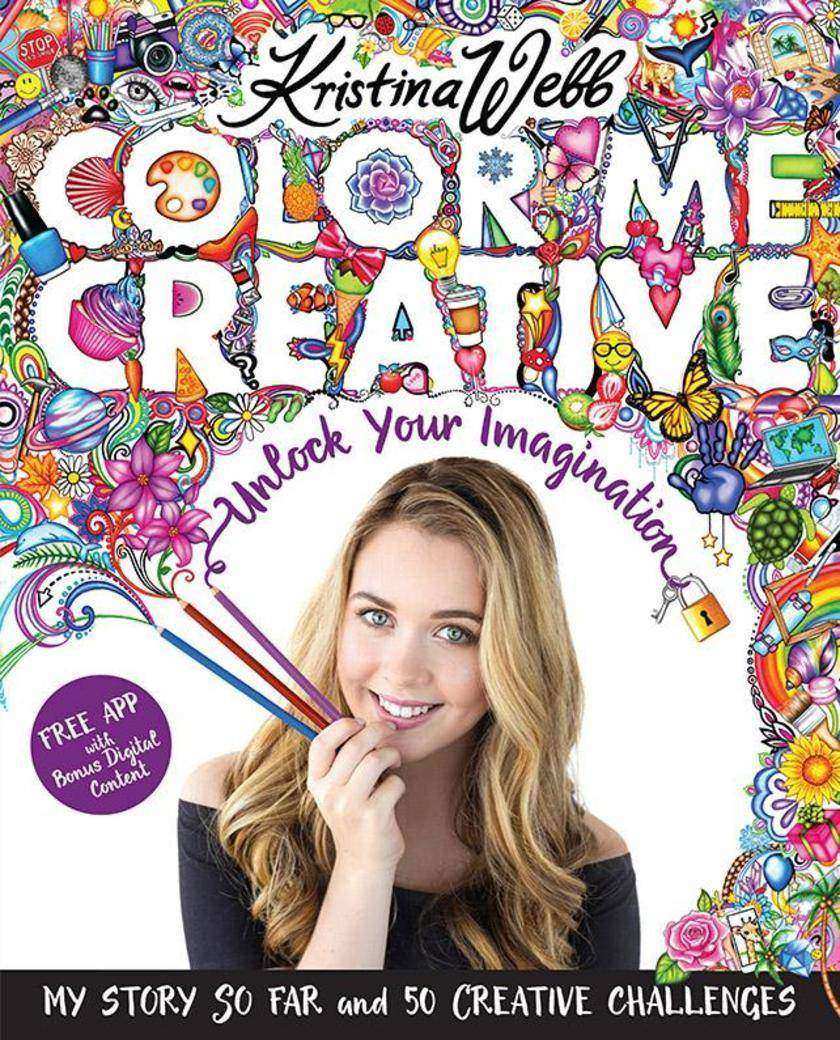
Color Me Creative
¥84.16
From Instagram sensation Kristina Webb (@colour_me_creative) comes a completely original and unique book to inspire and unlock your creativity.Color Me Creative gives readers a firsthand look into Kristina's personal life, including her exotic upbringing and the inspirational story of how, at nineteen years old, she has become one of the most popular artists of her generation, with a following in the millions. Readers can then go on their own journey by completing the fifty creative, art-inspired challenges designed by Kristina herself. This is the perfect gift not only for artists but for anyone wanting to awaken their inner creative. Featuring Kristina's beautiful custom art throughout, Color Me Creative will help readers escape the ordinary and unlock their imagination.This book offers readers the chance to download the free Unbound app to access interactive features and bonus videos by scanning the customized icon that appears throughout the book, including never-before-seen home videos and videos of Kristina drawing.

Rifles for Watie
¥44.25
Jeff Bussey walked briskly up the rutted wagon road toward Fort Leavenworth on his way to join the Union volunteers. It was 1861 in Linn County, Kansas, and Jeff was elated at the prospect of fighting for the North at last.In the Indian country south of Kansas there was dread in the air; and the name, Stand Watie, was on every tongue. A hero to the rebel, a devil to the Union man, Stand Watie led the Cherokee Indian Na-tion fearlessly and successfully on savage raids behind the Union lines. Jeff came to know the Watie men only too well.He was probably the only soldier in the West to see the Civil War from both sides and live to tell about it. Amid the roar of cannon and the swish of flying grape, Jeff learned what it meant to fight in battle. He learned how it felt never to have enough to eat, to forage for his food or starve. He saw the green fields of Kansas and Okla-homa laid waste by Watie's raiding parties, homes gutted, precious corn deliberately uprooted. He marched endlessly across parched, hot land, through mud and slash-ing rain, always hungry, always dirty and dog-tired.And, Jeff, plain-spoken and honest, made friends and enemies. The friends were strong men like Noah Babbitt, the itinerant printer who once walked from Topeka to Galveston to see the magnolias in bloom; boys like Jimmy Lear, too young to carry a gun but old enough to give up his life at Cane Hill; ugly, big-eared Heifer, who made the best sourdough biscuits in the Choctaw country; and beautiful Lucy Washbourne, rebel to the marrow and proud of it. The enemies were men of an-other breed - hard-bitten Captain Clardy for one, a cruel officer with hatred for Jeff in his eyes and a dark secret on his soul.This is a rich and sweeping novel-rich in its panorama of history; in its details so clear that the reader never doubts for a moment that he is there; in its dozens of different people, each one fully realized and wholly recognizable. It is a story of a lesser -- known part of the Civil War, the Western campaign, a part different in its issues and its problems, and fought with a different savagery. Inexorably it moves to a dramat-ic climax, evoking a brilliant picture of a war and the men of both sides who fought in it.

Max: Best Friend. Hero. Marine.
¥39.24
Now a major motion picture, this movie novelization tells the story of a canine hero.When Justin's older brother, Kyle, is killed in Afghanistan, Justin can't believe that his brother is really gone. Except there's one thing that Kyle left behind….Max is a highly trained military canine who has always protected his fellow soldiers. But when he loses his handler and best friend, Kyle, Max is traumatized and unable to remain in the service.He is sent home to America, where the only human he connects with is Justin, and he is soon adopted by Kyle's family, essentially saving his life. At first Justin has no interest in taking care of his late brother's troubled dog. However, the two learn to trust each other, which helps the four-legged veteran become his heroic self once more. As the pair start to unravel the mystery of what really happened to Kyle, they find more excitement—and danger—than they bargained for. But they might also find an unlikely new best friend—in each other.
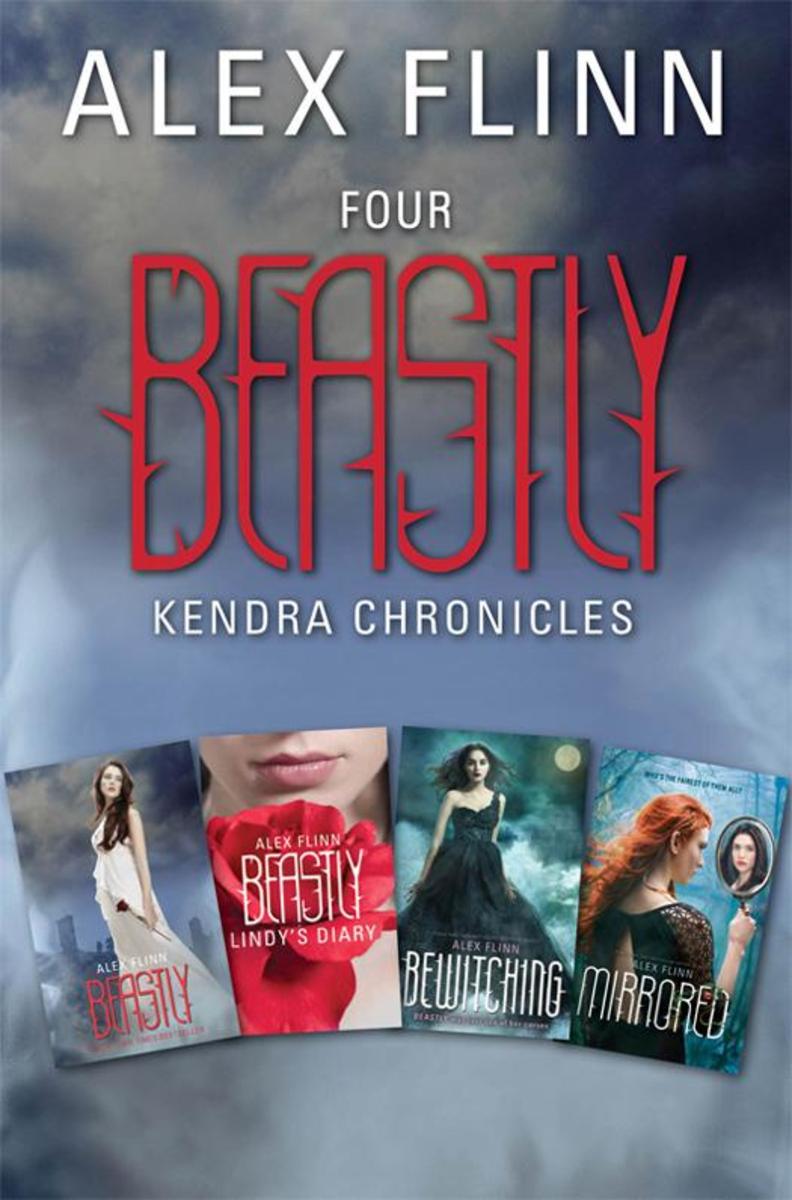
Four Beastly Kendra Chronicles Collection
¥327.12
A hapless witch, a bad boy turned beast, a beautiful girl and her wicked stepmother…what more could you want in these four modernized fairy tales, in one collection for the first time, by #1 New York Times bestselling author Alex Flinn.Beastly: Kyle was the cutest guy at school—and the most heartless. Kendra's spell turned him into a beast, but can Lindy's love turn him back into a boyAfter winning a VOYA Editor's Choice award and spending over 22 weeks on the New York Times bestseller list, Beastly, a retelling of Beauty and the Beast, became a major feature film starring Vanessa Hudgens, Alex Pettyfer, Mary Kate Olsen, and Neil Patrick Harris.Beastly: Lindy's Diary: This novella lets readers peek into the journal Lindy kept while she was getting to know—and love—her beast.Bewitching: Kendra shares her other schemes that have gone wrong . . . no matter how hard she tries! These tweaked fairy tales take readers all through history and all over the world.Mirrored: In this retelling of Snow White, beautiful Celine must take refuge with her friend Goose and his family since her wicked stepmother, Violet, is on a mission to be the fairest of all and won't let anything—including Celine—get in her way.

5 Seconds of Summer Book of Stuff
¥61.70
To the very raucous 5SOSfam—wanna find out what the band's been up to over the last yearJam-packed with their own photos, anecdotes of life on and off the road, and much more, the only official 5 Seconds of Summer book out this year means now you can . . .Luke, Michael, Calum, and Ash are having a mad year: a world tour, writing their new album, signing up their first band on their own record label, breaking the internet—it's been eventful to say the least. The good news is they want to share it all with you!This book is a special thanks for (officially) being the best fan army around!
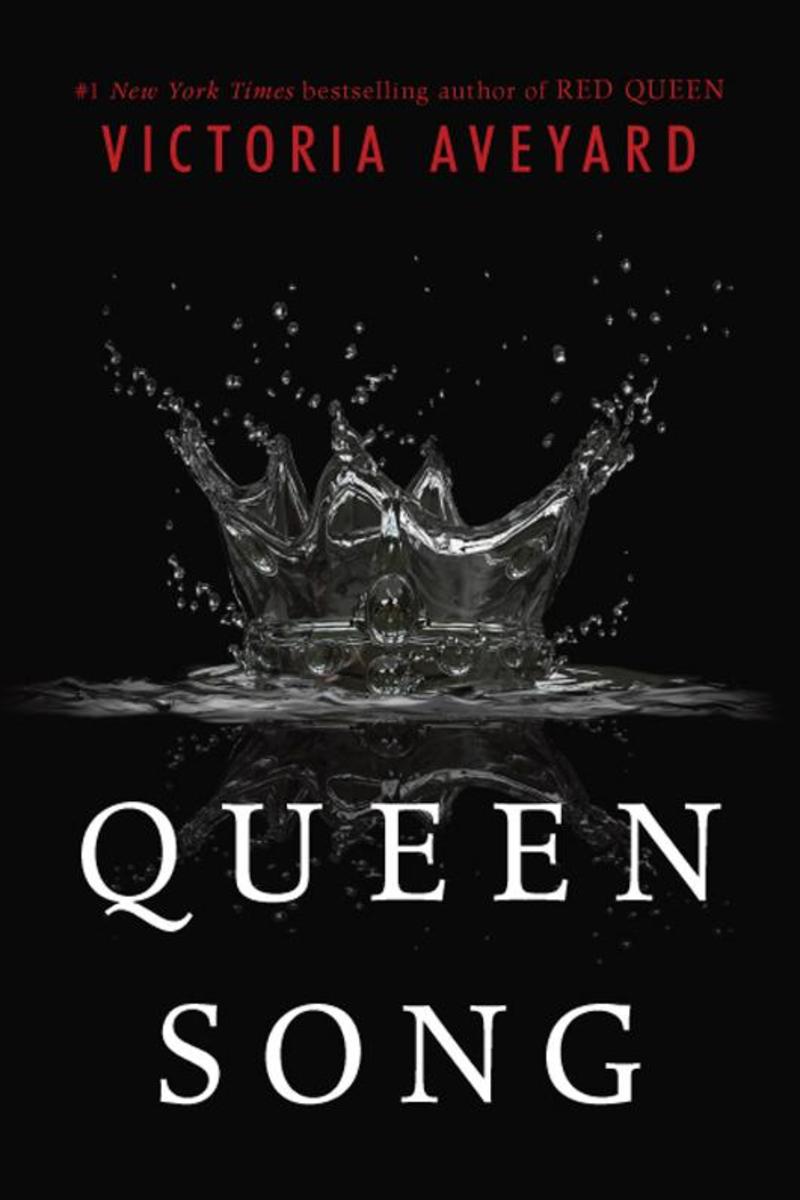
Queen Song
¥65.33
In this 55-page prequel novella set in the Red Queen world, Queen Coriane, first wife of King Tiberias, keeps a secret diary—how else can she ensure that no one at the palace will use her thoughts against herCoriane recounts her heady courtship with the crown prince, the birth of a new prince, Cal, and the potentially deadly challenges that lay ahead for her in royal life.
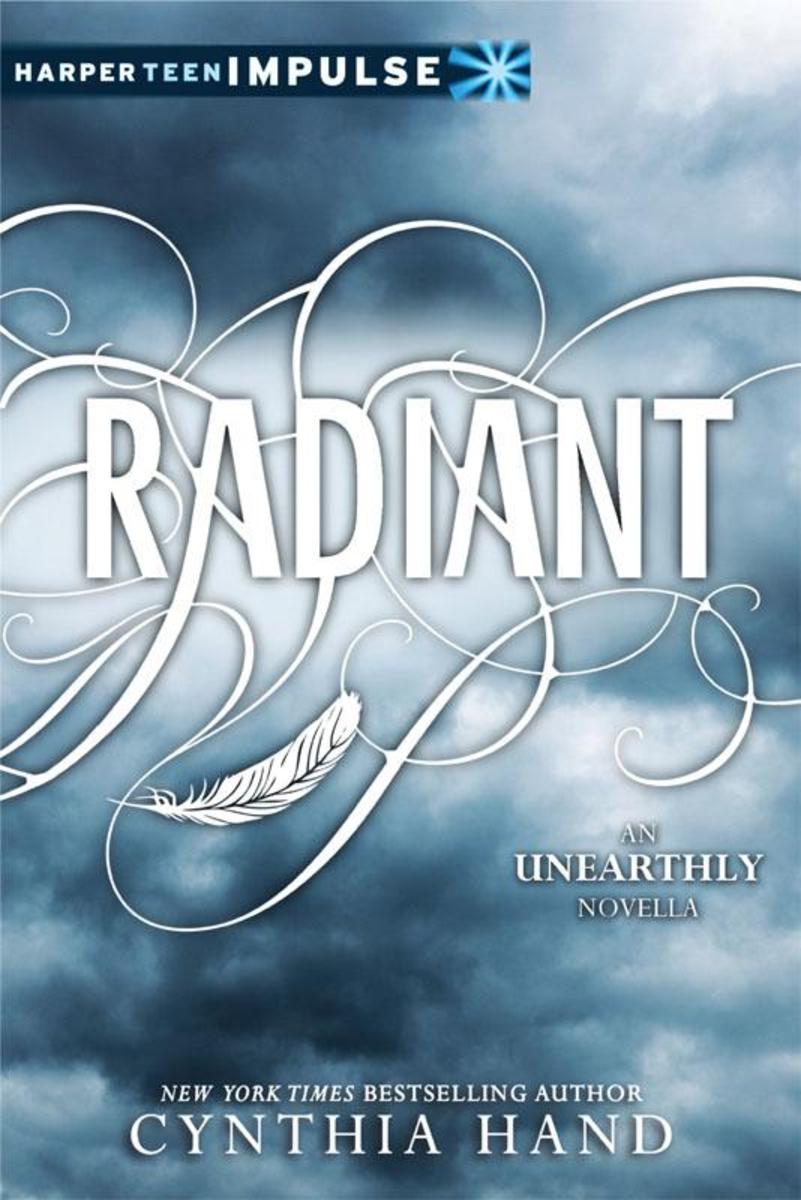
Radiant
¥10.83
From New York Times bestselling author Cynthia Hand comes a riveting original novella (available only as an ebook) set in the world of the Unearthly series.Clara is desperate to get away—from the memories that haunt her in Wyoming and the visions of a future she isn't ready to face—and spending the summer in Italy with her best friend, Angela, should be the perfect escape. . . .For as long as she can remember, Angela has been told that love is dangerous, that she must always guard her heart. But when she met Phen two years ago she was determined to be with him, no matter the costs. Now she must decide whether she can trust Clara with her secret, or if telling her the truth will risk everything she cares about.Alternating between Angela and Clara's perspectives, Radiant chronicles the unforgettable summer that will test the bounds of their friendship and change their lives forever.Epic Reads Impulse is a digital imprint with new releases each month.
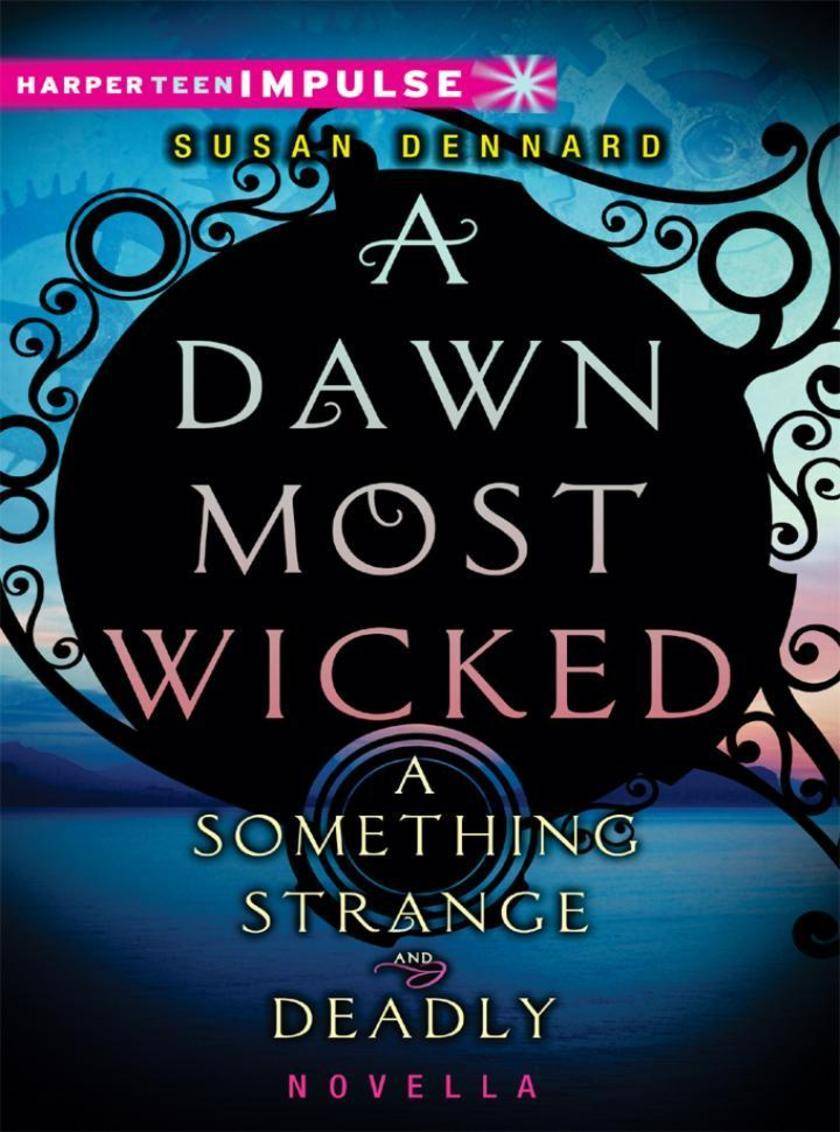
A Dawn Most Wicked
¥10.83
He has stolen Eleanor Fitt's heart, but who was Daniel Sheridan before he became a Spirit-HunterIn this suspenseful 100-page digital-original romance novella from Something Strange and Deadly author Susan Dennard, Daniel's past—and his first love—will be exposed.With a checkered past like Daniel Sheridan's, landing an apprenticeship aboard the Sadie Queen was just the fresh start he was looking for. But that's the last thing it's been. Teeming with ghosts that plague the crew with horrific nightmares, this ship is more trouble than it's worth to Daniel. Except for Cass. . . .Gorgeous and stubborn to a fault, apprentice pilot Cassidy Cochran is the one thing keeping Daniel on board. Though they started as best friends, their relationship has grown into something more intense. Their stolen, sometimes steamy moments have Daniel feeling something he never thought possible: love.Enlisting the help of a short-tempered Chinese boy named Jie and a Creole gentleman named Joseph, the three attempt to rid the boat of the ghosts—for if they don't, the Sadie Queen will be put out of business. And with Cass's fatally-ill sister in need of expensive medical help, Daniel is more determined than ever to save the ship. But when he discovers that the ghosts are linked to a dangerous curse whose caster wants everyone on board dead, Daniel will come face-to-face with an evil so dark, so wicked, that it will change the course of his life forever.Epic Reads Impulse is a digital imprint with new releases each month.


