


 购物车
购物车 个人中心
个人中心
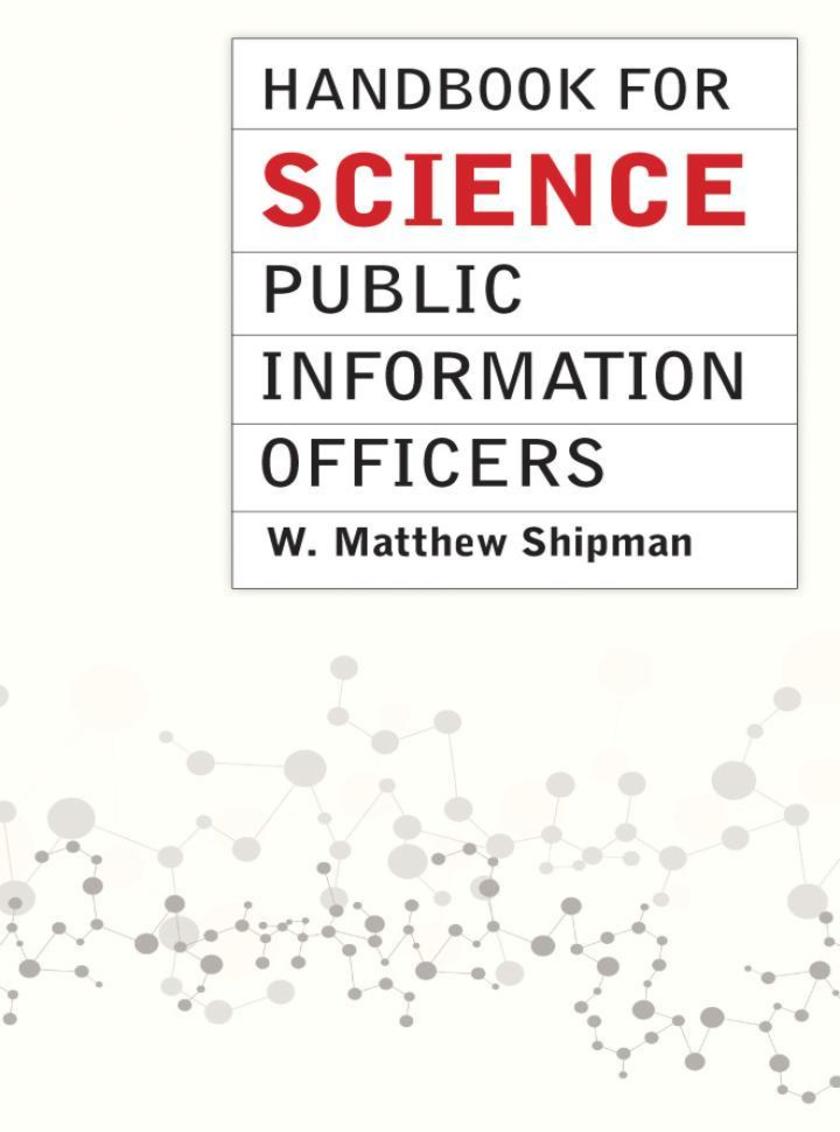
Handbook for Science Public Information Officers
¥206.01
Whether sharing a spectacular shot from a deep-space probe, announcing a development in genetic engineering, or crafting an easy-to-reference list of cancer risk factors, science public information officers, or PIOs, serve as scientific liaisons, connecting academic, nonprofit, government, and other research organizations with the public. And as traditional media outlets cut back on their science coverage, PIOs are becoming a vital source for science news.W. Matthew Shipman's Handbook for Science Public Information Officers covers all aspects of communication strategy and tactics for members of this growing specialty. It includes how to pitch a story, how to train researchers to navigate interviews, how to use social media effectively, and how to respond to a crisis. The handbook offers a wealth of practical advice while teaching science PIOs how to think critically about what they do and how they do it, so that they will be prepared to take advantage of any situation, rather than being overwhelmed by it.For all science communicators-whether they're starting their careers, crossing over from journalism or the research community, or professional communicators looking to hone their PIO skills-Shipman's Handbook for Science Public Information Officers will become their go-to reference.
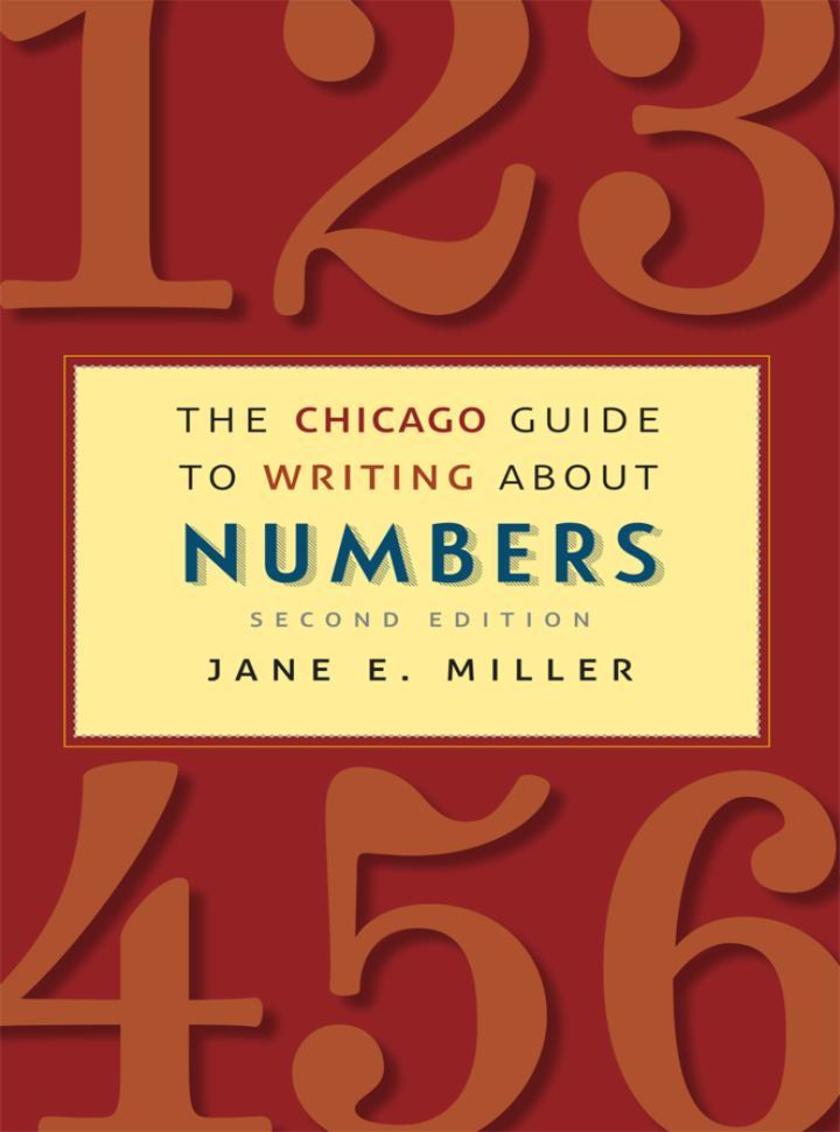
Chicago Guide to Writing about Numbers, Second Edition
¥206.01
Earning praise from scientists, journalists, faculty, and students, The Chicago Guide to Writing about Numbers has helped thousands of writers communicate data clearly and effectively. Its publication offered a much-needed bridge between good quantitative analysis and clear expository writing, using straightforward principles and efficient prose. With this new edition, Jane Miller draws on a decade of additional experience and research, expanding her advice on reaching everyday audiences and further integrating non-print formats.Miller, an experienced teacher of research methods, statistics, and research writing, opens by introducing a set of basic principles for writing about numbers, then presents a toolkit of techniques that can be applied to prose, tables, charts, and presentations. Throughout the book, she emphasizes flexibility, showing writers that different approaches work for different kinds of data and different types of audiences.The second edition adds a chapter on writing about numbers for lay audiences, explaining how to avoid overwhelming readers with jargon and technical issues. Also new is an appendix comparing the contents and formats of speeches, research posters, and papers, to teach writers how to create all three types of communication without starting each from scratch. An expanded companion website includes new multimedia resources such as slide shows and podcasts that illustrate the concepts and techniques, along with an updated study guide of problem sets and suggested course extensions.This continues to be the only book that brings together all the tasks that go into writing about numbers, integrating advice on finding data, calculatingstatistics, organizing ideas, designing tables and charts, and writing prose all in one volume. Field-tested with students and professionals alike, this holistic book is the go-to guide for everyone who writes or speaks about numbers.
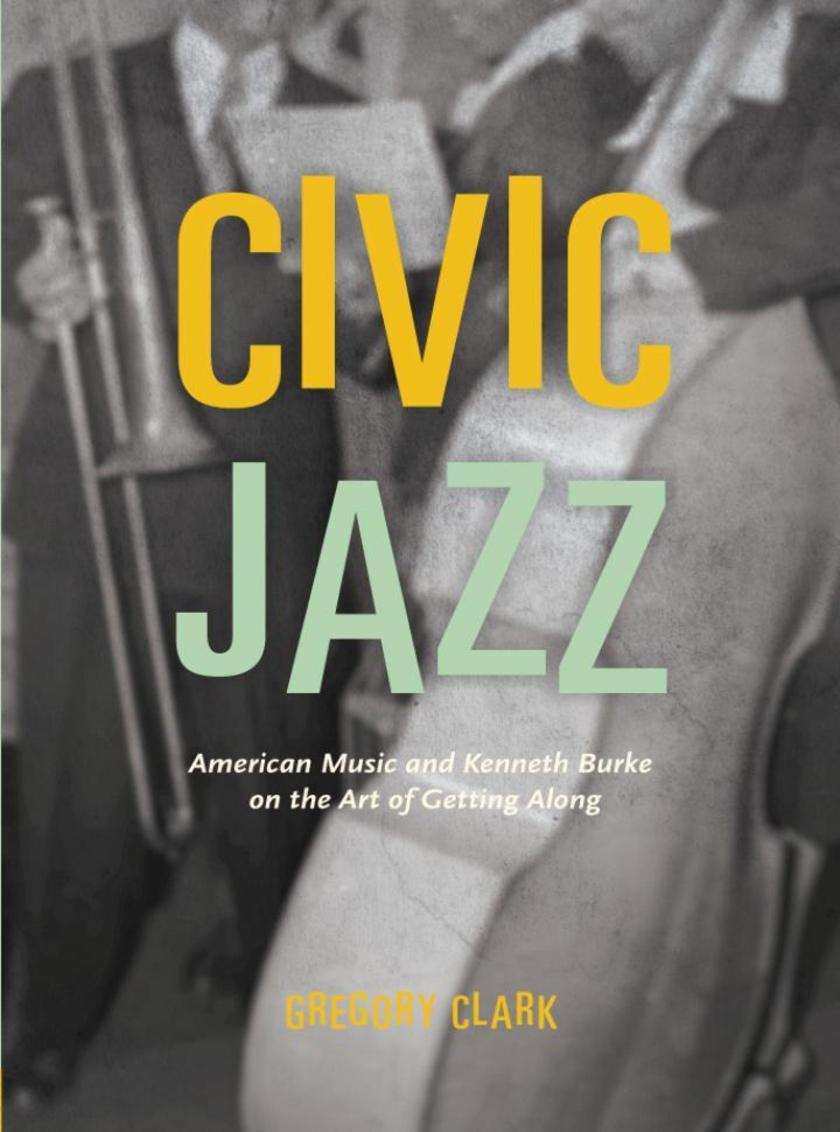
Civic Jazz
¥206.01
Jazz is born of collaboration, improvisation, and listening. In much the same way, the American democratic experience is rooted in the interaction of individuals. It is these two seemingly disparate, but ultimately thoroughly American, conceits that Gregory Clark examines in Civic Jazz. Melding Kenneth Burke's concept of rhetorical communication and jazz music's aesthetic encounters with a rigorous sort of democracy, this book weaves an innovative argument about how individuals can preserve and improve civic life in a democratic culture.Jazz music, Clark argues, demonstrates how this aesthetic rhetoric of identification can bind people together through their shared experience in a common project. While such shared experience does not demand agreement-indeed, it often has an air of competition-it does align people in practical effort and purpose. Similarly, Clark shows, Burke considered Americans inhabitants of a persistently rhetorical situation, in which each must choose constantly to identify with some and separate from others. Thought-provoking and path-breaking, Clark's harmonic mashup of music and rhetoric will appeal to scholars across disciplines as diverse as political science, performance studies, musicology, and literary criticism.
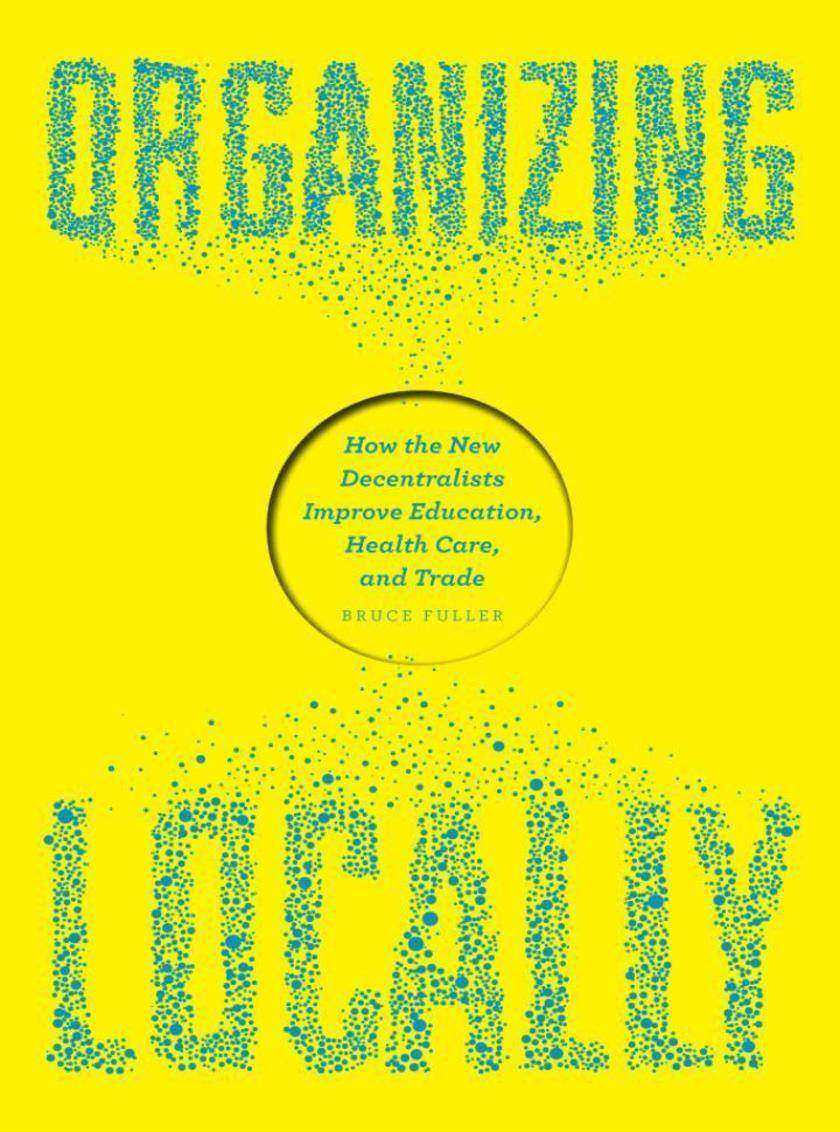
Organizing Locally
¥206.01
We love the local. From the cherries we buy, to the grocer who sells them, to the school where our child unpacks them for lunch, we express resurgent faith in decentralizing the institutions and businesses that arrange our daily lives. But the fact is that huge, bureaucratic organizations often still shape the character of our jobs, schools, the groceries where we shop, and even the hospitals we entrust with our lives. So how, exactly, can we work small, when everything around us is so big, so global and standardizedIn Organizing Locally, Bruce Fuller shows us, taking stock of America's rekindled commitment to localism across an illuminating range of sectors, unearthing the crucial values and practices of decentralized firms that work.?Fuller first untangles the economic and cultural currents that have eroded the efficacy of-and our trust in-large institutions over the past half century. From there we meet intrepid leaders who have been doing things differently. Traveling from a charter school in San Francisco to a veterans service network in Iowa, from a Pennsylvania health-care firm to the Manhattan branch of a Swedish bank, he explores how creative managers have turned local staff loose to craft inventive practices, untethered from central rules and plain-vanilla routines. By holding their successes and failures up to the same analytical light, he vividly reveals the key cornerstones of social organization on which motivating and effective decentralization depends. Ultimately, he brings order and evidence to the often strident debates about who has the power-and on what scale-to structure how we work and live locally.Written for managers, policy makers, and reform activists, Organizing Locally details the profound decentering of work and life inside firms, unfolding across postindustrial societies. Its fresh theoretical framework explains resurging faith in decentralized organizations and the ingredients that deliver vibrant meaning and efficacy for residents inside. Ultimately, it is a synthesizing study, a courageous and radical new way of conceiving of American vitality, creativity, and ambition.?
In the Home of the Famous Dead
¥192.08
In the Home of the Famous Dead will appeal to newcomers as well as to avid followers of Jo McDougall's long career and complex work, providing valuable insights to the development of a poet's signature, inimitable style. This collection presents work known for its sparse, compact language; surprising metaphor; humor; irony; idiomatic speech; and a stoic, sadly earned wisdom concerning death and loss. In McDougall's world, folks making do with what they have take the stage to speak of, in the words of one critic, "e;the tangled mysteries of their faltering lives."e; Her work has been described as having "e;excruciating honesty"e; (Gerald Stern), giving voice to the "e;ineffable emotions of plain people"e; (Judith Kitchen). Miller Williams notes that the work has "e;cleanness and clarity . . . in all the funk and smell of humanity."e; This is the poetry of midwestern plains and southern botttomlands, of waitresses and professors, farmers and bankers, the disadvantaged and privileged alike. Often beginning in the personal and expanding to the universal, this poet takes note of the phenomenological world with a mixture of joy, despair, and awe, providing a haunting look at the cosmic irony of our existence. McDougall's style is indescribable, yet wholly accessible. As Kelly Cherry notes, "e;Call it magic, call it art; either way [Jo McDougall's work] is something like a miracle."e;
Measuring the New World
¥247.21
Prior to 1735, South America was terra incognita to many Europeans.?But that year, the Paris Academy of Sciences sent a mission to the Spanish American province of Quito (in present-day Ecuador) to study the curvature of the earth at the Equator. Equipped with quadrants and telescopes, the mission's participants referred to the transfer of scientific knowledge from Europe to the Andes as a "e;sacred fire"e; passing mysteriously through European astronomical instruments to observers in South America.By taking an innovative interdisciplinary look at the traces of this expedition, Measuring the New World examines the transatlantic flow of knowledge from West to East. Through ephemeral monuments and geographical maps, this book explores how the social and cultural worlds of South America contributed to the production of European scientific knowledge during the Enlightenment. Neil Safier uses the notebooks of traveling philosophers, as well as specimens from the expedition, to place this particular scientific endeavor in the larger context of early modern print culture and the emerging intellectual category of scientist as author.?
Hard Road West
¥141.26
In 1848 news of the discovery of gold in California triggered an enormous wave of emigration toward the Pacific. Lured by the promise of riches, thousands of settlers left behind the forests, rain, and fertile soil of the eastern United States in favor of the rough-hewn lands of the American West. The dramatic terrain they struggled to cross is so familiar to us now that it is hard to imagine how frightening-even godforsaken-its sheer rock faces and barren deserts seemed to our forebears.?Hard Road West brings their perspective vividly to life, weaving together the epic overland journey of the covered wagon trains and the compelling story of the landscape they encountered. Taking readers along the 2,000-mile California Trail, Keith Meldahl uses the diaries and letters of the settlers themselves-as well as the countless hours he has spent following the trail-to reveal how the geology and geography of the West directly affected our nation's westward expansion. He guides us through a corrugated landscape of sawtooth mountains, following the meager streams that served as lifelines through an arid land, all the way to California itself, where colliding tectonic plates created breathtaking scenery and planted the gold that lured travelers west in the first place.?"e;Alternates seamlessly between vivid accounts of the 19th-century journey and lucid explanations of the geological events that shaped the landscape traveled. . . . The reader comes away with both an appreciation for the arduous cross-continental wagon journey and an understanding of the events that created such a vast and difficult landscape."e;-Library Journal?"e;[Meldahl] draws on his professional knowledge to explain the geology of the West, showing how centuries of geological activity had a direct effect on the routes taken by the travelers. . . . Meldahl provides a novel account of the largest overland migration since the Crusades."e;-Science News
After the Ice Age
¥147.15
The fascinating story of how a harsh terrain that resembled modern Antarctica has been transformed gradually into the forests, grasslands, and wetlands we know today."e;One of the best scientific books published in the last ten years."e;-Ottowa Journal"e;A valuable new synthesis of facts and ideas about climate, geography, and life during the past 20,000 years. More important, the book conveys an intimate appreciation of the rich variety of nature through time."e;-S. David Webb,Science

Baker Who Pretended to Be King of Portugal
¥270.76
On August 4, 1578, in an ill-conceived attempt to wrest Morocco back from the hands of the infidel Moors, King Sebastian of Portugal led his troops to slaughter and was himself slain. Sixteen years later, King Sebastian rose again. In one of the most famous of European impostures, Gabriel de Espinosa, an ex-soldier and baker by trade-and most likely under the guidance of a distinguished Portuguese friar-appeared in a Spanish convent town passing himself off as the lost monarch. The principals, along with a large cast of nuns, monks, and servants, were confined and questioned for nearly a year as a crew of judges tried to unravel the story, but the culprits went to their deaths with many questions left unanswered.?Ruth MacKay recalls this conspiracy, marked both by scheming and absurdity, and the legal inquest that followed, to show how stories of this kind are conceived, told, circulated, and believed. She reveals how the story of Sebastian, supposedly in hiding and planning to return to claim his crown, was lodged among other familiar stories: prophecies of returned leaders, nuns kept against their will, kidnappings by Moors, miraculous escapes, and monarchs who die for their country. As MacKay demonstrates, the conspiracy could not have succeeded without the circulation of news, the retellings of the fatal battle in well-read chronicles, and the networks of rumors and correspondents, all sharing the hope or belief that Sebastian had survived and would one day return.?With its royal intrigues, ambitious artisans, dissatisfied religious women, and corrupt clergy, The Baker Who Pretended to Be King of Portugal will undoubtedly captivate readers as it sheds new light on the intricate political and cultural relations between Spain and Portugal in the early modern period and the often elusive nature of historical truth.

Shakespeare and the Law
¥311.96
William Shakespeare is inextricably linked with the law. Legal documents make up most of the records we have of his life, and trials, lawsuits, and legal terms permeate his plays. Gathering an extraordinary team of literary and legal scholars, philosophers, and even sitting judges,?Shakespeare and the Law demonstrates that Shakespeare's thinking about legal concepts and legal practice points to a deep and sometimes vexed engagement with the law's technical workings, its underlying premises, and its social effects.The book's opening essays offer perspectives on law and literature that emphasize both the continuities and contrasts between the two fields. The second section considers Shakespeare's awareness of common law thinking and common law practice, while the third inquires into Shakespeare's general attitudes toward legal systems. The fourth part of the book looks at how law enters into conversation with issues of politics and community, whether in the plays, in Shakespeare's world, or in our own world. Finally, a colloquy among Supreme Court Justice Stephen Breyer, Judge Richard Posner, Martha C. Nussbaum, and Richard Strier covers everything from the ghost in?Hamlet?to the nature of judicial discretion.

Front Page Economics
¥353.16
In an age when pundits constantly decry overt political bias in the media, we have naturally become skeptical of the news. But the bluntness of such critiques masks the highly sophisticated ways in which the media frame important stories. In Front Page Economics, Gerald Suttles delves deep into the archives to examine coverage of two major economic crashes-in 1929 and 1987-in order to systematically break down the way newspapers normalize crises.Poring over the articles generated by the crashes-as well as the people in them, the writers who wrote them, and the cartoons that ran alongside them-Suttles uncovers dramatic changes between the ways the first and second crashes were reported. In the intervening half-century, an entire new economic language had arisen and the practice of business journalism had been completely altered. Both of these transformations, Suttles demonstrates, allowed journalists to describe the 1987 crash in a vocabulary that was normal and familiar to readers, rendering it routine.A subtle and probing look at how ideologies are packaged and transmitted to the casual newspaper reader, Front Page Economics brims with important insights that shed light on our own economically tumultuous times.

Document Raj
¥394.36
Historians of British colonial rule in India have noted both the place of military might and the imposition of new cultural categories in the making of Empire, but Bhavani Raman, in Document Raj, uncovers a lesser-known story of power: the power of bureaucracy. Drawing on extensive archival research in the files of the East India Company's administrative offices in Madras, she tells the story of a bureaucracy gone awry in a fever of documentation practices that grew ever more abstract-and the power, both economic and cultural, this created.?In order to assert its legitimacy and value within the British Empire, the East India Company was diligent about record keeping. Raman shows, however, that the sheer volume of their document production allowed colonial managers to subtly but substantively manipulate records for their own ends, increasingly drawing the real and the recorded further apart. While this administrative sleight of hand increased the company's reach and power within the Empire, it also bolstered profoundly new orientations to language, writing, memory, and pedagogy for the officers and Indian subordinates involved. Immersed in a subterranean world of delinquent scribes, translators, village accountants, and entrepreneurial fixers, Document Raj maps the shifting boundaries of the legible and illegible, the legal and illegitimate, that would usher India into the modern world.

Moment of Racial Sight
¥394.36
The Moment of Racial Sight overturns the most familiar form of racial analysis in contemporary culture: the idea that race is constructed, that it operates by attaching visible marks of difference to arbitrary meanings and associations. Searching for the history of the constructed racial sign, Irene Tucker argues that if people instantly perceive racial differences despite knowing better, then the underlying function of race is to produce this immediate knowledge. Racial perception, then, is not just a mark of acculturation, but a part of how people know one another.?Tucker begins her investigation in the Enlightenment, at the moment when skin first came to be used as the primary mark of racial difference. Through Kant and his writing on the relation of philosophy and medicine, she describes how racialized skin was created as a mechanism to enable us to perceive the likeness of individuals in a moment. From there, Tucker tells the story of instantaneous racial seeing across centuries-from the fictive bodies described but not seen in Wilkie Collins's realism to the medium of common public opinion in John Stuart Mill, from the invention of the notion of a constructed racial sign in Darwin's late work to the institutionalizing of racial sight on display in the HBO series The Wire. Rich with perceptive readings of unexpected texts, this ambitious book is an important intervention in the study of race.

Novel Science
¥394.36
Novel Science is the first in-depth study of the shocking, groundbreaking, and sometimes beautiful writings of the gentlemen of the "e;heroic age"e; of geology and of the contribution these men made to the literary culture of their day. For these men, literature was an essential part of the practice of science itself, as important to their efforts as mapmaking, fieldwork, and observation. The reading and writing of imaginative literatures helped them to discover, imagine, debate, and give shape and meaning to millions of years of previously undiscovered earth history.?Borrowing from the historical fictions of Walter Scott and the poetry of Lord Byron, they invented geology as a science, discovered many of the creatures we now call the dinosaurs, and were the first to unravel and map the sequence and structure of stratified rock. As Adelene Buckland shows, they did this by rejecting the grand narratives of older theories of the earth or of biblical cosmogony: theirs would be a humble science, faithfully recording minute details and leaving the big picture for future generations to paint. Buckland also reveals how these scientists-just as they had drawn inspiration from their literary predecessors-gave Victorian realist novelists such as George Eliot, Charles Kingsley, and Charles Dickens a powerful language with which to create dark and disturbing ruptures in the too-seductive sweep of story.
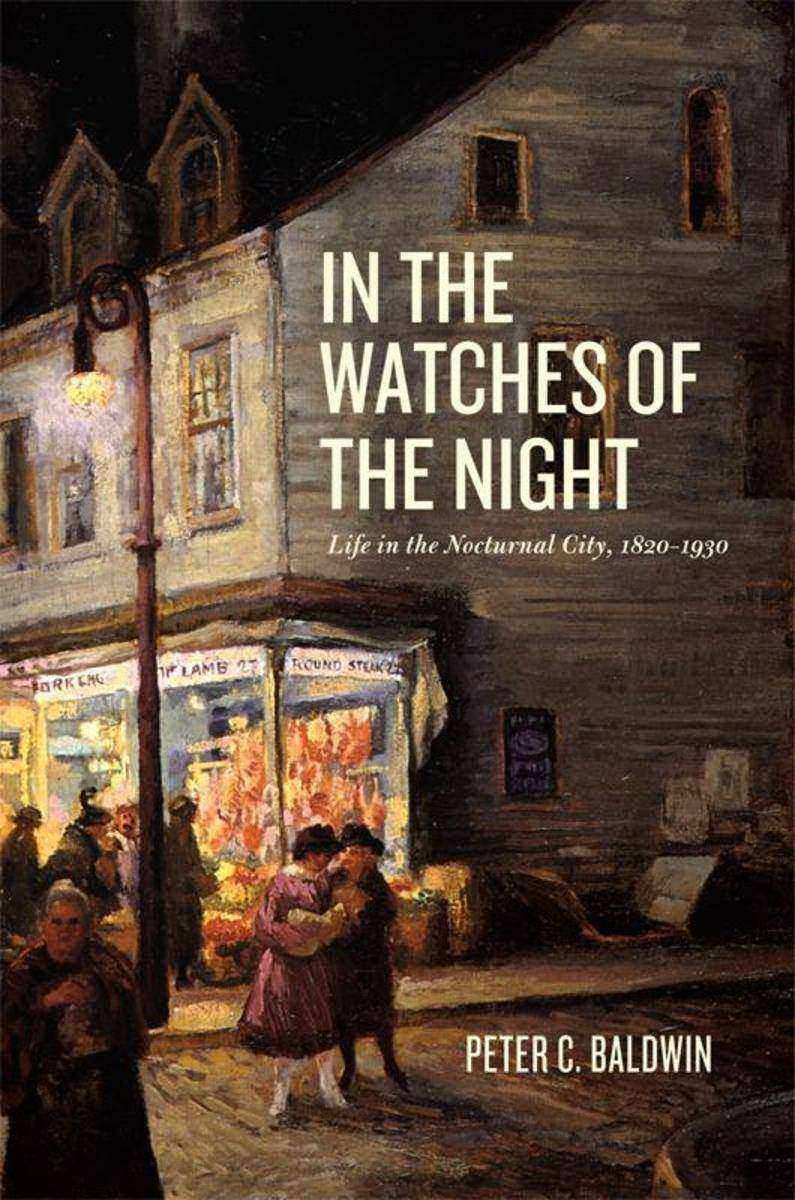
In the Watches of the Night
¥223.67
Before skyscrapers and streetlights glowed at all hours, American cities fell into inky blackness with each setting of the sun. But over the course of the nineteenth and early twentieth century, new technologies began to light up streets, sidewalks, buildings, and public spaces. Peter C. Baldwin's evocative book depicts the changing experience of the urban night over this period, visiting a host of actors-scavengers, newsboys, and mashers alike-in the nocturnal city.Baldwin examines work, crime, transportation, and leisure as he moves through the gaslight era, exploring the spread of modern police forces and the emergence of late-night entertainment, to the era of electricity, when social campaigns sought to remove women and children from public areas at night. While many people celebrated the transition from darkness to light as the arrival of twenty-four hours of daytime, Baldwin shows that certain social patterns remained, including the danger of street crime and the skewed gender profile of night work. Sweeping us from concert halls and brothels to streetcars and industrial forges, In the Watches of the Night is an illuminating study of a vital era in American urban history.
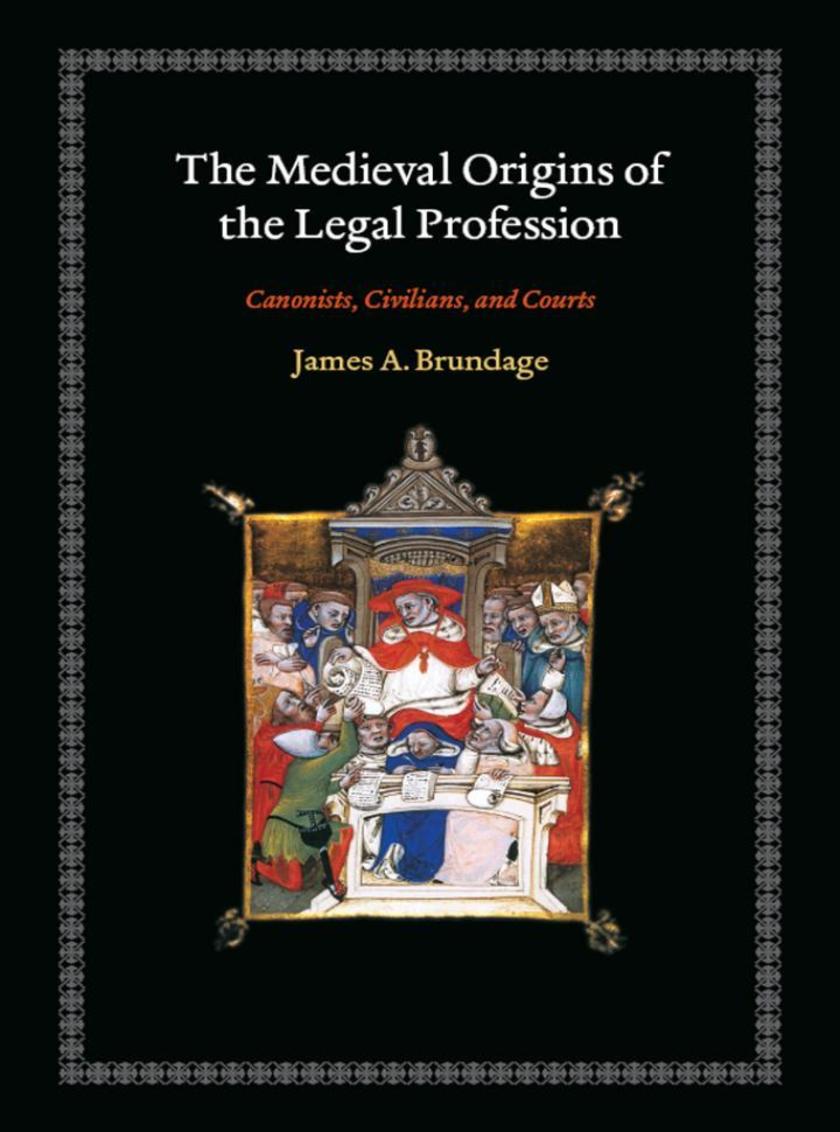
Medieval Origins of the Legal Profession
¥353.16
In the aftermath of sixth-century barbarian invasions, the legal profession that had grown and flourished during the Roman Empire vanished. Nonetheless, professional lawyers suddenly reappeared in Western Europe seven hundred years later during the 1230s when church councils and public authorities began to impose a body of ethical obligations on those who practiced law. James Brundage's The Medieval Origins of the Legal Profession traces the history of legal practice from its genesis in ancient Rome to its rebirth in the early Middle Ages and eventual resurgence in the courts of the medieval church.By the end of the eleventh century, Brundage argues, renewed interest in Roman law combined with the rise of canon law of the Western church to trigger a series of consolidations in the profession. New legal procedures emerged, and formal training for proctors and advocates became necessary in order to practice law in the reorganized church courts. Brundage demonstrates that many features?that characterize legal advocacy today were already in place by 1250, as lawyers trained in Roman and canon law became professionals in every sense of the term. A sweeping examination of the centuries-long power struggle between local courts and the Christian church, secular rule and religious edict, The Medieval Origins of the Legal Profession will be a resource for the professional and the student alike.
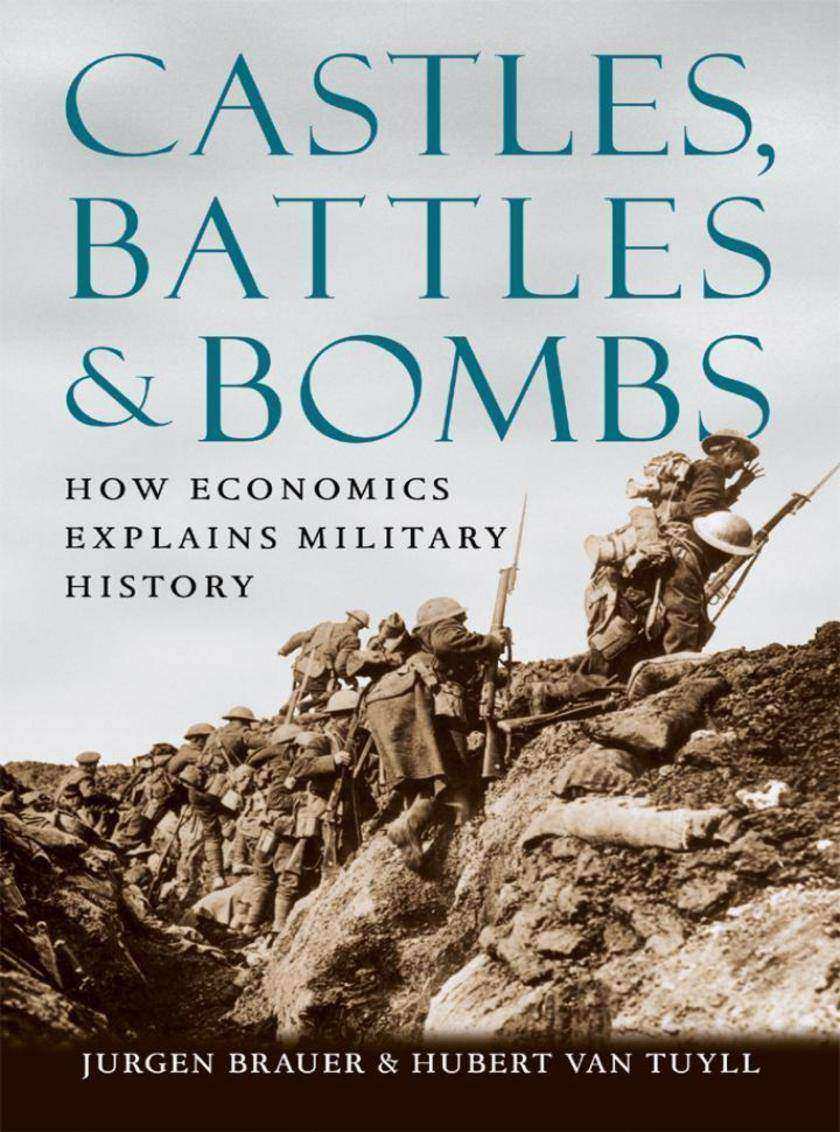
Castles, Battles, and Bombs
¥147.15
Castles, Battles, and Bombs reconsiders key episodes of military history from the point of view of economics-with dramatically insightful results. For example, when looked at as a question of sheer cost, the building of castles in the High Middle Ages seems almost inevitable: though stunningly expensive, a strong castle was far cheaper to maintain than a standing army. The authors also reexamine the strategic bombing of Germany in World War II and provide new insights into France's decision to develop nuclear weapons. Drawing on these examples and more, Brauer and Van Tuyll suggest lessons for today's military, from counterterrorist strategy and military manpower planning to the use of private military companies in Afghanistan and Iraq.?"e;In bringing economics into assessments of military history, [the authors] also bring illumination. . . . [The authors] turn their interdisciplinary lens on the mercenary arrangements of Renaissance Italy; the wars of Marlborough, Frederick the Great, and Napoleon; Grant's campaigns in the Civil War; and the strategic bombings of World War II. The results are invariably stimulating."e;-Martin Walker, Wilson Quarterly?"e;This study is serious, creative, important. As an economist I am happy to see economics so professionally applied to illuminate major decisions in the history of warfare."e;-Thomas C. Schelling, Winner of the 2005 Nobel Prize in Economics
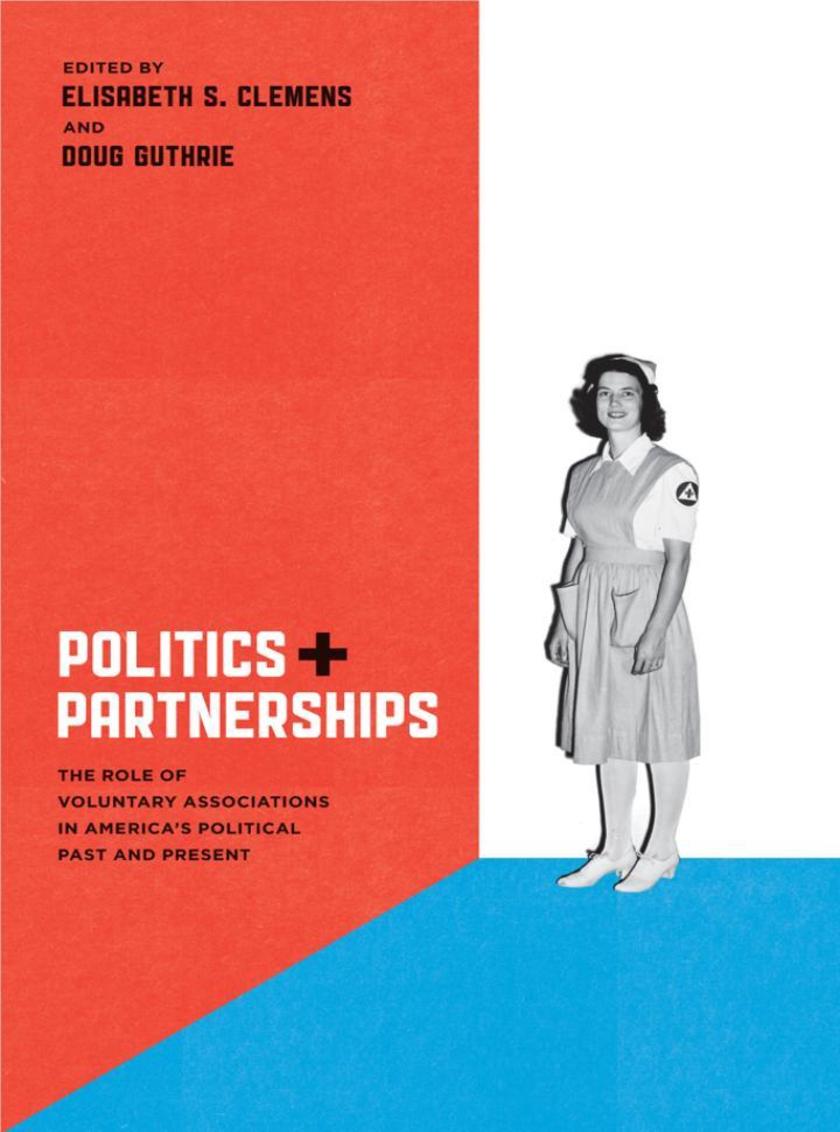
Politics and Partnerships
¥206.01
Exhorting people to volunteer is part of the everyday vocabulary of American politics. Routinely, members of both major parties call for partnerships between government and nonprofit organizations. These entreaties increase dramatically during times of crisis, and the voluntary efforts of ordinary citizens are now seen as a necessary supplement to government intervention.But despite the ubiquity of the idea of volunteerism in public policy debates, analysis of its role in American governance has been fragmented. Bringing together a diverse set of disciplinary approaches, Politics and Partnerships is a thorough examination of the place of voluntary associations in political history and an astute investigation into contemporary experiments in reshaping that role. The essays here reveal the key role nonprofits have played in the evolution of both the workplace and welfare and illuminate the way that government's retreat from welfare has radically altered the relationship between nonprofits and corporations.
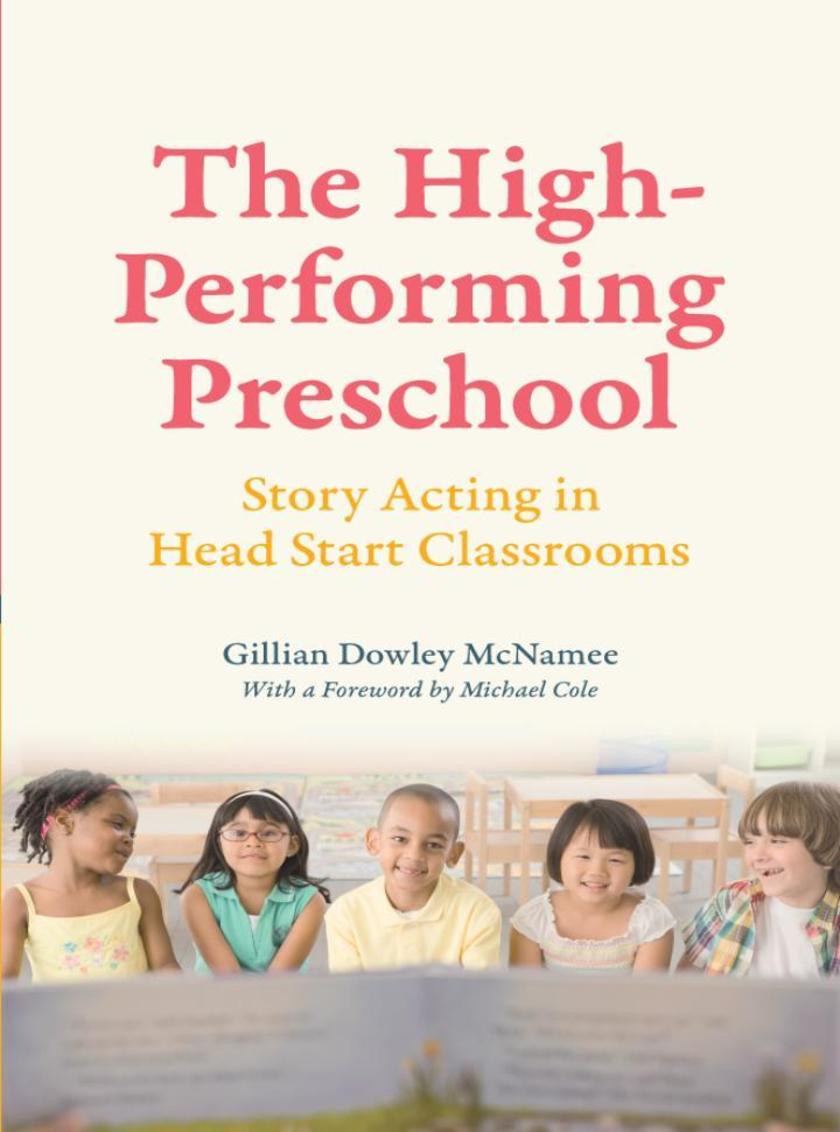
High-Performing Preschool
¥182.47
The High-Performing Preschool takes readers into the lives of three- and four-year-old Head Start students during their first year of school and focuses on the centerpiece of their school day: story acting. In this activity, students act out stories from high-quality children's literature as well as stories dictated by their peers. Drawing on a unique pair of thinkers-Russian psychologist Lev Vygotsky and renowned American teacher and educational writer Vivian G. Paley-Gillian Dowley McNamee elucidates the ways, and reasons, this activity is so successful. She shows how story acting offers a larger blueprint for curricula that helps ensure all preschools-not just those for society's well-to-do-are excellent.McNamee outlines how story acting cultivates children's oral and written language skills. She shows how it creates a crucial opportunity for teachers to guide children inside the interior logic and premises of an idea, and how it fosters the creation of a literary community. Starting with Vygotsky and Paley, McNamee paints a detailed portrait of high-quality preschool teaching, showing how educators can deliver on the promise of Head Start and provide a setting for all young children to become articulate, thoughtful, and literate learners. ?
Houston, We Have a Narrative
¥147.15
Ask a scientist about Hollywood, and you'll probably get eye rolls. But ask someone in Hollywood about science, and they'll see dollar signs: moviemakers know that science can be the source of great stories, with all the drama and action that blockbusters require.?That's a huge mistake, says Randy Olson: Hollywood has a lot to teach scientists about how to tell a story-and, ultimately, how to do science better. With Houston, We Have a Narrative, he lays out a stunningly simple method for turning the dull into the dramatic. Drawing on his unique background, which saw him leave his job as a working scientist to launch a career as a filmmaker, Olson first diagnoses the problem: When scientists tell us about their work, they pile one moment and one detail atop another moment and another detail-a stultifying procession of "e;and, and, and."e; What we need instead is an understanding of the basic elements of story, the narrative structures that our brains are all but hardwired to look for-which Olson boils down, brilliantly, to "e;And, But, Therefore,"e; or ABT. At a stroke, the ABT approach introduces momentum ("e;And"e;), conflict ("e;But"e;), and resolution ("e;Therefore"e;)-the fundamental building blocks of story. As Olson has shown by leading countless workshops worldwide, when scientists' eyes are opened to ABT, the effect is staggering: suddenly, they're not just talking about their work-they're telling stories about it. And audiences are captivated.?Written with an uncommon verve and enthusiasm, and built on principles that are applicable to fields far beyond science, Houston, We Have a Narrative has the power to transform the way science is understood and appreciated, and ultimately how it's done.
Demands of the Day
¥188.35
Demands of the Day asks about the logical standards and forms that should guide ethical and experimental anthropology in the twenty-first century. Anthropologists Paul Rabinow and Anthony Stavrianakis do so by taking up Max Weber's notion of the "e;demands of the day."e; Just as the demand of the day for anthropology decades ago consisted of thinking about fieldwork, today, they argue, the demand is to examine what happens after, how the experiences of fieldwork are gathered, curated, narrated, and ultimately made available for an anthropological practice that moves beyond mere ethnographic de*ion.?Rabinow and Stavrianakis draw on experiences from an innovative set of anthropological experiments that investigated how and whether the human and biological sciences could be brought into a mutually enriching relationship. Conceptualizing the anthropological and philosophic ramifications of these inquiries, they offer a bold challenge to contemporary anthropology to undertake a more rigorous examination of its own practices, blind spots, and capacities, in order to meet the demands of our day.


