


 购物车
购物车 个人中心
个人中心
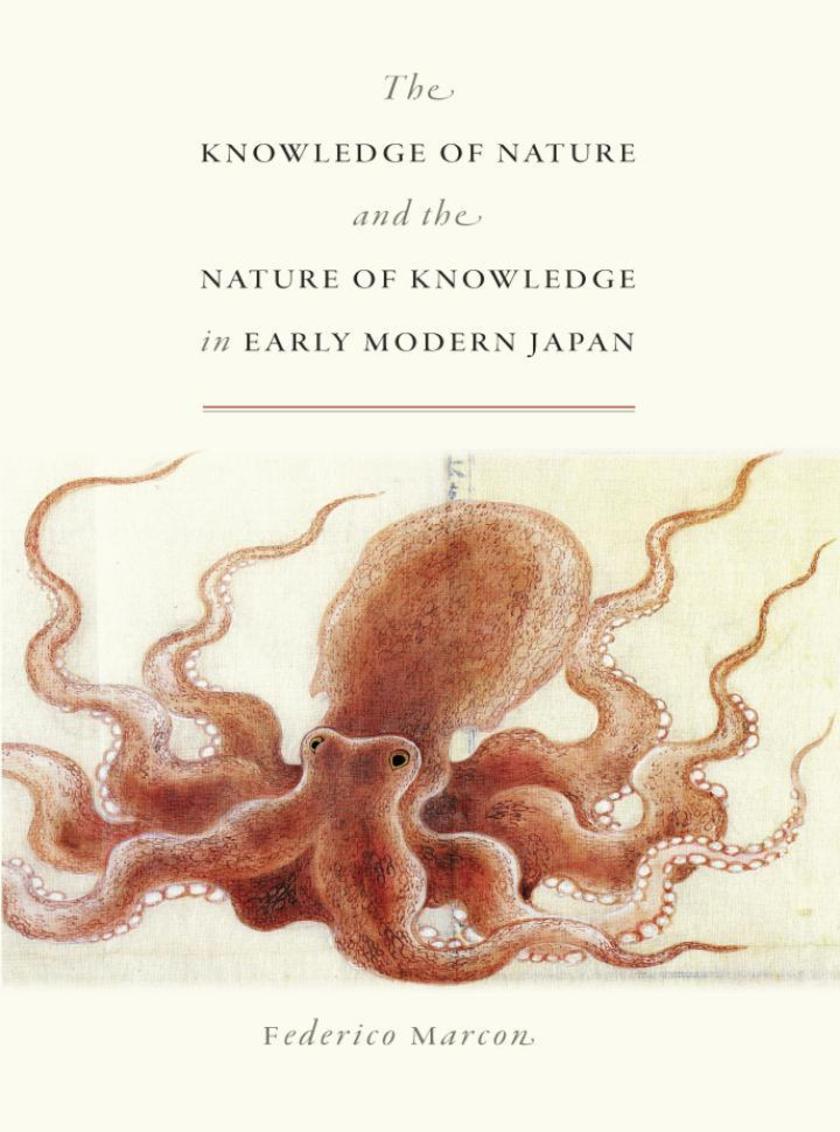
Knowledge of Nature and the Nature of Knowledge in Early Modern Japan
¥370.82
Between the early seventeenth and the mid-nineteenth century, the field of natural history in Japan separated itself from the discipline of medicine, produced knowledge that questioned the traditional religious and philosophical understandings of the world, developed into a system (called honzogaku) that rivaled Western science in complexity-and then seemingly disappeared. Or did itIn The Knowledge of Nature and the Nature of Knowledge in Early Modern Japan, Federico Marcon recounts how Japanese scholars developed a sophisticated discipline of natural history analogous to Europe's but created independently, without direct influence, and argues convincingly that Japanese natural history succumbed to Western science not because of suppression and substitution, as scholars traditionally have contended, but by adaptation and transformation.?The first book-length English-language study devoted to the important field of honzogaku, The Knowledge of Nature and the Nature of Knowledge in Early Modern Japan will be an essential text for historians of Japanese and East Asian science, and a fascinating read for anyone interested in the development of science in the early modern era.
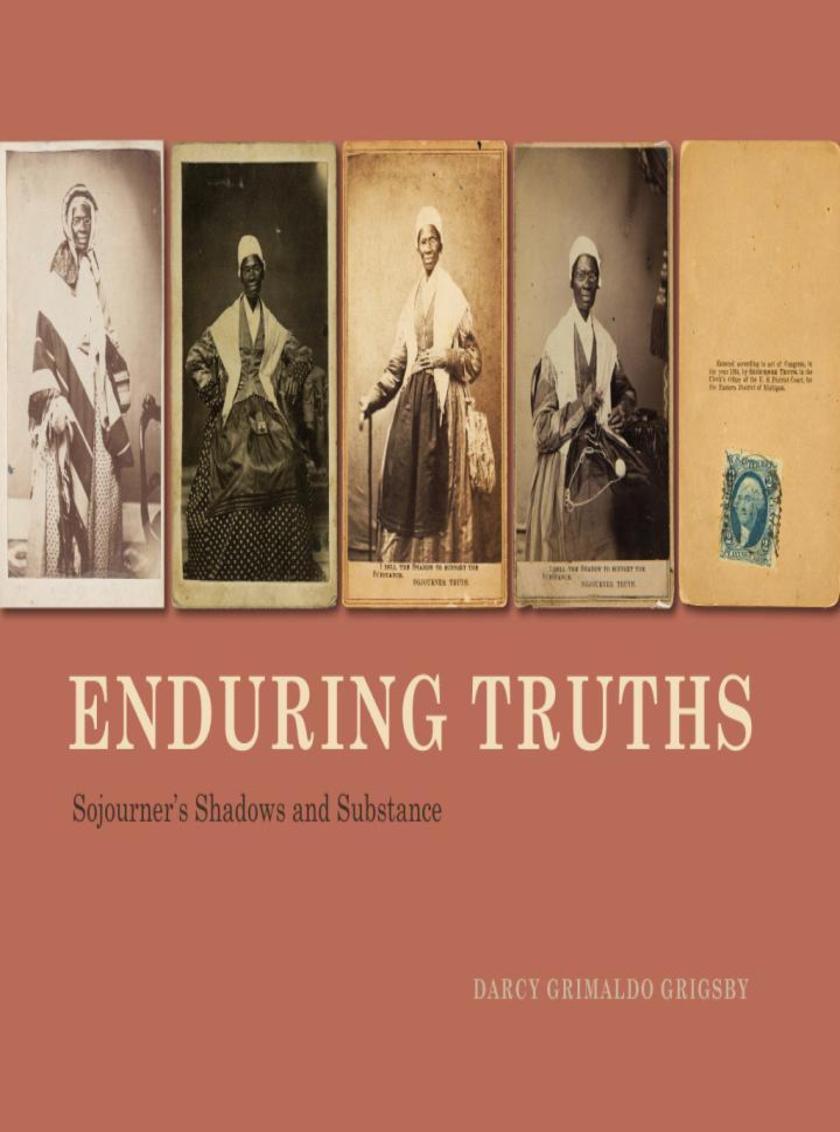
Enduring Truths
¥370.82
Runaway slave Sojourner Truth gained fame in the nineteenth century as an abolitionist, feminist, and orator and earned a living partly by selling photographic carte de visite portraits of herself at lectures and by mail. Cartes de visite, similar in format to calling cards, were relatively inexpensive collectibles that quickly became a new mode of mass communication. Despite being illiterate, Truth copyrighted her photographs in her name and added the caption "e;I Sell the Shadow to Support the Substance. Sojourner Truth."e;Featuring the largest collection of Truth's photographs ever published,?Enduring Truths?is the first book to explore how she used her image, the press, the postal service, and copyright laws to support her activism and herself. Darcy Grimaldo Grigsby establishes a range of important contexts for Truth's portraits, including the strategic role of photography and copyright for an illiterate former slave; the shared politics of Truth's cartes de visite and federal banknotes, which were both created to fund the Union cause; and the ways that photochemical limitations complicated the portrayal of different skin tones. Insightful and powerful,?Enduring Truths?shows how Truth made her photographic portrait worth money in order to end slavery-and also became the strategic author of her public self.
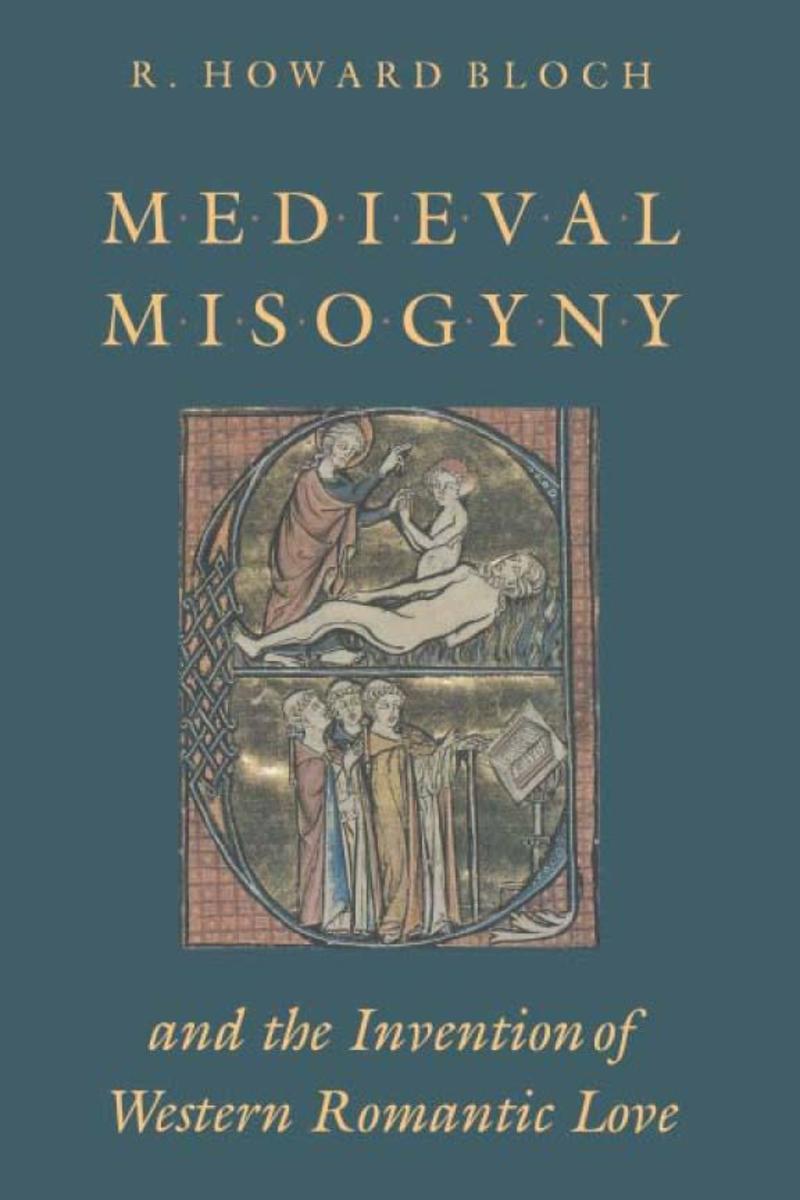
Medieval Misogyny and the Invention of Western Romantic Love
¥288.41
Until now the advent of Western romantic love has been seen as a liberation from-or antidote to-ten centuries of misogyny. In this major contribution to gender studies, R. Howard Bloch demonstrates how similar the ubiquitous antifeminism of medieval times and the romantic idealization of woman actually are.Through analyses of a broad range of patristic and medieval texts, Bloch explores the Christian construction of gender in which the flesh is feminized, the feminine is aestheticized, and aesthetics are condemned in theological terms. Tracing the underlying theme of virginity from the Church Fathers to the courtly poets, Bloch establishes the continuity between early Christian antifeminism and the idealization of woman that emerged in the twelfth and thirteenth centuries. In conclusion he explains the likely social, economic, and legal causes for the seeming inversion of the terms of misogyny into those of an idealizing tradition of love that exists alongside its earlier avatar until the current era.This startling study will be of great value to students of medieval literature as well as to historians of culture and gender.
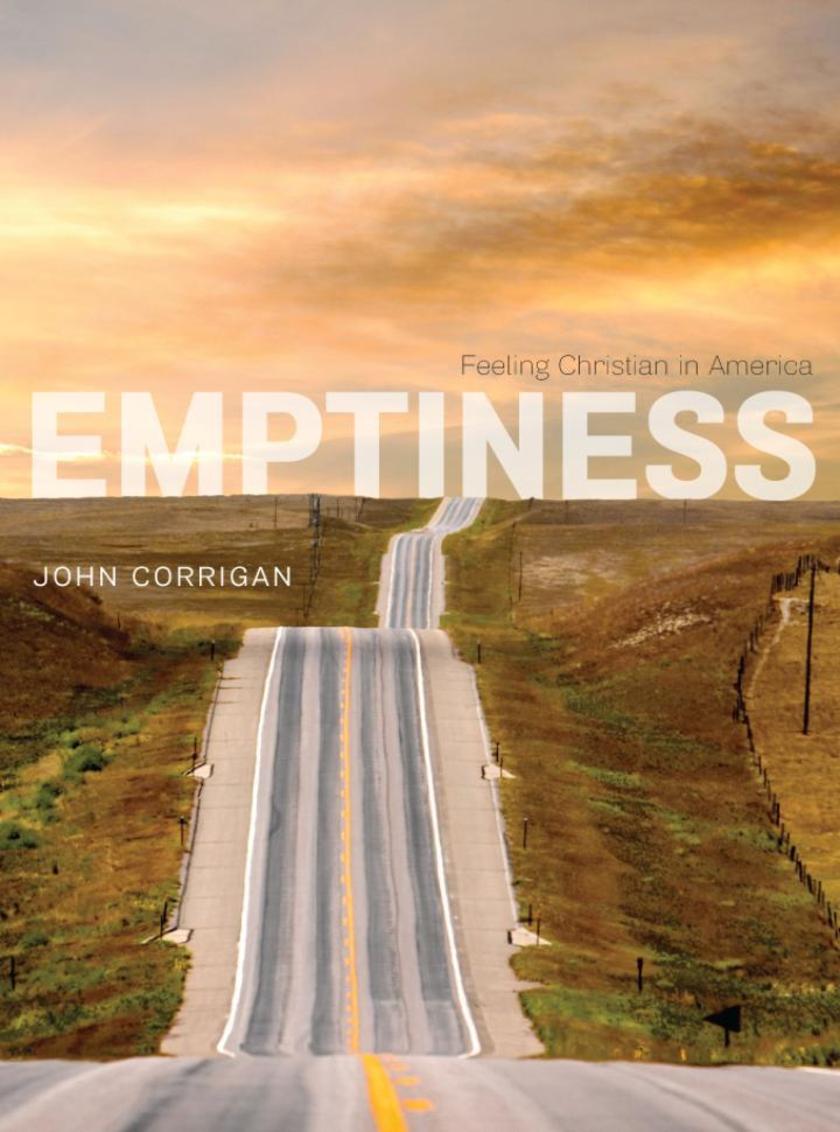
Emptiness
¥288.41
For many Christians in America, becoming filled with Christ first requires being empty of themselves-a quality often overlooked in religious histories. In Emptiness, John Corrigan highlights for the first time the various ways that American Christianity has systematically promoted the cultivation of this feeling. ?Corrigan examines different kinds of emptiness essential to American Christianity, such as the emptiness of deep longing, the emptying of the body through fasting or weeping, the emptiness of the wilderness, and the emptiness of historical time itself. He argues, furthermore, that emptiness is closely connected to the ways Christian groups differentiate themselves: many groups foster a sense of belonging not through affirmation, but rather avowal of what they and their doctrines are not. Through emptiness, American Christians are able to assert their identities as members of a religious community.Drawing much-needed attention to a crucial aspect of American Christianity, Emptiness expands our understanding of historical and contemporary Christian practices.?
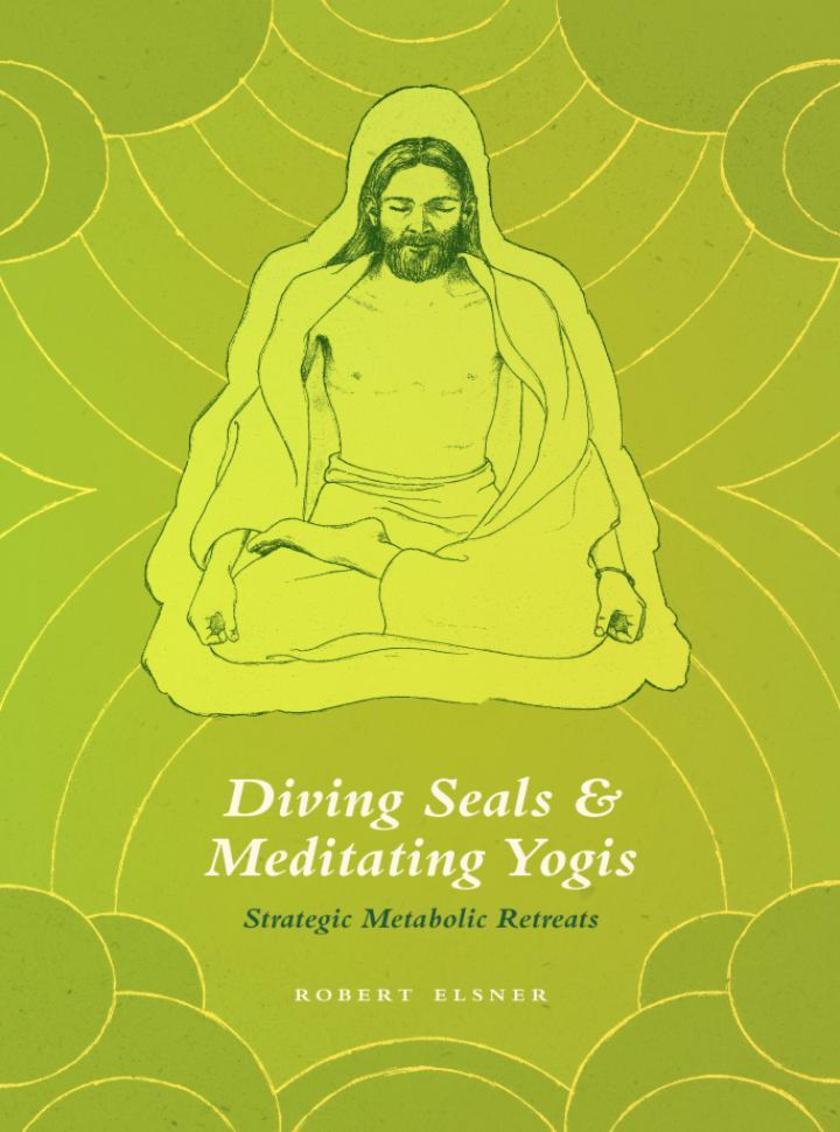
Diving Seals and Meditating Yogis
¥265.87
The comparative physiology of seemingly disparate organisms often serves as a surprising pathway to biological enlightenment. How appropriate, then, that Robert Elsner sheds new light on the remarkable physiology of diving seals through comparison with members of our own species on quests toward enlightenment: meditating yogis.As Elsner reveals, survival in extreme conditions such as those faced by seals is often not about running for cover or coming up for air, but rather about working within the confines of an environment and suppressing normal bodily function. Animals in this withdrawn state display reduced resting metabolic rates and are temporarily less dependent upon customary levels of oxygen. For diving seals-creatures especially well-adapted to prolonged submergence in the ocean's cold depths-such periods of rest lengthen dive endurance. But while human divers share modest, brief adjustments of suppressed metabolism with diving seals, it is the practiced response achieved during deep meditation that is characterized by metabolic rates well below normal levels, sometimes even approaching those of non-exercising diving seals. And the comparison does not end here: hibernating animals, infants during birth, near-drowning victims, and clams at low tide all also display similarly reduced metabolisms.By investigating these states-and the regulatory functions that help maintain them-across a range of species, Elsner offers suggestive insight into the linked biology of survival and well-being.

Gravity's Ghost and Big Dog
¥247.21
Gravity's Ghost and Big Dog brings to life science's efforts to detect cosmic gravitational waves. These ripples in space-time are predicted by general relativity, and their discovery will not only demonstrate the truth of Einstein's theories but also transform astronomy. Although no gravitational wave has ever been directly detected, the previous five years have been an especially exciting period in the field. Here sociologist Harry Collins offers readers an unprecedented view of gravitational wave research and explains what it means for an analyst to do work of this kind.?Collins was embedded with the gravitational wave physicists as they confronted two possible discoveries-"e;Big?Dog,"e; fully analyzed in this volume for the first time, and the "e;Equinox Event,"e; which was first chronicled by Collins in Gravity's Ghost. Collins records the agonizing arguments that arose as the scientists worked out what they had seen and how to present it to the world, along the way demonstrating how even the most statistical of sciences rest on social and philosophical choices. Gravity's Ghost and Big Dog draws on nearly fifty years of fieldwork observing scientists at the American Laser Interferometer Gravitational Wave Observatory and elsewhere around the world to offer an inspired commentary on the place of science in society today.
Realizing Educational Rights
¥247.21
In?Realizing Educational Rights, Anne Newman examines two educational rights questions that arise at the intersection of political theory, educational policy, and law: What is the place of a right to education in a participatory democracy, and how can we realize this right in the United StatesTracking these questions across both philosophical and pragmatic terrain, she addresses urgent moral and political questions, offering a rare, double-pronged look at educational justice in a democratic society.Newman argues that an adequate K-12 education is the right of all citizens, as a matter of equality, and emphasizes that this right must be shielded from the sway of partisan and majoritarian policy making far more than it currently is. She then examines how educational rights are realized in our current democratic structure, offering two case studies of leading types of rights-based activism: school finance litigation on the state level and the mobilization of citizens through community-based organizations. Bringing these case studies together with rich philosophical analysis,?Realizing Educational Rights?advances understanding of the relationships among moral and legal rights, education reform, and democratic politics.?

Theory of Morality
¥247.21
"e;Let us . . . nominate this the most important theoretical work on ethical or moral theory since John Rawls's Theory of Justice. If you have philosophical inclinations and want a good workout, this conscientious scrutiny of moral assumptions and expressions will be most rewarding. Donagan explores ways of acting in the Hebrew-Christian context, examines them in the light of natural law and rational theories, and proposes that formal patterns for conduct can emerge. All this is tightly reasoned, the argument is packed, but the language is clear."e;-Christian Century"e;The man value of this book seems to me to be that it shows the force of the Hebrew-Christian moral tradition in the hands of a creative philosopher. Throughout the book, one cannot but feel that a serious philosopher is trying to come to terms with his religious-moral background and to defend it against the prevailing secular utilitarian position which seems to dominate academic philosophy."e;-Bernard Gert, Journal of Medicine and Philosophy

Conflagration of Community
¥270.76
"e;After Auschwitz to write even a single poem is barbaric."e; The Conflagration of Community challenges Theodor Adorno's famous statement about aesthetic production after the Holocaust, arguing for the possibility of literature to bear witness to extreme collective and personal experiences. J. Hillis Miller masterfully considers how novels about the Holocaust relate to fictions written before and after it, and uses theories of community from Jean-Luc Nancy and Derrida to explore the dissolution of community bonds in its wake.Miller juxtaposes readings of books about the Holocaust-Keneally's Schindler's List, McEwan's Black Dogs, Spiegelman's Maus, and Kertsz's Fatelessness-with Kafka's novels and Morrison's Beloved, asking what it means to think of texts as acts of testimony. Throughout, Miller questions the resonance between the difficulty of imagining, understanding, or remembering Auschwitz-a difficulty so often a theme in records of the Holocaust-and the exasperating resistance to clear, conclusive interpretation of these novels. The Conflagration of Community is an eloquent study of literature's value to fathoming the unfathomable.

Philadelphia Barrio
¥270.76
How does a so-called bad neighborhood go about changing its reputationIs it simply a matter of improving material conditions or picking the savviest marketing strategyWhat kind of role can or should the arts play in that processDoes gentrification always entail a betrayal of a neighborhood's rootsTackling these questions and offering a fresh take on the dynamics of urban revitalization, The Philadelphia Barrio examines one neighborhood's fight to erase the stigma of devastation.Frederick F. Wherry shows how, in the predominantly Latino neighborhood of Centro de Oro, entrepreneurs and community leaders forged connections between local businesses and cultural institutions to rebrand a place once nicknamed the Badlands. Artists and performers negotiated with government organizations and national foundations, Wherry reveals, and took to local galleries, stages, storefronts, and street parades in a concerted, canny effort to reanimate the spirit of their neighborhood.Complicating our notions of neighborhood change by exploring the ways the process is driven by local residents, The Philadelphia Barrio presents a nuanced look at how city dwellers can make commercial interests serve the local culture, rather than exploit it.

Solidarity in Strategy
¥282.53
Popular conceptions hold that capitalism is driven almost entirely by the pursuit of profit and self-interest. Challenging that assumption, this major new study of American business associations shows how market and non-market relations are actually profoundly entwined at the heart of capitalism.In Solidarity in Strategy, Lyn Spillman draws on rich documentary archives and a comprehensive data set of more than four thousand trade associations from diverse and obscure corners of commercial life to reveal a busy and often surprising arena of American economic activity. From the Intelligent Transportation Society to the American Gem Trade Association, Spillman explains how business associations are more collegial than cutthroat, and how they make capitalist action meaningful not only by developing shared ideas about collective interests but also by articulating a disinterested solidarity that transcends those interests.Deeply grounded in both economic and cultural sociology, Solidarity in Strategy provides rich, lively, and often surprising insights into the world of business, and leads us to question some of our most fundamental assumptions about economic life and how cultural context influences economic.
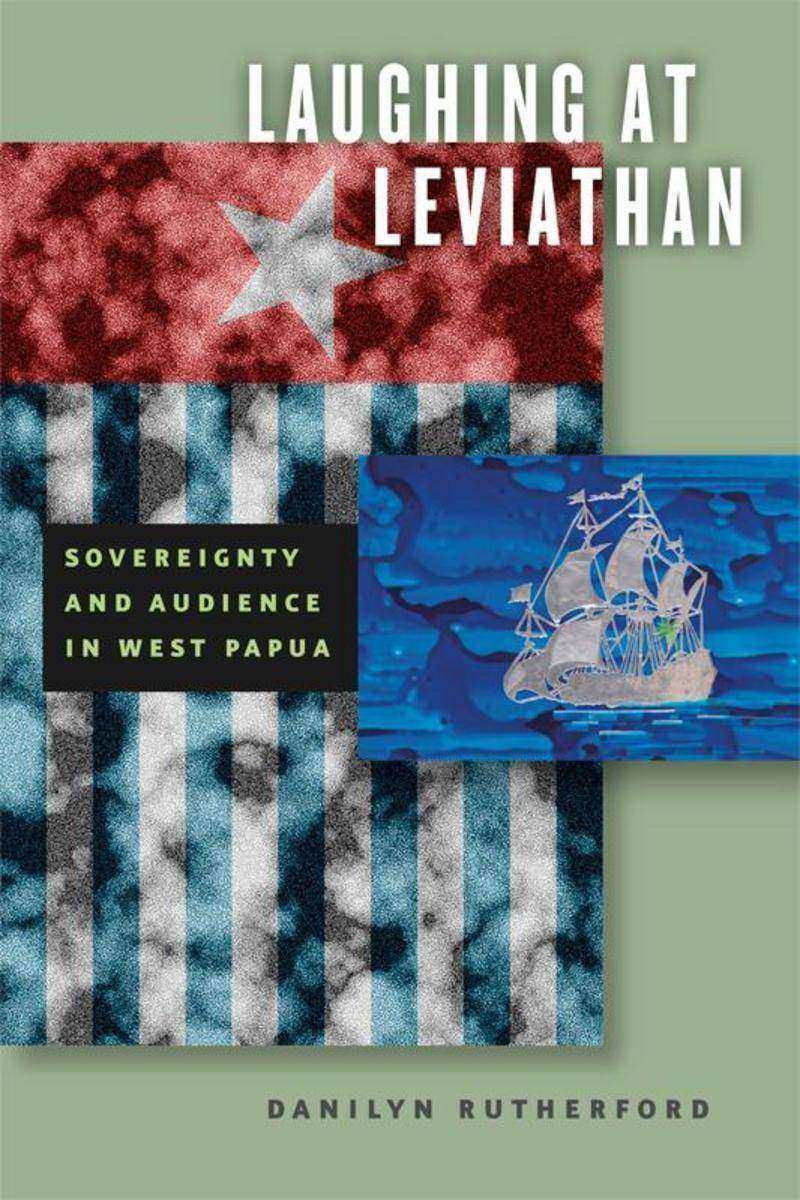
Laughing at Leviathan
¥265.87
For West Papua and its people, the promise of sovereignty has never been realized, despite a long and fraught struggle for independence from Indonesia. In Laughing at Leviathan, Danilyn Rutherford examines this struggle through a series of interlocking essays that drive at the core meaning of sovereignty itself-how it is fueled, formed, and even thwarted by pivotal but often overlooked players: those that make up an audience. Whether these players are citizens, missionaries, competing governmental powers, nongovernmental organizations, or the international community at large, Rutherford shows how a complex interplay of various observers is key to the establishment and understanding of the sovereign nation-state.?Drawing on a wide array of sources, from YouTube videos to Dutch propaganda to her own fieldwork observations, Rutherford draws the history of Indonesia, empire, and postcolonial nation-building into a powerful examination of performance and power. Ultimately she revises Thomas Hobbes, painting a picture of the Leviathan not as a coherent body but a fragmented one distributed across a wide range of both real and imagined spectators. In doing so, she offers an important new approach to the understanding of political struggle.

Exit Zero
¥229.55
Winner of CLR James Book Prize from the Working Class Studies Association and 2nd Place for the Victor Turner Prize in Ethnographic Writing.?In 1980, Christine J. Walley's world was turned upside down when the steel mill in Southeast Chicago where her father worked abruptly closed. In the ensuing years, ninety thousand other area residents would also lose their jobs in the mills-just one example of the vast scale of deindustrialization occurring across the United States. The disruption of this event propelled Walley into a career as a cultural anthropologist, and now, in Exit Zero, she brings her anthropological perspective home, examining the fate of her family and that of blue-collar America at large.?Interweaving personal narratives and family photos with a nuanced assessment of the social impacts of deindustrialization, Exit Zero is one part memoir and one part ethnography- providing a much-needed female and familial perspective on cultures of labor and their decline. Through vivid accounts of her family's struggles and her own upward mobility, Walley reveals the social landscapes of America's industrial fallout, navigating complex tensions among class, labor, economy, and environment. Unsatisfied with the notion that her family's turmoil was inevitable in the ever-forward progress of the United States, she provides a fresh and important counternarrative that gives a new voice to the many Americans whose distress resulting from deindustrialization has too often been ignored.This book is part of a project that also includes a documentary film and interactive website. For more information, and the chance to share your own stories, photos, and artefacts regarding the history of Southeast Chicago, please visit:?http://www.exitzeroproject.org/
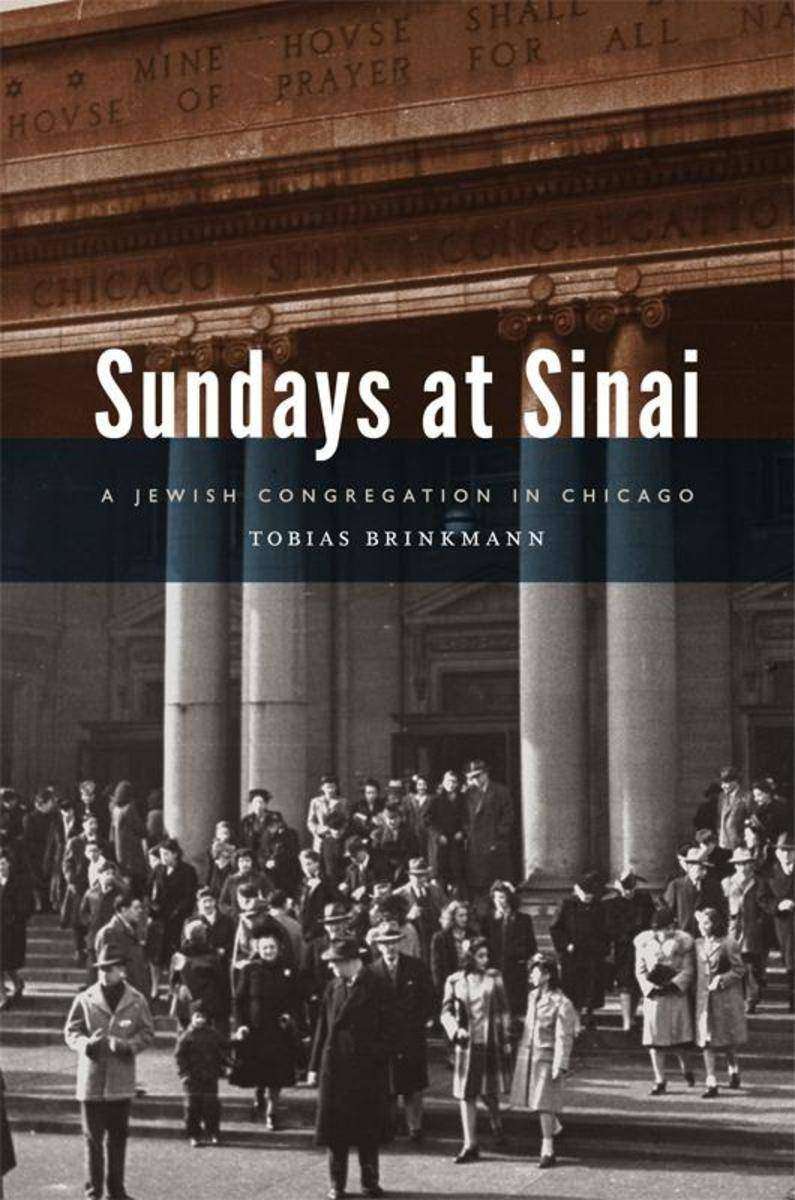
Sundays at Sinai
¥447.34
First established 150 years ago, Chicago Sinai is one of America's oldest Reform Jewish congregations. Its founders were upwardly mobile and civically committed men and women, founders and partners of banks and landmark businesses like Hart Schaffner & Marx, Sears & Roebuck, and the giant meatpacking firm Morris & Co. As explicitly modern Jews, Sinai's members supported and led civic institutions and participated actively in Chicago politics. Perhaps most radically, their Sunday services, introduced in 1874 and still celebrated today, became a hallmark of the congregation.In Sundays at Sinai, Tobias Brinkmann brings modern Jewish history, immigration, urban history, and religious history together to trace the roots of radical Reform Judaism from across the Atlantic to this rapidly growing American metropolis. ?Brinkmann shines a light on the development of an urban reform congregation, illuminating Chicago Sinai's practices and history, and its contribution to Christian-Jewish dialogue in the United States. Chronicling Chicago Sinai's radical beginnings in antebellum Chicago to the present, Sundays at Sinai is the extraordinary story of a leading Jewish Reform congregation in one of America's great cities.
Jurnale americane
¥40.79
„Bucur?-te de fiecare clip? tr?it?!“ „Principala mea preocupare în via?? a fost s? mi cultiv pl?cerile sim?urilor. Sim?indu-m? n?scut pentru sexul opus, l-am iubit întotdeauna ?i m-am l?sat iubit de el. Mi-a pl?cut la nebunie savoarea meselor bune ?i m-a pasionat tot ceea ce era menit s?-mi incite curiozitatea.“ – Casanova Casanova (n. 1725, Vene?ia), „scandalosul ?i insolitul vene?ian, nu a fost doar ceea ce s-a crezut: un aventurier, escroc ?i libertin. Ci ?i poetul, memorialistul, filosoful, muzicianul ale c?rui Memorii au fost considerate «adev?rata Enciclopedie a secolului al XVIII lea».“ – Blaise Cendrars „Pu?ine persoane îi pot egala cunoa?terea, inteligen?a ?i imagina?ia.“ – Lamberg ?Via?a monden? ?i amoroas? a lui Casanova a fost consemnat? f?r? pudoare în miile de pagini ale Memoriilor sale, intitulate ?i Povestea vie?ii mele, autobiografie lipsit? de complezen??, care traverseaz? Secolul Luminilor. Scris? extrem de savuros, cartea – din care edi?ia de fa?? ofer? o bogat? selec?ie – este considerat? o capodoper? a literaturii, prin picanteria detaliilor, amploarea moravurilor descrise ?i erudi?ia autorului.
Un vis al inteligen?ei libere
¥53.40
Apreciat? la vremea ei pentru angajamentul ?i talentul de a media ?ntre culturi, Regina Elisabeta a Rom?niei (1843-1916) este considerat? p?n? ?n zilele noastre drept una dintre cele mai importante mediatoare ale literaturii ?i culturii rom?ne?ti ?n spa?iul de limb? german? de la sf?r?itul secolului al XIX-lea. Prin apari?ia sa neconven?ional? ca scriitoare, sub pseudonimul literar Carmen Sylva, angajat? ?n prop??irea dinastiei rom?ne, prima regin? a Rom?niei, Elisabeta, a demonstrat ?n fa?a publicului semnifica?ia modern? a ?profesiei“ de so?ie de monarh, un exemplu pe care succesoarea sa, Regina Maria a Rom?niei ?l va des?v?r?i.
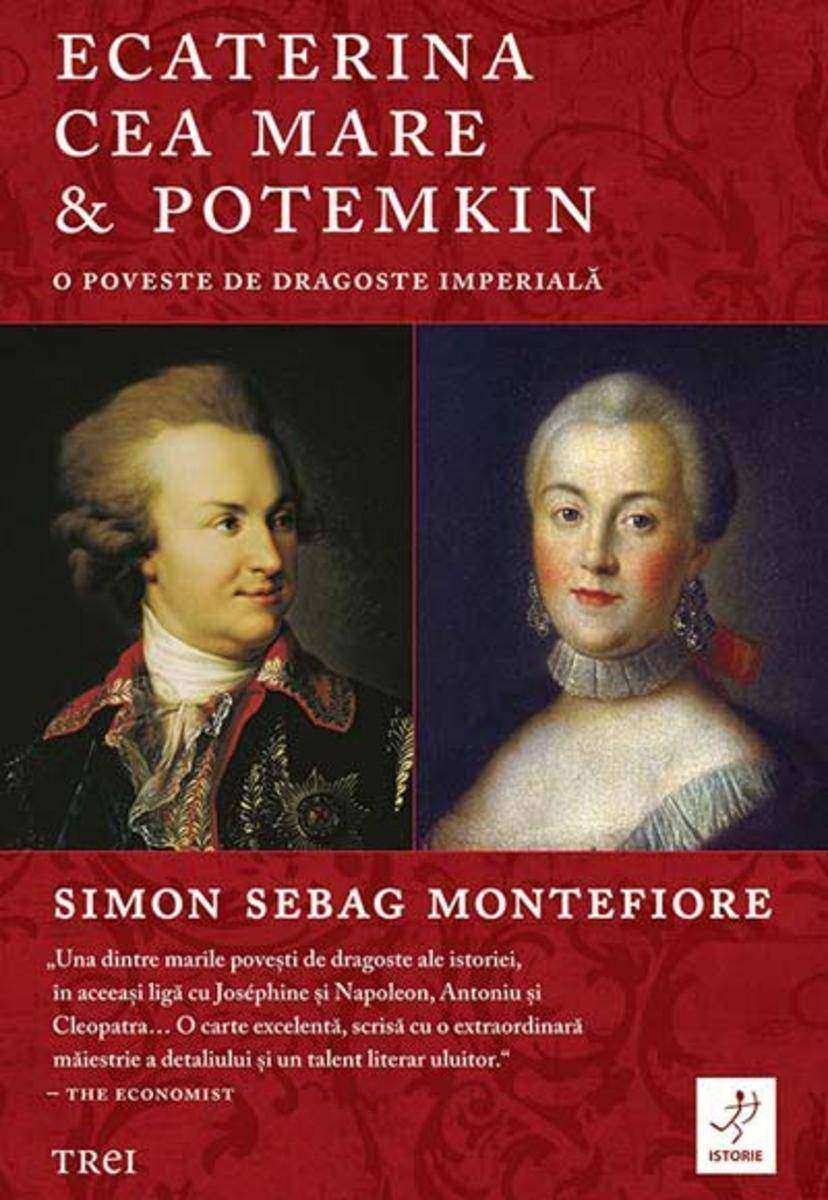
Ecaterina cea Mare & Potemkin: O poveste de dragoste imperial?
¥130.72
Actorii ne druiesc generos gnduri despre viaa pe care i ei o triesc ca orice oameni, cu necazuri i bucurii. Alexandru Arinel – fiind definit n timp de Marele Public drept o valoare artistic naional – se destinuie acum, cu privire la drumul parcurs din satul de batin Dolhasca pn pe Calea Victoriei. Citind amintirile sale sincere, vei cunoate un om, nu numai un artist, care evoc trei epoci istorice prin care a trecut, fiind prin argumentele invocate mai convingtor dect orice carte de istorie banal. i pune pe tav sufletul prin relatarea unei biografii netiute de nimeni. n aceste destinuiri, Alexandru Arinel ne propune discret s gndim atent la calea profesiei alese, de actor sau de orice fel, i s nu uitm nicio clip de cei din preajma noastr, de familie.“ – Ileana Lucaciu
This is retention - Prima carte din Rom?nia despre p?strarea clien?ilo
¥57.14
Starting from the dialogue initiated by historian Filip-Lucian Iorga, this e-book introduces Prince Nicholas (Nicolae), the grandson of His Majesty King Michael I, from his first visit to Romania in 1992 to his decision to settle down in Romania, in 2012. The reader has the opportunity of knowing Prince Nicholas from his earliest childhood, a fan of knightly stories, but also willing to explore the world, a dynamic adolescent with a passion for cars, just like his royal grandfather, recounting with a genuine sense of humour the adventures he went through in his attempt to obtain a driver’s license in Kenya. As a young man, Prince Nicholas went to a traditional British college and studied management in England, while keeping to his passion for sports: he played football, cricket, grass hockey, lacrosse, and rugby, went scuba diving into the ocean and worked as a rafting instructor in Africa. Moreover, this is a young man who sat at the same table as Queen Elizabeth II of Great Britain, with his uncles and cousins of the European Royal Families, but also with homeless children and within charitable institutions. The same young man has assumed at present the duties of Prince of Romania.
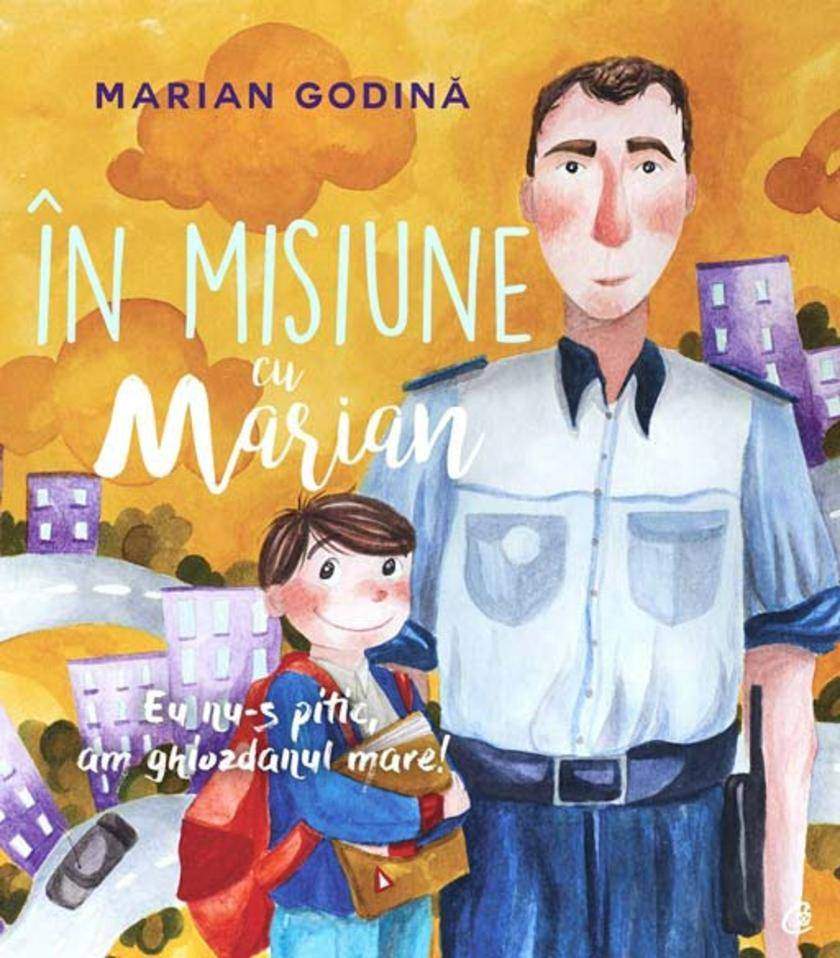
?n misiune cu Marian: Eu nu-s pitic, am ghiozdanul mare!
¥65.32
Monumentala monografie dedicat? unuia dintre cei mai mari romancieri ai lumii are avantajul de a sintetiza o bun? parte din bibliografia scris? pe marginea operei uria?ului care a semnat, ?ntre altele, capodopera Crima ?i pedeaps?. Ion Iano?i plaseaz? ?ac?iunea“, firul epic al cercet?rii ?ntreprinse ?n contextul secolului al XIX-lea, astfel ?nc?t eroii vie?ii literare de atunci se contureaz? pregnant, provoc?tor de viu.
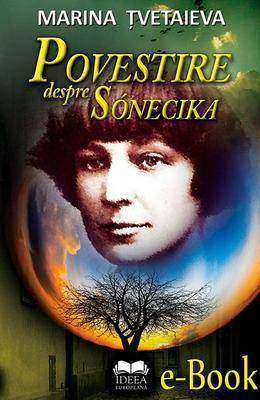
Povestire despre Sonecika
¥54.10
Lirica Aurei Christi s-a format i s-a modelat iute, ferm, cu o ndrzneal i o gravitate rar a tonului, mai ales n jurul poeziei de meditaie post-romantic, de la Rilke la vetaieva, de la Blaga la Nichita Stnescu. Necznd prad ispitelor culturale i mondene post-decembriste, ntre care aa-zisul post-modernism romnesc, ce afia cu o anume suficien refuzul valorilor clasice i moderne n favoarea unei lirici descompuse i uneori barbar improvizate sub scuza autenticismului, poeta noastr a uimit critica de specialitate prin ample volute metaforice, calde, ndrznee, abordnd, n cteva volume, printr-o splendid frond, clasicul sonet poetic i dovedind o excelent stpnire a limbii, a mijloacelor specifice, ntr-o liric a meditaiei grave, adnci, exprimat n metafore, n care modernitatea i sensibilitatea secolului se confund, cu vigoare clar, de o marcat originalitate, tumultuos i muzical aproape, ntr-o subtil rezonan eufonic, cu trimiteri, accente i imagini simbolice, cu marele torent al liricii europene de nalt nivel, de la Rimbaud i Baudelaire, la Rilke i Blaga. i, nc odat, la vetaieva i Nichita Stnescu.“ (Nicolae Breban)A scrie cderea apocaliptic nu e uor. E un merit al Aurei Christi faptul de a gsi singura soluie la aceast cdere fatal, dat din pornire: cel care o scrie o i oprete, incitnd rigoarea/ celui din urm frig. Doar un fel de zeu al poeziei, o divinitate descoperit cu greu, contient de destrmarea mitului, poate s impun din nou mitul: instituirea mai viului este cu putin doar datorit morii. nvierea nu e posibil dect datorit ei. Sensul celei mai mari dintre taine se dezleag, astfel, paradoxal, prin rsturnarea negativitii generale a sensului. (...) Descoperirea fcut de poet este c realul nsui are origine poetic (nu real!), prin cderea n emisfera cealalt, de parc Dante nsui ar fi acum reeditat n alt semantic: Ah, calul e fiu al pegailor dintotdeauna. Fiinele existente i au obria n himere, iar realitatea ia fiin din metafor. (...) Alt descoperire poetic: ntreg mitul temporal al omenirii poate fi ranversat. (…) Iat, deci, cum se poate recupera mitul ntr-o epoc n care toat lumea postmodern a visat la demitizare i dez-iluzionare pentru a se apropia de realul ca atare.“ (tefania Mincu)http://aurachristi.ro/

1914.–1918.: Povijest Prvoga svjetskog rata
¥255.39
Iat?, ?n cuvintele Aurei Christi, curg?nd abundent, din surse ascunse, fluidul vivifiant al poeziei, s? nu ne temem de retorica majusculelor, al marei Poezii. (Nicolae Balota).Aici totul e grav. Nici ludicul, nici parodicul, nici oboseala contextului postindustrial ?i nici tendin?ele destructurante ale postmodernilor nu au trecere. Modernitatea Aurei Christi e una esen?ial?, organic?, refractar? modelor, n?zuind spre reinterpretarea semnelor ?i universaliilor; ?ntreb?rile pe care ?i le pune ea au fost ?i ale inainta?ilor, iar r?spunsurile transcend achizi?iile, relev?nd evolu?ia con?tiin?ei ?n mers, relev?nd evolu?ia unei creatoare de m?na ?nt?i, cu totul personal?. Scrieri mai noi, Labirintul exilului (2000), Elegii nordice (2002) ?i altele confirma consecven?a cu sine a unei con?tiin?e exemplare. (Constantin Ciopraga)M? auzi tu, oare, ?nstr?inato? Am citit poeziile tale la ceas de sear?, pe o teras?, av?nd ?n fa?? colinele Ierusalimului. Eu nu sunt un bun comentator de poezie, cei care au scris despre poezia ta te-au “prins“ foarte bine, ai for??, un sim? rar al tragicului ?i antene pentru transcenden??, f?r? s? cazi (din fericire) ?n ceea ce se cheam? “poezie religioas?“. E un instinct p?g?n care te fere?te de o excesiva “cre?tinare“ a poeziei chiar ?i ?n Psalmi. (Leon Volovici). (fragment dintr-o scrisoare)E simplu: ?l vad pe Dumnezeu ca pe un partener de dialog, cu care ma cert nu rareori. Citesc adesea serile din Noul Testament mai ales; ei, ?i atunci ?ncepe fierberea... Nu prea merg la biseric? dec?t atunci c?nd simt imperios nevoia – adev?r pentru care Mama de pilda m? ceart? c?teodat?. Duc biserica mea cu mine; a?a pot s? m? rog oriunde, oric?nd. Spre deosebire de Cioran, eu cred ca nu Diavolul a f?cut lumea, ci Dumnezeu; doar c? spre sf?r?itul Facerii a obosit un pic; se ?nt?mpl? ?ntruc?tva c? ?ntr-o proza a lui Rilke, ?n care cele doua m?ini ale Domnului se iau la ?ntrecere ?i se pare ca st?nga profit? de oboseala dreptei... M? ?i ?ntreb uneori, pe urmele lui Unamuno: cine sunt eu s?-i cer socoteala lui Dumnezeu pentru ca lumea ?n care tr?im e a?a cum e? (Are dreptul, oare, o g?nganie s?-?i aroge obr?znicia de a se ciond?ni cu El, cu nimeni altcineva dec?t cu El?!!) ?i tot ca Unamuno, invoc?ndu-l pe Oberman, ?mi r?spund: da, c?ci pentru lume, pentru univers eu sunt nimeni, nu ?nsemn nimic, pentru mine ?ns? sunt totul.Gr?dini austere a stat – da, incredibil – ?n sertarele c?torva edituri circa ?apte ani; ani de izolare atroce, de singur?tate dorit?, iubit?, hulit? ?i, iar ?i iar, iubit?... E un volum publicat dup? o perioada de secet?, c?nd mi se p?rea – p?n? la o neagr? m?nie! – ca nu voi mai scrie niciodat? poezie... Nici cartea de debut n-am a?teptat-o at?tea... secole. E un volum care a circulat pe internet, prietenii trimi??ndu-mi mesaje, scrisori, cronici ad-hoc despre cartea mea de psalmi ?n r?sp?r. (Aura Christi)Faptul c? Gr?dinile austere au trecut prin PC-ul meu mi-a prilejuit o bucurie, o tulburare de zile aurorale. Nu m-am putut ab?ine ?i am citit c?teva poeme. N-am mai putut apoi s-o las din mana. M-a ?nv?luit ?i m-a luat pe sus cutremurata spiritualitate vital? care str?bate versurile. Asta nu mi se ?nt?mpl? prea des, citind poezie contemporan?. (Zoltan Terner)Mignona ?i b?t?ioas?, cheltuind pasionalitate, r?zboinic? ?n pofida fragilit??ii, ?mpr??tiind texte curajoase pe care amicii internau?i nu ezit? a le califica “dinamit? curat?“, sup?r?nd pe mul?i, scriind febril, asum?ndu-?i riscurile Balcaniei (“lin?at?“, pedepsit?, izolat? etc.), Aura Christi, cit?nd “vorbele atroce“ ale iubitului Nietzsche, vrea s? devin? ceea ce este: poet?. (...) Metamorfoza e izbitoare; discursul a devenit sincopat, auster, de o incanta?ie adumbrit?, celebr?nd “via?a de vis“, test?nd – prin “poemele de iubire“ – temele grave (rela?ia cu maestrul, divinitatea, moartea, poezia) pentru a conchide c?, doar povestit?, via?a e tr?it?. Mul?i dintre exege?ii Aurei Christi au subliniat “fulminant? ascensiune“ a poetei. Penetrant?, Aura Christi a avut ?ansa de a fi fost v?zut? ?n mediile bucure?tene. Dar meritele poetei, dincolo de suportul valoric, stau ?i ?n tenacitatea autoconstruc?iei, promov?nd – programatic – “ruptura“. (Adrian Dinu Rachieru)


