


 购物车
购物车 个人中心
个人中心
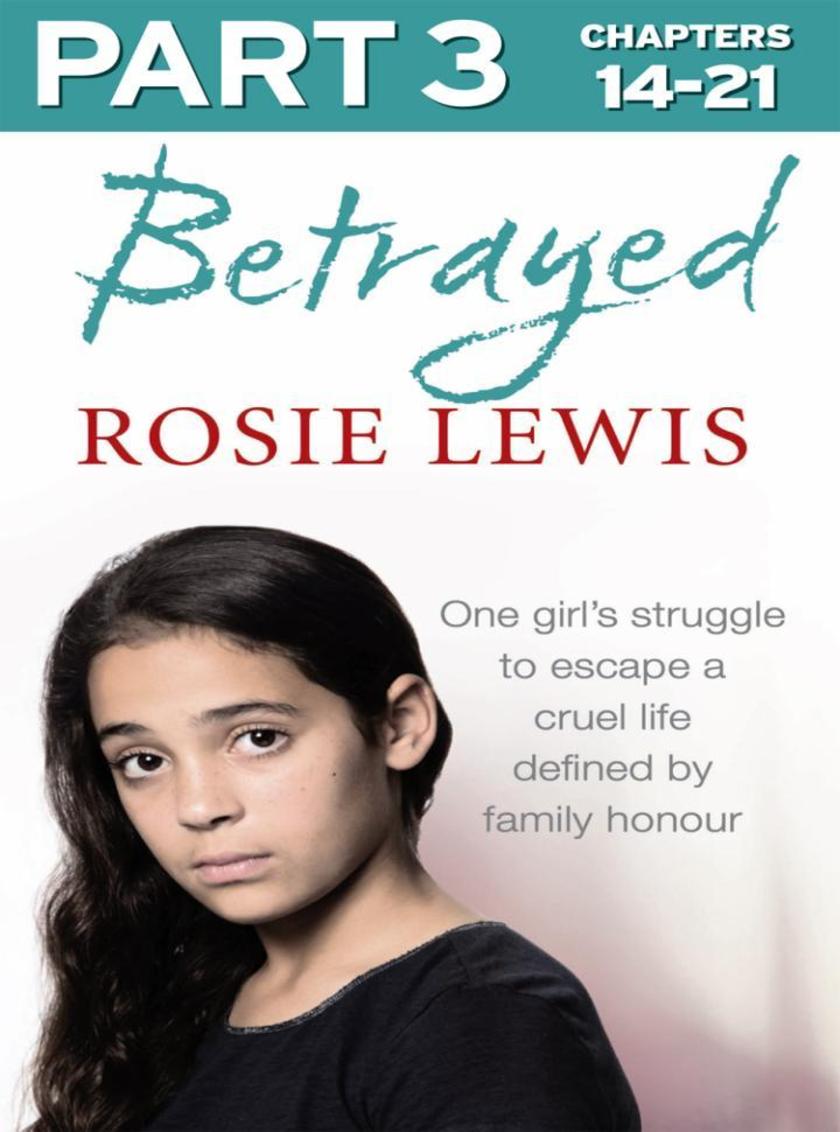
Betrayed: Part 3 of 3
¥47.48
Betrayed can either be read as a full-length eBook or in 3 serialised eBook-only parts. This is PART 3 of 3. You can read Part 3 on release of the full-length eBook and paperback. In the much-anticipated follow-up to Sunday Times bestseller Trapped, foster carer Rosie Lewis tells the heartbreaking true story of 13-year-old Zadie. When the young teenage girl runs away and is discovered hiding on the city streets by the police, it is clear that all is not as it should be. Taught to believe that Westerners should not be trusted, when Zadie is initially delivered into the experienced hands of foster carer Rosie she is polite and well-behaved, but understandably suspicious of the family around her. Through Rosie’s support and understanding, gradually Zadie begins to settle into her new surroundings, but loyalty to her relatives, and fear of bringing shame on those around her, prevents her from confessing the horrifying truth about her troubled past. When the shocking truth finally emerges, Rosie and her family can hardly believe that Zadie had managed to keep the shocking secrets to herself for so long.
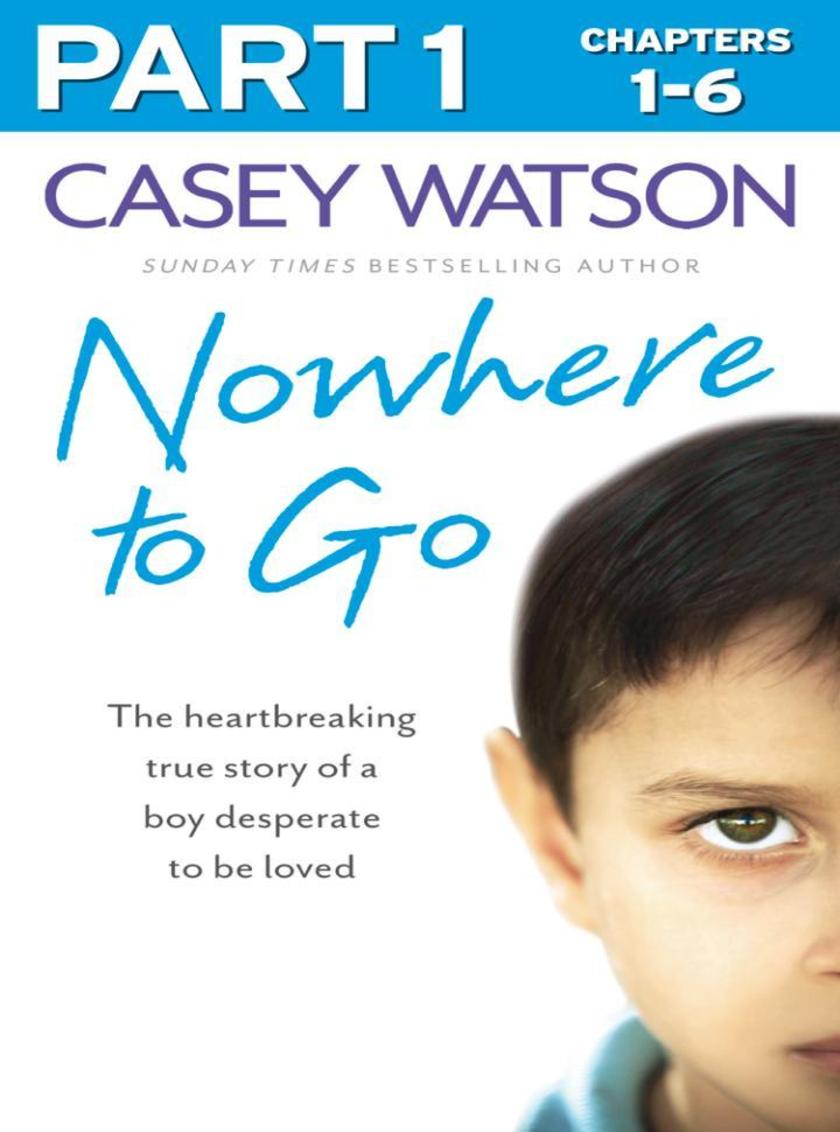
Nowhere to Go: Part 1 of 3
免费
Bestselling author and foster carer Casey Watson shares the shocking true story of Tyler, an abused eleven-year-old who, after stabbing his step-mother, had nowhere else to go. Knowing a little of Tyler’s past – his biological mother, a heroin addict, died of an overdose when he was three – Casey feels bound to do her best for him. It isn’t easy; Tyler continuously lashes out, even trying to attack Casey herself. Investigation into his earlier childhood reveals why: forced to watch his mother die he was found emaciated and traumatised two days later, then delivered to a father who didn’t want him and a step-mother who beat him. With the horrific events of his past now vividly affecting the course of his present, Casey and her husband Mike are determined to veer him away from the violence and drugs they fear he will come to depend on. Heartbreaking and profoundly moving, Nowhere to Go tells the story of a child forsaken by his family but fought for by his foster carers.
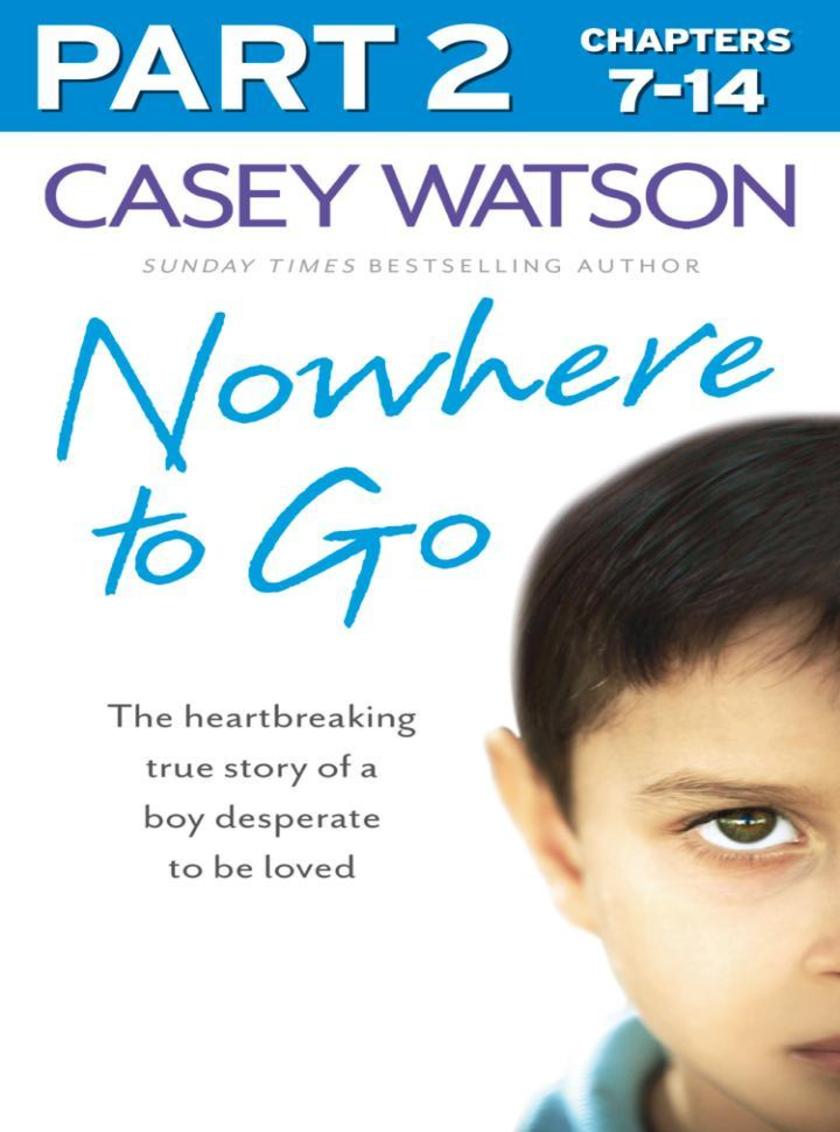
Nowhere to Go: Part 2 of 3
¥40.52
Bestselling author and foster carer Casey Watson shares the shocking true story of Tyler, an abused eleven-year-old who, after stabbing his step-mother, had nowhere else to go. Knowing a little of Tyler’s past – his biological mother, a heroin addict, died of an overdose when he was three – Casey feels bound to do her best for him. It isn’t easy; Tyler continuously lashes out, even trying to attack Casey herself. Investigation into his earlier childhood reveals why: forced to watch his mother die he was found emaciated and traumatised two days later, then delivered to a father who didn’t want him and a step-mother who beat him. With the horrific events of his past now vividly affecting the course of his present, Casey and her husband Mike are determined to veer him away from the violence and drugs they fear he will come to depend on. Heartbreaking and profoundly moving, Nowhere to Go tells the story of a child forsaken by his family but fought for by his foster carers.
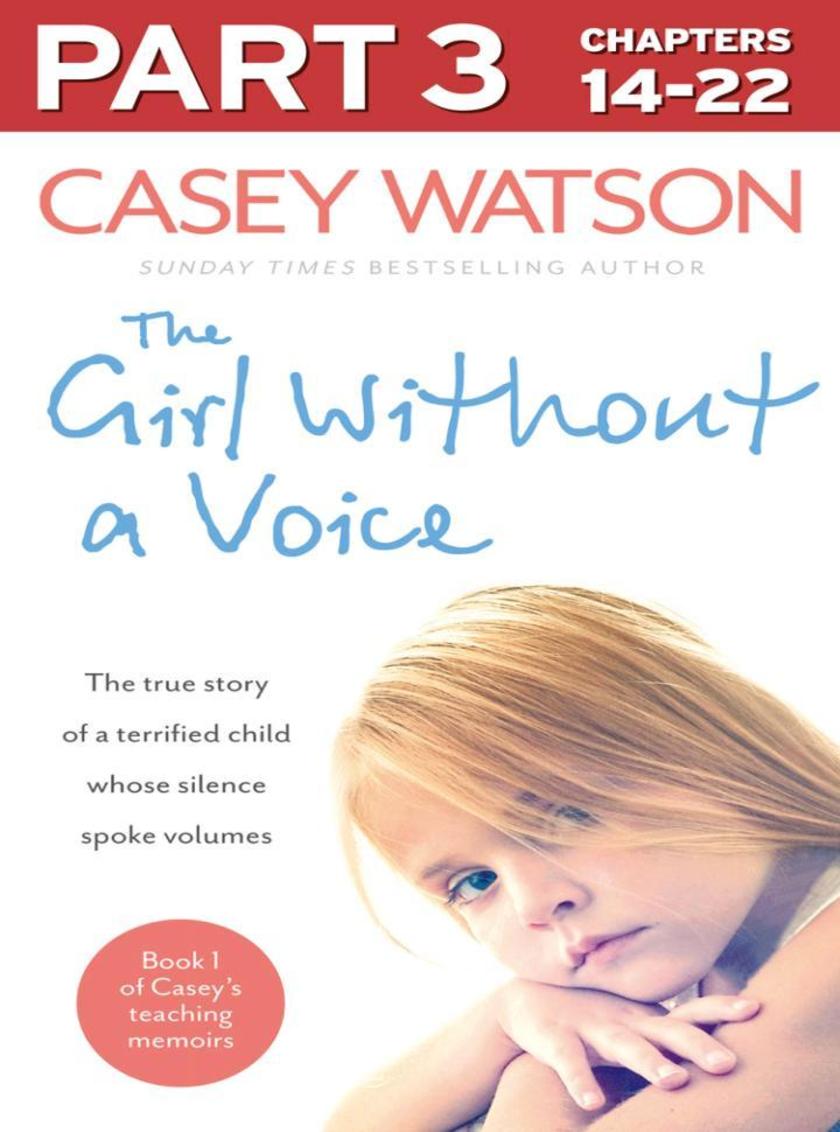
The Girl Without a Voice: Part 3 of 3
¥47.48
The Girl Without a Voice can either be read as a full-length eBook or in 3 serialised eBook-only parts. This is PART 3 of 3. You can read Part 3 on release of the full-length eBook and paperback. Bestselling author and foster carer Casey Watson tells the shocking and deeply moving true story of a young girl with severe behavioural problems. This is the first of several stories about ‘difficult’ children Casey helped during her time as a behaviour manager at her local comprehensive. Casey has been in the post for six months when thirteen-year-old Imogen joins her class. One of six children Casey is teaching, Imogen has selective mutism. She’s a bright girl, but her speech problems have been making mainstream lessons difficult. Life at home is also hard for Imogen. Her mum walked out on her a few years earlier and she’s never got on with her dad’s new girlfriend. She’s now living with her grandparents. There’s no physical explanation for Imogen’s condition, and her family insist she’s never had troubles like this before. Everyone thinks Imogen is just playing up – except the member of staff closest to her, her teacher Casey Watson. It is the deadpan expression she constantly has on her face that is most disturbing to Casey. Determined there must be more to it, Casey starts digging and it’s not long before she starts to discover a very different side to Imogen’s character. A visit to her grandparents’ reveals that Imogen is anything but silent at home. In fact she’s prone to violent outbursts; her elderly grandparents are terrified of her. Eventually Casey’s hard work starts to pay off. After months of silence, Imogen utters her first, terrified, words to Casey: ‘I thought she was going to burn me.’ Dark, shocking and deeply disturbing, Casey begins to uncover the reality of what Imogen has been subjected to for years.

No Ordinary Wedding Planner
¥11.77
This is the inspiring story of Naomi Thomas, a secondary breast cancer sufferer who has decided to devote the remainder of her life to spreading joy, helping others to find happiness by fulfilling the wedding dreams of those who are terminally ill. Naomi was 26 when she was diagnosed with breast cancer. Her boyfriend Graham had proposed just two days earlier. After seven months of treatment Naomi was declared cancer free, only to receive the devastating news a few short months later that the disease had returned and was no longer curable. Her son, Devon, was just six days old. Thoughts of their wedding were the one thing that kept Naomi and Graham going, but the financial burden of terminal illness had made the reality of their special day seem impossible. However, in this time of darkness, the couple discovered the amazing generosity and selflessness of local companies as they rallied around and helped to organise and fund a dream wedding. Their kindness was overwhelming. Determined not to die in vain, Naomi began fund-raising, ultimately setting up her own charity with the mission of spreading the joy she had experienced on her big day. The Wedding Wishing Well Foundation was formed, and Naomi now organises and funds weddings for those affected by terminal and life-limiting illnesses, helping them to enjoy married life before it’s too late. Inspiring, heart warming and incredibly moving, this story will show you the true meaning of love. ‘Everyone has the right to marry the love of their life, but you don’t realise just how important it is until you are told you are dying.’

The 9/11 Dogs
¥9.71
Meet the dogs who searched for life amongst the ruins of the Twin Towers. Many heroes were made on 9/11 and in the weeks that followed. Not all of them showed human courage. Some of them could only show that they were truly man’s best friend. German Shepherds, Labradors and Spaniels accounted for the majority of the four-legged heroes. Over three hundred search and rescue dogs worked the pile at Ground Zero and the crash site at the Pentagon. For hours they searched, fighting off exhaustion with sheer determination and they continued every day long after the hope of finding survivors had passed. There were faithful Guide dogs who helped their sightless owners out of the Twin Towers and led them to safety showed unstinting devotion in the face of adversity. And later, therapy dogs arrived to bring comfort to the bereaved and confused. At every stage of the operation, dogs were there helping humankind in various roles. And invaluably, they provided comfort and reassurance and lifted spirits by their pure presence. Sadly many of the dogs are no longer with us but their achievements will never be forgotten. Isabel George was fortunate that the people close to the dogs were pleased to be asked to share their stories. This book is to honour the dogs and their people.

Warrior: The true story of the real war horse
¥11.77
An inspiring and heart-warming short story of devotion and bravery. A thoroughbred horse, Warrior, is passed through various owners before he is shipped to the thick of the action on the Western Front to serve as his current master’s mount for all four years of the First World War. Warrior and General ‘Galloping Jack Seeley’ were involved from the first engagements through to one of the last, the Battle of Moreuil Wood. Together they fought in terrifying battles and witnessed the death of many horses and masters who served alongside them, terrible deaths, but through it all Warrior seemed to pass like a spirit. This is the tale of his heroic wartime exploits and eventual return to the green fields of England. An evocative and powerful story of a real and great war horse. Warrior’s story was the basis for the fictional Joey in Michael Morpurgo’s War Horse.
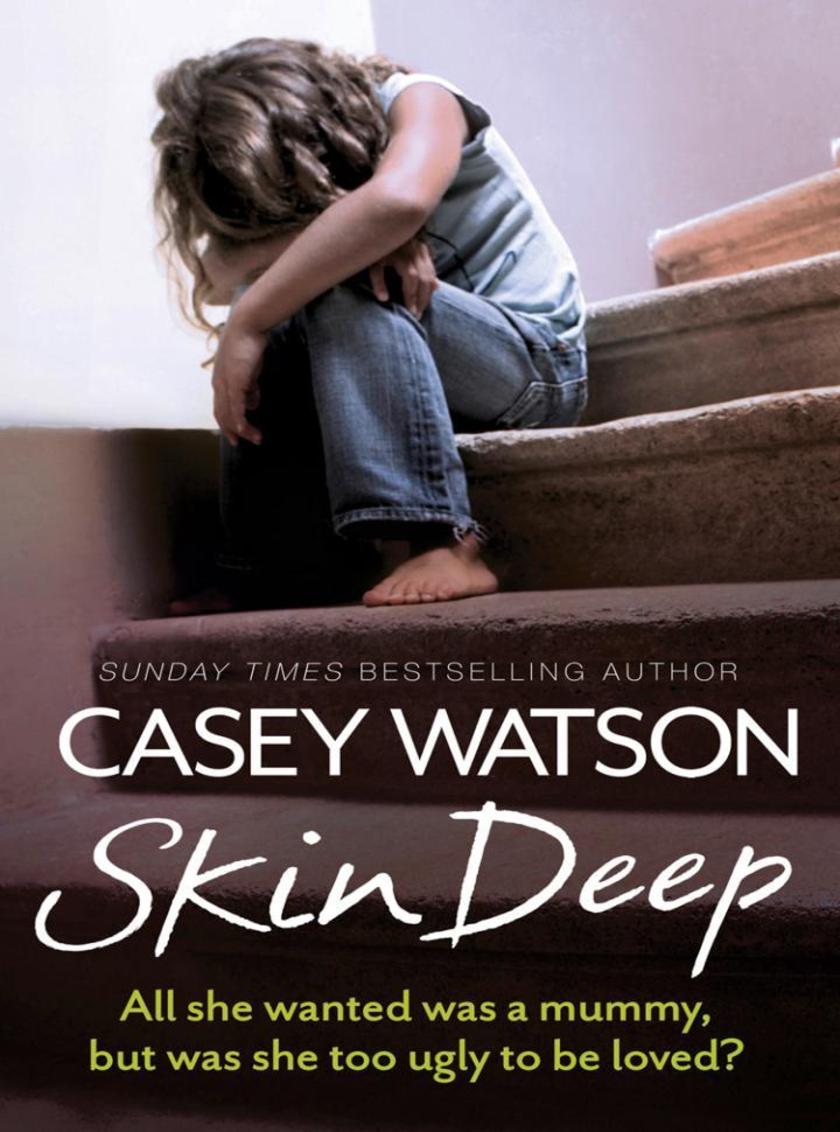
Skin Deep: All She Wanted Was a Mummy
¥58.86
Rejected by her mother and excluded by her school, Flip is a little girl desperate to be loved. ‘Am I ugly, Mummy?’ are the first words that little Phillipa says to Mike and Casey as she stomps into their lives on a hot August afternoon. She has a Barbie doll in one hand and a pink vanity case in the other and the bemused Watsons can only stare in amazement at this tiny eight year old girl who is being guided into the room by her social worker. Phillipa, known as Flip has Foetal Alcohol Syndrome and life with her single mother has come to an abrupt end after a fire burned the house down. When Casey meets Flip, the child seems remarkably unfazed by what has happened and the thing that seems to worry her is that Casey might find her ugly. Casey has come across children with FAS in her previous job in a high school behaviour unit, but is now realising that fostering Flip is going to be full of challenges which will test her and Mike’s skills to the limit.
Skin Deep: Part 1 of 3
¥41.01
Skin Deep can either be read as a full-length eBook or in 3 serialised eBook-only parts. This is PART 1 of 3. You can read Part 1 two weeks ahead of release of the full-length eBook and paperback. Rejected by her mother and excluded by her school, Flip is a little girl desperate to be loved. ‘Am I ugly, Mummy?’ are the first words that little Phillipa says to Mike and Casey as she stomps into their lives on a hot August afternoon. She has a Barbie doll in one hand and a pink vanity case in the other and the bemused Watsons can only stare in amazement at this tiny eight year old girl who is being guided into the room by her social worker. Phillipa, known as Flip has Foetal Alcohol Syndrome and life with her single mother has come to an abrupt end after a fire burned the house down. When Casey meets Flip, the child seems remarkably unfazed by what has happened and the thing that seems to worry her is that Casey might find her ugly. Casey has come across children with FAS in her previous job in a high school behaviour unit, but is now realising that fostering Flip is going to be full of challenges which will test her and Mike’s skills to the limit.
Skin Deep: Part 2 of 3
¥41.01
Skin Deep can either be read as a full-length eBook or in 3 serialised eBook-only parts. This is PART 2 of 3. You can read Part 2 one week ahead of release of the full-length eBook and paperback. Rejected by her mother and excluded by her school, Flip is a little girl desperate to be loved. ‘Am I ugly, Mummy?’ are the first words that little Phillipa says to Mike and Casey as she stomps into their lives on a hot August afternoon. She has a Barbie doll in one hand and a pink vanity case in the other and the bemused Watsons can only stare in amazement at this tiny eight year old girl who is being guided into the room by her social worker. Phillipa, known as Flip has Foetal Alcohol Syndrome and life with her single mother has come to an abrupt end after a fire burned the house down. When Casey meets Flip, the child seems remarkably unfazed by what has happened and the thing that seems to worry her is that Casey might find her ugly. Casey has come across children with FAS in her previous job in a high school behaviour unit, but is now realising that fostering Flip is going to be full of challenges which will test her and Mike’s skills to the limit.
Skin Deep: Part 3 of 3
¥41.01
Skin Deep can either be read as a full-length eBook or in 3 serialised eBook-only parts. This is PART 3 of 3. You can read Part 3 on release of the full-length eBook and paperback. Rejected by her mother and excluded by her school, Flip is a little girl desperate to be loved. ‘Am I ugly, Mummy?’ are the first words that little Phillipa says to Mike and Casey as she stomps into their lives on a hot August afternoon. She has a Barbie doll in one hand and a pink vanity case in the other and the bemused Watsons can only stare in amazement at this tiny eight year old girl who is being guided into the room by her social worker. Phillipa, known as Flip has Foetal Alcohol Syndrome and life with her single mother has come to an abrupt end after a fire burned the house down. When Casey meets Flip, the child seems remarkably unfazed by what has happened and the thing that seems to worry her is that Casey might find her ugly. Casey has come across children with FAS in her previous job in a high school behaviour unit, but is now realising that fostering Flip is going to be full of challenges which will test her and Mike’s skills to the limit.

Mummy’s Little Soldier: A troubled child.
¥59.35
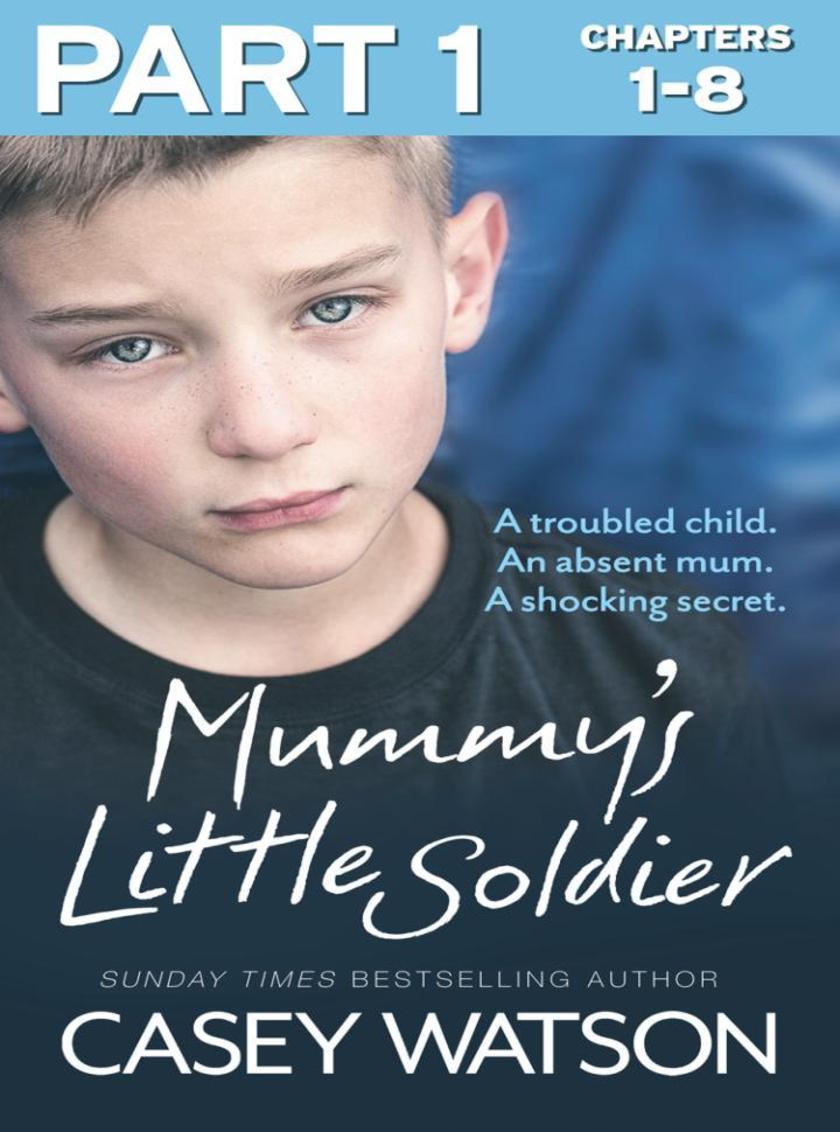
Casey’s Unit is, as ever, full of troubled, disaffected pupils, and new arrival Leo is something of a conundrum. Thirteen year old Leo isn’t a bad lad – in fact, he’s generally polite and helpful, but he’s in danger of permanent exclusion for repeatedly absconding and unauthorised absences. Despite letters being sent home regularly, his mother never turns up for any appointments, and when the school calls home she always seems to have an excuse. Though Casey has her hands full, she offers to intervene for a while, to try get Leo engaged in learning again and remaining in school. The head’s sceptical though and warns her that this is Leo’s very last chance. But Casey’s determined, because there’s something about Leo that makes her want to fight his corner, and get to the bottom of whatever it is that compels this enigmatic boy to keep running away. With Leo so resolutely tight-lipped and secretive, Casey knows that if she’s going to keep this child in education, she’s going to have to get to the bottom of it herself…
Mummy’s Little Soldier: Part 1 of 3
¥33.35
Casey’s Unit is, as ever, full of troubled, disaffected pupils, and new arrival Leo is something of a conundrum. Thirteen year old Leo isn’t a bad lad – in fact, he’s generally polite and helpful, but he’s in danger of permanent exclusion for repeatedly absconding and unauthorised absences. Despite letters being sent home regularly, his mother never turns up for any appointments, and when the school calls home she always seems to have an excuse. Though Casey has her hands full, she offers to intervene for a while, to try get Leo engaged in learning again and remaining in school. The head’s sceptical though and warns her that this is Leo’s very last chance. But Casey’s determined, because there’s something about Leo that makes her want to fight his corner, and get to the bottom of whatever it is that compels this enigmatic boy to keep running away. With Leo so resolutely tight-lipped and secretive, Casey knows that if she’s going to keep this child in education, she’s going to have to get to the bottom of it herself…
Faraday:The Life (Text Only)
¥92.41
A major biography of Michael Faraday (1791–1867), one of the giants of 19th century science and discoverer of electricity who was at the centre of an extraordinary scientific renaissance in London. Faraday’s life was truly inspirational. Son of a Yorkshire blacksmith who moved to London in 1789, he was a self-made, self-educated man whose public life was underpinned by his devotion to a minor Christian sect (the Sandemanians) and to his wife. He was also a fine writer and brilliant lecturer. This book is a passionate exploration of his life, work and times (he was a pioneering scientific all-rounder who also experimented with electromagnetism, techniques for preserving meat and fish, optical glass, the safety lamp, and the identification of iodine as a new element). It will also tell the story of the dawn of the modern scientific age and interweave Faraday’s life with the groundbreaking work of the Royal Institution and other early scientists like Humphrey Davey, Charles Babbage, John Herschel and Mary Somerville.

Songs from the Steppes:The Poems of Makhtumkuli
¥56.90
An oddity among Aldiss works - verse translations. Song from the Steppes is the collected poems of Makhtumkuli, eighteenth century poet-hero of Turkmenistan. In this book, Aldiss renders prose translations made by Dr Youssef Azemoun, an expert on Turkic languages and literature, from the original into verse.

Murray Walker:Unless I’m Very Much Mistaken
¥80.25
The voice of motor racing and much loved public figure – and the man responsible for introducing millions of viewers to the previously inaccessible world of Formula 1 – tells the story of his incident-packed life, with a brand new chapter on his globetrotting adventures since retirement. Murray Walker is a national treasure. When the man who made famous the catch phrase 'Unless I'm very much mistaken… I AM very much mistaken!!!' announced that he was retiring as ITV's Grand Prix commentator, the media reacted as if the sport itself was losing one of its biggest stars. His reputation for mistakes was the making of Walker. He was the fan who happened to be given the keys to the commentary box – and never wanted to give them back. His high-octane delivery kept viewers on the edge of their seats, while his passion for talking about the sport he loved was matched by an all-encompassing knowledge gained through hours of painstaking research before every race. In his book he writes about his childhood and the influence that his father, British motorcycle champion Graham Walker, had on his career. Failing to match his father's achievements on the track after active service in World War II, he made a successful career for himself in advertising which catapulted him to the top of his profession. An offer from the BBC to take over the commentary seat for their F1 broadcasts was too good to turn down, and it wasn't long before the infamous 'Murrayisms' enlivened a sport which until then had been shrouded in a cloak of unfathomable technical jargon and mind-numbing statistics. He also talks about the biggest changes in the sport over the last 50 years, in particular the safety issues which came to the fore after the tragic death of Ayrton Senna, which he witnessed first hand. His partnership with James Hunt behind the microphone is the subject of some hilarious anecdotes, while his views on drivers past and present such as Stirling Moss, Jackie Stewart, Damon Hill and Michael Schumacher make for fascinating reading.
Bath Times and Nursery Rhymes:The memoirs of a nursery nurse in the 1960s
¥34.14
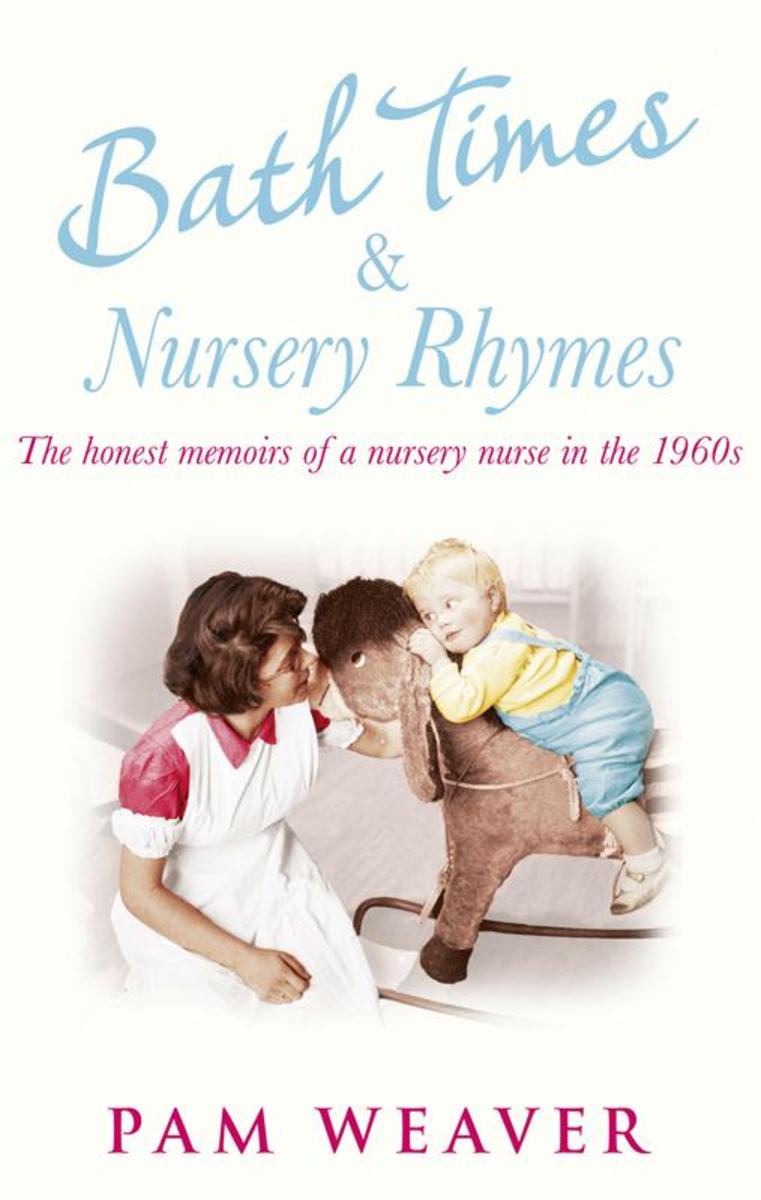
A heart-warming memoir about life as a nursery nurse and nanny in the 1960s, for fans of Call the Midwife. In 1961, sixteen year-old Pam Weaver began her training as a nursery nurse. Drawn to this profession by her caring nature and a desire to earn her own living, Pam had no idea of the road she was about to start down. At the government-run nursery, she found early mornings, endless floors to scrub, overbearing matrons, heartbreaking stories of abandonment, true friends and life lessons that would stay with her for decades. Bath Times and Nursery Rhymes is Pam’s memoir about her time in state nurseries and as a Hyde Park private nanny. It will recount the highs and lows of that time with engaging and uplifting honesty.
The 50 List – A Father’s Heartfelt Message to his Daughter:Anything Is Possible
¥58.86
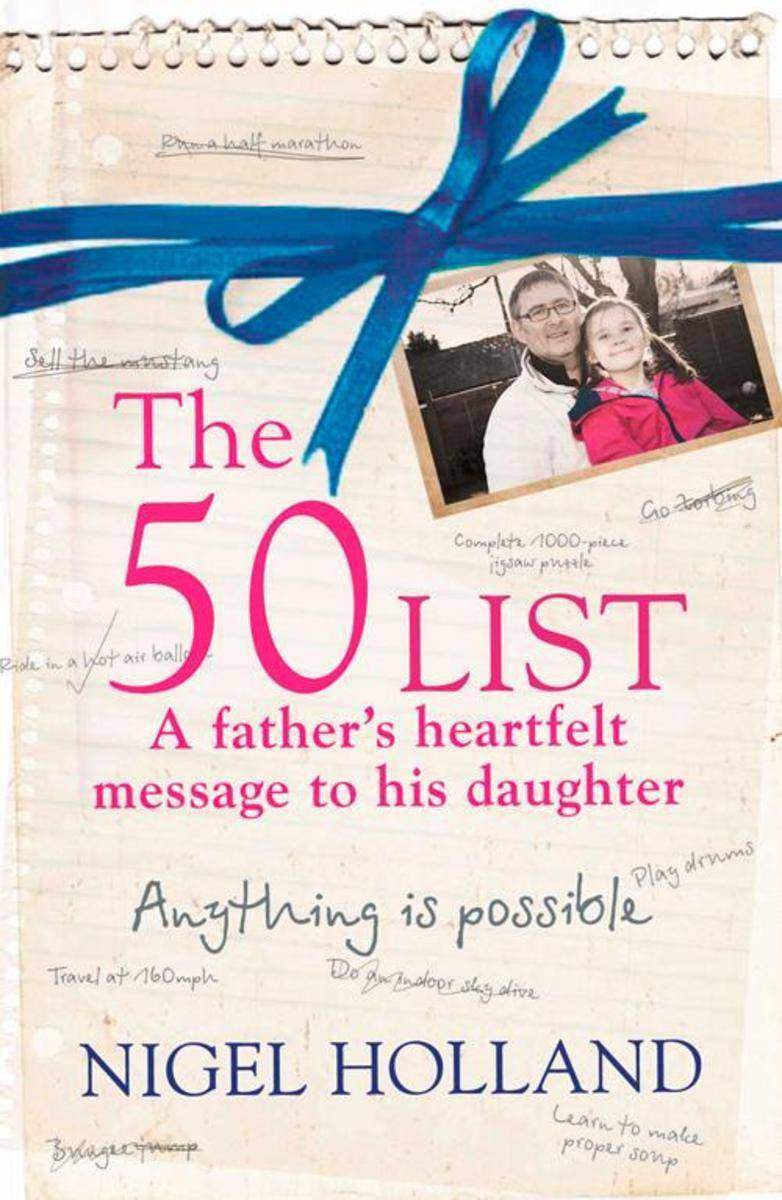
Nigel has a disability – an inherited disease that means his nerves don’t tell his muscles what to do – but he does not consider himself disabled. His youngest daughter Ellie has been diagnosed with the same condition. To inspire Ellie, and show her anything is possible, Nigel set himself a list of fifty challenges. This is the story of that list. Nigel and his wife Lisa have three children and, like all parents, they have always wanted the best for their kids. For Nigel, this meant helping them to understand that life is to be challenged: to be explored and enjoyed, no matter what obstacles you might have to face. Even during the darkest times, Nigel has never let anything stop him from realising his dreams. To inspire his youngest daughter, and let her see firsthand that anything is possible, Nigel set himself a list of 50 challenges to complete before he turned 50. Some are crazy, wild physical challenges, others are seemingly simple tasks people often take for granted. Some are activities Nigel has done before, others are skills he has learnt to cope with his condition that he wants to share with other people. All of them hold huge emotional significance to Nigel and his family. This is the heart-warming account of the year Nigel completed The 50 List. Inspiring and surprising, it will move you to tears and laughter, and leave you believing that you really can accomplish anything.
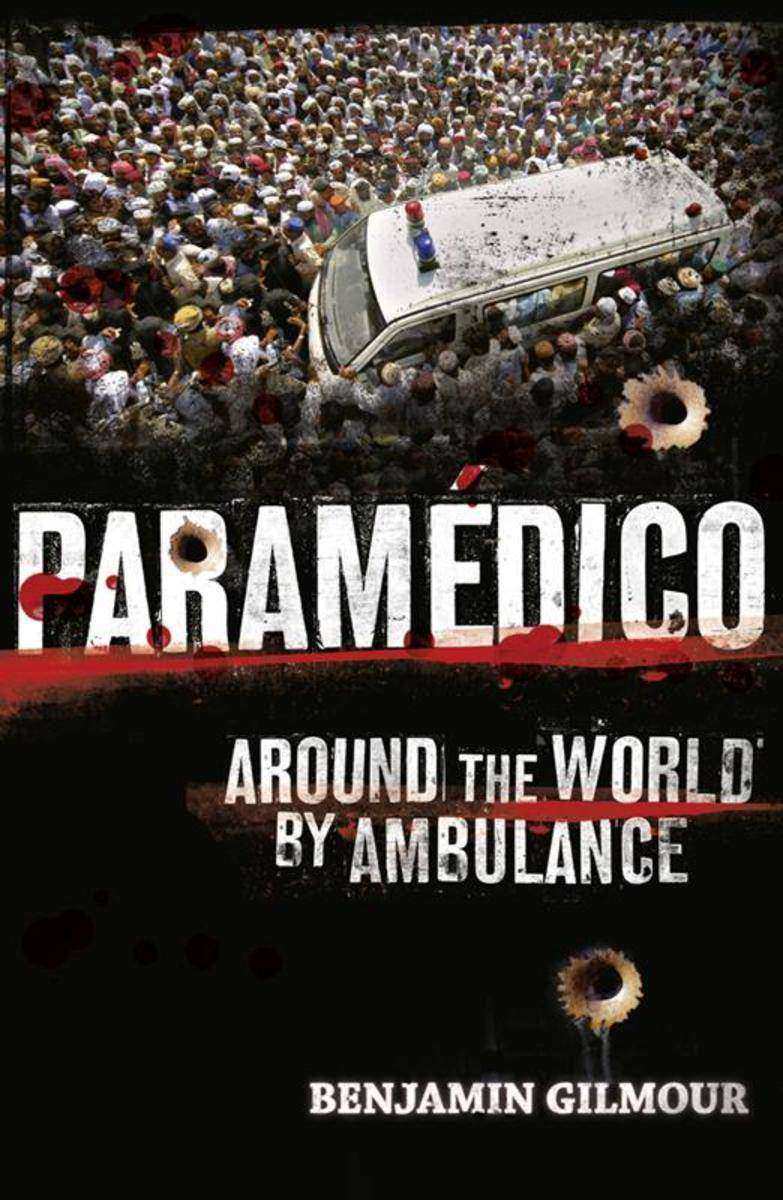
Paramédico
¥66.22
Around the world by ambulance. Paramédico is a brilliant collection of adventures by Australian paramedic Benjamin Gilmour as he works and volunteers on ambulances around the world. From England to Mexico, and Iceland to Pakistan, Gilmour takes us on an extraordinary thrill-ride with his wild coworkers. Along the way he learns a few things, too, and shows us not only how precious life truly is, but how to passionately embrace it. Now an acclaimed feature-length documentary movie.

Our Best Pal:Gander
¥15.60
An inspiring and heart-warming short story of canine devotion and bravery. Animals have accompanied man into battle since war first waged. Gander, faithful friend to WWII Canadian soldiers, was smuggled onto a troop ship in 1940, where he was given a personal kit bag, awarded the rank of Sergeant and allowed to drink beer. In return for the kindness and admiration of his fellow soldiers, the huge Newfoundland dog gave his life to save the injured men he lived alongside. Extracted from the bestselling title The Dog That Saved My Life, this is the short story of one incredible dog that refused to give up; a dog that showed devotion and unquestioning loyalty even in the darkest days.
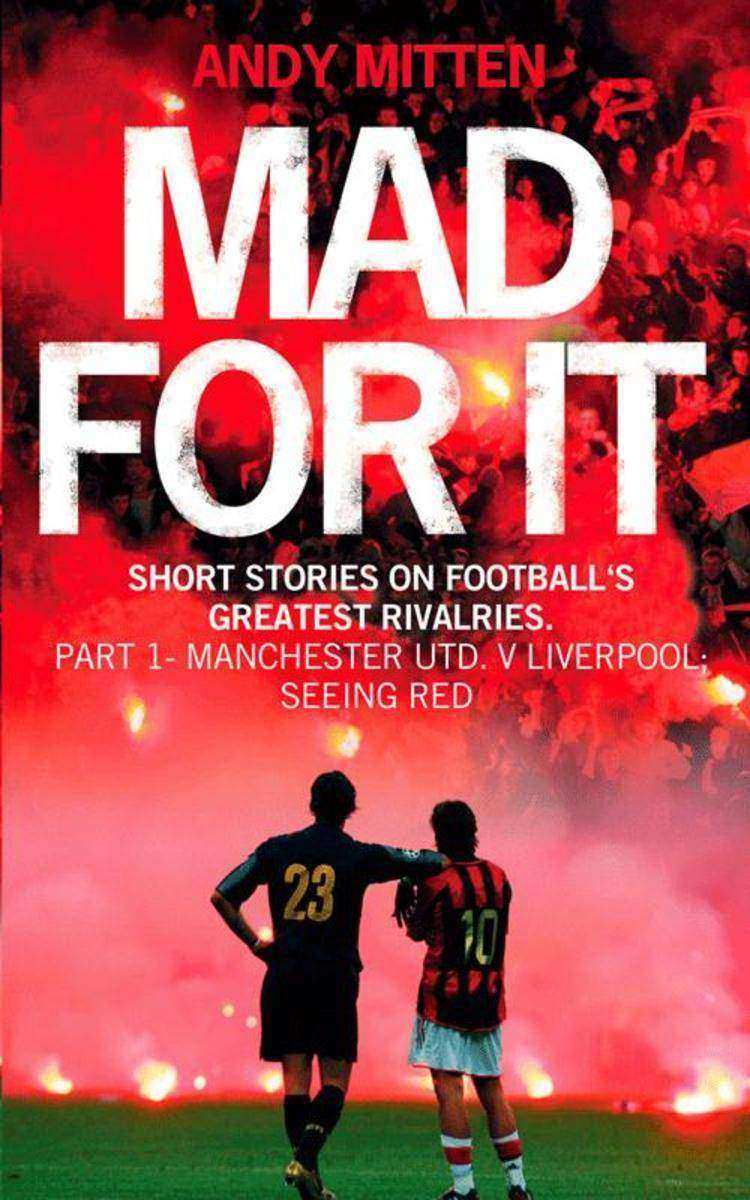
Liverpool v Manchester United:Seeing Red (A Short Pass)
¥9.71
‘Seeing Red’ is an exclusive extract from the best-selling ‘Mad For It’, published in association with FourFourTwo magazine. It examines one of the greatest sporting rivalries from the viewpoint of the people that matter; the fans. ‘Mad For It’ proves that some football matches are far more than just a game. These short extracts, from the original book published in association with FourFourTwo magazine, provide a fresh and revealing insight into the people that make these matches matter – the fans – using their own words and stories to illuminate the conflicts, tensions, histories and celebrations behind these unforgettable games. This first essay examines the biggest rivalry in English, if not World, football. Led by Sir Alex Ferguson and Kenny Daglish, games between Manchester United and Liverpool stir up some of the strongest emotions of any sporting event. On match days, two of the biggest cities in the UK come to a standstill. ‘Seeing Red’ gets to the root cause of the rivalry and examines why it matters so much.


