


 购物车
 个人中心


101 Amazing Women
¥29.33
Throughout human history, countless women have made important contributions to society. Some have made scientific discoveries vital to modern-day life, whereas others have fought for human rights, shaped entire countries and broken down barriers. This fascinating book introduces the reader to over one hundred such figures, with each having made important contributions in fields such as politics, science, literature, business and warfare. Women from all historical periods and walks of life are featured, from famous figures in ancient history including Cleopatra and Wu Zetian through to women changing the world today such as Emma Watson and Malala Yousafzai. Whereas the achievements of some of the 101 individuals featured are well known, some readers may be finding out about others for the first time, meaning that the book is also an excellent gateway to further reading.
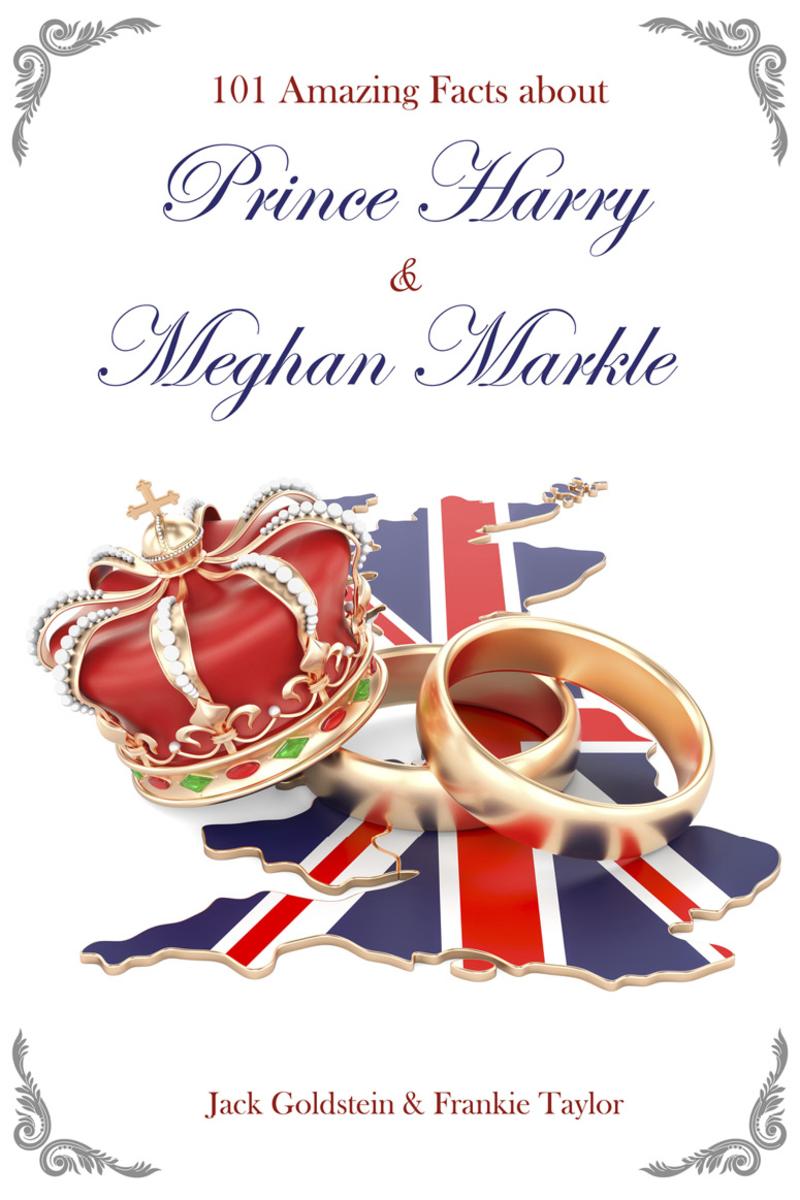
101 Amazing Facts about Prince Harry and Meghan Markle
¥19.52
On the 19th May 2018, Prince Harry and Meghan Markle tied the knot in a beautiful royal wedding ceremony. But just how much do you know about the Prince and his former actress wife? This fascinating eBook contains over one hundred amazing facts about the royal couple, covering everything from how the two of them met through to the many ways in which Meghan has broken the mould of a traditional princess. Whether you're interested in the royal rule book and official protocols, or you simply want to know more about the controversies that have surrounded both of these two prominent figures, this is the perfect book for you!
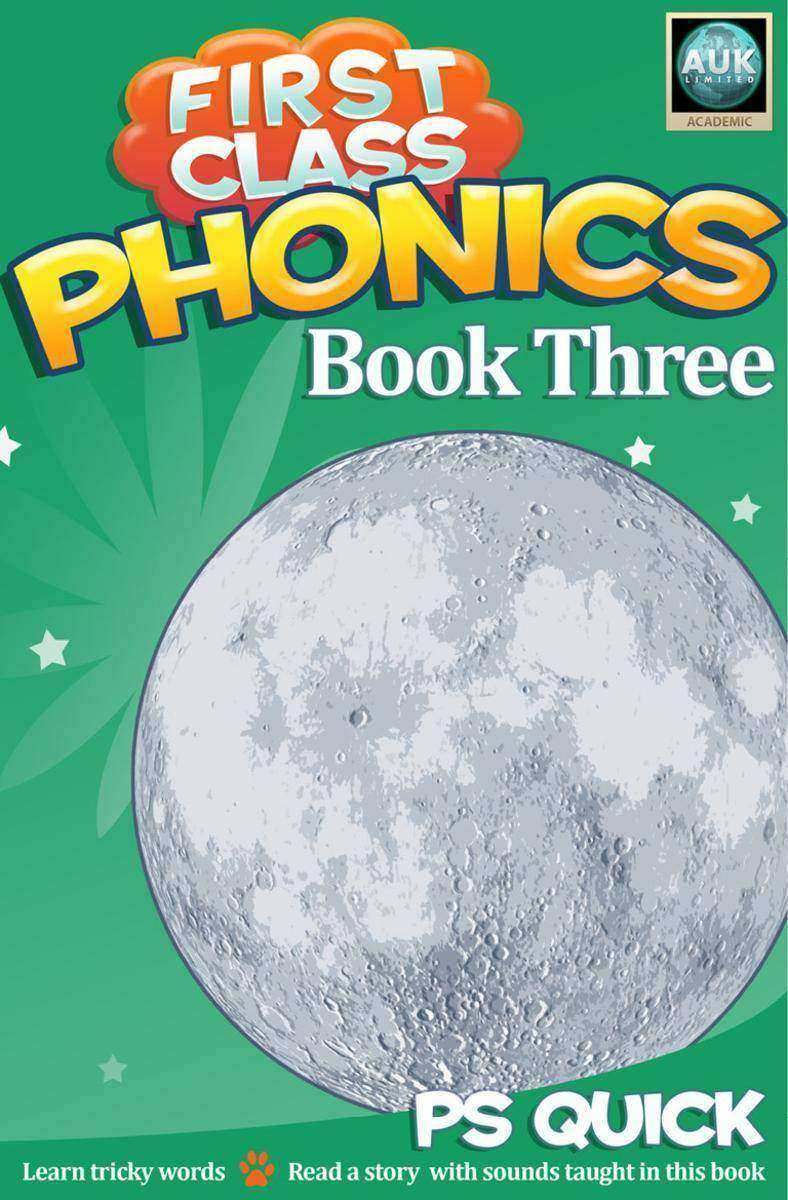
First Class Phonics - Book 3
¥44.05
First Class Phonics is a series of books designed to help children quickly become proficient readers and writers.These books use Synthetic Phonics, a high-quality teaching method recognised all over the world. In Synthetic Phonics, children focus on the skills that enable them to read and spell words accurately. They recognise the importance of every sound they hear in the spoken word and learn to blend these sounds so that they can read words from the very beginning of the program.It is essential that children develop the ability to hear, identify and manipulate individual sounds in order to read fluently. This book provides a range of fun activities to ensure this happens.Book 3 introduces diagraphs (two-letter sounds) and trigraphs (three-letter sounds). It covers the sounds ch, sh, th, ng, nk, ee, e (as in be), ay, igh, oa, oo (as in moon), oo (as in cook), ar, or, ir and the ways 'o' can make a different sound at the end of tricky words. It teaches the tricky words are, was, to, do and your. The last chapter contains a story that uses only words built from the sounds taught in this book.

First Class Phonics - Book 5
¥44.05
First Class Phonics is a series of books designed to help children quickly become proficient readers and writers.These books use Synthetic Phonics, a high-quality teaching method recognised all over the world. In Synthetic Phonics, children focus on the skills that enable them to read and spell words accurately. They recognise the importance of every sound they hear in the spoken word and learn to blend these sounds so that they can read words from the very beginning of the program.It is essential that children develop the ability to hear, identify and manipulate individual sounds in order to read fluently. This book provides a range of fun activities to ensure this happens.Book 5 introduces more diagraphs (two-letter sounds) and trigraphs (three-letter sounds) as well as split diagraphs (i-e as in slide) It covers the sounds ire (fire), ou (mouse), ie (pie), i-e (slide), e-e (Pete), oe (toe), o-e (home), a-e (take), ue (blue), u-e (flute), er (hammer), ph (elephant), and 'u' (push). It teaches the tricky words there, were, could, would and should. The last chapter contains a story that uses only words built from the sounds taught in this and previous books.
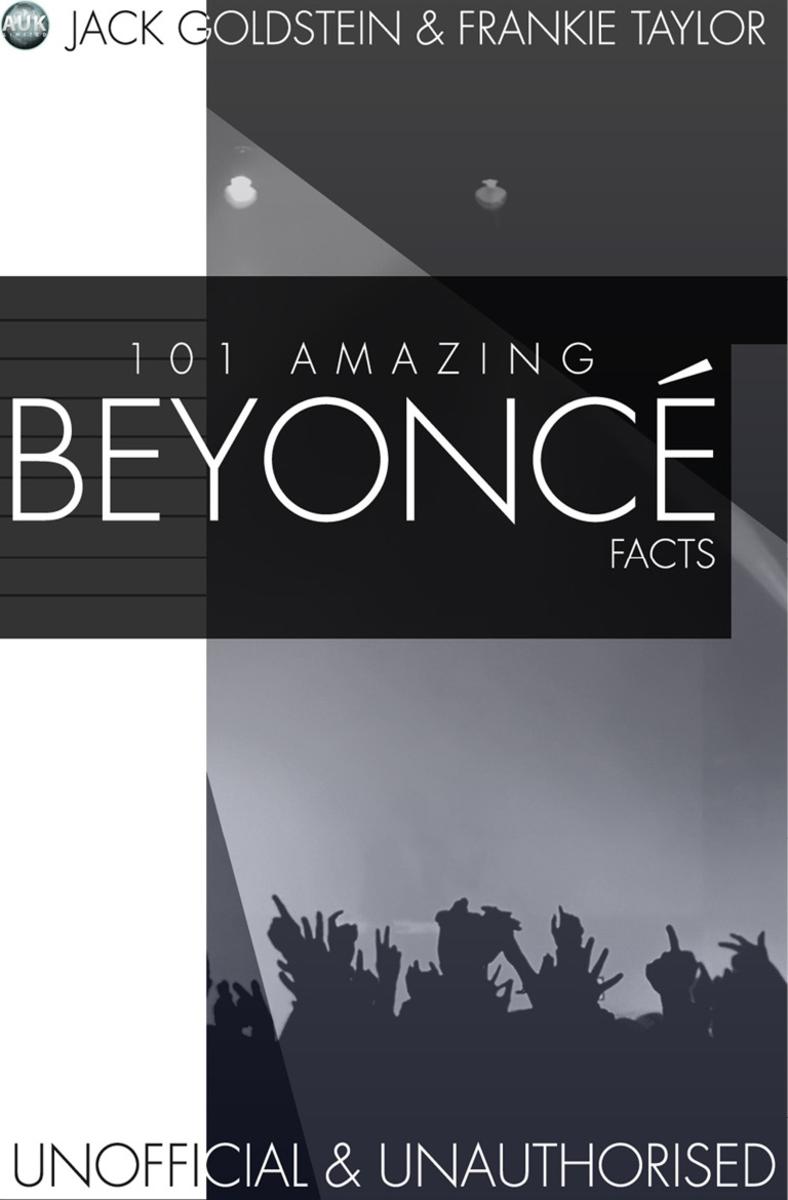
101 Amazing Beyonce Facts
¥19.52
Are you the world's biggest Beyonce fan? Or do you want to find out everything there is to know about the ex Destiny's Child singer and global superstar?If so, then this is the book for you! Contained within are 101 amazing facts about how Beyonce got started in the music industry, the numerous awards she has won, her family life with husband Jay-Z and daughter Blue Ivy plus many more. The book is easily organised into sections so you can find the information you want fast and is perfect for all ages!
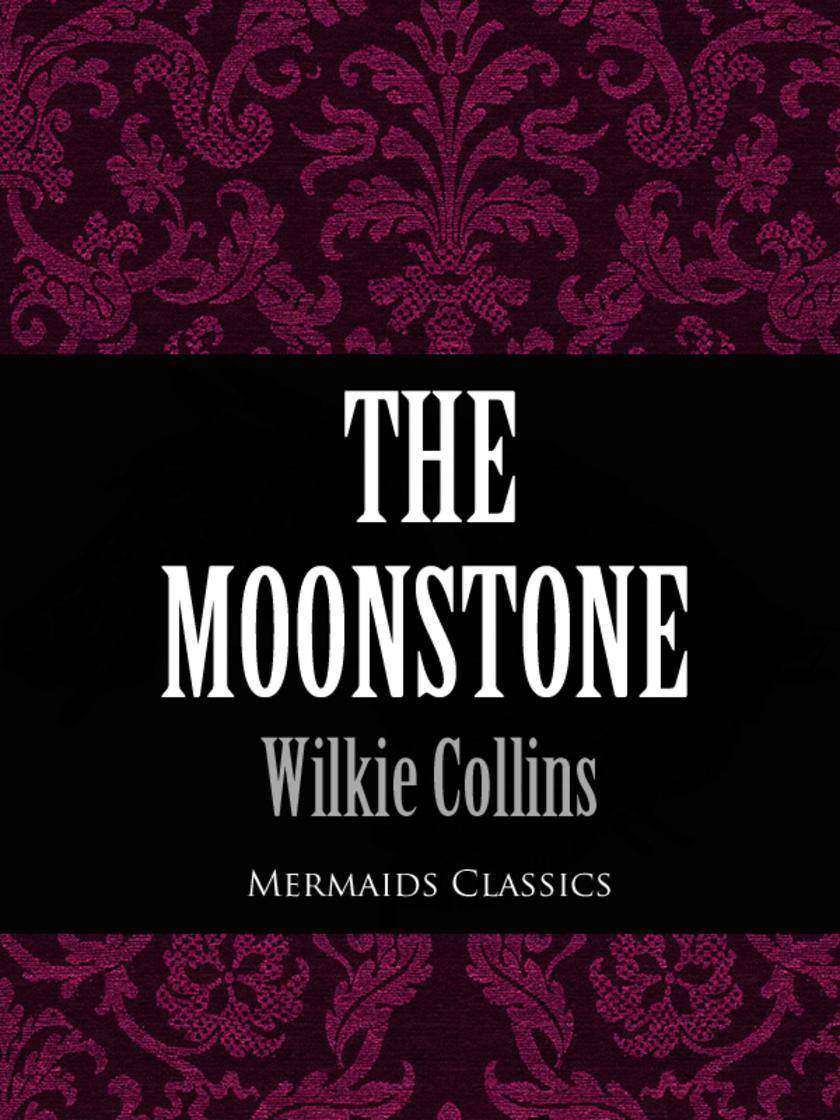
Moonstone (Mermaids Classics)
¥35.22
The Moonstone (1868) by Wilkie Collins follows the story of Rachel Verinder who inherits a large diamond (which is the moonstone) from her corrupt uncle and wears it to her birthday party. The moonstone is extremely valuable and religious figures have searched for it their entire lives. On the night of the party, the moonstone goes missing and the search begins in solving the mystery as to what had happened to it. The Moonstone story was believed to have been one of the first English detective stories.Mermaids Classics, an imprint of Mermaids Publishing brings the very best of old classic literature to a modern era of digital reading by producing high quality books in ebook format. All of the Mermaids Classics epublications are reproductions of classic antique books that were originally published in print format, mostly over a century ago and are now republished in digital format as ebooks. Begin to build your collection of digital books by looking for more literary gems from Mermaids Classics.
Count of Monte Cristo (Mermaids Classics)
¥35.22
The Count of Monte Cristo (1845) is an adventure novel by French author Alexandre Dumas (pre) (1802-1870) who also wrote the famous classic The Three Musketeers. Mermaids Classics, an imprint of Mermaids Publishing brings the very best of old classic literature to a modern era of digital reading by producing high quality books in ebook format. All of the Mermaids Classics epublications are reproductions of classic antique books that were originally published in print format, mostly over a century ago and are now republished in digital format as ebooks. Begin to build your collection of digital books by looking for more literary gems from Mermaids Classics.
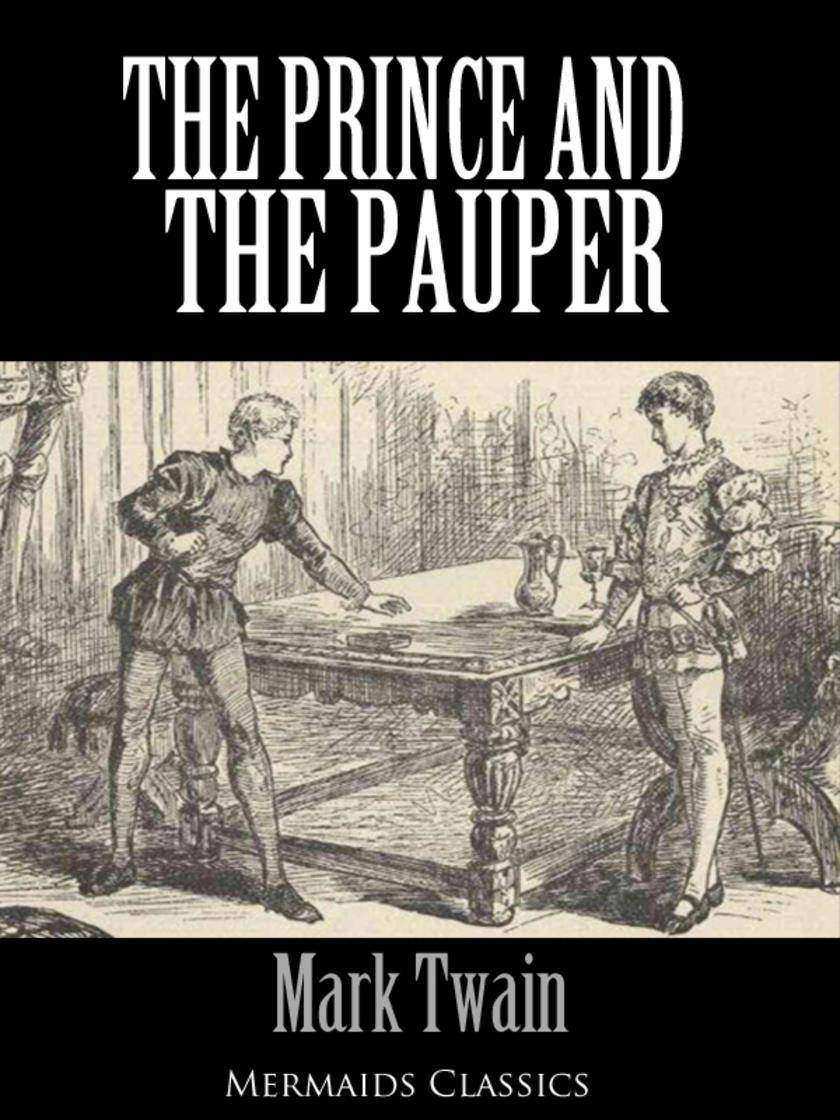
Prince and the Pauper - An Original Classic (Mermaids Classics)
¥35.22
The Prince and the Pauper by Mark Twain (aka Samuel Langhorne Clemens) (1835 1910) is a childrens novel based on two young boys who have an identical appearance but lead completely different lifestyles. One boy is a pauper named Tom Cancy and the other boy is a Prince - named Prince Edward. The story is set in 1547.The Prince and the Pauper was first published in 1881. Mermaids Classics, an imprint of Mermaids Publishing brings the very best of old book classics to a modern era of digital reading by producing high quality books in ebook format.
Pride and Prejudice
¥11.67
Pride and Prejudice by Jane Austen, is considered as one of the worlds top book classics. It was initially published in 1813 and was the authors second novel which also became her most popular novel. The scene is set in England in early 19th century with 20 year old Elizabeth Bennett, the second eldest of five daughters developing a relationship with the single, handsome and wealthy gentleman, Mr Darcy. Elizabeth endures issues of upbringing, independence, social manners, morality, education and marriage within a high aristocrat society. As their love unfolds, Mr Darcy overcomes his pride of being with someone of a lower social class and Elizabeth overcomes her prejudice of Mr Darcy. A classic love story and one of the most famous novels in English literature.This digital edition is beautifully formatted with an active Table of Contents that goes directly to each chapter. Mermaids Classics, an imprint of Mermaids Publishing brings the very best of old book classics to a modern era of digital reading by producing high quality books in ebook format.
Wuthering Heights (Mermaids Classics)
¥35.22
Wuthering Heights (1847) by Emily Bronte (1818 -1848) is a classic novel initially published under the pen name Ellis Bell. The story is about the love between Catherine Earnshaw and Heathcliff who is her fathers adopted son and the controversies that arise as a result. Mermaids Classics, an imprint of Mermaids Publishing brings the very best of old classic literature to a modern era of digital reading by producing high quality books in ebook format. All of the Mermaids Classics epublications are reproductions of classic antique books that were originally published in print format, mostly over a century ago and are now republished in digital format as ebooks. Begin to build your collection of digital books by looking for more literary gems from Mermaids Classics.
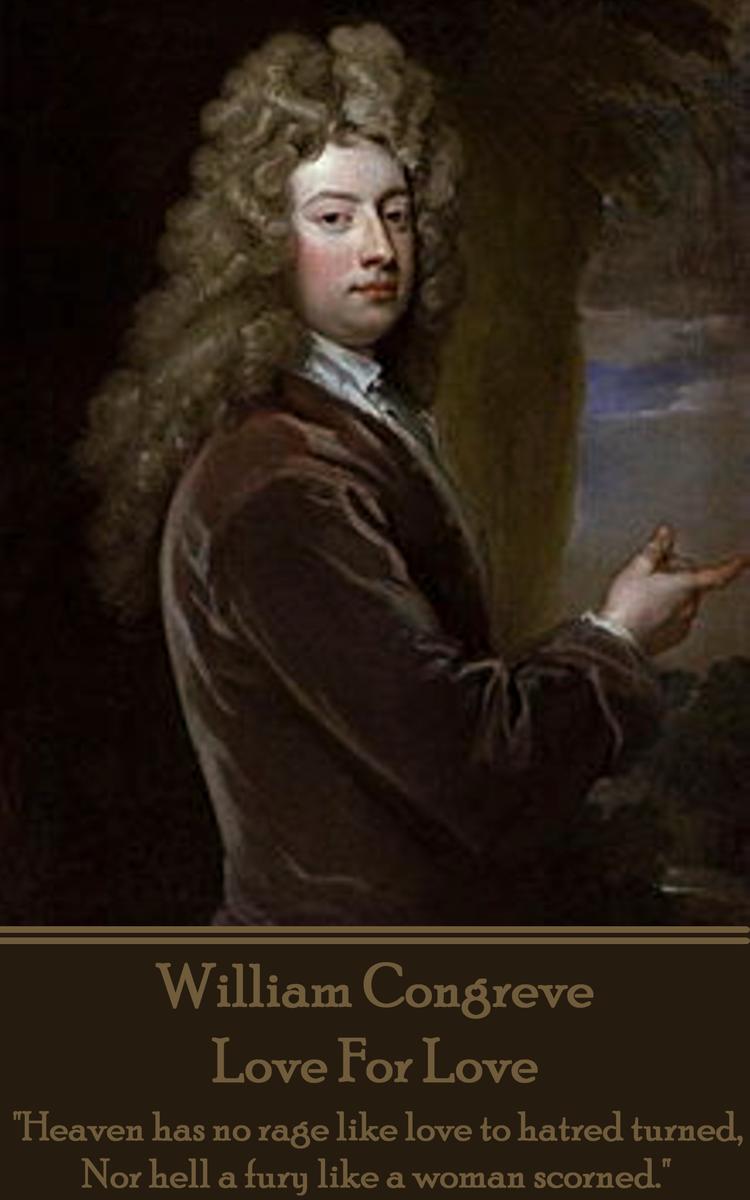
Love For Love - Heaven has no rage like love to hatred turned, Nor hell a fury l
¥21.09
William Congreve was born on January 24th, 1670 in Bardsey, West Yorkshire. Congreve's childhood was spent in Ireland (his father, a Lieutenant in the British Army had received a posting there). He was educated at Kilkenny College and then Trinity College in Dublin. After graduating he returned to London to study law at Middle Temple. However his interest in studying law soon lessened as the attraction of literature, drama, and the fashionable life began to exert its pull. This first play, The Old Bachelor, was written, to amuse himself during convalescence, and was produced at the Drury Lane Theatre in 1693. It was an enormous success. Although his playwrighting career was successful it was also very brief. Five plays authored from 1693 to 1700 would prove the entirety of his output. Although no further plays were to flow from his pen Congreve did write librettos for two operas and to begin translating the works of Moliere as well as Homer, Ovid and Horace and to write poetry. He also took an interest in politics and obtained various minor political posts, including being named Secretary of the Island of Jamaica by George I in 1714. Congreve suffered a carriage accident in late September 1728, from which he never recovered (having probably received an internal injury); William Congreve died in London on January 19th, 1729, and was buried in Poets' Corner in Westminster Abbey.
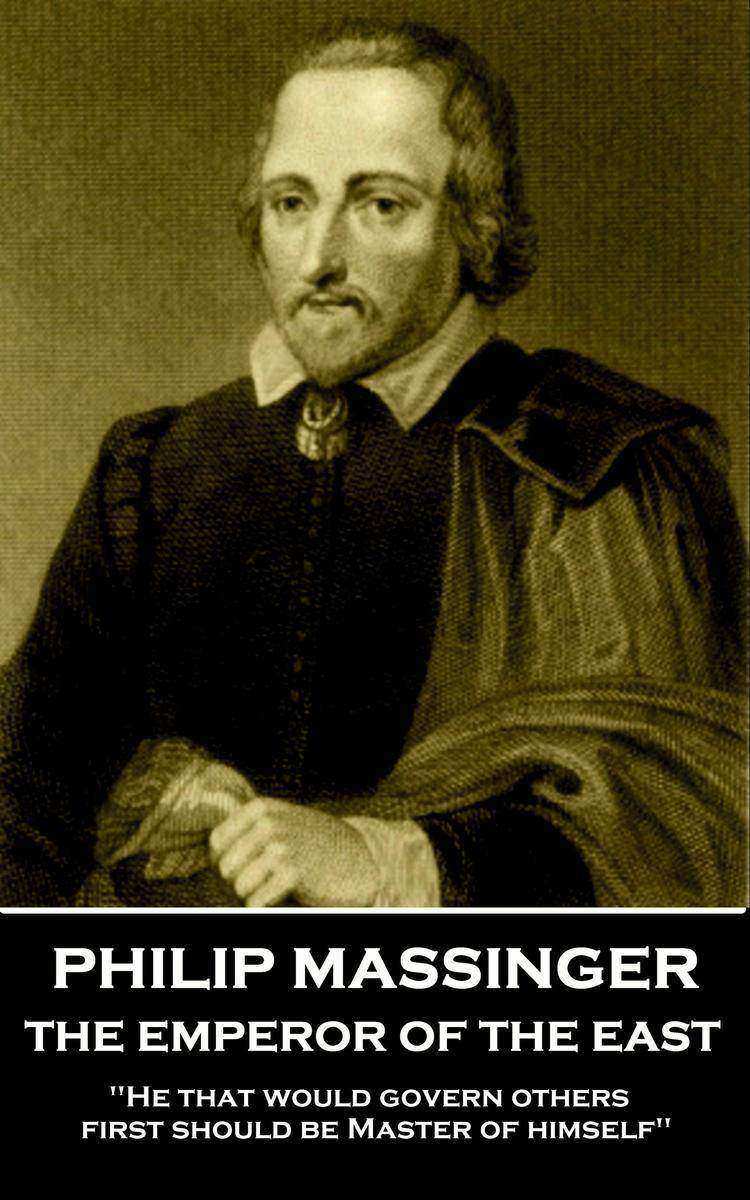
Emperor of the East - He that would govern others, first should be Master of him
¥23.45
Philip Massinger was baptized at St. Thomas's in Salisbury on November 24th, 1583.Massinger is described in his matriculation entry at St. Alban Hall, Oxford (1602), as the son of a gentleman. His father, who had also been educated there, was a member of parliament, and attached to the household of Henry Herbert, 2nd Earl of Pembroke. The Earl was later seen as a potential patron for Massinger.He left Oxford in 1606 without a degree. His father had died in 1603, and accounts suggest that Massinger was left with no financial support this, together with rumours that he had converted to Catholicism, meant the next stage of his career needed to provide an income.Massinger went to London to make his living as a dramatist, but he is only recorded as author some fifteen years later, when The Virgin Martyr (1621) is given as the work of Massinger and Thomas Dekker.During those early years as a playwright he wrote for the Elizabethan stage entrepreneur, Philip Henslowe. It was a difficult existence. Poverty was always close and there was constant pleading for advance payments on forthcoming works merely to survive.After Henslowe died in 1616 Massinger and John Fletcher began to write primarily for the King's Men and Massinger would write regularly for them until his death.The tone of the dedications in later plays suggests evidence of his continued poverty. In the preface of The Maid of Honour (1632) he wrote, addressing Sir Francis Foljambe and Sir Thomas Bland: "e;I had not to this time subsisted, but that I was supported by your frequent courtesies and favours."e;The prologue to The Guardian (1633) refers to two unsuccessful plays and two years of silence, when the author feared he had lost popular favour although, from the little evidence that survives, it also seems he had involved some of his plays with political characters which would have cast shadows upon England's alliances.Philip Massinger died suddenly at his house near the Globe Theatre on March 17th, 1640. He was buried the next day in the churchyard of St. Saviour's, Southwark, on March 18th, 1640. In the entry in the parish register he is described as a "e;stranger,"e; which, however, implies nothing more than that he belonged to another parish.
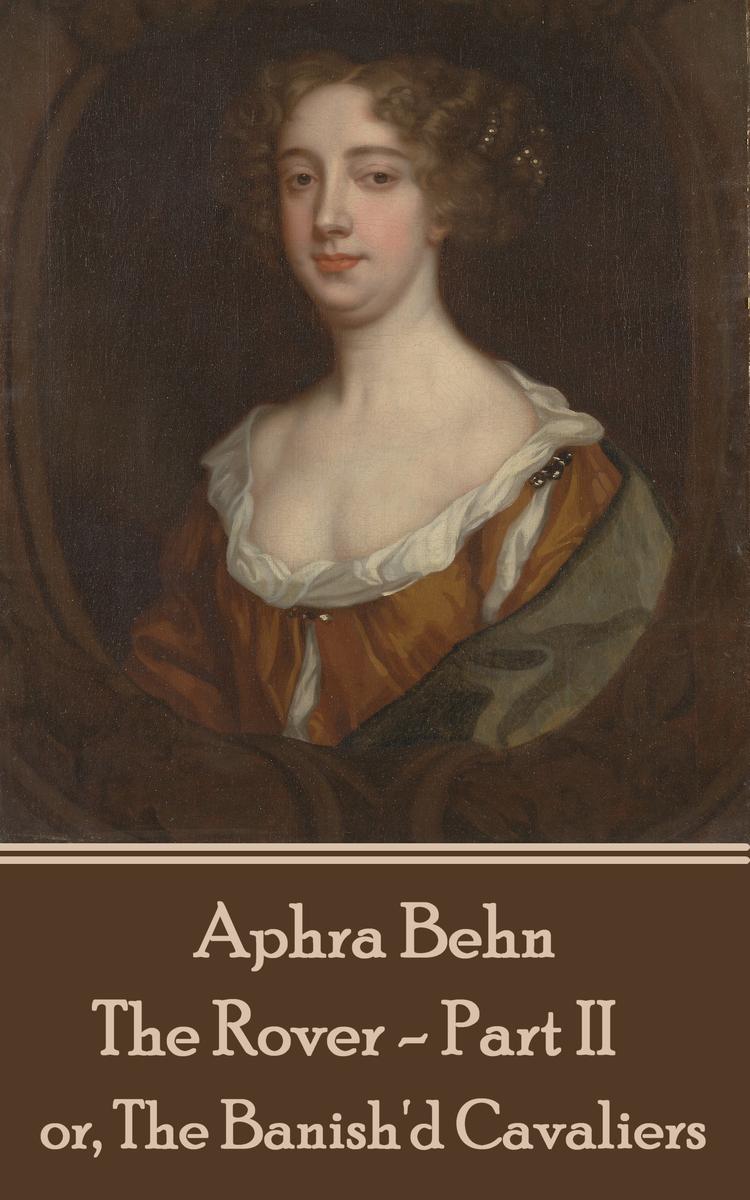
Rover - Part II - or, The Banish'd Cavaliers
¥23.45
Aphra Behn was a prolific and well established writer but facts about her remain scant and difficult to confirm. What can safely be said though is that Aphra Behn is now regarded as a key English playwright and a major figure in Restoration theatre. Aphra was born into the rising tensions to the English Civil War. Obviously a time of much division and difficulty as the King and Parliament, and their respective forces, came ever closer to conflict. There are claims she was a spy, that she travelled abroad, possibly as far as Surinam. By 1664 her marriage was over (though by death or separation is not known but presumably the former as it occurred in the year of their marriage) and she now used Mrs Behn as her professional name. Aphra now moved towards pursuing a more sustainable and substantial career and began work for the King's Company and the Duke's Company players as a scribe. Previously her only writing had been poetry but now she would become a playwright. Her first, "e;The Forc'd Marriage"e;, was staged in 1670, followed by "e;The Amorous Prince"e; (1671). After her third play, "e;The Dutch Lover"e;, Aphra had a three year lull in her writing career. Again it is speculated that she went travelling again, possibly once again as a spy. After this sojourn her writing moves towards comic works, which prove commercially more successful. Her most popular works included "e;The Rover"e; and "e;Love-Letters Between a Nobleman and His Sister"e; (1684-87). With her growing reputation Aphra became friends with many of the most notable writers of the day. This is The Age of Dryden and his literary dominance. From the mid 1680's Aphra's health began to decline. This was exacerbated by her continual state of debt and descent into poverty. Aphra Behn died on April 16th 1689, and is buried in the East Cloister of Westminster Abbey. The inscription on her tombstone reads: "e;Here lies a Proof that Wit can never be Defence enough against Mortality."e; She was quoted as stating that she had led a "e;life dedicated to pleasure and poetry."e;
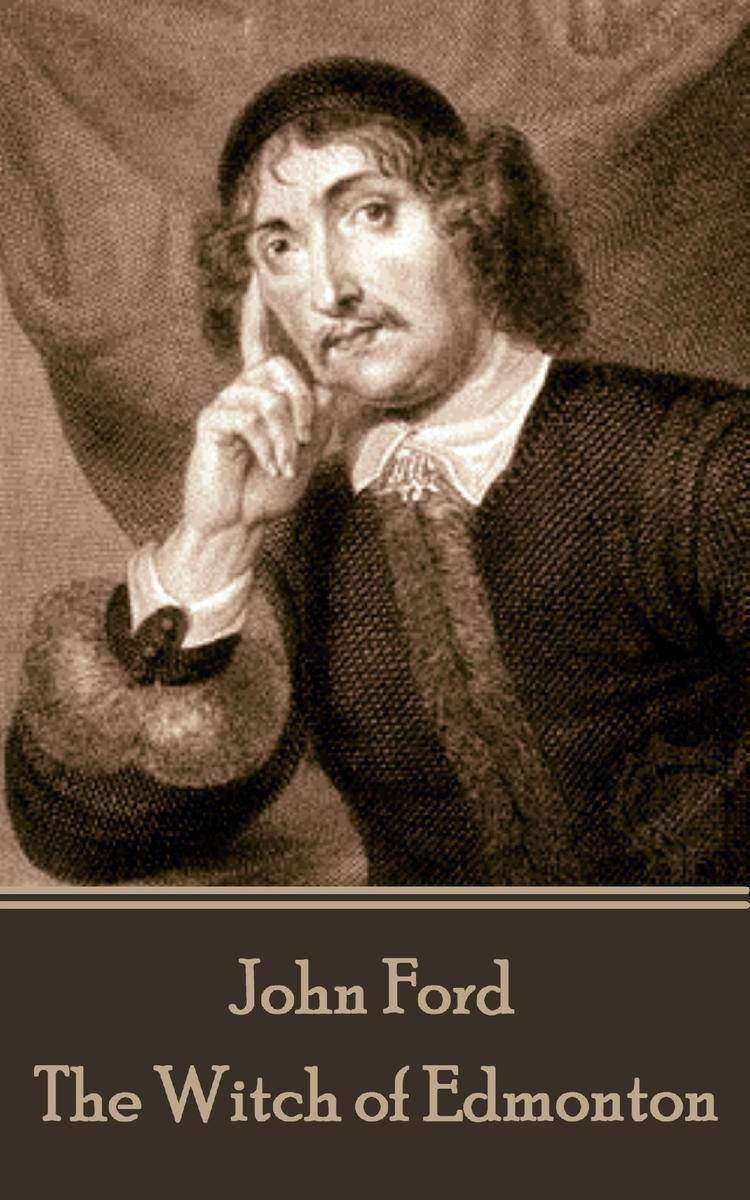
Witch of Edmonton
¥19.91
John Ford is another of England's famed literary masters. A Playwright and Poet, he was the most important writer of Tragedies during the reign of King Charles I (1625-49). His works are beautifully poetic even whilst tackling subjects from incest to the choice between true love or forced marriage. Ford's work has endured down the centuries although little is known of his life, or, in some cases, even his contributions to his own plays when written with others. As a whole though it is a legacy of classics; powerful persuasions from driven characters and compelling narratives.
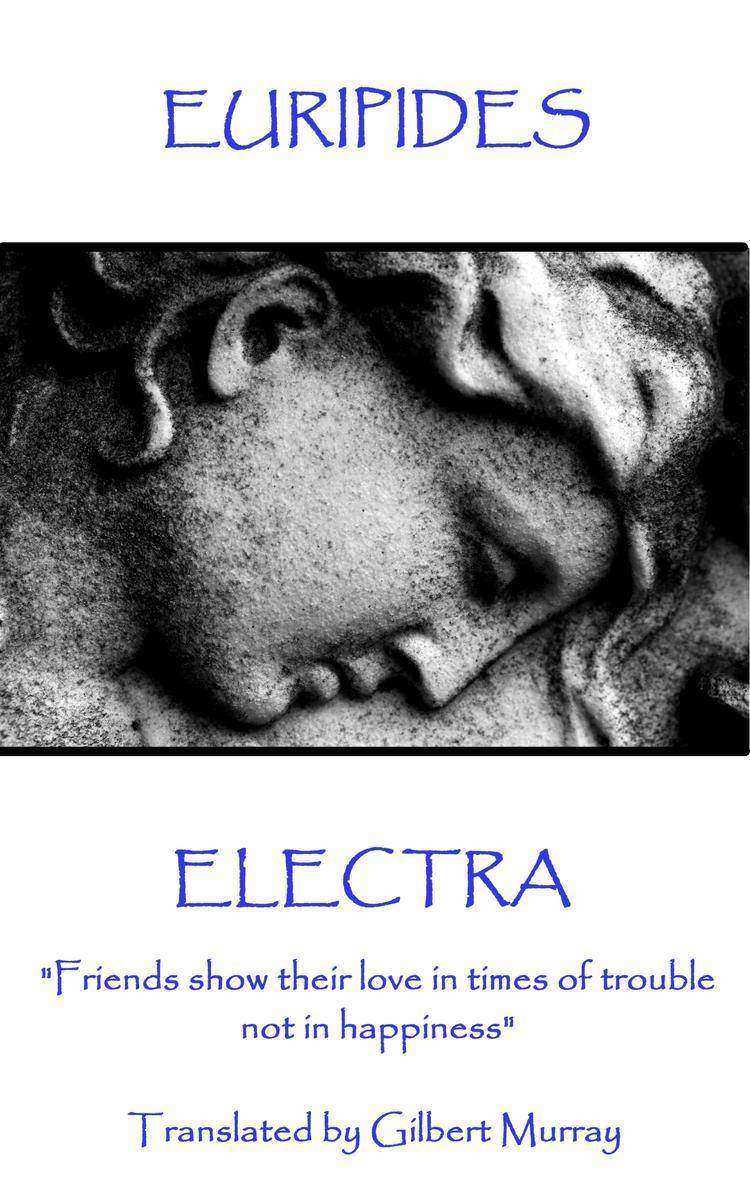
Electra - Friends show their love in times of trouble, not in happiness
¥14.03
Euripides is rightly lauded as one of the great dramatists of all time. In his lifetime, he wrote over 90 plays and although only 18 have survived they reveal the scope and reach of his genius. Euripides is identified with many theatrical innovations that have influenced drama all the way down to modern times, especially in the representation of traditional, mythical heroes as ordinary people in extraordinary circumstances. As would be expected from a life lived 2,500 years ago, details of it are few and far between. Accounts of his life, written down the ages, do exist but whether much is reliable or surmised is open to debate. Most accounts agree that he was born on Salamis Island around 480 BC, to mother Cleito and father Mnesarchus, a retailer who lived in a village near Athens. Upon the receipt of an oracle saying that his son was fated to win "e;crowns of victory"e;, Mnesarchus insisted that the boy should train for a career in athletics. However, what is clear is that athletics was not to be the way to win crowns of victory. Euripides had been lucky enough to have been born in the era as the other two masters of Greek Tragedy; Sophocles and schylus. It was in their footsteps that he was destined to follow. His first play was performed some thirteen years after the first of Socrates plays and a mere three years after schylus had written his classic The Oristria. Theatre was becoming a very important part of the Greek culture. The Dionysia, held annually, was the most important festival of theatre and second only to the fore-runner of the Olympic games, the Panathenia, held every four years, in appeal. Euripides first competed in the City Dionysia, in 455 BC, one year after the death of schylus, and, incredibly, it was not until 441 BC that he won first prize. His final competition in Athens was in 408 BC. The Bacchae and Iphigenia in Aulis were performed after his death in 405 BC and first prize was awarded posthumously. Altogether his plays won first prize only five times. Euripides was also a great lyric poet. In Medea, for example, he composed for his city, Athens, "e;the noblest of her songs of praise"e;. His lyric skills however are not just confined to individual poems: "e;A play of Euripides is a musical whole....one song echoes motifs from the preceding song, while introducing new ones."e; Much of his life and his whole career coincided with the struggle between Athens and Sparta for hegemony in Greece but he didn't live to see the final defeat of his city. Euripides fell out of favour with his fellow Athenian citizens and retired to the court of Archelaus, king of Macedon, who treated him with consideration and affection. At his death, in around 406BC, he was mourned by the king, who, refusing the request of the Athenians that his remains be carried back to the Greek city, buried him with much splendor within his own dominions. His tomb was placed at the confluence of two streams, near Arethusa in Macedonia, and a cenotaph was built to his memory on the road from Athens towards the Piraeus.
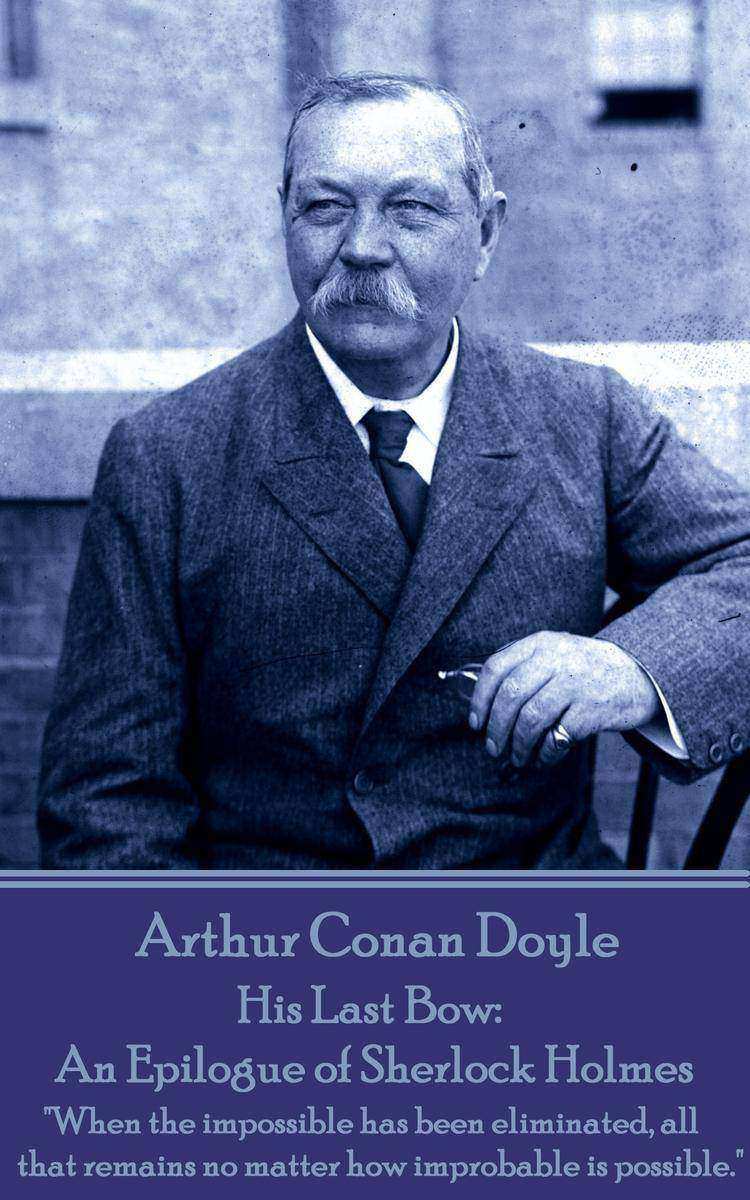
His Last Bow: An Epilogue of Sherlock Holmes
¥14.03
If ever a writer needed an introduction Arthur Conan Doyle would not be considered that man. After all, Sherlock Holmes is perhaps the foremost literary detective of any age. Add to this canon his stories of science fiction and his poems, his historical novels, his plays, his political campaigning, his efforts in establishing a Court of Appeal and there is little room for anything else. Except he was also an exceptional writer of short stories of the horrific and macabre. Something very different from what you might expect. Born in Arthur Conan Doyle was born on 22 May 1859 at 11 Picardy Place, Edinburgh, Scotland. From 1876 - 1881 he studied medicine at the University of Edinburgh following which he was employed as a doctor on the Greenland whaler Hope of Peterhead in 1880 and, after his graduation, as a ship's surgeon on the SS Mayumba during a voyage to the West African coast in 1881. Arriving in Portsmouth in June of that year with less than GBP10 (GBP700 today) to his name, he set up a medical practice at 1 Bush Villas in Elm Grove, Southsea. The practice was initially not very successful. While waiting for patients, Conan Doyle again began writing stories and composed his first novel The Mystery of Cloomber. Although he continued to study and practice medicine his career was now firmly set as a writer. And thereafter great works continued to pour out of him.

Adventure of the Red Circle - It's every man's business to see justice done.
¥14.03
If ever a writer needed an introduction Arthur Conan Doyle would not be considered that man. After all, Sherlock Holmes is perhaps the foremost literary detective of any age. Add to this canon his stories of science fiction and his poems, his historical novels, his plays, his political campaigning, his efforts in establishing a Court of Appeal and there is little room for anything else. Except he was also an exceptional writer of short stories of the horrific and macabre. Something very different from what you might expect. Born in Arthur Conan Doyle was born on 22 May 1859 at 11 Picardy Place, Edinburgh, Scotland. From 1876 - 1881 he studied medicine at the University of Edinburgh following which he was employed as a doctor on the Greenland whaler Hope of Peterhead in 1880 and, after his graduation, as a ship's surgeon on the SS Mayumba during a voyage to the West African coast in 1881. Arriving in Portsmouth in June of that year with less than GBP10 (GBP700 today) to his name, he set up a medical practice at 1 Bush Villas in Elm Grove, Southsea. The practice was initially not very successful. While waiting for patients, Conan Doyle again began writing stories and composed his first novel The Mystery of Cloomber. Although he continued to study and practice medicine his career was now firmly set as a writer. And thereafter great works continued to pour out of him.
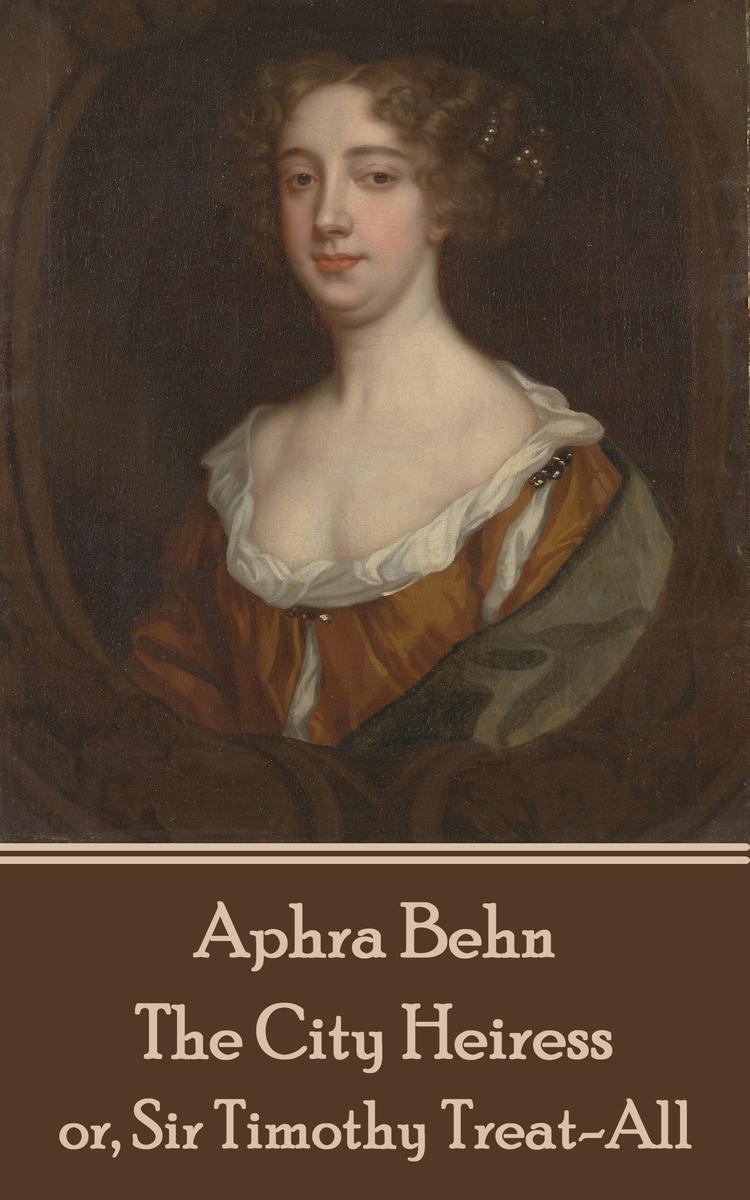
City Heiress - or, Sir Timothy Treat-All
¥23.45
Aphra Behn was a prolific and well established writer but facts about her remain scant and difficult to confirm. What can safely be said though is that Aphra Behn is now regarded as a key English playwright and a major figure in Restoration theatre. Aphra was born into the rising tensions to the English Civil War. Obviously a time of much division and difficulty as the King and Parliament, and their respective forces, came ever closer to conflict. There are claims she was a spy, that she travelled abroad, possibly as far as Surinam. By 1664 her marriage was over (though by death or separation is not known but presumably the former as it occurred in the year of their marriage) and she now used Mrs Behn as her professional name. Aphra now moved towards pursuing a more sustainable and substantial career and began work for the King's Company and the Duke's Company players as a scribe. Previously her only writing had been poetry but now she would become a playwright. Her first, "e;The Forc'd Marriage"e;, was staged in 1670, followed by "e;The Amorous Prince"e; (1671). After her third play, "e;The Dutch Lover"e;, Aphra had a three year lull in her writing career. Again it is speculated that she went travelling again, possibly once again as a spy. After this sojourn her writing moves towards comic works, which prove commercially more successful. Her most popular works included "e;The Rover"e; and "e;Love-Letters Between a Nobleman and His Sister"e; (1684-87). With her growing reputation Aphra became friends with many of the most notable writers of the day. This is The Age of Dryden and his literary dominance. From the mid 1680's Aphra's health began to decline. This was exacerbated by her continual state of debt and descent into poverty. Aphra Behn died on April 16th 1689, and is buried in the East Cloister of Westminster Abbey. The inscription on her tombstone reads: "e;Here lies a Proof that Wit can never be Defence enough against Mortality."e; She was quoted as stating that she had led a "e;life dedicated to pleasure and poetry."e;
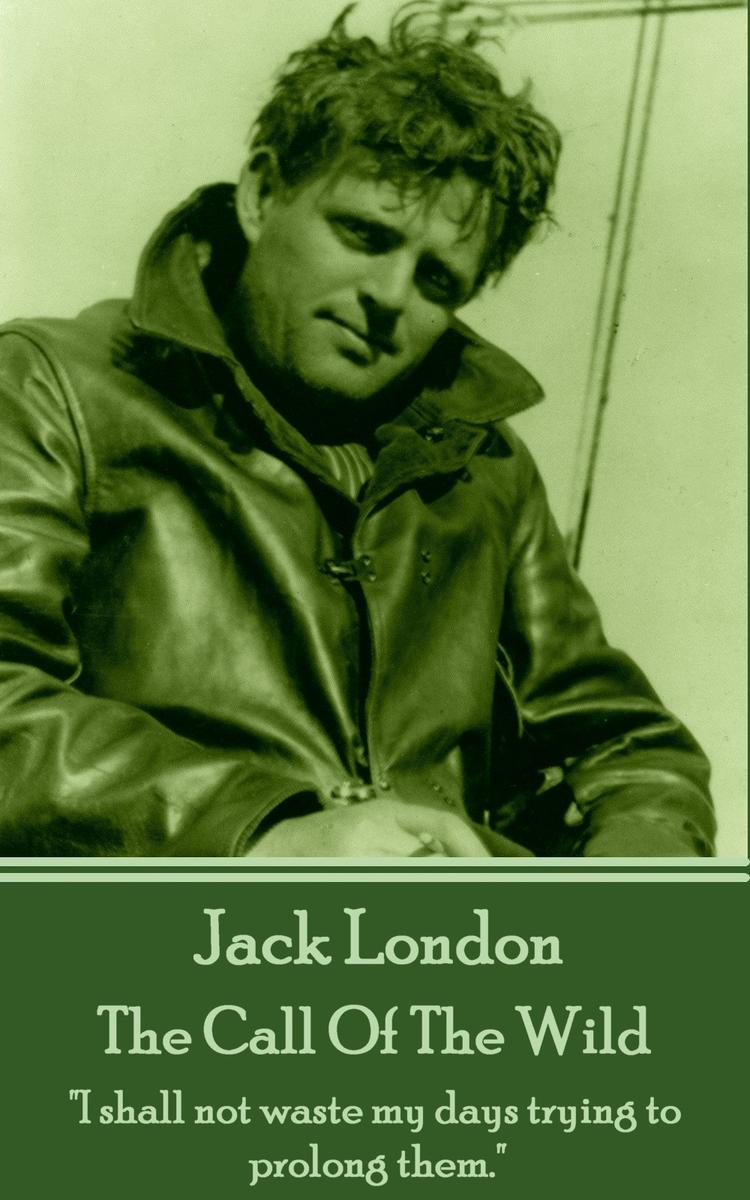
Call Of The Wild - I shall not waste my days trying to prolong them.
¥21.09
John Griffith "e;Jack"e; London was born John Griffith Chaney on January 12th, 1876 in San Francisco. His father, William Chaney, was living with his mother Flora Wellman when she became pregnant. Chaney insisted she have an abortion. Flora's response was to turn a gun on herself. Although her wounds were not severe the trauma made her temporarily deranged. In late 1876 his mother married John London and the young child was brought to live with them as they moved around the Bay area, eventually settling in Oakland where Jack completed grade school. Jack also worked hard at several jobs, sometimes 12-18 hours a day, but his dream was university. He was lent money for that and after intense studying enrolled in the summer of 1896 at the University of California in Berkeley. In 1897, at 21 , Jack searched out newspaper accounts of his mother's suicide attempt and the name of his biological father. He wrote to William Chaney, then living in Chicago. Chaney said he could not be London's father because he was impotent; and casually asserted that London's mother had relations with other men. Jack, devastated by the response, quit Berkeley and went to the Klondike. Though equally because of his continuing dire finances Jack might have taken that as the excuse he needed to leave. In the Klondike Jack began to gather material for his writing but also accumulated many health problems, including scurvy, hip and leg problems many of which he then carried for life. By the late 1890's Jack was regularly publishing short stories and by the turn of the century full blown novels. By 1904 Jack had married, fathered two children and was now in the process of divorcing. A stint as a reporter on the Russo-Japanese war of 1904 was equal amounts trouble and experience. But that experience was always put to good use in a remarkable output of work. Twelve years later Jack had amassed a wealth of writings many of which remain world classics. He had a reputation as a social activist and a tireless friend of the workers. And yet on November 22nd 1916 Jack London died in a cottage on his ranch at the age of only 40. Here we present The Call Of The Wild.

Fawn - Or, Parasitaster
¥15.21
John Marston was born to John and Maria Marston nee Guarsi, and baptised on October 7th, 1576 at Wardington, Oxfordshire.Marston entered Brasenose College, Oxford in 1592 and earned his BA in 1594. By 1595, he was in London, living in the Middle Temple. His interests were in poetry and play writing, although his father's will of 1599 hopes that he would not further pursue such vanities.His brief career in literature began with the fashionable genres of erotic epyllion and satire; erotic plays for boy actors to be performed before educated young men and members of the inns of court.In 1598, he published 'The Metamorphosis of Pigmalion's Image and Certaine Satyres', a book of poetry. He also published 'The Scourge of Villanie', in 1598. 'Histriomastix' regarded as his first play was produced 1599. It's performance kicked off an episode in literary history known as the War of the Theatres; a literary feud between Marston, Jonson and Dekker that lasted until 1602.However, the playwrights were later reconciled; Marston wrote a prefatory poem for Jonson's 'Sejanus' in 1605 and dedicated 'The Malcontent' to him. Beyond this episode Marston's career continued to gather both strength, assets and followers. In 1603, he became a shareholder in the Children of Blackfriars company. He wrote and produced two plays with the company. The first was 'The Malcontent' in 1603, his most famous play. His second was 'The Dutch Courtesan', a satire on lust and hypocrisy, in 1604-5.In 1605, he worked with George Chapman and Ben Jonson on 'Eastward Ho', a satire of popular taste and the vain imaginings of wealth to be found in the colony of Virginia.Marston took the theatre world by surprise when he gave up writing plays in 1609 at the age of thirty-three. He sold his shares in the company of Blackfriars. His departure from the literary scene may have been because of further offence he gave to the king. The king suspended performances at Blackfriars and had Marston imprisoned.On 24th September 1609 he was made a deacon and them a priest on 24th December 1609. In October 1616, Marston was assigned the living of Christchurch, Hampshire.He died (accounts vary) on either the 24th or 25th June 1634 in London and was buried in the Middle Temple Church.
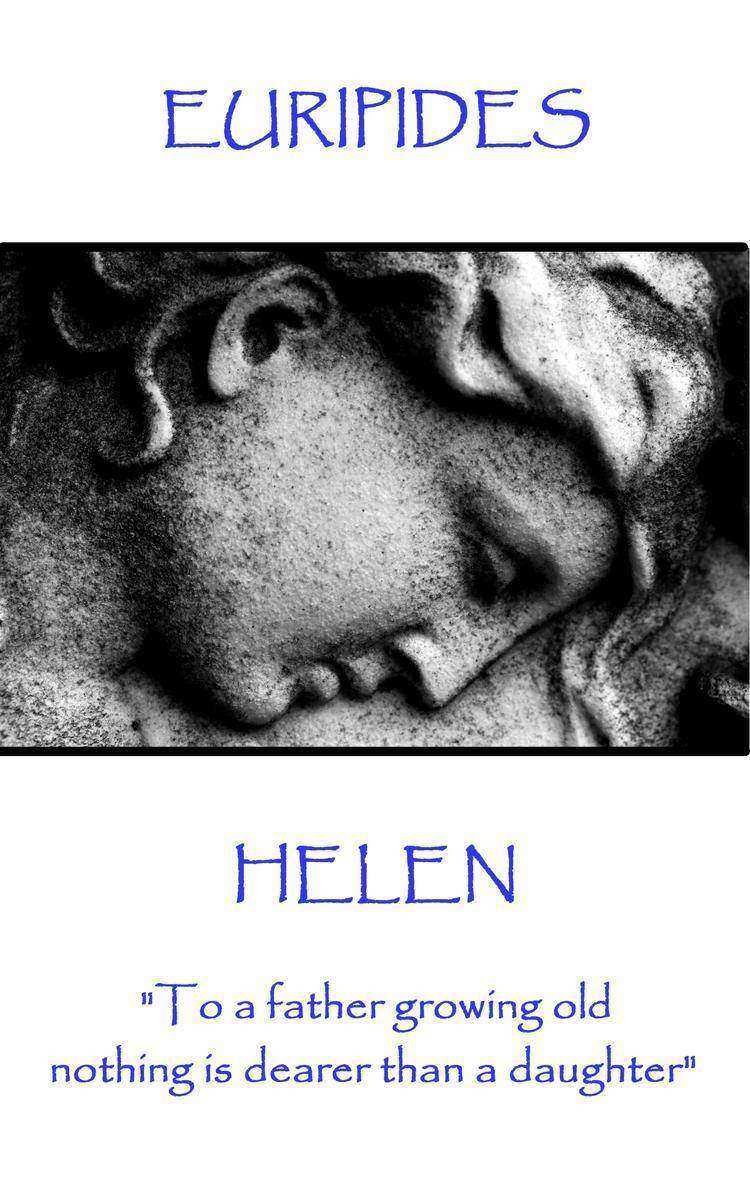
Helen - To a father growing old nothing is dearer than a daughter
¥14.03
Euripides is rightly lauded as one of the great dramatists of all time. In his lifetime, he wrote over 90 plays and although only 18 have survived they reveal the scope and reach of his genius. Euripides is identified with many theatrical innovations that have influenced drama all the way down to modern times, especially in the representation of traditional, mythical heroes as ordinary people in extraordinary circumstances. As would be expected from a life lived 2,500 years ago, details of it are few and far between. Accounts of his life, written down the ages, do exist but whether much is reliable or surmised is open to debate. Most accounts agree that he was born on Salamis Island around 480 BC, to mother Cleito and father Mnesarchus, a retailer who lived in a village near Athens. Upon the receipt of an oracle saying that his son was fated to win "e;crowns of victory"e;, Mnesarchus insisted that the boy should train for a career in athletics. However, what is clear is that athletics was not to be the way to win crowns of victory. Euripides had been lucky enough to have been born in the era as the other two masters of Greek Tragedy; Sophocles and schylus. It was in their footsteps that he was destined to follow. His first play was performed some thirteen years after the first of Socrates plays and a mere three years after schylus had written his classic The Oristria. Theatre was becoming a very important part of the Greek culture. The Dionysia, held annually, was the most important festival of theatre and second only to the fore-runner of the Olympic games, the Panathenia, held every four years, in appeal. Euripides first competed in the City Dionysia, in 455 BC, one year after the death of schylus, and, incredibly, it was not until 441 BC that he won first prize. His final competition in Athens was in 408 BC. The Bacchae and Iphigenia in Aulis were performed after his death in 405 BC and first prize was awarded posthumously. Altogether his plays won first prize only five times. Euripides was also a great lyric poet. In Medea, for example, he composed for his city, Athens, "e;the noblest of her songs of praise"e;. His lyric skills however are not just confined to individual poems: "e;A play of Euripides is a musical whole....one song echoes motifs from the preceding song, while introducing new ones."e; Much of his life and his whole career coincided with the struggle between Athens and Sparta for hegemony in Greece but he didn't live to see the final defeat of his city. Euripides fell out of favour with his fellow Athenian citizens and retired to the court of Archelaus, king of Macedon, who treated him with consideration and affection. At his death, in around 406BC, he was mourned by the king, who, refusing the request of the Athenians that his remains be carried back to the Greek city, buried him with much splendor within his own dominions. His tomb was placed at the confluence of two streams, near Arethusa in Macedonia, and a cenotaph was built to his memory on the road from Athens towards the Piraeus.


