


 购物车
购物车 个人中心
个人中心

Taylor Swift: The Whole Story FREE SAMPLER
¥9.71
INCLUDES EXCLUSIVE BONUS CHAPTER: The Wit and Wisdom of Taylor Swift The first 2 chapters from the full story of Taylor Swift’s stratospheric rise to fame; all any dedicated Swifty needs to know about the pop superstar who’s taking over the world. A small-town girl with an incredible talent, and the strength to realise her dream, Taylor has grown into an award-winning, chart-topping artist and worldwide star, as well as a strong and stylish woman. But how did she get there? And what lies in store for her in the future? From childhood dreams of a musical future in Pennsylvania, to determined and budding teen musician with a trademark she’s stayed faithful to ever since: honest lyrics about real-life events; her fight to be taken seriously in the music industry, through to the rewards of success and the intense pressure of expectation, Taylor Swift: The Whole Story is a full account of Taylor’s incredible journey, with everything you need to know about America’s Sweetheart. This compelling book is packed full of fascinating details revealing the true Taylor – what drives, motivates and moves her, how she overcame the challenges that loomed on the road to fame and how authentic her wholesome image is, plus the truth about her relationships with Harry Styles, Jake Gyllenhaal and Conor Kennedy and who she’s really talking about on her tracks. The full portrait of a girl who could so easily have faded into the background – but who blossomed in the spotlight into a grounded, graceful and inspiring young woman.

Callgirl
¥27.76
Professor by day, callgirl by night - a true story Jenny is left penniless by an ex-boyfriend and, in order to make ends meet, she finds herself juggling two lives - respected college-lecturer by day and $200-an-hour high class callgirl 'Tia' by night. Tia's clients range from the pitiful to the downright disturbing: there's the man obsessed with wearing her underwear, the client who wants her to pretend to be his mother and the punter who gets his kicks from inflicting pain. Tia is paid to fulfil all kinds of desires. Despite her madam's protection, Tia is drawn into a world of increasing danger, trying to dodge undercover cops, resist the temptation of drugs and, most of all, avoid falling in love with the wrong man. As Jenny juggles the twin roles of professor and prostitute, the eventual strain of keeping her life secret from friends and family forces her to re-examine everything - before her two worlds inevitably collide!

When Daddy Comes Home
¥45.62
She finally thought she was safe… Toni Maguire, author of Number One Bestseller ‘Don't Tell Mummy’, takes up the story of her tragic childhood where she left off, revealing the awful truth about what happened when her father, sent to jail for abusing her, was released, and came home… Toni Maguire's father abused her from the age of six, and was only found out when she fell pregnant, losing the child from a botched abortion. Jailed for his crimes with the help of her testimony, Antoinette believed she was finally safe, but it was not to last… Being despatched to collect her father from the station by herself marked a new low for young Antoinette. Realising that she was no longer safe at home, she was forced to leave. Her mother did nothing to protect her or prevent her going. Traumatised and alone, Antoinette was unable to cope, and was admitted to a psychiatric hospital, sinking deeper into despair every day. Finally transferred to the dead-end ward with no hope of recovery, Antoinette slowly began to improve, by the sheer force of her indomitable will.
My Father’s Watch: The Story of a Child Prisoner in 70s Britain
¥63.18
The intensely moving memoir of Patrick Maguire, one of the ‘Maguire Seven’ wrongly imprisoned as a teenager for making bombs for the IRA. On the night of October 5 1974, an IRA unit left bombs in two Guildford pubs: five people were killed. On the night of December 3 1974, on the strength of fabricated testimony extracted under duress from Paul Hill and Gerard Conlon (whom the police mistakenly believed had planted the Guildford bombs), Anne and Paddy Maguire, two of their four children, Vincent and Patrick, plus other family members and friends, a total of seven in all, were arrested at their home in West London. On 22 October 1975 the Guildford Four were wrongfully convicted of bombing the two pubs in Guildford. On the 4 March 1976 the Maguire Seven, as they had become known, were found guilty of possession of the nitro-glycerine used in those bombings. On 19 October 1989 the verdicts on the Guildford Four were quashed. On 26 June 1991 the convictions against the Maguire Seven of handling explosives were quashed and just over a year later, Sir John May, after producing a report on the Maguire Seven case, described it as the worst miscarriage of justice he had ever seen. Behind these dates lie human stories – ‘My Father's Watch’ tells that of Patrick, who was the youngest of the accused, at fourteen years old. He was sentenced to four years and when he came out he had no home and no family, as both parents were still in jail. This book takes us through Patrick's entire life, from his working-class childhood in West London to the difficult life he has led since prison, the roots of which go back to the wrongful convictions and the destruction of the family that followed. Patrick Maguire and the novelist Carlo Gébler have written ‘My Father's Watch’ jointly. It is not a ghosted work – told in Patrick's own voice, it is a lucid and inspiring account of one individual's experience of an appalling injustice, as well as a reminder, as the war against terror ratchets up, of just how much harm a state can do to its own innocent citizens in the name of security.
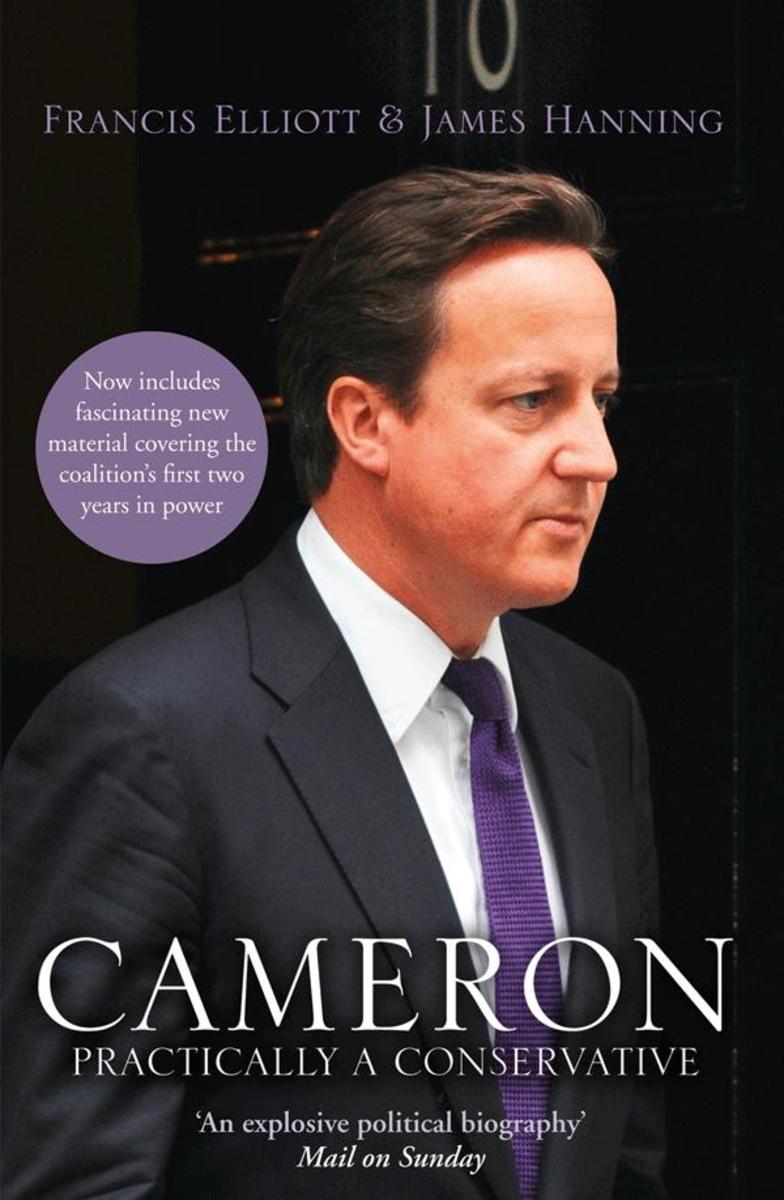
Cameron: Practically a Conservative
¥68.67
A fully updated edition of the first major biography of David Cameron – now covering his first years as Prime Minister and leader of the coalition government. David Cameron is the first Conservative Prime Minister in a generation, and also the first leader of a coalition government for eighty years. But what is the reality behind his brand of repackaged Conservatism? And who is Cameron the man? Here, for the first time, is an independent examination of the ‘saviour’ of the Conservative Party and the life that brought him to Number 10. Based on extensive interviews with his closest friends, his most senior lieutenants and his critics, it traces his meteoric rise from an idyllic, privileged childhood, to the heart of government by the age of 25, to leader of the country. Critical and insightful by turn, this updated edition now covers Cameron’s first year as Prime Minister – a time that has seen unprecedented scandal in the political world, as well as challenges unique to the Conservative leader.
Jelleyman’s Thrown a Wobbly: Saturday Afternoons in Front of the Telly
¥66.22
The cult SkySports Soccer Saturday anchorman delivers a volley of entertaining and informative anecdotes about life in front of the videprinter. Jeff Stelling is a legend amongst football fans. To the millions unable to get to their teams' games on Saturday afternoons, the next best thing is undoubtedly the pleasurable company of Jeff and the Sky Sports videprinter for a cosy marathon on the sofa. If someone's got to reveal that your beloved team have just gone 3-0 down away from home and had a man sent off, it's best if it's consummate professional Jeff who breaks the news to you. Avid Hartlepool fan Jeff knows our pain and shares our joy…but mostly he knows our pain. The long-time host of SkySports' iconic Soccer Saturday show has become a cult figure, universally admired for his encyclopaedic knowledge of the game, his genuine and unlimited enthusiasm for ALL levels of football, and his wicked sense of humour which makes the six-hour long show simply whiz by. Jellyman's Thrown a Wobbly is a deliciously chaotic, hugely entertaining, anecdote-ridden, humorous taste of life in the Soccer Saturday studio. Hear what Jeff has to say about some of the show's legendary pundits over the years – ex-players such as George Best, Rodney Marsh, Chris Kamara, Charlie Nicholas and Matt Le Tissier. Be a fly on the wall of the hotel bar on Friday nights as Jeff and his guests gather for a natter and few drinks. Get the inside track on all those great one-liners: ? "Mansfield Town's Gareth Jellyman has been shown the red card for dissent. Looks like Jellyman's thrown a wobbly." ? "Darlington's equaliser has been scored by Guyain Ndumbu-Nsungu. Very much a case of local boy makes good." (He's from Congo.) ? "They'll be dancing in the streets of Total Network Solutions tonight." ? "James Brown's grabbed a second for Hartlepool. I feel good!" Jellyman's Thrown a Wobbly goes a long way to demonstrate how a six-hour long, studio-based show with no live action pictures and featuring men gazing into TV monitors which the viewer can't see, can hold a huge audience enthralled every Saturday afternoon between August and May.
Cry Myself to Sleep: He had to escape. They would never hurt him again.
¥73.58
The next book from the number one bestselling author of Cry Silent Tears. Joe was only five years old when he lost his voice. Only five years old when he was first beaten by his mother and raped by her boyfriend. And only nine years old when his mother sold him to a paedophile ring. At sixteen, Joe finally found the courage to escape and headed for Charing Cross station with no money in his pocket, no friends and nowhere to turn to. But the nightmare was far from over. Haunted by his harrowing past, Joe's life spiralled out of control. Living on the lonely streets of London, Joe turned down a dark path of crime and self-destruction and it seemed that he was bound for prison. Until the love of a good woman set him free… This is the ultimate story of triumph over evil, of survival and redemption. Heartbreaking, but unbelievably inspiring, it is a testament to the unbreakable resilience of a little boy who grew up into a remarkable man. Now that he has found his voice again, Joe speaks out against child abuse and helps support and protect other children whose lives have been blighted by it.
Tell Me Why, Mummy
¥73.58
The inspirational true story of one man overcoming enormous odds – including sexual abuse from his alcoholic mother – to choose his own path in life and become a truly exceptional human being. From the age of four David Thomas was sexually abused by his alcoholic mother and subsequently physically abused by his aged stepfather. By the age of 16 he had committed multiple burglaries, assaulted a police officer with an iron bar, attempted suicide, received a criminal conviction from a juvenile court, and been expelled from school. He left home as soon as he could and joined the fire service at 20. At the age of 27 he bought a book on memory. Within 8 months he had come fourth in the World Memory Championships and went on to develop one of the most powerful memories in history, even breaking an 18-year-old Guinness Book of Records memory record by reciting the mathematical formula Pi (3.1459) to 22,500 digits from memory. In 1999 he was reunited with his mother after 4 years apart but tragically, a year later he found her dead at home after she had died of an alcohol induced heart attack. David's shocking and moving story is one of abuse, alcoholism, courage, determination, forgiveness, love and how everyone can choose their own path through life irrespective of their upbringing, background or perceptions about what they think is possible. David is an incredible example of how this can happen.

Daddy’s Little Earner
¥45.62
The shocking story of a young girl forced into prostitution by her own father, and her painful journey to escape her horrific childhood and build a new life for herself and her sons. Maria's dad was a pimp, living in a world of thieves and street-walkers. Her mother, tiring of turning tricks for her husband, walked out, leaving the children in his chaotic, violent and sometimes cruel care. By the age of nine, Maria's father was abusing her and getting a prostitute friend to dress her up in stockings and make-up. By the time she was fourteen he was selling her on the streets of the red light district in Norwich. Despite everything Maria still loved her swaggering and sometimes charming father and found it hard to sort out her own feelings. At fifteen she ran away to King's Cross with an older lover who turned out to be just another pimp. Furious at losing a nice little earner her father involved the police and both he and the other man were jailed for living off Maria's immoral earnings. Only then could Maria escape her traumatic childhood and follow her dream of becoming a mother.
Raising the Dead: A True Story of Death and Survival
¥83.88
A true story of death and survival in the world’s most dangerous sport, cave diving. Two friends plunge 900 ft deep into a water-filled crater in the Kalahari Desert to raise the body of a diver who had perished there a decade before. Only one returns. Unquenchable heroism and complex human relationships amid the perils of extreme sport. On New Year's Day, 2005, David Shaw travelled halfway around the world on a journey that took him to the Kalahari Desert of South Africa, to a site known locally as Boesmansgat: Bushman's Hole. His destination was nearly 900 feet below the surface. On 8 January, he stepped into the water. He wore and carried on him some of the most advanced diving equipment ever developed. Mounted to a helmet on his head was a video camera. David Shaw was about to attempt what had never been done before, and he wanted the world to see. He descended. About fifteen feet below the surface was a fissure in the dolomite bottom of the basin, barely wide enough to admit him and his equipment and the aluminum tanks slung under his shoulders. He slipped through the opening, and disappeared from sight, leaving behind the world of light and life. Then, a second diver descended through the same crack in the stone. This was Don Shirley, Shaw's friend and frequent dive partner, one of the few people in the world qualified to follow where Shaw was about to go. In the community of extreme diving, Don Shirley was a master among masters. Twenty-five minutes later, one of the men was dead. The other was in mortal peril, and would spend the next 10 hours struggling to survive, existing literally from breath to breath. What happened that day at Bushman's Hole is the stuff of nightmarish drama, juxtaposing classic elements of suspense with an extreme environment beyond most people’s comprehension. But it’s also a compelling human story of friendship, heroism, unswerving ambition and of coming to terms with loss and tragedy.
Tony Hancock: The Definitive Biography
¥91.43
Regarded as the best radio and TV comic of his era, Tony Hancock was a man whose star burned brightly in the eyes and ears of millions before his untimely death in 1968. Now, forty years on, critically acclaimed biographer John Fisher brings the first fully authorised account of his life. Tony Hancock was one of post-war Britain’s most popular comedians – his radio show ‘Hancock’s Half Hour’ would clear the streets as whole families tuned in to listen. His peerless timing and subtle changes in intonation marked Hancock out as a comic genius. His character ‘Anthony Aloysius St John Hancock’ was an amplification of his own persona, a pompous prat whose dreams of success are constantly thwarted. The original British loser that we recognise in Victor Meldrew and Alan Partridge. Wonderfully supported by a cast including Sid James, Hattie Jacques and Kenneth Williams, and working with *s from Ray Galton and Alan Simpson, Hancock became a huge star. The show was commisioned for TV, showcasing his talent for hilarious facial expression, and he became the first British comedian to earn a thousand pounds a week. Behind Tony Hancock’s success however hid the self-destructive behaviour that plagued him all his life. Prone to self-doubt, and wanting to be the star of his own show, he got rid of James, and finally dismissed Galton and Simpson who had created the platform for his success. His private life was wracked by his ever increasing alcoholism and bouts of depression, and his relationships shattered by his capacity for violence. His ratings fell and, feeling washed up and alone after divorcing his second wife, he committed suicide in an Australian hotel room in 1968. Now, forty years after his death John Fisher explores the turbulent life of a man regarded by his peers as one of the greatest British comics to have ever lived.

Porridge (The Best of British Comedy)
¥50.62
The best jokes, gags and scenes from a true British comedy classic. ‘Cheer up, could be worse. State the country's in, we could be free.’ ‘Doctor: I want you to fill one of those containers for me. Fletcher (other side of the room): What, from 'ere?’ You can count the number of truly classic British sitcoms on one hand – well, perhaps two. But however many hands you use, Porridge will be one of the first programmes to register for inclusion. Undoubtedly one of the real gems, the prison-based show starring the late Ronnie Barker as the recalcitrant yet loveable rascal, Fletcher, transcends the generations; like any other classic, it remains as accessible and funny today as it did when first aired in the 1970s. Including the pilot, transmitted a year before the first series hit the screen, twenty-one instalments were made, attracting audiences of up to 20 million. Written by those prolific scribes Dick Clement and Ian La Frenais, and brought to life by an estimable bunch of actors, headed by the great Ronnie B as Fletch, a recidivist who spent most of his adult life behind bars, the sitcom quickly attracted plaudits and became a shining example of what good situation comedy is all about. The Best of British Comedy – Porridge includes: ? The History: an overview of how Porridge was born and developed ? Gags and Catchphrases: a collection of classic quotes ? Did You Know?: snippets of info about the show, cast, etc. ? Favourite scenes: the most memorable scenes in full ? A Porridge quiz ‘New Faces, Old Hands’ FLETCHER My beloved Isobel.The little woman. Well she aint so little.I said to her the other day, 'Isobel, I'll never get over you, I'll have to get up and go round.’
Mummy’s Little Soldier: Part 3 of 3
¥27.47
Casey’s Unit is, as ever, full of troubled, disaffected pupils, and new arrival Leo is something of a conundrum. Thirteen year old Leo isn’t a bad lad – in fact, he’s generally polite and helpful, but he’s in danger of permanent exclusion for repeatedly absconding and unauthorised absences. Despite letters being sent home regularly, his mother never turns up for any appointments, and when the school calls home she always seems to have an excuse. Though Casey has her hands full, she offers to intervene for a while, to try get Leo engaged in learning again and remaining in school. The head’s sceptical though and warns her that this is Leo’s very last chance. But Casey’s determined, because there’s something about Leo that makes her want to fight his corner, and get to the bottom of whatever it is that compels this enigmatic boy to keep running away. With Leo so resolutely tight-lipped and secretive, Casey knows that if she’s going to keep this child in education, she’s going to have to get to the bottom of it herself…

At the Coalface: Part 2 of 3: The memoir of a pit nurse
¥41.01
A heart-warming story of a woman who devoted her life to helping others. This is the memoir of Joan, who started nursing in the 1940s and whose experiences took her into the Yorkshire mining pits and through the tumult of the 1984-85 miners’ strike. Joan Hart always knew what she wanted to do with her life. Born in South Yorkshire in 1932, she started her nursing training when she was 16, the youngest age girls could do so at the time. She continued working after she married and her work took her to London and Doncaster, caring for children and miners. When she took a job as a pit nurse in Doncaster in 1974, she found that in order to be accepted by the men under her care, she would have to become one of them. Most of the time rejecting a traditional nurse’s uniform and donning a baggy miner’s suit, pit boots, a hardhat and a headlamp, Joan resolved always to go down to injured miners and bring them out of the pit herself. Over 15 years Joan grew to know the miners not only as a nurse, but as a confidante and friend. She tended to injured miners underground, rescued men trapped in the pits, and provided support for them and their families during the bitter miners’ strike which stretched from March 1984 to 1985. Moving and uplifting, this is a story of one woman’s life, marriage and work; it is guaranteed to make readers laugh, cry, and smile.

My Psychic Casebook
¥9.71
Have you ever wondered what goes on behind closed doors at a psychic reading? Meet ‘Selfridges Psychic’ Jayne Wallace who reads for over 100 international clients every week – from CID officers to media moguls, housewives to royalty and celebrities. Now she opens her client casebook to share the most shocking, touching and simply amazing readings that will make you laugh and cry – and leave you in no doubt that the spirit lives on. Jayne is renowned for getting straight to the point, with no preamble – she has seen spirits since the age of five and connects quickly to a person’s loved ones who have passed, bringing important messages and healing. In My Psychic Casebook, Jayne tells the stories exactly as they happened, and explains the techniques she uses to link with her clients. Just like a good novel, you’ll be instantly engrossed – except that all these stories are true. As the only department store medium in the world, in this short story, Jayne offers a unique insight into the work of a top clairvoyant, as well as shining a light on the remarkable truths behind the questions that concern us all.

The Bumpy Road to Married Bliss (HarperTrue Love – A Short Read)
¥11.77
In August 2012, Donny and Chris found themselves outside Islington Town Hall preparing to start the next chapter of their lives together. But from meeting on an Isle of Wight cliff top, to getting engaged in Thailand, and finally tying the knot in London, it was one hell of a journey that had taken them there… The Bumpy Road to Married Bliss follows the many funny and touching twists and turns of Donny and Chris’s journey towards their wedding day; from being born on different continents, to organising a multi-faith, trans-Atlantic, inter-racial wedding with disapproving families in tow – proving that the course of true love really doesn’t run smooth. Tender, honest and told from both Donny and Chris’s points of view in alternating chapters, this is a modern day love story you won’t be able to put down.
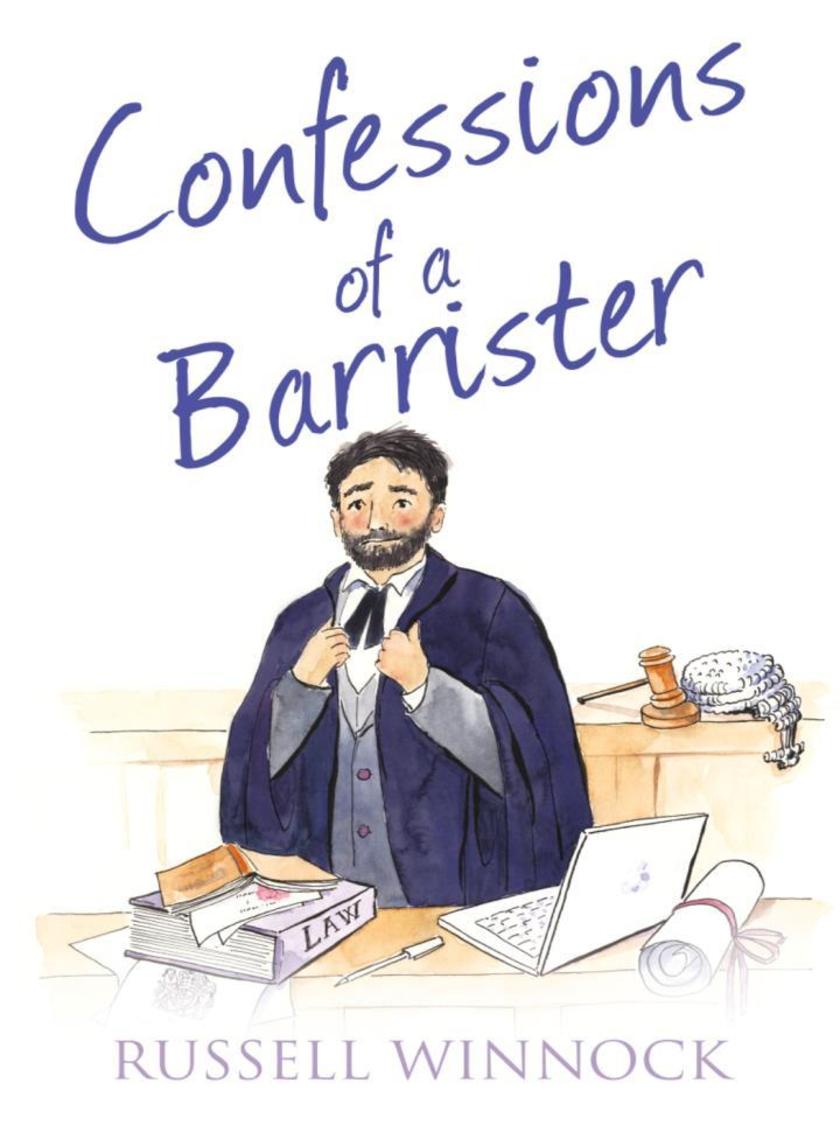
Confessions of a Barrister (The Confessions Series)
¥34.14
From the people who brought you the bestselling Confessions of a GP. Russell is a young criminal Barrister. It’s his job to defend the people who have found themselves on the wrong side of the law – Petty thieves, career criminals, drug dealers and murderers… The scary son of a famous footballer, whose violent behaviour has got him in trouble so many times he almost knows the law better than Russell. The thief of a marital aid, who has a rather unusual defence. The 27 year old drug addict accused of stealing a push-bike, a chainsaw, a bag full of washing and a small fridge – all at the same time. And Russell’s first murder case – a young woman accused of murdering her violent boyfriend. This fascinating insight takes us behind the closed doors of the British legal world. With plenty of drama inside – and outside – of the courtroom, you’ll find out how CCTV can make or break a case, how your Facebook page could land you in jail and why on earth they wear those funny wigs!

We Bought a Zoo
¥65.16
A film tie-in edition to 20th Century Fox’s film adaptation of the heart-warming international bestseller starring Scarlett Johansson and Matt Damon and directed by Oscar-winning director Cameron Crowe. An amazing true story that has inspired the major Hollywood motion picture this Christmas, to be repackaged for release alongside the film. We Bought a Zoo is about one young family, a broken down zoo, and the wild animals that changed their lives forever. When Ben [played by Damon] and his wife Katherine [played by Johansson] sold their small flat in Primrose Hill, upped sticks with their children and invested their savings into a dilapidated zoo on the edge of Dartmoor, they were prepared for a challenge and a momentous change in all their lives. With over 200 exotic animals to care for – including an African lion, a wolf pack, a Brazilian tapir and a jaguar – Ben’s hands, and those of his wife, children and tiny team of keepers, were full. What they weren’t prepared for was Katherine’s devastating second brain cancer diagnosis. Ben found himself juggling the daunting responsibilities of managing the park’s staff and finances, while holding the bailiffs at bay and caring for his wife. A moving and entertaining story of courage and a family’s attempts to rebuild a zoo, and carry on after Katherine’s tragic death.

Unbreakable: My life with Paul – a story of extraordinary courage and love
¥80.25
Unbreakable tells Lindsey Hunter’s moving and heartbreaking story. Lindsey is the widow of snooker star Paul Hunter, who died tragically aged only 27 after a battle with cancer in October 2006, leaving Lindsey and their one year-old daughter Evie bereft and alone. Lindsey met Paul Hunter when she was 21 and he was 18. When they married seven years later, Paul had become a golden boy in the world of snooker, dubbed ‘the Beckham of the baize,’ having won the Masters trophy three times, and attained a world ranking of number four, and Lindsey's happiness looked assured. But tragedy struck when Paul was diagnosed with a rare type of cancer, neuro-endocrine tumours in his abdomen. Aggressive chemotherapy appeared to work, and within six months Paul was competing in a major championship, with Lindsey cheering him on from the side-lines. More joy came when Lindsey gave birth to their daughter, Evie Rose. But tragically, Paul died in October 2006, 18 months after his diagnosis, leaving Lindsey a widow and single mother. Lindsey was determined to celebrate Paul's life rather than mourn his death, and has dealt with the loss of her young husband on the eve of their life together with strength and courage, for the sake of their daughter. This heartbreaking and inspirational story has huge universal appeal.
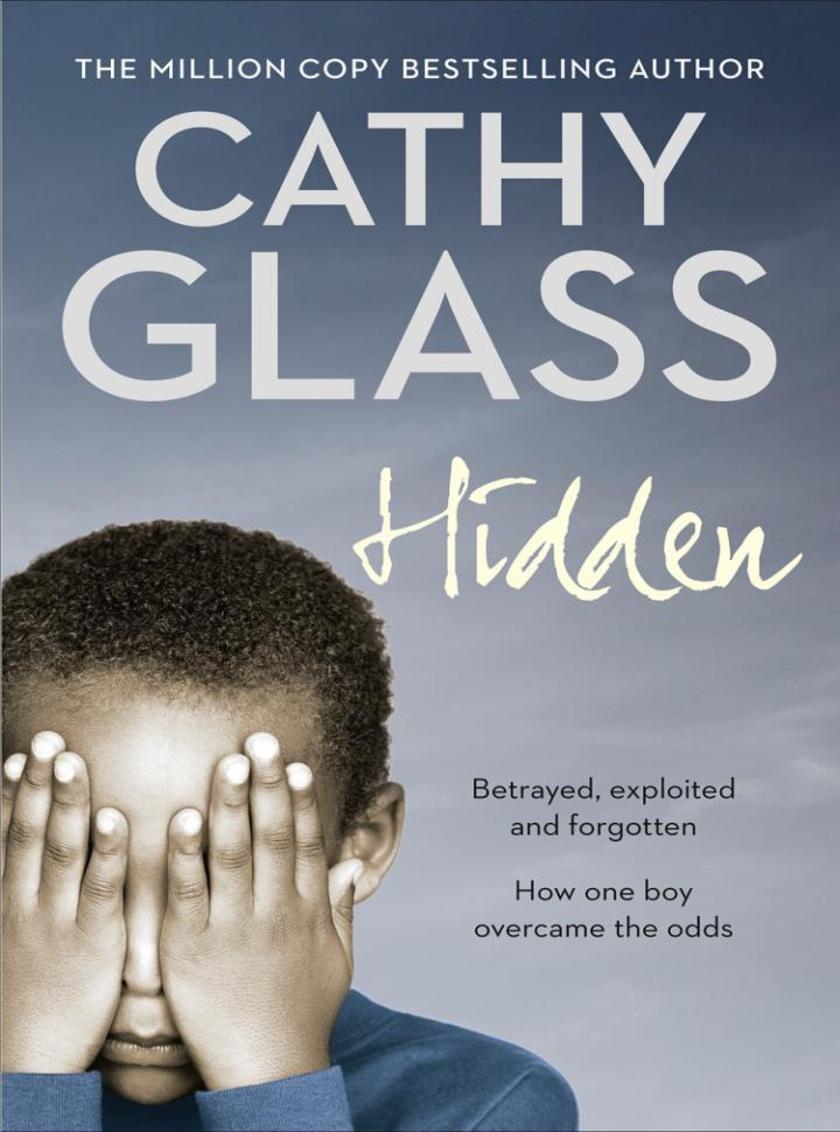
Hidden
¥63.77
From the Sunday Times and New York Times bestselling author of ‘Damaged’ comes the poignant and shocking memoir of Cathy’s recent relationship with Tayo, a young boy she fosters whose good behaviour and polite manners hide a terrible past. Tayo arrives at Cathy’s with only the clothes he stands up in. He has been brought to her by the police, but he is calm, polite, and very well spoken, and not at all like the children she normally fosters. The social worker gives Cathy the forms which should contain Tayo’s history, but apart from his name and age, it is blank. Tayo has no past. Tayo is an 'invisible' child, kidnapped from his loving father in Nigeria and brought illegally to the UK by his drink and drugs dependent prostitute mother, where he is put to work in a sweat shop in Central London. When he sustains an injury and is no longer earning, he is cast out. When Cathy takes Tayo to school he points out a dozen different addresses where he has stayed in the last six months, often being left alone. Tayo lies, and manipulates situations to his own advantage and Cathy has to be continually on guard. Tayo’s social worker searches all computer databases but there is no record of Tayo – he has only attended school for 3 terms and has never seen a doctor. He and his mother have been evading the authorities by living ‘underground’. With his mother recently released from prison, Tayo is desperate to live with his father in Nigeria, but no one can track him down or even prove that he exists.

Seminary Boy
¥80.25
One of the most extraordinary memoirs of recent years, the acclaimed writer John Cornwell has finally written his own story, and the story of a choice he had to make between the Church and a life lived outside its confines. John Cornwell decided to become a priest at the age of thirteen, a strange choice perhaps for a boy who'd been sent to a 'convalescent home' for having whacked a nun about the head. Growing up in a chaotic household, sharing two rooms with his brothers and sisters, his hot-headed mother and – when he was around – absconding father, John spent his time roaming the war-torn streets of London looking for trouble. One day, at his mother's suggestion, he responded to a call from his local parish priest for altar servers. The 'dance of the rituals', the murmur of Latin and the candlelit dawn took hold of his imagination and provided him with a new and unexpected comfort. He left post-war London for Cotton, a seminary in the West Midlands. In this hidden, all-male world, with its rhythms of devotion and prayer, John grew up caught between his religious feelings and the rough and tumble of his life back in London; between seeking the face of God in the wild countryside around him and experiencing his first kiss; between monitoring his soul and watching a girl from a moving train whose face he will never forget. Cornwell tells us of a world now vanished: of the colourful community of priests in charge; of the boys and their intense and sometimes passionate friendships; of the hovering threat of abuse in this cloistered environment. And he tells us of his struggle to come to terms with a shameful secret from his London childhood – a vicious sexual attack which haunts his time at Cotton. A book of tremendous warmth and humour, ‘Seminary Boy’ is about an adolescent's search for a father and for a home.


