


 购物车
购物车 个人中心
个人中心
Tony Visconti: The Autobiography: Bowie, Bolan and the Brooklyn Boy
¥72.40
A name synonymous with ground-breaking music, Tony Visconti has worked with the most dynamic and influential names in pop, from T.Rex and Iggy Pop to David Bowie and U2. This is the compelling life story of the man who helped shape music history, and gives a unique, first-hand insight into life in London during the late 1960s and '70s. This memoir takes you on a roller-coaster journey through the glory days of pop music, when men wore sequins and pop could truly rock. Featuring behind-the-scenes stories of big names such as Bowie, Visconti's unique access to the hottest talent, both on stage and off, for over five decades is complemented by unseen photographs from his own personal archive, offering a glimpse at music history that few have witnessed so intimately. Soon after abandoning his native New York to pursue his musical career in the UK, Visconti was soon in the thick of the emerging glam rock movement, launching T.Rex to commercial success and working with the then-unknown David Bowie. Since his fateful move to the land of tea and beer drunk straight from the can, Visconti has worked with such names as T.Rex, Thin Lizzy, Wings, The Boomtown Rats, Marsha Hunt, Procol Harum, and more recently Ziggy Marley, Mercury Rev, the Manic Street Preachers and Morrissey on his acclaimed new album 'Ringleader of the Tormentors'. Even Visconti's personal life betrays an existence utterly immersed in music. Married to first to Siegrid Berman, then to Mary Hopkin and later to May Pang, he counts many of the musicians and producers he has worked with as close friends and is himself a celebrated musician.
If I Don’t Write It Nobody Else Will
¥63.18
The long awaited story of one of Britain’s greatest comic legends. 'Some people walk on stage and the audience warms to them. You can't explain it, and you shouldn't try. It's an arrogant assumption to say you 'decide' to become a comedian. The audience decides for you.' Eric Sykes, December 2001 From his early days writing *s for Bill Fraser and Frankie Howerd through decades of British radio and television comedy – ‘Educating Archie’, ‘Sykes And A …’, ‘Curry and Chips’, ‘The Plank’ – to his present day ventures into film and theatre, starring in ‘The Others’ with Nicole Kidman and appearing in Peter Hall's recent production of ‘As You Like It’, Eric Sykes has carved himself an enduring place as one of Britain's greatest writers and performers. In his much anticipated autobiography, Sykes reveals his extraordinary life working alongside a generation of legendary comedians and entertainers, despite being dogged by deafness and eventually virtual blindness. His hearing problems began in the early days of his career in the 1950s, around the time he wrote, directed and performed in the spoof pantomime ‘Pantomania’ for the BBC. Undeterred however, Sykes learned to lip-read, going on to write and appear in a number of BBC productions including ‘Opening Night’ and Val Parnell's ‘Saturday Spectacular’, the first of two shows he made with Peter Sellers, a great life-long friend. From 1959 until her death in 1980, Syke's starred with Hattie Jacques in one of Britain's best loved sitcoms ‘Sykes and A …’ Throughout the two decade run of this show he continued to work alongside a host of stars including Charlie Drake, Tommy Cooper, Tony Hancock, Spike Milligan, Johnny Speight, Ray Galton and Alan Simpson. Eric Sykes’s comedy has always sported an essential core of warm humanity and this, along with his genuine creative genius, continues to prove an unforgettably winning combination.
You’ll Miss Me When I’m Gone: The life and work of Eric Morecambe
¥147.35
To mark the 25th anniversary of Eric Morecambe’s death, You’ll Miss Me When I’m Gone is the first book to cover Eric’s whole life and untimely death, including unseen family photographs and new insights by Eric’s son Gary Morecambe. Published in the 25th anniversary year of Eric Morecambe’s death, You’ll Miss Me When I’m Gone is a celebration of Eric Morecambe’s life in words and previously unseen personal family photographs. Eric Morecambe and Ernie Wise are to this day still regarded as Britain’s most successful and best loved comedy duo, and their television shows from the 1970’s and 80’s are undoubtedly their finest work. For the first time, Eric Morecambe’s whole life, from his earliest days in his home-town of Morecambe right up to his death in Gloucestershire in 1984 are appraised by his son Gary. Included are photographs not seen by the family until recently – poignantly one of Eric at a friend’s wedding the day before he would collapse and die on stage. As the final and definitive book on Eric Morecambe,You’ll Miss Me features interviews with those who knew and loved Eric, including his wife Joan, Ronnie Corbett, Hamish McColl who wrote and starred in The Play What I Wrote and a foreword by Judi Dench. ’You’ll miss me when I’m gone’ was Eric’s oft repeated plaintive remark when he’d been annoying the Morecambe family with his gags.The irony is that, 25 years after his death, the viewing nation still misses Eric Morecambe.
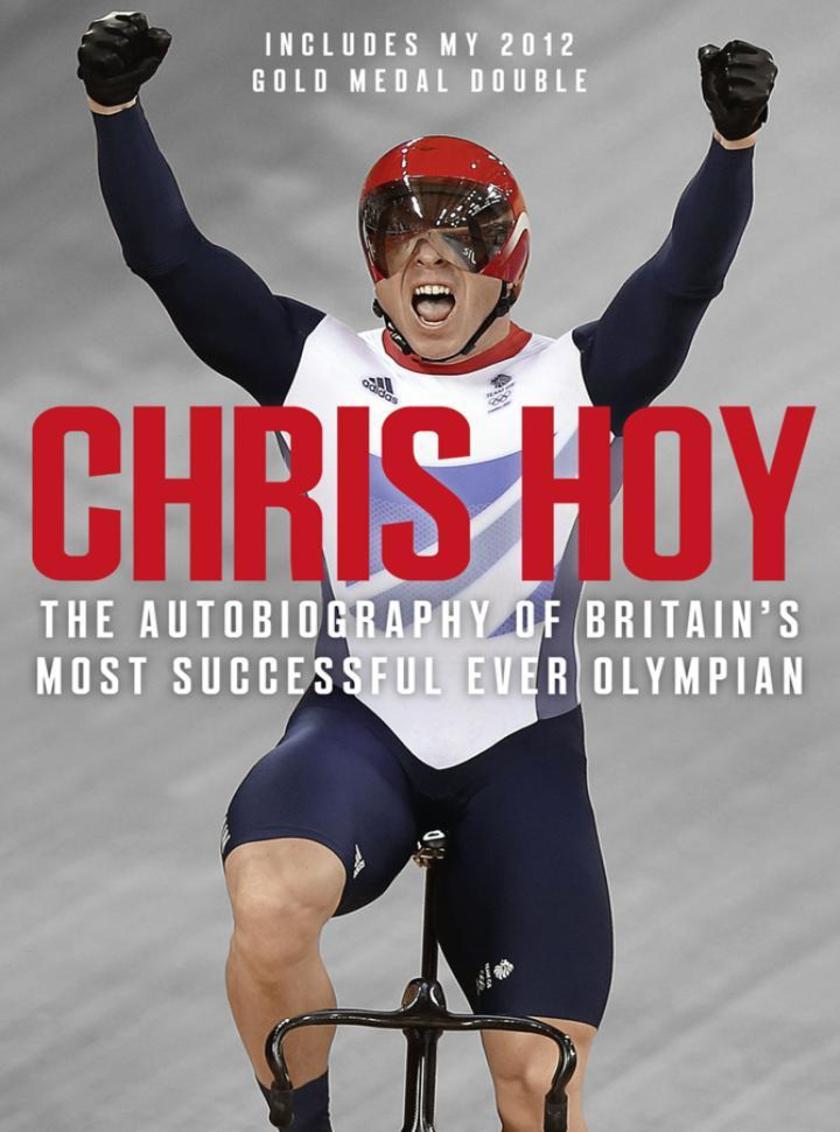
Chris Hoy: The Autobiography
¥68.67
Fully updated to include Sir Chris Hoy’s incredible, record-breaking golds at London 2012 (making him his country’s greatest ever Olympian), this is the story of a sporting legend in his own words. Fully updated to include Sir Chris Hoy’s incredible, record-breaking golds at London 2012 (making him his country’s greatest ever Olympian), this is the story of a sporting legend in his own words. This 33-year-old cycling fanatic from Murrayfield in the suburbs of Edinburgh defied the doubters who thought he would struggle when his specialist discipline, the 1km time trial, was dropped from the Olympics, and went on to reinvent himself as a track cycling sprinter and triple Olympic gold medallist in Beijing. His return to these shores sparked unprecedented celebrations and real admiration that here was a role model who was the epitome of all things that are good in sport. What makes a champion in sport? In his autobiography, Hoy returns to his roots as a child fully engaged with the BMX craze of the Eighties; when, even as a seven year old his will to succeed allied to an unyielding mental strength set him apart from other youngsters of his age. A promising rower and rugby player in school, it was when he joined his first local cycling club and spent most weekends of the year competing in national events from Blackpool to Bristol that the seeds of his future career were sown. With the devoted support of his family, Hoy drove himself to the pinnacle of his sport at the same time as British track cycling established itself as a pioneering force on the world stage. In the wake of his unparalleled achievements at London 2012, which filled the whole country with pride, there is no sporting icon better placed to demonstrate what it takes to reach the top than Chris Hoy.
Labyrinths
¥73.58
The story of Emma and Carl Jung's highly unconventional marriage, their relationship with Freud, and their part in the early years of Psychoanalysis. Emma Jung was clever, ambitious and immensely wealthy, one of the richest heiresses in Switzerland when, aged seventeen, she met and fell in love with Carl Jung, a handsome, penniless medical student. Determined to share his adventurous life, and to continue her own studies, she was too young to understand Carl’s complex personality or conceive the dramas that lay ahead. Labyrinths tells the story of the Jungs’ unconventional marriage, their friendship and, following publication of Jung’s The Psychology of the Unconscious, subsequent rift with Freud. It traces Jung’s development of word association, notions of the archetype, the collective unconscious, the concepts of extraversion and introversion and the role played by both Carl and Emma in the early development of the scandalous new Psychoanalysis movement. In its many twists and turns, the Jung marriage was indeed labyrinthine and Emma was forced to fight with everything she had to come to terms with Carl’s brilliant, complex character and to keep her husband close to her. His belief in polygamy led to many extra-marital affairs including a menage a trois with a former patient Toni Wolff that lasted some thirty years. But the marriage endured and Emma realised her ambition to become a noted analyst in her own right.

Confessions of a British Doctor (The Confessions Series)
¥34.14
THE UK’S BESTSELLING EBOOK OF 2011. Benjamin Daniels is angry. He is frustrated, confused, baffled and, quite frequently, very funny. He is also a GP. These are his confessions.
Please Don’t Take My Baby
¥58.86
‘I’m going to love my baby and give her lots of attention,’ Jade said. ‘I’ll show my mum she’s wrong.’ Jade, 17, is pregnant, homeless and alone when she’s brought to live with Cathy. Jade is desperate to keep her baby, but little more than a child herself, she struggles with the responsibilities her daughter brings. Cathy is worried as soon as Jade arrives: she’s never looked after a pregnant teenager before, but none of the mother and baby carers is free, and – seventeen years old, seven months pregnant and homeless – Jade is in a desperate situation. But Jade doesn’t want to listen or advice and although her daughter is born safely it isn’t long before Jade’s in trouble with the police. Cathy knows that Jade loves her daughter with all her heart, but will she be able to get through to Jade in time to make her realise just how much she might lose?
The Kraus Project
¥76.91
A great American writer’s confrontation with a great European critic – a personal and intellectual awakening. Karl Kraus: satirist. Controversialist. Forgotten voice of the early twentieth century. Jonathan Franzen: bestseller. Contrarian. One of the greatest novelists working today. Recalling his student days, the celebrated author of ‘The Corrections’ and ‘Freedom’ recounts his discovery of Kraus and presents his own translations and annotations of the philosopher’s most famous essays. A pioneer of self-publishing, Kraus brilliantly attacked the mass media and the dehumanizing machinery of technology and capitalism. A notoriously difficult writer, Kraus has met his match in Franzen: a popular novelist unafraid to voice unpopular opinions. In the extensive footnotes Franzen explains why Kraus is relevant today – while also revealing his own intellectual and personal preoccupations. Painstakingly wrought, strikingly original, ‘The Kraus Project’ is a feast of thought and literature.
Jessie’s Story
¥9.71
From the bestselling authors of The Sugar Girls and GI Brides, this is Jessie’s story, one of three true accounts from the book The Girls Who Went to War. “Since Jessie’s surname was Ward, she was one of the last to hear what role she had been assigned to. Mary and Olive had already been told they were going to an ack-ack training camp in Berkshire, and she crossed her fi ngers, hoping that she would be setting off with them. Finally, the corporal came to her name. ‘Private Ward,’ she called out. ‘Anti-aircraft.’ At that moment, Jessie couldn’t have been happier. She was joining the artillery, and would soon be giving the Germans what for.” In the summer of 1940, Britain stood alone against Germany. The British Army stood at just over one and a half million men, while the Germans had three times that many, and a population almost twice the size of ours from which to draw new waves of soldiers. Clearly, in the fight against Hitler, manpower alone wasn’t going to be enough. Eighteen-year-old Jessie Ward defied her mother to join the ATS, leaving her quiet home for the rigours of training, the camaraderie of the young women who worked together so closely and to face a war that would change her life forever. Overall, more than half a million women served in the armed forces during the Second World War. This book tells the story of just one of them. But in her story is reflected the lives of hundreds of thousands of others like them – ordinary girls who went to war, wearing their uniforms with pride.
A Last Kiss for Mummy
¥58.86
Bestselling author and foster carer Casey Watson tells the heartbreaking true story of a teenage mother and baby in need of a safe and loving home. At fourteen, Emma is just a child herself – and one who’s never been properly mothered. She has been in foster care several times already and when she discovered she was pregnant, and refused to have an abortion, her mother threw her out of the house. Casey and her family instantly form a strong bond with Emma’s baby Roman, but dealing with Emma’s behaviour and constant lack of responsibility is a far tougher challenge. And before long Casey finds she’s doing something she never thought she would – covering up for Emma’s shortcomings as she allows her personal involvement to colour her judgement. But the more Casey gets to know Emma the more she’s convinced that with the right help and guidance this lonely and unsupported girl can become a good mother to her gorgeous little boy. That’s what makes it even harder when Casey and her family have to make a stark choice: to hold on to Emma or look after Roman; to help a teenage girl desperate to turn her life around, or offer an innocent baby a safe home and much-needed good start in life.
The Girl Without a Voice
¥58.86
Bestselling author and foster carer Casey Watson tells the shocking and deeply moving true story of a young girl with severe behavioural problems. This is the first of several stories about ‘difficult’ children Casey helped during her time as a behaviour manager at her local comprehensive. Casey has been in the post for six months when thirteen-year-old Imogen joins her class. One of six children Casey is teaching, Imogen has selective mutism. She’s a bright girl, but her speech problems have been making mainstream lessons difficult. Life at home is also hard for Imogen. Her mum walked out on her a few years earlier and she’s never got on with her dad’s new girlfriend. She’s now living with her grandparents. There’s no physical explanation for Imogen’s condition, and her family insist she’s never had troubles like this before. Everyone thinks Imogen is just playing up – except the member of staff closest to her, her teacher Casey Watson. It is the deadpan expression she constantly has on her face that is most disturbing to Casey. Determined there must be more to it, Casey starts digging and it’s not long before she starts to discover a very different side to Imogen’s character. A visit to her grandparents’ reveals that Imogen is anything but silent at home. In fact she’s prone to violent outbursts; her elderly grandparents are terrified of her. Eventually Casey’s hard work starts to pay off. After months of silence, Imogen utters her first, terrified, words to Casey: ‘I thought she was going to burn me.’ Dark, shocking and deeply disturbing, Casey begins to uncover the reality of what Imogen has been subjected to for years.
Welcome to Paradise: My Journey
¥91.43
He’s young, he’s hot and he’s set to be the biggest thing in pop – 16-year-old Cody Simpson is sending shockwaves around the world. Now, in his first official book, Cody reveals all about his meteoric rise to fame. From the beaches of Australia to touring the world with Justin Bieber, this is a must-have for any true fan. From a young age, it appeared that Cody Simpson's future was mapped out for him. A hugely talented swimmer, he was destined to compete at the highest level, representing his native Australia. But when he picked up a guitar at the tender age of 7, his life changed forever. It was clear to everyone who heard him sing and play that he had a gift, and when videos of his performances were uploaded to YouTube, the world started watching. Suddenly Cody’s life was a whirlwind of meetings with record labels and managers. He had to make a life-changing choice. Would he follow the sporty path that had been laid for him? Or would he take a terrifying risk? Cody followed his heart. And with the support of his family, who gave up everything to move to LA, the gamble paid off. Since then, Cody’s gone on to work with some of the biggest names in music – including Justin Bieber and Flo Rida – played sold-out concerts around the world, released three albums, had multiple hit singles, and appeared on dozens of major televisions shows. It’s been a whirlwind adventure for this 16-year-old – and he’s only just getting started. Jam packed with never-before-seen photos and exclusive gossip about life on and off stage, this book charts Cody’s journey from ordinary kid to superstar. It’s a story of sacrifice, risk-taking, and believing in yourself even when the odds are stacked against you.
The Rest Is Noise Series: “Grimes! Grimes!”
¥11.77
This is a chapter from Alex Ross’s groundbreaking history of twentieth-century classical music, ‘The Rest is Noise’. Further extracts are available as digital shorts, accompanying the London Southbank festival programme. Benjamin Britten lived for most of his life around the Suffolk coast, and is buried in the Aldeburgh churchyard. He once stated that all his music came from there. ‘Peter Grimes’ is an opera of staggering force that is soaked in Aldeburgh to its bones. Now a major festival running throughout 2013 at London’s Southbank, The Rest is Noise is an intricate commentary not just on the sounds that defined the century, but on art’s troublesome dance with politics, social and cultural change. Britten’s music features prominently in the festival; ‘Music from Across the Iron Curtain’ is on 27 September 2013, ‘Britten Centenary Celebrations’ are on 2 and 12 October and ‘The Young Person’s Guide to the Orchestra’ is performed on 3 November 2013. Alex Ross is the New Yorker’s music critic, and the winner of the Guardian First Book Award and the National Book Critics Circle Award for The Rest is Noise, which was also shortlisted for the Samuel Johnson and Pulitzer prizes for non-fiction.

The Rest Is Noise Series: Zion Park
¥11.77
This is a chapter from Alex Ross’s groundbreaking history of twentieth-century classical music, ‘The Rest is Noise’. Further extracts are available as digital shorts, accompanying the London Southbank festival programme. After the war, composers took up what might be called catastrophe style with a vengeance. The twentieth century was undoubtedly one of the most horrific periods of human history - but terror was not always the subject of its composers. For some, attempting to transcend or reject the despair that consumed other artists led to the creation of some of the century’s most beautiful music. Now a major festival running throughout 2013 at London’s Southbank, The Rest is Noise is an intricate commentary not just on the sounds that defined the century, but on art’s troublesome dance with politics, social and cultural change. Alex Ross is the New Yorker’s music critic, and the winner of the Guardian First Book Award and the National Book Critics Circle Award for The Rest is Noise, which was also shortlisted for the Samuel Johnson and Pulitzer prizes for non-fiction.
Fishing Flies
¥231.22
Anyone who has taken a class from a decent teacher will be able to make flies from the de*ions given here. -- Booklist A mind-boggling array of flies.... The volume brims with hard-won advice and entertaining anecdotes. -- Waterloo Record Fishing Flies is a complete guide that describes every conceivable type of freshwater and saltwater fly. It examines the entire range of fishing flies--more than 1,300 in all--many by some of the world's most famous fly-tiers. These flies have been selected not only for their worth as lures but for their contribution to the progress of fly-tying. This smaller paperback edition is more portable than the hardcover, making it easy for fly fishers to take it along on fishing trips. Every fly in the book can be tied using readily-obtained material. Specially taken color photographs show hundreds of fly styles and variations with as many as six flies per page. The author describes their history, including literary references and fishing folklore, points out special features and gives detailed tying instructions where needed. He recommends the most favorable conditions in which to use the fly and provides important information on how the flies correspond with the fishes' reproductive cycles. Fishing Flies covers: ?Introduction and the earliest flies ?Trout and grayling flies ?Streamers and bucktails ?Flies for salmon, sea trout and steelhead ?Flies for freshwater predators ?Saltwater flies. Useful tips, time-tested fishing advice, recommendations for environmental conditions and fishing style, historical images, entertaining anecdotes and an extensive bibliography round out this fascinating and complete resource.
Stolen Voices
¥62.59
He beat them, he abused them, and he tortured them. He broke their dreams. But they came back stronger. ‘Terrie and Paul are two of the bravest people I have ever met. I have only shared the briefest glimpse into the true horrors this brother and sister have endured, but I rarely come across cases this bad. After the unspeakable abuse and shocking betrayals, two incredible human beings came through – to inspire us all.’ Sara Payne OBE, co-founder of Phoenix Survivors Terrie and Paul’s step-father had been living with them for six months when the abuse and grooming began. What started as innocent conversations and goodnight kisses quickly developed into something far darker and depraved. Everyday Terrie was assaulted and abused; her rapes were photographed, filmed and shared. Paul was regularly taunted and mercilessly beaten. But despite the bruises and the scars, and the desperate pleas for help, no one saw their pain. But through it all they stuck together, battling for their childhoods for over a decade and masterminding creative ways to outwit their stepfather and buy themselves fleeting moments of joy. In March 2013, thirty years on, Terrie and Paul made the brave decision to give up their right to anonymity to tell of the years of abuse they endured at the hands of their recently convicted step-father and raise awareness for the ongoing battle for justice for victims of child abuse. A powerful testament of what can be achieved through courage and love, this is their inspiring story.
Will You Love Me?: The story of my adopted daughter Lucy: Part 2 of 3
¥22.76
The eleventh memoir and latest title from the internationally bestselling author and foster carer Cathy Glass. This book tells the true story of Cathy’s adopted daughter Lucy. Lucy was born to a single mother who had been abused and neglected for most of her own childhood. Right from the beginning Lucy’s mother couldn’t cope, but it wasn’t until Lucy reached eight years old that she was finally taken into permanent foster care. By the time Lucy is brought to live with Cathy she is eleven years old and severely distressed after being moved from one foster home to another. Withdrawn, refusing to eat and three years behind in her schooling, it is thought that the damage Lucy has suffered is irreversible. But Cathy and her two children bond with Lucy quickly, and break through to Lucy in a way no-one else has been able to, finally showing her the loving home she never believed existed. Cathy and Lucy believe they were always destined to be mother and daughter – it just took them a little while to find each other.
The Boy No One Loved and Crying for Help 2-in-1 Collection
¥66.22
Sunday Times bestselling author and foster carer Casey Watson’s first heartbreaking memoir The Boy No One Loved now combined in a single volume with her shocking title Crying for Help about a troubled 12-year-old girl. The Boy No One Loved is the true story of Justin who was taken into care at the age of 5 after deliberately burning down his family home. Six years on, after 20 failed placements, Justin arrives at Casey’s home. A childhood of hurt and rejection has made him aggressive, but this is only the tip of a chilling iceberg. In Crying for Help, Casey takes in Sophia, a girl with a pain-filled past and disturbing behaviour. Casey must get through to her, but Sophia’s violence is threatening the safety of the whole family. Can Casey really handle this lost and damaged young girl?
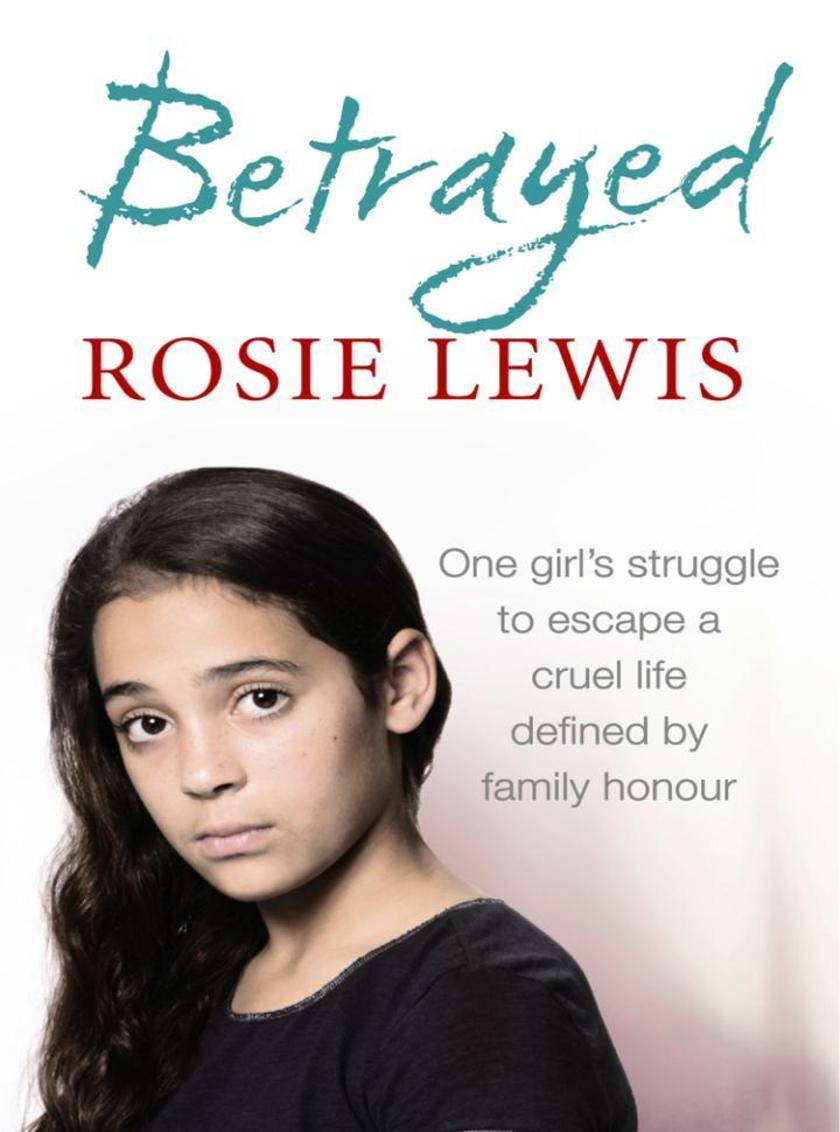
Betrayed
¥58.86
In the much-anticipated follow-up to Sunday Times bestseller Trapped, foster carer Rosie Lewis tells the heartbreaking true story of 13-year-old Zadie. When the young teenage girl runs away from home and is discovered hiding on the city streets by the police, it is clear that all is not as it should be. Taught to believe that Westerners should not be trusted, when Zadie is initially delivered into the experienced hands of foster carer Rosie she is polite and well-behaved, but understandably suspicious of the family around her. Through Rosie’s support and understanding, gradually Zadie begins to settle into her new surroundings, but loyalty to her relatives, and fear of bringing shame on those around her, prevents her from confessing the horrifying truth about her troubled past. When the shocking truth finally emerges, Rosie and her family can hardly believe that Zadie had managed to keep the shocking secrets to herself for so long.
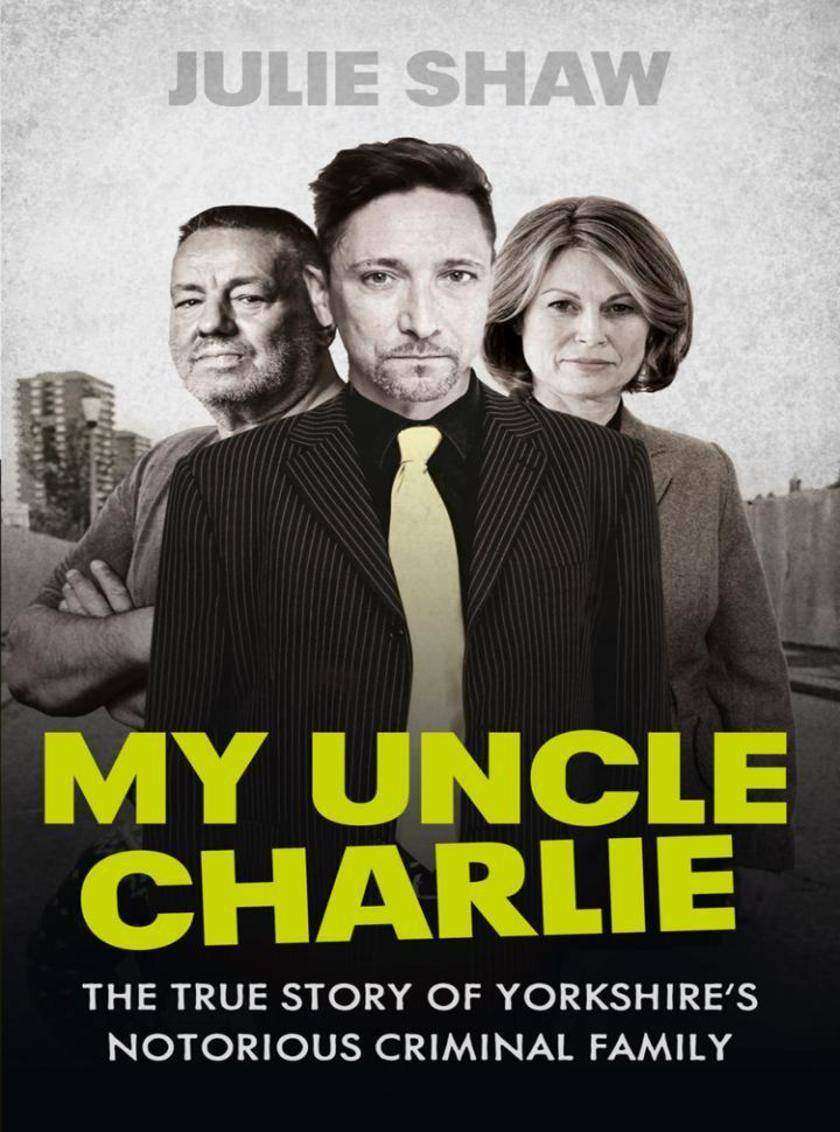
My Uncle Charlie (Tales of the Notorious Hudson Family, Book 2)
¥58.86
If you lived on the notorious Canterbury Estate in the ‘40s and ‘50s, then you knew there was one man you did not want to cross: Charlie Hudson. A solitary man, feared and respected by the gangsters of the time, Charlie was a boxer who never lost a fight, in or out of the ring – the most infamous of The Canterbury Warriors. My Uncle Charlie, the second title in the explosive series unravels a story of debauchery, crime and self-destruction. Charlie Hudson was a born leader. The eldest of eight brothers and four sisters and with a boxer for a father, fighting was in his blood. And as the young protégé of local Italian gangster, Mr Cappovanni, Charlie not only learned to knock every opponent out, he also learned the tools of the crime and extortion trade well; emerging into adulthood in the middle of the war years as a natural heir: running cons, illegal books and a band of prostitutes. But when Charlie met Betty, a sweet, caring girl, he was determined to be a better man for her. He’d still deal with ‘business’ but no more would he bed his working girls, and the birth of their baby girl, Elizabeth, sealed it: he knew life could not get any better. But for a man who had only ever lived in the belly of the Canterbury Estate underworld, it could definitely get worse… Gritty and engrossing, book two of the Hudson family saga delves deeper into history of the infamous Canterbury Warriors; the true story of one man’s ascendancy to power, and the tragedy that brought it all crashing down.
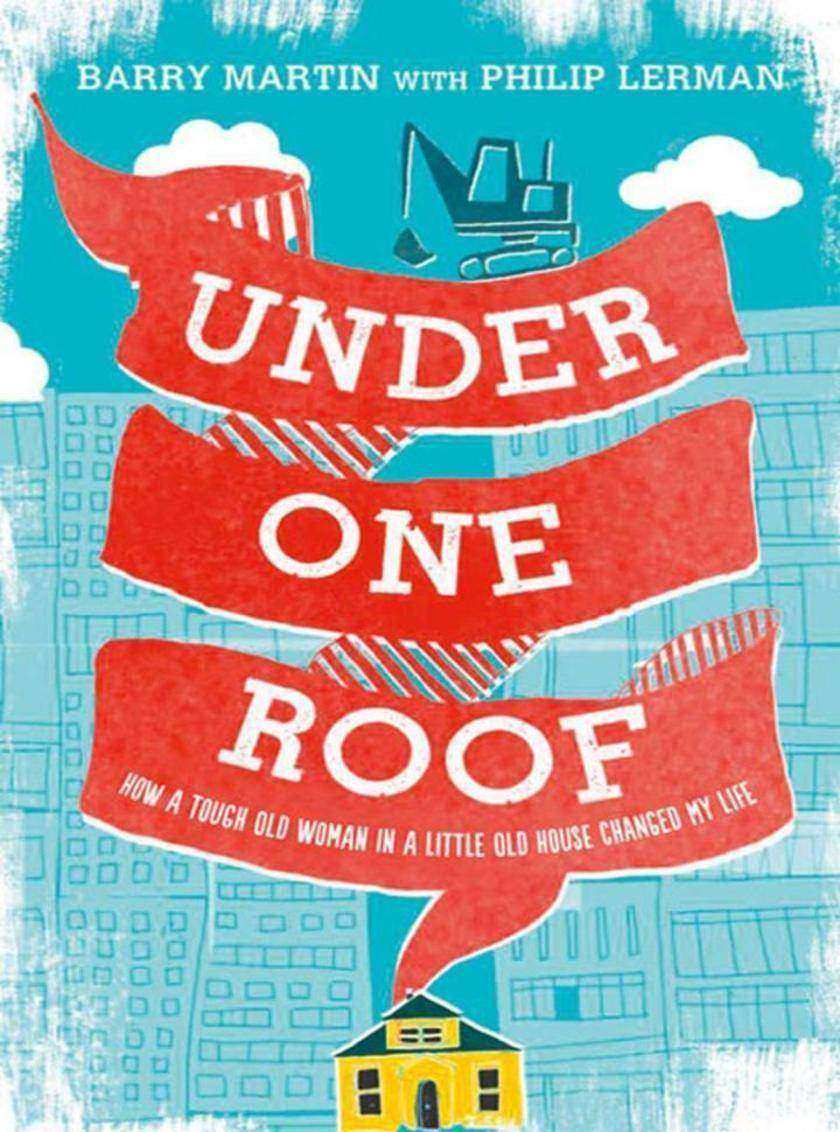
Under One Roof
¥88.39
The heart-warming true story of the bond between a feisty octogenarian and the man in charge of building a shopping mall on top of her home – which inspired the opening scene of the Pixar movie Up! Edith Macefield achieved folk hero status in 2006 when she turned down $1 million to sell her home to make way for a commercial development in a small neighborhood of Seattle. It didn’t matter that her tiny house was surrounded by rubble and graffiti. It was home. Barry Martin respected that, and when he took the job as construction supervisor for the shopping mall that was being erected around Edith’s little house, he determined to make things as easy as he could for Edith. He gave her his phone number and told her to call if she needed anything. And she did. The day Edith asked Barry to drive her to a hair appointment, an unlikely friendship was sparked, one that changed them both forever. As Barry helps Edith through the last days of her life, she helps him deal with the effects of the Alzheimer’s that is diminishing his beloved father. She learns to laugh and let go. He learns about compassion and grace. Full of heart and warmth, ‘Under One Roof’ is an true story that reminds us the most important things in life can’t be bought.


