


 购物车
 个人中心

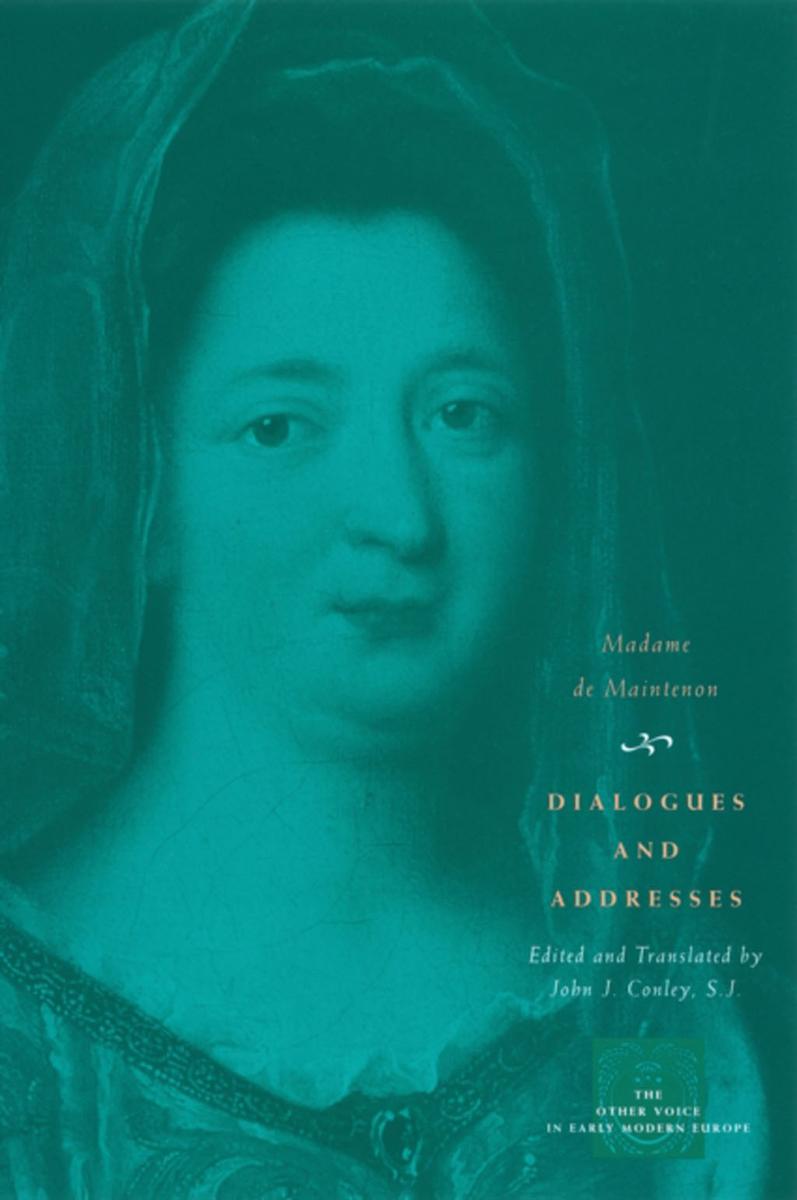
Dialogues and Addresses
¥265.87
Born Francoise d'Aubigne, a criminal's daughter reduced to street begging as a child, Madame de Maintenon (1653-1719) made an improbable rise from impoverished beginnings to the summit of power as the second, secret wife of Louis XIV. An educational reformer, Maintenon founded and directed the celebrated academy for aristocratic women at Saint-Cyr. This volume presents the dialogues and addresses in which Maintenon explains her controversial philosophy of education for women.Denounced by her contemporaries as a political schemer and religious fanatic, Maintenon has long been criticized as an opponent of gender equality. The writings in this volume faithfully reflect Maintenon's respect for social hierarchy and her stoic call for women to accept the duties of their state in life. But the writings also echo Maintenon's more feminist concerns: the need to redefine the virtues in the light of women's experience, the importance of naming the constraints on women's freedom, and the urgent need to remedy the scandalous neglect of the education of women.In her writings as well as in her own model school at Saint-Cyr, Maintenon embodies the demand for educational reform as the key to the empowerment of women at the dawn of modernity.
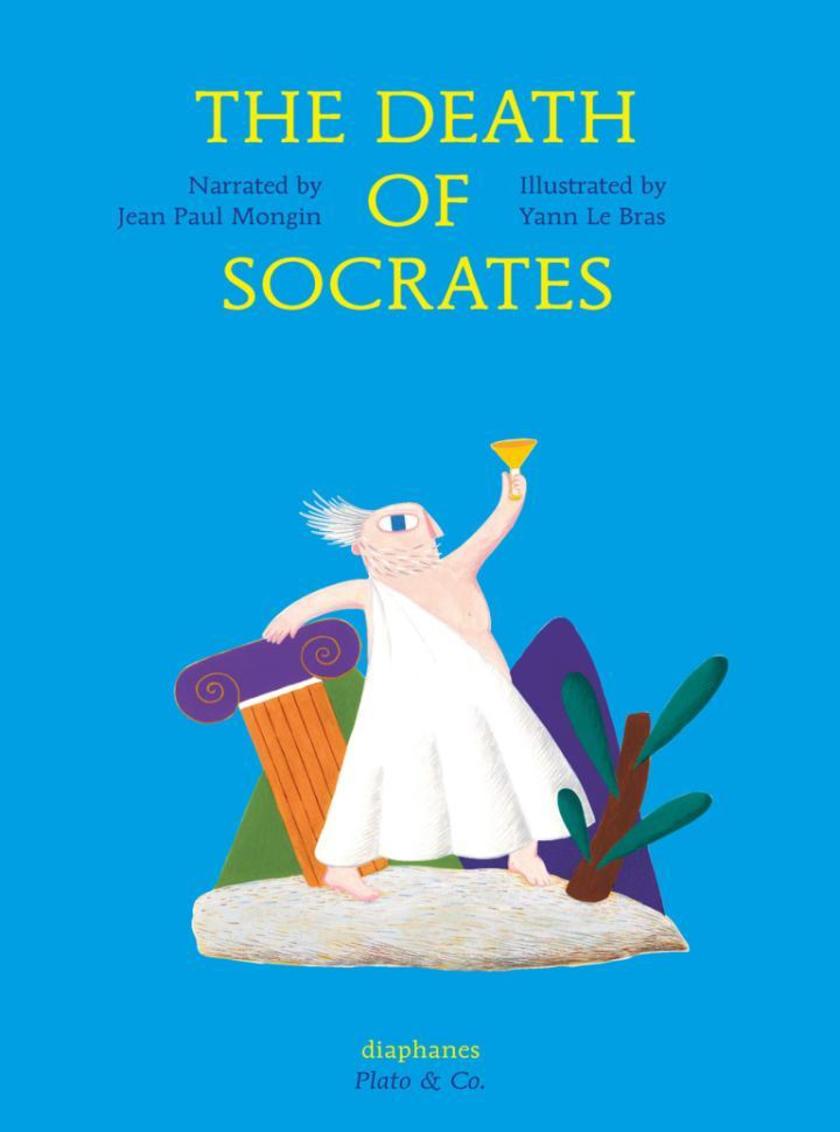
Death of Socrates
¥123.61
At its most basic, philosophy is about learning how to think about the world around us. It should come as no surprise, then, that children make excellent philosophers! Naturally inquisitive, pint-size scholars need little prompting before being willing to consider life's "e;big questions,"e; however strange or impractical. Plato & Co. introduces children-and curious grown-ups-to the lives and work of famous philosophers, from Descartes to Socrates, Einstein, Marx, and Wittgenstein. Each book in the series features an engaging-and often funny-story that presents basic tenets of philosophical thought alongside vibrant color illustrations."e;Tell us, Delphic Oracle, who is the wisest man in all of Greece?"e; So begins The Death of Socrates. No mortal man is wiser than Socrates, who, on his daily walks through Athens, talks to all the people he meets. When the person he talks to takes himself to be very wise, Socrates asks so many questions that the person ends up admitting he knows nothing. When he runs into people who know little, Socrates sets them on the way to wisdom. But not everyone shares Socrates's love for the truth. When the people of Athens become angry with him for his ceaseless questioning, how will he find the courage to continue to speak the truth Plato & Co.'s clear approach and charming illustrations make this series the perfect addition to any little library.
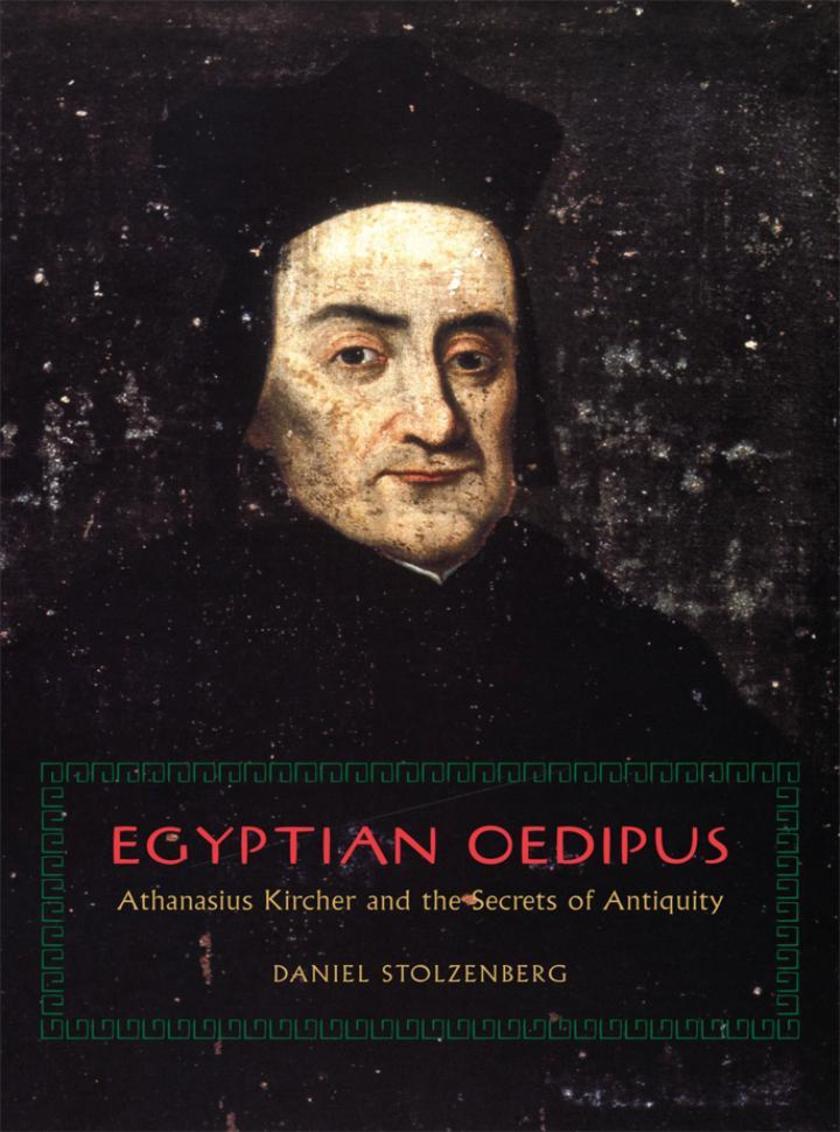
Egyptian Oedipus
¥247.21
A contemporary of Descartes and Newton, Athanasius Kircher, S. J. (1601/2-80), was one of Europe's most inventive and versatile scholars in the baroque era. He published more than thirty works in fields as diverse as astronomy, magnetism, cryptology, numerology, geology, and music. But Kircher is most famous-or infamous-for his quixotic attempt to decipher the Egyptian hieroglyphs and reconstruct the ancient traditions they encoded. In 1655, after more than two decades of toil, Kircher published his solution to the hieroglyphs, Oedipus Aegyptiacus, a work that has been called "e;one of the most learned monstrosities of all times."e; Here Daniel Stolzenberg presents a new interpretation of Kircher's hieroglyphic studies, placing them in the context of seventeenth-century scholarship on paganism and Oriental languages.?Situating Kircher in the social world of baroque Rome, with its scholars, artists, patrons, and censors, Stolzenberg shows how Kircher's study of ancient paganism depended on the circulation of texts, artifacts, and people between Christian and Islamic civilizations. Along with other participants in the rise of Oriental studies, Kircher aimed to revolutionize the study of the past by mastering Near Eastern languages and recovering ancient manu*s hidden away in the legendary libraries of Cairo and Damascus. The spectacular flaws of his scholarship have fostered an image of Kircher as an eccentric anachronism, a throwback to the Renaissance hermetic tradition. Stolzenberg argues against this view, showing how Kircher embodied essential tensions of a pivotal phase in European intellectual history, when pre-Enlightenment scholars pioneered modern empirical methods of studying the past while still working within traditional frameworks, such as biblical history and beliefs about magic and esoteric wisdom.
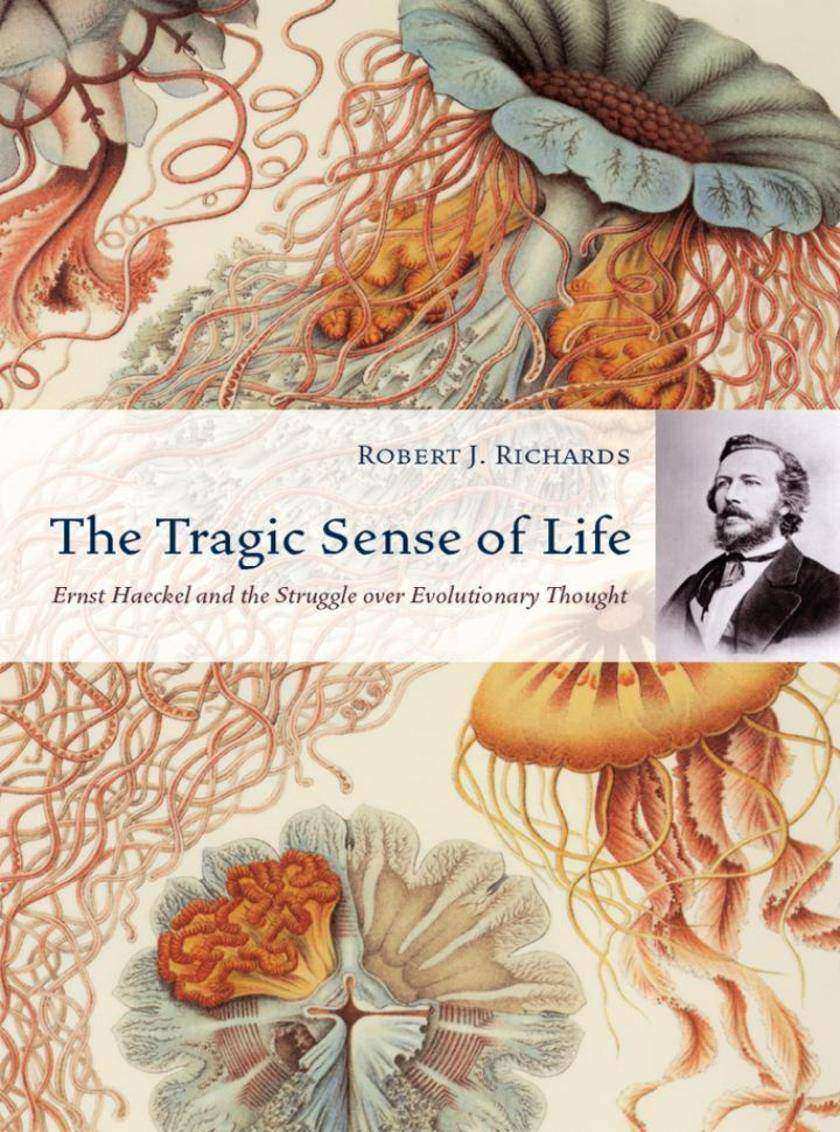
Tragic Sense of Life
¥253.10
Prior to the First World War, more people learned of evolutionary theory from the voluminous writings of Charles Darwin's foremost champion in Germany, Ernst Haeckel (1834-1919), than from any other source, including the writings of Darwin himself. But, with detractors ranging from paleontologist Stephen Jay Gould to modern-day creationists and advocates of intelligent design, Haeckel is better known as a divisive figure than as a pioneering biologist. Robert J. Richards's intellectual biography rehabilitates Haeckel, providing the most accurate measure of his science and art yet written, as well as a moving account of Haeckel's eventful life.
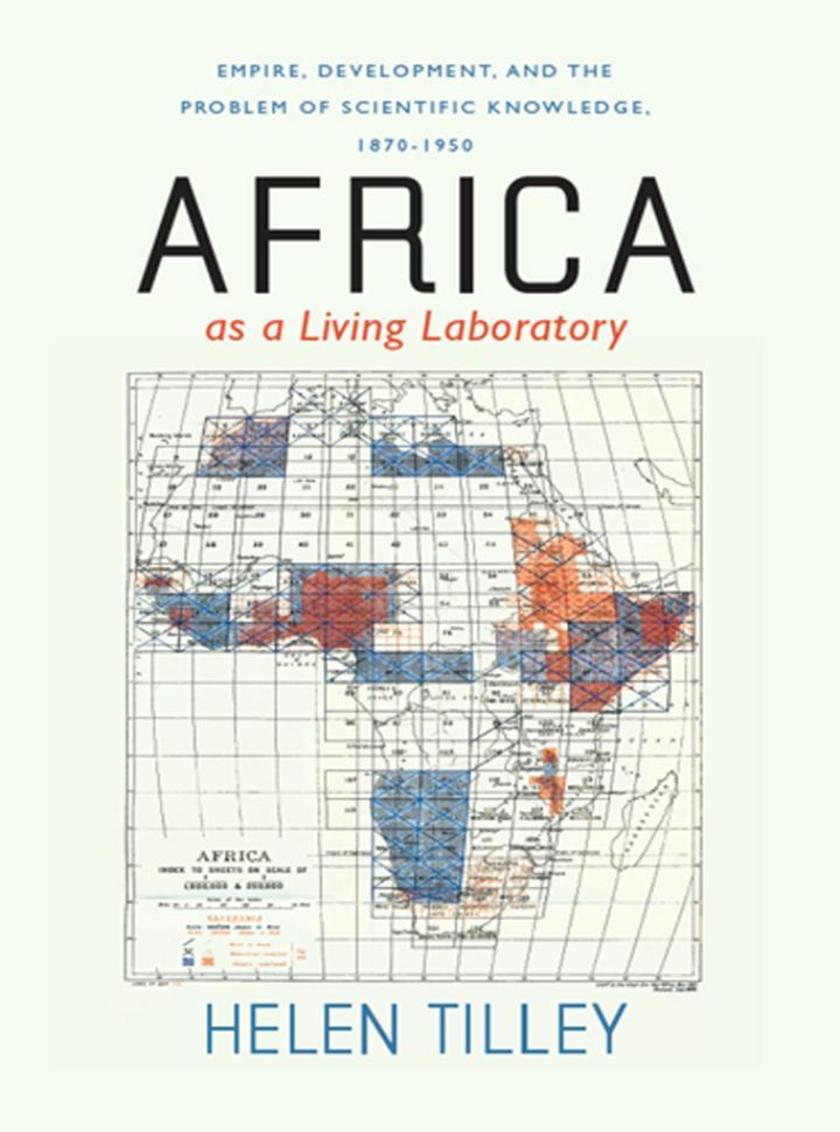
Africa as a Living Laboratory
¥270.76
Tropical Africa was one of the last regions of the world to experience formal European colonialism, a process that coincided with the advent of a range of new scientific specialties and research methods. Africa as a Living Laboratory is a far-reaching study of the thorny relationship between imperialism and the role of scientific expertise-environmental, medical, racial, and anthropological-in the colonization of British Africa.A key source for Helen Tilley's analysis is the African Research Survey, a project undertaken in the 1930s to explore how modern science was being applied to African problems. This project both embraced and recommended an interdisciplinary approach to research on Africa that, Tilley argues, underscored the heterogeneity of African environments and the interrelations among the problems being studied. While the aim of British colonialists was unquestionably to transform and modernize Africa, their efforts, Tilley contends, were often unexpectedly subverted by scientific concerns with the local and vernacular. Meticulously researched and gracefully argued, Africa as a Living Laboratory transforms our understanding of imperial history, colonial development, and the role science played in both.
Air's Appearance
¥394.36
In Air's Appearance, Jayne Elizabeth Lewis enlists her readers in pursuit of the elusive concept of atmosphere in literary works. She shows how diverse conceptions of air in the eighteenth century converged in British fiction, producing the modern literary sense of atmosphere and moving novelists to explore the threshold between material and immaterial worlds.?Air's Appearance links the emergence of literary atmosphere to changing ideas about air and the earth's atmosphere in natural philosophy, as well as to the era's theories of the supernatural and fascination with social manners-or, as they are now known, "e;airs."e; Lewis thus offers a striking new interpretation of several standard features of the Enlightenment-the scientific revolution, the decline of magic, character-based sociability, and the rise of the novel-that considers them in terms of the romance of air that permeates and connects them. As it explores key episodes in the history of natural philosophy and in major literary works like Paradise Lost, "e;The Rape of the Lock,"e; Robinson Crusoe, and The Mysteries of Udolpho, this book promises to change the atmosphere of eighteenth-century studies and the history of the novel.
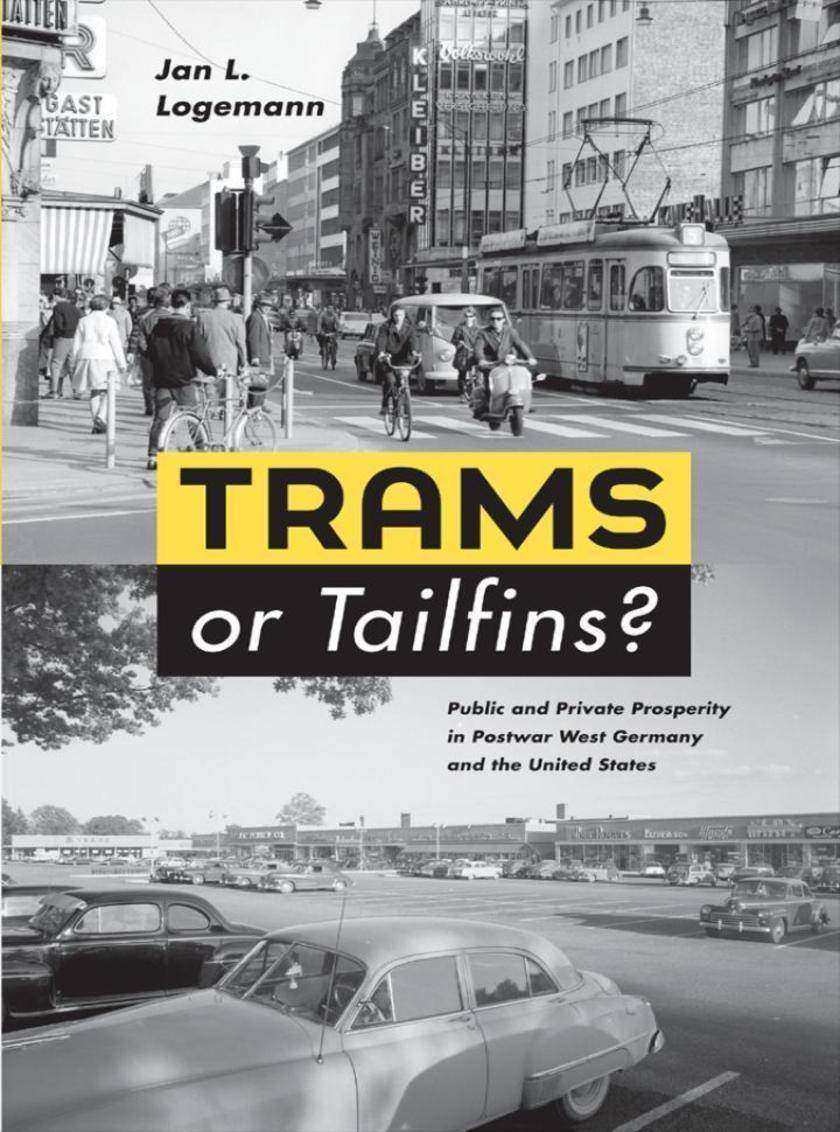
Trams or Tailfins?
¥394.36
In the years that followed World War II, both the United States and the newly formed West German republic had an opportunity to remake their economies. Since then, much has been made of a supposed "e;Americanization"e; of European consumer societies-in Germany and elsewhere. Arguing against these foggy notions, Jan L. Logemann takes a comparative look at the development of postwar mass consumption in West Germany and the United States and the emergence of discrete consumer modernities.?In Trams or Tailfins?, Logemann explains how the decisions made at this crucial time helped to define both of these economic superpowers in the second half of the twentieth century. While Americans splurged on private cars and bought goods on credit in suburban shopping malls, Germans rebuilt public transit and developed pedestrian shopping streets in their city centers-choices that continue to shape the quality and character of life decades later. Outlining the abundant differences in the structures of consumer society, consumer habits, and the role of public consumption in these countries, Logemann reveals the many subtle ways that the spheres of government, society, and physical space define how we live.
Loving Faster than Light
¥394.36
In November 1919, newspapers around the world alerted readers to a sensational new theory of the universe: Albert Einstein's theory of relativity. Coming at a time of social, political, and economic upheaval, Einstein's theory quickly became a rich cultural resource with many uses beyond physical theory. Media coverage of relativity in Britain took on qualities of pastiche and parody, as serious attempts to evaluate Einstein's theory jostled with jokes and satires linking relativity to everything from railway budgets to religion. The image of a befuddled newspaper reader attempting to explain Einstein's theory to his companions became a set piece in the popular press.?Loving Faster than Light focuses on the popular reception of relativity in Britain, demonstrating how abstract science came to be entangled with class politics, new media technology, changing sex relations, crime, cricket, and cinematography in the British imagination during the 1920s. Blending literary analysis with insights from the history of science, Katy Price reveals how cultural meanings for Einstein's relativity were negotiated in newspapers with differing political agendas, popular science magazines, pulp fiction adventure and romance stories, detective plots, and esoteric love poetry. Loving Faster than Light is an essential read for anyone interested in popular science, the intersection of science and literature, and the social and cultural history of physics.
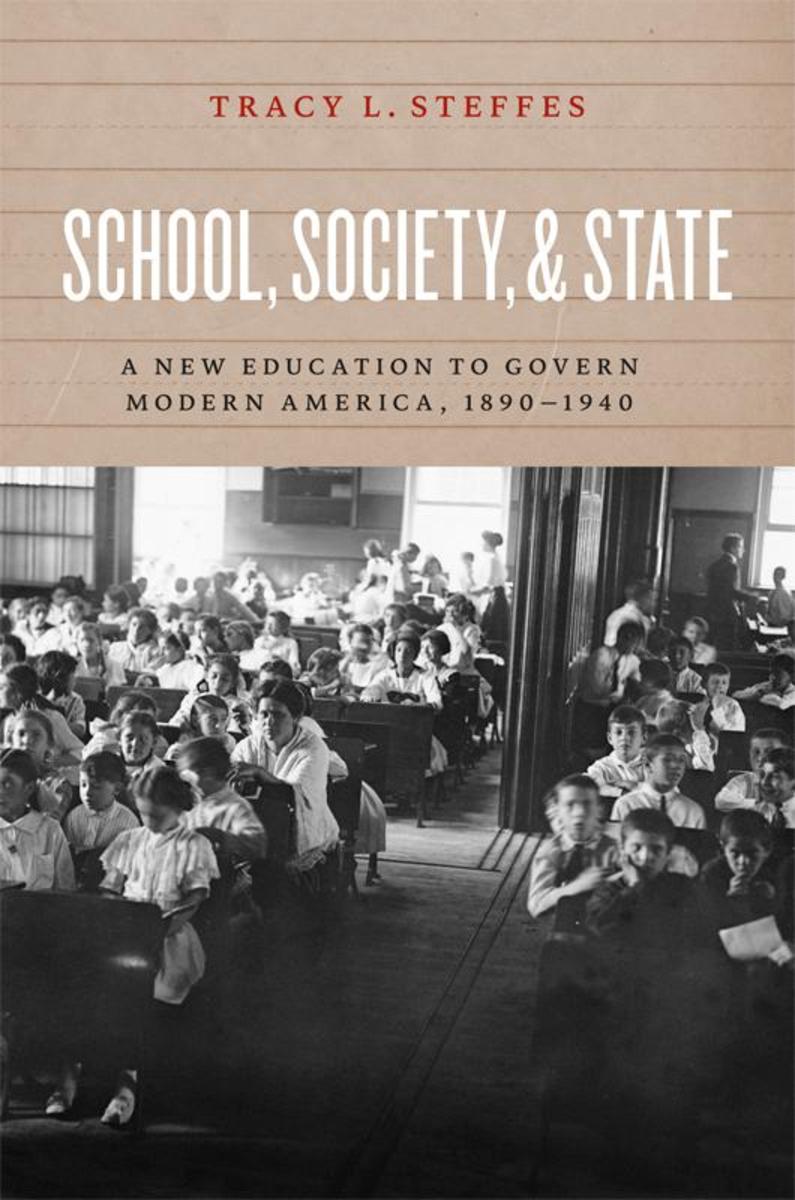
School, Society, and State
¥394.36
"e;Democracy has to be born anew every generation, and education is its midwife,"e; wrote John Dewey in his classic work The School and Society. In School, Society, and State, Tracy Steffes places that idea at the center of her exploration of the connections between public school reform in the early twentieth century and American political development from 1890 to 1940.American public schooling, Steffes shows, was not merely another reform project of the Progressive Era, but a central one. She addresses why Americans invested in public education and explains how an array of reformers subtly transformed schooling into a tool of social governance to address the consequences of industrialization and urbanization. By extending the reach of schools, broadening their mandate, and expanding their authority over the well-being of children, the state assumed a defining role in the education-and in the lives-of American families.In School, Society, and State, Steffes returns the state to the study of the history of education and brings the schools back into our discussion of state power during a pivotal moment in American political development.
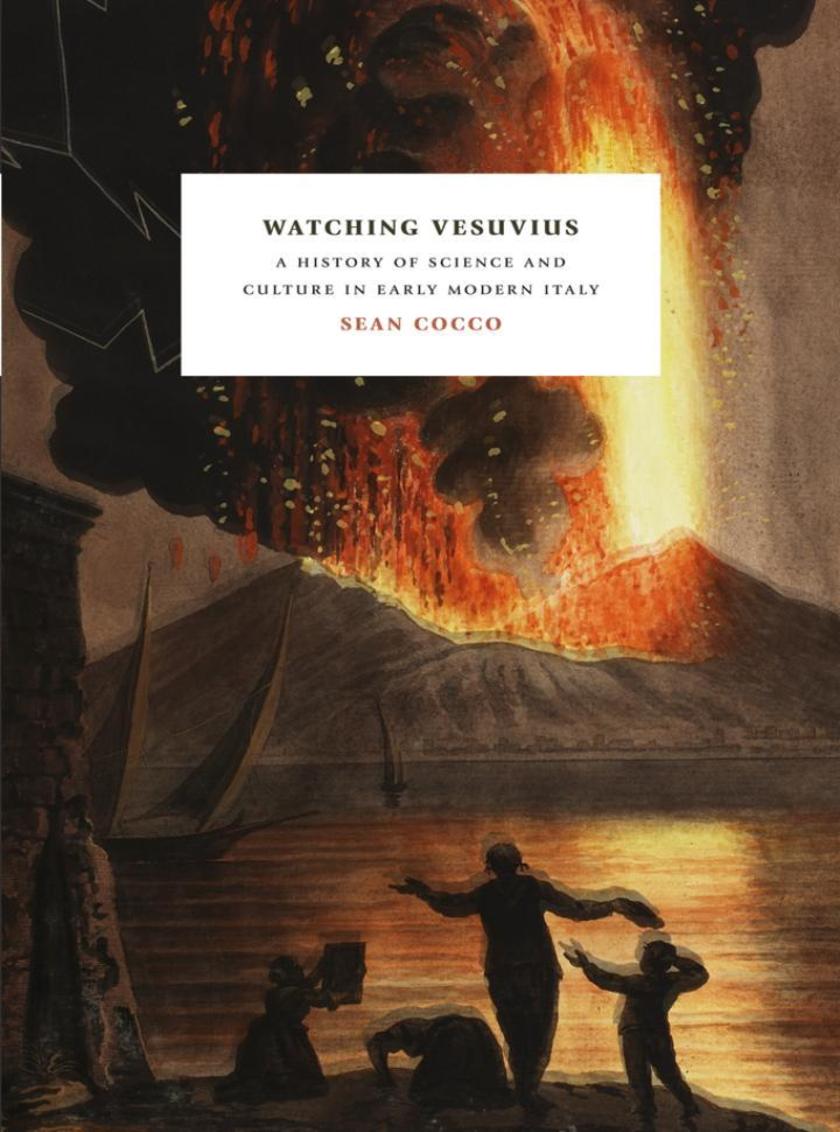
Watching Vesuvius
¥394.36
Mount Vesuvius has been famous ever since its eruption in 79 CE, when it destroyed and buried the Roman cities of Pompeii and Herculaneum. But less well-known is the role it played in the science and culture of early modern Italy, as Sean Cocco reveals in this ambitious and wide-ranging study. Humanists began to make pilgrimages to Vesuvius during the early Renaissance to experience its beauty and study its history, but a new tradition of observation emerged in 1631 with the first great eruption of the modern period. Seeking to understand the volcano's place in the larger system of nature, Neapolitans flocked to Vesuvius to examine volcanic phenomena and to collect floral and mineral specimens from the mountainside.?In Watching Vesuvius, Cocco argues that this investigation and engagement with Vesuvius was paramount to the development of modern volcanology. He then situates the native experience of Vesuvius in a larger intellectual, cultural, and political context and explains how later eighteenth-century representations of Naples-of its climate and character-grew out of this tradition of natural history. Painting a rich and detailed portrait of Vesuvius and those living in its shadow, Cocco returns the historic volcano to its place in a broader European culture of science, travel, and appreciation of the natural world.
Acolytes of Nature
¥447.34
Although many of the practical and intellectual traditions that make up modern science date back centuries, the category of "e;science"e; itself is a relative novelty. In the early eighteenth century, the modern German word that would later mean "e;science,"e; naturwissenschaft, was not even included in dictionaries. By 1850, however, the term was in use everywhere. Acolytes of Nature follows the emergence of this important new category within German-speaking Europe, tracing its rise from an insignificant eighteenth-century neologism to a defining rallying cry of modern German culture.Today's notion of a unified natural science has been deemed an invention of the mid-nineteenth century. Yet what Denise Phillips reveals here is that the idea of naturwissenschaft acquired a prominent place in German public life several decades earlier. Phillips uncovers the evolving outlines of the category of natural science and examines why Germans of varied social station and intellectual commitments came to find this label useful. An expanding education system, an increasingly vibrant consumer culture and urban social life, the early stages of industrialization, and the emergence of a liberal political movement all fundamentally altered the world in which educated Germans lived, and also reshaped the way they classified knowledge.
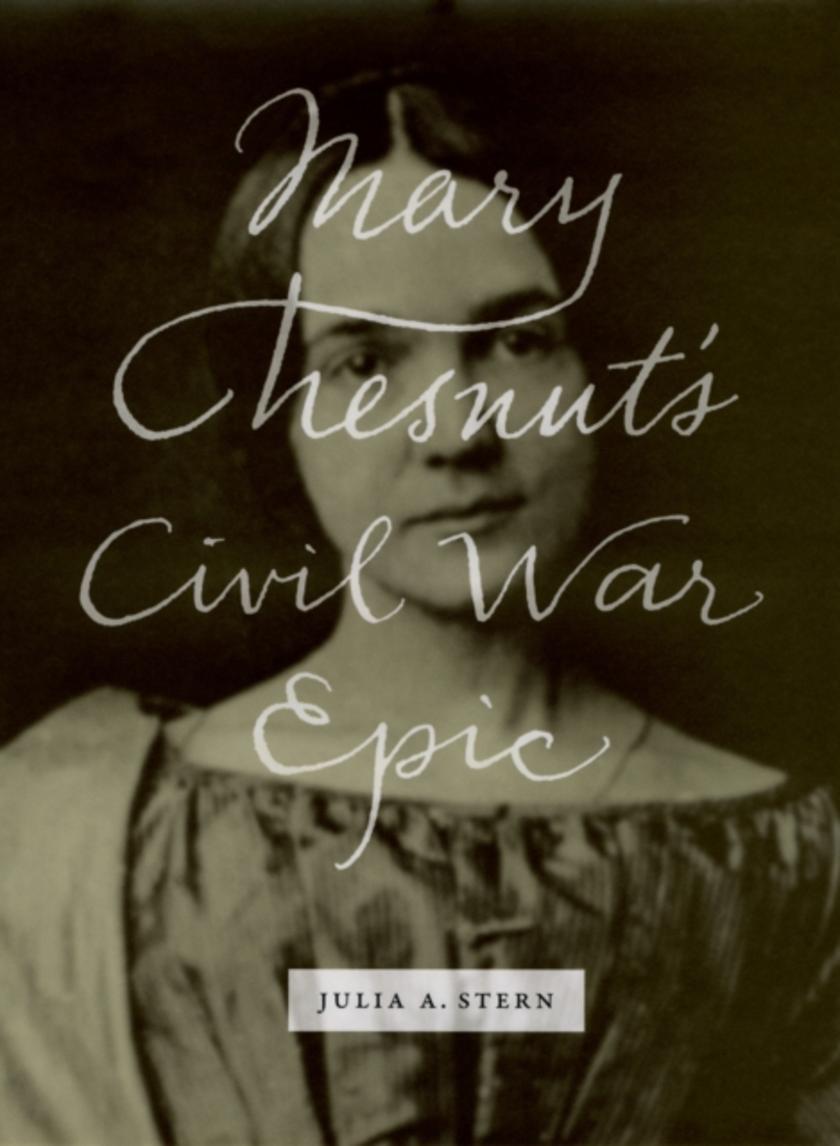
Mary Chesnut's Civil War Epic
¥447.34
A genteel southern intellectual, saloniste, and wife to a prominent colonel in Jefferson Davis's inner circle, Mary Chesnut today is remembered best for her penetrating Civil War diary. Composed between 1861 and 1865 and revised thoroughly from the late 1870s until Chesnut's death in 1886, the diary was published first in 1905, again in 1949, and later, to great acclaim, in 1981. This complicated literary history and the questions that attend it-which edition represents the real ChesnutTo what genre does this text belong?-may explain why the document largely has, until now, been overlooked in literary studies.Julia A. Stern's critical analysis returns Chesnut to her rightful place among American writers. In Mary Chesnut's Civil War Epic, Stern argues that the revised diary offers the most trenchant literary account of race and slavery until the work of Faulkner and that, along with his Yoknapatawpha novels, it constitutes one of the two great Civil War epics of the American canon. By restoring Chesnut's 1880s revision to its complex, multidecade cultural context, Stern argues both for Chesnut's reinsertion into the pantheon of nineteenth-century American letters and for her centrality to the literary history of women's writing as it evolved from sentimental to tragic to realist forms.
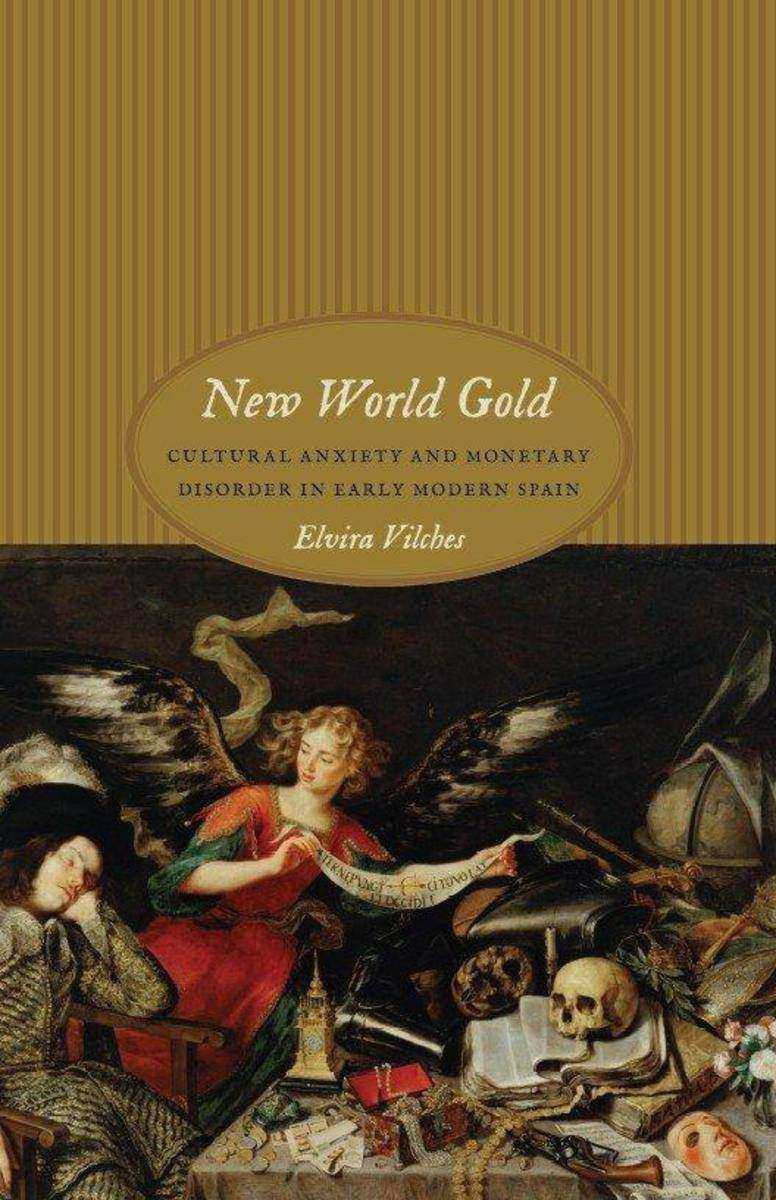
New World Gold
¥447.34
The discovery of the New World was initially a cause for celebration. But the vast amounts of gold that Columbus and other explorers claimed from these lands altered Spanish society. The influx of such wealth contributed to the expansion of the Spanish empire, but also it raised doubts and insecurities about the meaning and function of money, the ideals of court and civility, and the structure of commerce and credit. New World Gold shows that, far from being a stabilizing force, the flow of gold from the Americas created anxieties among Spaniards and shaped a host of distinct behaviors, cultural practices, and intellectual pursuits on both sides of the Atlantic.Elvira Vilches examines economic treatises, stories of travel and conquest, moralist writings, fiction, poetry, and drama to reveal that New World gold ultimately became a problematic source of power that destabilized Spain's sense of trust, truth, and worth. These cultural anxieties, she argues, rendered the discovery of gold paradoxically disastrous for Spanish society. Combining economic thought, social history, and literary theory in trans-Atlantic contexts, New World Gold unveils the dark side of Spain's Golden Age.
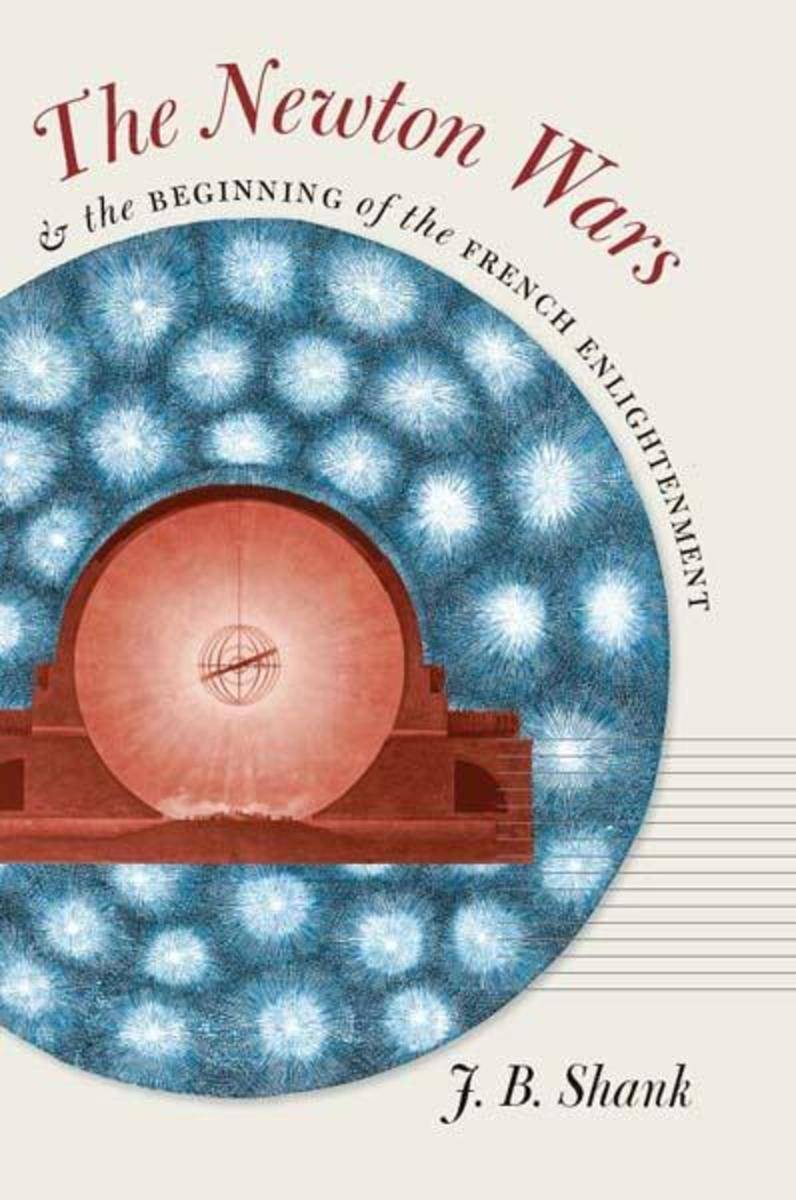
Newton Wars and the Beginning of the French Enlightenment
¥529.74
Nothing is considered more natural than the connection between Isaac Newton's science and the modernity that came into being during the eighteenth-century Enlightenment. Terms like "e;Newtonianism"e; are routinely taken as synonyms for "e;Enlightenment"e; and "e;modern"e; thought, yet the particular conjunction of these terms has a history full of accidents and contingencies. Modern physics, for example, was not the determined result of the rational unfolding of Newton's scientific work in the eighteenth century, nor was the Enlightenment the natural and inevitable consequence of Newton's eighteenth-century reception. Each of these outcomes, in fact, was a contingent event produced by the particular historical developments of the early eighteenth century.A comprehensive study of public culture, The Newton Wars and the Beginning of the French Enlightenment digsbelow the surface of the commonplace narratives that link Newton with Enlightenment thought to examine the actual historical changes that brought them together in eighteenth-century time and space. Drawing on the full range of early modern scientific sources, from studied scientific treatises and academic papers to book reviews, commentaries, and private correspondence, J. B. Shank challenges the widely accepted claim that Isaac Newton's solitary genius is the reason for his iconic status as the father of modern physics and the philosophemovement.
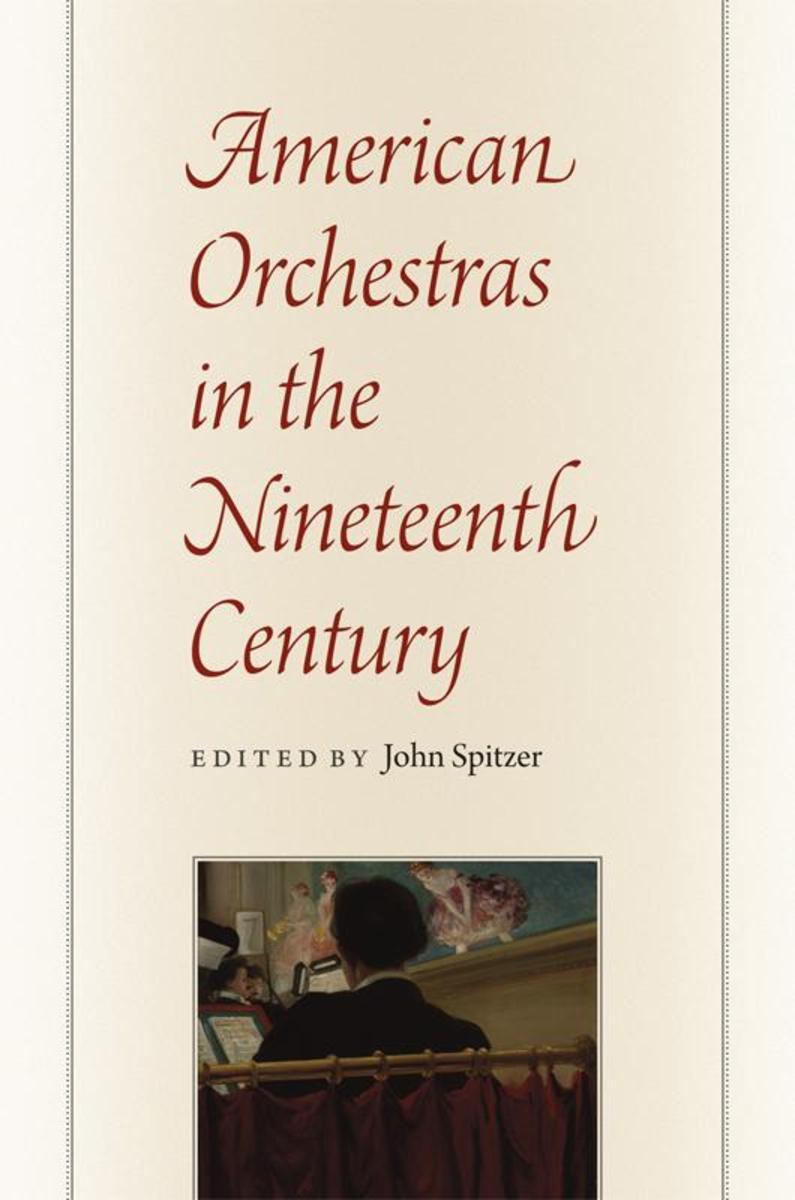
American Orchestras in the Nineteenth Century
¥529.74
Studies of concert life in nineteenth-century America have generally been limited to large orchestras and the programs we are familiar with today. But as this book reveals, audiences of that era enjoyed far more diverse musical experiences than this focus would suggest. To hear an orchestra, people were more likely to head to a beer garden, restaurant, or summer resort than to a concert hall. And what they heard weren't just symphonic works-programs also included opera excerpts and arrangements, instrumental showpieces, comic numbers, and medleys of patriotic tunes.This book brings together musicologists and historians to investigate the many orchestras and programs that developed in nineteenth-century America. In addition to reflecting on the music that orchestras played and the socioeconomic aspects of building and maintaining orchestras, the book considers a wide range of topics, including audiences, entrepreneurs, concert arrangements, tours, and musicians' unions. The authors also show that the period saw a massive influx of immigrant performers, the increasing ability of orchestras to travel across the nation, and the rising influence of women as listeners, patrons, and players. Painting a rich and detailed picture of nineteenth-century concert life, this collection will greatly broaden our understanding of America's musical history.
Measuring Capital in the New Economy
¥1024.16
As the accelerated technological advances of the past two decades continue to reshape the United States' economy, intangible assets and high-technology investments are taking larger roles. These developments have raised a number of concerns, such as: how do we measure intangible assetsAre we accurately appraising newer, high-technology capitalThe answers to these questions have broad implications for the assessment of the economy's growth over the long term, for the pace of technological advancement in the economy, and for estimates of the nation's wealth.In Measuring Capital in the New Economy, Carol Corrado, John Haltiwanger, Daniel Sichel, and a host of distinguished collaborators offer new approaches for measuring capital in an economy that is increasingly dominated by high-technology capital and intangible assets. As the contributors show, high-tech capital and intangible assets affect the economy in ways that are notoriously difficult to appraise. In this detailed and thorough analysis of the problem and its solutions, the contributors study the nature of these relationships and provide guidance as to what factors should be included in calculations of different types of capital for economists, policymakers, and the financial and accounting communities alike.
Improbability of Othello
¥488.54
Shakespeare's dramatis personae exist in a world of supposition, struggling to connect knowledge that cannot be had, judgments that must be made, and actions that need to be taken.For them, probability-what they and others might be persuaded to believe-governs human affairs, not certainty. Yet negotiating the space of probability is fraught with difficulty. Here, Joel B. Altman explores the problematics of probability and the psychology of persuasion in Renaissance rhetoric and Shakespeare's theater.Focusing on the Tragedy of Othello, Altman investigates Shakespeare's representation of the self as a specific realization of tensions pervading the rhetorical culture in which he was educated and practiced his craft. In Altman's account, Shakespeare also restrains and energizes his audiences' probabilizing capacities, alternately playing the skeptical critic and dramaturgic trickster. A monumental work of scholarship by one of America's most respected scholars of Renaissance literature, The Improbability of Othello contributes fresh ideas to our understanding of Shakespeare's conception of the self, his shaping of audience response, and the relationship of actors to his texts.
Reading the World
¥488.54
The thirteenth century saw such a proliferation of new encyclopedic texts that more than one scholar has called it the "e;century of the encyclopedias."e; Variously referred to as a speculum, thesaurus, or imago mundi-the term encyclopedia was not commonly applied to such books until the eighteenth century-these texts were organized in such a way that a reader could easily locate a collection of authoritative statements on any given topic. Because they reproduced, rather than simply summarized, parts of prior texts, these compilations became libraries in miniature.?In this groundbreaking study, Mary Franklin-Brown examines writings in Latin, Catalan, and French that are connected to the encyclopedic movement: Vincent of Beauvais's Speculum maius; Ramon Llull's Libre de meravelles, Arbor scientiae, and Arbre de filosofia d'amor; and Jean de Meun's continuation of the Roman de la Rose. Franklin-Brown analyzes the order of knowledge in these challenging texts, describing the wide-ranging interests, the textual practices-including commentary, compilation, and organization-and the diverse discourses that they absorb from preexisting classical, patristic, and medieval writing. She also demonstrates how these encyclopedias, like libraries, became "e;heterotopias"e; of knowledge-spaces where many possible ways of knowing are juxtaposed.?But Franklin-Brown's study will not appeal only to historians: she argues that a revised understanding of late medievalism makes it possible to discern a close connection between scholasticism and contemporary imaginative literature. She shows how encyclopedists employed the same practices of figuration, narrative, and citation as poets and romanciers, while much of the difficulty of the imaginative writing of this period derives from a juxtaposition of heterogeneous discourses inspired by encyclopedias.With rich and innovative readings of texts both familiar and neglected, Reading the World reveals how the study of encyclopedism can illuminate both the intellectual work and the imaginative writing of the scholastic age.
Materials and Expertise in Early Modern Europe
¥488.54
It is often assumed that natural philosophy was the forerunner of early modern natural sciences. But where did these sciences' systematic observation and experimentation get their startsIn Materials and Expertise in Early Modern Europe, the laboratories, workshops, and marketplaces emerge as arenas where hands-on experience united with higher learning. In an age when chemistry, mineralogy, geology, and botany intersected with mining, metallurgy, pharmacy, and gardening, materials were objects that crossed disciplines.Here, the contributors tell the stories of metals, clay, gunpowder, pigments, and foods, and thereby demonstrate the innovative practices of technical experts, the development of the consumer market, and the formation of the observational and experimental sciences in the early modern period. Materials and Expertise in Early Modern Europe showcases a broad variety of forms of knowledge, from ineffable bodily skills and technical competence to articulated know-how and connoisseurship, from methods of measuring, data gathering, and classification to analytical and theoretical knowledge. By exploring the hybrid expertise involved in the making, consumption, and promotion of various materials, and the fluid boundaries they traversed, the book offers an original perspective on important issues in the history of science, medicine, and technology.
Squeezing the Orange
¥68.67
The quintessentially English cricket commentator, writer, oenophile, bon viveur, collector and national treasure, fondly known as “Blowers”, tells his colourful life story. Born in Norfolk and educated at Eton and Cambridge, Henry Calthorpe Blofeld OBE, nicknamed “Blowers” by the late Brian Johnston, is best known as a cricket commentator for Test Match Special on BBC Radio 4 and BBC Radio 5 Live Sports Extra. His distinctively rich, cut glass voice and his vividly eccentric observations of life on and off the pitch, have made him a household name, not only in Britain but around the world, wherever cricket is played. Blowers has been close the the heart of the game for over fifty years and his career has taken him to the far corners of the earth. This autobiography, stuffed to the gunwhales with delicious anecdotes, brings his astonishingly colourful story bang up to date.

Joseph Banks
¥76.91
First time in ebook format. Sir Joseph Banks, botanist, explorer, President of the Royal Society and one of Australia's founding fathers, was among the most influential figures of the 18th and 19th centuries. As a young man, Sir Joseph Banks accompanied Captain Cook on his voyage of discovery to Australia; in later years he was instrumental in establishing Kew Gardens as the greatest botanical centre in the world, and he knew just about everybody who mattered in the scientific circles of the time. Patrick O'Brian's biography draws on much hitherto unpublished material. Far from being merely the colossus of science traditionally imagined, Joseph Banks emerges here as a warm-hearted enthusiast whose legacy survives not only in the record of his botanizing in the South Seas but in the development of the Australian continent and in the tenor and tradition of subsequent scientific enquiry.


