


 购物车
购物车 个人中心
个人中心
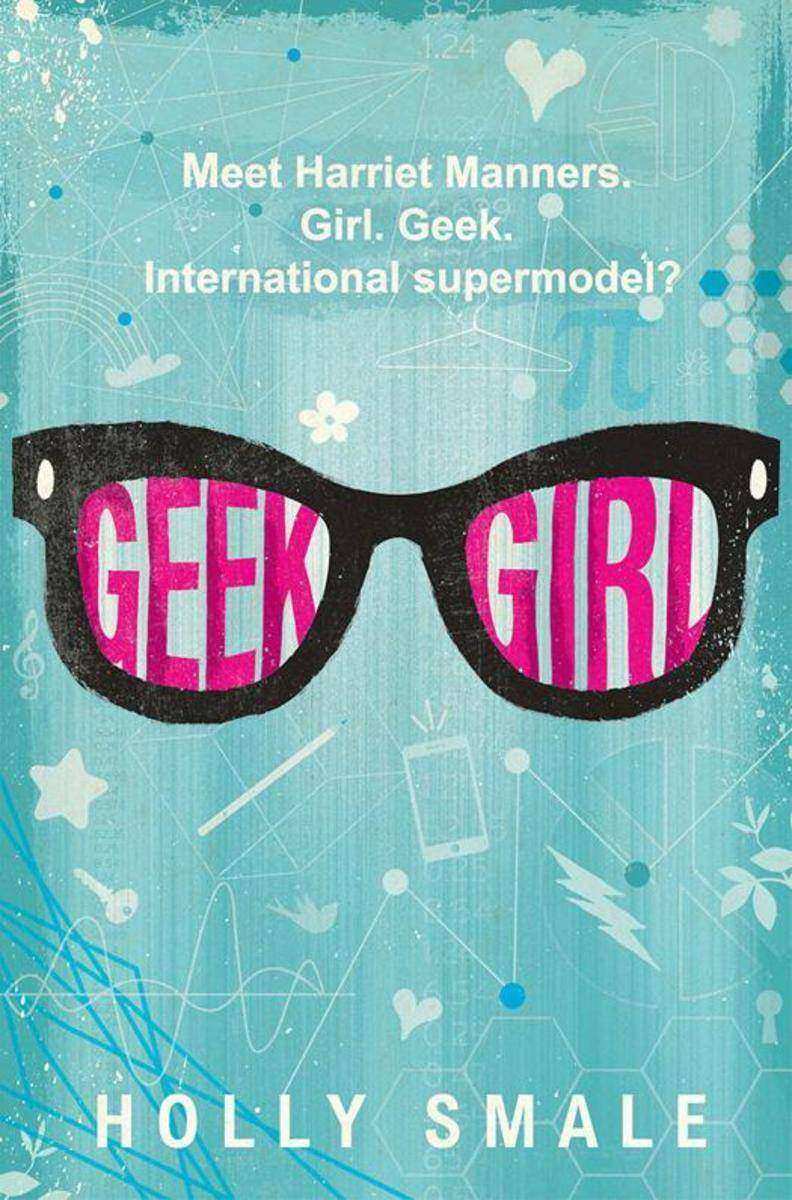
Geek Girl
¥55.93
Geek + runway = a runaway UK hit! Geek Girl is the first book in a hilarious, internationally bestselling series that's perfect for fans of Louise Rennison and The Princess Diaries.Harriet Manners is a geek. She always has been, and she thought she always would be—but when she's discovered by a modeling agent, she leaps at the chance to reinvent herself. There's only one problem: Harriet is the definition of awkward. Can she transform from geek to chic?
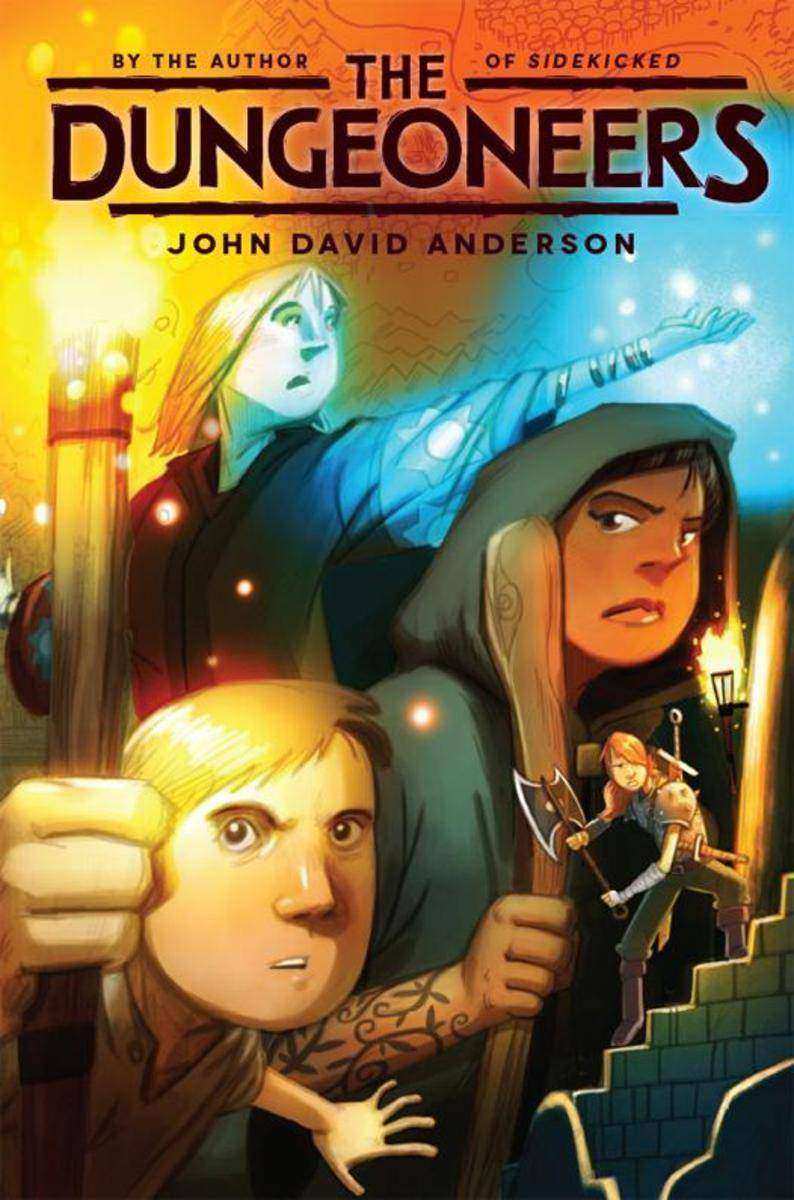
The Dungeoneers
¥39.13
The Dungeoneers is an action-packed, funny, and heartbreaking middle grade fantasy-adventure from the author of the acclaimed Sidekicked and Minion, John David Anderson.The world is not a fair place, and Colm Candorly knows it. While his parents and eight sisters seem content living on a lowly cobbler's earnings, Colm can't help but feel that everyone has the right to a more comfortable life. It's just a question of how far you're willing to go to get it.In an effort to help make ends meet, Colm uses his natural gift for pickpocketing to pilfer a pile of gold from the richer residents of town, but his actions place him at the mercy of a mysterious man named Finn Argos, a gilded-toothed, smooth-tongued rogue who gives Colm a choice: he can be punished for his thievery, or he can become a member of Thwodin's Legions, a guild of dungeoneers who take what they want and live as they will. Colm soon finds himself part of a family of warriors, mages, and hunters, learning to work together in a quest to survive and, perhaps, to find a bit of treasure along the way.
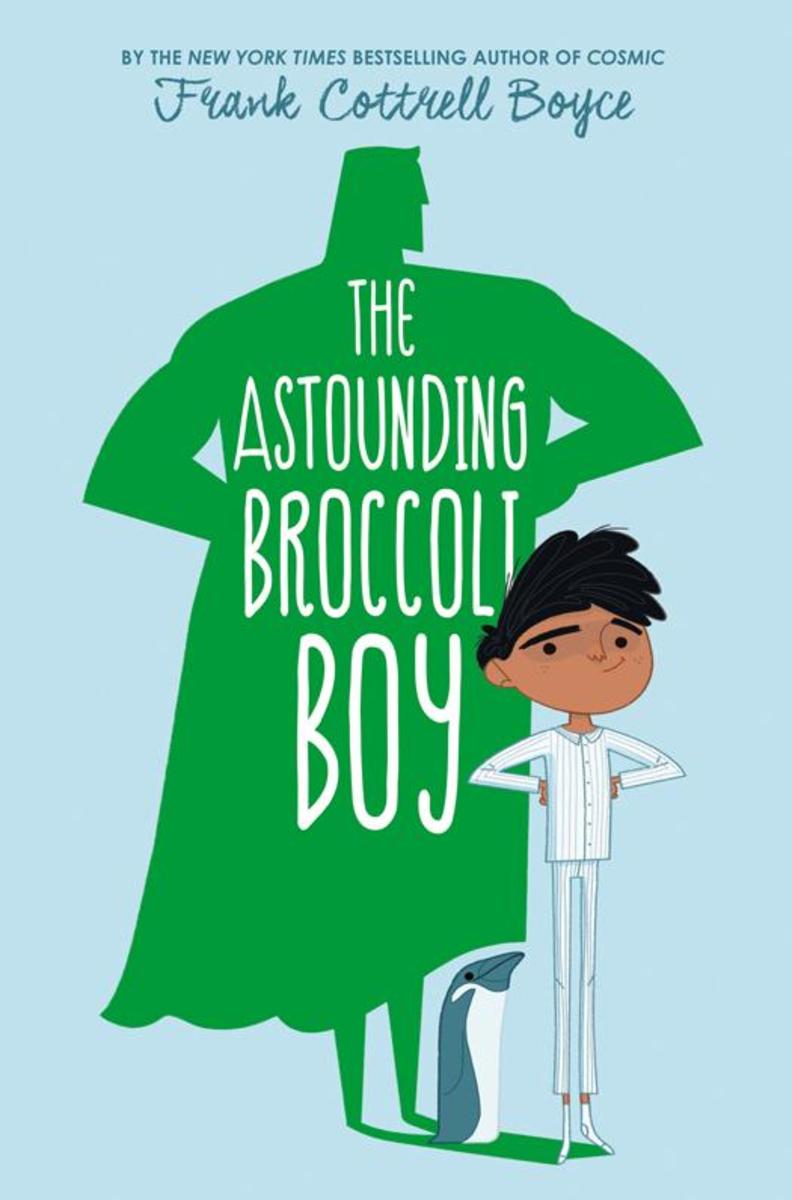
The Astounding Broccoli Boy
¥38.72
From Frank Cottrell Boyce—the beloved, award-winning, New York Times–bestselling author of Millions and Cosmic—comes another hilarious, heartbreaking, and completely original middle grade novel.Rory Rooney likes to be prepared for anything. That sort of planning pays off when you’re the smallest kid in your class. Rory is even prepared (mostly) for Tommy-Lee, his nemesis, who starts most days by throwing Rory out of the back of the school bus. Don’t be scared, his favorite book says, be prepared. And Rory aims to be. What’s more heroic than that?But Rory isn’t prepared when he suddenly and inexplicably turns green and finds himself stuck in an experimental hospital ward. The doctors are just as baffled as Rory is, and that’s when he begins to wonder: What if this isn’t caused by his genes, or a virus, or something he ateWhat if it’s something even more extraordinaryAfter all, more than a few superheroes’ careers began when they turned green. Could this be a sign that he’s meant for something greaterRory is going to find out—and that’s going to start with escaping from the hospital.?
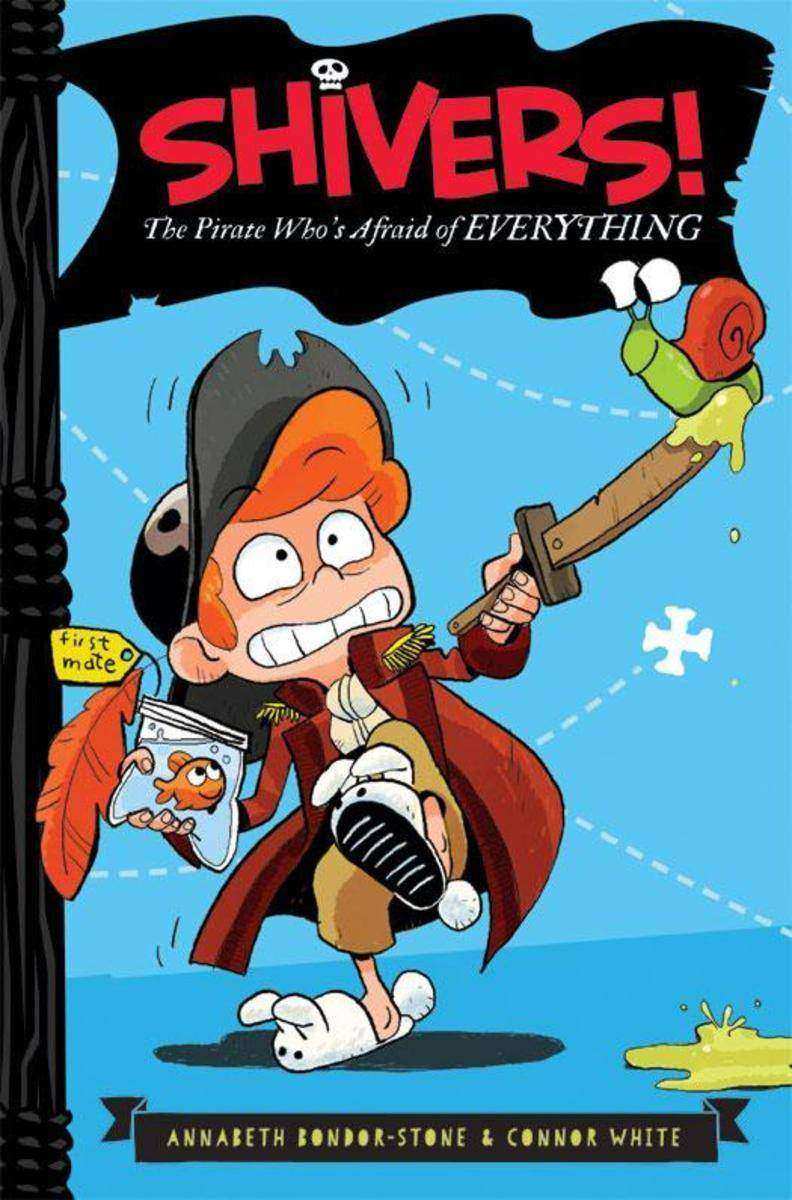
The Pirate Who's Afraid of Everything
¥72.71
Recommended for summer reading by The Huffington Post! When Shivers sets sail, adventure and laughs abound. Tom Watson, author of the Stick Dog seriesMeet Shivers, the scaredy-est pirate to ever sail the Seven Seas. Along with his best friend, Margo, and his loyal fishmate, Albee, Shivers battles a giant squid, discovers hidden treasures, and gets pooped on by a pigeon to save his parents from the clutches of evil. You'll laugh, you'll cry, you'll never eat snails again. So put on your pantaloons, batten down the hatches, and join Shivers on his first (but still very dangerous) adventure.Comic book like illustrations in each chapter bring Shivers to life and invite even the most reluctant readers to join the adventure.
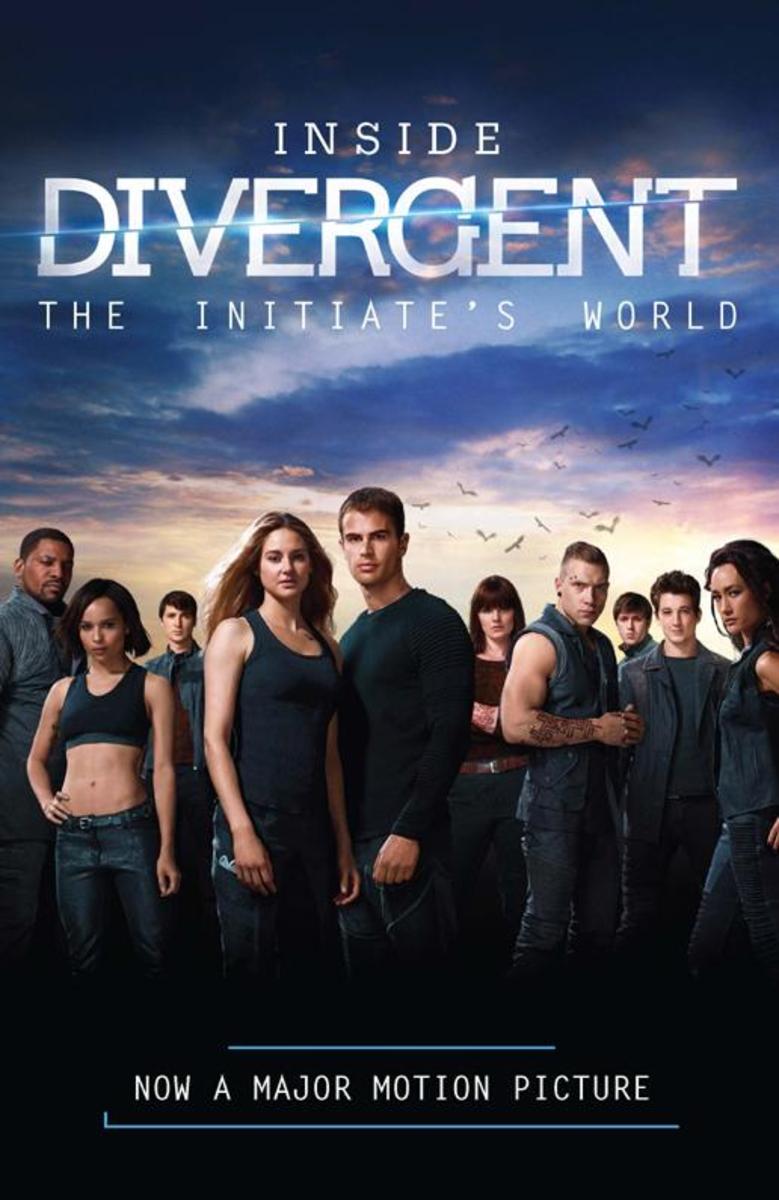
Inside Divergent: The Initiate's World 分歧者官方电影画册
¥55.93
Veronica Roth's #1 New York Times bestselling novel Divergent is now a major motion picture starring Shailene Woodley, Theo James, and Kate Winslet!This eye-catching volume takes you inside the film version of Divergent. With more than 100 photographs—many never before seen—Inside Divergent will immerse you in the thrilling dystopian world of futuristic Chicago, where you'll meet the initiates and discover the factions.
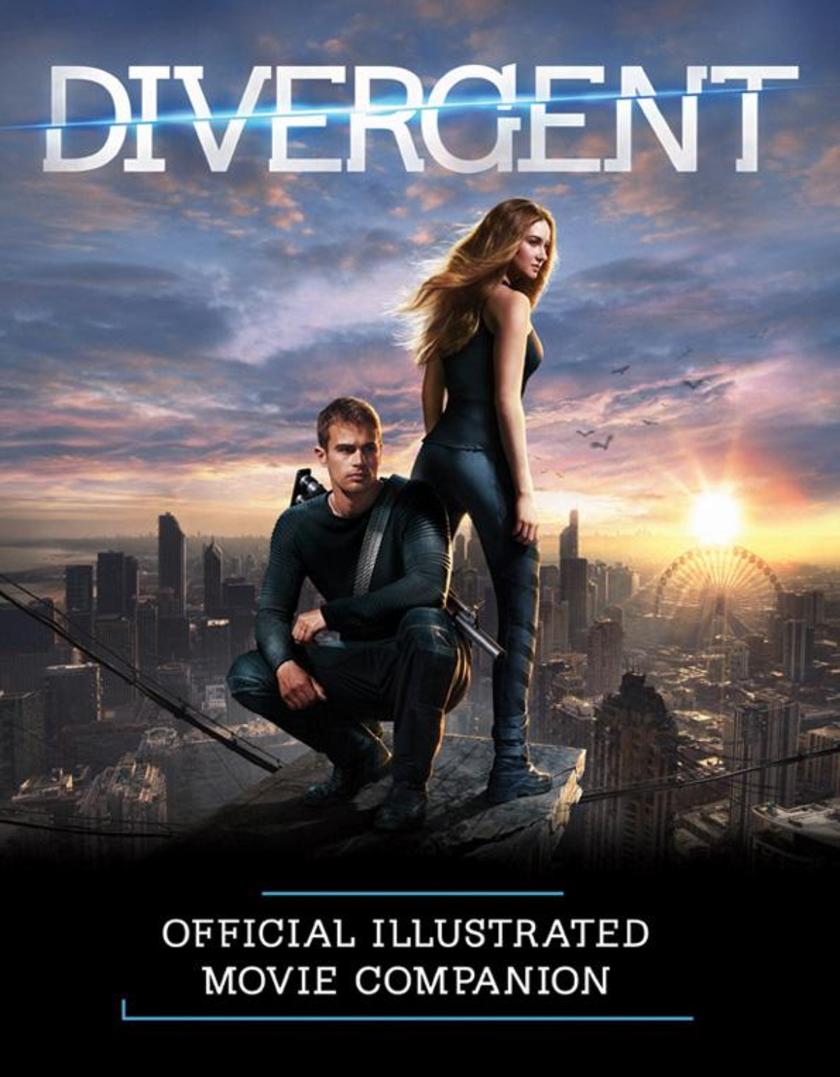
Divergent Official Illustrated Movie Companion 分歧者官方电影插图指南
¥101.00
Veronica Roth's #1 New York Times bestselling novel Divergent is now a major motion picture starring Shailene Woodley, Theo James, and Kate Winslet!With never-before-seen photos; personal interviews with the directors, actors, and writers; and exclusive extras, this lush, oversize volume is a true behind-the-scenes look at the filming of Divergent.
Guys Read: True Stories
¥44.25
Jon Scieszka's Guys Read anthology series for tweens turns to nonfiction in its fifth volume, True Stories. The fifth installment in the Guys Read Library of Great Reading features ten stories that are 100% amazing, 100% adventurous, 100% unbelievable—and 100% true. A star-studded group of award-winning nonfiction authors and journalists provides something for every reader, all aligned with the Common Core State Standards. Compiled and edited by real-life literature legend Jon Scieszka, Guys Read: True Stories is a mind-blowing collection of essays, biographies, how-to guides, and more, all proving that the truth is most definitely out there.Supports the Common Core State Standards
The Distance Between Lost and Found
¥55.33
Blending elements of Laurie Halse Anderson's Speak and Gary Paulsen's Hatchet, debut novelist Kathryn Holmes delivers a gripping story that author Richard Peck calls a "page-turner about several kinds of survival."Sophomore Hallie Calhoun has just endured the most excruciating six months of her life. Once the rumors about her and the preacher's son, Luke, made their way around school, her friends abandoned her, and Hallie has completely withdrawn.Now, on a hike in the Smoky Mountains with the same people who have relentlessly taunted her, Hallie is pushed to her limit. Then Hallie, outgoing newcomer Rachel, and Jonah—Hallie's former friend—get separated from the rest of the group. As days go by without rescue, their struggle for survival turns deadly. Stranded in the wilderness, the three have no choice but to trust one another in order to stay alive . . . and for Hallie, that means opening up about what really happened that night with Luke.From the catty atmosphere of high school to the unpredictable terrain of the mountains, this novel is a poignant, raw journey about finding yourself after having been lost for so long.
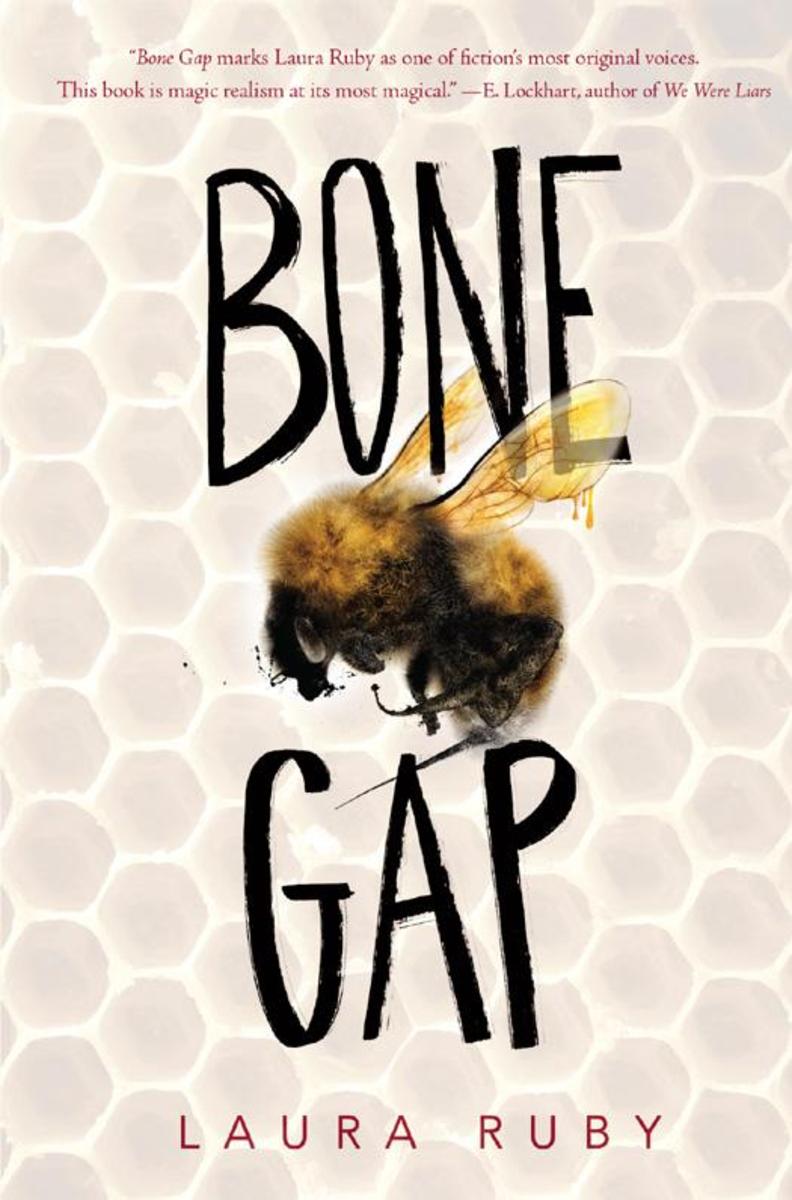
Bone Gap
¥55.93
A National Book Award Longlist Title"Bone Gap marks Laura Ruby as one of fiction's most original voices. She is capable of moving you to tears, terrifying you on deep and dreamlike levels, and making your heart shout with happiness. This book is magic realism at its most magical."—E. Lockhart, author of We Were LiarsBone Gap is the story of Roza, a beautiful girl who is taken from a quiet midwestern town and imprisoned by a mysterious man, and Finn, the only witness, who cannot forgive himself for being unable to identify her kidnapper. As we follow them through their melancholy pasts, their terrifying presents, their uncertain futures, acclaimed author Laura Ruby weaves a heartbreaking tale of love and loss, magic and mystery, regret and forgiveness—a story about how the face the world sees is never the sum of who we are.
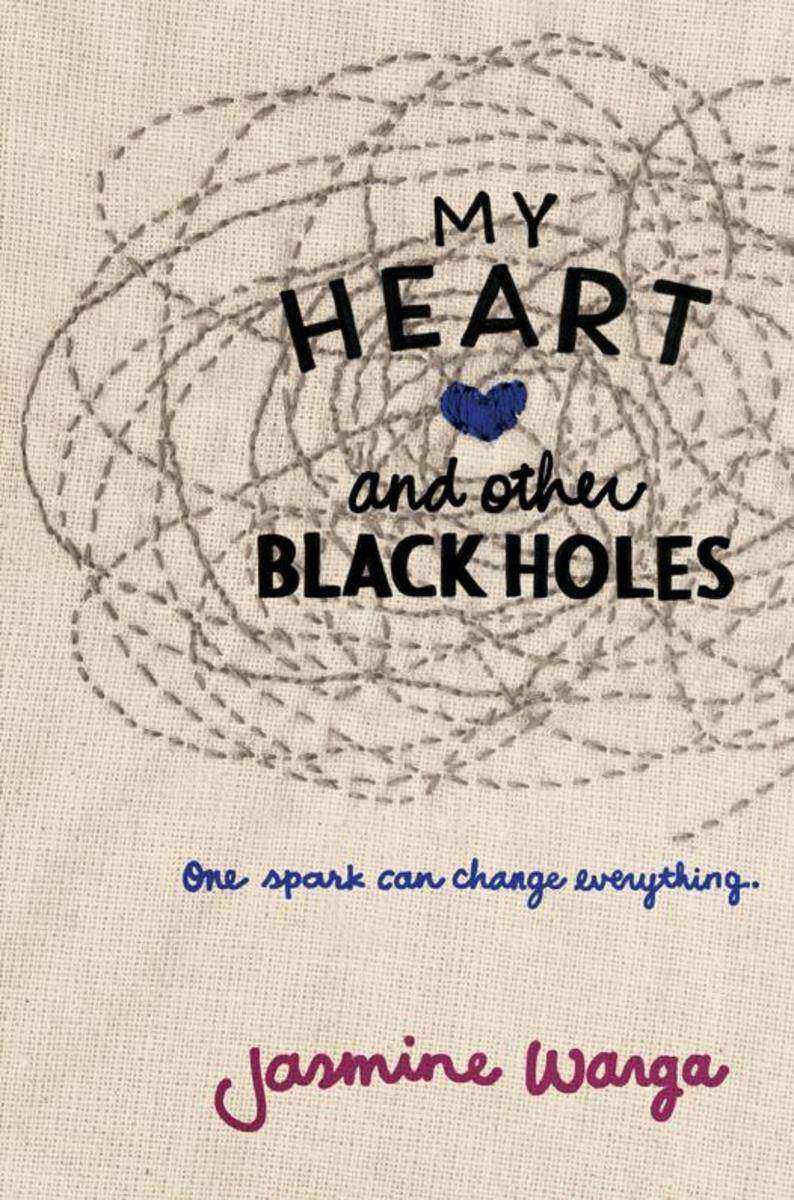
My Heart and Other Black Holes
¥100.71
A stunning novel about the transformative power of love, perfect for fans of Jay Asher and Laurie Halse Anderson.Sixteen-year-old physics nerd Aysel is obsessed with plotting her own death. With a mother who can barely look at her without wincing, classmates who whisper behind her back, and a father whose violent crime rocked her small town, Aysel is ready to turn her potential energy into nothingness.There's only one problem: she's not sure she has the courage to do it alone. But once she discovers a website with a section called Suicide Partners, Aysel's convinced she's found her solution—Roman, a teenage boy who's haunted by a family tragedy, is looking for a partner. Even though Aysel and Roman have nothing in common, they slowly start to fill in each other's broken lives. But as their suicide pact becomes more concrete, Aysel begins to question whether she really wants to go through with it. Ultimately, she must choose between wanting to die or trying to convince Roman to live so they can discover the potential of their energy together.
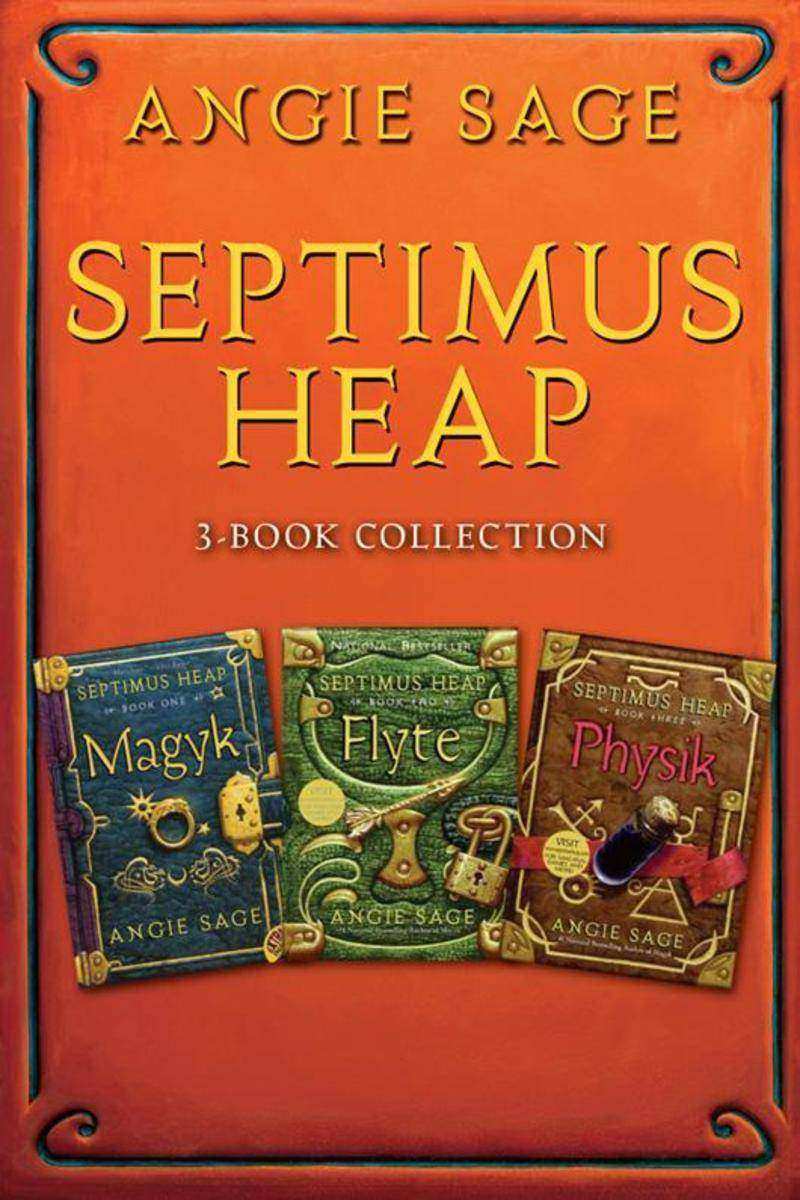
Septimus Heap 3-Book Collection
¥215.73
Fantasy adventure at its best! This collection contains the first three books in the New York Times bestselling Septimus Heap series: Magyk, Flyte, and Physik. Packed with action, humor, and magic, this series is perfect for fans of Fablehaven or Harry Potter.The series follows the enchanting and humorous adventures of Septimus Heap, who, as a seventh son of a seventh son, has magical powers. After he becomes the apprentice of the ExtraOrdinary Wizard, Marcia Overstrand, he starts his studies for seven years and a day to become an Ordinary Wizard (or maybe an ExtraOrdinary?). His adventures take place in a fictional world full of secrets and mysteries, a world where rats are messengers and can speak, a world where spells are common and where the dark forces are trying to penetrate.
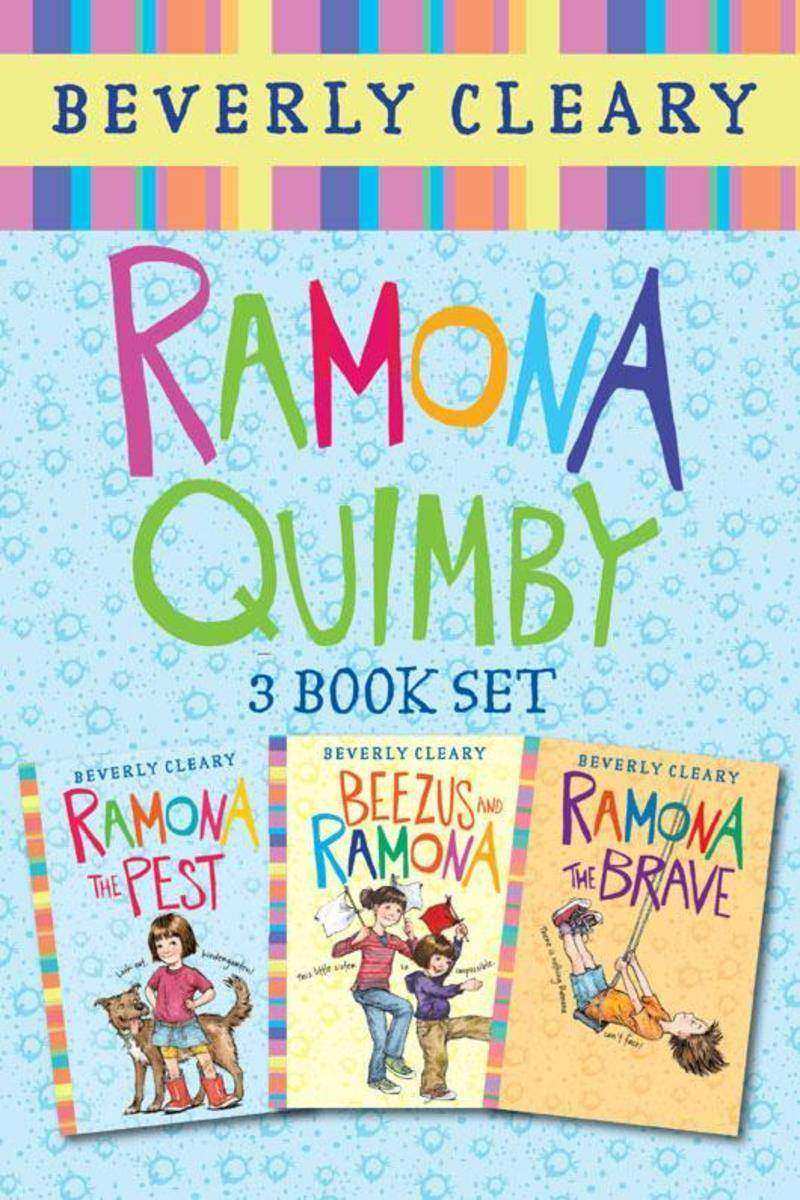
Ramona 3-Book Collection
¥174.42
Kids everywhere feel connected to Ramona's unique way of looking at the world as she tries to adjust to new teachers, feels jealous about Susan's curls, and is secretly pleased by Yard Ape's teasing. The scrapes she gets herself into—like wearing pajamas to school or accidentally making egg yolk shampoo—are funny and heartwarming, and sometimes embarrassing. No matter what, Ramona's lively, curious spirit shines through. This collection includes three favorites: Beezus and Ramona, Ramona the Pest, Ramona the Brave.

Lying Game Complete Collection
¥610.68
From Sara Shepard, the #1 New York Times bestselling author of the Pretty Little Liars books, comes a riveting new series about secrets, lies, and killer consequences. Separated at birth, twin sisters Emma Paxton and Sutton Mercer never had a chance to meet. And now they never will. Someone murdered Sutton and forced Emma into taking her place. Sutton can only watch from beyond the grave as Emma tries to figure out who killed her—and why. But as Emma digs deeper, the girls discover that the truth may be far more terrible than they'd ever imagined—and the killer may be a lot closer to home….This collection contains all six Lying Game novels, plus two digital original novellas, The First Lie and True Lies.

Tim Green's Baseball Collection
¥174.42
New York Times bestselling author and former NFL defensive end Tim Green delivers baseball tales with sports action and emotional heart that will keep kids on the edge of their seats. This collection contains three bestselling novels in the series.Pinch Hit: Trevor and Sam look alike. But their lives couldn't be more different. Trevor is a movie star, living the Hollywood life in a huge mansion with his own limo, pool, and bowling alley. There's nothing he doesn't have except the one thing he wants most: to play baseball for real. Sam is a regular kid who seems to have what it takes to make it to baseball's Major Leagues. He's determined to get the scouts at the big USC tournament to recognize his talent. When Sam signs up at Casting Central to make some extra money, he and Trevor come together on a movie set and see the chance to trade places—to pinch hit for each other and make everyone's dreams come true.Force Out: Joey and Zach have always been best friends. They're also two of the best baseball players in their league, and shoo-ins for the all-star team at the end of the season. Their dream is to play together on the Center State select team, and they will do anything to help each other get there. Then the boys learn there's only one open spot on the select team. Suddenly Joey and Zach go from being best friends to biggest rivals, and Joey has to decide his next move. He can play the biggest game of his life, or he can use a secret they share to force Zach out. How far should Joey go to win?New Kid: Tommy's the new kid in town—who now goes by the name Brock—and he's having a hard time fitting in. Thanks to a prank gone wrong, he may be able to settle in on the baseball team. But can he prove himself before he becomes a new kid . . . again?
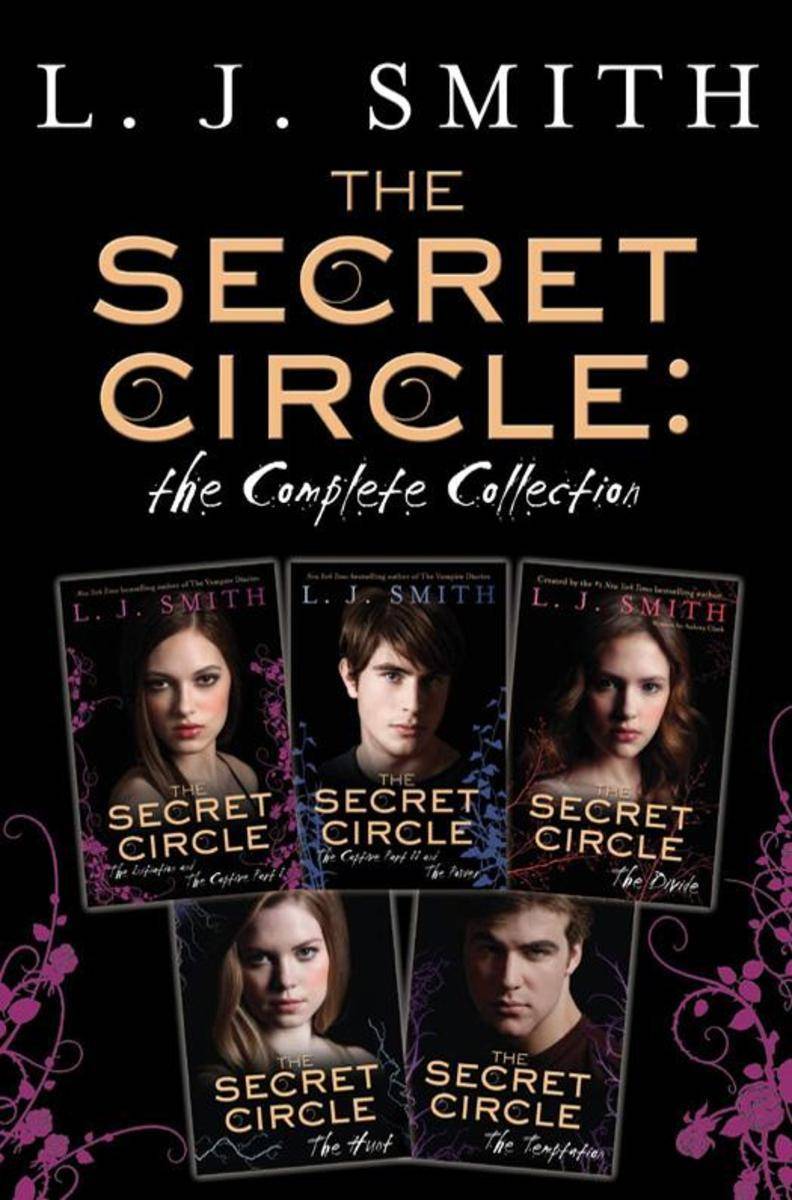
The Secret Circle: The Complete Collection
¥479.81
From the bestselling author of The Vampire Diaries L. J. Smith, comes a dangerously exciting tale of love, witchcraft, and the supernatural, perfect for fans of the Beautiful Creatures series. This collection includes all seven books in the series.The Secret Circle: The Initiation and The Captive Part I: Forced to move from sunny California to gloomy New England, Cassie longs for her old life. Even so, she feels a strange kinship to a terrifying group of teens who seem to rule her school. But when she falls for the mysterious and intriguing Adam, Cassie must choose whether to resist temptation or risk dark forces to get what she wants—even if it means that one wrong move could ultimately destroy her.The Secret Circle: The Captive Part II and The Power: Cassie has joined the most alluring—and deadly—in-crowd imaginable. But power comes with a price, and it's more dangerous than she knows. In the ultimate battle between good and evil, will Cassie's supernatural powers be strong enough to lead the coven out of danger?The Secret Circle: The Divide: For the first time since moving to New Salem, Cassie Blake feels normal. She's dating her soul mate Adam and making new friends in town. But the Circle is being hunted by an unknown enemy—and anyone could be the next victim. As they struggle to protect themselves, alliances are formed and relationships are tested. No one knows who to trust or who to fear. Will Cassie be able to save the Circle . . . and herself?The Secret Circle: The Hunt: Cassie's life is far from ordinary. Her best friends are a coven of witches and her relationship with her boyfriend, Adam, is written in the stars. But then Cassie's evil half sister surfaces, determined to take Cassie's place in the Secret Circle. And a band of powerful witch-hunters begins targeting the group, determined to destroy them. Will Cassie survive this ultimate battle between good and evil?The Secret Circle: The Temptation: Black John's curse has been unleashed on the Circle, and it is up to Cassie to set things right. As Cassie's heart is tested once more, she is forced to finally choose between Nick and Adam, and she faces the ultimate test of her power in this gripping showdown between good and evil.
Nothing Real Volume 2: A Collection of Stories
¥21.73
The second of three digital-only short story collections from teacher and writer for The New Yorker Claire Needell, about coming of age in contemporary America. These original stories are refreshingly honest, poignant, and humorous.This outstanding second digital-only collection of short stories from Claire Needell includes the memorable stories "Frank and Me," "Nothing Personal," "The Switch," and "Mom and Ginger Pete, A Love Story." Each story tells a unique and candid story of teenagers looking for love—from others, and from themselves.Epic Reads Impulse is a digital imprint with new releases each month.
The Islanders: Volume 1
¥55.93
On a small island it's easy to know everything about your friends . . . except for the truth. The first two books of bestselling authors Katherine Applegate and Michael Grant's beloved series about New England's most unforgettable teens are now available in one volume!Two years ago the tiny New England community on Chatham Island was rocked by tragedy—three teenagers had a terrible accident that left one dead. Now Lucas Cabral, the person responsible for the events on that fateful night, has returned. But life on the island isn't the same, and everyone Lucas once considered a friend refuses to speak to him. Everyone except for Zoey Passmore.Zoey knows that Lucas is off-limits . . . but she can't seem to stay away from him. Even though she knows it would be better for everyone if he had never come back. Even though she is dating Jake, the brother of the boy who died. As Lucas and Zoey grow closer, Zoey risks tearing apart her close-knit group of friends if they discover the truth . . . that she's falling for her boyfriend's worst enemy.Formerly known as Making Out #1: Zoey Fools Around and Making Out #2: Jake Finds Out.

The Islanders: Volume 2
¥55.93
The Islanders have known one another forever—but everyone has secrets. The third and fourth books in Katherine Applegate and Michael Grant's electrifying series reach a whole new audience in this gorgeous omnibus edition.Nina has never been very interested in having a boyfriend. Especially since the only guy she's ever really liked happens to be dating her sister, Claire. But when Ben and Claire break up, Nina begins to wonder if it's time she take a risk and put her heart on the line. The only problem is the other thing . . . the secret that Nina has never told anyone. The secret that has haunted her for years.Now Nina must decide if she can tell her friends the truth. And, if she does, whether it's possible Ben will ever look at her the same way again.Formerly known as Making Out #3: Nina Won't Tell and Making Out #4: Ben's in Love.
Tiny Pretty Things
¥61.52
Black Swan meets Pretty Little Liars in this soapy, drama-packed novel featuring diverse characters who will do anything to be the prima at their elite ballet school.Gigi, Bette, and June, three top students at an exclusive Manhattan ballet school, have seen their fair share of drama. Free-spirited new girl Gigi just wants to dance—but the very act might kill her. Privileged New Yorker Bette's desire to escape the shadow of her ballet star sister brings out a dangerous edge in her. And perfectionist June needs to land a lead role this year or her controlling mother will put an end to her dancing dreams forever. When every dancer is both friend and foe, the girls will sacrifice, manipulate, and backstab to be the best of the best.

Very in Pieces
¥99.65
In this coming-of-age novel perfect for fans of Susane Colasanti and Jandy Nelson, a straight-A student in a family of free-spirited artists must face the hard truths about those she loves most.Very Sayles-Woodruff could find the value of x with her eyes closed . . . but interpreting her mother's renowned paintings or her famous grandmother's poems don't come as easily. Even her younger sister, Ramona, has the same artistic leanings as the rest of their family. Very has always been the dependable, responsible one—until her grandmother becomes terminally ill, causing all of the pieces of Very's once-structured life to come crashing down. Now she's cast aside her steady boyfriend and started an unexpected fling with Dominic, a rebellious art student with a bad reputation.Things at home have also taken a turn. Very's mother drinks all day, her father is never around, and Ramona is constantly skipping school. And that's when the sculpture appears. Out of nowhere, a bottle cap design starts climbing up the stucco walls of the Sayles-Woodruff house, mysteriously growing by the day. With her grandmother nearing death and things heating up with Dominic, Very also has to confront the fact that the person behind the sculpture is struggling more than she could have imagined.
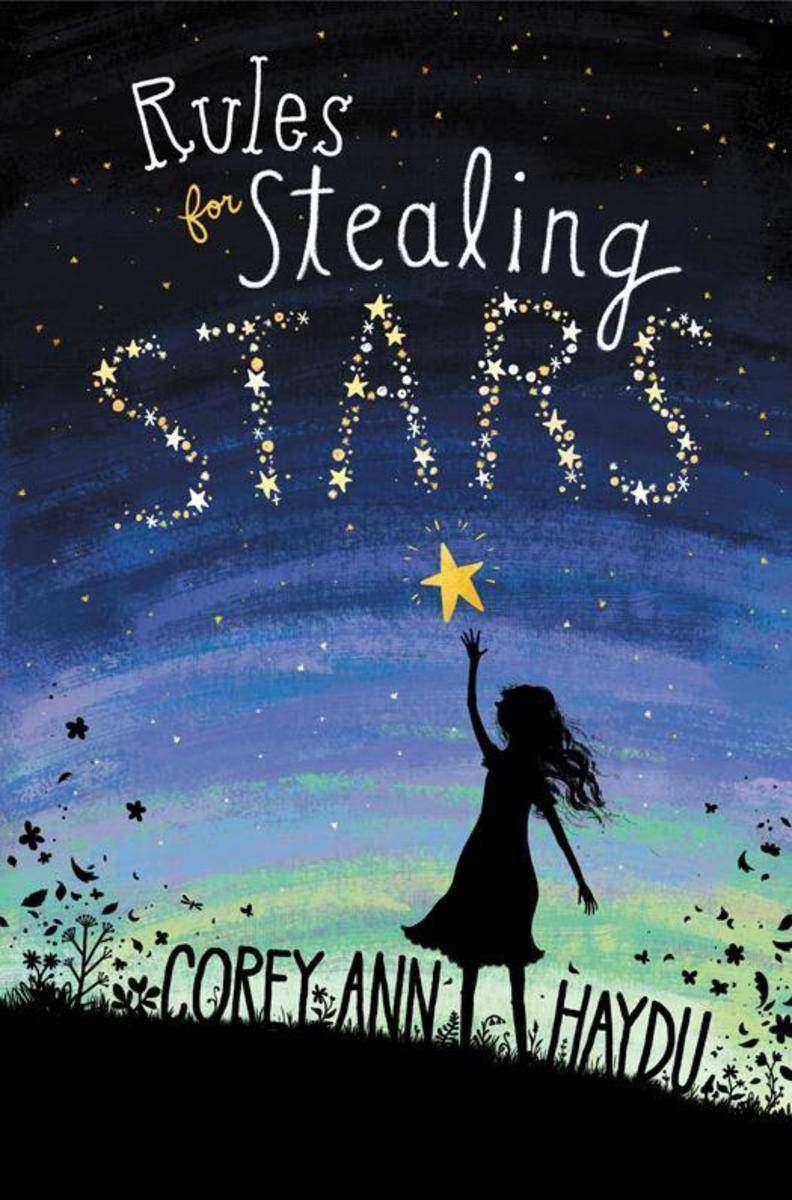
Rules for Stealing Stars
¥39.13
In the tradition of Sharon Creech and Wendy Mass, Corey Ann Haydu's sparkling middle grade debut is a sister story with a twist of magic, a swirl of darkness, and a whole lot of hope.Silly is used to feeling left out. Her three older sisters think she's too little for most things—especially when it comes to dealing with their mother's unpredictable moods and outbursts. This summer, Silly feels more alone than ever when her sisters keep whispering and sneaking away to their rooms together, returning with signs that something mysterious is afoot: sporting sunburned cheeks smudged with glitter and gold hair that looks like tinsel.When Silly is brought into her sisters' world, the truth is more exciting than she ever imagined. The sisters have discovered a magical place that gives them what they truly need: an escape from the complications of their home life. But there are dark truths there, too. Silly hopes the magic will be the secret to saving their family, but she's soon forced to wonder if it could tear them apart.


